Textile Conveyor Belt Suppliers and Manufacturers
Source Textile Conveyor Belt options from 28 verified suppliers in China. Compare key dimensions including ISO certifications, lead times, MOQs, and response speeds. Review product specifications and request quotes directly to streamline your procurement process; review the available evidence before requesting comparable quotations from suitable candidates.
Updated
Suppliers List

Hebei Jiuzhou Rubber Technology Co., Ltd.
- Manufacturer
- China Hebei
- Lead time23 days
- Avg. response≤ 25h
Main productsConveyor Belt, Steel Cord Conveyor Belt, PVC/Pvg Conveyor Belt, Solid Woven Fire Resistant Conveyor Belt, Nylon Conveyor Belt, Ep Conveyor Belt, Sidewall Conveyor Belt, Rubber Conveyor Belt, Rubber Belt, General Use Conveyor Belt
Main marketsSoutheast Asia/ Mideast,North America

Shandong Longli Belts Co., Ltd.
- Verified by BV
- Trading Company,Manufacturer/Factory,Group Corporation
- China Shandong
- Lead time23 days
- Avg. response≤ 7h
Main productsConveyor Belt, Rubber Conveyor Belt, Sidewall Conveyor Belt, Pipe Conveyor Belt, Steel Cord Conveyor Belt, Rubber Hose, Conveyor Belting, Transport Belting, Belt Conveyor, Transport Machine
Main marketsSouth America,Eastern Europe,Mid East,North America,Southeast Asia,Eastern Asia,Western Europe,Africa


Cotton Conveyor Belt, Sidewall Rock Conveyor Belt, Cotton Sidewall Belt
$10.00 - $15.00
MOQ: 100 Meters

SHANDONG RESPOWER INDUSTRIAL CO., LTD.
- Manufacturer/Factory
- China Shandong
- Lead time23 days
- Avg. response≤ 7h
Main productsConveyor Belt, Rubber & PVC Hose, Conveyor Components, Crusher Spare Parts, Electric Motor & Gear Box, Related Industrial Products, Hardware Tools
Main marketsSouth America,Eastern Europe,Mid East,North America,Southeast Asia,Eastern Asia,Oceania,Western Europe,Africa

SUN HONG PAPER TECH XUZHOU LTD
- Verified by BV
- Manufacturer/Factory
- China Jiangsu
- Lead time23 days
- Avg. response≤ 1h
Main productsForming Fabric, Press Felt, Dryer Fabric, Screen Basket, Press Roll, Dryer Cylinder, Cylinder Mould, Doctor Blade, Vacuum Suction Cover, Hydrapulper
Main marketsSouth America,Eastern Europe,Mid East,Southeast Asia,Eastern Asia,Oceania,Africa
Beijing PFM Screen Trading Co., Ltd.
- Verified by TüVRheinland
- Manufacturer, Trading Company
- Lead time5 days
- Avg. response≤ 2h
Main productsFilter Mesh, Paper Machine Clothing, Mesh Filter Bag, Wire Mesh Filters, Industrial Conveyor Belt
Main marketsNorth America(20%), Western Europe(20%), Eastern Europe(10%)

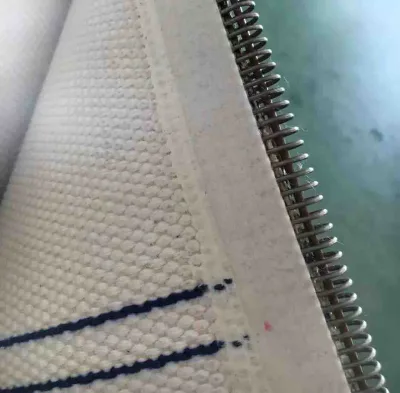
10mm Thickness Polyester Woven Corrugated Cardboard Conveyor Belt for Corrugated Machine
$74.00 - $78.00
MOQ: 10 square
Baoding Huayun Conveyor Machinery Co., Ltd.
- Manufacturer, Trading Company
- Hebei Province, China
- Lead time30 days
- Avg. response≤ 3h
Main productsConveyor Roller,Conveyor Pulley,Conveyor Idler Bracket,Conveyor Belt,conveyor bracket
Main marketsDomestic Market(55.00%), Africa(12.15%), Mid East(7.25%), Southeast Asia(7.10%), Southern Europe(6.95%), Western Europe(2.15%), South Asia(2.05%), South America(2.00%), North America(1.95%), Oceania(1.85%), Eastern Europe(1.55%)

Ningbo Sinoconve Belt Co., Ltd.
- Verified by TUVRHEINLAND
- Trading Company,Manufacturer/Factory
- China Zhejiang
- Lead time0 days
- Avg. response≤ 4h
Main productsV Belt, Timing Belt, Transmission Belt, Conveyor Belt, Conveyor Roller, Cogged V Belt, Pk Belt, Conveyor Belt Fastener


High Quality Robust Performance in Harsh Conditions Rubber Conveyor Belt
$5.00 - $20.00
MOQ: 10 Meters
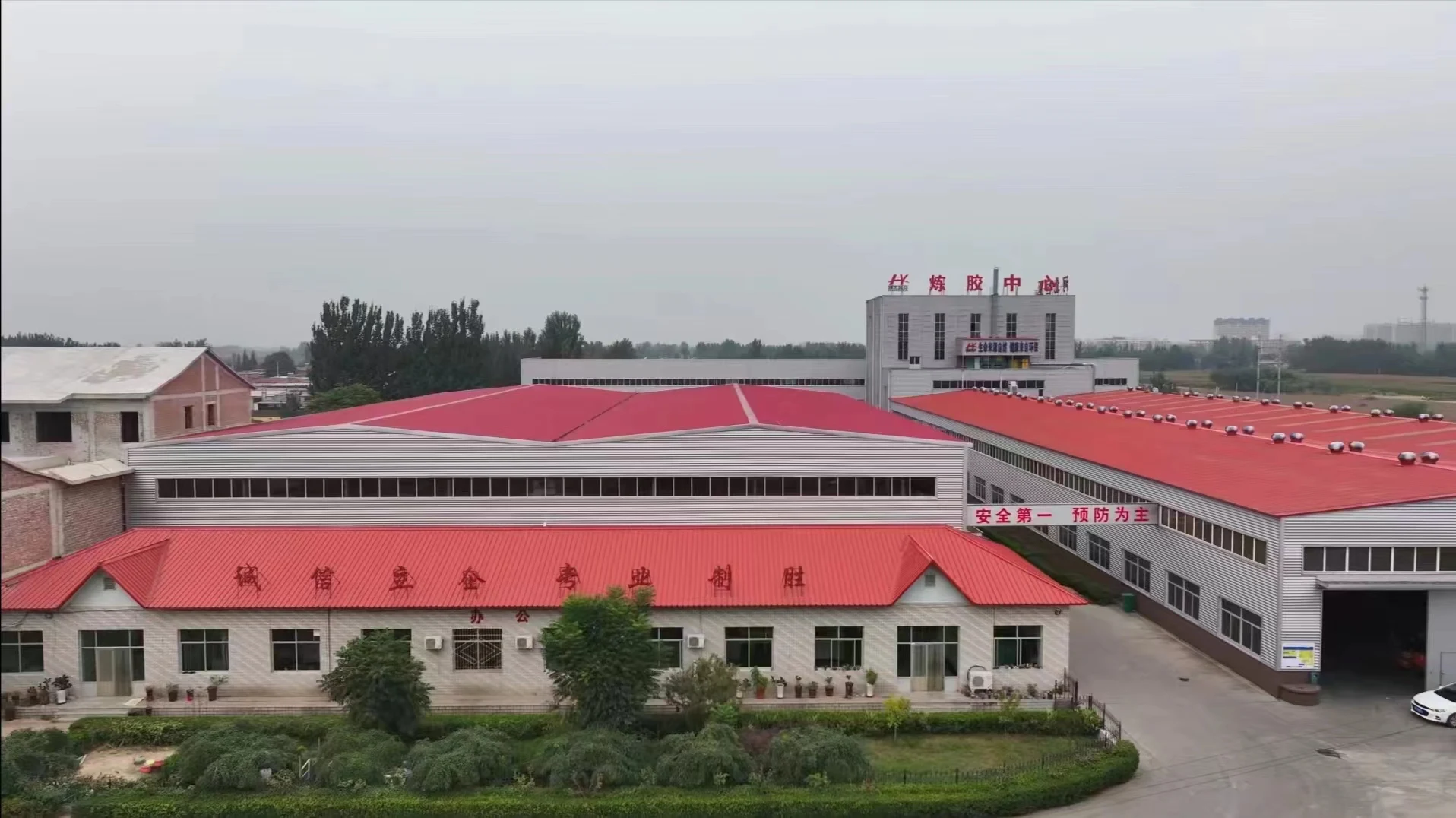
Hebei Hengya Conveyor Equipment Co., Ltd.
- Manufacturer, Trading Company
- Hebei, China
- Lead time45 days
- Avg. response≤ 1h
Main productsconveyor belt,conveyor rollers,touch roller,conveyor,rubber conveyor belt
Main marketsSoutheast Asia(8.00%), North America(5.00%), Africa(3.00%)
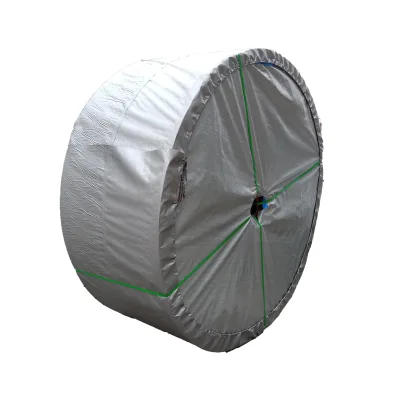
Airport Luggage Conveyor Belt Truck Load Belt Conveyor Wire Mesh Conveyor Belt
$4.7573 - $5.1702
MOQ: 50 meters
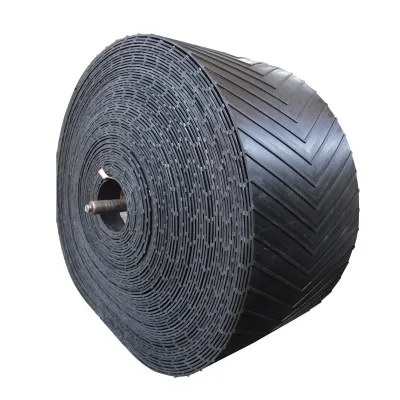
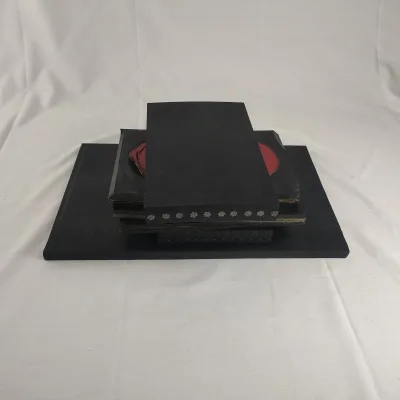
Conveyor Belts for Glass Bottle Polyester Cotton Conveyor Belt Light Duty Rubber Conveyor Belt
$4.60 - $5.00
MOQ: 50 meters
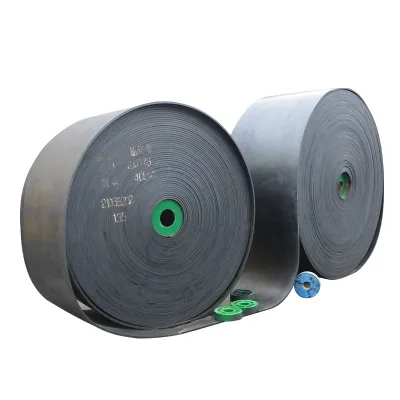
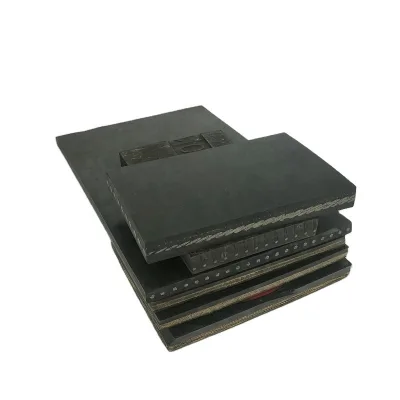
Rock Conveyor Belt Guard Rail Conveyor Belt High Quality Airport Conveyor Belts
$4.7857 - $5.2031
MOQ: 50 meters
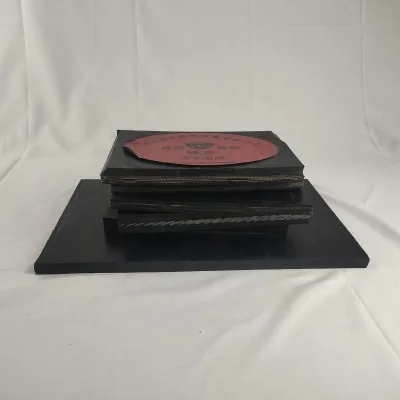
pp Bag Conveyor Belt Polyester Cotton Conveyor Belt High Quality Airport Conveyor Belts
$4.60 - $5.00
MOQ: 50 meters
Guangdong Aimai Industrial Technology Co., Ltd.
- Manufacturer, Trading Company
- Lead time旺季: "1 - 3000":15,"> 3000":"To be negotiated", 淡季: "1 - 3000":15,"> 3000":"To be negotiated"
- Avg. response≤ 3h
Main productsPU/PVC/Silicone/PVK Conveyor Belt, PU/Rubber Timing Belt, PU Coating Conveyor Roller, Conveyor Roller, Conveyor Belts
Changying Rubber (chongqing) Co., Ltd.
- Verified by Intertek
- Trading Company
- Lead time0 days
- Avg. response≤ 7h
Main productsConveyor Belts, Rubber Belts
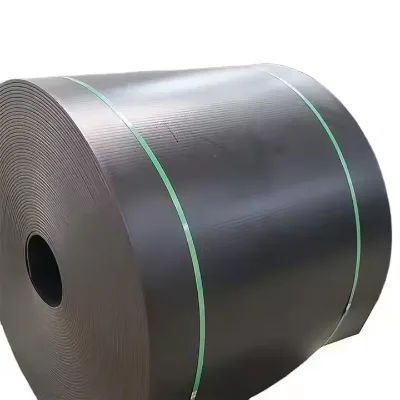
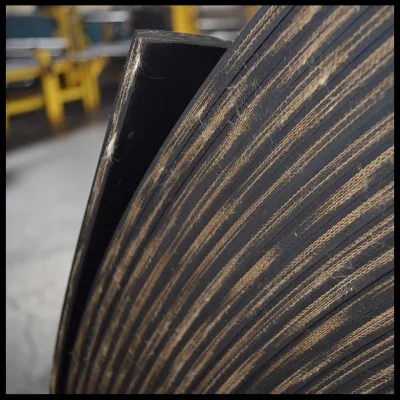

$2.1931 - $3.6757
MOQ: 50 square
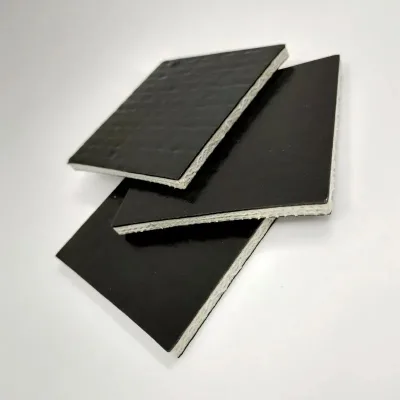
Cost Effective Custom Size Antislip Nylonl Fabric Solid Woven Conveyor Belt for Mine Conveying
$1.25 - $3.53
MOQ: 50 square

Ningbo Ville Enterprise Co.,Ltd.
- Verified by BV
- Trading Company
- China Zhejiang
- Lead time30 days
- Avg. response≤ 9h
Main productsElectric Arc Furnace, Furnace Parts, Steelmaking Equipments, Copper Steel Composite Plate, Conductive Arm, Ladle, Scrap Basket, Port Machinery, Conveyor Parts, Crane
Main marketsSouth America,Africa,Southeast Asia/ Mideast,Europe
Anshan Anza Electronic Power Co., Ltd.
- Trading Company
- Lead time旺季: "1 - 1":10,"> 1":"To be negotiated", 淡季: "1 - 1":10,"> 1":"To be negotiated"
- Avg. response≤ 6h
Main productstractor parts,tires,walking tractors,farm machines,MTZ parts
Wuxi Jingtian Transmission Technology Co., Ltd.
- Manufacturer, Trading Company
- Jiangsu, China
- Lead time3 days
- Avg. response≤ 4h
Main productsConveyer Belt,Transmission belt,Timing Pulley,pvc pu conveyor belt,timing belt
Main marketsEastern Asia(10.00%), Mid East(10.00%), Northern Europe(10.00%), Africa(10.00%), Southeast Asia(10.00%), Central America(10.00%), South America(10.00%), North America(10.00%), Southern Europe(5.00%), Oceania(5.00%), Eastern Europe(5.00%), Western Europe(5.00%)

NINGBO KILOMEGA INTERNATIONAL TRADE CO., LTD.
- Verified by BV
- Trading Company,Manufacturer/Factory
- China Zhejiang
- Lead time45 days
- Avg. response≤ 1h
Main productsRubber Conveyor Belt, Rubber Belt, Conveyor Roller, Transmission Belt, Screen Mesh, Conveyor Accessories, Crusher Spare Parts, Motor Gearbox, Chevron Conveyor Belt
Main marketsSouth America,Eastern Europe,Mid East,North America,Southeast Asia,Eastern Asia,Oceania,Western Europe,Africa
Yijun New Materials Technology (suzhou) Co., Ltd.
- Verified by Intertek
- Manufacturer, Trading Company
- Lead time35 days
- Avg. response≤ 3h
Main productsRubber Conveyor Belt, PVC Conveyor Belt, PU Conveyor Belt, Felt Conveyor, Timing Belt

Qingdao Youchuang Packaging Equipment Co., Ltd.
- Combined
- China Shandong
- Lead time30 days
- Avg. response≤ 4h
Main productsShrink Wrapper, Strapper, Pallet Wrapper, Vacuum Package Machine, Carton Erector, Case Sealer, Conveyor
Main marketsSouth America,Africa,Southeast Asia/ Mideast,East Asia(Japan/ South Korea),Domestic,Europe,Australia,North America
Hebei Ssangyong Rubber Co., Ltd.
- Verified by TüVRheinland
- Manufacturer, Trading Company
- Lead time13 days
Main productsConveyor Belt, Conveyor Roller
Main marketsDomestic Market(48%), Southeast Asia(18%), Mid East(13%)
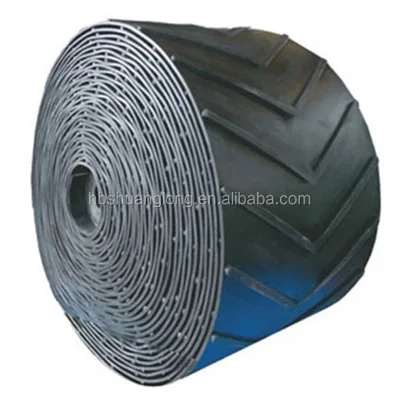
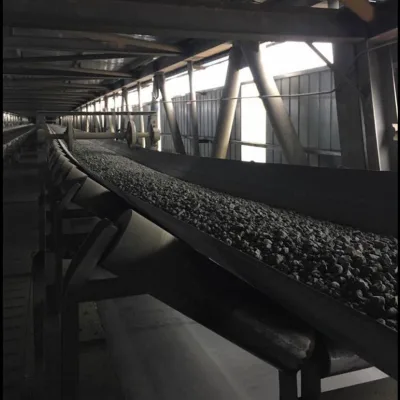
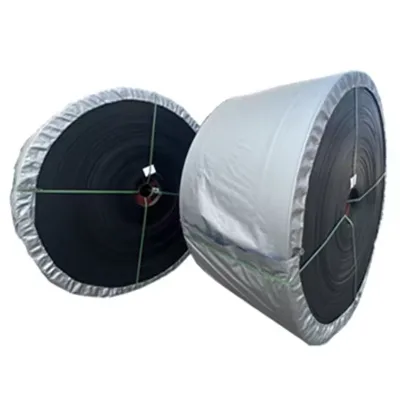
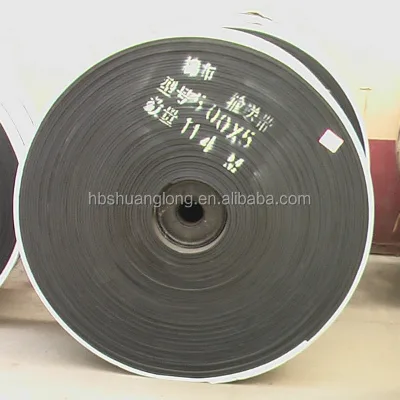
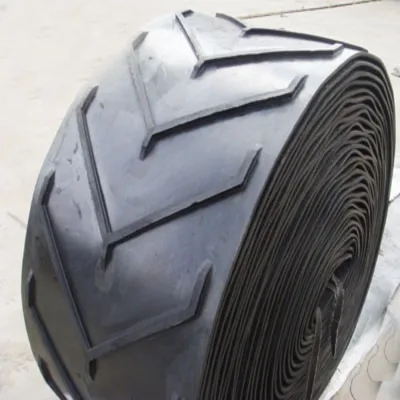
Rubber Conveyor Belt Material Handling Double Layer Conveyor Belt System Price Made in China
$5.49 - $30.37
MOQ: 100 Minimum

- Manufacturer/Factory
- China Shandong
- Lead time23 days
- Avg. response≤ 3h
Main productsHydraulic Hose, Welding Hose, Rubber Hose, Conveyor Belt, Air Hose, Water Hose, Rubber Sheet, Rubber Tiles, V Belt, Fittings
Main marketsSouth America,Eastern Europe,Mid East,North America,Southeast Asia,Eastern Asia,Oceania,Western Europe,Africa
Hebei Hengguang Conveyor Machinery Manufacturing Co., Ltd.
- Verified by Intertek
- Manufacturer, Trading Company
- Lead time7 days
- Avg. response≤ 2h
Main productsRoller, Conveyor Belt, Mining Conveyor, Pulley, Large Angle Conveyor
Main marketsDomestic Market(70%), Southeast Asia(10%), Mid East(10%)
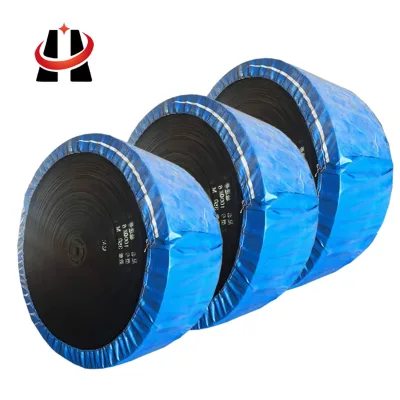
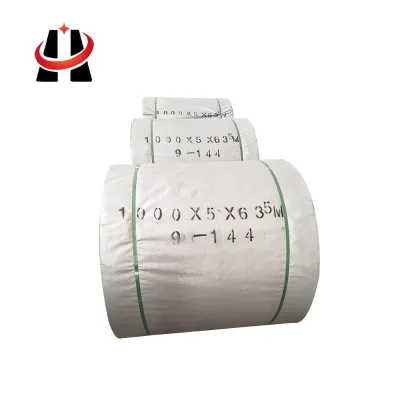
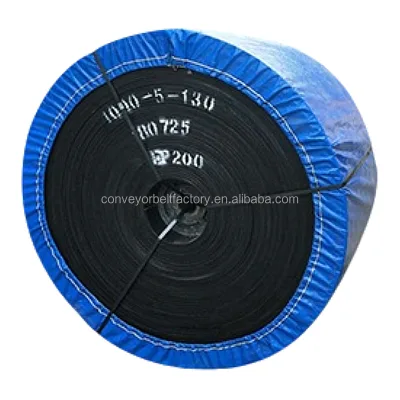
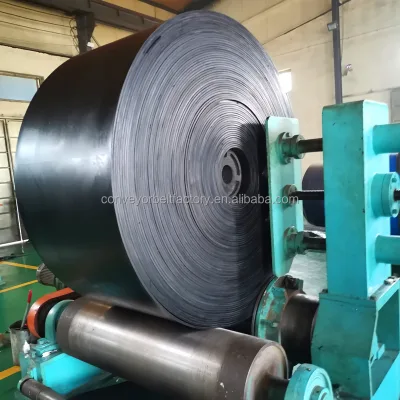
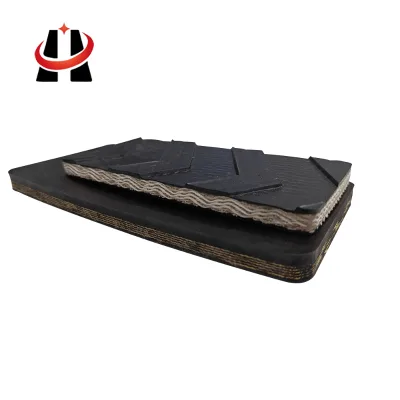
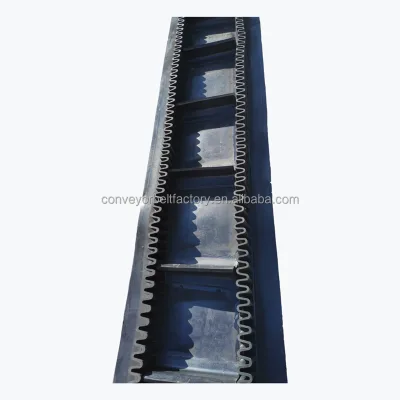
High Quality and Durable Skirt Rubber Belt Large Inclination Conveying Belt of Belt Conveyor
$12.511 - $16.6804
MOQ: 50 meters
Shenqiu Chengyuan Industry Co., Ltd.
- Manufacturer
- Henan, China
- Lead time0 days
- Avg. response≤ 1h
Main productsnonwoven forming fabric belt,Horizontal vacuum filter belt,Polyester square mesh,Polyester Forming Fabric Molding Screen For Paper Board Machines,Spiral mesh belt
Main marketsSouth America(40.00%), Southeast Asia(20.00%), Eastern Europe(20.00%), North America(20.00%)
Yancheng Harriston Int'l Co., Ltd.
- Verified by TüVRheinland
- Manufacturer, Trading Company
- Lead time20 days
- Avg. response≤ 11h
Main productsAgricultural Harvester, Agricultural Tractor, Rotary Tiller, Agricultural Attachment, Agricultural Spare Parts
Main marketsSoutheast Asia(30%), Africa(20%), South America(15%)

Xuanze Industrial Drive Systems (Shanghai) Co., Ltd.
- Verified by BV
- Trading Company
- China Shanghai
- Lead time15 days
- Avg. response≤ 2h
Main productsPU & PVC &Pvk Conveyor Belts, Timing Belts, Rubber Belt, Link V Belt, Flat Belt, Round Belt, Ziplink Flexible Belts, Seamless Belt
Main marketsSouth America,Southeast Asia/ Mideast,East Asia(Japan/ South Korea),Domestic,Europe,North America

Cotton Conveyor Belt Designed for Machine and Factory Applications
$20.00 - $25.00
MOQ: 10 Square Meters


- Verified by TUVRHEINLAND
- Combined
- China Shandong
- Lead time30 days
- Avg. response≤ 3h
Main productsAir Bladder Support Gate, Rubber Filter Belt, Rubber Conveyor Belt, Pneumatically Operated Spillway Gate, Rubber Dam
Main marketsSouth America,Africa,Southeast Asia/ Mideast,East Asia(Japan/ South Korea),Europe,North America

Qingdao Grand Rubbers Co., Ltd
- Verified by BV
- Trading Company,Manufacturer/Factory,Group Corporation
- China Shandong
- Lead time23 days
- Avg. response≤ 1h
Main productsMulti-Ply Fabric Conveyor Belt, Steel Cord Conveyor Belt, Corrugated Sidewall Conveyor Belt, Heat Resistant Conveyor Belt, Fire Resistant Conveyor Belt, Chevron Conveyor Belt, White Conveyor Belt, Cow Mat, Rubber Sheet, Rubber Lining
Main marketsSouth America,Eastern Europe,Mid East,North America,Southeast Asia,Eastern Asia,Oceania,Western Europe,Africa


Fabric Conveyor Belt with Excellent Flexibility and Dimensional Stability Performance
$6.90 - $8.90
MOQ: 50 Meters

Fabric Conveyor Belt with Superior Oil Resistance for Continuous Operation
$7.90 - $9.90
MOQ: 50 Meters

Nn Fabric Conveyor Belt Designed for Flexible and Reliable Material Conveying
$6.90 - $8.90
MOQ: 50 Meters

Li&Li Mechanical (Guangzhou) Corporation
- Verified by TUVRHEINLAND
- Combined
- China Guangdong
- Lead time30 days
- Avg. response≤ 13h
Main productsMixing Tank, Reactor, IBC Tank, Filling Machine, Vacuum Emulsifying Mixer, Heat Exchanger, Storage Tank, Tail Gas Recovery Tower, Planetary Stirrer, Stainless Steel Barrel Drum
Main marketsNorth America
Hengshui Huante Rubber Technology Co., Ltd
- Verified by SGS Group
- Manufacturer, Trading Company
- Lead time0 days
- Avg. response≤ 3h
Main productsRubber Products, Plastic Products, Potato harvester accessories
Main marketsDomestic Market(70%), Western Europe(20%), Africa(10%)

LIUYANG CHENG LI CONVEYING MACHINERY CO., LTD.
- Verified by BV
- Combined
- China Guangdong
- Lead time15 days
- Avg. response≤ 3h
Main productsConveyor Roller, Conveyor Parts, Belt Cleaner, PU Conveyor Belt, Conveyor Pulley, Rubber Conveyor Belt, Gravity Roller, Conveyor Belt, Conveyor Brackets, PVC Conveyor Belt
Main marketsSoutheast Asia/ Mideast,Europe

Rubber-Fabric Rubber Belt Conveyor Belting Conveyer Vulcanized Rubber Belt
$1.00 - $1.20
MOQ: 50 Meters

Liaoning Yanjia Industrial Co., Ltd.
- Manufacturer
- Liaoning, China
- Lead time15 days
- Avg. response≤ 3h
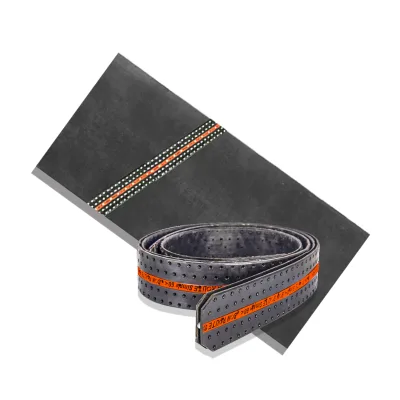
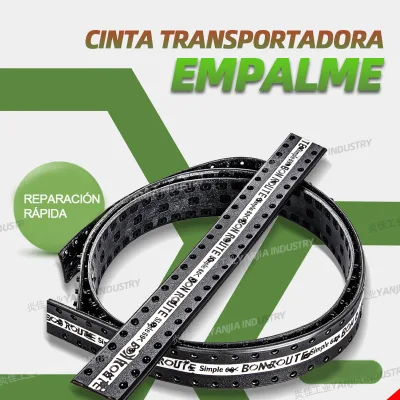
Main productsConveyor Belt Connector
Main marketsDomestic Market(35.00%), Western Europe(20.00%), North America(12.00%), Southeast Asia(8.00%)













Comprehensive Sourcing Guide
Textile Conveyor Belt Supplier Concentration and Factory Types
The current supplier landscape for textile conveyor belts reveals a distinct geographic concentration in China, with specific manufacturing hubs identified in Hebei and Shandong provinces. These regions serve as primary centers for production, indicating that buyers seeking direct factory access should prioritize sourcing from these established industrial clusters. The presence of manufacturers in Hebei suggests a mature supply chain for rubber and fabric-based conveyor solutions, while Shandong-based entities often operate as larger group corporations or trading companies that may also include manufacturing capabilities. This geographic clustering allows for efficient logistics and specialized labor pools, which can significantly impact the overall cost structure and delivery speed for international buyers. Understanding this spatial distribution is crucial for narrowing down potential partners and ensuring that the selected supplier has the necessary infrastructure to handle large-scale orders.
Supplier types vary significantly across these regions, ranging from pure manufacturers to trading companies and group corporations. Many suppliers in the current results identify as manufacturers, offering OEM and ODM services, which provides flexibility for custom branding and specific technical requirements. Others operate as trading companies or group corporations, which may offer a broader range of related products such as rubber hoses, conveyor components, or even electric motors. This diversity in business models means that buyers must carefully assess whether they need a direct factory relationship for cost savings or a trading partner for consolidated sourcing and broader product availability. The distinction is vital because it affects not only pricing but also communication efficiency, quality control processes, and the ability to handle complex customization requests.
How to Verify Textile Conveyor Belt Suppliers
Verification is a critical step in ensuring that the supplier you select meets your quality and reliability standards. One of the most effective methods is to check for third-party verification badges, such as BV (Bureau Veritas), which indicates that the supplier has undergone a rigorous audit process. In the current results, some suppliers display BV verification, providing an additional layer of confidence in their operational legitimacy. Beyond verification badges, buyers should scrutinize the supplier’s system certifications, which often include ISO 9001, ISO 14001, and OHSAS 18001. These certifications demonstrate a commitment to quality management, environmental responsibility, and occupational health and safety, which are essential for maintaining consistent product quality and ethical manufacturing practices.
Another key aspect of verification is assessing the supplier’s response time and communication efficiency. The data shows varying response times, with some suppliers responding within hours, which is crucial for resolving technical queries or negotiating terms quickly. Buyers should also verify the supplier’s production capacity and lead times, as these factors directly impact your supply chain stability. For instance, some suppliers list specific lead times, such as 23 days, which helps in planning inventory and production schedules. Additionally, checking the supplier’s main products and product keywords can provide insight into their specialization. A supplier focusing heavily on textile conveyor belts, with keywords like "EP Conveyor Belt" or "Nylon Conveyor Belt," is likely more experienced in this niche than a generalist supplier.
What to Compare Across Textile Conveyor Belt Suppliers
When evaluating multiple suppliers, it is essential to compare key operational metrics to identify the best fit for your specific needs. One of the most important factors is the Minimum Order Quantity (MOQ), which can vary significantly between suppliers. Some suppliers may require an MOQ of 100 units, while others might accept orders as low as 50 units. This difference can be crucial for small to medium-sized businesses that need flexibility in their initial orders. Additionally, pricing is a major consideration, with some suppliers offering prices as low as $1.00 per unit, while others may charge up to $20.00. Buyers should request detailed quotes to understand the total cost, including shipping and taxes, rather than relying solely on the listed price range.
Lead time and response speed are also critical comparison points. Suppliers with faster response times, such as those responding within 6-7 hours, can provide quicker support and problem resolution. Lead times, which can range from a few days to several weeks, impact your ability to meet customer demands. Buyers should also compare the range of products offered, such as different ply counts (e.g., 2-ply, 3-ply, 4-ply, 5-ply) and material types (e.g., EP, NN, CC series). Some suppliers offer customization options, which can be beneficial for specific application requirements. By systematically comparing these factors, buyers can make informed decisions that balance cost, quality, and service.
Common Textile Conveyor Belt Sourcing Risks
One of the primary risks in sourcing textile conveyor belts is the potential for quality inconsistencies, especially when dealing with suppliers who have varying levels of certification and verification. Without proper due diligence, buyers may receive products that do not meet the specified standards, such as DIN, GB, or ISO. This can lead to operational failures in the end-use application, resulting in costly downtime and repairs. To mitigate this risk, buyers should insist on detailed product specifications and request samples before placing large orders. Additionally, verifying the supplier’s production processes and quality control measures can help ensure that the products meet the required performance criteria, such as wear resistance, heat resistance, and tear resistance.
Another significant risk is the reliability of supply chain logistics, particularly when sourcing from distant locations. Delays in production or shipping can disrupt your operations, especially if you are relying on just-in-time inventory systems. Buyers should assess the supplier’s ability to meet lead times and their contingency plans for unexpected delays. Furthermore, there is a risk of miscommunication regarding product specifications, such as width, thickness, and ply count. To avoid this, buyers should provide clear and detailed technical drawings and specifications, and confirm all details in writing. Regular communication and site visits, if possible, can also help build trust and ensure that both parties are aligned on expectations.
Textile Conveyor Belt Regional Sourcing and Logistics
Sourcing textile conveyor belts from specific regions in China, such as Hebei and Shandong, offers logistical advantages due to the concentration of manufacturing facilities and related infrastructure. These regions are well-connected to major ports, facilitating efficient export logistics. Buyers should consider the proximity of the supplier to these ports when calculating shipping costs and transit times. Additionally, the local supply chain for raw materials, such as rubber and fabric, is often robust in these areas, which can lead to more stable pricing and availability. Understanding the regional logistics landscape can help buyers optimize their supply chain and reduce overall procurement costs.
However, buyers must also be aware of the potential challenges associated with international shipping, such as customs clearance and import regulations. Different countries have varying requirements for imported industrial products, including safety standards and documentation. Buyers should work with experienced freight forwarders who can navigate these complexities and ensure smooth delivery. Additionally, considering the environmental impact of shipping is increasingly important, with many companies seeking to reduce their carbon footprint. Opting for suppliers who use eco-friendly packaging and logistics practices can align with these sustainability goals. By carefully planning the logistics, buyers can ensure timely delivery and minimize disruptions to their operations.
Textile Conveyor Belt Commercial Terms and Order Planning
Commercial terms play a crucial role in the success of any sourcing transaction, and understanding these terms is essential for effective order planning. Buyers should negotiate clear payment terms, such as advance payment, letter of credit, or escrow services, to protect their financial interests. Some suppliers may offer flexible payment options, which can be beneficial for managing cash flow. Additionally, buyers should clarify the warranty and return policies, as these terms can vary significantly between suppliers. A robust warranty policy can provide peace of mind and protect against defects or non-conforming products.
Order planning involves not only the initial purchase but also the management of ongoing supply relationships. Buyers should establish a clear communication channel with their supplier to discuss future orders, updates, and any changes in requirements. Regularly reviewing performance metrics, such as delivery times and product quality, can help identify areas for improvement and strengthen the partnership. Furthermore, buyers should consider the scalability of the supplier’s operations, ensuring that they can handle increased order volumes as your business grows. By carefully planning commercial terms and order processes, buyers can build a reliable and efficient supply chain for textile conveyor belts.
FAQs
What is the price range for textile conveyor belts?
Textile conveyor belts are available from $1 to $20 per unit depending on specifications. Some suppliers list prices between $3 and $5 for specific heat-resistant models. Others offer rates from $10 to $15 for general rubber fabric options. Buyers should verify exact pricing based on order volume and customization needs.
What is the minimum order quantity for these belts?
The minimum order quantity varies by supplier, typically ranging from 50 to 100 units. Some manufacturers require a minimum of 100 units for standard textile belts. Others accept orders starting at 50 units for specific fabric types. Buyers must confirm the exact MOQ with the supplier before placing an order.
Where are Textile Conveyor Belt manufacturers located?
Manufacturers are primarily located in Hebei and Shandong provinces in China. Specific production sites include Baoding City in Hebei. Suppliers in these regions offer various textile and rubber belt options. Buyers can filter results by these locations to find nearby or specific regional suppliers for their sourcing needs.
What certifications do Textile Conveyor Belt suppliers hold?
Suppliers hold various certifications including ISO 9001, ISO 14001, and OHSAS 18001. Some manufacturers also possess BSCI, TS 16949, and CE marks. These certifications ensure quality management and environmental standards. Buyers should verify specific certification requirements with the supplier to ensure compliance with their industry regulations.
How fast do suppliers respond to inquiries?
Response times vary significantly among suppliers, ranging from approximately 6 to 25 hours. Some manufacturers respond within 6 hours, while others take up to 25 hours. Faster response times indicate active customer service teams. Buyers should prioritize suppliers with quicker response times for efficient communication and order processing.
What features do textile conveyor belts offer?
Textile conveyor belts offer wear-resistant, heat-resistant, and cold-resistant properties. They are also tear-resistant and oil-resistant. Some models provide acid and alkali resistance. These features ensure durability in various industrial environments. Buyers should select belts based on specific environmental conditions and material handling requirements.