anti-slip sweatband badminton racket grip Suppliers and Manufacturers
Compare 25 verified suppliers offering anti-slip sweatband badminton racket grip with varying lead times, MOQs, and certifications. Review response times and sample processing capabilities to select the right partner for your order; review the available evidence before requesting comparable quotations from suitable candidates.
Updated
Suppliers List
Hangzhou Super Sports Goods Co., Ltd.
- Verified by Intertek
- Manufacturer, Trading Company
- Lead time25 days
- Avg. response≤ 3h
Main productsBadminton Racket, Tennis Racket, Table Tennis Racket, Pickleball Paddle, Beach Racket
Main marketsSoutheast Asia(35%), Eastern Asia(15%), North America(10%)

Xiamen Mega Imp. &Exp. Co., Ltd.
- Trading Company,Manufacturer/Factory
- China Fujian
- Lead time23 days
- Avg. response≤ 7h
Main productsOvergrip Grip, Pickleball Grip Overgrip, Tennis Overgrip Grip, Padel Overgrip Grip, Badminton Racket, Basball Bat Grip Overgrip, Badminton Overgrip Grip, Squash Racket Grip Overgrip, Paddle Grip Overgrip, Fishing Pole Grip Overgrip
Main marketsSouth America,Eastern Europe,North America,Southeast Asia,Western Europe

Anti-Slip Overgrip Badminton Tennis Racket Grip Tape Absorbent PU Racquet Handle Grip
$0.19 - $0.29
MOQ: 500 Pieces

Custom Anti-Slip Breathe Accessories Badminton Racket Grip Padel Tennis Overgrip Badminton PU Grip
$0.19 - $0.29
MOQ: 500 Pieces

Badminton Towel Grip Super Absorbent Racket Grips for Bike Handle Racket Accessories
$0.45 - $0.65
MOQ: 500 Pieces

Factory Premium Grip Tennis Badminton Racket Pedal Grips Anti-Slip and Absorbent Grips
$0.28 - $0.35
MOQ: 5000 pcs

Custom Badminton Rackets Overgrips Tennis Racquet Wraps Keel Grips Handle Grip
$0.45 - $0.55
MOQ: 500 Pieces

Factory Badminton Grip Tape Anti-Slip Tennis Overgrip Tacky Racket Over Grips Accessories
$0.22 - $0.30
MOQ: 500 Pieces
Xiamen Mega Imp. & Exp. Co., Ltd.
- Verified by SGS Group
- Manufacturer, Trading Company
- Lead time20 days
- Avg. response≤ 5h
Main productsTennis Overgrip, Pickleballs Grip, Baseball Bat Grip, Hockey Grip, Badminton String
Main marketsNorth America(40%), South America(20%), Western Europe(20%)
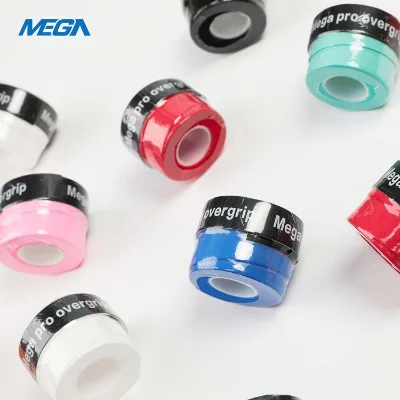
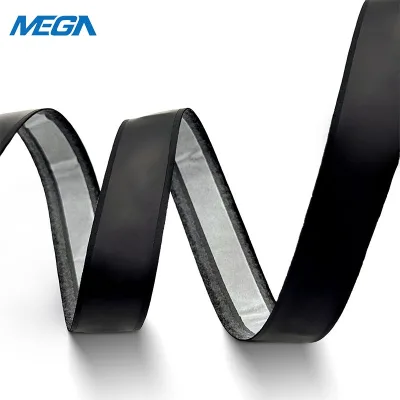
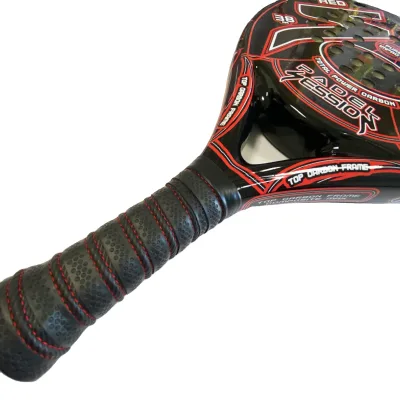
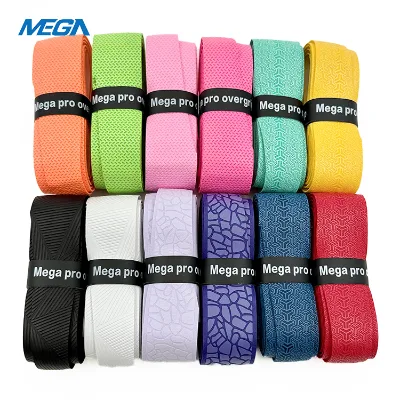
Customized Padel Racket Grips for Paddle
$0.20 - $0.45

Dmantis Sports Goods Co., Ltd.
- Verified by SGS
- Combined
- China Hunan
- Lead time60 days
- Avg. response≤ 2h
Main productsBadminton Shuttlecock, Badminton Racket, Tennis Racket, Tennis Ball, Pickleball Paddle, Table Tennis Ball, Table Tennis Racket, Jump Rope
Main marketsSoutheast Asia/ Mideast,East Asia(Japan/ South Korea),Europe,Australia,North America


High Quality Badminton/Tennis Overgrip Racket Badminton Non-Slip Anti Slip Grip
$20.00 - $25.00
MOQ: 1 Bags

OEM ODM Support Anti Slip Soft Overgrip Grip for Tennis Rackets Badminton Grip
$20.00 - $25.00
MOQ: 1 Bags


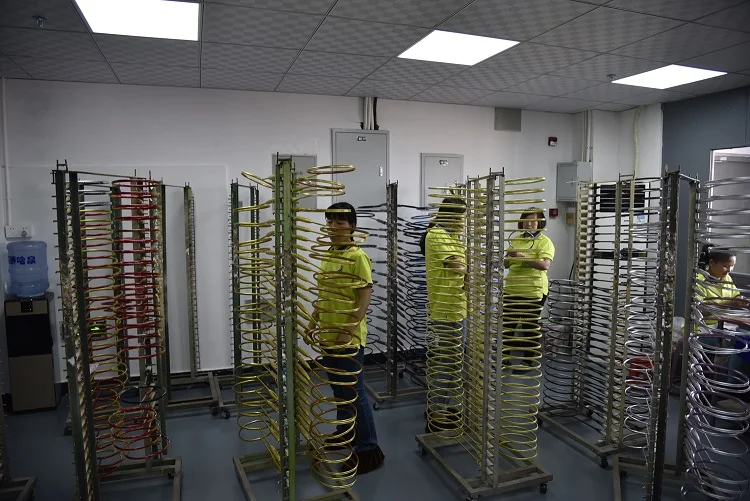
Shishi Leadson Sporting Goods Co., Ltd. Qingyuan Branch
- Manufacturer, Trading Company
- Guangdong, China
- Lead time30 days
- Avg. response≤ 1h
Main productsBadminton Racket, Tennis & Padle, Table Tennis, Yoga & Sport Accessories, Football & Basketball & Volleyball
Main marketsNorth America(12.00%), South Asia(10.00%), South America(10.00%), Western Europe(10.00%), Southeast Asia(10.00%), Eastern Europe(8.00%), Domestic Market(8.00%), Eastern Asia(5.00%), Oceania(5.00%), Southern Europe(5.00%), Central America(5.00%), Northern Europe(5.00%), Mid East(5.00%), Africa(2.00%)
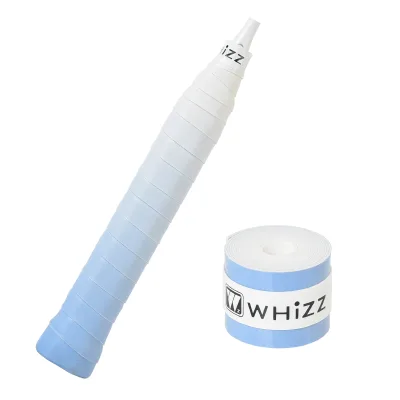
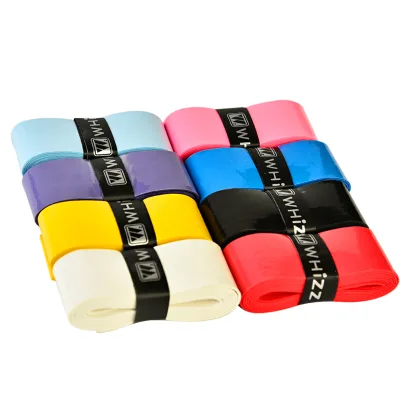
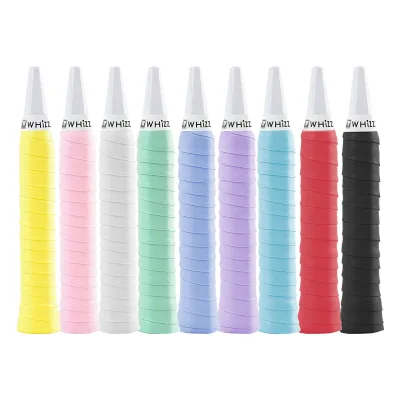
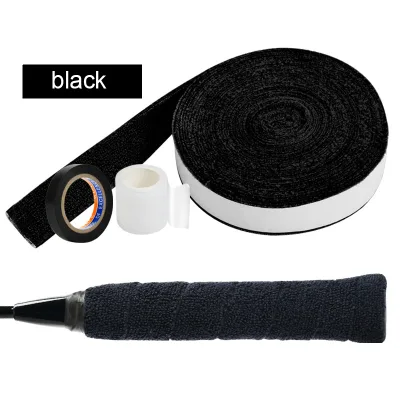
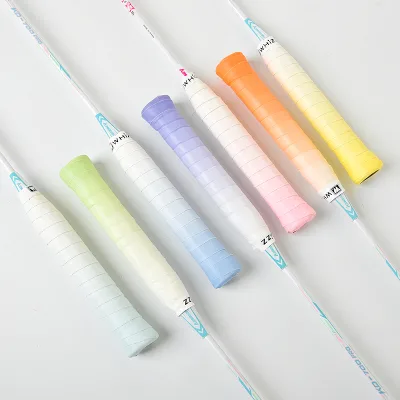
Badminton Racket Tape Anti-slip Overgrip with Soft Custom Tennis Racket Handle Grip Cover
$0.1646 - $0.2064
MOQ: 500 pieces

- Verified by SGS
- Manufacturer/Factory
- China Anhui
- Lead time23 days
- Avg. response≤ 7h
Main productsPickleball Paddle, Pickleball Ball, Beach Padel, Football Flags Belt, Padel Racket, Pickleball, Joola, Selkirk, Outdoor Pickleball, Indoor Pickleball
Main marketsSouth America,Eastern Europe,Mid East,North America,Southeast Asia,Eastern Asia,Oceania,Western Europe,Africa


Great Sweat Absorption Badminton Grip Padel Wrap Sweatband Tennis Overgrip
$0.30 - $0.37
MOQ: 200 pieces

Badminton Tennis Racket Ultra Thin Anti Slip Sweat Handle Elastic Winding Tape
$0.22 - $0.25
MOQ: 500 pieces

Yiwu Binsen Sports Goods Co., Ltd.
- Trading Company
- Zhejiang, China
- Lead time15 days
- Avg. response≤ 3h
Main productsBasketball; Soccer Ball; Volleyball; Ping Pong Racket; Sport Bag Jump Rope; Badminton Racket
Main marketsEastern Europe(29.00%), Central America(13.00%), South America(11.00%), Western Europe(11.00%), Southern Europe(8.00%), North America(7.00%), Southeast Asia(6.00%), Mid East(4.00%), South Asia(3.00%), Eastern Asia(2.00%), Oceania(2.00%), Northern Europe(2.00%), Africa(1.00%), Domestic Market(1.00%)
Shijiazhuang Aikui Import And Export Co., Ltd.
- Trading Company
- Hebei, China
- Lead time7 days
- Avg. response≤ 3h
Main productsAthletic Wear,Fitness Equipment,Sports Equipment,Outdoor products,Personal protective equipment
Main marketsNorth America(45.00%), Eastern Europe(18.00%), South Asia(5.00%), Mid East(5.00%), Oceania(5.00%), Southern Europe(5.00%), Southeast Asia(5.00%), Central America(5.00%), South America(3.00%), Eastern Asia(1.00%), Africa(1.00%), Northern Europe(1.00%), Western Europe(1.00%)
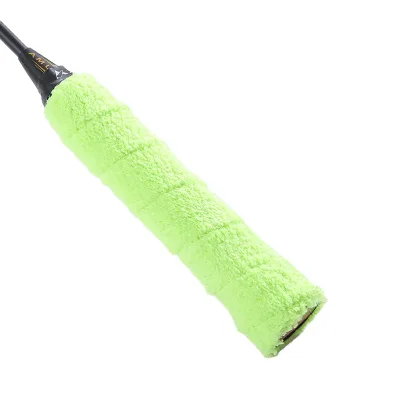
$0.2558 - $0.368
MOQ: 2 pieces
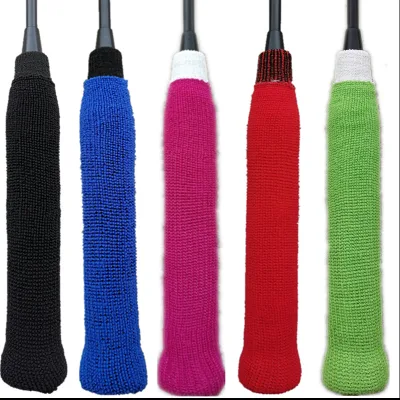
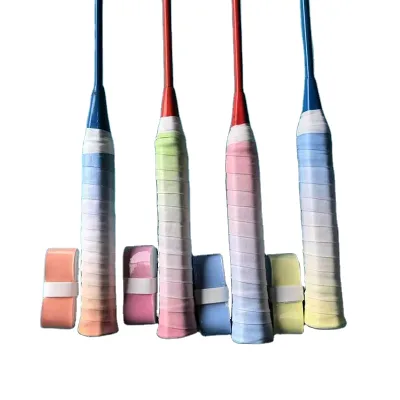
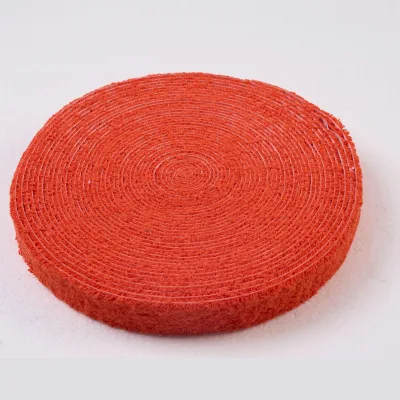

- Verified by BV
- Combined
- China Jiangxi
- Lead time23 days
- Avg. response≤ 18h
Main productsOvergrip, Badminton String, Tennis String, Badminton Grip Towel
Main marketsSouth America,Africa,Southeast Asia/ Mideast,East Asia(Japan/ South Korea),Europe,Australia,North America


$0.48 - $0.55
MOQ: 1000 Pieces

Custom OEM Overgrip High Quality Tennis Grip Personalization Anti Slip Badminton Racket Grip
$0.21 - $0.28
MOQ: 500 Pieces

Grip Tennis Badminton Squash Rackets Overgrip Anti Slip Perforated Super Absorbent Grips
$0.64 - $0.70
MOQ: 1000 Pieces

2023 New Multiple Choices Anti-Slip and Absorbent Overgrip Other Products Badminton Racket Grip
$0.30 - $0.35
MOQ: 500 Pieces
- Trading Company
- Taiwan, China
- Lead time45 days
- Avg. response≤ 6h
Main productsSporting goods
Main marketsWestern Europe(35.00%), Southeast Asia(20.00%), South America(10.00%), South Asia(5.00%), North America(5.00%), Southern Europe(5.00%), Eastern Asia(5.00%), Northern Europe(5.00%), Eastern Europe(5.00%), Mid East(5.00%)
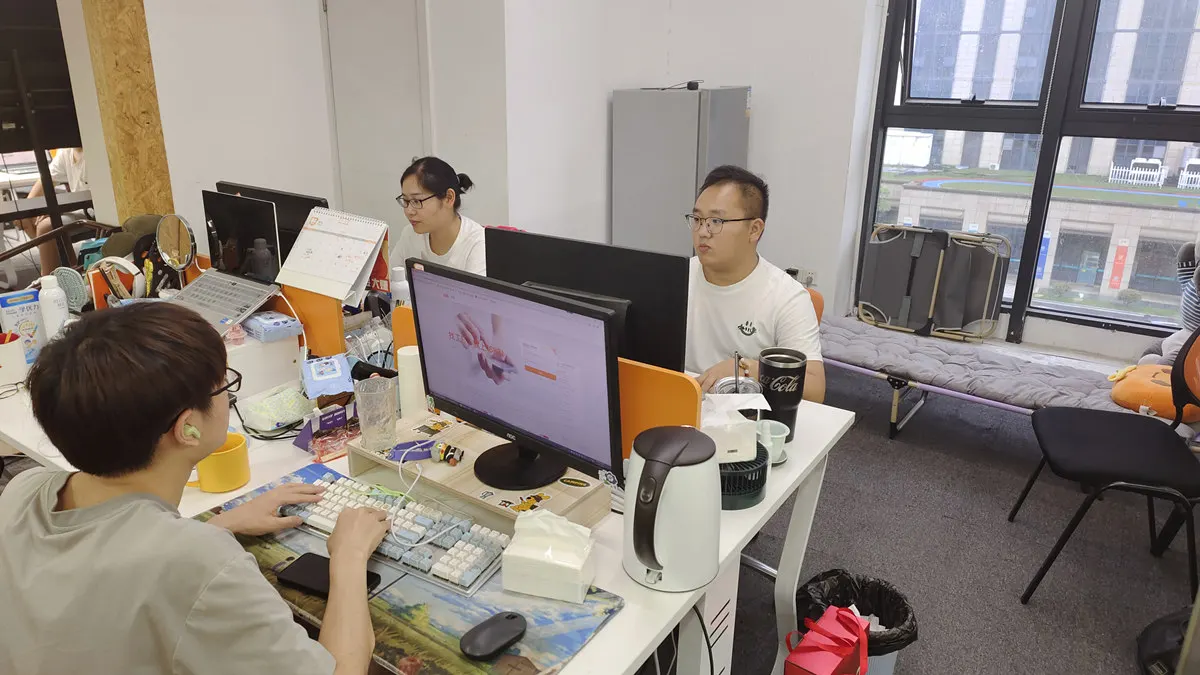
Anhui Lingmei Sporting Goods Co., Ltd.
- Trading Company
- Anhui, China
- Lead time15 days
- Avg. response≤ 4h
Main productsBadminton Racket,Badminton Bag,Overgrip,Apparel
Main marketsDomestic Market(20.00%), Mid East(20.00%), Southeast Asia(19.00%), Eastern Asia(10.00%), Oceania(9.00%), Northern Europe(5.00%), South Asia(5.00%), North America(5.00%), Western Europe(3.00%), Eastern Europe(2.00%), Africa(1.00%), Southern Europe(1.00%)
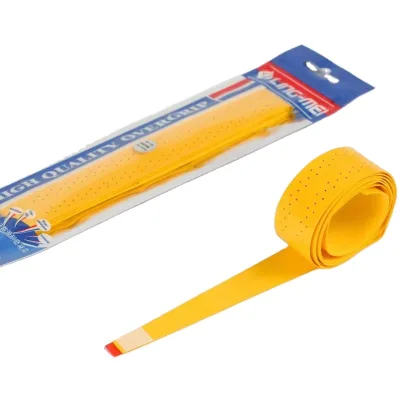
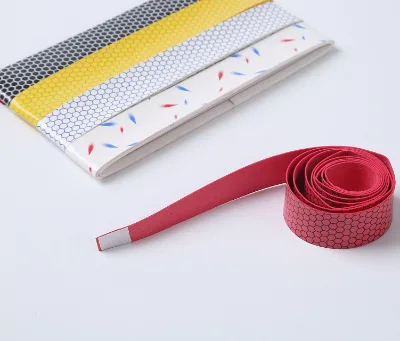
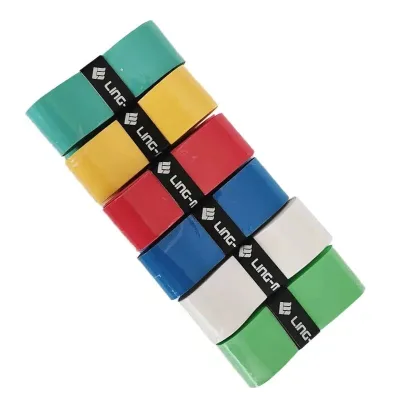
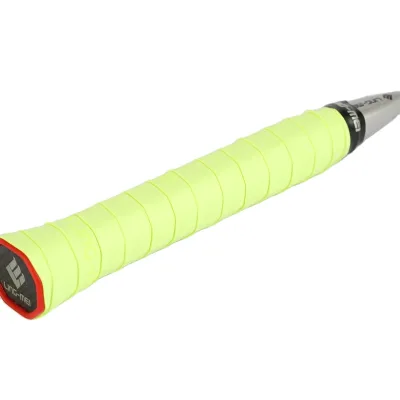
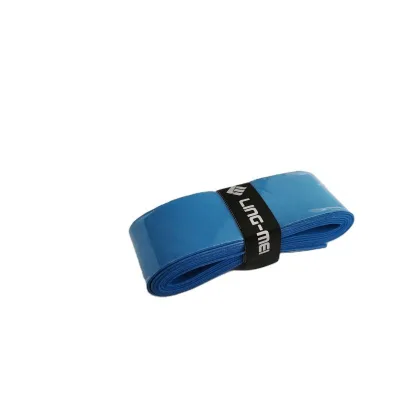
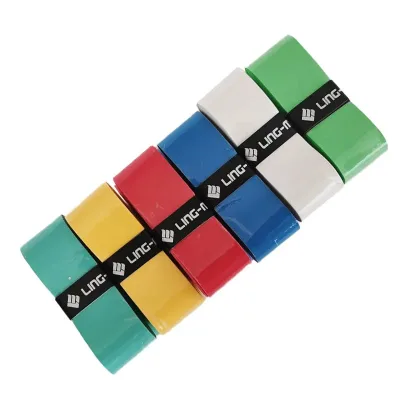
Hot Selling LingMei Badminton Racket Grip Anti-slip Over Grip with Goood Quality
$1.29 - $1.48
MOQ: 100 pieces
Hangzhou Power Outdoor Products Co., Ltd.
- Trading Company
- Zhejiang, China
- Lead time20 days
- Avg. response≤ 16h
Main productsoutdoor tents,outdoor furnitures,hiking bags,outdoor lighting,outdoor kitchen
Main marketsNorth America(20.00%), Mid East(10.00%), Oceania(10.00%), Northern Europe(10.00%), Eastern Asia(10.00%), South America(10.00%), South Asia(5.00%), Southern Europe(5.00%), Southeast Asia(5.00%), Central America(5.00%), Western Europe(5.00%), Eastern Europe(5.00%)
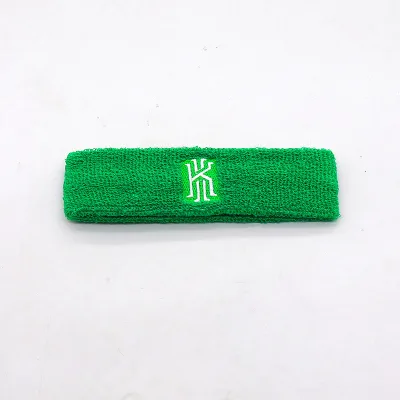
OEM Custom PU Non-Slip Tennis Racket Grip Badminton Grip Ball Grip for Beach Tennis Racket Grip
$0.926 - $1.0278
MOQ: 1 pieces
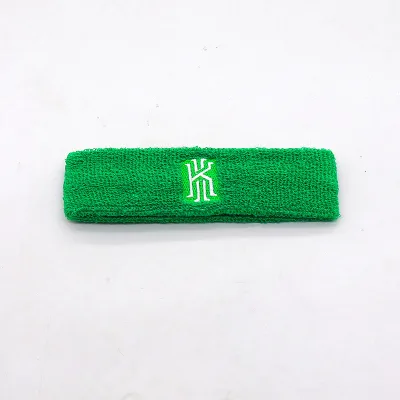
Custom Anti Slip sticky badminton grip tennis racket over grip padel overgrip beach tennis grip
$0.926 - $1.0278
MOQ: 1 pieces
$0.926 - $1.0278
MOQ: 1 pieces
Dongguan Yedo Industrial Co., Ltd.
- Manufacturer, Trading Company
- Guangdong, China
- Lead time30 days
- Avg. response≤ 7h
Main productsPickleball Paddles, Pickleball Balls, Beach Tennis Rackets, Platform Tennis Padel, Overgrips
Main marketsNorth America(80.00%), Southeast Asia(6.00%), Domestic Market(5.00%), South America(3.00%), Southern Europe(3.00%), Eastern Europe(3.00%)
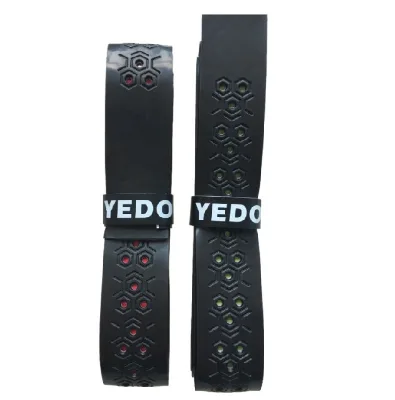
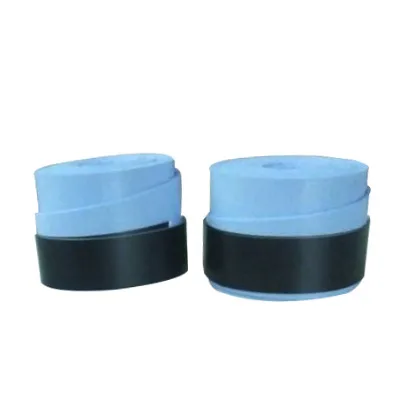
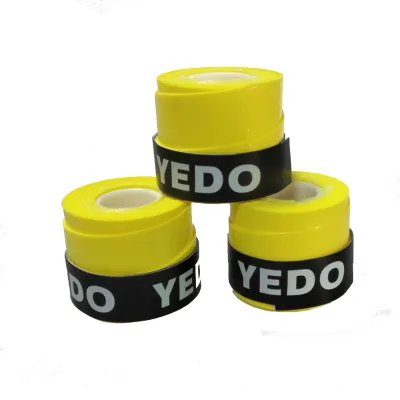
Pickleball Paddle Outdoor Sports Badminton Anti-slip Tennis Racket Grip Badminton Overgrips Padel
$0.6837 - $0.766
MOQ: 1000 pieces
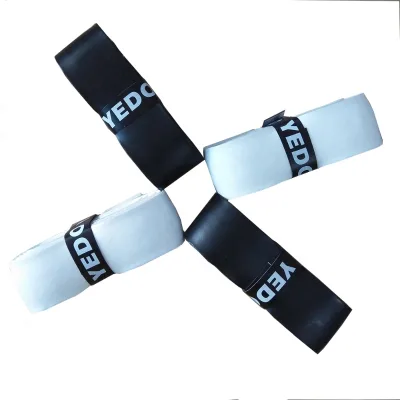
Popular 1.75mm Replacement Grip with Durable and Good Hand Feeling for Tennis Racquet Grip
$0.6418 - $1.1385
MOQ: 3000 pieces
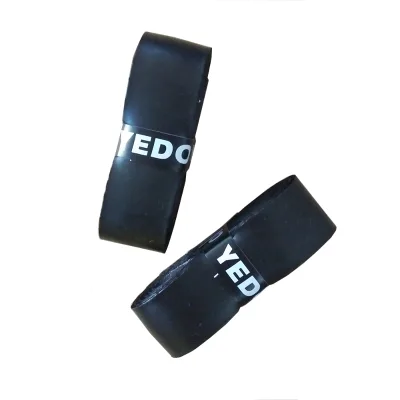
$1.5514 - $3.1027
MOQ: 3000 pieces

SingSong Sports Equipment Co., Ltd.
- Verified by BV
- Trading Company
- China Hunan
- Lead time23 days
- Avg. response≤ 4h
Main productsPadel Racket, Padel Ball, Paddle Bags, Gym Fitness Equipment, Home Fitness Equipment, Smith Machine, Squat Rack, Spinning Bike, Fitness Bench, Dumbbell/Dumbbell Rack/ Weight Plats
Main marketsSouth America


Cheap Customized Accept Badminton Tennis Racket Grip Anti Slip Tacky Padel Racket Overgrip
$0.25 - $0.35
MOQ: 1000 pieces

$0.39 - $0.45
MOQ: 1000 pieces
Jiujiang Konford Fitness Tech Co., Ltd.
- Trading Company
- Jiangxi, China
- Lead time30 days
- Avg. response≤ 13h
Main productsTable Tennis Equipment,Sporting Goods,Fitness Training,Games & Entertainment,Outdoor Products
Main marketsNorth America(23.00%), Western Europe(14.00%), Domestic Market(8.00%), South America(8.00%), Eastern Europe(7.00%), Southern Europe(6.00%), Southeast Asia(5.00%), South Asia(5.00%), Northern Europe(5.00%), Mid East(5.00%), Eastern Asia(4.00%), Africa(3.00%), Oceania(3.00%), Central America(2.00%)
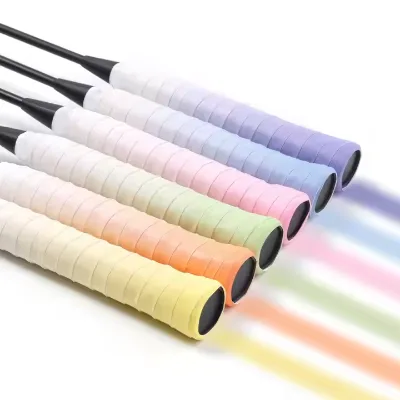
$0.4204 - $0.5266
MOQ: 1000 pieces
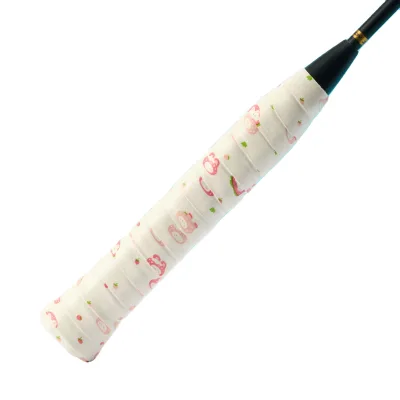
High Quality Badminton Racket Handle Grip Protection Custom Print Pattern Factory Wholesale
$0.4159 - $0.5206
MOQ: 1000 pieces

Quanzhou Lei Yue Sports Equipment Co., Ltd.
- Manufacturer, Trading Company
- Fujian, China
- Lead time30 days
- Avg. response≤ 6h
Main productssports equipment,accessories,bag pack,leather case
Main marketsSouth Asia(30.00%), Southeast Asia(15.00%), Northern Europe(10.00%), South America(10.00%), Central America(10.00%), Western Europe(10.00%), North America(10.00%), Southern Europe(5.00%)
Xiamen Cyber Lianying Trading Co., Ltd.
- Fujian, China
- Lead time0 days
- Avg. response≤ 2h
Yangzhou Kaiwei Sporting Goods Factory
- Verified by SGS Group
- Manufacturer, Trading Company
- Lead time45 days
- Avg. response≤ 5h
Main productsPadels, Pickleball Paddle, Tennis Rackets, Fitness Supports, Sporting Socks
Main marketsDomestic Market(40%), North America(30%), Southeast Asia(15%)
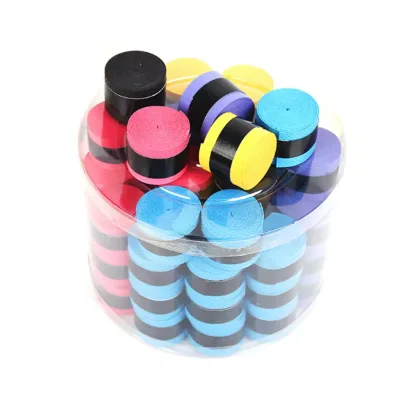
camewin Tennis Grip Dry Tennis Racket Grip Badminton Grips Racquet Vibration Overgrip Sweatband
$0.1855 - $0.2169
MOQ: 300 pieces
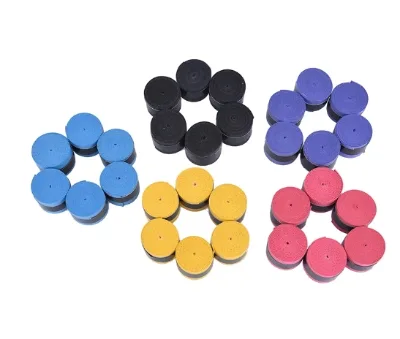
camewin Tennis Grip Dry Tennis Racket Grip Badminton Grips Racquet Vibration Overgrip Sweatband
$0.1855 - $0.2154
MOQ: 300 pieces
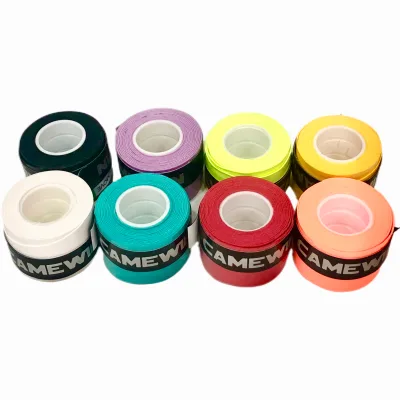
$0.205 - $0.2259
MOQ: 300 pieces
Shenzhen Konmat Sports Technology Co., LTD.
- Manufacturer
- Guangdong, China
- Lead time10 days
- Avg. response≤ 2h
Main productsStringing Machines,Badminton rackets,Pickleball Paddles,Tennis Racquet,Squash Rackets
Main marketsNorth America(18.00%), Central America(15.00%), Western Europe(15.00%), Mid East(12.00%), Southeast Asia(10.00%), South Asia(8.00%), Eastern Asia(5.00%), Northern Europe(5.00%), Africa(3.00%), Eastern Europe(3.00%), South America(3.00%), Domestic Market(1.00%), Oceania(1.00%), Southern Europe(1.00%)
- Trading Company
- Zhejiang, China
- Lead time0 days
- Avg. response≤ 3h
Main productsSports wear,Fitness & Body Building,Sports Safety,Outdoor Sports,Apparel
Main marketsOceania(30.00%), North America(30.00%), Northern Europe(10.00%), Eastern Europe(10.00%), Southern Europe(5.00%), South America(5.00%), Central America(5.00%), Western Europe(5.00%)

Xiamen Yiyuan Hong Industrial & Trade Co., Ltd
- Manufacturer
- Fujian, China
- Lead time7 days
- Avg. response≤ 2h
Main productsGolf grip,Club grip,Dog Lick Mat,Silicone Products,Sports Entertainment Products
Main marketsNorth America(30.00%), South America(20.00%), Domestic Market(10.00%), Eastern Europe(5.00%), Southern Europe(5.00%), Northern Europe(5.00%), Western Europe(5.00%), Eastern Asia(5.00%), Mid East(5.00%), Oceania(5.00%), Southeast Asia(5.00%)
Yiwu Dacheng Sports Goods Co., Ltd.
- Trading Company
- Zhejiang, China
- Lead time0 days
- Avg. response≤ 4h
Main productstable tennis,badminton,basketball,football,volleyball
Main marketsWestern Europe(1.00%), Eastern Asia(1.00%), Eastern Europe(1.00%)

- Verified by BV
- Manufacturer/Factory
- China Fujian
- Lead time15 days
- Avg. response≤ 25h
Main productsWater Bottle, Kitchen Ware, Shoes, Plastic Product, Bag, Toy
Main marketsSouth America,Eastern Europe,Mid East,North America,Southeast Asia,Eastern Asia,Oceania,Western Europe,Africa
Topsway International Industrial Limited
- Trading Company
- Hong Kong S.A.R.
- Lead time0 days
- Avg. response≤ 1h
Main productspillow,cushion,mattress,cool hat,motorcycle seat
Main marketsMid East(40.00%), South America(35.00%), Western Europe(10.00%), Domestic Market(5.00%), Eastern Europe(5.00%), North America(5.00%)
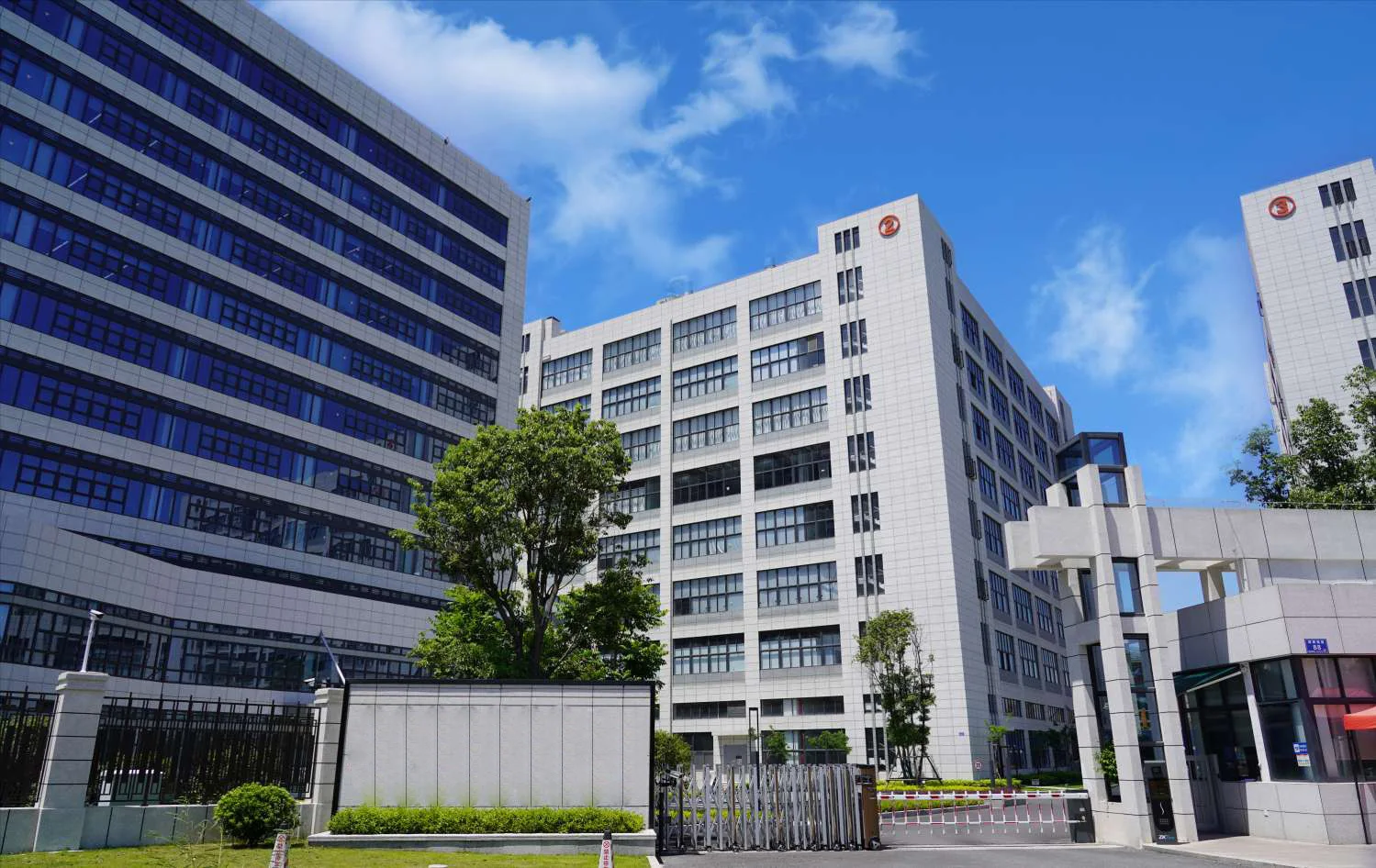
Xiamen Ennig Sports Goods Co., Ltd.
- Manufacturer, Trading Company, Distributor/Wholesaler
- Fujian, China
- Lead time0 days
- Avg. response≤ 5h
Main productsRacket Overgrip,Pickleball Ball,Racket Strings,Bat Overgrip,Bicycle Handlebar Tape
Main marketsNorth America(23.00%), South America(20.00%), Eastern Europe(15.00%), Northern Europe(9.00%), Southeast Asia(9.00%), Western Europe(8.00%), Oceania(8.00%), Africa(6.00%), Mid East(2.00%)
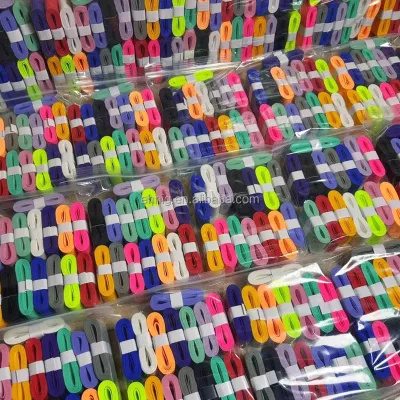
$0.2992 - $0.3501
MOQ: 1 pieces



Comprehensive Sourcing Guide
Anti-Slip Sweatband Badminton Racket Grip Supplier Concentration and Factory Types
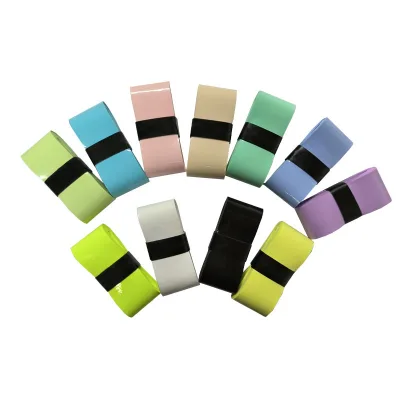
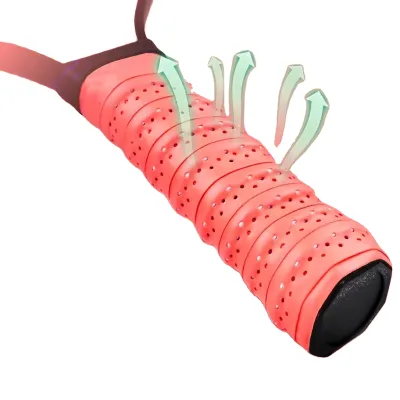
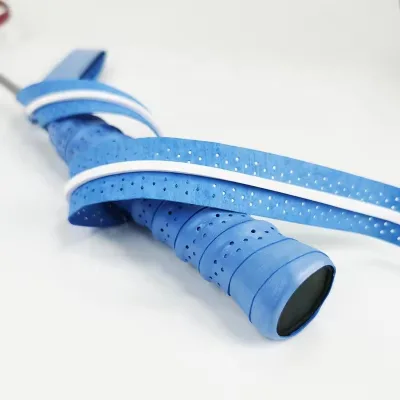
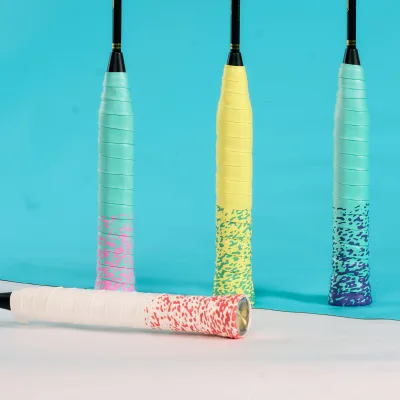
The current supplier landscape for anti-slip sweatband badminton racket grips features a mix of manufacturing entities and trading companies, offering buyers diverse sourcing pathways. Evidence indicates that suppliers operate as both manufacturers and trading companies, which influences the structure of the supply chain and the nature of the services provided. Manufacturers typically possess direct control over production lines, allowing for greater customization capabilities such as OEM and ODM services. This is supported by observed capabilities including sample processing, graphic processing, and customized on-demand production. Trading companies, on the other hand, may aggregate products from multiple factories, potentially offering a broader range of main products such as badminton rackets, tennis rackets, table tennis rackets, pickleball paddles, and beach rackets. This diversification can be advantageous for buyers seeking a one-stop-shop for various sports equipment accessories. The presence of both types suggests that buyers must carefully distinguish between the source of the product to understand the true cost structure and flexibility available.
Geographic concentration is a key factor in identifying reliable clusters for these specific goods. Data points to Zhejiang, China, and Fujian, China, as significant locations for these suppliers. Zhejiang is noted as the place of origin for specific product models, indicating a localized manufacturing hub for items like overgrips and racket accessories. Fujian is also identified as a location for suppliers offering anti-slip overgrips suitable for badminton, tennis, and other racket sports. When evaluating suppliers, buyers should verify the actual factory location against the stated place of origin to ensure accuracy. Clusters in these regions often benefit from established supply chains for raw materials like PU and cotton, which are common materials for these grips. Understanding this geographic distribution helps in assessing logistics costs and lead times. Buyers should look for suppliers explicitly stating their location in Zhejiang or Fujian to align with known manufacturing hubs for sports accessories. This verification step is crucial for ensuring that the supplier has the necessary infrastructure and expertise to produce high-quality anti-slip sweatband badminton racket grips efficiently.
How to Verify Anti-Slip Sweatband Badminton Racket Grip Suppliers
Verification is a critical step in ensuring the reliability and legitimacy of suppliers offering anti-slip sweatband badminton racket grips. Buyers should prioritize suppliers that have undergone third-party verification processes, such as Intertek, which provides an additional layer of trust regarding the supplier's operational capabilities and business practices. This verification status is a strong indicator that the supplier has met certain standards for business integrity and production capacity. Additionally, certifications play a vital role in assessing a supplier's commitment to quality and environmental standards. Observed certifications include WCA, Sedex, ISO14001, BSCI, and CE. These certifications suggest that the supplier adheres to specific management systems and ethical labor practices. ISO14001 indicates environmental management, while BSCI focuses on social compliance. Buyers should request copies of these certificates and verify their validity through the respective issuing bodies. This due diligence helps mitigate risks associated with non-compliance and ensures that the supplier maintains high standards in their operations.
Beyond certifications, buyers should examine the supplier's response time and sample processing capabilities as indicators of their operational efficiency. A response time of three days or less, as observed in some results, suggests a responsive and agile supplier who can address inquiries and issues promptly. This is particularly important for custom orders where quick communication can prevent delays. Furthermore, the ability to process samples within a specific timeframe, such as 3-5 days or 1-7 days, is crucial for product validation. Buyers should inquire about the sample cost and whether it is refundable upon placing a bulk order. The availability of OEM and ODM services, as noted in some supplier profiles, indicates flexibility in meeting specific design and branding requirements. Buyers should also check for the availability of customization options, such as logo printing and color choices, to ensure the supplier can meet their unique product specifications. By combining verification status, certifications, and operational metrics, buyers can build a comprehensive profile of a supplier's reliability and suitability for their sourcing needs.
What to Compare Across Anti-Slip Sweatband Badminton Racket Grip Suppliers
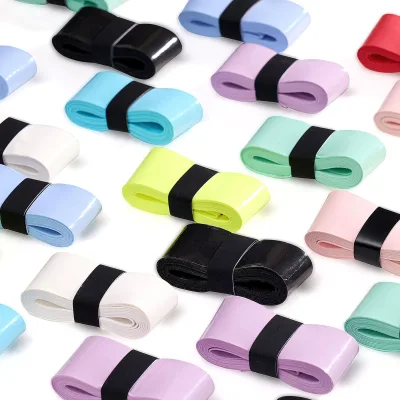
When comparing suppliers, buyers must evaluate key operational metrics such as minimum order quantity (MOQ), lead time, and pricing to determine the best fit for their business model. MOQs vary significantly, with some suppliers requiring 1000 pieces per color or model, while others offer lower thresholds of 500 pieces per color. This variation impacts inventory management and cash flow, so buyers should align their order sizes with their sales forecasts and storage capabilities. Lead times are another critical factor, with observed times ranging from 23 to 25 days for production. This duration should be factored into the overall supply chain timeline, especially for seasonal products or time-sensitive promotions. Buyers should also compare pricing structures, which can range from $0.12 to $0.35 per unit depending on material, customization, and order volume. Lower prices may be associated with standard products, while higher prices might reflect premium materials or complex customization. It is essential to request detailed quotes that break down costs to understand the value proposition of each supplier.
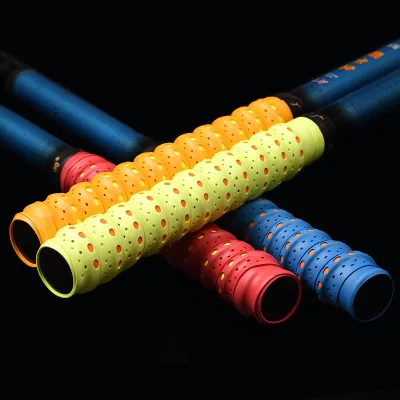
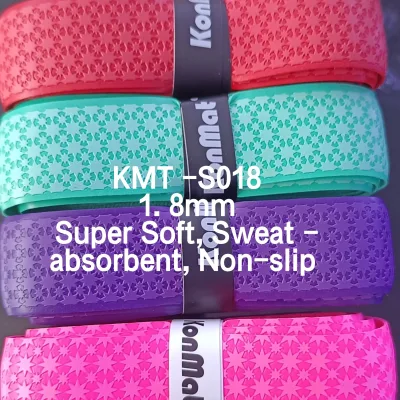
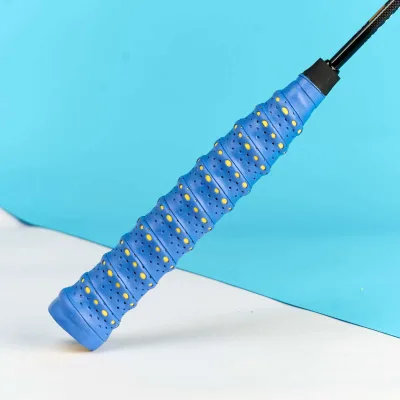
In addition to quantitative metrics, buyers should assess the range of main products and customization capabilities offered by each supplier. Some suppliers specialize in a narrow range of grips, while others offer a broader portfolio including badminton rackets, tennis rackets, and other sports accessories. A diverse product range can simplify sourcing if the buyer has multiple needs. Customization capabilities, such as graphic processing and customized packaging, are vital for brands looking to differentiate their products. Buyers should inquire about the specific customization options available, such as logo placement, color matching, and packaging design. The ability to provide samples with custom branding is a strong indicator of a supplier's flexibility. Furthermore, buyers should compare the materials used, such as PU or cotton, and their respective features like sweat absorption, anti-slip properties, and durability. Understanding these material differences helps in selecting the right product for the target market. By systematically comparing these factors, buyers can make informed decisions that balance cost, quality, and service.
Common Anti-Slip Sweatband Badminton Racket Grip Sourcing Risks
One significant risk in sourcing anti-slip sweatband badminton racket grips is the potential discrepancy between sample quality and bulk production. Buyers often receive high-quality samples that meet their specifications, but the bulk order may suffer from inconsistencies in material, stitching, or packaging. This risk is heightened when working with trading companies that may not have direct control over the manufacturing process. To mitigate this, buyers should conduct strict quality control checks on bulk shipments, possibly hiring third-party inspection services. It is also advisable to include detailed quality specifications in the purchase contract, including acceptable tolerances for dimensions, color, and material composition. Clear communication of these standards helps align expectations and provides a basis for resolving disputes if the delivered goods do not meet the agreed-upon criteria.
Another risk is the reliability of lead times and the supplier's ability to meet delivery deadlines. Observed lead times of 23-25 days are estimates and can be affected by various factors such as raw material shortages, production delays, or logistical issues. Delays can disrupt the buyer's inventory planning and lead to stockouts, especially for seasonal products. Buyers should establish clear communication channels with suppliers to monitor production progress and address any potential delays early. Including penalty clauses for late delivery in the contract can also incentivize suppliers to adhere to schedules. Additionally, buyers should be cautious of suppliers who offer unusually low prices, as this may indicate compromised quality or hidden costs. It is essential to verify the supplier's financial stability and reputation to ensure they can fulfill orders consistently. By proactively identifying and addressing these risks, buyers can build a more resilient supply chain and protect their business interests.
Anti-Slip Sweatband Badminton Racket Grip Regional Sourcing and Logistics
Sourcing from specific regions like Zhejiang and Fujian in China offers logistical advantages due to established infrastructure and proximity to major ports. Zhejiang, identified as a place of origin for several products, is part of a larger manufacturing cluster that benefits from efficient supply chains and specialized labor. Fujian, another key location, also has a strong presence in sports equipment manufacturing. Buyers should consider the logistics implications of sourcing from these regions, including shipping costs and transit times. Proximity to ports can reduce shipping costs and lead times, making these regions attractive for international buyers. However, buyers must also account for potential logistical challenges such as customs clearance, documentation requirements, and currency fluctuations. Working with experienced freight forwarders can help navigate these complexities and ensure smooth transportation of goods.
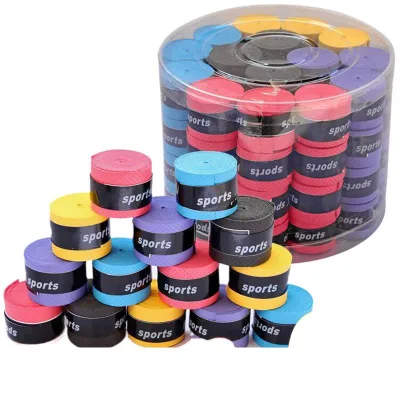
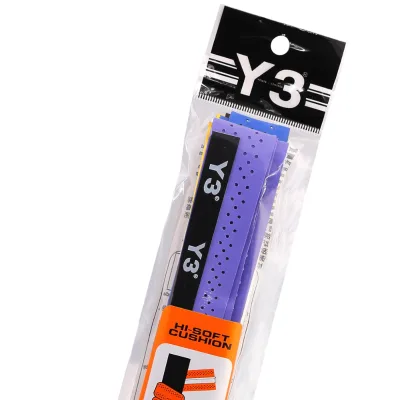
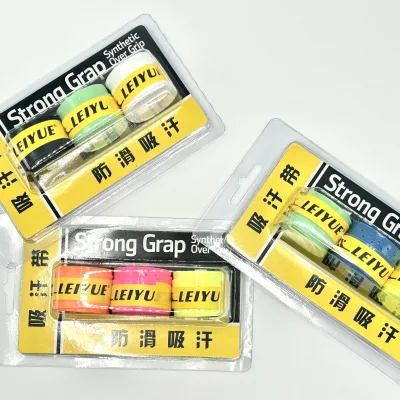
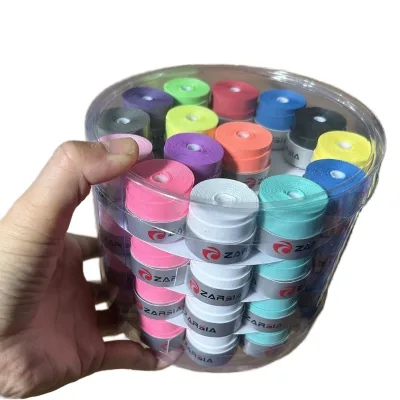
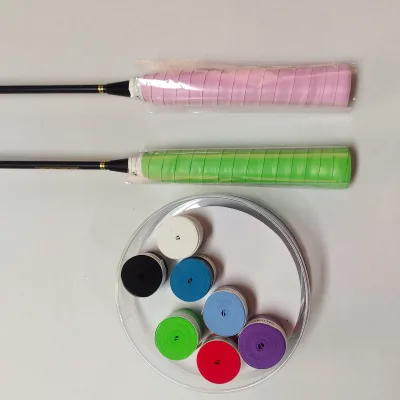
Logistics planning should also include considerations for packaging and handling. Observed packaging options include OPP bags, plastic jars, blister cards, and customized cartons. The choice of packaging affects the volume and weight of the shipment, which in turn influences shipping costs. Buyers should optimize packaging to minimize void space and protect products during transit. For example, using standard carton sizes can maximize container utilization and reduce per-unit shipping costs. Additionally, buyers should verify the supplier's ability to handle export documentation and comply with international shipping regulations. This includes ensuring that products meet the labeling and safety standards of the destination country. By carefully planning logistics and leveraging the advantages of regional sourcing, buyers can optimize their supply chain efficiency and reduce overall costs. This strategic approach ensures that products are delivered on time and in good condition, supporting the buyer's market competitiveness.
Anti-Slip Sweatband Badminton Racket Grip Commercial Terms and Order Planning
Commercial terms such as payment methods, warranty policies, and after-sales support are critical components of the sourcing agreement. Buyers should negotiate favorable payment terms, such as partial upfront payment and balance upon shipment, to manage cash flow and risk. It is also important to clarify the warranty policy for defective products and the process for handling returns or replacements. Suppliers offering OEM and ODM services may have specific terms regarding intellectual property rights and design ownership. Buyers should ensure that these terms are clearly defined in the contract to protect their brand and designs. Additionally, buyers should inquire about the supplier's after-sales support capabilities, including responsiveness to issues and availability of spare parts or accessories. A reliable supplier should provide timely support to resolve any post-sale problems, ensuring customer satisfaction and brand reputation.
Order planning should be aligned with the supplier's production capacity and lead times to avoid bottlenecks. Buyers should forecast demand accurately and place orders well in advance to accommodate the 23-25 day lead times observed. For custom orders, additional time may be required for sample approval and design adjustments. Buyers should maintain a buffer stock to account for potential delays or unexpected demand spikes. Regular communication with the supplier regarding production status and shipment updates is essential for effective order management. Buyers should also consider the scalability of the supplier's operations to handle increased order volumes as their business grows. By establishing clear commercial terms and robust order planning processes, buyers can build a stable and efficient supply chain. This proactive approach minimizes disruptions and supports sustainable business growth in the competitive sports equipment market.
FAQs
What is the typical MOQ for custom badminton grips?
Most suppliers require a minimum order quantity of 500 to 1000 pieces per color or design. This threshold ensures efficient production runs for customized logos and specific material choices. Buyers should confirm exact MOQs with the manufacturer before placing bulk orders to avoid additional fees or production delays.
Which materials are used for anti-slip badminton overgrips?
Manufacturers primarily use PU and cotton materials for these grips. PU options offer sweat absorption and durability, while cotton variants provide a soft, breathable feel. Both materials can be customized for color and pattern to meet specific brand requirements and performance needs for badminton and tennis rackets.
How long does production take for custom grips?
Standard lead times typically range from 23 to 25 days after order confirmation. Sample production is faster, usually taking 3 to 5 days. Buyers should account for shipping time when planning inventory. Confirming specific lead times with the supplier is essential for accurate delivery scheduling.
Are these grips suitable for other racket sports?
Yes, these grips are designed for multiple sports including badminton, tennis, pickleball, and padel. The anti-slip and sweat-absorbent features benefit various racket handle sizes. Buyers can verify specific suitability for their equipment by checking the product attributes and customization options provided by the manufacturer.
What certifications do these grip manufacturers hold?
Suppliers often hold certifications such as ISO 9001, ISO 14001, BSCI, and Sedex. These verify quality management and ethical manufacturing standards. Buyers requiring specific compliance should request certification documents directly from the supplier to ensure the products meet their regional or organizational regulatory requirements.
Can I get samples before placing a bulk order?
Yes, suppliers generally provide samples within 3 to 7 days. Samples allow buyers to test material quality, grip texture, and customization accuracy. While sample times are short, buyers should confirm sample costs and shipping arrangements with the supplier to ensure a smooth evaluation process before committing to large volumes.