on-the-go bicycle tire repair tool Suppliers and Manufacturers
Find 31 verified suppliers offering on-the-go bicycle tire repair tool options from China Hebei, Guangdong, and Zhejiang. Compare response times, lead times, certifications, and prices before requesting samples or placing orders; review the available evidence before requesting comparable quotations from suitable candidates.
Updated
Suppliers List

Xingtai Tianjiu Bicycle Parts Co., Ltd
- Verified by SGS
- Combined
- China Hebei
- Lead time30 days
- Avg. response≤ 4h
Main productsBicycle Parts, Bicycle, Bicycle Crank&Chainwheel, Bicycle Brake Sets, Saddle, Pedal, Bicycle Accessories, Bicycle Tire, Children Toy Vehicle, Bike Parts
Main marketsAfrica,Domestic,Europe
Dongguan Yijing Electronics Co., Ltd.
- Manufacturer, Trading Company
- Guangdong, China
- Lead time0 days
- Avg. response≤ 7h
Main productsSmart Rechargeable Electric Air Pump, Electric Rechargeable Air Pump & Vacuum Cleaner
Main marketsWestern Europe(89.00%), Oceania(5.00%), Eastern Asia(3.00%), North America(2.00%), Africa(1.00%), South Asia(0.00%), South America(0.00%), Southern Europe(0.00%), Central America(0.00%), Northern Europe(0.00%), Eastern Europe(0.00%), Domestic Market(0.00%), Mid East(0.00%), Southeast Asia(0.00%)
Yiwu Anke Outdoor Products Co., Ltd.
- Trading Company
- Zhejiang, China
- Lead time10 days
- Avg. response≤ 2h
Main productsBicycle Accessories,Lighting Tools,Bicycle Lights,Bicycle Cushion,Repair Tools
Main marketsOceania(100.00%), Africa(100.00%), Eastern Asia(100.00%), Mid East(100.00%), South Asia(100.00%), Central America(100.00%), Domestic Market(52.00%), Southeast Asia(16.00%), North America(14.00%), South America(6.00%), Western Europe(6.00%), Eastern Europe(3.00%), Northern Europe(2.00%), Southern Europe(1.00%)

Ningbo Everwinner Auto Parts Co., Ltd.
- Verified by CTI
- Trading Company
- China Zhejiang
- Lead time30 days
- Avg. response≤ 8h
Main productsTire Repair Tools and Kits, Tire Valve and Tire Valve Accessories, Wheel Weights, Wheel Nuts and Bolts, Wheel Spacers and Adapters, Tyre Changers and Wheel Balancers, Jacks and Stands, Tyre Pressure Gauges, Air Compressors, Air Tools
Main marketsSouth America,Southeast Asia/ Mideast,East Asia(Japan/ South Korea),Europe,Australia,North America
Yiwu Feilang Import And Export Co., Ltd.
- Trading Company
- Zhejiang, China
- Lead time15 days
- Avg. response≤ 5h
Main productsBicycle Light,Bicycle Lock,Bicycle holder,Cycling wear,Bicycle repair tools
Main marketsWestern Europe(20.00%), Eastern Europe(20.00%), South America(20.00%), North America(20.00%), Southern Europe(10.00%), Africa(10.00%)
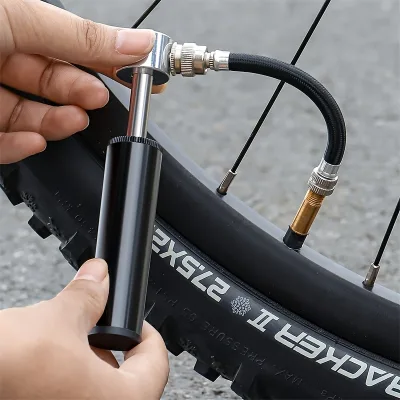
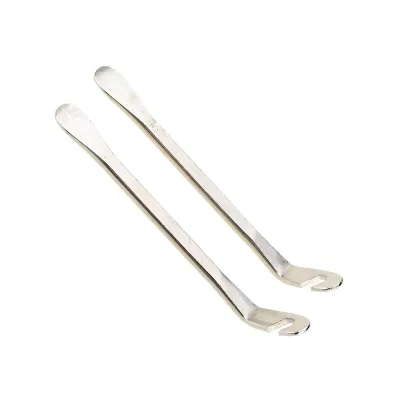
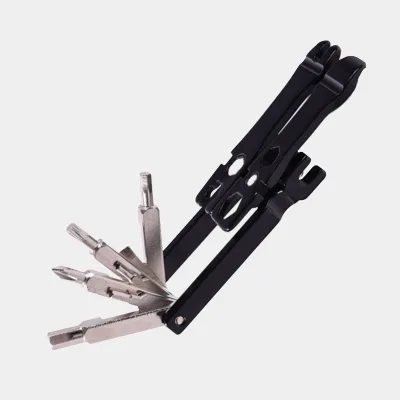
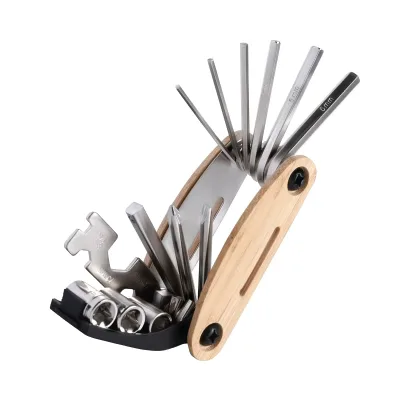
$0.11 - $0.14
MOQ: 100 pieces
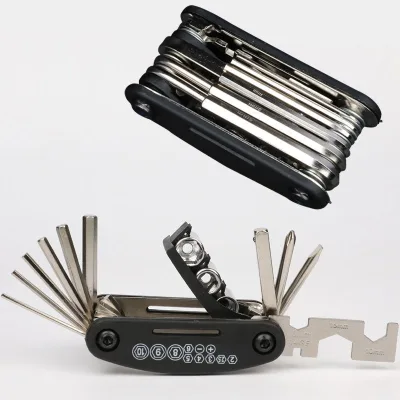
Hebei Perfite Trading Co., Ltd.
- Trading Company
- Hebei, China
- Lead time10 days
- Avg. response≤ 5h
Main productsBicycle accessories,bicycle part,Cycling glasses
Main marketsNorth America(60.00%), Eastern Europe(20.00%), South America(20.00%)

SHENZHEN XINHANFENG TRADING CO., LTD.
- Verified by CTI
- Trading Company
- China Guangdong
- Lead time45 days
- Avg. response≤ 3h
Main productsBicycle Part, Bicycle Bag, Bicycle Light, Bicycle Helmet, Bicycle Bell, Bicycle Basket, Bicycle Cage, Bicycle Bottle, Bicycle Tire, Bicycle Lock
Main marketsSouth America,Eastern Europe,Mid East,North America,Southeast Asia,Eastern Asia,Oceania,Western Europe,Africa

Ningbo Godeson instrument Technology Co., Ltd.
- Combined
- China Zhejiang
- Lead time30 days
- Avg. response≤ 14h
Main productsTire Pressure Gauge, Tire Tools, Tire Valve Caps, Tire Valve Stem, Tire Tread Gauge, Pressure Gauge, Air Chuck
Main marketsSouth America,Africa,Southeast Asia/ Mideast,East Asia(Japan/ South Korea),Domestic,Europe,Australia,North America


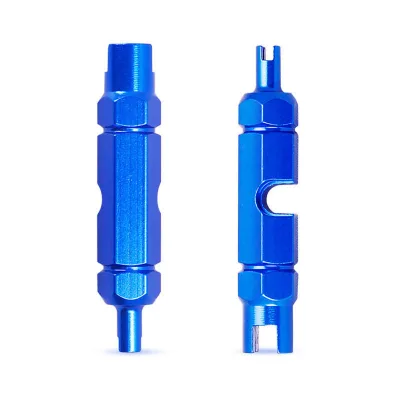
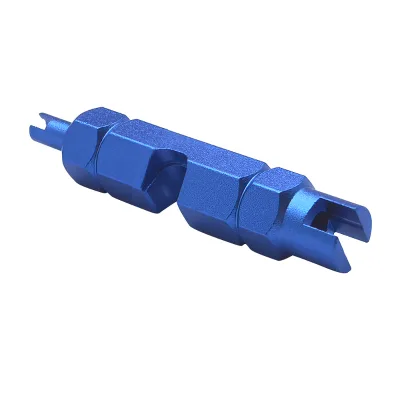
4 in 1 Tire Valve Tool + 4 Brass Valve Cores Bicycle Tools Repair Tool Set
$0.32 - $0.48
MOQ: 1 Pieces
Yongkang Taige Daily Necessities Business Department.
- Trading Company
- Jinhua, China
- Lead time15 days
- Avg. response≤ 2h
Main productscup,bottle,Musical Instruments,bicycle,camping
Main marketsCentral America(30.00%), North America(20.00%), South America(20.00%), Southern Europe(10.00%), Northern Europe(10.00%), Western Europe(10.00%)
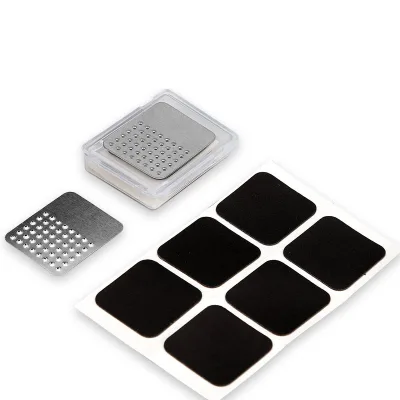
Portable Glue-free Bicycle Tyre Tube Patch Bicycle Tire Patch Slice Repair Tools
$0.2786 - $0.412
MOQ: 2 pieces
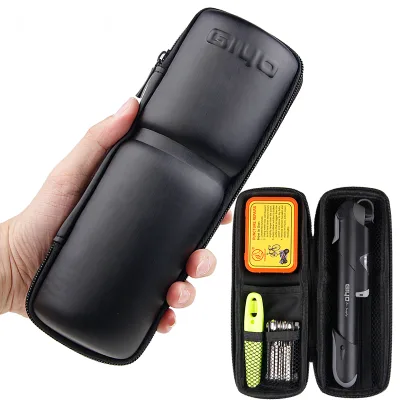
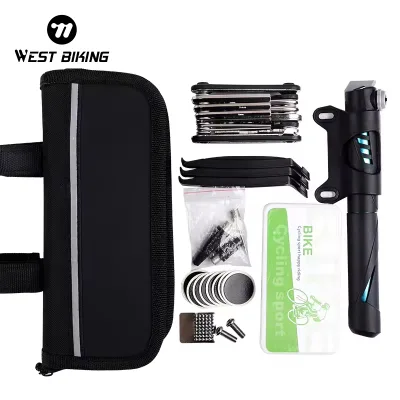
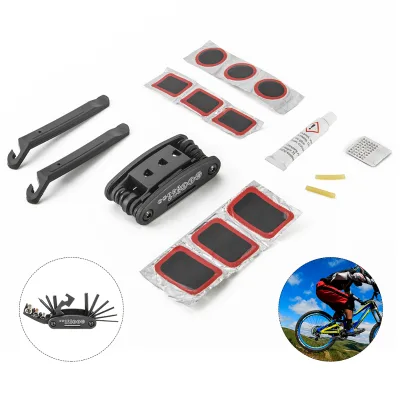
Bicycle Repair Kits Portable Cycling Bicycle Tire Repair Kits Multifunction Bike Repair Tools
$7.09 - $7.8091
MOQ: 2 pieces
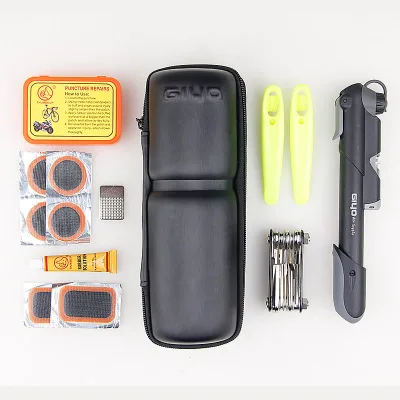
Bicycle Repair Kits Portable Cycling Tire Repair Tool Kits Bicycle Multifunction Tools Bags
$7.6038 - $8.4263
MOQ: 2
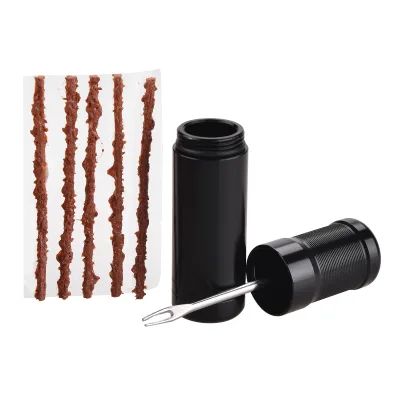
$1.131 - $1.4396
MOQ: 2 pieces
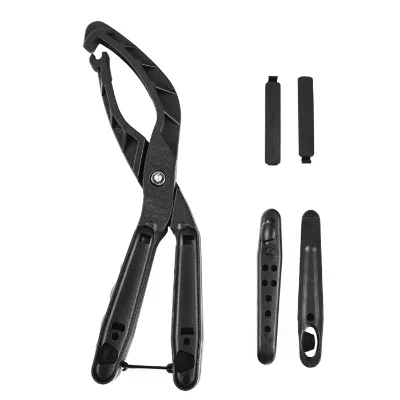
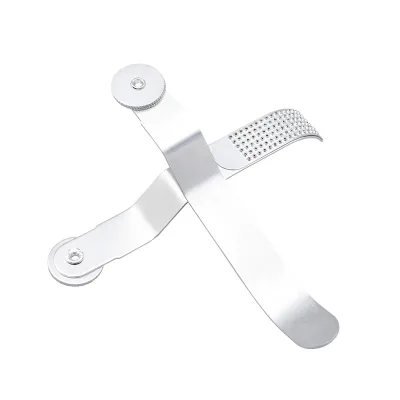
$0.2067 - $0.5138
MOQ: 10 pieces

Cangzhou Bomai Automobile Accessories Co., Ltd.
- Manufacturer/Factory
- China Hebei
- Lead time23 days
- Avg. response≤ 2h
Main productsTire Seal Strip, Wheel Weigt, Tiye Repair Tools, Tire Valve
Main marketsSouth America,Eastern Europe,Mid East,Southeast Asia,Eastern Asia,Oceania,Western Europe,Africa

Bicycle Accessories Instant Bicycle Tire Repair Patch Repair Bike Tyre Repair Tool Kit
$0.014 - $0.045
MOQ: 100 Pieces

Mountain Bike Bicycle Repair Tools Cycling Flat Tire Repair Glue Patches Emergency Tire Fix Kit
$0.40 - $0.70
MOQ: 100 box
Hebei Gefeida Trading Co., Ltd.
- Verified by SGS Group
- Trading Company
- Lead time20 days
- Avg. response≤ 6h
Main productsBicycle, Bicycle Accessories, Kids Toy
Main marketsNorth America(12%), Eastern Europe(12%), Oceania(10%)
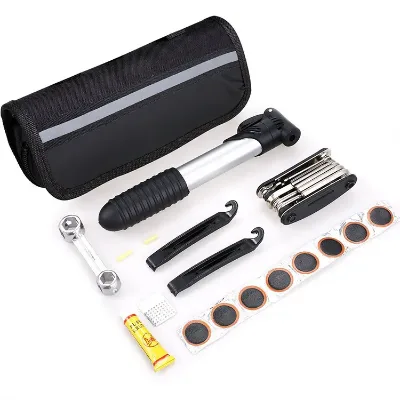
$2.60 - $3.80
MOQ: 100 pieces
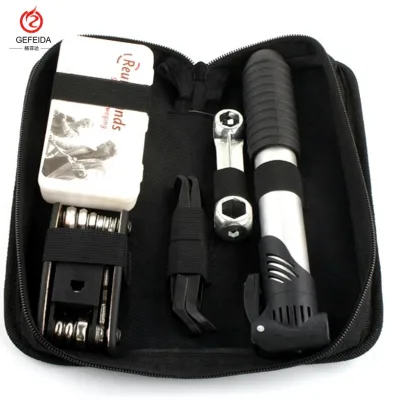
Hot Sale Portable Bicycle Tire Repair Kit Bag Bike Repair Combination Tool with Cheap Price
$2.60 - $3.10
MOQ: 100 pieces
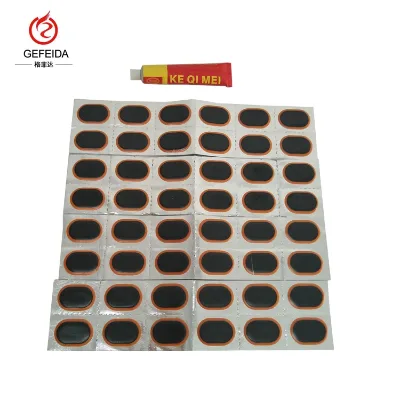

- Manufacturer
- Taiwan, China
- Lead time35 days
- Avg. response≤ 11h
Main productsAdhesive glue,RTV silicone,Rubber solution,Tire repair kit,Aluminum soft tube
Main marketsMid East(37.00%), Africa(11.00%), Eastern Europe(10.00%), Southeast Asia(8.00%), Western Europe(7.50%), Eastern Asia(6.00%), Northern Europe(4.00%), North America(3.50%), Southern Europe(3.00%), Central America(3.00%), South America(3.00%), South Asia(2.50%), Domestic Market(1.00%), Oceania(0.50%)
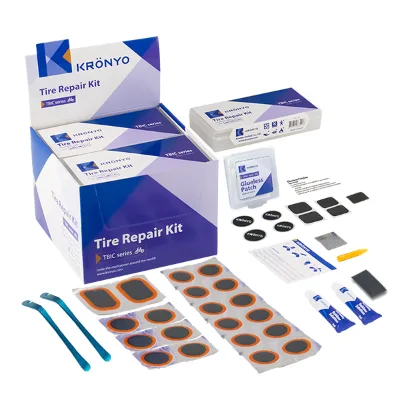
Hand Tool Bicycle Repair Kit with Glueless Patch and Cold Patch Tire Repair
$10.3961 - $103.9552
MOQ: 5000 Minimum
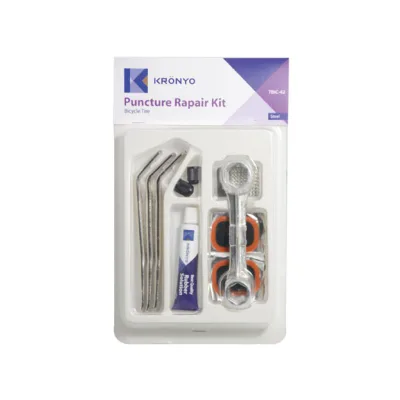
Bicycle Repair Kit Set with Cold Patch and Rubber Solution for Tire Repair
$10.2823 - $102.8137
MOQ: 3 Minimum
Jinhua Beite Industry And Trade Co., Ltd.
- Manufacturer
- Zhejiang, China
- Lead time20 days
- Avg. response≤ 8h
Main productsElectric bike,Fat ebike,Folding ebike,Horse carriage,Mobility Scooter
Main marketsWestern Europe(50.00%), North America(20.00%), Mid East(10.00%), Southern Europe(10.00%), Eastern Europe(5.00%), South America(5.00%)
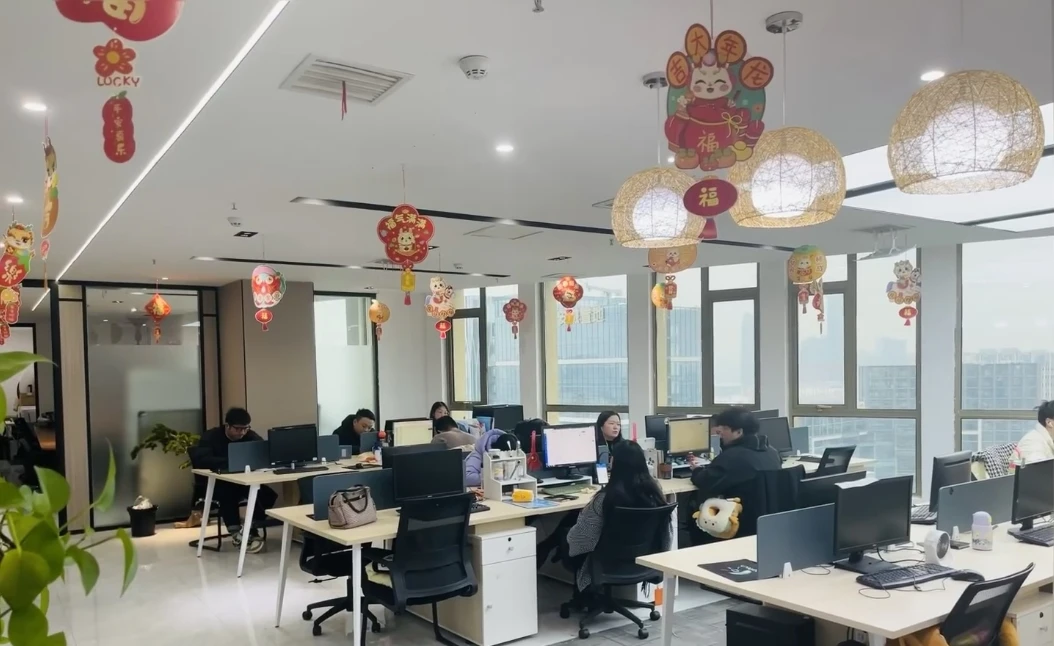
Guangzhou Xiongxing Trading Co.,Ltd
- Manufacturer, Trading Company, Buying Office
- Guangdong, China
- Lead time35 days
- Avg. response≤ 3h
Main productsCompressor,Storage Bag,Automotive Parts,bike acceaaories,Auto Parts
Main marketsNorth America(35.00%), Western Europe(15.00%), Northern Europe(15.00%), Central America(10.00%), Southern Europe(10.00%), Eastern Europe(8.00%), Africa(5.00%), South Asia(2.00%)
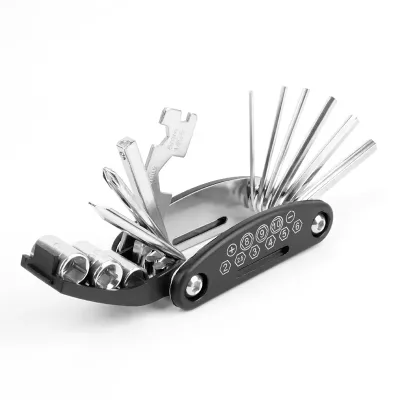
$2.50 - $3.00
MOQ: 100 pieces

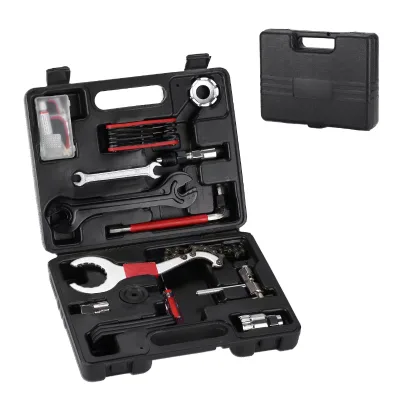
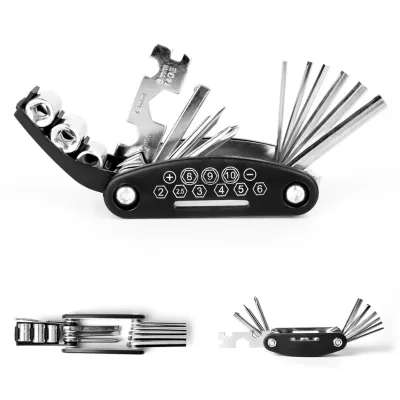
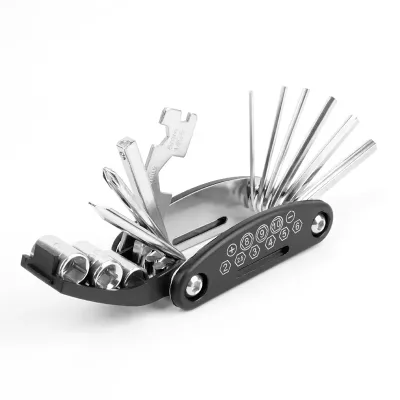

- Verified by BV
- Manufacturer/Factory
- China Fujian
- Lead time15 days
- Avg. response≤ 25h
Main productsWater Bottle, Kitchen Ware, Shoes, Plastic Product, Bag, Toy
Main marketsSouth America,Eastern Europe,Mid East,North America,Southeast Asia,Eastern Asia,Oceania,Western Europe,Africa

Yichanglong Garment Accessories Limited
- Verified by SGS
- Manufacturer/Factory
- China Guangdong
- Lead time15 days
- Avg. response≤ 6h
Main productsHang Tag String, Elastic Tape, Perfume Metal Label, Nail File, Backpack, Lanyard, Lvds Screen Cable, Paper Tag, Drawcord, Silk Scarf
Main marketsSouth America,Eastern Europe,Mid East,North America,Southeast Asia,Eastern Asia,Oceania,Western Europe,Africa


Bicycle Repair Kit Tire Repair Tool Combination Multifunctional Wrench Wrench
$4.70 - $5.00
MOQ: 200 Bags

Ningbo Jalyn International Trading Co., Ltd.
- Trading Company,Manufacturer/Factory
- China Zhejiang
- Lead time30 days
- Avg. response≤ 17h
Main productsMotorcycle Parts, Motorcycle Accessories, Aftermarket Motorcycle Parts, ATV Parts, Bicycle Parts, Motorcycle Plastic Parts, Motorcycle Mirror, Motorcycle Handle Grips, Motorcycle Engine, Bicycle Accessories
Main marketsSouth America,Eastern Europe,North America,Eastern Asia,Oceania,Western Europe,Africa


Multi Functional Bike Tire Repair Tools Kit Portable Bike Repair Tool Set
$0.50 - $3.50
MOQ: 100 Pieces


Cixi City Liyang Bicycle Co., LTD
- Verified by SGS
- Combined
- China Zhejiang
- Lead time30 days
- Avg. response≤ 23h
Main marketsDomestic

Aluminum Bicycle Repair Tools 3ln1 Tools for Bicycle Tire Tire Valve Accessories
$0.60 - $0.80
MOQ: 100 sets

$1.70 - $1.80
MOQ: 100 sets
Jiande City Yansheng Electrical Appliace Co., Ltd.
- Manufacturer
- Zhejiang, China
- Lead time40 days
- Avg. response≤ 7h
Main productsCar Emergency Kit,Car tire repair kit,Car safety kit,Bicycle Tire Repair Tools kit,Car washing kit
Main marketsNorth America(30.00%), Western Europe(20.00%), Eastern Europe(20.00%), South America(20.00%), Africa(10.00%)
Yiwu Lutuo Network Technology Co., Ltd.
- Verified by TüVRheinland
- Trading Company
- Lead time0 days
- Avg. response≤ 4h
Main productsBicycle Pump, Bicycle Light, Bicycle Lock, Bicycle Pedal, Bicycle Mirror
Main marketsNorth America(35%), Southeast Asia(17%), Domestic Market(16%)
Changzhou Iron Donkey Sports Goods Co., Ltd.
- Trading Company
- Lead time旺季: "1 - 500":7,"501 - 2000":10,"2001 - 10000":15,"> 10000":"To be negotiated", 淡季: "1 - 500":7,"501 - 2000":10,"2001 - 10000":15,"> 10000":"To be negotiated"
- Avg. response≤ 7h
Main productsBicycle Accessories,Motorcycle Accessories,Automobile and motorcycle parts,Outdoor Products,Sporting Goods
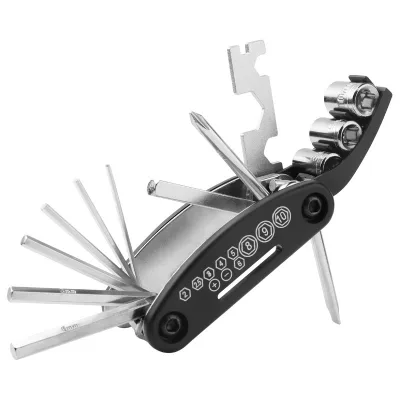
Bicycle Repair Tool Repair Combination Tire Multi-functional Folding Repair Tool Wrench Set
$0.4015 - $1.0186
MOQ: 10 pieces

Huizhou Lecheng E-Commercial Co., Ltd.
- Trading Company
- Guangdong, China
- Lead time30 days
- Avg. response≤ 6h
Main productsCycle,Golf,Baseball
Main marketsNorth America(25.00%), Northern Europe(15.00%), Western Europe(10.00%), South America(10.00%), South Asia(10.00%), Africa(5.00%), Eastern Asia(5.00%), Southeast Asia(5.00%), Central America(5.00%), Mid East(3.00%), Southern Europe(3.00%), Eastern Europe(2.00%), Oceania(2.00%)
- Trading Company
- Zhejiang, China
- Lead time5 days
- Avg. response≤ 3h
Main productsBike parts,Cycling equipment,Yoga accessories,Sports wear,Indoor fitness
Main marketsNorth America(30.00%), Eastern Europe(20.00%), South America(20.00%), Northern Europe(10.00%), Southeast Asia(10.00%), South Asia(5.00%), Western Europe(5.00%)

Plenty Harvest Manufacturing Limited
- Manufacturer/Factory
- China Guangdong
- Lead time45 days
- Avg. response≤ 13h
Main productsMulti Tool, Pocket Knife LED, Wine Corkscrew Opener, Multi Function Pliers, Multi Function Knife
Main marketsNorth America,Oceania,Western Europe
Yangjiang Grand Harvest Industrial Co., Ltd.
- Verified by TüVRheinland
- Manufacturer, Trading Company
- Lead time30 days
- Avg. response≤ 2h
Main productsMulti Tool, Pocket Knife, Multi Function Knife, Utility Knife, EDC Tool
Main marketsNorth America(20%), Domestic Market(15%), Eastern Europe(12%)
Guangzhou Huayueda Trading Co., Ltd.
- Trading Company, Distributor/Wholesaler
- Guangdong, China
- Lead time7 days
- Avg. response≤ 5h
Main productsTACTICAL GEAR & TOOL,ILLUMINATION,OUTDOOR & RESCUE,EDC & TRAINING,OEM LOGO
Main marketsSouthern Europe(30.00%), South Asia(30.00%), Eastern Europe(30.00%), Mid East(10.00%)
Dongguan Jiaxing Precision Machinery Co., Ltd.
- Verified by SGS Group
- Manufacturer, Trading Company
- Lead time15 days
- Avg. response≤ 4h
Main productsOxygen Sensor Spacer, Auto Parts, Exterior Accessories, Pipe Fittings, Car Antenna
Main marketsNorth America(79%), Mid East(5%), Domestic Market(5%)

Changzhou Huari Steel Ball Co., Ltd.
- Verified by BV
- Combined
- China Jiangsu
- Lead time30 days
- Avg. response≤ 12h
Main productsSteel Ball, Chrome Steel Ball, Stainless Steel Ball, Carbon Steel Ball, Deep Groove Ball Bearing, Aluminium Ball, Copper Ball, Brass Ball, Plated Balls, Retainer
Main marketsDomestic

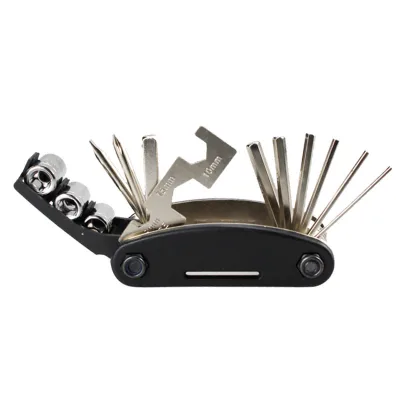
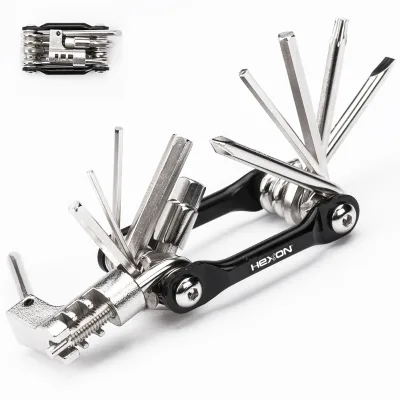
16 in 1 Multifunctional Portable Tool Kit Bike Bicycle Tyre Repair Equipment with Mini Pump
$2.78 - $3.23
MOQ: 100 Pieces

Jiangsu Hexon Imp. & Exp. Co., Ltd.
- Trading Company
- Lead time旺季: "1 - 1000":25,"> 1000":"To be negotiated", 淡季: "1 - 1000":25,"> 1000":"To be negotiated"
- Avg. response≤ 3h
Main productsPlier, Wrench, Screwdriver, Hammer, Tool Set

Hebei Sinotools Industrial Co., Ltd.
- Verified by CTI
- Trading Company
- China Hebei
- Lead time30 days
- Avg. response≤ 2h
Main productsScrewdriver, Plier, Wrench, Hammer, Tape Measure, Pruning Shear, Knife, Tool Set
Main marketsEurope

Tire Valve Core Removal Tool Tire Valve Stem Repair Screwdriver for Car Bike Motorcycle Truck
$0.87 - $1.04
MOQ: 800 Pieces


Ningbo Super Clean Co., Limited
- Verified by TUVRHEINLAND
- Trading Company
- China Zhejiang
- Lead time30 days
- Avg. response≤ 15h
Main productsMicrofiber Cleaning Cloth, Car Wash Mitt and Wash Pad, PVA Chamois, Ice Scraper, Snow Brush, Car Wash Brush, Car Wheel Brush, Window Wiper and Squeegee, Car Duster, Anti Slip Pad
Main marketsDomestic


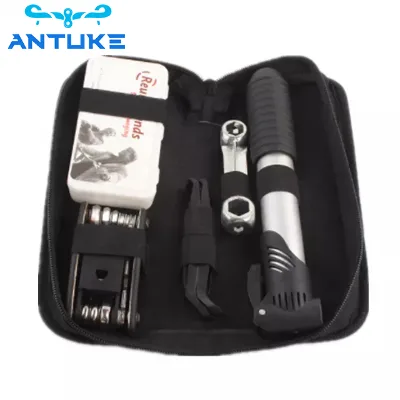


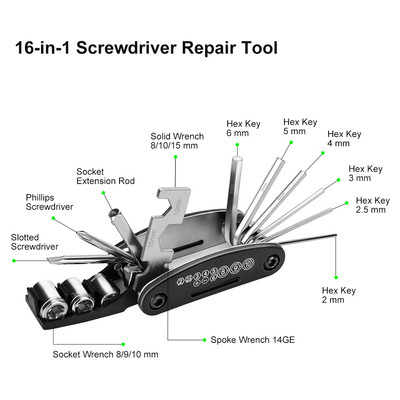
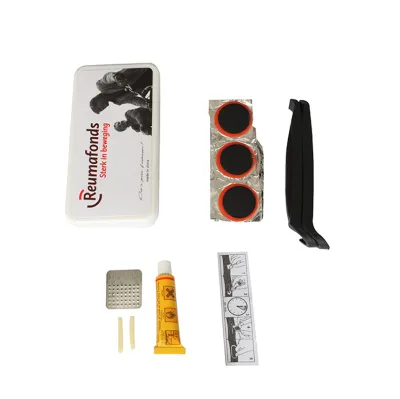


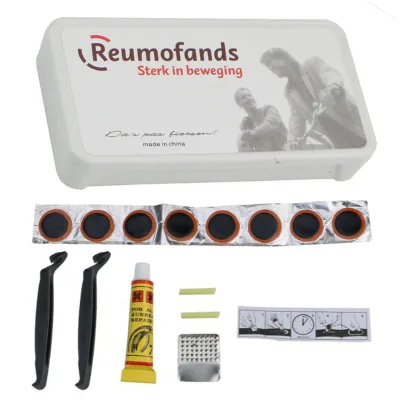


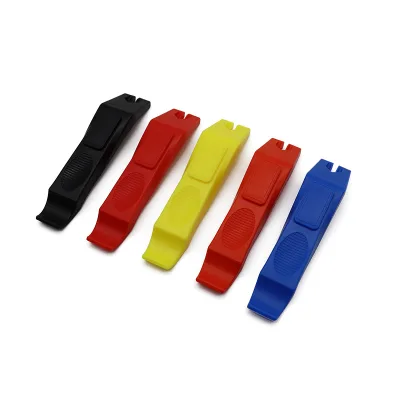
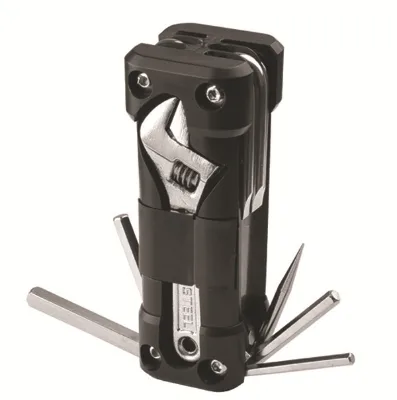
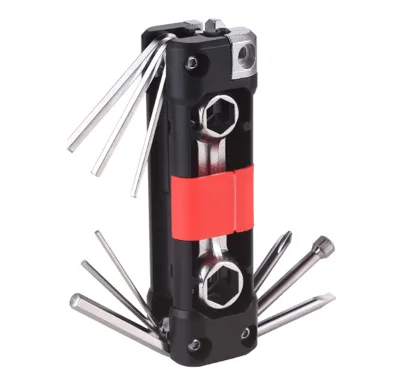
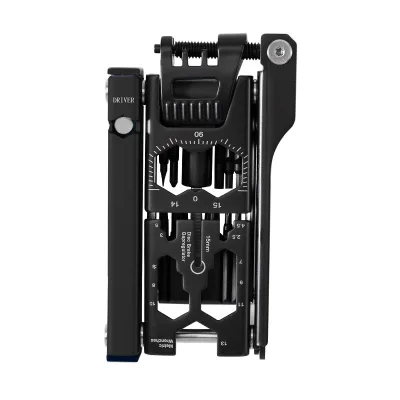


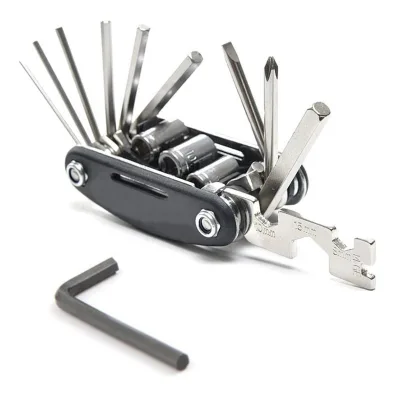
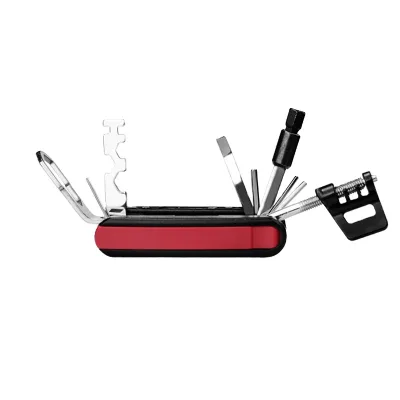
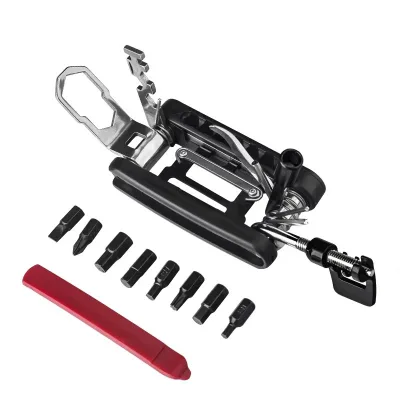
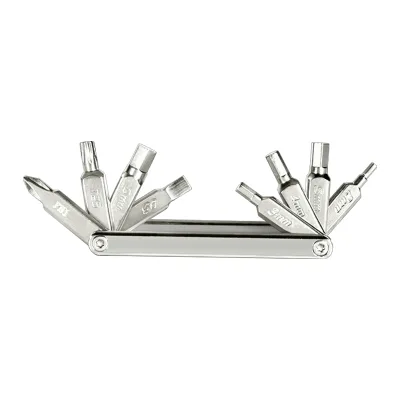


Comprehensive Sourcing Guide
On-The-Go Bicycle Tire Repair Tool Supplier Concentration and Factory Types
The current supplier landscape for on-the-go bicycle tire repair tools reveals a distinct geographic concentration within China, specifically highlighting manufacturing and trading hubs in Hebei, Guangdong, and Zhejiang provinces. These regions serve as critical nodes for the production of cycling accessories, with suppliers in these areas offering a diverse range of product types that cater to both individual consumers and bulk commercial buyers. The presence of suppliers in Hebei indicates a strong base for general bicycle parts and accessories, while Guangdong and Zhejiang are known for their specialized tool manufacturing and efficient trading networks. This geographic distribution allows buyers to access a wide variety of repair kits, from basic cold patch kits to more complex tubeless repair tools, depending on their specific market needs and quality requirements.
Supplier types in this sector vary significantly, ranging from pure manufacturers to combined entities that handle both production and trading, as well as dedicated trading companies. Manufacturers often provide greater control over the production process and customization options, such as OEM and ODM services, which are essential for buyers looking to brand their own products. Combined suppliers offer the flexibility of manufacturing capabilities alongside the logistical advantages of trading operations, potentially simplifying the sourcing process for international buyers. Trading companies, on the other hand, may offer a broader selection of products from multiple factories, providing convenience and variety, though they might have less direct control over the manufacturing details. Understanding these different supplier types is crucial for buyers to align their sourcing strategy with their operational capabilities and risk tolerance.
How to Verify On-The-Go Bicycle Tire Repair Tool Suppliers
Verifying the credibility and reliability of suppliers is a critical step in the sourcing process, especially when dealing with international transactions. Buyers should prioritize suppliers who have undergone third-party verification processes, such as those conducted by SGS or CTI, as these certifications provide an additional layer of assurance regarding the supplier's business legitimacy and operational standards. For instance, some suppliers in the current results have been verified by SGS, indicating a level of scrutiny that can help mitigate risks associated with fraudulent or unreliable partners. Additionally, checking for system certifications like the Declaration of Conformity can provide insights into the supplier's adherence to quality management systems and regulatory compliance, which is particularly important for products that may be subject to safety standards in various markets.
Beyond third-party verifications, buyers should also assess the supplier's response time and communication efficiency, as these factors can significantly impact the overall sourcing experience. Suppliers with faster response times, such as those reporting response times of around two to seven hours, are generally more responsive to inquiries and better equipped to handle urgent requests or changes in order specifications. It is also advisable to review the supplier's product listings for detailed specifications, including materials, certifications, and customization options, to ensure that the products meet the buyer's specific requirements. By combining verification checks with an evaluation of communication responsiveness and product detail transparency, buyers can make more informed decisions and reduce the likelihood of encountering issues during the procurement process.
What to Compare Across On-The-Go Bicycle Tire Repair Tool Suppliers
When evaluating multiple suppliers for on-the-go bicycle tire repair tools, buyers should systematically compare key operational metrics to identify the most suitable partner for their needs. Lead times are a crucial factor, with some suppliers offering lead times as short as ten days, while others may have longer production cycles or zero lead times for ready-made stock. Understanding these variations helps buyers plan their inventory and manage customer expectations effectively. Additionally, the minimum order quantity (MOQ) requirements can vary significantly, with some suppliers requiring orders as low as two thousand units, which may be more accessible for smaller buyers or those testing new markets. Comparing these operational parameters allows buyers to align their sourcing strategy with their production capacity and market demand.
Price ranges and customization capabilities are also essential comparison points, as they directly impact the profitability and uniqueness of the buyer's product offering. Suppliers may offer price ranges from as low as $0.30 to over $4.00 per unit, depending on the complexity of the tool, materials used, and order volume. Buyers should also inquire about customization options, such as OEM and ODM services, which can allow for branding and product differentiation. Furthermore, comparing the main products offered by each supplier can reveal their areas of expertise, with some focusing on basic repair kits while others specialize in advanced tubeless repair tools or electric accessories. By thoroughly comparing these factors, buyers can select suppliers that offer the best balance of cost, quality, and service for their specific business requirements.
Common On-The-Go Bicycle Tire Repair Tool Sourcing Risks
Sourcing on-the-go bicycle tire repair tools from international suppliers involves several potential risks that buyers must proactively manage to ensure a smooth procurement process. One significant risk is the variability in product quality and consistency, which can arise from differences in manufacturing standards and material sourcing. Without proper verification and quality control measures, buyers may receive products that do not meet their specifications or fail to perform as expected in the field. This risk is particularly relevant for tools that require specific materials, such as aluminum alloy or specialized rubber patches, to ensure durability and effectiveness. Buyers should therefore request samples and conduct thorough quality checks before committing to large orders to mitigate the risk of receiving substandard products.
Another common risk is the potential for miscommunication regarding order specifications, delivery timelines, and payment terms, which can lead to delays or disputes. This risk is exacerbated when dealing with trading companies or suppliers with varying levels of English proficiency and business practices. To mitigate this, buyers should establish clear and detailed communication channels, confirm all order details in writing, and use secure payment methods such as escrow services to protect their financial interests. Additionally, buyers should be aware of the potential for supply chain disruptions, such as production delays or logistical issues, which can impact lead times and delivery schedules. By anticipating these risks and implementing robust risk management strategies, buyers can minimize disruptions and ensure a more reliable sourcing experience.
On-The-Go Bicycle Tire Repair Tool Regional Sourcing and Logistics
The geographic location of suppliers plays a significant role in determining logistics costs, lead times, and overall supply chain efficiency for on-the-go bicycle tire repair tools. Suppliers located in provinces like Guangdong and Zhejiang often benefit from established infrastructure and proximity to major ports, which can facilitate faster and more cost-effective shipping to international markets. These regions are known for their robust manufacturing ecosystems and efficient logistics networks, making them attractive options for buyers seeking reliable and timely delivery. In contrast, suppliers in Hebei may offer competitive pricing but might have different logistical considerations, such as longer transit times to coastal ports. Understanding these regional differences allows buyers to optimize their sourcing strategy based on their target markets and logistical preferences.
Logistics planning should also consider the packaging and weight of the products, as these factors can impact shipping costs and handling requirements. For example, some repair tools are packaged in compact sizes, such as 12x8x2 cm, which can help reduce shipping volumes and costs, while others may be larger or heavier, requiring more careful handling and potentially higher freight charges. Buyers should work closely with their suppliers to determine the most efficient packaging solutions and shipping methods, taking into account the destination country's import regulations and customs requirements. Additionally, considering the supplier's experience with international shipping and their ability to provide necessary documentation, such as commercial invoices and packing lists, can help streamline the customs clearance process and reduce the risk of delays at the destination.
On-The-Go Bicycle Tire Repair Tool Commercial Terms and Order Planning
Effective commercial terms and order planning are essential for managing the financial and operational aspects of sourcing on-the-go bicycle tire repair tools. Buyers should negotiate clear payment terms, such as deposits and balance payments upon shipment, to protect their cash flow and ensure that the supplier is committed to fulfilling the order. Additionally, understanding the supplier's return and refund policies is crucial, as it provides a safety net in case of quality issues or non-conformance with the agreed specifications. Buyers should also consider the potential for price fluctuations and negotiate fixed prices for the duration of the order to avoid unexpected cost increases. By establishing transparent and fair commercial terms, buyers can build a stable and mutually beneficial relationship with their suppliers.
Order planning should take into account the supplier's production capacity and lead times to ensure that inventory levels are maintained and customer demand is met. Buyers should work with their suppliers to develop a production schedule that aligns with their sales forecasts and market trends, allowing for flexibility in case of sudden changes in demand. Additionally, considering the supplier's ability to handle rush orders or provide expedited shipping options can be valuable for addressing unexpected market opportunities or replenishing stock quickly. By integrating commercial terms with strategic order planning, buyers can optimize their supply chain efficiency, reduce inventory holding costs, and enhance their overall competitiveness in the bicycle accessories market.
FAQs
What is the price range for portable bicycle tire repair kits?
Prices for portable repair kits typically range from $0.30 to $4.27 per unit. Basic cold patch kits start at the lower end, while aluminum alloy tool sets with multiple plugs cost more. Buyers should check specific product listings for exact pricing based on quantity and customization needs.
What is the minimum order quantity for these repair tools?
The minimum order quantity is generally 2000 units for standard cold patch kits. Some specialized tool sets may have different requirements. Buyers should verify the specific MOQ for each product type, as bulk orders often qualify for better pricing tiers and customized packaging options.
How long does it take to receive an order?
Lead times vary by supplier location and product type. Some manufacturers in Hebei offer a 30-day lead time, while others in Zhejiang may deliver within 10 days. Certain Guangdong suppliers list zero lead time for specific items. Always confirm the exact production schedule before placing an order.
Are these suppliers verified for quality assurance?
Yes, several suppliers hold third-party verification badges. Some are verified by SGS, while others have CTI verification. Additionally, products may carry ISO, GS, or CE certifications. Buyers should review the specific verification status and certification details listed on each product page to ensure quality standards are met.
What materials are used in bicycle tire repair tools?
Repair tools are commonly made from aluminum alloy for durability and lightweight performance. Cold patch kits typically include rubber strips and glue. Some portable kits feature plastic or metal handles. The material choice depends on whether the product is a simple patch kit or a comprehensive tool set.
Can I get samples before placing a bulk order?
Samples are available for many products, including cold patch kits and tool sets. Buyers can request samples to verify quality and functionality before committing to larger quantities. Sample availability should be confirmed directly with the supplier, as policies may vary based on the specific product model and customization requirements.
Where are these bicycle repair tools manufactured?
Manufacturing locations include Hebei, Guangdong, and Zhejiang provinces in China. Specific products may originate from Ningbo in Zhejiang. Buyers can filter suppliers by location to find manufacturers in their preferred region. Origin details are typically listed in the product attributes section of each supplier listing.