Hand Blown Ribbed Wine Glass Suppliers and Manufacturers
Explore 28 verified options for Hand Blown Ribbed Wine Glass from Guangdong, China. Compare lead times, MOQs, response times, and certifications like food grade. Request samples to verify quality before placing bulk orders; review the available evidence before requesting comparable quotations from suitable candidates.
Suppliers List
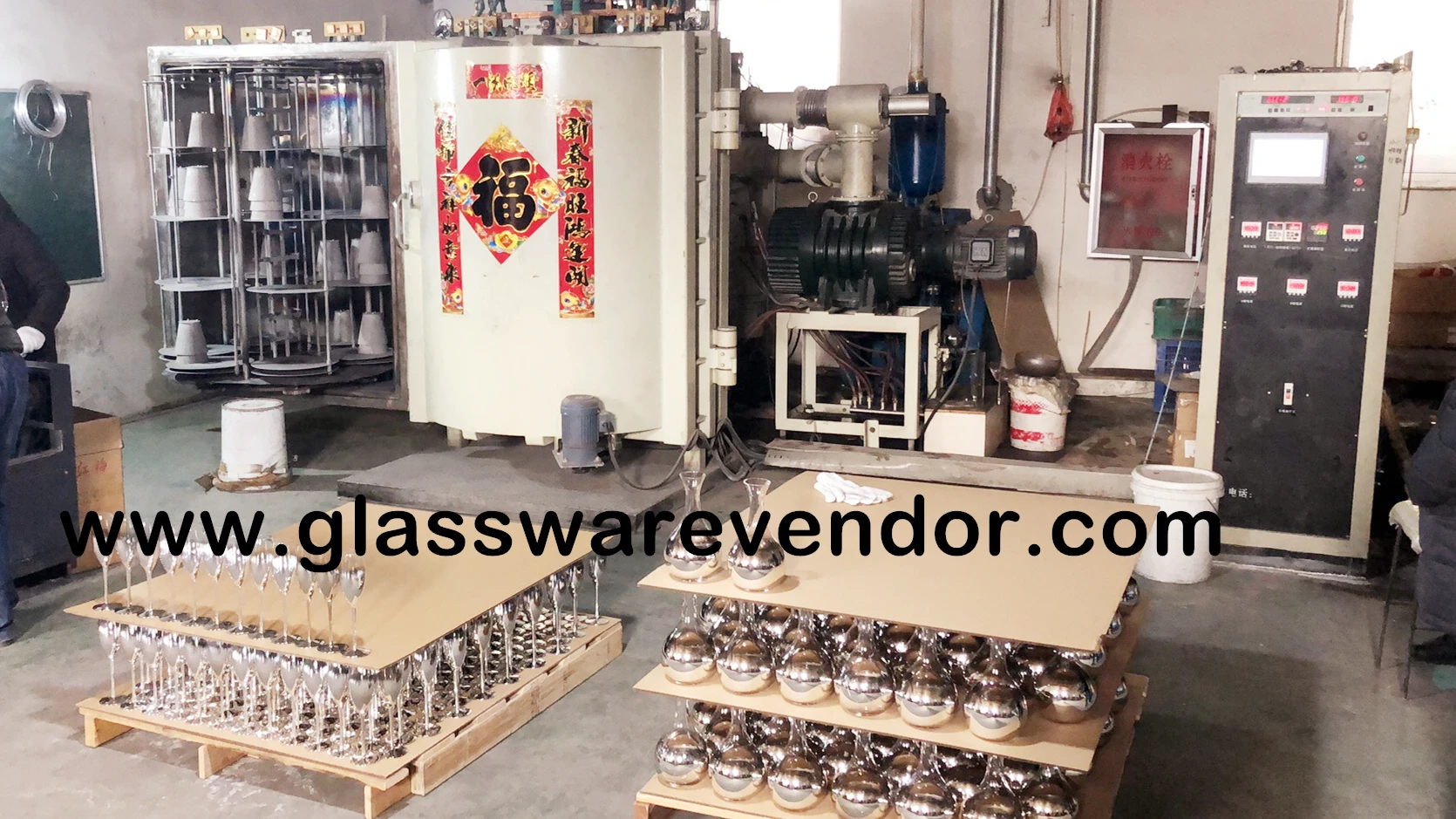
Shenzhen Sunrise Glassware Co., ltd.
- Trading Company
- Guangdong, China
- Lead time30 days
- Avg. response≤ 8h
Main productscustom crystal wine glass,custom hand cut whiskey glass,custom drinking glass,custom colored glass cup,custom double wall glass cups
Main marketsWestern Europe(20.0%), North America(20.0%), Southern Europe(16.0%), Domestic Market(10.0%), Northern Europe(10.0%), Oceania(7.000000000000001%), Mid East(5.0%), Eastern Asia(5.0%), South America(2.0%), Southeast Asia(2.0%), Central America(2.0%), Eastern Europe(1.0%)
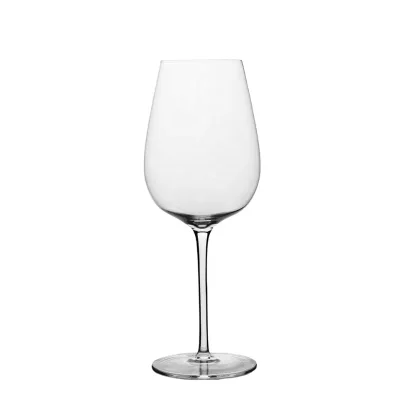
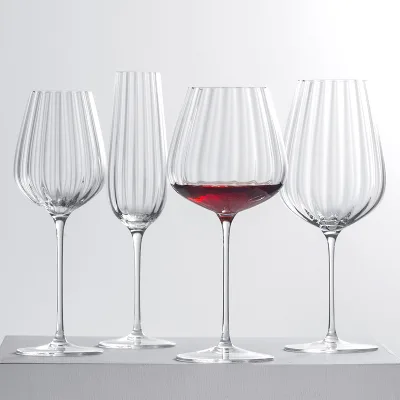
Hand Blown Wine Glass Custom Wine Glasses Handmade Long Stem Crystal Bordeaux Wine Glass
$2.59 - $2.99
MOQ: 2000
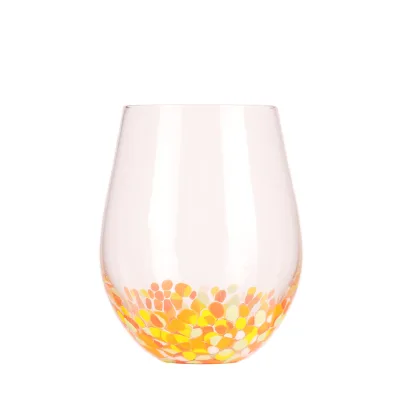
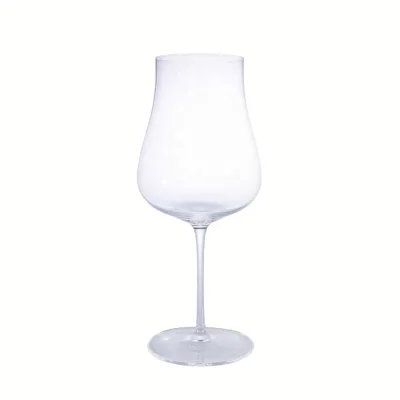
Hand Blown Burgundy Wine Glass Custom Thin Stemmed Tasting Wine Glass Modern Wine Drinkware
$3.64 - $4.02
MOQ: 1000 pieces
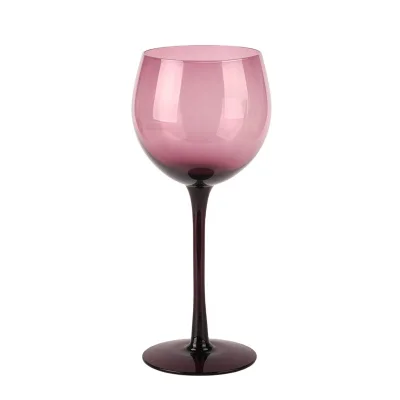
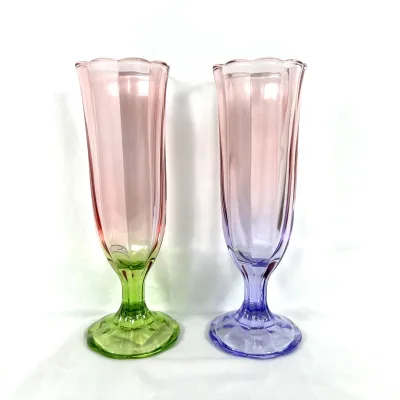
Mouth Blown Colored Wine Glass Custom Vintage Purple Colored Wine Glass Goblet Creative Wine Glasses
$2.99 - $3.19
MOQ: 3000 pieces
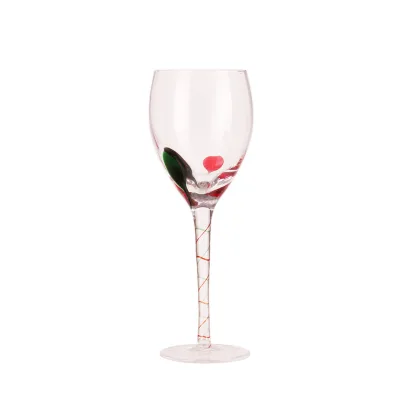

Wuhan Xinhuahang Household Goods Co., Ltd.
- Verified by BV
- Combined
- China Hubei
- Lead time15 days
- Avg. response≤ 4h
Main productsWine Glasses, Beer Glass, Drinking Glass, Decanter, Shot Glass, Coffee Glass, Cocktail Glass, Champagne Glass, Wine Accessories
Main marketsEurope,Australia,North America


Hand Blown Modern Elegant Thin Stem Crystal Ribbed Champagne Glass for Wedding Party Birthday
$1.32 - $1.98
MOQ: 480 Pieces


$1.15 - $1.50
MOQ: 240 Pieces

Custom Hand Blown Gold Rimmed Wedding Long Stem Crystal Champagne Coupe Wine Glasses Set
$1.26 - $1.42
MOQ: 480 Pieces

$0.58 - $0.85
MOQ: 480 Pieces

- Verified by TUVRHEINLAND
- Manufacturer/Factory
- China Zhejiang
- Lead time45 days
- Avg. response≤ 3h
Main productsIce Bucket, Toys, Kitchen Products, Hip Flask, Shaker, Bar Caddy, Menu Board, Bottle Opener, Barwares, Wine Glasses
Main marketsSouth America,Eastern Europe,Mid East,North America,Southeast Asia,Eastern Asia,Oceania,Western Europe,Africa
Shanxi Delight Houseware Co., Ltd.
- Verified by Intertek
- Trading Company
- Lead time30 days
Main productsGlass Drinkware, Glass Plate and Bowl, Glass Candle Holder, Glass Decanter
Main marketsNorth America(20%), Mid East(15%), South America(10%)
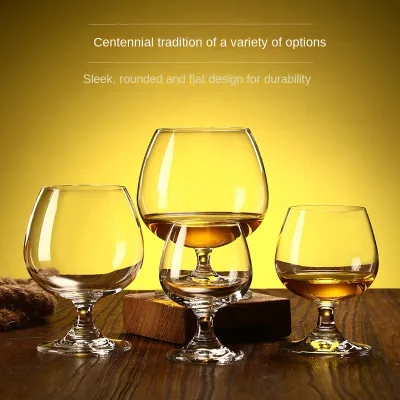
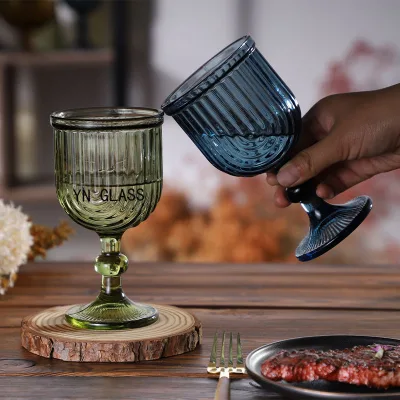
Hand Blown Thickened Bar Brandy Glass Modern Design Short Foot Red Wine Glass
$0.49 - $2.59
MOQ: 26 Minimum
Guangzhou Chengfeng Brother Industrial Co., Ltd.
- Verified by Intertek
- Manufacturer, Trading Company
- Lead time25 days
- Avg. response≤ 2h
Main productsWhiskey Glass, Shot Glass, Wine Glass, Champagne Glass, Cocktail Glass
Main marketsNorth America(60%), Eastern Europe(10%), Southeast Asia(10%)
Taiyuan Jarvi Glassware Co., Ltd.
- Trading Company
- Shanxi, China
- Lead time0 days
- Avg. response≤ 4h
Main productswine glasses,glass plates,glass vases,glass candle holders,glass decanters
Main marketsNorth America(65.0%), Northern Europe(20.0%), Mid East(10.0%), South Asia(2.0%), Africa(2.0%), Domestic Market(1.0%)

Zibo Melory Import & Export Trade Co., Ltd.
- Trading Company,Manufacturer/Factory
- China Shandong
- Lead time45 days
- Avg. response≤ 17h
Main productsGlass Candle Holder, Glass Jar, Glass Votive, Glass Diffuser, Glass Bottle, Glass Vase, Matches, Ceramic Candle Holder, Ceramic Holder for Incense, Glass Candle Jar
Main marketsSouth America,Eastern Europe,North America,Western Europe

Shanxi Midas Industrial Co., Ltd.
- Verified by CTI
- Manufacturer/Factory
- China Shanxi
- Lead time23 days
- Avg. response≤ 16h
Main productsDuctile Iron Pipe and Fitting, Steel Pipe and Fitting, Valve, Manhole Cover, Coupling, Flange, Water Meter, Dismantling Joint, Flange Adaptor, Pumps
Main marketsSouth America,Eastern Europe,Mid East,North America,Southeast Asia,Eastern Asia,Western Europe,Africa

XIAMEN SHUNSTONE HOMEWARE CO., LTD.
- Manufacturer/Factory
- China Fujian
- Lead time23 days
- Avg. response≤ 4h
Main productsWhiskey Gift Set, Whiskey Glass, Wine Glass, Cocktail Shaker, Cooking Steak Stone, Whiskey Decanter, Wine Decanter, Wine Opener
Main marketsSouth America,Eastern Europe,Mid East,North America,Southeast Asia,Eastern Asia,Oceania,Western Europe,Africa

$0.80 - $2.00
MOQ: 500 Pieces

Hand Blown Lead-Free Crystal Glass Red Wine Decanter and Bordeaux Wine Glasses Gift Set
$7.58 - $9.48
MOQ: 504 Pieces

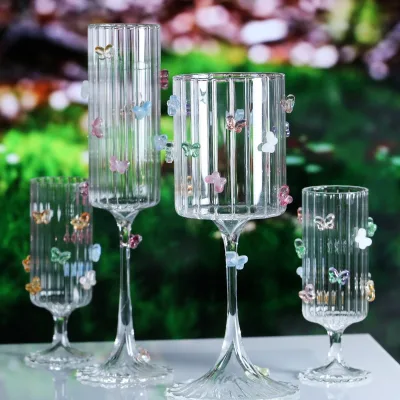
High Borosilicate Vertical Grain Champagne Wine Glass Decoration Butterfly Wine Glasses
$3.99 - $4.29
MOQ: 480 Pieces

Hebei Xingchen Glass Technology Co., Ltd.
- Verified by CTI
- Combined
- China Hebei
- Lead time30 days
- Avg. response≤ 9h
Main productsGlass Cup, French Press, Coffee Pot, Glass Jar, Teapot, Syphon Coffee Maker, Glass Cooking Pot, Glass Pitcher, Glass Straw, Glass Teacup
Main marketsSouth America,Africa,Others(foreignTradeCapacity.exportBusinessCapacityMarketOther),Southeast Asia/ Mideast,East Asia(Japan/ South Korea),Europe,Australia,North America

Unique Long Stem Champagne Goblet Glass Cup Hand Blown Crystal Glass Wine Glasses
$1.55 - $2.35
MOQ: 500 Pieces

Wholesale Customized Hand Blown White Red Wine Glass Champagne Goblet Glasses Set
$1.25 - $2.75
MOQ: 500 Pieces

Hand-Blown Blue Borosilicate Glass Vertical Colorful Ribbed Drinking Cup Glass with Handle
$1.21 - $1.59
MOQ: 300 Pieces


Fashion Clear High Cup Champagne Glasses Wedding Goblets Drinking Custom Wine Glass with Logo Goblet
$1.55 - $2.35
MOQ: 500 Pieces
Hebei Better Refined Gift And Craft Co., Ltd.
- Verified by SGS Group
- Trading Company
- Lead time20 days
- Avg. response≤ 6h
Main productsGlassware
Main marketsNorth America(30%), Oceania(25%), Western Europe(20%)

Longyan Zhanling Industry and Trade Co., Ltd.
- Manufacturer/Factory
- China Fujian
- Lead time150 days
- Avg. response≤ 4h
Main productsStainless Steel Cup, Customized Cup, Stainless Steel Cup & Mug, Double Wall Stainless Steel Cup, Customized Stainless Steel Cup, Water Bottle, Tumbler, Stainless Steel Water Bottle, Stainless Steel Bottle, Whiskey Glass
Main marketsSouth America,Eastern Europe,Mid East,North America,Southeast Asia,Eastern Asia,Oceania,Western Europe,Africa

- Verified by TUVRHEINLAND
- Trading Company
- China Hunan
- Lead time45 days
- Avg. response≤ 2h
Main productsCeramic Mug, Vacuum Flask, Dinner Set, Cup, Mug, Thermal Bottle, Ceramic Dinner Set, Glass Jar, Glass Cup, Wine Cup
Main marketsSoutheast Asia/ Mideast

Toasting Glasses Ribbed Goblet Wine Cup Vintage Unique Champagne Glasses
$0.39 - $0.59
MOQ: 2000 Pieces


Guangzhou Garbo International Trading Co., Ltd.
- Verified by TUVRHEINLAND
- Trading Company,Manufacturer/Factory
- China Guangdong
- Lead time45 days
- Avg. response≤ 7h
Main productsGlassware, Glass Cup, Glass Mug, Glass Bowl, Glass Candy Jar, Glass Pitcher, Glass Ice Cream Cup and Ice Bucket, Opal Glassware, Stainless Steel Cutlery, Ceramic Dinnerware
Main marketsSouth America,Eastern Europe,Mid East,North America,Southeast Asia,Eastern Asia,Oceania,Western Europe,Africa


Hand-Engraved Cocktail Glasses with Line Engraved Wine Glassware
Contact supplier


High Quality 14oz Hand Blown & Hand Painted Glass Drinking Cup
Contact supplier
Qixian Kewantong Glassware Co., Ltd.
- Verified by Intertek
- Manufacturer, Trading Company
- Lead time30 days
Main productsWine Glasses, Decanter, Whiskey Glasses, Champagne Glasses, Glass Plate
Main marketsDomestic Market(45%), North America(15%), Mid East(10%)
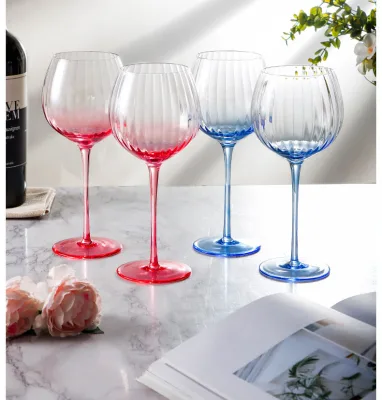
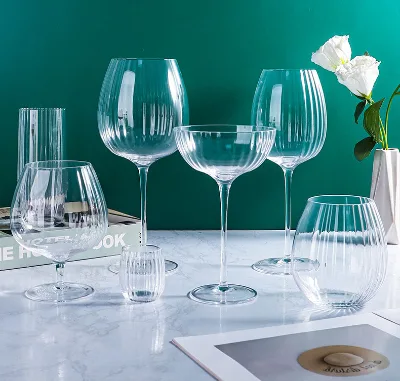
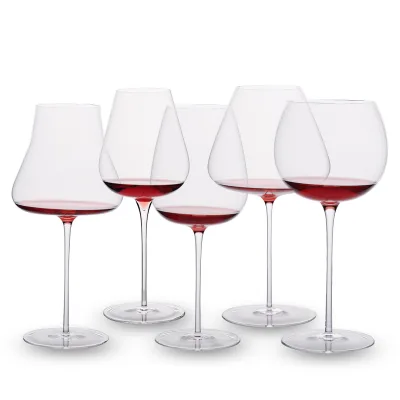
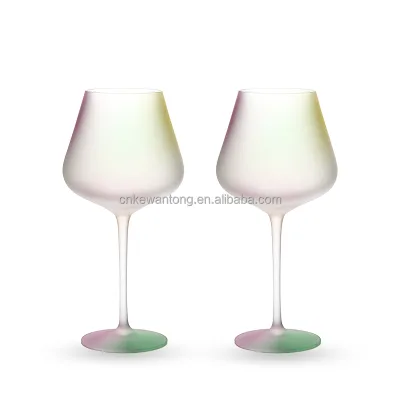
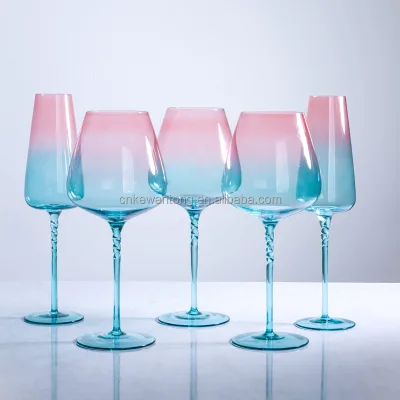
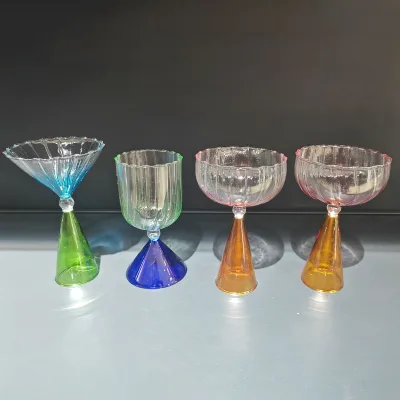
Hot Selling Handicraft Thin Crystal Wine Glass Big Red Wine Goblet Glass for Gift
$1.99 - $2.25
MOQ: 1000
Shaanxi Freeway Import And Export Co., Ltd.
- Manufacturer
- Shaanxi, China
- Lead time45 days
- Avg. response≤ 3h
Main productsGlassware,wine glasses,glass candle holder,glass vase,drinking glasses
Main marketsWestern Europe(40.0%), North America(40.0%), South America(15.0%), Oceania(5.0%)
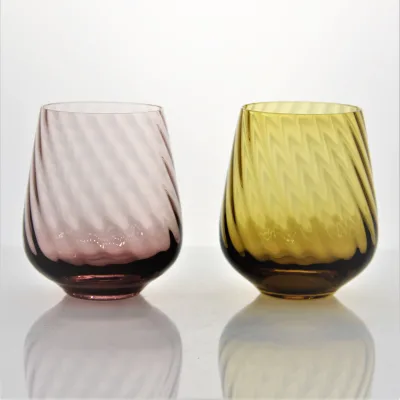
Custom Hand Blown 330ml Colored Embossed Tumbler Glass Crystal Stemless Wine Glasses
$1.31 - $1.38
MOQ: 600 pieces
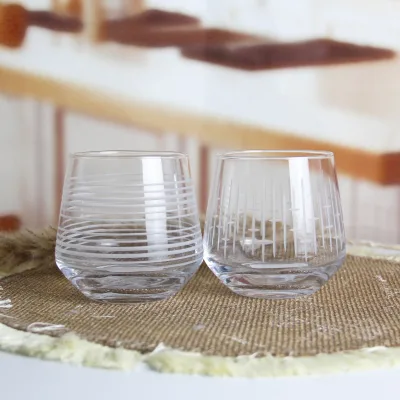
Hand Blown Etched Stemless Red Wine Glasses with Line Strips Pattern Elegant Tumblers for Weddings
$0.95 - $1.05
MOQ: 576 pieces

Yancheng Xinboyuan Glass Co., Ltd.
- Verified by BV
- Trading Company,Manufacturer/Factory
- China Jiangsu
- Lead time23 days
- Avg. response≤ 12h
Main productsGlass Table Lamp, Glass Perfume Bottles, Glass Lampshade, Glass Labware, Glass Bottles & Jars, Glass Candlesticks, Borosilicate Mug & Cups, Glass Vases & Terrariums, Glass Beakers, Glass Reagent Bottles
Main marketsEastern Europe,Mid East,North America,Western Europe


Custom Hand Blown Cute Christmas Glass Wine Glasses Stemmed Glass Drinking Cup Holiday Water Glasses
$2.00 - $3.88
MOQ: 200 Pieces

Guangzhou Blais Hotel Supplies Co., Ltd.
- Verified by SGS Group
- Trading Company
- Lead time30 days
- Avg. response≤ 6h
Main productsCeramic Dinnerware, Stainless Steel Flatware, Wine Glass, Charger Plate
Main marketsNorth America(95%), South America(3%), Africa(1%)
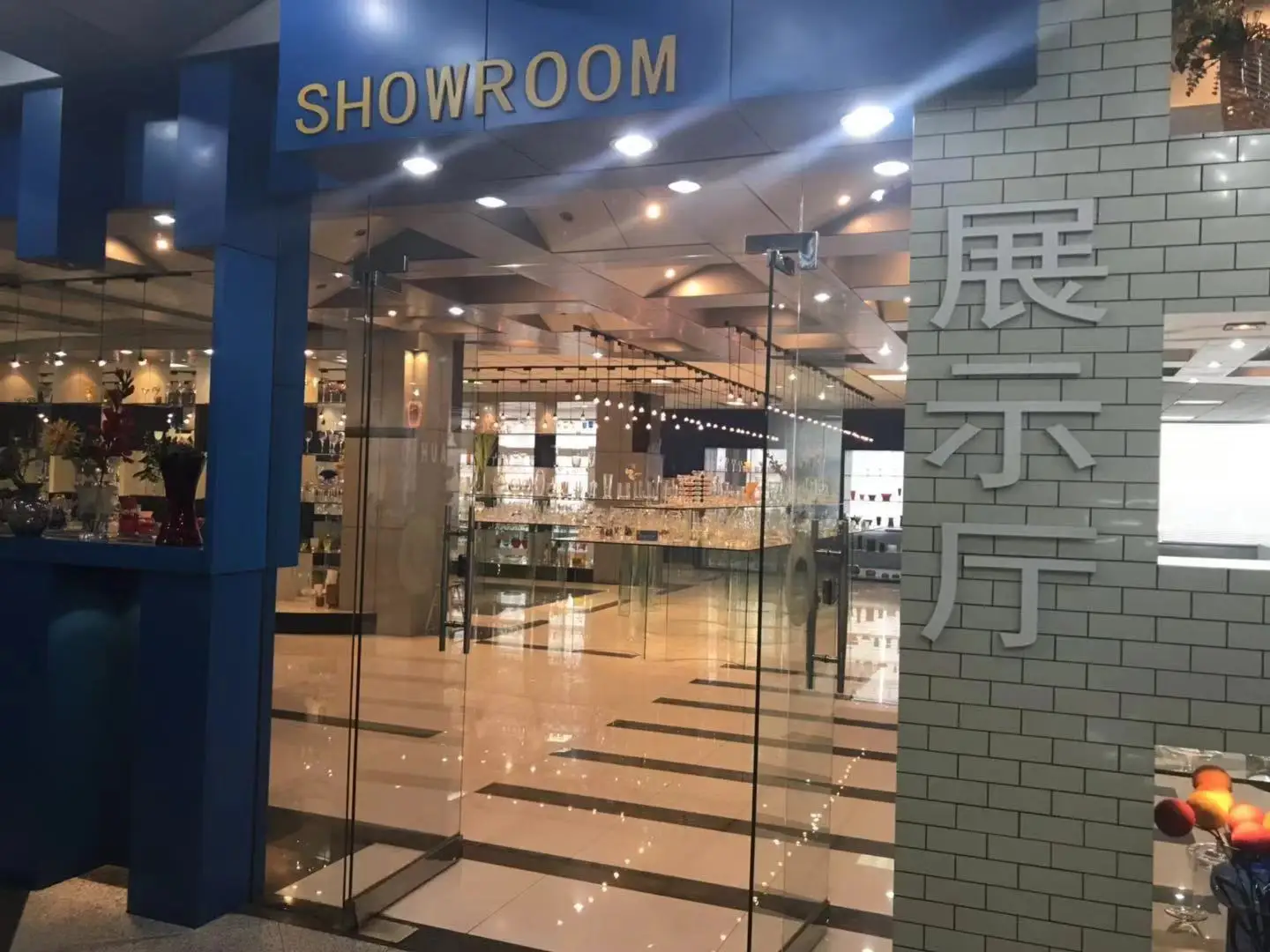
Changsha Aikeyi Homeware Co., Ltd.
- Trading Company
- Hunan, China
- Lead time25 days
- Avg. response≤ 2h
Main productsCustomized Glassware,Glass Tableware,Wine Glass,Glass Bottle,Glass Jar
Main marketsNorth America(33.0%), Oceania(15.0%), South America(12.0%), Western Europe(9.0%), Mid East(8.0%), Central America(4.0%), Northern Europe(4.0%), Africa(3.0%), Eastern Europe(3.0%), Southern Europe(3.0%), South Asia(2.0%), Southeast Asia(2.0%), Eastern Asia(2.0%)
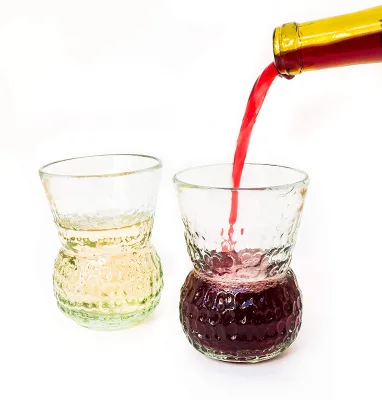
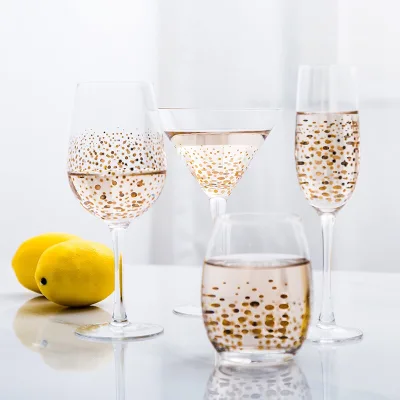
Wholesale High Quality Wholesale Cheap Champagne Glass Handmade Clear Wine Glass
$1.10 - $1.18
MOQ: 2000 pieces

Hebei Zhuozhongxi Glass Products Co., Ltd.
- Verified by BV
- Manufacturer/Factory
- China Hebei
- Lead time15 days
- Avg. response≤ 4h
Main productsGlass Cup, Glass Teapot, Coffee Appliance, Tea Set, Glass Crafts, Glass Jug, Glass Food Storage Jar, Wine Glass, Candle Holders, Double Wall Glass
Main marketsSouth America,Eastern Europe,Mid East,North America,Southeast Asia,Eastern Asia,Oceania,Western Europe,Africa


Diamond Double Wall Glass Handmade 180ml Glass Crystal Wine Glasses Wine Cups
$2.00 - $2.32
MOQ: 100 Pieces


Qixian Xin Sen Glass Products Co., Ltd.
- Verified by Intertek
- Manufacturer, Trading Company
- Lead time35 days
- Avg. response≤ 3h
Main productsDrinking Glassware, Glass Jar, Glass Plate, Glass Vase
Main marketsNorth America(40%), Oceania(20%), Northern Europe(20%)
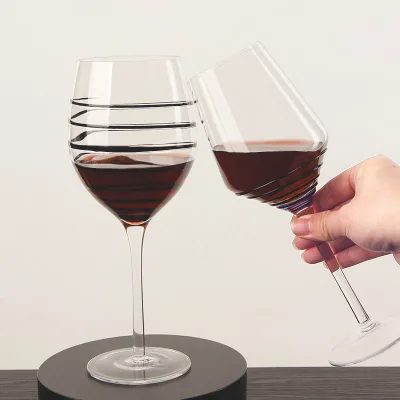
Elegant Black Hand-blown Glass Wine Glass, Luxurious Design, Black Wire Wrapped Around the Cup,
$4.47 - $5.60
MOQ: 100 pieces

Hemera (Tianjin) Technology Development Limited
- Verified by TUVRHEINLAND
- Manufacturer/Factory
- China Tianjin
- Lead time38 days
- Avg. response≤ 4h
Main productsGlass Cup, Glass Teapot, Glass Jar&Container, Glass Pitcher&Carafe, Water Jug, Coffee Set, Wine Set, Glass Cooking Ware
Main marketsSouth America,Eastern Europe,Mid East,North America,Southeast Asia,Eastern Asia,Oceania,Western Europe,Africa


$2.00 - $4.00
MOQ: 500 Pieces

Crystal Whiskey Tumblers Old Fashioned Glasses Round Spin Glass Wine Cup
$2.00 - $4.00
MOQ: 500 Pieces

Crystal Whiskey Tumblers Old Fashioned Bourbon Glasses Round Spin Glass Wine Cup
$2.00 - $4.00
MOQ: 500 Pieces


Jinjiang Jiaxing Supply Management Co., Ltd.
- Verified by TUVRHEINLAND
- Trading Company
- China Fujian
- Lead time30 days
- Avg. response≤ 1h
Main productsEVA Clogs, Flip Flop, Shoe Charms, Shopping Bags, Wristbands, Gifts, Promotional Gifts, Slipper, Sport Cap, Ball
Main marketsNorth America

Jinjiang Jiaxing Import and Export Co., Ltd.
- Verified by CTI
- Manufacturer/Factory
- China Fujian
- Lead time120 days
- Avg. response≤ 1h
Main productsShoes, Slipper, Clothes, Promotion Gifts, Silicone Products, Outdoor Sports Products, Bags, Fashion Accessories, Consumer Electronics
Main marketsSouth America,Eastern Europe,Mid East,North America,Southeast Asia,Eastern Asia,Oceania,Western Europe,Africa
Shanxi Yan Yuan Ge Industry&Trade Co., Ltd.
- Trading Company
- Shanxi, China
- Lead time30 days
- Avg. response≤ 2h
Main productsGlass Plate, Glass Bowl, Wine Glass, Glass Decanter, Porcelain Plate
Main marketsNorth America(41.0%), South America(22.0%), Eastern Europe(15.0%), Africa(8.0%), Northern Europe(5.0%), Southeast Asia(5.0%), Southern Europe(4.0%), South Asia(0.0%), Eastern Asia(0.0%), Oceania(0.0%), Western Europe(0.0%), Central America(0.0%), Domestic Market(0.0%), Mid East(0.0%)

Tianjin Jiaming Technology Co., Ltd.
- Verified by SGS
- Trading Company
- China Tianjin
- Lead time15 days
- Avg. response≤ 10h
Main productsGlass Jar, Glass Cup, Kitchen Utensils, Teapot, Glass Pitcher
Main marketsOthers(foreignTradeCapacity.exportBusinessCapacityMarketOther)
Hangzhou Haishang Minghui Trading Co., Ltd.
- Trading Company
- Zhejiang, China
- Lead time15 days
- Avg. response≤ 4h
Main productsGlass,Red wine glass,Beer mug,Teacup,Glass storage cans
Main marketsNorth America(70.0%)

Rollin Porcelain Industrial Co., Ltd.
- Verified by BV
- Manufacturer/Factory
- China Guangdong
- Lead time45 days
- Avg. response≤ 6h
Main productsPorcelain Dinnerware, Tableware, Dinner Set, Dinner Plate, Hotel and Restaurant Tableware, Bone China, Cutlery, Glassware, Ceramic Plate, Porcelain
Main marketsEastern Europe,Mid East,North America,Southeast Asia,Eastern Asia,Oceania,Western Europe


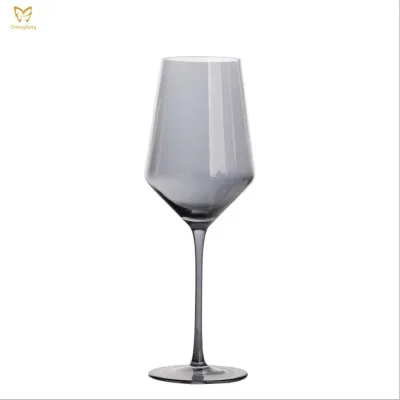
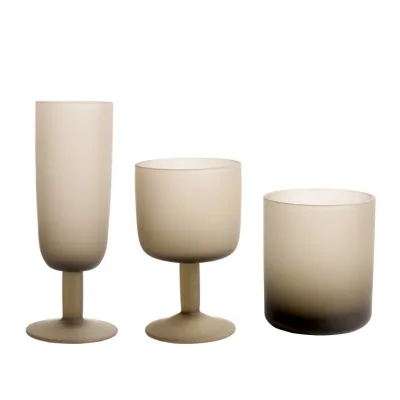
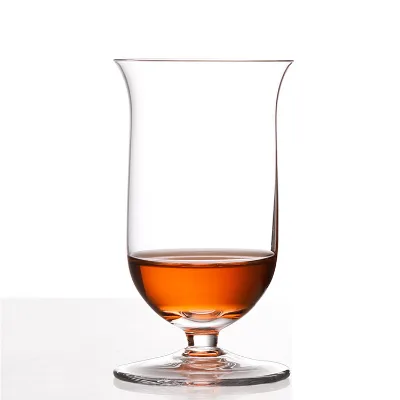
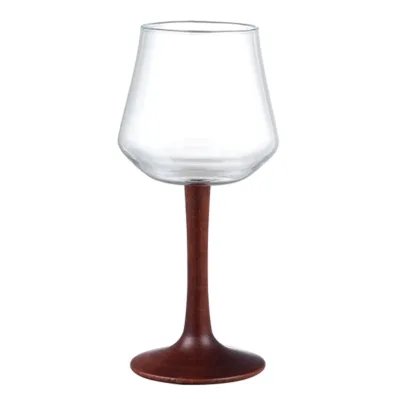




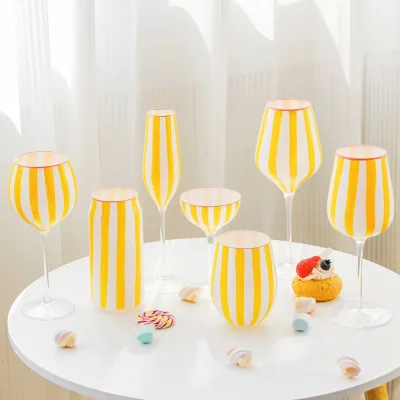


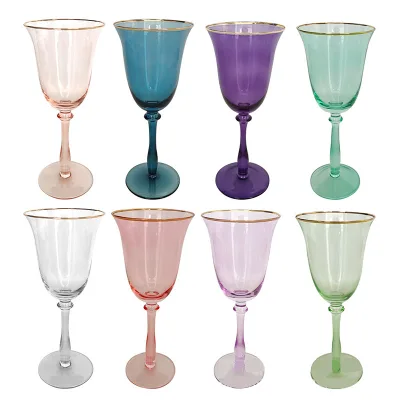
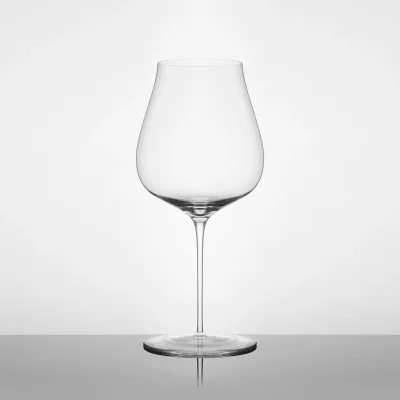


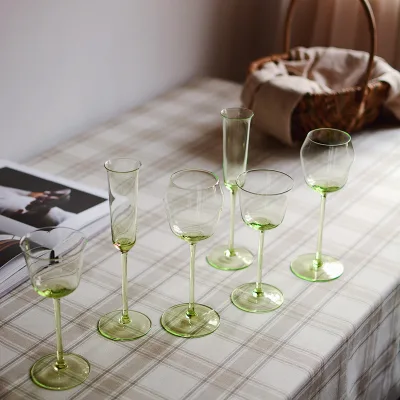


Comprehensive Sourcing Guide
Hand Blown Ribbed Wine Glass Supplier Concentration and Factory Types
The available data indicates a specific concentration of suppliers in Guangdong, China, for custom crystal and hand-blown glassware. This region appears to host companies classified as trading companies that offer a range of products including custom crystal wine glasses, hand-cut whiskey glasses, and double-wall glass cups. When evaluating potential partners, buyers should verify if the supplier operates as a manufacturer or a trading entity, as this distinction impacts direct communication and production oversight. The presence of a trading company structure suggests that while they may not own the factory, they manage the supply chain and quality control processes for the finished goods.
Buyers must confirm the actual factory location rather than relying solely on the trading company's registered address. While the current results point to Guangdong, the specific manufacturing clusters for hand-blown ribbed designs require direct verification with the supplier. Some suppliers list their place of origin as Guangdong, China, but the specific workshop handling the ribbed glass molding might be elsewhere. It is essential to request a video tour or a detailed facility map to confirm the production site. This verification ensures that the supplier has the specific hand-blown capabilities required for ribbed textures, which differ significantly from standard molded glass production methods.
How to Verify Hand Blown Ribbed Wine Glass Suppliers
Verification begins with checking the response time and sample availability, as these are critical indicators of supplier reliability. The observed data shows a response time of 8 hours for some suppliers, which suggests a reasonable level of engagement for initial inquiries. Buyers should also confirm if samples are offered, as the current facts indicate that sample services are available for certain product lines. Requesting a physical sample of a hand-blown ribbed wine glass is necessary to assess the quality of the glass, the consistency of the ribbing, and the overall finish. Without a physical sample, it is impossible to verify the craftsmanship claims made in the product descriptions.
Certifications and material safety are equally vital for verification, especially for drinkware intended for food and beverage use. The current results mention "food grade" certification and "lead-free crystal glass" materials for specific items. Buyers must ask for valid certification documents that specifically cover the ribbed wine glass product line, as general company certifications may not apply to every SKU. Additionally, verifying the brand name and model number against the supplier's official records helps confirm authenticity. If a supplier claims to be the brand owner, they should provide proof of trademark ownership or authorized distribution rights. This due diligence prevents the risk of receiving counterfeit or substandard products that do not meet safety standards.
What to Compare Across Hand Blown Ribbed Wine Glass Suppliers
When comparing suppliers, the minimum order quantity (MOQ) is a primary differentiator that affects budget and inventory planning. The data reveals a wide range of MOQs, with some suppliers requiring 1,000 pieces while others demand 2,000 or even 3,000 pieces. Buyers must align their order volume with these thresholds to avoid unnecessary costs or rejected orders. A supplier with a lower MOQ might be more suitable for startups or test runs, whereas a higher MOQ supplier may offer better unit pricing for large-scale production. It is crucial to confirm if the MOQ applies to the total order or per color/design, as this significantly impacts the feasibility of custom orders.
Lead times and supply ability are another critical comparison point for planning delivery schedules. The observed lead time is 30 days, but some suppliers list a supply ability of 10,000 pieces per day, which suggests high-volume capacity. Buyers should compare these figures to ensure the supplier can meet their specific timeline requirements. A supplier with a high daily supply ability might still have a long lead time due to queueing or material sourcing issues. Additionally, comparing the price range, which varies from approximately $2.59 to $4.02 per unit, helps in budgeting. Buyers should request a detailed quote that breaks down costs for materials, labor, and packaging to understand the value proposition of each supplier.
Common Hand Blown Ribbed Wine Glass Sourcing Risks
One significant risk involves the inconsistency of hand-blown manufacturing, which can lead to variations in ribbing depth and glass thickness. Unlike machine-pressed glass, hand-blown items often have slight imperfections that may not meet strict quality standards if not properly managed. Buyers should explicitly define acceptable tolerance levels in their contract and request a pre-production sample approval process. Without clear specifications, the final batch may differ significantly from the sample, leading to disputes and potential financial loss. It is also important to verify if the supplier has a dedicated quality control team that inspects every piece for defects before packaging.
Another risk is the potential for misleading product attributes regarding material composition and safety. While some listings claim "lead-free crystal glass," others may use terms like "glass" without specifying the lead content. Buyers must demand third-party test reports to confirm the material safety, especially for products intended for food contact. The absence of specific certification details in the initial listing is a red flag that requires immediate clarification. Furthermore, relying solely on the supplier's word regarding the "hand-blown" nature of the product can be risky; buyers should verify the production method through factory audits or video evidence. Ensuring that the supplier can consistently deliver on these claims is essential to mitigate quality and safety risks.
Hand Blown Ribbed Wine Glass Regional Sourcing and Logistics
The primary sourcing region identified in the data is Guangdong, China, which offers a strategic advantage for logistics due to its proximity to major ports. Suppliers in this region list dispatch ports such as Shenzhen, Qingdao, Shanghai, and Tianjin, providing flexibility in shipping routes. Buyers should evaluate which port offers the most cost-effective and timely delivery to their destination. The availability of multiple port options suggests that the suppliers have established relationships with various logistics providers, which can facilitate smoother shipping processes. However, buyers must confirm the specific port of dispatch for their order, as this can impact transit times and freight costs.
Packaging and shipping details are critical for protecting fragile hand-blown glassware during transit. The current facts indicate that customized packaging is available, including inner boxes and cartons. Buyers should specify their packaging requirements to ensure the glassware is adequately protected against breakage. Standard packaging may not be sufficient for hand-blown items, which are more susceptible to damage. Additionally, buyers should verify if the supplier offers insurance for the shipment and how they handle claims for damaged goods. Understanding the logistics chain from the factory to the final destination helps in planning for potential delays or issues that could arise during transit.
Hand Blown Ribbed Wine Glass Commercial Terms and Order Planning
Commercial terms such as payment methods and escrow services play a vital role in securing the transaction. While the current data does not explicitly mention escrow availability, buyers should inquire about secure payment options to protect their funds. Using escrow services ensures that payment is only released once the goods are verified to meet the agreed-upon specifications. This is particularly important for custom orders where the final product may differ from the initial sample. Buyers should also clarify the payment schedule, such as whether a deposit is required upfront and when the balance is due. Understanding these terms helps in managing cash flow and reducing financial risk.
Order planning requires careful attention to sample times and production lead times to ensure timely delivery. The observed sample time ranges from 5 to 7 days, which is a factor to consider when planning the overall project timeline. Buyers should account for this lead time when scheduling their production and marketing activities. Additionally, the lead time of 30 days for production must be factored into the delivery schedule. Buyers should also consider the time required for quality inspections and potential rework if the initial batch does not meet standards. By planning for these variables, buyers can avoid delays and ensure that their orders are completed within the desired timeframe.
FAQs
What is the minimum order quantity for custom wine glasses?
Minimum order quantities vary by product style, ranging from 1000 to 3000 pieces. Specific listings show thresholds of 1000, 2000, or 3000 units depending on the design. Buyers must check individual product pages to confirm the exact requirement before placing an order.
Where are these hand blown wine glasses manufactured?
All observed products originate from Guangdong, China. This location is consistently listed as the place of origin for the crystal and colored glass items. Buyers should verify specific factory details if local sourcing is required for their supply chain strategy.
How long does it take to receive samples?
Sample preparation typically takes between five and seven days. Some suppliers offer samples upon request, while others may have specific lead times for custom designs. Buyers should confirm the exact sample timeline with the supplier before finalizing their purchase plan.
What materials are used for these custom wine glasses?
The primary materials include lead-free crystal glass and colored glass. Many items are described as sustainable and handmade using mouth-blown techniques. Buyers should verify specific material certifications like food grade status to ensure safety compliance for their intended use.
Do suppliers accept custom logo printing on the glass?
Yes, most suppliers accept customized logos and OEM printing services. Options include printing on the glass surface or using customized packaging. Buyers should discuss specific logo placement and design requirements directly with the supplier to ensure the final product meets their branding standards.
What is the typical response time for supplier inquiries?
The standard response time for supplier inquiries is eight hours. This metric indicates how quickly a trading company typically replies to initial contact. Buyers should expect a prompt reply within this timeframe when reaching out for quotes or product details.
Are these wine glasses suitable for business gifts?
Yes, the products are explicitly listed for occasions such as business gifts, parties, and weddings. The classic and modern styles make them versatile for corporate events. Buyers can select from various capacities and colors to match their specific gifting needs.