Baby Mummy Diaper Bag Suppliers and Manufacturers
Find 29 verified sources for Baby Mummy Diaper Bag products with details on location, lead times, and certifications. Compare factory capabilities and response times to select a partner, then request quotes for specific customization needs; review the available evidence before requesting comparable quotations from suitable candidates.
Updated
Suppliers List

- Manufacturer/Factory
- China Fujian
- Lead time30 days
- Avg. response≤ 22h
Main productsBag, Polyester Bag, Promotion Gift, School Bag, Outdoor Backpack, Backpack, Rucksack, Laptop Bag, Yoga Bag, Sport Bag
Main marketsSouth America,Eastern Europe,Mid East,North America,Southeast Asia,Eastern Asia,Oceania,Western Europe,Africa


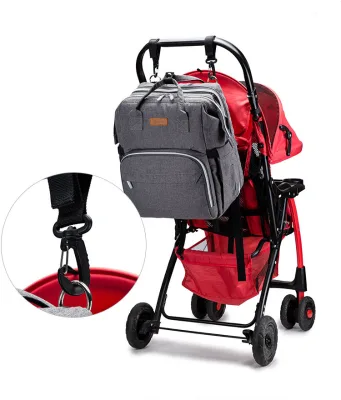
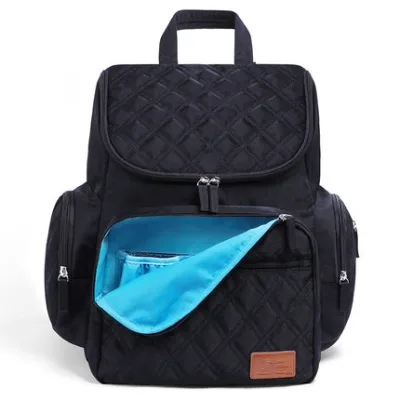
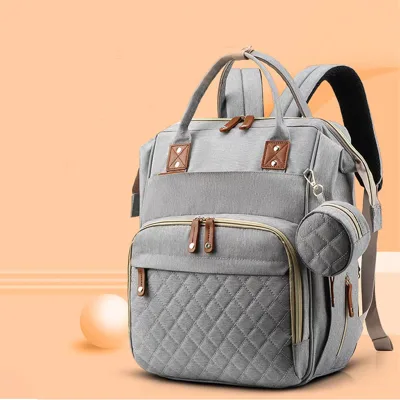
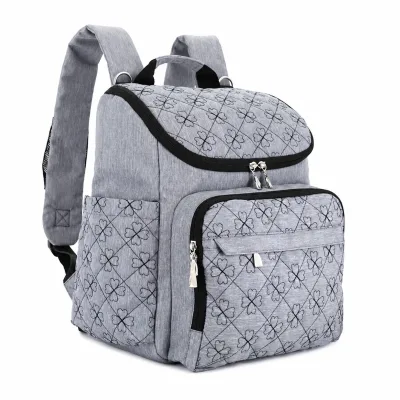
Mommy Diaper Bag Backpack Light and Large Mummy Women Bag Fashion Baby Bag
$7.50 - $7.88
MOQ: 500 Pieces


QINGDAO KINGSOO GARMENT CO., LTD.
- Verified by SGS
- Trading Company,Manufacturer/Factory
- China Shandong
- Lead time30 days
- Avg. response≤ 4h
Main productsCloth Diaper, Cloth Nappy, Baby Diaper, Baby Nappy, Wet Bag, Sanitary Pads, Pet Diaper, Pet Nappy
Main marketsSouth America,Eastern Europe,North America,Southeast Asia,Western Europe

QUANZHOU DANKIN IMP AND EXP CO., LTD.
- Manufacturer/Factory
- China Fujian
- Lead time45 days
- Avg. response≤ 3h
Main productsBackpack, Cooler Bag, Tool Bag, Laptop Bag, Gun Bag, Travel Bag, Hiking Bag, Tennis Bag, Running Bag, Diaper Bag
Main marketsSouth America,Eastern Europe,Mid East,North America,Southeast Asia,Eastern Asia,Oceania,Western Europe,Africa
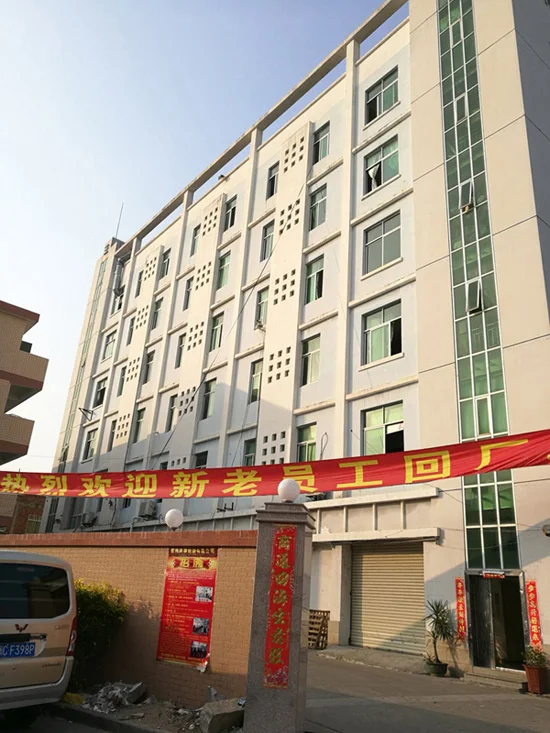
Quanzhou Leadking Bags Co., Ltd.
- Trading Company
- Fujian, China
- Lead time45 days
- Avg. response≤ 5h
Main productsDiaper bags,Laptop bags,Backpack,metal detecting bag,Duffle bags
Main marketsNorth America(35.00%), Eastern Europe(9.00%), Western Europe(7.00%), Southern Europe(5.00%), Domestic Market(5.00%), Central America(5.00%), South America(5.00%), Eastern Asia(5.00%), South Asia(5.00%), Oceania(5.00%), Africa(5.00%), Southeast Asia(5.00%), Northern Europe(2.00%), Mid East(2.00%)
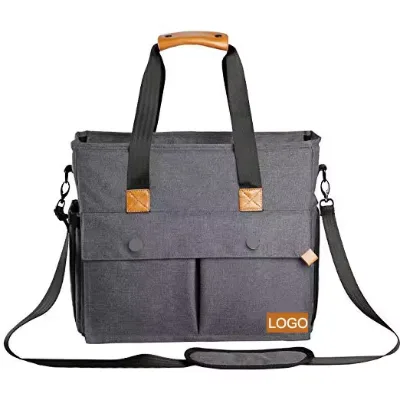
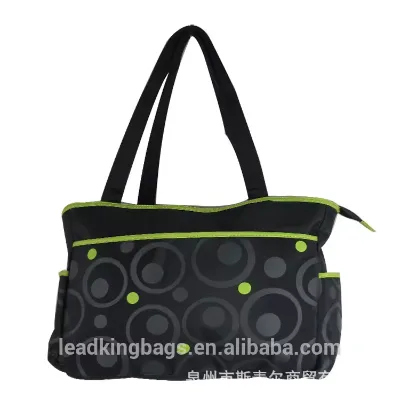
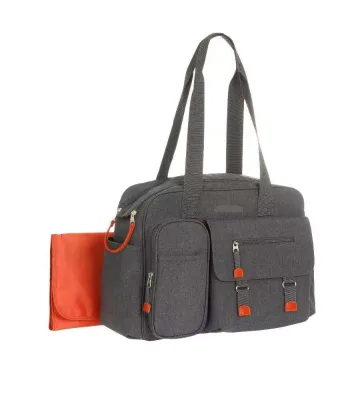
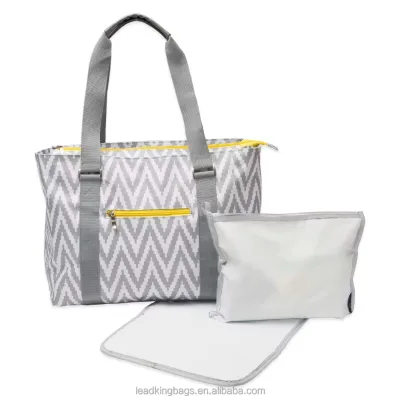
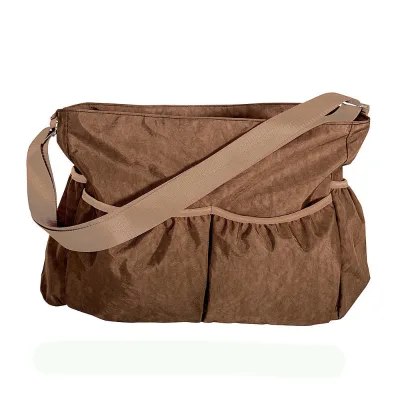
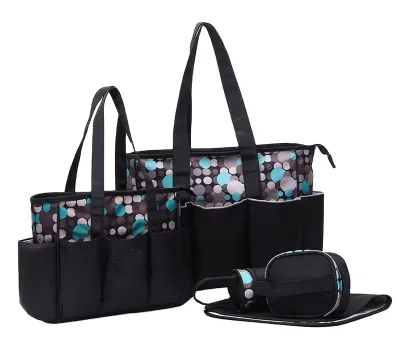
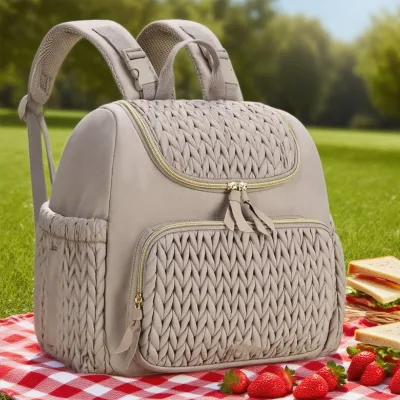
High Quality Adult & Baby Diaper Bag with Storage Special Purpose Bag for Mommy and Baby
$5.00 - $10.00
MOQ: 500

ANHUI GOOD LUCK INDUSTRIAL CO., LTD.
- Verified by BV
- Trading Company
- China Anhui
- Lead time15 days
- Avg. response≤ 5h
Main productsCosmetic Bag, Backpack, Lunch Bag, Cooler Bag, Shopping Bag, Diaper Bag, Sports Bag, Handbag, Beach Bag, Make up Bag
Main marketsSouth America,Africa,Southeast Asia/ Mideast,East Asia(Japan/ South Korea),Domestic,Europe,Australia,North America


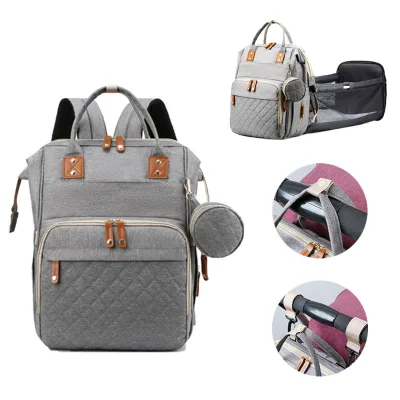
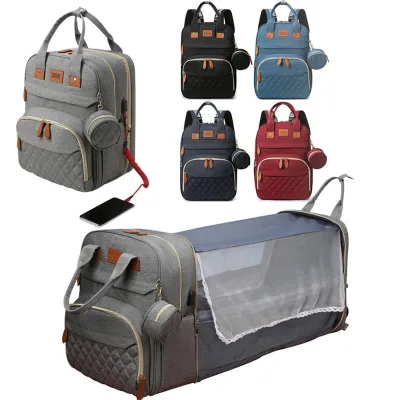
Mommy Baby Changing Bed Diaper Carrier Bag Maternity Backpack Nappy Bag
$11.20 - $12.80
MOQ: 10 Pieces


Anhui Good Luck Industrial Co., Ltd.
- Trading Company
- Anhui, China
- Lead time60 days
- Avg. response≤ 3h
Main productsCosmetic Bag,Hand Bag,Lunch Bag,Travel Bag,Backpack
Main marketsNorth America(20.00%), Western Europe(15.00%), Northern Europe(12.00%), Southern Europe(10.00%), Eastern Europe(10.00%), South America(10.00%), Central America(5.00%), Southeast Asia(5.00%), Mid East(5.00%), Oceania(3.00%), South Asia(3.00%), Africa(2.00%)
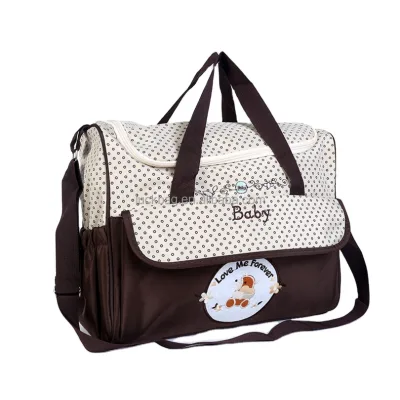
New Design Maternity Bag Large Capacity Mommy Mother Bag Baby Kids Diaper Bag
$3.50 - $4.30
MOQ: 1000 pieces
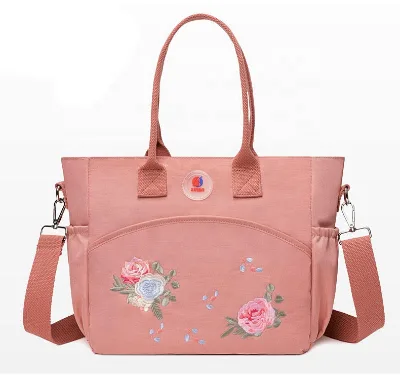
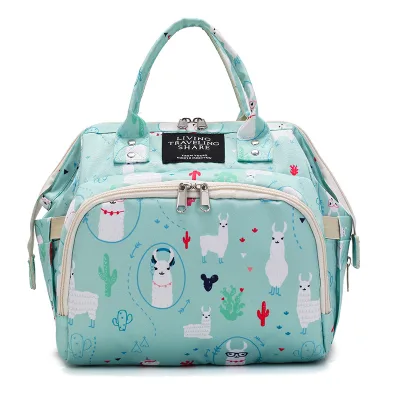
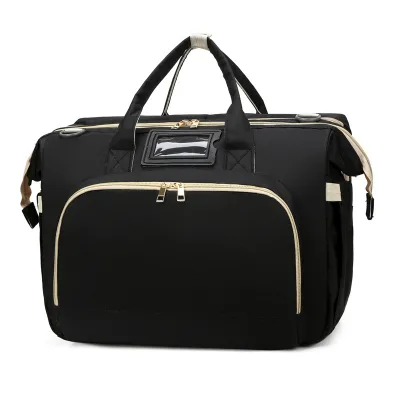
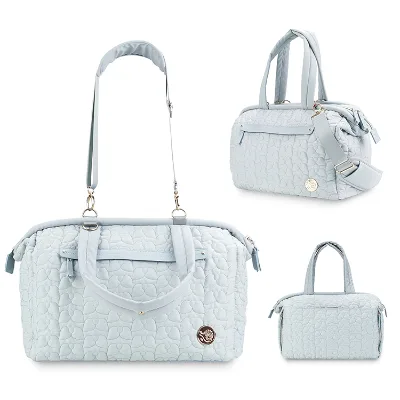
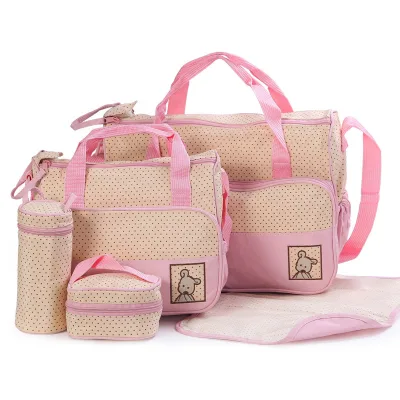
Multifunction Promotion Custom Tote Shoulder Storage Nappy Mummy Baby Diaper Bag
$3.98 - $4.54
MOQ: 10
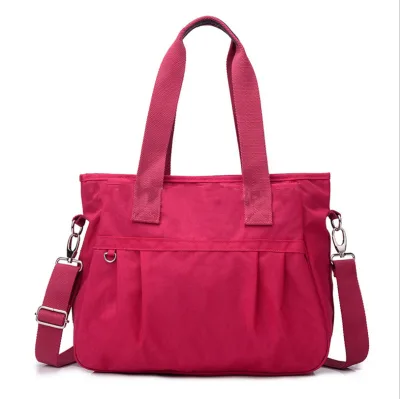
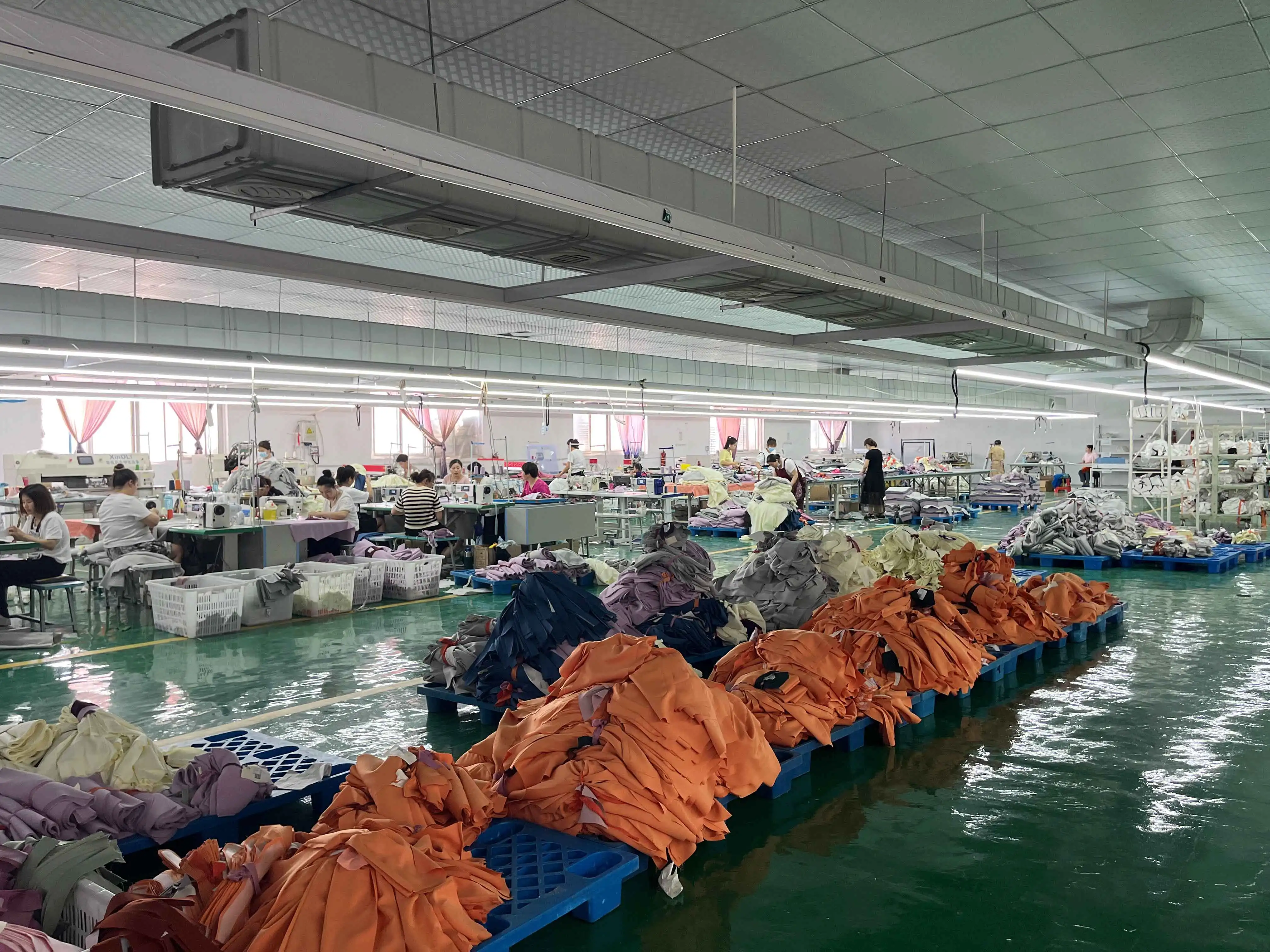
Yiwu Keqin Baby Products Factory
- Manufacturer, Trading Company
- Zhejiang, China
- Lead time0 days
- Avg. response≤ 2h
Main productsbaby carrier,baby walking assistant,Mommy bag,Children's anti-lost rope,Baby sleeping bag
Main marketsSoutheast Asia(10.00%), Domestic Market(5.00%), South Asia(5.00%), Southern Europe(5.00%), Northern Europe(5.00%), Central America(5.00%), Western Europe(5.00%), Eastern Asia(5.00%), Mid East(5.00%), Oceania(5.00%), Africa(5.00%), North America(5.00%), Eastern Europe(5.00%), South America(5.00%)
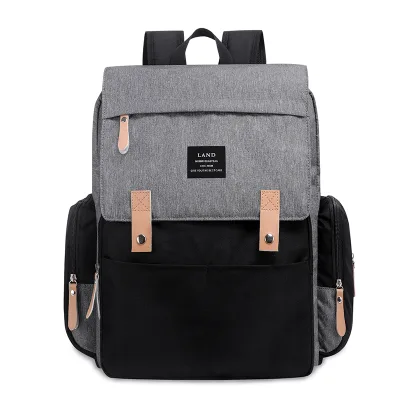
$12.88 - $16.10
MOQ: 1000 pieces
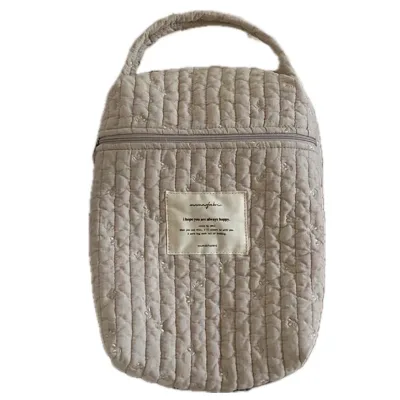
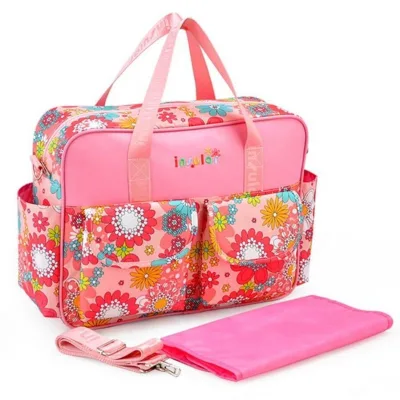
- Verified by TüVRheinland
- Trading Company
- Lead time25 days
- Avg. response≤ 4h
Main productsCanvas Bag, Backpack, Luggage Case, Handbag, Cooler Bag
Main marketsAfrica(33%), Domestic Market(21%), Southeast Asia(13%)

Ningbo Best Travel Industry and Trade Co., Ltd.
- Verified by BV
- Manufacturer/Factory
- China Zhejiang
- Lead time45 days
- Avg. response≤ 8h
Main productsTrolley Bag, Travel Bag, Shopping Bag, Backpack, Diaper Bag, Cooler Bag, First Aid Bag, Polyester Luggage, ABS PC Luggage
Main marketsSouth America,Eastern Europe,Mid East,North America,Southeast Asia,Eastern Asia,Oceania,Western Europe,Africa
Xiamen Kanote Industry & Trade Co., Ltd.
- Manufacturer, Trading Company
- Fujian, China
- Lead time15 days
- Avg. response≤ 2h
Main productscooler bags,Drawstring bags,shopping bags,Backpack,food delivery bags
Main marketsEastern Europe(30.00%), North America(20.00%), South America(20.00%)

Shenzhen Lebon Handbags Luggage Co., Ltd
- Verified by SGS
- Combined
- China Guangdong
- Lead time30 days
- Avg. response≤ 3h
Main marketsNorth America
Shenzhen YCW Bags Company Ltd.
- Verified by SGS Group
- Manufacturer, Trading Company
- Lead time25 days
- Avg. response≤ 2h
Main productsGYM Bag, Tactical Vest Bag, Tool Bag, Tactical Backpack, Waist Bag
Main marketsNorth America(63%), Oceania(6%), Western Europe(5%)
- Manufacturer, Trading Company
- Fujian, China
- Lead time30 days
- Avg. response≤ 3h
Main productsBackpack,School Bag,Cooler Bag,Pencil Bag,Duffel Bag
Main marketsNorth America(60.00%), Western Europe(30.00%), Mid East(5.00%), Eastern Asia(5.00%)
Shenzhen SNAWI Technology Co., Ltd.
- Trading Company, Distributor/Wholesaler
- Guangdong, China
- Lead time10 days
- Avg. response≤ 4h
Main productssuitcase,handbag,backpack,waistbag,Chest bag
Main marketsNorth America(33.00%), South America(9.00%), Africa(6.00%), South Asia(5.00%), Northern Europe(5.00%), Central America(5.00%), Domestic Market(5.00%), Eastern Asia(5.00%), Mid East(5.00%), Oceania(5.00%), Eastern Europe(5.00%), Southeast Asia(5.00%), Southern Europe(4.00%), Western Europe(3.00%)
- Manufacturer, Trading Company
- Zhejiang, China
- Lead time7 days
- Avg. response≤ 8h
Main productsPet carrier bag,Toiletry bag,Backpack,Garment bag,Promotional bag
Main marketsNorth America(50.00%), Western Europe(20.00%), South America(20.00%), Eastern Europe(10.00%)

Quanzhou Wuzhou Minstarbags Co., Ltd.
- Verified by SGS
- Trading Company
- China Fujian
- Lead time60 days
- Avg. response≤ 3h
Main marketsSouth America,Southeast Asia/ Mideast,Europe,Australia,North America
Hangzhou Kaibei Trading Co., Ltd.
- Trading Company
- Zhejiang, China
- Lead time10 days
- Avg. response≤ 3h
Main productsnewborn bedding,custom knit products,baby accessories,pacifier & rattle toys,kids clothing
Main marketsSouth America(24.00%), North America(19.00%), Central America(12.00%), Eastern Europe(11.00%), Southern Europe(9.00%), Northern Europe(9.00%), Western Europe(7.00%), Eastern Asia(5.00%)

Ningbo We Rainbow International Trade Co., Limited
- Trading Company
- Zhejiang, China
- Lead time30 days
- Avg. response≤ 2h
Main productsMummy Bag,Diaper caddy,Baby Diaper Bag,Pill Box
Main marketsNorth America(40.00%), Western Europe(25.00%), Oceania(15.00%), Eastern Europe(10.00%), Mid East(5.00%), Eastern Asia(5.00%)
- Manufacturer, Trading Company
- Fujian, China
- Lead time30 days
- Avg. response≤ 5h
Main productstravel bag,Rolling bag,Sports bag,Outdoor bag,promotion bags
Main marketsNorth America(50.00%), Northern Europe(20.00%), Western Europe(20.00%), South America(3.00%), Eastern Europe(2.00%), Mid East(2.00%), Eastern Asia(2.00%), Central America(1.00%)
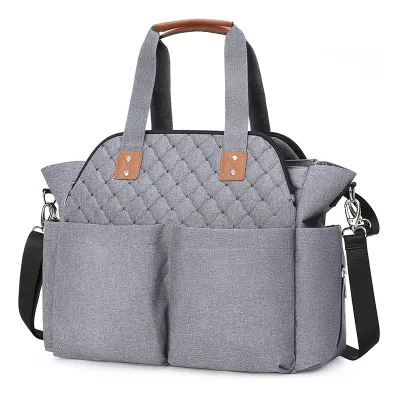
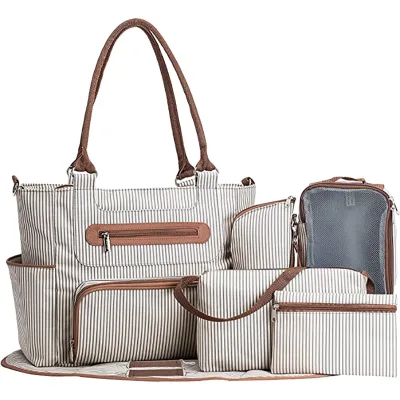
$8.99 - $10.58
MOQ: 500 pieces

Xiamen Daysun Industrial Co., Ltd.
- Verified by SGS
- Trading Company
- China Fujian
- Lead time30 days
- Avg. response≤ 5h
Main productsBackpack, Travel Bag, Sports Bag, Laptop Bag, Shopping Bag, Cosmetic Bag, Cooler Bag, RPET Bag, Clothing, Neoprene Case
Main marketsEurope,Australia,North America
Shenzhen Honghaolian Packing Gift Co., Ltd.
- Verified by Intertek
- Manufacturer, Trading Company
- Lead time15 days
- Avg. response≤ 5h
Main productsShopping Bags, Cooler Bags, Packsack, Tool Bag, Cosmetic Bags & Cases
Main marketsEastern Asia(30%), North America(15%), South America(10%)
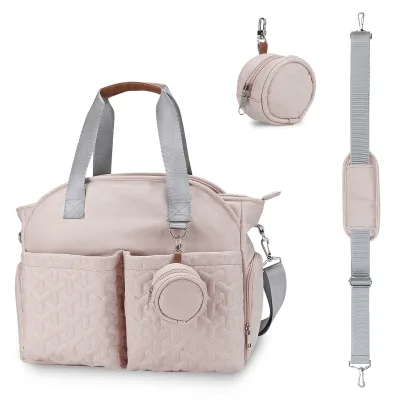
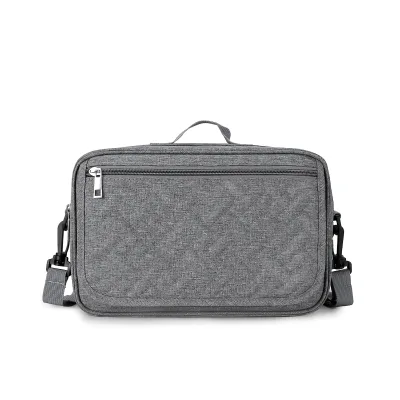
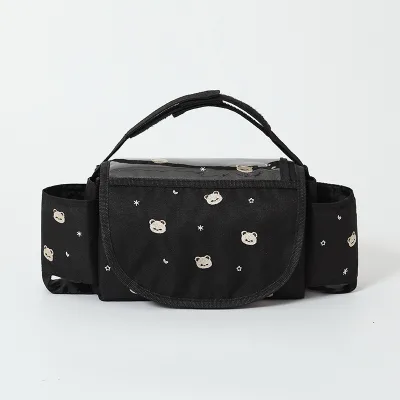
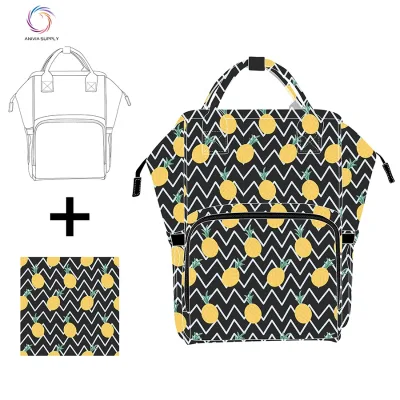
Customized Portable Foldable Mommy Baby Diaper Infant Storage Tote Bag Diaper Bag Cooler Bag
$8.5548 - $11.241
MOQ: 500 pieces
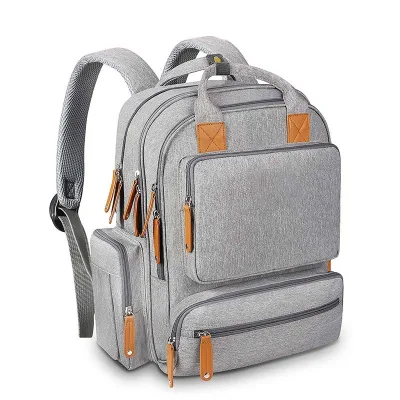
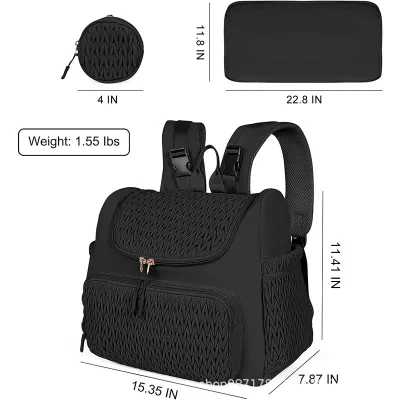
$7.0798 - $8.2205
MOQ: 500 pieces

Guangzhou Fu Li Ya Industry Co., Ltd.
- Verified by TUVRHEINLAND
- Combined
- China Guangdong
- Lead time30 days
- Avg. response≤ 11h
Main productsShopping Bag, Promotional Bag, Canvas Bag, Polyester Bag, Cotton Bag, Tote Bag, Non Woven Bag, Garment Bag, Cooler Bag, Hand Bag
Main marketsEurope,North America


Large Capacity Diaper Bag with Multiple Pockets for Baby Accessories Baby Bag for Mom
$4.00 - $8.00
MOQ: 1000 Pieces
Shenzhen Kayee Fashion Products Co., Ltd.
- Manufacturer, Distributor/Wholesaler
- Guangdong, China
- Lead time0 days
- Avg. response≤ 6h
Main productsMommy Bag,Diaper Backpack Bag,Baby Bag,Baby Carrier,Clutch Changing Pad Mat
Main marketsNorth America(40.00%), Western Europe(15.00%), South America(10.00%), Northern Europe(6.00%), Eastern Europe(5.00%), Central America(5.00%), Oceania(5.00%), Southern Europe(5.00%), Eastern Asia(2.00%), Domestic Market(2.00%), Africa(2.00%), Mid East(1.00%), South Asia(1.00%), Southeast Asia(1.00%)
Shenzhen Bi Bei Maternal & Infant Co., Ltd.
- Verified by SGS Group
- Manufacturer, Trading Company
- Lead time30 days
- Avg. response≤ 2h
Main productsDiaper Bag, Stroller Organizer, Changing Pad, Tool Bags, Cooler Bag
Main marketsDomestic Market(37%), North America(18%), Western Europe(10%)
Shanghai Chuangsi Youxiang Trading Co., Ltd.
- Verified by TüVRheinland
- Manufacturer, Trading Company
- Lead time20 days
- Avg. response≤ 2h
Main productsCloth Diaper, Baby Romper, Wet Bag, Nursing Pad, Incontinence Pads
Main marketsDomestic Market(27%), North America(25%), South America(5%)
Shijiazhuang Maikesi Brace Technology Co., Ltd.
- Verified by SGS Group
- Manufacturer, Trading Company
- Lead time3 days
- Avg. response≤ 2h
Main productsPosture Corrector, Waist Support Belt, Knee Brace, Maternity Belt, Resistance Bands
Main marketsNorth America(82%), Eastern Europe(3%), Western Europe(3%)

Shenzhen Changxinglong Bag Co., Ltd.
- Manufacturer, Trading Company, Distributor/Wholesaler
- Guangdong, China
- Lead time15 days
- Avg. response≤ 1h
Main productsDiaper Changing Pad,Kids Travel Tray,Baby Stoller organizer,RFID Passport Wallet,Climbing Bag
Main marketsNorth America(45.00%), Oceania(25.00%), Western Europe(15.00%), Northern Europe(5.00%), South Asia(5.00%), South America(2.00%), Central America(2.00%), Eastern Asia(1.00%)

- Verified by CTI
- Manufacturer/Factory
- China Fujian
- Lead time23 days
- Avg. response≤ 6h
Main productsTrolley Luggage, Travel Bags, School Bag, Cooler Bag, Special Backpack, Delivery Bag, Picnic Bag, Hunting Bag, Duffel Bag, Rolling Bag
Main marketsMid East,North America,Southeast Asia,Western Europe

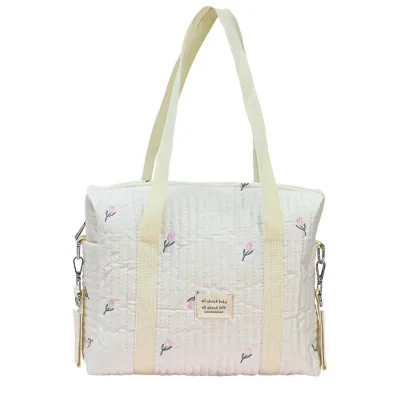
Large Lightweight Waterproof Portable Travel Baby Mommy Nappy Diaper Bag
$3.58 - $6.99
MOQ: 500 Pieces


Xiamen Anivia Trading Co., Ltd.
- Verified by SGS Group
- Trading Company
- Lead time0 days
- Avg. response≤ 2h
Main productsBackpacks, Waist Bags, School Bags, Laptop Bags, Lunch Bags
Main marketsNorth America(60%), Eastern Europe(30%), Oceania(6%)






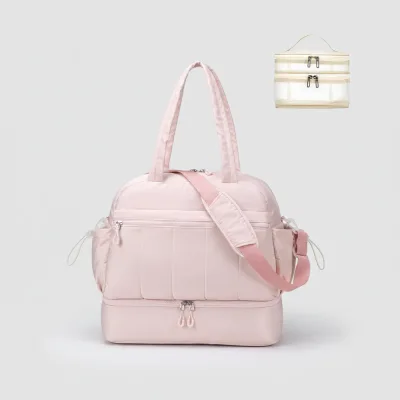
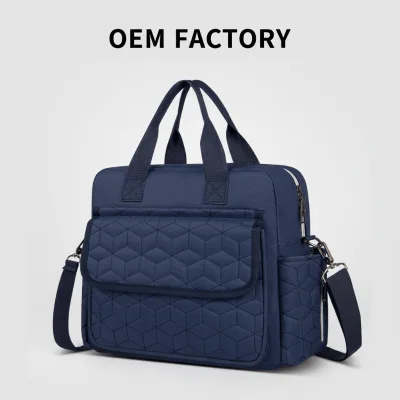
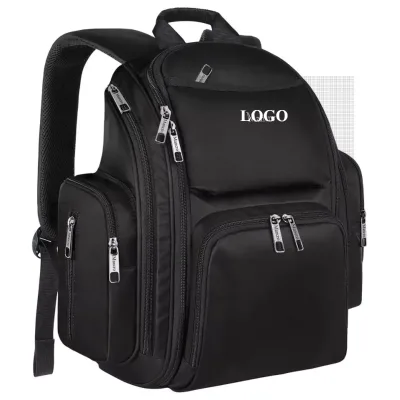
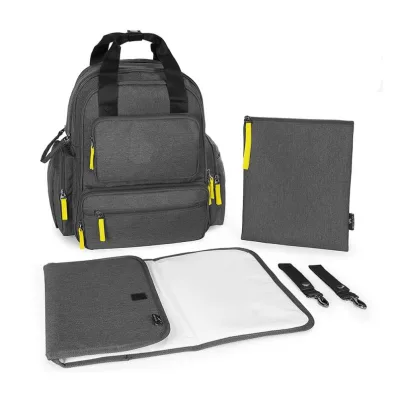
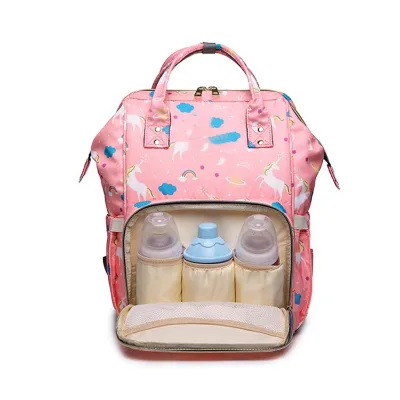
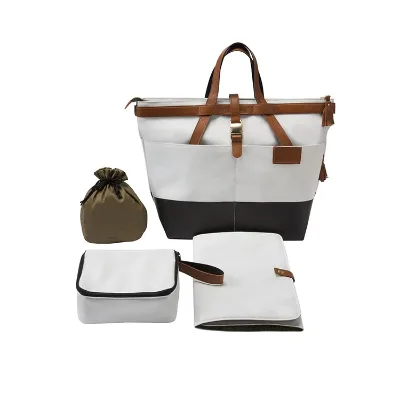
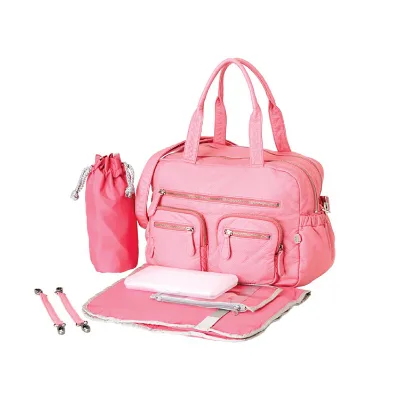
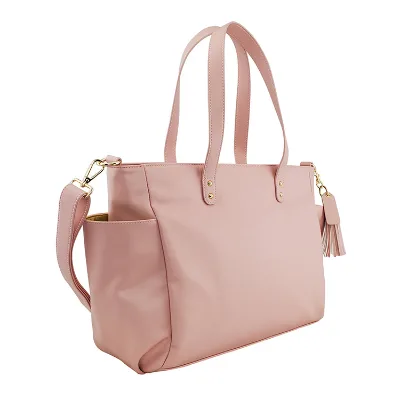


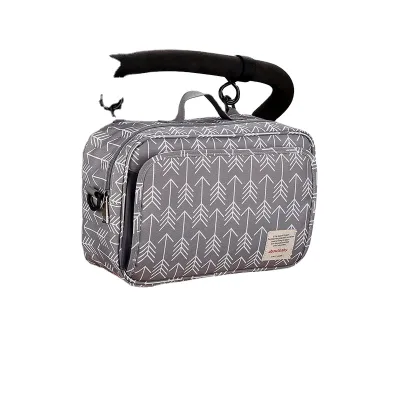
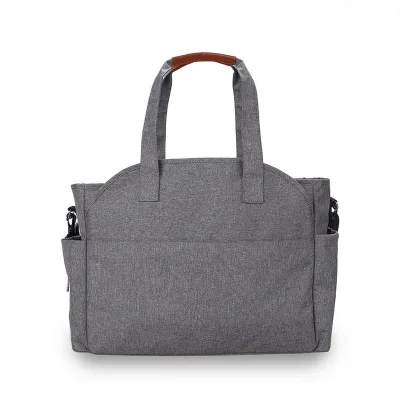


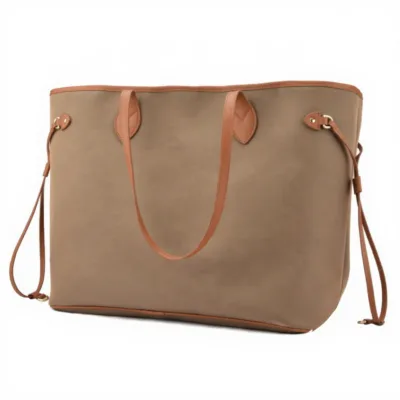
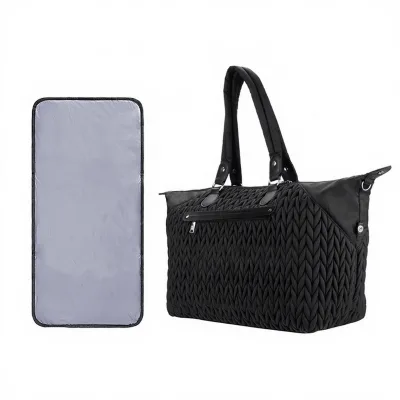
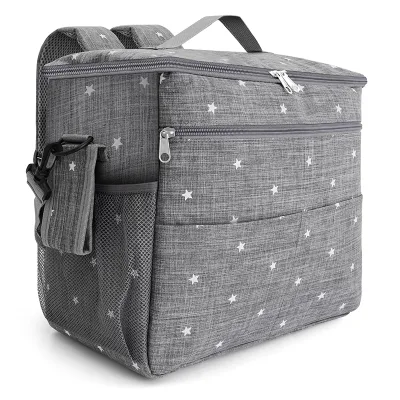
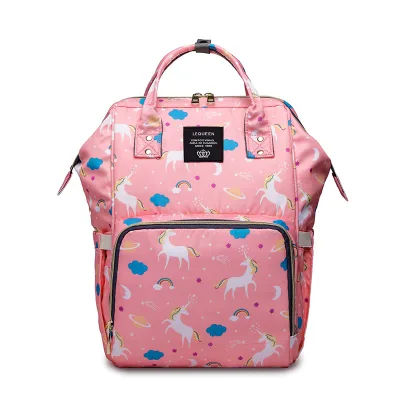
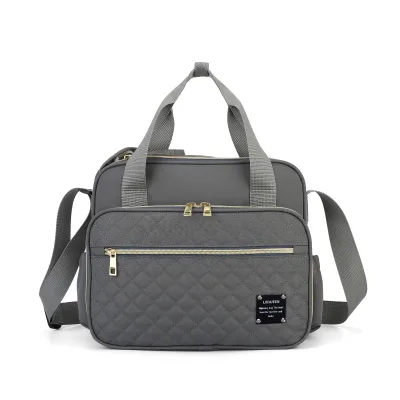
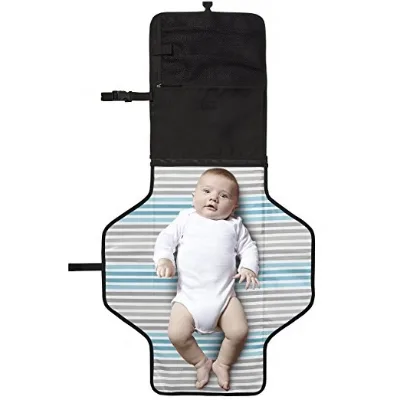
Comprehensive Sourcing Guide
Baby Mummy Diaper Bag Supplier Concentration and Factory Types
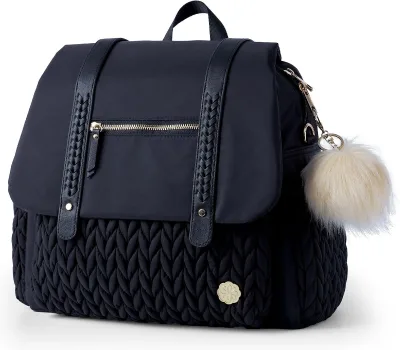
The current supplier landscape for baby mummy diaper bags reveals a distinct concentration of manufacturing capabilities within specific Chinese provinces, with Fujian emerging as a notable hub for this category. Suppliers located in China Fujian are predominantly classified as Manufacturer/Factory entities, indicating a direct production capability rather than mere trading intermediation. These factories specialize in a broad array of bag types, including polyester bags, promotion gifts, school bags, outdoor backpacks, and specifically, the mummy and diaper bags that form the core of this sourcing guide. The presence of established brands such as topacks suggests that these facilities possess the capacity for Own Brand development alongside OEM and ODM services, allowing buyers to access both private label solutions and ready-made inventory. This concentration implies that sourcing from this region offers access to a mature supply chain with specialized expertise in bag construction, material sourcing, and assembly processes tailored to the demands of the mother and child product sector.
In contrast to the specialized factory model seen in Fujian, other suppliers in the dataset present a hybrid operational structure, identifying as both Trading Company and Manufacturer/Factory. This dual classification is observed in suppliers located in China Shandong, who also produce related items such as cloth diapers, wet bags, and sanitary pads. This diversification suggests that some facilities may offer bundled sourcing opportunities, allowing buyers to procure complementary baby care products alongside diaper bags from a single source. The main products listed for these entities include cloth nappies, pet diapers, and various organizer bags, indicating a versatility in material handling and product design. Buyers evaluating these suppliers should recognize that the trading company component may facilitate communication and logistics, while the manufacturing component ensures direct control over production quality. Understanding this distinction is crucial for determining whether a supplier offers the flexibility of a trading partner with the cost advantages of a direct factory, or a specialized manufacturer with a narrower but deeper product focus.
How to Verify Baby Mummy Diaper Bag Suppliers
Verification of Baby Mummy Diaper Bag suppliers requires a rigorous examination of their system certifications and third-party validation status to ensure compliance with international quality and ethical standards. The data indicates that several manufacturers hold significant certifications such as BSCI, ISO 9000, ISO 9001, and SEDEX. These credentials are critical for buyers operating in markets with strict regulatory requirements, as they demonstrate adherence to quality management systems and social responsibility protocols. ISO 9001 certification, in particular, signals a standardized approach to production processes, which is essential for maintaining consistency in product dimensions and material quality across large orders. Meanwhile, BSCI and SEDEX certifications provide assurance regarding labor practices and ethical sourcing, which is increasingly important for brands committed to sustainable and responsible supply chains. Buyers should prioritize suppliers who display these specific certifications, as they offer a verifiable baseline for operational integrity and product reliability.
Beyond certifications, the verification process must include an assessment of the supplier’s response time and verification badges, such as SGS, which serve as indicators of operational efficiency and external audit success. Suppliers with rapid response times, such as those recording response metrics around 2.56 to 3.82 hours, demonstrate a high level of engagement and readiness to address buyer inquiries promptly. This responsiveness is a strong proxy for supply chain agility and customer service quality, which are vital during the negotiation and order placement phases. Additionally, the presence of SGS verification on certain suppliers provides an extra layer of confidence regarding their business legitimacy and product claims. Buyers should cross-reference these verification badges with the supplier’s stated capabilities, such as OEM/ODM capacity, to ensure that the claimed expertise aligns with the verified status. This multi-layered verification approach helps mitigate the risk of engaging with unverified entities and ensures that the selected supplier meets both quality and ethical benchmarks.
What to Compare Across Baby Mummy Diaper Bag Suppliers
When comparing suppliers, buyers must evaluate key operational metrics such as lead time, minimum order quantity (MOQ), and response speed to determine the best fit for their inventory and cash flow requirements. Lead times vary significantly across the supplier base, with some manufacturers offering a standard 30-day production window, while others indicate longer periods of 45 to 60 days after receiving a deposit. This variance is crucial for buyers planning seasonal launches or managing tight inventory cycles, as a 30-day lead time allows for faster replenishment compared to the 45-60 day cycle. Similarly, MOQs differ, with some suppliers requiring a minimum of 200 units, while others set the bar at 500 units. Lower MOQs are advantageous for new brands or those testing market demand, whereas higher MOQs may offer better unit economics for established players. Response time is another critical differentiator, with suppliers showing response metrics ranging from approximately 2.56 to 21.83, indicating varying levels of customer service efficiency.
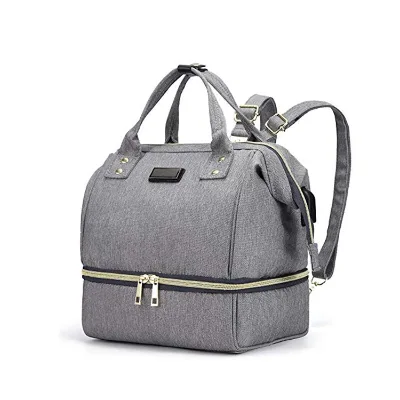
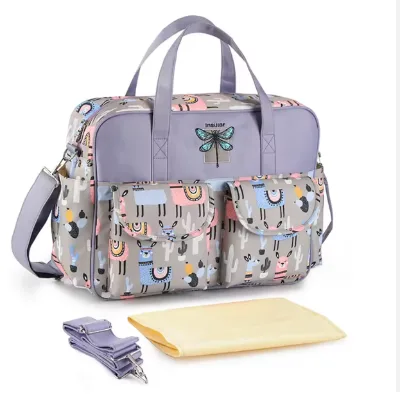
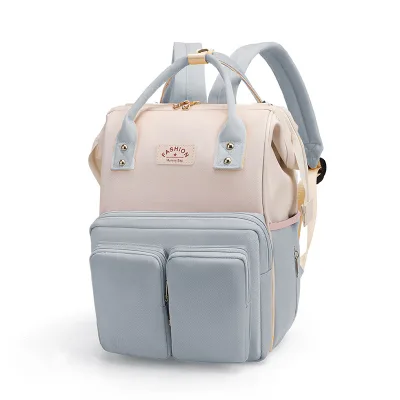
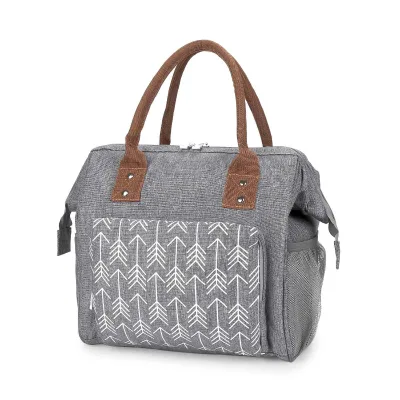
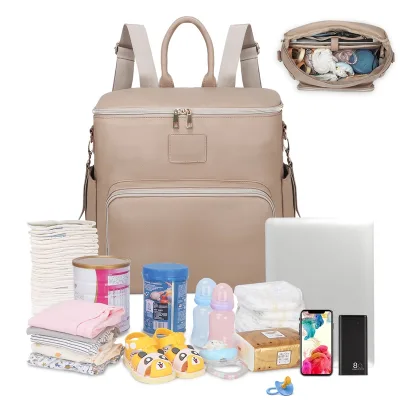
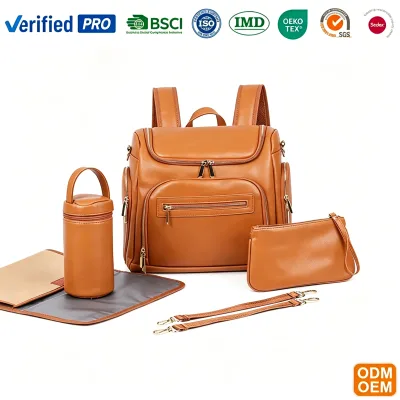
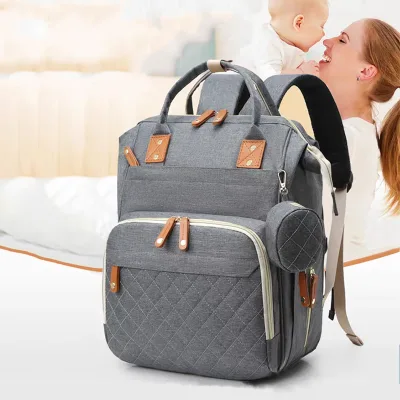
Product specifications and customization options also play a pivotal role in supplier comparison, particularly regarding material, design, and pricing structures. Most suppliers offer polyester-based diaper bags with waterproof features and double-shoulder designs, catering to the European style aesthetic popular in many markets. However, variations in product dimensions, such as standard sizes ranging from 32x16x40cm to 42x30x23cm, allow buyers to select bags that meet specific storage capacity needs. Pricing is another key comparison point, with unit costs ranging from approximately $2.22 to $16.99, depending on the complexity of the design and the volume of the order. Buyers should also consider the availability of customization, which is widely offered, allowing for branding and design modifications. By systematically comparing these dimensions, buyers can identify suppliers that offer the optimal balance of cost, speed, and product suitability for their specific business model.
Common Baby Mummy Diaper Bag Sourcing Risks
One of the primary risks in sourcing baby mummy diaper bags is the potential discrepancy between sample quality and mass production output, particularly when dealing with suppliers who offer extensive customization options. While many suppliers claim that customization is available, the complexity of modifying designs, materials, and features can introduce variability in the final product. Buyers must be vigilant in ensuring that the samples they approve are representative of the bulk production quality, especially when dealing with waterproof materials and double-shoulder designs that require precise stitching and material integrity. The risk is compounded by the fact that some suppliers may use different grades of polyester or waterproof coatings in bulk orders compared to samples, leading to inconsistencies in durability and performance. To mitigate this risk, buyers should request detailed material specifications and conduct third-party quality inspections before shipment, ensuring that the final products meet the agreed-upon standards for waterproofing and structural strength.
Another significant risk involves the reliability of lead times and the potential for delays in production and logistics, which can disrupt supply chain planning. Suppliers with longer lead times, such as those requiring 45-60 days for production, may face bottlenecks due to material shortages or capacity constraints, especially during peak seasons. Additionally, the variability in response times among suppliers can indicate underlying operational inefficiencies that may lead to communication breakdowns and delayed order processing. Buyers must also be aware of the risks associated with payment terms, as some suppliers require full payment or large deposits before production begins, exposing buyers to financial risk if the supplier fails to deliver. The lack of standardized escrow services or secure payment methods in some cases further exacerbates this risk. To manage these risks, buyers should establish clear communication protocols, negotiate favorable payment terms, and consider using secure payment platforms that offer buyer protection, ensuring that they have recourse in the event of non-delivery or quality issues.
Baby Mummy Diaper Bag Regional Sourcing and Logistics
Sourcing baby mummy diaper bags from China offers distinct logistical advantages, particularly when dealing with suppliers located in established manufacturing hubs like Fujian and Shandong. Suppliers in Fujian, for instance, often list Xiamen as their port of loading, which is a major international shipping hub with extensive connectivity to global markets. This proximity to major ports can reduce inland transportation costs and streamline the export process, allowing for faster and more efficient shipping to international destinations. The availability of FOB Xiamen pricing terms further simplifies logistics planning, as buyers can arrange their own freight forwarding from this specific point, gaining greater control over shipping costs and transit times. This regional concentration of suppliers facilitates economies of scale in logistics, as freight forwarders can consolidate shipments from multiple suppliers in the same area, reducing overall shipping expenses.
However, buyers must also consider the logistical implications of sourcing from different regions, such as Shandong, where suppliers may have different port access and logistical networks. While Shandong is a significant manufacturing province, its port infrastructure may differ from that of Fujian, potentially affecting transit times and shipping costs. Buyers should evaluate the total landed cost, including inland transportation, port fees, and ocean freight, to determine the most cost-effective sourcing strategy. Additionally, the variability in production lead times across regions can impact inventory planning, with suppliers in one region potentially offering faster turnaround times than those in another. Buyers should work closely with their logistics partners to optimize shipping routes and schedules, ensuring that products arrive in time for market demand. By understanding the logistical nuances of each sourcing region, buyers can make informed decisions that balance cost, speed, and reliability in their supply chain operations.
Baby Mummy Diaper Bag Commercial Terms and Order Planning
Commercial terms and order planning are critical components of successful sourcing, requiring buyers to carefully negotiate payment terms, production schedules, and packaging standards to align with their business objectives. Many suppliers offer flexible payment terms, such as T/T (Telegraphic Transfer), which is a common method for international trade. However, buyers should strive to negotiate favorable terms, such as a lower deposit percentage or payment upon completion of production, to minimize financial risk. Additionally, understanding the production timeframes is essential for effective inventory management, with some suppliers offering sample lead times of 7-10 days and bulk production times ranging from 30 to 60 days. Buyers should plan their orders well in advance, accounting for these lead times to ensure timely delivery to their customers. Clear communication regarding production schedules and milestones can help prevent delays and ensure that orders are completed on time.
Packaging and labeling standards are another important aspect of commercial terms, as they impact product presentation and compliance with local regulations. Suppliers typically pack diaper bags in polybags or export cartons, with specific dimensions and quantities per carton. Buyers should verify these packaging details to ensure they meet their storage and distribution requirements, as well as any labeling mandates in their target markets. Furthermore, buyers should consider the total cost of ownership, including shipping, duties, and handling fees, when evaluating supplier quotes. By establishing clear commercial terms and planning orders strategically, buyers can optimize their supply chain efficiency, reduce costs, and ensure a smooth flow of goods from supplier to customer. This proactive approach to order planning and commercial negotiation is essential for building a resilient and profitable sourcing strategy in the competitive baby product market.
FAQs
What is the price range for polyester mummy diaper bags?
Prices for polyester mummy diaper bags typically range from $2.92 to $16.99 per unit. The final cost depends on specific features, customization options, and order volume. Buyers should check individual product listings for exact pricing tiers and minimum order quantity requirements to secure the best deal.
What certifications do these diaper bag manufacturers hold?
Manufacturers in this category commonly hold ISO 9000, ISO 9001, BSCI, and SEDEX certifications. These credentials verify adherence to quality management and social responsibility standards. Buyers seeking verified suppliers can also look for those with SGS verification to ensure product safety and manufacturing compliance.
What are the typical lead times for production?
Standard lead times for production generally range from 30 to 45 days after receiving the deposit. Some suppliers offer faster turnaround times, while others may require up to 60 days depending on order complexity. Sample lead times are usually around 7 to 10 days.
What is the minimum order quantity for these bags?
Minimum order quantities vary by supplier, with common thresholds set at 200 or 500 pieces. Buyers should verify the specific MOQ for each product listing, as custom designs or specialized materials may require higher minimums. Lower MOQs are often available for standard stock items.
Where are these diaper bag suppliers located?
Suppliers are primarily located in China, specifically in Fujian and Shandong provinces. These regions are known for their manufacturing capabilities in bags and textiles. Buyers can filter results by location to find suppliers closer to specific shipping ports or with regional logistical advantages.
What materials are used for waterproof mummy bags?
Most mummy diaper bags are made from polyester, which offers durability and water resistance. Many products are explicitly labeled as waterproof and feature double-shoulder designs for comfort. Buyers can also find options with additional features like USB ports, multiple compartments, and portable designs for daily use.