Baby Cartoon Food Mold Suppliers and Manufacturers in China
Explore 26 verified options for Baby Cartoon Food Mold from Guangdong, China. Compare response times, lead times, certifications like CE, and pricing ranges. Contact suppliers directly to request samples and confirm MOQ requirements; review the available evidence before requesting comparable quotations from suitable candidates.
Updated
Suppliers List

- Trading Company
- Guangdong, China
- Lead time0 days
- Avg. response≤ 6h
Main productsplastic injection mold,Plastic parts,Mould,OEM,Prototyping
Main marketsNorthern Europe(50.00%), North America(30.00%), Eastern Europe(20.00%)
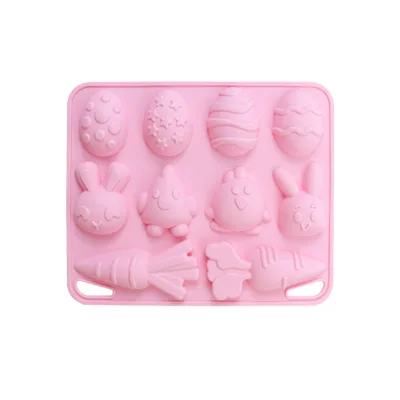
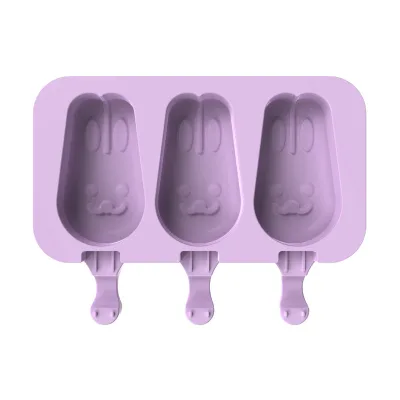
$0.98 - $1.00
MOQ: 500 pieces
Dongguan Shihuang Household Industrial Co., Ltd.
- Manufacturer, Trading Company
- Guangdong, China
- Lead time10 days
- Avg. response≤ 3h
Main productsBaby Teether,Bakeware,Dinnerware Set,Pet Product,Sports accessoris
Main marketsNorth America(15.00%), Southern Europe(15.00%), Domestic Market(10.00%), Northern Europe(10.00%), Oceania(10.00%), South America(8.00%), Western Europe(8.00%), Eastern Europe(8.00%), Central America(6.00%), Eastern Asia(3.00%), Southeast Asia(3.00%), Africa(2.00%), Mid East(2.00%)

Shenzhen Guangyufeng Rubber Co., Ltd.
- Verified by SGS
- Trading Company,Manufacturer/Factory
- China Guangdong
- Lead time23 days
- Avg. response≤ 2h
Main productsSilicone Product, Silicone Rubber Product, Baby Product, Silicone Tube, Silicone Rubber Roller, Silicone Sex Toy, Silicone Mold, Silicone Kitchenware, Silicone Case, Silicone Strap
Main marketsSouth America,Eastern Europe,Mid East,North America,Southeast Asia,Eastern Asia,Oceania,Western Europe,Africa

$0.30 - $4.00
MOQ: 50 Pieces

$0.30 - $4.00
MOQ: 50 Pieces

$0.30 - $4.00
MOQ: 50 Pieces


$0.30 - $4.00
MOQ: 50 Pieces

- Manufacturer, Trading Company
- Shandong, China
- Lead time15 days
- Avg. response≤ 4h
Main productsScissors,Garden Tools,Kitchen Tools,Scales,Cable
Main marketsNorth America(30.00%), Northern Europe(10.00%), Western Europe(10.00%), Mid East(10.00%), Africa(10.00%), Southeast Asia(10.00%), Eastern Europe(10.00%), South America(10.00%)
Yuyao Createklat Plastic Products Co., Ltd.
- Verified by Intertek
- Manufacturer
- Zhejiang, China
- Lead time30 days
- Avg. response≤ 3h
Main productsCookie Cutter, Chocolate Mold, Cake Tool, Silicone Chocolate Mold, Cookie Tool
Main marketsDomestic Market(35%), North America(30%), South America(15%)
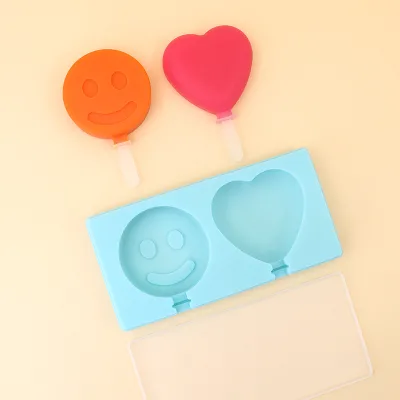
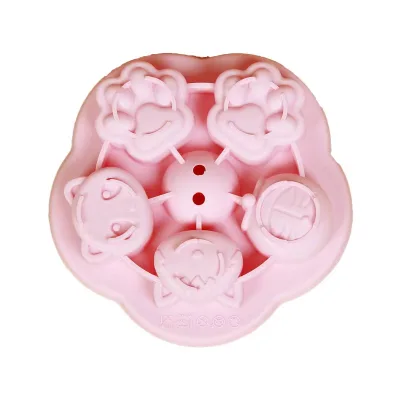
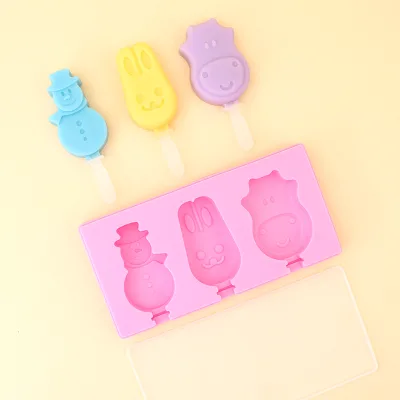
Food Grade DIY Snowman Bunny Cow Children Cartoon Pattern Ice Cream Silicone Mold
$0.7046
MOQ: 2 Minimum

Wenzhou Cathylin International Trade Co., Ltd.
- Verified by TUVRHEINLAND
- Trading Company
- China Zhejiang
- Lead time15 days
- Avg. response≤ 5h
Main productsFlatware, Cutlery, Kitchen Tools, Tableware, Cookware, Bakeware, Drinkware
Main marketsNorth America

Cute Cartoon Silicone Mermaid Unicorn Shape Mould Chocolate Mold for Baking
$0.60 - $0.81
MOQ: 100 Pieces

DIY Creative Cartoon Puppy Silicone Ice Grid Animal Shaped Ice Making Mold
$0.89 - $1.03
MOQ: 5000 Pieces


Taizhou Doit & Baby Kid Products Co., Ltd.
- Trading Company
- Lead time旺季: "1 - 1000":35,"> 1000":"To be negotiated", 淡季: "1 - 1000":35,"> 1000":"To be negotiated"
- Avg. response≤ 4h
Main productsBaby Potty, Baby Bathtub, Kids Lunch Box, Baby Chair, Bottle Drying Rack
Wuyi Jucheng Industry And Trade Co., Ltd.
- Verified by TüVRheinland
- Manufacturer, Trading Company
- Lead time30 days
- Avg. response≤ 4h
Main productsSilicone Lunch Box, Silicone Mold, Silicone Tool, Baby Product, Pet Product
Main marketsWestern Europe(25%), Domestic Market(20%), North America(15%)
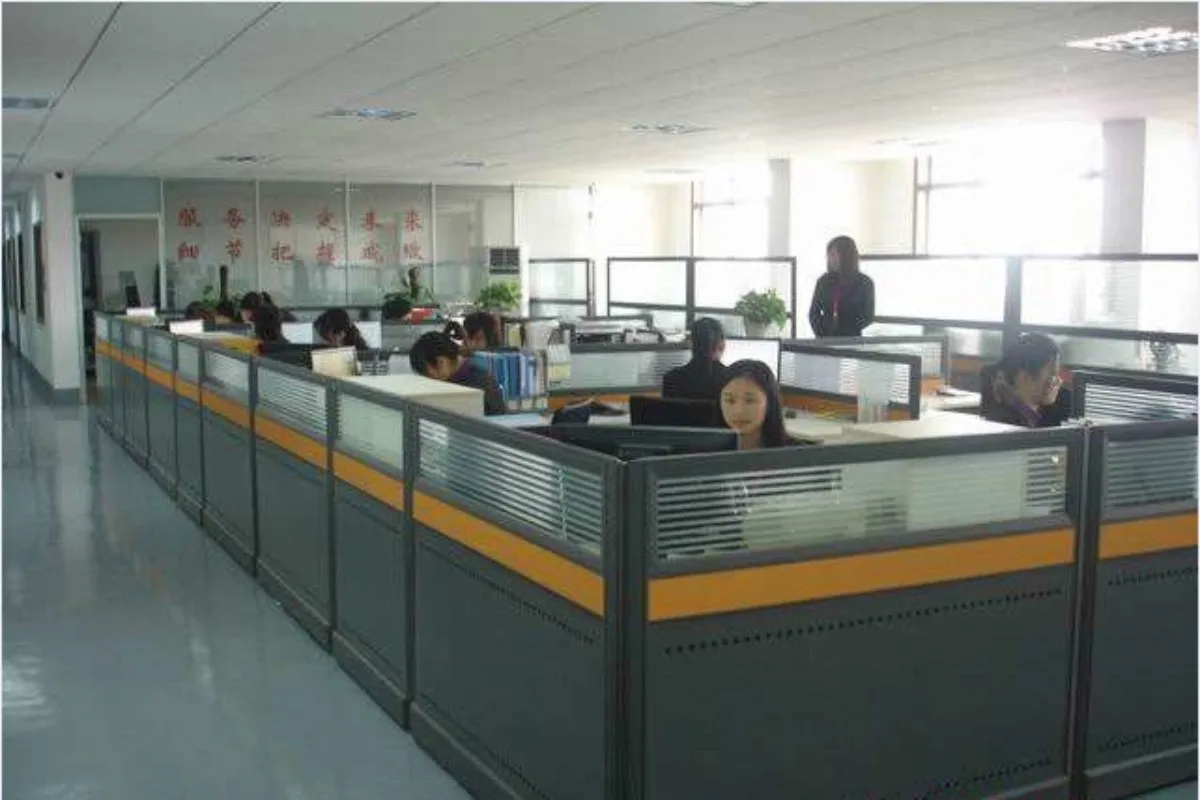
Guangzhou Chenghi Technology Co., Ltd.
- Manufacturer, Trading Company
- Guangdong, China
- Lead time7 days
- Avg. response≤ 3h
Main productsCake decorating tools,baking tools,Kitchen supplies,cake tools
Main marketsDomestic Market(26.00%), North America(15.00%), Western Europe(8.00%), Africa(8.00%), Mid East(8.00%), Eastern Europe(8.00%), Southern Europe(6.00%), Northern Europe(5.00%), South America(5.00%), Southeast Asia(5.00%), South Asia(4.00%), Oceania(1.00%), Eastern Asia(1.00%)
Xiamen Cuten Nicety Accessories Industry Co., Ltd.
- Verified by SGS Group
- Manufacturer, Trading Company
- Lead time15 days
- Avg. response≤ 2h
Main productsSilicone Products, Injection Molded Plastics, Home Goods, Pet Supplies, Maternity & Baby Products

Yongkang M&U Industry And Trade Co., Ltd.
- Manufacturer, Trading Company
- Zhejiang, China
- Lead time45 days
- Avg. response≤ 2h
Main productsSilicone Kitchenware, Silicone Bakeware, Silicone Ice Mold, Silicone Pet Supplies, Stanless Steel Kitchen Utensils
Main marketsEastern Asia(80.00%), North America(10.00%), Western Europe(5.00%), Eastern Europe(2.00%), Domestic Market(2.00%), Northern Europe(1.00%)

NanChang Sunflower Silicone Rubber Co. Ltd
- Verified by TUVRHEINLAND
- Trading Company
- China Jiangxi
- Lead time15 days
- Avg. response≤ 5h
Main productsSex Toy, Watch, Phone Case, Kitchenware, Gift
Main marketsOthers(foreignTradeCapacity.exportBusinessCapacityMarketOther)
Dongguan Beijia Silicone Products Co., Ltd.
- Verified by Intertek
- Manufacturer, Trading Company
- Lead time15 days
- Avg. response≤ 2h
Main productsSilicone Ice Cube Tray, Silicone Ashtray, Silicone Bottle Sleeve, Silicone Mat, Silicone Soap Holder
Main marketsNorth America(30%), Western Europe(20%), Southeast Asia(15%)
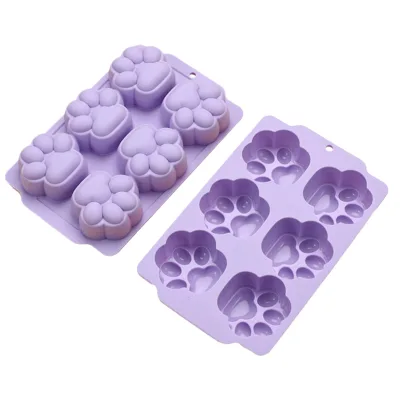
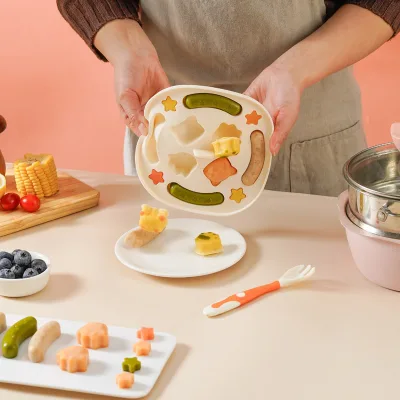
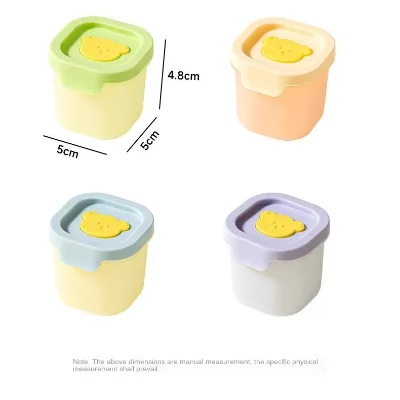
Hot Selling Mold Baby Soft Silicone Food Box Baby Can Make Rice Cake Cake Mold Food Mold
$0.736 - $0.9604
MOQ: 100 pieces

Zhongshan Xinyuan Silicone Rubber Co. Ltd
- Verified by TUVRHEINLAND
- Combined
- China Guangdong
- Lead time15 days
- Avg. response≤ 2h
Main productsSilicone Mold, Silicone Ice Cube Tray, Silicone Wristband, Silicone Tea Infuser, Silicone Bakeware, Silicone Keychain, Silicone Cup Coaster, Silicone Bag
Main marketsSouth America,Southeast Asia/ Mideast,Domestic,Europe,North America

Dongguan Kerun Rubber Products Co., Ltd.
- Verified by TUVRHEINLAND
- Combined
- China Guangdong
- Lead time15 days
- Avg. response≤ 3h
Main productsSilicone Baby Products, Silicone Kitchenware, Silicone Watch Band, Silicone Mold, Silicone Baking Supplies, Silicone Pet Supplies, Silicone Promotion Gifts, Rubber Product, Silicone Teether, Silicone Feeding Set
Main marketsDomestic

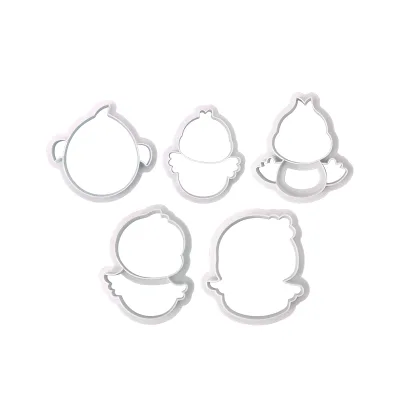
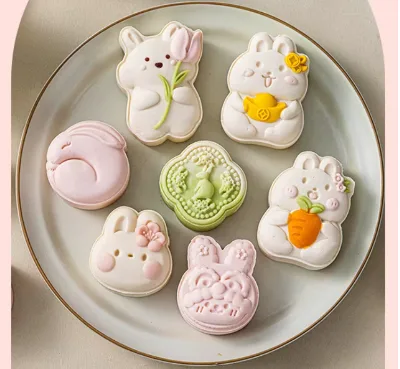
Baking Cake Mold Cartoon 5-Connected 3D Rabbit Cake Mold for Children's Complementary Food Mold
$1.06 - $1.12
MOQ: 100 Pieces

$0.37 - $0.54
MOQ: 20 Pieces

$0.42 - $0.58
MOQ: 20 Pieces

$1.09 - $1.21
MOQ: 100 Pieces

Ningbo Pack Imp. & Exp. Co., Ltd.
- Verified by SGS
- Trading Company,Manufacturer/Factory
- China Zhejiang
- Lead time30 days
- Avg. response≤ 9h
Main productsAluminum Jar, Aluminum Bottle, Tin Box, Glass Dropper Bottle, Glass Tube, Paper Box, Paper Tube, Plastic Pop Top Tube, Plastic Bottle, Silicone Gummy Mold
Main marketsSouth America,Eastern Europe,Mid East,North America,Southeast Asia,Eastern Asia,Oceania,Western Europe,Africa

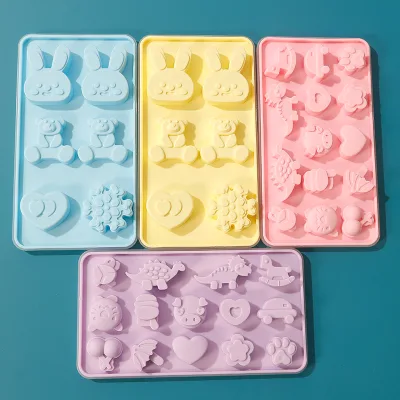
Cartoon Chocolate Molds Food Grade Silicone Chocolate Molds for Baking Candy Gummy
$1.00 - $10.00
MOQ: 10 Pieces

- Trading Company
- Zhejiang, China
- Lead time10 days
- Avg. response≤ 4h
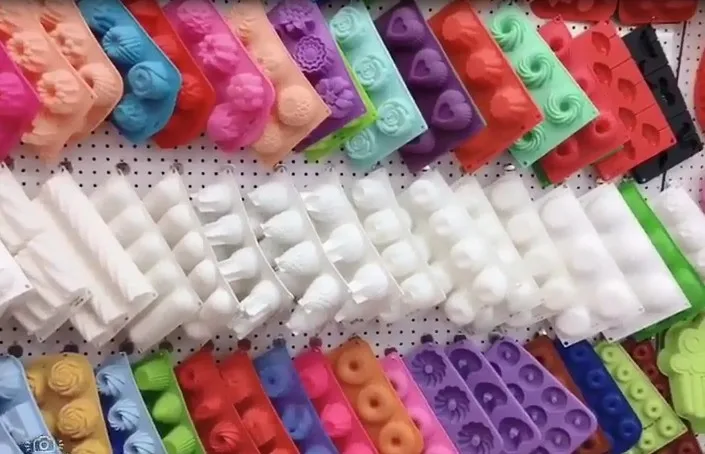
Main productsSilicone Kitchenware,Silicone baking tools,Silicone cake mold,Silicone soap mold,Silicone chocolate mold
Main marketsWestern Europe(15.00%), North America(15.00%), Central America(10.00%), South America(10.00%), Southeast Asia(10.00%), South Asia(10.00%), Mid East(8.00%), Domestic Market(5.00%), Africa(5.00%), Southern Europe(5.00%), Eastern Europe(2.00%), Eastern Asia(2.00%), Northern Europe(2.00%), Oceania(1.00%)

YONGKANG HOMESHINE SILICONE PRODUCTS CO., LTD.
- Combined
- China Zhejiang
- Lead time23 days
- Avg. response≤ 25h
Main productsGlass Lid
Main marketsSouth America,East Asia(Japan/ South Korea),Domestic,Europe,North America
Ningbo Lixsun Imp. & Exp .co., Ltd.
- Trading Company
- Zhejiang, China
- Lead time10 days
- Avg. response≤ 4h
Main productsKitchenware,Houseware,Bakeware,Cleaning products,Promotional gifts
Main marketsWestern Europe(32.00%), North America(25.00%), South America(10.00%), Mid East(5.00%), Eastern Europe(4.00%), Domestic Market(3.00%), Northern Europe(3.00%), Central America(3.00%), South Asia(3.00%), Southern Europe(3.00%), Oceania(3.00%), Africa(2.00%), Eastern Asia(2.00%), Southeast Asia(2.00%)

FOSHAN SYMBOS PRECISION MOULD CO.,LTD
- Verified by SGS
- Trading Company,Manufacturer/Factory
- China Guangdong
- Lead time45 days
- Avg. response≤ 2h
Main productsDie Casting Mold, Stamping Die, Mould Components, Plastic Injection Mold, Injection Moulding, Plastic Injection Molding, CNC Machining, Insert Mold/Molding, Silicone Mold/Molding, Rubber Mold/Molding
Main marketsSouth America,Eastern Europe,Mid East,North America,Southeast Asia,Eastern Asia,Oceania,Western Europe,Africa

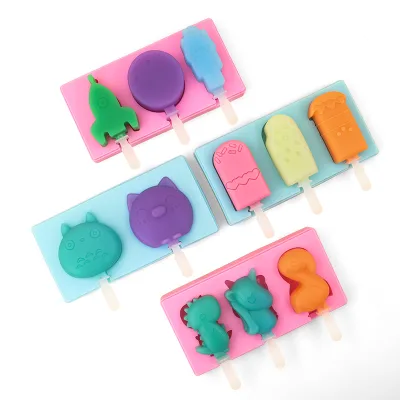
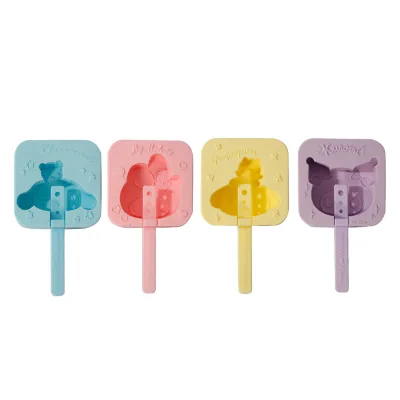
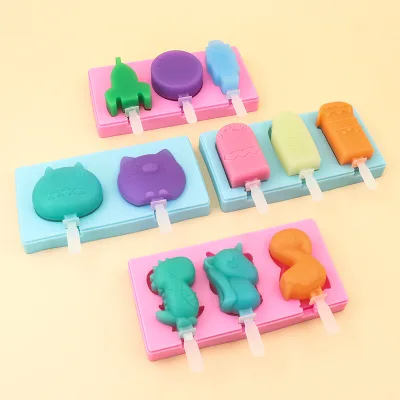
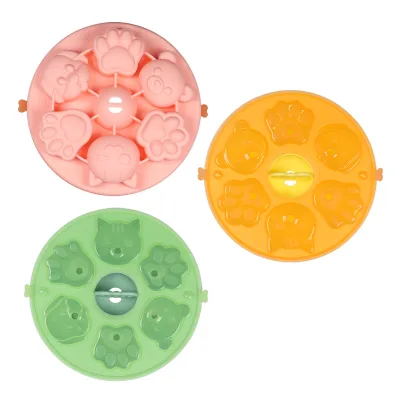
Silicone Ice Cream Mold Cartoon DIY Ice Cream Popsicle Mold for Ice Grid with Lid
$1.00 - $2.00
MOQ: 10 Pieces

Non Stick Baby Food Storage Containers DIY Ice Pop Mold Silicone Popsicle Mold with Colorful Sticks
$1.00 - $2.00
MOQ: 10 Pieces

Color Reusable DIY Silicone Mold Baby Supplements Popsicle Maker Ice Cube Mold
$1.00 - $2.00
MOQ: 10 Pieces

Shenzhen Baibanfengxing Technology Co., Ltd.
- Manufacturer, Trading Company
- Guangdong Province, China
- Lead time5 days
- Avg. response≤ 3h
Main productshousehold products,Kitchen supplies
Main marketsDomestic Market(20.00%), Eastern Europe(15.00%), North America(15.00%), Western Europe(10.00%), Southern Europe(10.00%), Northern Europe(10.00%), South America(5.00%), Mid East(5.00%), Southeast Asia(5.00%), Central America(5.00%)
Dongguan Achievement Rubber & Plastic Co., Ltd.
- Combined
- China Guangdong
- Lead time23 days
- Avg. response≤ 3h
Main productsSilicone Face Cleanser, Baby Feeder, Silicone Ear Plugs, Silicone Keypad, Silicone Side Cover of Speaker, Silicone Cake Mould, Silicone Oven Gloves, Silicone Utensils, Silicone O Ring, Silicone USB Dust Plug
Main marketsEurope
Huizhou Sidi Technology Co., Ltd.
- Trading Company
- Guangdong, China
- Lead time7 days
- Avg. response≤ 3h
Main productsCandle Mold,silicone mold,Cake mold,Flowerpot mould
Main marketsNorth America(40.00%), Eastern Europe(20.00%), South America(20.00%), Southern Europe(10.00%), Western Europe(10.00%)

Xingtai Maimai Trading Co., Ltd.
- Verified by TUVRHEINLAND
- Trading Company
- China Hebei
- Lead time15 days
- Avg. response≤ 9h
Main productsFondant Silicone Mould, Cookie Cutter, Silicone Popsicle Mould, Silicone Chocolate Mould, Silicone Chocolate Topper Mould, Acrylic Rolling Pin
Main marketsAustralia

Dongguan Chengda Rubber and Plastic Co., Ltd
- Verified by SGS
- Trading Company,Manufacturer/Factory
- China Guangdong
- Lead time23 days
- Avg. response≤ 4h
Main productsSilicone Products, Machnie Part, Silicone Gifts, Silicone Bag, Medicial Products, Silicone Bra, Custom Silicone Product, Silicone Toy
Main marketsEastern Europe

Food Grade Cartoon Shape Silicone Ice Lolly Mold Tray Silicone Ice Cream Mould with Lid
$2.00 - $2.30
MOQ: 200 Pieces

Food Grade Silicone Ice Pop Mould with Lids BPA Free Reusable Baby Popsicle Molds for Kids
$0.40 - $0.48
MOQ: 10 Pieces

Jiangmen City Xinhui District Mayhope Machinery Co., Ltd.
- Manufacturer
- Guangdong, China
- Lead time5 days
- Avg. response≤ 5h
Main productsIce Cream Machine,Ice Slush Machine,Popsicle Machine
Main marketsSouth America(30.00%), North America(30.00%), Southern Europe(10.00%), Northern Europe(10.00%), Western Europe(10.00%), Eastern Europe(10.00%)
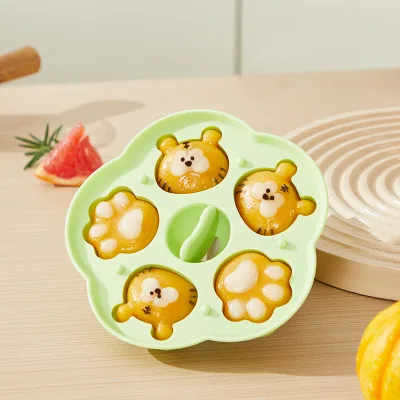
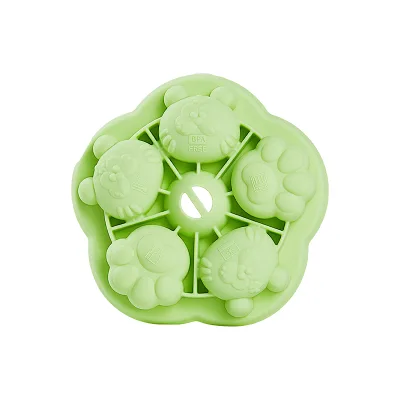
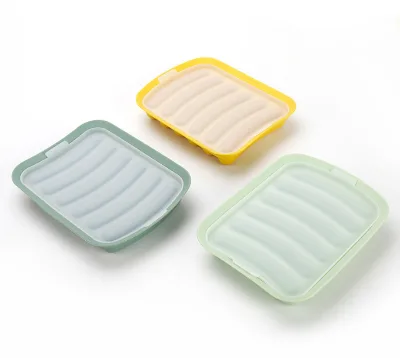
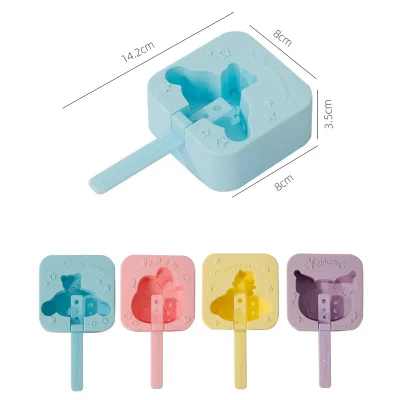


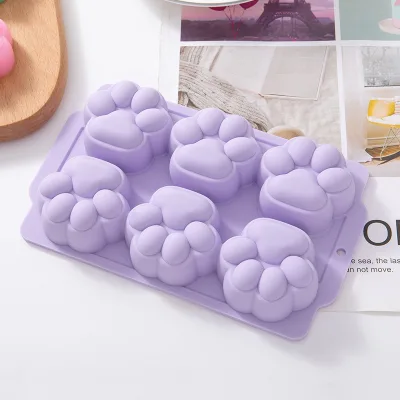
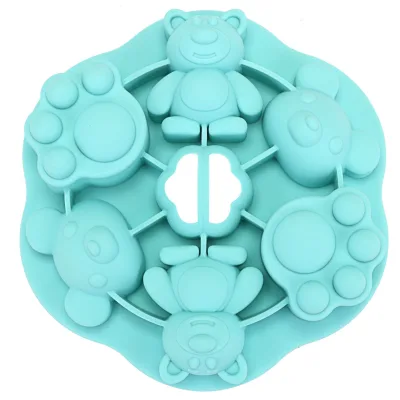
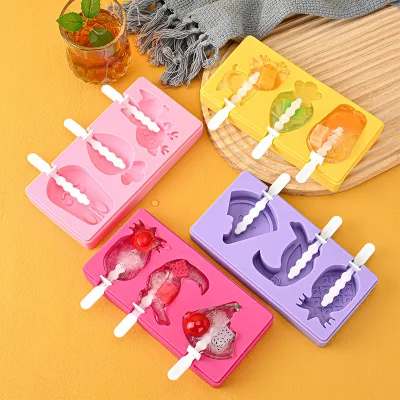
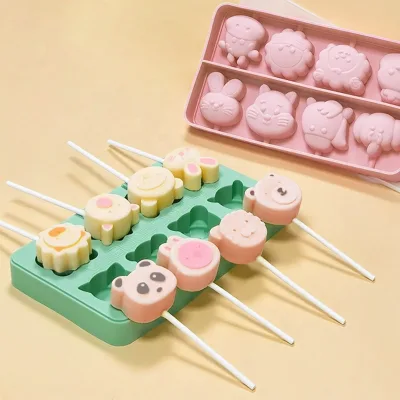





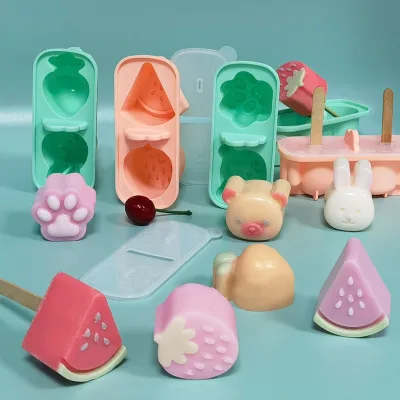


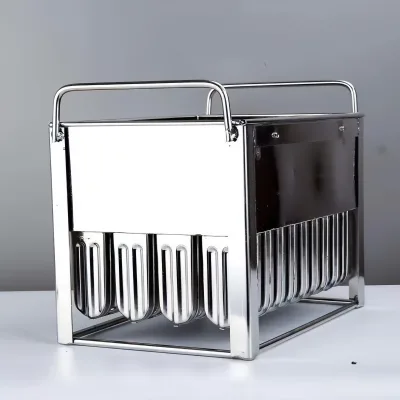
Comprehensive Sourcing Guide
Baby Cartoon Food Mold Supplier Concentration and Factory Types
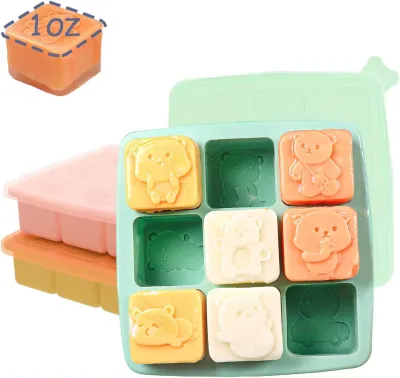
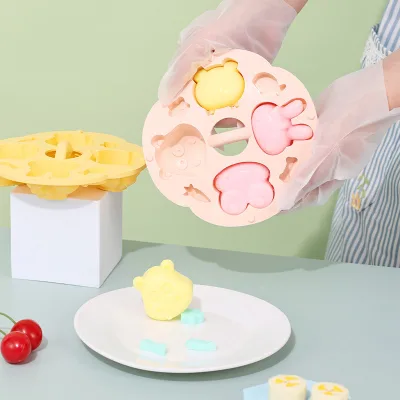
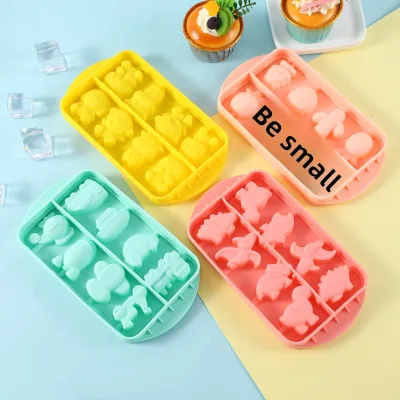
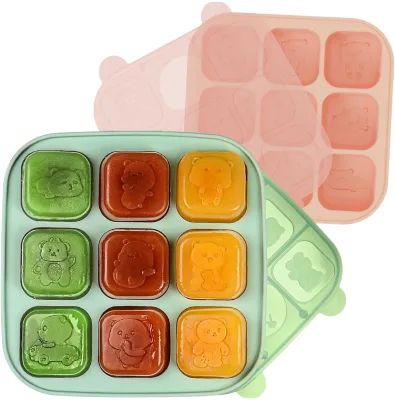
The current supplier landscape for baby cartoon food molds reveals a distinct concentration of manufacturing and trading entities within specific industrial hubs. Evidence indicates that a significant portion of these suppliers are located in Guangdong, China, a region renowned for its robust plastic injection molding and silicone processing infrastructure. This geographic clustering is not accidental; it reflects the availability of specialized raw materials, skilled labor, and established supply chains for silicone and plastic components. Buyers evaluating this market should recognize that suppliers in this region often benefit from economies of scale, which can translate into competitive pricing and faster turnaround times for custom molds. However, the presence of this concentration also means that buyers must carefully distinguish between genuine manufacturers and trading companies that may add layers of cost without adding technical value.
Within this concentrated region, the supplier types vary significantly, impacting the nature of the engagement and the flexibility of the service offered. The observed data shows a mix of pure trading companies and hybrid entities that operate as both manufacturers and trading companies. Trading companies often provide a broader catalog of accessories and complementary baby feeding products, such as teether items or dinnerware sets, which can be advantageous for buyers seeking a one-stop-shop solution. In contrast, suppliers identified as manufacturers typically offer deeper customization capabilities, including compression molding techniques and specific material formulations like food-grade silicone. Understanding this distinction is crucial for buyers who prioritize direct communication with the production floor versus those who value a wider product assortment and simplified logistics management.
How to Verify Baby Cartoon Food Mold Suppliers
Verifying the legitimacy and capability of a Baby Cartoon Food Mold supplier requires a multi-layered approach that goes beyond surface-level profile reviews. One critical step is to scrutinize the company type and operational history. Buyers should look for clear indicators of whether the supplier is a manufacturer or a trading company, as this affects quality control and communication efficiency. For instance, some suppliers list themselves as both, which may indicate a factory with its own export department. It is also essential to check for relevant system certifications, such as CE, which can provide some assurance of compliance with certain safety and quality standards, although buyers should always request specific food-contact test reports for silicone materials to ensure they meet international regulatory requirements for baby products.
Another vital verification step involves assessing the supplier's responsiveness and sample policies. The response time is a key indicator of operational efficiency; suppliers with faster response times, such as those reporting within three to six hours, are often more organized and reliable in their communication. Buyers should also inquire about sample availability, as many suppliers in this category offer samples for evaluation. Checking if samples are available and understanding the associated costs and lead times can help gauge the supplier's readiness to support new partnerships. Additionally, verifying the brand names associated with the products, such as AKT or Akinotek, can provide insights into the supplier's market positioning and whether they are producing white-label goods or promoting their own branded lines, which may impact exclusivity and branding opportunities for the buyer.
What to Compare Across Baby Cartoon Food Mold Suppliers
When comparing suppliers, buyers must evaluate a range of commercial and operational metrics to determine the best fit for their specific needs. One of the most significant factors is the minimum order quantity (MOQ), which can vary widely across different suppliers. For example, some suppliers may offer an MOQ as low as one unit, which is ideal for testing the market or fulfilling small, urgent orders, while others may require MOQs of 50 or 500 units, which is more suitable for bulk procurement and cost optimization. Buyers should align their order volume expectations with the supplier's MOQ policies to avoid unnecessary inventory costs or production delays. Additionally, comparing the price ranges for similar products, such as silicone ice cream molds or baby food makers, can help identify competitive pricing structures, keeping in mind that lower prices may sometimes correlate with higher MOQs or different material qualities.
Lead times and response speeds are also critical comparison points that directly impact supply chain reliability. Suppliers with shorter lead times, such as those indicating a ten-day production window, can be more attractive for buyers with tight deadlines or seasonal demand fluctuations. Similarly, response times, whether measured in hours or days, reflect the supplier's customer service quality and ability to address inquiries or resolve issues promptly. Buyers should also compare the main products offered by each supplier to ensure they align with their broader sourcing strategy. For instance, some suppliers may specialize in plastic injection molds and OEM services, while others focus on specific baby feeding accessories like teether items or baking molds. This specialization can indicate a deeper expertise in certain product categories, potentially leading to higher quality and more innovative designs.
Common Baby Cartoon Food Mold Sourcing Risks
Sourcing baby cartoon food molds from international suppliers introduces several risks that buyers must proactively manage to ensure product safety and supply chain stability. One of the primary concerns is material safety, as these products come into direct contact with infants and young children. While suppliers may claim their silicone is food-grade, buyers must verify this through independent laboratory testing for harmful substances like BPA, phthalates, and heavy metals. Relying solely on supplier declarations or generic certifications like CE is insufficient; specific food-contact compliance reports are necessary to mitigate health risks. Additionally, buyers should be cautious about the durability and heat resistance of the molds, as improper material quality can lead to degradation, cracking, or release of toxic substances when exposed to high temperatures during sterilization or baking.
Another significant risk is the inconsistency in product quality and design accuracy, particularly when dealing with custom or cartoon-shaped molds. Suppliers may use different molds for production, leading to variations in shape, size, and color fidelity across batches. This inconsistency can be problematic for buyers who require uniformity for branding or retail presentation. Furthermore, the risk of intellectual property infringement exists if suppliers use copyrighted cartoon characters without proper licensing. Buyers must ensure that the designs they source are either original or properly licensed to avoid legal issues. Additionally, logistical risks, such as damage during shipping or delays in customs clearance, can disrupt supply chains. Buyers should work with suppliers who have experience in exporting and understand the packaging requirements to protect fragile silicone products during transit.
Baby Cartoon Food Mold Regional Sourcing and Logistics
The geographic concentration of suppliers in Guangdong, China, offers both advantages and challenges for international buyers regarding logistics and supply chain management. This region is a major hub for plastic and silicone manufacturing, providing access to a wide variety of suppliers and competitive pricing. However, buyers must consider the logistical implications of sourcing from this specific location, including shipping costs, transit times, and customs procedures. Guangdong's proximity to major ports like Shenzhen and Guangzhou facilitates efficient export operations, but buyers should still plan for potential delays due to peak seasons or global shipping disruptions. Understanding the local infrastructure and working with suppliers who have established export channels can help streamline the logistics process and reduce overall lead times.
In addition to shipping, buyers must also consider the regulatory requirements for importing baby products into their target markets. Different countries have varying standards for food-contact materials, and buyers must ensure that the products they source comply with local regulations. This may involve obtaining additional certifications or conducting independent testing before the products can be sold. Buyers should also evaluate the supplier's ability to provide necessary documentation, such as certificates of analysis and compliance statements, to facilitate smooth customs clearance. Furthermore, considering the environmental impact of sourcing and the potential for carbon emissions associated with long-distance shipping, buyers may want to explore suppliers who prioritize sustainable practices or offer localized production options if available.
Baby Cartoon Food Mold Commercial Terms and Order Planning
Effective order planning for baby cartoon food molds requires a thorough understanding of commercial terms and payment structures to mitigate financial risks. Buyers should carefully review the payment terms offered by suppliers, such as deposits, balance payments, and the use of secure payment platforms like escrow. Escrow services can provide an additional layer of security by holding funds until the buyer confirms receipt and satisfaction with the goods. It is also important to clarify the pricing structure, including any additional costs for customization, tooling, or shipping. Some suppliers may offer tiered pricing based on order volume, so buyers should negotiate for the best possible rates based on their projected order quantities. Understanding these financial terms upfront can help avoid unexpected costs and ensure a transparent transaction process.
Beyond payment terms, buyers must also consider the after-sales support and warranty policies provided by suppliers. Given the nature of baby products, any defects or quality issues can have significant reputational and financial consequences. Buyers should inquire about the supplier's policy for handling defective products, including replacement or refund options. Additionally, understanding the lead times for production and shipping is crucial for inventory management and meeting customer demand. Buyers should work with suppliers who provide realistic lead time estimates and have a track record of meeting deadlines. By establishing clear communication channels and agreeing on detailed order specifications, buyers can minimize the risk of misunderstandings and ensure a smooth procurement process from order placement to final delivery.
FAQs
What is the price range for baby cartoon food molds?
Prices for these silicone molds typically range from $0.45 to $1.72 per unit. The lowest cost options start at $0.45 with a minimum order of one piece. Higher-end custom designs with specific features may cost up to $1.72. Buyers should check specific product listings for exact pricing tiers based on quantity and customization needs.
What is the minimum order quantity for these molds?
Minimum order quantities vary significantly by supplier and product type. Some suppliers offer a minimum order of just one piece for standard items. Others require a minimum of 50 pieces or 500 pieces for bulk orders. Buyers must verify the specific MOQ for each product listing to ensure it aligns with their purchasing volume requirements.
Where are these baby food molds manufactured?
These products are primarily manufactured in Guangdong, China. This region is a major hub for plastic injection molding and silicone manufacturing. Buyers sourcing from this location can expect access to a wide variety of designs and materials. It is advisable to confirm the specific place of origin for each product to ensure compliance with regional standards.
How quickly do suppliers respond to inquiries?
Supplier response times generally range from 3 to 6 hours. Faster response times, such as 3 hours, indicate highly active trading companies or manufacturers. Slower responses of 6 hours are also common. Buyers should prioritize suppliers with quicker response times to ensure efficient communication regarding quotes, samples, and order details during the sourcing process.
What certifications do these silicone molds have?
Some suppliers hold CE system certifications for their manufacturing processes. This indicates adherence to specific European safety and quality standards. Buyers should verify if the specific product listing includes CE certification or other relevant food-grade safety approvals. Always request certification documents directly from the supplier to confirm compliance with local regulations.
What is the typical lead time for production?
Lead times can vary, with some suppliers listing a lead time of 10 days. Other suppliers may have different production schedules or zero lead time for stocked items. Buyers should confirm the exact lead time with the supplier before placing an order. This ensures timely delivery and helps in planning inventory levels for retail or distribution purposes.