Warrior Commercial Indoor Playground Suppliers and Manufacturers
Source 27 verified suppliers for Warrior Commercial Indoor Playground equipment. Compare dimensions, certifications like CE and ISO, and lead times. Request quotes to evaluate options and select the best fit for your project needs; review the available evidence before requesting comparable quotations from suitable candidates.
Updated
Suppliers List

- Verified by TUVRHEINLAND
- Combined
- China Zhejiang
- Lead time30 days
- Avg. response≤ 2h
Main productsIndoor Playground, Children Playground, Kids Playground, Soft Playground, Outdoor Playground, Soft Play, Playground Slide, Outdoor Play Equipment, Amusement Playground, Play Equipment
Main marketsOthers(foreignTradeCapacity.exportBusinessCapacityMarketOther),Domestic


Professional Children Commercial Indoor Playground Equipment Sale
$90.00 - $180.00
MOQ: 10 Square Meters


Guangdong Family of Childhood Industrial Co., Ltd.
- Manufacturer
- China Guangdong
- Lead time0 days
- Avg. response≤ 9h
Main productsPlayground, Indoor Playground Equipment, Outdoor Playground, Trampoline Park, Water Park, Playground Equipment, Amusement Theme Park Equipment, Preschool Facility Equipment, Indoor Soft Play, Kids Table and Chair
Guangzhou Beslepark Recreation Equipment Co., Ltd.
- Verified by SGS Group
- Manufacturer, Trading Company
- Lead time15 days
- Avg. response≤ 2h
Main productsIndoor Playground, Trampoline Park, Slides, Ball Pool
Main marketsNorth America(15%), Mid East(15%), Southeast Asia(15%)
Liben Group Wenzhou Toy Co., Ltd.
- Verified by Intertek
- Manufacturer, Trading Company
- Lead time15 days
- Avg. response≤ 5h
Main productsTrampoline Park, Indoor Playground, Outdoor Playground, Outdoor Fitness Equipment, Kindergarten Equipment
Main marketsEastern Europe(18%), North America(16%), Western Europe(12%)
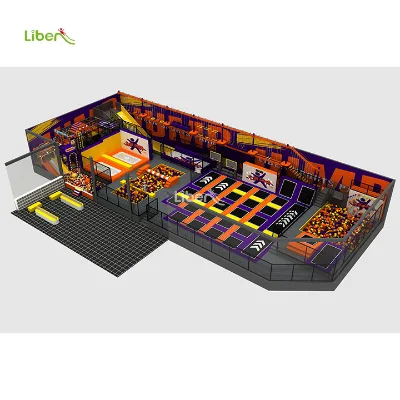
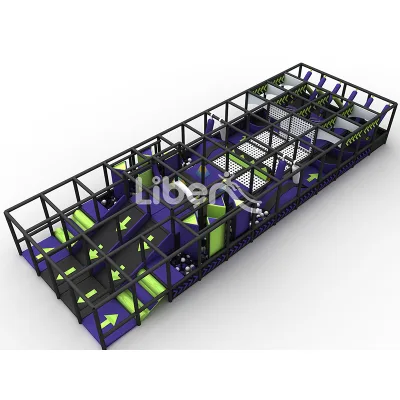
Commercial Indoor Playground Soft Play Equipment for Kids
$100.00 - $140.00

Guangzhou Big Whale Amusement Equipment Co. Ltd
- Verified by SGS
- Combined
- China Guangdong
- Lead time15 days
- Avg. response≤ 4h
Main productsChildren Playground, Indoor Playground, Kids Playground, Theme Amusement Park Equipment, Indoor Playground ODM, Trampoline, Gymnastic Playground, Naughty Castle, Playground Toys, Slide
Main marketsDomestic

Commercial Kids Games Indoor Play Equipment Naughty Castle Indoor Children Playground
$60.00 - $168.00
MOQ: 10 Square Meters


Hangzhou Hogwood Amusement Equipment Co., Ltd.
- Verified by CTI
- Combined
- China Zhejiang
- Lead time30 days
- Avg. response≤ 3h
Main productsIndoor Playground, Amusement Park, Outdoor Playground, Adventure Park, Soft Playground, Family Entertainment Center, Rope Course, Ninja Course
Main marketsSoutheast Asia/ Mideast,Europe,Australia,North America


Kids Commercial Indoor Soft Playground Custom Design Amusement Park Playground
$50.00 - $120.00
MOQ: 1 Sets

Bright Commercial Indoor Playground Soft Play with Colorful Equipment Design
$50.00 - $120.00
MOQ: 1 Sets

High-Quality Eco-Friendly Kids Children Commercial Indoor Playground Equipment
$50.00 - $120.00
MOQ: 1 Sets


Nanjing Pegasus Recreation Equipment Co., Ltd.
- Verified by TUVRHEINLAND
- Combined
- China Jiangsu
- Lead time30 days
- Avg. response≤ 3h
Main productsIndoor Playground, Trampoline Park, Adventure Park, Amusement Park, Rope Course, Ninja Course, Jumping Castle, Inflatable Park
Main marketsSouth America,Africa,Southeast Asia/ Mideast,East Asia(Japan/ South Korea),Domestic,Europe,Australia,North America

Wenzhou Joyou Amusement Equipment Co., Ltd.
- Verified by TUVRHEINLAND
- Trading Company
- China Zhejiang
- Lead time30 days
- Avg. response≤ 2h
Main productsOutdoor Playground, Amusement Theme Park, Indoor Playground, Outdoor Fitness, Water Park Equipment
Main marketsSouth America,Others(foreignTradeCapacity.exportBusinessCapacityMarketOther)

Commercial Various Play Games Indoor Amusement Playground for Kid Indoor Amusement Park
$80.00 - $100.00
MOQ: 1 square meters


Indoor Amusement Playground with Various Play Equipment for Indoor Safety Indoor Amusement Park
$80.00 - $100.00
MOQ: 1 square meters

High Quality Commercial Kid Indoor Amusement Playground Equipment
$80.00 - $100.00
MOQ: 1 square meters

2026 High Quality Playground Equipment Indoor Kids Amusement Park Playground
$80.00 - $100.00
MOQ: 1 square meters

Huadong Entertainment Equipment Co., Ltd.
- Verified by TUVRHEINLAND
- Combined
- China Zhejiang
- Lead time15 days
- Avg. response≤ 13h
Main productsPlayground, Kids Playground, Plastic Toys, Indoor Playground, Outdoor Playground, Fitness Equipment, Bumper Car, Amusement Park Equipment, Playground Slide, Slide
Main marketsAustralia
Shenzhen Xiaobu Kuaipao Amusement Equipment Co., Ltd.
- Verified by Intertek
- Manufacturer, Trading Company
- Lead time30 days
- Avg. response≤ 2h
Main productsINDOOR PLAYGROUND, NINJA WARRIOR COURSE, TRAMPOLINE PARK
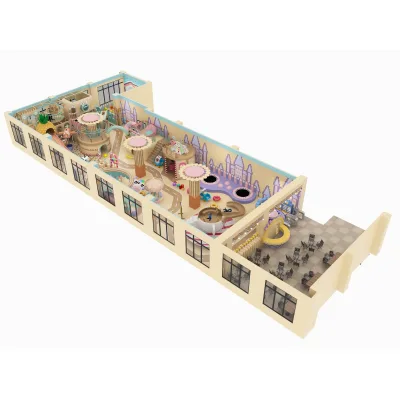
Wholesale Long Slide Indoor Playground for Commercial Play Centers ASTM Certified
$50.00 - $150.00
MOQ: 30 Minimum
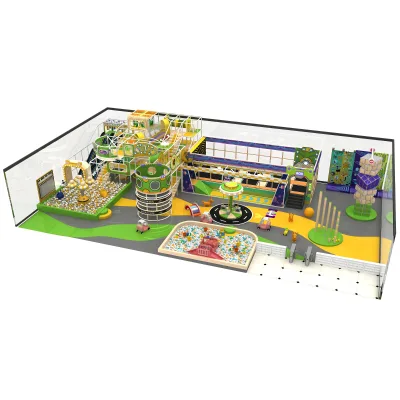
Customization Large Indoor Playground for Kids with Spiral Indoor Playground Slide
$50.00 - $150.00
MOQ: 20 Minimum
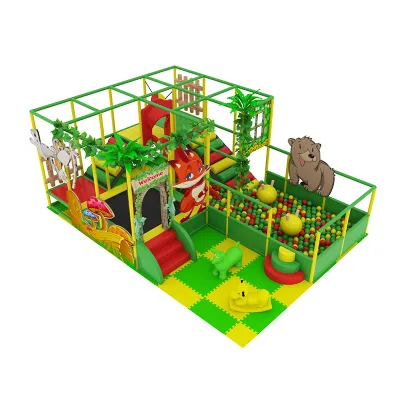
$103.3111 - $154.9666
MOQ: 20 square
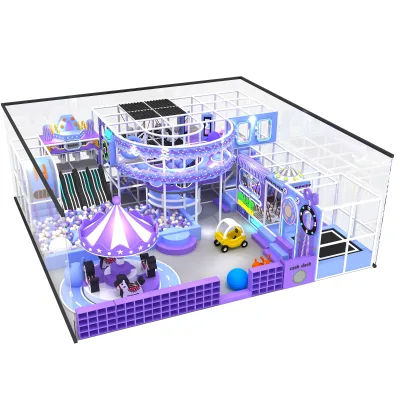
High Quality Toddler and Kids Indoor Playground with Carousel and Ball Pit New Indoor Playground
$51.6555 - $154.9666
MOQ: 20 Minimum

TimeSourcing Amusement Company
- Verified by SGS
- Trading Company
- China Anhui
- Lead time45 days
- Avg. response≤ 2h
Main productsAmusement Park, Playground Equipment, Trampoline, Kids Playground, Indoor Playground Equipment, Outdoor Playground Equipment, Water Park
Main marketsSouth America,Eastern Europe,Mid East,North America,Southeast Asia,Africa
Zhejiang Lejian Amusement Toys Co., Ltd.
- Verified by TüVRheinland
- Trading Company
- Lead time10 days
- Avg. response≤ 1h
Main productsMazes, Trampolines, NInja Warrior Obstacle, Wooden Town House, Outdoor Playground
Main marketsNorth America(25%), Southeast Asia(20%), South America(10%)
Guangzhou Qixin Amusement Equipment Co., Ltd.
- Manufacturer, Trading Company
- Lead time旺季: "1 - 2":15,"> 2":"To be negotiated", 淡季: "1 - 2":15,"> 2":"To be negotiated"
- Avg. response≤ 7h
Main productsPlayground Equipment/Fitness Equipment/Water Playground/Kindergarten Equipment,Outdoor Gym Equipment,Water Park Equipment,Kids furniture,park equipment

Zhengzhou Bigjoys Amusement Equipment Co., Ltd.
- Trading Company,Manufacturer/Factory
- China Henan
- Lead time23 days
- Avg. response≤ 8h
Main productsTrampoline Park/Indoor Playground, Inflatable Bouncy Castle, Inflatable Water Park, Inflatable Slide, Park Rides/Carousel, Thrill Park Rides, Family Rides, Roller Coaster, Bungee Trampoline, Ferris Wheel
Main marketsSouth America,Eastern Europe,Mid East,North America,Southeast Asia,Eastern Asia,Oceania,Western Europe,Africa
Wenzhou Jiayuan Playground Equipment Co., Ltd.
- Manufacturer, Trading Company
- Lead time旺季: "1 - 100":45,"> 100":"To be negotiated", 淡季: "1 - 100":45,"> 100":"To be negotiated"
- Avg. response≤ 7h
Main productsPlayground Equipment

Foshan Tianyi Amusement Equipment Co., Ltd
- Verified by SGS
- Combined
- China Guangdong
- Lead time30 days
- Avg. response≤ 4h
Main productsChildren's Playground, Naughty Fort, Indoor Amusement Equipment, Million Ocean Ball Pool, Slide, Indoor Playground, Interactive Projection, Trampoline, Children's Go Kart, Trampoline Park
Main marketsDomestic

Custom Turnkey Indoor Soft Playground for Commercial Kids Amusement
$60.00 - $180.00
MOQ: 10 Square Meters


Indoor Kids Playground Adventure Park for Entertainment and Play
$60.00 - $180.00
MOQ: 10 Square Meters

Indoor Kids Playground Adventure Park for Entertainment and Play
$60.00 - $180.00
MOQ: 10 Square Meters
Guangzhou Yuto Amusement Technology Co., Ltd.
- Manufacturer, Trading Company
- Guangdong, China
- Lead time7 days
- Avg. response≤ 15h
Main productsGame Machine,coin operated game machine,claw crane machine,VR cinema,Amusement Game
Main marketsWestern Europe(25.00%), North America(15.00%), Eastern Asia(14.00%), Northern Europe(10.00%), Southern Europe(6.00%), Africa(5.00%), South America(5.00%), Eastern Europe(5.00%), Mid East(5.00%), Central America(4.00%), South Asia(3.00%), Southeast Asia(3.00%)
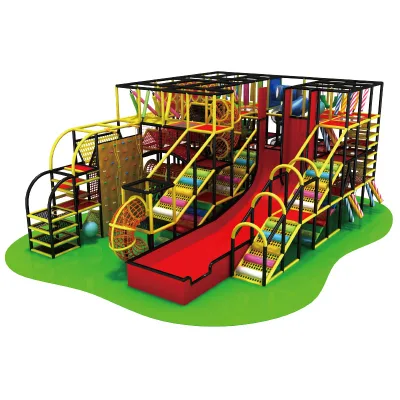
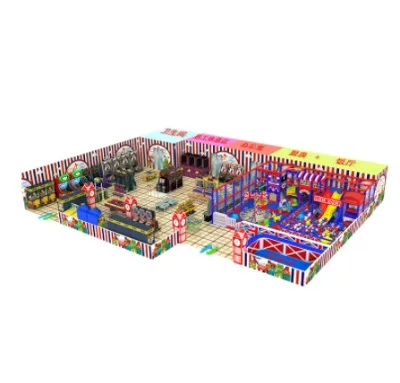
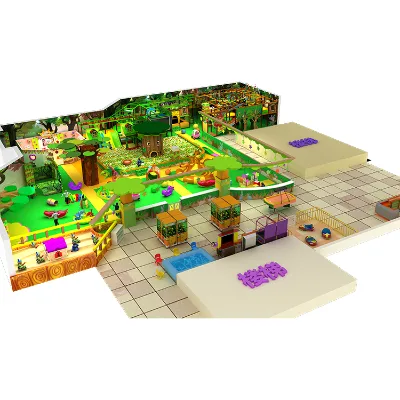
Kids Indoor Playground Cheap Price Indoor Playground Equipment Funny Good Supplier
$51.2316
MOQ: 100 Minimum
Guangzhou Feifan Amusement Equipment Co., Ltd.
- Manufacturer, Trading Company
- Guangdong, China
- Lead time15 days
- Avg. response≤ 2h
Main productsIndoor Playground/ Trampoline Park/ Slides/ Outdoor Playground/ Water Park Amusement Equipment,Trampoline park
Main marketsSoutheast Asia(30.00%), Northern Europe(20.00%), North America(20.00%), Mid East(5.00%), Domestic Market(5.00%), Central America(5.00%), Western Europe(5.00%), Oceania(2.00%), Africa(2.00%), South America(2.00%), South Asia(1.00%), Southern Europe(1.00%), Eastern Europe(1.00%), Eastern Asia(1.00%)
- Verified by SGS Group
- Trading Company
- Lead time20 days
- Avg. response≤ 2h
Main productsSoft play equipment, Ball pit, Play fence, Ball pit ball, Kid slide
Main marketsNorth America(80%), Oceania(20%)
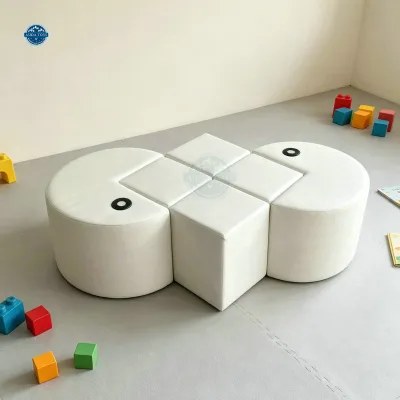
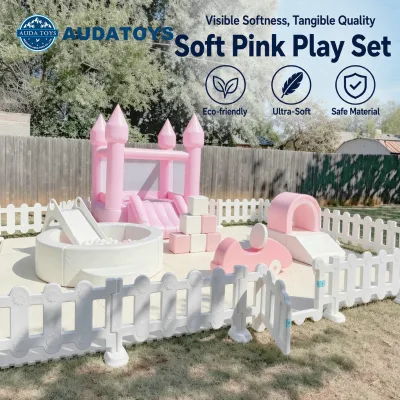
Pink and White Kids Indoor Playground Equipment for School Play Areas Indoor/Outdoor Use
$290.00 - $345.00
MOQ: 1
Zhengzhou Bigjoys Amusement Co.,Ltd
- Manufacturer, Trading Company
- Henan, China
- Lead time10 days
- Avg. response≤ 2h
Main productsTrampoline park/Indoor Playground,Mechanical rides(Carousel/Flying Chair/Electric Train),Inflatable products,Thrill rides,Naughty Castle
Main marketsDomestic Market(20.00%), North America(20.00%), South America(10.00%), Eastern Europe(10.00%), Oceania(6.00%), Western Europe(6.00%), Africa(5.00%), Southeast Asia(5.00%), Northern Europe(5.00%), Mid East(4.00%), Southern Europe(3.00%), Eastern Asia(2.00%), South Asia(2.00%), Central America(2.00%)
Wenzhou Dingqi Amusement Equipment Co., Ltd.
- Verified by Intertek
- Manufacturer, Trading Company
- Lead time0 days
- Avg. response≤ 4h
Main productsBall Castle Ball Wall, Ball Spreader, Spray Ball Machine Pour Ball Machine, UFO Ball Waterfall, Water Paly Table
Main marketsNorth America(20%), Mid East(20%), Eastern Asia(20%)
Guangzhou Aurora Amusement Equipment Co., Ltd.
- Verified by TüVRheinland
- Trading Company
- Lead time7 days
- Avg. response≤ 2h
Main productsSoft Play Equipments, Bounce House, Indoor Playground, Amusement Eqiupments, Inflatable Games
Main marketsNorth America(30%), Mid East(15%), Oceania(10%)

Guangzhou Aoleao Sports Culture Co., Ltd.
- Verified by CTI
- Manufacturer/Factory
- China Guangdong
- Lead time45 days
- Avg. response≤ 5h
Main productsIndoor Playground, Trampoline Park, Ninja Course, Soft Play Equipment, Small Indoor Playground
Main marketsSoutheast Asia,Eastern Asia,Africa
Guangzhou Beibeileyuan Electronic Technology Co., Ltd.
- Manufacturer, Trading Company
- Guangdong, China
- Lead time30 days
- Avg. response≤ 2h
Main productsIndoor Playground, Interactive Projector, Outdoor amusement parks
Main marketsSoutheast Asia(50.00%), North America(20.00%), South America(10.00%), Mid East(10.00%), Northern Europe(5.00%), Eastern Europe(5.00%)
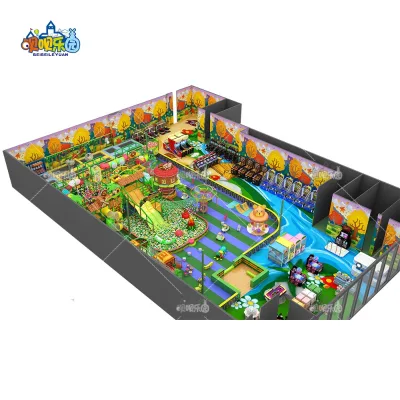
Forest Theme Park Children's Indor Playground Commercial Amusement Park Kids Soft Play Center
$51.1163 - $155.434
MOQ: 2 square
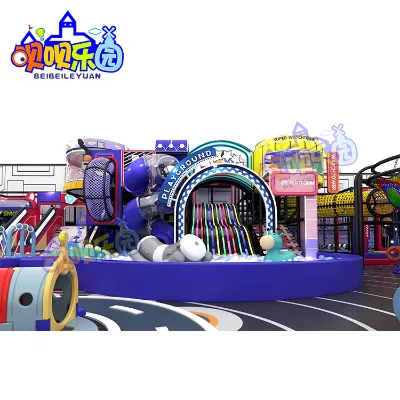
Indoor Playgrounds Can Be Customized and Are Suitable for Supermarkets, Shopping Malls Etc
$50.2759 - $152.8784
MOQ: 2 square
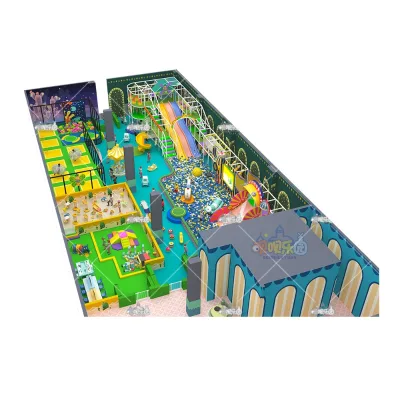
$50.2759 - $152.8784
MOQ: 2 square
Wenzhou Beilai Amusement Equipment Co., Ltd.
- Verified by Intertek
- Manufacturer, Trading Company
- Lead time15 days
- Avg. response≤ 1h
Main productsOutdoor Playground, Indoor Playground, Trampoline Park, Soft Play
Main marketsNorth America(30%), South America(30%), Mid East(30%)
Wenzhou Baiqi Amusement Equipment Co., Ltd.
- Verified by SGS Group
- Manufacturer, Trading Company
- Lead time10 days
- Avg. response≤ 1h
Main productsIndoor Playground; Outdoor Playground ; Trampoline Park
Main marketsDomestic Market(25%), Eastern Europe(16%), Mid East(15%)
Wenzhou Maidele Amusement Equipment Co., Ltd.
- Manufacturer, Trading Company
- Zhejiang, China
- Lead time0 days
- Avg. response≤ 1h
Main productsIndoor Playground,Outdoor Playground,Playground Equipments,Trampoline,Plastic Toys
Main marketsDomestic Market(35.00%), North America(13.00%), Eastern Europe(10.00%), Western Europe(8.00%), South America(6.00%), Eastern Asia(5.00%), Mid East(5.00%), Africa(5.00%), Oceania(4.00%), Northern Europe(3.00%), Southern Europe(2.00%), Central America(2.00%), Southeast Asia(1.00%), South Asia(1.00%)






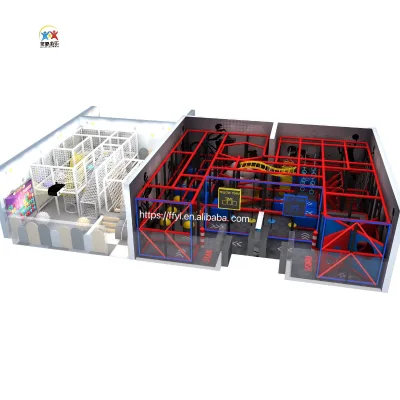
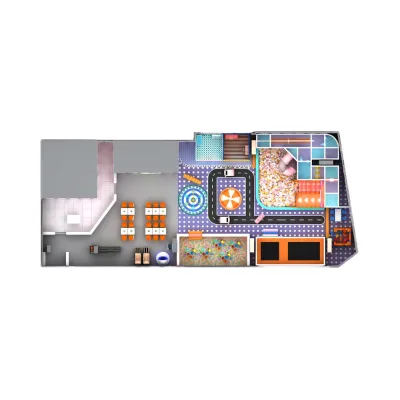
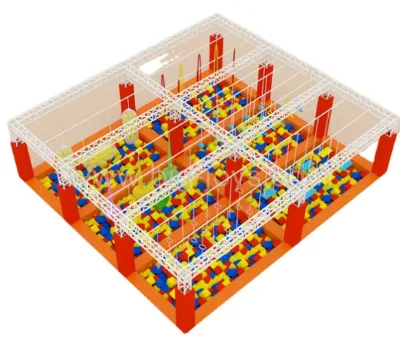
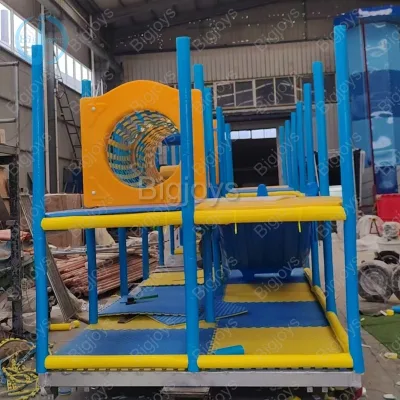


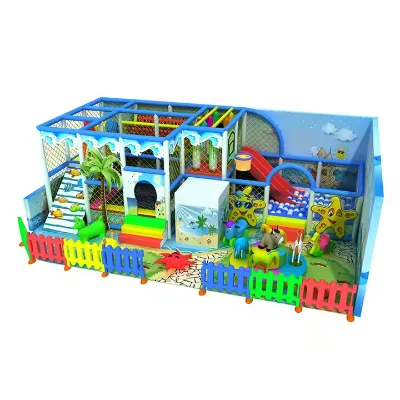
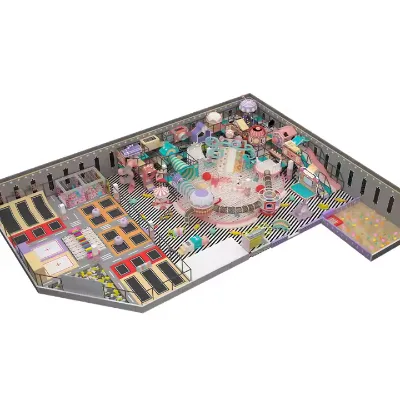
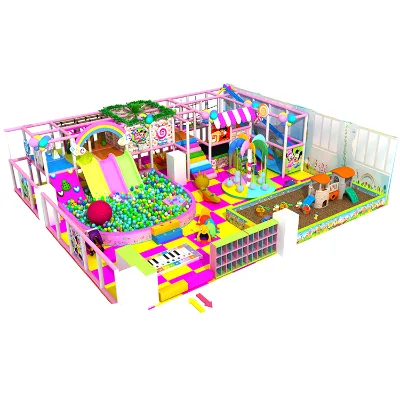
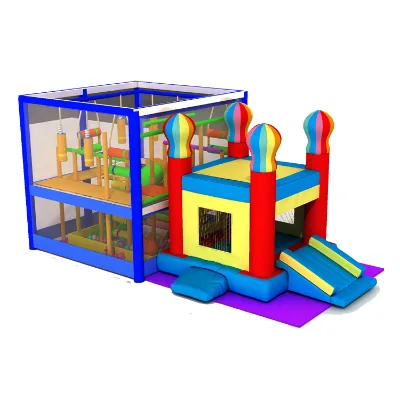
Comprehensive Sourcing Guide
Warrior Commercial Indoor Playground Supplier Concentration and Factory Types
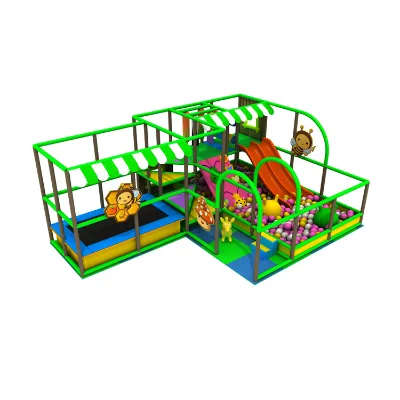
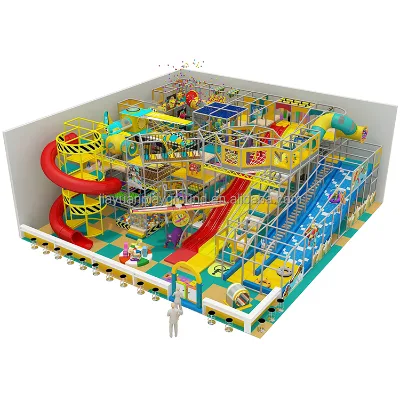
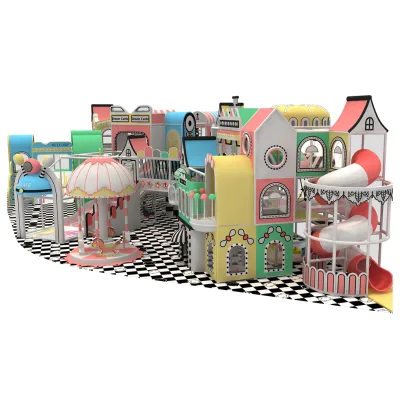
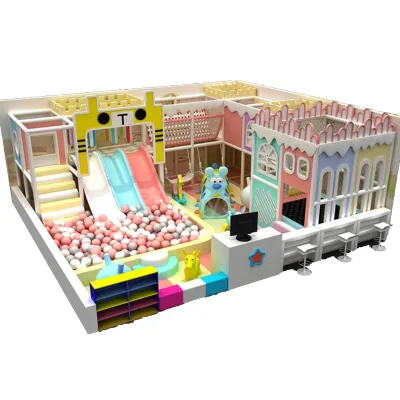
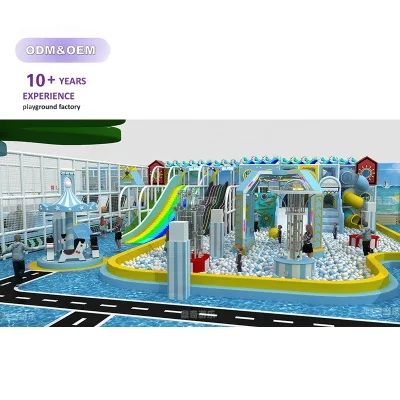
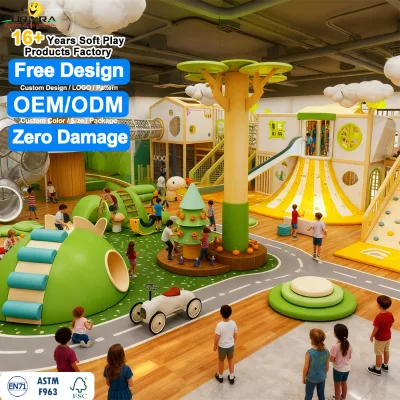
Searching for a Warrior Commercial Indoor Playground supplier will surface results concentrated in China, and the listed evidence confirms this: one group of suppliers is located in Zhejiang Province, with product origins recorded in Wenzhou, while another cluster is based in Guangdong Province. Zhejiang, and Wenzhou in particular, is strongly associated with soft playgrounds, naughty castles, jungle, candy, sea and pirate themed commercial structures, with listings describing multi-floor structures and customized square layouts. Guangdong suppliers in this category show a broader amusement portfolio that includes trampoline parks, water parks, outdoor playgrounds and preschool facility equipment alongside indoor soft play.
The supplier type labels in current results are "Combined" for Zhejiang listings and "Manufacturer" for the Guangdong listing, and these labels matter. Combined companies may manufacture some lines and trade others, which affects who controls design, tooling and after-sales parts. Manufacturer-labeled companies indicate in-house production but you should still confirm which products are genuinely produced on their own floor. Listings show company age claims in product titles, such as a reference to eighteen years of quality, so use these as prompts to verify, not as proof. Main product keywords are a useful factory-type signal: a supplier listing only soft playgrounds is more specialized than one listing everything from water parks to kids tables and chairs.
How to Verify Warrior Commercial Indoor Playground Suppliers
Verification starts with the platform-displayed credentials, which in the current results include ISO9001:2015 and ISO14001:2015 system certificates and TUV Rheinland verification on some suppliers. These are meaningful starting points, but a business management system certificate is not a product safety certificate. Product-level evidence matters more: current listings show CE certification on individual indoor playground products, and some listings reference standards such as EN1176, ASTM, TUV, GS and ISO9001 on the product records. Ask each supplier for the actual certificate documents covering the specific structure you are buying, check the certifying body, and confirm the certified model matches the design you are quoting.
Beyond documents, verify capacity and design capability directly. Listings in this category advertise customization, from size ("could be customized") to design themes (jungle, candy, sea, pirate), and one record even names a brand and specific model numbers. Request a 3D layout of your play space, confirm who owns the design files after purchase, and ask which parts are rotationally moulded in-house versus bought in. Check the warranty line, which one listing states as one year, and get it in writing with a parts-replacement process. Finally, verify before ordering that the packaged products are inspected on your behalf: packing is typically cotton with PP film or bubble bag with PP film, so confirm inspection happens before packing, since a wrapped module conceals defects until arrival.
What to Compare Across Warrior Commercial Indoor Playground Suppliers
Build a comparison sheet from the attributes suppliers actually display, while remembering that not every supplier shows every attribute. Lead time is one of the most important fields: current results show a stated lead time of 30 days on one supplier and a zero or absent value on another, so treat every blank as a question to ask rather than an assumption. Response time is displayed in hours in current results, ranging from roughly 1.3 hours to nearly 9 hours; over a multi-month customization project, a slow responder compounds delays at every design iteration.
Compare MOQ and price bands next. Current listings show MOQs from 1 unit to 10 units, and price ranges spanning from around $65 to $180 per piece on smaller modules up to $15,000 to $35,000 for full customized commercial playgrounds. A low per-piece price usually refers to a single component, not a turnkey play structure, so normalize quotes to a complete installed project cost. Also compare product breadth: some suppliers list only indoor playgrounds and soft play, while others list trampoline parks, water parks and preschool furniture, which matters if you want a single vendor. Finally compare certification scope, warranty, and whether third-party verification (like TUV Rheinland) and escrow-backed payment options appear on the supplier's profile at all.
Common Warrior Commercial Indoor Playground Sourcing Risks
The most frequent risk in this category is certification mismatch. Listings mix claims: one product record shows CE only, another shows "CE, ISOTUV," and one product's own attribute block describes an unrelated industrial ultrasonic cleaner with voltages and tank sizes, alongside playground keywords. This kind of listing inconsistency is a red flag in itself. Always request the certificate for the exact product model quoted, and verify that claimed standards like EN1176 or ASTM apply to the play structure you are buying, not just to the company's product family generally.
Another risk is scope confusion between a module and a full park. Prices from $65–$155 per unit up to $35,000 per project make it easy to compare unlike things. Confirm what is included: design drawings, foam, vinyl, steel posts, netting, installation instructions, spare parts, and whether an enclosure height over 2.5 meters and a five-floor structure require site reinforcement. Packing and freight are further risk points: cotton with PP film or bubble bag packing is standard, but ocean freight of a customized structure of tens of meters of footprint requires container planning and customs documentation you should confirm early. Finally, watch for warranty ambiguity; one listing states a one-year warranty, others state nothing. Define in writing what a warranty claim covers, who pays freight on replacement parts, and how technical support is delivered across time zones before you remit payment.
Warrior Commercial Indoor Playground Regional Sourcing and Logistics
The evidence places sourcing squarely in two Chinese provinces: Zhejiang, with product origins in Wenzhou, and Guangdong. These regional differences affect both product and logistics. Zhejiang and Wenzhou listings emphasize soft playgrounds and customized commercial structures, often built in modules and shipped flat-packed; one product record lists a dimension of 2000x2000x780 cm across a five-floor structure and sea-shipping-standard packing. Guangdong listings span a wider amusement range, including trampoline and water parks, which may simplify sourcing if your warrior-themed facility combines indoor and outdoor attractions in one order.
Logistically, plan around module-based freight. A customized structure packing as cotton with PP film or bubble bags will occupy a substantial container volume; a five-floor, 2000 cm x 2000 cm footprint clearly exceeds a single 20-foot container, so ask each supplier for packed dimensions, gross weights, and the container plan before finalizing the quote. Sea shipping is the default standard; confirm whether the quoted price is FOB, CIF, or door-to-door, and which party clears customs. If the supplier's listed lead time is 30 days, add design approval time, material procurement for custom themes, production, and inspection before it becomes realistic. For time-sensitive openings, ask whether phased shipment is possible, with high-traffic items like slides and ball pools first. Finally, check whether the supplier supports installation: even if a local contractor assembles, you need clear drawings, labeled modules, and remote technical support.
Warrior Commercial Indoor Playground Commercial Terms and Order Planning
Commercial terms in this category vary widely, so structure your order planning around what current listings actually show. Prices range from about $65–$180 per component on some products to $7,000, $15,000–$20,000, and $19,000–$35,000 on full commercial structures, and MOQs range from 1 unit to 10 units. This means your negotiation should always begin by defining the complete deliverable: a turnkey layout, individual modules, or a starter soft play corner. Once scope is fixed, compare quotes on the same basis: material specification, dimensions, certifications included, spare parts, warranty length, and packing type.
Order planning should sequence events from design to installation. Typical stages are layout approval, production, pre-shipment inspection, packing (cotton or bubble bag with PP film is standard here), ocean transit, customs clearance, and on-site assembly. Insert deposit and balance payment gates around design approval and pre-shipment inspection, and ask whether escrow or platform-protected payment is available; current results indicate some suppliers have verification status, but escrow arrangements are not listed for all, so confirm per supplier. Match payment milestones to the riskiest phases: hold a meaningful balance until inspection passes, since wrapped modules hide defects. If a listed lead time of 30 days appears, treat it as production time only, and add your own design revision cycles, shipping, and assembly into a realistic opening date. Keep spare part quantities inside the initial order to avoid expensive later shipments.
FAQs
What certifications do the indoor playgrounds have?
Most products carry CE certification, with some also holding ISO9001:2015 and ISO14001:2015 certificates. Certain models include TUV and GS standards for safety compliance. Buyers should verify specific product attributes to confirm which certifications apply to their selected equipment before placing an order.
What is the typical lead time for these items?
The standard lead time observed for these commercial indoor playgrounds is thirty days. Some suppliers may offer different timelines depending on customization needs. Buyers should confirm the exact delivery schedule with the specific manufacturer to ensure it aligns with their project requirements and opening dates.
Where are these playground manufacturers located?
Manufacturers are primarily located in Zhejiang and Guangdong provinces within China. Specific production sites include Wenzhou in Zhejiang. Buyers should verify the exact factory location to assess shipping logistics and potential tariffs associated with importing equipment from these specific regions to their destination country.
What is the minimum order quantity for these products?
Minimum order quantities vary significantly by product type, ranging from one unit to ten units. Some commercial setups require a minimum of ten pieces, while smaller components might be available for single unit purchase. Buyers must check the specific MOQ listed for each product model they intend to source.
How much do these commercial playgrounds cost?
Prices for these indoor playgrounds range from sixty-five dollars to thirty-five thousand dollars depending on size and complexity. Smaller units start around sixty-five dollars, while large commercial structures can reach thirty-five thousand dollars. Buyers should request detailed quotes based on their specific dimensions and design requirements.
What age groups are these playgrounds suitable for?
These playgrounds are designed for children aged three to twelve years, with some models suitable for those over twelve years. Specific age ranges depend on the equipment design and safety features. Buyers should review the age specifications for each product to ensure they match the intended user demographic for their facility.
What materials are used in these playground constructions?
Materials include plastic, wood, and soft foam components for safety. Some structures utilize rotational molding technology for durability. Buyers should verify the specific material composition for each product to ensure it meets their safety standards and aesthetic preferences for the indoor play environment.