Blackout Built-in Honeycomb Blind Suppliers and Manufacturers
Compare 25 verified suppliers for blackout built-in honeycomb blind options across China Shandong and Zhejiang. Review response times, lead times, and MOQs to select a partner offering customization and heat insulation features for your project needs; review the available evidence before requesting comparable quotations from suitable candidates.
Updated
Suppliers List

Shouguang Sunrise Industry Co., Ltd.
- Trading Company
- China Shandong
- Lead time15 days
- Avg. response≤ 2h
Main productsWooden Furniture & Accessories, MDF/Chipboard/ Hardboard/Blockboard, Plywood/Film Faced Plywood/LVL/H20 &H16, PE Coated Paper, Clay Coated Paper, Roller Blinds & Shading Produ, Dredger, Concrete Pipe Making Machine, Sawmill, Sterilization Pot
Main marketsSouth America,Africa,Southeast Asia/ Mideast,East Asia(Japan/ South Korea),Domestic,Europe,Australia,North America

Shaoxing Kouzi Trading Co., Ltd.
- Verified by TUVRHEINLAND
- Trading Company,Manufacturer/Factory
- China Zhejiang
- Lead time45 days
- Avg. response≤ 13h
Main productsEmbroidery Fabric, Textile, Polyester Fabric, Embroidery Thread, Curtain, Event Textiles, Mattress Cover, Down Feather Bedding, Roller Blinds, Tablecloth
Main marketsSouth America,Eastern Europe,Mid East,North America,Southeast Asia,Eastern Asia,Oceania,Western Europe

Shouguang Runchen Environmental Protection Technology Co., Ltd.
- Verified by BV
- Combined
- China Shandong
- Lead time15 days
- Avg. response≤ 5h
Main productsZebra Blinds, Roller Blinds, Honeycomb Blinds, Shangri-La Blinds, Sunshine Blinds, Dream Curtain, Vertical Curtain, Sunscreen Blinds, Wooden Blinds, Motor End Caps Heading
Main marketsSouth America,Africa,Southeast Asia/ Mideast,Europe,Australia,North America


Manufacturers Window Blackout Cellular Blind Motorized Day and Night Honeycomb Blinds
$20.99 - $26.99
MOQ: 1 Square Meters
SHAOXING HAOYAN HOME SUPPLIES CO., LTD.
- Trading Company
- Zhejiang, China
- Lead time25 days
- Avg. response≤ 6h
Main productsZebra Blind,Polyester Roller Blind,Bamboo Blind
Main marketsMid East(30.00%), Domestic Market(23.00%), North America(20.00%), South America(15.00%), Africa(12.00%)
- Verified by Intertek
- Manufacturer, Trading Company
- Lead time35 days
- Avg. response≤ 2h
Main productsVenetian Blinds, Plantation Shutter, Roller Blinds, Curtains, Zebra Blinds
Main marketsWestern Europe(40%), Eastern Europe(12%), South America(10%)
Wuqiang Huihuang-Fiberglass Factory
- Verified by Intertek
- Manufacturer, Trading Company
- Lead time20 days
- Avg. response≤ 2h
Main productsFiberglass Insect Screen, Various mosquito net, Window sunshine blinds, Honeycomb blinds, DIY screen mesh
Main marketsMid East(30%), North America(14%), Africa(10%)
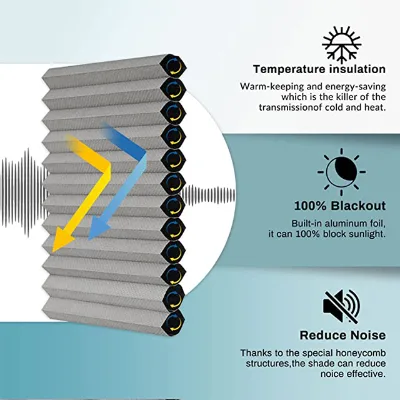
$2.4564 - $2.5582
MOQ: 100 square
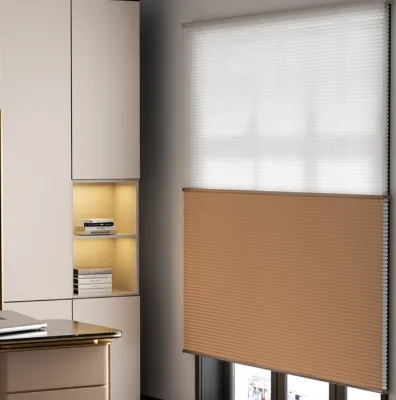
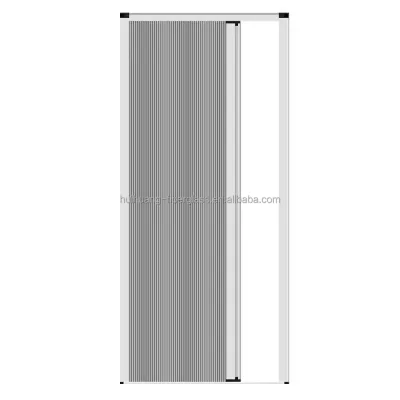
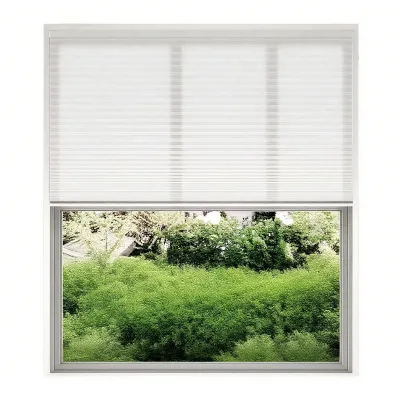
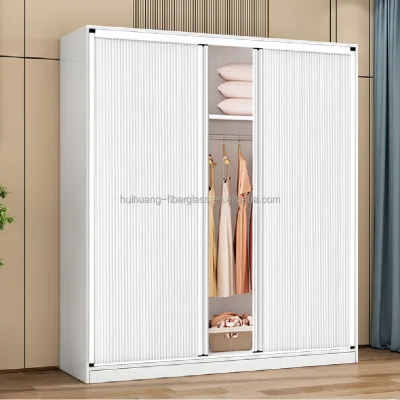
Wholesale Simple Modern Blinds Retractable Honeycomb Window Blind Full Blackout Sunshade Shutter
$15.00 - $17.00
MOQ: 1 square
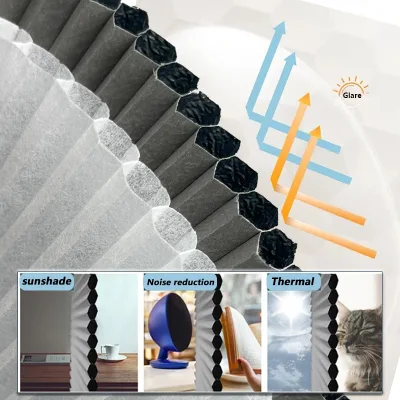

Shaoxing Sisheng Window Decoration Co., Ltd
- Verified by TUVRHEINLAND
- Combined
- China Zhejiang
- Lead time23 days
- Avg. response≤ 5h
Main productsBlinds Shades, Zebra Blinds, Shangri-La Blinds, Roller Blinds, Venetian Blinds, Panel Blinds, Customized Blinds, Silhouette Blinds, Light Filtering Blinds, Dual Layer Zebra Shades
Main marketsAfrica


$45.00 - $55.00
MOQ: 1 Square Meters

$45.00 - $55.00
MOQ: 1 Square Meters


$45.00 - $55.00
MOQ: 1 Square Meters

$28.00 - $35.00
MOQ: 1 Square Meters
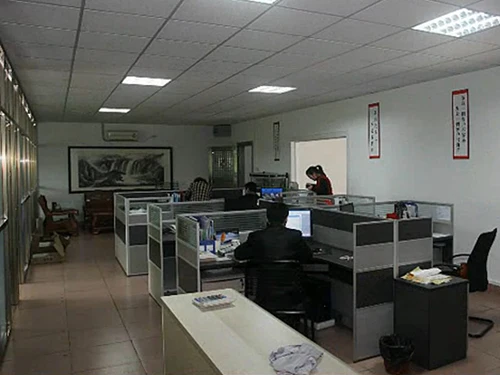
Shaoxing Lianying Textile Co., Ltd.
- Manufacturer, Trading Company
- Zhejiang, China
- Lead time7 days
- Avg. response≤ 4h
Main productsCurtains,Roller blinds,Zebra blinds,Natural woven blinds,Dream curtains
Main marketsNorth America(50.00%), South America(5.00%), Eastern Europe(5.00%), Southeast Asia(5.00%), Mid East(5.00%), Eastern Asia(5.00%), Western Europe(5.00%), Central America(5.00%), Northern Europe(5.00%), Southern Europe(5.00%), South Asia(5.00%)
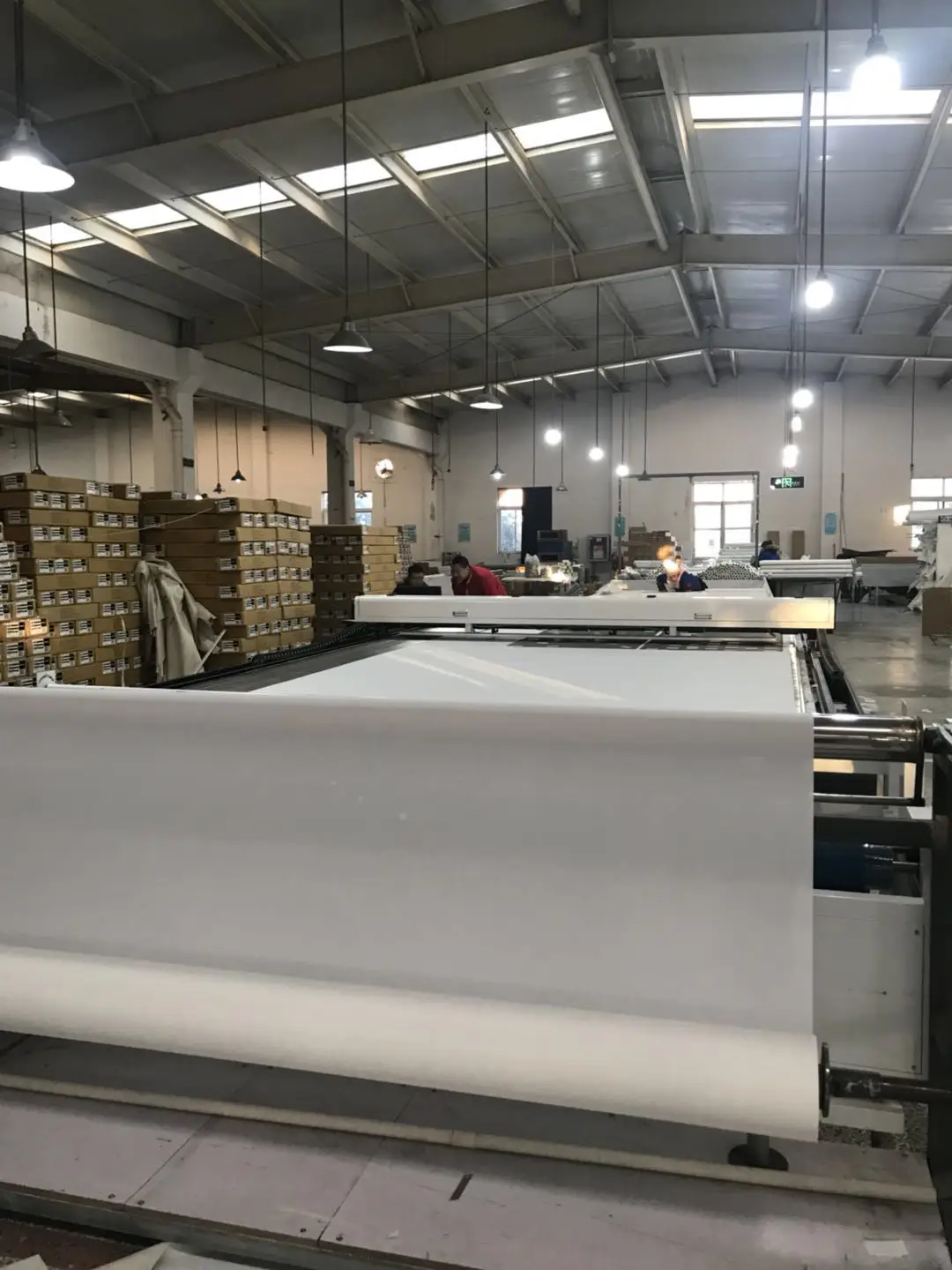
Tianjin Hunters Technology Co., Ltd.
- Manufacturer, Trading Company
- Tianjin, China
- Lead time5 days
- Avg. response≤ 5h
Main productswindow blinds,Fabric curtain,Sun awning,Rainproof Awning,Aluminum Louver
Main marketsNorth America(40.50%), Mid East(15.38%), Western Europe(9.70%), South Asia(8.44%), South America(6.50%), Central America(5.69%), Domestic Market(5.55%), Northern Europe(4.64%), Africa(2.55%), Oceania(1.05%)

R & C FUZHOU HOUSEWARE CO., LTD.
- Combined
- China Fujian
- Lead time23 days
- Avg. response≤ 1h
Main productsVenetian Blind, Curtain, Curtain Tieback, Sofa Cover, Bedding Set, Zebra Blind, Curtain Rod, Luxury Curtains, Electric Track, Curtain Accessories
Main marketsSouth America,Africa,Southeast Asia/ Mideast,East Asia(Japan/ South Korea),Europe,Australia,North America
Chanda (Chengdu) Sourcing Co., Ltd.
- Trading Company
- Sichuan, China
- Lead time0 days
- Avg. response≤ 2h
Main productsSunshades,Pergeola,Awning,Zip Screen,Roof roller
Main marketsNorthern Europe(20.00%), Eastern Europe(20.00%), South America(20.00%), North America(20.00%), Southern Europe(10.00%), Western Europe(10.00%)
Hande Manufacturing (China) Co., Ltd.
- Verified by TüVRheinland
- Manufacturer, Trading Company
- Lead time30 days
- Avg. response≤ 2h
Main productsRoller Blinds& Shades, Zebra Blinds& Shades, Outdoor Blinds, Cellular Shades, Blind Fabric
Main marketsNorth America(72%), Southeast Asia(7%), Southern Europe(5%)
Guangdong Boosly Electromechanical Technology Co., Ltd.
- Verified by Intertek
- Manufacturer, Trading Company
- Lead time7 days
- Avg. response≤ 6h
Main productsHotel Curtains, Motorized Curtains, Roller Blinds, Shangri-la Blinds, Zebra Blinds
Main marketsNorth America(85%), South America(2%), Africa(2%)
Guangzhou Jiejia Decoration Material Co., Ltd.
- Manufacturer, Trading Company
- Guangdong, China
- Lead time30 days
- Avg. response≤ 8h
Main productsCurtain Rod,Curtain track,window blind,Zebra blinds,Roller blinds
Main marketsEastern Europe(25.00%), Africa(17.00%), Western Europe(15.00%), Southeast Asia(15.00%), North America(15.00%), South America(5.00%), Southern Europe(5.00%), Mid East(2.00%), Oceania(1.00%)

SHOUGUANG SENTUO WOOD CO., LTD.
- Verified by BV
- Manufacturer/Factory
- China Shandong
- Lead time15 days
- Avg. response≤ 4h
Main productsPlywood, MDF, OSB, WPC Wall Panel, PVC Wall Panel, PVC Marble Sheet, Melamine MDF, Particleboard, Zebra Blinds, Door Skin
Main marketsSouth America,Eastern Europe,Mid East,North America,Southeast Asia,Eastern Asia,Oceania,Western Europe,Africa


Motorized Day and Night Honeycomb Blinds Cellular Honeycomb Blinds
$15.00 - $25.00
MOQ: 1 Square Meters


Top Down Bottom up Cellular Shades Cordless Honeycomb Blinds for Window
$15.00 - $25.00
MOQ: 1 Square Meters

WiFi Automatic Motorized Smart Day and Night Double Honeycomb Blinds
$15.00 - $25.00
MOQ: 1 Square Meters
Zhejiang Allbright Home Textile Co., Ltd.
- Verified by SGS Group
- Manufacturer, Trading Company
- Lead time45 days
- Avg. response≤ 3h
Main productsRoller Blinds, Zebra Blinds, Smart Blinds, Honeycomb Blinds, Roman Blinds
Main marketsNorth America(45%), Western Europe(15%), Eastern Europe(14%)

Jufeng Window Decoration Jiangsu Co., Ltd.
- Manufacturer, Trading Company
- Jiangsu, China
- Lead time25 days
- Avg. response≤ 11h
Main productsscreen Window & door,Insect mesh,Security Screen window & doo,DIY Screen window,Shade screens
Main marketsDomestic Market(45.00%), Western Europe(20.00%), North America(15.00%), Southeast Asia(10.00%), Mid East(5.00%), Eastern Europe(5.00%)

Jiangsu Kemeili Energy Saving Technology Co., Ltd.
- Manufacturer
- Jiangsu, China
- Lead time25 days
- Avg. response≤ 5h
Main productsPDLC Film,Smart Film,Smart Glass,Smart Tint,Window Blinds
Main marketsDomestic Market(80.00%), North America(5.00%), Western Europe(5.00%), Oceania(3.00%), Southeast Asia(2.00%), Mid East(2.00%), Eastern Asia(1.00%), South Asia(1.00%), South America(1.00%)
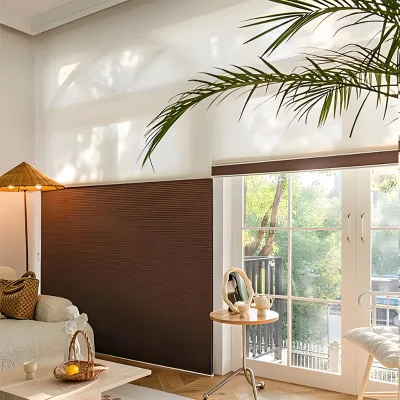
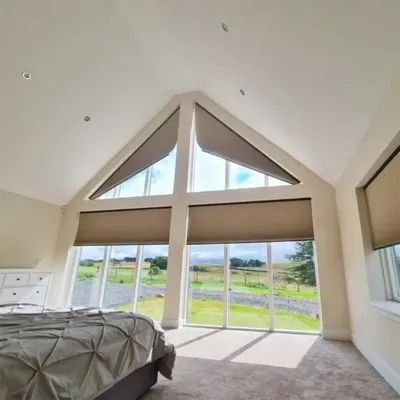
Custom Blackout Cellular Blinds Honeycomb for Windows Irregular Shape Honeycomb
$11.00 - $12.50
MOQ: 1 square
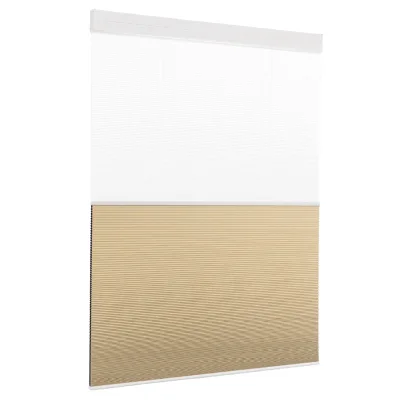
Foshan Hao Yuan Tracery Products Co., Ltd.
- Verified by SGS Group
- Manufacturer, Trading Company
- Lead time7 days
- Avg. response≤ 4h
Main productsRoller Blind, Zebra Blind, Shangri La Blind, Honeycomb Blind, Vertical Blind
Main marketsNorth America(70%), Domestic Market(20%), Southeast Asia(2%)
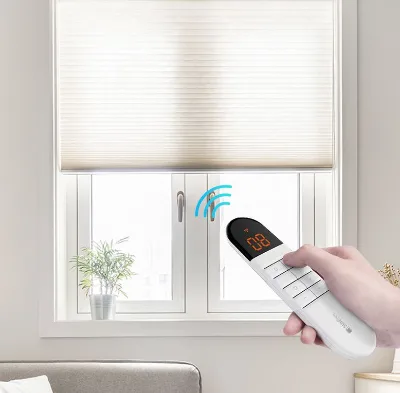
Double Cell Honeycomb Blinds Cordless/Pearl Window Blinds Fabric Blackout Curtain
$26.6856 - $30.7039
MOQ: 1 sets
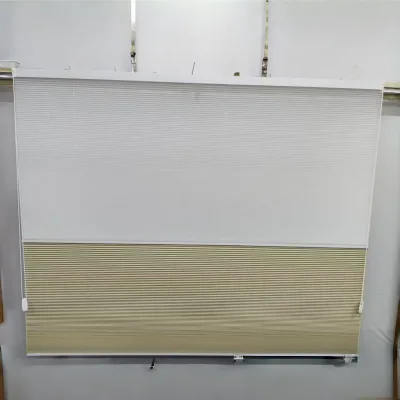

Vikson Blinds Enterprise Co., Ltd.
- Verified by BV
- Manufacturer/Factory
- China Guangdong
- Lead time38 days
- Avg. response≤ 7h
Main productsRoller Blind, Roman Blind, Curtains, Aluminium Blind
Main marketsSouth America,Eastern Europe,North America,Southeast Asia,Eastern Asia

Blackout Cellular Window Shades Cordless Honeycomb Blinds Cellular Blinds
$16.00 - $19.00
MOQ: 100 Square Meters

Blackout Cellular Shades Cordless Honeycomb Blinds Fabric Window Shades Blinds
$16.00 - $19.00
MOQ: 100 Square Meters


Henan Jiuyu Intelligent Technology Co., Ltd.
- Verified by CTI
- Combined
- China Henan
- Lead time30 days
- Avg. response≤ 2h
Main productsCellular / Honeycomb Blinds, Roman Blinds, Bamboo, Vertical Sheer Blinds, Horizontal Blind, Roller Blind, Zebra Blind, Woven Wood Shades, Manual Outdoor Zip Blind, Electric Roman Blinds
Main marketsDomestic


Custom Cordless Honeycomb Blind with Blackout and Light Filtering Options
$13.49 - $19.49
MOQ: 1 Square Meters

Made-to-Measure Honeycomb Blackout Blinds, Sound Insulating & Light Blocking
$13.49 - $19.49
MOQ: 1 Square Meters

Slim Honeycomb Blackout Blinds, Space Saving for Small Narrow Windows
$13.49 - $19.49
MOQ: 1 Square Meters

Made-to-Measure Day and Night Honeycomb Blinds, Sound Insulation & Thermal Save
$13.49 - $19.49
MOQ: 1 Square Meters

Compact Honeycomb Light Filtering Blinds, Space Saving for Small Limited Spaces
$13.49 - $19.49
MOQ: 1 Square Meters
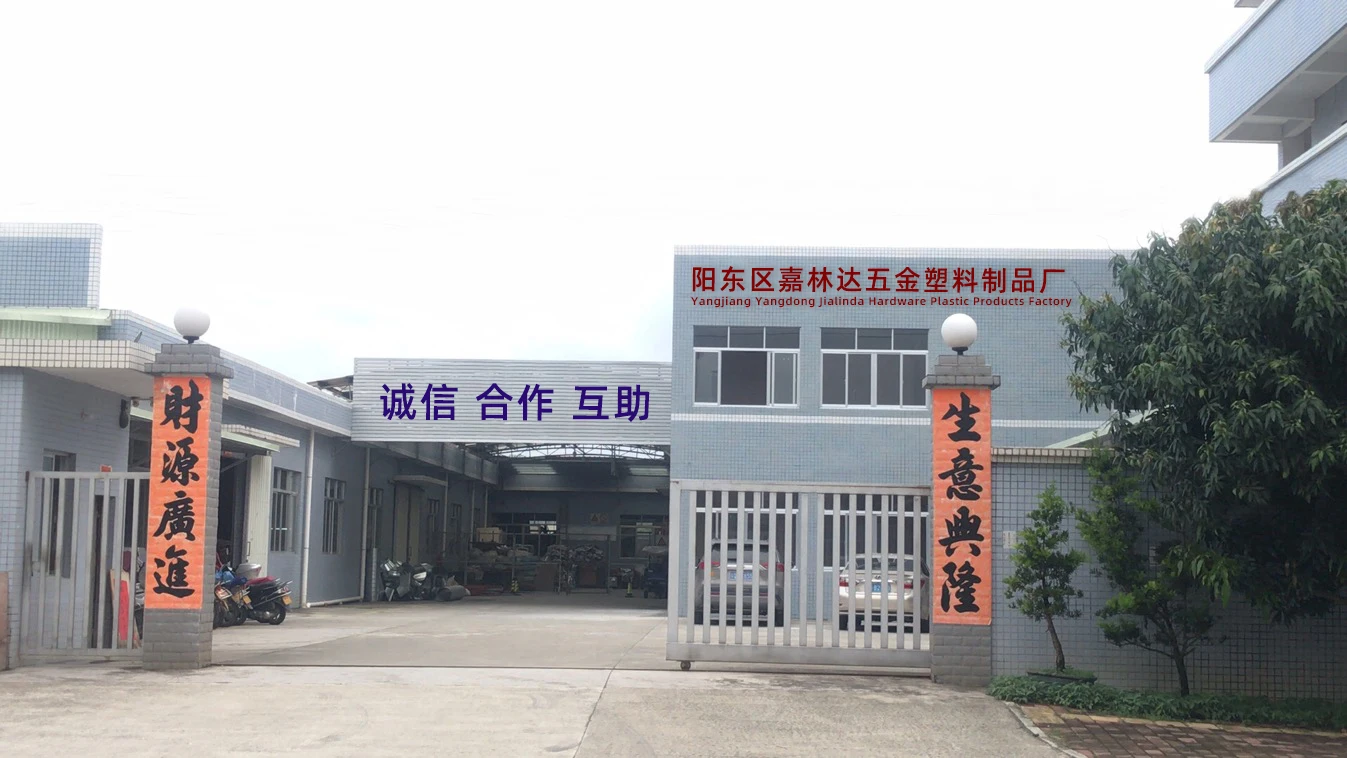
Yangjiang Jiangcheng Jialinda Hardware Plastic Products Factory
- Manufacturer, Trading Company
- Guangdong, China
- Lead time20 days
- Avg. response≤ 3h
Main productsRoller blind,Zebra blind,Honeycomb blind,Dual roller blind,Window blind
Main marketsNorth America(50.00%), Western Europe(20.00%), Oceania(10.00%), Southern Europe(10.00%), Eastern Europe(5.00%), South America(5.00%)
Heze Dasheng Window Blinds Co., Ltd.
- Manufacturer, Trading Company
- Shandong, China
- Lead time15 days
- Avg. response≤ 3h
Main productshoneycomb blinds,pleated blinds,temporary blinds,day and night blinds,paper blinds
Main marketsNorth America(35.00%), Mid East(30.00%), Southern Europe(10.00%), Western Europe(10.00%), Eastern Europe(10.00%), Northern Europe(5.00%)
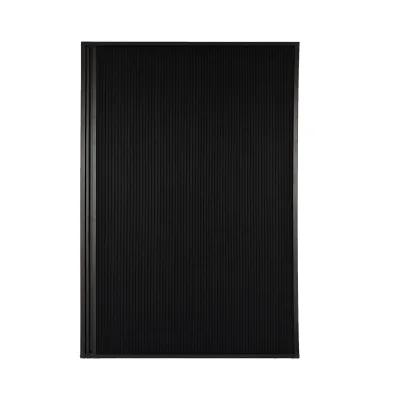
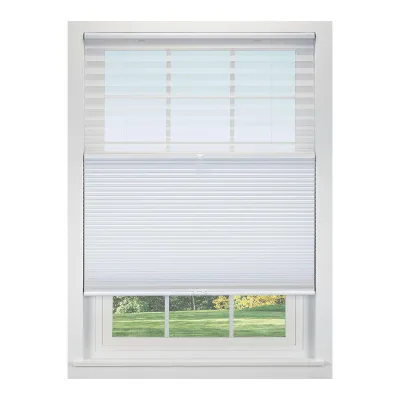
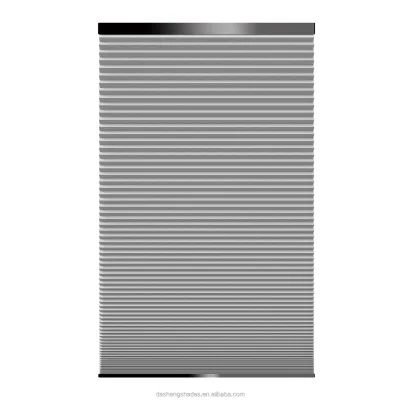
Double Layer Soundproof Cordless Design Honeycomb Shades Blinds for Meeting Room
$15.3699
MOQ: 500 Minimum
Foshan Hualink Home Furnishings Co., Ltd.
- Manufacturer, Trading Company, Distributor/Wholesaler
- Guangdong, China
- Lead time15 days
- Avg. response≤ 12h
Main productsSmart Curtain Track,Smart ripple fold curtain,Smart Roman Blind,Hospital track,Smart roller blind
Main marketsSouth America(20.00%), North America(20.00%), Western Europe(10.00%), Southern Europe(10.00%), Oceania(10.00%), Northern Europe(10.00%), Eastern Europe(10.00%), Eastern Asia(5.00%), Southeast Asia(5.00%)
Anhui Meiernai Fashion Home Sunshade Manufacturing Co., Ltd.
- Manufacturer, Trading Company
- Anhui, China
- Lead time15 days
- Avg. response≤ 2h
Main productsElectric Zebra Blinds, Honeycomb Blinds, Roller Blinds For Blackout Window, Roman Blinds For Window, Shangrila Blinds
Main marketsDomestic Market(30.00%), Northern Europe(15.00%), North America(5.00%), South America(5.00%), Eastern Europe(5.00%), Africa(5.00%), Oceania(5.00%), Eastern Asia(5.00%), Western Europe(5.00%), Central America(5.00%), Southern Europe(5.00%), South Asia(5.00%), Southeast Asia(3.00%), Mid East(2.00%)
$18.9872 - $26.4463
MOQ: 1 square


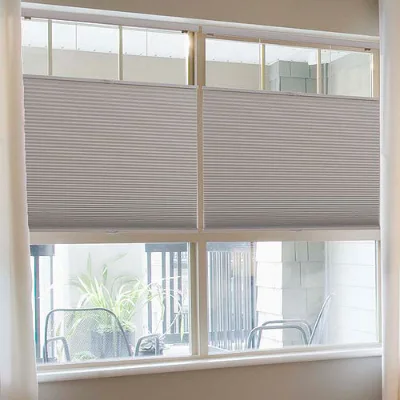
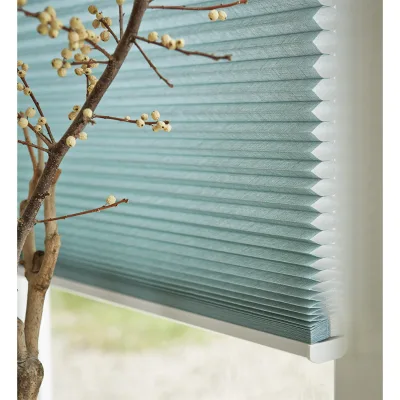
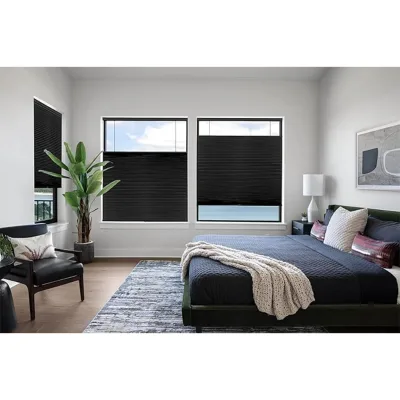
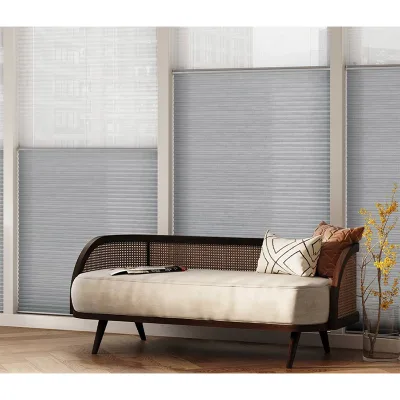


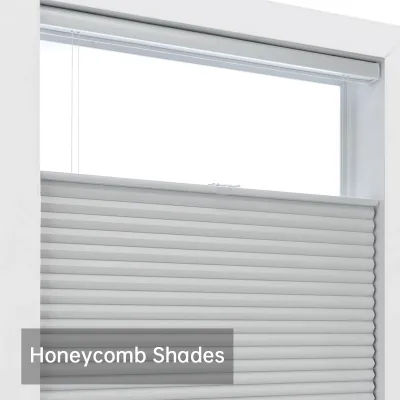
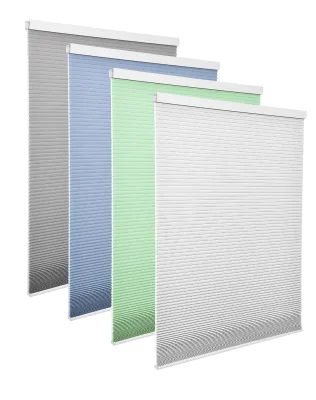
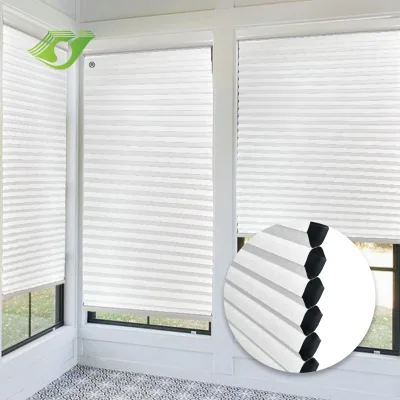
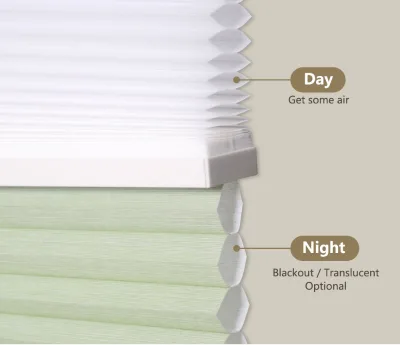
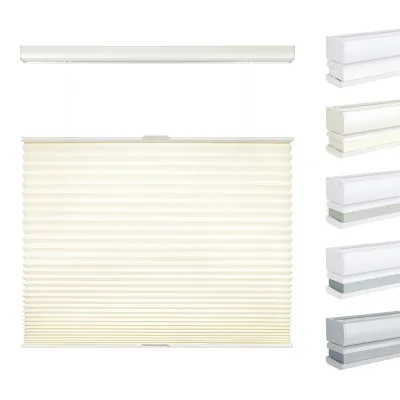
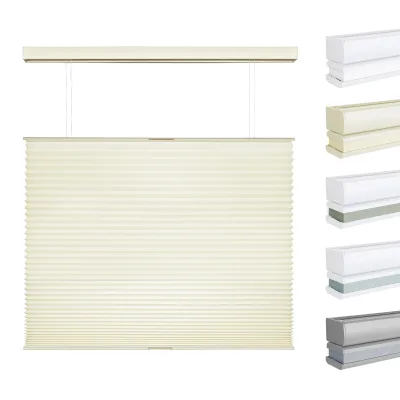
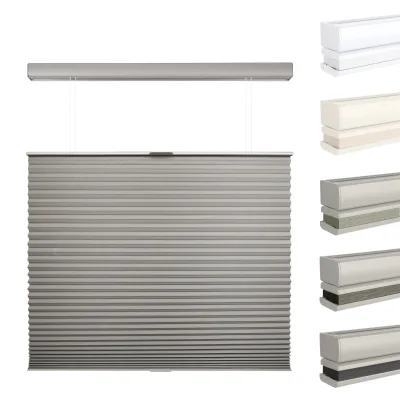
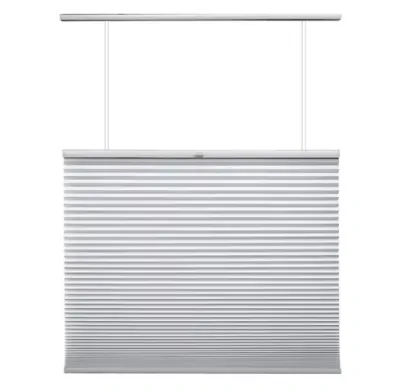
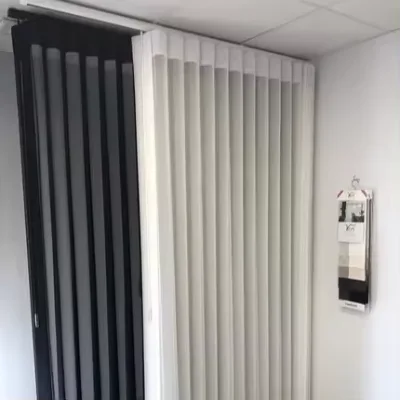
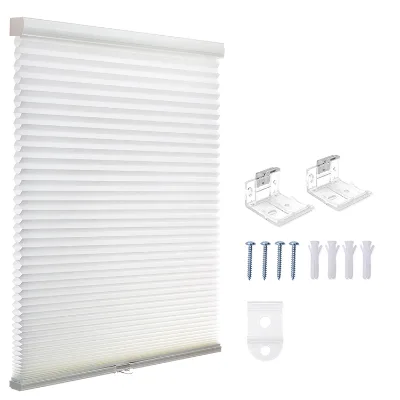
Comprehensive Sourcing Guide
Blackout Built-In Honeycomb Blind Supplier Concentration and Factory Types
The current supplier landscape for blackout built-in honeycomb blinds reveals a distinct geographic concentration within China, specifically highlighting Shandong and Zhejiang provinces as primary manufacturing hubs. Suppliers located in Shandong often operate as trading companies, which may indicate a focus on aggregating products from various local factories rather than direct manufacturing. This structural difference is crucial for buyers to understand, as trading companies might offer broader product ranges but could have less direct control over production quality compared to manufacturers. In contrast, suppliers in Zhejiang are frequently identified as either trading companies or manufacturer/factory entities, suggesting a more diverse mix of direct production capabilities and trade services. The presence of verification badges such as TÜV Rheinland for some Zhejiang-based suppliers adds a layer of credibility regarding their operational standards and business legitimacy. Buyers should carefully distinguish between these company types to align their sourcing strategy with their need for direct factory communication versus the convenience of a trading partner.
Main product listings provide further insight into the operational focus of these suppliers. Many entities list a wide array of home decor items, including wooden furniture, plywood, and various types of blinds, indicating that honeycomb blinds are often part of a broader home textile or window covering portfolio. Some suppliers specialize specifically in fabric production for blinds, listing keywords like "Honeycomb Blinds Fabric" and "Cellular Shade Fabric," which suggests they may serve as upstream suppliers for finished blind manufacturers. This specialization can be advantageous for buyers seeking custom fabrics or specific material properties, such as blackout capabilities or specific repeat sizes. The diversity in main products, ranging from heavy industrial machinery like dredgers to delicate home textiles, underscores the importance of verifying the specific expertise of a supplier before committing to an order. Understanding whether a supplier is a dedicated blind manufacturer or a general trading company helps in assessing their depth of knowledge and reliability in handling specialized window covering products.
How to Verify Blackout Built-In Honeycomb Blind Suppliers
Verifying the legitimacy and capability of suppliers requires a multi-faceted approach that goes beyond simple profile reviews. Buyers should prioritize suppliers who display third-party verification badges, such as TÜV Rheinland, as these indicate that an independent agency has audited the company’s business operations and legal status. This verification is particularly important for trading companies, where the risk of misrepresentation is higher than for direct manufacturers. Additionally, examining the supplier’s response time can serve as a proxy for their operational efficiency and customer service quality. A response time of around one hour, as seen with some Shandong-based suppliers, suggests a high level of responsiveness, which is critical for resolving issues quickly during the sourcing process. Conversely, longer response times, such as those exceeding twelve hours, may indicate a less agile operation or a high volume of inquiries that could delay communication. Buyers should use these metrics to gauge the supplier’s readiness to engage in detailed technical discussions about their blackout honeycomb blind products.
Another critical aspect of verification is the assessment of the supplier’s product evidence and attribute consistency. Buyers should look for detailed product specifications that include light filtering levels, customization options, and structural details like horizontal or vertical configurations. The presence of specific product models, such as HCB001 or SUNRISE, along with clear packing standards and origin information, adds transparency to the supplier’s offerings. It is also essential to check for after-sales service and warranty provisions, as these commitments reflect the supplier’s confidence in their product quality. For suppliers claiming to be manufacturers, buyers should request evidence of their production capacity, such as OEM capabilities or own brand development, which can be found in their company profiles. Cross-referencing the supplier’s stated main products with their actual product listings ensures that they have genuine expertise in blackout honeycomb blinds rather than just listing them as part of a generic catalog. This thorough verification process helps mitigate the risk of partnering with unreliable suppliers who may not meet quality or delivery expectations.
What to Compare Across Blackout Built-In Honeycomb Blind Suppliers
When evaluating multiple suppliers, buyers must compare key operational metrics to determine the best fit for their specific needs. Lead time is a critical factor, with some suppliers offering a lead time of fifteen days, while others may require up to forty-five days. This variance can significantly impact inventory planning and project timelines, making it essential to align supplier lead times with your delivery requirements. Minimum Order Quantity (MOQ) is another crucial comparison point, ranging from as low as one unit for sample orders to one hundred square meters for bulk production. Buyers with smaller volume needs may find suppliers with lower MOQs more attractive, while those planning large-scale projects might benefit from suppliers who can accommodate higher volumes efficiently. Additionally, comparing the price range of products, which can vary from six to twenty dollars per unit depending on specifications, helps in budgeting and cost analysis. It is important to note that price variations often correlate with features such as blackout intensity, customization options, and fabric quality.
Response speed and customization capabilities also play a significant role in supplier comparison. Suppliers with faster response times can provide quicker quotes and technical support, which is beneficial for time-sensitive projects. Customization options, such as the availability of specific sizes, colors, and open types (manual or electric), should be carefully evaluated to ensure they meet your design requirements. Some suppliers offer extensive customization, including specific repeat sizes for fabric patterns, which is vital for achieving a seamless look in built-in installations. Furthermore, comparing the functional attributes of the blinds, such as heat insulation, sound insulation, and insect resistance, allows buyers to select products that offer the best value for their intended use. By systematically comparing these dimensions, buyers can identify suppliers that not only offer competitive pricing but also provide the operational flexibility and product quality necessary for successful procurement. This comparative analysis ensures that the selected supplier aligns with both the technical and commercial requirements of the project.
Common Blackout Built-In Honeycomb Blind Sourcing Risks
One of the primary risks in sourcing blackout built-in honeycomb blinds is the potential discrepancy between sample quality and bulk production. Buyers must be cautious when relying solely on product images or brief descriptions, as these may not accurately represent the final product’s material thickness, blackout effectiveness, or structural integrity. The risk is heightened when dealing with trading companies that may not have direct oversight of the manufacturing process. To mitigate this, buyers should request physical samples before placing large orders, ensuring that the product meets their specific standards for light filtering and durability. Additionally, the variability in lead times can pose a significant risk to project schedules. Suppliers claiming short lead times may struggle to meet these promises during peak seasons, leading to delays. Buyers should verify lead time claims by checking historical performance data or requesting references from previous clients to ensure reliability.
Another common risk is the lack of clear communication regarding customization details. Honeycomb blinds often require precise measurements and specific installation requirements, especially for built-in applications. Miscommunication about dimensions, open types, or fabric patterns can result in products that do not fit or function as intended. Buyers should ensure that all customization requests are documented in writing and confirmed by the supplier before production begins. Furthermore, the absence of standardized certifications or quality control processes can lead to inconsistent product quality. While some suppliers display verification badges, others may not, leaving buyers to rely on their own due diligence. It is crucial to verify that the supplier adheres to relevant industry standards for safety and performance, particularly for products used in residential or commercial settings. By proactively addressing these risks through thorough verification and clear communication, buyers can minimize the potential for costly errors and ensure a smoother sourcing experience.
Blackout Built-In Honeycomb Blind Regional Sourcing and Logistics
Sourcing from specific regions in China offers distinct logistical advantages and challenges that buyers must consider. Suppliers in Shandong and Zhejiang provinces benefit from established manufacturing clusters and infrastructure, which can facilitate efficient production and shipping. However, the distance from these regions to major ports may impact transit times and costs. Buyers should evaluate the supplier’s location in relation to their preferred shipping routes to optimize logistics. For instance, suppliers in Zhejiang may have easier access to Shanghai Port, while those in Shandong might utilize Qingdao Port. Understanding these logistical nuances helps in estimating total landed costs and delivery timelines accurately. Additionally, regional specialization can influence product availability and pricing. Suppliers in certain areas may have better access to raw materials, such as specific fabrics or aluminum components, which can affect both cost and quality.
Logistics planning also involves considering the packaging and handling of honeycomb blinds, which are delicate products that require careful protection during transit. Suppliers often use carton boxes or paper tubes to pack their products, as indicated in their product attributes. Buyers should verify that the packaging is robust enough to prevent damage during shipping, especially for long-distance international transport. Furthermore, the volume and weight of the shipments can impact freight costs, so consolidating orders or selecting suppliers with efficient packing methods can help reduce expenses. Buyers should also be aware of any regional trade regulations or export restrictions that may affect the shipping process. By carefully planning logistics and selecting suppliers with strong regional advantages, buyers can ensure that their orders are delivered safely and on time, minimizing disruptions to their supply chain. This strategic approach to regional sourcing enhances overall efficiency and cost-effectiveness.
Blackout Built-In Honeycomb Blind Commercial Terms and Order Planning
Commercial terms and order planning are critical components of a successful sourcing strategy for blackout built-in honeycomb blinds. Buyers must clearly define their order quantities, payment terms, and delivery schedules to avoid misunderstandings with suppliers. The variability in MOQs, ranging from single units to large bulk orders, requires flexible planning to accommodate different project scales. For smaller orders, buyers may need to accept higher per-unit prices, while larger orders can often negotiate better rates. It is essential to discuss and agree upon payment terms, such as deposits or escrow services, to protect both parties’ interests. Suppliers with established verification badges may offer more secure payment options, providing an additional layer of trust. Buyers should also consider the supplier’s after-sales service and warranty policies, as these can provide recourse in case of quality issues or delivery problems.
Order planning should also account for the supplier’s production capacity and lead times. Suppliers with OEM capabilities or own brands may have more structured production processes, which can lead to more predictable lead times. Buyers should align their order placement with the supplier’s production schedule to ensure timely delivery. Additionally, considering the customization options available, such as specific sizes or fabric patterns, can impact the production timeline. Buyers should allow sufficient time for sample approval and production when ordering customized products. By carefully planning commercial terms and order logistics, buyers can establish a reliable and efficient sourcing relationship with their suppliers. This proactive approach minimizes risks and ensures that the procurement process runs smoothly, from initial inquiry to final delivery. Effective order planning is key to maintaining inventory levels and meeting customer demands without disruption.
FAQs
What is the typical lead time for blackout honeycomb blinds?
Manufacturers in China generally require 15 to 45 days for production. Suppliers in Shandong often quote 15 days, while Zhejiang factories may need up to 45 days. Buyers should confirm specific timelines based on order volume and customization requirements before placing orders.
What is the minimum order quantity for honeycomb blinds?
Minimum order quantities vary significantly by supplier and product type. Some manufacturers accept orders as low as one piece, while others require 100 square meters or 200 rolls. Buyers must check individual product listings to determine the exact MOQ applicable to their specific needs.
What price range can I expect for blackout honeycomb blinds?
Prices typically range from $3.00 to $20.00 per unit depending on specifications. Basic fabric options may start around $3.00, while complex manual or electric models can reach $20.00. Buyers should request detailed quotes to understand pricing based on size, function, and material quality.
Are blackout honeycomb blinds customizable for specific window sizes?
Yes, most suppliers offer customized sizing and design options. Products are available in various structures, including horizontal and Roman styles, with options for electric or manual operation. Buyers can specify exact dimensions and light-filtering levels to ensure a perfect fit for their interior spaces.
What certifications do honeycomb blind suppliers hold?
Certification status varies among suppliers. Some manufacturers hold TÜV Rheinland verification, while others may not list specific system certifications. Buyers should verify individual supplier credentials and request relevant quality assurance documents to ensure compliance with their specific market standards and safety requirements.
How quickly do suppliers respond to inquiries?
Response times differ across the supplier base. Some suppliers respond within approximately one hour, while others may take over twelve hours. Buyers should prioritize suppliers with faster response rates to ensure efficient communication and timely resolution of any questions regarding product specifications or order details.