Bodyshaper Underwear Suppliers and Manufacturers in China
Compare 26 verified Bodyshaper Underwear suppliers by location, response time, and certifications like ISO 9001. Review product specs and MOQs to source seamless shapewear or tummy control bodysuits from Zhejiang and Guangdong factories; review the available evidence before requesting comparable quotations from suitable candidates.
Updated
Suppliers List

Hangzhou Longwin Industry Limited
- Verified by SGS
- Trading Company,Manufacturer/Factory
- China Zhejiang
- Lead time15 days
- Avg. response≤ 5h
Main productsHome Cleaning, Domestic Appliances, Auto and Motorcycle and Bicycle, Fiberglass Products, Battery, Clothing, Furniture, Tools, Machine, Building
Main marketsSouth America,Eastern Europe,Mid East,North America,Southeast Asia,Eastern Asia,Oceania,Western Europe,Africa

Dongguan Senfeng Trading Co., Ltd.
- Verified by TUVRHEINLAND
- Trading Company
- China Guangdong
- Lead time15 days
- Avg. response≤ 3h
Main productsWomen's Underwear, Women's Shapewear, Women's Bra, Women's Panties, Women's Belt, Women's Clothes, Men's Briefs, Women's Bodysuit
Main marketsOthers(foreignTradeCapacity.exportBusinessCapacityMarketOther)

Xiamen Richtex Garments Co., Ltd
- Manufacturer/Factory
- China Fujian
- Lead time45 days
- Avg. response≤ 4h
Main productsSports Wear, Gym Wear, Swimwear, Hoodie, Underwear, Baby Wear, Pajamas, Lingerie, Shape Wear, Outdoor Jacket
Main marketsSouth America,Mid East,North America,Southeast Asia,Eastern Asia,Oceania,Western Europe,Africa


$6.50 - $7.50
MOQ: 1000 Pieces


$6.50 - $7.50
MOQ: 1000 Pieces

$6.50 - $7.50
MOQ: 1000 Pieces

- Trading Company
- Jiangxi, China
- Lead time15 days
- Avg. response≤ 1h
Main productsunderwear,shapewear
Main marketsNorth America(50.00%), Eastern Europe(20.00%), South Asia(10.00%), Western Europe(10.00%), Southeast Asia(10.00%)

Shenzhen Yilairuika Medical Technology Co., Ltd.
- Verified by TUVRHEINLAND
- Combined
- China Guangdong
- Lead time15 days
- Avg. response≤ 2h
Main productsWomen Compression Faja, Post Surgery Shapewear, Men Shapewear
Main marketsAfrica,North America

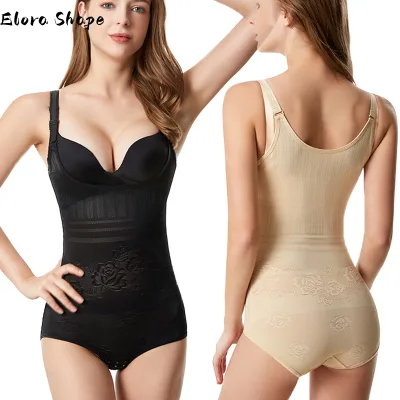
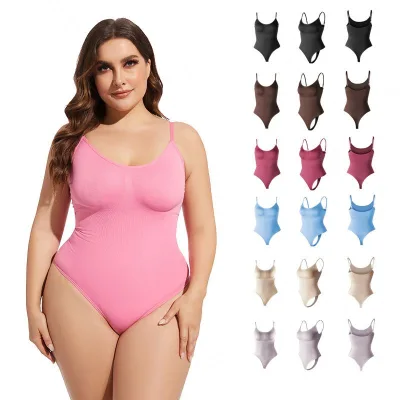
Women Underwear Full Body Shapewear Bodysuit Waist Shaper and Butt Lifter
$16.45 - $18.50
MOQ: 1 pieces


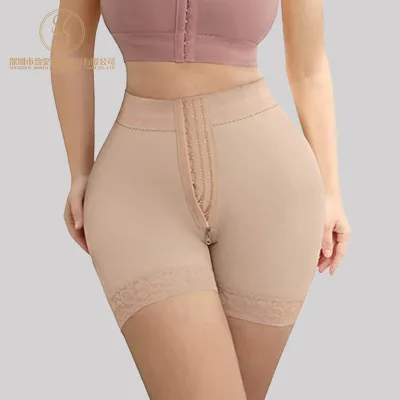
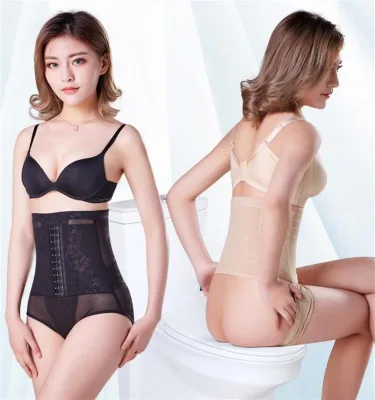
Daily Pospatum Body Shaper Butt Lifter Tummy Control Bodysuit Panties Shapewear for Women
$8.40 - $10.50
MOQ: 1 pieces


$10.84 - $13.69
MOQ: 1 pieces

Shantou Hengchu Knitting Industry Co., Ltd.
- Verified by CTI
- Combined
- China Guangdong
- Lead time30 days
- Avg. response≤ 17h
Main marketsDomestic,Europe

Shantou Trendy Wind Garment Manufacture Co., Ltd.
- Combined
- China Guangdong
- Lead time60 days
- Avg. response≤ 1h
Main productsUnderwear, Bra, Shape Wear, Panties, Briefs, Nightwear, Babydoll, Pajamas, Swimwear, Camisole
Main marketsSouth America,Domestic,Europe,North America


Stretch Bodysuit with Short Sleeve Body Shaper in The Series of Bonded Seamless for Europe
$5.00 - $5.50
MOQ: 2500 Pieces


Handan Wuxin Medical Devices Co., Ltd.
- Verified by TUVRHEINLAND
- Trading Company
- China Fujian
- Lead time15 days
- Avg. response≤ 2h
Main productsKnee Brace, Back Brace, Neck Brace, Waist Trainer, Body Shaper, Sportswear, Posture Corrector, Sexy Lingerie, Orthopedic Products, Gym Equipment
Main marketsEurope


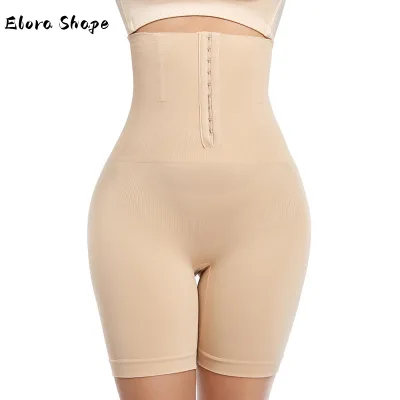
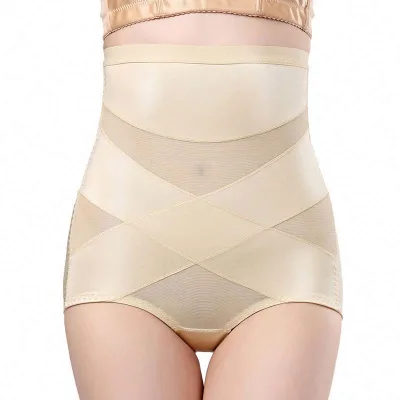
Hot Selling High Waist Shaping Underwear T-Shaped Flat Angle Jumpsuit Body Shapewear
$8.00 - $10.00
MOQ: 100 Pieces

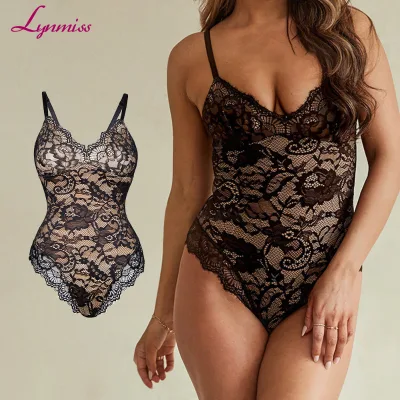
Custom Service Lace Seamless Bodysuit Body Shaper Plus Size Bodysuit Sexy Shapewear for Women
$5.00 - $7.20
MOQ: 50 Pieces
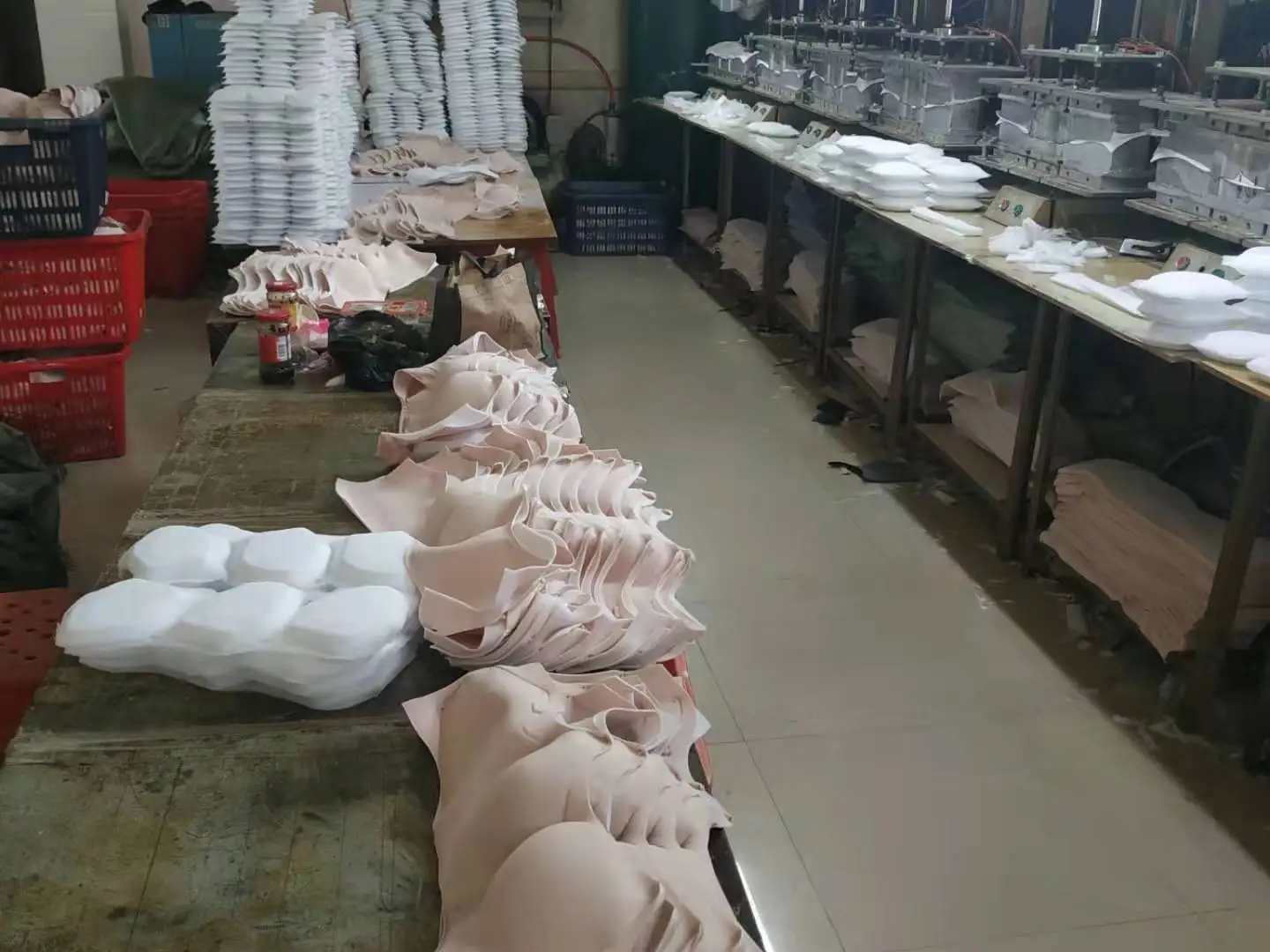
Shantou Chaonan District Chendian Daimiqi Underwear Factory
- Manufacturer, Trading Company
- Guangdong, China
- Lead time30 days
- Avg. response≤ 5h
Main productsbra,bra set,underwire bra,wireless bra,seamless bra
Main marketsDomestic Market(35.00%), North America(5.00%), South Asia(5.00%), Southern Europe(5.00%), Northern Europe(5.00%), Central America(5.00%), Western Europe(5.00%), Eastern Asia(5.00%), Mid East(5.00%), Oceania(5.00%), Africa(5.00%), Southeast Asia(5.00%), Eastern Europe(5.00%), South America(5.00%)
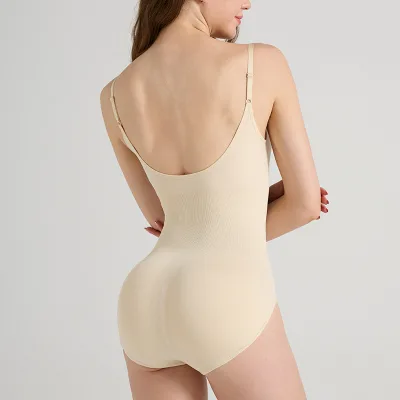
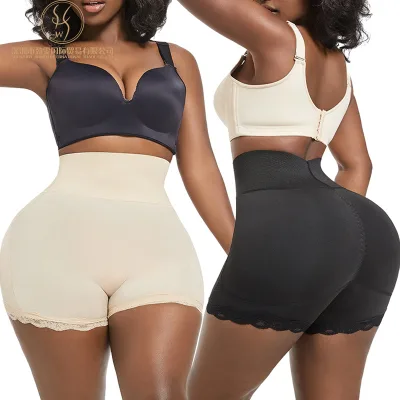
Explosion Seamless Triangle Pants One-piece Shapewear Belly Lift Buttocks Body Underwear
$3.6156 - $4.1163
MOQ: 1 pieces
Yiwu Yinpeng Healthy&Sport Article Co., Ltd.
- Trading Company
- Zhejiang, China
- Lead time7 days
- Avg. response≤ 11h
Main productsSports Goods,Yoga Wear,Waist Shaper,Leggings,Corset
Main marketsNorth America(45.00%), Western Europe(15.00%), Southeast Asia(10.00%), Eastern Asia(8.00%), Africa(8.00%), Eastern Europe(7.00%), South Asia(4.00%), Southern Europe(3.00%)

Guangzhou Chaorong Clothing Co., Ltd.
- Manufacturer, Trading Company, Distributor/Wholesaler
- Guangdong, China
- Lead time3 days
- Avg. response≤ 2h
Main productsfajas,waist trainer,corset,yoga,underwear
Main marketsNorth America(50.00%), Eastern Europe(30.00%), Western Europe(5.00%), Domestic Market(5.00%), South America(5.00%), Oceania(3.00%), Southeast Asia(2.00%)

Jiangmen Neiyishe Garment Co., Ltd
- Verified by CTI
- Combined
- China Guangdong
- Lead time15 days
- Avg. response≤ 25h
Main productsUnderwear, Women Underwaer, Panty, Lace Underwear, Thong, Period Underwear, Plush Underwear
Main marketsDomestic
Hebei Kang Sheng Yuan Sports Goods Co., Ltd.
- Verified by SGS Group
- Manufacturer, Trading Company
- Lead time5 days
- Avg. response≤ 3h
Main productsWaist Support; Back Posture Corrector; Knee Brace; Body Shaper Corset; Hip Resistance Bands
Main marketsNorth America(30%), Domestic Market(30%), Western Europe(15%)

Xiamen Pop Gloria International Trade Co., Ltd.
- Verified by BV
- Combined
- China Fujian
- Lead time15 days
- Avg. response≤ 9h
Main productsUnderwear, Sexy Lingerier, Period Underwear, Pregnancy Underwear, Comfortable Bra, Fashion Underwear, Fashion Bra Set, Sexy String, Nursing Bra, Sexy Bra
Main marketsSoutheast Asia/ Mideast,Europe
Hebei Dazzle Health Technology Co., Ltd.
- Trading Company
- Hebei, China
- Lead time10 days
- Avg. response≤ 2h
Main productswomen body shaper,women slimming corset,Motorcycle Armor Jacket,Motorcycle Riding Knee Pad,sport protect gloves
Main marketsNorth America(42.60%), Eastern Europe(18.50%), Southeast Asia(15.60%), Western Europe(5.60%), Southern Europe(4.50%), Eastern Asia(3.80%), South Asia(3.40%), Central America(3.30%), South America(1.50%), Africa(1.20%)

Zhejiang Shenlong International Co., Ltd.
- Trading Company
- China Zhejiang
- Lead time0 days
- Avg. response≤ 3h
Main productsUnderwear, Seamless Underwear, Underwear Set, Seamless Inner Wear, Seamless Wear, Undergarment, Bath Towel, Beach Towel, Face Towels, Leggings

GUANGXI BEILIU MORNING TEXTILE CO.,LTD
- Verified by TUVRHEINLAND
- Manufacturer
- China Guangxi
- Lead time15 days
- Avg. response≤ 4h
Main productsShapewear, Underwear, Body Wear, Women's Underwear, Kid's Underwear, Pajamas, Bra, Bras

Underwear Full Body Shaper Women Underwear Waist Corset Postpartum Abdomen Seamless Bodysuits
$7.15 - $7.16
MOQ: 1000 Pieces

$2.44 - $2.50
MOQ: 3000 Pieces


shanghai jspeed industry co.,ltd
- Trading Company
- China Shanghai
- Lead time60 days
- Avg. response≤ 5h
Main productsSwimwear, Underwear, Sportswear, Socks, Dress, Skirt, Pants, Shorts, Textile
Main marketsSouth America,Southeast Asia/ Mideast,Domestic,Europe,Australia,North America

Body Shapewear Body Shapewear Body Shapewear Body Shapewear Body Shapewear Body Shapewear
$5.50 - $7.00
MOQ: 200 Pieces

New Customized Bodysuit Body Shaper Burns Rubber One-Piece Body Shapewear
$5.50 - $7.00
MOQ: 200 Pieces
Shenzhen Hongshun Rongfa Technology Co., Ltd.
- Manufacturer, Trading Company, Buying Office, Agent, Distributor/Wholesaler
- Guangdong, China
- Lead time30 days
- Avg. response≤ 7h
Main productscorset,shapewear,compression garnent,body suit,heating clothes
Main marketsNorth America(60.00%), Western Europe(20.00%), Southern Europe(10.00%)
Shantou Chaonan Hongyang Clothing Co., Ltd.
- Verified by SGS Group
- Manufacturer, Trading Company
- Lead time15 days
- Avg. response≤ 4h
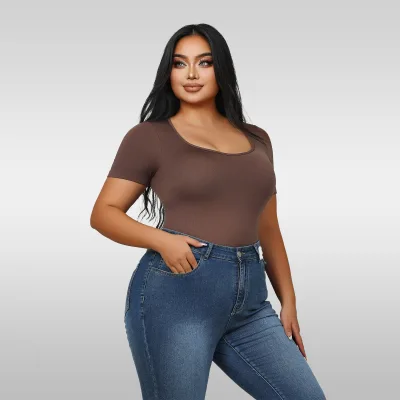
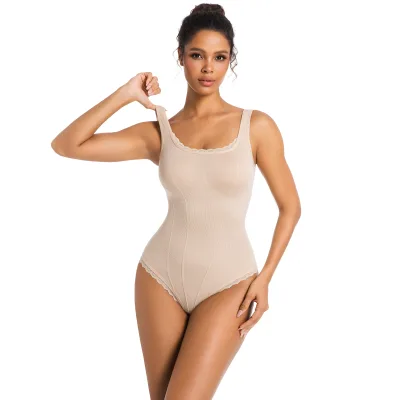
Main productsWomen Shapewear, Bodysuit, Body Shapewear, Seamless Shapewear, Tank Top Bodysuit
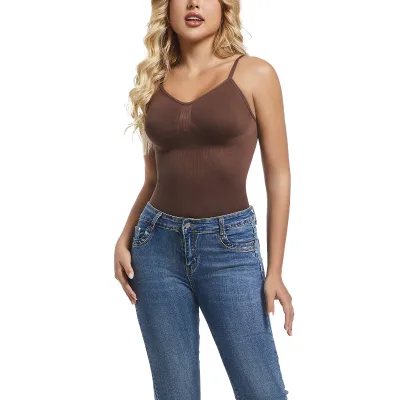
$2.5078 - $2.9635
MOQ: 30 pieces

Shenzhen Jinwen International Trade Co., Ltd.
- Manufacturer, Trading Company, Buying Office, Agent, Distributor/Wholesaler, Government ministry/Bureau/Commission, Association, Business Service (Transportation, finance, travel, Ads, etc)
- Guangdong, China
- Lead time0 days
- Avg. response≤ 3h
Main productsbody shapers,Fajas,Bra,underwear,Waist Trainer
Main marketsNorth America(60.00%), Africa(10.00%), Southeast Asia(10.00%), Eastern Europe(10.00%), South America(10.00%)
Shenzhen Dikashi Network Technology Co., Ltd.
- Verified by Intertek
- Manufacturer, Trading Company
- Lead time20 days
- Avg. response≤ 4h
Main productsShapewear
Main marketsWestern Europe(40%), South Asia(20%), North America(16%)
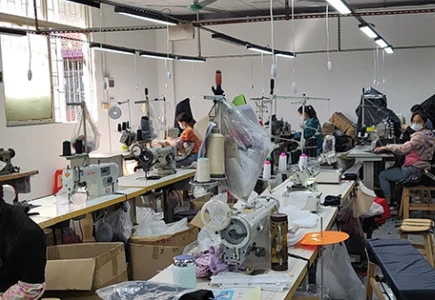
Shantou Liduo Underwear Co., Ltd.
- Manufacturer, Trading Company
- Guangdong, China
- Lead time30 days
- Avg. response≤ 3h
Main productsOEM.ODM,Waist Trainers,Bodysuit,Butt Lifting Shaper,Fajas Bodyshaper
Main marketsAfrica(30.00%), South America(20.00%), Southern Europe(10.00%), Western Europe(10.00%), Mid East(10.00%), North America(10.00%)
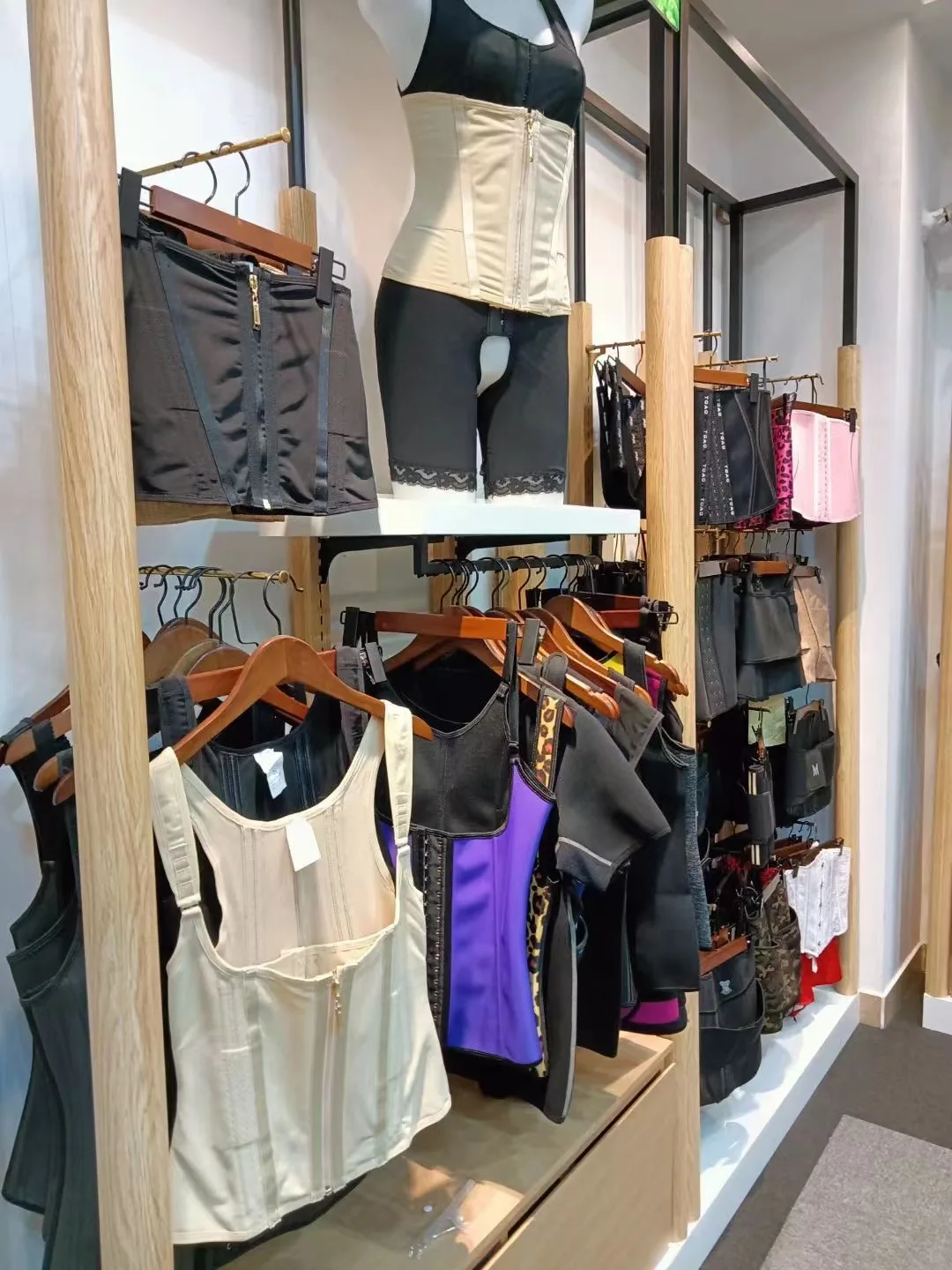
Guangzhou Tianhe District Chaorong Garment Factory
- Manufacturer, Trading Company, Buying Office, Distributor/Wholesaler
- Guangdong, China
- Lead time3 days
- Avg. response≤ 2h
Main productsFajas,Waist Trainer,Corsets,Yoga,Shapewear
Main marketsSouth America(30.00%), North America(20.00%), Africa(10.00%), Northern Europe(10.00%), Eastern Europe(10.00%), Western Europe(5.00%), Domestic Market(5.00%), Mid East(5.00%), Southeast Asia(3.00%), Southern Europe(2.00%)
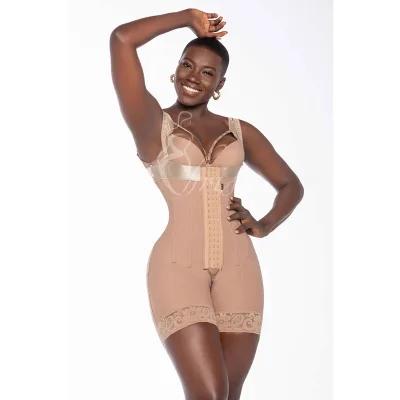
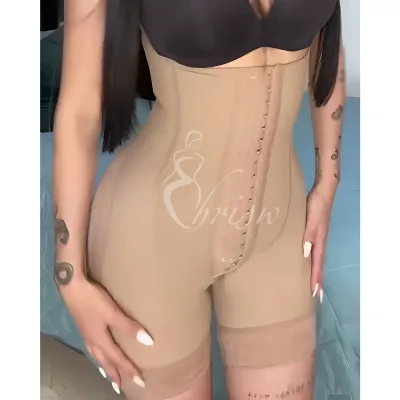
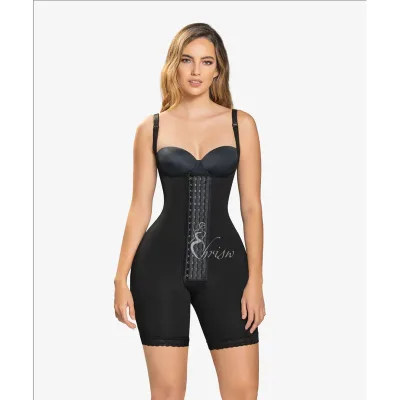
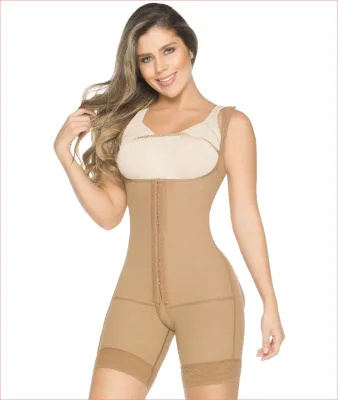
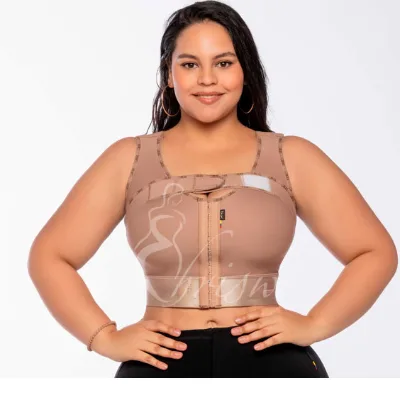
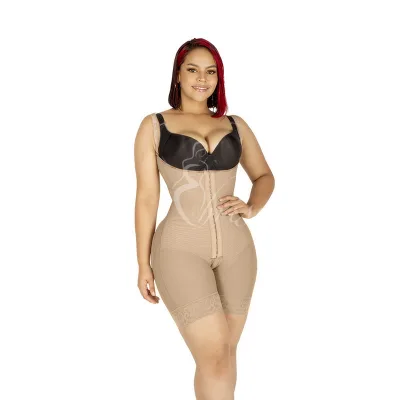
Hot Selling Shapewear Body Shaper Women Spandex Bodysuit Bodysuit Women
$12.4222 - $14.4938
MOQ: 1 pieces
Shantou Junying Clothing Co., Ltd.
- Verified by SGS Group
- Manufacturer, Trading Company
- Lead time30 days
- Avg. response≤ 3h
Main productsLadies Bra, Lingerie, Shapewear, Underwear, Sleepwear
Main marketsSoutheast Asia(30%), Eastern Europe(15%), North America(10%)
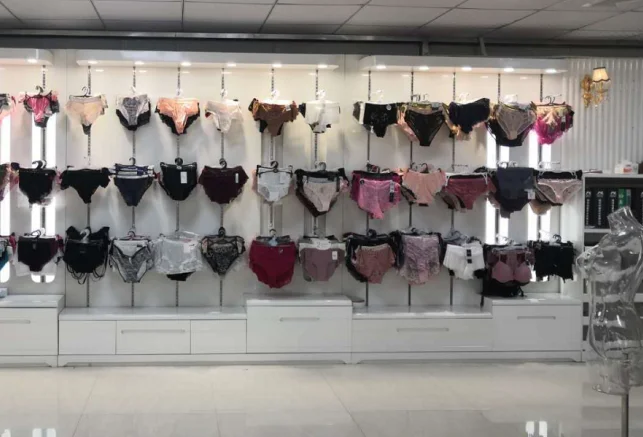
Shenzhen Ljvogues Sports Fashion Limited
- Manufacturer, Trading Company
- Guangdong, China
- Lead time10 days
- Avg. response≤ 2h
Main productsPeriod Underwear,Waist Trainer,periond panty,Nursing Bras,Yoga Wear
Main marketsNorth America(30.00%), Eastern Asia(13.00%), South America(10.00%), Eastern Europe(10.00%), Western Europe(10.00%), Africa(5.00%), South Asia(5.00%), Northern Europe(4.00%), Southern Europe(3.00%), Domestic Market(2.00%), Mid East(2.00%), Southeast Asia(2.00%), Oceania(2.00%), Central America(2.00%)


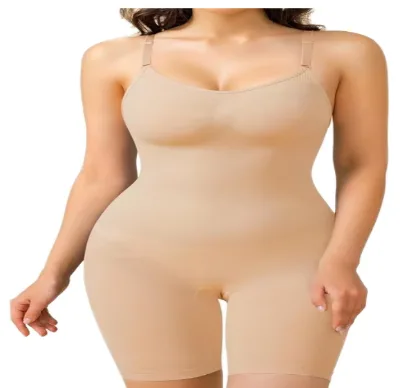
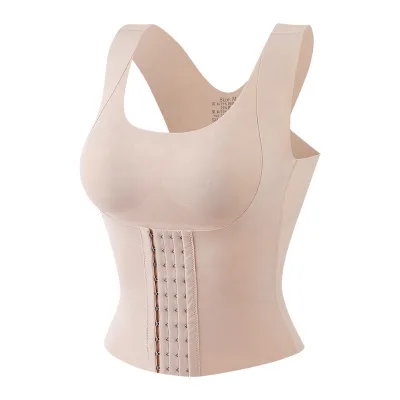
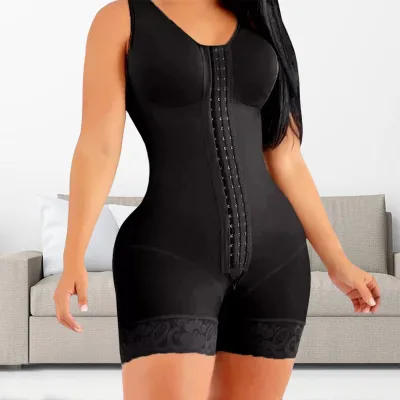


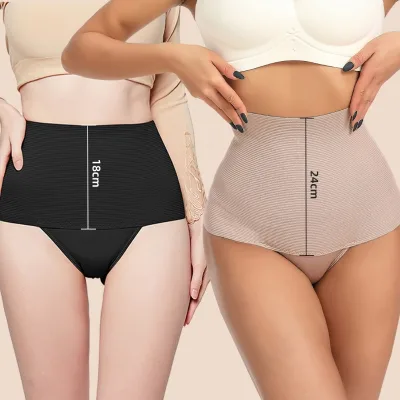


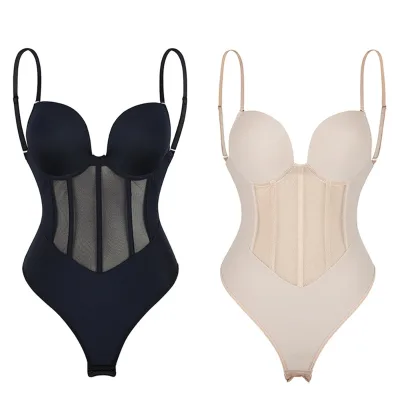
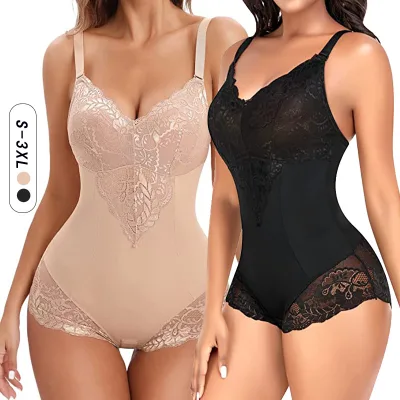


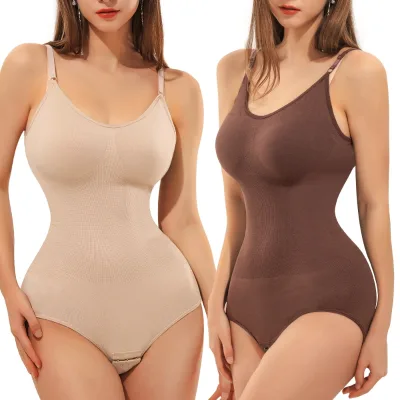
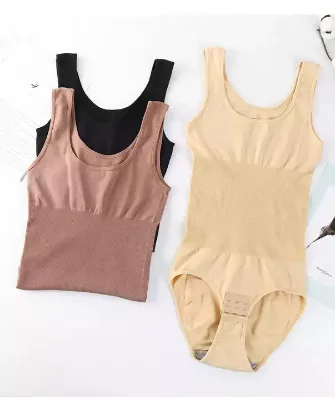


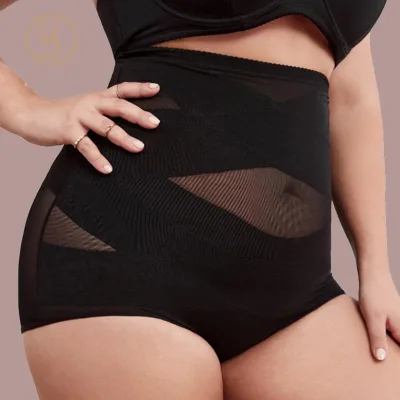
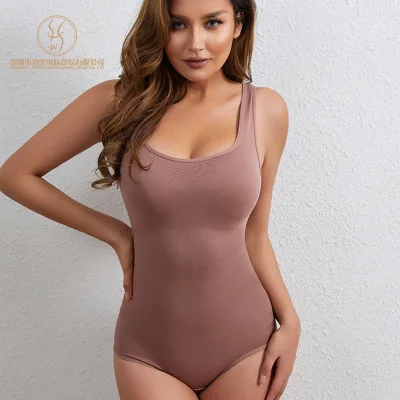
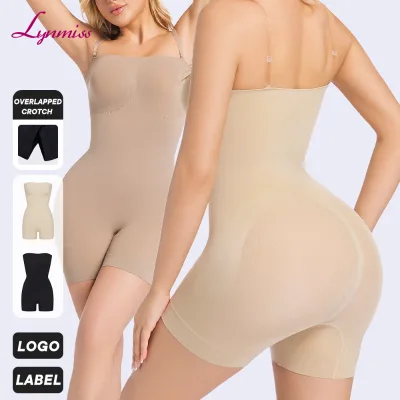
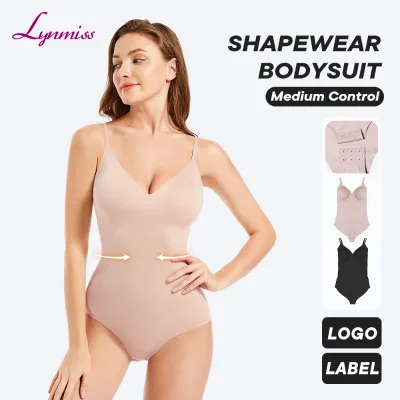
Comprehensive Sourcing Guide
Bodyshaper Underwear Supplier Concentration and Factory Types
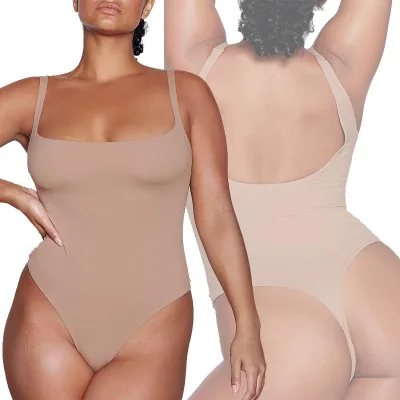
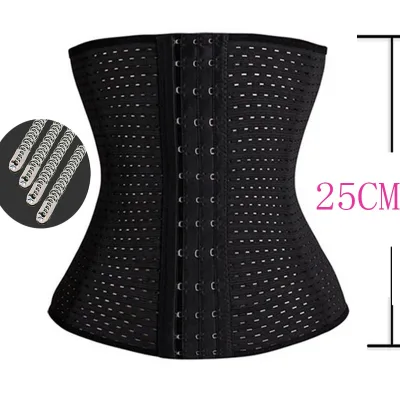
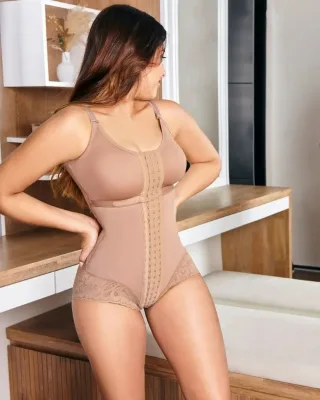
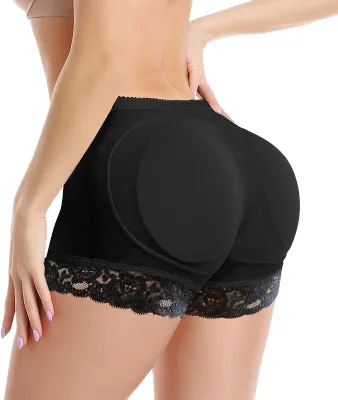
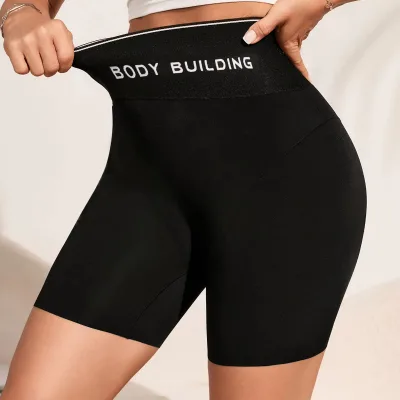
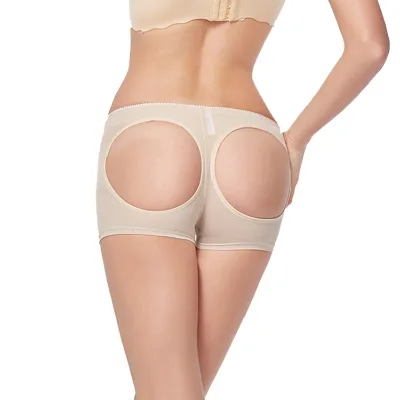
The current supplier landscape for Bodyshaper Underwear reveals a distinct geographic concentration in China, specifically within the provinces of Zhejiang and Guangdong. These regions serve as primary hubs for manufacturing and trading activities related to this category. Suppliers located in these areas often specialize in a diverse range of products, including home cleaning items, domestic appliances, and various clothing lines, indicating a broad industrial base that supports apparel production. The presence of both trading companies and manufacturers/factories suggests a mixed ecosystem where buyers can choose between direct factory engagement or intermediary services. Trading companies may offer broader product assortments and simplified communication, while manufacturers might provide more direct control over production processes. Understanding this distribution helps buyers target sourcing efforts more effectively, focusing on regions known for textile and garment expertise. The concentration in these specific Chinese provinces implies established supply chains for raw materials like spandex and nylon, which are critical for shapewear production. Buyers should consider how proximity to these hubs might influence logistics costs and lead times, as well as the availability of skilled labor for complex garment construction.
Supplier types vary significantly, with many entities identifying as either trading companies or manufacturers. This distinction is crucial for buyers evaluating their sourcing strategy. Trading companies often act as intermediaries, consolidating products from multiple factories and offering one-stop-shop solutions. They may have lower minimum order quantities and faster response times due to their focus on customer service and order management. In contrast, manufacturers/factories possess direct production capabilities, potentially offering better pricing for large volumes and greater transparency in the manufacturing process. Some suppliers list main products that include women's underwear, shapewear, bras, and panties, indicating a specialized focus within the broader apparel sector. Others may have a wider range of main products, suggesting a more generalist approach. Buyers should assess whether their specific needs align with the supplier's primary expertise. For instance, a supplier specializing in women's shapewear may have more advanced machinery and design capabilities for this specific product type compared to a generalist trading company. This specialization can impact product quality, innovation, and the ability to handle custom orders.
How to Verify Bodyshaper Underwear Suppliers
Verification is a critical step in ensuring the reliability and legitimacy of potential suppliers. Buyers should prioritize suppliers who have undergone third-party verification processes, as these provide an additional layer of trust and assurance. In the current results, some suppliers are verified by recognized entities such as SGS and TÜV Rheinland. These verifications often involve audits of the supplier's business operations, production facilities, and quality management systems. Buyers should look for these verification badges and understand what they signify. For example, SGS verification may indicate that the supplier's business license and operational capabilities have been checked, while TÜV Rheinland verification might involve more rigorous technical or quality assessments. It is important to note that verification status can vary among suppliers, and not all suppliers may have undergone such processes. Buyers should actively seek out verified suppliers to mitigate risks associated with fraudulent or unreliable partners. Additionally, buyers should review the scope of the verification to ensure it covers relevant aspects of their business, such as production capacity and quality control measures.
Beyond third-party verification, buyers should assess other indicators of supplier credibility. Response time is a key metric that can reflect a supplier's professionalism and efficiency. In the observed data, response times vary, with some suppliers responding within a few hours, such as 2.37 hours, while others may take longer, such as 4.55 hours. A faster response time often indicates a more responsive and customer-oriented supplier, which can be beneficial for timely communication and issue resolution. Buyers should also examine the supplier's company type and main products to ensure alignment with their sourcing needs. A supplier listing women's shapewear and underwear as main products is likely more specialized and knowledgeable in this area than a generalist. Furthermore, buyers should inquire about the supplier's experience and track record in the industry. While establishment years are not explicitly provided in the current facts, buyers can ask for references or case studies to gauge the supplier's reliability. Combining verification status, response speed, and product specialization provides a comprehensive view of a supplier's credibility.
What to Compare Across Bodyshaper Underwear Suppliers
When evaluating multiple suppliers, buyers should compare key operational metrics to identify the best fit for their requirements. Lead time is a significant factor, as it impacts inventory management and delivery schedules. In the current results, a lead time of 15 days is noted for some suppliers, which serves as a benchmark for comparison. Buyers should inquire about lead times for different order sizes and customization levels, as these can vary. Minimum Order Quantity (MOQ) is another critical dimension, influencing the feasibility of small or large orders. Some suppliers offer an MOQ of just 1 piece, which is ideal for sampling or small batch testing, while others require MOQs of 1000 pieces per color, suitable for larger production runs. Understanding these MOQs helps buyers plan their orders effectively and avoid unnecessary inventory costs. Response time also plays a role in the comparison, as faster responses can facilitate quicker decision-making and problem-solving. Buyers should compare these metrics across suppliers to find a balance between cost, speed, and flexibility.
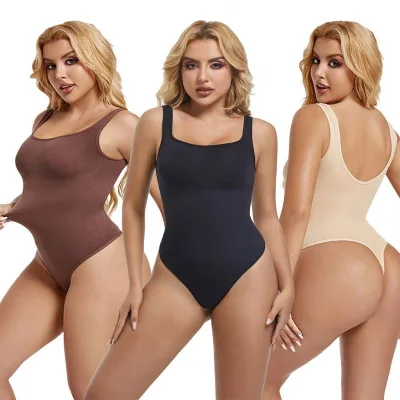
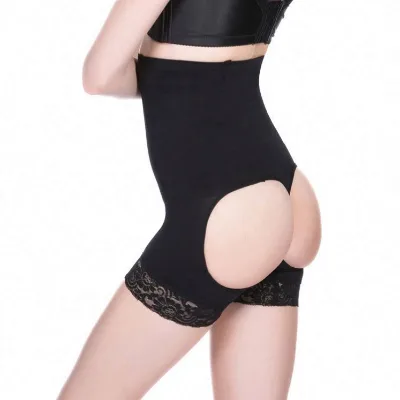
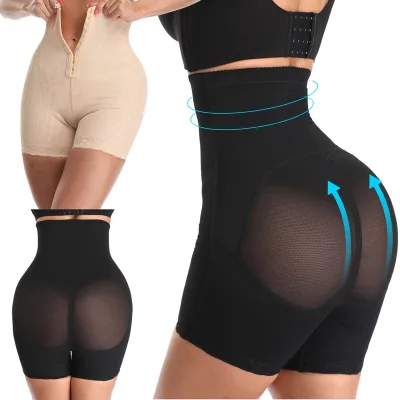
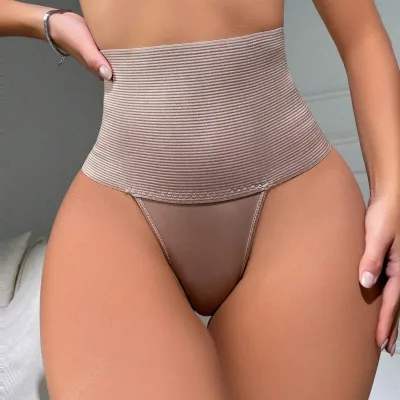
Product attributes and customization options are also essential comparison points. Suppliers may offer different materials, such as spandex/nylon blends, and various features like breathability, quick-dry properties, and anti-bacterial treatments. The current data highlights products with features such as pull-in abdomen and buttock upward effects, catering to specific consumer needs. Buyers should compare the range of sizes, colors, and design features available from each supplier. Customization capabilities, including OEM and ODM services, are important for buyers seeking unique products. Some suppliers explicitly state that customization is available, while others may have specific requirements or limitations. Buyers should assess the supplier's ability to meet their specific design and branding needs. Additionally, price ranges vary, with some products priced between $0.60 and $1.00, while others are higher, around $2.08 to $3.23. Buyers should compare prices in the context of quality, MOQ, and customization options to determine the true value proposition. This holistic comparison ensures that buyers select suppliers that align with their strategic goals and operational constraints.
Common Bodyshaper Underwear Sourcing Risks
Sourcing Bodyshaper Underwear involves several potential risks that buyers must be aware of and mitigate. One significant risk is quality inconsistency, which can arise from variations in materials, manufacturing processes, or quality control measures. Shapewear requires specific elastic properties and durability to maintain its shaping effect over time. Buyers should be cautious of suppliers who do not provide detailed product specifications or who have inconsistent quality standards. The current data shows products with features like "high elastic" and "seamless," which require precise manufacturing techniques. Buyers should request samples to evaluate the quality firsthand and check for issues such as poor stitching, inadequate elasticity, or uncomfortable fit. Another risk is the reliability of supply, which can be affected by production delays, capacity constraints, or logistical issues. Suppliers with longer lead times or higher MOQs may face challenges in meeting urgent orders or scaling production. Buyers should assess the supplier's production capacity and reliability history to ensure they can meet demand consistently.
Intellectual property and design infringement are also potential risks, especially when working with suppliers offering customization services. Buyers should ensure that their designs are protected and that suppliers adhere to confidentiality agreements. The current data mentions "customization available" for some products, which increases the risk of design leakage if proper safeguards are not in place. Buyers should use non-disclosure agreements (NDAs) and clearly define ownership of designs and molds. Additionally, there is a risk of miscommunication regarding product specifications, leading to incorrect orders. Differences in terminology or unclear instructions can result in products that do not meet the buyer's expectations. Buyers should provide detailed technical packs and clear communication channels to minimize this risk. Finally, financial risks, such as payment fraud or non-delivery, can occur if buyers do not use secure payment methods or verify supplier legitimacy. Buyers should use escrow services or other secure payment options to protect their funds until the goods are received and verified. Understanding and addressing these risks proactively is essential for successful sourcing.
Bodyshaper Underwear Regional Sourcing and Logistics
Regional sourcing decisions significantly impact logistics costs, lead times, and overall supply chain efficiency. The current results indicate that suppliers are primarily located in China, specifically in Zhejiang and Guangdong provinces. These regions are well-established manufacturing hubs with extensive infrastructure for textile and garment production. Sourcing from these areas can offer advantages in terms of supplier density, specialized labor, and access to raw materials. However, buyers must consider the logistical implications of shipping from these locations. Zhejiang and Guangdong have major ports, which can facilitate efficient export operations. Buyers should evaluate the proximity of suppliers to these ports to minimize inland transportation costs and time. Additionally, the concentration of suppliers in these regions can lead to competitive pricing and a wide variety of options, but it may also result in higher competition for capacity during peak seasons. Buyers should plan their orders accordingly to avoid delays.
Logistics planning should also account for the specific requirements of Bodyshaper Underwear, such as packaging and handling. The current data shows various packing methods, including polybags, cartons, and bulk packaging with specific dimensions and weights. For example, some products are packed in polybags/cartons, while others are packed in larger bags with specified weights like 70kg/bag. Buyers should ensure that their logistics partners are equipped to handle these specific packaging requirements. Furthermore, buyers should consider the impact of regional trade policies and tariffs on their sourcing strategy. Shipping from China to various global destinations involves different customs procedures and potential duties. Buyers should work with freight forwarders who have experience in handling apparel shipments from these regions to ensure smooth clearance and delivery. Understanding the regional logistics landscape helps buyers optimize their supply chain, reduce costs, and improve delivery reliability. It is also important to monitor any changes in regional regulations or infrastructure that could affect sourcing operations.
Bodyshaper Underwear Commercial Terms and Order Planning
Commercial terms and order planning are vital for managing costs and ensuring smooth transactions. Payment terms vary among suppliers, with options including L/C, T/T, WeChat, and Alipay. Buyers should choose payment methods that offer security and convenience, such as escrow services or secure bank transfers. The current data highlights suppliers accepting multiple payment methods, which provides flexibility. Buyers should negotiate terms that align with their cash flow and risk tolerance. For instance, using T/T with a deposit and balance against copy of B/L is common, while L/C offers more security for large orders. Understanding these terms helps buyers plan their financial resources effectively. Additionally, buyers should clarify any additional costs, such as sample fees, mold costs, or shipping charges, to avoid unexpected expenses. Clear communication about commercial terms prevents misunderstandings and disputes later in the process.
Order planning involves determining the right quantity, timing, and frequency of orders based on demand forecasts and supplier capabilities. The current data shows a wide range of MOQs, from 1 piece to 1000 pieces per color. Buyers should align their order quantities with their sales projections and storage capacity. For new products, starting with smaller MOQs allows for market testing and risk mitigation. As demand stabilizes, buyers can increase order sizes to benefit from economies of scale. Lead times, such as the 15 days noted for some suppliers, should be factored into production schedules to ensure timely delivery. Buyers should also consider the supplier's capacity for customization and production flexibility. Suppliers offering OEM/ODM services can accommodate unique designs, but buyers should plan for longer lead times if customizations are required. Regular
FAQs
What is the price range for Bodyshaper Underwear?
Prices for Bodyshaper Underwear typically range from $0.60 to $3.23 per unit. The lowest cost options are available for basic seamless styles, while specialized designs with features like strapless support or high elasticity command higher prices. Buyers should check specific product listings for exact pricing based on quantity and customization needs.
What is the minimum order quantity for these products?
Minimum order quantities vary significantly by supplier and product type. Some manufacturers offer a low MOQ of just one piece for sample orders or small batches. However, many suppliers require a minimum of 1000 pieces per color for standard production runs. Buyers must verify the specific MOQ requirements for each item before placing an order.
Where are these suppliers located?
Suppliers for Bodyshaper Underwear are primarily located in China, specifically in the Zhejiang and Guangdong provinces. These regions are known for their strong manufacturing capabilities in apparel and shapewear. Buyers can filter results by these locations to find factories with established supply chains and efficient logistics for international shipping.
How fast do suppliers respond to inquiries?
Supplier response times vary, with some averaging around 2.37 hours and others taking approximately 4.55 hours. Faster response times often indicate a more active sales team ready to assist with urgent sourcing needs. Buyers should prioritize suppliers with quicker response rates to ensure smooth communication throughout the procurement process.
What certifications do these suppliers hold?
Many suppliers hold recognized system certifications such as BSCI and ISO 9001, ensuring adherence to quality and ethical standards. Additionally, some suppliers are verified by third-party inspection agencies like SGS or TÜV Rheinland. These credentials provide buyers with confidence in the supplier's reliability and the quality of their manufacturing processes.
What materials are used in Bodyshaper Underwear?
Common materials include Spandex, Nylon, and Cotton blends, chosen for their stretch, durability, and breathability. Some products feature anti-bacterial or quick-dry properties for enhanced comfort. Buyers can select from various fabric compositions based on their specific performance requirements, such as high elasticity for slimming effects or softness for everyday wear.