Braided Conical Crochet Hooks Suppliers and Manufacturers
Compare 26 verified suppliers offering Braided Conical Crochet Hooks with varying lead times, MOQs, and response rates. Review product specs like material and size, then request quotes to confirm pricing and delivery schedules for your order; review the available evidence before requesting comparable quotations from suitable candidates.
Updated
Suppliers List

Ningbo Yinzhou Xindew Textile Co., Ltd.
- Trading Company
- China Zhejiang
- Lead time15 days
- Avg. response≤ 9h
Main productsKnitting Needles, Knitting Looms, Knitting Crochet Hook Set, Acrylic Yarn, Elastic Tape, Zipper, Thread, Hook and Loop, Baby Blankets, Baby Bibs
Main marketsSouth America,Africa,Southeast Asia/ Mideast,East Asia(Japan/ South Korea),Domestic,Europe,Australia,North America

Shanghai Charmkey Textile Co., Ltd.
- Verified by BV
- Trading Company
- China Shanghai
- Lead time23 days
- Avg. response≤ 9h
Main productsYarn, Blended Yarn, Fancy Yarn, Acrylic Yarn, Cotton Yarn, Wool Yarn, Chenille Yarn, Chunky Yarn, T Shirt Yarn, Polyester Yarn
Main marketsEurope


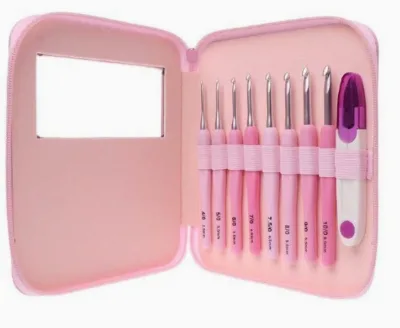
Short Soft Cement Handle Needle Knitting 9PCS Knitting Accessories Crochet Hooks
$3.88 - $5.23
MOQ: 200 Sets
Yiwu Lumiao Electronic Commerce Co., Ltd.
- Trading Company
- Zhejiang, China
- Lead time0 days
- Avg. response≤ 7h
Main productsYarn,Yarn winder,Crochet Hook,Safety Eyes,Flower Stem Sticks
Main marketsNorth America(32.00%), Southeast Asia(30.00%), Western Europe(10.00%), Northern Europe(5.00%), Eastern Europe(5.00%), Domestic Market(2.00%), Africa(2.00%), South America(2.00%), South Asia(2.00%), Southern Europe(2.00%), Central America(2.00%), Eastern Asia(2.00%), Mid East(2.00%), Oceania(2.00%)
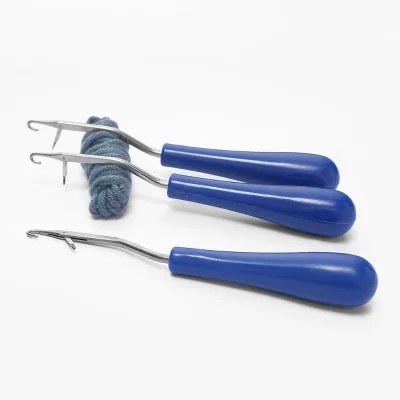
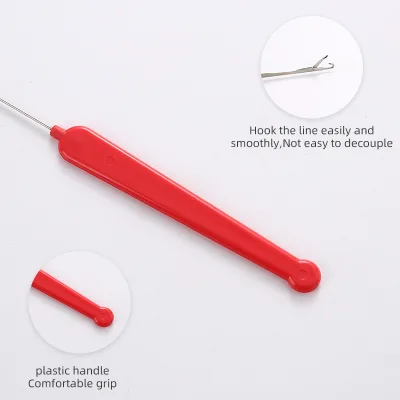
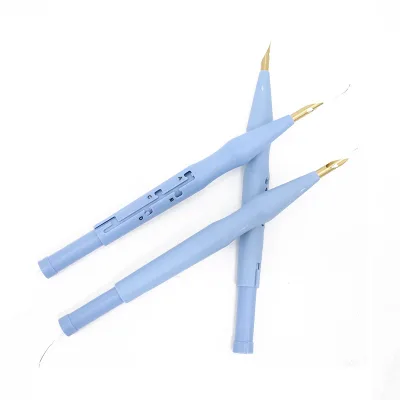
Wholesale self-locking crochet hooks, hand woven needles, blue plastic handle crochet hooks
$0.52 - $0.59
MOQ: 5000 pieces
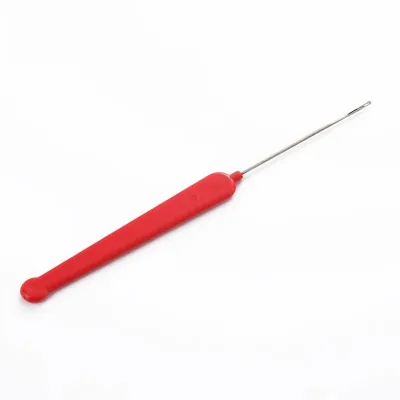
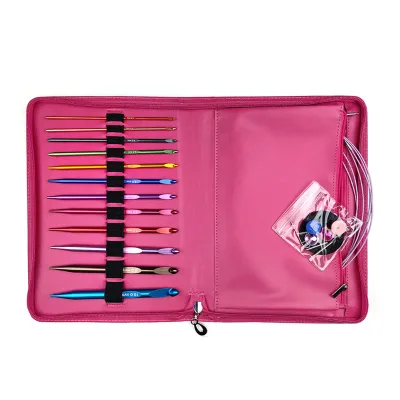
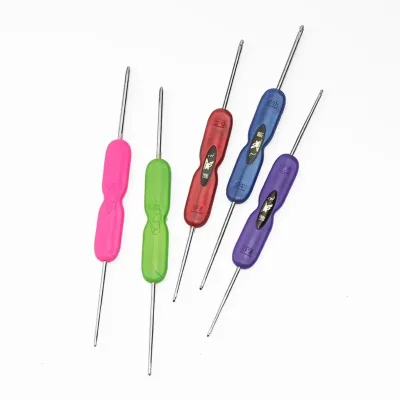
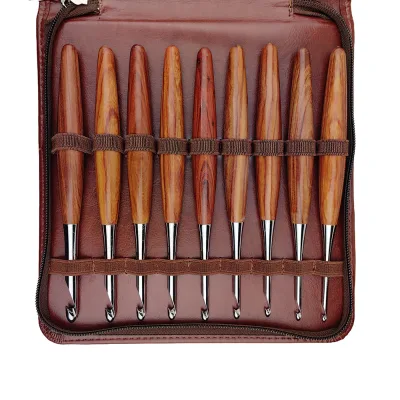
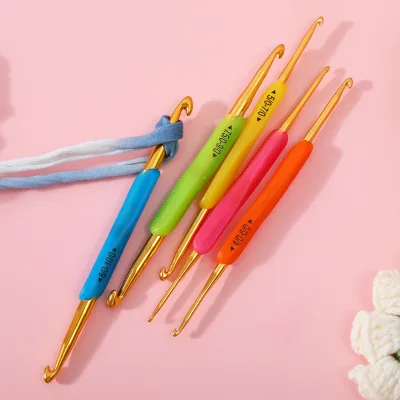
Colorful aluminum crochet hooks, hand woven DIY gift making, plastic double ended crochet hooks
$0.15 - $0.18
MOQ: 500 pieces
Chaozhou Fromoce Trading Company Limited
- Trading Company
- Guangdong, China
- Lead time10 days
- Avg. response≤ 6h
Main productshardware tools,hand tools,leather tools,Jewelry tools
Main marketsEastern Europe(20.00%), South America(20.00%), North America(20.00%), Western Europe(20.00%), Africa(10.00%), Mid East(5.00%), Central America(5.00%)
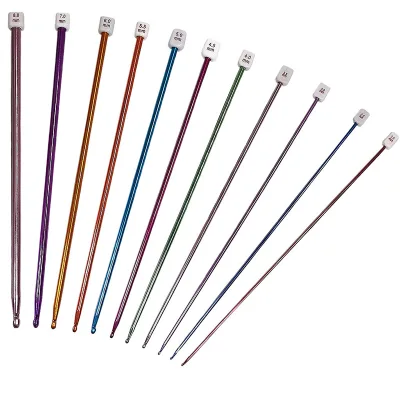
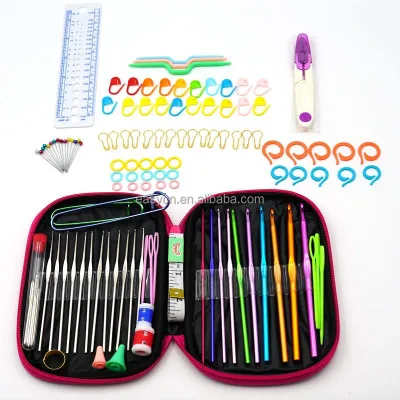
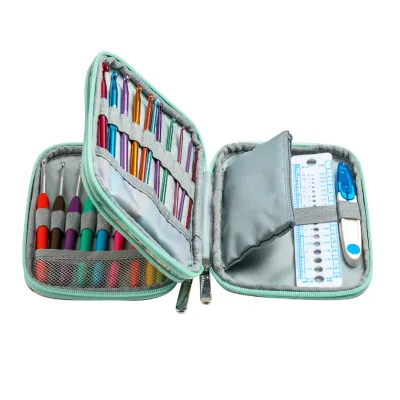
Color bead lengthened aluminum hook crochet hook kits 27cm crochet hook set
$2.78 - $3.07
MOQ: 10 sets
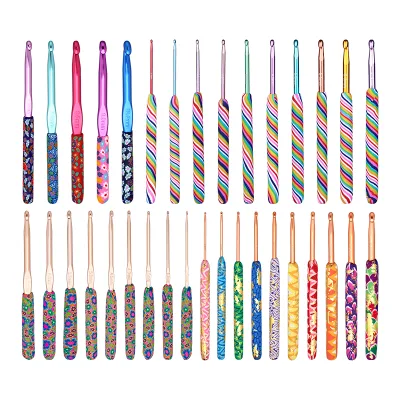
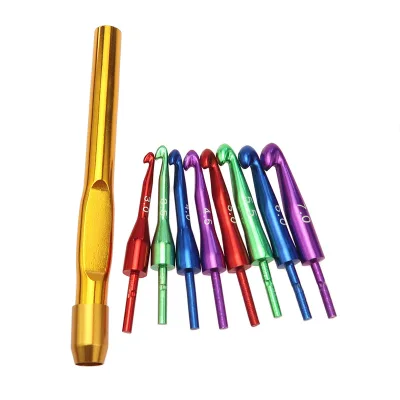
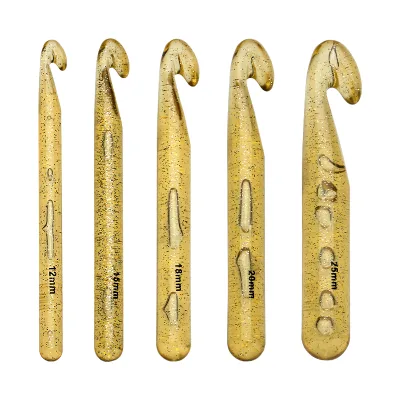
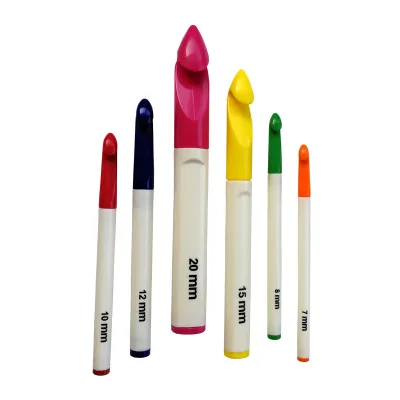
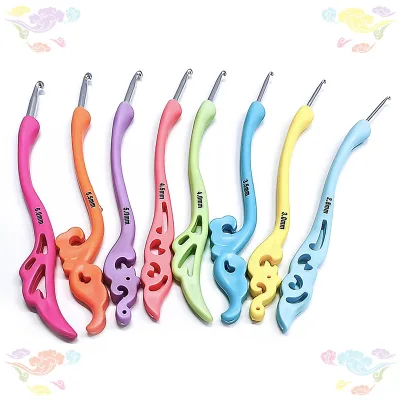
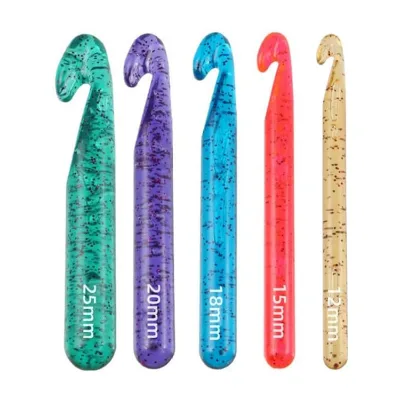
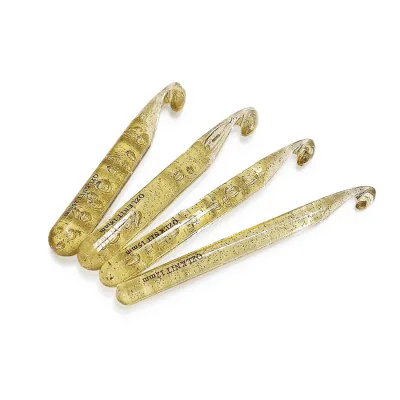
Wholesale Huge Size Transparent Crystal Handle Knitting Needles DIY Crochet Hook
$0.564 - $1.8655
MOQ: 5 Minimum
Jinhua Jinxiang Trading Co., Ltd.
- Verified by TüVRheinland
- Trading Company
- Lead time15 days
- Avg. response≤ 2h
Main productsHome Handmade Sewing Accessories
Main marketsNorth America(50%), Western Europe(30%), South America(20%)
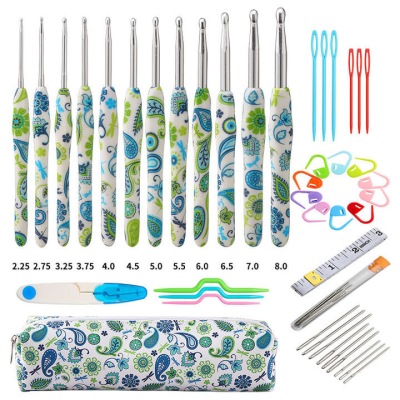
Crochet Hooks with Crochet Yarn Accessories Warm Crochet Hooks Crochet Hook Set for Crochet Lovers
$5.75 - $8.59
MOQ: 50 Minimum
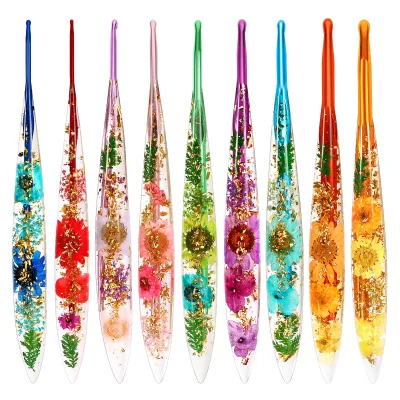
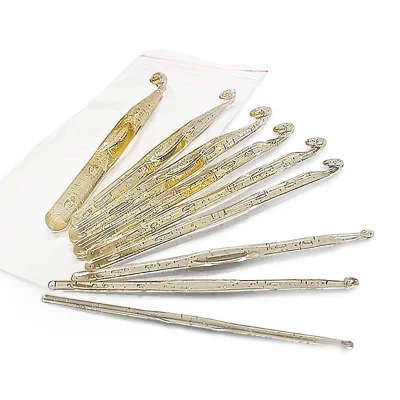

- Verified by BV
- Trading Company
- China Zhejiang
- Lead time30 days
- Avg. response≤ 7h
Main productsTextile, Zipper, Lace, Elastic, Ribbon, Thread, Tape, Fabric, Interlining, Button
Main marketsSouth America,Africa,Europe

Ningbo Sunshine Import & Export Co., Ltd.
- Combined
- China Zhejiang
- Lead time30 days
- Avg. response≤ 4h
Main productsGarment Accessories, Haberdashery Items, Tailoring Accessories, Hook and Loop, Sewing Notions, Cotton Tape, PP Webbing, Satin Ribbon, Rat Tail, Knitting Tools
Main marketsSouth America,Southeast Asia/ Mideast,Europe

NINGBO FANST IMP.&EXP. CO., LTD.
- Verified by BV
- Trading Company
- China Zhejiang
- Lead time30 days
- Avg. response≤ 21h
Main productsPolyester Yarn, Acrylic Yarn, Knitting Yarn, Acrylic Knitting Yarn, LED Flash Torch, Headlamps, Bicycle Light, LED Work Light, Torches
Main marketsOthers(foreignTradeCapacity.exportBusinessCapacityMarketOther),Southeast Asia/ Mideast,Australia
- Trading Company
- Zhejiang, China
- Lead time15 days
- Avg. response≤ 3h
Main productsCrochet Hook,Knitting Needle,Circular Needle,Sewing Accessories,Storage Bag
Main marketsSouth America(30.00%), North America(30.00%), Northern Europe(10.00%), Western Europe(10.00%), Oceania(10.00%), Eastern Europe(10.00%)
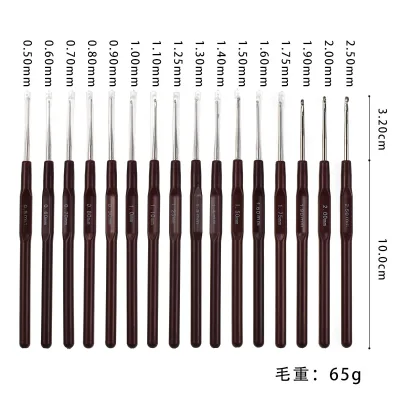
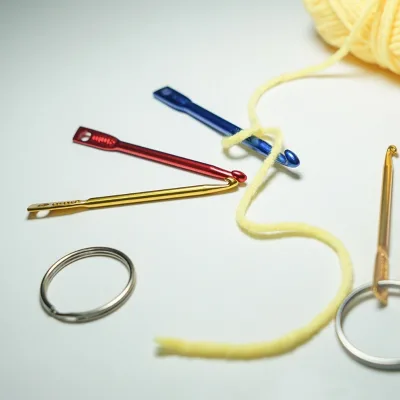
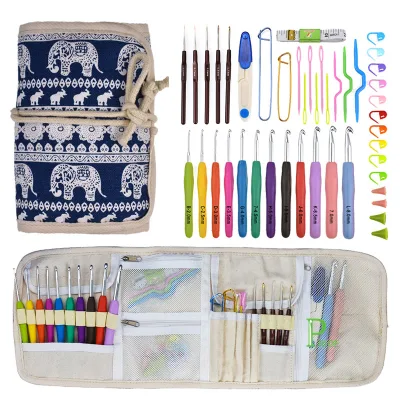
Factory Sale Patterned Gold Printed Lace Crochet Hook Extended Crochet Kit Accessories with Bag
$7.7882 - $8.1981
MOQ: 2 sets
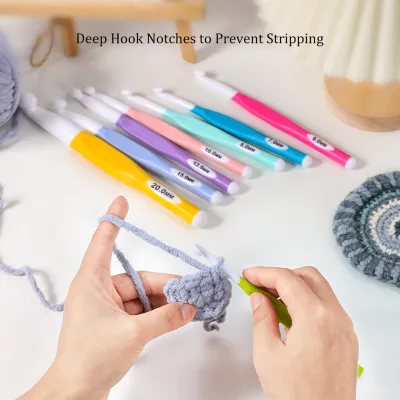
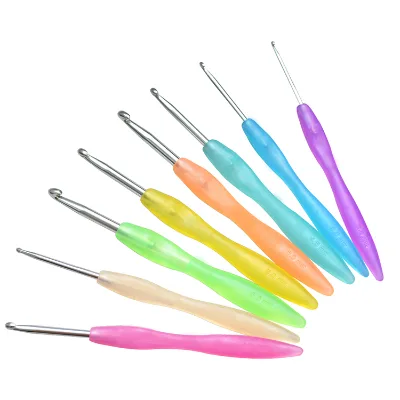
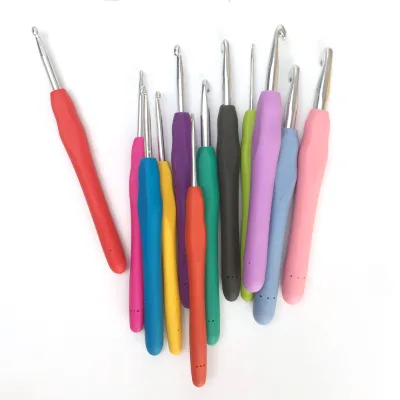
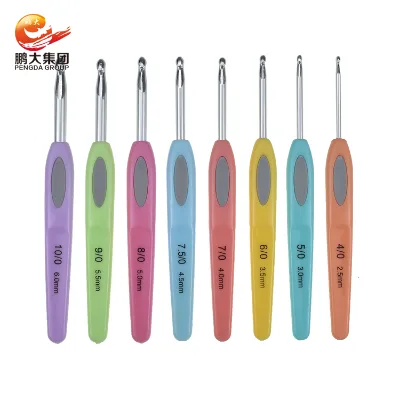
Candy Color Plastic Grip Handle Aluminum Croceht Hook for DIY Lover's Weaving and Knitting
$1.27 - $1.49
MOQ: 100 sets

Ningbo Yue Na Import & Export Co., Ltd.
- Verified by TUVRHEINLAND
- Trading Company
- China Zhejiang
- Lead time23 days
- Avg. response≤ 3h
Main productsLace, Thread, Button, Ribbon, Zipper, Tailors Materials, Fabric, Reflective Materials, Sewing Machine Part, Bra Parts
Main marketsSouth America,Africa,Southeast Asia/ Mideast,Europe,North America

Ningbo DH Textile Industry&Trade Co., Ltd.
- Verified by TUVRHEINLAND
- Trading Company
- China Zhejiang
- Lead time15 days
- Avg. response≤ 7h
Main productsLace, Interlining, Embroidery Thread, Poplin, Hook and Loop, Satin Ribbon, Sewing Thread, Button, Zipper, Lace Fabric
Main marketsAfrica,Southeast Asia/ Mideast,North America
Chaozhou Bailiful Trading Company Limited
- Trading Company
- Guangdong, China
- Lead time15 days
- Avg. response≤ 4h
Main productsLeather tools,hand tools,hardware tools,Crafts
Main marketsEastern Europe(20.00%), South America(20.00%), North America(20.00%), Central America(10.00%), Africa(10.00%), Southeast Asia(10.00%), South Asia(5.00%), Mid East(5.00%)
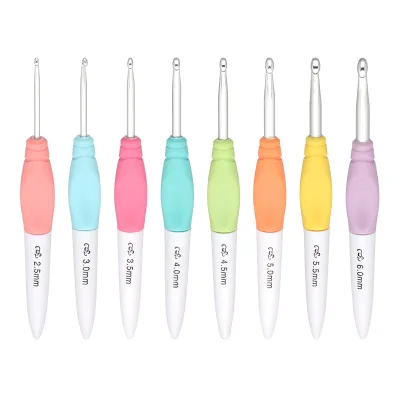
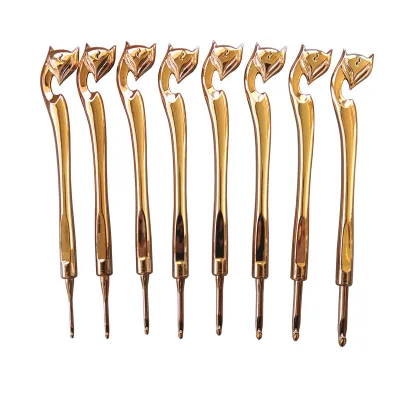
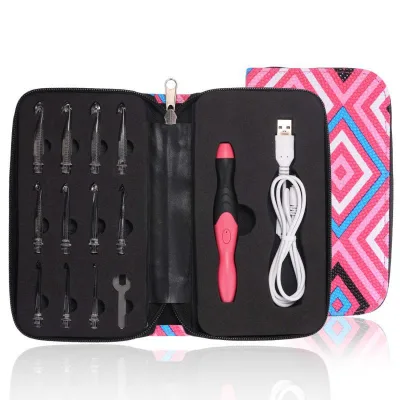
Rose Gold 2021 New Knitting Tools Crochet Needle Crochet Hook Set for Beginners
$4.8261 - $5.1343
MOQ: 10 sets
Shijiazhuang Aijia Crafts Co., Ltd.
- Trading Company
- Hebei, China
- Lead time10 days
- Avg. response≤ 2h
Main productsEmbroidery Kit,Punch needle kit,Latch hook kits,Crochet kit,Woven Bag Kit
Main marketsNorth America(20.00%), Oceania(20.00%), South America(15.00%), Eastern Europe(10.00%), Africa(5.00%), Northern Europe(5.00%), Western Europe(5.00%), Eastern Asia(5.00%), Mid East(5.00%), Southern Europe(5.00%), Domestic Market(5.00%)
Real Love Industrial Factory Groups
- Manufacturer, Trading Company
- Zhejiang, China
- Lead time0 days
- Avg. response≤ 1h
Main productsHardware,Fabrics,Bags,Toys,Materials
Main marketsSouth America(20.00%), North America(20.00%), Eastern Europe(10.00%), Northern Europe(8.00%), Central America(5.00%), Domestic Market(5.00%), Eastern Asia(5.00%), Mid East(5.00%), Oceania(5.00%), Southeast Asia(5.00%), Southern Europe(4.00%), Western Europe(3.00%), Africa(3.00%), South Asia(2.00%)
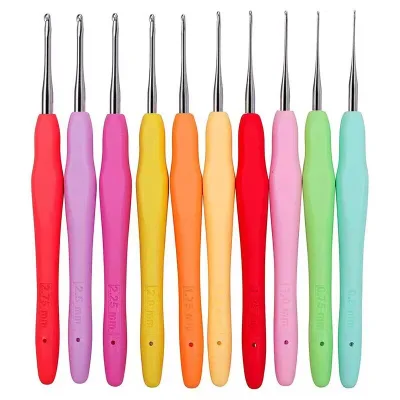
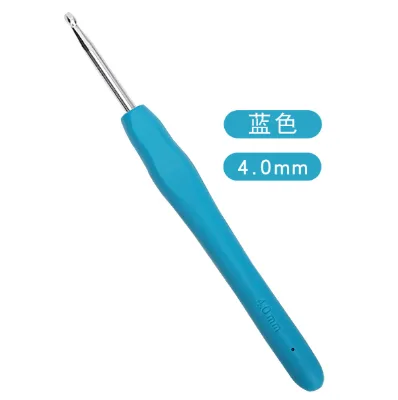
TIKTOK Hot Sale High Quality Creative Crochet Needle Hooks Wholesale
$0.1661 - $0.187
MOQ: 500 Minimum
Shenzhen Landful Textile & Trading Ltd.
- Trading Company, Distributor/Wholesaler
- Guangdong, China
- Lead time20 days
- Avg. response≤ 2h
Main productsneedlework,DIY craft kit,quilting notions,embroidery scissors,craft accessories
Main marketsSoutheast Asia(50.00%), Western Europe(30.00%), North America(10.00%)

Yiwu Yiqiu Import And Export Co., Ltd.
- Trading Company
- Zhejiang, China
- Lead time0 days
- Avg. response≤ 3h
Main productsDrinkware,Party & Holiday Supplies,Blankets & Throws,Kitchen Storage,Other Promotional & Business Gifts
Main marketsCentral America(25.00%), South America(25.00%), North America(25.00%), Eastern Europe(20.00%), Northern Europe(5.00%)

- Verified by TUVRHEINLAND
- Combined
- China Zhejiang
- Lead time30 days
- Avg. response≤ 8h
Main productsThread, Zipper, Lace, Button, Webbing & Tape, Ribbon, Interlining, Fabric, Tailoring Materials, Hook & Loop
Main marketsSouth America,Africa,Europe,Australia

ZHUHAI KAMEDA TECHNOLOGY CO., LTD
- Verified by BV
- Trading Company,Manufacturer/Factory
- China Guangdong
- Lead time23 days
- Avg. response≤ 6h
Main productsMeasuring Tools, Plastic Clips, Housewares Packing, Daily Necessities, Customizing PCB
Main marketsSouth America,Eastern Europe,Mid East,North America,Southeast Asia,Eastern Asia,Oceania,Western Europe,Africa

Hot Selling Crochet Hook 12 Sizes Bamboo Crochet Hooks Knitting Needles
$1.20 - $1.60
MOQ: 1000 Pieces

Hot Selling Knitting Needle with Tongue Crochet Hook Sewing Accessories
$0.15 - $0.18
MOQ: 1000 Pieces


- Verified by SGS Group
- Trading Company
- Lead time0 days
- Avg. response≤ 2h
Main productsLace, Thread, Tape, Zipper, Fabric
Main marketsNorth America(20%), Africa(20%), Western Europe(15%)
- Verified by SGS Group
- Trading Company
- Lead time30 days
- Avg. response≤ 3h
Main productsZipper and Slider; Fabric; Thread; Tape; Lace
Main marketsSouth America(27%), Africa(14%), Mid East(13%)
ZheCheng Lida Essential Co., Ltd.
- Trading Company
- Henan, China
- Lead time20 days
- Avg. response≤ 3h
Main productsdiy bag,ribbon,shirt stays,crochet hook,cross stitch thread
Main marketsWestern Europe(55.00%), Eastern Europe(20.00%), South America(10.00%), Southern Europe(5.00%), North America(5.00%), Northern Europe(3.00%), Domestic Market(2.00%)
Shanghai Charmkey Textile Co., Ltd.
- Verified by TüVRheinland
- Trading Company
- Lead time20 days
- Avg. response≤ 3h
Main productsCake Yarn, Velvet Yarn, Acrylic Knitting Yarn, Chenille Yarn, Wool Yarn
Main marketsNorth America(17%), Western Europe(16%), Oceania(12%)
Hebei Pengda Fine Hair Group Co., Ltd.
- Manufacturer, Trading Company
- Hebei, China
- Lead time7 days
- Avg. response≤ 13h
Main productsYarn, Fancy Yarn, Hand Knitting Yarn, Blend Yarn, Wool Carpet Yarn
Main marketsDomestic Market(60.00%), Mid East(20.00%), Southeast Asia(10.00%), South America(5.00%), Oceania(3.00%), Africa(2.00%)
Ningbo New Swell Import&Export Co., Ltd.
- Verified by Intertek
- Trading Company
- Lead time7 days
- Avg. response≤ 4h
Main productsLace Trim, Ribbon, Sewing Accessories, Sewing Thread, Zipper
Main marketsMid East(50%), South America(20%), Southeast Asia(20%)
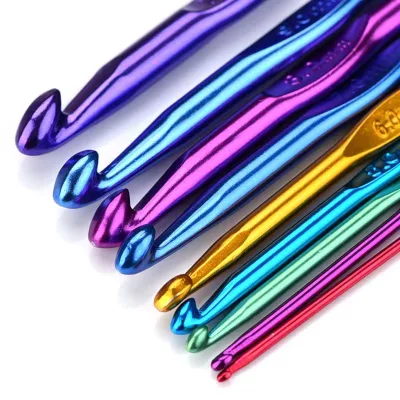
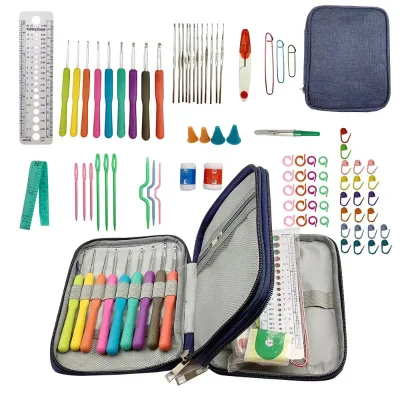
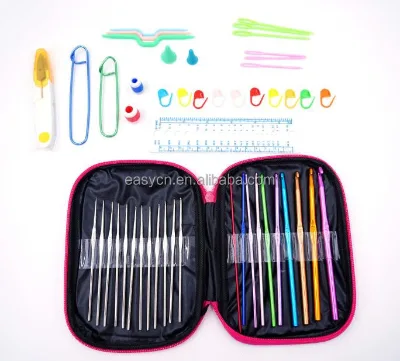
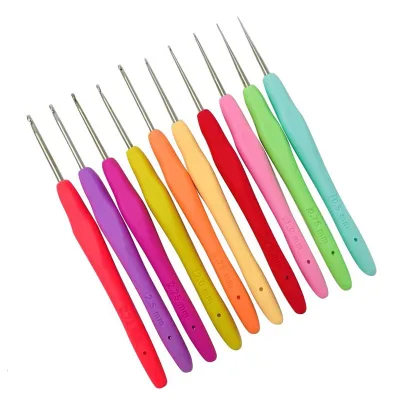
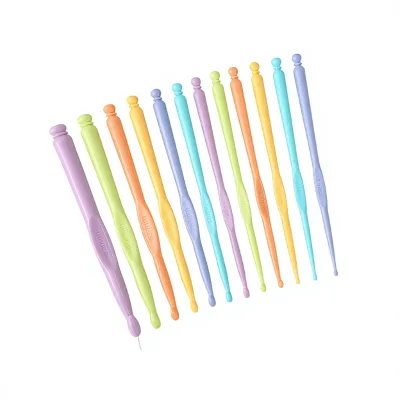
12pcs/set Good Quality Single Head Crochet Hook Custom Colorful Aluminum Crochet
$1.0248 - $1.4347
MOQ: 500 sets
$5.7431 - $6.0498
MOQ: 200 sets
Yiwu Shuhuan Import & Export Co., Ltd.
- Trading Company
- Zhejiang, China
- Lead time7 days
- Avg. response≤ 5h
Main productsHome Decor,Kitchen & Tabletop,Festive & Party Supplies,Mobile Phone & Accessories,Camera Photo & Accessories
Main marketsNorth America(30.00%), Western Europe(20.00%), South Asia(5.00%), Southern Europe(5.00%), Northern Europe(5.00%), Central America(5.00%), South America(5.00%), Mid East(5.00%), Oceania(5.00%), Africa(5.00%), Southeast Asia(5.00%), Eastern Europe(5.00%)
Wuxi Honco Import And Export Co., Ltd.
- Trading Company
- Jiangsu, China
- Lead time30 days
- Avg. response≤ 11h
Main productsFlag,glasses,hat,Cleaning cloth,pins
Main marketsWestern Europe(35.00%), Eastern Europe(16.00%), South America(12.00%), Mid East(9.00%), Southern Europe(8.00%), Oceania(5.00%), Africa(4.00%), Northern Europe(3.00%), South Asia(2.00%), Eastern Asia(2.00%), Domestic Market(1.00%), Central America(1.00%), Southeast Asia(1.00%), North America(1.00%)




Comprehensive Sourcing Guide
Braided Conical Crochet Hooks Supplier Concentration and Factory Types
The current supplier landscape for knitting and crochet tools reveals a distinct concentration of manufacturing and trading entities within specific Chinese provinces. Data indicates that a significant portion of suppliers is located in Zhejiang, with Ningbo serving as a notable hub for production origins. This geographic clustering suggests that buyers seeking Braided Conical Crochet Hooks or similar needlework tools will likely encounter suppliers based in this region. The presence of suppliers in Shanghai further indicates a strong commercial infrastructure supporting these goods, although the primary manufacturing evidence points toward Zhejiang. When evaluating potential partners, buyers should recognize that many listed entities are trading companies rather than direct manufacturers. This distinction is crucial because trading companies often aggregate products from various factories, which can simplify logistics but may reduce direct control over production quality. The main products listed by these suppliers include a wide array of items such as acrylic yarn, elastic tape, zippers, and various types of knitting needles and crochet hooks. This broad product range implies that many suppliers are generalist household sundries traders rather than specialized niche manufacturers. Consequently, buyers must assess whether a supplier’s breadth of inventory dilutes their expertise in specific tool types like braided conical hooks. The concentration in Zhejiang also means that supply chain efficiencies may be higher for buyers in this region, but it requires careful vetting to ensure the supplier can meet specific design requirements for conical shapes and braided handles.
Understanding the factory type is essential for determining the level of customization and quality control available. Since many suppliers are identified as trading companies, they may not have direct oversight of the molding or weaving processes used to create the hooks. This can impact the ability to request specific modifications to the conical taper or the braiding pattern. Buyers should inquire about the supplier’s relationship with their upstream factories to gauge the reliability of production schedules and quality consistency. The presence of ODM and OEM capabilities in some supplier profiles suggests that customization is possible, but it is often mediated through the trading entity. This intermediary layer can add complexity to communication and problem-solving. Additionally, the main products listed often include basic plastic or aluminum hooks, which may differ significantly from the more specialized braided conical variety. Buyers should verify if the supplier has specific experience with braided materials, as this requires different handling and finishing techniques compared to standard plastic or metal tools. The geographic focus on Zhejiang and Shanghai provides a baseline for logistical planning, but the trading company structure necessitates a more rigorous due diligence process to ensure that the final product meets the buyer’s exact specifications for shape, material, and finish.
How to Verify Braided Conical Crochet Hooks Suppliers
Verifying the legitimacy and capability of suppliers requires a multi-layered approach that goes beyond surface-level profile information. One critical step is to check for third-party verification badges, such as BV verification, which can provide an additional layer of trust regarding the supplier’s business operations. However, verification alone does not guarantee product quality, especially for specialized items like Braided Conical Crochet Hooks. Buyers should request detailed product samples to assess the actual craftsmanship, focusing on the consistency of the conical taper and the durability of the braided handle. The braiding must be tight and secure to prevent fraying during use, and the conical shape must be smooth to allow for easy yarn movement. In addition to physical samples, buyers should ask for evidence of production processes, such as videos or photos of the manufacturing line, to confirm that the supplier has direct access to the necessary equipment. This is particularly important given that many suppliers are trading companies that may not have direct control over the production process. Buyers should also inquire about the supplier’s quality control procedures, including how they inspect finished goods for defects and how they handle non-conforming products.
Another vital aspect of verification is assessing the supplier’s responsiveness and communication efficiency. The response time data indicates that suppliers typically respond within a reasonable window, but buyers should test this by sending specific technical queries about the braided conical design. Questions should cover material sourcing, such as the type of thread used for braiding and the core material of the hook. Buyers should also ask about the supplier’s ability to provide custom packaging or branding, as this is often a key requirement for retail businesses. The availability of customization options, as indicated in some product attributes, suggests that suppliers are open to tailored orders, but buyers must confirm the minimum order quantities and associated costs for these customizations. Furthermore, buyers should verify the supplier’s certification status, noting that some profiles show no system certifications. This absence does not necessarily indicate poor quality, but it means buyers must rely more heavily on sample testing and reference checks. It is also advisable to check the supplier’s transaction history and customer reviews, if available, to gauge their reliability and consistency in fulfilling orders. By combining these verification steps, buyers can build a more accurate picture of the supplier’s true capabilities and reduce the risk of sourcing issues.
What to Compare Across Braided Conical Crochet Hooks Suppliers
When evaluating multiple suppliers, buyers should compare key operational metrics to identify the most suitable partner for their needs. Lead time is a critical factor, with data showing variations such as fifteen days for some suppliers and twenty-three days for others. These differences can significantly impact inventory planning and order fulfillment, especially for time-sensitive retail seasons. Buyers should also compare minimum order quantities, which range from fifty pieces to one thousand pieces depending on the product type. Lower MOQs may be preferable for testing new designs or for smaller retailers, while higher MOQs might offer better unit pricing for larger volumes. Response time is another important metric, with averages around eight to nine hours indicating a generally responsive market. However, buyers should compare the quality and depth of responses, not just the speed, to ensure that suppliers understand the specific requirements of braided conical hooks. Price is also a key comparison point, with unit costs varying based on material and complexity. For instance, aluminum hooks may have different price points compared to plastic or bamboo variants, and braided handles may incur additional costs due to the labor-intensive nature of the work.
In addition to operational metrics, buyers should compare the range of main products and customization capabilities offered by each supplier. Suppliers with a broad range of knitting and crochet tools may offer better bundling opportunities, allowing buyers to consolidate orders and reduce shipping costs. However, buyers must ensure that the supplier’s expertise in braided conical hooks is not diluted by their generalist approach. Customization options, such as logo printing or custom packaging, should be compared in terms of cost and feasibility. Some suppliers may offer more flexible customization terms, which can be advantageous for brands looking to differentiate their products. The origin of the products, often listed as Zhejiang or Jiangsu, should also be considered in the context of logistics and supply chain resilience. Buyers should compare the supplier’s ability to provide consistent quality across different batches, as this is crucial for maintaining brand reputation. Additionally, the availability of specific product attributes, such as size ranges and material options, should be compared to ensure that the supplier can meet the buyer’s specific product specifications. By systematically comparing these factors, buyers can make informed decisions that balance cost, quality, and operational efficiency.
Common Braided Conical Crochet Hooks Sourcing Risks
Sourcing Braided Conical Crochet Hooks involves several potential risks that buyers must proactively manage to ensure a successful procurement process. One significant risk is the inconsistency in product quality, particularly regarding the braiding and conical shape. Since many suppliers are trading companies, they may not have direct control over the manufacturing process, leading to variations in the tightness of the braiding or the smoothness of the conical taper. This can result in customer complaints and returns if the hooks do not perform as expected. Another risk is the lack of clear communication regarding customization requirements. Buyers may assume that a supplier can accommodate specific design changes, only to find that the supplier lacks the necessary equipment or expertise. This misalignment can lead to delays and additional costs as buyers seek alternative solutions. Additionally, the reliance on third-party logistics can introduce risks related to shipping delays and damage, especially if the packaging is not robust enough to protect the hooks during transit. Buyers should ensure that the supplier uses appropriate packaging to prevent damage to the braided handles and the conical tips.
Intellectual property and design theft is another potential risk, particularly when working with suppliers who offer extensive customization options. Buyers should take steps to protect their designs by using non-disclosure agreements and ensuring that the supplier does not sell identical products to competitors. The absence of system certifications in some supplier profiles also poses a risk, as it may indicate a lack of standardized quality management processes. Buyers should mitigate this risk by conducting thorough sample testing and establishing clear quality standards in their contracts. Furthermore, the variability in lead times can disrupt supply chain planning, especially if buyers are not aware of the supplier’s current production capacity. Buyers should maintain open communication with their suppliers to stay informed about any potential delays or capacity constraints. The reliance on a single supplier for a critical product component can also create vulnerability, so buyers should consider diversifying their supplier base to reduce risk. By identifying and addressing these common risks, buyers can create a more resilient sourcing strategy and minimize the potential for disruptions in their supply chain.
Braided Conical Crochet Hooks Regional Sourcing and Logistics
The regional concentration of suppliers in Zhejiang and Shanghai offers distinct advantages and challenges for buyers sourcing Braided Conical Crochet Hooks. Zhejiang, particularly Ningbo, is a major manufacturing hub for household sundries and knitting tools, providing buyers with access to a dense network of suppliers and efficient logistics infrastructure. This proximity can reduce shipping times and costs, especially for buyers sourcing from other parts of Asia or Europe. However, the concentration of suppliers in this region also means that buyers may face increased competition for capacity, potentially leading to longer lead times during peak seasons. Buyers should plan their orders accordingly to avoid delays and ensure timely delivery. Shanghai, as a major port city, offers excellent logistical connections for international shipping, making it a convenient location for exporters. Buyers should consider the logistical implications of sourcing from these regions, including customs clearance procedures and import regulations in their home countries. The availability of ODM and OEM capabilities in some suppliers suggests that regional factories are equipped to handle complex manufacturing processes, which can be beneficial for buyers seeking customized products.
Logistics planning should also account for the packaging requirements of Braided Conical Crochet Hooks, which may need special handling to prevent damage. Buyers should work with their suppliers to ensure that the packaging is robust and suitable for international shipping. The use of standard export packaging, as indicated in some product attributes, can help protect the goods during transit. Buyers should also consider the environmental impact of their sourcing decisions, as many suppliers in Zhejiang are increasingly adopting sustainable practices. This can be a valuable differentiator for buyers who prioritize sustainability in their brand messaging. Additionally, buyers should be aware of the potential for currency fluctuations and trade policies that may affect the cost of sourcing from China. By understanding the regional logistics landscape, buyers can make informed decisions about their supply chain strategy and optimize their sourcing operations. The proximity of suppliers to major ports and manufacturing hubs in Zhejiang and Shanghai provides a solid foundation for efficient and reliable sourcing, but buyers must actively manage the associated risks to ensure a smooth procurement process.
Braided Conical Crochet Hooks Commercial Terms and Order Planning
Effective order planning for Braided Conical Crochet Hooks requires a clear understanding of the commercial terms offered by suppliers. Lead times, which can range from fifteen to twenty-three days, should be factored into the buyer’s inventory management strategy to avoid stockouts or excess inventory. Buyers should negotiate clear delivery schedules and penalties for delays to protect their business interests. Minimum order quantities, which vary from fifty to one thousand pieces, should be aligned with the buyer’s sales forecasts and
FAQs
What materials are available for crochet hooks?
Suppliers offer hooks made from bamboo, aluminum, plastic, and steel. Bamboo options provide a warm grip, while aluminum and steel deliver precision for tight stitches. Plastic handles are common for ergonomic comfort. Buyers can select materials based on project needs, with customization available for specific material preferences and branding requirements.
What is the typical lead time for orders?
Lead times generally range from 10 to 25 days depending on the supplier and order volume. Some manufacturers deliver in about 10 days for smaller quantities, while others require approximately 25 days for larger batches. Buyers should confirm exact delivery schedules with suppliers, as times may vary based on production capacity and order specifics.
What are the minimum order quantities for hooks?
Minimum order quantities vary significantly by product type. Plastic handle aluminum sets may require as few as 50 units, while bamboo hooks often start at 1000 pieces. Steel and plastic hooks typically have MOQs around 200 to 500 units. Buyers should verify specific MOQs with suppliers to ensure alignment with their purchasing volume and budget.
Where are these crochet hooks manufactured?
Manufacturing locations include Zhejiang, Shanghai, and Jiangsu in China. Zhejiang suppliers often produce bamboo and plastic hooks, while Shanghai-based traders offer yarn and needle sets. Jiangsu origins are noted for aluminum hook sets. Buyers can filter suppliers by these specific regions to align with logistics preferences and regional manufacturing capabilities.
What sizes are available for crochet hooks?
Available sizes range from 2.0mm to 12.0mm, covering most standard crochet projects. Bamboo hooks typically span 3.0mm to 12.0mm, while aluminum options often cover 2.0mm to 8.0mm. Plastic hooks may include sizes like 12mm to 20mm. Buyers should check specific product listings for exact size ranges to match their yarn weight and pattern requirements.
Are customization options available for branding?
Yes, customization is available for many crochet hook products. Suppliers offer options for custom packaging, such as blister cards or cartons, and may allow branding on handles or packaging. Buyers interested in private labeling should contact suppliers directly to discuss specific customization requirements, including logo placement, packaging design, and minimum order quantities for customized items.