RF Home Use Facial Massager Suppliers and Manufacturers
Explore 28 verified suppliers offering RF Home Use Facial Massager options from China Guangdong and Jiangxi. Compare response times, lead times, certifications like BSCI and ISO 9001, and product specifications to find the right partner. Contact suppliers directly to request quotes.
Updated
Suppliers List

- Verified by SGS
- Trading Company,Manufacturer/Factory
- China Guangdong
- Lead time23 days
- Avg. response≤ 3h
Main productsBeauty Devices, Skin Care Instrument, LED Face Masks, Makeup Tools, Beauty Instrument (OEM/ODM), OEM / ODM Electronics, Beauty Device, Home Air Care Appliances, Furniture, Electric Bakhoor Burners
Main marketsSouth America,Eastern Europe,Mid East,North America,Southeast Asia,Eastern Asia,Oceania,Western Europe,Africa


Best Selling RF Handheld Skin Care Facial Massager EMS Beauty Device for Home Use
$6.50 - $7.00
MOQ: 20 Pieces


Portable Electric Facial Skin Beauty Device RF High Frequency and EMS Facial Massager Machine
$13.90 - $15.00
MOQ: 20 Pieces

Ganzhou Pengzhan Trading Co.,LTD
- Verified by BV
- Trading Company
- China Jiangxi
- Lead time15 days
- Avg. response≤ 1h
Main productsHair Removal Device, Beauty Device, Face Massager, Beauty Ice Roller, LED Mask
Main marketsOthers(foreignTradeCapacity.exportBusinessCapacityMarketOther),Europe,Australia,North America

Home Use Wrinkle Removal Face RF Skin Lifting Facial Vibration Massage Machine
$21.76 - $27.66
MOQ: 100 Pieces


Skin Tightening Face Massager Facial Lifting Portable Beauty Device for Home Use
$16.25 - $19.72
MOQ: 20 Pieces
Shenzhen Canvor Technology Co., Ltd.
- Verified by SGS Group
- Trading Company
- Lead time7 days
- Avg. response≤ 2h
Main productsHair Dryer, Hair Straightener, Hair Curler, Facial Massager, Led Facial Mask
Main marketsNorth America(23%), Western Europe(20%), Southeast Asia(10%)
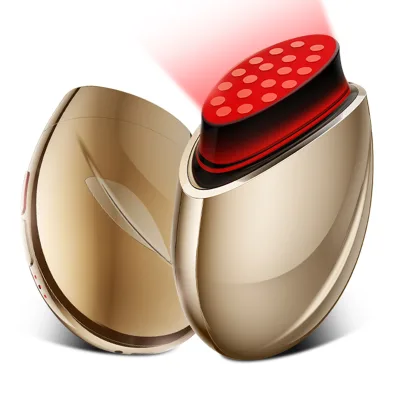
Multi-functional Home Use Wrinkle Lifting Beauty Device Face Care RF EMS Eye Neck Facial Massager
$17.3461 - $18.5848
MOQ: 10 pieces
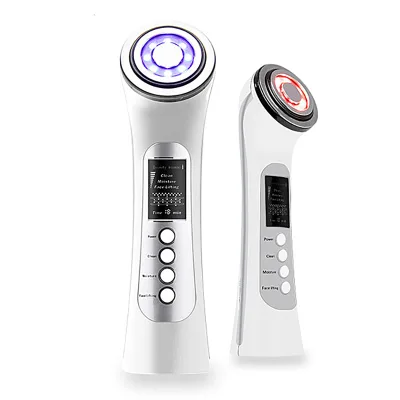
$10.3254 - $25.812
MOQ: 10 Minimum
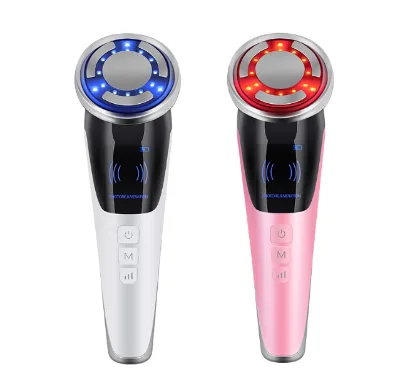
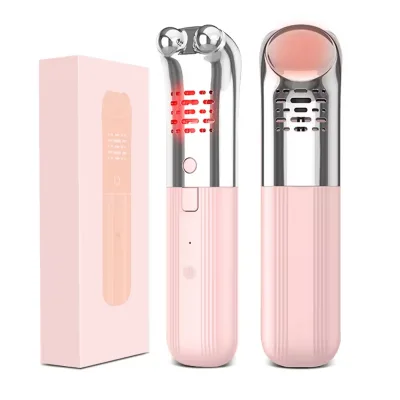
Sinofo Shenghong(Gz) Bio-Tech Co., Ltd
- Verified by TUVRHEINLAND
- Trading Company
- China Guangdong
- Lead time15 days
- Avg. response≤ 5h
Main productsChemicals, Cake, Skincare, Shampoo, Ingredient, Food Ingredient, Skincare Ingredient
Main marketsDomestic

Changsha Fusheng Electronic Technology Co., Ltd.
- Trading Company
- China Hunan
- Lead time15 days
- Avg. response≤ 2h
Main productsElectronic Product
Main marketsSoutheast Asia/ Mideast,Europe,North America

$29.90 - $48.90
MOQ: 5 Pieces

Household RF Beauty Instrument Lifting Tightening Instrument Neck Face Massager Facial Massager
$15.90 - $21.90
MOQ: 10 Pieces


Multi-Functional Face Lifting Beauty Device RF Heating Therapy Facial Massager Device
$13.90 - $15.80
MOQ: 20 Pieces

RF Portable Beauty Equipment Face and Eye Beauty Facial Massager RF for Eyes
$19.90 - $32.80
MOQ: 20 Pieces
Nanjing Kaohammer Intelligent Technology Co., Ltd.
- Verified by SGS Group
- Trading Company
- Lead time9 days
- Avg. response≤ 2h
Main productsHyperbaric Chamber, Oxygen Chamber, Hydrogen Inhalation Machine, Anti-aging Products, Oxygen Bubble
Main marketsNorth America(20%), Western Europe(20%), Eastern Europe(20%)
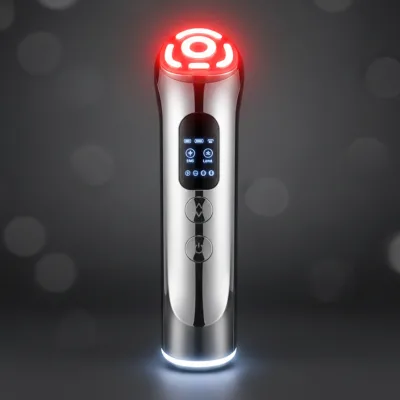
$22.7138 - $28.9087
MOQ: 100 pieces
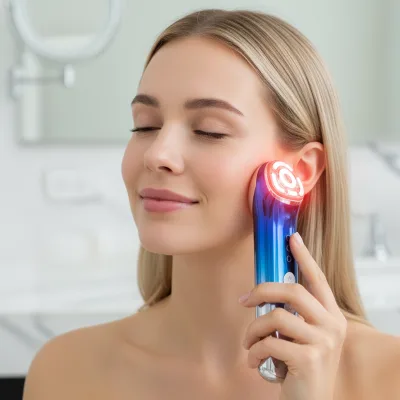
Most Popular Multi Functional Face Lift Massager RF Beauty Device Home Use Beauty Instrument
$22.7138 - $28.9087
MOQ: 100 pieces
Guangzhou Jujia Electronic Technology Co., Ltd.
- Verified by Intertek
- Trading Company
- Lead time7 days
- Avg. response≤ 2h
Main productsFace Beauty Equipment, Slimming Machine, Laser Hair Removal Machine, Massage Products, HIFU Machine
Main marketsDomestic Market(88%), North America(5%), Western Europe(3%)
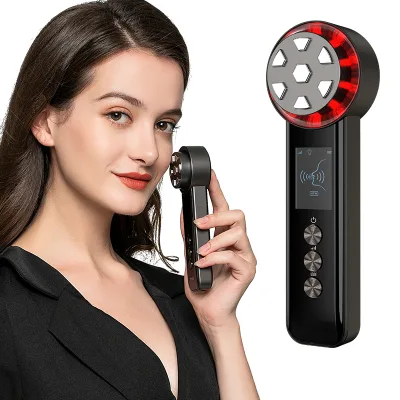
$29.3141 - $46.6288
MOQ: 1 pieces
$20.3755 - $50.9433
MOQ: 100 pieces
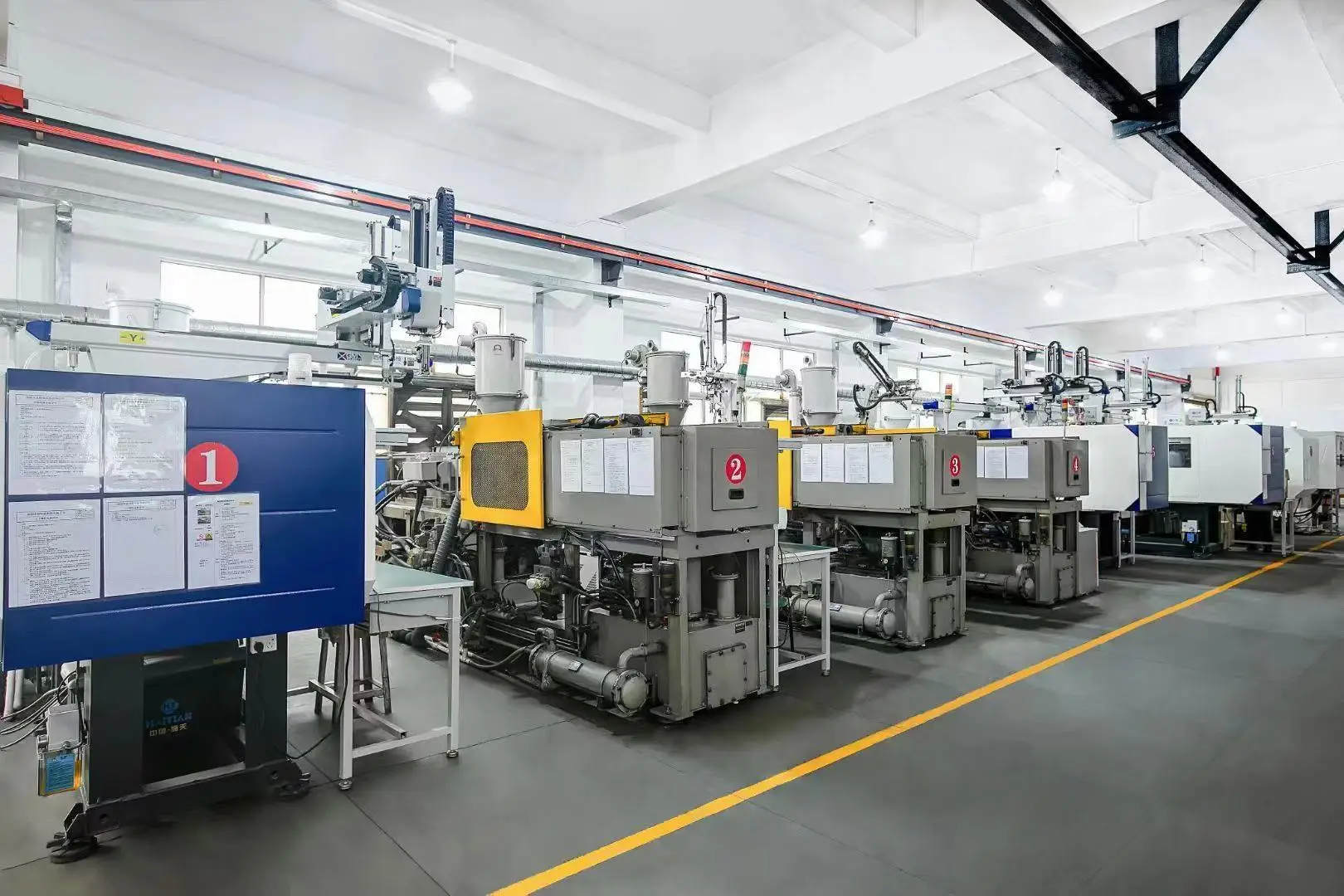
Shenzhen Lig Technology Co., Ltd.
- Manufacturer
- Guangdong, China
- Lead time0 days
- Avg. response≤ 3h
Main productsEMS muscle,tens unit,therapy machine,tens electrodes,facial massager
Main marketsNorth America(50.00%), Western Europe(20.00%), Southern Europe(20.00%), Africa(5.00%)

Guangzhou Danye Optical Co., Ltd.
- Verified by TUVRHEINLAND
- Combined
- China Guangdong
- Lead time23 days
- Avg. response≤ 2h
Main productsDiode Laser Hair Removal, 808+Q Switch Laser 2 in 1, Health Care Equipment, Body Slimming Machine, CO2 Fractional Laser, Electric Pulse Massage, Zimmer Cryo Skin Cooler, Laser Tattoo Removal, RF Skin Lifting, IPL Skin Laser
Main marketsSouth America,Africa,Southeast Asia/ Mideast,East Asia(Japan/ South Korea),Europe,Australia,North America

RF Face Skin Lifting Tightening Massager Thermal Tripolar RF Beauty Instruments for Home Use
$160.00 - $220.00
MOQ: 1 unit

RF Anti Wrinkle Portable RF Machine Face Liftinghome Use Beauty Massage Instrument
$160.00 - $220.00
MOQ: 1 unit

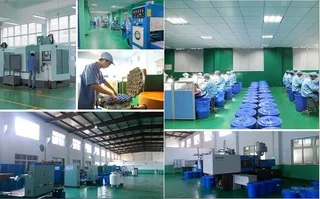
Ningbo Finer Medical Instruments Co., Ltd.
- Trading Company
- Zhejiang, China
- Lead time28 days
- Avg. response≤ 20h
Main productsmedical consumables,Medical Equipment,Hospital Furniture,Mobility Safety Aid,Daily Living Aid
Main marketsNorth America(16.00%), Western Europe(13.00%), Southern Europe(13.00%), Africa(12.00%), Mid East(9.00%), South America(8.00%), Oceania(6.00%), Eastern Europe(5.00%), Central America(5.00%), Northern Europe(4.00%), Eastern Asia(3.50%), Southeast Asia(3.00%), South Asia(2.00%), Domestic Market(0.50%)
Shenzhen Youmei Electronics Co., Ltd.
- Manufacturer, Trading Company
- Lead time旺季: "1 - 2":7,"3 - 100":15,"101 - 10000":18,"> 10000":"To be negotiated", 淡季: "1 - 2":7,"3 - 100":15,"101 - 10000":18,"> 10000":"To be negotiated"
- Avg. response≤ 14h
Main productsMassage Gun,High speed hair dryer,Health care,Fitness Accessories,Home Use Beauty Equipment

Beijing HYE Technology Co., Ltd.
- Trading Company,Manufacturer/Factory,Other
- China Beijing
- Lead time0 days
- Avg. response≤ 6h
Main productsHair Removal, Diode Laser, Slimming Machine, Teeth Whitening, Derma Roller, Skin Care Products, LED Face Mask, Skin Analyzer, Hifu, Lipo Laser

$15.99 - $19.99
MOQ: 10 Pieces

Portable Skin Tightening Face Lifting RF Machine Facial Beauty Massager
$1.00 - $35.00
MOQ: 100 Pieces


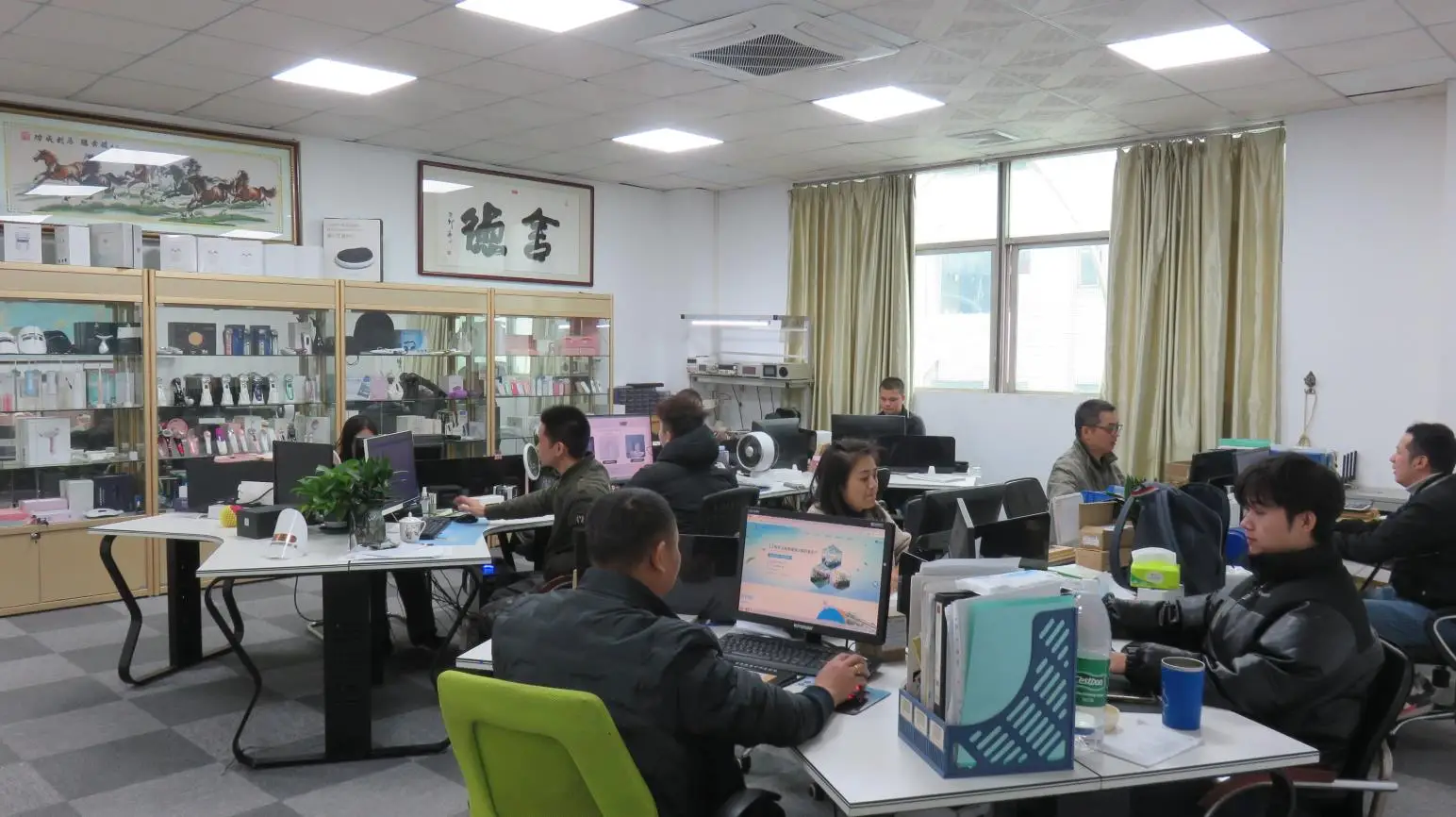
Shandong Chengchang Health Technology Co., Ltd.
- Trading Company
- Shandong, China
- Lead time15 days
- Avg. response≤ 4h
Main productsBeauty equipment,Massager,A protector,medical equipment,Health care equipment
Main marketsSoutheast Asia(20.00%), Domestic Market(15.00%), Mid East(10.00%), South America(5.00%), South Asia(5.00%), Southern Europe(5.00%), Northern Europe(5.00%), Central America(5.00%), Western Europe(5.00%), Eastern Asia(5.00%), Eastern Europe(5.00%), Oceania(5.00%), Africa(5.00%), North America(5.00%)
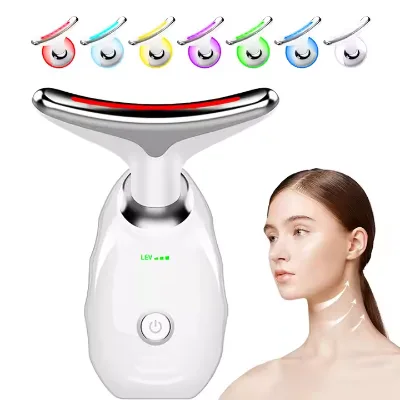
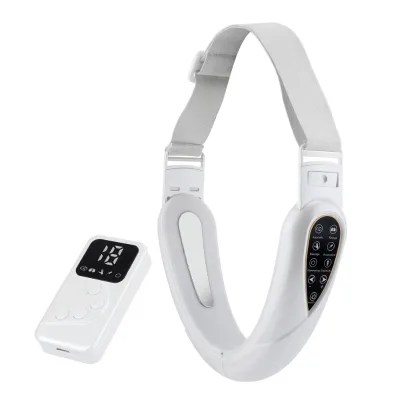
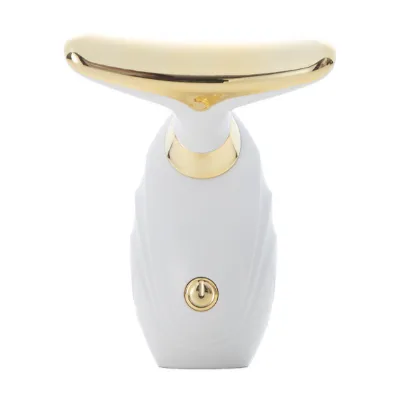
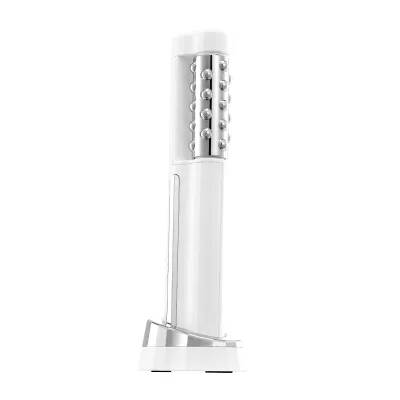
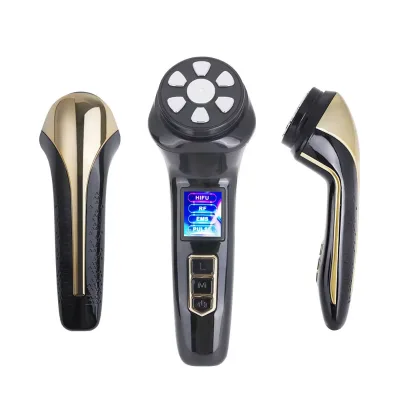
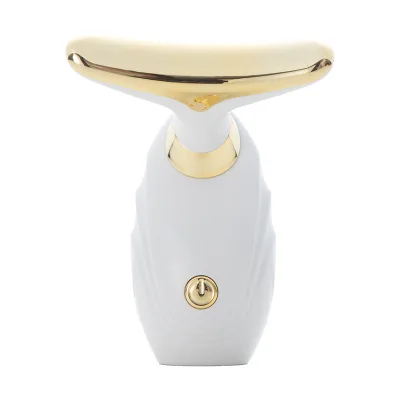
Home-use Neck and Face Massager Multi-functional Facial Care Tool with Simulated Massage Techniques
$3.0877 - $4.0138
MOQ: 1 pieces
$8.7456 - $9.7749
MOQ: 2 pieces
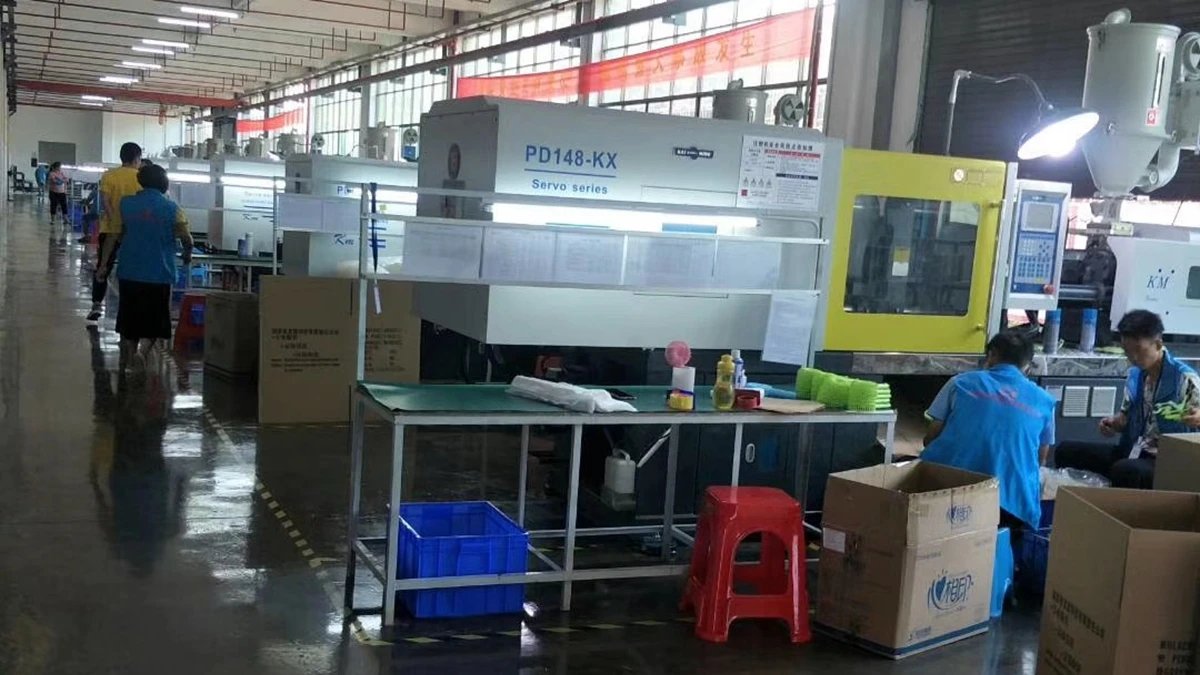
Shangzhi Youzao (Guangzhou) Technology Co., Ltd.
- Manufacturer, Trading Company, Distributor/Wholesaler
- Guangdong, China
- Lead time30 days
- Avg. response≤ 13h
Main productswaxing kits,Airbrush kits,Beauty tools,OEM ODM,Personal care tools
Main marketsNorth America(40.00%), Eastern Europe(30.00%), Western Europe(15.00%), Eastern Asia(10.00%), Northern Europe(5.00%)
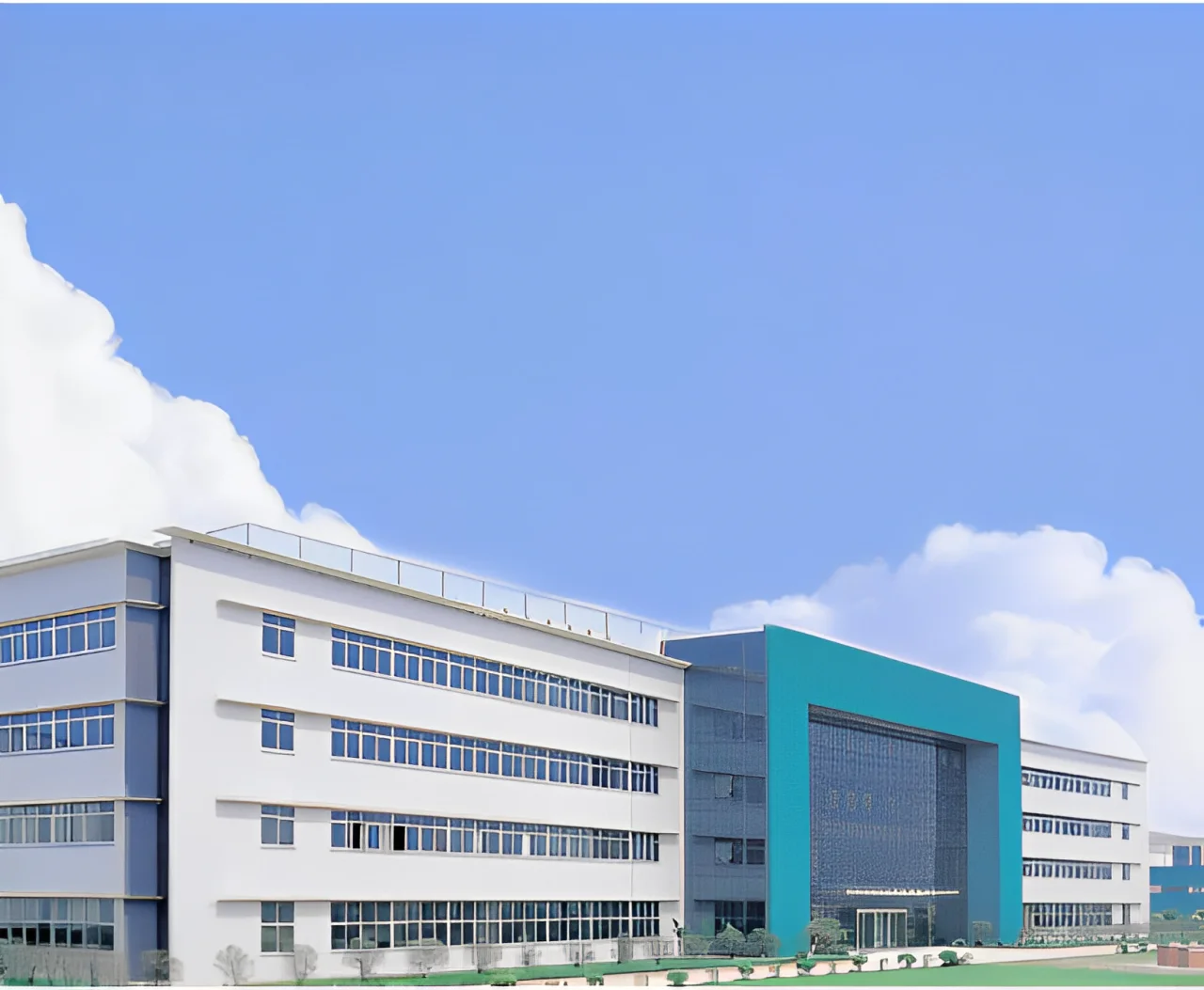
Guangzhou Hungstar Electric Appliance Co., Ltd
- Manufacturer, Trading Company
- Guangdong, China
- Lead time0 days
- Avg. response≤ 2h
Main productsRice Cookers,Air Fryers,Kitchen appliances,Household Electric Appliances,Beauty Machine
Main marketsSoutheast Asia(50.00%), North America(30.00%), Western Europe(10.00%), Mid East(10.00%)

Shenzhen Baichang Technology Co., Ltd.
- Verified by CTI
- Combined
- China Guangdong
- Lead time15 days
- Avg. response≤ 5h
Main productsBeauty Device, Blackhead Cleanser, RF Beauty Device, Eyes Massage, Cleansing Spatula, Cleansing Brush, Hg01 Hair Growth Cap, Hair Dryer, Head/Scalp Massager, Other Massage Device
Main marketsEast Asia(Japan/ South Korea),Domestic


Red Light Therapy RF Beauty Equipment Facial Massager Skin Tightening
$32.29 - $33.29
MOQ: 2000 Pieces
Shanghai GESS Industrial Co., Ltd.
- Trading Company
- Lead time旺季: "1 - 100":31,"> 100":"To be negotiated", 淡季: "1 - 100":31,"> 100":"To be negotiated"
- Avg. response≤ 5h
Main productsLED Facial Mask, Ultrasonic Skin Scrubber, Cold & Hot Massager, Beauty Device, Silicone Facial Cleansing Brush

Foshan Taida Electronic Technology Co., Ltd.
- Verified by TUVRHEINLAND
- Combined
- China Guangdong
- Lead time15 days
- Avg. response≤ 20h
Main productsDerma Roller, Derma Pen, Ice Roller, Jade Roller, Beauty Device, Massage Device, Disposable Beauty Consumable, Microneedling Device, OEM OEM Project
Main marketsSoutheast Asia/ Mideast,Europe,North America
Zhongshan Bisen Plastic Electronic Products Co., Ltd.
- Manufacturer, Trading Company
- Lead time旺季: "1 - 3000":35,"> 3000":"To be negotiated", 淡季: "1 - 3000":35,"> 3000":"To be negotiated"
- Avg. response≤ 1h
Main productsHome Use Beauty Device, LED Device, Heat And Cold Device, Hair Removal Device, Massage Device
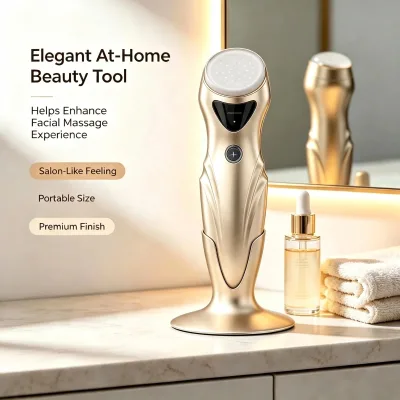
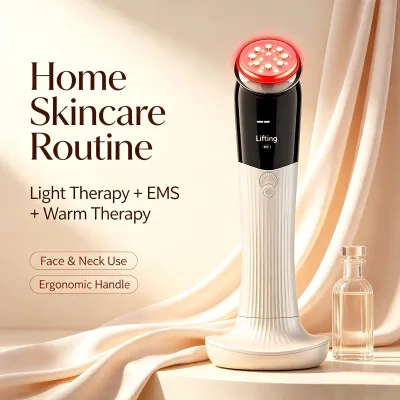
Home Handheld Face Massager for Body Hands Eyes Legs & Arms
$30.00 - $50.00
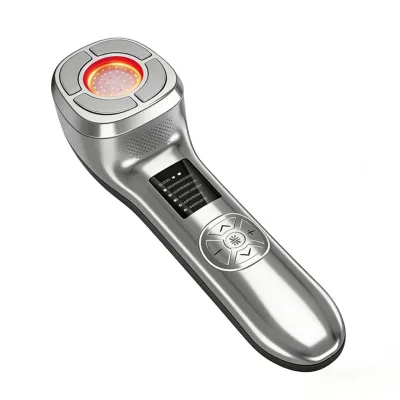

Dongguan Zhimi Electrical Technology Co., Ltd.
- Verified by BV
- Combined
- China Guangdong
- Lead time23 days
- Avg. response≤ 7h
Main productsHair Dryer, Household Depilation Instrument, Beauty Instrument, Laser Depilation Instrument, Hot Air Comb, Hair Removal Devices, Body Care Device, Pr Mask, Hair Trimmer, Hair Straightener
Main marketsSouth America,Southeast Asia/ Mideast,East Asia(Japan/ South Korea),Europe,Australia,North America

Professional Home Use Beauty Equipment Red Light Therapy Facial Massager RF+EMS Beauty Roller
$22.00 - $25.00
MOQ: 1 Pieces

Multifunctional RF Face Massager Wrinkle Removal Skin Massage Beauty Device
$55.00 - $59.00
MOQ: 1 Pieces

at Home Vibration Facial Skincare Massager Hot/Cooling Radio Frequency RF Beauty Device
$19.00 - $21.00
MOQ: 1 Pieces


Lightweight Face Massager 5 in 1 Multi-Polar Radio Frequency Anti-Agine Beauty Instrument
$21.00 - $24.00
MOQ: 1 Pieces
Shenzhen Huayu Electronics Technology Co., Ltd.
- Manufacturer, Trading Company
- Guangdong, China
- Lead time15 days
- Avg. response≤ 3h
Main productsMenstrual Heating Pad, EMS Massage Belt, Light Shading Eye Mask, Heated Eye Massager Mask
Main marketsNorth America(30.00%), Western Europe(30.00%), Oceania(20.00%), Africa(10.00%), Southeast Asia(10.00%)

Solana Beauty Technology Co., Limited
- Trading Company,Manufacturer/Factory
- China Guangdong
- Lead time15 days
- Avg. response≤ 3h
Main productsBeauty Equipment, Hifu Anti-Aging Machine, Radio Frequency Lipocavitation Machine, Cryolipolysis Fat Freezing Machine, 808nm Diode Laser Hair Removal Machine, Elight Opt IPL Hair Removal Machine, Pressotherapy Machine, Hydro Facial Skincare Machine, Mesotherapy Machine, G5 Massager Machine
Main marketsSouth America,Eastern Europe,Mid East,North America,Southeast Asia,Eastern Asia,Oceania,Africa

Portable Home Salon Use High Frequency Skin Beauty Facial Massager for Hair Growth Skin Cleaning
$15.00 - $25.00
MOQ: 1 Pieces

Portable Salon Use Eye Massager RF Technology Anti Aging Wrinkle Removal Device
$350.00 - $400.00
MOQ: 1 Pieces
Guangzhou TSD Electronic Technology Co., Ltd.
- Manufacturer
- Guangdong, China
- Lead time0 days
- Avg. response≤ 4h
Main productsbeauty equipment,hair regrowth device,home use face care machine,cryolipolysis machine,hair removal machine
Main marketsWestern Europe(30.00%), North America(20.00%), Southern Europe(15.00%), South America(10.00%), Eastern Europe(10.00%), Southeast Asia(5.00%), Northern Europe(3.00%), Eastern Asia(2.00%), Mid East(2.00%), Africa(1.00%), Oceania(1.00%), South Asia(1.00%), Central America(1.00%)
Henan Huanuo Pharmaceutical Co., Ltd.
- Trading Company
- Henan, China
- Lead time30 days
- Avg. response≤ 3h
Main productsPain Relief Cream Liquid,Pain Relief Patch,Slim Patch,Traditional Chinese Medicine Powder,Mouth nasal&Body patches
Main marketsDomestic Market(85.00%), Mid East(3.00%), North America(3.00%), Africa(3.00%), Eastern Europe(3.00%), South America(2.00%), Eastern Asia(1.00%)
Puyang Degren Medical Instrument Co., Ltd.
- Manufacturer, Trading Company
- Henan, China
- Lead time25 days
- Avg. response≤ 9h
Main productsPhysical Therapy Equipment,Rehab Therapy Supplies,Dental Apparatus,Dental Consumables,Medical Surgical Supplies
Main marketsEastern Europe(30.00%), North America(30.00%), Domestic Market(10.00%), Mid East(10.00%), South America(10.00%), Southern Europe(3.00%), Western Europe(3.00%), Oceania(1.00%), Eastern Asia(1.00%), Northern Europe(1.00%), Africa(1.00%)

Shinylink (Shanghai) Industrial Inc.
- Trading Company
- China Shanghai
- Lead time15 days
- Avg. response≤ 10h
Main productsAcupuncture Needles, Moxa Products, Guasha Boards, Jade Roller /Finger Massage Ring/Dermal Needles, Tdp Lamp, Cupping Jards, Acupuncture Model, Acupuncture Accessories
Main marketsSouth America,Africa,Southeast Asia/ Mideast,East Asia(Japan/ South Korea),Europe,Australia,North America

- Verified by BV
- Trading Company
- China Zhejiang
- Lead time30 days
- Avg. response≤ 6h
Main productsElectric Kettle, Massager, Hair Dryer, Heater, Electric Grill, Humidifier, Hair Straightener, Mixer, Beauty Instrument, Electronics
Main marketsAfrica,Southeast Asia/ Mideast,Europe,North America
Shenzhen Anniser Intelligent Technology Co., Ltd.
- Manufacturer, Trading Company
- Guangdong, China
- Lead time7 days
- Avg. response≤ 8h
Main productsFace lift massager,LED or microcurrent facial mask,eye care products,Hair straightener,facial cleansing brush
Main marketsEastern Europe(40.00%), North America(25.00%), Domestic Market(10.00%), South America(10.00%), Northern Europe(5.00%), Eastern Asia(5.00%), Western Europe(3.00%), Oceania(1.00%), South Asia(1.00%)
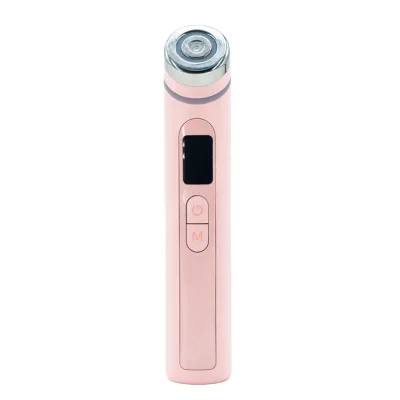
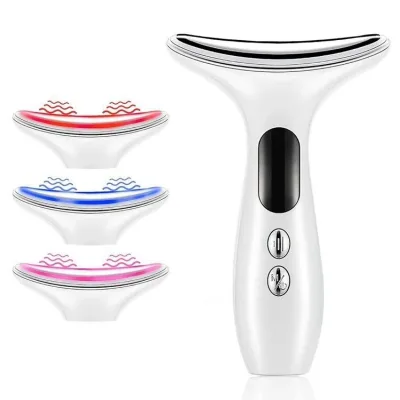
High Quality 3 Color Light Therapy EMS High Frequency Vibrating Face & Neck Lifting Massager
$4.9697 - $5.9945
MOQ: 10 units


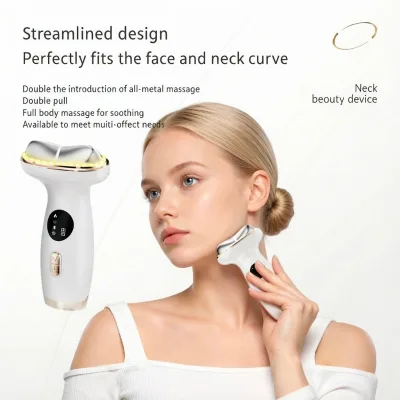
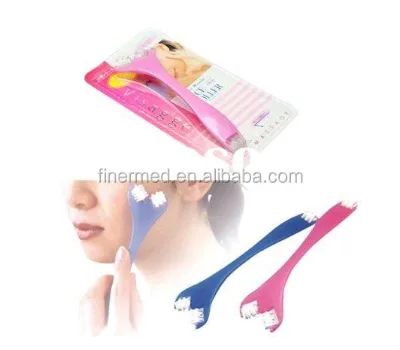
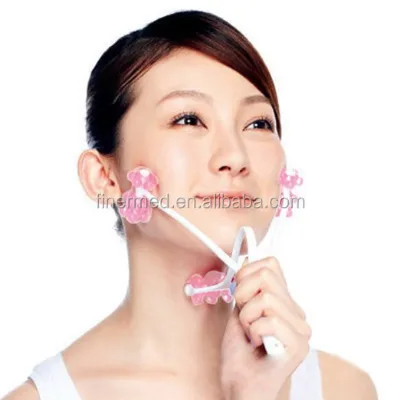
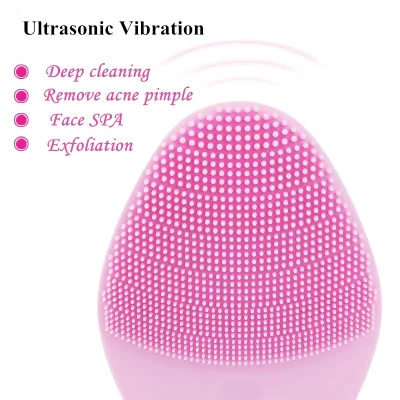


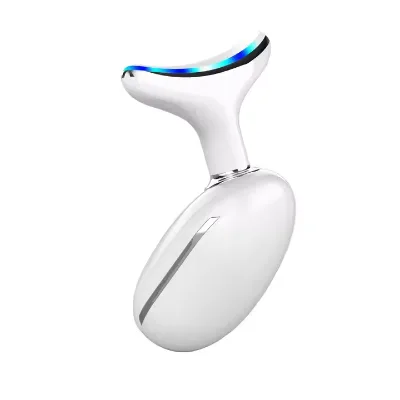
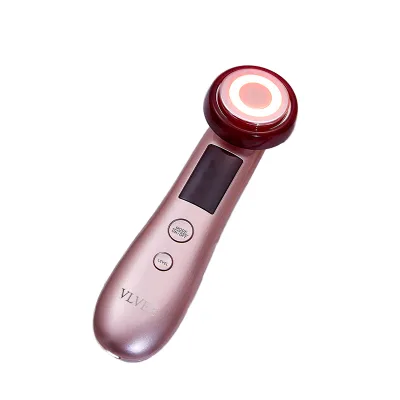
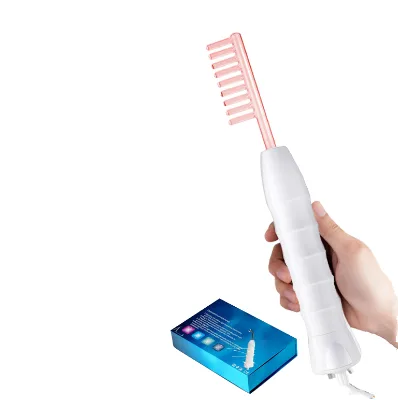
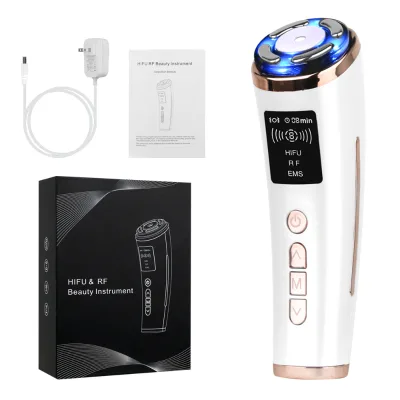
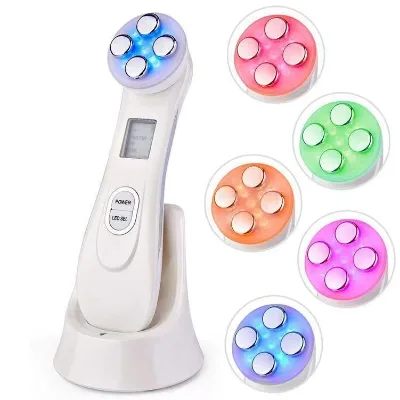
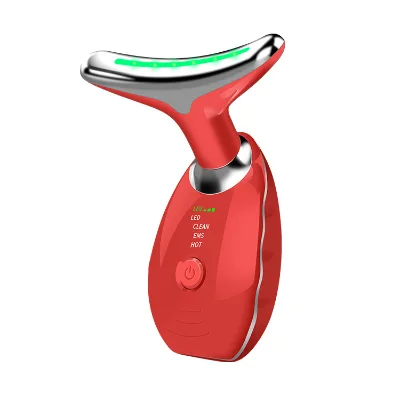
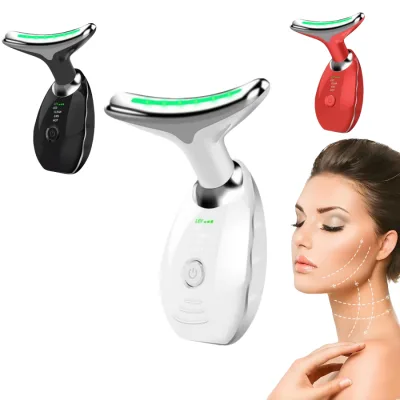


Comprehensive Sourcing Guide
RF Home Use Facial Massager Supplier Concentration and Factory Types
The current supplier landscape for RF home use facial massagers reveals a distinct geographic concentration in China, specifically within the Guangdong province. This region is a well-established hub for electronics manufacturing and beauty device production, offering a robust supply chain ecosystem that supports both OEM and ODM operations. Suppliers located here often benefit from proximity to component manufacturers, which can streamline the production of complex electronic devices like those utilizing radio frequency and EMS technologies. The presence of verified manufacturers in this area suggests a mature industrial base capable of handling the technical requirements of beauty equipment, including precise circuitry and safety standards. Buyers should note that while Guangdong is a primary cluster, other regions like Jiangxi also host relevant suppliers, though the density of specialized beauty electronics factories appears higher in the south. Understanding this geographic distribution helps in assessing the logistical feasibility and the potential for factory audits, as visiting a concentrated industrial zone can be more efficient for sourcing teams.
In terms of company structure, the market features a mix of trading companies and direct manufacturers. Trading companies often provide a broader catalog of beauty devices, including LED masks, skin care instruments, and various massagers, acting as a one-stop shop for buyers who need diverse product lines. However, for specialized RF devices, direct manufacturers may offer more control over the production process, customization options, and technical support. Many suppliers in this space advertise capabilities in both OEM and ODM, allowing buyers to either brand existing designs or develop unique products. The distinction between these entity types is crucial for negotiation and quality control. Manufacturers typically have their own brand or production lines, while trading companies may source from multiple factories. Buyers should verify the actual production capacity and whether the supplier is the true origin of the goods, especially when dealing with complex electronic beauty devices that require rigorous testing and certification.
How to Verify RF Home Use Facial Massager Suppliers
Verification is a critical step in ensuring the reliability and quality of RF Home Use Facial Massager suppliers. Buyers should prioritize suppliers who have undergone third-party verification processes, such as those conducted by SGS or BV. These verifications provide an additional layer of confidence regarding the supplier’s business legitimacy and operational capabilities. For instance, some suppliers in the current results are verified by SGS, indicating that their business licenses and factory conditions have been inspected. Similarly, BV verification is another marker of due diligence. Beyond these basic checks, buyers should look for system certifications like ISO 9001 and BSCI, which demonstrate adherence to quality management standards and social compliance. These certifications are particularly important for beauty devices that come into direct contact with the skin, as they ensure that manufacturing processes meet international standards for safety and consistency. Buyers should request copies of these certificates and verify their validity through the issuing bodies.
In addition to certifications, buyers should assess the supplier’s response time and communication efficiency. A quick response time, such as under three hours, can indicate a well-staffed and responsive sales team, which is vital for resolving technical queries or negotiating custom specifications. For RF devices, technical support is often needed to clarify parameters like frequency, power output, and safety features. Buyers should also inquire about the supplier’s experience with specific product models, such as the D021 or D835, to gauge their familiarity with the technology. Asking for detailed product specifications, including battery capacity, charging modes, and material composition, can help verify the supplier’s technical competence. Furthermore, buyers should check if the supplier offers customization services, as this can be a key differentiator for brands looking to stand out in the market. Ensuring that the supplier can provide comprehensive technical documentation and support is essential for a successful partnership.
What to Compare Across RF Home Use Facial Massager Suppliers
When evaluating multiple suppliers, buyers should compare key operational metrics such as lead times, minimum order quantities (MOQs), and pricing structures. Lead times can vary significantly, with some suppliers offering as little as 15 days while others may require up to 23 days. This difference can impact inventory planning and time-to-market, especially for seasonal products. Buyers should also pay attention to MOQs, which can range from 20 units for certain models to 50 units for others. Lower MOQs may be advantageous for startups or those testing the market, while higher MOQs might offer better unit pricing for established brands. Pricing is another critical factor, with costs varying based on features, materials, and order volume. For example, basic RF massagers may start at lower price points, while more advanced models with additional features like EMS or heating functions may command higher prices. Buyers should request detailed quotes that break down costs to understand the value proposition of each supplier.
Beyond operational metrics, buyers should compare the specific features and specifications of the products offered. RF home use facial massagers come with various technologies, including radio frequency, EMS, and LED light therapy. Buyers should assess the power output, battery capacity, and safety features of each device. For instance, some models may have a battery capacity of 400mAh, while others may offer 1000mAh for longer usage times. The material composition, such as ABS plastic or stainless steel, also affects durability and user experience. Additionally, buyers should consider the customization options available, such as logo printing, packaging design, and product color. Suppliers that offer flexible customization can help buyers create a unique brand identity. It is also important to compare the after-sales support and warranty policies, as these can impact long-term customer satisfaction. By thoroughly comparing these factors, buyers can select a supplier that best aligns with their business goals and product requirements.
Common RF Home Use Facial Massager Sourcing Risks
One of the primary risks in sourcing RF home use facial massagers is the potential for quality inconsistencies, particularly regarding electronic components and safety standards. RF devices involve high-frequency currents that must be carefully controlled to ensure user safety. Buyers should be wary of suppliers who do not provide detailed technical specifications or who are unwilling to share test reports. Inconsistent battery performance or faulty circuitry can lead to product failures and customer complaints. Another risk is the lack of proper certifications, which can result in regulatory issues in target markets. Buyers must ensure that suppliers comply with relevant safety standards, such as CE, FCC, or RoHS, depending on the destination country. Without these certifications, products may be rejected at customs or face legal challenges. Buyers should also be cautious of suppliers who offer prices that seem too good to be true, as this may indicate the use of substandard materials or components.
Intellectual property (IP) protection is another significant risk, especially when working with suppliers who offer OEM services. Buyers should ensure that their designs and branding are protected through proper legal agreements and non-disclosure agreements (NDAs). Suppliers may inadvertently or intentionally share designs with competitors, leading to market saturation and loss of competitive advantage. Additionally, supply chain disruptions can impact lead times and production schedules. Buyers should assess the supplier’s ability to manage raw material shortages or production bottlenecks. Communication barriers can also pose a risk, particularly if the supplier is located in a different time zone or language region. Misunderstandings regarding product specifications or delivery terms can lead to costly errors. Buyers should establish clear communication channels and regular check-ins to mitigate these risks. Finally, buyers should be aware of the potential for hidden costs, such as shipping fees, customs duties, and packaging expenses, which can affect the overall profitability of the sourcing project.
RF Home Use Facial Massager Regional Sourcing and Logistics
Sourcing RF home use facial massagers from China, particularly from the Guangdong region, offers logistical advantages due to the area’s well-developed infrastructure and proximity to major ports. This region is home to numerous manufacturing hubs and logistics providers, facilitating efficient export processes. Buyers should consider the impact of transportation modes on lead times and costs. Air freight is faster but more expensive, suitable for urgent orders or high-value items, while sea freight is more cost-effective for larger volumes but requires longer transit times. Understanding the supplier’s packaging standards is also crucial, as proper packaging can prevent damage during transit. Some suppliers provide detailed packaging dimensions and weights, which help in calculating shipping costs and optimizing container space. Buyers should also be aware of the environmental regulations in their target markets, which may require specific packaging materials or labeling.
Logistics planning should also account for customs clearance and import duties. Buyers need to ensure that all necessary documentation, such as commercial invoices, packing lists, and certificates of origin, are prepared accurately to avoid delays. Working with a reliable freight forwarder can simplify this process and ensure compliance with local regulations. Additionally, buyers should consider the impact of currency fluctuations on pricing, as most transactions are conducted in USD. Hedging strategies or fixed-price contracts can help mitigate this risk. For buyers in regions with high demand for beauty devices, establishing a local distribution network can reduce delivery times to end consumers. However, this requires careful planning and investment in warehousing and inventory management. Buyers should also monitor global shipping trends and potential disruptions, such as port congestion or fuel price increases, which can affect supply chain stability. By proactively managing these logistical factors, buyers can ensure a smooth and efficient sourcing process.
RF Home Use Facial Massager Commercial Terms and Order Planning
Commercial terms play a vital role in the success of sourcing RF home use facial massagers. Buyers should negotiate clear payment terms, such as a deposit followed by balance payment upon shipment, to balance risk and cash flow. Understanding the supplier’s return and refund policies is also essential, particularly for defective products. Buyers should inquire about the warranty period and the process for handling claims. Additionally, buyers should clarify the responsibilities for shipping and insurance, as these can impact the final cost. Incoterms, such as FOB or CIF, define the point at which risk and cost transfer from the supplier to the buyer. Choosing the right Incoterm can help manage logistics and financial risks. Buyers should also consider the impact of volume discounts on pricing, as larger orders may qualify for reduced unit costs. Establishing a long-term partnership with a supplier can lead to better terms and priority production slots.
Order planning should be aligned with market demand and seasonal trends. RF home use facial massagers may see increased demand during holiday seasons or beauty events, so buyers should plan production and delivery schedules accordingly. Maintaining a buffer stock can help mitigate the risk of stockouts and ensure timely delivery to customers. Buyers should also consider the product lifecycle and plan for future iterations or upgrades. Working closely with the supplier on product development can help stay ahead of market trends. Regular communication and feedback loops can improve product quality and customer satisfaction. Buyers should also monitor competitor offerings and adjust their sourcing strategy as needed. By carefully managing commercial terms and order planning, buyers can optimize their supply chain and maximize profitability. This approach ensures that the sourcing process is not only efficient but also aligned with the broader business objectives of the buyer.
FAQs
What is the price range for RF home use facial massagers?
Prices for these devices typically range from $4.98 to $15.00 per unit. The final cost depends on the specific model, features like EMS or microcurrent, and the order quantity. Buyers should check the minimum order quantity to determine the exact per-unit price for their needs.
What is the typical lead time for these beauty devices?
Manufacturers generally require 15 to 23 days to produce and ship orders. This timeframe allows for quality control and packaging preparation. Buyers should confirm the exact lead time with the supplier before placing an order to ensure it aligns with their inventory requirements.
Do suppliers offer OEM and ODM services for these devices?
Yes, many manufacturers provide both OEM and ODM services. This allows buyers to customize the device design, branding, and packaging. Customization is available for various models, enabling businesses to create unique products that meet specific market demands and brand identity requirements.
What certifications do these beauty device suppliers hold?
Suppliers often hold ISO 9001 and BSCI certifications. These indicate adherence to quality management and social responsibility standards. Additionally, some suppliers undergo verification by SGS or BV. Buyers should request current certification documents to ensure compliance with their regional regulatory requirements.
Where are these facial massager manufacturers located?
Most manufacturers are located in China, specifically in Guangdong and Jiangxi provinces. These regions are known for their electronics and beauty device manufacturing capabilities. Buyers can source directly from these locations to benefit from established supply chains and competitive pricing structures.
What is the minimum order quantity for these devices?
The minimum order quantity varies by product, typically ranging from 20 to 50 units. Some models may have higher MOQs depending on customization requirements. Buyers should verify the specific MOQ for each product to plan their initial inventory purchase effectively.
How quickly do suppliers respond to inquiries?
Response times vary, with some suppliers responding within 0.53 hours and others taking up to 2.81 hours. Faster response times indicate active customer service teams. Buyers should prioritize suppliers with quick response times to ensure efficient communication throughout the sourcing process.