Breathable Anti-Sprain Wrist Guard Suppliers and Manufacturers
Find 31 verified suppliers offering breathable anti-sprain wrist guards with varying lead times, response speeds, and certifications. Compare dimensions like ISO standards, origin locations, and customization options to select the right partner for your needs; review the available evidence before requesting comparable quotations from suitable candidates.
Updated
Suppliers List

QINGDAO DINGANDA MACHINERY CO., LTD
- Verified by SGS
- Combined
- China Shandong
- Lead time23 days
- Avg. response≤ 14h
Main productsGlass Machine, Glass Laminating Machine, Glass Processing Machine, Glass Storage Rack, Glass Vacuum Lifter, Glass Edging Machine, Glass Moving Tools
Main marketsSouth America,Southeast Asia/ Mideast,East Asia(Japan/ South Korea),Europe,North America


Anti Cut Wrist Guard Labor Protection Products Wrist Guard 4 Grades Anti Cutting Wrist Guard
$1.90 - $9.90
MOQ: 20 Pairs

Labor Anti Cutting Bracers and Protection Cuff Labor Products Protective Wrist Guard
$1.90 - $9.90
MOQ: 20 Pairs
Hebei Kang Sheng Yuan Sports Goods Co., Ltd.
- Verified by SGS Group
- Manufacturer, Trading Company
- Lead time5 days
- Avg. response≤ 3h
Main productsWaist Support; Back Posture Corrector; Knee Brace; Body Shaper Corset; Hip Resistance Bands
Main marketsNorth America(30%), Domestic Market(30%), Western Europe(15%)
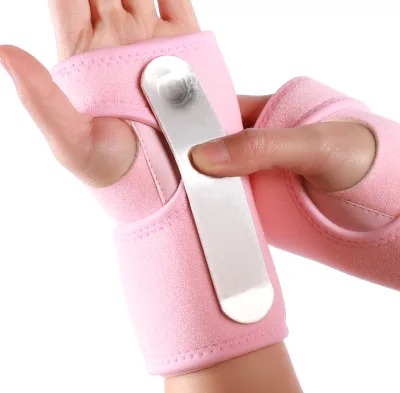
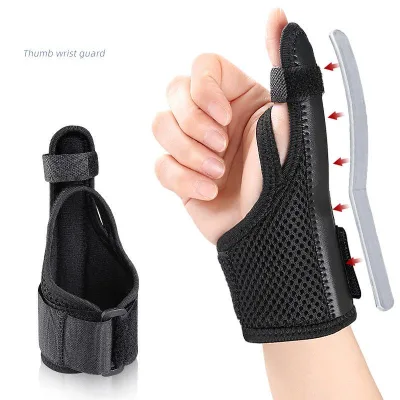
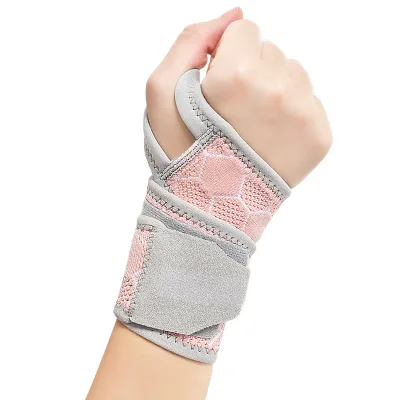
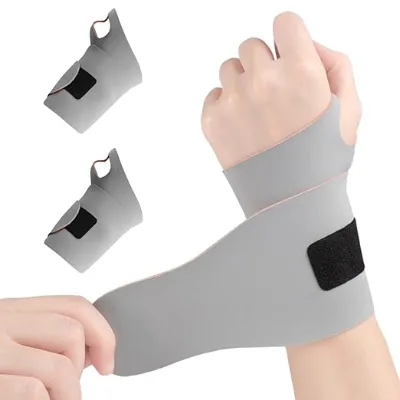
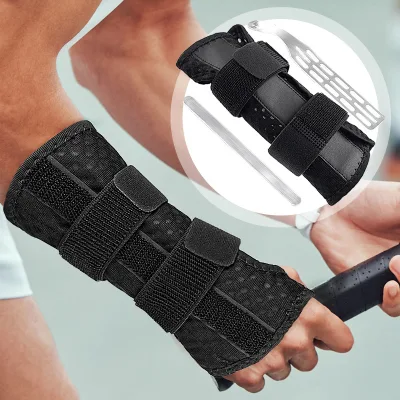
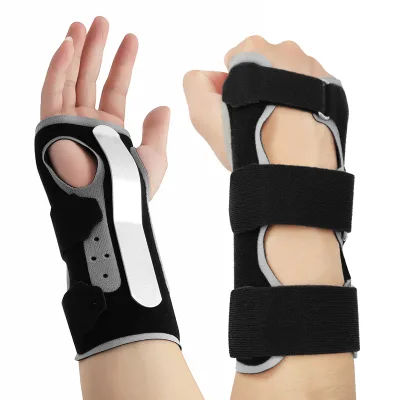
Thin Breathable Wrist Guard, Sports Detachable Splint, Strap, Wrapped and Pressurized Wrist Guard
$1.75 - $2.00
MOQ: 2 pieces
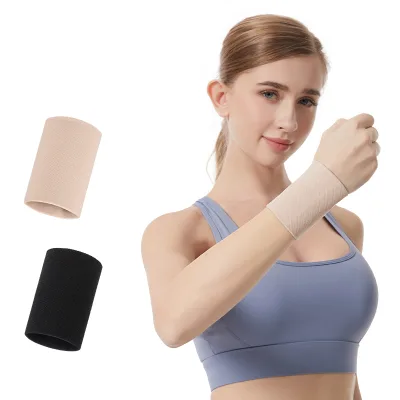
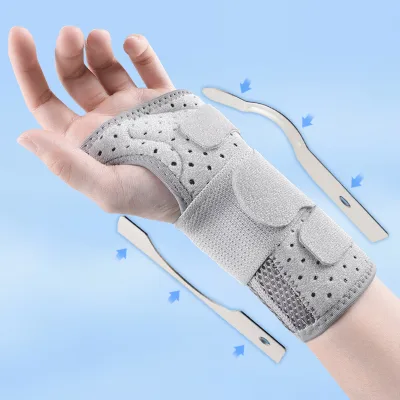
$2.4118 - $2.8222
MOQ: 2 pieces
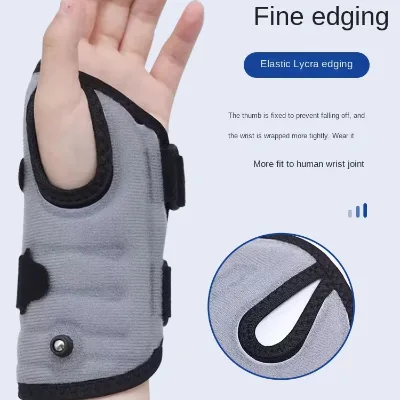
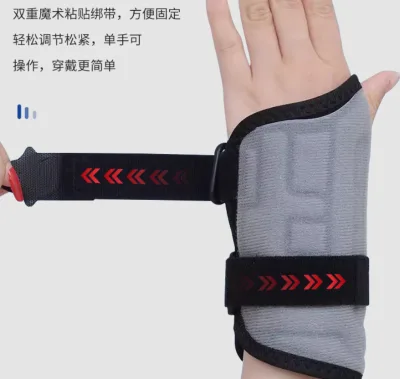
$1.88 - $2.38
MOQ: 10 pieces
Shijiazhuang Youqihui Import And Export Trading Co., Ltd.
- Verified by SGS Group
- Trading Company
- Lead time7 days
- Avg. response≤ 1h
Main productsLumbar Support Belt, Knee Brace
Main marketsNorth America(40%), Eastern Asia(15%), Oceania(15%)
Nantong Get Power Fitness Equipment Co., Ltd.
- Verified by TüVRheinland
- Trading Company
- Lead time30 days
- Avg. response≤ 2h
Main productsDumbbell, Barbell, Weight Plate, Power Rack, Bench
Main marketsNorthern Europe(40%), North America(20%), Southeast Asia(20%)
- Manufacturer, Trading Company
- Jilin, China
- Lead time10 days
- Avg. response≤ 1h
Main productsFirst aid kits,Knee brace,Wrist support,Urine Collection Products,Pet supplies
Main marketsDomestic Market(40.00%), Southeast Asia(10.00%), South Asia(10.00%), Africa(10.00%), North America(8.00%), Central America(8.00%), South America(7.00%), Mid East(5.00%), Eastern Europe(2.00%)

Nanjing Ihome Comfort Co., Ltd.
- Verified by SGS
- Trading Company
- China Jiangsu
- Lead time30 days
- Avg. response≤ 8h
Main productsHot Water Bottle, Ice Pack, Hot Water Bag, Kneepad, Hot Cold Pack, Bp Bulb Bladder, Fitness Equipment, Leather Bag, Test Pack, First Aid Kit
Main marketsSouth America,Africa,Others(foreignTradeCapacity.exportBusinessCapacityMarketOther),Southeast Asia/ Mideast,East Asia(Japan/ South Korea),Europe,North America

Ningbo Goshen Medical Technology Co., Ltd.
- Verified by CTI
- Combined
- China Zhejiang
- Lead time45 days
- Avg. response≤ 1h
Main productsWrist Support, Ankle Brace, Knee Braces, Waist Support, OEM/ODM
Main marketsDomestic

Lightweight Adjustable Breathable Splint Thumb Wrist Guard Brace for Hand Overuse Protection
$2.10 - $2.40
MOQ: 199 Pieces

Breathable Stretchy Wrist Support Thumb Wrist Guard Brace for Daily Work Protection
$2.10 - $2.40
MOQ: 199 Pieces


High Quality Wholesale Anti-Slip Adjustable Thumb Wrist Guard Brace for Sprain Recovery
$2.10 - $2.40
MOQ: 199 Pieces

Adjustable Elastic Anti-Slip Wrist Support Thumb Wrist Guard Brace for Trigger Care
$2.10 - $2.40
MOQ: 199 Pieces

Durable Sport Use Wrist Support Thumb Wrist Guard Brace for Sprain Recovery
$2.10 - $2.40
MOQ: 199 Pieces
Yangzhou Star Sport Goods Co., Ltd.
- Verified by TüVRheinland
- Manufacturer, Trading Company
- Lead time10 days
- Avg. response≤ 2h
Main productsKnee Brace, Waist Support, Ankle Support, Wrist Brace, Yoga Stretching Strap
Main marketsNorth America(40%), South America(30%), Eastern Asia(15%)
Hebei Kang Sheng Yuan Sports Goods Co., Ltd.
- Manufacturer, Trading Company
- Lead time旺季: "1 - 100":7,"101 - 300":10,"301 - 500":14,"> 500":"To be negotiated", 淡季: "1 - 100":7,"101 - 300":10,"301 - 500":14,"> 500":"To be negotiated"
- Avg. response≤ 3h
Main productsWaist Support; Back Posture Corrector; Knee Brace; Body Shaper Corset; Hip Resistance Bands
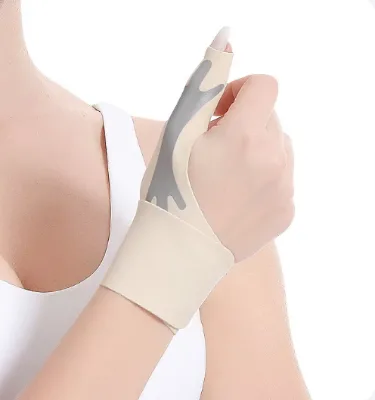
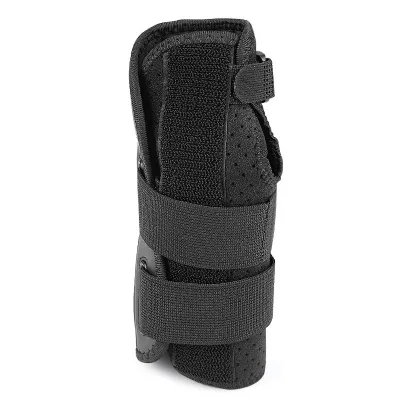
Adjustable Wrist Splint Support, Pressure Wrapping and Movement Wrist Guard Palm
$1.7452 - $2.2575
MOQ: 2 pairs

- Verified by SGS
- Trading Company,Manufacturer/Factory
- China Zhejiang
- Lead time15 days
- Avg. response≤ 9h
Main productsPilates Reformer, Dumbbell, Pilates Cadillac, Yoga Mat, Yoga Ball, Yoga Accessories, Gym Equipment, Yoga Pilates
Main marketsSouth America,Eastern Europe,Mid East,North America,Southeast Asia,Eastern Asia,Oceania,Western Europe,Africa

Anti-Sprain Wrist Guard Finger Joint Compression Wristband with Binding and Support
$1.55 - $1.85
MOQ: 1 Pieces

Breathable Wrist Guard Splint Wrist Brace for Year-Round Comfort and Support
$1.55 - $1.85
MOQ: 1 Pieces

Universal Wrist Support Splint Wrist Brace for Optimal Wrist Guard Protection
$1.55 - $1.85
MOQ: 1 Pieces


Versatile Wrist Support Splint Wrist Brace for Enhanced Mobility and Protection
$1.55 - $1.85
MOQ: 1 Pieces

Ergonomic Wrist Support Splint Wrist Brace for Injury Prevention and Recovery
$1.55 - $1.85
MOQ: 1 Pieces

Yibin Haixun Machinery Technology Co., Ltd.
- Verified by SGS
- Trading Company
- China Sichuan
- Lead time30 days
- Avg. response≤ 3h
Main productsSwimming Goggles, Goggles, Ski Goggles, Cycling Goggles, Protective Goggles, Wrist Guard; Knee Pad, Basketball Glasses, Gymnastics Gloves, Sports Shoes, Sportswear
Main marketsAfrica,Europe
Zhejiang Fele Sports Co., Ltd.
- Verified by SGS Group
- Manufacturer, Trading Company
- Lead time20 days
- Avg. response≤ 3h
Main productsKnee Braces, Shin Guard, Sports Socks, Ankle Support, Calf Sleeves
Main marketsNorth America(40%), South America(10%), Eastern Europe(10%)

Ningbo Tyj Industry and Trade Co., Ltd
- Verified by BV
- Combined
- China Zhejiang
- Lead time30 days
- Avg. response≤ 5h
Main marketsDomestic


Breathable Wrist Support Brace with Stabilizer for Optimal Finger Alignment
$0.70 - $0.75
MOQ: 1000 Pieces

- Combined
- China Guangdong
- Lead time30 days
- Avg. response≤ 11h
Main productsFirst Aid Kits, Kinesiology Tape, Rigid Strapping Tape, Coach Tape, Lite Eab, Precut Kinesio, CPR Mask, Band Aid Box, Zinc Oxide Tape, Cohesive Bandage
Main marketsSouth America,Africa,Southeast Asia/ Mideast,East Asia(Japan/ South Korea),Domestic,Europe,Australia,North America

Hot Selling Wrist Protector Support Straps Wrist Support Hand Band Support Medical Wrist Guard
$0.71 - $0.75
MOQ: 100 Pieces

$0.71 - $0.75
MOQ: 100 Pieces

Ningbo Kangbeien Health Tech. Co., Ltd.
- Verified by SGS
- Combined
- China Zhejiang
- Lead time30 days
- Avg. response≤ 12h
Main marketsDomestic

Aluminum Wrist Support Brace Sport Guard for Sprain Tendon Sheath Strain
$2.90 - $3.45
MOQ: 100 Pieces

New Cotton Wrist Brace Breathable Compression Support Pressure Wristband
$1.24 - $1.37
MOQ: 100 Pieces

Direct Selling Stabilise Multifunctional Soft Wrist Protector for Protection
$0.98 - $1.10
MOQ: 100 Pieces


Durable Steel Plate Supporting Breathable Wrist Brace for Injury Recovery and Protection
$1.85 - $2.15
MOQ: 1000 Pieces

The Best Stabilise Multifunctional Easy to Use Wrist Protector for Protection
$2.05 - $2.29
MOQ: 100 Pieces
Shijiazhuang Maikesi Brace Technology Co., Ltd.
- Manufacturer, Trading Company
- Lead time旺季: "1 - 100":31,"> 100":"To be negotiated", 淡季: "1 - 100":31,"> 100":"To be negotiated"
- Avg. response≤ 2h
Main productsCollar strap, Back support belt, Knee pads, Wrist guard, Ankle brace

PLANET (ANHUI) INTERNATIONAL CO., LTD.
- Verified by BV
- Combined
- China Jiangsu
- Lead time60 days
- Avg. response≤ 3h
Main productsBandage, First Aid Kits, Band Aid, Wound Dressing, Foot Patch, Knee Brace, Knee Support, Knee Pad, Adhesive Tape, Compression Stocks
Main marketsNorth America

Hengshui Jingkang Medical Device Co., Ltd.
- Manufacturer, Trading Company
- Hebei, China
- Lead time5 days
- Avg. response≤ 6h
Main productsmaternity support,lumbar support,tourmaline magnetic,crutch,arm sling
Main marketsNorth America(40.00%), South America(20.00%), Eastern Europe(15.00%), Domestic Market(5.00%)
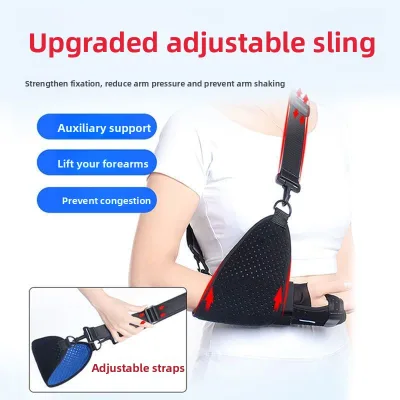
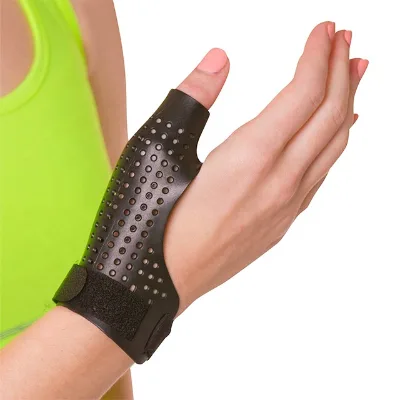
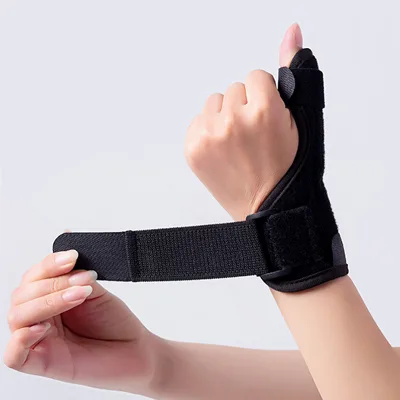
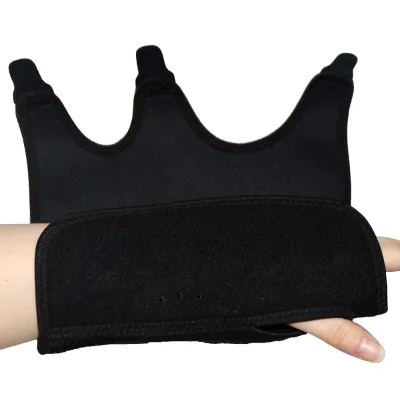
High Quality Steel Comfortable Breathable Soft Sleeve Wrist and Hand Thumb Support
$2.50 - $3.50
MOQ: 100 pieces
$2.8282 - $3.4858
MOQ: 1 Minimum
Shijiazhuang Aofeite Imp & Exp Co., Ltd.
- Manufacturer, Trading Company
- Lead time旺季: "1 - 100":15,"> 100":"To be negotiated", 淡季: "1 - 100":15,"> 100":"To be negotiated"
- Avg. response≤ 2h
Main productsKnee Brace, Lumbar Support Belt
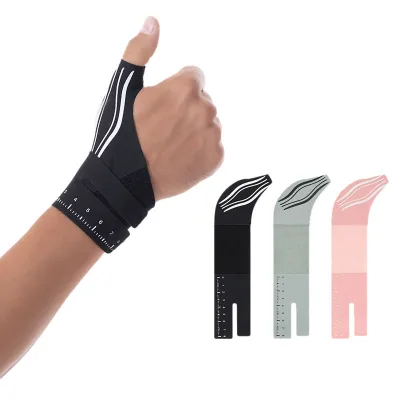
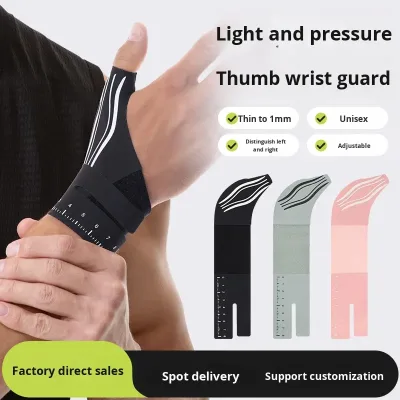
Lightweight Compression Thumb Wrist Wraps for Men Women Anti Sprain Wrist Straps Weightlifting
$1.1864 - $1.5954
MOQ: 100 Minimum
Yangzhou Maini-Kesi Sports Equipment Co., Ltd.
- Verified by TüVRheinland
- Manufacturer, Trading Company
- Lead time10 days
- Avg. response≤ 2h
Main productsPosture Corrector, Waist Trainer, Ankle Support, Elbow & Knee Pads, Yoga Hip Resistance Belt
Main marketsNorth America(30%), South America(25%), Western Europe(25%)
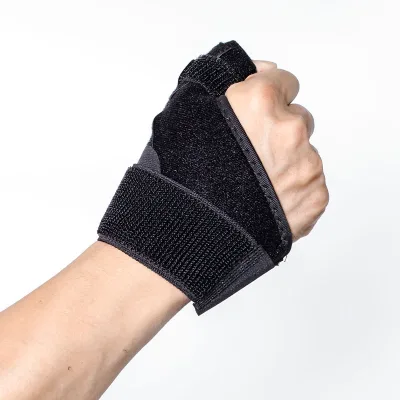
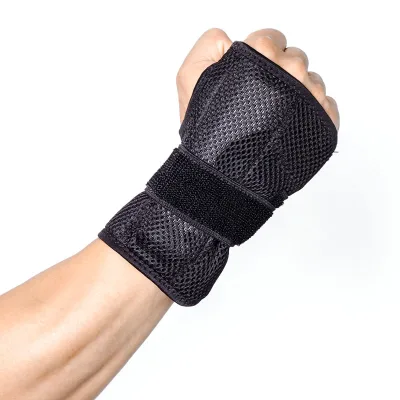
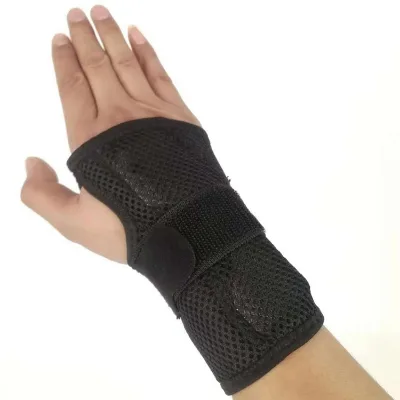
One Pair Wrist Hand Splint Support Training Protector Wrist Wraps for Night Sleep
$2.25 - $2.95
MOQ: 200

Jinjiang Naike Eco Technology Co., Ltd.
- Verified by SGS
- Trading Company
- China Fujian
- Lead time30 days
- Avg. response≤ 2h
Main productsKeychain, Promotional Gifts, Shoes Charm, Straw Toppers, Pencil Toppers, Christmas Decoration, Party Decoration, Toy, Metal Craft, Silicone Products
Main marketsEurope,North America

Professional Sports Wrist Guards Double Straps Pressurized Wrist Wrap Adjustable Wrist Protection
$0.87 - $0.99
MOQ: 1000 Pieces

Wholesale High Quality Durable Steel Plate Supporting Breathable Wrist Brace
$2.42 - $2.50
MOQ: 300 Pieces

High Quality Adjustable Wrist Support Brace Wristband for Pain Relief and Injury Recovery
$1.04 - $1.15
MOQ: 500 Pieces

Hangzhou Kebo Orthopedic Rehabilitation Equipment Co.,Ltd
- Verified by SGS
- Combined
- China Zhejiang
- Lead time30 days
- Avg. response≤ 10h
Main productsSpine Orthosis, Orthosis Accessories, Upper Limb Orthosis, Lower Limbs Orthosis
Main marketsSoutheast Asia/ Mideast,Europe

Danyang Sunmed Healthcare Co., Ltd.
- Verified by TUVRHEINLAND
- Manufacturer/Factory
- China Jiangsu
- Lead time45 days
- Avg. response≤ 13h
Main productsFirst Aid Kit, Support, Woundcare
Main marketsSouth America,Eastern Europe,North America,Western Europe

Adjustable Wristband Protector Boxing Wrist Brace Sports Protection Hand Support
$3.18
MOQ: 3000 Pieces


- Verified by TUVRHEINLAND
- Trading Company,Manufacturer/Factory
- China Guangdong
- Lead time45 days
- Avg. response≤ 11h
Main productsElectric Wheelchair, Manual Wheelchair, Sports Wheelchair, Hospital Bed, Crtuches, Walking Aids, Shower Chair, Trailer Mobility Scooter, Commode Wheelchair, Stretcher
Main marketsSouth America,Eastern Europe,Mid East,North America,Oceania,Western Europe,Africa
Yangzhou Changqingshu Sports Goods Co., Ltd.
- Manufacturer, Trading Company
- Jiangsu, China
- Lead time25 days
- Avg. response≤ 6h
Main productsSport supports, Rehabilitation brace
Main marketsNorth America(30.00%), Western Europe(30.00%), South America(10.00%), Eastern Europe(10.00%), Domestic Market(10.00%), Southeast Asia(10.00%)

Ullwin (Shanghai) Industrial Co., Ltd
- Verified by SGS
- Trading Company
- China Shanghai
- Lead time30 days
- Avg. response≤ 9h
Main productsMedical & Health Care Products, Cosmetic Packaging
Main marketsSouth America,Africa,Southeast Asia/ Mideast,East Asia(Japan/ South Korea),Europe,Australia,North America
Henan Yuenai Trading Co., Ltd.
- Trading Company
- Henan, China
- Lead time5 days
- Avg. response≤ 2h
Main productsMedical consumables,safety butterfly needle,Vacuum blood collection,wheelchair,Medical equipment
Main marketsEastern Asia(30.00%), Southeast Asia(20.00%), Western Europe(20.00%), Africa(20.00%), Mid East(10.00%)

Hebei Denovo Medical Device Co., Ltd.
- Verified by BV
- Trading Company,Manufacturer/Factory
- China Hebei
- Lead time23 days
- Avg. response≤ 4h
Main productsBack Support, Knee Support, Posture Corrector, Foot Night Splint, Arm Slings, Hernia Belts, Cervical Collars, Abduction Orthosis
Main marketsSouth America,Eastern Europe,Mid East,North America,Southeast Asia,Eastern Asia,Oceania,Western Europe,Africa

Yangzhou Goldenwell Import&Export Co., Ltd.
- Verified by BV
- Trading Company,Manufacturer/Factory
- China Jiangsu
- Lead time23 days
- Avg. response≤ 6h
Main productsMedical Devices, Syringe, Medical Tape, Medical Bandage
Main marketsSouth America,Eastern Europe,Mid East,North America,Southeast Asia,Eastern Asia,Oceania,Western Europe,Africa

Adjustable Gym Wrist Support Wraps Sports Guard Protective Wrist Band Brace
$0.60 - $0.86
MOQ: 2 Pieces

Xiamen Longstar Medical Equipment Co., Ltd.
- Manufacturer
- Fujian, China
- Lead time30 days
- Avg. response≤ 1h
Main productsCervical Collar,Shoulder Brace,Back Brace,Knee brace,Ankle brace
Main marketsDomestic Market(40.00%), Western Europe(20.00%), Eastern Europe(20.00%), North America(10.00%), Mid East(10.00%)

Science Medical Equipment Co., Ltd.
- Manufacturer/Factory
- China Guangdong
- Lead time60 days
- Avg. response≤ 8h
Main productsWheelchair, Handicapped Scooters, Rehabilitation Therapy Supplies, Clinical Analytical Instruments, Hospital Furniture, Ward Nursing Equipments, Hospital Bed, Operating Table, Examination Therapy Equipments
Main marketsSouth America,Eastern Europe,Mid East,North America,Southeast Asia,Eastern Asia,Western Europe,Africa
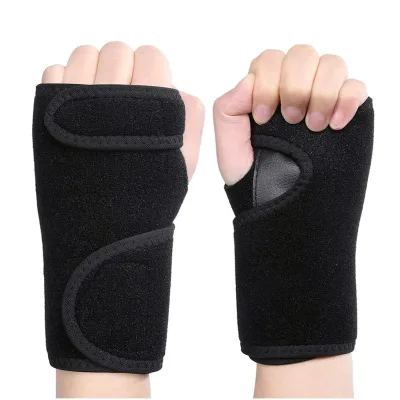
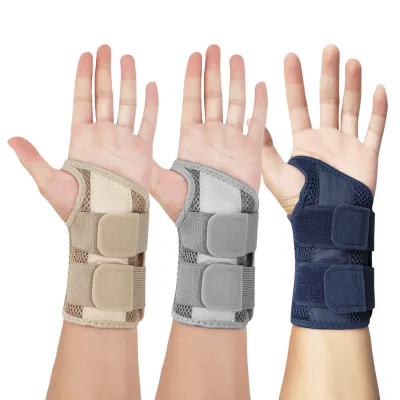


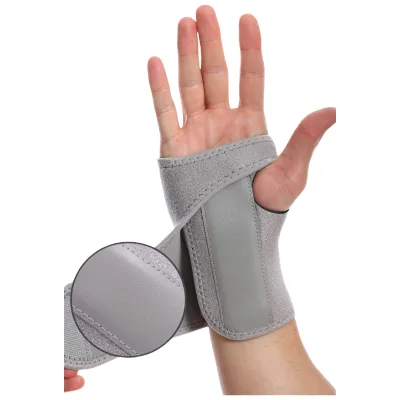
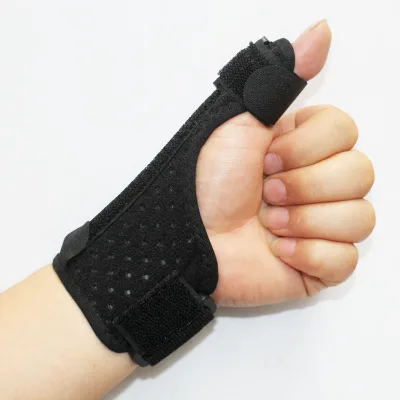










Comprehensive Sourcing Guide
Breathable Anti-Sprain Wrist Guard Supplier Concentration and Factory Types
The current supplier landscape for breathable anti-sprain wrist guards reveals a diverse mix of manufacturing capabilities and geographic origins, primarily concentrated within China. Evidence indicates that suppliers are located in key industrial provinces such as Shandong, Guangdong, and Hebei, with specific product origins also noted in Tianjin. This geographic distribution suggests that buyers can access a wide range of production bases, each potentially offering different logistical advantages and supply chain efficiencies. The presence of suppliers in these specific regions allows for a more targeted sourcing strategy, where buyers can align their procurement needs with the industrial strengths of particular provinces. For instance, Shandong is identified as a location for some suppliers, while Guangdong and Hebei are cited as places of origin for specific wrist guard models. This concentration in China highlights the region's dominance in producing personal protective equipment and sports safety gear, providing buyers with numerous options for sourcing high-volume orders.
In terms of company structure, the market features both manufacturers and trading companies, offering flexibility in how buyers engage with suppliers. Some suppliers are classified as combined entities, while others operate strictly as manufacturers or trading companies. This variety impacts the level of direct control a buyer has over the production process and the potential for customization. Manufacturers often provide greater transparency into the production line and may offer more competitive pricing for large orders, whereas trading companies might provide broader product assortments and streamlined communication. The evidence shows that some suppliers offer ODM capabilities, indicating a capacity for original design manufacturing, which is crucial for buyers seeking unique product variations. Additionally, the availability of light customization, sample processing, and graphic processing services suggests that many suppliers are equipped to handle bespoke requirements. This blend of factory types ensures that buyers can find partners that match their specific operational needs, whether they require strict manufacturing oversight or flexible trading arrangements.
How to Verify Breathable Anti-Sprain Wrist Guard Suppliers
Verifying the credibility and operational capacity of suppliers is a critical step in the sourcing process, ensuring that partners can deliver on their promises. One of the primary indicators of supplier reliability is verification status, with some suppliers displaying SGS verification or SGS Group verification. This third-party validation provides an additional layer of confidence regarding the supplier's business legitimacy and operational standards. Buyers should prioritize suppliers who have undergone such rigorous verification processes, as it reduces the risk of engaging with fraudulent or unreliable entities. Beyond verification, the presence of system certifications is a strong indicator of a supplier's commitment to quality and environmental management. Evidence shows that some suppliers hold ISO 9001, ISO 14001, ISO 13485, ISO 45001, and CE certifications. These certifications demonstrate adherence to international standards for quality management, environmental impact, medical device regulations, and occupational health and safety, which are particularly relevant for protective equipment manufacturers.
In addition to certifications, buyers should assess the supplier's responsiveness and production capabilities to ensure they can meet project timelines. Response time is a key metric for evaluating communication efficiency, with some suppliers showing a response time of 13.21 hours, while others respond within 3 hours. Faster response times often correlate with better customer service and quicker issue resolution, which is vital for maintaining smooth supply chain operations. Furthermore, the supplier's capacity for customization and production flexibility should be scrutinized. Evidence indicates that some suppliers offer ODM services, while others provide light customization, sample processing, and graphic processing. Buyers should verify if the supplier can accommodate specific design requirements, such as custom branding or material selections. Additionally, checking the supplier's main products can help determine if they have specialized expertise in wrist guards or if they are generalists. Suppliers with a focus on personal protective equipment or sports safety gear are likely to have more refined production processes and quality control measures for wrist guards.
What to Compare Across Breathable Anti-Sprain Wrist Guard Suppliers
When evaluating multiple suppliers, buyers must compare key operational metrics to identify the most suitable partner for their needs. Lead time is a crucial factor, as it directly impacts inventory management and order fulfillment. Evidence shows that some suppliers have a lead time of 23 days, while others offer a significantly faster lead time of 5 days. This variation can be decisive for buyers with urgent requirements or those operating on tight production schedules. Alongside lead time, the minimum order quantity (MOQ) is another critical comparison point. Some suppliers have an MOQ of 10 pairs, while others require a minimum of 20 units, and some even allow for very low MOQs of 2 or 10 units. Understanding these thresholds helps buyers align their orders with their inventory needs and budget constraints. Additionally, the price range for products varies, with some wrist guards priced between $1.90 and $9.90, while others range from $1.52 to $1.75. Buyers should compare these prices in the context of the product's features, such as material quality and customization options, to ensure they are getting value for money.
Beyond pricing and quantities, buyers should also compare the specific product attributes and customization options offered by each supplier. The evidence highlights various product models, such as DAD-TX, 6050-Becky, ZS-109, and SF-6062, each with distinct features like material composition, size options, and functional attributes. For instance, some wrist guards are made from polyester and cotton, while others use nylon or polyester alone. Buyers should assess which materials best suit their target market's needs, considering factors like breathability, durability, and comfort. Additionally, the availability of customization, such as logo printing or custom packaging, should be compared. Some suppliers accept custom logos and offer various packaging options, while others may have more limited customization capabilities. By systematically comparing these attributes, buyers can make informed decisions that balance cost, quality, and flexibility, ensuring they select a supplier that aligns with their strategic sourcing goals.
Common Breathable Anti-Sprain Wrist Guard Sourcing Risks
Sourcing breathable anti-sprain wrist guards from international suppliers introduces several risks that buyers must proactively manage to ensure a successful procurement process. One significant risk is the potential discrepancy between the supplier's stated capabilities and their actual performance. While evidence shows that some suppliers offer ODM services and light customization, buyers must verify if these services are consistently delivered to the required standard. Inconsistent quality control can lead to defective products, resulting in returns, customer dissatisfaction, and financial losses. Additionally, the variability in lead times, ranging from 5 to 23 days, poses a risk if not properly managed. Delays in production can disrupt the buyer's supply chain, leading to stockouts and missed sales opportunities. Buyers should establish clear communication channels and regular check-ins with suppliers to monitor production progress and address any potential delays promptly.
Another common risk is the misalignment of product specifications with buyer expectations. The evidence shows a wide variety of product attributes, including different materials, sizes, and functional features. If buyers do not clearly specify their requirements, they may receive products that do not meet their needs. For example, some wrist guards are designed for universal use, while others are specific to certain activities or body types. Buyers must ensure that the product specifications, such as material composition and size options, align with their target market's preferences. Additionally, the risk of intellectual property infringement exists if buyers work with suppliers who do not adhere to proper confidentiality agreements. Buyers should implement robust contractual safeguards to protect their designs and branding. Furthermore, the variability in MOQs and pricing can complicate cost planning. Buyers must carefully evaluate the total cost of ownership, including shipping, tariffs, and potential rework costs, to avoid unexpected expenses. By identifying and mitigating these risks, buyers can enhance the reliability and efficiency of their sourcing operations.
Breathable Anti-Sprain Wrist Guard Regional Sourcing and Logistics
The geographic location of suppliers plays a pivotal role in determining logistics costs, delivery times, and overall supply chain efficiency. Evidence indicates that suppliers are primarily located in China, with specific origins in Shandong, Guangdong, Hebei, and Tianjin. Each of these regions offers distinct logistical advantages based on their proximity to major ports and transportation networks. For instance, suppliers in Guangdong and Shandong are often closer to major shipping hubs, which can facilitate faster and more cost-effective international shipping. Buyers should consider the supplier's location when evaluating logistics options, as it can significantly impact the total cost of goods. Additionally, the region's industrial infrastructure can influence the reliability of production and the availability of raw materials. Suppliers in established industrial clusters may have better access to suppliers and resources, leading to more stable production cycles.
Logistics planning must also account for the specific requirements of the products, such as packaging and weight. Evidence shows that wrist guards are typically packaged in bags, OPP bags, or custom packaging, with single package sizes ranging from 15x10x3 cm to 30x20x10 cm. The weight of individual packages also varies, with some weighing 0.300 kg and others up to 0.5 kg. These factors influence shipping costs and the choice of transportation mode. Buyers should work with suppliers to optimize packaging to minimize volume and weight, thereby reducing shipping expenses. Additionally, buyers must consider customs regulations and import duties in their destination country, which can vary based on the product's origin and classification. Establishing a clear understanding of these logistical variables allows buyers to forecast costs accurately and plan their inventory levels effectively. By leveraging the logistical advantages of specific regions, buyers can enhance their supply chain resilience and competitiveness.
Breathable Anti-Sprain Wrist Guard Commercial Terms and Order Planning
Effective order planning and negotiation of commercial terms are essential for maximizing the value of sourcing breathable anti-sprain wrist guards. Buyers must carefully review the supplier's pricing structure, which can vary significantly based on order volume and customization requirements. Evidence shows that prices range from $1.52 to $9.90, depending on the product model and features. Buyers should negotiate for volume discounts or favorable terms for repeat orders to improve their profit margins. Additionally, the minimum order quantity (MOQ) is a critical commercial term that impacts cash flow and inventory management. Some suppliers have low MOQs of 2 or 10 units, which is beneficial for testing new products or small-scale orders, while others require higher volumes. Buyers should align their order quantities with their sales forecasts to avoid excess inventory or stockouts.
Payment terms and escrow services are also important commercial considerations. While specific payment terms are not detailed in the evidence, buyers should seek suppliers who offer secure payment methods, such as escrow, to protect their financial interests. Escrow services ensure that funds are only released upon satisfactory delivery of the goods, reducing the risk of fraud or non-performance. Additionally, buyers should clarify the supplier's return and warranty policies to address any potential quality issues. Establishing clear commercial terms in the contract helps prevent disputes and ensures a smooth transaction process. Buyers should also consider the supplier's response time and communication style, as these factors influence the efficiency of order processing and issue resolution. By carefully planning their orders and negotiating favorable commercial terms, buyers can build a sustainable and profitable sourcing relationship with their suppliers.
FAQs
What is the typical lead time for these wrist guards?
Manufacturers generally require 5 to 23 days to produce and ship breathable anti-sprain wrist guards. This range depends on order volume and customization needs. Buyers should confirm exact timelines with suppliers before placing bulk orders to ensure timely delivery for their specific project requirements.
What certifications do these suppliers hold?
Many verified suppliers hold ISO 9001, ISO 14001, ISO 13485, ISO 45001, and CE certifications. These credentials indicate adherence to quality and safety standards. Buyers should verify specific certificates with the supplier to ensure compliance with their regional regulatory requirements and industry standards.
What is the minimum order quantity for these products?
Minimum order quantities typically range from 2 to 20 pairs. Some suppliers offer low MOQs for sampling, while others require higher volumes for production. Buyers should check specific product listings to determine the exact MOQ and negotiate terms that fit their initial procurement strategy.
Where are these manufacturers located?
Suppliers are primarily located in China, including regions like Shandong, Tianjin, Guangdong, and Hebei. This geographic concentration allows for efficient logistics and competitive pricing. Buyers can filter results by specific provinces to align with their shipping preferences and supply chain strategies.
What is the price range for these wrist guards?
Prices generally range from $1.52 to $9.90 per pair. Costs vary based on material, customization, and order volume. Buyers should request detailed quotes to understand pricing structures and compare value across different suppliers to ensure they receive the best deal for their budget.
How quickly do suppliers respond to inquiries?
Response times vary, with some suppliers replying within 3 hours and others taking up to 13.21 hours. Faster response times often indicate higher operational efficiency. Buyers should prioritize suppliers with quick response rates to ensure smooth communication and timely resolution of any sourcing questions.
Can suppliers provide custom branding or packaging?
Many suppliers offer customization options, including logo printing and custom packaging. Some provide ODM services for tailored designs. Buyers should confirm customization capabilities and associated costs with suppliers to ensure the final product meets their branding requirements and market positioning.