Commercial Home Gym Roman Chair Suppliers and Manufacturers
Compare 28 verified suppliers offering Commercial Home Gym Roman Chair units with varying lead times, certifications, and prices. Review response times and delivery windows to select a partner, then request quotes for specific models; review the available evidence before requesting comparable quotations from suitable candidates.
Updated
Suppliers List

Shandong Tianzhan Fitness Equipment Co., Ltd.
- Verified by BV
- Combined
- China Shandong
- Lead time30 days
- Avg. response≤ 10h
Main productsGym Equipment, Fitness Equipment, Strength Machines, Exercise Bike, Body Building Machines, Commercial Fitness Equipment, Motorized Treadmill, Fitness Equipment Gym Machine, Free Weight Accessories, Treadmill
Main marketsSouth America,Southeast Asia/ Mideast,East Asia(Japan/ South Korea),Europe,Australia,North America


High Quality Gym Equipment Roman Chair Fitness Commercial Gym Equipment
$143.00 - $163.00
MOQ: 5 Pieces


Dezhou Canxu Import & Export Co., Ltd.
- Verified by BV
- Trading Company,Manufacturer/Factory
- China Shandong
- Lead time15 days
- Avg. response≤ 5h
Main productsFitness Equipment, Cardio Machines, Plate Load Machine, Plate Loaded Machine, Fitness Accessories
Main marketsSouth America,Eastern Europe,Mid East,North America,Southeast Asia,Eastern Asia,Oceania,Western Europe,Africa


CB-61 Gym Commercial Fitness Roman Chair/Commercial Back Extension Gym Machine
$149.00 - $179.00
MOQ: 1 Pieces


Gym Fitness Equipment Roman Chair Pin Loaded Adjustable Back Extension Machine
$578.00 - $678.00
MOQ: 1 Pieces

Qingdao Modun Industry & Trade Co., Ltd.
- Manufacturer/Factory
- China Shandong
- Lead time30 days
- Avg. response≤ 4h
Main productsGym Equipment, Power Rack, Squat Rack, Barbells, Bumper Plates, Weightplates, Kettlebell, Dumbbell, Multi Function Station, Rubber Flooring Mat
Main marketsSouth America,Eastern Europe,North America,Southeast Asia,Eastern Asia,Western Europe


Commercial Gym Equipment Abdominals Back Exercise Adjustable Back Extension Roman Chair
$268.00 - $322.00
MOQ: 2 Pieces

Wholesale Price Commercial Gym Equipment Roman Chair Fitness Glute Ham Developer
$188.00 - $228.00
MOQ: 5 Pieces


Adjustable Roman Chair Gym Strength Training Commercial Multifunctional Back Extension Sit-up Bench
$188.00 - $228.00
MOQ: 5 Pieces
Dezhou Eagle Fitness Equipment Co., Ltd.
- Verified by SGS Group
- Trading Company
- Lead time20 days
- Avg. response≤ 3h
Main productsFITNESS EQUIPMENT , COMMERCIAL TREADMILL , EXERCISE BIKE , DUMBBEELL , MULTI FUNCTIONAL RACKS
Main marketsSouth America(20%), Domestic Market(20%), Eastern Europe(15%)

Dezhou TOP Fitness Equipment Co., Ltd.
- Verified by CTI
- Manufacturer/Factory
- China Shandong
- Lead time23 days
- Avg. response≤ 3h
Main productsDumbbell, Smith Machine, Fitness Equipment, Gym Equipment, Teadmill, Spinning Bike, Strength Building Equipment, Weight Plate, Squat Rack, Rubber Floor
Main marketsSouth America,Eastern Europe,Mid East,North America,Southeast Asia,Eastern Asia,Oceania,Western Europe,Africa
Shandong Jinkailong Machinery Technology Co., Ltd.
- Verified by TüVRheinland
- Manufacturer, Trading Company
- Lead time15 days
- Avg. response≤ 1h
Main productsStair Climbers, Cardio Training Machine, Rowing Machine, Pilates Machine, Strength Machine
Main marketsNorth America(30%), Oceania(20%), Mid East(20%)
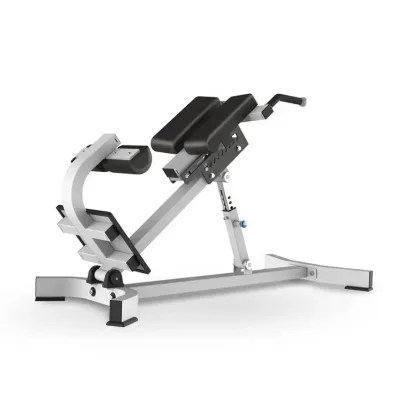
Gym Fitness Commercial Plate Loaded Back Extension Adjustable Roman Chair
$188.0379 - $209.0474
MOQ: 2 sets
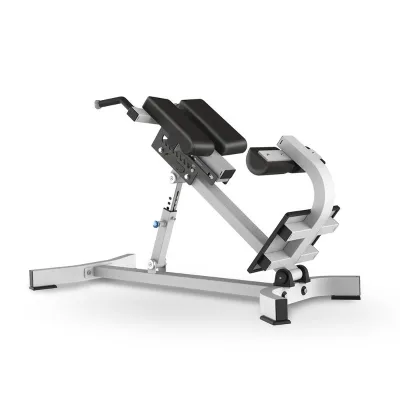

SHANDONG BRIGHTWAY FITNESS EQUIPMENT CO., LTD.
- Verified by TUVRHEINLAND
- Combined
- China Shandong
- Lead time15 days
- Avg. response≤ 2h
Main productsFitness Equipment, Gym Equipment, Treadmill, Gym Accessories, Fitness Accessories, Commercial Treadmill
Main marketsNorth America


Sports Equipment Commercial Fitness Back Extension Foldable Bench Roman Chair for Gym
$110.00 - $320.00
MOQ: 20 Pieces

Roman Chair Fitness and Bodybuilding Equipment Strength Gym Equipment Fitness Gym Machines
$100.00 - $300.00
MOQ: 1 Pieces
Nantong Get Power Fitness Equipment Co., Ltd.
- Verified by TüVRheinland
- Trading Company
- Lead time30 days
- Avg. response≤ 2h
Main productsDumbbell, Barbell, Weight Plate, Power Rack, Bench
Main marketsNorthern Europe(40%), North America(20%), Southeast Asia(20%)

Dezhou Ranao Fitness Equipment Co., Ltd.
- Verified by BV
- Combined
- China Shandong
- Lead time15 days
- Avg. response≤ 2h
Main productsDumbbell
Main marketsOthers(foreignTradeCapacity.exportBusinessCapacityMarketOther),Southeast Asia/ Mideast,Europe,Australia,North America

Commercial Fitness Equipment Roman Chair Gym Adjustable Back Extension Roman Chair
$180.00 - $200.00
MOQ: 1 Pieces


Anhui Craftsmanship E-Commerce Co., Ltd.
- Trading Company
- Anhui, China
- Lead time30 days
- Avg. response≤ 2h
Main productsSquat Racks,Training Chairs and Storage Racks,Barbell Bars,Dumbbells,Weight Plate
Main marketsNorth America(70.00%), Northern Europe(5.00%), Western Europe(5.00%), Mid East(5.00%), Africa(5.00%), Eastern Europe(5.00%), South America(5.00%)

Shandong Baodelong Fitness Co., Ltd.
- Verified by BV
- Combined
- China Shandong
- Lead time23 days
- Avg. response≤ 7h
Main productsGym Equipment, Fitness Equipment, Fitness Machine, Gym Machine, Treadmill, Spinning Bike, Exercise Bike, Chest Press Machine, Leg Press Machine, Multi Functional Machine
Main marketsSouth America,Africa,Southeast Asia/ Mideast,East Asia(Japan/ South Korea),Domestic,Europe,Australia,North America

Wholesale Commercial/Home Bodybuildinggym Equipment Fitness Machine Adjustable Roman Chair
$150.00 - $210.00
MOQ: 5 Pieces


Guangzhou Jason Fitness Equipment Co., Ltd.
- Verified by SGS
- Trading Company
- China Guangdong
- Lead time15 days
- Avg. response≤ 2h
Main productsFitness Equipment, Rehabilitation Equipment, Sports Equipment, Electric Treadmill, Strength Training Equipment, Elliptical Machine, Comprehensive Training Equipment, Dynamic Bike, Handstand Machine, Electric Bicycle
Main marketsDomestic

DEZHOU HENGQING FITNESS EQUIPMENT CO., LTD.
- Combined
- China Shandong
- Lead time23 days
- Avg. response≤ 7h
Main productsGym Equipment, Fitness Equipment, Strength Equipment, Cardio Equipment
Main marketsSouth America,Southeast Asia/ Mideast,Europe


Fitness Equipment Gym Use Machine Commercial Gym Exercise Equipment Back Extension Bench Roman Chair
$190.00 - $210.00
MOQ: 1 Sets

Fitness Exercise Strength Adjustable Commercial Equipment Bench Back Extension Gym Roman Chair
$150.00 - $170.00
MOQ: 1 kg


Factory Direct Supply of Home Fitness Equipment Back Extension Bench Roman Chair
$169.00 - $199.00
MOQ: 1 Pieces

DEQING SISTER SPORTS CO., LTD.
- Verified by TUVRHEINLAND
- Combined
- China Zhejiang
- Lead time30 days
- Avg. response≤ 5h
Main productsGym Equipment, Fitness Equipment, Home Gym, Treadmill, Weight Bench, Power Tower, Fitness Rack, Spin Bike, Exercise Bike, Dumbbells
Main marketsSouth America,Others(foreignTradeCapacity.exportBusinessCapacityMarketOther),Europe

Yongkang Chaoyuan Housewares Co., Ltd.
- Verified by SGS
- Combined
- China Zhejiang
- Lead time15 days
- Avg. response≤ 12h
Main marketsSouth America,Southeast Asia/ Mideast,Domestic,Europe,Australia,North America

Adjustable Folding Commercial Grade Roman Chair for Home Gym Waist Hip & Core Training
$31.00 - $37.00
MOQ: 500 Sets

Multi-Functional Wholesale High Quality Home Gym Equipment Roman Chair for Home Indoor Exercise
$31.00 - $37.00
MOQ: 500 Sets


Professional Sturdy Roman Chair for Core Muscle Training with Ergonomic Build
$31.00 - $37.00
MOQ: 500 Sets

Qingdao Sirer Technology Co., Ltd.
- Verified by SGS
- Trading Company
- China Shandong
- Lead time30 days
- Avg. response≤ 7h
Main productsFitness Equipment, Treadmill, Stregth Machine, Cardio Fitness, Commercial Gym Equipment, Gym Equipment, Gym Machine, Shoulder Press, Fitness Machine, Hammer Fitness Machine
Main marketsSouth America,Southeast Asia/ Mideast,North America
Jinyun Haobai Fitness Equipment Co., Ltd.
- Manufacturer, Trading Company
- Zhejiang, China
- Lead time30 days
- Avg. response≤ 13h
Main productssupine board,Electric handstand,children's horizontal bar,Weight lifting bed
Main marketsNorth America(50.00%), Eastern Asia(50.00%)
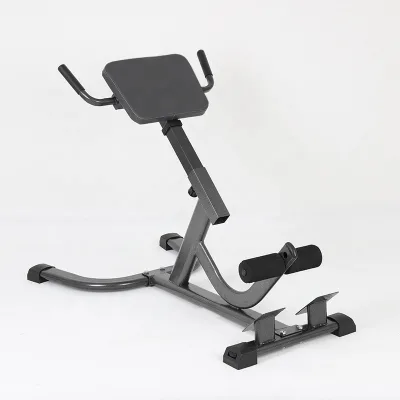
Fitness Equipment home Multi-function Roman Stool Fitness Chair Sports Abdominal Machine Roman Chair
$29.07 - $35.04
MOQ: 2 pieces
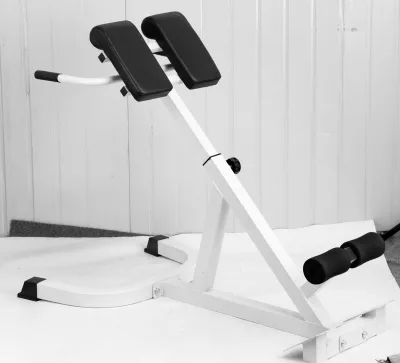
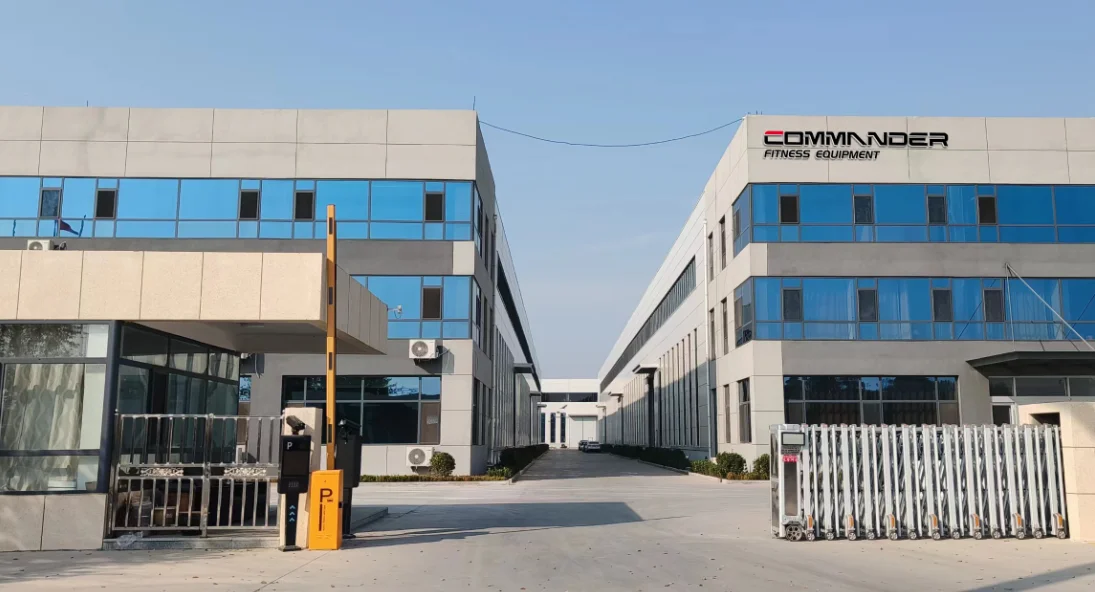
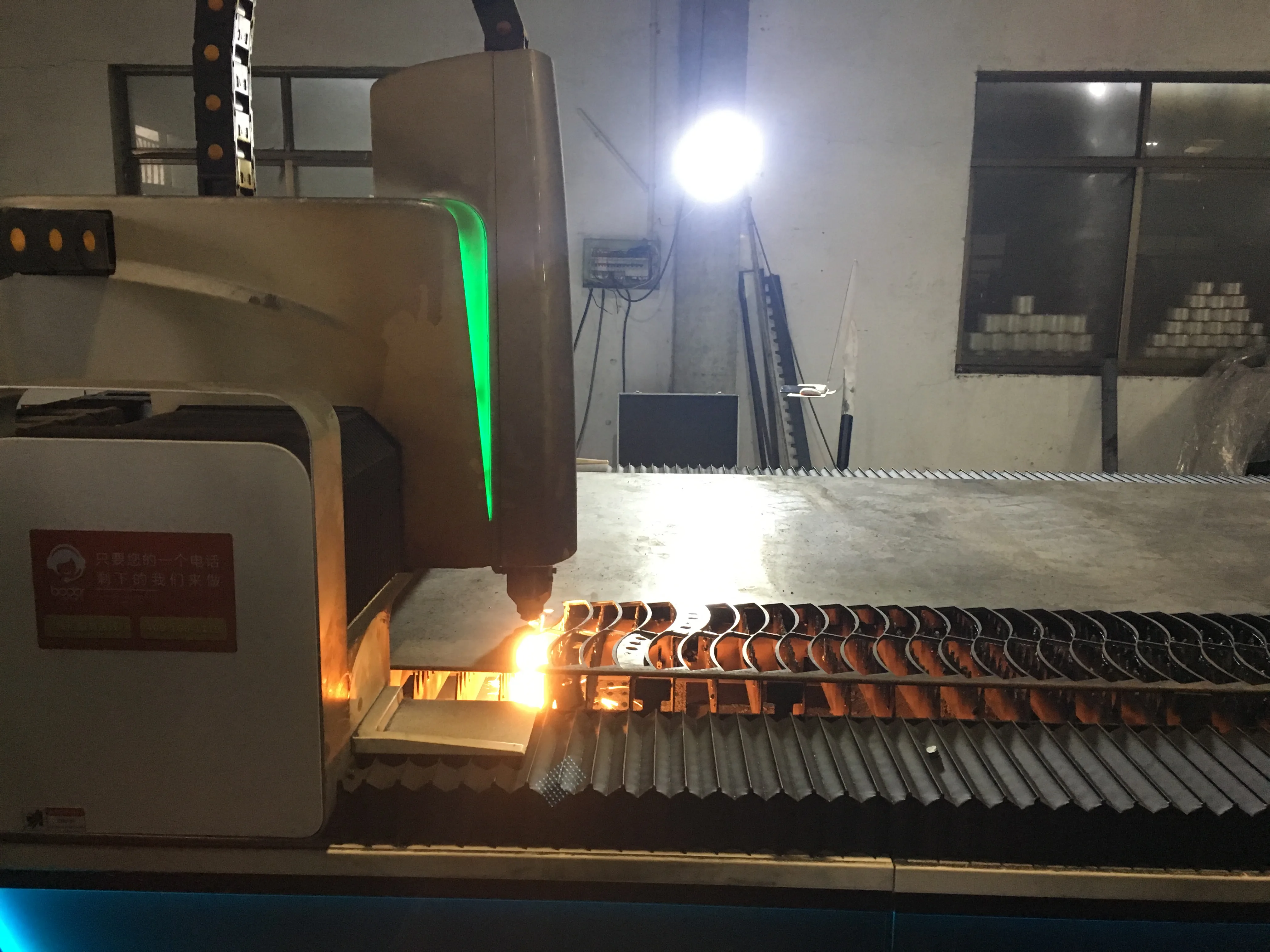
Shandong Commander Fitness Equipment Co., Ltd
- Manufacturer, Trading Company
- Shandong, China
- Lead time15 days
- Avg. response≤ 2h
Main productsFitness equipment,Gym equipment,Power strength,Plate loaded machine,Gym accessory
Main marketsMid East(15.00%), Central America(10.00%), Southeast Asia(10.00%), North America(10.00%), South America(10.00%), Domestic Market(5.00%), South Asia(5.00%), Southern Europe(5.00%), Northern Europe(5.00%), Africa(5.00%), Western Europe(5.00%), Eastern Asia(5.00%), Eastern Europe(5.00%), Oceania(5.00%)
Nantong Hong Bo Sporting Fitness Co., Ltd.
- Manufacturer, Trading Company
- Jiangsu, China
- Lead time0 days
- Avg. response≤ 12h
Main productsSporting Products
Main marketsNorth America(50.00%), Western Europe(30.00%), Oceania(20.00%)
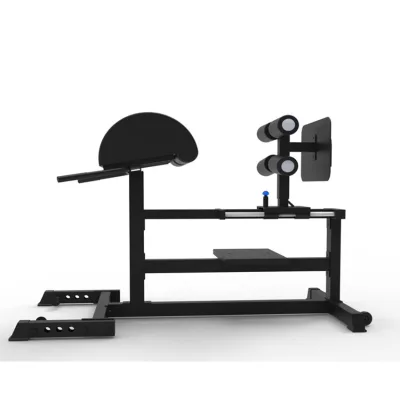
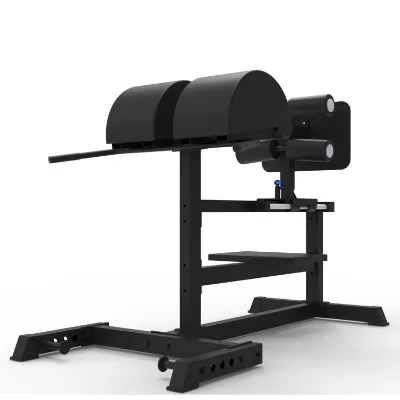
$149.4929 - $151.5452
MOQ: 50 pieces

Jiangsu Jiewei Sports Facilities Co., Ltd.
- Verified by SGS
- Combined
- China Jiangsu
- Lead time30 days
- Avg. response≤ 1h
Main productsGym Equipment; Outdoor Fitness Equipment; , Basketball Stand; Sports Equipment, Gym Machine
Main marketsAfrica,Domestic,North America

Dingzhou Baiyun Trading Co., Ltd.
- Trading Company,Manufacturer/Factory
- China Hebei
- Lead time15 days
- Avg. response≤ 6h
Main productsDumbbell, Weight Plate, Barbell, Squat Rack, Smith Machine, Dumbbell Lbench, Kettlebell, Spinning Bike, Exercise Equipment, Dumbbill Sand
Main marketsSouth America,Eastern Europe,North America,Southeast Asia,Eastern Asia,Africa

Fitness Commercial Roman Chair Fitness Training Power Training Roman Bench
$123.00 - $125.00
MOQ: 1 Sets

Weight Training Commercial Gym Fitness Equipment Roman Chair Folding Adjustable Gym Bench
$123.00 - $125.00
MOQ: 1 Sets

Fitness Lift Waist Back Training Roman Chair Adjustable Folding Roman Bench
$123.00 - $125.00
MOQ: 1 Sets

Fitness Hyperextension Roman Chair Ab Workouts Sit up Gym Bench for Home
$29.00 - $31.00
MOQ: 1 Pieces
Dingzhou Lingxi Sports Goods Sales Co., Ltd.
- Verified by TüVRheinland
- Manufacturer, Trading Company
- Lead time30 days
- Avg. response≤ 2h
Main productsBarbell, Dumbbell, Kettle Bell, Weight Plate, Fitness Equipmen
Main marketsNorth America(35%), Central America(21%), Western Europe(20%)
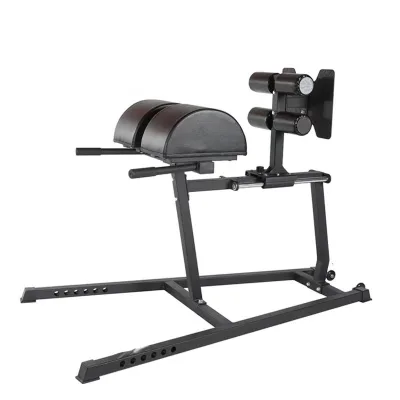
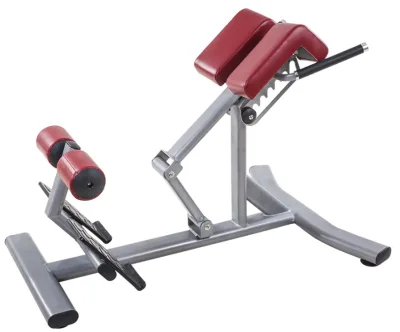
Steel Roman Chair Hyper Extension Bench Abdominal Gym Fitness Chair for Home Use
$120.00 - $125.00
MOQ: 1
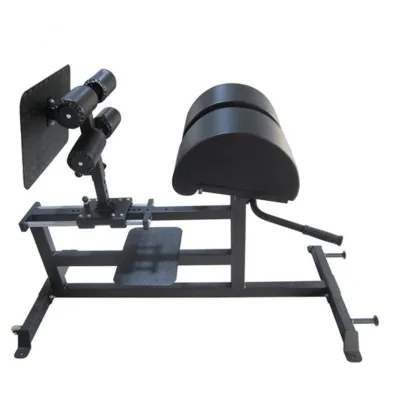
New Style Adjustable Roman Chair Sports Fitness Super Bench for Gym and Home Use
$253.2729 - $266.6575
MOQ: 2 pieces
Dezhou Bodi Fitness Equipment Co., Ltd.
- Verified by TüVRheinland
- Manufacturer, Trading Company
- Lead time20 days
- Avg. response≤ 6h
Main productsFitness Equipment, Treadmill, Exercise Bike, Dumbbell, Fitness Accessories
Main marketsDomestic Market(50%), Western Europe(20%), North America(10%)
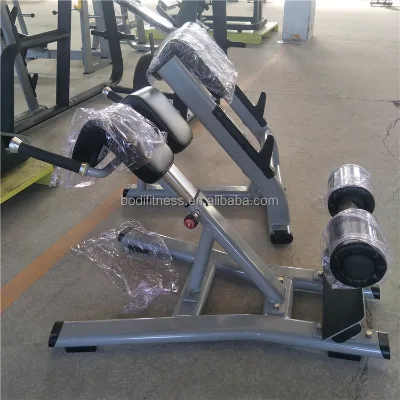
Adjustable Roman Chair Gym Strength Training Roman Chair for Strength Training
$210.00 - $235.00
MOQ: 1
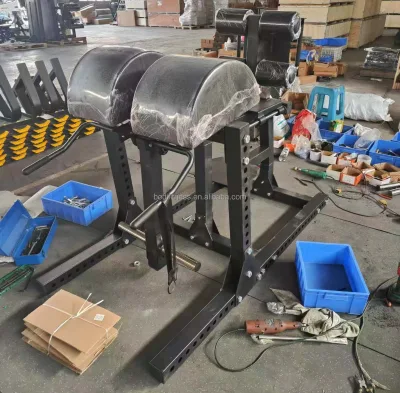

Qingdao Juyuan Fitness Technology Co., Ltd.
- Verified by TUVRHEINLAND
- Combined
- China Shandong
- Lead time30 days
- Avg. response≤ 12h
Main productsCommercial Fitness Equipment, Stair Climber, Strength Equipment
Main marketsEurope,North America


Back Extension Professional Gym Use Machine 45 Degree Adjustable Roman Chair
$320.00 - $370.00
MOQ: 1 Sets

Weight Adjustable Design Fitness Equipment Roman Chair for Back Extension
$320.00 - $370.00
MOQ: 1 Sets

Ningjin Huanyu Fitness Co., Ltd.
- Manufacturer, Trading Company
- Shandong, China
- Lead time30 days
- Avg. response≤ 2h
Main productsExercise bike,Fitness equipment,gym equipment,OEM Gym equipment,multi smith machine
Main marketsDomestic Market(30.00%), South America(15.00%), Southeast Asia(8.00%), South Asia(8.00%), North America(7.00%), Eastern Asia(6.00%), Western Europe(6.00%), Africa(5.00%), Eastern Europe(5.00%), Central America(4.00%), Northern Europe(3.00%), Mid East(3.00%)

Hangzhou Tingjian Sporting Goods Co. Ltd.
- Verified by BV
- Trading Company
- China Zhejiang
- Lead time30 days
- Avg. response≤ 5h
Main productsMini Bike/Mini Stepper/Orbitrack Bike, Belt Bike, Spin Bike, Magnetic Bike/Elliptical Trainer/Recumbent Bike, Rowing Machine, Exercise Bench, Treadmill, Home Gym, Exercise Bike, Roman Chair
Main marketsSouth America

Gym Commercial Fitness Equipment Super Adjustable Bodybuilding Sit up Roman Chair
$27.90 - $30.80
MOQ: 100 Pieces

Factory Product Home Equipment Sports Entertainment Roman Chair Fitness
$27.90 - $30.80
MOQ: 100 Pieces


$27.90 - $30.80
MOQ: 100 Pieces

Hot Selling Gym Fitness Equipment Weightlifting Bench Roman Chair Roman Bench
$27.90 - $30.80
MOQ: 100 Pieces

Professional High Quality Fitness & Body Building Gym Equipment Roman Chair
$27.90 - $30.80
MOQ: 100 Pieces
Qingdao Sirer Technology Co., Ltd.
- Verified by Intertek
- Trading Company
- Lead time30 days
- Avg. response≤ 2h
Main productsgym strength machine, Fitness Equipment, Commercial cardio trainer
Main marketsNorth America(50%), Northern Europe(30%), Eastern Europe(10%)
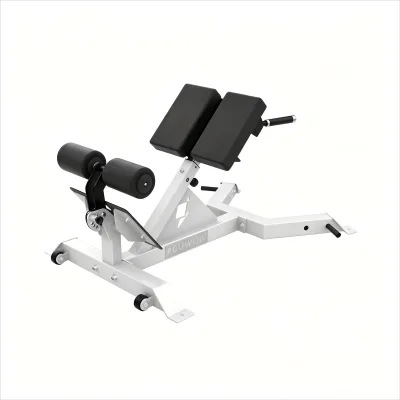
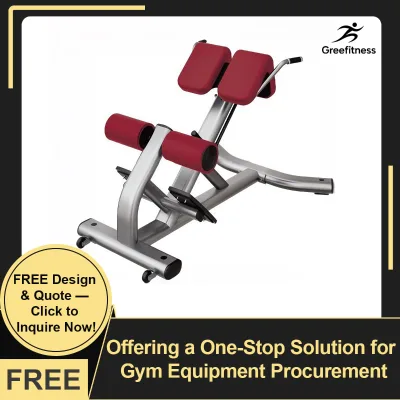
$248.1242 - $261.5089
MOQ: 1 pieces
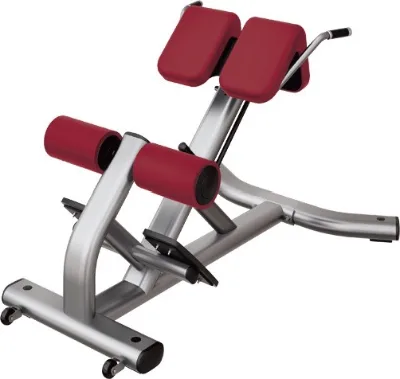
Roman Stool Indoor Roman Bench Home Waist and Abdominal Muscle Training Fitness Bench
$242.00 - $254.00
MOQ: 1 pieces
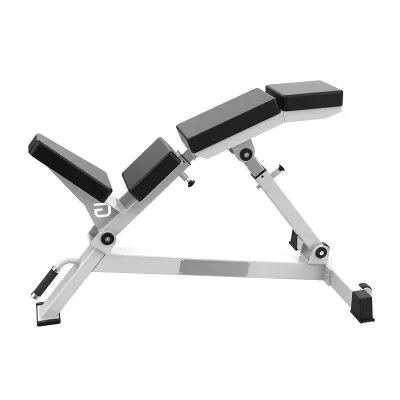
Factory Direct Sales Adjustable Multi-Functional Roman Chair Fitness Equipment
$215.1787 - $226.5036
MOQ: 1 pieces

- Verified by BV
- Trading Company
- China Anhui
- Lead time30 days
- Avg. response≤ 15h
Main productsDumbbell, Cast Iron Plate, Chrome Bar, Fitness Equipment, Traing Set
Main marketsSouth America,Africa,Southeast Asia/ Mideast,East Asia(Japan/ South Korea),Europe,Australia,North America


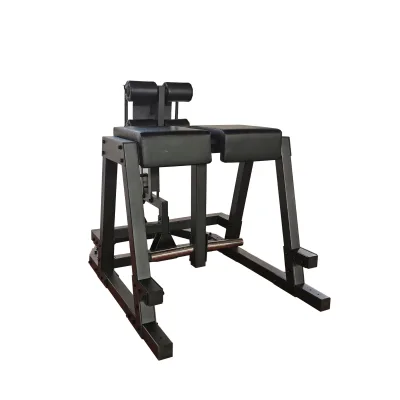
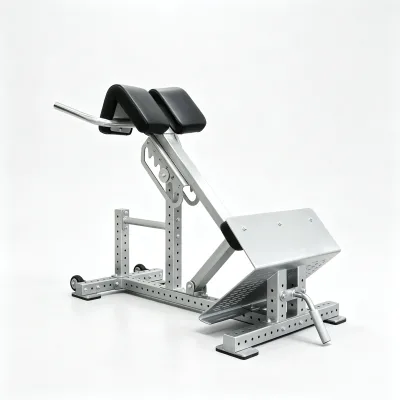
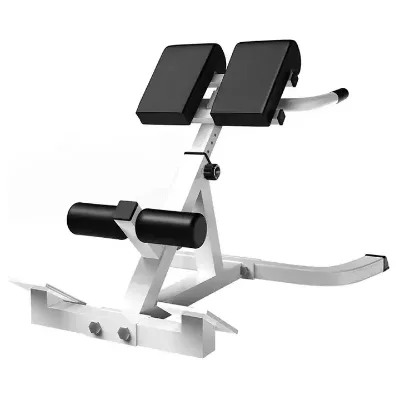


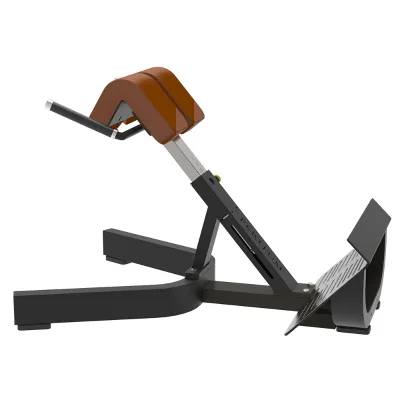
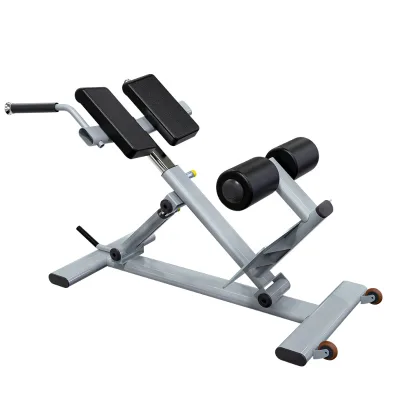


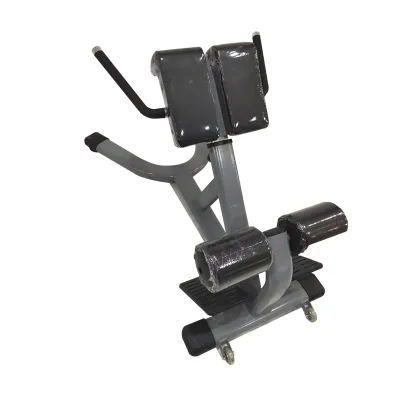
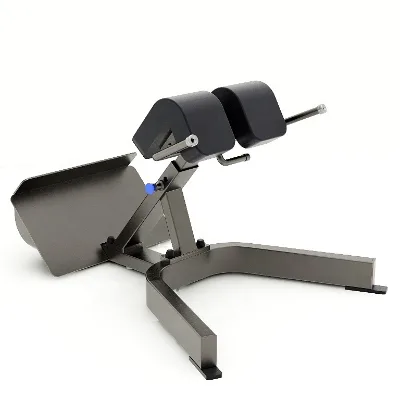


Comprehensive Sourcing Guide
Commercial Home Gym Roman Chair Supplier Concentration and Factory Types
The current supplier landscape for Commercial Home Gym Roman Chair products reveals a distinct concentration in China, specifically within the Shandong province. This geographic clustering is significant for buyers seeking to understand the manufacturing ecosystem behind these strength training machines. The observed data indicates that suppliers are primarily located in Shandong, with specific mentions of Dezhou as a production hub. This regional focus suggests a mature industrial cluster where supply chains for steel tubing, padding, and assembly components are likely established and efficient. Buyers evaluating potential partners should recognize that this concentration often correlates with specialized expertise in fitness equipment manufacturing, particularly for heavy-duty commercial-grade items. The presence of multiple suppliers in this region implies a competitive market where economies of scale may influence pricing and production capabilities. Understanding this geographic reality helps buyers anticipate logistics patterns and potential lead times associated with shipping from this specific part of China.
Supplier types in this category vary, ranging from combined entities to pure trading companies and dedicated manufacturers. The available facts highlight that some suppliers operate as combined firms, offering both trading and manufacturing capabilities, while others are strictly trading companies or manufacturer/factory setups. This distinction is crucial for buyers who need to determine whether they are dealing with the actual production source or an intermediary. Some suppliers list their company type as a trading company, which might imply a broader product range but potentially less direct control over production quality. Conversely, those identified as manufacturer/factory or combined entities may offer more direct communication regarding customization and quality control processes. The diversity in supplier types means buyers must carefully assess the operational model of each potential partner to ensure it aligns with their specific sourcing needs, whether they prioritize direct factory pricing or the flexibility of a trading company’s service offerings.
How to Verify Commercial Home Gym Roman Chair Suppliers
Verification is a critical step in ensuring the reliability and legitimacy of suppliers offering Commercial Home Gym Roman Chair equipment. Buyers should prioritize suppliers who have undergone third-party verification processes, such as BV (Bureau Veritas) certification, which provides an additional layer of trust regarding the supplier’s business operations and product quality. The presence of BV verification in the current results indicates that some suppliers have met specific standards for business legitimacy and operational capacity. Beyond basic verification, buyers should look for suppliers who hold relevant system certifications, such as ISO9001:2015 and ISO14001:2015, which demonstrate a commitment to quality management and environmental responsibility. These certifications are particularly important for commercial equipment, as they often reflect a supplier’s ability to maintain consistent production standards and adhere to international best practices. Buyers should request copies of these certificates and verify their validity through the issuing bodies to ensure they are current and applicable to the specific products being sourced.
In addition to certifications, buyers should assess the supplier’s response time and communication efficiency as indicators of their operational professionalism. The data shows varying response times among suppliers, with some achieving an average response time of 4.18 hours, while others may take longer. A faster response time often correlates with better customer service and more agile problem-solving capabilities, which are essential when dealing with custom orders or technical inquiries. Buyers should also verify the supplier’s ability to provide detailed product specifications, including material composition, dimensions, and weight, as seen in the detailed attributes for various roman chair models. Ensuring that suppliers can provide comprehensive and accurate product information is a key indicator of their transparency and reliability. Buyers should also check for any additional verification badges or trust seals provided by the platform, as these can offer further assurance of the supplier’s credibility and commitment to fulfilling orders as agreed.
What to Compare Across Commercial Home Gym Roman Chair Suppliers
When evaluating multiple suppliers for Commercial Home Gym Roman Chair products, buyers must compare key operational metrics to identify the most suitable partner. Lead time is a critical factor, with observed data showing variations such as 15 days and 30 days for different suppliers. Understanding these lead times is essential for inventory planning and meeting customer delivery expectations. Buyers should also compare the minimum order quantity (MOQ) requirements, which can range from as low as one unit to five units or more. A lower MOQ may be advantageous for buyers testing the market or starting with smaller orders, while higher MOQs might offer better unit pricing for larger volumes. Additionally, response speed should be considered, as faster responses can facilitate quicker negotiations and issue resolution. Buyers should also examine the supplier’s main product focus, as those specializing in fitness equipment may offer deeper expertise and more robust product lines compared to general traders.
Price and customization options are another vital area for comparison. The available price ranges for roman chairs vary, with some models priced between $143 and $171, while others may be higher depending on features and materials. Buyers should request detailed quotes that include all costs, such as packaging and shipping, to ensure accurate cost comparisons. Customization capabilities, including OEM availability and logo printing, should also be evaluated, as these can be crucial for brand differentiation. Suppliers offering flexible customization options may be better suited for buyers looking to create unique product offerings. Furthermore, buyers should compare the certifications listed for specific products, such as CE and ISO RoHS, to ensure compliance with target market regulations. By systematically comparing these factors, buyers can make informed decisions that balance cost, quality, and service levels, ultimately selecting a supplier that best meets their specific business requirements and strategic goals.
Common Commercial Home Gym Roman Chair Sourcing Risks
Sourcing Commercial Home Gym Roman Chair equipment from international suppliers involves several potential risks that buyers must proactively manage. One significant risk is the variability in product quality and specifications, as different suppliers may use varying materials or manufacturing standards. For instance, while some products are described as having steel construction, the specific grade and thickness of the steel can differ, impacting durability and safety. Buyers must ensure that the materials used meet their specific requirements and comply with relevant safety standards. Another risk is the potential for delays in production or shipping, which can disrupt supply chains and customer commitments. Lead times can vary significantly, and unexpected delays may occur due to production bottlenecks or logistical issues. Buyers should establish clear communication channels and request regular updates on production status to mitigate these risks and maintain control over the supply chain timeline.
Customization errors and miscommunication are also common risks when working with suppliers who offer OEM services. If specifications for logos, colors, or dimensions are not clearly defined and confirmed in writing, there is a high risk of receiving products that do not match the buyer’s expectations. Buyers should invest time in creating detailed technical drawings and specifications sheets, and have them reviewed and approved by the supplier before production begins. Additionally, there is a risk associated with payment terms and financial security. Buyers should use secure payment methods, such as escrow services, to protect their funds until the goods are received and verified. It is also important to verify the supplier’s legal status and business registration to avoid fraudulent entities. By identifying and addressing these risks early in the sourcing process, buyers can establish a more secure and reliable partnership with their chosen suppliers, ensuring a smoother procurement experience and reducing the likelihood of costly errors or disputes.
Commercial Home Gym Roman Chair Regional Sourcing and Logistics
The regional sourcing of Commercial Home Gym Roman Chair products from China, particularly Shandong province, presents specific logistical considerations for buyers. The proximity of suppliers to major ports, such as Tianjin, can influence shipping costs and transit times. Buyers should factor in the port of loading when calculating total landed costs, as shipping from different ports may have varying freight rates and availability. The observed data indicates that some suppliers list Tianjin as the port of loading, which is a major hub for exports from northern China. Understanding the logistics network and shipping routes from this region can help buyers optimize their supply chain and reduce transportation expenses. Additionally, buyers should consider the packaging methods used by suppliers, as proper packaging is crucial for protecting the equipment during transit. Some suppliers use plywood packing or wooden cases, which offer robust protection but may add to the overall weight and volume of the shipment.
Logistics planning also involves coordinating with freight forwarders to ensure efficient customs clearance and delivery. Buyers should work with experienced logistics partners who are familiar with importing fitness equipment from China. This includes understanding the required documentation, such as commercial invoices, packing lists, and certificates of origin, as well as any specific import regulations in the destination country. The weight and dimensions of the roman chairs, which can vary significantly between models, will impact shipping costs and container utilization. For example, some models weigh around 36kg, while others may be heavier, affecting how many units can be loaded into a container. Buyers should calculate the optimal container load to maximize shipping efficiency and minimize per-unit costs. Furthermore, buyers should consider the lead time for production and shipping when planning their inventory, ensuring that they have sufficient stock to meet market demand without overstocking. Effective logistics management is key to maintaining a competitive edge and ensuring timely delivery to customers.
Commercial Home Gym Roman Chair Commercial Terms and Order Planning
Effective order planning for Commercial Home Gym Roman Chair products requires careful attention to commercial terms and payment structures. Buyers should negotiate clear payment terms that align with their cash flow needs and risk tolerance. Common terms may include a deposit upon order placement and the balance paid before shipment or against copy of bills of lading. Understanding these terms is crucial for financial planning and ensuring that both parties are protected throughout the transaction. Buyers should also clarify the Incoterms used, such as FOB or CIF, as this determines who is responsible for shipping costs and insurance. The observed data shows that some suppliers offer delivery times within 25 to 40 days after receiving the deposit, which buyers should incorporate into their production schedules. Clear communication regarding these timelines helps prevent misunderstandings and ensures that orders are processed efficiently.
In addition to payment terms, buyers should plan for post-order activities, including quality inspection and final acceptance. It is advisable to arrange for third-party inspections before shipment to verify that the products meet the agreed-upon specifications and quality standards. This step can help identify any issues early, allowing for corrections before the goods are dispatched. Buyers should also consider the after-sales support provided by the supplier, including warranty terms and availability of spare parts. For commercial equipment, having access to reliable support is essential for maintaining equipment performance and customer satisfaction. By carefully planning these commercial aspects, buyers can establish a robust sourcing strategy that minimizes risks and maximizes value. This includes setting realistic expectations for delivery times, ensuring clear communication channels, and having contingency plans in place for potential disruptions. A well-structured order plan contributes to a smoother procurement process and stronger supplier relationships.
FAQs
What is a Commercial Home Gym Roman Chair used for?
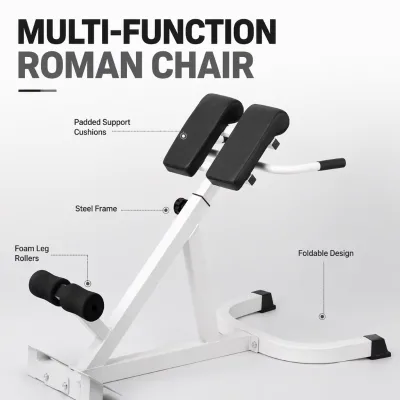
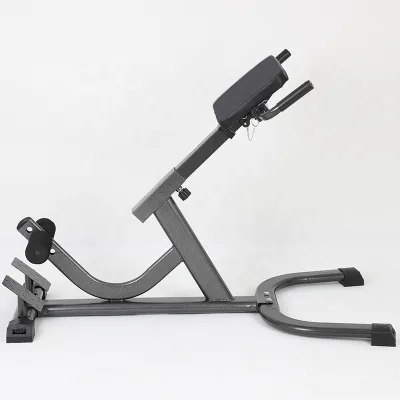
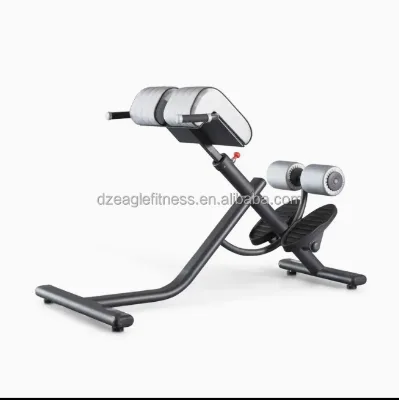
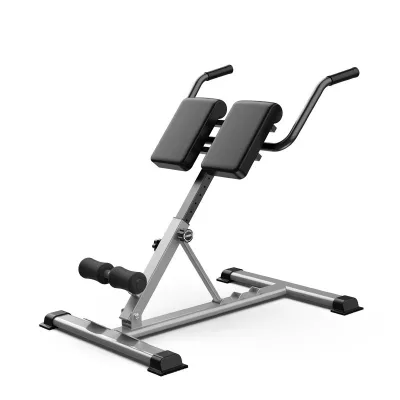
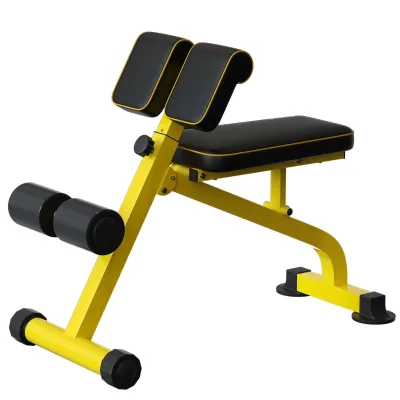
A Commercial Home Gym Roman Chair is primarily used for back extension exercises that strengthen the lower back, glutes, and hamstrings. Many units also support abdominal work, hyperextensions, and side bends, making them versatile for both commercial gyms and home gymnasiums. Models listed are manual, steel-built machines designed for adult users in home, gymnasium, and community settings.
How much does a commercial roman chair cost from Chinese suppliers?
Listed commercial roman chairs range from roughly 143 to 398 US dollars per unit depending on the model, weight, and configuration. Entry-level commercial back extension benches fall between 149 and 179 dollars, while higher-specification units reach 358 to 398 dollars. Confirm current pricing directly, as quoted ranges reflect the listings shown and may change with customization or order volume.
What is the typical MOQ for roman chair orders?
Minimum order quantities are generally low for this category. Some listings show an MOQ of 1 unit, while others specify 5 units, so buyers can often start with a sample or small trial order before scaling. MOQ can vary by model and customization level, so confirm the exact requirement for the specific machine model before placing an order.
How long does production and delivery take?
Lead times in the current results range from 15 to 30 days, and individual product listings state delivery within 25 or 40 days after receiving the deposit. Actual timing depends on the model, order quantity, and customization requests such as custom logos or weight stack changes. Ask suppliers to confirm the delivery window for your specific configuration before committing.
Are these roman chairs certified for commercial use?
Product listings indicate CE and ISO certifications, including CE with ISO9001 on several models, and some suppliers hold ISO9001:2015 and ISO14001:2015 system certificates. Machines are built to commercial standard with steel frames, and one listed unit weighs 57 kg. Always request copies of the actual certificates for the specific model you intend to purchase before finalizing any contract.
Can I customize the roman chair with my own branding?
Yes, customization is available across the listed models, including OEM options and customized logos on certain units. One commercial model also offers a customizable weight stack from 80 to 145 kg. Customization may affect pricing, minimum order quantity, and lead time, so discuss your branding requirements early and confirm how they influence the final quotation and production schedule.
What should I check when comparing roman chair suppliers?
Compare supplier type, verified status, and system certifications such as ISO9001 and ISO14001, since results show both combined manufacturers and trading companies with factory operations. Check average response times, which range from about 4 to 9 hours in the current data, plus lead times, MOQ, and main-product fit. Also verify frame dimensions, weight, packing method, and port of loading for each model.
Where are these roman chairs manufactured and shipped from?
The suppliers in the current results are located in Shandong, China, with one product origin specified as Dezhou, Shandong. A listed port of loading is Tianjin, and export markets are stated as global. Machines ship with plywood or wooden case packing depending on the model. Confirm the exact shipping port, freight terms, and packing option with each supplier for your destination.