CE Certified Indoor Climbing Wall Suppliers and Manufacturers
Explore 27 verified options for CE Certified Indoor Climbing Wall from China Guangdong and Zhejiang. Compare ISO certifications, response times, lead times, and product specifications like warranty and age suitability. Contact suppliers directly to request quotes for customized models; review the available evidence before requesting comparable quotations from suitable candidates.
Updated
Suppliers List

Guangzhou Funcastle Amusement Equipment Co., Ltd
- Verified by SGS
- Trading Company,Manufacturer/Factory
- China Guangdong
- Lead time23 days
- Avg. response≤ 2h
Main productsIndoor Playground, Trampoline Park, Outdoor Playground Equipment, Climbing Wall, Rope Course, Fitness Equipment, Kindergarten Furniture, Fiberglass Sculpture
Main marketsSouth America,Eastern Europe,Mid East,North America,Southeast Asia,Eastern Asia,Oceania,Western Europe,Africa


Indoor Outdoor Adults Kids Amusement Park Commercial Climbing Wall with Flexible Combinations
$150.00 - $380.00
MOQ: 50 Square Meters


Huadong Entertainment Equipment Co., Ltd.
- Verified by TUVRHEINLAND
- Combined
- China Zhejiang
- Lead time15 days
- Avg. response≤ 13h
Main productsPlayground, Kids Playground, Plastic Toys, Indoor Playground, Outdoor Playground, Fitness Equipment, Bumper Car, Amusement Park Equipment, Playground Slide, Slide
Main marketsAustralia
Liben Group Wenzhou Toy Co., Ltd.
- Verified by Intertek
- Manufacturer, Trading Company
- Lead time15 days
- Avg. response≤ 5h
Main productsTrampoline Park, Indoor Playground, Outdoor Playground, Outdoor Fitness Equipment, Kindergarten Equipment
Main marketsEastern Europe(18%), North America(16%), Western Europe(12%)
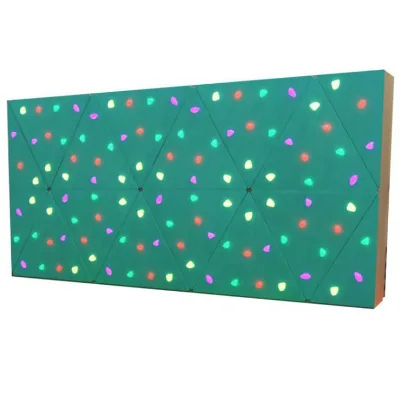
Customized High Quality Indoor Interactive Glow Climbing Wall
$4000.00 - $10000.00
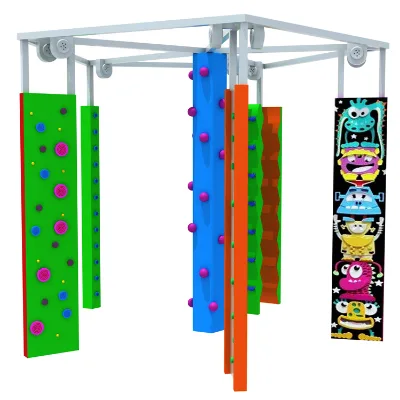
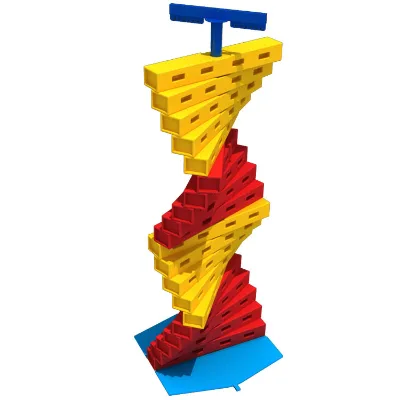
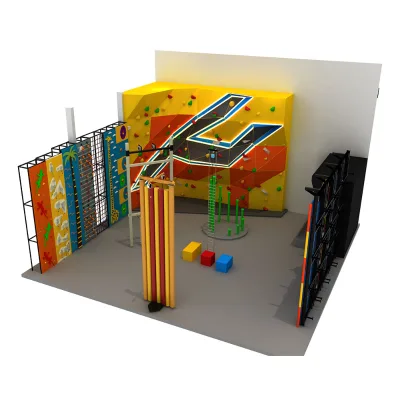
Indoor Playground Multiple Type Fun Climbing Frame Children Rock Climbing Walls
$105.00 - $165.00
MOQ: 10 square

- Verified by TUVRHEINLAND
- Trading Company
- China Zhejiang
- Lead time15 days
- Avg. response≤ 7h
Main marketsEurope


Wear-Resistant 3-14 Appropriate Age Children Indoor Outdoor Playground Climbing Wall
$1000.00
MOQ: 1 Pieces


Zhejiang Baizhuo Amusement Equipment Co., Ltd.
- Verified by Intertek
- Manufacturer, Trading Company
- Lead time30 days
- Avg. response≤ 1h
Main productsTrampoline, Indoor Playground, Outdoor Playground, Slides, Climbing Walls
Main marketsConfidential(20%), Confidential(10%), Confidential(10%)
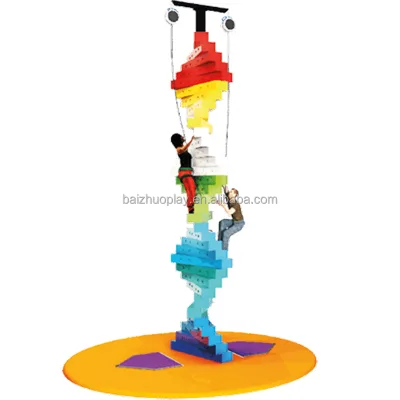
$300.2352 - $320.9414
MOQ: 50 square
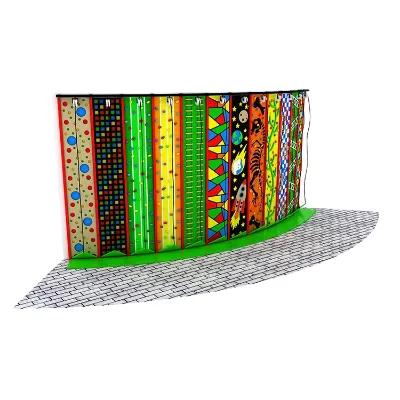
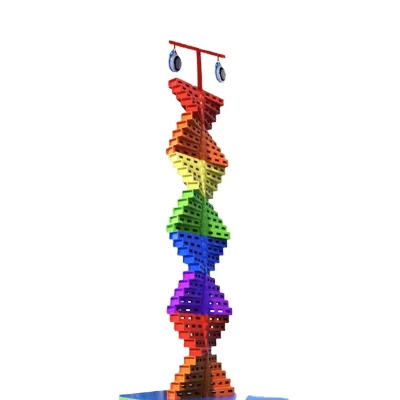
Hot Sell Adult Colorful Climbing Wall with Auto Belay for Sale Indoor Climbing Wall
$180.00 - $200.00
MOQ: 1
Hangzhou Hogwood Amusement Equipment Co., Ltd.
- Verified by Intertek
- Manufacturer, Trading Company
- Lead time0 days
- Avg. response≤ 3h
Main productsSoft Playground, Family Entertainment Center, Trampoline Park, Outdoor Entertainment Park, Rope Course
Main marketsDomestic Market(60%), Southeast Asia(20%), North America(10%)
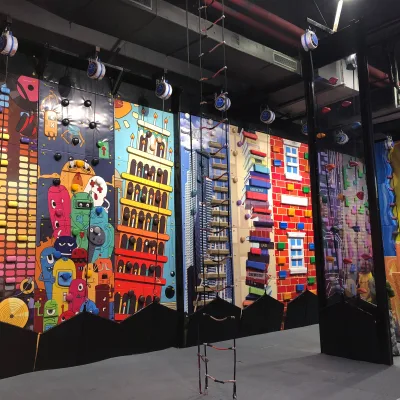
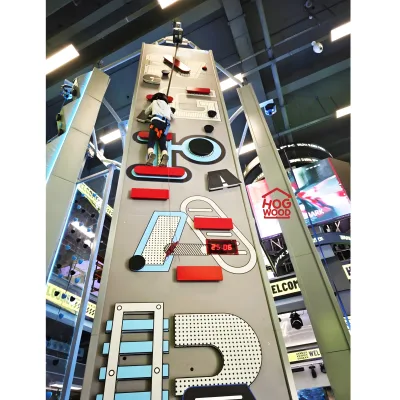
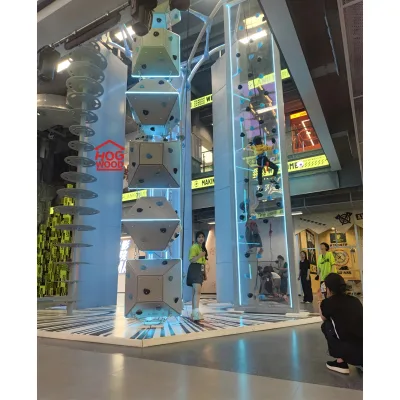
Climbing Wall Soft Climbing Wall Customized Indoor Climbing Wall for Shopping Mall Kids Play
$100.00 - $200.00
MOQ: 50 square
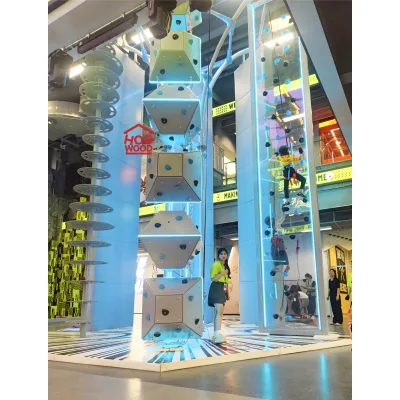
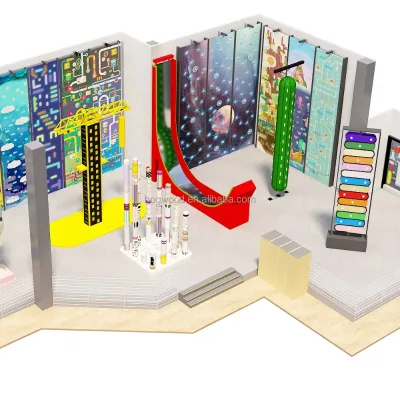
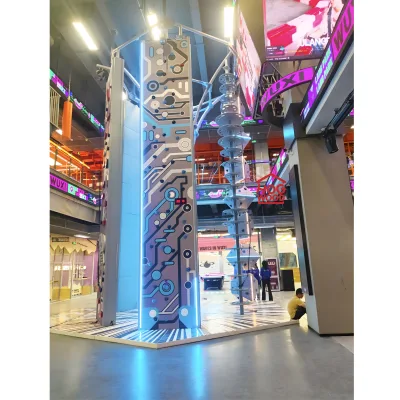
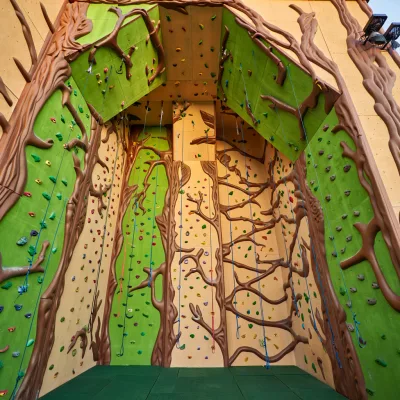
Produces Top - Quality Durable Indoor Climbing Wall Tree-shaped Rock Climbing for Gymnasiums
$81.9733 - $153.699
MOQ: 50 square

Wenzhou Kaibo Amusement Equipment Co., Ltd.
- Verified by SGS
- Combined
- China Zhejiang
- Lead time30 days
- Avg. response≤ 2h

Customized 3.7 Meters Kids Soft Climbing Wall for Indoor Playground Equipment
$180.00
MOQ: 1 Square Meters


Guangzhou Baoli Animation Technology Co., Ltd.
- Verified by SGS Group
- Manufacturer, Trading Company
- Lead time7 days
- Avg. response≤ 2h
Main productsClaw Machine, VR Game Machine, Kids Arcade Machine, Interactive Game Equipment, Indoor Playground Equipment
Main marketsNorth America(45%), South America(10%), Southeast Asia(5%)
Guangzhou Midong Children Amusement Equipment Co., Ltd.
- Manufacturer, Trading Company
- Guangdong, China
- Lead time30 days
- Avg. response≤ 5h
Main productsTrendy Sport Gym, Indoor Playground, Trampoline Park, Adventure Game Park, Climbing Park
Main marketsDomestic Market(80.00%), South America(10.00%), Central America(10.00%)
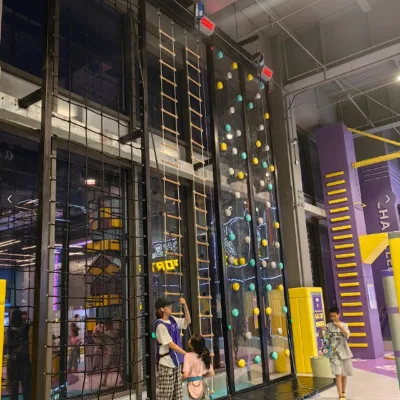
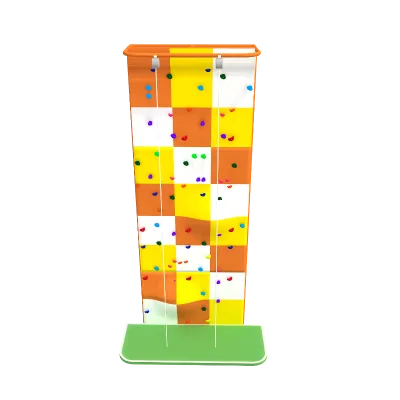
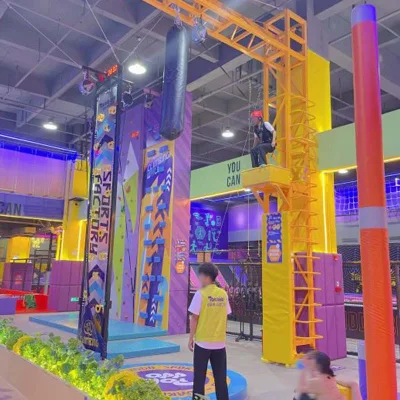
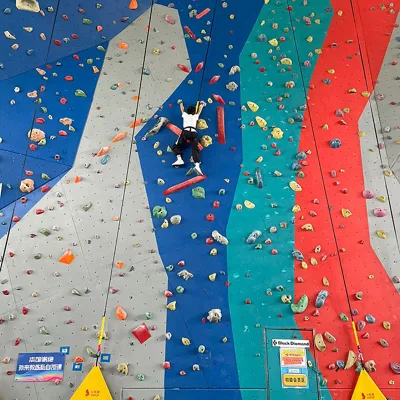
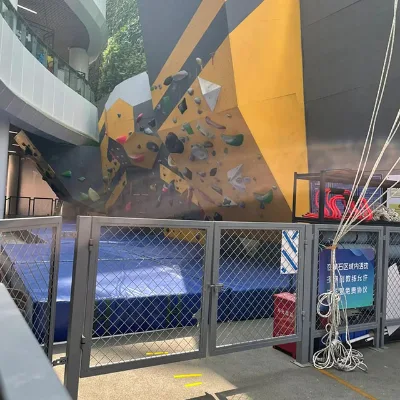
Creative Fashion Parent-child Interactive Children Adult Indoor Fun Climbing Wall
$101.6502 - $154.0147
MOQ: 1 meters
- Verified by TüVRheinland
- Manufacturer, Trading Company
- Lead time30 days
- Avg. response≤ 3h
Main productsTrampoline Park, Indoor Playground, Ninja Course
Main marketsNorth America(35%), Mid East(30%), Southeast Asia(12%)
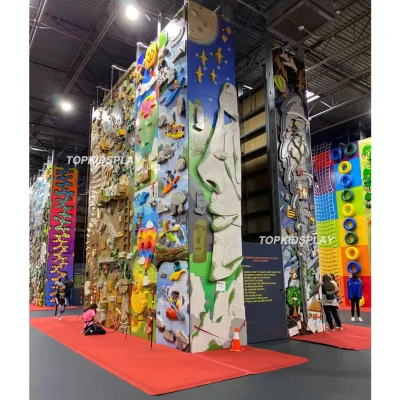
Dreamland Adventure Park Customized Rock Climbing Wall Kids Fun Wall Indoor Climbing Wall
$100.00 - $180.00
MOQ: 1
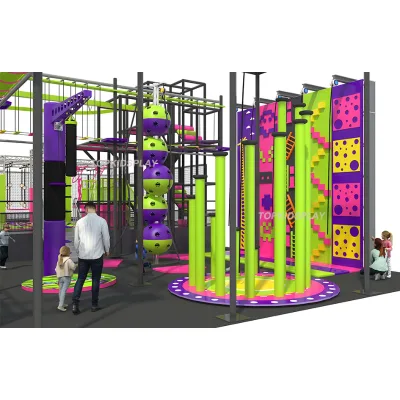
Customized Indoor Playground Rock Climbing Wall Kids Fun Wall Indoor Climbing Wall Equipment
$100.00 - $180.00
MOQ: 1
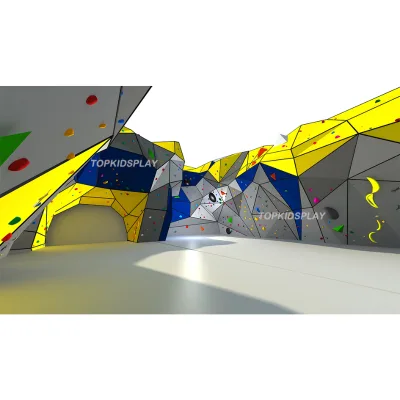

Foshan Tianyi Amusement Equipment Co., Ltd
- Verified by SGS
- Combined
- China Guangdong
- Lead time30 days
- Avg. response≤ 4h
Main productsChildren's Playground, Naughty Fort, Indoor Amusement Equipment, Million Ocean Ball Pool, Slide, Indoor Playground, Interactive Projection, Trampoline, Children's Go Kart, Trampoline Park
Main marketsDomestic

Experience Coordination Improvement with Customizable Indoor Rock Climbing Wall
$99.00 - $399.00
MOQ: 10 Square Meters

Competitive Training Indoor Rock Climbing Wall with Adjustable Angle
$99.00 - $399.00
MOQ: 10 Square Meters

Customizable Indoor Rock Climbing Wall for Enhanced Coordination and Safety
$99.00 - $399.00
MOQ: 10 Square Meters

Indoor Rock Climbing Wall: Customizable Design for Coordination Improvement
$99.00 - $399.00
MOQ: 10 Square Meters

Customizable Indoor Rock Climbing Wall: Safety and Performance Combined
$99.00 - $399.00
MOQ: 10 Square Meters

Brave Climber’ S Challenge Wall – Custom Indoor Adventure Experience
$99.00 - $399.00
MOQ: 10 Square Meters

Zhengzhou Bigjoys Amusement Equipment Co., Ltd.
- Trading Company,Manufacturer/Factory
- China Henan
- Lead time23 days
- Avg. response≤ 7h
Main productsTrampoline Park/Indoor Playground, Inflatable Bouncy Castle, Inflatable Water Park, Inflatable Slide, Park Rides/Carousel, Thrill Park Rides, Family Rides, Roller Coaster, Bungee Trampoline, Ferris Wheel
Main marketsSouth America,Eastern Europe,Mid East,North America,Southeast Asia,Eastern Asia,Oceania,Western Europe,Africa


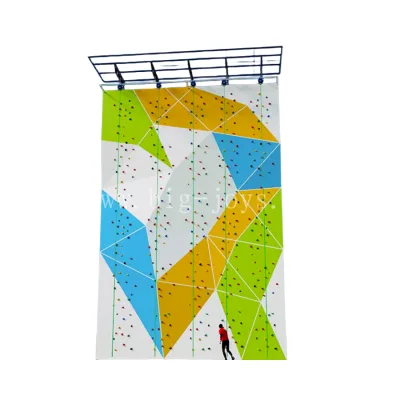
Commercial Attractive Kids Adult Indoor Rock Climbing Wall for Sale
$2000.00 - $10000.00
MOQ: 1 Pieces
Henan Lino Amusement Equipment Co., Ltd.
- Trading Company
- Henan, China
- Lead time20 days
- Avg. response≤ 3h
Main productsCarousel,Ferris Wheel,Pirate Ship,Tourist Train,Bumper Car
Main marketsNorth America(31.00%), Western Europe(20.00%), Mid East(12.00%), Southeast Asia(12.00%), South Asia(8.00%), Eastern Europe(6.00%), Africa(3.00%), Central America(3.00%), South America(3.00%), Oceania(2.00%)

Shenzhen LDK Industrial Co., Ltd.
- Verified by CTI
- Combined
- China Guangdong
- Lead time45 days
- Avg. response≤ 5h
Main productsFootball Equipment, Basketball Equipment, Gymnastics Equipment, Gymnastics Mat, Indoor Fitness Equipment, Outdoor Fitness Equipment, Padel Court, Paddle Tennis Court, Spinning Bike, Treadmill
Main marketsSouth America,Africa,Southeast Asia/ Mideast,East Asia(Japan/ South Korea),Europe,Australia,North America

Recreational Climbing Walls Customizable for Indoor Playgrounds and Outdoor & Fun Climbing Walls!
$69.00 - $72.50
MOQ: 5 Square Meters

$69.00 - $72.50
MOQ: 5 Square Meters
Shenzhen Yongchuang Climbing Equipment Co., limited
- Manufacturer
- Guangdong, China
- Lead time20 days
- Avg. response≤ 8h
Main productsrock climbing wall,climbing holds,climbing panel,climbing finger board,other climbing products
Main marketsDomestic Market(35.00%), Northern Europe(16.00%), North America(15.00%), Western Europe(6.00%), South America(6.00%), Eastern Europe(5.00%), South Asia(5.00%), Central America(3.00%), Mid East(3.00%), Southeast Asia(2.00%), Africa(1.00%), Southern Europe(1.00%), Eastern Asia(1.00%), Oceania(1.00%)
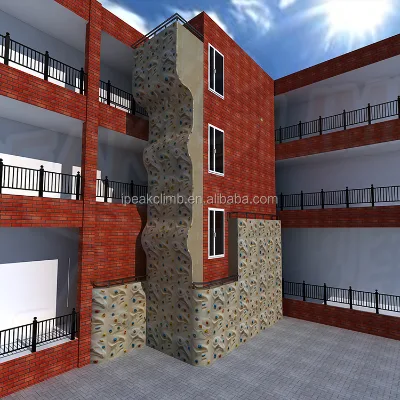
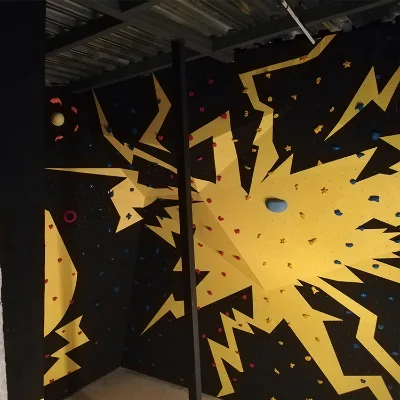
$5123.2764 - $20493.1056
MOQ: 1 Minimum
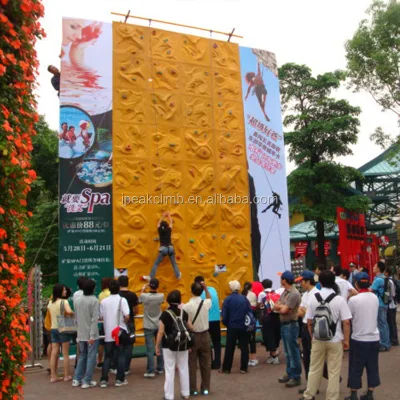
Last Day Discount! Mobile Climbing Wall for Commercial or Activity Use!
$1024.6553 - $10246.5528
MOQ: 1 Minimum
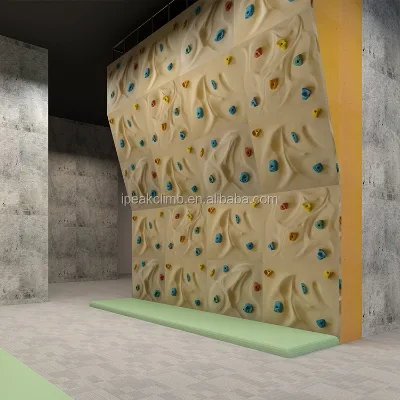
20 Years Experienced Manufacturer,indoor Rock Climbing Wall Equipment for Sale
$1024.6553 - $5123.2764
MOQ: 1 Minimum
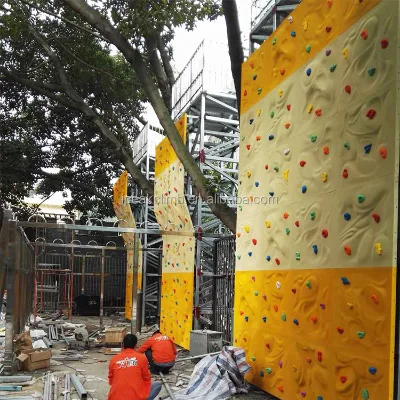
The Best Outdoor Fitness Equipments With Fiberglass Climbing Wall With CE and ROHS!
$1024.6553 - $10246.5528
MOQ: 1 Minimum
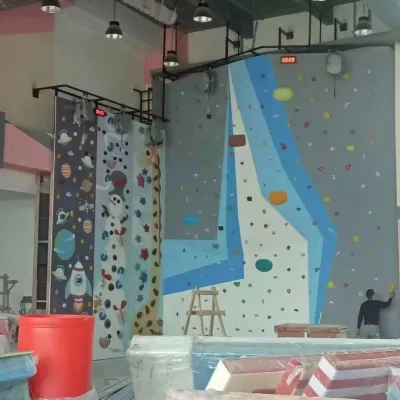
Wenzhou Betta Amusement Toys Co., Ltd.
- Manufacturer, Trading Company
- Lead time旺季: "1 - 5":20,"6 - 8":25,"9 - 13":35,"> 13":"To be negotiated", 淡季: "1 - 5":20,"6 - 8":25,"9 - 13":35,"> 13":"To be negotiated"
- Avg. response≤ 3h
Main productsIndoor Playground, Trampoline Park, Soft Play, Kindergarten, Outdoor Playground
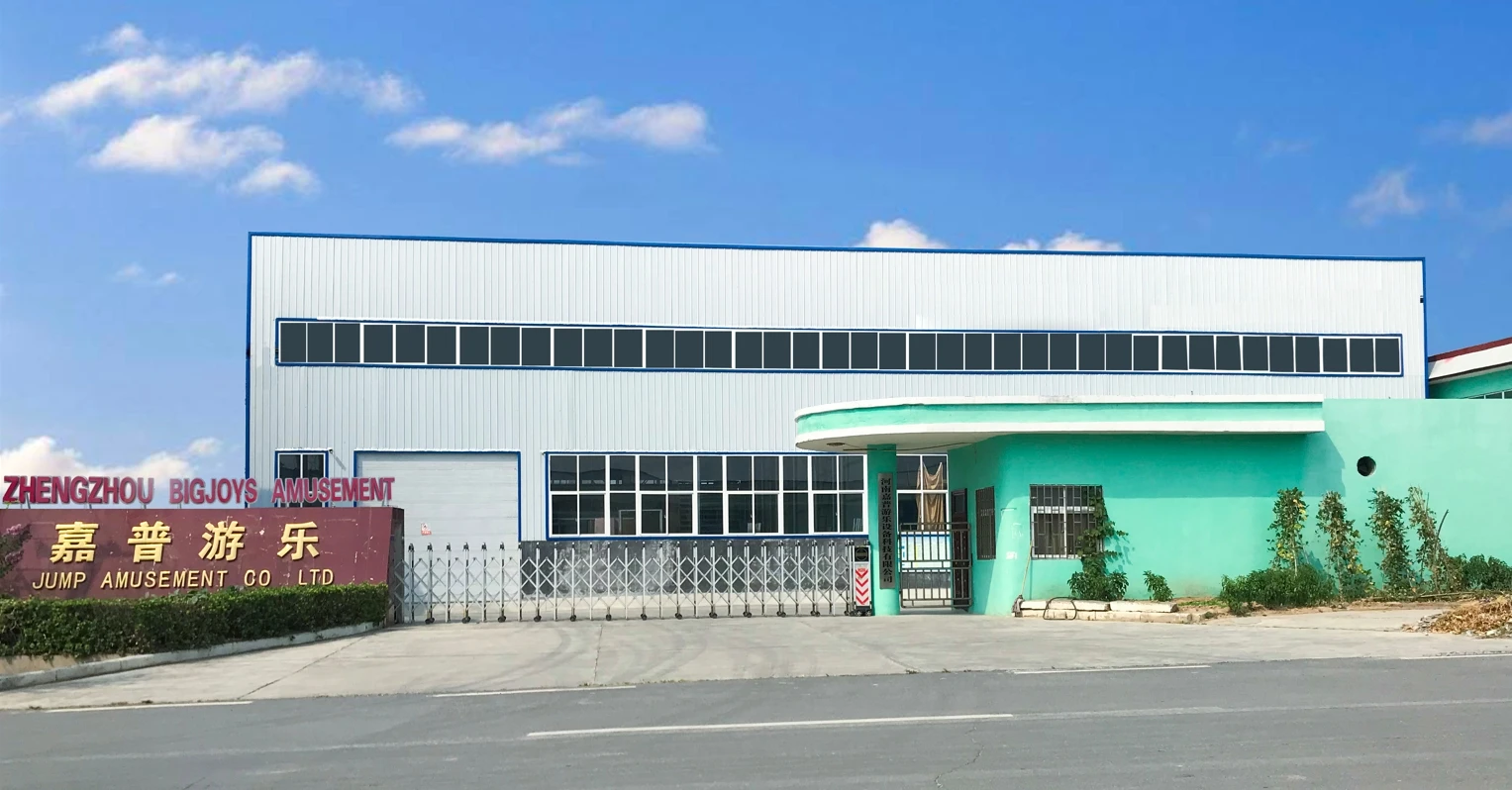
Zhengzhou Bigjoys Amusement Co., Ltd.
- Manufacturer, Trading Company
- Henan, China
- Lead time15 days
- Avg. response≤ 4h
Main productsTrampoline park,Indoor Playground,Park Rides,Carousel,Inflatables
Main marketsWestern Europe(25.00%), North America(20.00%), South America(10.00%), Eastern Europe(10.00%), Southeast Asia(8.00%), Oceania(8.00%), Africa(8.00%), Southern Europe(5.00%), Eastern Asia(2.00%), Northern Europe(2.00%), Mid East(2.00%)
Guangzhou Ledi Amusement Equipment Co., Ltd.
- Verified by Intertek
- Manufacturer, Trading Company
- Lead time20 days
- Avg. response≤ 1h
Main productsIndoor Amusement Park, Trampoline Park, Slide, Maze
Main marketsNorth America(40%), Southern Europe(30%), Mid East(20%)
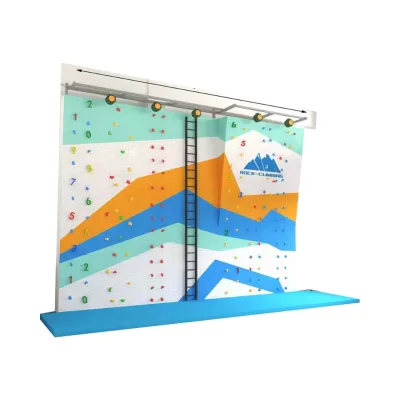
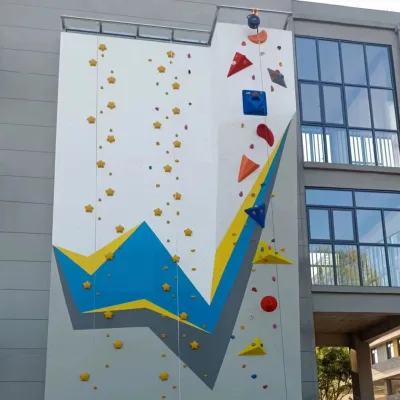
$98.00 - $150.00
MOQ: 10 square
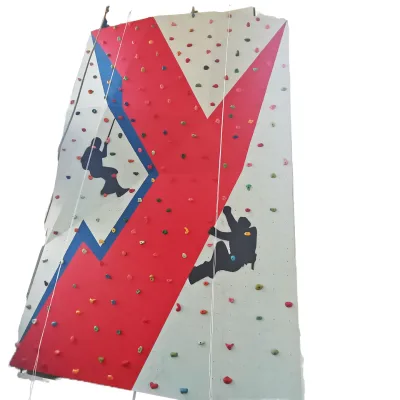
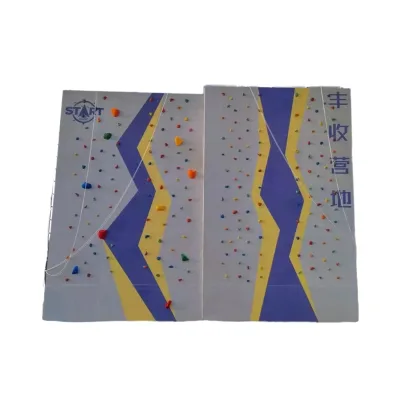
$100.624 - $154.0147
MOQ: 10 square
$100.0061 - $153.0707
MOQ: 10 square
Zhejiang Lanbao Amusement Equipment Co., Ltd.
- Verified by SGS Group
- Manufacturer, Trading Company
- Lead time15 days
- Avg. response≤ 15h
Main productsIndoor Playground, Trampoline Park, Soft Playground, Outdoor Fitness
Main marketsDomestic Market(60%), North America(12%), Southeast Asia(8%)

Guangdong Family of Childhood Industrial Co., Ltd.
- Manufacturer
- China Guangdong
- Lead time0 days
- Avg. response≤ 9h
Main productsPlayground, Indoor Playground Equipment, Outdoor Playground, Trampoline Park, Water Park, Playground Equipment, Amusement Theme Park Equipment, Preschool Facility Equipment, Indoor Soft Play, Kids Table and Chair

Guangzhou Big Whale Amusement Equipment Co. Ltd
- Verified by SGS
- Combined
- China Guangdong
- Lead time15 days
- Avg. response≤ 4h
Main productsChildren Playground, Indoor Playground, Kids Playground, Theme Amusement Park Equipment, Indoor Playground ODM, Trampoline, Gymnastic Playground, Naughty Castle, Playground Toys, Slide
Main marketsDomestic


Indoor Playground Has Auto-Belay Indoor Climbing Wall Equipment Systems
$100.00 - $200.00
MOQ: 10 Square Meters

High-End Playground Equipment: Indoor Trampolines & Climbing Walls
$68.00 - $230.00
MOQ: 10 Square Meters

High Safety for Children Indoorplayground with Climbing Wall and Obstacle Course
$60.00 - $200.00
MOQ: 20 Square Meters

Themed Rock Climbing Walls with Auto-Belay Protection Devices for Playground
$68.00 - $230.00
MOQ: 10 Square Meters
Shandong Lovekids Outdoor Products Co., Ltd.
- Manufacturer, Trading Company
- Shandong, China
- Lead time15 days
- Avg. response≤ 1h
Main productstrampoline,amusement equipment,tent,outdoor playground,Indoor Playground Plays
Main marketsNorth America(30.00%), Mid East(15.00%), South America(15.00%), South Asia(10.00%), Northern Europe(10.00%), Western Europe(10.00%), Eastern Asia(10.00%), Eastern Europe(10.00%), Southern Europe(5.00%)

Nanjing Pegasus Recreation Equipment Co., Ltd.
- Verified by TUVRHEINLAND
- Combined
- China Jiangsu
- Lead time30 days
- Avg. response≤ 3h
Main productsIndoor Playground, Trampoline Park, Adventure Park, Amusement Park, Rope Course, Ninja Course, Jumping Castle, Inflatable Park
Main marketsSouth America,Africa,Southeast Asia/ Mideast,East Asia(Japan/ South Korea),Domestic,Europe,Australia,North America

Ultimate Indoor Adventure Super Climber Interactive Climbing Wall Experience
$100.00 - $180.00
MOQ: 50 Square Meters

Zhejiang Ej Playground Equipment Co., Ltd.
- Verified by SGS Group
- Manufacturer, Trading Company
- Lead time15 days
- Avg. response≤ 2h
Main productsCombination slide, Swing, Rocking horse, Baby carriage, Rock Climbing Wall
Main marketsConfidential(100%)
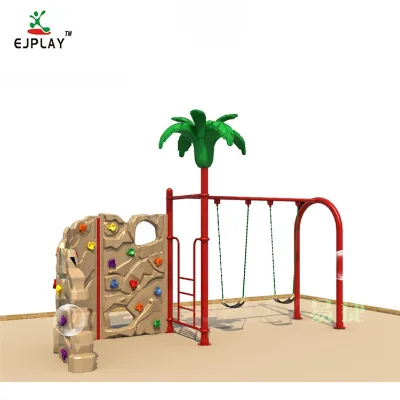
Hot Selling New Design Durable Multifunctional Kids Climbing Wall with Swing
$1000.00 - $1100.00
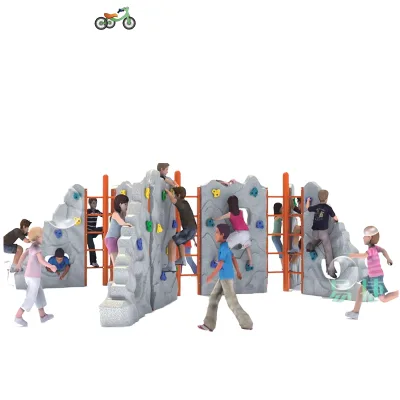
Popular Kids Sport Climbing, Fine Quality Rock Climbing Wall for Kids Outdoor Climbing
$1300.00 - $1320.00
MOQ: 1 sets
Shijiazhuang Huizhao Sports Product Co., Ltd.
- Manufacturer, Trading Company
- Hebei, China
- Lead time30 days
- Avg. response≤ 2h
Main productsSports Chalk,Ball Sports Grips,Sports Hands Grips,Sports Hands Friction,Soccer Gloves Grip
Main marketsNorth America(44.00%), Western Europe(22.00%), Northern Europe(9.00%), Southern Europe(8.00%), Eastern Europe(6.00%), South America(5.00%), Africa(2.00%), South Asia(2.00%), Mid East(1.00%), Southeast Asia(1.00%)
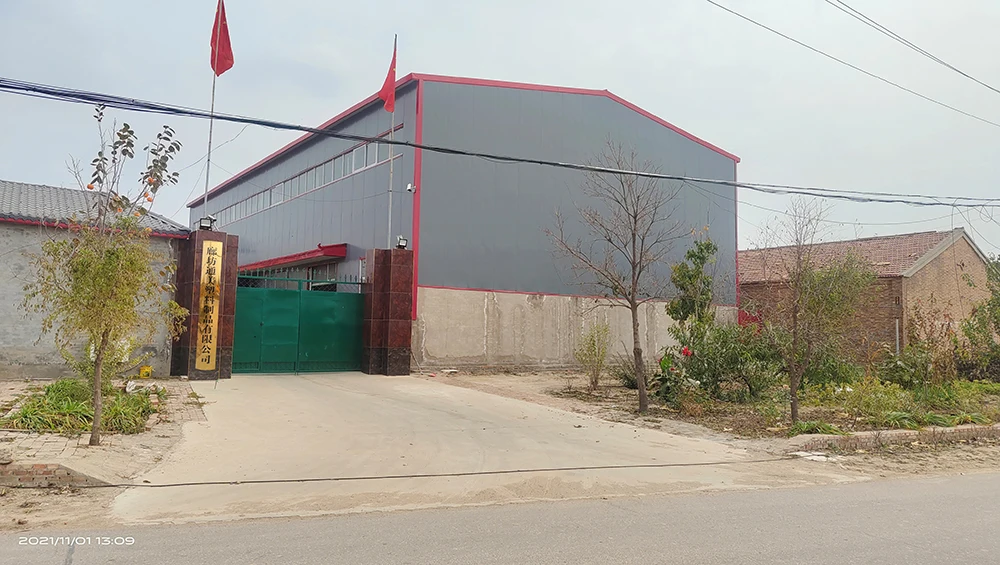
Langfang Tongmei Plastic Products Co., Ltd.
- Manufacturer, Trading Company
- Hebei, China
- Lead time21 days
- Avg. response≤ 2h
Main productsSnow shovel,Snow pipe,Ski Tube,Inflatable castle,Colorful slide
Main marketsCentral America(7.00%), Eastern Asia(7.00%), Oceania(7.00%), Northern Europe(6.00%), Eastern Europe(6.00%), Western Europe(6.00%), South America(6.00%), Mid East(6.00%), Domestic Market(6.00%), Africa(6.00%), South Asia(6.00%), Southeast Asia(5.00%), Southern Europe(4.00%), North America(3.00%)

- Verified by TUVRHEINLAND
- Combined
- China Zhejiang
- Lead time15 days
- Avg. response≤ 15h
Main productsPlayground, Outdoor Playground Equipment, Indoor Playground Equipment, Outdoor Playground, Indoor Playground, Toy, PE Playground, Tables and Chairs, Fitness Equipmet, Physical and Climber
Main marketsEast Asia(Japan/ South Korea)






Comprehensive Sourcing Guide
CE Certified Indoor Climbing Wall Supplier Concentration and Factory Types
The current supplier landscape for CE certified indoor climbing walls reveals a distinct geographic concentration in China, specifically within the Guangdong and Zhejiang provinces. These regions serve as primary manufacturing hubs where industrial clusters have developed around playground equipment and amusement park facilities. Suppliers in Guangdong often list main products that include indoor playgrounds, trampoline parks, and climbing walls, indicating a specialized focus on large-scale installation projects. Meanwhile, Zhejiang-based suppliers frequently combine playground equipment with plastic toys and fitness equipment, suggesting a broader manufacturing capability that may offer more diverse material options for climbing structures. Understanding this regional distribution helps buyers identify where to look for specific manufacturing strengths, whether they prioritize complex structural engineering found in Guangdong or versatile plastic component production found in Zhejiang.
Factory types in this sector vary significantly, ranging from pure trading companies to integrated manufacturers and combined entities. Some suppliers operate strictly as trading companies, acting as intermediaries who source from various factories, while others are manufacturer/factories with direct control over production lines. A third category includes combined companies that handle both trading and manufacturing, potentially offering streamlined communication and production oversight. This diversity in company types affects how buyers should approach initial inquiries. Direct manufacturers may offer more flexibility for OEM and ODM customization, as evidenced by suppliers listing these capabilities in their profiles. Trading companies might provide a wider selection of existing models but could have less control over production timelines. Buyers must carefully review the company type to determine if they need direct factory access for custom designs or if a trading partner’s curated selection better suits their immediate needs.
How to Verify CE Certified Indoor Climbing Wall Suppliers
Verifying the legitimacy and quality of suppliers requires a multi-layered approach that goes beyond simple profile reviews. One critical step is checking for third-party verification badges, such as SGS or TÜV Rheinland, which indicate that an independent agency has assessed the supplier’s business operations. These verifications provide a baseline level of trust regarding the company’s existence and operational stability. Additionally, buyers should scrutinize the specific certifications listed for the climbing wall products themselves. For instance, some suppliers display certificates like TUV-GS, OHSAS18001, and ISO9001, which are crucial for ensuring that the equipment meets international safety and quality standards. The presence of these specific product certifications is often more important than general company ISO certifications, as they directly relate to the structural integrity and safety of the climbing walls intended for children and adults.
Beyond certifications, buyers should evaluate the supplier’s response time and communication efficiency as indicators of their operational professionalism. A supplier with a rapid response time, such as under two hours, often demonstrates a more agile and customer-centric approach, which is vital for resolving technical questions about installation or customization. Conversely, slower response times may indicate a larger, less personalized operation or potential communication bottlenecks. Buyers should also look for evidence of past product performance, such as detailed product attributes including warranty periods and life spans. Suppliers that clearly state a one-year warranty and a life span of three to eight years provide transparency about their confidence in product durability. Requesting proof of these claims, such as test reports or customer references, is essential before finalizing any agreement, ensuring that the supplier’s claims align with actual industry standards and safety requirements.
What to Compare Across CE Certified Indoor Climbing Wall Suppliers
When evaluating multiple suppliers, buyers must compare key operational metrics to determine the best fit for their project. Lead time is a critical factor, with some suppliers offering production times as short as fifteen days, while others may require twenty-three days or more. This difference can significantly impact project schedules, especially for time-sensitive commercial installations. Alongside lead times, buyers should compare the minimum order quantities (MOQ) to ensure alignment with their budget and space requirements. Some suppliers may have an MOQ of fifty units, which is suitable for larger amusement parks, while others might accept orders for single units, catering to smaller indoor play centers or educational institutions. Understanding these thresholds helps buyers avoid unnecessary inventory costs or production delays.
Another vital comparison point is the price range and customization capabilities. Prices for climbing walls can vary widely, from as low as one hundred twenty dollars to over fifty thousand dollars, depending on the complexity, size, and materials used. Buyers should analyze whether the price includes installation services or if these are charged separately. Additionally, comparing the customization options is crucial for unique project requirements. Some suppliers offer fully customized designs with specific wall types, such as vertical or bended elements, while others may provide standardized models with limited color or size adjustments. Buyers should also compare the main products offered by each supplier to ensure they have the necessary expertise. A supplier specializing in climbing walls may offer better technical support than one that treats climbing walls as just one of many diverse product lines.
Common CE Certified Indoor Climbing Wall Sourcing Risks
One significant risk in sourcing climbing walls is the potential mismatch between advertised specifications and actual product quality. Buyers may encounter suppliers who claim CE certification but fail to provide valid test reports or documentation from recognized testing bodies. This discrepancy can lead to compliance issues, especially when importing equipment into regions with strict safety regulations. Another risk involves the accuracy of product attributes, such as the specified age range or weight capacity. If a supplier lists a climbing wall for children aged three to twelve years but the actual structure lacks appropriate safety features for younger users, it poses a serious liability. Buyers must rigorously verify all product claims, including material composition and structural design, to ensure they meet the intended usage standards and protect end-users from potential injuries.
Logistical and installation risks also pose challenges, particularly when dealing with large or complex climbing structures. Some suppliers may provide installation manuals, but the quality and clarity of these instructions can vary significantly. Poorly documented installation processes can lead to incorrect assembly, compromising the stability and safety of the climbing wall. Additionally, buyers should be aware of potential damage during transit, as climbing walls often consist of fragile components like fiberglass or resin panels. Inadequate packaging, such as using only bubble film without sufficient structural support, can result in broken parts upon arrival. Buyers should inquire about the specific packing methods used by suppliers and consider purchasing additional insurance or requesting video evidence of packaging to mitigate these risks. Ensuring that the supplier has a robust quality control process for both production and packaging is essential to avoid costly replacements and project delays.
CE Certified Indoor Climbing Wall Regional Sourcing and Logistics
Sourcing from specific regions in China offers distinct logistical advantages and challenges that buyers must consider. Guangdong province, a major manufacturing hub, often benefits from proximity to major ports like Shenzhen and Guangzhou, which can facilitate faster shipping times for international orders. Suppliers in this region may have established relationships with freight forwarders, potentially offering more competitive shipping rates. However, buyers should also consider the lead times associated with production in Guangdong, which may vary based on the supplier’s current workload and capacity. Understanding these regional logistics helps buyers plan their inventory and installation schedules more effectively, ensuring that equipment arrives in time for project deadlines.
In contrast, suppliers in Zhejiang province may offer different logistical profiles, potentially with varying port access and shipping options. Buyers should compare the shipping terms offered by suppliers from different regions to determine the most cost-effective and reliable option. Incoterms such as FOB or CIF can significantly impact the total landed cost and the buyer’s responsibility for logistics. Additionally, buyers should consider the impact of regional holidays and production cycles on shipping schedules. For example, peak seasons or local festivals may cause delays in production and shipping. By understanding these regional nuances, buyers can negotiate better terms and plan for potential disruptions. It is also advisable to work with suppliers who have experience in exporting to the buyer’s specific country, as they will be more familiar with local customs regulations and documentation requirements, streamlining the import process.
CE Certified Indoor Climbing Wall Commercial Terms and Order Planning
Effective order planning requires a clear understanding of commercial terms, including payment structures and warranty policies. Buyers should negotiate payment terms that protect their interests, such as using escrow services or letter of credit arrangements, especially for large orders. These financial safeguards ensure that funds are only released upon satisfactory delivery and inspection of the climbing walls. Additionally, buyers must carefully review the warranty terms provided by suppliers. A standard one-year warranty is common, but buyers should clarify what is covered, such as structural defects or material failures, and what is excluded, like normal wear and tear or improper installation. Understanding these terms helps buyers budget for potential maintenance costs and ensures they have recourse if issues arise post-installation.
Customization and after-sales support are also critical components of commercial planning. Buyers should confirm whether the supplier offers ongoing technical support for installation and maintenance, as this can reduce long-term operational costs. Some suppliers may provide additional services, such as design assistance or training for staff, which can add value to the purchase. Buyers should also consider the scalability of their order, ensuring that the supplier can handle future expansions or replacements. Clear communication about these commercial terms during the negotiation phase helps establish a strong foundation for a successful partnership. By thoroughly reviewing and agreeing on these details, buyers can minimize risks and ensure a smooth procurement process, leading to a safe and enjoyable climbing wall experience for end-users.
FAQs
What is the price range for CE certified indoor climbing walls?
Prices for CE certified indoor climbing walls typically range from $120 to $380 per unit for modular panels. Larger complete indoor playground systems can cost significantly more, with some full sets priced around $57,463. Buyers should verify specific costs based on customization needs and order volume.
What is the minimum order quantity for climbing wall equipment?
The minimum order quantity varies by supplier and product type. Some manufacturers require a minimum of 50 units for standard climbing wall panels. However, for complete indoor playground equipment sets, the MOQ can be as low as 1 unit. Always confirm the specific MOQ with the supplier before placing an order.
How long does it take to manufacture and ship climbing walls?
Lead times for manufacturing climbing walls generally range from 15 to 23 days depending on the supplier and customization level. Suppliers in China, such as those in Guangdong and Zhejiang, typically offer these production windows. Buyers should account for shipping time separately when planning their installation schedules.
What certifications are available for indoor climbing wall suppliers?
Suppliers often hold ISO 9001, ISO 14001, and TUV-GS certifications for their climbing wall products. Some products are explicitly labeled as CE certified. Verification services like SGS and TÜV Rheinland may also be used to validate supplier credentials and product quality standards for international buyers.
What is the warranty period for indoor climbing walls?
Most indoor climbing wall products come with a one-year warranty covering manufacturing defects. The typical service life for these structures is estimated at 3 to 8 years depending on usage intensity and maintenance. Buyers should review the specific warranty terms provided by the manufacturer for detailed coverage information.
Can climbing walls be customized for specific indoor playground designs?
Yes, customization is widely available for indoor climbing walls. Suppliers offer OEM and ODM services to tailor wall types, colors, and dimensions to specific project requirements. Products can be designed for vertical or bended installations, with options for different age groups and application settings like schools or amusement parks.