CE Two Way Radio Suppliers and Manufacturers in China
Compare 19 verified suppliers offering CE two way radios with features like IP68 ratings, GPS, and ATEX certification. Review response times, lead times, and pricing to source digital or analog models from Fujian factories; review the available evidence before requesting comparable quotations from suitable candidates.
Updated
Suppliers List

Fujian Belfone Communications Technology Co., Ltd.
- Verified by SGS
- Combined
- China Fujian
- Lead time30 days
- Avg. response≤ 7h
Main productsWalkie Talkie, Two Way Radio, Amateur Ham Radio, Dmr Radio, Mobile Radio, Poc Radio, VHF UHF Repeater Base Station, VHF UHF Radio Transceiver, Radio Communication System, ATEX Explosion-Proof Radio
Main marketsSoutheast Asia/ Mideast

- Manufacturer
- Fujian, China
- Lead time7 days
- Avg. response≤ 3h
Main productstwo way radio,walkie talkie,digital walkie talkie,analog walkie talkie,wcdma walkie talkie
Main marketsWestern Europe(12.50%), Eastern Asia(12.50%), North America(11.60%), Eastern Europe(10.80%), Southeast Asia(10.00%), Oceania(9.90%), Mid East(6.70%), South Asia(6.00%), Southern Europe(6.00%), Central America(4.00%), South America(3.00%), Africa(3.00%), Northern Europe(3.00%), Domestic Market(1.00%)

Quanzhou Hengluda Electronic Technology Co., Ltd.
- Manufacturer, Trading Company
- Fujian, China
- Lead time15 days
- Avg. response≤ 2h
Main productswalkie talkie,two way radio,intcom,poc radios,Analog radio
Main marketsNorth America(28.88%), Domestic Market(20.01%), South America(14.80%), South Asia(12.66%), Eastern Europe(7.90%), Africa(4.66%), Mid East(3.55%), Western Europe(3.00%), Southern Europe(2.88%), Northern Europe(1.66%)

Changsha Jiumo Security Technology Co., Ltd.
- Verified by BV
- Trading Company
- China Hunan
- Lead time15 days
- Avg. response≤ 1h
Main productsWalkie Talkie, Wireless Explainer, Wireless Pager, Anti-Theft Alarm
Main marketsDomestic


UV Two-Section Two-Way Radio IP67 2 Way Radio Portable Radio Multi Band Walkie Talkie
$62.00 - $70.00
MOQ: 2 Pieces


- Verified by SGS
- Combined
- China Fujian
- Lead time45 days
- Avg. response≤ 4h
Main productsTwo Way Radio, Walkie Talkie, Transceiver, Interphone, Wireless Communication Device, Digital Mobile Radio, Mobile Radio, PMR Dmr, Intercome, Vehicle Station Repeater
Main marketsSoutheast Asia/ Mideast,Domestic


Dual Display Switching Handheld Two Way Radio with 2000mAh Battery Capacity
$23.00 - $27.00
MOQ: 2 Pieces


Quanzhou Saiwei Technology Co., Ltd.
- Verified by SGS
- Combined
- China Fujian
- Lead time15 days
- Avg. response≤ 23h
Main marketsDomestic

Multipurpose Wireless 16 Channels Portable Two Way Radio for Communication
$50.00 - $57.00
MOQ: 1 Pieces


Multipurpose High Efficient Industrial Grade Noise-Cancelling Rugged Two Way Radio
$79.00 - $89.00
MOQ: 1 Pieces
- Trading Company
- Hong Kong S.A.R.
- Lead time0 days
- Avg. response≤ 3h
Main productsWalkie Talkie, Two-way Radio, Antenna, Drones, Satellite Phone
Main marketsMid East(15.00%), North America(13.00%), South America(10.00%), Africa(8.00%), Western Europe(7.00%), Eastern Europe(7.00%), Domestic Market(7.00%), Southeast Asia(7.00%), South Asia(5.00%), Eastern Asia(5.00%), Southern Europe(5.00%), Central America(5.00%), Oceania(3.00%), Northern Europe(3.00%)
Nanning Hizbao Security Equipment Co., Ltd.
- Verified by SGS Group
- Trading Company
- Lead time15 days
- Avg. response≤ 3h
Main productsWalkie Talkie, Radio Accessories
Main marketsNorth America(20%), Western Europe(20%), Domestic Market(20%)
Quanzhou Henglida Tel-Equipment Co., Ltd.
- Manufacturer, Trading Company
- Fujian, China
- Lead time5 days
- Avg. response≤ 7h
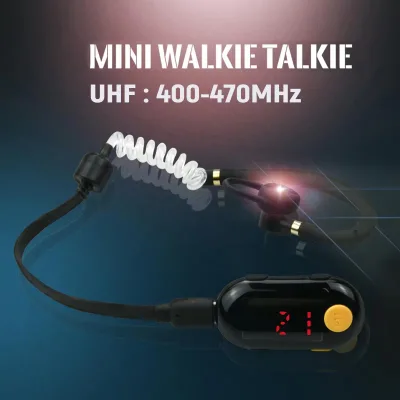
Main productsTwo Way Radio,Walkie Talkie,Interphone,Wireless Communication Product,mini walkie talkie
Main marketsSouth Asia(10.00%), Northern Europe(10.00%), Southeast Asia(10.00%), Eastern Asia(10.00%), South America(10.00%), North America(10.00%), Domestic Market(5.00%), Oceania(5.00%), Southern Europe(5.00%), Africa(5.00%), Central America(5.00%), Western Europe(5.00%), Eastern Europe(5.00%), Mid East(5.00%)
Fujian JJCC Electronic Co., LTD
- Manufacturer
- Fujian, China
- Lead time7 days
- Avg. response≤ 2h
Main productsWalkie Talkie,Walkie Talkie Accessories
Main marketsSoutheast Asia(50.00%), Domestic Market(20.00%), Oceania(10.00%), North America(5.00%), Eastern Asia(4.00%), South Asia(2.00%), South America(2.00%), Eastern Europe(1.00%), Southern Europe(1.00%), Mid East(1.00%), Northern Europe(1.00%), Central America(1.00%), Western Europe(1.00%), Africa(1.00%)
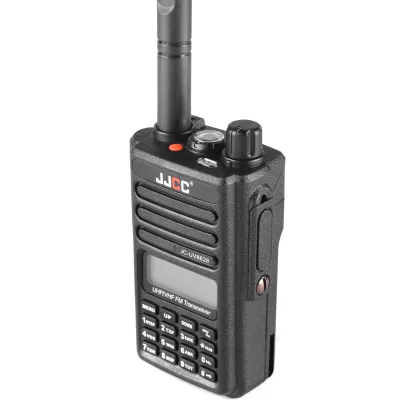
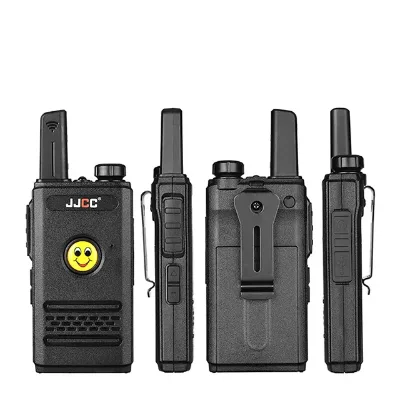
Wide Narrow Band TOT Dual Radio Two Radio Fm Gps Ham Dual Band Walkie Talkie JC-002
$8.6432 - $14.4788
MOQ: 2 pieces
- Verified by SGS Group
- Trading Company
- Lead time0 days
Main productsMarine Services, Spare Parts and Repairs, Fuel Additives, Boat Services
Main marketsDomestic Market(28%), Southeast Asia(20%), Western Europe(15%)

Xiamen Aisite Technology Co., Ltd
- Verified by SGS
- Combined
- China Fujian
- Lead time15 days
- Avg. response≤ 2h
Main marketsDomestic

Factory Supply Mobile Phone Walkie Talkie Portable Two-Way Communication Radio
$100.00 - $105.00
MOQ: 10 Pieces


Jiayin Nuoxin (Shenzhen) Technology Co., Ltd.
- Manufacturer, Trading Company, Other
- Guangdong, China
- Lead time0 days
- Avg. response≤ 6h
Main productsEmergency radio,Bluetooth speaker,hand crank radio,waterproof shower speaker,camping lanten radio
Main marketsNorth America(50.00%), Western Europe(35.00%), Domestic Market(15.00%)
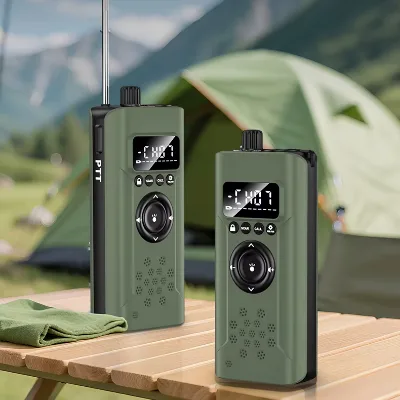
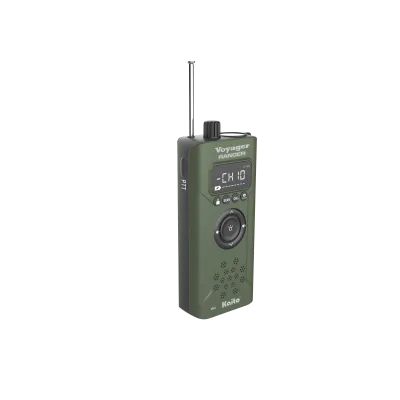
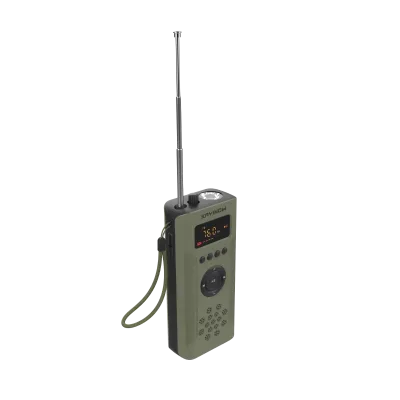
$29.6277 - $33.786
MOQ: 500 pairs

Guangzhou Minxing Communication Equipment Co., Ltd.
- Verified by BV
- Trading Company
- China Guangdong
- Lead time15 days
- Avg. response≤ 4h
Main productsWalkie Talkie
Main marketsAfrica,Domestic,North America
Shenzhen Mainlink Technology Co., Ltd.
- Manufacturer, Trading Company
- Guangdong, China
- Lead time0 days
- Avg. response≤ 1h
Main productsWalkie-Talkie,Restaurant Pager,Wireless Tour Guide Explainer,Referee Intercom,Drone loudspeaker
Main marketsNorth America(30.00%), Domestic Market(20.00%), South America(10.00%), Africa(10.00%), Southeast Asia(10.00%), Eastern Europe(10.00%), Western Europe(5.00%), Southern Europe(5.00%)
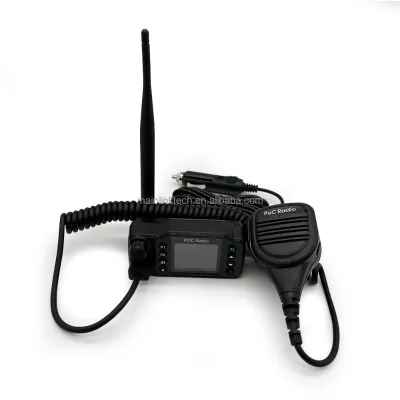
$51.4772 - $59.7127
MOQ: 2 pieces
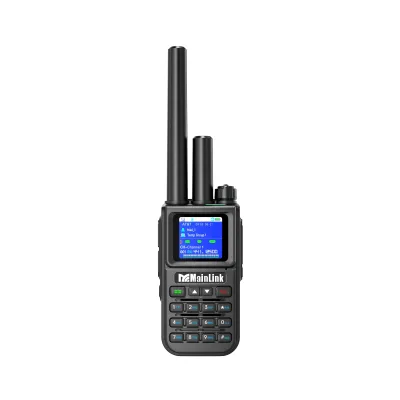
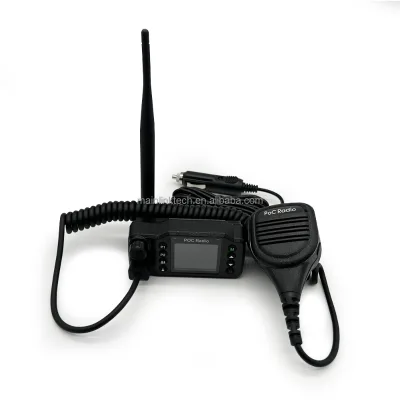
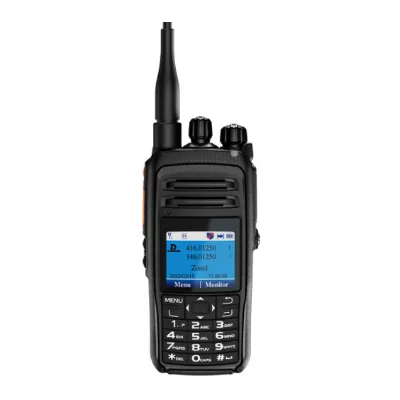
Quanzhou Dongkun Electronic Technology Co., Ltd.
- Verified by SGS Group
- Manufacturer, Trading Company
- Lead time30 days
- Avg. response≤ 1h
Main productsWalkie Talkie, Intercom, Two Way Radio, POC Radio, 4G LTE Radio
Fujian New Century Communications Co., Ltd.
- Verified by TüVRheinland
- Manufacturer, Trading Company
- Lead time15 days
- Avg. response≤ 1h
Main productsTwo Way Radio, Walkie Talkie, Mobile Radio, Repeater
Main marketsEastern Asia(20%), Southeast Asia(17%), North America(15%)
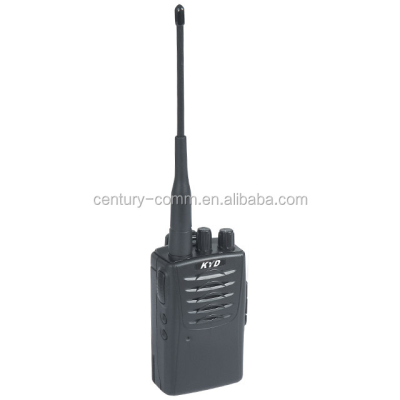
$35.00 - $42.00
MOQ: 2 Minimum
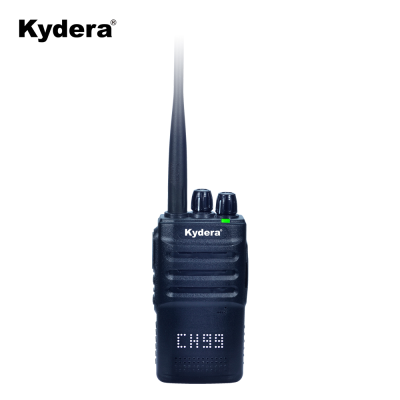
Two Way Radio 8 Watt Long Range Walkie Talkie Wireless Receiver HT-300E
$27.8065 - $31.9287
MOQ: 2 pieces
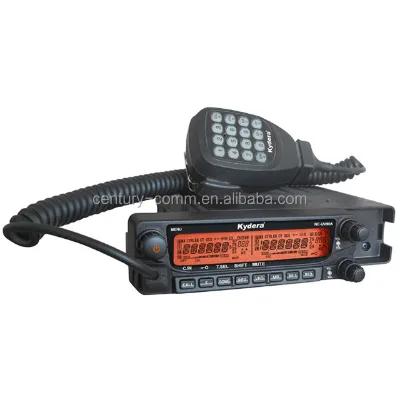
Dual Band Double Receive & Dual Standby & Dual Transmit Mobile Radio Car Radio Intercom NC-UV90A
$190.00 - $205.00
MOQ: 2 Minimum
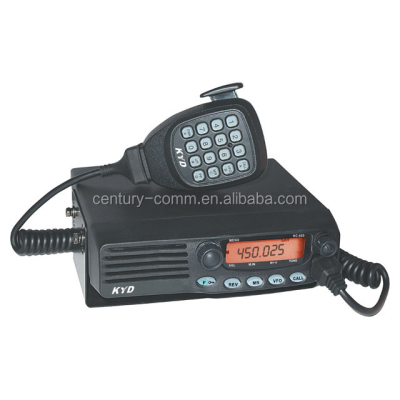
Radio Taxi Communications, Base Station Mobile Radio -- NC-150/450 UHF/VHF
$123.63 - $152.4768
MOQ: 1 Minimum
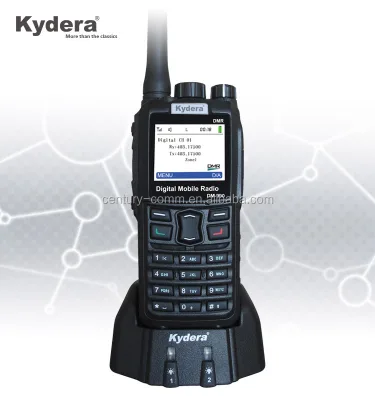

- Verified by BV
- Manufacturer/Factory
- China Fujian
- Lead time23 days
- Avg. response≤ 4h
Main productsTwo Way Radio, Walkie-Talkie, Mobile Radio, Repeater, Dmr Radio, Poc Radio
Main marketsSouth America,Eastern Europe,Mid East,North America,Southeast Asia,Eastern Asia,Oceania,Western Europe,Africa

Tyt Vehicle Mouted Two Way Radio 200 Channels Mini Mobile Radio 25W Mobile Radio
$85.00 - $89.00
MOQ: 10 pieces


10W Two-Way for Radio IP68 Waterproof Transceiver with Type-C Charging Port
$64.00 - $68.00
MOQ: 50 Pieces
Guangzhou Tuorui Trading Co., Ltd.
- Manufacturer, Trading Company, Agent
- Guangdong, China
- Lead time3 days
- Avg. response≤ 2h
Main productsWalkie talkie,Two way radio,Charger,Antenna,Battery
Main marketsSouth America(15.00%), North America(15.00%), Central America(13.00%), Northern Europe(10.00%), Africa(10.00%), South Asia(8.00%), Southern Europe(7.00%), Eastern Asia(6.00%), Southeast Asia(5.00%), Eastern Europe(4.00%), Western Europe(3.00%), Mid East(2.00%), Domestic Market(1.00%), Oceania(1.00%)
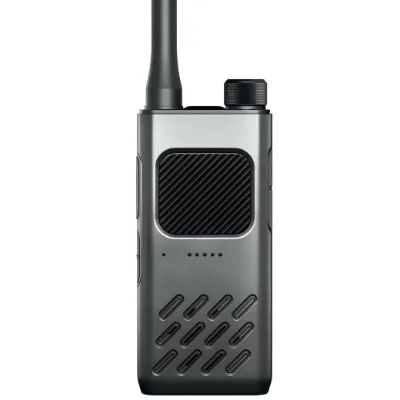
AT2 Two-Way Radio with Long Range Communication and Clear Audio Quality for Outdoor Use
$25.8817 - $36.2338
MOQ: 10 pieces
$25.1547 - $27.7225
MOQ: 10 pieces


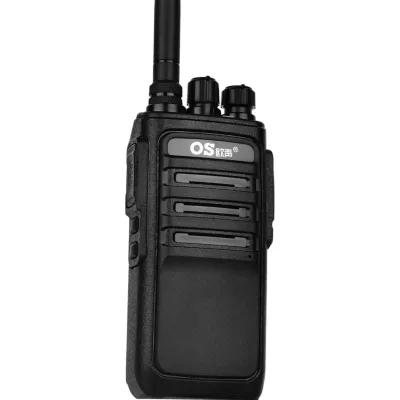
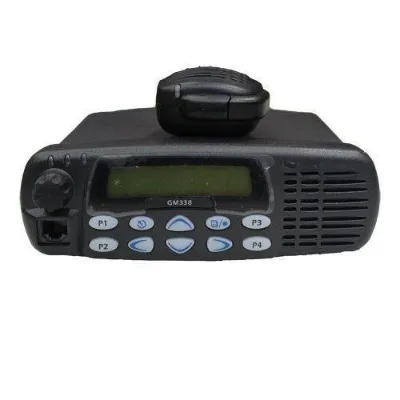
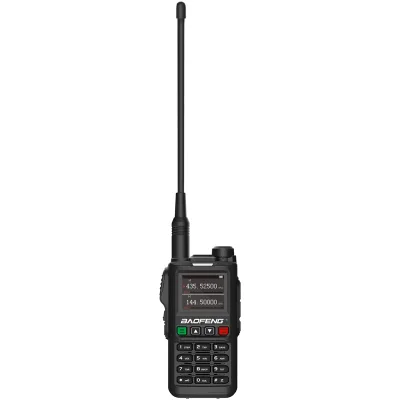
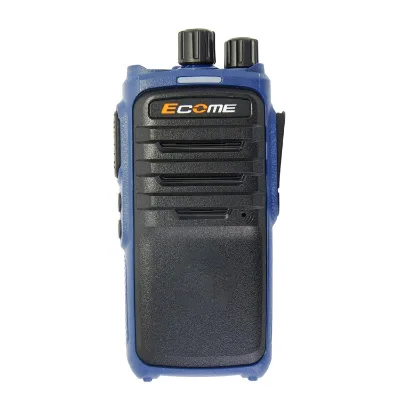


Comprehensive Sourcing Guide
CE Two Way Radio Supplier Concentration and Factory Types
The current supplier landscape for CE-certified two-way radios reveals a distinct concentration of manufacturing activity within China, specifically in the Fujian region. This geographic clustering is significant for buyers because it indicates a mature industrial ecosystem where supply chains for components like lithium-ion batteries, RF modules, and plastic casings are highly developed. When evaluating potential partners, it is crucial to understand that this concentration does not imply uniformity in quality or capability. Instead, it suggests a competitive environment where suppliers must differentiate themselves through specific technical attributes, such as IP68 waterproofing, GPS positioning, or specialized explosion-proof certifications. Buyers should recognize that while the location is a strong indicator of manufacturing density, the actual factory type varies significantly across the available results. The data shows a mix of combined entities that may operate as both manufacturers and trading companies, which can impact pricing structures and communication efficiency. Understanding this dynamic helps in setting realistic expectations for factory audits and direct communication.
Supplier types in this sector are often categorized by their production capabilities, with many offering ODM, OEM, and own brand services. This flexibility allows buyers to choose between off-the-shelf solutions and fully customized products tailored to specific operational needs. For instance, some suppliers focus on digital DMR and PoC hybrid radios, while others specialize in analog models for civil or industrial applications. The presence of combined company types suggests that some entities may have direct factory access, while others might rely on third-party manufacturing networks. This distinction is vital for assessing lead times and quality control processes. Buyers should inquire about the specific nature of the supplier’s operations to determine if they have direct oversight of the production line or if they act as intermediaries. This knowledge directly influences the ability to request customizations, such as specific frequency ranges, battery capacities, or branding options, ensuring that the final product meets the exact requirements of the procurement project.
How to Verify CE Two Way Radio Suppliers
Verifying the authenticity of CE certification is a critical step in the sourcing process, as it ensures compliance with European health, safety, and environmental protection standards. Buyers must request the actual CE test reports and certificates from the supplier, rather than relying solely on product labels or marketing materials. The verification process should include checking the validity of the certificate with the issuing body and ensuring that the specific model numbers being ordered are covered under the certification scope. In the current results, some products explicitly list CE alongside other certifications like FCC, indicating a broader compliance strategy. However, buyers must confirm that the CE mark is legitimate and not merely a self-declared claim without supporting documentation. This due diligence protects against potential customs delays, legal liabilities, and product recalls in regulated markets. It is also advisable to verify if the supplier has undergone third-party audits, such as SGS verification, which adds an additional layer of credibility to their operational and quality management systems.
Beyond certification, verifying the supplier’s operational reliability involves assessing their response times, production capacity, and historical performance. The data indicates an average response time of approximately 6.71 hours, which serves as a benchmark for evaluating communication efficiency. Buyers should compare this metric against their own project timelines to ensure that the supplier can provide timely quotes and technical support. Additionally, checking for verified badges or trust seals on the supplier’s profile can provide insights into their business stability and transaction history. It is important to note that verification status does not guarantee product quality, so buyers should also request samples for rigorous testing before placing large orders. This includes verifying technical specifications such as IP ratings, battery life, and signal clarity. By combining document verification with practical testing and performance metrics, buyers can build a comprehensive profile of each potential supplier, reducing the risk of partnering with unreliable entities and ensuring a smoother procurement experience.
What to Compare Across CE Two Way Radio Suppliers
When evaluating multiple suppliers, it is essential to compare key operational metrics such as lead times, minimum order quantities, and pricing structures to find the best fit for your project. The available data shows a lead time of 30 days for production, which is a standard benchmark for many electronics manufacturers. Buyers should use this figure as a baseline to negotiate delivery schedules and plan inventory levels accordingly. Minimum order quantities also vary, with some suppliers requiring as few as five units, which is advantageous for small-scale trials or niche applications. Comparing these MOQs helps buyers determine the financial commitment required for initial orders and assess the supplier’s flexibility. Additionally, price ranges differ significantly based on features and technology, with basic analog models starting at lower price points and advanced digital or explosion-proof radios commanding higher premiums. Understanding these variations allows buyers to align their budget with the required technical specifications without overpaying for unnecessary features.
Technical specifications and customization options are another critical area for comparison, as they directly impact the suitability of the product for specific use cases. Buyers should examine details such as frequency ranges, battery capacity, IP ratings, and additional features like GPS or encrypted communication. For example, some models offer IP68 ratings for extreme durability, while others focus on long battery life with capacities up to 4000mAh. Comparing these attributes helps identify suppliers that specialize in the specific requirements of your industry, whether it is civilian, industrial, or hazardous environments. Furthermore, assessing the supplier’s ability to provide customization, such as logo printing or specific packaging, can add value to the procurement process. By systematically comparing these factors across different suppliers, buyers can create a weighted scoring matrix to objectively rank potential partners. This data-driven approach ensures that the final selection is based on a holistic view of cost, capability, and compliance, rather than relying on a single metric or superficial impression.
Common CE Two Way Radio Sourcing Risks
One of the primary risks in sourcing CE-certified two-way radios is the potential discrepancy between claimed specifications and actual product performance. Suppliers may advertise features such as IP68 waterproofing or specific frequency ranges, but without rigorous testing, these claims may not hold up in real-world conditions. Buyers must be vigilant about verifying these specifications through independent testing or by requesting detailed technical datasheets that include test results. Another significant risk is the variability in build quality, particularly regarding battery life and signal stability. Some models may have lower battery capacities or shorter operational ranges than advertised, leading to operational failures in the field. This risk is exacerbated when dealing with suppliers who do not provide transparent information about their manufacturing processes or quality control measures. To mitigate this, buyers should prioritize suppliers who offer comprehensive warranties and clear return policies, ensuring that any defects or performance issues can be addressed promptly.
Intellectual property and compliance risks also pose challenges, especially when dealing with suppliers who may not fully adhere to international standards. While some products display CE and FCC certifications, buyers must ensure that these certifications are valid and not forged. Using products with invalid certifications can lead to legal issues, customs seizures, and reputational damage in regulated markets. Additionally, there is a risk of supply chain disruptions, particularly if the supplier relies on a single source for critical components like RF modules or batteries. Buyers should assess the supplier’s supply chain resilience and inquire about their contingency plans for component shortages. Furthermore, communication barriers and cultural differences can lead to misunderstandings regarding technical requirements or delivery schedules. Establishing clear communication channels and using detailed purchase orders with explicit specifications can help minimize these risks. By proactively identifying and addressing these potential pitfalls, buyers can protect their interests and ensure a successful sourcing outcome.
CE Two Way Radio Regional Sourcing and Logistics
Sourcing from the Fujian region in China offers logistical advantages due to the area’s well-developed infrastructure and proximity to major shipping ports. This geographic location facilitates efficient export processes, reducing transit times and costs for international buyers. However, buyers must also consider the implications of regional sourcing on lead times and inventory management. The 30-day lead time observed in the current results suggests that production scheduling is a critical factor in the overall delivery timeline. Buyers should plan their orders well in advance to account for production, quality control, and shipping durations. Additionally, understanding the local logistics landscape can help in negotiating better freight terms and selecting the most cost-effective shipping methods. For instance, air freight may be suitable for urgent, small orders, while sea freight is more economical for larger shipments. By leveraging the logistical strengths of the region, buyers can optimize their supply chain and reduce overall procurement costs.
Customs and import regulations in the buyer’s home country also play a significant role in the logistics planning process. Buyers must ensure that their suppliers provide all necessary documentation, including commercial invoices, packing lists, and certificates of origin, to facilitate smooth customs clearance. The presence of CE certification is particularly important for European markets, as it demonstrates compliance with local regulations. Buyers should also be aware of any additional tariffs or duties that may apply to two-way radios, which can impact the total landed cost. Working with experienced freight forwarders who specialize in electronics can help navigate these complexities and ensure timely delivery. Furthermore, considering the environmental impact of shipping and exploring sustainable logistics options can align with corporate social responsibility goals. By integrating regional logistics insights with regulatory compliance, buyers can create a robust and efficient supply chain that supports their operational needs.
CE Two Way Radio Commercial Terms and Order Planning
Effective order planning requires a clear understanding of commercial terms, including payment methods, warranty policies, and after-sales support. The current data indicates a price range for various models, with basic analog radios starting at lower price points and advanced digital or specialized radios commanding higher premiums. Buyers should use this information to budget accurately and negotiate favorable terms with suppliers. It is also important to clarify the warranty period, which is typically one year for many models, and understand the process for claiming repairs or replacements. Additionally, buyers should inquire about the supplier’s return policy and any associated costs, such as shipping fees for defective items. Establishing these terms upfront helps prevent disputes and ensures that both parties have a clear understanding of their responsibilities. By focusing on these commercial details, buyers can protect their investment and ensure a positive long-term relationship with their supplier.
Negotiating volume discounts and establishing long-term contracts can further enhance the value of the sourcing relationship. Suppliers may offer reduced prices for larger orders or recurring purchases, which can significantly lower the cost per unit over time. Buyers should leverage their projected volume to negotiate better terms, such as extended payment periods or priority production scheduling. Additionally, exploring options for joint development or exclusive branding can provide a competitive advantage in the market. It is also advisable to review the supplier’s capacity for scaling production, ensuring that they can meet increased demand without compromising quality or lead times. By combining strategic order planning with proactive negotiation, buyers can optimize their procurement costs and secure a reliable supply of high-quality CE-certified two-way radios. This approach not only reduces immediate expenses but also builds a foundation for sustainable growth and operational efficiency.
FAQs
What is the price range for CE certified two way radios?
Prices for CE certified two way radios typically range from $25 to $398 per unit. Basic analog models start around $25, while advanced digital DMR and explosion-proof variants cost significantly more. The final price depends on features like GPS, encryption, and battery capacity.
What is the minimum order quantity for these radios?
The minimum order quantity is generally five units. This low MOQ allows buyers to test product quality and functionality before committing to larger bulk orders. It is suitable for small businesses or initial procurement trials without requiring significant upfront inventory investment.
How long does production take for these radios?
Standard lead time for production is approximately 30 days. This duration covers manufacturing, quality control, and preparation for shipment. Buyers should account for this timeline when planning inventory replenishment or project deployment schedules to avoid delays.
Are these radios verified by third-party agencies?
Yes, suppliers are verified by SGS. This verification ensures that the manufacturing processes and product quality meet international standards. Buyers can rely on this certification as a baseline for trust, though specific product certifications like CE or FCC should be confirmed per model.
What certifications do these two way radios hold?
Common certifications include CE and FCC. Some models also feature IP68 ratings for dust and water resistance. Buyers should verify specific certification documents for each product model to ensure compliance with local regulatory requirements in their target markets.
Where are these radios manufactured?
These radios are manufactured in China, specifically in the Fujian province. This region is known for its electronics manufacturing capabilities. Buyers should consider shipping logistics and import regulations associated with sourcing from this specific geographic location.