China Mainland Name Plate Suppliers and Manufacturers
Explore 24 verified China Mainland Name Plate suppliers offering ISO 9001 certified products with response times under 6 hours. Compare lead times, MOQs, and customization options to source brushed stainless steel or brass name plates for machinery and branding needs.
Updated
Suppliers List
Dongguan Jinghui Hardware Co., Ltd.
- Verified by SGS Group
- Manufacturer, Trading Company
- Lead time15 days
- Avg. response≤ 8h
Main productsEtching Metal Ornaments , Tea Filter, Coffee Maker Filter, Metal Logo
Main marketsNorth America(30%), Domestic Market(20%), Western Europe(10%)
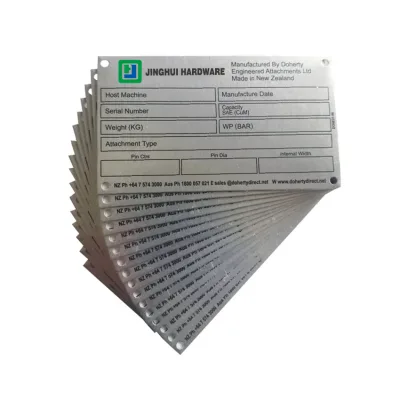
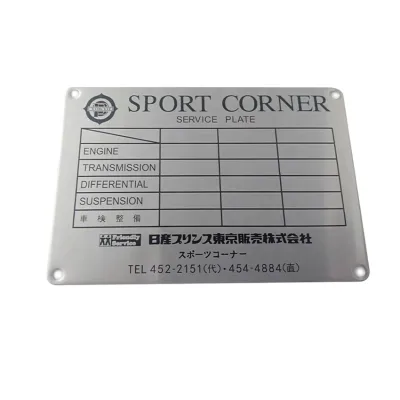
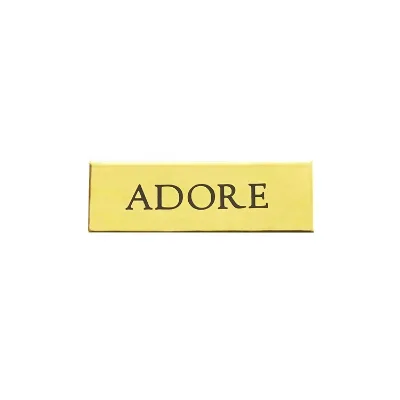
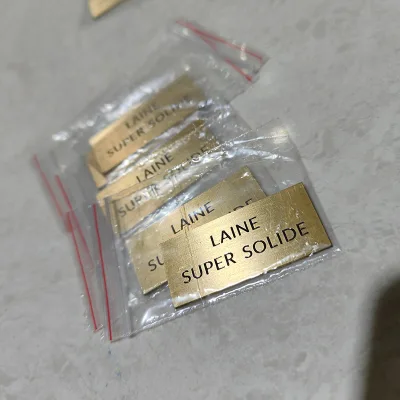
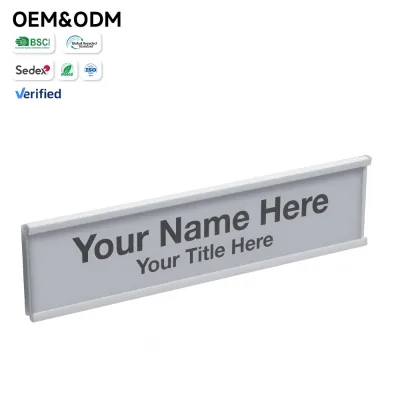
Custom Brand Logo Brushed Name Plate Brass Self Adhesive Metal Nameplate
$0.60 - $0.80
MOQ: 500 pieces
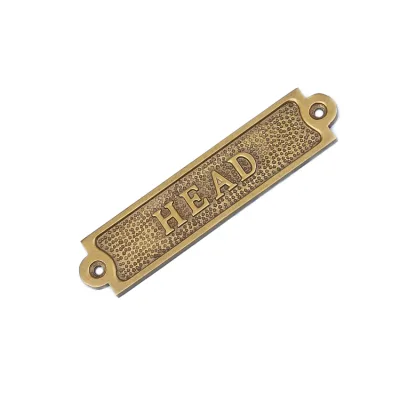
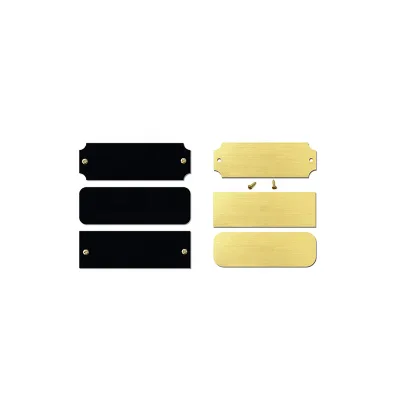
Customized Blank Nameplate Machine/Motorcycle/Furniture Nameplate Metal Nameplates Engraved
$0.30 - $1.20
MOQ: 100 pieces

Dongguan Haixinda Nameplate Technology Co., Ltd.
- Manufacturer
- China Guangdong
- Lead time15 days
- Avg. response≤ 6h
Main productsNameplate, Label, Sticker, Badge, Epoxy Dome Label, Car Logo Badge, Headphone Logo
Main marketsSouth America,Europe,Australia,North America

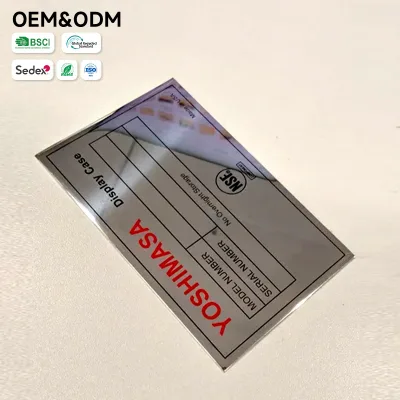
China Metal Nameplate Supplier Wholesale Custom Printing or Etching Stainless Steel Name Plate
$0.20 - $0.80
MOQ: 500 Pieces


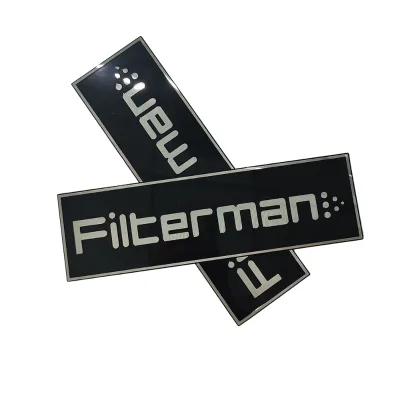
China Factory Custom Metal Tag Aluminum Name Plate Anodized Nameplate Blue Blanks
$0.10 - $0.80
MOQ: 500 Pieces

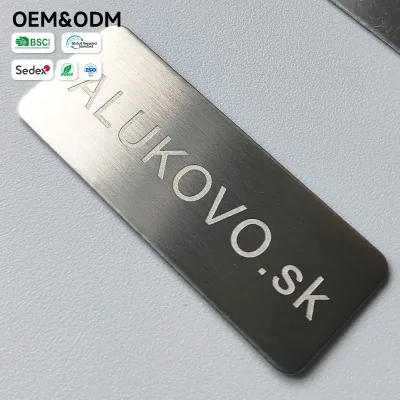
Brushed Surface Metal Nameplate Custom Aluminum Stainless Steel Logo Plate Steel Plaque
$0.20 - $2.00
MOQ: 500 Pieces
Dongguan Jinghong Metal Zipper Co., Ltd.
- Manufacturer, Trading Company
- Guangdong, China
- Lead time15 days
- Avg. response≤ 9h
Main productsKeychain,metal label,snap hook,bottle opener,badge
Main marketsNorth America(30.00%), Western Europe(15.00%), South America(10.00%), Eastern Asia(10.00%), Eastern Europe(10.00%), South Asia(5.00%), Northern Europe(5.00%), Central America(5.00%), Mid East(5.00%), Africa(5.00%)

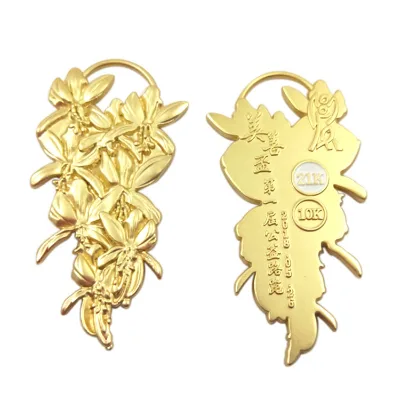
Matte gold customized souvenir metal logo plate for public benefit activities
$0.25 - $0.45
MOQ: 2000 Minimum

Qingdao Risheng Sign Co., Ltd.
- Combined
- China Shandong
- Lead time23 days
- Avg. response≤ 3h
Main productsNameplate
Main marketsDomestic

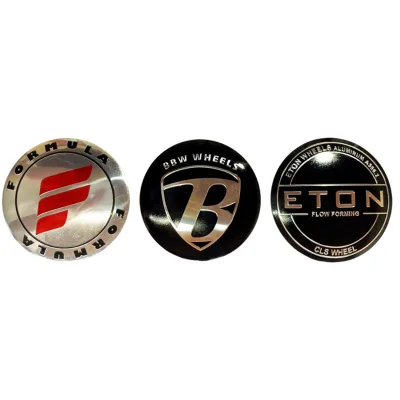
Stainless Steel Nameplate Logo Nameplate Metal Nameplates Auto Logo Nameplate
$0.01 - $0.90
MOQ: 1 Pieces

Nameplate Custom Stainless Steel Metal Brand Logo Stainless Steel Nameplate
$0.01 - $0.90
MOQ: 1 Pieces

Label Metal Plate Engraved Plate Metal Nameplate Stainless Steel Nameplate
$0.01 - $0.90
MOQ: 1 Pieces


- Verified by CTI
- Trading Company
- China Zhejiang
- Lead time23 days
- Avg. response≤ 3h
Main marketsSouth America,Europe,Australia,North America


High-Yield Factory Environmentally Friendly Production Mode Bespoke Size Metal Nameplate
$0.09 - $0.85
MOQ: 200 Pieces

Long Lasting Industrial Nameplate with Fine Detail Etched Stainless Steel Name Plates
$0.10 - $0.95
MOQ: 200 Pieces

Mass Production Capacity Sustainable Green Manufacturing Tailored Size Metal Nameplate
$0.09 - $0.85
MOQ: 200 Pieces


Taizhou Nachang Cnc Equipment Co., Ltd.
- Verified by TüVRheinland
- Manufacturer, Trading Company
- Lead time10 days
- Avg. response≤ 4h
Main productsMetal Nameplate, Laser Marking Machine, Laser Welding Machine, Pneumatic Marking Machine
Main marketsNorth America(50%), Western Europe(20%), Southeast Asia(15%)
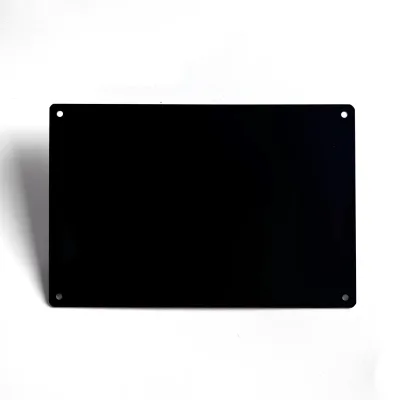
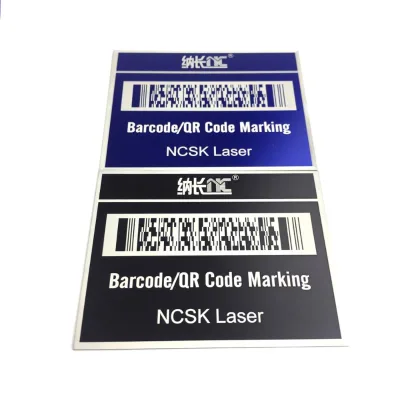
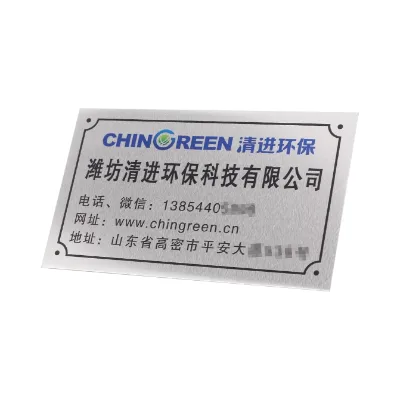
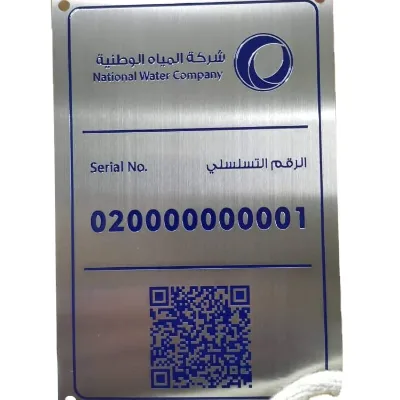
Printed Metal Name Plates Permanent Adhesive Aluminium Nameplates With Rounded Corners
$0.361
MOQ: 200 Minimum
Wonder Tech (Xiamen) Co., Ltd.
- Manufacturer, Trading Company, Distributor/Wholesaler
- Fujian, China
- Lead time10 days
- Avg. response≤ 2h
Main productsGarment Accessories,Belt,Metal nameplate,Metal Badge,Button
Main marketsNorth America(35.00%), Western Europe(15.00%), Oceania(10.00%), Mid East(10.00%), Southeast Asia(10.00%), South Asia(5.00%), Africa(5.00%), Northern Europe(4.00%), Eastern Asia(2.00%), Southern Europe(2.00%), Eastern Europe(2.00%)
Shenzhen Haixinda Nameplate Co., Ltd.
- Verified by SGS Group
- Manufacturer, Trading Company
- Lead time10 days
- Avg. response≤ 4h
Main productsAluminum Nameplate, Metal Sticker, Stainless Steel Nameplate, Plastic label, Panel
Main marketsDomestic Market(45%), Southeast Asia(13%), Eastern Europe(11%)

- Verified by TUVRHEINLAND
- Trading Company,Manufacturer/Factory
- China Shandong
- Lead time15 days
- Avg. response≤ 2h
Main productsContainer Parts, Corner Castings, Container Gasket, Assembled Lock Rod, Twist Lock, Bridge Fitting, Container Floor, Container Casters, Rivet, Padlock
Main marketsSouth America,Eastern Europe,Mid East,North America,Southeast Asia,Eastern Asia,Oceania,Western Europe,Africa

SHENZHEN YANMING PLATE PROCESS CO., LTD.
- Manufacturer
- China Guangdong
- Lead time15 days
- Avg. response≤ 6h
Main productsMetal Etching, Speaker Grill, Chemical Netching, Metal Nameplate, Stainless Steel Etching, Ceiling Speaker, Graphic Overlay, Photo Etching
Main marketsEast Asia(Japan/ South Korea),Europe,North America


Wholesale Engraved Metal Nameplate Logo Etched Stainless Steel Name Plate
$0.10 - $5.00
MOQ: 200 Pieces


Ningbo Suijin Machinery Technology Co., Ltd.
- Verified by CTI
- Combined
- China Zhejiang
- Lead time30 days
- Avg. response≤ 8h
Main productsInvestment Casting Parts, Precision Casting Parts, Machining Parts, Auto Parts, Industry Parts, Building Parts, Marine Hardware, Valve/Pump Parts
Main marketsSoutheast Asia/ Mideast,Europe

Stainless Steel Casting China Factory Adaptable High-Quality Functional Nameplate
$0.80 - $1.30
MOQ: 1000 Pieces

- Manufacturer, Trading Company
- Zhejiang, China
- Lead time7 days
- Avg. response≤ 7h
Main productsName badge,Medal,Keychain,Badge,Sign
Main marketsWestern Europe(20.00%), North America(20.00%), South America(15.00%), Eastern Europe(10.00%), Central America(5.00%), Southern Europe(5.00%), Northern Europe(5.00%), Domestic Market(5.00%), Oceania(5.00%), South Asia(4.00%), Southeast Asia(3.00%), Eastern Asia(2.00%), Mid East(1.00%)
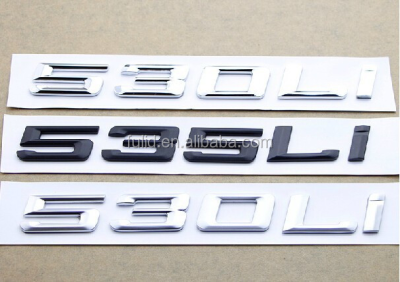
Plastic ABS Nameplate, Plastic Chrome Nameplate, Plastic ABS Nickel Plating Nameplate
$0.20 - $0.70
MOQ: 1000 Minimum
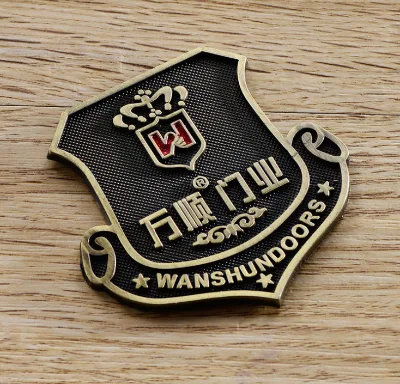
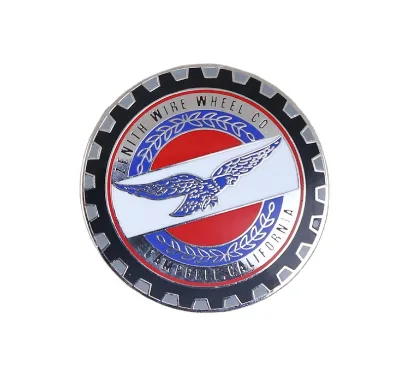
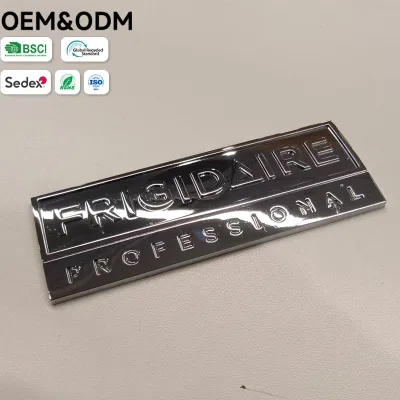
Metal Stamping Name Plate Metal Zinc Alloy Nameplate
$0.92 - $1.00
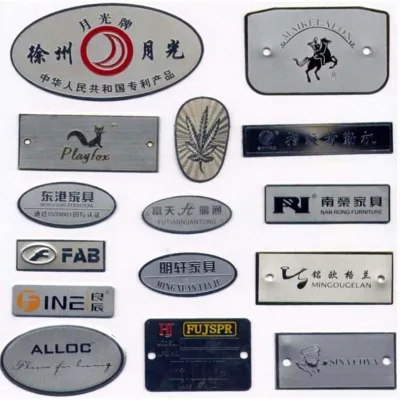
Aluminum Etched Engraved Name Plate With 3M Adhesive
$0.17 - $0.18
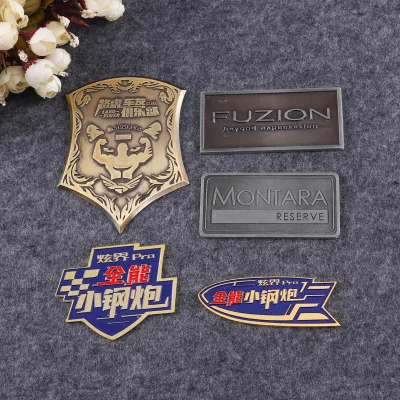
Shenyang Blue Sky Signage Ltd.
- Verified by SGS Group
- Manufacturer, Trading Company
- Lead time10 days
- Avg. response≤ 1h
Main productsChannel Letters, Light Box, Acrylic Sign, Engrave Plaque, Metal Letters
Main marketsNorth America(39%), Eastern Europe(21%), Oceania(5%)

Xiamen Mingcai Electronic Technology Co., Ltd.
- Combined
- China Fujian
- Lead time15 days
- Avg. response≤ 2h
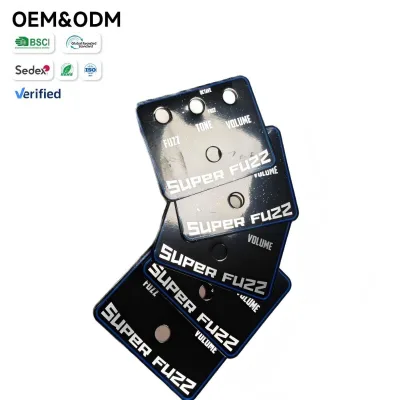
Main productsMembrane Switch, Membrane Keyboards, Industrial Nameplate, Metal Badge, Screen Printing Graphic Overlays, Touch Panel
Main marketsSouth America,Africa,Southeast Asia/ Mideast,East Asia(Japan/ South Korea),Europe,Australia,North America
- Verified by SGS Group
- Trading Company
- Lead time12 days
- Avg. response≤ 2h
Main productsMetal Labels and Nameplates, Custom Metal Sticker and Signs, 3D Epoxy Stickers, Perfume Labels and Wine Stickers, Custom License Plates and Frames
Main marketsNorth America(25%), Northern Europe(15%), Oceania(15%)
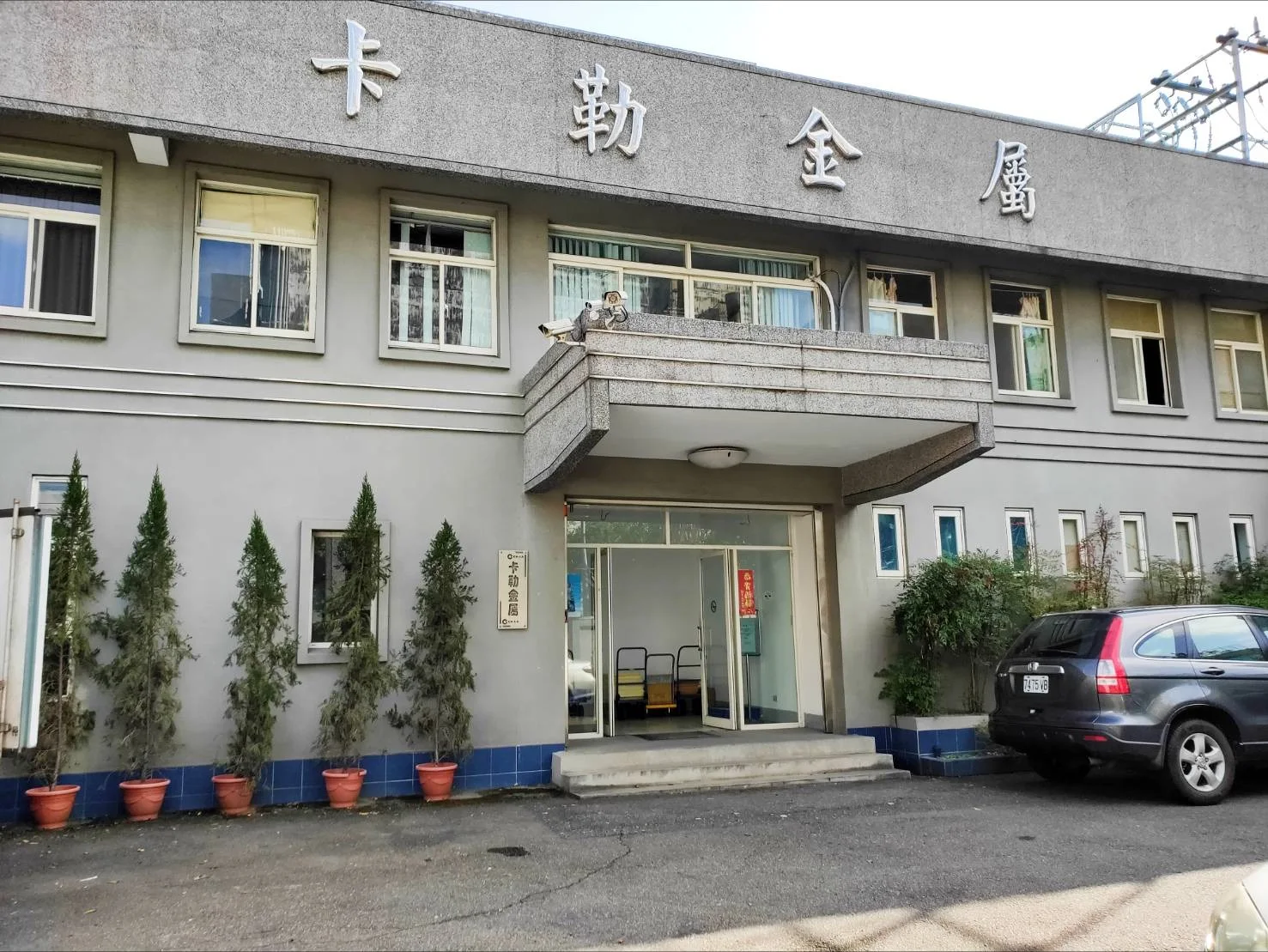
- Manufacturer
- Taiwan, China
- Lead time30 days
- Avg. response≤ 5h
Main productsFaceplate,Overlays,Souveniors,Stickers,Nameplates
Main marketsSoutheast Asia(10.00%), North America(8.00%)
Hangzhou Ruijia Technology Co., Ltd.
- Verified by TüVRheinland
- Trading Company
- Lead time15 days
- Avg. response≤ 3h
Main productsLicense Plates And Frames, Metal Nameplates, Metal Signs, Metal Asset Tags, Keychain Badges
Main marketsNorth America(20%), Oceania(15%), South America(10%)
- Manufacturer, Trading Company
- Zhejiang, China
- Lead time15 days
- Avg. response≤ 9h
Main productswine label,car badge,metal label,bottle cap,medal badge
Main marketsEastern Europe(28.00%), Western Europe(20.00%), North America(18.00%), Oceania(8.00%), Central America(8.00%), Domestic Market(5.00%), Southeast Asia(5.00%), Mid East(5.00%), Africa(2.00%), South Asia(1.00%)
- Manufacturer, Trading Company
- Lead time旺季: "1 - 100":7,"101 - 500":14,"501 - 1000000":20,"> 1000000":"To be negotiated", 淡季: "1 - 100":7,"101 - 500":14,"501 - 1000000":20,"> 1000000":"To be negotiated"
- Avg. response≤ 1h
Main productsMedal, Keychain, Nameplate, Pin Badge, Bottle Opener

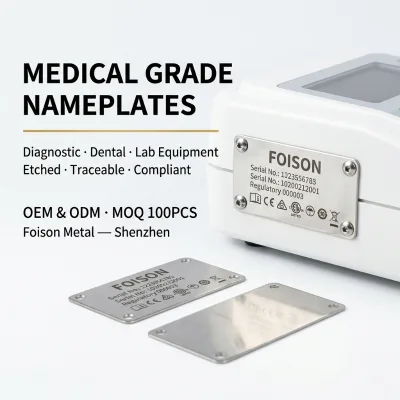
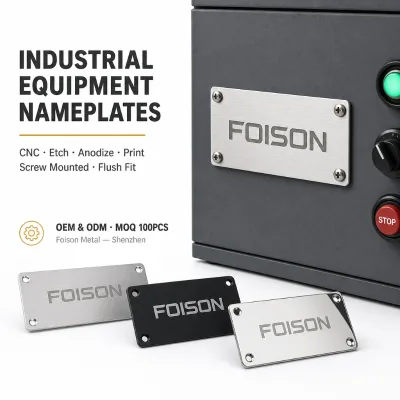
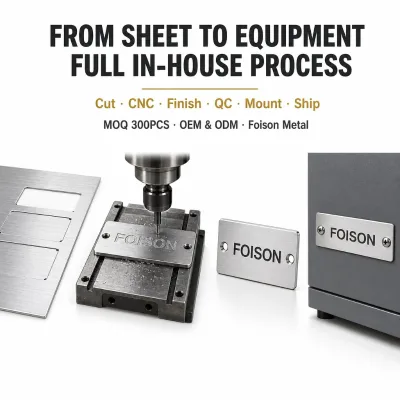
Shenzhen Foison Metal Co., Ltd.
- Manufacturer
- Guangdong, China
- Lead time15 days
- Avg. response≤ 8h
Main productsMetal Cards,Metal Labels,Aluminum Nameplate,Metal asset tag,metal badge&medal
Main marketsNorth America(35.00%), Domestic Market(30.00%), Southeast Asia(15.00%), Mid East(5.00%), Southern Europe(5.00%), Northern Europe(5.00%), Western Europe(5.00%)
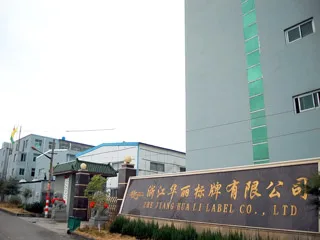
Zhejiang Huali Label Co., Ltd.
- Manufacturer, Trading Company
- Zhejiang, China
- Lead time15 days
- Avg. response≤ 4h
Main productsAluminum Label,Logo,Nameplate,Label,Badge
Main marketsDomestic Market(65.00%), Southeast Asia(8.00%), Eastern Europe(7.00%), Mid East(6.00%), North America(3.00%), Oceania(3.00%), Southern Europe(3.00%), Western Europe(2.00%), South America(1.00%), Africa(1.00%), Northern Europe(1.00%)
- Verified by Intertek
- Trading Company
- Lead time14 days
- Avg. response≤ 2h
Main productsLapel Pin, Key Chain, Medal, Coin, Metal Plates
Main marketsNorth America(40%), Mid East(30%), Oceania(5%)

Hangzhou Ruijia Technology Co., Ltd.
- Verified by BV
- Trading Company
- China Zhejiang
- Lead time30 days
- Avg. response≤ 3h
Main marketsSouth America,Southeast Asia/ Mideast,Europe,Australia,North America


$0.10 - $0.80
MOQ: 500 Pieces


Dongguan Mass Way Artware Co., Limited
- Manufacturer, Trading Company
- Guangdong, China
- Lead time15 days
- Avg. response≤ 1h
Main productsMetal Print,CNC Machined Products,Leather carft & Gifts,fashion car gifts,High Pressure Die Casting Products
Main marketsNorth America(30.00%), Northern Europe(15.00%), Western Europe(15.00%), Eastern Europe(10.00%), Domestic Market(10.00%), Southern Europe(10.00%), South America(5.00%), Oceania(5.00%)





Comprehensive Sourcing Guide
China Mainland Name Plate Supplier Concentration and Factory Types
The sourcing landscape for name plates in China is characterized by a distinct mix of manufacturing capabilities and trading structures, primarily concentrated in specific industrial hubs. Current data indicates that suppliers are located in Guangdong, China, a region renowned for its robust electronics and hardware manufacturing ecosystems. This geographic concentration suggests that buyers seeking name plates will likely encounter vendors with established supply chains for raw materials such as stainless steel, aluminum, and brass. The presence of these suppliers in Guangdong implies access to specialized processing technologies, including etching, embossing, and laser engraving, which are critical for producing high-quality metal tags and brand logos. Buyers should recognize that this regional clustering facilitates faster communication and potentially lower logistics costs, as many factories are situated near major ports like Shenzhen and Guangzhou. Understanding this geographic reality helps in assessing the logistical feasibility of sourcing from this area, as proximity to shipping hubs can significantly impact delivery timelines and freight expenses.
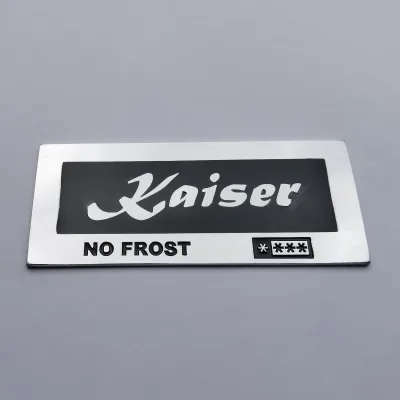
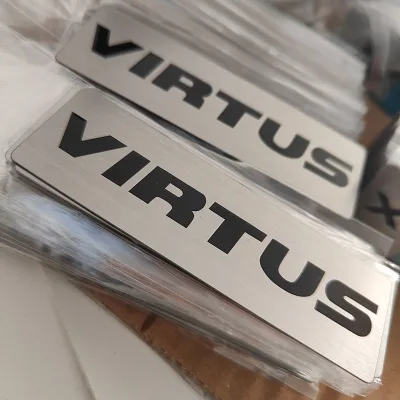
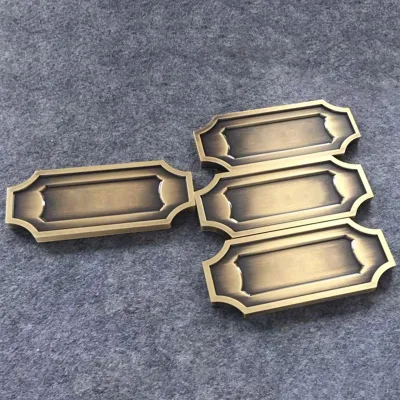
Supplier types in this sector vary between pure manufacturers and trading companies, each offering distinct advantages for different procurement strategies. The available facts confirm that both manufacturer and trading company entities are active in providing products like etching metal ornaments, tea filters, and custom metal nameplates. Manufacturers typically offer greater control over the production process, allowing for deeper customization of materials, thicknesses, and finishing techniques such as brushed or antique brass finishes. They are often better suited for large-volume orders where economies of scale can reduce unit costs. On the other hand, trading companies may provide a broader catalog of diverse products, including badges, stickers, and epoxy dome labels, which can be beneficial for buyers looking to consolidate multiple sourcing needs. However, trading companies might add a layer of markup and potentially reduce direct communication with the production floor. Buyers must carefully evaluate whether their priority lies in direct factory engagement for cost and customization or in the convenience and variety offered by trading intermediaries.
How to Verify China Mainland Name Plate Suppliers
Verifying the legitimacy and capability of name plate suppliers requires a multi-layered approach that goes beyond simple profile reviews. One critical step is to check for third-party verification badges, such as those provided by SGS Group, which serve as an independent confirmation of a supplier’s business status and operational integrity. This verification acts as a foundational trust signal, indicating that the company has undergone some level of external scrutiny regarding its legal existence and basic operational capabilities. Buyers should prioritize suppliers who display such verified badges, as it reduces the risk of engaging with fraudulent entities. Additionally, examining the supplier’s certification history is essential; for instance, the presence of ISO 9001 certification suggests that the supplier adheres to standardized quality management systems. This is particularly important for name plate manufacturers, as consistent quality in etching depth, material thickness, and adhesive backing is crucial for product durability and brand representation.
Beyond certifications, buyers should actively assess the supplier’s responsiveness and technical capacity to ensure they can meet specific project requirements. The response time metric is a valuable indicator of operational efficiency; a supplier with a response time of eight hours or less is likely more agile in handling inquiries and resolving issues promptly. This speed is crucial during the negotiation and sampling phases, where quick feedback can accelerate the overall sourcing timeline. Furthermore, evaluating the supplier’s research and development capacity is vital for custom projects. Suppliers offering capabilities such as sample processing, graphic processing, and customized on-demand services demonstrate a higher level of technical flexibility. Buyers should inquire about the specific techniques available, such as letterpress printing, metal finishing, or carved techniques, to ensure the supplier can achieve the desired aesthetic and functional outcomes. Confirming these capabilities through direct communication helps validate the supplier’s ability to deliver high-quality, customized name plates that meet exact specifications.
What to Compare Across China Mainland Name Plate Suppliers
When evaluating multiple suppliers, buyers must systematically compare key operational metrics to identify the most suitable partner for their specific needs. One of the most critical factors is the minimum order quantity (MOQ), which can vary significantly across different vendors. For example, some suppliers may require an MOQ of 500 pieces, while others might accept orders as low as 100 pieces. This variation is crucial for buyers with varying volume requirements, as a lower MOQ allows for smaller test orders or niche product launches without excessive inventory risk. Additionally, the lead time for production is a vital consideration, with some suppliers indicating a standard lead time of 15 days. Buyers should compare these timelines against their project deadlines to ensure that the supplier can deliver within the required window. It is also important to note that lead times may vary based on the complexity of the customization, such as the need for specific etching patterns or custom sizes, so buyers should seek clarity on how these factors influence production schedules.
Price and material specifications are another area where significant comparison is necessary to ensure value for money. The price range for name plates can fluctuate based on material type, size, and finishing techniques. For instance, prices may range from as low as $0.30 to over $2.50 per unit, depending on whether the product is a simple blank tag or a complex, custom-branded metal plate. Buyers should compare not just the unit price but also the total cost, including packaging and shipping. Material options such as stainless steel, aluminum, and brass each have different cost implications and durability profiles. Additionally, buyers should compare the customization options available, such as the ability to customize size, thickness, and logo placement. Suppliers offering flexible design options and free graphic processing can provide greater value by reducing the need for external design services. By meticulously comparing these factors, buyers can select a supplier that offers the best balance of cost, quality, and service for their specific requirements.
Common China Mainland Name Plate Sourcing Risks
Sourcing name plates from China mainland suppliers involves several inherent risks that buyers must proactively manage to ensure successful procurement. One significant risk is the potential for quality inconsistencies, particularly when dealing with custom metal products. Variations in etching depth, material thickness, and adhesive quality can lead to products that do not meet the buyer’s specifications. For example, a name plate intended for machine use might fail if the material is not durable enough or if the adhesive backing is insufficient for the intended environment. Buyers should mitigate this risk by requesting physical samples before committing to large orders. These samples allow for a thorough inspection of the product’s quality, including checking for defects in the carving, printing, or plating processes. Additionally, buyers should verify the supplier’s ability to maintain consistent quality across large batches, as this is crucial for maintaining brand integrity and customer satisfaction.
Another common risk is the miscommunication regarding customization details, which can lead to costly errors and delays. Suppliers may interpret design files or specifications differently, resulting in products that do not match the buyer’s expectations. This risk is heightened when dealing with complex designs or specific technical requirements, such as custom sizes or unique finishing techniques. To mitigate this, buyers should provide detailed and clear specifications, including exact dimensions, material types, and finishing preferences. It is also advisable to establish a clear communication channel with the supplier’s technical team to address any questions or concerns promptly. Furthermore, buyers should be aware of the potential for logistical delays, especially if the supplier is located in a region prone to shipping disruptions. Understanding the supplier’s port of dispatch, such as Shenzhen or Guangzhou, can help buyers anticipate potential transit times and plan accordingly. By identifying and addressing these risks early in the sourcing process, buyers can minimize the likelihood of costly mistakes and ensure a smoother procurement experience.
China Mainland Name Plate Regional Sourcing and Logistics
The geographic location of suppliers plays a pivotal role in determining the logistics and shipping dynamics for name plate orders. Most suppliers in this sector are concentrated in Guangdong, China, a region that benefits from proximity to major international shipping hubs. This strategic location facilitates efficient export processes, as many factories are situated near ports like Shenzhen and Guangzhou, which are among the busiest in the world. Buyers should leverage this geographic advantage by coordinating with suppliers who have established relationships with reliable freight forwarders. This can help streamline the shipping process, reduce transit times, and potentially lower freight costs. Additionally, the concentration of suppliers in Guangdong creates a competitive environment that can drive innovation and efficiency in production and logistics. Buyers should consider this regional clustering when planning their sourcing strategy, as it offers access to a wide range of suppliers with diverse capabilities and competitive pricing.
Logistics planning should also account for the specific packaging and handling requirements of name plate products. These items are often delicate and require careful packaging to prevent damage during transit. Suppliers typically use packaging methods such as OPP bags and boxes to protect the products, but buyers should verify that these methods are sufficient for their specific needs. For instance, if the name plates are intended for high-end applications, additional protective packaging may be necessary to ensure they arrive in pristine condition. Buyers should also consider the impact of packaging on shipping costs, as larger or heavier packages can increase freight expenses. By working closely with suppliers to optimize packaging and logistics, buyers can ensure that their orders are delivered safely and efficiently. Furthermore, understanding the supplier’s port of dispatch and shipping options can help buyers choose the most cost-effective and timely delivery method for their specific requirements.
China Mainland Name Plate Commercial Terms and Order Planning
Effective order planning for name plate sourcing requires a thorough understanding of the commercial terms offered by suppliers. One key aspect is the payment terms, which can vary significantly between different vendors. Buyers should negotiate favorable payment terms that align with their cash flow needs and risk tolerance. Common terms include partial upfront payments with the balance due upon shipment, or full payment upon receipt of goods. Additionally, buyers should be aware of any additional costs associated with customization, such as setup fees for etching or printing. These costs can impact the overall project budget and should be factored into the initial cost analysis. By clearly understanding the commercial terms, buyers can avoid unexpected expenses and ensure a transparent and fair transaction with their suppliers.
Another critical component of order planning is the management of inventory and production schedules. Buyers should work with suppliers to establish realistic production timelines that account for customization, quality control, and shipping. This is particularly important for large orders or complex projects that require multiple stages of production. Buyers should also consider the supplier’s supply ability, such as the capacity to produce 100,000 pieces per month, to ensure that the supplier can meet their volume requirements. Additionally, buyers should plan for potential delays or disruptions by maintaining a buffer in their inventory levels. By proactively managing these commercial and logistical aspects, buyers can ensure a smooth and efficient sourcing process, minimizing risks and maximizing value. This strategic approach to order planning helps buyers build strong, long-term relationships with their suppliers and achieve their business objectives.
FAQs
What is the price range for custom metal name plates?
Prices typically range from $0.30 to $2.50 per unit depending on material and customization. Basic brushed stainless steel options start near $0.30, while complex etched brass or aluminum plates may cost up to $2.50. Final pricing depends on order volume and specific design requirements.
What is the minimum order quantity for these products?
Minimum order quantities vary by supplier, with common thresholds of 100 or 500 pieces. Some manufacturers accept orders as low as 100 units for standard tags, while others require 500 units for custom etched nameplates. Buyers should verify specific MOQs with suppliers before placing orders.
How long does production take for custom name plates?
Standard lead times are approximately 15 days for production. Suppliers in Guangdong, China, typically offer this turnaround for customized metal tags and nameplates. Buyers should confirm exact delivery schedules with individual manufacturers, as rush orders or complex designs may extend the production timeline.
What materials are used for these metal name plates?
Common materials include stainless steel, aluminum, and brass. Products are often available in brushed finishes or antique brass colors. Thicknesses typically range from 0.5mm to 0.8mm, with customization options available. Buyers can select materials based on durability needs and aesthetic preferences for their specific application.
Are these suppliers verified and certified?
Many suppliers hold ISO 9001 certification and undergo SGS Group verification. These credentials indicate adherence to quality management standards and reliable manufacturing processes. Buyers should request current certification documents to ensure compliance with their specific quality requirements and industry standards for metal product manufacturing.
What customization options are available for metal tags?
Suppliers offer OEM and ODM services including custom logos, sizes, and shapes. Options include etching, embossing, and letterpress printing. Thickness and dimensions can be tailored to specific needs. Buyers can request free design services or provide their own artwork for precise branding and identification purposes.