Foldable Modern Clothing Organizer Suppliers and Manufacturers
Source 25 verified suppliers for Foldable Modern Clothing Organizer products. Compare key dimensions including lead times, MOQs, certifications, and response rates. Review specific product attributes and pricing to identify the right manufacturing partner for your storage needs; review the available evidence before requesting comparable quotations from suitable candidates.
Updated
Suppliers List

Wenzhou Guanmin Import and Export Co., Ltd.
- Verified by BV
- Trading Company,Manufacturer/Factory
- China Zhejiang
- Lead time120 days
- Avg. response≤ 6h
Main productsShopping Bag, Cooler Bag, Notebook, Pen, Color Pencil, Lanyard, Beach Ball, Umbrella, Sunshade, Air Freshener
Main marketsSouth America,Eastern Europe,Mid East,North America,Southeast Asia,Eastern Asia,Western Europe

Jinhua Saving Industry and Trade Co. Ltd
- Verified by SGS
- Manufacturer
- China Zhejiang
- Lead time15 days
- Avg. response≤ 10h
Main productsNon-Woven Storage Box, Non-Woven Storage Bag, Laundry Bag, Cloth Storage Box, Foldable Storage Box, Storages Basket
Ningbo Kingdom Home Fashion Co., Ltd.
- Manufacturer, Trading Company
- Zhejiang, China
- Lead time30 days
- Avg. response≤ 2h
Main productsShopping bags,closet organizer,Storage stool,over the door hanging storage bag,suit cover
Main marketsNorth America(40.00%), Central America(20.00%), Northern Europe(20.00%), Domestic Market(10.00%), Eastern Europe(5.00%), Southern Europe(5.00%)

Fuzhou ADF International CO., LTD.
- Verified by BV
- Trading Company,Manufacturer/Factory
- China Fujian
- Lead time45 days
- Avg. response≤ 5h
Main productsBags, Suitcase, Backpack, Travel Bags, School Bags, Storage Ottoman, Luggage, Cooler Bag, Household Products
Main marketsSouth America,Eastern Europe,Mid East,North America,Southeast Asia,Eastern Asia,Oceania,Western Europe,Africa

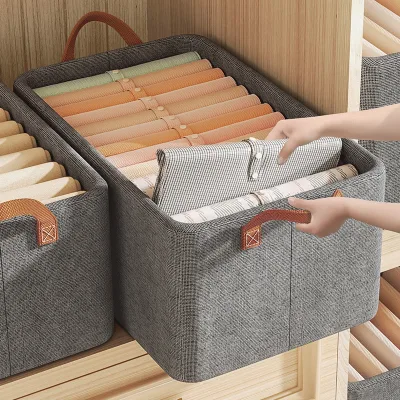
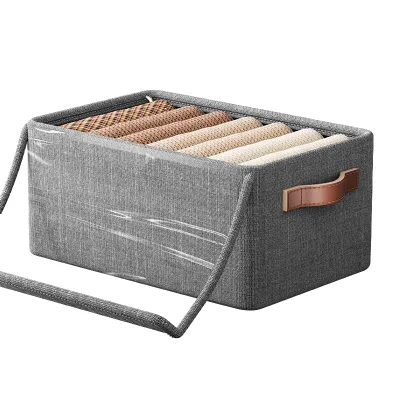
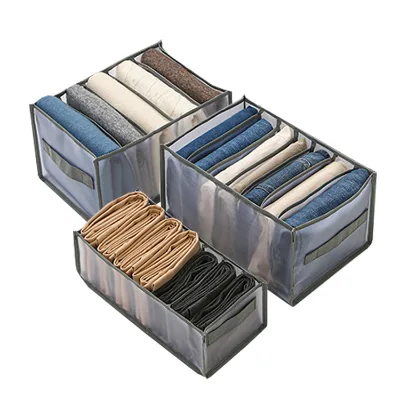
Storage Box Collapsible Clothes Organizer for Jeans Foldable Clothing Storage Box
$0.80 - $1.80
MOQ: 1000 Pieces

High-Capacity Household Clothing Organizer Foldable Portable Storage Box
$0.80 - $1.80
MOQ: 1000 Pieces

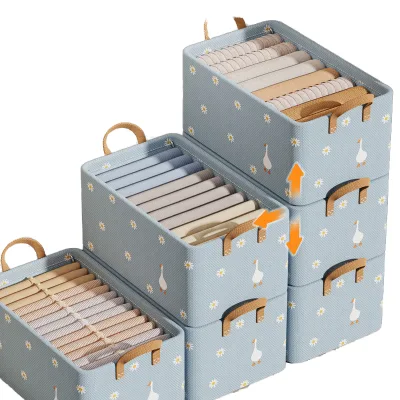
Fabric Clothing Folding Storage Box Organizers for Home Use Living Room
$0.80 - $1.80
MOQ: 1000 Pieces

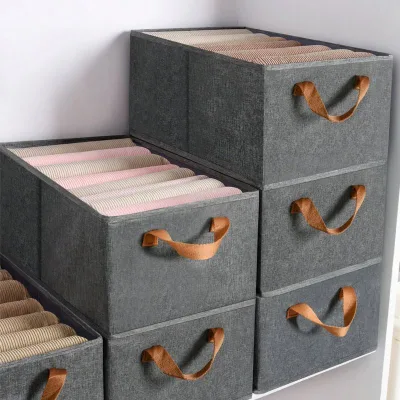
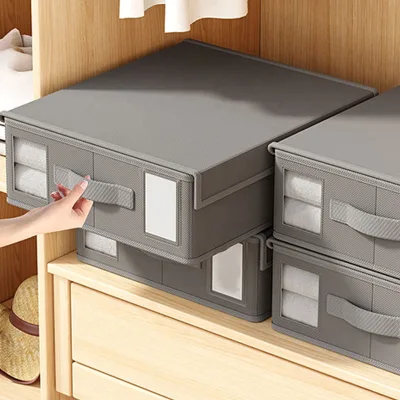
Multifunction Closet Storage Washable Drawer Organizer for Clothes Storage Box
$0.80 - $1.80
MOQ: 1000 Pieces

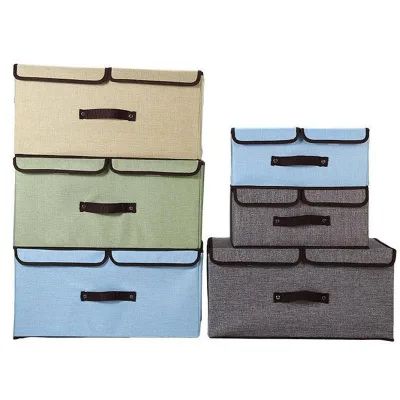
Design Household Storage Foldable Storage Box Closet Organizer with Lid
$0.80 - $1.80
MOQ: 1000 Pieces

Reusable Hanging 6-Shelf Collapsible Organizer with Handle for Clothes Shoes Storage Box
$0.80 - $1.80
MOQ: 1000 Pieces
Zhejiang Runjiang New Material Technology Co., Ltd.
- Verified by Intertek
- Manufacturer, Trading Company
- Lead time10 days
- Avg. response≤ 2h
Main productsNon-woven Fabric, Stroage Bag, Shopping Bag, Cooler Bag
Main marketsNorth America(40%), Western Europe(30%), South America(15%)
Jinhua Huaxuan Daily Necessities Co., Ltd.
- Verified by SGS Group
- Manufacturer, Trading Company
- Lead time15 days
- Avg. response≤ 4h
Main productsStorage Boxes & Bins, Storage Ottoman, Storage Organizer, , Storage Bag, OEM Brand Labeling
Main marketsMid East(30%), North America(20%), Western Europe(20%)

Ningbo General Union Co., Ltd.
- Verified by BV
- Trading Company
- China Zhejiang
- Lead time30 days
- Avg. response≤ 9h
Main productsCleaning Brush, Bottle, Kitchenware, Storage Box, Outdoor, Pet, Fitness Equipment, Digital Devices, Camping, Pet Bottle
Main marketsSouth America,Africa,Southeast Asia/ Mideast,East Asia(Japan/ South Korea),Europe,Australia,North America


Wardrobe Organizer Cotton Storage Baskets Large Capacity Clothes Storage Bag Organizer
$1.80 - $1.95
MOQ: 500 Pieces


2 in 1 Multifunction Hanging Closet Organizer with 6 Pockets Purses Storage Rack
$24.99
MOQ: 3000 Pieces

- Verified by BV
- Trading Company
- China Zhejiang
- Lead time30 days
- Avg. response≤ 13h
Main productsMop with Bucket, Spray Mop, Cleaning Brush, Shoe Rack, Flat Mop, Mop Cloth
Main marketsSoutheast Asia/ Mideast,Europe,North America


Folding Linen Storage Box with Lid Clothing Storage Basket Organizer for Household
$3.20
MOQ: 1000 Pieces

Large Capacity Folding Storage Box Linen Fabric Folding Storage Organizer with Lid
$2.00
MOQ: 1000 Pieces

Shanghai Shengyada Houseware Co., Ltd.
- Verified by SGS
- Combined
- China Shanghai
- Lead time30 days
- Avg. response≤ 4h
Main productsfoldable storage box
Main marketsEurope

Multi-Compartment Folding Cloth Wardrobe Fabric Collapsible Portable Closet Organizer
$7.23 - $8.33
MOQ: 500 Pieces

Space-Saving Folding Cloth Wardrobe Lightweight Fabric Collapsible Portable Closet Organizer
$7.23 - $8.33
MOQ: 500 Pieces


New Arrival Foldable Storage Box Home Wardrobe Clothes & Toy Organizer with Handle
$1.35
MOQ: 2000 Pieces

Non-Woven Fabric Folding Cloth Wardrobe Lightweight Organizer for Bedroom
$7.23 - $8.33
MOQ: 500 Pieces


Xuzhou Risen Industry and Supply Co., Ltd
- Verified by TUVRHEINLAND
- Trading Company
- China Jiangsu
- Lead time30 days
- Avg. response≤ 4h
Main productsHousehold Adornment, Household Supplies, Home Decoration, Compressed Sofa, Dining Furniture, Bothroom Organizer, Kitchen Storage, Glass Ornaments, Ceramic Tableware, Home Fragrance
Main marketsSouth America
Hefei Yolohome Technology Co., Ltd.
- Verified by TüVRheinland
- Manufacturer, Trading Company
- Lead time10 days
- Avg. response≤ 4h
Main productsStorage Bag, Storage Box, Home Textile Bag, Wash Bag, Wardrobe And Shoe Rack
Main marketsNorth America(35%), Western Europe(25%), South America(15%)
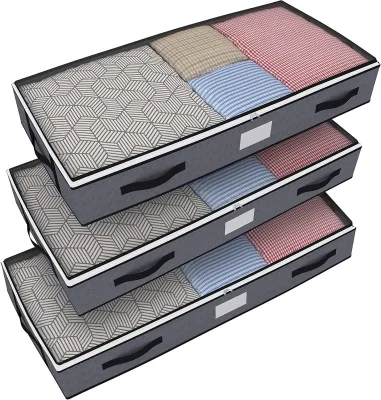
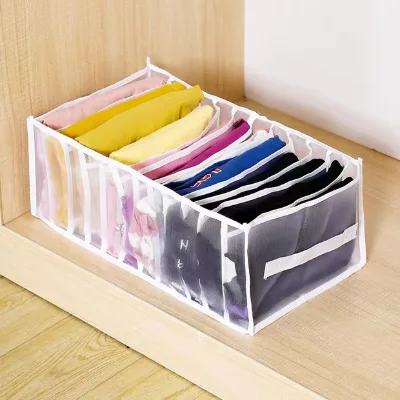
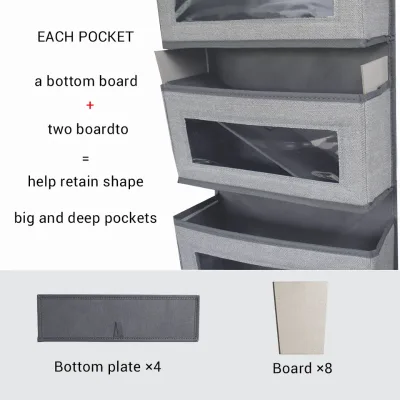
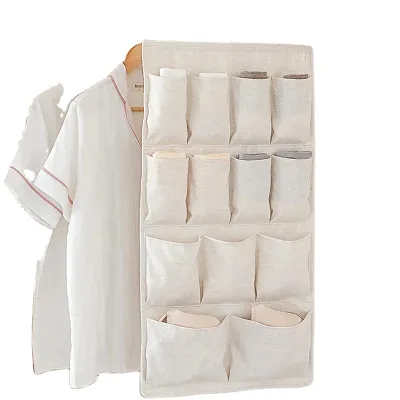
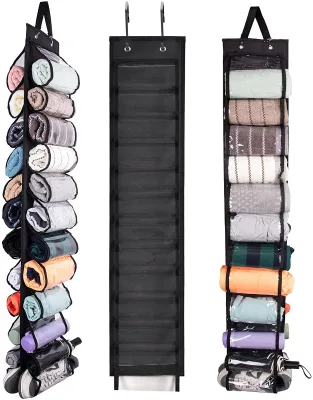
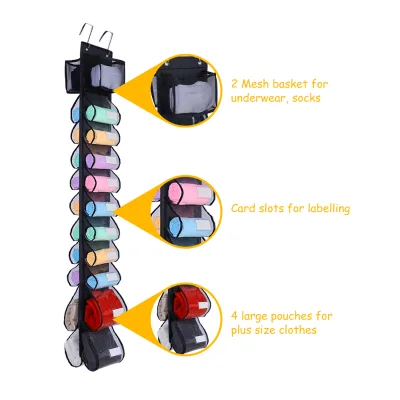
$3.5575 - $3.8716
MOQ: 300 pieces

Henan Xiaokangning Import And Export Co., Ltd.
- Trading Company
- Henan, China
- Lead time7 days
- Avg. response≤ 3h
Main productsSexy lingerie,sexy sleepwear,women underwear/panty,Women's clothing,Men's clothing
Main marketsNorth America(23.00%), South America(21.00%), Eastern Europe(11.00%), Southeast Asia(10.00%), Africa(6.00%), Oceania(5.00%), Domestic Market(3.00%), South Asia(3.00%), Southern Europe(3.00%), Northern Europe(3.00%), Central America(3.00%), Western Europe(3.00%), Eastern Asia(3.00%), Mid East(3.00%)

Jiangsu Huikai Plastics Industry Co., Ltd.
- Manufacturer, Trading Company
- Jiangsu, China
- Lead time15 days
- Avg. response≤ 8h
Main productsVacuum Bag,Storage Bag,Storage Box,Garment Cover,Plastic Drop Cloth
Main marketsWestern Europe(40.00%), North America(10.00%), Eastern Europe(10.00%), South America(10.00%), Central America(5.00%), Southeast Asia(5.00%), Mid East(5.00%), Oceania(5.00%), Africa(5.00%), Domestic Market(2.00%), Northern Europe(1.00%), South Asia(1.00%), Southern Europe(1.00%)
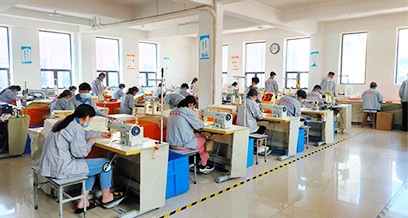
Qingdao Aibeiying Home Products Co., Ltd.
- Manufacturer, Trading Company
- Shandong, China
- Lead time20 days
- Avg. response≤ 5h
Main productstoy organizer,storage baskets,household items,stroller bag,Laundry Baskets
Main marketsDomestic Market(95.00%), Eastern Europe(1.00%)
Weixian Chenrun Felt Products Co., Ltd.
- Verified by Intertek
- Manufacturer, Trading Company
- Lead time15 days
- Avg. response≤ 2h
Main productsStorage Baskets, Diaper Bags, Cosmetic Bags and Cases, Mommy Bags, Educational Toys
Main marketsDomestic Market(20%), North America(18%), Eastern Europe(10%)
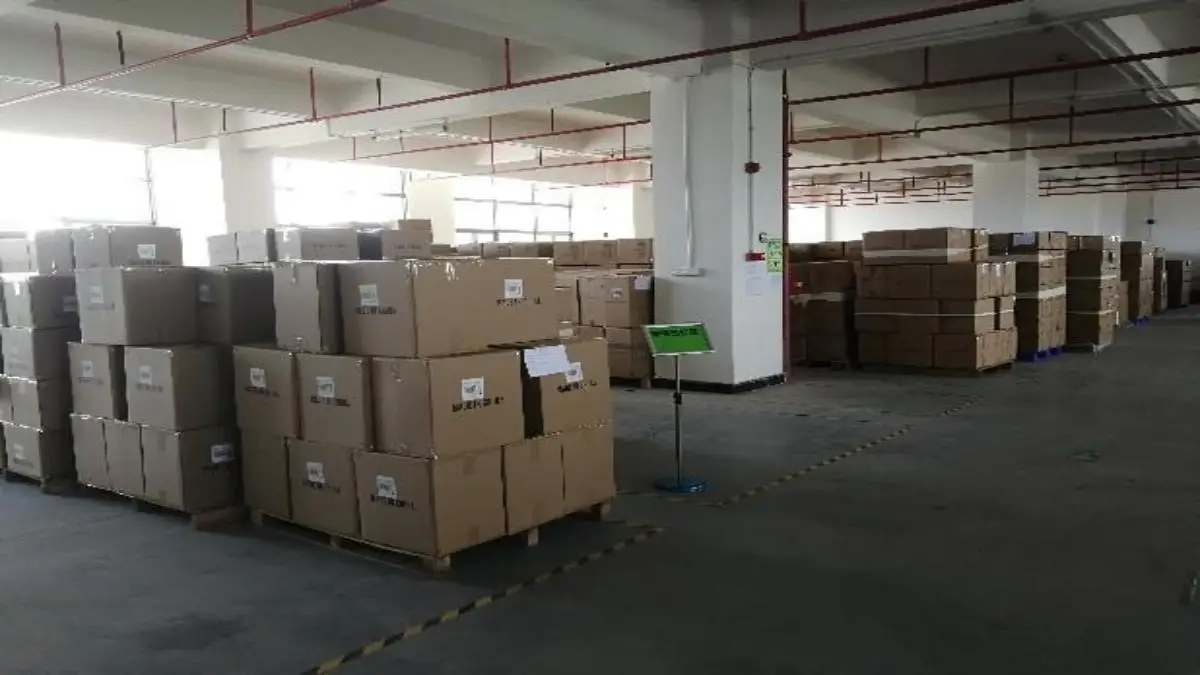
Dongguan Junxian Household Products Co., Ltd.
- Manufacturer, Trading Company
- Guangdong, China
- Lead time35 days
- Avg. response≤ 3h
Main productsWoven Storage Box, Woven Storage Cabinet
Main marketsNorth America(85.00%), Western Europe(10.00%), Eastern Asia(5.00%)
Jiaxing Aifute Household Products Co., Ltd.
- Verified by TüVRheinland
- Trading Company
- Lead time25 days
- Avg. response≤ 8h
Main productsStorage Boxes, Laundry Basket, Suit Bag, Ironing Board, Travel Bag
Main marketsNorth America(60%), Eastern Europe(20%), Western Europe(20%)
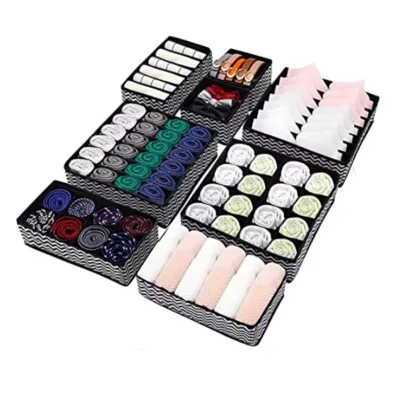
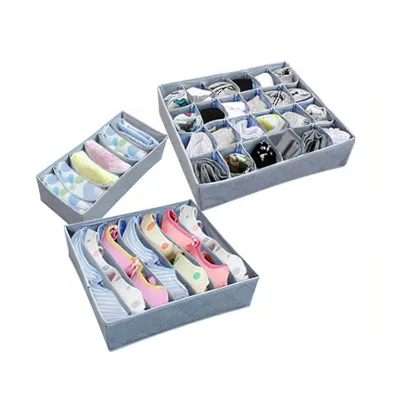
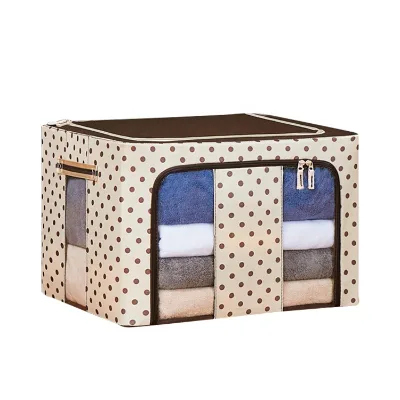
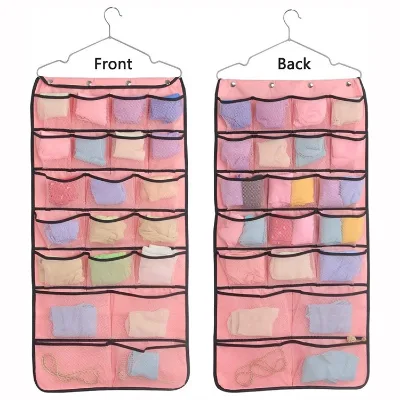
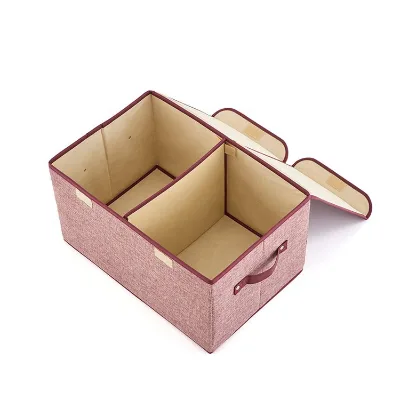
Best Storage Containers for Clothes Closet System Design Clothes Storage Cabinets
$1.49 - $1.59
MOQ: 1000
Shantou Hongxing Commodity Co., Ltd.
- Verified by Intertek
- Manufacturer, Trading Company
- Lead time25 days
- Avg. response≤ 4h
Main productsPlastic Daily-Used Household Products
Main marketsSouth Asia(20%), South America(19%), Mid East(18%)
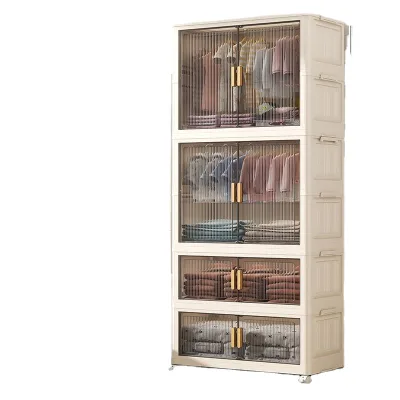
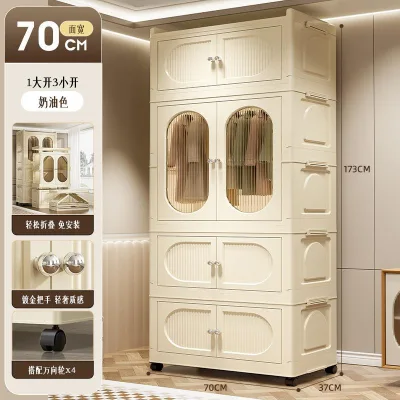
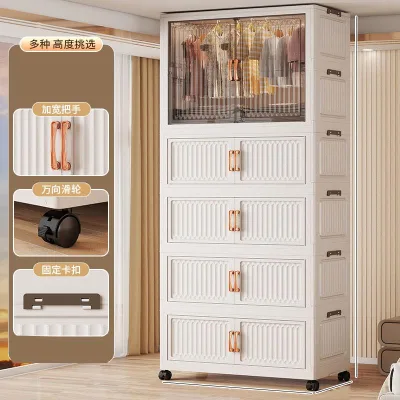
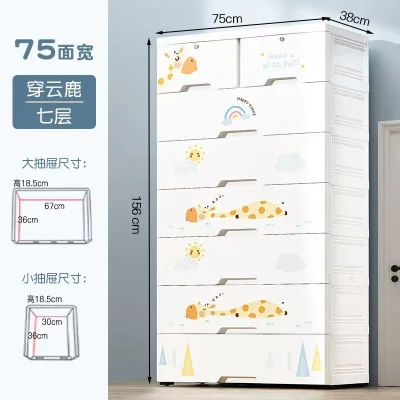
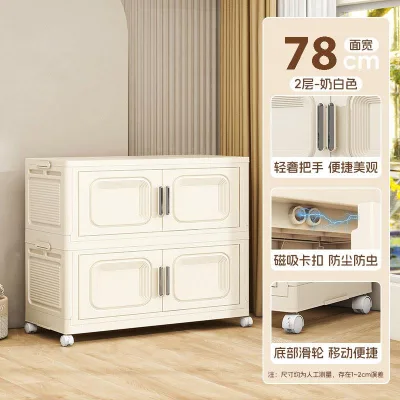
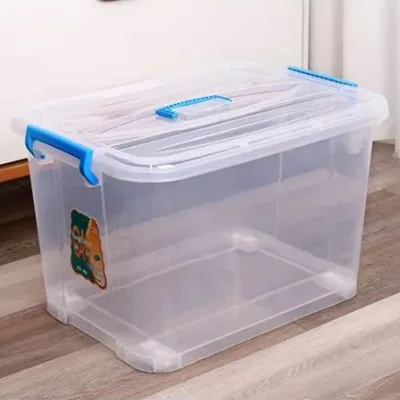
Eco-Friendly Rectangle Home Storage Box 90L
MOQ: 16 Minimum

Ningbo V. K. Industry and Trading Co., Ltd.
- Verified by BV
- Trading Company
- China Zhejiang
- Lead time30 days
- Avg. response≤ 6h
Main productsIce Bath Tub, Cosmetic Glass Bottle, Hydroponics Grow Box, Baby Bottle, Inflatable Tent, Cream Jar, Reed Diffuser Bottle, Jewish Products, Mezuzah Case
Main marketsSouth America,Europe,Australia,North America

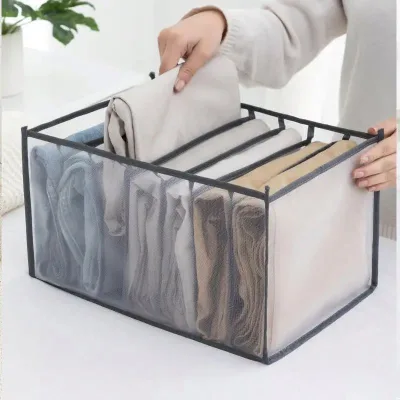
Wholesale Household Storage Box Organizer for Underwear Packing Foldable Drawer Dividers Organizer
$0.93 - $1.93
MOQ: 1000 Pieces


- Verified by TUVRHEINLAND
- Trading Company
- China Zhejiang
- Lead time15 days
- Avg. response≤ 8h
Main productsBaby Products, Baby Accessory, Kids Toy, Pet Products, Fashion Apparel & Accessories, Personal Care, Christmas Decoration, Home Decoration, Beauty Care, Daily Use
Main marketsSouth America,Europe,North America

$0.85 - $1.00
MOQ: 1000 Pieces

Hanging Closet Organizer Multi Layer Clothes Storage Bag Foldable Wardrobe Hanging Organizer
$1.30 - $1.50
MOQ: 1000 Pieces

Household Non-Woven Fabric Storage Box Clothes Organizer for Wardrobe Drawers
$1.00 - $1.14
MOQ: 200 Pieces


Foldable Hanging Closet Organizer Multi Shelf Storage Bag for Clothes Wardrobe and Bedroom
$1.30 - $1.50
MOQ: 1000 Pieces

Fuzhou Haomin Imp. & Exp. Co., Ltd.
- Verified by SGS
- Trading Company
- China Fujian
- Lead time30 days
- Avg. response≤ 4h
Main productsBackpacks, Beach Bags, School Bags, Shopping Bags, Canvas Bags, Sports Bags, Cosmetic Bags, Pet Bags, Cotton Bag, Travel Bag
Main marketsEast Asia(Japan/ South Korea),Europe,North America
Ningbo Homecrest Imp.& Exp. Co., Ltd.
- Trading Company
- Zhejiang, China
- Lead time20 days
- Avg. response≤ 6h
Main productsKitchen Organizer, Home Organizer, Bathroom Organizer, Home Decor
Main marketsNorth America(40.00%), Northern Europe(40.00%), Oceania(10.00%), Eastern Asia(10.00%)
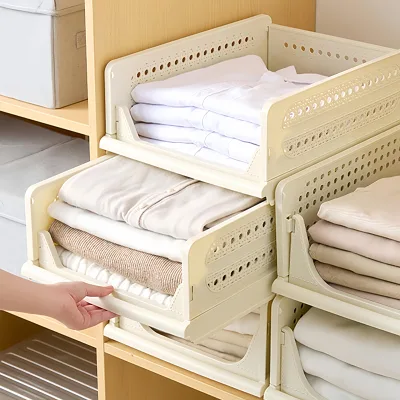
$8.0156 - $8.4255
MOQ: 500 pieces
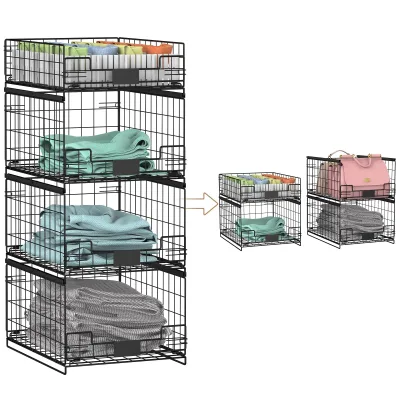
Zhejiang Xingyou Household Products Co., Ltd.
- Verified by SGS Group
- Trading Company
- Lead time30 days
- Avg. response≤ 2h
Main productsStorage Boxes, Storage Shelf, Plastic Storage Boxes
Main marketsNorth America(30%), Western Europe(25%), Southeast Asia(20%)

Quanzhou Brightstar Home Furnishings Co., Ltd.
- Manufacturer, Trading Company
- Fujian, China
- Lead time25 days
- Avg. response≤ 2h
Main productsCloakroom Stand,Flower Rack,Storage Stand,Table,Fire Pit
Main marketsNorth America(20.00%), Western Europe(15.00%), Eastern Europe(15.00%), South America(15.00%), Southeast Asia(10.00%), Mid East(10.00%), Oceania(5.00%), Eastern Asia(5.00%), Africa(5.00%)

Baoding Tengke Trading Co., Ltd.
- Verified by SGS
- Trading Company
- China Hebei
- Lead time15 days
- Avg. response≤ 3h
Main productsBags, Cleaning Tools Scraper, Household Products, Towel, Tumbler Bottle Mug, Ktichen Tools/Gardget, Textile, Personal Care, Balloons, Hook and Loop Tape
Main marketsEurope


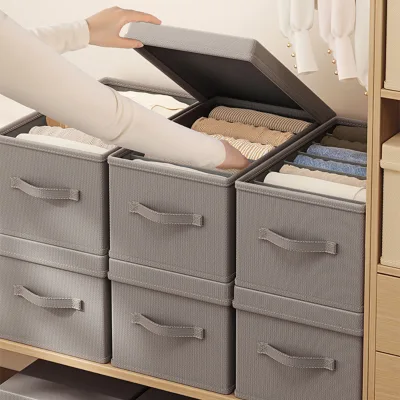
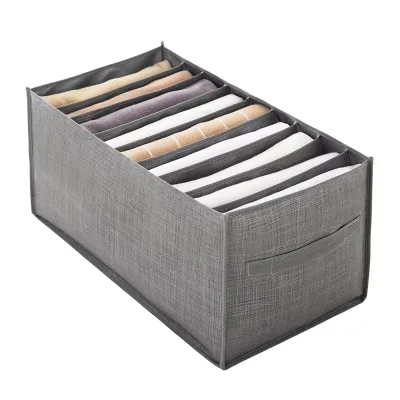
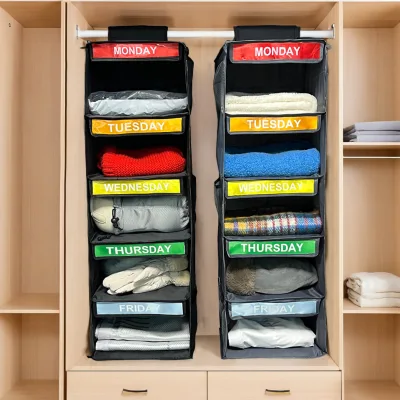
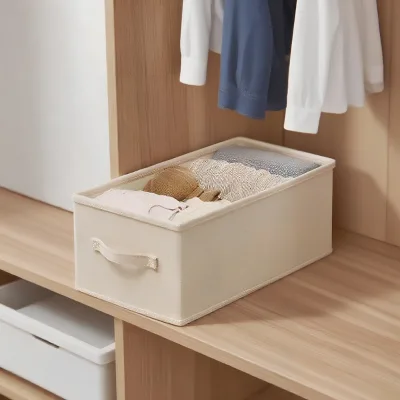


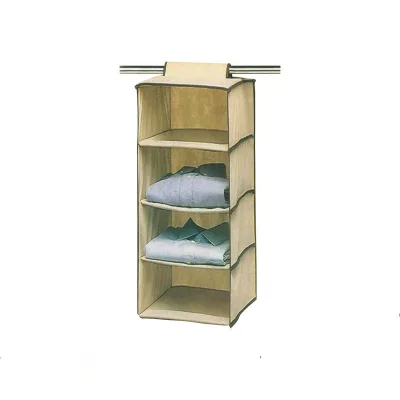
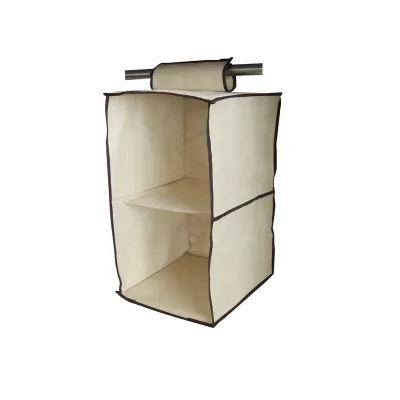
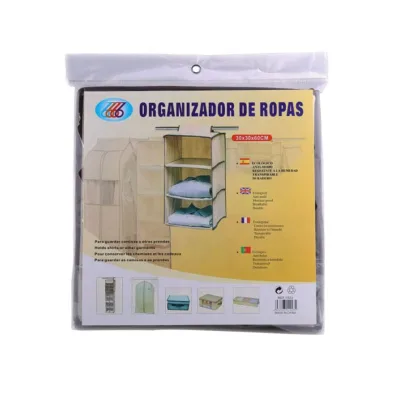
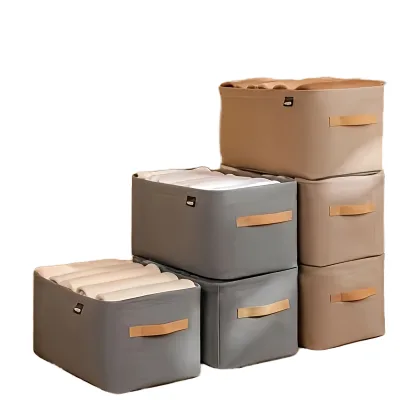
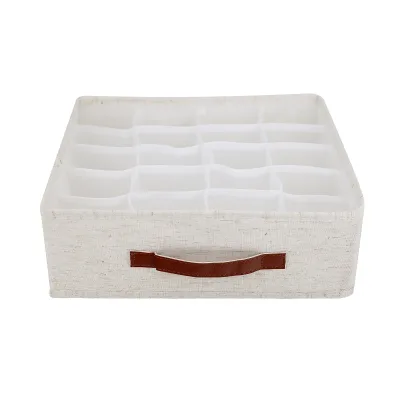
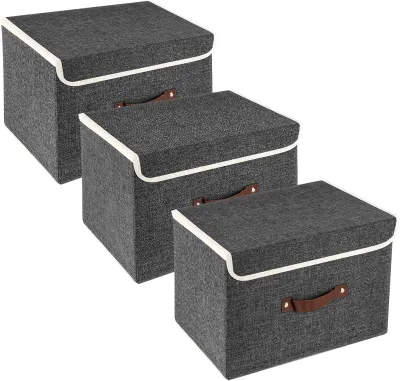
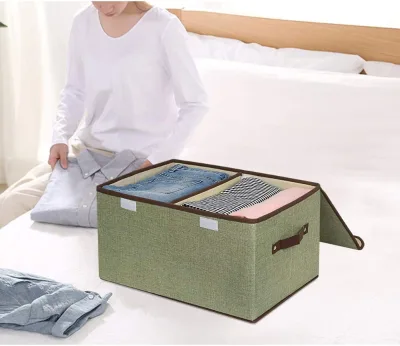
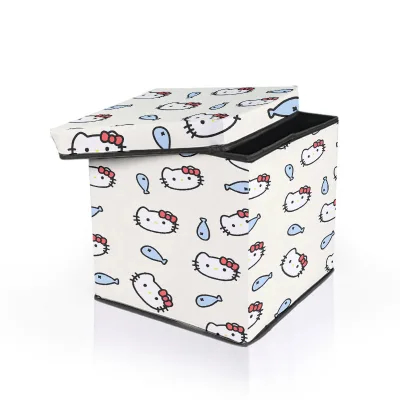


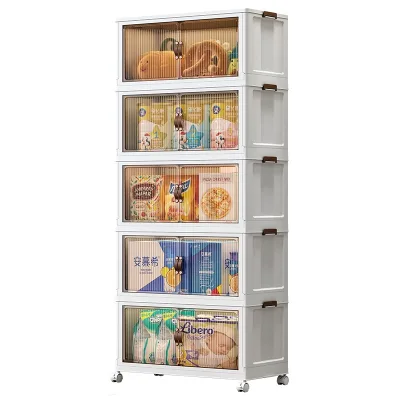
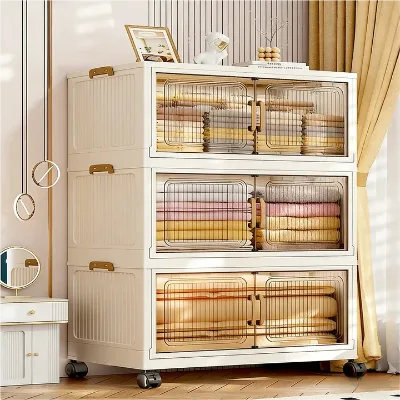


Comprehensive Sourcing Guide
Foldable Modern Clothing Organizer Supplier Concentration and Factory Types
Sourcing results for the Foldable Modern Clothing Organizer category show a heavy concentration of suppliers in Zhejiang, China, which appears repeatedly in the location and product-origin fields of current listings. This is consistent with the region's well-known role in light household goods and non-woven fabric products. Buyers should treat Zhejiang as the default starting geography, but should still ask each candidate where its actual production or packing happens, because some of the suppliers identify themselves as trading companies or combined trading-and-manufacturing operations rather than pure factories. A combined profile can be acceptable, but it changes who controls quality, tooling and lead time.
Supplier types in this category generally split into manufacturers, trading companies, and hybrid manufacturer-traders. Manufacturer-labeled suppliers tend to list deep product lines such as non-woven storage boxes, laundry bags, cloth storage boxes, foldable storage boxes and storage baskets, which signals in-house cutting, sewing and packaging capability. Trading companies may show broader but shallower catalogs, sometimes spanning unrelated promotional items like bags, notebooks and pens alongside organizers, which suggests outsourced production. To identify clusters beyond the supplied evidence, filter results by province and check whether multiple suppliers list the same product keywords, packaging styles and origin notes; overlapping model structures across suppliers usually reveal a genuine production cluster rather than a single well-marketed seller.
How to Verify Foldable Modern Clothing Organizer Suppliers
Verification should begin with the credentials actually displayed on supplier profiles and product listings, then move to evidence the buyer requests directly. In current results, some suppliers carry third-party verification labels such as BV or SGS, while others display no system certification at all — one profile explicitly shows a certification field of NIL. Never assume an unlisted certification exists; instead, ask the supplier to share a valid certificate and check the issuing body and expiry date yourself. Where ISO 9001, BSCI or SEDEX type credentials appear on a profile, confirm the certificate covers the producing entity, not just the sales office.
Beyond paperwork, verification for this category is largely physical. Request samples of the specific organizer models you are considering, since foldable fabric products fail in predictable ways: weak stitching at handle joints, non-woven fabric that tears at fold lines, and zippers that misalign after repeated use. Ask which factory will produce your order and whether the sample came from that line. For customization claims — many listings state that logo, size and design customization is available — test the claim with a small pre-production sample carrying your branding. Video calls showing the workshop, fabric rolls in stock and packing areas are a reasonable substitute when travel is not possible. Finally, check how the supplier responds to a technical question about material weight or fabric composition; vague answers on material are a stronger warning signal than a missing marketing photo.
What to Compare Across Foldable Modern Clothing Organizer Suppliers
Build a comparison table from the attributes suppliers actually display, without assuming every supplier reports every field. Useful dimensions in this category include lead time, MOQ, response time, verification label, company type, location, main products, and OEM/ODM or ODM-only capability. Current listings show wide variation: one supplier lists a lead time of around 120 days, while another lists roughly 15 days — a difference that could determine whether a supplier fits your season at all. Response times likewise range from under six hours to over nine hours on displayed figures, which matters when you are iterating samples under deadline.
Compare commercial parameters next. Displayed MOQs in this category range from 1,000 pieces on one fabric organizer listing to 2,000–3,000 pieces on several non-woven storage box models, so match MOQ against your expected order volume before investing in sampling. Displayed unit prices span a wide band, from roughly half a dollar on one listing to over three dollars on a larger linen-style organizer, but treat these as reference points only and demand quotations tied to your exact size, fabric and packaging specification. Also compare product depth: a supplier whose main products are entirely storage and organization items is more likely to handle a mixed SKU order competently than one listing organizers as a sideline. Weight the combination of short lead time, low MOQ, fast response and relevant specialization rather than optimizing any single column in isolation.
Common Foldable Modern Clothing Organizer Sourcing Risks
The most common risk in this category is specification drift. Foldable organizers are described by soft attributes — fabric type, folded size, capacity, stitching density — and a supplier may substitute a lighter non-woven fabric or reduce board thickness between the approved sample and bulk production. Several listings describe products only generically, so without a signed specification sheet listing fabric weight, dimensions, color fastness and carton markings, you have little recourse when bulk goods arrive thinner than samples. Put every measurable attribute in writing before deposit.
Secondary risks cluster around capacity, compliance and communication. A supplier quoting an unusually short lead time may be planning to slot your order around larger customers; confirm capacity with production schedules, not promises. Compliance is a real exposure: some profiles in this category show no system certifications, and household textile goods may still face labeling, material and chemical requirements in your market, so clarify who is responsible for meeting them rather than assuming the factory handles it. Trading-company intermediaries add a layer where sample quality and bulk production can come from different factories — ask directly who manufactures. Finally, watch customization claims: listings advertise customized logo, size and design, but customization capability should be proven with a pre-production sample and a defined approval process, not taken from a catalog field. Payment terms that leave no leverage before shipment amplify all of these risks.
Foldable Modern Clothing Organizer Regional Sourcing and Logistics
The supplied results point to Zhejiang, China as the dominant sourcing origin for this category, with multiple product listings explicitly noting Zhejiang origins and several profile locations matching. Regional concentration has practical benefits: competing factories in one province make price benchmarking easier, sample couriers are faster, and combined shipments from multiple suppliers are more feasible. It also has drawbacks — regional demand spikes for household goods can stretch everyone's capacity simultaneously, so book production slots early for peak retail seasons rather than relying on last-minute quotes.
Logistically, these products are light and volume-heavy, which means freight cost is driven more by carton dimensions than weight. Foldable designs are a genuine logistics advantage, and several listings explicitly ship organizers folded in OPP bags, so ask each supplier for collapsed versus erected carton counts and calculate container utilization accordingly. Displayed lead times in this category vary dramatically — from around two weeks on one profile to roughly four months on another — so logistics planning must be supplier-specific, not category-generic. Confirm the supplier's port, whether they quote FOB or EXW, and who books freight. If you are combining organizers with heavier home goods, discuss how they load and whether mixed-container loading is routine. For first orders, consider shipping earlier than needed to absorb inspection or document delays, and always reconcile carton quantities against the packing list before releasing final payment.
Foldable Modern Clothing Organizer Commercial Terms and Order Planning
Commercial terms in this category should be negotiated around the displayed reference points, then verified in a written quotation. Listings currently show MOQs from 1,000 to 3,000 pieces depending on model, and unit prices from under one dollar to more than three dollars, but these figures assume standard sizes and OPP bag packaging. Any customization — logo, size, design, color — can move both price and MOQ, so request a tiered quote showing the cost of standard goods versus your customized specification, and confirm whether custom tooling or printing plates carry separate charges.
Order planning should work backward from your sales window using the specific supplier's lead time rather than a category average, because displayed lead times here range from about fifteen days to around one hundred twenty days. Structure payment to keep leverage: a modest deposit with balance due after a passed pre-shipment inspection is standard practice for this kind of light manufactured good. Build in a sample approval stage — including a signed golden sample retained by both parties — before bulk production, and define tolerance ranges for dimensions, fabric weight and color in the purchase contract. For repeat orders, lock pricing for a defined period and agree on what happens if raw material costs move. Finally, plan reorders around realistic capacity: if a supplier's short lead time depends on existing stock of a standard model, customized reorders will not match that speed, so confirm restock timelines in advance.
FAQs
What is the minimum order quantity for foldable clothing organizers?
Minimum order quantities vary by supplier and product type. Some manufacturers require a minimum of 1000 pieces for standard fabric storage boxes, while others may set the threshold at 2000 or 3000 pieces. Buyers should verify the specific MOQ for their chosen model, as customization options often influence these baseline requirements.
How long does production take for these storage organizers?
Production lead times differ significantly among suppliers. Some factories offer rapid turnaround times of approximately 15 days, whereas others may require up to 120 days for larger or more complex orders. It is essential to confirm the exact lead time with the supplier before finalizing purchase agreements to ensure timely delivery.
Are these organizers available with custom branding and design?
Yes, many suppliers offer extensive customization services. Buyers can typically request customized logos, designs, and sizes for their foldable clothing organizers. Options often include OEM and ODM capabilities, allowing for tailored materials, colors, and packaging solutions to meet specific brand requirements and market preferences effectively.
What certifications do these storage box manufacturers hold?
Certification standards vary by supplier. Some manufacturers hold ISO 9001, BSCI, SEDEX, or ISO 13485 certifications, indicating adherence to quality and social responsibility standards. Other suppliers may not list specific system certifications. Buyers should request valid certification documents directly from the supplier to verify compliance with their specific industry requirements.
Where are these foldable storage organizers typically manufactured?
Most suppliers for these products are located in China, with a significant concentration in the Zhejiang province. This region is known for its robust manufacturing infrastructure for home storage and organization goods. Buyers should verify the specific factory location to assess logistics costs and supply chain reliability for their orders.
What materials are used for these foldable storage boxes?
Common materials include non-woven fabric, regular fabric, and sometimes metal frames. Non-woven options are popular for being lightweight, eco-friendly, and space-saving. Fabric choices may vary in durability and texture. Buyers should check product specifications for material details to ensure the organizer meets their durability and aesthetic needs.