Class II Chitosan Gauze Suppliers and Manufacturers
Compare 26 verified suppliers offering Class II Chitosan Gauze with varying response times, lead times, and certifications like ISO 13485 and FDA. Review product attributes such as sterilization methods and MOQs to select the right partner for your medical needs.
Suppliers List

Ningbo Finer Medical Instruments Co., Limited
- Trading Company,Manufacturer/Factory
- China Zhejiang
- Lead time23 days
- Avg. response≤ 21h
Main productsMedical Consumables, Medical Equipment, Hospital Furniture, Mobility Safety Aid, Daily Living Aid
Main marketsSouth America,Eastern Europe,Mid East,North America,Southeast Asia,Eastern Asia,Oceania,Western Europe,Africa

Yangzhou Goldenwell Import&Export Co., Ltd.
- Verified by BV
- Trading Company,Manufacturer/Factory
- China Jiangsu
- Lead time23 days
- Avg. response≤ 5h
Main productsMedical Devices, Syringe, Medical Tape, Medical Bandage
Main marketsSouth America,Eastern Europe,Mid East,North America,Southeast Asia,Eastern Asia,Oceania,Western Europe,Africa

NINGBO VITAL INTERNATIONAL TRADING CO., LTD.
- Verified by BV
- Trading Company
- China Zhejiang
- Lead time0 days
- Avg. response≤ 11h
Main productsPVC Tube, Medical Dressing, Cotton Ball, Gauze Pad, Nonwoven Pad, Wound Plaster, Wipe, Bandage, Face Mask, Disposable Cap

Weifang Hota New Material Technology Co., Ltd.
- Verified by BV
- Manufacturer/Factory,Group Corporation
- China Shandong
- Lead time15 days
- Avg. response≤ 3h
Main productsEquipment Drapes & Covers, Chg Applicator, Chg IV Dressing, Surgical Scrub Brush, Wound Dressing, Surgical Pack & Drape, Oxygen/Anesthesia/Laryngeal Mask, Catheter/Urine Bag, Coveralls/Isolation Gown, Face Mask/Glove/Shoe Cover
Main marketsSouth America,Eastern Europe,Mid East,North America,Southeast Asia,Eastern Asia,Oceania,Western Europe,Africa

Hubei Qianjiang Kingphar Medical Material Co., Ltd.
- Combined
- China Hubei
- Lead time30 days
- Avg. response≤ 7h
Main productsGauze Swabs, Laparotomy Sponge, Sterile Gauze Ball, Gauze Roll, Non Woven Swabs, Mask, Bandage, Sterile Cotton Ball, Cotton Dental Wool, Disposable Facial Towel
Main marketsEurope

Hangzhou Wehere Medical Technology Co., Ltd.
- Verified by BV
- Trading Company
- China Zhejiang
- Lead time30 days
- Avg. response≤ 2h
Main productsProtective Gown, Face Mask, Thermometer, Dust Mask, Respirator, Pulse Oximeter, Forehead Thermometer, Cadaver Bag, Isolation Gown, Surgical Drape
Main marketsSouth America,Africa,East Asia(Japan/ South Korea),Europe

Disposable Medical Chitosan Gauze Hemostatic Absorbent Cotton Gauze for Surgery
$1.92 - $2.95
Moq: 500


Nantong Glory Medical Material Co., Ltd.
- Trading Company
- China Jiangsu
- Lead time30 days
- Avg. response≤ 6h
Main productsGauze Swab, Medical Bandage, Non-Woven Products, Wet Wipe, Medical Tapes, Absorbent Cotton, Ostomy Bags, Syringes, First Aid Kit Accessories, Infusion Sets
Main marketsSoutheast Asia/ Mideast,Europe,North America
- Verified by SGS
- Manufacturer/Factory
- China Shandong
- Lead time15 days
- Avg. response≤ 3h
Main productsSurfactants, Organofunctional Silanes, Chemical Solvents, Chemical Additives
Main marketsSouth America,Eastern Europe,North America,Southeast Asia,Eastern Asia,Oceania,Western Europe,Africa

Shenzhen Wap-Health Technology Co., Ltd.
- Verified by SGS
- Combined
- China Guangdong
- Lead time15 days
- Avg. response≤ 10h
Main productsAed Cabinet, Aed Sign Aed Bracket Bags Pads, Aed Keychain Keyring, CPR Mask /Bvm, First Aid Emergency Rescue Products, Healthcare, Scaler Tips Curing Light Autoclave Sterilizer, Dental Handpiece Handpieces, Apex Locator & Endodontic Treatment, Dental Unit Kit Cartridge Amalgamator etc
Main marketsAustralia


7.5*150cm No-Woven Carboxymethyl Chitosan Wound Emergency Hemostatic Gauze Dressings
$16.40 - $17.30
Moq: 10

Changzhou Operson Imp. and Exp. Co., Ltd.
- Verified by BV
- Combined
- China Jiangsu
- Lead time45 days
- Avg. response≤ 11h
Main productsWounder Plaster, Catheter, Surgical Suture, Medical Consumables, Wounder Dressing, Surgical Disposables, Surgical Equipment, Bandage, First Aid Kit, Syringe
Main marketsEurope
KAII Medical (Guangzhou) Co.,Ltd
- Verified by TUVRHEINLAND
- Trading Company,Manufacturer/Factory
- China Guangdong
- Lead time23 days
- Avg. response≤ 3h
Main productsAmbulance Stretchers, Folding Stretchers, Stair Stretchers, Scoop Stretchers, First Aid Kit & First Aid Accessories, Spinal Boards, Bandages (Elastic Crepe Cohesive etc), MRI Stretcher & Wheelchair, Medical Trolleys & Carts, Hospital Bed
Main marketsSouth America,Eastern Europe,Mid East,North America,Southeast Asia,Eastern Asia,Oceania,Western Europe,Africa

HAWSON INTERNATIONAL INDUSTRIAL LIMITED
- Trading Company
- China Zhejiang
- Lead time45 days
- Avg. response≤ 25h
Main productsSaddlery, Equestrian Products, Grooming Kit, Whips, Harness, Brush Hoof Pick, Dog Apparel, Girth Halter Lead Rope Bandage, Bag, Horse Stable Rack
Main marketsSouth America,Southeast Asia/ Mideast,Europe

Shanghai Even Medical Instruments Co., Ltd.
- Verified by BV
- Manufacturer/Factory
- China Shanghai
- Lead time45 days
- Avg. response≤ 4h
Main productsSurgical Suture, Alcohol Pad, Blood Lancet, Spinal Needle, Medicine Envelope, Urine Container, Surgical Blade, Face Mask 3ply, Isolation Gown, Sterile Swab Stick
Main marketsSouth America,Mid East,North America,Western Europe,Africa

Anji Hengfeng Sanitary Material Co., Ltd.
- Verified by SGS
- Trading Company,Manufacturer/Factory
- China Zhejiang
- Lead time0 days
- Avg. response≤ 7h
Main productsBandage, Emergency Bandage, Plaster of Paris Bandage, First Aid Kit, Medical Tape, Wound Dressing, Gauze Bandage, Crepe Bandage
Main marketsSouth America,Eastern Europe,Mid East,North America,Southeast Asia,Eastern Asia,Oceania,Western Europe,Africa

Zibo Eastmed Healthcare Products Co., Ltd.
- Verified by SGS
- Trading Company,Manufacturer/Factory
- China Shandong
- Lead time38 days
- Avg. response≤ 15h
Main productsSyringe, Infusion Set, Disposable Syringe, Burette Set, Hypodermic Needle, Surgical Gloves, Surgical Blade, Blood Transfusion Set, Uringe Bag, Scalp Vein Set
Main marketsSouth America,Eastern Europe,Mid East,Southeast Asia,Eastern Asia,Western Europe,Africa

Jiaxing U-Life Medical Device Technology Co., Ltd.
- Verified by TUVRHEINLAND
- Trading Company,Manufacturer/Factory
- China Zhejiang
- Lead time23 days
- Avg. response≤ 24h
Main productsSurgical Tape, Face Mask, Surgical Dressing, Surgical Catheter, Surgical Nail Brush, Surgical Gown, Surgical Towel, Wrapping Paper, Medical Disposables, Medical Supply
Main marketsSouth America,Eastern Europe,Mid East,Southeast Asia,Africa

Foosin Medical Supplies Inc., Ltd.
- Verified by SGS
- Combined
- China Shandong
- Lead time30 days
- Avg. response≤ 6h
Main productsSurgical Suture, Suture Needle, Ophthalmic Sutures, Cardiovascular Sutures, Cosmetic Sutures, O&B Sutures, Nylon Suture, Silk Suture, Absorbable Suture, Nonabsorbable Suture
Main marketsSouth America,Southeast Asia/ Mideast,Europe

Shanghai Honsung Medical Instruments Co., Ltd.
- Verified by TUVRHEINLAND
- Trading Company
- China Shanghai
- Lead time15 days
- Avg. response≤ 7h
Main productsBlood Collection Tube, Isolation Gown, Blood Collection Needle, Infusion Set, Foley Catheter, Cautery Pencil, Alcohol Prep Pad, Surgical Suture, Surgical Tape
Main marketsAfrica,Southeast Asia/ Mideast,Europe,North America
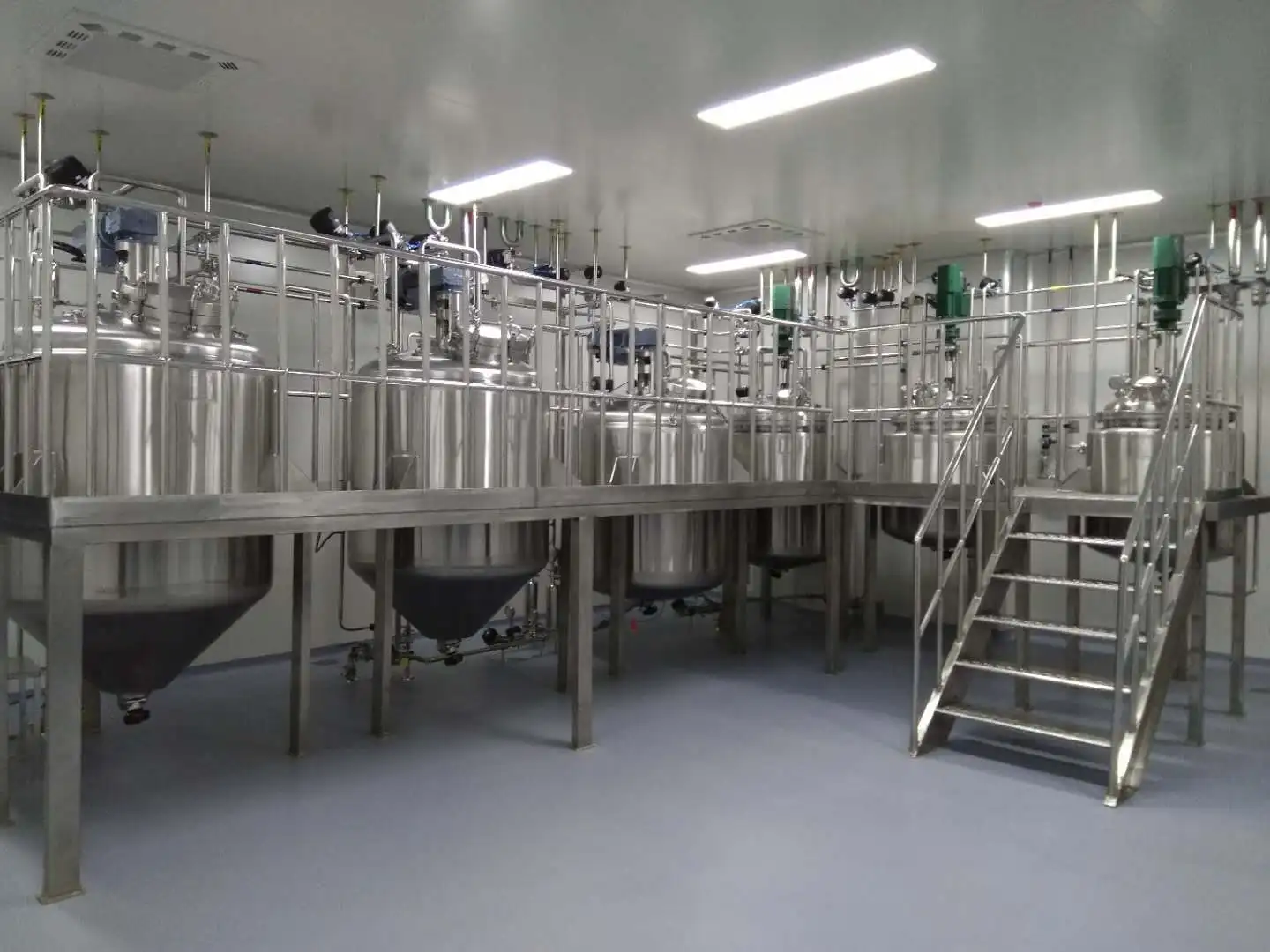
Qingdao Biotemed Biomaterials Co., Ltd.
- Manufacturer, Trading Company
- Shandong, China
- Lead time30 days
- Avg. response≤ 9h
Main productsChitosan Hemostatic Gauze,Chitosan Hemostatic Granules,Wound dressing,Tactical First Aid Kit,First Aid Supplies
Main marketsEastern Europe(70.0%), Mid East(10.0%), Western Europe(10.0%), Africa(5.0%), Northern Europe(2.0%)

Chitosan Z-fold Gauze Better Effect Than QuickClot Stop Bleeding Quickly Hemostatic Gauze
$39.60 - $46.00
Moq: 1000
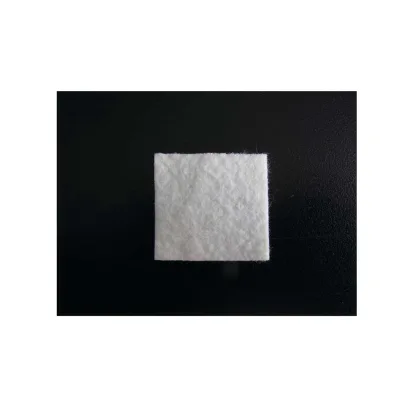
Anji Yuandong Medical Products Co., Ltd.
- Verified by SGS
- Combined
- China Zhejiang
- Lead time30 days
- Avg. response≤ 5h
Main productsMedical Disposable, Healthcare Products
Main marketsSouth America,Africa,Southeast Asia/ Mideast,East Asia(Japan/ South Korea),Domestic,Europe,Australia,North America

- Verified by BV
- Manufacturer/Factory
- China Jiangsu
- Lead time38 days
- Avg. response≤ 11h
Main productsGauze Swab, Surgical Towel, Shoe Cover, Face Mask, Gauze Bandage, Urine Bag, Feeding Bag, Vinyl Gloves, Hot Water Bag, Spinal Needle
Main marketsSouth America,Eastern Europe,Mid East,North America,Southeast Asia,Eastern Asia,Oceania,Western Europe,Africa

Ningbo Sintrue Medical Instruments Co., Ltd.
- Trading Company
- China Zhejiang
- Lead time30 days
- Avg. response≤ 9h
Main productsMedical Device, Diagnostic Products, Medical Tubes, Wound Dressing, Surgical Instruments, Hospital Uniform, Laboratory Instruments
Main marketsSouth America,Africa,Southeast Asia/ Mideast,East Asia(Japan/ South Korea),Europe,Australia,North America

Sainty International Group Jiangsu Yangzhou Sumex Imp. & Exp. Co., Ltd.
- Trading Company
- China Jiangsu
- Lead time30 days
- Avg. response≤ 11h
Main productsSyringe, Suction Catheter, Endotracheal Tube, Drainage Bag, Bandage, Dental Instrument, Surgical Gown, Vaginal Speculum, Vacutainer, Suture
Main marketsSouth America,Africa,Southeast Asia/ Mideast,East Asia(Japan/ South Korea),Europe,Australia,North America
Hebei Boran Medical Technology Co., Ltd.
- Verified by BV
- Trading Company
- China Hebei
- Lead time15 days
- Avg. response≤ 7h
Main productsNitrile Gloves, Examination Gloves, Latex Gloves, Vinyl Gloves, Surgical Gloves, Diamond Texturednitrile Gloves, Elastic Bandage, Absorbent Gauze Bandage, Non-Cohesiveelastic Bandage, Medical Bandages
Main marketsDomestic

Jiaxing Patsons Electronics & Machinery Co., Ltd.
- Combined
- China Zhejiang
- Lead time30 days
- Avg. response≤ 4h
Main productsStretch Film Rewinder, Stretching Film Rewinding Machine, Stretch Film Slitter Rewinder, Thermal Paper Slitting Machine, Paper Roll Slitter Rewinder, Cling Film Slitting Rewinding Machine, Small Paper Roll Slitter Rewinder, Kitchen Foil Roll Rewinding Machine, Aluminium Foil Roll Production Machine, 3G Antennas
Main marketsSouth America,Africa,Southeast Asia/ Mideast,Domestic,Europe,Australia,North America

Ningbo Nouman Medical Devices Co., Ltd
- Verified by CTI
- Manufacturer/Factory
- China Zhejiang
- Lead time23 days
- Avg. response≤ 15h
Main productsFace Mask, Isolation Gown, Disposable Syringe, Infusion Set, Nebulizer Mask, Medical PVC Tube, Gauze Swabs, Wound Dressing, Disposable Gloves, Hand Sanitizer
Main marketsEastern Europe,Mid East,North America,Southeast Asia,Eastern Asia,Western Europe


![[Gauze-003] Z-Fold Hemostatic Chitosan Gauze for First Aid Supplies Medical Dressing Stop Bleeding Chitosan Woundcare](https://image.made-in-china.com/221f0j00RyUVMpkgOaGO/-Gauze-003-Z-Fold-Hemostatic-Chitosan-Gauze-for-First-Aid-Supplies-Medical-Dressing-Stop-Bleeding-Chitosan-Woundcare.webp)
![[Gauze-003] Emergency Trauma Z-Fold Hemostatic Chitosan Gauze for Ifak Tactical Outdoor Medical Dressing Stop Bleeding](https://image.made-in-china.com/221f0j00cnbVlIDWgTRk/-Gauze-003-Emergency-Trauma-Z-Fold-Hemostatic-Chitosan-Gauze-for-Ifak-Tactical-Outdoor-Medical-Dressing-Stop-Bleeding.webp)
![[Gauze-003] Customized 7.5X100cm Z-Fold Rapid Hemostatic Chitosan Gauze Chitosan Bandage for Ifak Tactical Outdoor Medical Dressing Stop Bleeding](https://image.made-in-china.com/221f0j00GFYimQqhgTRw/-Gauze-003-Customized-7-5X100cm-Z-Fold-Rapid-Hemostatic-Chitosan-Gauze-Chitosan-Bandage-for-Ifak-Tactical-Outdoor-Medical-Dressing-Stop-Bleeding.webp)


Comprehensive Sourcing Guide
Class II Chitosan Gauze Supplier Concentration and Factory Types
Current data indicates that suppliers for Class II Chitosan Gauze are concentrated in specific Chinese provinces, with Zhejiang and Jiangsu emerging as primary manufacturing hubs. Fact records show multiple entities located in Zhejiang and Jiangsu, suggesting these regions host the relevant production clusters for medical consumables. These areas appear to support a mix of trading companies and manufacturers, offering buyers a choice between direct factory engagement and intermediary sourcing. The presence of both company types in these locations allows for varied procurement strategies depending on volume and customization needs.
The supplier landscape includes entities identified as manufacturers, factories, and trading companies, each offering distinct operational models. Some suppliers list capabilities for OEM and ODM services, indicating flexibility in product customization and branding. Others focus on trading, potentially aggregating products from multiple factories to offer a broader catalog. This diversity means buyers must carefully distinguish between direct production sources and resellers to ensure quality control and supply chain transparency. The concentration in these specific provinces suggests established infrastructure for medical device production, though verification of individual factory capabilities remains essential for every engagement.
How to Verify Class II Chitosan Gauze Suppliers
Verification of suppliers requires a rigorous check of system certifications and product-specific regulatory approvals. Available data shows that some suppliers hold ISO 13485, ISO 9001, and GMP certifications, which are critical for medical device manufacturing. Buyers should confirm that these certifications are current and specifically cover the production of chitosan-based wound dressings. Additionally, product evidence lists certifications such as FDA, CE, and SGS for specific items like sterile paraffin gauze. While these labels appear on product attributes, buyers must verify that the supplier's facility is actually certified to produce Class II Chitosan Gauze under these standards.
Beyond certifications, buyers should assess the verification status of the supplier entity itself. Some records indicate BV verification, a third-party audit that adds a layer of trust regarding business legitimacy. It is crucial to confirm that the BV status applies to the specific entity offering the chitosan gauze and not just a related trading arm. Buyers should also request proof of the supplier's ability to meet specific regulatory requirements for Class II devices in their target market. Relying solely on listed keywords without requesting current certificates or audit reports can lead to compliance risks. Always demand direct documentation before finalizing any agreement.
What to Compare Across Class II Chitosan Gauze Suppliers
When evaluating potential partners, buyers should compare response times and lead times to gauge operational efficiency. Data reveals response times ranging from approximately 2.5 hours to over 20 hours, with some suppliers responding in under five hours. Lead times also vary, with records showing durations of 15 to 23 days, while some entries indicate zero days, which may require clarification. A faster response time often correlates with better communication channels, while shorter lead times suggest robust production capacity. Buyers must weigh these metrics against their own inventory requirements and urgency to select a supplier that aligns with their supply chain timeline.
Another critical comparison point involves minimum order quantities (MOQ) and pricing structures. Product evidence shows MOQs as low as one unit for some items, while others require orders of 1000 or 2000 units. Prices for similar products can range from $0.04 to $5.00 per unit, depending on specifications like sterilization method and packaging. Buyers should analyze whether the low MOQs apply to the specific chitosan gauze product or only to general medical supplies. Comparing these commercial terms helps determine the financial feasibility of the partnership. It is essential to request a detailed quote for the exact product specifications to ensure accurate cost comparisons across different suppliers.
Common Class II Chitosan Gauze Sourcing Risks
One significant risk involves the discrepancy between claimed certifications and actual product capabilities. While some product attributes list FDA, ISO, and CE certifications, these may apply to different product lines like paraffin gauze rather than chitosan-specific dressings. Buyers must ensure that the specific Class II Chitosan Gauze they intend to purchase is covered under the supplier's current regulatory approvals. Relying on general product listings without verifying the specific item's compliance status can result in customs delays or market rejection. Always request a certificate of analysis or specific regulatory clearance for the exact model number being sourced.
Another risk relates to the variability in production standards and sterilization methods. Records indicate the use of Ethylene Oxide sterilization for some products, while others mention Gamma Ray disinfection. The choice of sterilization method impacts the shelf life and material integrity of the chitosan gauze. If a supplier claims a specific sterilization method but delivers a different one, the product may fail to meet clinical requirements. Additionally, the presence of "Without Logo Printing" as a standard attribute suggests that customization options might be limited or require additional negotiation. Buyers should explicitly confirm the sterilization process and customization capabilities in writing to avoid receiving non-compliant goods.
Class II Chitosan Gauze Regional Sourcing and Logistics
Sourcing from the identified regions of Zhejiang and Jiangsu offers logistical advantages due to established export infrastructure. These provinces are known for their dense network of medical device manufacturers and efficient port access, which can streamline the shipping process. However, buyers must verify the specific origin of the goods, as some product attributes list "China" generally while others specify "Zhejiang" or "Jiangsu." Confirming the exact factory location helps in calculating accurate freight costs and transit times. It also aids in assessing the risk of regional disruptions, such as weather events or local policy changes that could impact production schedules.
Logistics planning should also account for packaging standards and shipping requirements. Product evidence shows packaging options ranging from individual OPP bags to corrugated cartons, with specific quantities per carton noted. These details are vital for determining container loading efficiency and protecting the sterile nature of the gauze during transit. Buyers should ensure that the packaging meets international shipping standards to prevent damage or contamination. Furthermore, understanding the lead time of 15 to 23 days allows for better inventory planning. Coordinating with the supplier on packaging specifications and shipping methods early in the process can prevent costly delays and ensure the product arrives in optimal condition.
Class II Chitosan Gauze Commercial Terms and Order Planning
Commercial terms for Class II Chitosan Gauze vary significantly based on the supplier type and product specifications. Some suppliers offer OEM and ODM services, allowing for custom branding and design, while others may only provide standard products. Buyers should clarify the customization process, including lead times for tooling and sample approval, before placing a large order. The availability of customization is a key differentiator, but it often comes with higher MOQs or longer production cycles. Understanding these terms helps in aligning the procurement strategy with the buyer's brand and product development goals.
Order planning must also consider the shelf life and storage requirements of the product. Some product attributes indicate a shelf life of three years, which is a critical factor for inventory management and distribution planning. Buyers should verify the expiration date policy and ensure that the supplier guarantees a minimum remaining shelf life upon delivery. Additionally, the price range observed, from $0.10 to $5.00, suggests that cost is highly dependent on the specific features and regulatory status of the gauze. Buyers should negotiate based on volume and long-term partnership potential to secure favorable pricing. Clear communication regarding payment terms, delivery schedules, and quality assurance protocols is essential for a successful transaction.
FAQs
What certifications do Class II Chitosan Gauze suppliers hold?
Suppliers in Zhejiang and Jiangsu hold ISO 13485, ISO 9001, and GMP certifications. Some products also carry FDA, CE, and SGS marks. Verify specific product certificates before ordering to ensure compliance with your regional medical device regulations.
What is the typical lead time for chitosan gauze orders?
Lead times vary by supplier location and order volume. One manufacturer in Shandong reports a 15-day lead time, while another in Zhejiang lists 23 days. Trading companies may have different schedules, so confirm the exact delivery window before finalizing purchase terms.
What is the minimum order quantity for sterile chitosan gauze?
Minimum order quantities depend on the specific product model. Some sterile hemostatic gauze items require 1000 units, while other wound dressings start at 2000 units. A few basic gauze products allow orders as low as one unit, but bulk pricing usually applies.
How quickly do suppliers respond to sourcing inquiries?
Response times range from approximately 2.5 hours to 21 hours depending on the supplier. Manufacturers in Shandong often reply within 2.5 hours, while others in Zhejiang may take up to 21 hours. Faster response times generally indicate higher availability for immediate order processing.
Are custom sizes and logos available for chitosan gauze?
Customization is widely available for size, packaging, and branding. Many suppliers offer OEM and ODM services with customizable dimensions like 5x5cm or 10x10cm. However, some standard listings specify no logo printing, so explicitly request branding options during the inquiry phase.
What sterilization methods are used for medical chitosan gauze?
Ethylene Oxide sterilization is the primary method used for sterile paraffin and chitosan gauze products. Some listings also mention Gamma Ray sterilization for specific wound care dressings. Always verify the sterilization method on the product certificate to ensure it meets your safety standards.
Where are the main manufacturing locations for these products?
Manufacturers are primarily located in Zhejiang, Jiangsu, and Shandong provinces in China. Zhejiang suppliers often produce hemostatic gauze, while Jiangsu facilities focus on paraffin dressings. Shandong factories specialize in broader surgical packs and wound care solutions for hospital use.
What is the price range for Class II Chitosan Gauze?
Unit prices typically range from 0.04 to 5.00 USD depending on the product type and quantity. Basic paraffin gauze starts around 0.04 USD, while specialized hemostatic chitosan dressings can cost up to 5.00 USD. Prices are subject to change based on order volume and customization requirements.