Source Class II CE Surgical Knife for General Surgery
Find and compare 30 Class II CE Surgical Knife options from Chinese manufacturers. Evaluate models like EK350 and disposable safety knives with CE and ISO certifications for general surgical operations; compare the available evidence and request quotations based on your requirements.
Updated
Key considerations
Products List
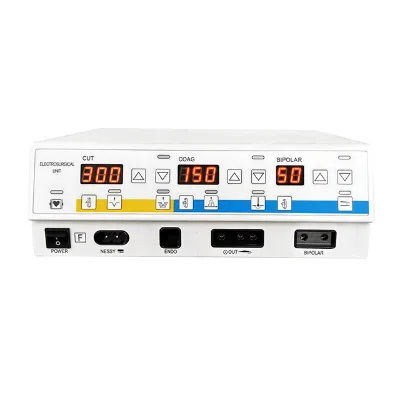
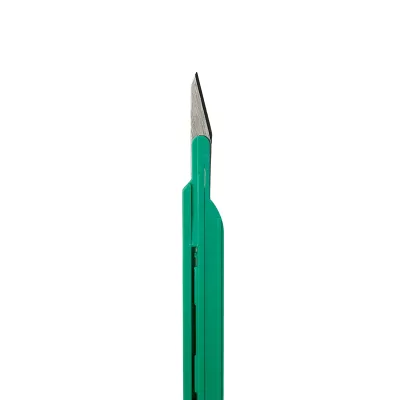
Disposable Medical Grade Safety Knife with Plastic Handle CE Certified Class II
$0.196 - $0.2543
MOQ: 100 Minimum
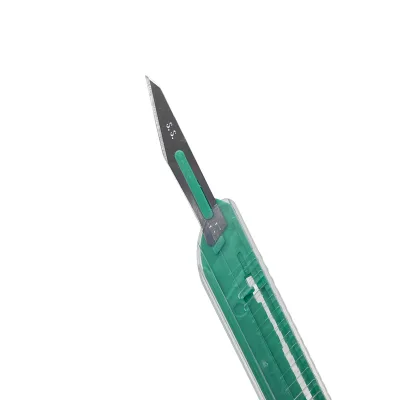
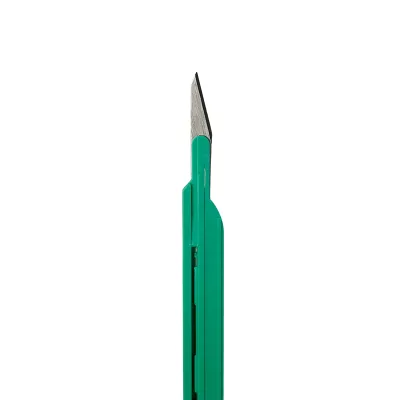
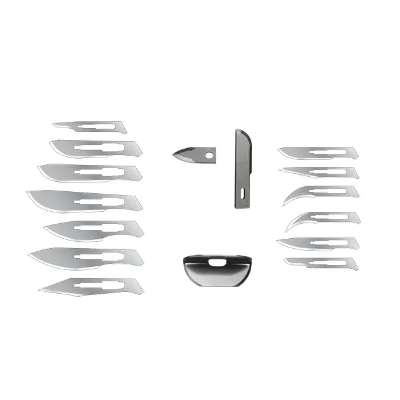


OEM Medical Surgical Blade Stainless Steel Knife for Operations Hospital Surgeries Usage
$0.02 - $0.04
MOQ: 50000 Pieces


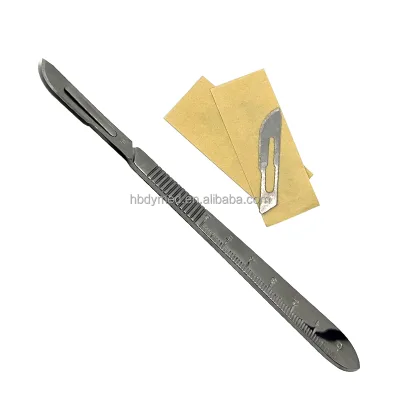
Medical Safety Blades Stainless Steel Handle Surgical Manual Knife OEM Sterile
$0.02 - $0.04
MOQ: 50000 Pieces






Comprehensive Sourcing Guide
Class II CE Surgical Knife Sourcing Guide
Procuring Class II surgical knives requires a disciplined approach to verifying regulatory compliance and technical specifications. Buyers must distinguish between general electrosurgical units and disposable safety knives, as the risk profiles and usage protocols differ significantly. The core keyword highlights devices that operate on high-frequency electricity, often categorized under general surgery instruments or specialized ENT tools. Understanding these distinctions is critical for aligning procurement with specific clinical needs and hospital inventory standards.
This guide focuses on evidence-based verification steps for sourcing these medical devices from Chinese manufacturers. It emphasizes the importance of cross-referencing observed listing signals with actual product attributes, such as material composition and sterilization methods. By adhering to strict verification protocols, procurement teams can mitigate supply chain risks and ensure that all acquired instruments meet the necessary safety and performance benchmarks for surgical environments.
Product Scope and Observed Listing Signals
The observed market includes diverse product types, ranging from reusable electrosurgical knives to disposable safety knives with plastic handles. Key attributes indicate that some units are classified as Class II medical devices, powered by electricity, and intended for use in surgical rooms. Other listings feature disposable items made from ABS and stainless steel, with specific model numbers like EK350 or generic OEM designations. Buyers should note that product names vary, including terms like "Medical Surgical knife" or "OEM Scalpels," which may reflect different manufacturing origins or intended applications.
Listing signals also reveal variations in material composition and physical specifications. Some products are constructed from metal or carbon steel, with sizes ranging from 10# to 24# for disposable blades. Others are described as having a white color and customized logo options, suggesting OEM capabilities. The presence of stock availability and sample offerings indicates a flexible supply chain, but buyers must verify if these signals apply to the specific Class II CE devices they intend to purchase, as not all listed items may share the same regulatory status or technical features.
Technical Specifications to Verify
Technical verification begins with confirming the power source and operational frequency. For electrosurgical knives, the device must be powered by electricity and feature high-frequency capabilities, which are essential for cutting and coagulation during surgical operations. Buyers should verify the model number, such as EK350, and ensure that the instrument classification aligns with Class II standards. Additionally, the material composition, whether stainless steel, carbon steel, or ABS plastic, must be suitable for the intended surgical application and compatible with sterilization processes.
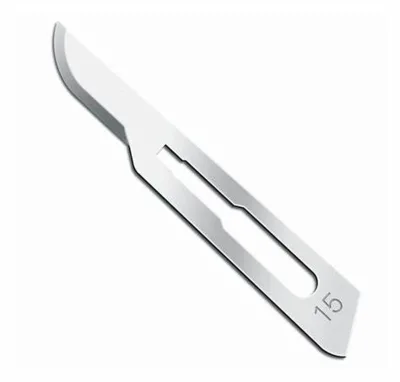
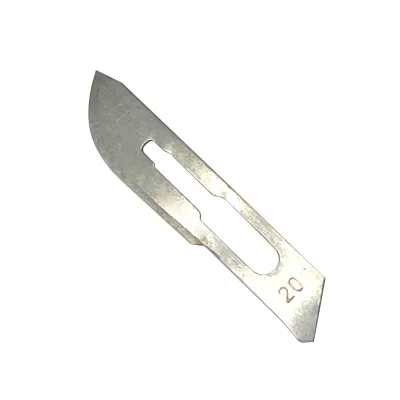
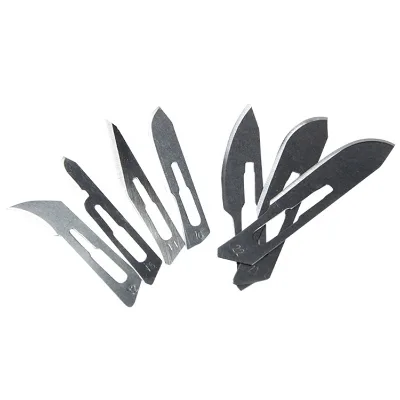
Size and dimensional specifications are equally critical, particularly for disposable safety knives. The observed listings include sizes like 10, 11, 12, 15, 18, 20, 21, 22, 23, and 24, which correspond to standard blade sizes. Buyers must confirm that the selected size matches their surgical requirements and that the handle material, such as plastic or metal, provides adequate grip and durability. Furthermore, the coating process, if any, should be verified to ensure it meets specific clinical requirements, as some suppliers offer custom coating options based on buyer specifications.
Compliance and Safety Documentation
Regulatory compliance is paramount when sourcing Class II surgical knives. Buyers must verify that the products hold valid CE certification and, where applicable, CB quality certification. The presence of ISO approval, specifically ISO13485 for safety standards, is a strong indicator of a manufacturer’s commitment to quality management systems. It is essential to confirm that the certification documents are current and cover the specific model numbers and product types being procured, as certifications may not always extend to all variations of a product line.
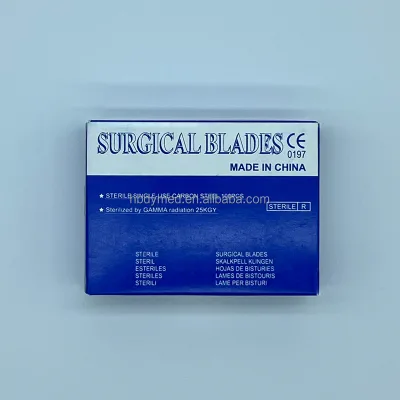
Sterilization and shelf life are also key compliance factors. Some products are irradiation sterilized, while others may use different disinfecting types, such as EOS. Buyers should verify the shelf life, which can range from two to five years depending on the product type and packaging. Ensuring that the sterilization method is appropriate for the intended use and that the shelf life is sufficient for inventory management is crucial for maintaining patient safety and regulatory compliance throughout the product’s lifecycle.
Cost Drivers and Commercial Terms
Cost structures for surgical knives are influenced by material quality, certification status, and order volume. Products made from high-grade stainless steel or featuring custom coatings may command higher prices due to increased manufacturing complexity. Additionally, the requirement for specific certifications, such as CE and ISO13485, can impact production costs. Buyers should expect price variations based on these factors and negotiate terms that reflect the true value of compliant, high-quality medical devices.
Minimum order quantities (MOQ) and payment terms also play a significant role in total procurement costs. Observed MOQs can range from small quantities for samples to large volumes for bulk orders, with some listings indicating an MOQ of 100 pieces. Buyers should assess whether the MOQ aligns with their consumption rates and storage capabilities. Furthermore, understanding the packing details, such as single-item units or plate-based packaging, can help optimize logistics costs and ensure efficient inventory handling upon delivery.
Supplier Qualification and Quality Control
Supplier qualification requires a thorough review of manufacturing capabilities and quality control processes. Buyers should verify the place of origin, with Guangdong, Jiangsu, and Shanghai being common manufacturing hubs in China. It is essential to confirm that the supplier has the necessary infrastructure to produce Class II medical devices and maintain consistent quality across production batches. Requesting detailed information about the manufacturing process, including material sourcing and assembly procedures, can provide insights into the supplier’s reliability and expertise.
Quality control measures should include regular audits and inspection protocols. Buyers should inquire about the supplier’s internal testing procedures and how they ensure compliance with safety standards. Additionally, verifying the availability of after-sale services, such as online technical support, can indicate the supplier’s commitment to customer satisfaction and product performance. Establishing a clear communication channel for addressing quality issues or technical queries is crucial for maintaining a successful long-term procurement relationship.
Long-Term Procurement Checks
Long-term procurement success depends on continuous monitoring of supplier performance and product quality. Buyers should establish key performance indicators (KPIs) to track delivery times, product defect rates, and compliance with regulatory requirements. Regular reviews of supplier certifications and quality management systems are necessary to ensure ongoing adherence to standards. Additionally, staying informed about changes in regulatory landscapes and technological advancements in surgical knife design can help buyers make informed decisions and adapt their procurement strategies accordingly.
Building a resilient supply chain involves diversifying suppliers and maintaining strong relationships with key partners. Buyers should consider the supplier’s ability to scale production and respond to fluctuating demand. Furthermore, evaluating the supplier’s innovation capabilities and willingness to customize products can provide a competitive advantage. By focusing on these long-term checks, procurement teams can ensure a stable supply of high-quality Class II CE surgical knives, supporting the efficient and safe operation of surgical departments.
FAQs
What certifications do class ii ce surgical knives have?
These instruments typically hold CE and ISO approvals, with some models also carrying CB certification. The products are classified as Class II medical devices, ensuring they meet strict safety standards for surgical operations. Buyers should verify specific quality certifications like ISO13485 for compliance with international manufacturing regulations.
Can I get customized logos on these surgical knives?
Yes, customized logos are available for many of these surgical knife models. Manufacturers often support OEM and ODM services to allow branding on the handles or packaging. This customization option helps medical suppliers and hospitals maintain their brand identity while sourcing high-quality, standardized surgical instruments for their operating rooms.
What materials are used in class ii ce surgical knives?
These knives are primarily constructed from stainless steel, carbon steel, or ABS plastic handles. Some models combine metal blades with plastic handles for disposable safety use. The material choice depends on whether the instrument is reusable or single-use, ensuring durability and safety during various surgical procedures and medical applications.
What is the typical MOQ for these surgical knives?
The minimum order quantity varies significantly, ranging from as low as 100 pieces to 200,000 units depending on the supplier. Some vendors offer samples, while others require bulk purchases. Buyers should check specific product listings for exact MOQ requirements, as these thresholds are set by individual manufacturers based on production capacity and customization needs.
Where are these surgical knives manufactured?
These instruments are primarily manufactured in China, with origins reported in Guangdong, Jiangsu, and Shanghai provinces. Suppliers in these regions specialize in producing both reusable electrosurgical knives and disposable safety knives. Buyers can source directly from these manufacturing hubs to access a wide variety of surgical instruments with different specifications and certifications.
What shelf life do these surgical knives have?
The shelf life for these surgical knives typically ranges from two to five years. Disposable safety knives often have a longer shelf life of five years due to irradiation sterilization, while other models may have a two-year validity. Buyers should always check the expiration date on packaging to ensure the instruments remain sterile and effective.