Commercial Coffee Machine Suppliers and Manufacturers
Source 29 verified Commercial Coffee Machine suppliers from Guangdong and Henan. Compare CE and ISO 9001 certified factories with response times of 2-5 days and lead times around 15 days. Review pricing from $559 to $3,345 to find the right partner.
Updated
Suppliers List
FOSHAN LIBOSA HOTEL SUPPLIES CO., LTD.
- Manufacturer, Trading Company
- Guangdong, China
- Lead time15 days
- Avg. response≤ 2h
Main productsoven,mixer,proffer,ice maker,cakeshowcase
Main marketsMid East(20.00%), Eastern Europe(10.00%), South America(10.00%), North America(10.00%), Southeast Asia(5.00%), Domestic Market(5.00%), South Asia(5.00%), Southern Europe(5.00%), Northern Europe(5.00%), Central America(5.00%), Western Europe(5.00%), Eastern Asia(5.00%), Oceania(5.00%), Africa(5.00%)
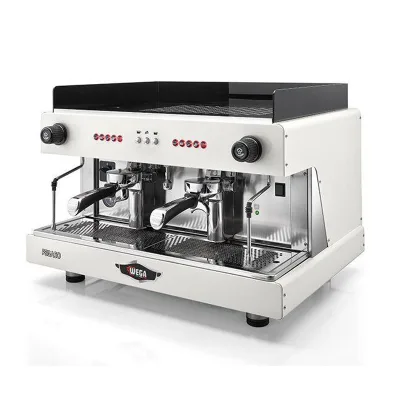
wega commercial coffee machine
$2639.00 - $2759.00
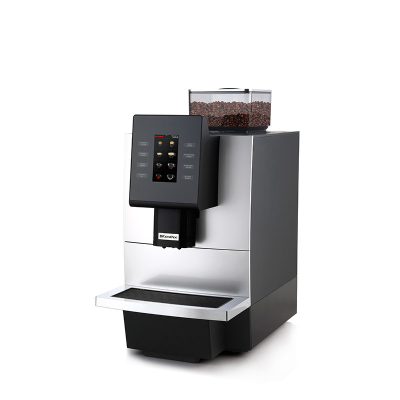
Best Quality Coffee Machine Commercial Coffee Portable Machine
$559.00 - $699.00
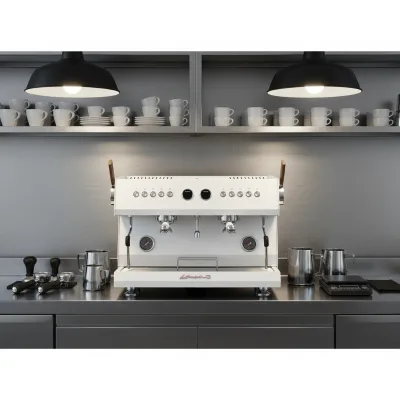
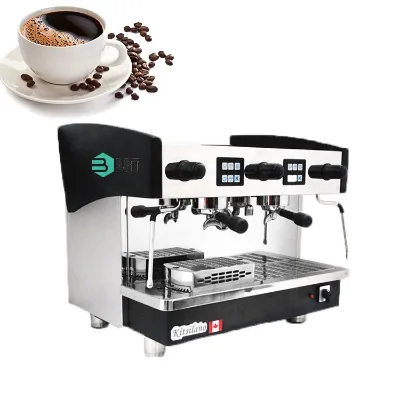
3211 commercial 2 group coffee machine for coffee shop
$1429.00 - $1809.00
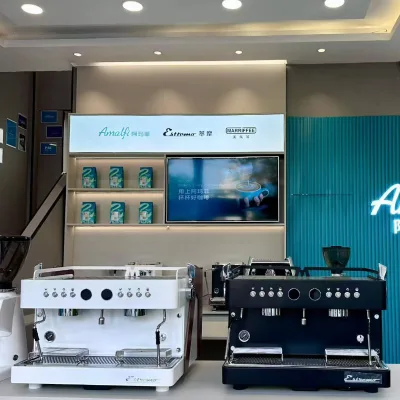
commercial semi coffee maker machine for business
$1276.00 - $1469.00
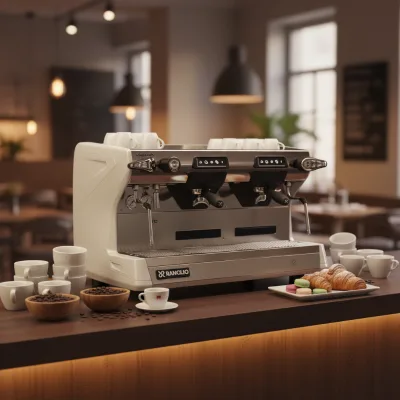
$3099.00 - $3345.00

Zhengzhou Honest Machinery Co., Ltd.
- Trading Company,Manufacturer/Factory
- China Henan
- Lead time15 days
- Avg. response≤ 5h
Main productsFood Machinery, Packing Machines, Microwave Equipment, Drying Machines, Grain Product Making Machines, Commodity Making Machines, Texitle Machines, Construction Machinery
Main marketsSouth America,Eastern Europe,Mid East,North America,Southeast Asia,Eastern Asia,Oceania,Western Europe,Africa


High Efficiency Industrial Coffee Machine / Commercial Espresso Coffee Machine
$989.00 - $1789.00
MOQ: 1 Set


Shijiazhuang Daina Machinery Commerce Co., Ltd.
- Verified by SGS Group
- Trading Company
- Lead time15 days
- Avg. response≤ 1h
Main productsIce Cream Machine, Ice Cream Cups, Deck Oven, Snack Machines, Baking Oven
Main marketsNorth America(20%), Africa(20%), Mid East(20%)
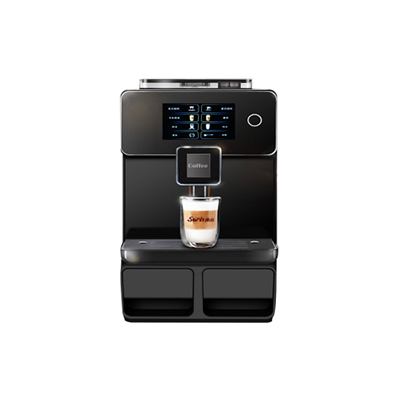
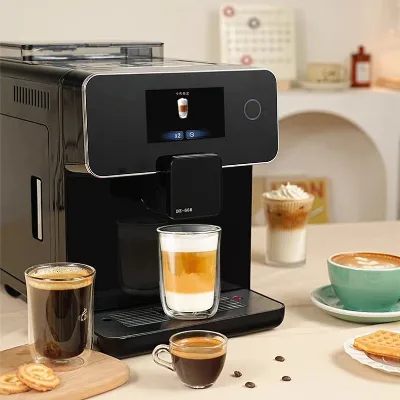
Special Wholesale Coffee Machine for Business
$260.00 - $360.00
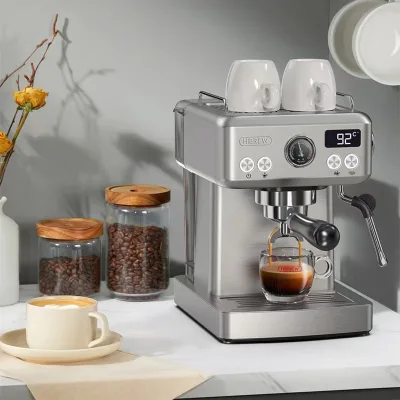
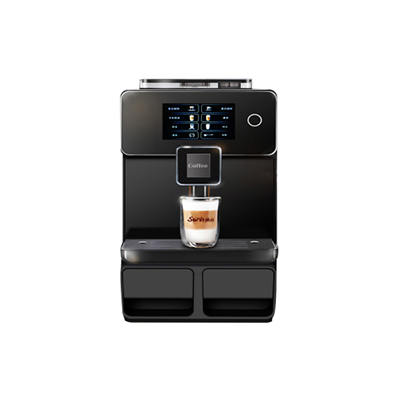
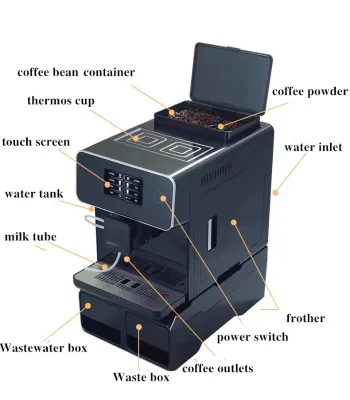
Espresso Coffee Machine with Coffee Bean Milling Machine Machine for Coffee and Tea Shop
$260.00 - $360.00
MOQ: 5 bags

- Verified by TUVRHEINLAND
- Trading Company
- China Zhejiang
- Lead time30 days
- Avg. response≤ 9h
Main productsVacuum Cleaner, Garment Steamer, Window Cleaner, Steam Cleaner, Low Sugar Cooker, Air Fryer, Floor Srubber, Robot Vacuum Cleaner, Wet Dry Hardfloor Washer, Pet Vacuum Cleaner
Main marketsSouth America,Southeast Asia/ Mideast,Europe

Hangzhou Yile Shangyun Robot Technology Co., Ltd.
- Verified by BV
- Combined
- China Zhejiang
- Lead time30 days
- Avg. response≤ 3h
Main productsVending Machine, Coffee Vending Machine, Coffee Machine, Instant Coffee Dispenser, Snack Vending Machine, Combo Vending Machine, Coffee Maker, Beverage Vending Machine, Ice Maker, Charging Piles
Main marketsSouth America,Southeast Asia/ Mideast,Europe,North America


Commercial Coffee Machines Specifically Designed for Cafes and Hotels.
$2500.00 - $2800.00
MOQ: 1 Pieces


Xuzhou Sheng Ming Casting Co., Ltd
- Verified by SGS
- Combined
- China Jiangsu
- Lead time30 days
- Avg. response≤ 4h
Main productsManhole Cover, Ductile Iron Pipes, Valves, Water Meter Tank Cover, Iron Castings(Support Customization), Hardware Tools, Cast Iron Fireplace, Air Fryer, Kettle, coffee Machine
Main marketsDomestic
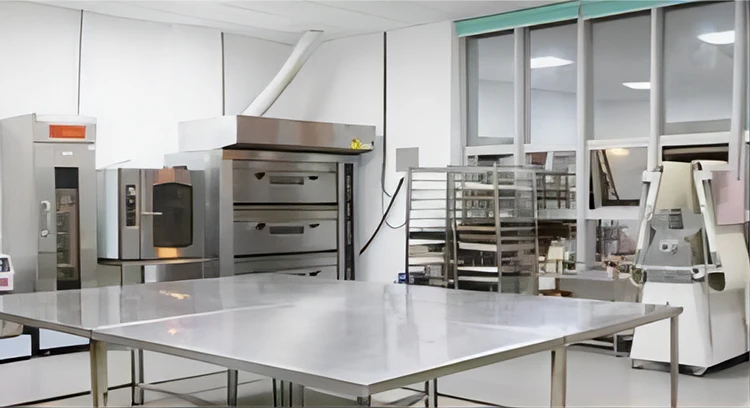
Guangzhou Maile Kitchen Baking Food Machinery Manufacturing Co., Ltd.
- Manufacturer, Trading Company
- Guangdong, China
- Lead time15 days
- Avg. response≤ 4h
Main productsBakery Equipment,fast food equipment,cooking equipment,Snack equipment,Refrigeration Equipment
Main marketsNorth America(30.00%), Western Europe(20.00%), Mid East(20.00%), Eastern Europe(20.00%), Eastern Asia(10.00%)
Guangdong Shunde Feng Cui Intelligent Technology Co., Ltd.
- Manufacturer, Agent
- Guangdong, China
- Lead time0 days
- Avg. response≤ 4h
Main productsCoffee Machine,Coffee Grinder,Kitchen machine,Toaster Oven,Blender
Main marketsEastern Asia(80.00%), North America(10.00%)
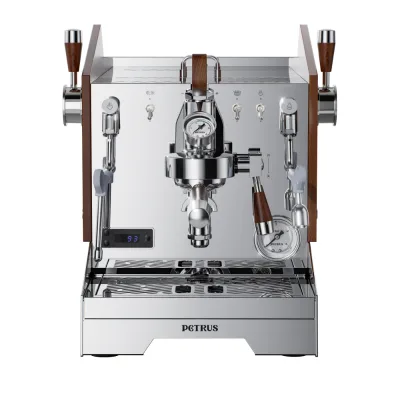
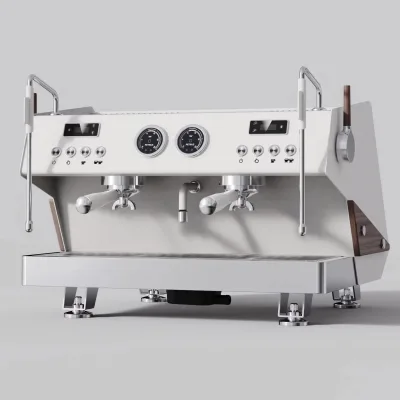
Easy to Operate Multifunctionality Commercial Grinder Machine Coffee Machine for Business
$816.3732 - $867.3973
MOQ: 10 pieces
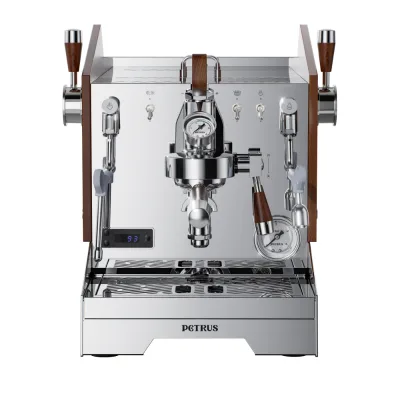
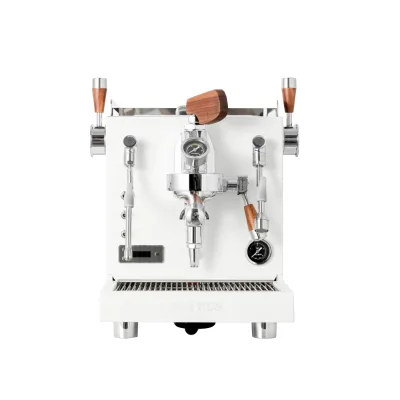
Household Commercial Easy Operate Big Size Espresso Cafe Making Coffee Machine
$826.522 - $878.1804
MOQ: 10 pieces
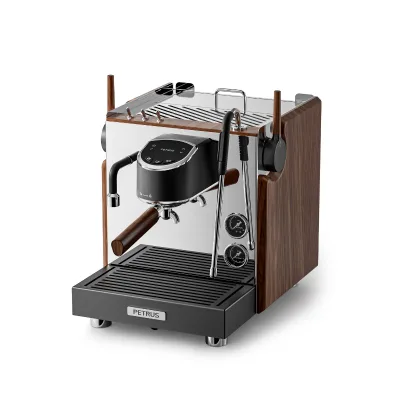
High Cost Effective Commercial Coffee Machine High-pressure Steam Semi-automatic Espresso Machine
$584.0549 - $635.2869
MOQ: 10 pieces
Hangzhou True Technology Co., Ltd.
- Trading Company
- Lead time旺季: "1 - 300":35,"301 - 800":50,"> 800":"To be negotiated", 淡季: "1 - 300":35,"301 - 800":50,"> 800":"To be negotiated"
- Avg. response≤ 3h
Main productsFully automatic coffee machine, Coffee vending machine, Semi-automatic coffee machine, Capsule coffee machine, Coffee grinder

Zhengzhou Hento Machinery Co., Ltd.
- Verified by SGS
- Trading Company,Manufacturer/Factory,Group Corporation
- China Henan
- Lead time15 days
- Avg. response≤ 6h
Main productsMeat Processing Machinery, Egg Processing Machinery, Dairy Processing Machinery, Fruit & Vegetable Processing Machinery, Grain Product Making Machines, Snack Machines, Nuts Processing Machinery, Packing Machines, Drying Machines, Commodity Making Machines
Main marketsSouth America,Eastern Europe,Mid East,North America,Southeast Asia,Eastern Asia,Oceania,Western Europe,Africa


High Performance Coffee Machine Espresso / Professional Coffee Machine
$1059.00 - $1809.00
MOQ: 1 Sets
Changzhou Xunke Commercial Equipment Co., Ltd.
- Manufacturer, Trading Company
- Jiangsu, China
- Lead time20 days
- Avg. response≤ 2h
Main productsOrange juice machine,apple juice vending machine,coffee machine,orange juice vending machine,ice cream vending machine
Main marketsNorth America(35.00%), Northern Europe(20.00%), Domestic Market(10.00%), Oceania(8.00%), South America(6.00%), Africa(5.00%), Central America(5.00%), Mid East(2.00%), Eastern Europe(2.00%), South Asia(2.00%), Eastern Asia(2.00%), Southeast Asia(1.00%), Western Europe(1.00%), Southern Europe(1.00%)
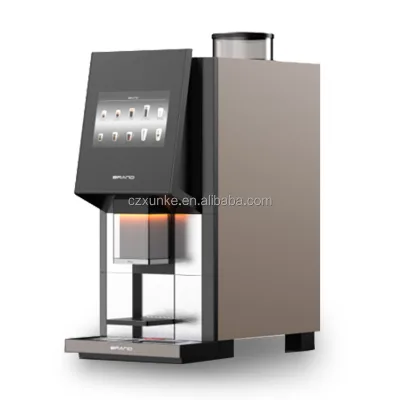
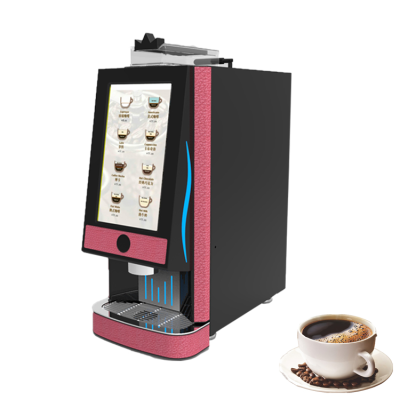
Automatic Coffee Machine Coffee Machine Espresso
$2480.00 - $2580.00
- Verified by Intertek
- Trading Company
- Lead time7 days
- Avg. response≤ 1h
Main productsFruit Vegetable Machine, Meat Processing Machine, Pastry Bakery Machine, Snack Machine, Feed Processing Machine
Changzhou Xinqile Trading Co., Ltd.
- Trading Company
- Jiangsu, China
- Lead time0 days
- Avg. response≤ 2h
Main productsCatering Equipment
Main marketsDomestic Market(100.00%)

Yichu (Qingdao) Kitchen Equipment Co., Ltd
- Verified by SGS
- Trading Company
- China Shandong
- Lead time45 days
- Avg. response≤ 4h
Main productsShowcase, Commercial Refrigerator, Neutral Stainless Steel, Gn Pan, Gas Range, Ice Maker, Meat Ager, Working Table, Wine Cooler, Bottle Cooler
Main marketsSoutheast Asia/ Mideast,Europe,North America
Guangzhou Linguang Electric Machinery Co., Ltd.
- Verified by SGS Group
- Manufacturer, Trading Company
- Lead time15 days
- Avg. response≤ 4h
Main productsEspresso Coffee Machine, Milk Steamers Machine, Hot Water Dispenser, Automatic Hot & Cold Milk Foam Machine, Teapresso Machine
Main marketsSoutheast Asia(50%), Mid East(10%), Northern Europe(10%)
LUOHE NINE LEMON IMPORT & EXPORT CO., LTD.
- Verified by SGS Group
- Trading Company
- Lead time15 days
- Avg. response≤ 8h
Main productsBread Production Line, Vegetable and Fruit Processing Equipment, Meat Processing Equipment, Bakery Equipment, Packing Solution
Main marketsMid East(30%), North America(20%), South America(10%)
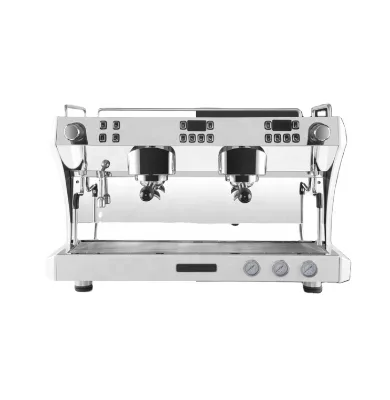
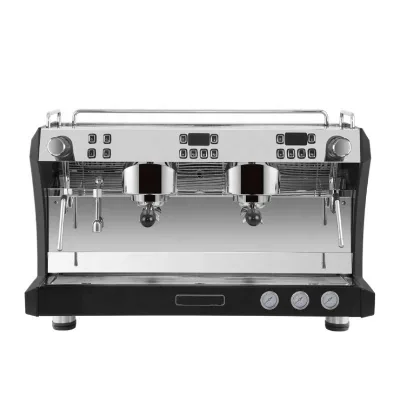
Professional Espresso Coffee Machine Automatic Commercial Coffee Make Machine
$1509.00 - $1609.00
MOQ: 1 sets
Guangdong Dazheng Coffee Group Co., Ltd.
- Verified by SGS Group
- Manufacturer, Trading Company
- Lead time25 days
- Avg. response≤ 3h
Main productsEspresso Coffee Machine, Milk Steamers Machine, Hot Water Dispenser, Automatic Hot & Cold Milk Foam Machine, Teapresso
Main marketsSoutheast Asia(50%), Mid East(10%), Northern Europe(10%)
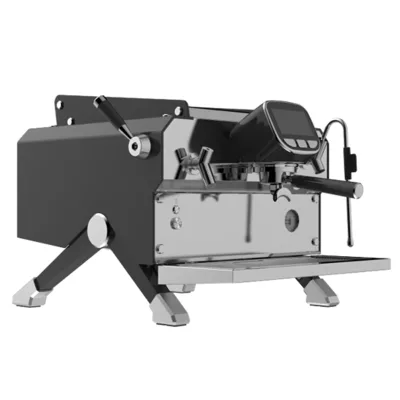
Classical Commercial 2 Group Espresso Coffee Machine for Cafe
$2912.00 - $5824.00
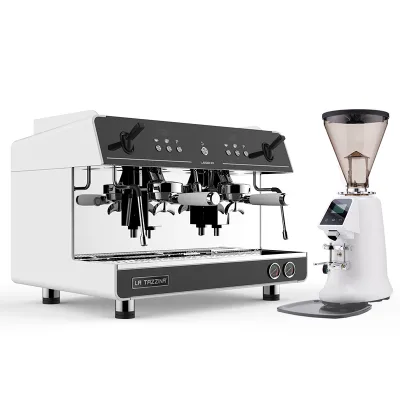
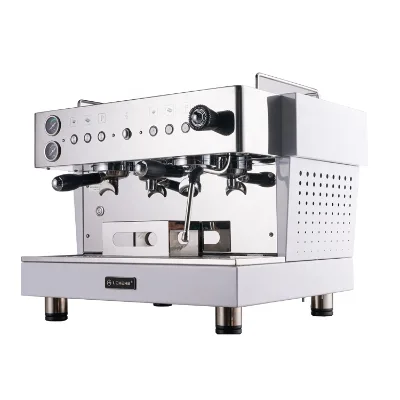
Espresso Commercial 2 Group Coffee Machine Professional
$1397.00 - $2794.00
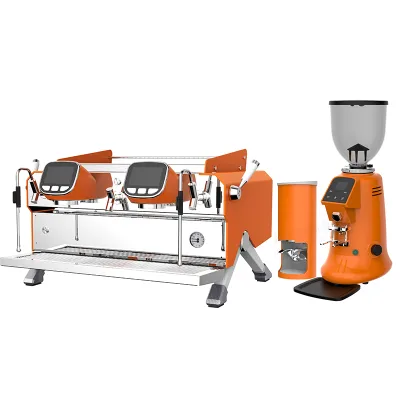
Espresso Machine Commercial for Container Coffee Shop
$3206.00 - $6412.00
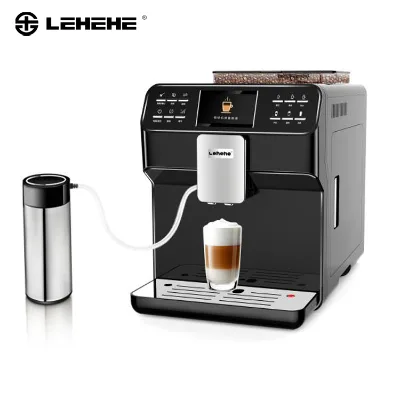
2024 220v New Design Classical Black and White Fully Automatic Coffee Machine
$335.00 - $671.00
MOQ: 20 pieces
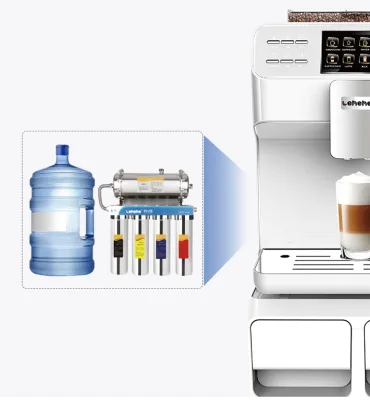
Professional Electric Espresso Coffee Maker Pressure Coffee Machine for Coffee Powder
$335.00 - $671.00
MOQ: 20 pieces
Shandong Chenxiang Machinery Equipment Co., Ltd.
- Manufacturer, Trading Company
- Shandong, China
- Lead time7 days
- Avg. response≤ 2h
Main productsFood Trucks,Commercial Equipment and Machinery,Packaging Supplies,Cargo Bundling Services,Transportation Services
Main marketsNorth America(36.00%), Central America(16.00%), South America(15.00%), Northern Europe(13.00%), Western Europe(10.00%), Oceania(10.00%)
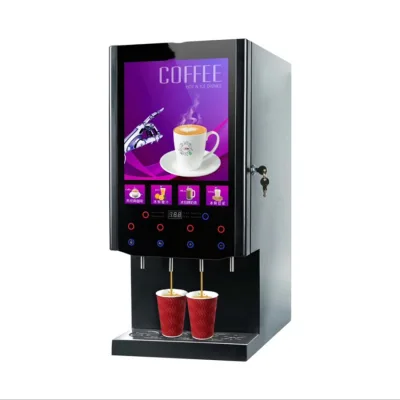
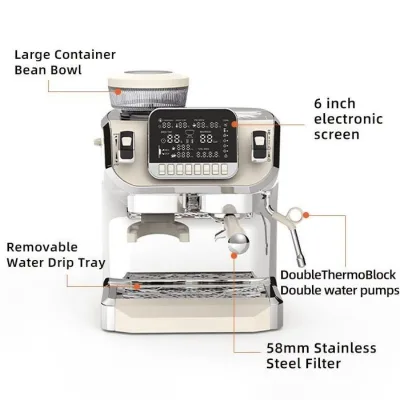
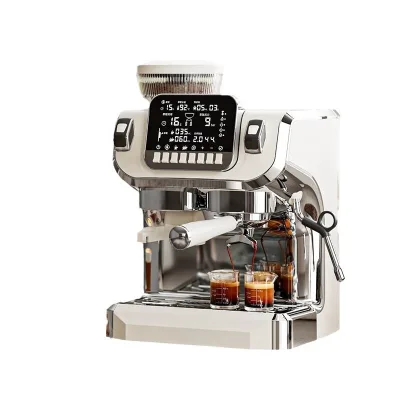
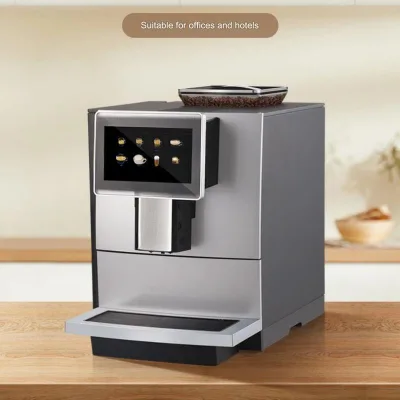
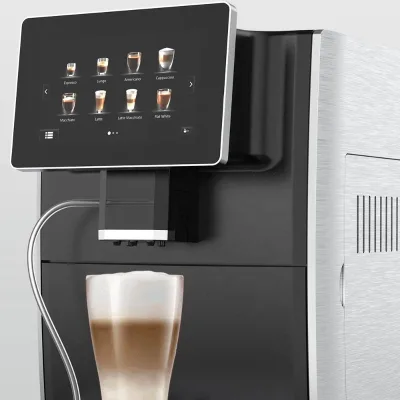
$2200.00 - $2400.00
MOQ: 1 pieces
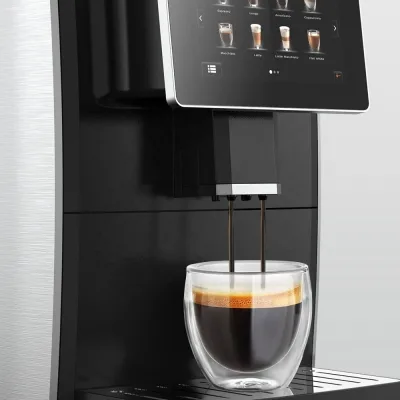
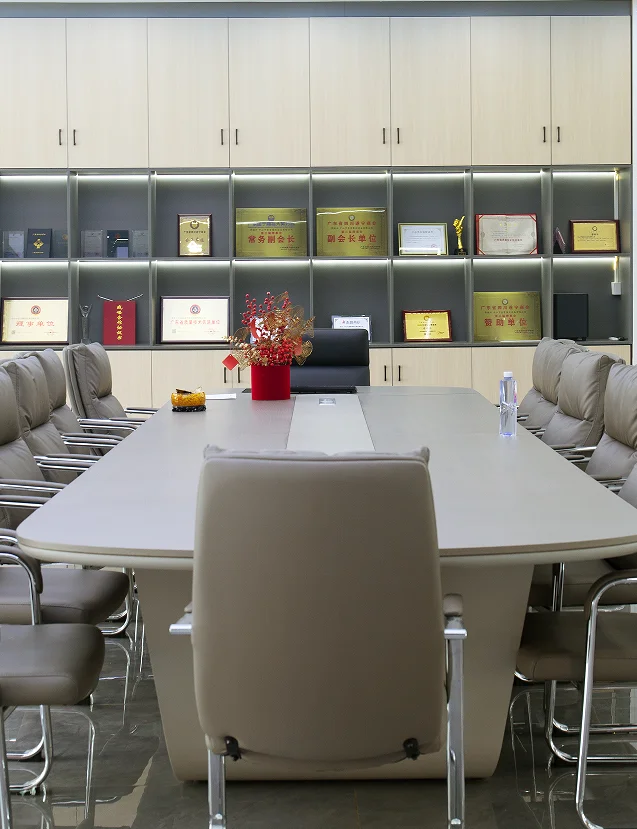
Zhongshan Lufubao Technology Co., Ltd.
- Manufacturer, Trading Company
- Guangdong, China
- Lead time0 days
- Avg. response≤ 10h
Main productsDried fruit machine,Fruit dryer,Food Processor,Fruit slicer
Main marketsNorth America(50.00%), Mid East(10.00%), Northern Europe(5.00%), Central America(5.00%), Eastern Asia(5.00%), South America(5.00%), Africa(5.00%), Southeast Asia(5.00%), Eastern Europe(5.00%)

Xinxiang LN Special Equipment Co., Ltd.
- Verified by TUVRHEINLAND
- Trading Company
- China Henan
- Lead time30 days
- Avg. response≤ 1h
Main productsLiquid Nitrogen Cryogenic Container, Low Temperature Protective Clothing, Artificial Insemination Equipment, Vaccine Storage Cooler Box, Refrigeration Equipment, Laboratory Instrument, Marking Machine, Fitness Equipment
Main marketsAfrica
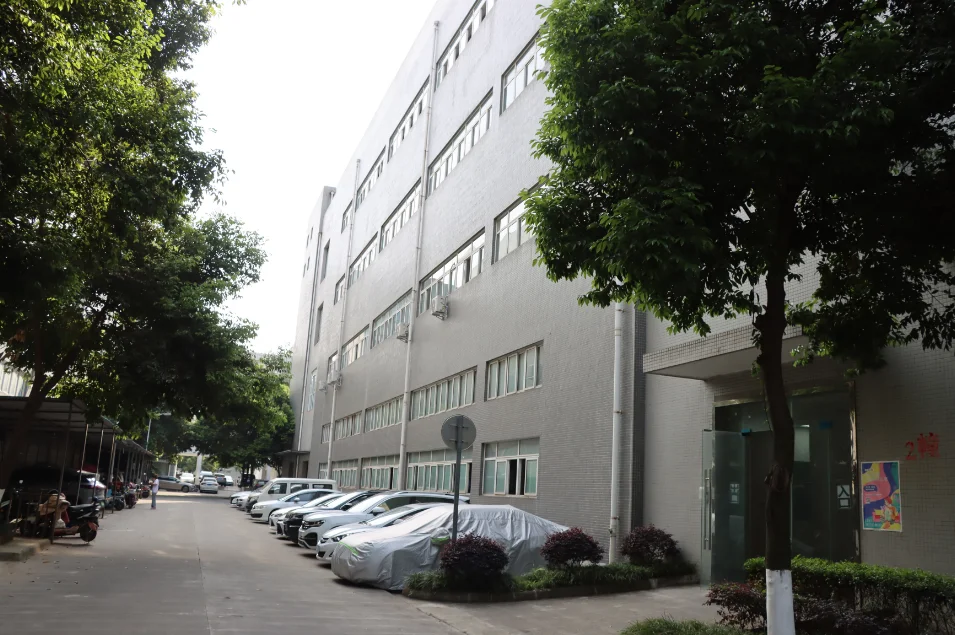
Chengdu Kefeituo Technology Co., Ltd.
- Trading Company
- Sichuan, China
- Lead time0 days
- Avg. response≤ 2h
Main productsElectric Coffee Machine,Household Oil Press,Bean Grinder,Milk Foam Machine,oil press Machine
Main marketsEastern Europe(20.00%), Southeast Asia(20.00%), Oceania(13.00%), Africa(10.00%), North America(10.00%), Western Europe(10.00%), Southern Europe(5.00%), South America(5.00%), Mid East(5.00%), South Asia(2.00%)

Shanghai BM Industrial Co., Ltd.
- Verified by SGS
- Trading Company,Manufacturer/Factory
- China Shanghai
- Lead time38 days
- Avg. response≤ 10h
Main productsSilicone Sealant, PU Foam, PU Sealant, Silicone Adhesive, PU Adhesive, Waterproof Coating, Sealant Gun, Caulking Gun
Main marketsSouth America,Eastern Europe,Mid East,North America,Southeast Asia,Eastern Asia,Oceania,Western Europe,Africa


Coffee Machine Hot Sell Kitchen Appliance Espresso Machine Coffee Maker
$21.00 - $25.00
MOQ: 500 Pieces
Guangdong Gemilai Intelligent Technology Co., Ltd.
- Verified by SGS Group
- Manufacturer, Trading Company
- Lead time45 days
- Avg. response≤ 7h
Main productsCoffee Machine, Tea Maker, Milk Frother, Grinder
Main marketsSoutheast Asia(48%), Mid East(20%), Northern Europe(11%)
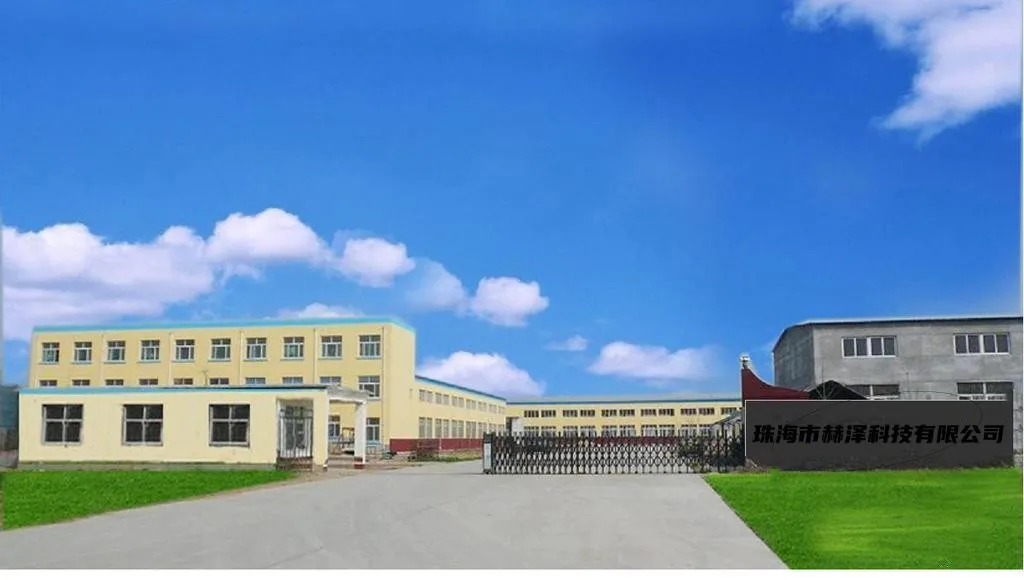
Zhuhai Heze Technology Co., Ltd.
- Manufacturer, Trading Company
- Guangdong, China
- Lead time30 days
- Avg. response≤ 2h
Main productscoffee machine,coffee grinder,Steak machine,milk frother,coffee maker
Main marketsNorth America(50.00%), Western Europe(15.00%), South America(10.00%), Mid East(10.00%), Southeast Asia(5.00%), Eastern Europe(5.00%), Oceania(5.00%)
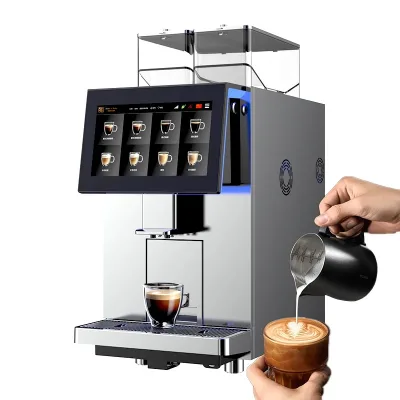
11.6 Inch Screen Hot Sales Commercial Automatic Coffee Machine with 19bar Pump
$1700.00 - $2600.00
MOQ: 1 sets
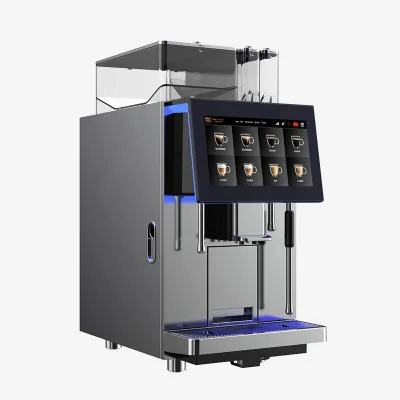

Dongyi Yangshan Mechanical Equipment Co., Ltd.
- Verified by TUVRHEINLAND
- Manufacturer/Factory
- China Guangdong
- Lead time23 days
- Avg. response≤ 16h
Main productsCoffee Roaster, Coffee Machine, Coffee Roaster Machine, 20kg Coffee Roaster Machine, Coffee Roasting Machine, Industrial Coffee Roaster, Electric Coffee Roaster, Espresso Coffee Machine, Professional Coffee Machine, Automatic Coffee Machine
Main marketsSouth America,Eastern Europe,Mid East,North America,Southeast Asia,Eastern Asia,Oceania,Western Europe,Africa


Coffee Machine with Hot Brew 9 Bars Pressure and Programmable Options
$819.00 - $1298.00
MOQ: 1 Pieces


Versatile Coffee Machine with Programmable Features and 9 Bars Pressure
$819.00 - $1298.00
MOQ: 1 Pieces

Foshan Carefor Electrical Appliances Co., Ltd.
- Verified by TüVRheinland
- Trading Company
- Lead time60 days
- Avg. response≤ 3h
Main productsCommercial Espresso Mahine, Commercial Coffee Brewer, Commercial Coffee Grinder, Coffee Accessories, Hot Water Urn
Main marketsNorth America(30%), Eastern Europe(15%), Mid East(15%)
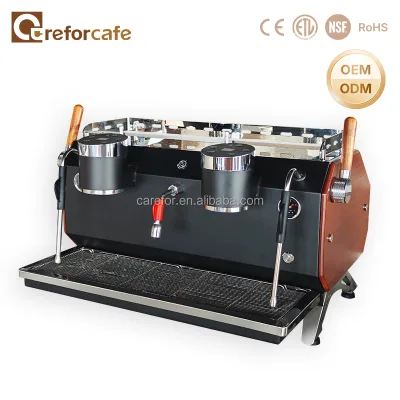
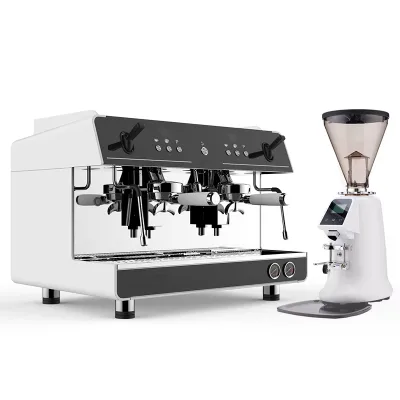
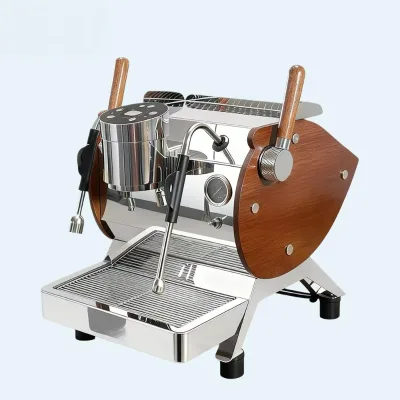
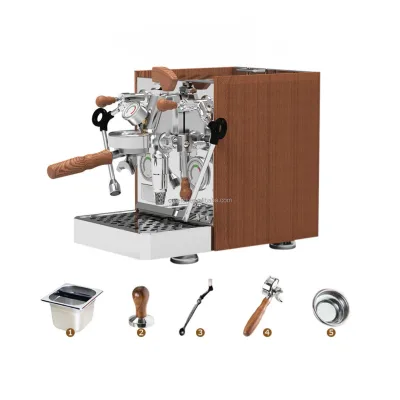
Vintage Style Espresso Coffee Machine with Milk Foam Function EU Spec with Complete Certification
$799.00 - $859.00
MOQ: 1 pieces

Ningbo Mingni Import And Export Co., Ltd.
- Verified by SGS
- Manufacturer/Factory
- China Zhejiang
- Lead time23 days
- Avg. response≤ 3h
Main productsWindow Handle, Door Handle, Hinge, Gas Cooker Knob, Oven Knob, Name Plate, Cabinet Handle, Bathroom Hardware, Auto Parts
Main marketsSouth America,Eastern Europe,North America,Western Europe

Guangzhou ola Machinery Equipment Co., Ltd.
- Verified by SGS
- Combined
- China Guangdong
- Lead time23 days
- Avg. response≤ 3h
Main marketsDomestic

Jiangmen Junsheng Industrial Co., Ltd
- Verified by TUVRHEINLAND
- Combined
- China Guangdong
- Lead time30 days
- Avg. response≤ 1h
Main productsInjection Mould, Plastic Product, Molde De Silicona, Injection Molding, Mould, Mold, Plastic Injection Molding, Plastic Injection Mold, Plastic Mould, Plastic Part
Main marketsDomestic








Comprehensive Sourcing Guide
Commercial Coffee Machine Supplier Concentration and Factory Types
The landscape for sourcing commercial coffee equipment reveals a distinct split between manufacturing origins and trading structures, which significantly impacts your procurement strategy. Current data indicates that a substantial portion of suppliers are located in Guangdong, China, operating as either manufacturers or trading companies. This concentration suggests a robust industrial cluster in that specific region, where supply chains for components like boilers, group heads, and electronic controls are likely established. Buyers should recognize that Guangdong-based entities often benefit from proximity to ports and specialized industrial zones, potentially offering faster logistics for heavy machinery. However, the presence of trading companies within this cluster means that not every listed entity is the original factory. A trading company may offer a broader catalog of mixed goods, such as ovens, mixers, and ice makers, alongside coffee machines, which can simplify single-source procurement but may introduce layers of markup. Conversely, pure manufacturers in this region might focus more deeply on specific technical specifications and OEM capabilities. Understanding this distinction is crucial because it affects who you are negotiating with and who holds the technical knowledge for your equipment. If you require custom branding or specific engineering modifications, verifying whether the supplier is a direct factory or a reseller is the first critical step. The company type label provides a high-level indicator, but it does not guarantee the depth of technical support or the flexibility of production lines. Buyers must look beyond the general location and company type to understand the actual operational model of the vendor. This initial assessment helps in setting realistic expectations regarding communication styles, pricing structures, and the ability to handle complex orders.
In contrast to the Guangdong cluster, other suppliers may originate from different regions, such as Henan, China, or even international locations like Italy. Suppliers in Henan are often categorized as trading companies or manufacturer/factory hybrids, focusing on a wide array of food machinery, packing machines, and drying equipment. This diversification in main products suggests that these suppliers may not specialize exclusively in coffee equipment, which could impact the depth of their expertise in this specific niche. When evaluating suppliers from these broader machinery backgrounds, buyers should assess whether their primary focus aligns with the precision required for commercial coffee machines. The presence of certifications like ISO 9001 in these regions indicates a baseline level of quality management, but it does not necessarily reflect specialization in coffee technology. Furthermore, some products listed under these suppliers may have origins in Italy, such as certain espresso machines, highlighting the global nature of component sourcing. This complexity means that a supplier located in China might be assembling or distributing Italian-designed machines, which carries different warranty and support implications than a fully domestic Chinese manufacture. Buyers need to carefully parse the "Place of Origin" for specific products versus the supplier's location. This distinction is vital for understanding where the intellectual property and core engineering reside. It also influences the availability of spare parts and the technical proficiency of the support team. By recognizing these varied factory types and geographic concentrations, buyers can better tailor their outreach and due diligence processes to match the specific capabilities of the supplier pool.
How to Verify Commercial Coffee Machine Suppliers
Verifying the legitimacy and capability of a Commercial Coffee Machine supplier requires a multi-layered approach that goes beyond surface-level profile information. One of the most immediate indicators of supplier reliability is their response time, which serves as a proxy for operational efficiency and customer service commitment. Data shows that some suppliers respond within two hours, while others may take up to five hours. A faster response time often correlates with a more active sales team and better project management, which is critical when dealing with complex machinery orders that require detailed technical clarifications. Buyers should prioritize suppliers who demonstrate quick engagement, as this suggests they are prepared to handle inquiries promptly and resolve issues before they escalate. However, response time alone is not a definitive measure of quality; it must be cross-referenced with other verification metrics. For instance, checking the supplier's certification status is essential. The presence of CE certification for systems indicates compliance with European safety and health standards, which is a significant benchmark for electrical equipment like coffee machines. Buyers should request copies of these certificates and verify their validity through the issuing bodies. Additionally, looking for ISO 9001 certification, as seen in some suppliers, provides assurance that the company adheres to international quality management standards. These certifications are not just badges; they represent documented processes for quality control, risk management, and continuous improvement.
Beyond certifications and response times, buyers must verify the technical specifications and product evidence provided by the supplier. Detailed product attributes, such as weight, dimensions, power consumption, and boiler capacity, offer concrete data points for comparison. For example, a supplier listing a machine with a 62kg weight and 3700w power output provides specific engineering details that can be cross-checked against industry norms. Buyers should scrutinize these attributes for consistency and realism. A discrepancy between the stated power and the boiler capacity might indicate a lack of technical rigor. Furthermore, verifying the warranty terms is crucial. Most suppliers offer a one-year warranty, but the scope of this warranty—whether it covers parts, labor, or shipping costs—needs explicit clarification. Buyers should also inquire about the supplier's capacity for OEM and ODM services, as indicated by some manufacturers. This capability is vital for brands looking to customize machines with specific branding or unique features. It is also important to verify the supplier's main products to ensure they have relevant experience. A supplier whose main products include ovens and mixers might have less specialized knowledge in coffee extraction technology compared to a dedicated coffee equipment manufacturer. By combining these verification steps—response time, certifications, technical data, warranty terms, and product focus—buyers can build a comprehensive profile of each supplier's reliability and suitability for their specific needs.
What to Compare Across Commercial Coffee Machine Suppliers
When evaluating multiple suppliers for commercial coffee machines, buyers must systematically compare key operational and commercial dimensions to identify the best fit for their business. One of the most critical factors is the lead time, which dictates how quickly inventory can be replenished or new equipment installed. Current data indicates a lead time of approximately 15 days for some suppliers, which is a standard benchmark for manufacturing and shipping heavy machinery. Buyers should compare this against their operational timelines to ensure that the supplier can meet their opening dates or restocking needs. A shorter lead time can provide a competitive advantage by reducing downtime, but it must be balanced against the quality of production. Another essential comparison point is the price range, which varies significantly based on machine specifications and origin. Prices for commercial coffee machines can range from approximately $559 to over $3,300, reflecting differences in brand, technology, and build quality. Buyers should not simply choose the lowest price but rather analyze the cost-to-feature ratio. For instance, a machine priced at $2,639 might offer superior Italian engineering and a larger boiler capacity compared to a $559 option, which could be more suitable for high-volume commercial use. Understanding the value proposition behind each price point is key to making an informed decision.
In addition to lead time and price, buyers should compare the physical specifications and technical capabilities of the machines offered by different suppliers. Attributes such as weight, dimensions, power, and boiler capacity are direct indicators of the machine's performance and suitability for specific environments. For example, a machine with a 55kg weight and 4200w power might be designed for high-volume cafes, while a lighter 16.5kg unit with 1700w power might be better for smaller businesses or portable setups. Buyers should also compare the voltage requirements, as machines may be rated for 220V or other standards, which impacts installation costs and compatibility with local infrastructure. The number of groups, such as a 2-group machine, is another critical specification that determines the machine's throughput capacity. Comparing these technical details across suppliers helps buyers align their equipment choices with their expected customer volume and service style. Furthermore, buyers should assess the supplier's customization options. Some suppliers offer available customization for materials and features, which can be a differentiator for brands seeking unique aesthetics or specific functionalities. By systematically comparing lead times, prices, technical specifications, and customization capabilities, buyers can create a structured evaluation matrix. This approach ensures that decisions are based on objective data rather than subjective impressions, leading to more reliable and cost-effective sourcing outcomes.
Common Commercial Coffee Machine Sourcing Risks
Sourcing commercial coffee machines involves several inherent risks that buyers must proactively manage to avoid costly disruptions. One significant risk is the mismatch between supplier claims and actual product capabilities, particularly regarding technical specifications. Buyers may encounter discrepancies in power ratings, boiler capacities, or material quality if they do not thoroughly verify the product evidence provided. For example, a supplier might list a machine with a specific power output, but the actual unit may differ, leading to installation issues or performance shortfalls. This risk is heightened when dealing with trading companies that may not have direct control over manufacturing processes. To mitigate this, buyers should request detailed technical drawings and certification documents before placing orders. Another common risk is the variability in warranty and after-sales support. While many suppliers offer a one-year warranty, the extent of coverage can vary widely. Some warranties may only cover parts, excluding labor or shipping costs for replacements, which can add significant hidden expenses. Buyers must clarify the terms of the warranty in writing and understand the process for claiming support. This is particularly important for complex machinery like espresso machines, which require specialized maintenance and repair.
Logistical risks are also prevalent in the sourcing of heavy commercial equipment. Machines can weigh anywhere from 16.5kg to 85kg, making shipping and handling complex and expensive. Damage during transit is a real possibility, especially if packaging is inadequate. Buyers should ensure that suppliers use robust packaging standards and consider purchasing shipping insurance. Additionally, customs clearance can delay deliveries, particularly if documentation is incomplete or incorrect. Buyers must verify that all necessary export and import documents are prepared accurately by the supplier. Another risk is the potential for communication breakdowns, especially when dealing with suppliers in different time zones or language environments. Misunderstandings regarding technical requirements or order details can lead to incorrect shipments. To address this, buyers should establish clear communication protocols and confirm all specifications in writing. Furthermore, relying on a single supplier for all equipment needs can be risky if that supplier faces production delays or quality issues. Diversifying suppliers or maintaining a backup option can help mitigate this risk. By identifying and addressing these common risks—technical discrepancies, warranty limitations, logistical challenges, and communication barriers—buyers can protect their investments and ensure a smoother sourcing process.
Commercial Coffee Machine Regional Sourcing and Logistics
The geographic origin of commercial coffee machines plays a pivotal role in determining logistics costs, delivery times, and regulatory compliance. Suppliers located in Guangdong, China, benefit from a well-developed infrastructure for exporting heavy machinery, with access to major ports and efficient freight forwarding networks. This regional advantage often translates to competitive shipping rates and faster transit times to global destinations. Buyers sourcing from this cluster should leverage these logistical efficiencies by coordinating closely with freight forwarders to optimize container space for bulky items like coffee machines. However, buyers must also consider the implications of sourcing from different regions, such as Henan, China, or international locations like Italy. Suppliers in Henan may have different logistical capabilities, potentially resulting in longer transit times or higher shipping costs depending on their proximity to ports. Additionally, machines originating from Italy may carry premium shipping costs due to their value and the need for specialized handling. Buyers should factor these logistical variables into their total cost of ownership calculations. Understanding the regional logistics landscape helps buyers anticipate potential delays and plan their inventory accordingly. It also influences the choice of Incoterms, such as FOB or CIF, which determine who bears the risk and cost
FAQs
What is the price range for commercial coffee machines?
Prices typically range from $559 to $3,345 depending on specifications. Entry-level portable units start around $559, while high-capacity Italian models cost up to $3,345. Buyers should verify exact pricing based on boiler capacity and power requirements for their specific business needs.
Where are commercial coffee machines manufactured?
Manufacturing origins include Italy, China, and Guangdong specifically. Italian brands like Wega and Rancilio offer premium options, while Chinese manufacturers provide cost-effective alternatives. Buyers should check the Place of Origin field to ensure the machine meets their regional quality and sourcing preferences.
What certifications do suppliers hold?
Suppliers commonly hold CE and ISO 9001 certifications. CE certification ensures compliance with European safety standards, while ISO 9001 indicates quality management systems. Buyers should verify these credentials directly with suppliers to ensure the equipment meets local regulatory requirements for commercial use.
What is the typical lead time for orders?
Standard lead times are approximately 15 days for production. This duration allows for manufacturing and quality checks before shipment. Buyers should confirm specific delivery schedules with suppliers, as lead times may vary based on order volume, customization requirements, and current production capacity constraints.
How quickly do suppliers respond to inquiries?
Response times are generally fast, averaging around 2 to 5 hours. Quick responses indicate active supplier engagement and efficient communication channels. Buyers should expect prompt replies during business hours, which helps in negotiating terms and clarifying technical specifications for commercial coffee equipment purchases.
What warranty is provided for coffee machines?
Most suppliers offer a 1-year warranty on their equipment. This coverage typically includes parts and labor for manufacturing defects. Buyers should review the warranty terms carefully, as coverage may vary by brand and model, ensuring they understand the support available for long-term commercial operations.