Commercial Energy Saving Induction Cooker Suppliers and Manufacturers
Source Commercial Energy Saving Induction Cooker options from 26 verified suppliers in China. Compare key dimensions including lead times, MOQs, certifications, and pricing to identify suitable partners. Review product specifications and request quotes directly to streamline your procurement process; review the available evidence before requesting comparable quotations from suitable candidates.
Updated
Suppliers List

Zhongshan Longstar Electrical Appliance Co., Ltd.
- Verified by BV
- Combined
- China Guangdong
- Lead time30 days
- Avg. response≤ 8h
Main productsInduction Cooker, Infrared Cooker
Main marketsSoutheast Asia/ Mideast


Commercial Hot Pot Induction Cooker 3 Burner Induction Cooker Induction Stove
$83.00 - $88.00
MOQ: 100 Pieces

- Verified by BV
- Combined
- China Guangdong
- Lead time15 days
- Avg. response≤ 4h
Main productsHood Type Dishwasher, Conveyor Type Dishwasher, Ultrasonic Dishwasher, Undercounter Dishwasher, Bakery Equipment, Food Processor
Main marketsSouth America,Africa,Others(foreignTradeCapacity.exportBusinessCapacityMarketOther),North America

Zhongshan Jiaye Electric Appliance Co., Ltd.
- Verified by SGS
- Combined
- China Guangdong
- Lead time23 days
- Avg. response≤ 5h
Main productsGas Hob, Gas Stove, Range Hood, Built-in Oven, Microwave Oven, Induction Cooker, Ceramic Hob
Main marketsSouth America,Africa,Southeast Asia/ Mideast,Europe
Henan Shanpu Machinery Equipment Co., Ltd.
- Trading Company
- Henan, China
- Lead time0 days
- Avg. response≤ 2h
Main productsoil press machine,package machine,juicer machine,Woodworking machinery,Rubber and plastic machinery
Main marketsNorth America(15.00%), Mid East(10.00%), Northern Europe(10.00%), Western Europe(10.00%), Southeast Asia(10.00%), Eastern Europe(10.00%), Southern Europe(10.00%), Oceania(5.00%), South Asia(5.00%), Africa(5.00%), South America(5.00%), Central America(2.00%), Eastern Asia(2.00%), Domestic Market(1.00%)

Zibo Ruilang International Trade Co., Ltd.
- Verified by SGS
- Combined
- China Shandong
- Lead time15 days
- Avg. response≤ 4h
Main productsCommercial Induction Cooktop, Induction Pot Cooker, Induction Large-Pot Cooker, Induction Fryer, Induction Noodle Boiler, Induction Griddle, Induction Steam Cabinet, Refrigerator, Display Refrigerator, Freezer
Main marketsDomestic


Commercial Induction Cooker Efficient Heating Performance for Restaurant Use Equipment
$68.00 - $95.00
MOQ: 100 Pieces

Jiangsu Xinyuehai Commercial Kitchenware Co., Ltd
- Verified by SGS
- Combined
- China Jiangsu
- Lead time15 days
- Avg. response≤ 2h
Main productsCatering Equipment, Chinese Stove, Kitchen Equipment, Kitchen Appliance, Gas Stove, Ice Maker Machine, Stainless Steel Shelf, Kitchen Workbench, Refrigerator, Induction Cooker
Main marketsDomestic,Europe

Commercial Freestanding Removable Type Cooking Stove Combination Induction Cooker
$338.00 - $388.00
MOQ: 1 piece

Guangdong Grace Kitchen Equipment Co., Ltd.
- Manufacturer, Trading Company
- Lead time旺季: "1 - 15":7,"16 - 50":15,"> 50":"To be negotiated", 淡季: "1 - 15":7,"16 - 50":15,"> 50":"To be negotiated"
- Avg. response≤ 2h
Main productsKitchen Equipment, Bakery Equipment, Buffet Equipment, Snack Equipment, Stainless Steel Customized Products
Lubolanshi (liaoning) Import And Export Co., Ltd.
- Verified by TüVRheinland
- Manufacturer, Trading Company
- Lead time30 days
- Avg. response≤ 1h
Main productsCooking Equipment, Refrigeration Equipment, Baking Equipment, Stainless Steel Kitchen Equipment, Commercial Kitchen Equipment
Main marketsNorth America(15%), Mid East(15%), South America(10%)
Guangzhou Hanze Hotel Producsts Co., Ltd.
- Trading Company, Buying Office
- Guangdong, China
- Lead time0 days
- Avg. response≤ 2h
Main productsrice steamer,steamer,deck oven,ice cream machine,induction cooker
Main marketsSouth Asia(30.00%), Eastern Asia(30.00%), Mid East(20.00%), Southeast Asia(20.00%)
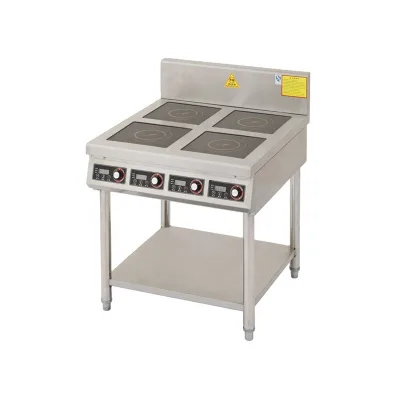
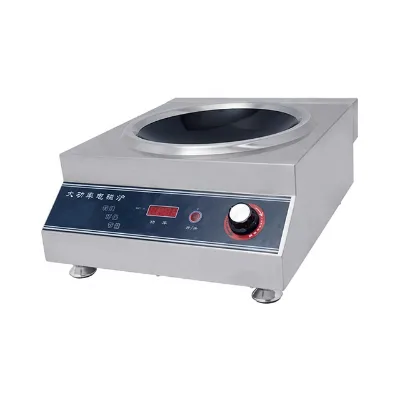
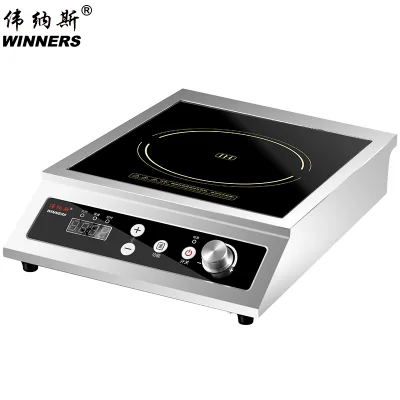
Commercial 3500 W Portable Black Induction Cook Top Stove Electric Induction Cookers
$154.0147 - $205.3529
MOQ: 1 sets
Guangdong Winners Stainless Steel Industry Co., Ltd.
- Verified by Intertek
- Manufacturer, Trading Company
- Lead time30 days
- Avg. response≤ 10h
Main productsInsulation Barrel, Electric Boiler, Chafing Dish, Soup Warmer, Juice Dispenser
Main marketsDomestic Market(75%), Eastern Asia(8%), Eastern Europe(6%)
Guangdong Gelairui Energy Saving Technology Co., Ltd.
- Manufacturer, Trading Company
- Guangdong, China
- Lead time20 days
- Avg. response≤ 13h
Main productsHalf Bridge Induction Cooker,Tabletop Induction Cooker,Multi-Head Induction Cooker,High power induction cooker,Built-in induction cooker
Main marketsDomestic Market(40.00%), Southeast Asia(12.00%), Eastern Asia(8.00%), Africa(8.00%), Oceania(5.00%), Mid East(5.00%), Eastern Europe(4.00%), Northern Europe(3.00%), North America(3.00%), Western Europe(3.00%), Southern Europe(3.00%), Central America(2.00%), South Asia(2.00%), South America(2.00%)
Binzhou Daweite Import And Export Co., Ltd.
- Trading Company
- Shandong, China
- Lead time0 days
- Avg. response≤ 2h
Main productsgas cooker,Single-head Low Soup Stove,Electromagnetic oven,Electromagnetic seafood steaming cabinet,stainless steel work table
Main marketsSoutheast Asia(15.00%), Western Europe(10.00%), Mid East(10.00%), Oceania(10.00%), Africa(10.00%)
Guangzhou Chashimi Kitchen Equipment Co., Ltd.
- Verified by TüVRheinland
- Trading Company
- Lead time7 days
- Avg. response≤ 4h
Main productsCommercial Coffee Machine, Commercial Refrigeration Machine, Commercial Kitchen Machine, Food Processing Machine, Wine And Beverage Machines
Main marketsSoutheast Asia(19%), North America(18%), Western Europe(15%)
Dongguan Future Kitchen Equipment Co., Ltd.
- Trading Company
- Guangdong, China
- Lead time15 days
- Avg. response≤ 2h
Main productsautomatic cooking machine,commercial induction cooker,combi oven,dish washing machine,gas cooker
Main marketsSoutheast Asia(20.00%), Domestic Market(15.00%), Eastern Europe(15.00%), Mid East(10.00%), North America(10.00%), Southern Europe(5.00%), South Asia(5.00%), South America(5.00%), Western Europe(5.00%), Northern Europe(5.00%), Central America(2.00%), Oceania(1.00%), Africa(1.00%), Eastern Asia(1.00%)

Binzhou Lanjet Commercial Electric Appliance Co., Ltd.
- Manufacturer/Factory
- China Shandong
- Lead time0 days
- Avg. response≤ 5h
Main productsdishwasher

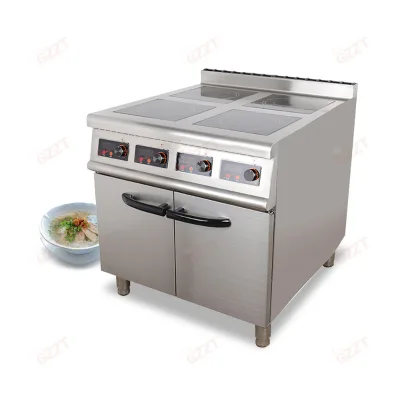
The Commercial Catering Induction Cooker Is Equipped with Four Burners
$200.00 - $340.00
MOQ: 2 Pieces

Commercial Standalone Electromagnetic Cookers - Induction Cookers with High Power Capacity
$240.00 - $500.00
MOQ: 2 Pieces

High-Quality and Highly Efficient Four-Tube Commercial Electric Induction Cooker
$200.00 - $340.00
MOQ: 2 Pieces
Zhongshan Jiaye Electric Appliance Co., Ltd.
- Verified by SGS Group
- Manufacturer, Trading Company
- Lead time40 days
- Avg. response≤ 3h
Main productsGas Hob, Gas Stove, Gas Cooker, Gas Cooktop, Electric Hob
Main marketsSouth America(30%), Western Europe(20%), Southeast Asia(10%)
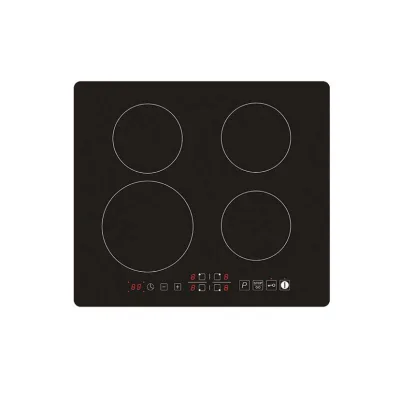
Low Price Cooker 4 Burners Desktop Restaurant Commercial Induction Cooktop
$105.00 - $115.00
MOQ: 100 pieces
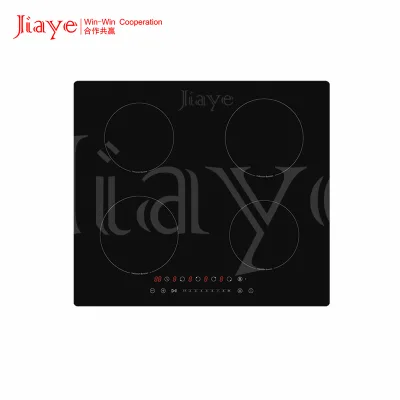

Zhongshan Ruihu Industry and Trade Co., Ltd.
- Verified by TUVRHEINLAND
- Trading Company
- China Guangdong
- Lead time30 days
- Avg. response≤ 2h
Main productsInduction Cooker
Main marketsSouth America,Domestic
Ningbo Bagus Appliance Co., Ltd.
- Verified by TüVRheinland
- Trading Company
- Lead time15 days
- Avg. response≤ 3h
Main productsCommercial Kitchen Equipment, Refrigeration Equipment, Kitchen Cleaning Equipment, Food Processing Machinery, Sugarcane Juice Extractor
Main marketsSoutheast Asia(25%), North America(20%), South America(15%)

Zhengzhou Angd Machinery Co., Ltd.
- Trading Company
- Henan, China
- Lead time20 days
- Avg. response≤ 5h
Main productsCake Display,Kitchen Refrigerator,stainless steel refrigerator,ice maker,baking oven
Main marketsNorth America(30.00%), Eastern Europe(15.00%), South America(15.00%), Domestic Market(10.00%), Western Europe(10.00%), Africa(10.00%), Mid East(5.00%), Oceania(5.00%)
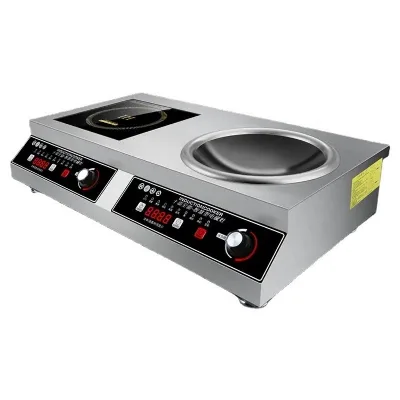
Restaurant Kitchen Double burner Big Power Commercial Induction Cooktop 3500w
$220.00 - $260.00
MOQ: 1
Yiwu Ehelper Technology Co., Ltd.
- Verified by TüVRheinland
- Trading Company
- Lead time30 days
- Avg. response≤ 2h
Main productsPrecision Air Conditioner, Industrial Cooking Pot, Meat Grinder, Kitchen Equipment, Kitchenware
Main marketsNorth America(41%), Eastern Europe(30%), South America(10%)
Guangzhou Cambon Kitchen Equipment Co., Ltd.
- Manufacturer
- Guangdong, China
- Lead time25 days
- Avg. response≤ 8h
Main productsKitchen Equipments,Hotel equipment,stove,oven,snack equipment
Main marketsMid East(50.00%), Southeast Asia(11.00%), Southern Europe(10.00%), Northern Europe(10.00%), South Asia(10.00%), Western Europe(9.00%)
Shenzhen Meikong Technology Co., Ltd.
- Verified by TüVRheinland
- Trading Company
- Lead time30 days
- Avg. response≤ 1h
Main productsInduction Cooker, Induction Griddle, Induction Deep Fryer, Noodle Cooker, Teppanyaki Grill
Main marketsSoutheast Asia(20%), Western Europe(15%), South America(10%)
Luohe Bard Machinery Equipment Co., Ltd.
- Manufacturer, Trading Company
- Henan, China
- Lead time7 days
- Avg. response≤ 2h
Main productsGeneral Machinery,Fruit Vegetables Processing Machines,Meat Processing Machines,Snack food machinery,Packaging Machinery
Main marketsNorth America(30.00%), Mid East(15.00%), Western Europe(13.00%)

ZHONGSHAN AI LI PU ELECTRICAL APPLIANCE CO., LTD.
- Verified by TUVRHEINLAND
- Combined
- China Guangdong
- Lead time30 days
- Avg. response≤ 11h
Main productsInduction Cooker, Infrared Cooker, Halogen Cooker, Electric Pressure Cooker, Rice Cooker, Kettle, Commercial Induction Cooktop, Double Burns Induction Cooker, Double Burns Infrared Cooker, Four Burns Induction Cooker
Main marketsDomestic


High power 3500W Commercial Induction cooker knob control stainless steel body
$54.00 - $56.00
MOQ: 1000 Pieces

Zhongshan Daofey Electrical Co., Ltd.
- Verified by TUVRHEINLAND
- Combined
- China Guangdong
- Lead time30 days
- Avg. response≤ 7h
Main productsInduction Cooker, Infrared Cooker, Built in Cooker, Induction Cooktop, Ceramic Cooker, Built Induction Cooker, Built Ceramic Cooker, Hot Plate
Main marketsOthers(foreignTradeCapacity.exportBusinessCapacityMarketOther),Europe

Guangzhou Kunli Technology Co. Ltd.
- Verified by TUVRHEINLAND
- Combined
- China Guangdong
- Lead time30 days
- Avg. response≤ 1h
Main productsCommercial Kitchen Equipment, Roller Stir Frying Machine, Rice Cooker, Induction Cooker, Rice Steamming Machine, Bun Steammer, Deep Fryer, Porridge Cooker, Noodle Cooker, Dish Washer
Main marketsDomestic


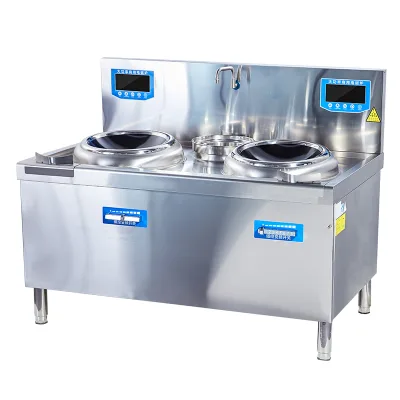
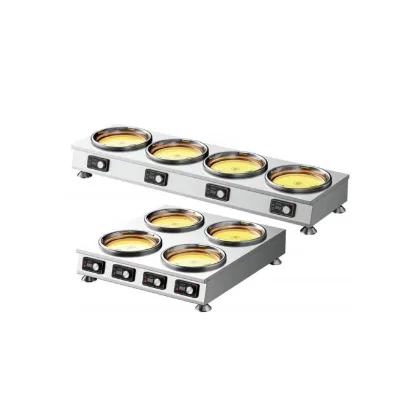
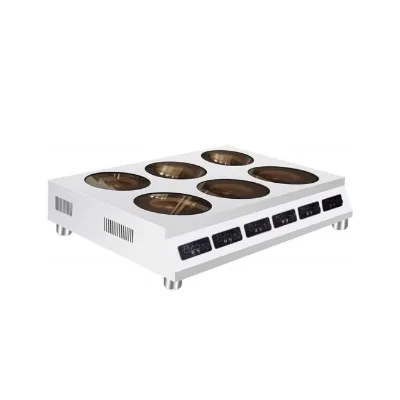
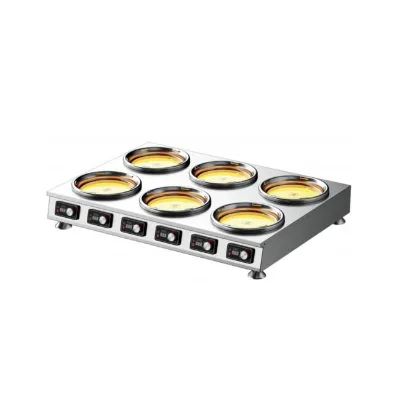
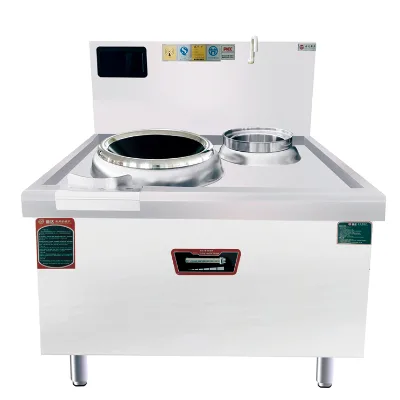
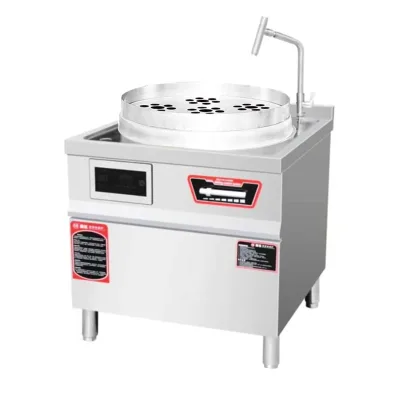
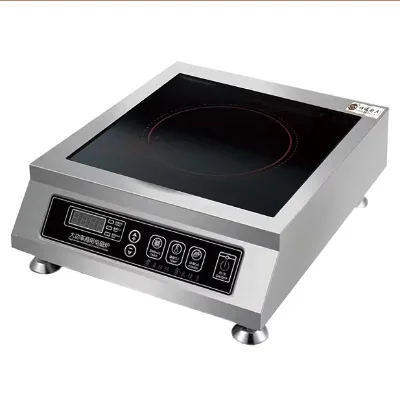
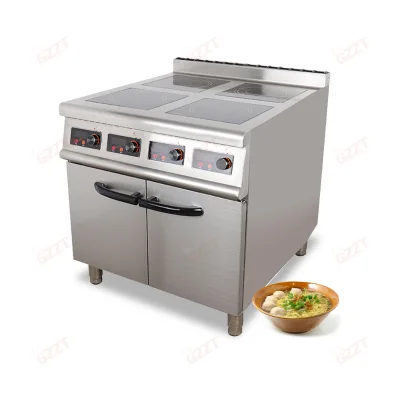




Comprehensive Sourcing Guide
Commercial Energy Saving Induction Cooker Supplier Concentration and Factory Types
The available data indicates a concentration of manufacturing activity in China, specifically within the Guangdong province, which serves as a primary hub for commercial induction cooker production. This region hosts a mix of combined supplier types that offer both Original Design Manufacturing and Original Equipment Manufacturing capabilities, allowing buyers to access flexible production models. Some entities in this cluster specialize in high-power commercial units, such as 7000-watt induction cookers, while others focus on multi-burner configurations for restaurant environments. The presence of these combined entities suggests a mature supply chain where factories can adapt to both custom design requests and standard OEM orders without significant friction.
When evaluating the factory types within this concentration, buyers should note that some suppliers list diverse main products beyond induction cookers, including dishwashers and bakery equipment, indicating a broader manufacturing capacity. This diversification can be advantageous for buyers seeking a single source for multiple kitchen appliances, though it requires careful verification that the induction cooker line receives dedicated engineering attention. The supply base includes companies with established ODM and OEM capacities, some of which also operate their own brands. This mix allows for a range of engagement models, from sourcing standard catalog items to developing proprietary designs, provided the buyer confirms the specific factory's focus on the required commercial energy-saving specifications.
How to Verify Commercial Energy Saving Induction Cooker Suppliers
Verification of suppliers in this category relies heavily on third-party validation and specific system certifications rather than general reputation alone. The current data shows that some suppliers hold BV verification status, which serves as a critical baseline for assessing business legitimacy. Additionally, specific manufacturers have obtained ISO9001:2015 and ISO14001:2015 certificates, demonstrating adherence to quality management and environmental standards respectively. Buyers must explicitly request proof of these certifications for any supplier claiming compliance, as the absence of such documentation, or a status marked as NIL, indicates a higher risk profile regarding quality control and operational consistency.
Beyond certifications, buyers should scrutinize the product-level evidence provided in supplier listings to ensure technical claims are substantiated. For instance, product attributes such as CE, RoHS, EMC, and CB certifications are listed for specific commercial models, confirming that the units meet international safety and electromagnetic compatibility standards. However, not all products display the same certification suite; some listings may only show CE certification. It is essential to verify that the specific model intended for purchase carries the necessary certifications for the target market. Buyers should also check for detailed product attributes like housing material, heating element type, and installation methods to ensure the supplier's claims align with the physical specifications required for the intended commercial application.
What to Compare Across Commercial Energy Saving Induction Cooker Suppliers
When comparing suppliers, the response time and lead time are critical operational metrics that directly impact project timelines. The observed data reveals a significant variance in response speeds, with some suppliers responding in approximately 3.10 hours while others take around 7.49 hours. Similarly, lead times for production range from 15 days to 30 days depending on the supplier and order complexity. Buyers should prioritize suppliers with faster response times to ensure efficient communication during the design and negotiation phases, while also weighing the lead time against their specific delivery deadlines to avoid production bottlenecks.
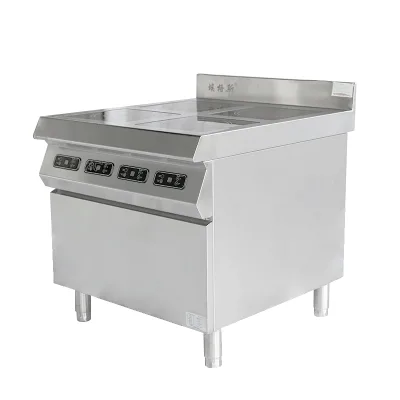
Pricing structures and minimum order quantities (MOQ) also vary widely across the supplier base, requiring a detailed cost-benefit analysis. For example, certain commercial induction cookers have a price range between $112 and $116 with an MOQ of 400 units, whereas other models may cost between $14 and $16 but require an MOQ of 2000 units. High-end commercial units with storage cabinets or specific power ratings can command prices upwards of $500 with lower MOQs. Buyers must calculate the total landed cost, including the impact of high MOQs on inventory holding, rather than focusing solely on the unit price. Comparing these financial terms alongside the supplier's capacity for customization and their specific product range will help identify the most cost-effective partner for the specific volume and specification requirements.
Common Commercial Energy Saving Induction Cooker Sourcing Risks
One significant risk involves the inconsistency of certification claims across different product lines within the same supplier portfolio. While some commercial induction cookers are listed with comprehensive certifications like CE, RoHS, EMC, and CB, other models from the same or similar suppliers may only display partial compliance, such as CE alone. This discrepancy can lead to customs clearance issues or regulatory non-compliance in the destination market if the buyer assumes uniform standards across all SKUs. It is imperative to verify the certification status for every specific model number before finalizing an order, rather than relying on the general reputation of the supplier or the certifications of a single flagship product.
Another risk pertains to the variation in product specifications and materials that may not be immediately apparent from high-level summaries. The data shows differences in housing materials, ranging from stainless steel and metal to plastic, and installation types, including countertop, built-in, and freestanding configurations. A buyer seeking a durable, commercial-grade unit might inadvertently select a model with plastic housing if the specifications are not carefully reviewed. Furthermore, the presence of "Combined" supplier types means that some vendors may not specialize exclusively in induction cooking equipment, potentially leading to less specialized support or quality control for niche commercial requirements. Buyers must demand detailed technical datasheets to confirm that the specific attributes, such as burner count and power output, match their operational needs exactly.
Commercial Energy Saving Induction Cooker Regional Sourcing and Logistics
Sourcing from the identified region in China, specifically Guangdong, offers access to a dense network of manufacturers but introduces specific logistical considerations regarding shipping and origin verification. The product origin is consistently listed as China, with some specific models noting Zhongshan as the production location. This regional concentration allows for efficient consolidation of goods, yet buyers must verify the exact factory address to ensure it aligns with the claimed location, as this impacts transit times and potential customs duties. Understanding the specific port of loading associated with the Guangdong cluster is essential for accurate freight cost estimation and delivery scheduling.
Logistics planning must also account for the varying packaging standards and dimensions associated with different commercial induction cooker models. The data indicates packaging options such as gift boxes combined with cartons, or individual carton boxes, with specific dimensions provided for some units. For larger commercial units, such as those with storage cabinets, the packaging may require wooden crates to ensure safe transport. Buyers should confirm the packaging details for their selected model to calculate the exact volume and weight for freight forwarding. Additionally, the origin location influences the lead time calculation, as inland factories may require additional transit time to reach coastal shipping ports compared to those located directly near the port, affecting the overall supply chain timeline.
Commercial Energy Saving Induction Cooker Commercial Terms and Order Planning
Order planning for commercial induction cookers requires careful attention to the minimum order quantities and the flexibility of customization terms. The observed MOQs range significantly, from 100 units for certain multi-burner commercial stoves to 2000 units for smaller countertop models. Buyers must align their initial order volume with these thresholds to avoid prohibitive per-unit costs or the need to purchase excess inventory. Furthermore, the availability of customization is a key commercial term, with many suppliers listing it as available for various models. However, the extent of customization, such as changes to housing color, glass size, or control interfaces, should be explicitly defined in the contract to prevent scope creep or unexpected costs during the production phase.
Payment terms and escrow services are vital components of the commercial agreement that protect both parties during the transaction. While specific payment terms are not detailed in the provided facts, the presence of BV verification suggests that some suppliers may offer secure transaction channels. Buyers should negotiate clear payment schedules that align with production milestones, such as deposits upon order confirmation and balance payments upon completion of pre-shipment inspections. Additionally, the lead time of 15 to 30 days must be factored into the overall project schedule, including time for quality assurance and logistics. Establishing a clear timeline for delivery and defining the consequences of delays in the commercial terms will help mitigate risks associated with supply chain disruptions and ensure the timely deployment of the commercial kitchen equipment.
FAQs
What is the price range for commercial induction cookers?
Prices vary significantly based on burner count and power. Single-burner countertop models range from $14 to $116. Double and four-burner built-in units typically cost between $43 and $105. High-power commercial ranges with storage cabinets can reach up to $534. Buyers should check specific model specifications for exact pricing.
What certifications do these induction cookers have?
Most commercial induction cookers listed carry CE, RoHS, EMC, and CB certifications. Some specific models may only hold CE certification. These standards ensure electrical safety and electromagnetic compatibility for commercial kitchen environments. Buyers should verify the specific certification list for each product model before placing orders to ensure compliance with local regulations.
What are the typical lead times for these products?
Lead times generally range from 15 to 30 days depending on the supplier and product type. Dishwasher suppliers often offer faster turnaround times around 15 days. Induction cooker manufacturers typically require 30 days for production. Buyers should confirm exact delivery schedules with suppliers, as custom orders or high-volume purchases may extend these standard timeframes.
What is the minimum order quantity for induction cookers?
MOQs vary by product type and supplier. Single-burner models often require a minimum of 2,000 units. Double-burner units typically have an MOQ of 800 units. Four-burner commercial stoves usually require 500 units. High-end commercial ranges with cabinets may have lower MOQs around 100 units. Buyers should verify specific requirements for each model.
Where are these commercial induction cookers manufactured?
These products are primarily manufactured in China, specifically in Guangdong province and Zhongshan. Suppliers in these regions specialize in small kitchen appliances and commercial cooking equipment. Buyers can expect consistent manufacturing quality from these established industrial hubs. Origin details are usually listed in product specifications, confirming the production location for each specific model.
Do suppliers offer OEM and ODM services?
Yes, many suppliers offer both OEM and ODM capabilities. This allows buyers to customize designs, branding, and specifications. Some suppliers also support own-brand development. Customization options include housing materials, control modes, and burner configurations. Buyers should discuss specific requirements with suppliers to ensure their branding and technical needs are met during the manufacturing process.