compact self-priming fuel dispenser Suppliers and Manufacturers
Explore 23 verified suppliers offering compact self-priming fuel dispenser units with ATEX and CE certifications. Compare response times, lead times, and customization options to find the right partner for your fuel station needs; review the available evidence before requesting comparable quotations from suitable candidates.
Updated
Suppliers List
Shanghai Cowell Machinery Co., Ltd.
- Verified by SGS Group
- Trading Company
- Lead time15 days
- Avg. response≤ 2h
Main productsFuel Pump, Flow Meter, LPG Pump, LPG compressor, Fuel Dispensers
Main marketsSoutheast Asia(21%), North America(17%), Africa(17%)
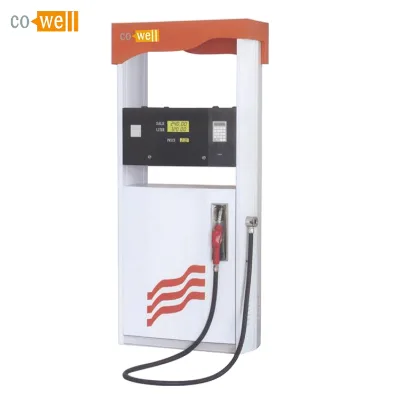
$1000.00 - $1200.00
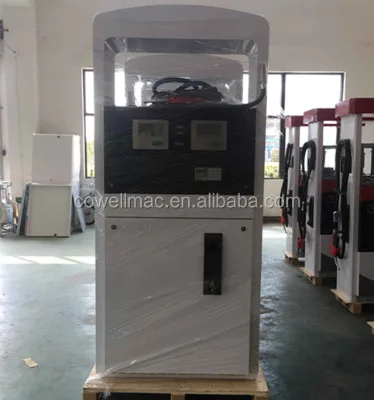
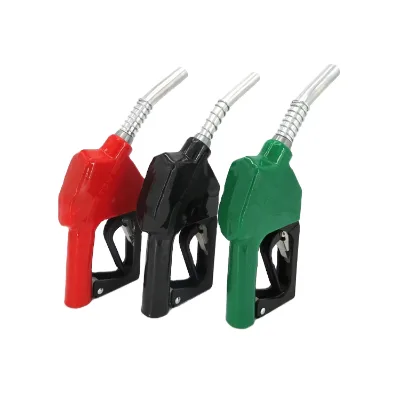
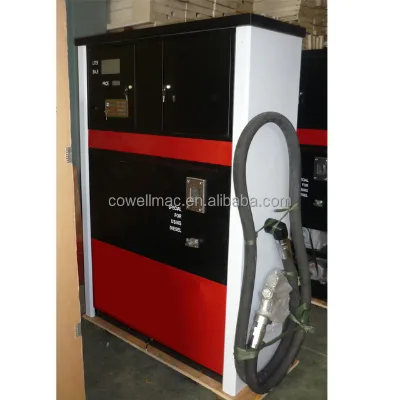
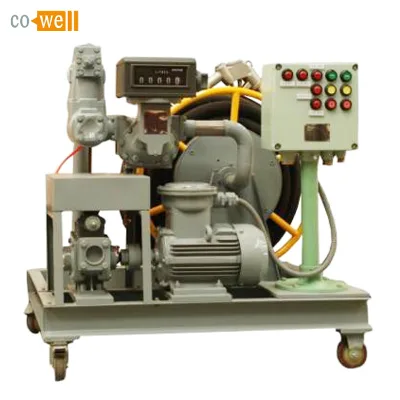
Portable/ Mobile Fuel Dispenser with diesel Flow Meter and Vane Pump
$5400.00 - $5500.00
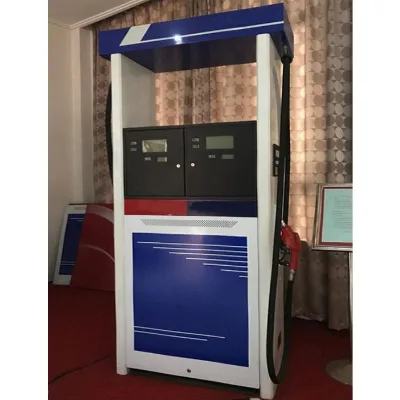

- Combined
- China Zhejiang
- Lead time30 days
- Avg. response≤ 25h
Main productsFuel Dispenser, Pump, Nozzle, Flow Meter, Soleniod Valve, Diesel Dispenser, Pumps, Heavy Duty Fuel Dispenser
Main marketsSouth America,Africa,Southeast Asia/ Mideast,Domestic

- Combined
- China Zhejiang
- Lead time30 days
- Avg. response≤ 14h
Main productsFuel Dispenser, Station Equipment, LPG Dispenser, Parts of Fuel Dispenser, Gas Dispenser, Petrol Dispenser, Oil Refueling Equipment, Fuel Pump, Diesel Dispenser, Dispenser
Main marketsSouth America,Africa,Southeast Asia/ Mideast
Wenzhou Ecotec Energy Equipment Co., Ltd.
- Verified by TüVRheinland
- Trading Company
- Lead time35 days
- Avg. response≤ 4h
Main productsFuel Dispenser, LPG Dispenser, Container Station, Fuel Gas Station Equipment, EV Equipment
Main marketsSoutheast Asia(25%), Africa(25%), North America(20%)
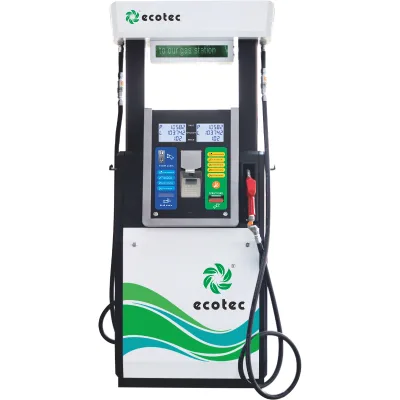
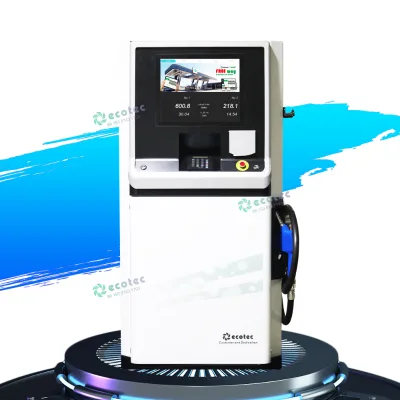
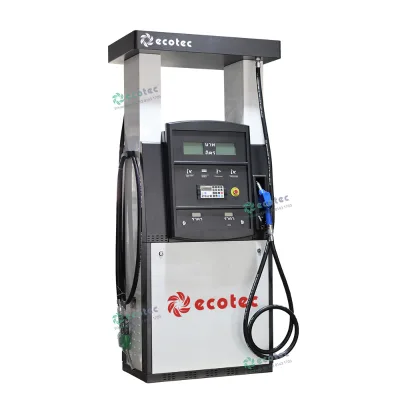
Pump Fuel Dispenser in Turkey Fuel Dispenser Pms Fuel Dispenser in China
$850.00 - $1000.00
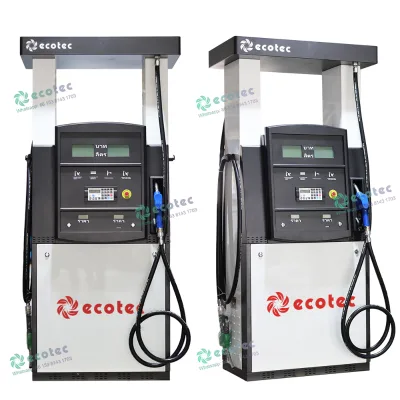
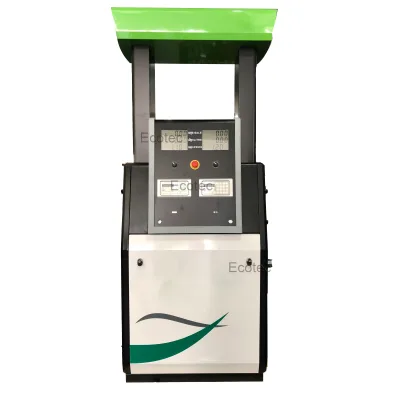
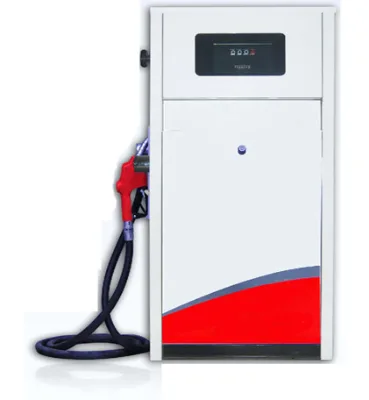

Henan Eaglestar Energy Technology Co., Ltd.
- Verified by BV
- Combined
- China Henan
- Lead time15 days
- Avg. response≤ 12h
Main productsHydrogen Filling Machine and Related Equipment, Compressed Natural Gas Fueling Machine, Tank Level Monitoring System
Main marketsEurope


Fuel Dispenser Equipment Gas Station Fuel Dispenser Petrol Pump Fuel Dispenser
$1500.00 - $6000.00
MOQ: 1 Pieces

Dispensing Petrol Fuel Pump Fuel Dispenser Gas Station Equipment Fuel Dispenser
$2000.00 - $3500.00
MOQ: 1 Pieces

Fuel Dispenser Oil Gas Station Equipment Supplier Gas Station Fuel Dispenser
$1500.00 - $6000.00
MOQ: 1 Pieces

Aistar Petroleum Equipment (Cangzhou) Co., Ltd.
- Trading Company
- Hebei, China
- Lead time7 days
- Avg. response≤ 4h
Main productsfuel dispenser&parts,fuel nozzle,gas station product,messure can,Petroleum equipment and accessories
Main marketsSoutheast Asia(15.00%), Mid East(15.00%), Africa(15.00%), North America(15.00%), Western Europe(11.00%), Eastern Asia(10.00%), Eastern Europe(8.00%), Oceania(4.00%), Central America(3.00%), South America(2.00%), South Asia(1.00%), Northern Europe(1.00%)
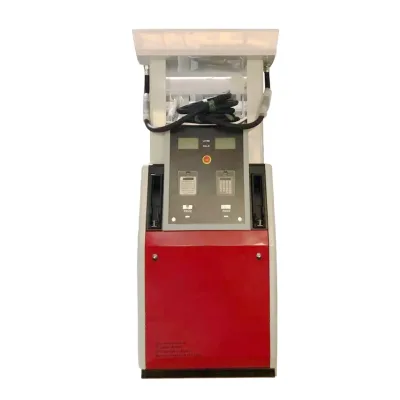
Fuel Dispenser Factory/fuel Dispenser Market/fuel Dispenser Suppliers for Sale
$1750.00
MOQ: 2 Minimum
- Manufacturer, Trading Company
- Zhejiang, China
- Lead time35 days
- Avg. response≤ 7h
Main productsfuel dispenser,LPG dispenser,gasoline pump,LC meter,submersible pump
Main marketsDomestic Market(20.00%), Southeast Asia(15.00%), Africa(15.00%), Eastern Asia(10.00%), Mid East(10.00%), South Asia(10.00%), North America(10.00%), Western Europe(5.00%), South America(5.00%)
Wenzhou Bluesky Energy Technology Co., Ltd.
- Manufacturer, Trading Company
- Lead time旺季: "1 - 1":25,"> 1":"To be negotiated", 淡季: "1 - 1":25,"> 1":"To be negotiated"
- Avg. response≤ 2h
Main productsFuel Dispenser/LPG Dispenser/Mobile Container Station/CNG Station/LNG Station
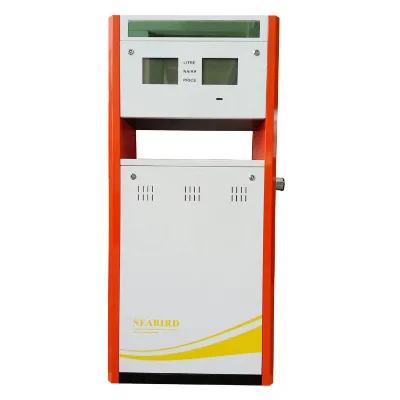
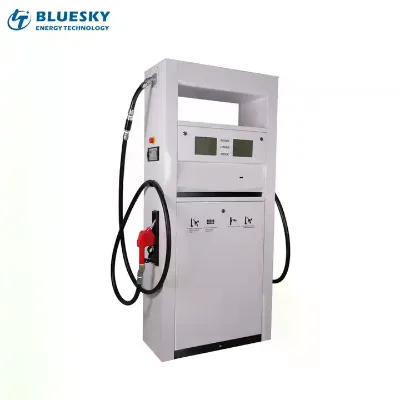
$2000.00 - $2200.00
MOQ: 1 pieces
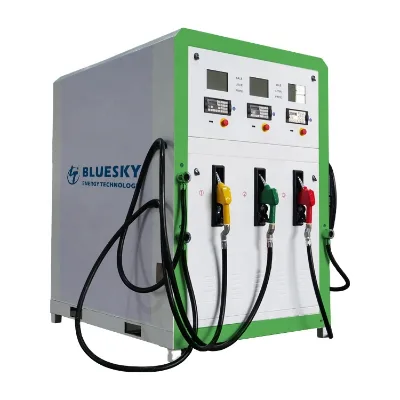
Wholesale Custom Gasoline Stations Portable Mini Gasoline Dispensers
$1600.00 - $4000.00
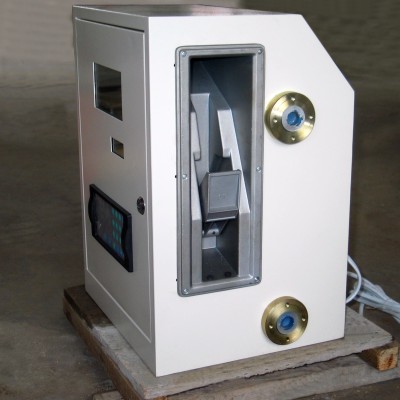
$828.7551 - $2071.8878
MOQ: 1 Minimum

Jining Better Origin Machinery Co., Ltd.
- Trading Company
- Shandong, China
- Lead time7 days
- Avg. response≤ 3h
Main productsPackaging machinery,Cutting machinery,Hardware tools
Main marketsNorth America(20.00%), Western Europe(15.00%), Northern Europe(10.00%), South America(10.00%), Africa(10.00%), Southeast Asia(10.00%), Eastern Europe(10.00%), Southern Europe(5.00%), Mid East(5.00%), Oceania(5.00%)
Censtar Science & Technology Corp., Ltd.
- Verified by TüVRheinland
- Manufacturer, Trading Company
- Lead time15 days
- Avg. response≤ 3h
Main productsFuel Dispenser, CNG Dispenser, LPG Dispenser, LNG Dispenser, Submersible Turbine Pump
Main marketsDomestic Market(68%), Africa(12%), Southeast Asia(5%)
$3200.00 - $3800.00
MOQ: 1 sets
$3308.1611 - $3928.4413
MOQ: 1 sets
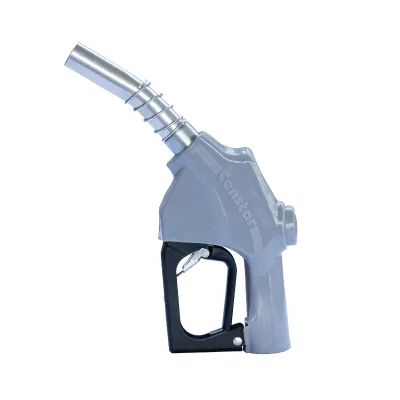
$9.00 - $11.00
MOQ: 1 pieces

Cangzhou Aistar Metalware Co., Ltd.
- Trading Company
- Hebei, China
- Lead time0 days
- Avg. response≤ 5h
Main productscamlock coupling,valves,fuel dispenser,measuring can,jerry can
Main marketsAfrica(20.00%), North America(20.00%), Southeast Asia(10.00%), South America(10.00%), Domestic Market(4.00%), South Asia(4.00%), Southern Europe(4.00%), Northern Europe(4.00%), Central America(4.00%), Western Europe(4.00%), Eastern Asia(4.00%), Mid East(4.00%), Oceania(4.00%), Eastern Europe(4.00%)
Censtar Energy Technical Service Co., Ltd.
- Verified by TüVRheinland
- Manufacturer, Trading Company
- Lead time15 days
- Avg. response≤ 2h
Main productsGas Station Whole Station Solution, Whole Station Design, Gas Station Engineering Construction, Gas Station Equipment Supply And Service, Mobile Gas Station
Main marketsDomestic Market(60%), Africa(14%), Mid East(12%)
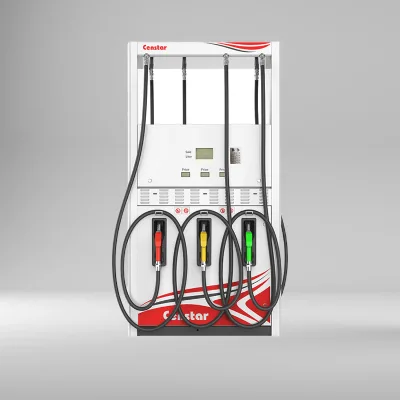
Fuel Dispenser Multi-Gun Multi-Display Fuel Dispenser Lcd Display
$4090.0515 - $5112.5644
MOQ: 1 pieces
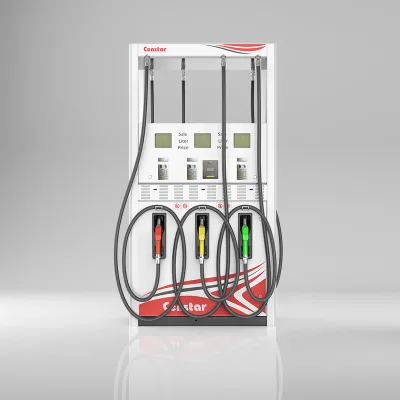
Professional Portable Fuel Dispenser Top-Brand Components Fuel Mobile 12v Gasoline Dispenser Pump
$4090.0515 - $5112.5644
MOQ: 1 pieces
Hubei Chuanchu Import And Export Co., Ltd.
- Verified by SGS Group
- Trading Company
- Lead time20 days
- Avg. response≤ 3h
Main productsFuel Tanker Truck, Iso Tank Container, Chemical Tanker Truck, Environmental Sanitation Vehicle, Refrigerated Truck
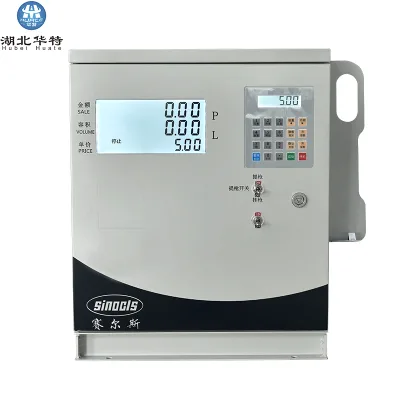
220V/380V AC Self-Contained Pump Fuel Dispenser for Refueling Truck Oil Station
$800.00 - $1000.00
MOQ: 1
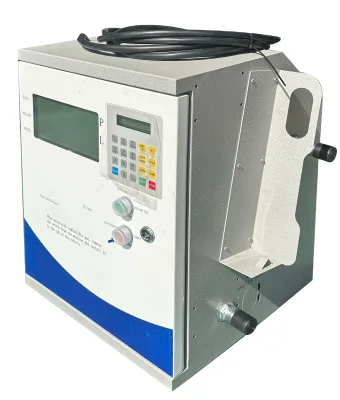
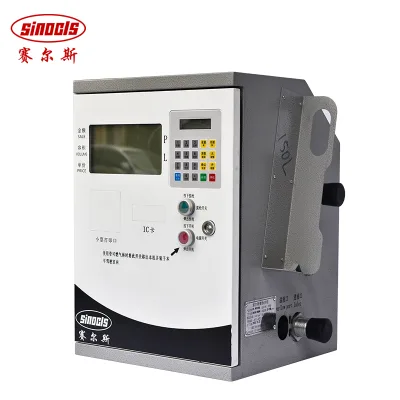
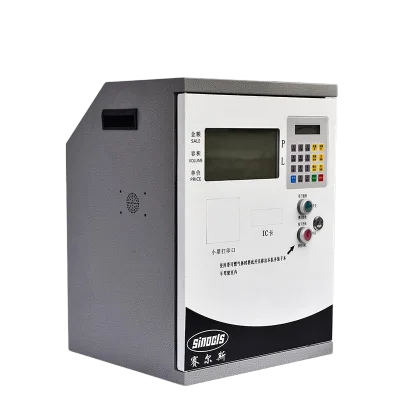
Hot Sale 24V Fuel Dispenser with Pump
$889.99 - $919.99
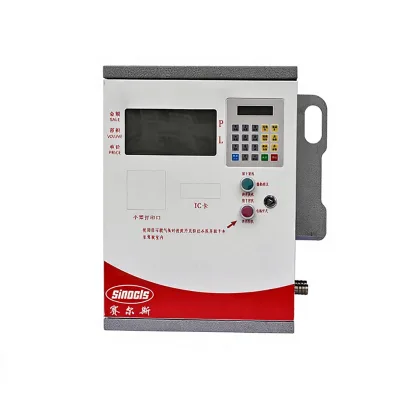

Wenzhou Ecotec Energy Equipment Co., Ltd.
- Verified by TUVRHEINLAND
- Manufacturer/Factory
- China Zhejiang
- Lead time23 days
- Avg. response≤ 7h
Main productsGas Station, Fuel Dispenser, LPG Dispenser, LPG Skid, Tank, Pump, Meter, Nozzle, Adblue, Automation
Main marketsSouth America,Eastern Europe,Mid East,North America,Southeast Asia,Eastern Asia,Oceania,Western Europe,Africa

CENSTAR SCIENCE & TECHNOLOGY Corp., LTD.
- Verified by TUVRHEINLAND
- Combined
- China Henan
- Lead time15 days
- Avg. response≤ 5h
Main productsFuel Dispenser, Gas Dispenser, Submersible Pump, Mobile Fuel Station, Automatic Tank Gauge System, H2 Dispenser, Underground Upp Pipeline Fittings HDPE, Fuel Dispenser Parts & Accessory, Management System, CNG Dispenser
Main marketsOthers(foreignTradeCapacity.exportBusinessCapacityMarketOther),Domestic

Wenzhou Changlong Fuel Dispenser Manufacture Co., Ltd.
- Verified by TUVRHEINLAND
- Combined
- China Zhejiang
- Lead time30 days
- Avg. response≤ 8h
Main productsFuel Dispenser, Fuel Pump, Petrol Station, Gas Station, Fuel Dispenser Pump, Service Station, Flow Meter, Filling Station, Oil Dispenser, Gas Pump
Main marketsAfrica
Wenzhou Huiyang Energy Technology Co., Ltd.
- Manufacturer, Trading Company
- Zhejiang, China
- Lead time0 days
- Avg. response≤ 6h
Main productsLNG Dispenser,Fuel Dispenser,CNG Dispenser,LPG Dispenser,Gas Station
Main marketsSoutheast Asia(25.00%), South Asia(15.00%), South America(10.00%), Mid East(10.00%), Eastern Asia(10.00%), Domestic Market(5.00%), Northern Europe(5.00%), Africa(3.00%), North America(3.00%), Oceania(3.00%), Central America(3.00%), Western Europe(3.00%), Eastern Europe(3.00%), Southern Europe(2.00%)

Wenzhou Bada Machine Co., Ltd.
- Manufacturer, Trading Company
- Zhejiang, China
- Lead time30 days
- Avg. response≤ 3h
Main productsFuel Nozzle,Fuel Flow Meter,Fuel Pump,Fuel Dispenser,Gas station parts
Main marketsEastern Asia(16.67%), Mid East(16.67%), Africa(16.67%), Southeast Asia(16.67%), Eastern Europe(16.67%), Domestic Market(16.65%)
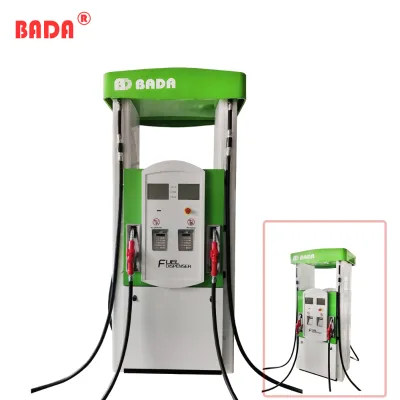
Hot Selling Luxurious submersible fuel dispenser portable fuel dispenser
$1600.00 - $1900.00
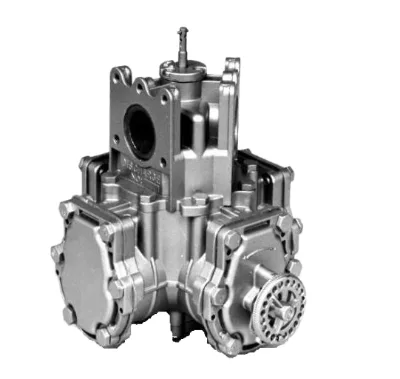
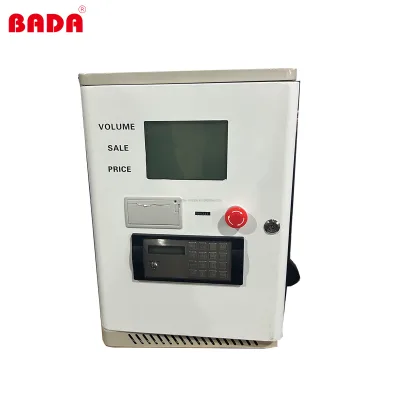
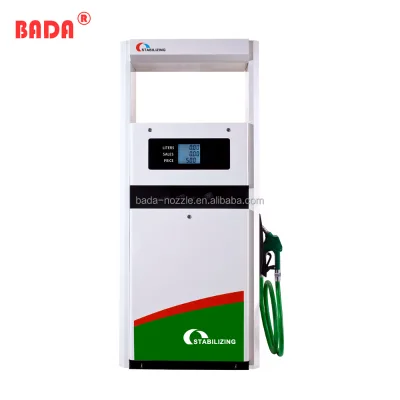
$1848.0781 - $3593.4852
MOQ: 1 units
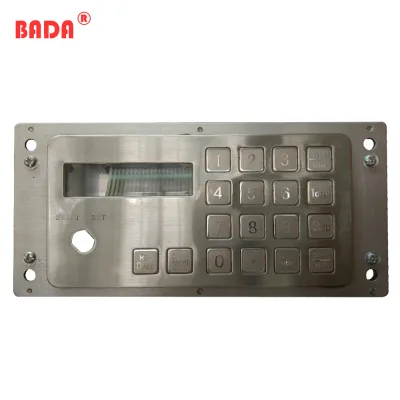
Most Popular Type Fuel Dispenser Stainless Steel Keyboard Fuel Dispenser's Kepad
$20.00 - $21.00
MOQ: 10
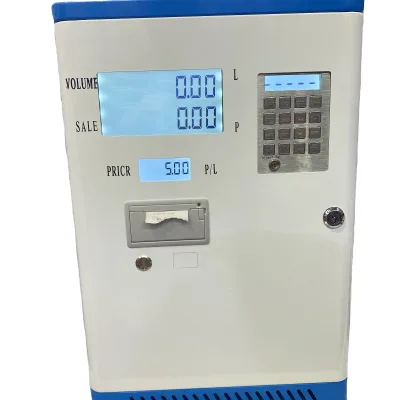
45cm Height Handle Car Manual Fuel Mini Dispenser Made in China
$360.00 - $385.00
Zhejiang Koeo Petroleum Machinery Co., Ltd.
- Verified by SGS Group
- Manufacturer, Trading Company
- Lead time30 days
- Avg. response≤ 5h
Main productsFlow Meter, Fuel Pump, Fuel Dispenser Nozzle/Fuel Dispenser Accessories, Fuel Hose Reel
Main marketsSouth America(26%), Mid East(15%), Western Europe(12%)
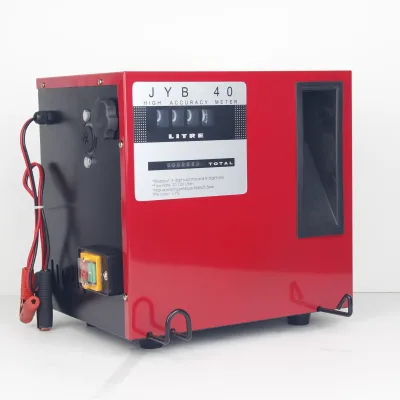
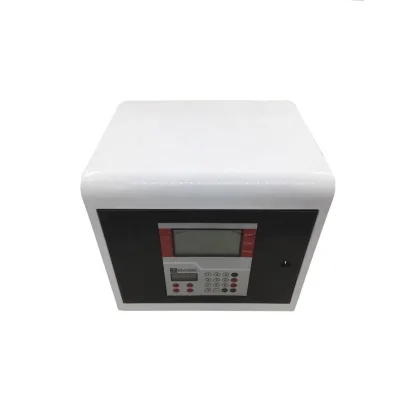
KOEO 110V 220V Portable Mini Fuel Dispenser for Easy Fuel Transfer with Tank Compatibility
$235.31 - $245.00
MOQ: 1
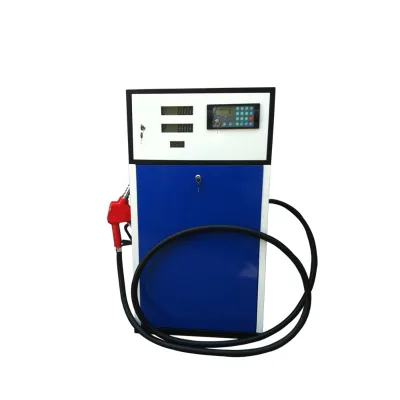
$700.00 - $850.00
MOQ: 10 pieces
Jiangxi Chengding Industrial Manufacturing Co., Ltd.
- Manufacturer
- Jiangxi, China
- Lead time7 days
- Avg. response≤ 3h
Main productsMobile Gas Station,Fuel Dispenser,fuel nozzle,Flow Meter,Fuel Dispenser Parts
Main marketsDomestic Market(51.00%), Mid East(13.00%), Northern Europe(6.00%), South America(5.00%), Southeast Asia(5.00%), Western Europe(4.00%), Eastern Europe(3.00%), North America(3.00%), Southern Europe(3.00%), Eastern Asia(2.00%), South Asia(2.00%), Oceania(1.00%), Africa(1.00%), Central America(1.00%)
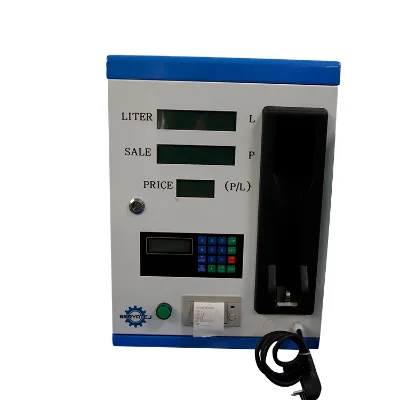
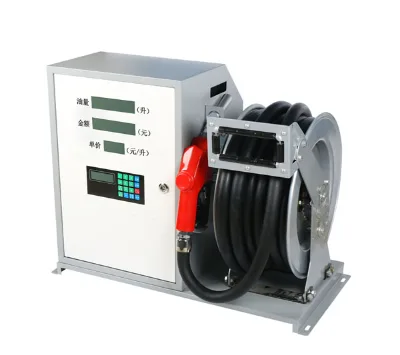
220V Portable diesel Dispenser with Reel and 15M Hose All in One Fuel Dispenser
$490.00 - $510.00
MOQ: 1
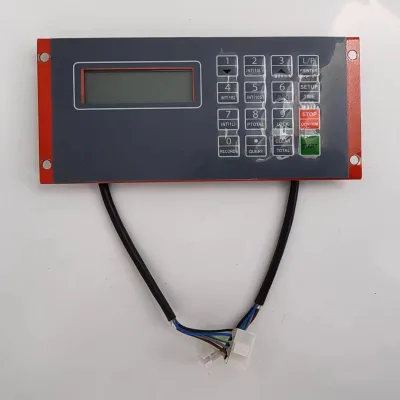
High Quality Petrol Fuel Dispenser Key Board
$35.00 - $60.00
Cangzhou Aistar International Trading Co., Ltd.
- Trading Company
- Hebei, China
- Lead time7 days
- Avg. response≤ 6h
Main productsfuel dispenser,fuel nozzle,fuel dispenser parts,gas station product,measure can
Main marketsEastern Asia(15.00%), Mid East(15.00%), Africa(15.00%), Southeast Asia(13.00%), North America(12.00%), Western Europe(8.00%), Southern Europe(7.00%), Oceania(5.00%), Eastern Europe(4.00%), Central America(2.00%), South America(2.00%), South Asia(1.00%), Northern Europe(1.00%)
Wenzhou Bluesky Energy Technology Co., Ltd.
- Manufacturer, Trading Company
- Lead time旺季: "1 - 1":35,"> 1":"To be negotiated", 淡季: "1 - 1":35,"> 1":"To be negotiated"
- Avg. response≤ 4h
Main productsFuel Dispenser, LPG Dispenser, Mobile Container Station, CNG Station, LNG Station
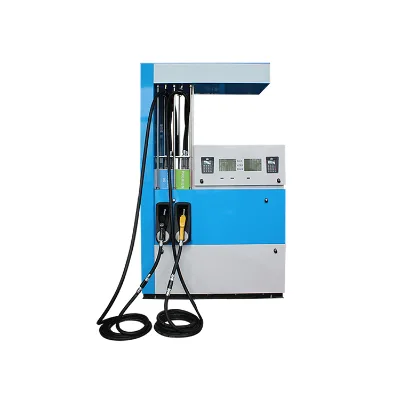
Intelligent Portable Digital Fuel Dispenser New Service Equipment for Gas Stations
$1080.00 - $1200.00
MOQ: 1 sets
Guangzhou Everblue Technology Co., Ltd.
- Verified by SGS Group
- Manufacturer, Trading Company
- Lead time7 days
- Avg. response≤ 1h
Main productsAdBlue (DEF, AUS40, Anticrystallization Urea Solution), Antifreezing Solution, car wash wax, AdBlue Dispensers, Diesel Transfer Fuel Pump
Main marketsDomestic Market(40%), Southeast Asia(15%), Africa(15%)
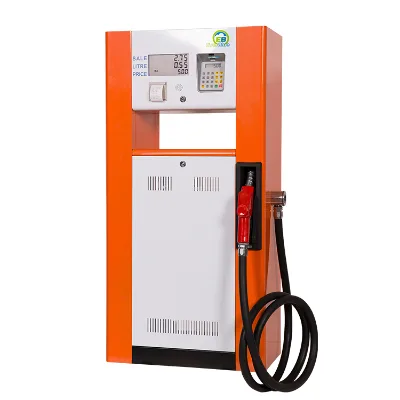
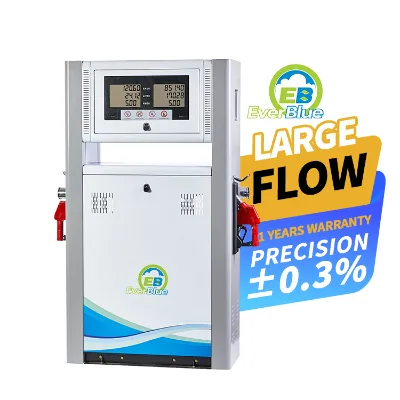
Durable Multifuel Digital 2 Filling Nozzle Dispenser for Gas Station 0.3% Filling Accuracy
$1570.00 - $1638.00
MOQ: 1 sets
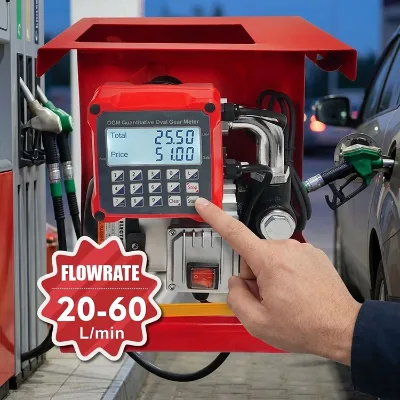


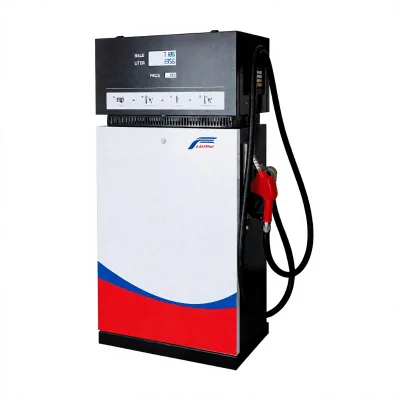
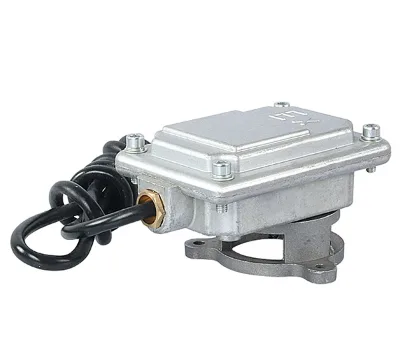


Comprehensive Sourcing Guide
Compact Self-Priming Fuel Dispenser Supplier Concentration and Factory Types
The current supplier landscape for compact self-priming fuel dispensers reveals a distinct concentration of trading companies rather than direct manufacturing entities. Analysis of the available results indicates that the primary company type listed for these suppliers is a trading company, which suggests that many sellers act as intermediaries connecting buyers with various production facilities. This structure implies that while the products are sourced from factories, the direct point of contact for the buyer is a firm specializing in logistics and sales coordination. Buyers should recognize that this trading model often facilitates access to a broader range of models, such as LPG pumps, flow meters, and various fuel dispenser types, without requiring direct engagement with multiple manufacturing plants.
Geographic data points to specific regions where these suppliers operate, with verified locations including Zhejiang and Shanghai in China. One specific product listing confirms a place of origin in Zhejiang, while another indicates Shanghai as the dispatch port for high-flow units. This regional clustering suggests that buyers can expect a significant portion of the supply chain to originate from these established industrial hubs in eastern China. When evaluating potential partners, it is crucial to verify if the trading company has direct access to factories within these specific provinces or if they source from a wider, less defined network. Understanding this concentration helps in anticipating logistics patterns and potential communication channels, as suppliers in these regions are accustomed to international export requirements and specific fuel equipment standards.
How to Verify Compact Self-Priming Fuel Dispenser Suppliers
Verification of supplier credibility relies heavily on third-party audit results and specific certification claims found in the product data. Several listings explicitly mention verification by the SGS Group, providing a concrete layer of trust regarding the supplier's operational status. Additionally, product specifications for certain units list UL certification, indicating that specific nozzle types or dispenser models meet rigorous safety standards for auto-shutoff mechanisms. Buyers must cross-reference these claims against the actual product listings to ensure that the certification applies to the specific model being ordered, as certifications like ATEX and CE are also noted in the general supplier profile but may not apply to every single item in a catalog.
Beyond certifications, the response time and verification status serve as critical indicators of supplier reliability. The data shows a response time metric of 2, which likely represents a standardized measure of communication speed, though the exact unit of time should be clarified during initial contact. Buyers should prioritize suppliers who demonstrate a verified status through recognized bodies like SGS, as this reduces the risk of dealing with unregistered entities. It is also essential to confirm the specific nature of the verification, ensuring it covers the manufacturing process or the trading entity itself. Relying solely on the presence of a badge without understanding the scope of the audit can lead to procurement errors, so buyers must request detailed verification reports that align with the specific fuel dispenser technology they intend to purchase.
What to Compare Across Compact Self-Priming Fuel Dispenser Suppliers
When comparing suppliers, the lead time and capacity for customization are primary differentiators that directly impact project timelines. The observed data indicates a standard lead time of 15 days, which serves as a baseline for production and shipping preparation. However, capacity details reveal significant variation in service offerings, with some suppliers providing light customization, sample processing, and graphic processing capabilities. Buyers should evaluate whether a supplier can accommodate specific requirements such as customized branding or unique flow meter configurations, as these capabilities are explicitly listed as available services. Comparing these customization levels helps determine which supplier can adapt to specific operational needs rather than offering only standard off-the-shelf units.
Price and minimum order quantity (MOQ) also vary significantly across the available product listings, requiring careful financial analysis. Price ranges observed span from approximately 12.00 to 5,500.00, reflecting the difference between individual nozzle components and complete dispenser systems. One listing specifies an MOQ of 1, suggesting flexibility for smaller orders, while others may have higher thresholds not explicitly detailed in the summary. Buyers must compare the total cost of ownership, including the unit price, shipping costs from ports like Shanghai or Ningbo, and any additional fees for customization. It is vital to ensure that the quoted price includes all necessary components, such as the pump, flow meter, and nozzle, to avoid hidden costs that could inflate the final budget.
Common Compact Self-Priming Fuel Dispenser Sourcing Risks
One significant risk involves the discrepancy between the supplier type and the actual manufacturing origin. Since the majority of results identify the company type as a trading company, there is a potential disconnect between the buyer and the actual factory floor. This intermediary layer can obscure critical details about production quality control, material sourcing, and the true origin of components like the aluminum or steel used in the dispenser body. Buyers must be vigilant in requesting direct factory audits or detailed production process documentation to ensure that the trading company is not merely reselling generic goods without proper quality assurance. Without this transparency, the risk of receiving substandard equipment that fails to meet safety or performance standards increases substantially.
Another risk pertains to the variability in product specifications and warranty terms across different listings. While some products list a one-year warranty, others may have different terms or none at all, creating uncertainty for long-term operational planning. The data shows variations in voltage requirements, such as 380 V versus 220 V, and differences in flow rates and accuracy levels like ±0.3%. If a buyer selects a unit without verifying these technical specifications against their local infrastructure, the equipment may be incompatible or require costly modifications. Furthermore, the lack of standardized pricing and MOQs can lead to budget overruns if the initial quote does not account for all necessary accessories or if the supplier changes terms upon order confirmation.
Compact Self-Priming Fuel Dispenser Regional Sourcing and Logistics
Logistics planning must account for the specific ports of dispatch identified in the supplier data, which are primarily Shanghai and Ningbo. These ports are major hubs for international shipping, offering extensive connectivity to global markets, but they also introduce specific variables regarding transit times and freight costs. Buyers should calculate the total delivery timeline by adding the 15-day lead time to the estimated sea freight duration from these Chinese ports to their destination. The packaging details, such as wooden cases for fuel dispensers, indicate that the equipment requires robust protection during transit, which may influence the choice of shipping method and insurance coverage. Understanding the specific port of origin for each supplier is essential for accurate freight cost estimation and scheduling.
Regional sourcing also impacts the ability to handle after-sales support and spare parts availability. Suppliers located in Zhejiang and Shanghai are accustomed to exporting complex machinery, but the distance can complicate rapid response to technical issues. Buyers should verify if the supplier offers remote support or if they have local partners in the destination region to handle maintenance. The data mentions specific model numbers like CWK and TDW-11A, which suggests that spare parts might be model-specific. Ensuring that the logistics provider can handle the weight and dimensions of these units, such as the 580 kg weight for certain dispensers, is critical for safe and efficient delivery. Planning for these logistical nuances prevents delays and ensures that the equipment arrives in optimal condition for installation.
Compact Self-Priming Fuel Dispenser Commercial Terms and Order Planning
Commercial terms regarding payment and order flexibility are critical for managing cash flow and project schedules. The observed data includes a minimum order quantity of 1 for certain items, which allows for smaller initial purchases to test quality before scaling up. However, buyers must clarify the payment terms, as the price ranges vary widely from 12.00 to 5,500.00 depending on the product configuration. It is advisable to negotiate terms that align with the lead time of 15 days, ensuring that deposits and final payments are structured to match production milestones. Understanding the specific payment conditions for customized orders, such as those involving graphic processing or unique flow meter setups, is necessary to avoid disputes and ensure smooth transaction completion.
Order planning should also consider the supply ability and production capacity of the selected supplier. Some listings indicate a supply ability of 2000 units per week or 2000 sets per month, which suggests that large-scale orders can be fulfilled without significant delays. Buyers planning for bulk procurement should verify these capacity claims to ensure the supplier can meet their volume requirements within the desired timeframe. Additionally, the availability of different fuel types, such as gasoline, diesel, and LPG, means that buyers must clearly specify their fuel requirements to avoid receiving incompatible units. Careful planning of the order, including the selection of the correct model number and voltage, ensures that the procurement process is efficient and that the equipment meets the specific operational needs of the fuel station or facility.
FAQs
What is the price range for compact fuel dispensers?
Compact fuel dispensers typically range from $1,000 to $5,500 per unit. Prices vary based on specifications such as nozzle count, flow rate, and material construction. Basic aluminum models start near $1,000, while advanced units with LCD displays and multiple pumps cost more. Buyers should verify exact pricing based on their specific operational requirements and order volume.
What certifications are available for these fuel dispensers?
Manufacturers offer fuel dispensers with ATEX, CE, and UL certifications. These standards ensure safety and compliance for hazardous environments and general industrial use. UL certification is specifically noted for auto-shut-off models. Buyers must confirm which certificates apply to their target market regulations before placing orders to ensure full operational compliance.
What is the typical lead time for orders?
The standard lead time for these fuel dispensers is approximately 15 days. This timeframe allows for manufacturing, quality checks, and packaging preparation. Buyers should confirm specific delivery schedules with suppliers, as rush orders or custom modifications may extend this period. Planning production around this window helps maintain inventory levels.
What is the minimum order quantity for these units?
The minimum order quantity is generally one unit. This flexibility allows buyers to test equipment quality before committing to larger purchases. Suppliers support single-item sales, making it easier to evaluate performance. Bulk discounts may apply for larger orders, so buyers should inquire about tiered pricing structures when placing initial requests.
Where are these fuel dispensers manufactured?
These fuel dispensers are manufactured in China, with specific production hubs in Zhejiang and Shanghai. Zhejiang is noted for UL-certified models, while Shanghai suppliers offer high-flow variants. Buyers should verify the exact place of origin for each product listing to ensure alignment with their sourcing preferences and logistical requirements.
What customization options are available for fuel dispensers?
Suppliers provide light customization, sample processing, and graphic processing services. Buyers can request customized designs to meet specific branding or functional needs. On-demand customization is also available for unique requirements. These options allow for tailored solutions, though buyers should discuss specific modifications and potential cost implications directly with the supplier.