Round Chenille Microfiber Hand Towel Suppliers and Manufacturers
Compare 26 verified suppliers offering round chenille microfiber hand towels with details on location, lead times, and pricing. Review product attributes like GSM and material to select the right vendor for your needs; review the available evidence before requesting comparable quotations from suitable candidates.
Updated
Suppliers List

Weifang Dy New Life Technology Co., Ltd.
- Manufacturer
- Shandong, China
- Lead time20 days
- Avg. response≤ 3h
Main productspu chaimos cleaning cloth,microfiber towel,cleaning cloth,bath towel,mop cloth
Main marketsEastern Asia(60.00%), Western Europe(40.00%)

Hebei Eastsun International Co., Ltd.
- Verified by TUVRHEINLAND
- Trading Company
- China Hebei
- Lead time15 days
- Avg. response≤ 5h
Main productsMicrofiber Towel, Kitchen Towel, Car Wash Towel, PVA Series, Bath Towel, Beach Towel, Sport Towel, Car Wash Set
Main marketsEurope,North America

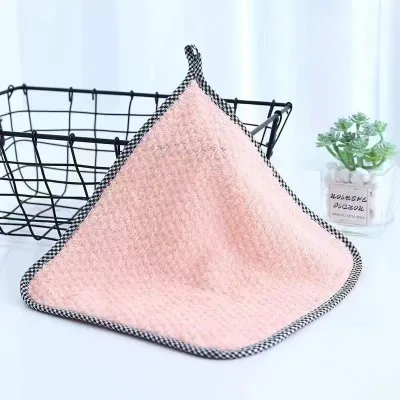
Kitchen Hand Towels Corn Kernel Cleaning Plaid Towel Microfiber Cleaning Towels
$0.15 - $0.22
MOQ: 1000 Pieces

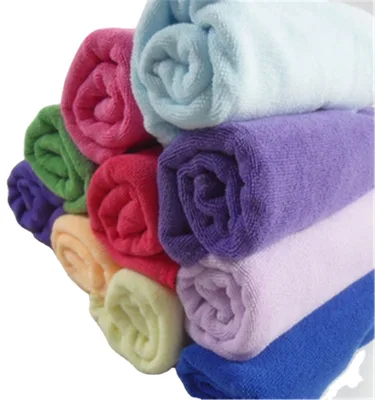
Wholsesale High Quality Quick Dry Lint Free Microfiber Coral Fleece Hand Towel
$2.12 - $2.35
MOQ: 500 Pieces


Hot Selling Microfiber Wavy Grain Coral Fleece Hand Towel for Super Absorbent
$2.02 - $2.35
MOQ: 500 Pieces


Shanghai Easun Group Imp & Exp Co., Ltd.
- Verified by TUVRHEINLAND
- Trading Company
- China Shanghai
- Lead time15 days
- Avg. response≤ 19h
Main productsBlankets, Home Slippers, Bedding Sets, Towel, Amenity Kits, Airline Supply, Hospital Supply, Hotel Supply, Railway Supply, Pillow&Case
Main marketsAfrica,Southeast Asia/ Mideast,Europe

Cute Hand Towels Bathroom Hand Microfiber Kitchen Towel Checkered Hand Towels
$0.50 - $3.50
MOQ: 1000 pieces


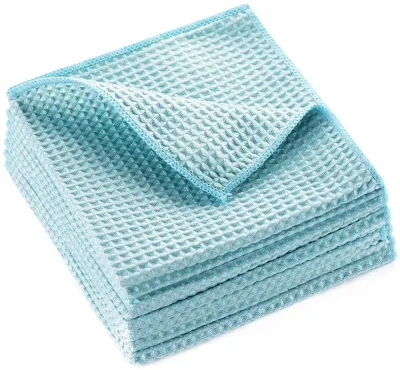
Wholesale Price Waffle Hand Towel Small Microfiber Towel Small Hand Towels
$2.65 - $3.00
MOQ: 1000 Pieces


Hebei Chicheng Commerce Co., Ltd.
- Verified by BV
- Trading Company,Manufacturer/Factory
- China Hebei
- Lead time23 days
- Avg. response≤ 3h
Main productsCleaning Towel, Bath Towel, Microfiber Towel, Car Towel, Pet Towel, Sport Towel, Beach Towel, Household Series Towel, Face Towel, Hand Towel
Main marketsSouth America,Eastern Europe,Mid East,North America,Southeast Asia,Eastern Asia,Oceania,Western Europe,Africa

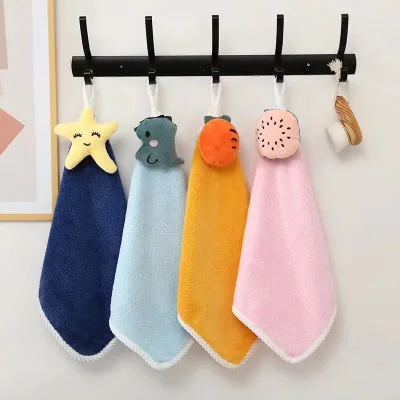
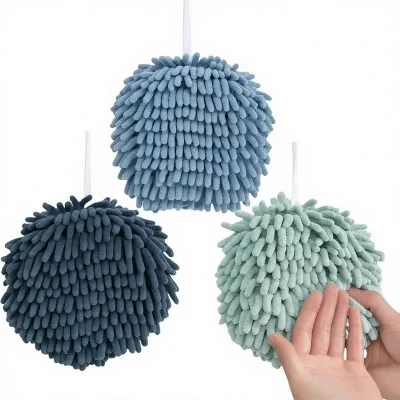
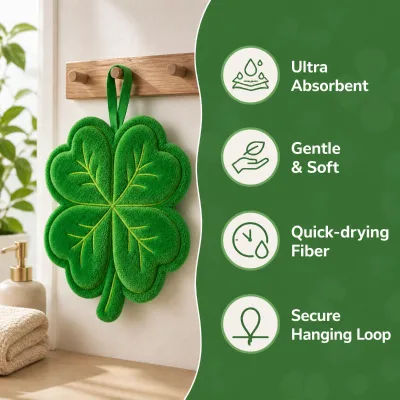
Kitchen Bathroom Microfiber Kitchen Towel Cute Chenille Soft Hanging Hand Towels
$1.10 - $1.25
MOQ: 100 Pieces

Microfiber Hand Towel Customize Wash Cleaning Cloth 60cm Length 40cm Width
$0.31 - $0.42
MOQ: 1000 Pieces

Hebei Chefhi International Trade Co., Ltd.
- Trading Company
- Lead time旺季: "1 - 10000":15,"> 10000":"To be negotiated", 淡季: "1 - 10000":15,"> 10000":"To be negotiated"
- Avg. response≤ 15h
Main productsCar Detailing Towel,Car Wash Glove,Car Cleaning Brush,Sponge,Household Towel

Shijiazhuang Tangju Trading Co., Ltd.
- Verified by SGS
- Combined
- China Hebei
- Lead time23 days
- Avg. response≤ 11h
Main productsMicrofiber Towel, Beach Towel, Suede Towel, Car Wash Towel, Soap
Main marketsSoutheast Asia/ Mideast,Europe,North America

Zhenjiang Fashiontex Industries Co., Ltd.
- Verified by TUVRHEINLAND
- Trading Company
- China Jiangsu
- Lead time30 days
- Avg. response≤ 4h
Main productsHandkerchief, Bandana, Towel, Muslin Cloth, Facial Cleansing Cloth, Makeup Remove Cloth
Main marketsAustralia
Hebei Jiexu Commerce Co., Ltd.
- Verified by SGS Group
- Manufacturer, Trading Company
- Lead time20 days
- Avg. response≤ 2h
Main productsCar Wash Towels, Household Towels, Outdoor Towels, Car Care Kits
Main marketsNorth America(20%), Northern Europe(16%), Western Europe(13%)

Hebei Aoruini Textile Trading Co., Ltd.
- Verified by TUVRHEINLAND
- Combined
- China Hebei
- Lead time15 days
- Avg. response≤ 3h
Main productsTowel, Beach Towel, Car Towel, Sport Towel, Kitchen Towel, Pet Towel
Main marketsSouth America,Southeast Asia/ Mideast,East Asia(Japan/ South Korea),Europe,Australia,North America

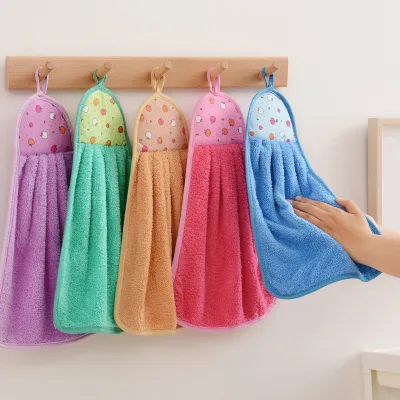
Hand Towel Hanging Soft Absorbent Thick Coral Velvet Hand Towel Microfiber Kitchen Cloth
$0.13 - $0.14
MOQ: 10 pcs

Hand Towel Hanging Cute Toilet Towel Absorbent Soft Thickened Household Handkerchief
$0.13 - $0.14
MOQ: 10 pcs


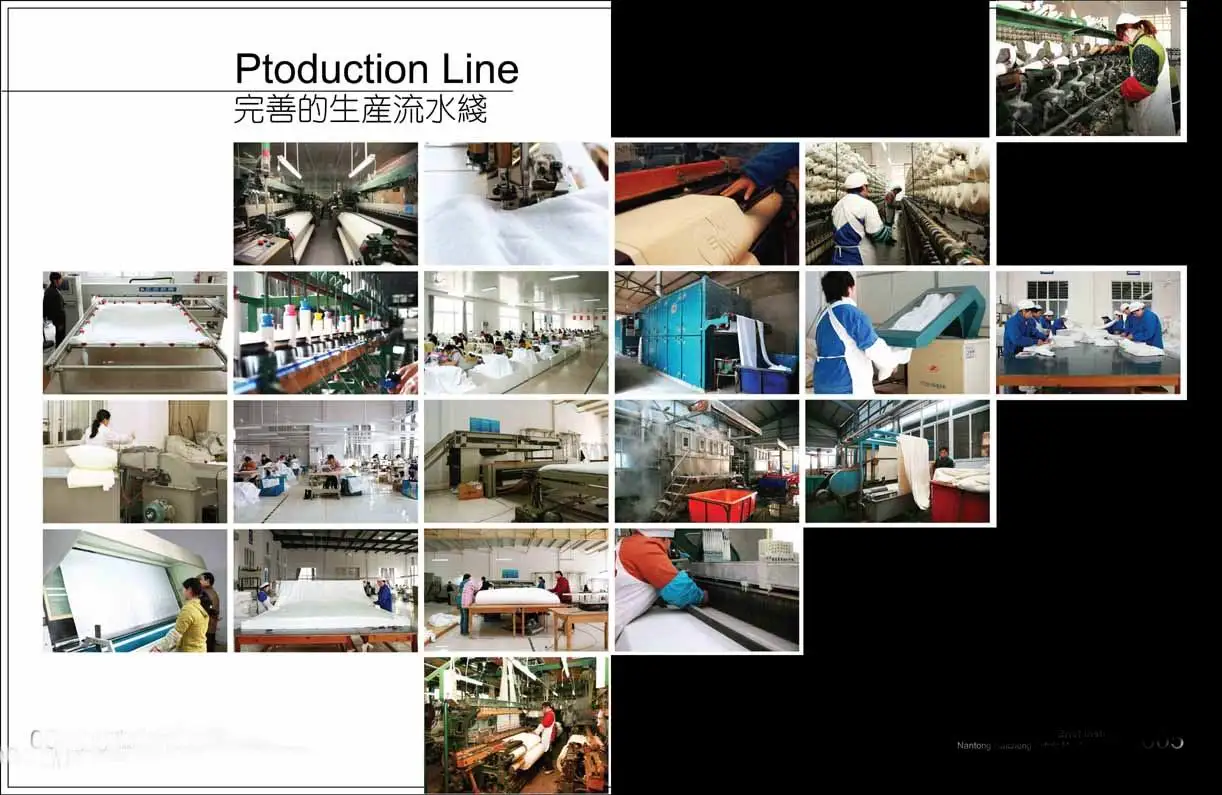
Gaoyang Slk Textile Manufacturing Co., Ltd.
- Manufacturer, Trading Company
- Hebei, China
- Lead time30 days
- Avg. response≤ 3h
Main productsMicrofiber Towel,Beach Towel,Cleaning Towel,Kitchen Towel,Hand Towel
Main marketsDomestic Market(76.00%), North America(5.00%), Western Europe(5.00%), Southeast Asia(5.00%), South America(5.00%), Oceania(2.00%), Africa(2.00%)
Hebei Eastsun International Co., Ltd.
- Verified by SGS Group
- Manufacturer, Trading Company
- Lead time15 days
- Avg. response≤ 3h
Main productsMicrofiber Towels, Kitchen Cleaning Towels, Beach Towels, Bath Towels, PVA Chamois
Main marketsNorth America(30%), South America(10%), Eastern Europe(10%)

Hebei Jimni Household Products Co., Ltd.
- Trading Company
- Hebei, China
- Lead time50 days
- Avg. response≤ 3h
Main productsPet Products,Pet Cleaning & Grooming Products,Pet Collars & Leashes,Pet Toys,Pet Cages & Houses
Main marketsEastern Asia(100.00%)

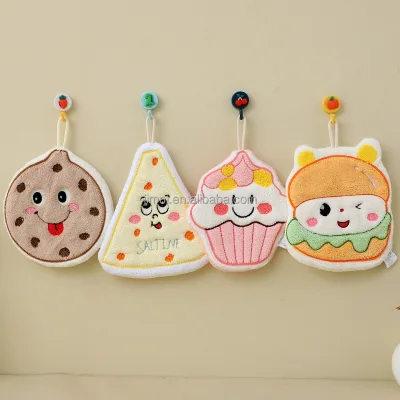
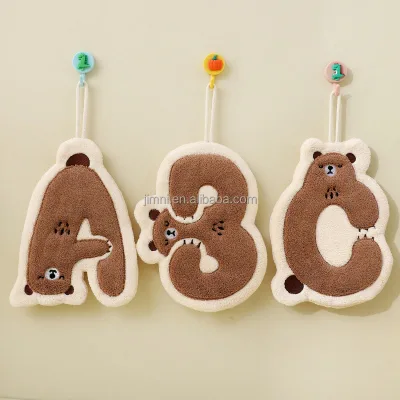
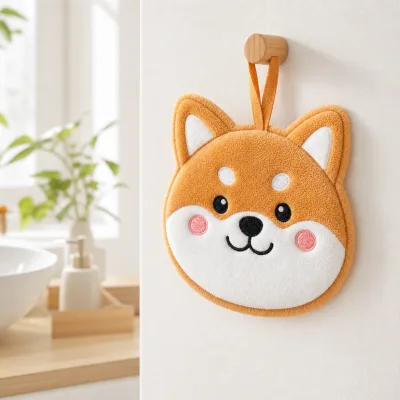
Factory Price Personalized Microfiber Towel for Hand Animal Hand Towel
$0.6416 - $1.0748
MOQ: 300 pieces
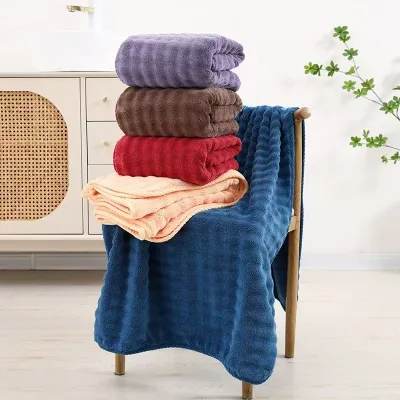
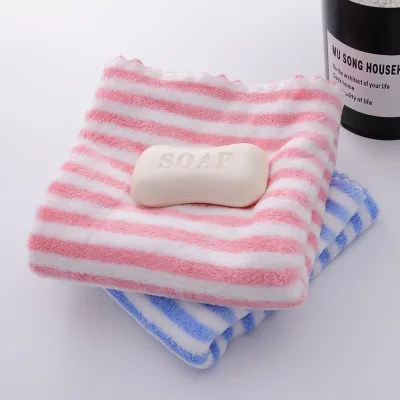
$0.12 - $0.35
MOQ: 500 Minimum
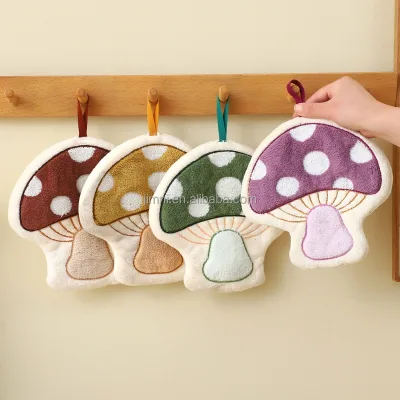
SEQ Industrial (Changzhou ) Co., Ltd.
- Manufacturer, Trading Company
- Jiangsu, China
- Lead time0 days
- Avg. response≤ 11h
Main productsmicrofiber cloth,wash mitt,cleaning sponge,household towel,kitchen towel
Main marketsNorth America(20.00%), Western Europe(10.00%), Domestic Market(10.00%), Mid East(10.00%), Southern Europe(10.00%), Eastern Europe(10.00%), South America(10.00%), Eastern Asia(5.00%), Oceania(5.00%), Northern Europe(5.00%), Central America(5.00%)

Shanghai Qimian Industrial Co., Ltd.
- Trading Company
- China Shanghai
- Lead time15 days
- Avg. response≤ 2h
Main productsCleaning Sponge, Aluminum Bun Pan, BBQ Grill, Sponge Material, Aluminum Bun Pan Rack, Yoga Mat, Kitchen Cleaning Tools, Brush
Main marketsSouth America,Africa,Southeast Asia/ Mideast,East Asia(Japan/ South Korea),Europe,North America

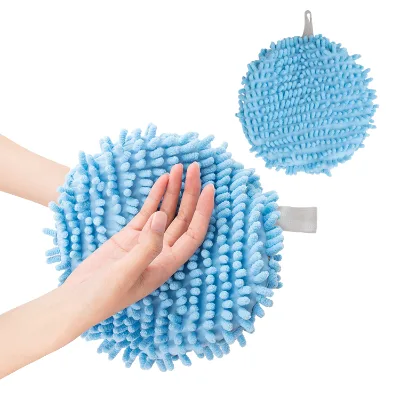
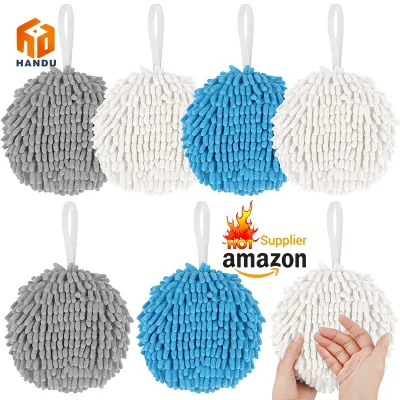
Household Kitchen Bathroom Water-Absorbing Quick-Drying Chenille Hand Towel
$0.70 - $1.00
MOQ: 5000 Pieces

Chenille Towel Kitchen Bathroom Water-Absorbing Quick-Drying Hand Towel
$0.70 - $1.00
MOQ: 5000 Pieces

Daily Use Kitchen Bathroom Cleaning Towel Water-Absorbing Quick-Drying Chenille Hand Towel
$1.20 - $1.60
MOQ: 5000 Pieces


Different Color Water-Absorbing Quick-Drying Chenille Hand Towel with Rope
$0.70 - $1.00
MOQ: 5000 Pieces

Daily Use Kitchen Bathroom Cleaning Pad Water-Absorbing Quick-Drying Chenille Hand Towel
$1.20 - $1.60
MOQ: 5000 Pieces
Shijiazhuang Meienbang Import & Export Trade Co., Ltd.
- Verified by SGS Group
- Trading Company
- Lead time15 days
- Avg. response≤ 2h
Main productsTowel, Sports Towel, Beach Towel, Microfiber Towel, Makeup Remover Pads
Main marketsNorth America(30%), Southeast Asia(15%), Oceania(15%)
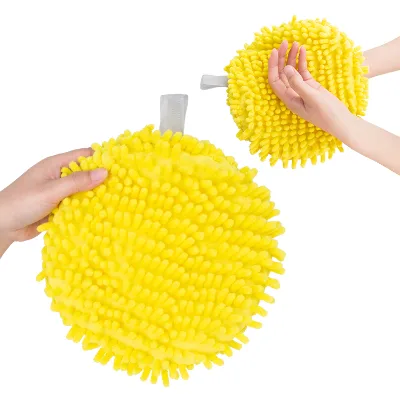
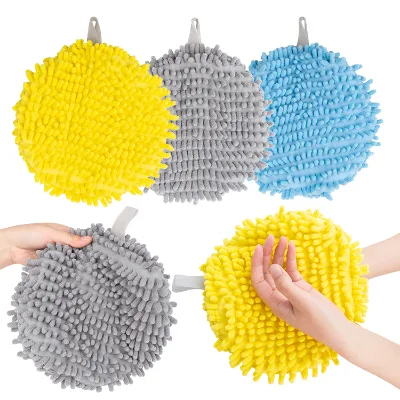
$0.39 - $0.43
MOQ: 1000 pieces

Yangjiang C&B Consumer Product Limited
- Verified by CTI
- Trading Company
- China Guangdong
- Lead time15 days
- Avg. response≤ 6h
Main productsBarbecue Tongs, Grilling Brushes, Outdoor Shovel, Grilling Tools, Kitchen Ware, Outdoor Products, Pizza Tools, Knife Set
Main marketsSouth America,Africa,Southeast Asia/ Mideast,Europe,Australia,North America

Kitchen Microfiber Cleaning Cloth High Absorbent Hand Towel Kitchenware
$0.40 - $0.43
MOQ: 2000 Pieces


Ningbo Euro Global Import & Export Co., Ltd.
- Verified by TUVRHEINLAND
- Trading Company
- China Zhejiang
- Lead time30 days
- Avg. response≤ 12h
Main productsMicrofiber Cloth, Home Consumption Products, Fitness Products, Sports Products, Microfiber Cleaning Mitt, Yoga Mat
Main marketsEurope
Gaoyang County Huashi Textile Co., Ltd.
- Manufacturer, Trading Company
- Hebei, China
- Lead time20 days
- Avg. response≤ 6h
Main productstowel,Bath towel,Dry hair towel,Coral velvet,Bathrobe
Main marketsSoutheast Asia(48.00%), Domestic Market(10.00%), Northern Europe(5.00%), Central America(5.00%), Mid East(5.00%), Oceania(5.00%), North America(5.00%), South Asia(5.00%), Eastern Asia(3.00%), South America(3.00%), Africa(3.00%), Western Europe(1.00%), Eastern Europe(1.00%), Southern Europe(1.00%)

Ningbo Autocare Car Accessory Co., Ltd.
- Trading Company
- China Zhejiang
- Lead time30 days
- Avg. response≤ 19h
Main productsAuto Accessories, Car Accessories, Car Steering Wheel Cover, Steering Wheel Cover, Seat Cushion, Sun Shade
Main marketsSouth America,Africa,Southeast Asia/ Mideast,East Asia(Japan/ South Korea),Europe,Australia,North America
Gaoyang Wuzhou Textiles Factory
- Manufacturer, Trading Company
- Hebei, China
- Lead time30 days
- Avg. response≤ 10h
Main productsHot Towel,Hotel Towels,Microfiber Towels,Beach Towels,Promotion Towel
Main marketsDomestic Market(20.00%), Mid East(15.00%), Southern Europe(10.00%), Northern Europe(10.00%), Southeast Asia(10.00%), Eastern Europe(10.00%), Western Europe(9.00%), Africa(8.00%), North America(2.00%), South Asia(2.00%), Central America(1.00%), South America(1.00%), Oceania(1.00%), Eastern Asia(1.00%)
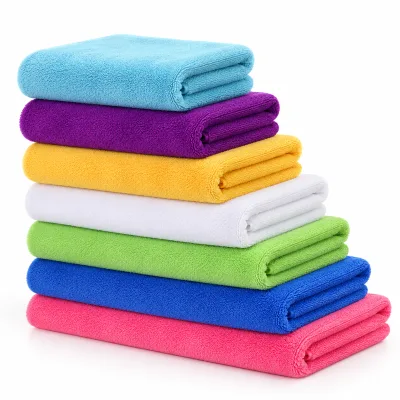
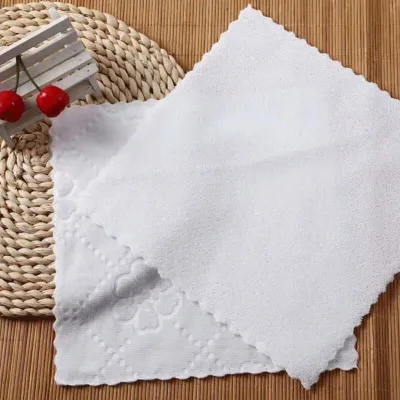
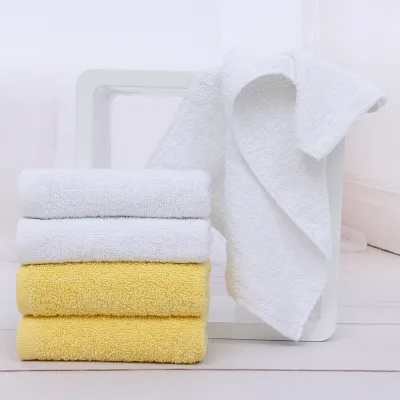
Cheap Embossed Microfiber Polyester Hand Towel 23x23cm White Small Size Cotton Tissue
$0.03 - $0.10
MOQ: 5000 pieces
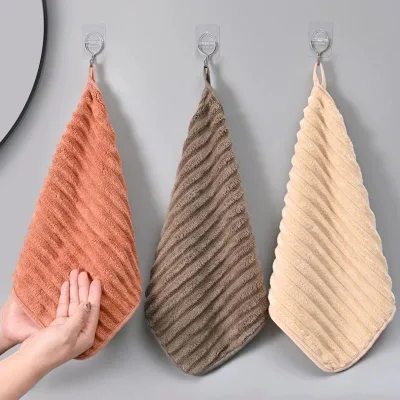
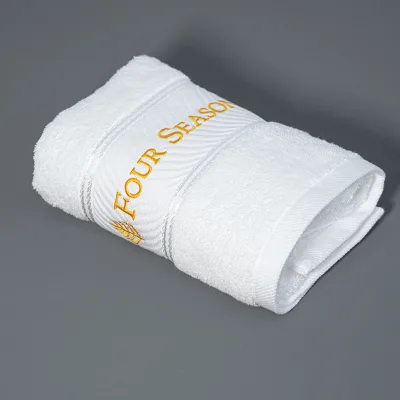
100% Cotton White Towels White Hand Towel White Face Towel With Embroidery logo
$0.5172 - $1.6534
MOQ: 1 pieces

Jiangyin Moonstar Clean Products Co., Ltd.
- Verified by SGS
- Trading Company,Manufacturer/Factory
- China Jiangsu
- Lead time15 days
- Avg. response≤ 12h
Main productsMicrofiber Cloth, Microfiber Fabric, Nonwoven Fabric
Main marketsSouth America,Eastern Europe,Mid East,North America,Southeast Asia,Eastern Asia,Oceania,Western Europe,Africa
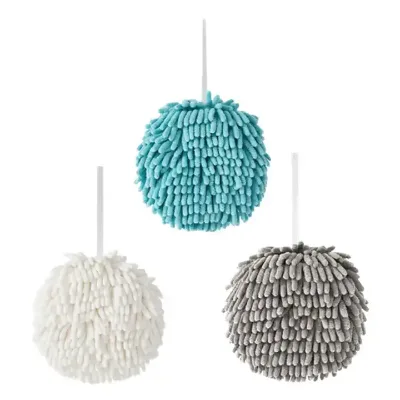
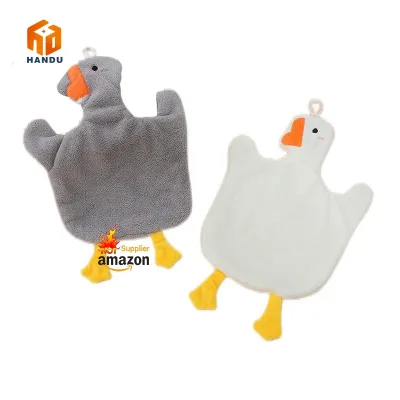
Shijiazhuang Handu Garment Co., Ltd.
- Verified by TüVRheinland
- Manufacturer, Trading Company
- Lead time18 days
- Avg. response≤ 3h
Main productsBath Towel, Beach Towel, Baby Towel, Cleaning Towel, Bamboo Towel
Main marketsNorth America(20%), South America(20%), Southeast Asia(20%)
$0.1559 - $0.5172
MOQ: 100 pairs

WEIFANG YIPPEE TEXTILE TECHNOLOGY CO., LTD.
- Trading Company
- China Shandong
- Lead time0 days
- Avg. response≤ 16h
Main productsMuslin Swaddle Blanket, Sweatpants, T-Shirt, Hoodies, Sweatshirt, Shorts, Spunlace Non Woven Fabric, Pajamas, Towels, Blanket
- Verified by Intertek
- Trading Company
- Lead time15 days
- Avg. response≤ 3h
Main productsPlush Toy
Main marketsNorth America(60%), Western Europe(20%), Eastern Europe(15%)
Ningbo Partner Leisure Products Co., Ltd.
- Trading Company
- Zhejiang, China
- Lead time0 days
- Avg. response≤ 8h
Main productspet supplies,cooker,kitchen accessories,egg incubator,storage box
Main marketsNorth America(80.00%), South America(15.00%), Eastern Europe(5.00%)

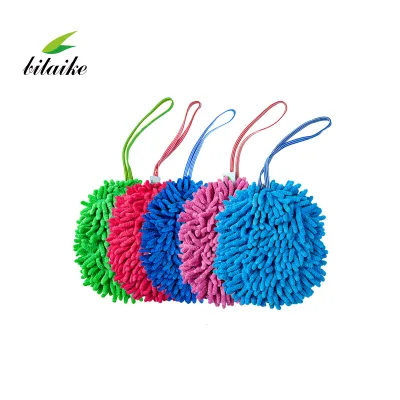
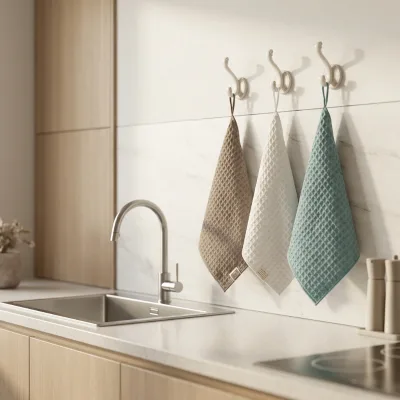
Baoda Paper Enterprise Co., Ltd.
- Verified by TUVRHEINLAND
- Combined
- China Guangdong
- Lead time30 days
- Avg. response≤ 16h
Main productsToilet Paper, Box Facial Tissue, Pocket Tissue, Soft Pack Facial Tissue, Paper Napkin/Serviette, Paper Towel, Kitchen Paper
Main marketsAustralia,North America



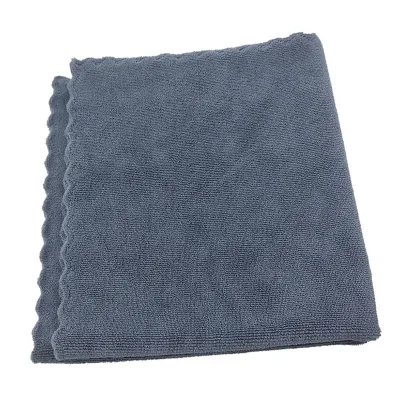
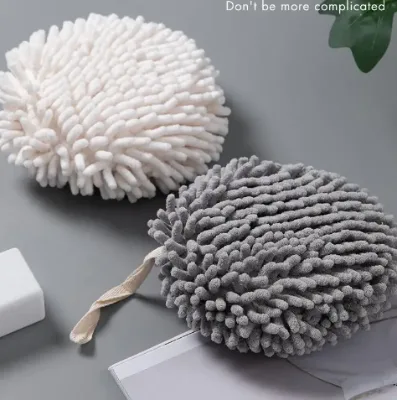

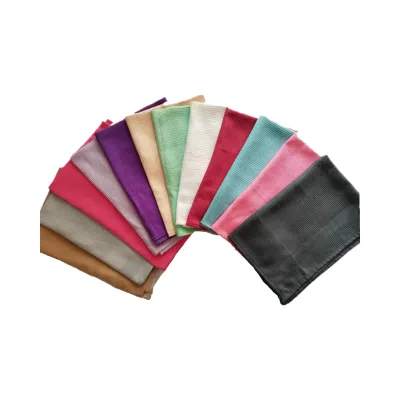


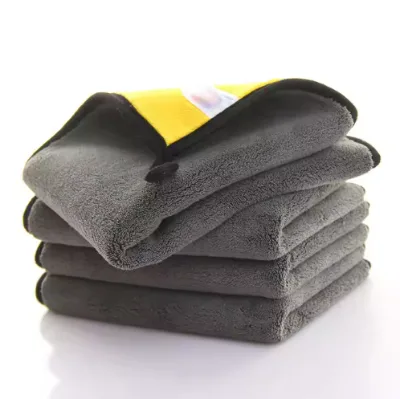
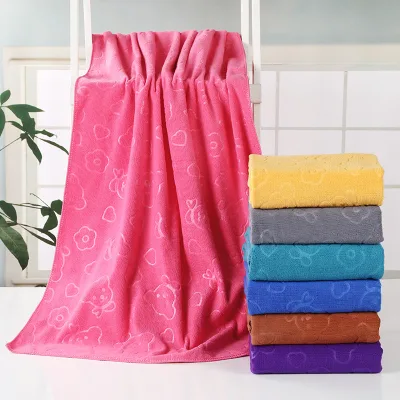
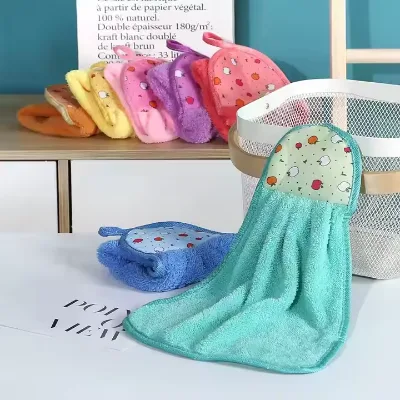
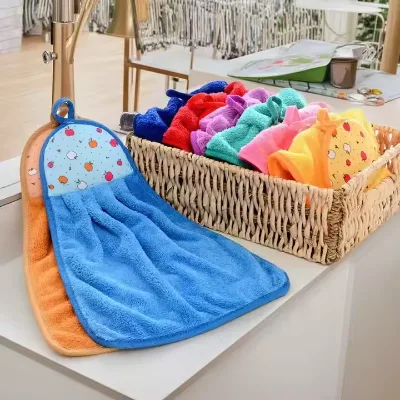


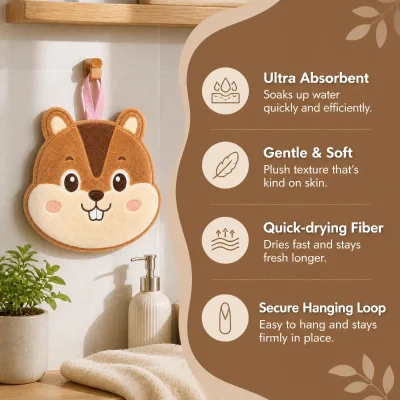


Comprehensive Sourcing Guide
Round Chenille Microfiber Hand Towel Supplier Concentration and Factory Types
The sourcing landscape for round chenille microfiber hand towels reveals a distinct split between manufacturing capabilities and trading efficiencies, requiring buyers to carefully assess the operational model of potential partners. Current data indicates that suppliers are primarily located in Shandong, China, where a significant concentration of manufacturers operates. These entities are directly involved in the production of microfiber towels, cleaning cloths, and bath towels, leveraging local textile infrastructure to offer competitive pricing and direct factory access. For buyers seeking direct control over production specifications and cost structures, engaging with these Shandong-based manufacturers provides a clear pathway to establishing long-term supply relationships. The presence of manufacturers in this region suggests a mature ecosystem for microfiber textile production, where specialized machinery and skilled labor are readily available to handle the specific weaving and finishing processes required for chenille fabrics.
In contrast to the manufacturing base, other suppliers in the results are identified as trading companies, such as those located in Hebei, China. These trading entities often aggregate products from multiple factories, offering a broader catalog that may include microfiber towels, kitchen towels, car wash sets, and PVA series items. While they may not own the production lines, trading companies can provide valuable logistical support, consolidated shipping, and access to a wider variety of product styles, such as waffle weaves or coral fleece options. This distinction is critical for buyers who prioritize product diversity and flexible order sizes over direct factory interaction. Understanding whether a supplier is a manufacturer or a trading company helps buyers anticipate communication styles, pricing structures, and the level of customization flexibility available for their specific Round Chenille Microfiber Hand Towel requirements.
How to Verify Round Chenille Microfiber Hand Towel Suppliers
Verifying the legitimacy and capability of suppliers requires a multi-layered approach that goes beyond basic company profiles. Buyers should prioritize suppliers who have undergone third-party verification processes, as indicated by certifications such as TÜV Rheinland verification. This external validation provides a layer of confidence regarding the supplier’s business operations and legal standing, reducing the risk of engaging with fraudulent entities. Additionally, examining the supplier’s response time is a practical indicator of their operational efficiency and customer service commitment. Suppliers with faster response times, such as those averaging three to four hours, are often more responsive to urgent inquiries and complex customization requests, which is crucial for maintaining smooth supply chain communication. Buyers should actively test these response channels during the initial inquiry phase to gauge the quality of support they can expect throughout the order lifecycle.
Beyond verification badges and response metrics, buyers must scrutinize the specific product attributes and certifications listed for the round chenille microfiber hand towels. While some suppliers display system certifications, others may list NIL, indicating a need for further due diligence regarding quality management systems. Buyers should request detailed product specifications, including material composition, GSM weight, and finishing techniques, to ensure the towels meet their quality standards. For instance, confirming that the product is made from microfiber fabric with specific GSM ranges, such as 300-499 GSM, helps ensure the desired absorbency and durability. Furthermore, buyers should inquire about sample availability, as many suppliers offer samples for evaluation. Requesting and testing physical samples allows buyers to verify the softness, quick-dry properties, and overall construction quality of the chenille towels before committing to larger orders, thereby mitigating the risk of receiving substandard products.
What to Compare Across Round Chenille Microfiber Hand Towel Suppliers
When evaluating multiple suppliers, buyers must systematically compare key operational metrics to identify the most suitable partner for their specific needs. One of the most critical factors is the minimum order quantity (MOQ), which varies significantly across suppliers. Some manufacturers may require MOQs as low as ten pieces, making them ideal for small businesses or initial market testing, while others may set MOQs at 1000 pieces or more, catering to larger volume buyers. Understanding these thresholds helps buyers align their inventory strategies with supplier capabilities. Additionally, lead times are a vital comparison point, with some suppliers offering production times of 15 to 20 days. Buyers should assess whether these lead times align with their sales cycles and inventory replenishment schedules, especially if they are dealing with seasonal demand or urgent restocking needs.
Price and customization options are also essential dimensions for comparison. The price range for microfiber hand towels can vary based on material quality, GSM, and order volume, with some products priced between $0.15 and $0.87 per unit. Buyers should request detailed quotations that break down costs based on quantity tiers to understand the economies of scale available. Furthermore, customization capabilities, such as logo printing, embossing, or custom packaging, should be evaluated. Suppliers that offer ODM/OEM services and allow for custom colors and patterns provide greater flexibility for brand differentiation. Buyers should also compare the main products offered by each supplier to ensure they have the capacity to handle their specific product mix, whether it involves simple hand towels or more complex cleaning cloths and bath towels. This holistic comparison ensures that the selected supplier can meet both quantitative and qualitative requirements.
Common Round Chenille Microfiber Hand Towel Sourcing Risks
Sourcing round chenille microfiber hand towels involves several inherent risks that buyers must proactively manage to ensure a successful procurement process. One significant risk is the variability in product quality, particularly regarding the softness and absorbency of the chenille fabric. Without rigorous quality control measures, buyers may receive towels that do not meet their specified GSM or material standards, leading to customer dissatisfaction and returns. This risk is exacerbated when dealing with suppliers who lack transparent quality assurance processes or third-party certifications. Buyers must establish clear quality benchmarks and insist on pre-shipment inspections or sample approvals to mitigate the risk of receiving substandard goods. Additionally, the risk of miscommunication regarding customization details, such as logo placement or packaging specifications, can lead to costly errors. Clear and documented communication is essential to ensure that the final product matches the buyer’s expectations.
Another common risk is the reliability of lead times and shipping schedules. Suppliers may face production delays due to raw material shortages, labor issues, or logistical bottlenecks, which can disrupt the buyer’s supply chain. This risk is particularly acute for buyers who rely on just-in-time inventory models or have strict delivery deadlines. Buyers should assess the supplier’s historical performance and capacity to handle peak demand periods. Furthermore, there is a risk associated with payment security, especially when dealing with new or unverified suppliers. Buyers should utilize secure payment methods, such as escrow services, to protect their financial interests until the goods are received and verified. By identifying and addressing these risks through thorough due diligence and clear contractual terms, buyers can minimize disruptions and ensure a smoother sourcing experience for their Round Chenille Microfiber Hand Towel orders.
Round Chenille Microfiber Hand Towel Regional Sourcing and Logistics
The regional concentration of suppliers in China, particularly in Shandong and Hebei provinces, offers distinct advantages for sourcing round chenille microfiber hand towels. Shandong, as a major manufacturing hub, provides access to a dense network of factories specializing in textile production, which can lead to competitive pricing and efficient production cycles. Buyers sourcing from this region can benefit from the established infrastructure and skilled labor force, which supports high-volume manufacturing. However, logistics considerations are crucial, as buyers must account for transportation costs and lead times associated with shipping from these inland or coastal regions. Understanding the proximity of suppliers to major ports can help optimize shipping routes and reduce transit times. Buyers should also consider the impact of regional trade policies and tariffs on their overall landed costs, ensuring that the savings from lower manufacturing prices are not offset by increased logistical expenses.
For buyers sourcing from trading companies in Hebei, the logistics landscape may differ slightly, as these entities often consolidate goods from multiple sources. This consolidation can simplify logistics for buyers by providing a single point of contact for shipping and documentation. However, it may also introduce additional handling steps that could affect lead times. Buyers should clarify the shipping terms with their suppliers, including whether they offer FOB, CIF, or DDP services, to understand their responsibilities and costs. Additionally, buyers should be aware of the potential for varying quality standards across different factories within a trading company’s supply chain. Establishing clear quality control protocols and regular communication with the trading company can help ensure consistency in product quality. By carefully managing regional logistics and supplier relationships, buyers can optimize their supply chain efficiency and cost structure for Round Chenille Microfiber Hand Towel procurement.
Round Chenille Microfiber Hand Towel Commercial Terms and Order Planning
Effective order planning for round chenille microfiber hand towels requires a strategic approach to commercial terms and inventory management. Buyers should negotiate favorable payment terms, such as partial upfront payments and balance upon shipment, to balance risk and cash flow. Understanding the supplier’s pricing structure, including any discounts for larger volumes or repeat orders, is essential for accurate cost forecasting. Buyers should also consider the total cost of ownership, including shipping, insurance, and potential duties, to determine the true profitability of their product line. Additionally, establishing clear communication channels for order updates and issue resolution is crucial for maintaining a smooth transaction process. Buyers should document all agreed-upon terms in a formal contract to prevent misunderstandings and ensure accountability from both parties.
Inventory planning is another critical aspect of order management, particularly for products with variable lead times and MOQs. Buyers should align their order quantities with their sales forecasts and storage capacity, avoiding overstocking or stockouts. For suppliers with low MOQs, buyers can adopt a more flexible ordering strategy, allowing them to respond quickly to market demand changes. Conversely, for suppliers with high MOQs, buyers may need to plan for larger, less frequent orders to achieve economies of scale. Buyers should also consider the shelf life and storage conditions of microfiber towels to ensure product quality is maintained until sale. By integrating commercial terms with robust inventory planning, buyers can optimize their supply chain efficiency, reduce costs, and enhance their ability to meet customer demand for round chenille microfiber hand towels.
FAQs
What is the price range for round chenille microfiber hand towels?
Prices for these towels typically range from $0.26 to $0.87 per unit depending on specifications. Lower-cost options are often waffle-style dishcloths with higher minimum order quantities. Premium quick-dry chenille variants command higher prices but offer superior softness and absorption for household or hotel use.
What are the minimum order quantities for these microfiber towels?
Minimum order quantities vary significantly by product type. Standard microfiber cleaning cloths may require orders of 1000 pieces, while specialized hand towels can have minimums as low as 10 units. Buyers should verify specific MOQs with suppliers to ensure alignment with their inventory needs and budget constraints.
How long does production take for custom microfiber towels?
Production lead times generally range from 15 to 20 days after order confirmation. Suppliers in Shandong and Hebei regions typically operate within this window. Buyers should confirm exact timelines during negotiation, as rush orders or complex customization may extend the delivery schedule beyond standard manufacturing periods.
Can I customize the logo on these microfiber hand towels?
Yes, many suppliers offer logo customization through laser engraving or embossing techniques. Customization is available for various microfiber products, including chenille and waffle styles. Buyers should discuss design files and placement options directly with manufacturers to ensure the final product meets brand identity requirements and quality standards.
What materials are used in these chenille hand towels?
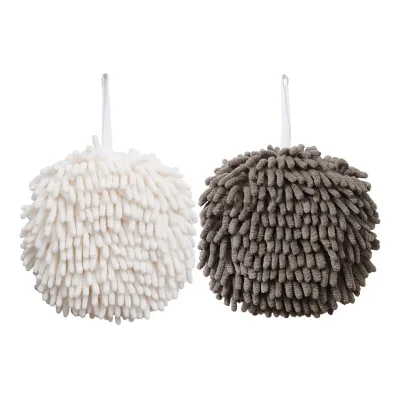
These towels are primarily made from microfiber fabric, often with a chenille style for enhanced softness. Some variants use coral fleece or warp-knitting microfiber for specific applications like glass cleaning or car washing. The material choice affects absorption, durability, and suitability for household, hotel, or industrial cleaning tasks.
Are these microfiber towels suitable for kitchen and bathroom use?
Yes, these towels are designed for versatile use in kitchens, bathrooms, and hotels. Features like quick-dry technology and strong water absorption make them ideal for hand drying and surface cleaning. Many products are marketed for household cleaning, gift purposes, and commercial hospitality settings due to their durability and softness.