Crystal Glass Mosaic Tile Suppliers and Manufacturers
Explore 27 verified suppliers offering Crystal Glass Mosaic Tile with varying lead times, response speeds, and certifications like CE, TUV, and ISO. Compare production capacities and MOQs to find the right partner for your project needs today; review the available evidence before requesting comparable quotations from suitable candidates.
Updated
Suppliers List

Zhaoqing Ouguan New Material Co.Ltd
- Verified by TUVRHEINLAND
- Combined
- China Guangdong
- Lead time23 days
- Avg. response≤ 10h
Main productsGlass Mosaic, Crystal Glass Mosaic, Ceramic Tile, Swimming Pool Mosaic Tile, Marble Tile, Marble Mosaic Tile, Withdot Mosaic, Wall Mosaic Tile, Mosaico Vitreo, Mosaic
Main marketsDomestic

Zhejiang Xinwei Decorative Material Co., Ltd.
- Combined
- China Zhejiang
- Lead time30 days
- Avg. response≤ 21h
Main productsPVC Ceiling, PVC Panels, PVC Wall Panels, Ceiling Tile, PVC Wall, Wall Panels, PVC Ceiling Panels, Decorative Materials, Suspended Ceiling, Plastic Ceiling
Main marketsDomestic


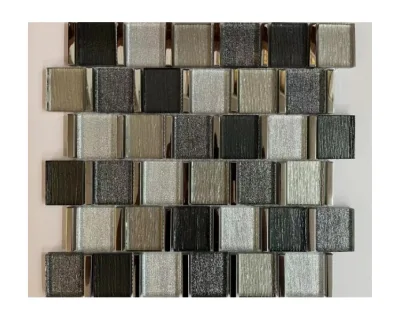
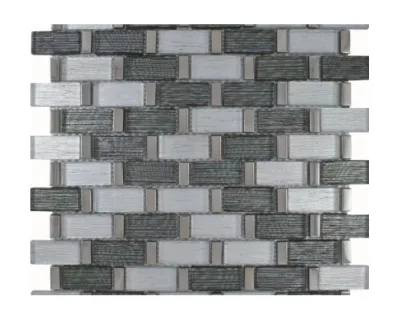
Gray Triangle Pattern Decorative Wall Tile Aluminium Crystal Glass Mosaic Tile
$25.00
MOQ: 500 Square Meters


$25.00
MOQ: 500 Square Meters

Foshan Colorgres Building Material Co., Ltd.
- Verified by TUVRHEINLAND
- Trading Company
- China Guangdong
- Lead time23 days
- Avg. response≤ 12h
Main productsPorcelain Tile, Ceramic Tile, Glazed Porcelain Tile, Polished Tile, Tiles, Wall Tile, Floor Tile, Ceramic, Rustic Tile, Wooden Tile
Main marketsAfrica,Others(foreignTradeCapacity.exportBusinessCapacityMarketOther),Australia,North America
Foshan Amazon Ceramics Co., Ltd.
- Verified by SGS Group
- Trading Company
- Lead time15 days
- Avg. response≤ 5h
Main productsPolished Porcelain Tile, Tile, Porcelain Tile, Ceramic Tile
Main marketsSouth America(27%), Africa(22%), Southeast Asia(8%)

Foshan Bright Link Ceramics Co., Ltd
- Verified by TUVRHEINLAND
- Manufacturer/Factory
- China Guangdong
- Lead time23 days
- Avg. response≤ 8h
Main productsTile, Floor Tile, Wall Tile, Sintered Stone, Golden Tile, Decoration Pattern Tile, Wooden Tile, Mosaic, Polish Tile, Porcelain Tile
Main marketsSouth America,Eastern Europe,Mid East,North America,Southeast Asia,Eastern Asia,Africa


Foshan Factory High Quality Home Dé Cor Glass Crystal Mosaic Tile
$1.00 - $1.30
MOQ: 3558 Piece

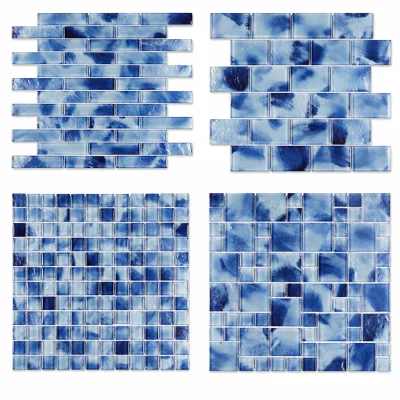
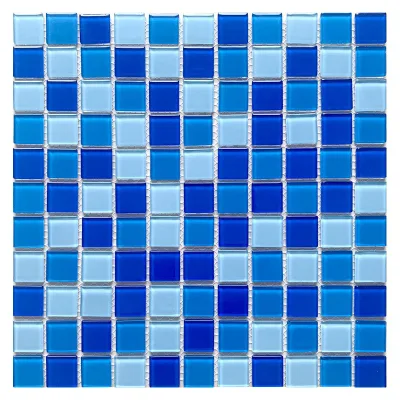
China Wholesale Blue Chips Swimming Pool Decoration Crystal Glass Mosaic Tile
$1.00 - $1.30
MOQ: 3558 Piece


Foshan Amazon Ceramics Co., Ltd.
- Verified by BV
- Manufacturer/Factory
- China Guangdong
- Lead time23 days
- Avg. response≤ 6h
Main productsTile, Ceramic Tile, Polished Tile, Porcelain Tile, Floor Tile, 3D Tile, Ceramic Floor Tile, Glazed Porcelain Tile, Polished Glazed Tile, Wall Tile
Main marketsSouth America,Eastern Europe,Mid East,North America,Southeast Asia,Eastern Asia,Oceania,Western Europe,Africa


Popular Design Background Wall Kitchen Bathroom Blue Crystal Mosaic Glass Tile
$3.60 - $3.90
MOQ: 1100 Square Foot/Square Feet


Foshan Oceanland Ceramics Co., Ltd.
- Verified by BV
- Manufacturer/Factory
- China Guangdong
- Lead time15 days
- Avg. response≤ 5h
Main productsCeramic Tile, Tile, Polished Tile, Porcelain Tile, Floor Tile, Wall Tile, Tiles Ceramic, Bathroom Tile, Bathroom Ceramic Tile, Building Material
Main marketsSouth America,Eastern Europe,Mid East,North America,Southeast Asia,Eastern Asia,Oceania,Western Europe,Africa
Foshan Global Bridge Building Materials Co., Ltd.
- Trading Company
- Guangdong, China
- Lead time20 days
- Avg. response≤ 2h
Main productsGlass Mosaic,Ceramic Mosaic,Recycle Glass Mosaic,Stone Mosaic,Metal Mosaic
Main marketsNorth America(45.00%), Southern Europe(14.00%), South America(12.00%), Western Europe(12.00%), Mid East(5.00%), Southeast Asia(3.00%), Africa(3.00%), South Asia(1.00%), Northern Europe(1.00%), Central America(1.00%), Oceania(1.00%), Eastern Europe(1.00%), Eastern Asia(1.00%)
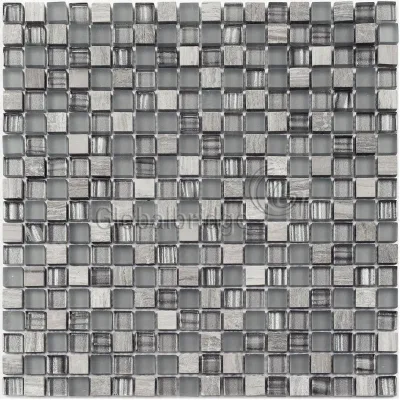
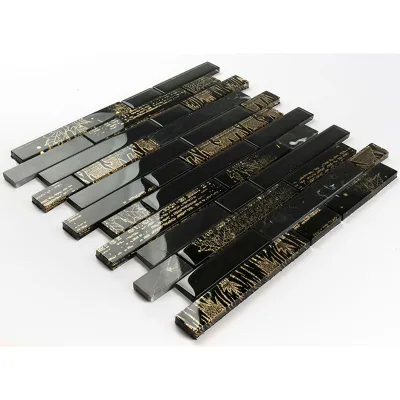
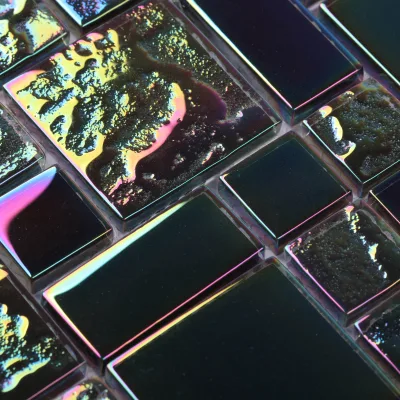
$14.8882 - $15.4028
MOQ: 1 sheets
Foshan Gentle Building Materials Co., Ltd.
- Trading Company
- Gd, China
- Lead time25 days
- Avg. response≤ 3h
Main productsMosaic tiles,Art tiles
Main marketsEastern Europe(15.00%), South America(15.00%), Southeast Asia(15.00%), Northern Europe(10.00%), Mid East(10.00%), North America(10.00%), Oceania(5.00%), Eastern Asia(5.00%), Africa(5.00%), Western Europe(3.00%), Central America(3.00%), South Asia(2.00%), Southern Europe(2.00%)
Qingdao Century Science And Technology Co., Ltd.
- Verified by SGS Group
- Manufacturer, Trading Company
- Lead time20 days
- Avg. response≤ 5h
Main productsTiles, Mosaic, Countertops, Slabs, Water Jet Mosaic
Main marketsNorth America(65%), Oceania(15%), Western Europe(15%)

Foshan City JBD Home Building Material Co., Ltd.
- Verified by CTI
- Trading Company
- China Guangdong
- Lead time15 days
- Avg. response≤ 1h
Main productsAluminum Door, Glass Railing and Fences, Wooden Door, Metal Entry Door, Garage Door and Villa Courtyard Gate, Cabinets and Armoire, Bathroom Products, Outdoor Furniture and Star Room, Tile and Wood Flooring, Aluminum Window
Main marketsSouth America,Africa,Southeast Asia/ Mideast,Domestic,North America
Foshan JBN Industrial Co., Ltd.
- Verified by SGS Group
- Trading Company
- Lead time30 days
- Avg. response≤ 2h
Main productsPolished Porcelain Tile, Mosaic, Sintered Stone, Flexible Stone, SPC flooring
Main marketsSouth America(12%), Southeast Asia(12%), Central America(12%)
Foshan Crystal Palace Decoration Art Co., Ltd.
- Manufacturer, Trading Company
- Lead time旺季: , 淡季:
- Avg. response≤ 7h
Main productsGlass Mosaic
Shahe Huajinde Glass Co., Limited
- Verified by SGS Group
- Manufacturer, Trading Company
- Lead time15 days
- Avg. response≤ 4h
Main productsDecorative Glass, Patterned Glass, Tinted and Reflective Glass, Aluminium Mirror, LED Mirror
Main marketsMid East(34%), South Asia(25%), Domestic Market(19%)

Foshan Boyue Ceramics Co., Ltd.
- Verified by SGS
- Trading Company,Manufacturer/Factory
- China Guangdong
- Lead time23 days
- Avg. response≤ 1h
Main productsMosaic, Tile, Artistic Tiles, Designer Tiles, Antique Tiles, Rock Plate, Sintered Stone Furniture, Glass Mosaic, Rustic Tile, Waistline Tile
Main marketsSouth America,Eastern Europe,Mid East,North America,Southeast Asia,Eastern Asia,Oceania,Western Europe,Africa
Hebei Yanshang Trading Co., Ltd.
- Verified by TüVRheinland
- Trading Company
- Lead time0 days
- Avg. response≤ 1h
Main productsPlywood, MDF, Particle Board, Melamine Board, Mirror
Main marketsNorth America(20%), South America(18%), Eastern Europe(10%)
Foshan Bosaier Decorating Materials Co., Ltd.
- Verified by TüVRheinland
- Trading Company
- Lead time30 days
- Avg. response≤ 2h
Main productsGlass Mosaics, Glass Subway Tiles
Main marketsNorth America(60%), South America(20%), Oceania(11%)
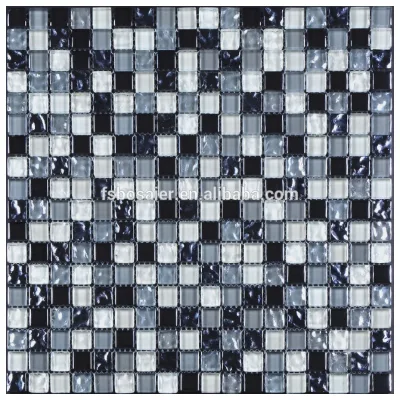
Broken Black and White Crystal Glass Mosaic Tiles for Bathroom Design Wall Decorative
$24.8486 - $27.9109
MOQ: 50 Minimum
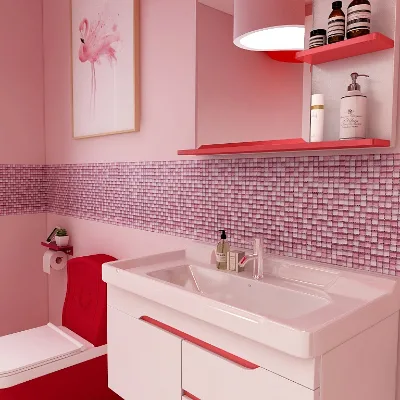
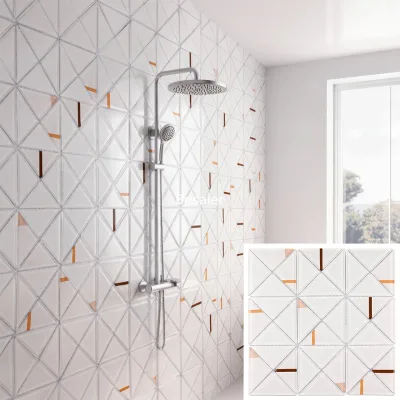
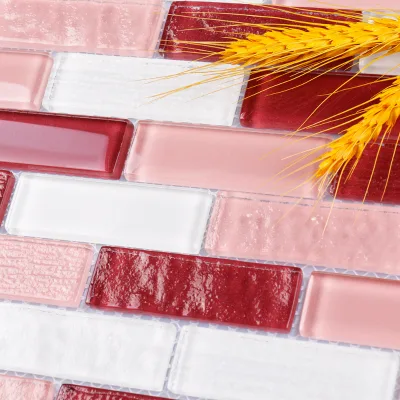
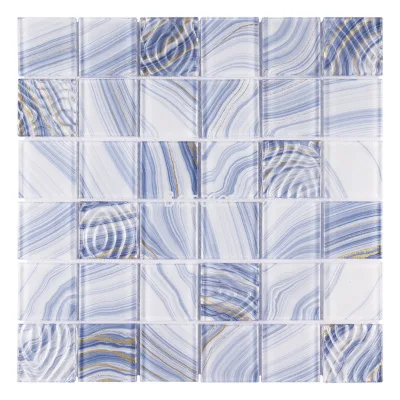
Hot Selling Interior Wall Decoration Rectangle Crystal Pink White Red Glass Mosaic Tiles
$19.85 - $22.06
MOQ: 50 square
$25.4769 - $27.7448
MOQ: 50 square
Foshan Gold E Building Material Co., Ltd.
- Manufacturer, Trading Company
- Guangdong, China
- Lead time25 days
- Avg. response≤ 2h
Main productsmosaic,tile
Main marketsSoutheast Asia(23.00%), North America(20.00%), Eastern Europe(10.00%)
Foshan Pinlong Furniture Material Co., Ltd.
- Verified by Intertek
- Trading Company
- Lead time10 days
- Avg. response≤ 5h
Main productsMetal Sofa Leg, Wooden Sofa Leg, Crystal Button, Hardware Decorative Buttons, Functional Hardware
Main marketsDomestic Market(45%), Southeast Asia(25%), Mid East(20%)
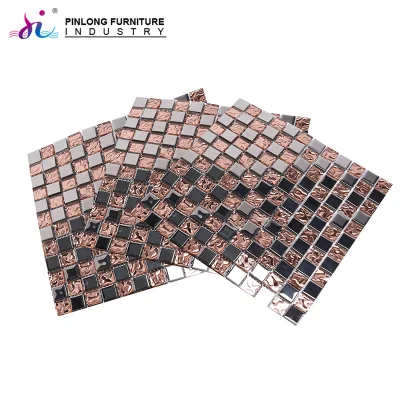
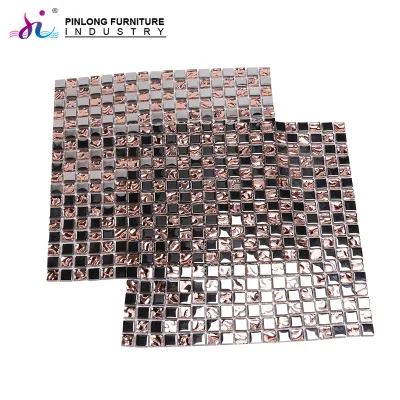
New Design Original Rose pink Pattern Glass Mosaic Glazed Tiles High Quality Crystal Mosaic
$1.0218 - $1.5319
MOQ: 22 pieces
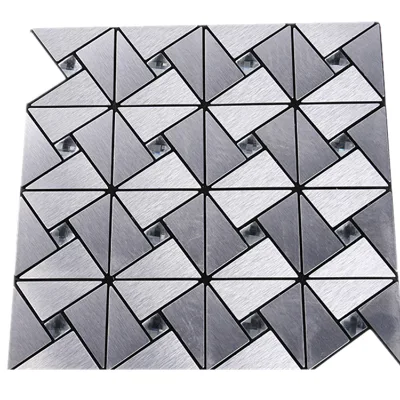
Modern Style China Supplier Mosaic Glass Mirror Glitter Tile for Home Decoration
$1.2327 - $1.5394
MOQ: 22 pieces
Foshan Lenault Construction Material Co., Ltd.
- Manufacturer
- Guangdong, China
- Lead time0 days
- Avg. response≤ 1h
Main productsmosaic,mosaic tiles,swimming pool tiles,ceramic tiles,glass mosaic
Main marketsWestern Europe(11.11%), Eastern Asia(11.11%), Mid East(11.11%), Oceania(11.11%), Africa(11.11%), Southeast Asia(11.11%), Eastern Europe(11.11%), South America(11.11%), North America(11.11%)
Guangzhou Tianye Silicone Rubber Technology Co., Ltd.
- Manufacturer, Trading Company
- Guangdong, China
- Lead time10 days
- Avg. response≤ 12h
Main productsswimming cap,swimming goggles,Mosaic
Main marketsNorth America(30.00%), Western Europe(20.00%), Southeast Asia(15.00%), Oceania(10.00%), Southern Europe(10.00%), Eastern Europe(5.00%), Africa(5.00%), Northern Europe(3.00%), Eastern Asia(2.00%)
Hunan White Rabbit Trading Co., Ltd.
- Verified by TüVRheinland
- Trading Company
- Lead time7 days
- Avg. response≤ 2h
Main productsAluminum Plastic Mosaic, Glass Mosaic, Tiles, Ceramic Mosaic
Main marketsNorth America(30%), Oceania(25%), Southeast Asia(15%)
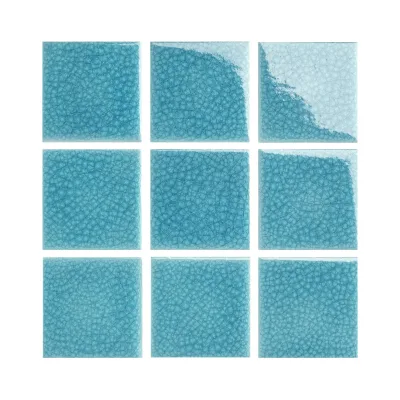
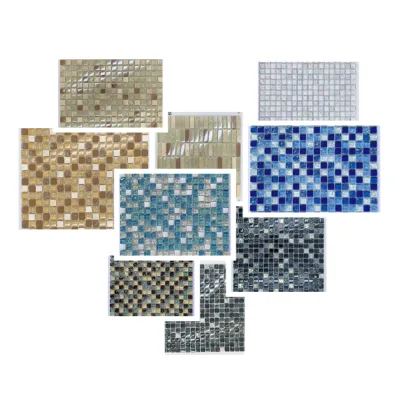
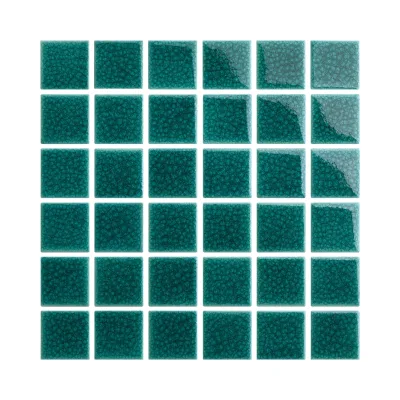
Hot Selling Green Color Moroccan Style Pool Glass Mosaic Tiles Anti-slip Mosaic Tiles
$2.072 - $3.6248
MOQ: 100 pieces
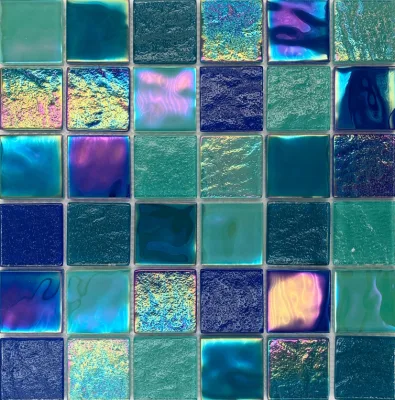
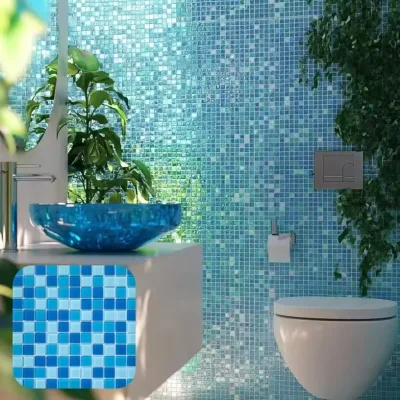
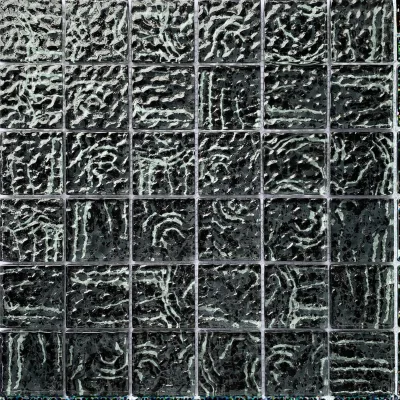
$2.1049 - $2.229
MOQ: 1 pieces
Hebei Dongrun Glass Products Co., Ltd.
- Manufacturer
- Hebei, China
- Lead time20 days
- Avg. response≤ 4h
Main productsGlass,Building glass,Mirror glass,Glass mosaic tile,Decorative Glass
Main marketsSoutheast Asia(20.00%), North America(20.00%), Eastern Europe(15.00%), Oceania(10.00%), Mid East(10.00%), South America(10.00%), Western Europe(8.00%), Africa(5.00%), Eastern Asia(5.00%), Southern Europe(4.00%)
$1.0367 - $6.2129
MOQ: 100 Minimum

- Manufacturer/Factory
- China Guangdong
- Lead time23 days
- Avg. response≤ 19h
Main productsCeramic Tile, Rustic Tile, Tile, Floor Tile, Porcelain Tile, Wall Tile, Tiles, Bathroom Tile, Marble Tile, Mosaic
Main marketsSouth America,Eastern Europe,Mid East,North America,Southeast Asia,Eastern Asia
- Verified by Intertek
- Trading Company
- Lead time10 days
- Avg. response≤ 4h
Main productsmarble slab, marble tiles, marble project, granite products, quartz products
Main marketsNorth America(80%), Mid East(20%)
Shaoxing Subei Trading Co., Ltd.
- Trading Company
- Zhejiang, China
- Lead time25 days
- Avg. response≤ 3h
Main productshouse,HVAC system,water whiller,lift machine,cnc
Main marketsMid East(40.00%), Western Europe(15.00%), North America(15.00%), Oceania(15.00%), Southern Europe(5.00%), South America(5.00%), Southeast Asia(3.00%), Eastern Europe(2.00%)
Foshan Hasin Building Materials Co., Ltd.
- Verified by SGS Group
- Trading Company
- Lead time30 days
- Avg. response≤ 3h
Main productsGlazed Tiles, Rustic Tiles, Mosaic, Mural, Sintered Stone
Main marketsNorth America(20%), Oceania(17%), Mid East(15%)






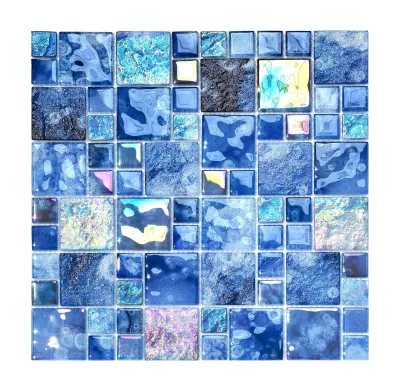
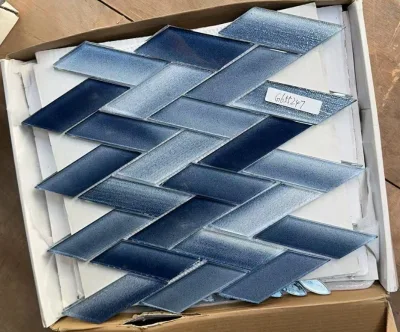
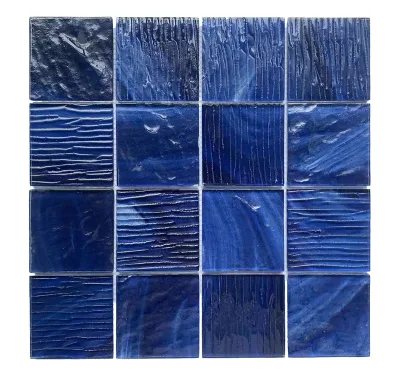
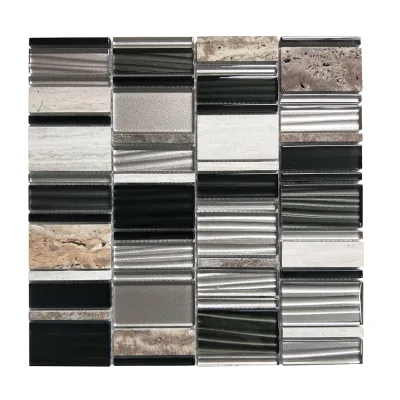


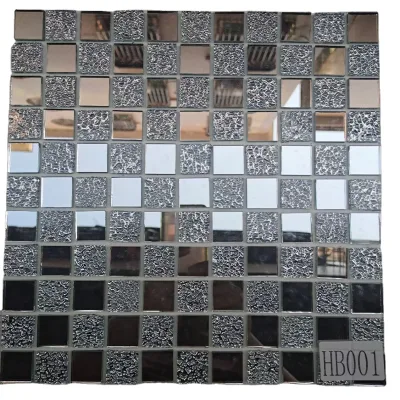
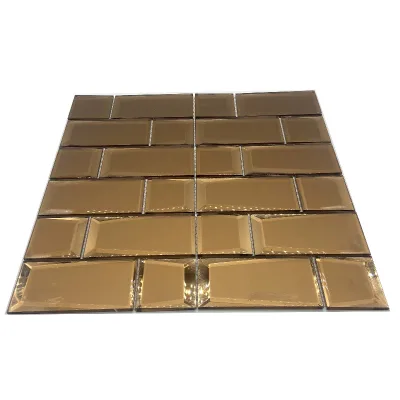
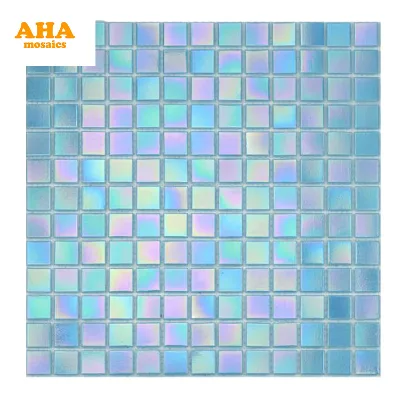
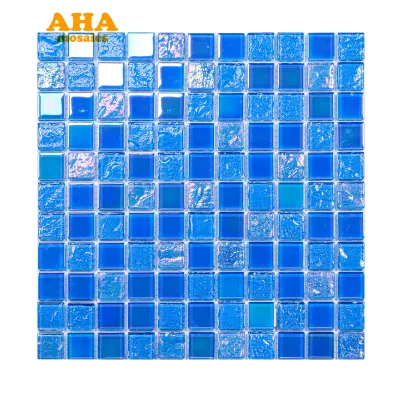
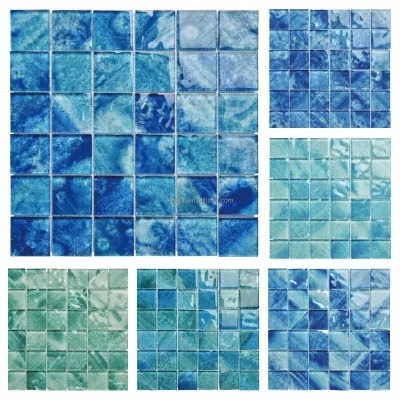
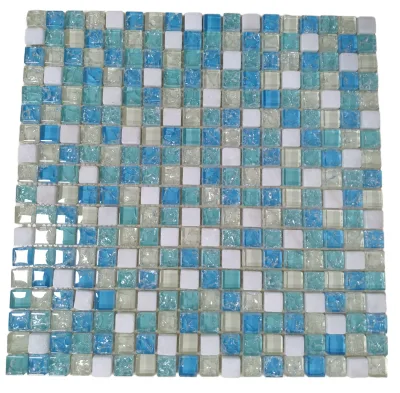
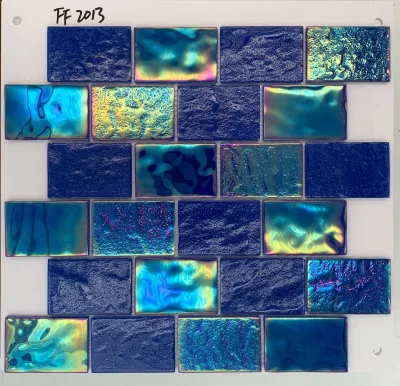
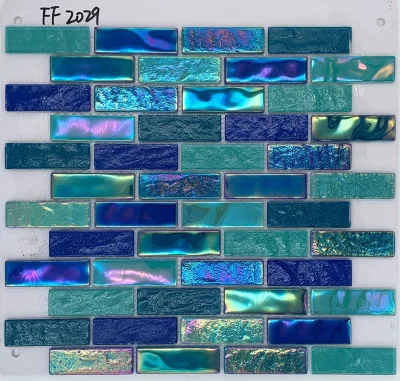


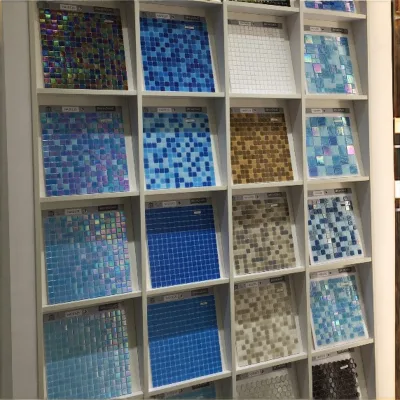
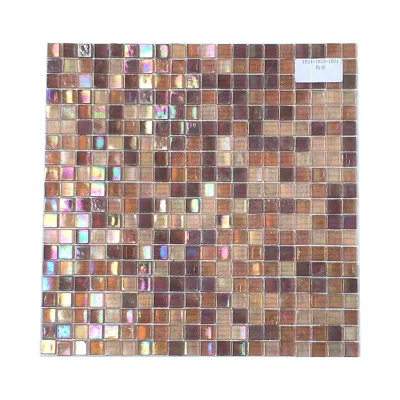
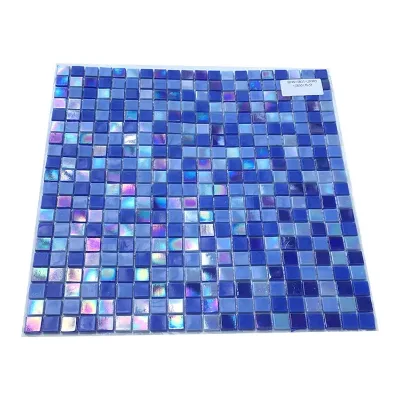
Comprehensive Sourcing Guide
Crystal Glass Mosaic Tile Supplier Concentration and Factory Types
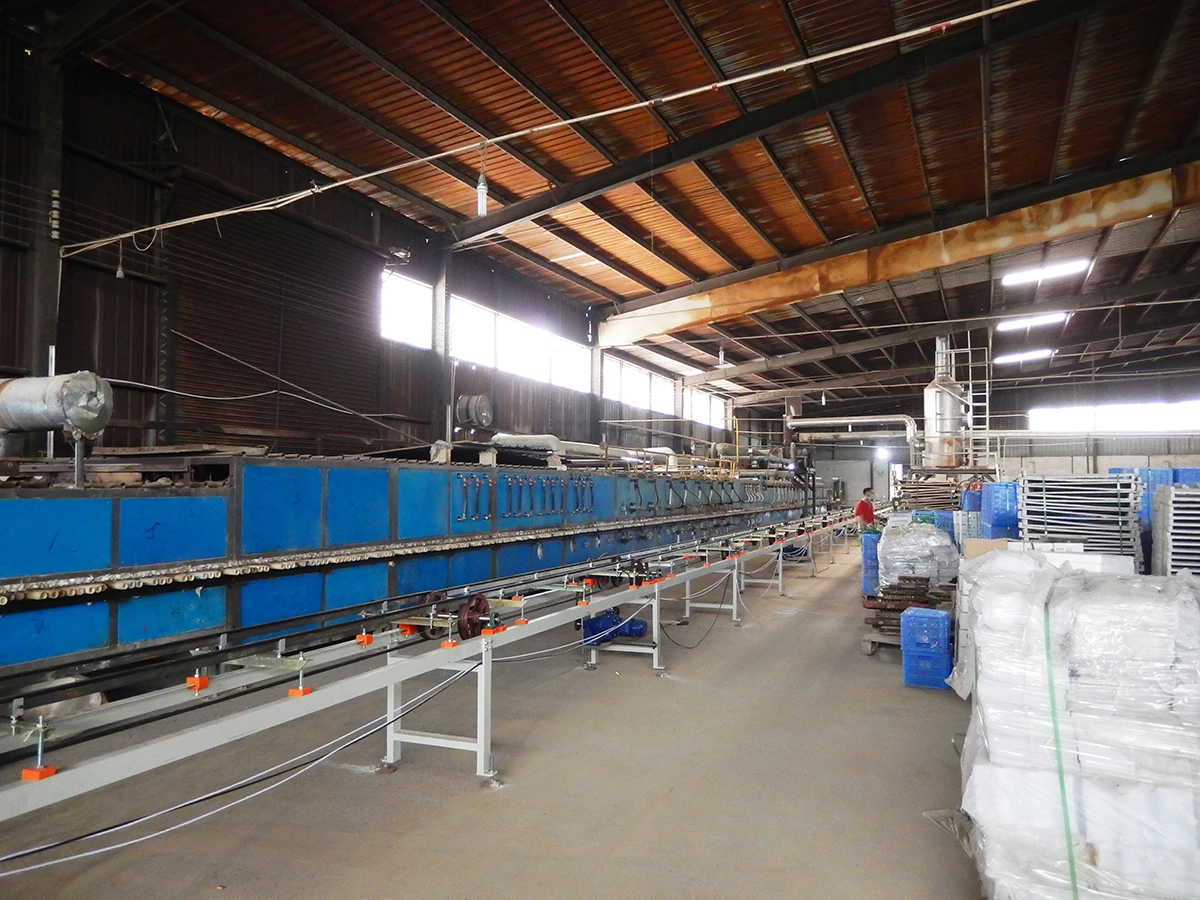
The current supplier landscape for crystal glass mosaic tiles reveals a distinct geographic concentration within China, specifically highlighting Guangdong and Zhejiang provinces as primary manufacturing hubs. Suppliers located in Guangdong, such as those based in Zhaoqing City, often operate as combined entities that blend trading capabilities with manufacturing resources. These facilities typically showcase a diverse range of products including glass mosaic, crystal glass mosaic, and swimming pool mosaic tiles, indicating a mature industrial cluster capable of handling complex production runs. The presence of established production capacity metrics, such as daily output figures reaching thousands of square meters, suggests that these Guangdong-based factories have optimized their lines for high-volume orders. Buyers evaluating suppliers in this region should look for evidence of robust production infrastructure, as the concentration of specialized mosaic manufacturers in Guangdong often correlates with advanced kiln technology and consistent quality control measures for glass-based materials.
In contrast, suppliers operating from Zhejiang province, particularly those in Haining City, present a different operational profile often focused on decorative and mixed-color applications. These entities may emphasize modern style designs and irregular shapes, catering to specific aesthetic demands in kitchen, bathroom, and living room applications. The main products listed for Zhejiang-based suppliers often include PVC ceiling panels alongside glass mosaic tiles, suggesting a broader scope in decorative building materials. This diversification can indicate a trading company or a factory with flexible production lines that adapt to varied market trends. When assessing factory types, buyers must distinguish between pure manufacturers and combined entities. Pure manufacturers will typically display specific production capacities and raw material sourcing details, whereas combined entities might offer broader customization options and faster response times due to their trading focus. Understanding this distinction is crucial for determining whether a supplier can meet large-scale volume requirements or if they are better suited for smaller, customized decorative projects.
How to Verify Crystal Glass Mosaic Tile Suppliers
Verification of Crystal Glass Mosaic Tile suppliers requires a rigorous examination of their certification status and third-party validation records. Many suppliers in the current results display certifications such as CE, SGS, TUV, and ISO, which are critical for ensuring that the glass products meet international safety and quality standards. However, buyers must verify the authenticity of these claims by checking the supplier’s verification status on the platform. For instance, some suppliers are verified by TÜV Rheinland, a reputable third-party inspection agency, which adds a layer of credibility to their operational claims. Buyers should prioritize suppliers with clear verification badges and accessible certification documents, as these indicate a commitment to transparency and compliance. It is essential to cross-reference the listed certifications with the specific product attributes, such as water absorption rates and chemical composition, to ensure that the certifications are relevant to the specific type of crystal glass mosaic being purchased.
Beyond certifications, buyers should assess the supplier’s response time and communication efficiency as indicators of their operational reliability. The data shows varying response times, with some suppliers averaging around 9.48 hours and others taking up to 20.31 hours. A faster response time often correlates with a more active sales team and better customer service infrastructure, which is vital for resolving issues related to custom orders or quality disputes. Buyers should also look for evidence of established business practices, such as clear product descriptions and detailed specifications. Suppliers that provide comprehensive product attributes, including chip sizes, thickness options, and packing methods, demonstrate a higher level of professionalism and attention to detail. Additionally, verifying the supplier’s main products and ensuring they align with the buyer’s specific needs can help filter out irrelevant vendors. By combining certification checks with an evaluation of communication speed and product detail accuracy, buyers can build a more accurate picture of a supplier’s reliability and capability.
What to Compare Across Crystal Glass Mosaic Tile Suppliers
When comparing suppliers, lead time and production capacity are critical metrics that directly impact project timelines and inventory management. The observed lead times for crystal glass mosaic tiles range from 23 to 30 days, reflecting the complexity of glass manufacturing and potential shipping logistics. Suppliers with shorter lead times, such as those offering 23-day turnaround, may have more streamlined production processes or existing stock of common sizes and colors. Buyers should also examine the production capacity per day, which varies significantly among suppliers, with some reporting capacities of up to 3852 square meters. This capacity data is essential for large-scale projects where consistent supply is required. Comparing these metrics allows buyers to identify suppliers who can meet urgent deadlines without compromising quality. Additionally, buyers should consider the supplier’s ability to handle custom orders, as indicated by their customization availability. Suppliers that offer ODM or OEM services may provide greater flexibility in terms of design and packaging, which can be advantageous for brands seeking unique product offerings.
Minimum Order Quantity (MOQ) and pricing structures are another vital aspect of supplier comparison. The MOQs for crystal glass mosaic tiles vary widely, from as low as 11 pieces for DIY kits to 1000 pieces for bulk pool tiles. This variation highlights the importance of aligning supplier MOQs with the buyer’s order volume and budget. Suppliers with lower MOQs may be more suitable for small businesses or trial orders, while those with higher MOQs might offer better economies of scale for large projects. Pricing also differs based on product specifications, with prices ranging from $1.50 to $250.00 per unit depending on the complexity and material quality. Buyers should compare not just the unit price but also the total cost, including packing and shipping expenses. Suppliers that provide detailed pricing tiers and clear MOQ requirements can help buyers plan their budgets more effectively. By systematically comparing lead times, capacity, MOQs, and pricing, buyers can select suppliers that best fit their operational needs and financial constraints.
Common Crystal Glass Mosaic Tile Sourcing Risks
One significant risk in sourcing crystal glass mosaic tiles is the potential mismatch between product specifications and actual delivery. Glass mosaics are fragile and require careful handling, yet variations in thickness, chip size, and color consistency can occur if quality control is lax. Suppliers may list standard attributes such as 4mm or 5mm thickness and square shapes, but deviations can impact installation and aesthetic outcomes. Buyers must verify that the supplier’s quality standards, such as "First Choice" grading, are strictly enforced. Additionally, the risk of color variation is heightened in mixed-color products, where the "Same Color System" or "Mix Color" labels may not guarantee uniformity across large batches. To mitigate this, buyers should request physical samples before placing bulk orders and inspect them for consistency in color, shape, and finish. This step is crucial for ensuring that the delivered products meet the project’s design requirements and avoid costly rework or delays.
Another risk involves the reliability of shipping and packaging, especially for international orders. Glass tiles are heavy and prone to breakage during transit, making proper packaging essential. Suppliers may use different packing methods, such as carton and wooden pallets or LCL and container shipping, which can affect the safety of the goods. Buyers should assess the supplier’s packing standards and ensure they include protective materials to prevent damage. Furthermore, the risk of delayed shipments due to logistical issues or customs clearance can disrupt project timelines. Suppliers with longer lead times or those located in regions with complex shipping routes may pose higher risks. Buyers should communicate clearly about shipping expectations and consider using escrow services or other payment protections to safeguard their interests. By proactively addressing these risks through sample verification and clear communication, buyers can reduce the likelihood of receiving substandard or damaged products.
Crystal Glass Mosaic Tile Regional Sourcing and Logistics
Sourcing crystal glass mosaic tiles from China involves navigating distinct regional logistics advantages and challenges. Suppliers in Guangdong, particularly in Zhaoqing City, benefit from proximity to major ports and established supply chains for glass manufacturing. This location advantage often translates to more efficient export processes and potentially lower shipping costs for bulk orders. Buyers sourcing from Guangdong should consider the impact of port congestion and seasonal shipping peaks on lead times. Additionally, the concentration of suppliers in this region may offer more competitive pricing due to economies of scale and intense market competition. However, buyers must also account for the environmental regulations and production standards in Guangdong, which can affect manufacturing consistency. Understanding the local logistics infrastructure helps buyers anticipate potential delays and plan their inventory accordingly, ensuring a steady supply of materials for their projects.
In contrast, suppliers in Zhejiang, such as those in Haining City, may offer different logistical benefits, particularly for smaller or more specialized orders. The region’s focus on decorative materials and modern styles suggests a flexibility in production that can accommodate diverse customer needs. Buyers sourcing from Zhejiang should evaluate the supplier’s experience with international shipping, especially for smaller quantities that may require air express or LCL shipping. These shipping methods can be faster but more expensive, impacting the overall cost structure. Additionally, buyers should consider the time zone and communication differences when coordinating with suppliers in different regions. Effective logistics planning involves not just selecting the right supplier but also understanding the regional strengths and weaknesses. By aligning their sourcing strategy with the logistical capabilities of each region, buyers can optimize their supply chain and reduce the risk of disruptions.
Crystal Glass Mosaic Tile Commercial Terms and Order Planning
Commercial terms for crystal glass mosaic tiles often include specific payment conditions and warranty policies that buyers must carefully review. Suppliers may offer various payment methods, such as T/T or L/C, and the terms can vary based on the order size and supplier’s risk assessment. Buyers should negotiate clear payment terms that protect their interests, such as partial payments upfront and the balance upon shipment. Additionally, understanding the supplier’s warranty policy for defects or breakage is crucial, as glass products are susceptible to damage during handling. Buyers should ensure that the supplier provides a clear process for claiming damages and receiving replacements. This clarity helps mitigate financial risks and ensures that any issues are resolved promptly. By establishing robust commercial terms, buyers can create a secure foundation for their supplier relationships and protect their investments.
Order planning for crystal glass mosaic tiles requires careful consideration of lead times, MOQs, and inventory management. Buyers should align their order schedules with the supplier’s production capacity and lead times to avoid stockouts or excess inventory. For large projects, breaking down orders into smaller batches may help manage cash flow and reduce the risk of large-scale defects. Additionally, buyers should plan for potential variations in lead times due to holidays, weather, or logistical issues. Establishing a buffer in the project timeline can accommodate these uncertainties and ensure timely completion. Furthermore, buyers should maintain open communication with suppliers to stay updated on production progress and any changes in delivery schedules. By integrating these planning strategies, buyers can optimize their procurement process and ensure a smooth supply of crystal glass mosaic tiles for their projects.
FAQs
What is the price range for crystal glass mosaic tiles?
Prices for crystal glass mosaic tiles typically range from $1.50 to $250.00 per unit depending on the specific product type and customization. Standard decorative tiles often cost between $19.00 and $30.00, while specialized DIY kits or complex patterns may reach higher price points. Buyers should verify exact pricing based on their required chip size and quantity.
What certifications are available for these mosaic tiles?
Manufacturers offer various certifications including CE, SGS, TUV, and ISO standards to ensure product quality and safety. Some suppliers provide ISO certification alone, while others bundle multiple credentials like CE and TUV for international compliance. Buyers should request specific certification documents to verify that the tiles meet the regulatory requirements of their target market or project specifications.
What is the minimum order quantity for glass mosaics?
Minimum order quantities vary significantly, ranging from 11 units for certain DIY kits to 1000 units for bulk pool tiles. Standard decorative glass mosaics often require a minimum of 100 to 500 units. Buyers seeking smaller batches should look for suppliers offering lower MOQs, while large construction projects can benefit from suppliers with higher capacity and lower per-unit costs.
Where are these mosaic tiles manufactured?
These tiles are primarily manufactured in China, with specific production hubs located in Guangdong and Zhejiang provinces. Key origin cities include Zhaoqing City and Haining City. Buyers can verify the exact production location to assess logistics costs and lead times, ensuring the supplier's base aligns with their preferred shipping routes and supply chain requirements.
What are the typical lead times for production?
Production lead times generally range from 23 to 30 days depending on the supplier and order volume. Suppliers in Guangdong often report lead times around 23 days, while those in Zhejiang may take up to 30 days. Buyers should confirm specific timelines with their chosen supplier to ensure delivery aligns with their project schedule and installation deadlines.
Can crystal glass mosaics be customized?
Customization is widely available for crystal glass mosaic tiles, allowing buyers to specify chip sizes, colors, and patterns. Suppliers offer ODM and OEM services to create unique designs for specific applications. Buyers can request custom sizes such as 20x20mm or 30x30mm, and may choose from various styles including European or Modern designs to match their architectural vision.