Custom Wooden Handbag Handle Suppliers and Manufacturers
Compare 12 verified suppliers offering custom wooden handbag handles with varying lead times, response times, and price ranges. Review product specifications like material and size before contacting vendors for quotes; review the available evidence before requesting comparable quotations from suitable candidates.
Updated
Suppliers List
Guangzhou Sanrui Hardware Co., Ltd.
- Manufacturer, Trading Company
- Guangdong, China
- Lead time0 days
- Avg. response≤ 9h
Main productsAcrylic chain,Resin arm,Wooden clamps,Acrylic Japanese button,Resin chain
Main marketsDomestic Market(20.00%), South Asia(15.00%), North America(10.00%), Southeast Asia(10.00%), Eastern Asia(10.00%), Central America(5.00%), Eastern Europe(5.00%), Mid East(5.00%), Oceania(3.00%), Northern Europe(2.00%), South America(2.00%), Southern Europe(2.00%)
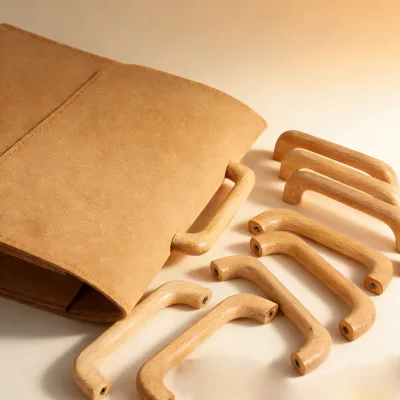
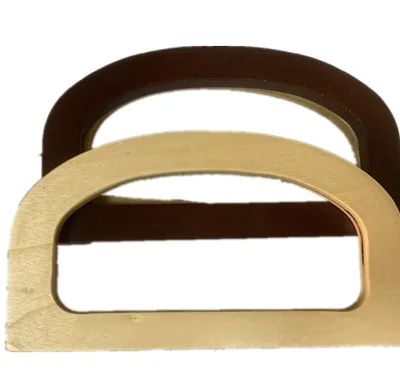
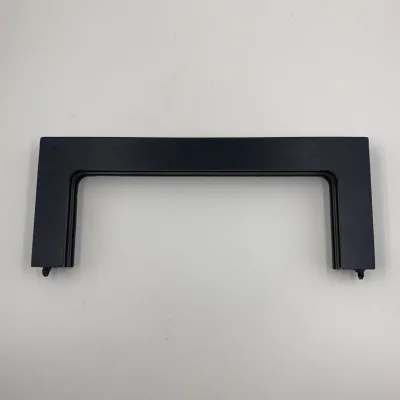
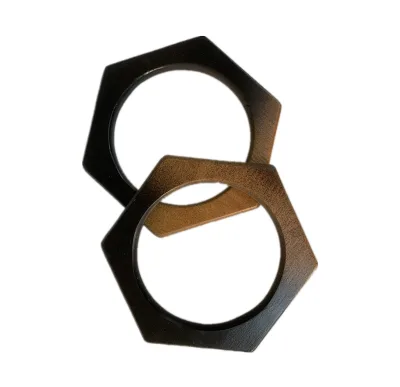
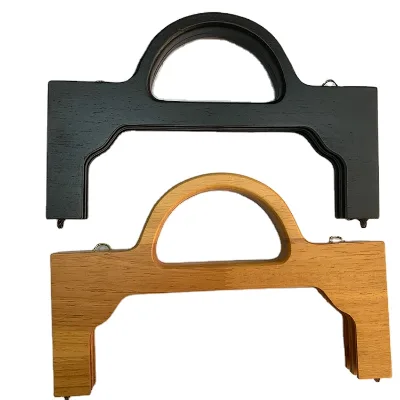
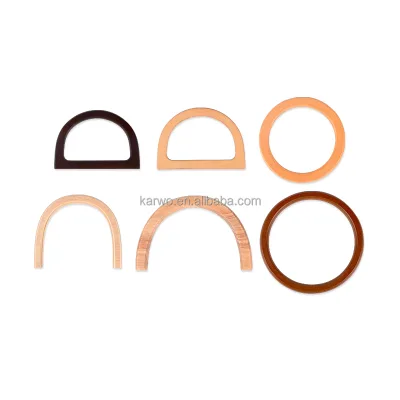
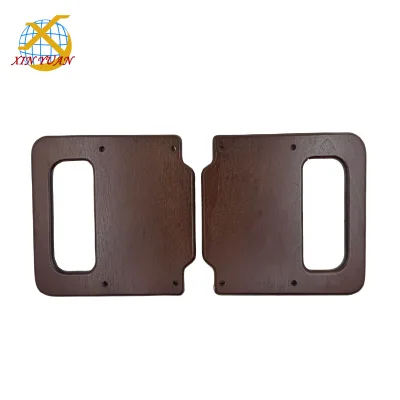
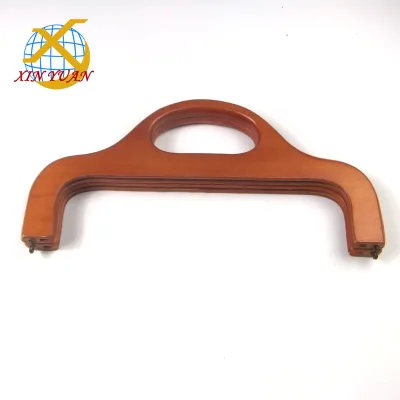
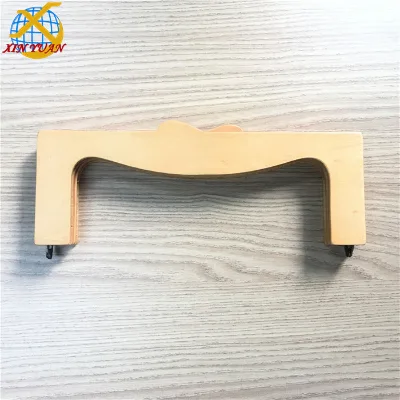
Factory Wholesale High Quality Wooden Handbag Handle square Frame Handbag Accessories
$3.5062
MOQ: 100 Minimum
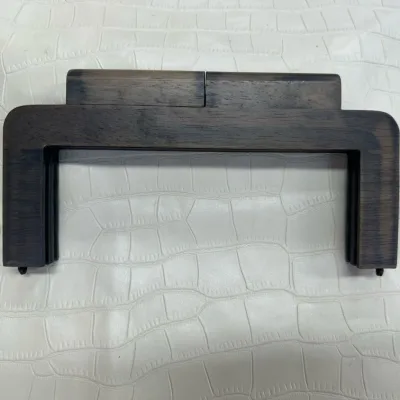
Shenzhen Jiawo Industrial Co., Ltd.
- Manufacturer, Trading Company
- Guagndong, China
- Lead time0 days
- Avg. response≤ 6h
Main productsBag Part,Garment Accessories
Main marketsWestern Europe(40.00%), North America(40.00%)

Guangzhou Desheng Hardwares And Leathers Co., Limited
- Manufacturer, Trading Company, Distributor/Wholesaler
- Guangdong, China
- Lead time0 days
- Avg. response≤ 4h
Main productsBag Hardwares,Bag Chain,Bag Accessories,Keyring Decoration,Fashion Accessories
Main marketsNorth America(25.00%), Northern Europe(15.00%), Western Europe(15.00%), South Asia(15.00%), Eastern Europe(8.00%), Southeast Asia(5.00%), Southern Europe(5.00%), Oceania(5.00%), Africa(2.00%), Eastern Asia(1.50%), Mid East(1.50%), South America(1.00%), Central America(1.00%)

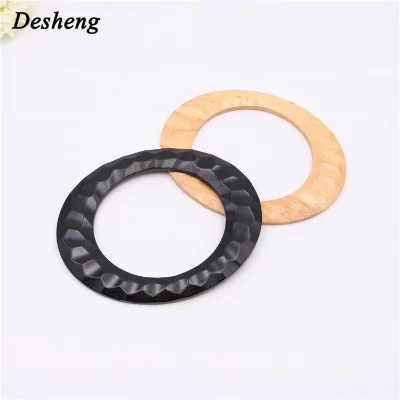
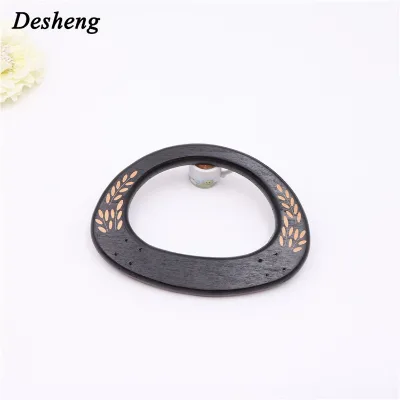
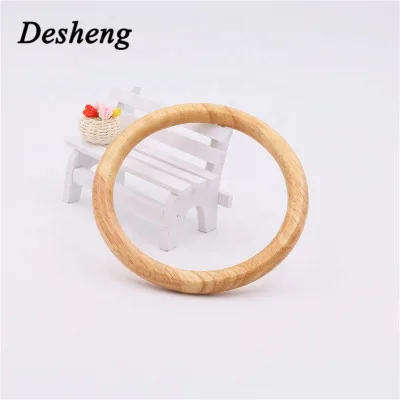
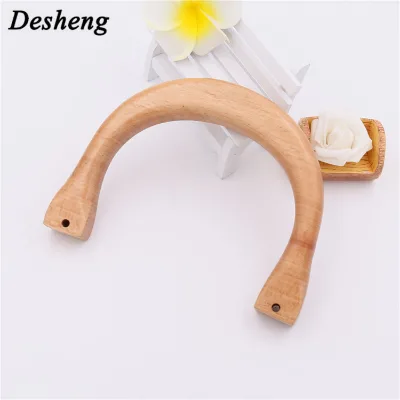
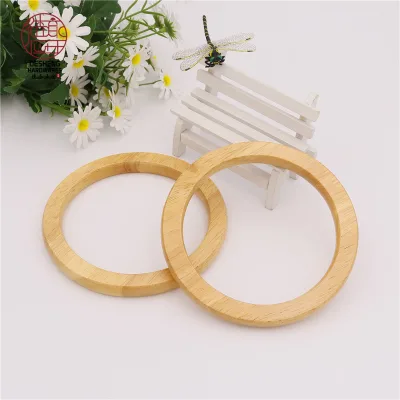
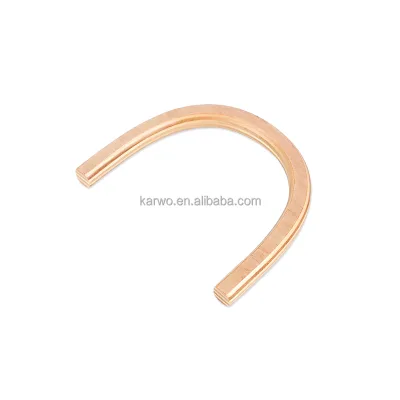
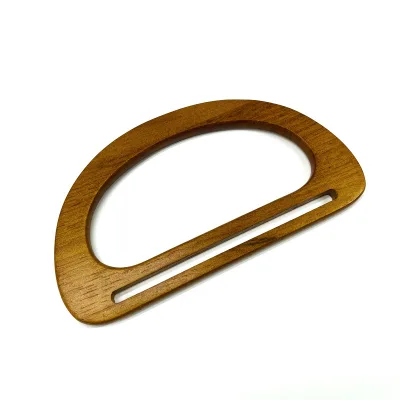
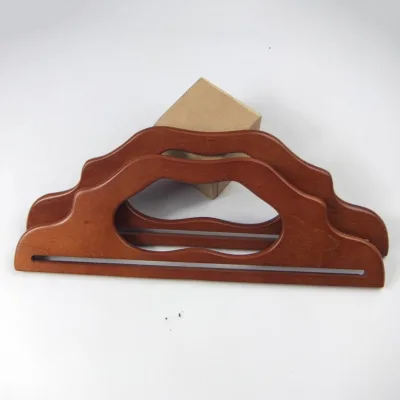
Wholesale Brown Women Handbag Handle for Handbag Wooden Frame Handles
$0.2084 - $2.5903
MOQ: 200 Minimum
Guangzhou Huacheng Hardware Co., Ltd.
- Manufacturer, Trading Company, Distributor/Wholesaler
- Guangdong, China
- Lead time10 days
- Avg. response≤ 3h
Main productsPurse Frame,Magnetic Button,Snap Hook,Handbag Lock,Metal Ring
Main marketsDomestic Market(9.98%), North America(9.82%), Eastern Asia(9.76%), Northern Europe(9.53%), Western Europe(8.92%), South America(8.29%), Southern Europe(8.15%), Eastern Europe(7.85%), South Asia(6.85%), Mid East(6.12%), Central America(5.89%), Southeast Asia(5.18%), Africa(2.34%), Oceania(1.32%)
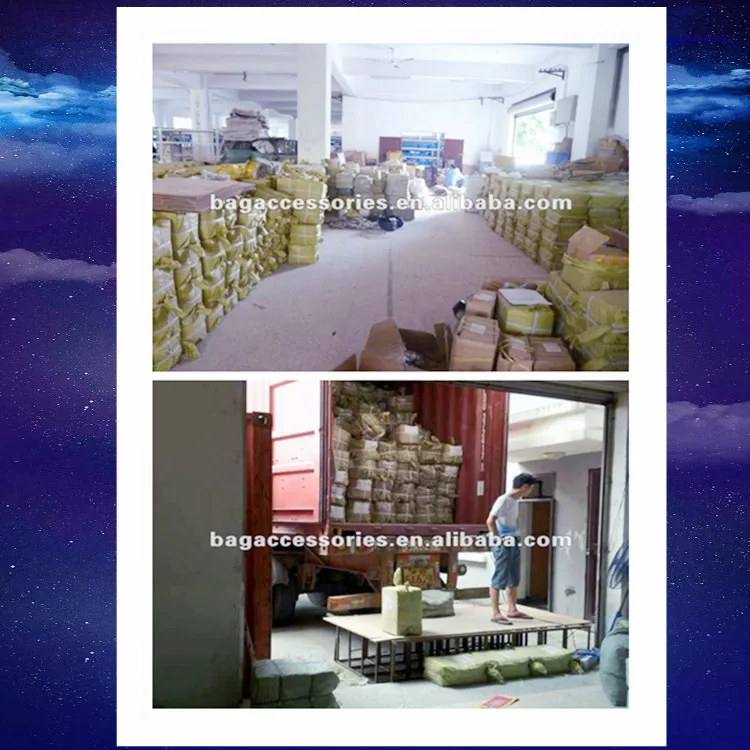
Yiwu Zuohua Bag Accessories Trade Co., Limited
- Trading Company
- Zhejiang, China
- Lead time20 days
- Avg. response≤ 14h
Main productsbag accessories,handbag fitting,lock hook buckle ring,rivet eyelet button slider chain manget,purse frame
Main marketsSouth Asia(7.69%), Southern Europe(7.69%), Northern Europe(7.69%), Central America(7.69%), Western Europe(7.69%), Eastern Asia(7.69%), Mid East(7.69%), Oceania(7.69%), Africa(7.69%), Southeast Asia(7.69%), Eastern Europe(7.69%), South America(7.69%), North America(7.69%)

Bamboo Handle for Purse Bag Wooden Handle for Handbags
$0.0592 - $0.0739
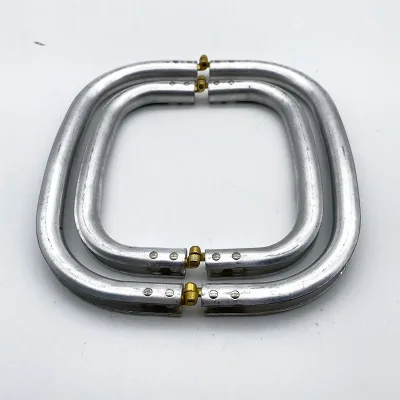
Aluminum Handles for Women's Hand Bags
$0.95 - $0.99
Guangzhou Yicheng Yichu Trade Ltd.
- Verified by SGS Group
- Trading Company
- Lead time5 days
- Avg. response≤ 2h
Main productsBag, Luggage Parts & Accessories, Garment Hardware Accessories, Shoe Hardware Accessories, Crafts Hardware Accessories, Pet Hardware Accessories
Main marketsNorth America(35%), Southeast Asia(20%), Western Europe(15%)
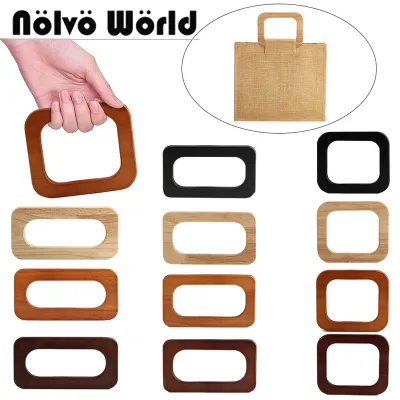
$0.7135 - $1.2202
MOQ: 100 Minimum
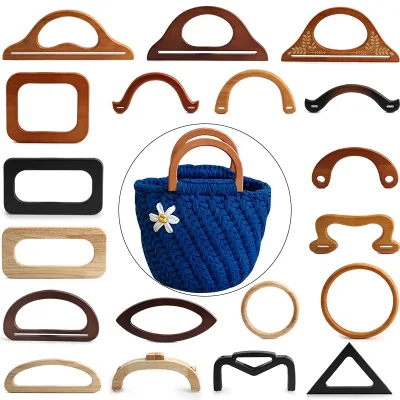
$0.78 - $1.50
MOQ: 200 Minimum
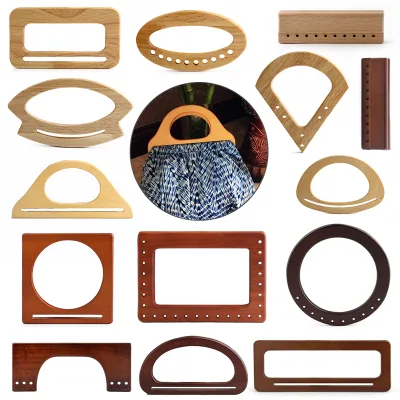

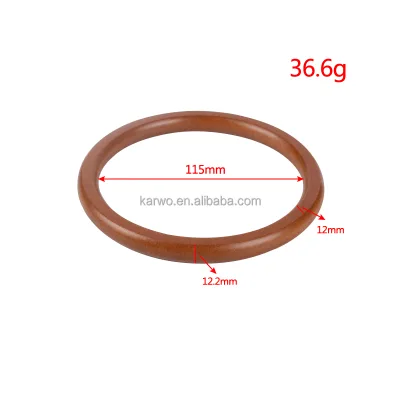
Factory Direct Round Wooden Handle Best Quality Custom DIY Making Wooden Handles for Handbag
$0.65 - $0.96
MOQ: 100 Minimum
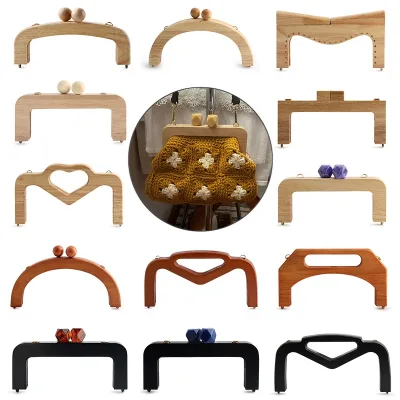
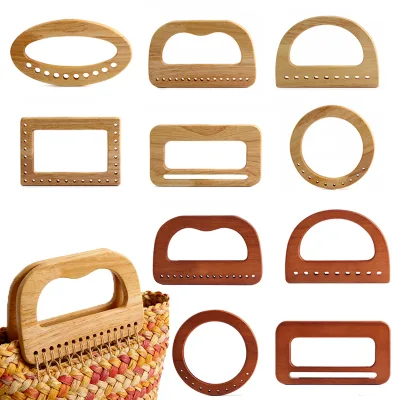
Shenzhen Xuancai Mofang Technology Co., Ltd.
- Trading Company, Buying Office, Agent
- Guangdong, China
- Lead time7 days
- Avg. response≤ 3h
Main productsKnit Bags,Crochet Bags,Women's Handbags,Evening Bags,Bag Components
Main marketsNorth America(15.00%), Southeast Asia(10.00%), Mid East(10.00%), South America(10.00%), Western Europe(5.00%), Eastern Asia(5.00%), Eastern Europe(5.00%), Oceania(5.00%), Africa(5.00%)
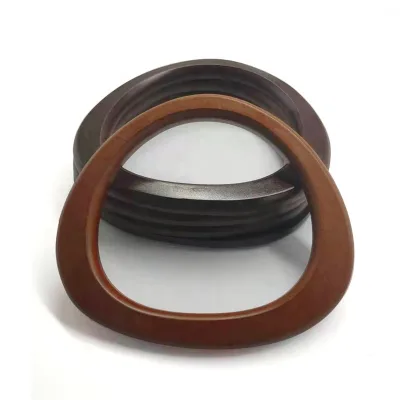
$0.9369 - $1.493
MOQ: 1 pieces
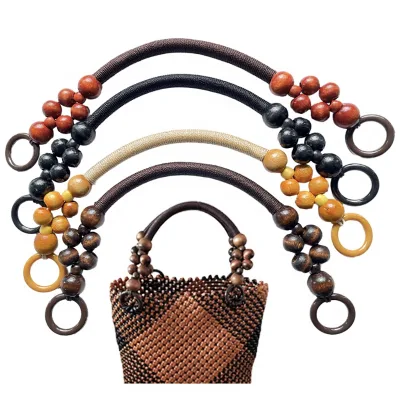
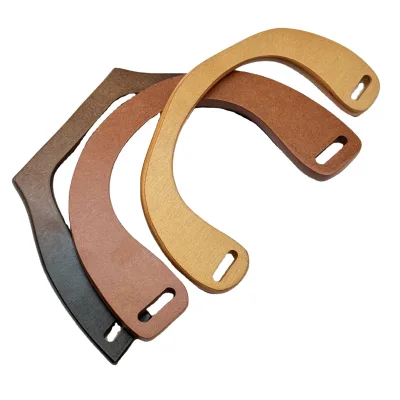
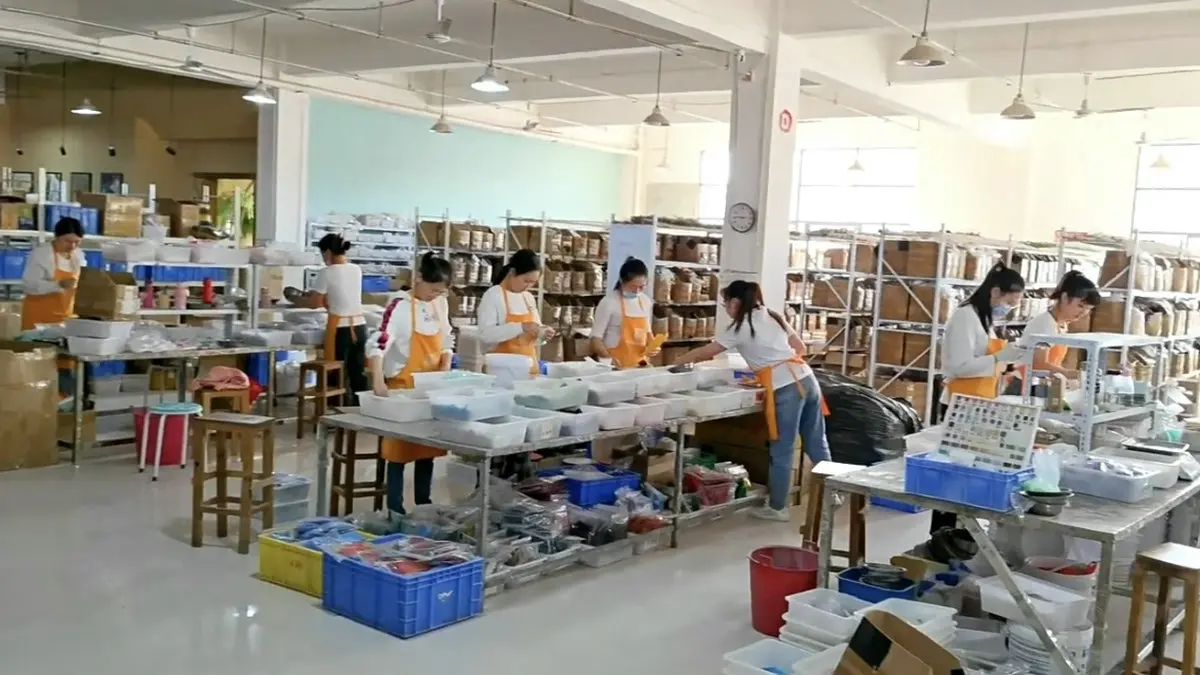
Ningbo Hongdao E-Commerce Ltd.
- Trading Company
- Zhejiang, China
- Lead time20 days
- Avg. response≤ 3h
Main productsCraft &Gift,crochet kit,Personal Care,sewing product,smoking product
Main marketsNorth America(55.00%), Southern Europe(5.00%), Northern Europe(5.00%), Central America(5.00%), Western Europe(5.00%), Eastern Asia(5.00%), Mid East(5.00%), Oceania(5.00%), Eastern Europe(5.00%), South America(5.00%)
Guangzhou Junshang Trading Co., Ltd.
- Verified by SGS Group
- Trading Company
- Lead time15 days
- Avg. response≤ 2h
Main productsPVC Leather, PU Leather, Semi PU Leather
Main marketsAfrica(25%), Southeast Asia(20%), Mid East(20%)
- Manufacturer, Trading Company
- Guangdong, China
- Lead time20 days
- Avg. response≤ 1h
Main productsBox Accessories, Bag Accessories, Purse Frame, Box Hinge, Bag Handle
Main marketsSouth America(10.00%), Western Europe(9.00%), Southern Europe(9.00%), Africa(9.00%), Mid East(9.00%), Eastern Asia(8.00%), North America(8.00%), Central America(8.00%), Northern Europe(8.00%), Eastern Europe(8.00%), Southeast Asia(8.00%), South Asia(2.00%), Oceania(2.00%), Domestic Market(2.00%)
Guangzhou Super Metal Manufacturing Co., Ltd.
- Manufacturer, Trading Company
- Guangdong, China
- Lead time15 days
- Avg. response≤ 5h
Main productsbuckle,hook,chain,metal lock,metal logo
Main marketsMid East(30.00%), North America(20.00%), South America(20.00%), Africa(10.00%), Domestic Market(5.00%), Central America(5.00%), Western Europe(5.00%), Eastern Asia(5.00%)
Huanggang Zhencai Trading Co., Ltd.
- Trading Company
- Hubei, China
- Lead time7 days
- Avg. response≤ 1h
Main productsbag accessory,travel accessory,bag chain,luggage tag,bag strap
Main marketsSouthern Europe(10.00%), Northern Europe(10.00%), Western Europe(10.00%), Eastern Asia(10.00%), Mid East(10.00%), Africa(10.00%), Southeast Asia(10.00%), Eastern Europe(10.00%), South America(10.00%), North America(10.00%)
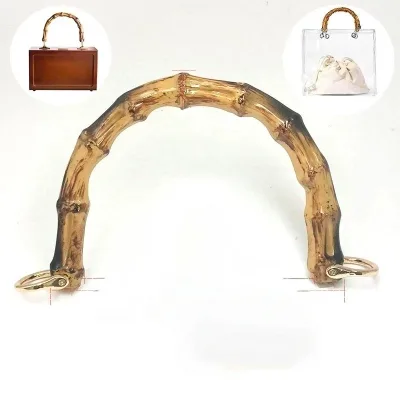
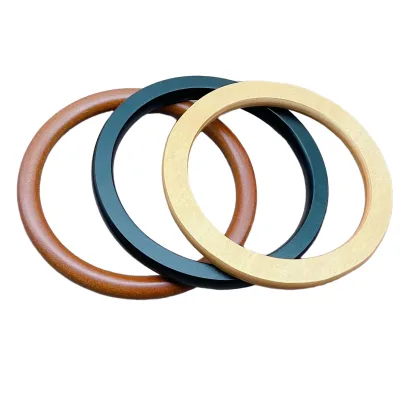
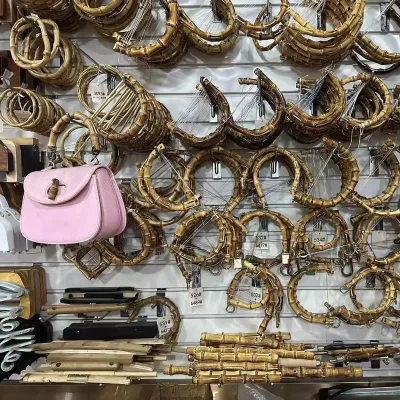
Bamboo Handle DIY Manual Bag Material Round Bamboo Circle Ring for Handbag Handle
$0.30 - $0.42
MOQ: 500






Comprehensive Sourcing Guide
Custom Wooden Handbag Handle Supplier Concentration and Factory Types
The current supplier landscape for custom wooden handbag handles reveals a distinct geographic concentration in Guangdong, China, which serves as a primary manufacturing hub for this specific accessory category. This region is well-established for its robust supply chain infrastructure, supporting both direct manufacturing and trading operations that cater to global demand for bag hardware and decorative elements. The presence of suppliers in this area indicates a mature ecosystem where raw material sourcing, particularly for wood and resin components, is streamlined, allowing for efficient production cycles. Buyers evaluating options will find that many entities operating from Guangdong are positioned to handle large volumes of orders, leveraging local logistics networks to facilitate export. This concentration is not merely a result of historical precedent but is driven by the availability of specialized labor and machinery required for precision woodworking and finishing processes essential for high-quality bag handles.
In addition to geographic clustering, the supplier base comprises a mix of manufacturer and trading company types, each offering distinct advantages for different sourcing strategies. Manufacturers typically provide greater control over the production process, allowing for deeper customization of materials, finishes, and structural designs for wooden handles. They are often better suited for buyers who require strict quality assurance protocols and direct communication regarding production timelines. Conversely, trading companies may offer a broader portfolio of styles, including acrylic chains, resin arms, and various wooden clamps, providing one-stop shopping convenience for buyers sourcing multiple accessory types. These entities often excel in flexibility and customer service, acting as intermediaries who can aggregate orders from multiple factories to meet specific volume requirements. Understanding this dichotomy is crucial for buyers to align their procurement goals with the appropriate supplier type, whether they prioritize direct factory engagement or diversified product availability.
How to Verify Custom Wooden Handbag Handle Suppliers
Verifying the legitimacy and capability of suppliers requires a multi-layered approach that goes beyond surface-level profile reviews. Buyers should prioritize suppliers who demonstrate transparent operational metrics, such as response times and established business histories. For instance, some suppliers in the current results show response times of nine hours, while others indicate six hours, which can serve as an initial indicator of operational efficiency and customer service readiness. A faster response time often correlates with a more agile organization capable of handling urgent inquiries and custom requests. However, response speed alone is insufficient; buyers must cross-reference this with other verifiable data points. Checking for consistent product listings with detailed specifications, such as model numbers, material compositions, and origin details, helps confirm that the supplier has a genuine inventory and production capability rather than just acting as a listing aggregator.
Furthermore, buyers should scrutinize the specific product attributes provided to ensure they align with their quality standards. Detailed product evidence, including single package sizes, gross weights, and specific material descriptions like "woodenproduct" or "solid wood," provides tangible proof of the supplier's attention to detail. For example, listings that specify exact dimensions such as 14cm or 25cm for handles, along with corresponding model numbers like M1120 or UIH107, suggest a standardized production process. Buyers should also look for suppliers who provide comprehensive product keywords and category classifications, such as "Luggage, Bags & Cases" or "DIY Bag Accessories," as this indicates a focused expertise in the niche. Additionally, verifying the place of origin, whether listed as Guangdong or Zhejiang, allows buyers to assess the regional manufacturing strengths. Suppliers who consistently provide accurate and detailed product data are more likely to deliver on their promises, reducing the risk of receiving substandard or mismatched goods.
What to Compare Across Custom Wooden Handbag Handle Suppliers
When evaluating multiple suppliers, buyers must systematically compare key commercial and operational dimensions to identify the most suitable partner. One critical factor is the Minimum Order Quantity (MOQ), which varies significantly across the market. Some suppliers may require an MOQ of 100 pieces, making them accessible for smaller businesses or trial orders, while others might demand 500 pieces, catering to larger volume purchasers. Understanding these thresholds is essential for budget planning and inventory management. Buyers should also compare price ranges, which can fluctuate based on material quality, design complexity, and order volume. For example, prices for wooden handles may range from approximately $1.44 to $5.70 per unit, depending on factors such as size, finish, and customization level. Comparing these price points against the specified MOQ helps buyers calculate the total cost of acquisition and determine the most cost-effective option for their specific needs.
Another vital aspect of comparison is the lead time and production capacity, although specific lead time data may not always be explicitly stated in initial listings. Buyers should inquire directly about production schedules to understand how quickly orders can be fulfilled. Additionally, comparing the range of main products offered by each supplier can reveal their versatility. Some suppliers focus exclusively on bag parts and garment accessories, while others offer a diverse array of items including acrylic chains and resin components. This diversity can be advantageous for buyers seeking to consolidate their sourcing efforts. Furthermore, buyers should assess the supplier's ability to handle custom requests, as indicated by product attributes such as "custom: accept" or specific brand name options. By systematically comparing MOQs, prices, product ranges, and customization capabilities, buyers can make informed decisions that balance cost, quality, and operational efficiency.
Common Custom Wooden Handbag Handle Sourcing Risks
Sourcing custom wooden handbag handles involves several inherent risks that buyers must proactively manage to ensure a smooth procurement process. One significant risk is the variability in material quality and consistency. Wood is a natural material, and variations in grain, color, and density can affect the final appearance and durability of the handles. Buyers must ensure that suppliers have robust quality control measures in place to minimize these variations. Additionally, the risk of miscommunication regarding custom specifications is high, especially when dealing with intricate designs or specific finish requirements. If the supplier's understanding of the design does not align with the buyer's expectations, it can lead to costly rework or rejected shipments. To mitigate this, buyers should request detailed prototypes or samples before committing to large orders, ensuring that the final product meets their exact standards.
Another common risk is the discrepancy between listed product attributes and the actual goods received. For instance, discrepancies in package dimensions, gross weight, or material composition can occur if the supplier does not adhere to the provided specifications. Buyers should verify that the supplier's listed attributes, such as single package size or material type, match the actual product. Additionally, there is a risk associated with logistics and shipping, particularly if the supplier does not have a clear port of dispatch or shipping protocol. For example, some listings mention specific ports like Huangpu Port, which can impact shipping costs and transit times. Buyers should also be cautious of suppliers who do not provide clear information about their business type, whether they are manufacturers or trading companies, as this can affect pricing and control over the production process. By identifying and addressing these risks early in the sourcing process, buyers can protect their interests and ensure a successful partnership.
Custom Wooden Handbag Handle Regional Sourcing and Logistics
Regional sourcing plays a pivotal role in determining the efficiency and cost-effectiveness of procuring custom wooden handbag handles. The concentration of suppliers in Guangdong, China, offers significant logistical advantages due to the region's advanced infrastructure and proximity to major shipping ports. This geographic clustering facilitates faster turnaround times and reduces transportation costs, making it an attractive destination for buyers seeking reliable supply chains. Additionally, the presence of suppliers in other regions, such as Zhejiang, China, provides alternative sourcing options that may offer different pricing structures or specialized expertise. Buyers should consider the logistical implications of sourcing from different regions, including transit times, customs procedures, and potential tariffs. Understanding these factors allows buyers to optimize their supply chain and minimize disruptions.
Logistics planning also involves selecting the appropriate port of dispatch and shipping method. Some suppliers specify their port of dispatch, such as Huangpu Port, which can influence the overall shipping strategy. Buyers should coordinate with their freight forwarders to ensure that the chosen port aligns with their destination and budget. Additionally, buyers should consider the packaging requirements for wooden handles, as improper packaging can lead to damage during transit. Suppliers who provide detailed single package sizes and gross weights enable buyers to calculate shipping volumes and costs accurately. By carefully evaluating regional sourcing options and logistics details, buyers can establish a robust supply chain that supports their business goals. This includes negotiating favorable shipping terms and ensuring that the supplier's logistical capabilities meet their operational needs.
Custom Wooden Handbag Handle Commercial Terms and Order Planning
Effective order planning for custom wooden handbag handles requires a thorough understanding of commercial terms and financial implications. Buyers must carefully review the pricing structures, which can vary based on order volume, material selection, and customization requirements. For instance, prices may range from $1.44 to $5.70 per unit, depending on the specific product attributes and supplier policies. Buyers should also consider the Minimum Order Quantity (MOQ) requirements, which can impact cash flow and inventory management. Suppliers with lower MOQs, such as 100 pieces, offer greater flexibility for small businesses, while those with higher MOQs, like 500 pieces, may provide better unit prices for larger orders. Understanding these commercial terms allows buyers to align their purchasing strategy with their financial capabilities and market demand.
Additionally, buyers should establish clear communication channels with suppliers to discuss payment terms, delivery schedules, and after-sales support. While specific payment terms may not always be detailed in initial listings, buyers should negotiate favorable conditions that protect their interests. It is also important to verify the supplier's response time and customer service quality, as these factors can influence the overall sourcing experience. Suppliers with faster response times, such as six or nine hours, are often more responsive to inquiries and issues. By carefully planning orders and negotiating commercial terms, buyers can build a sustainable and efficient sourcing relationship. This includes setting realistic expectations for lead times and ensuring that the supplier's capabilities align with the buyer's production schedule. Ultimately, a well-planned approach to commercial terms and order management is essential for successful procurement of custom wooden handbag handles.
FAQs
Where are these wooden handbag handles manufactured?
Most listed products originate from Guangdong, China, with some items sourced from Zhejiang. Buyers should verify the specific place of origin for each supplier to ensure alignment with regional logistics and quality standards before placing orders.
What is the minimum order quantity for custom handles?
Minimum order quantities vary by supplier, with some requiring 100 pieces while others set the threshold at 500 pieces. Buyers must check individual product listings to confirm the specific MOQ applicable to their custom design requirements.
How quickly do suppliers typically respond to inquiries?
Response times observed in the current results range from 6 to 9 hours. This indicates a generally prompt communication environment, though buyers should still confirm real-time availability directly with the specific supplier before finalizing any purchase agreement.
What materials are used for these bag accessories?
The primary material specified for these handles is wood, including solid wood and wooden products. Some listings also mention acrylic chains and resin arms as complementary accessories, but the core handle components are consistently identified as wooden.
What is the price range for wooden bag handles?
Unit prices for these accessories range from approximately 1.44 to 5.70 per item depending on size and design. Specific models like hexagon handles start near 1.44, while larger vintage styles can reach up to 5.70 per unit.
Are custom designs available for these wooden handles?
Yes, several suppliers explicitly accept custom orders for wooden bag handles. Buyers can request specific sizes, colors, and branding, such as the San Rui or Shengge Shi styles, to match their unique handbag designs and functional requirements.
What is the typical lead time for these products?
The current data shows a lead time of 0 for some listings, which may indicate immediate availability or a placeholder value. Buyers should verify the actual production and shipping timeline with the supplier to ensure it meets their project deadlines.