Customized Printing Plantain Slicer Suppliers and Manufacturers
Explore 35 verified suppliers offering Customized Printing Plantain Slicer options with varying lead times, certifications, and response speeds. Compare dimensions, voltage, and material specs to select the right factory for your production needs; review the available evidence before requesting comparable quotations from suitable candidates.
Updated
Suppliers List

Henan Simplot Intelligent Technology Co., Ltd.
- Verified by TUVRHEINLAND
- Combined
- China Henan
- Lead time60 days
- Avg. response≤ 5h
Main productsPotato Chips Production Line, French Fries Production Line, Frozen French Fries Production Line, Vegetable & Fruit Washing Line, Vegetable & Fruit Frying Line, Vegetable & Fruit Drying Line, Quick Freezing (IQF) Line, Nut Roasting & Frying Line
Main marketsSouth America,Europe

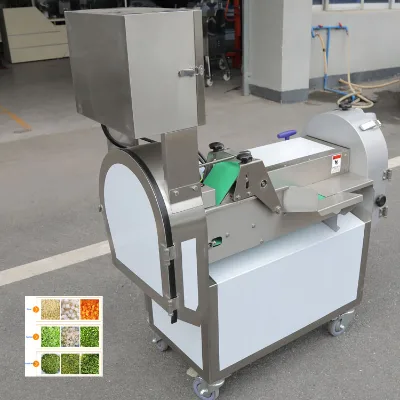
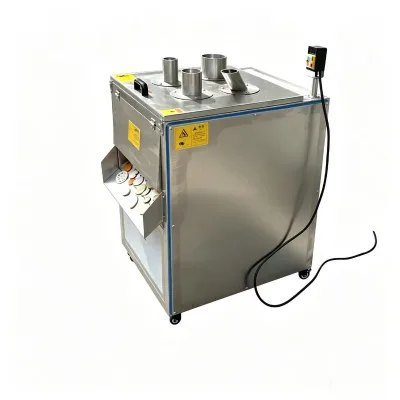
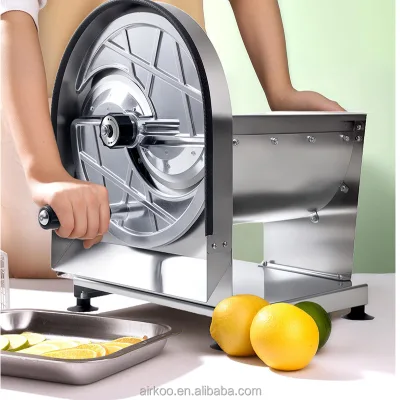
Heavy Duty Food Slicer Machine Stainless Steel Adjustable Speed Vegetable Fruit Slicer
$1320.00 - $1435.00
MOQ: 1 Sets

Hot Sale Industrial Food Slicing Machine Adjustable Thickness Vegetable Slicer
$1320.00 - $1430.00
MOQ: 1 Sets

$1390.00 - $1530.00
MOQ: 1 Sets

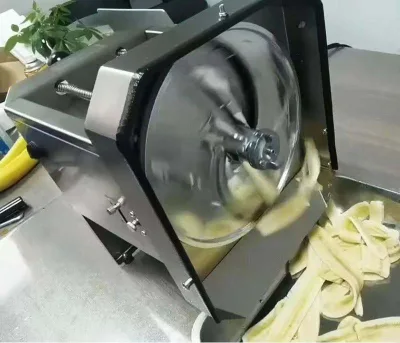
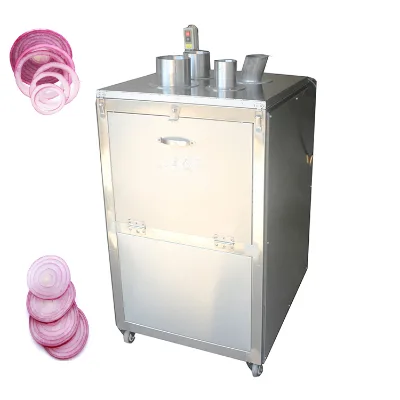
High Efficiency Press Down Slicer Adjustable Thickness for Potato Apple Lemon Banana Onion
$1099.00 - $1522.00
MOQ: 1 Sets

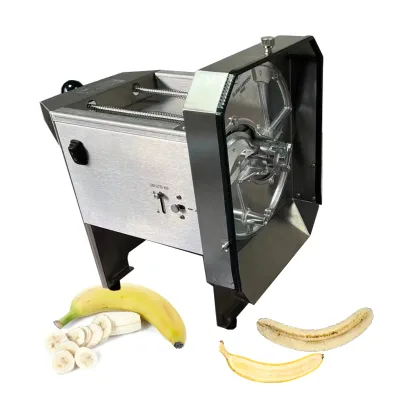
High-Quality 304 Stainless Steel Down-Press Slicer Banana Slicer Potato Slicer Carrot Slicer
$1390.00 - $1540.00
MOQ: 1 Sets

High- Quality Down-Press Slicer Banana Slicer Potato Slicer Made of 304 Stainless Steel
$1390.00 - $1520.00
MOQ: 1 Sets

Luohe Xingdian Electromechanical Equipment Co., Ltd.
- Verified by BV
- Manufacturer/Factory
- China Henan
- Lead time0 days
- Avg. response≤ 2h
Main productsDrilling Rig, Meat Process Machine, Farm Machine, Packing Machine, Vegetable Process Machine, Textile Machine, Food Machine, Embroidery Machine, Construction Products, Industrial Product
Main marketsSouth America,Eastern Europe,Mid East,North America,Southeast Asia,Eastern Asia,Oceania,Western Europe,Africa
Jingdezhen Huiju Technologies Co., Ltd.
- Manufacturer, Trading Company
- Lead time旺季: "1 - 1":15,"> 1":"To be negotiated", 淡季: "1 - 1":15,"> 1":"To be negotiated"
- Avg. response≤ 3h
Main productsOil Press Machine, Egg Incubator, Poultry Feed Pellet Machine

Liuzhou Lian United Knives Co., Ltd.
- Verified by SGS
- Combined
- China Guangxi
- Lead time15 days
- Avg. response≤ 6h
Main productsMachine Knives, Blades, Shredder Knife, Doner Kebab Knife, Paper Cutting Knife
Main marketsEurope

Taizhou Shangyi Plastic Co., Ltd.
- Verified by TUVRHEINLAND
- Trading Company
- China Zhejiang
- Lead time23 days
- Avg. response≤ 20h
Main productsFood Container, Storage Container, Lunch Box, Bento Box, Plastic Laundry Basket, Plastic Storage Container, Plastic Cutting Board
Main marketsSouth America,Southeast Asia/ Mideast
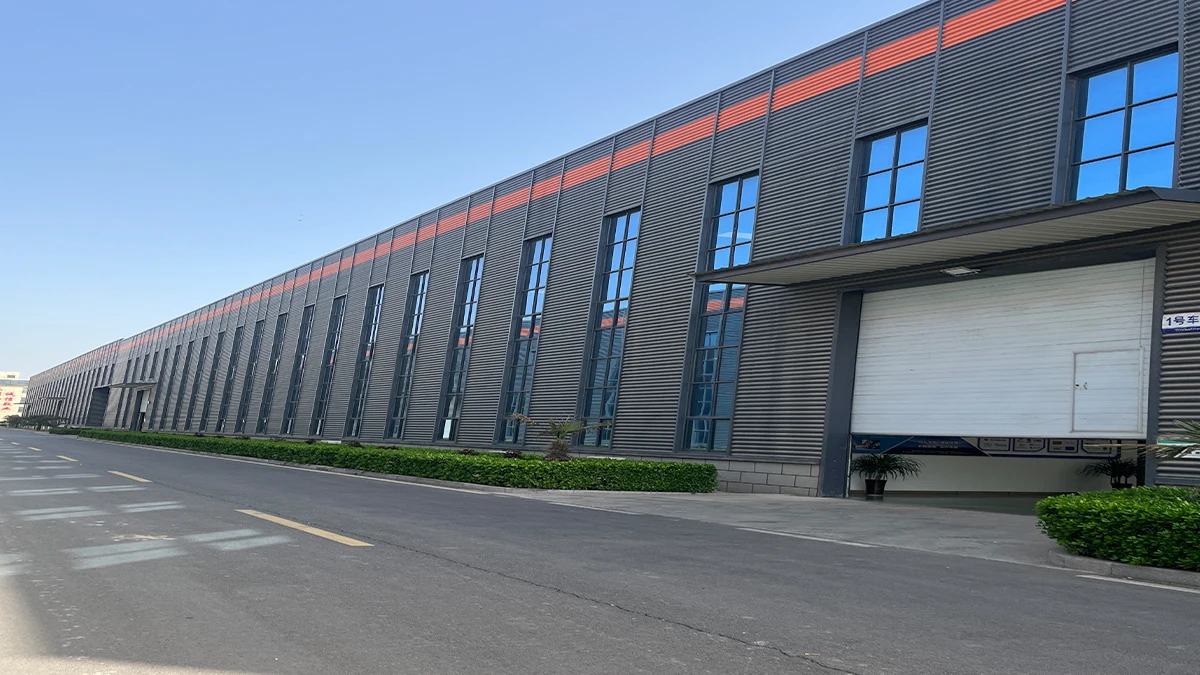
Henan Daheng Machinery CO., LTD.
- Trading Company
- Henan, China
- Lead time3 days
- Avg. response≤ 5h
Main productsFood Machine,Farm Machine,Packaging Machine,Coal and Charcoal Briquette Machine,Plastic Recycling Machine
Main marketsAfrica(30.00%), South America(25.00%), Domestic Market(15.00%), Mid East(8.00%), Eastern Asia(5.00%), Southeast Asia(3.00%), Eastern Europe(2.00%), South Asia(2.00%), Southern Europe(2.00%), Northern Europe(2.00%), Western Europe(2.00%), North America(2.00%), Oceania(2.00%)
Danyang Zhanyang Metal Products Co., Ltd.
- Trading Company
- Jiangsu, China
- Lead time10 days
- Avg. response≤ 5h
Main productskitchen drainer,home using storing rack,home using storing trolley,corten steel garden fence,barbecue grill
Main marketsEastern Europe(25.00%), South America(20.00%), Central America(10.00%), Mid East(10.00%), North America(10.00%), Southern Europe(5.00%), Western Europe(5.00%), Northern Europe(5.00%), Southeast Asia(5.00%), South Asia(3.00%), Eastern Asia(3.00%), Africa(2.00%)
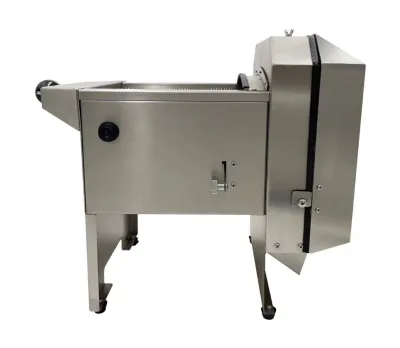
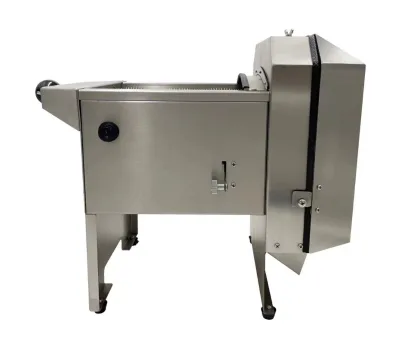
Factory Supply Banana Chips Cutter Machine Banana Long Chips Machine Slicer
$120.00 - $145.00
MOQ: 3 pieces
Luohe Langrui Electromechanical Equipment Co., Ltd.
- Verified by TüVRheinland
- Trading Company
- Lead time15 days
- Avg. response≤ 2h
Main productsFruit And Vegetable Processing Equipment, Meat Processing Machinery, Nut Processing Machinery, Snack Processing Machinery, Packaging Machinery
Main marketsAfrica(25%), North America(20%), Southeast Asia(18%)
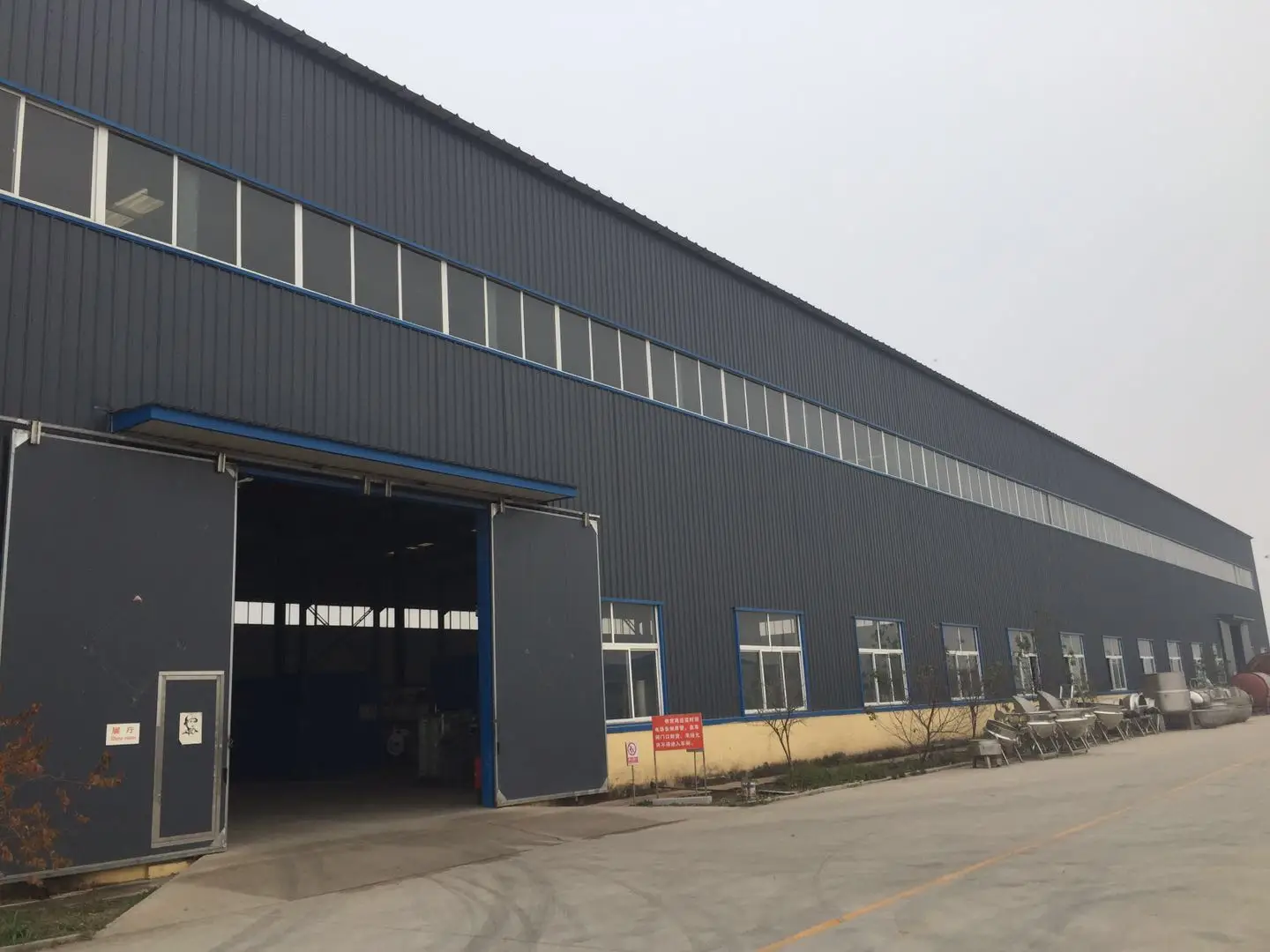
Zhengzhou Katto Machinery Equipment Co., Ltd.
- Trading Company
- Henan, China
- Lead time5 days
- Avg. response≤ 2h
Main productsfruit &vegetables process machinery,meat process machinery,food process machine,Agricultural machinery
Main marketsSouth America(23.00%), Southeast Asia(23.00%), Mid East(12.00%), Africa(12.00%), North America(12.00%), Southern Europe(10.00%), Central America(3.00%), Domestic Market(1.00%), South Asia(1.00%), Eastern Asia(1.00%), Northern Europe(1.00%)

Shanxi Jingwei Chemical Fiber Machinery Co.,Ltd
- Verified by BV
- Combined
- China Shanxi
- Lead time15 days
- Avg. response≤ 18h
Main productsgear pump
Main marketsOthers(foreignTradeCapacity.exportBusinessCapacityMarketOther),Domestic

Zhengzhou Bogen Machinery Equipment Co., Ltd.
- Verified by CTI
- Trading Company
- China Henan
- Lead time30 days
- Avg. response≤ 2h
Main productsPeanut Butter Machine, Spice Grinder, Meat Grinder, Meat Slicer, Meat Chopper, Potato Washing and Peeling Machine, Vegetables and Fruits Cutting Machine, Sausage Stuffer, Sausage Filler, Sausage Making Machine
Main marketsAfrica,Europe,North America
Hunan Kangxin Technology Co., Ltd.
- Verified by SGS Group
- Trading Company
- Lead time15 days
- Avg. response≤ 2h
Main productsDumpling Machine, Food Machinery, Oven, Baking Machinery, Refrigeration Equipment
Main marketsDomestic Market(40%), North America(20%), Western Europe(20%)

Hunan Dongfanghong Electromechanical Manufacturing Co., Ltd.
- Combined
- China Hunan
- Lead time30 days
- Avg. response≤ 12h
Main productsChaff Cutter, AC Motor, Corn Sheller, Feed Pellet Machine, Rice Milling Machine, Potato Grater, Feed Granulator, Fodder Chopper, Grinder Machine
Main marketsSoutheast Asia/ Mideast,Domestic,North America

Jinjiang Jiaxing Supply Management Co., Ltd.
- Verified by TUVRHEINLAND
- Trading Company
- China Fujian
- Lead time30 days
- Avg. response≤ 2h
Main productsEVA Clogs, Flip Flop, Shoe Charms, Shopping Bags, Wristbands, Gifts, Promotional Gifts, Slipper, Sport Cap, Ball
Main marketsNorth America
- Verified by Intertek
- Trading Company
- Lead time7 days
- Avg. response≤ 1h
Main productsFruit Vegetable Machine, Meat Processing Machine, Pastry Bakery Machine, Snack Machine, Feed Processing Machine
Foshan Shunde Maoduoyu Trading Co., Ltd.
- Manufacturer, Trading Company, Distributor/Wholesaler
- Guangdong, China
- Lead time0 days
- Avg. response≤ 1h
Main productsIndustrial machinery,Commercial machinery,Packaging machinery,Filling machinery,Food machinery
Main marketsNorth America(50.00%), Southeast Asia(10.00%), Mid East(10.00%), Central America(10.00%), Domestic Market(5.00%), Western Europe(5.00%), Northern Europe(3.00%), South Asia(2.00%), Oceania(1.00%), Eastern Asia(1.00%), Eastern Europe(1.00%), South America(1.00%), Africa(1.00%)
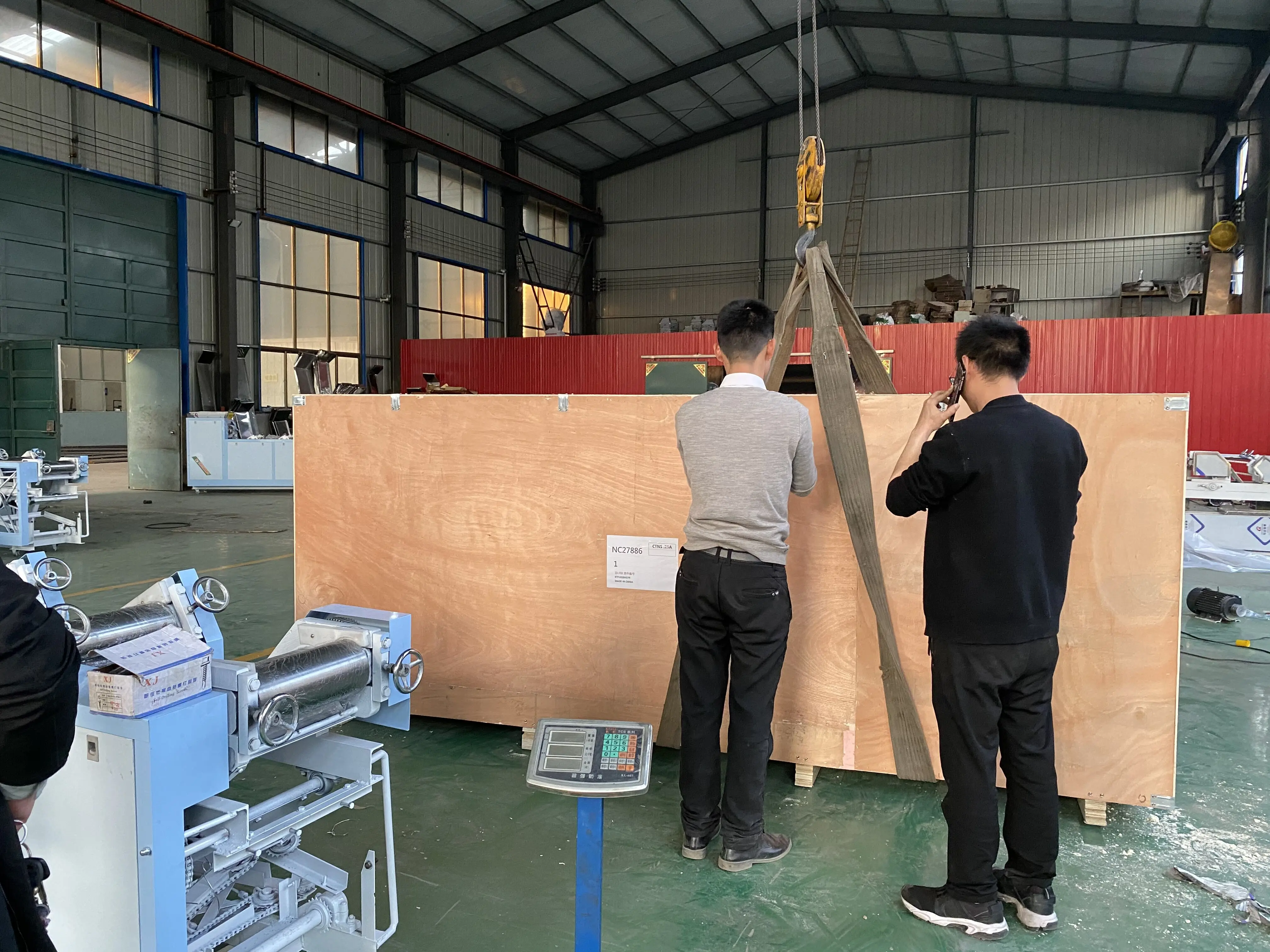
Xingtai Xiangwei Commercial Co., Ltd.
- Trading Company
- Hebei, China
- Lead time7 days
- Avg. response≤ 2h
Main productsDumpling Making Machine,Vegetable Cutting Machine,Meat Cutting Machine,Baozi Making machine,Vegetable Washing Machine
Main marketsNorthern Europe(12.00%), Oceania(11.00%), Eastern Asia(10.00%), North America(10.00%), South Asia(8.00%), Southern Europe(8.00%), Central America(8.00%), Western Europe(8.00%), Mid East(5.00%), Eastern Europe(5.00%), South America(5.00%), Domestic Market(5.00%), Southeast Asia(4.00%), Africa(1.00%)

Zhucheng Lijie Food Machinery Co.,Ltd.
- Verified by BV
- Combined
- China Shandong
- Lead time30 days
- Avg. response≤ 2h
Main productsPotato Chips Frying Machine, Hot Air Drying Machine, Bubble Washing Machine, Fruit&Vegetable Cutting Machine, Frying Machine, Air Drying Machine, Washing and Hot Air Drying Line, Frozen French Fries Production Line, Turnover Basket Washing Machine, Auxiliary Machine
Main marketsAfrica,Southeast Asia/ Mideast,East Asia(Japan/ South Korea)

ZHUCHENG MBC INDUSTRIAL & TRADING CO., LTD.
- Verified by TUVRHEINLAND
- Combined
- China Shandong
- Lead time15 days
- Avg. response≤ 5h
Main productsFruit & Vegetable Processing Lines, Industrial Jacketed Kettles with Mixer, Retort Sterilizers & Pasteurizers, Frying & Cooking Systems, Tunnel Pasteurization Machine, Food Fryer, Vegetable Cutting Machine, Vacuum Cooking & Concentrating Equipment, Food Sterilizer, Potato Processing French Fries Production Line
Main marketsSouth America,Africa,Southeast Asia/ Mideast,Europe,North America

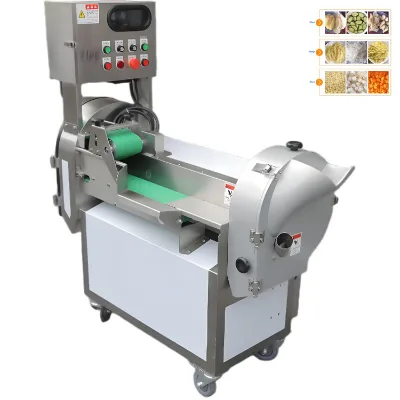
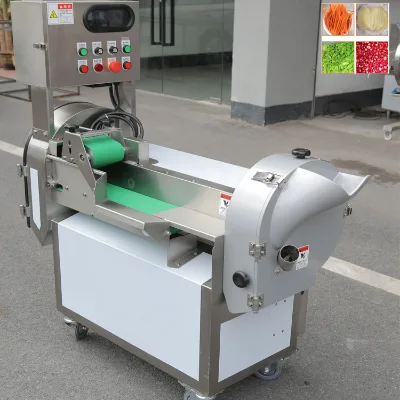
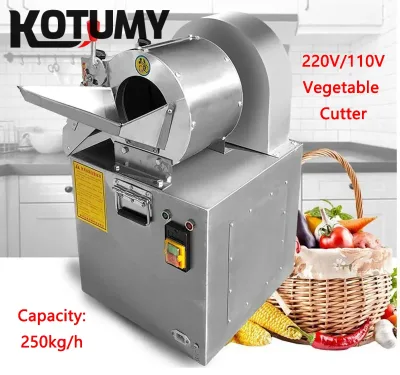
New Arrivals Hot Sale Stainless Steel Customized vegetable slicer/lettuce cutter
$2600.00 - $5800.00
MOQ: 1 Sets


- Verified by SGS
- Combined
- China Jiangxi
- Lead time30 days
- Avg. response≤ 3h
Main productsMeat Cutting Machine, Meat Grinder Machine, Precision Sausage Filling Equipment, Meatball Emulsifier Machinery, Meatball Forming Machine, Multi-Purpose Vegetable Cutter, Pre-Cut Vegetable Processing Equipment, Slicing Dicing & Julienning Equipment, Fish Processing Equipment, Food Packaging Equipment
Main marketsSoutheast Asia/ Mideast

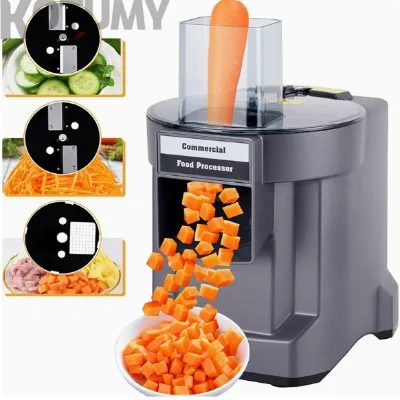
Automatic Vegetable Slicer with Advanced Safety Features for Fast Results
$4900.00 - $6700.00
MOQ: 1 Pieces


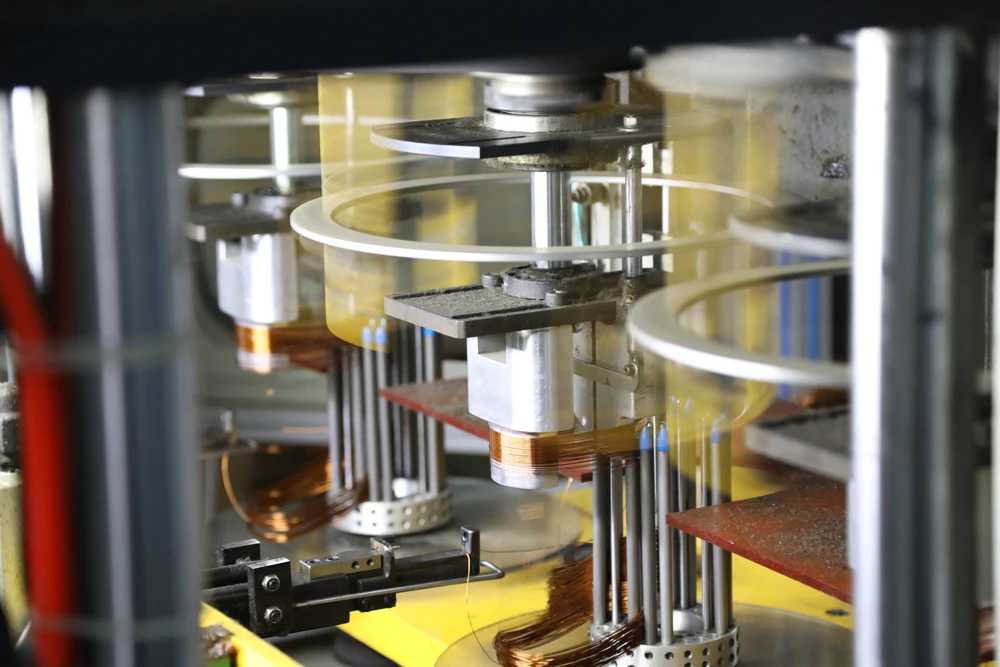
Dongguan Airkoo Technology Co., Ltd.
- Manufacturer, Trading Company
- Guangdong, China
- Lead time15 days
- Avg. response≤ 2h
Main productsAC/EC/DC Axial Fans,AC/EC/DC blower fans,exhaust fans,oscillation fans,food processing machinery
Main marketsAfrica(20.00%), North America(10.00%), Northern Europe(10.00%), Western Europe(10.00%), Mid East(10.00%), Oceania(10.00%), Southeast Asia(10.00%), Eastern Europe(10.00%), South America(10.00%)
Ningbo Partner Leisure Products Co., Ltd.
- Trading Company
- Zhejiang, China
- Lead time0 days
- Avg. response≤ 8h
Main productspet supplies,cooker,kitchen accessories,egg incubator,storage box
Main marketsNorth America(80.00%), South America(15.00%), Eastern Europe(5.00%)
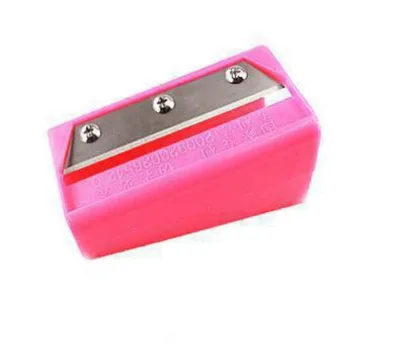
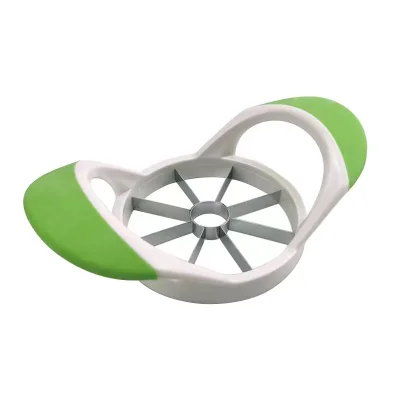
Handhold Chopper Cutter for Slicing Vegetables Fruits Slicer Plastic Slicer
$0.7205 - $1.0291
MOQ: 100 pieces
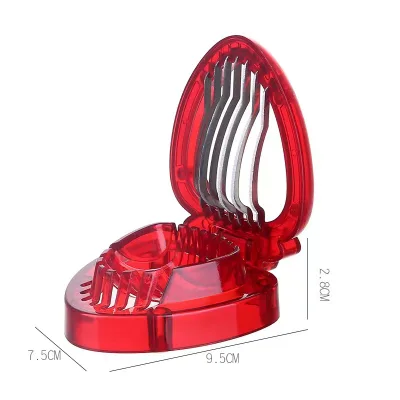
Stainless Steel Strawberry Cutter Fruit and Vegetable Sheller Strawberry Slicer with Core Remover
$0.65 - $0.90
MOQ: 100 pieces



Zhengzhou Honest Machinery Co., Ltd.
- Trading Company,Manufacturer/Factory
- China Henan
- Lead time15 days
- Avg. response≤ 6h
Main productsFood Machinery, Packing Machines, Microwave Equipment, Drying Machines, Grain Product Making Machines, Commodity Making Machines, Texitle Machines, Construction Machinery
Main marketsSouth America,Eastern Europe,Mid East,North America,Southeast Asia,Eastern Asia,Oceania,Western Europe,Africa

High Efficiency Vegetable Cutter / Potato Slicing Machine / Banana Slicer
$589.00 - $789.00
MOQ: 1 Sets

Potato Cutter / Potato Cutting Machine / Tomato Dicer / Vegetable Dicer Machine / Vegetable Slicer
$899.00 - $1089.00
MOQ: 1 set
Henan Shanpu Machinery Equipment Co., Ltd.
- Trading Company
- Henan, China
- Lead time0 days
- Avg. response≤ 2h
Main productsoil press machine,package machine,juicer machine,Woodworking machinery,Rubber and plastic machinery
Main marketsNorth America(15.00%), Mid East(10.00%), Northern Europe(10.00%), Western Europe(10.00%), Southeast Asia(10.00%), Eastern Europe(10.00%), Southern Europe(10.00%), Oceania(5.00%), South Asia(5.00%), Africa(5.00%), South America(5.00%), Central America(2.00%), Eastern Asia(2.00%), Domestic Market(1.00%)

Luohe Quality Mechanical Equipment Co., Ltd.
- Verified by SGS
- Manufacturer/Factory
- China Henan
- Lead time23 days
- Avg. response≤ 5h
Main productsJuice Extractor, Sausage Making Machine, Pita Bread Machine, Biscuit Making Machine
Main marketsSouth America,Eastern Europe,North America,Eastern Asia,Western Europe

Slicer Fruit Potato Onion Cutter Vegetable Cutter Chopper Vegetable Cutter
$1700.00 - $2000.00
MOQ: 1 Pieces


Zhengzhou Hento Machinery Co., Ltd.
- Verified by SGS
- Trading Company,Manufacturer/Factory,Group Corporation
- China Henan
- Lead time15 days
- Avg. response≤ 7h
Main productsMeat Processing Machinery, Egg Processing Machinery, Dairy Processing Machinery, Fruit & Vegetable Processing Machinery, Grain Product Making Machines, Snack Machines, Nuts Processing Machinery, Packing Machines, Drying Machines, Commodity Making Machines
Main marketsSouth America,Eastern Europe,Mid East,North America,Southeast Asia,Eastern Asia,Oceania,Western Europe,Africa

Fruit Cutter / Potato Slicer / Vegetable Cutter / Banana Slicer Machine / Banana Cutting Machine
$749.00 - $999.00
MOQ: 1 set


Zhengzhou Jiewei Machinery Equipment Co., Ltd.
- Verified by TUVRHEINLAND
- Trading Company,Manufacturer/Factory
- China Henan
- Lead time15 days
- Avg. response≤ 4h
Main productsAnimal Feed Grinding Machine, Oil Press Machine, Wood Rod Making Machine, Colliod Mill
Main marketsEastern Europe,Mid East,North America,Western Europe,Africa
Henan Huanor Import And Export Trade Co., Ltd.
- Verified by TüVRheinland
- Trading Company
- Lead time0 days
- Avg. response≤ 6h
Main productsMeat Grinder, Bowl Cutter, Slicer, Beef Patty Machine
Main marketsNorth America(20%), Western Europe(20%), Eastern Europe(8%)

Zhengzhou Sunshine Machinery Co., Ltd.
- Trading Company,Manufacturer/Factory
- China Henan
- Lead time15 days
- Avg. response≤ 2h
Main productsOil Processing Machine, Grain Processing Machine, Nut Processing Machine, Fruit/Vegetable Processing Machine, Food Machine, Briquette Making Machine, Moisture Meter, Dewatering Machine, Food Machinery, Food Processor
Main marketsSouth America,Eastern Europe,Mid East,North America,Southeast Asia,Eastern Asia,Oceania,Western Europe,Africa

Zhucheng Qihao Machinery Co., Ltd
- Verified by CTI
- Manufacturer/Factory
- China Shandong
- Lead time0 days
- Avg. response≤ 2h
Main productsFood Processing Machinery, Food Packaging Machine, Sausage Making Machine, French Fries Production Line, Meatball Production Line, Smoking Oven, Crate Washing Machine, Vegetable Washing/Cutting Machine, Chicken Slaughtering Machine, PP Tray

- Verified by BV
- Combined
- China Guangdong
- Lead time15 days
- Avg. response≤ 4h
Main productsHood Type Dishwasher, Conveyor Type Dishwasher, Ultrasonic Dishwasher, Undercounter Dishwasher, Bakery Equipment, Food Processor
Main marketsSouth America,Africa,Others(foreignTradeCapacity.exportBusinessCapacityMarketOther),North America

Linyi Orient Sun Machinery Co., Ltd
- Verified by SGS
- Manufacturer/Factory
- China Shandong
- Lead time45 days
- Avg. response≤ 10h
Main productsMeat Grinder Machine, Bone Saw Machine, Meat Mixer, French Fry Cutter, Sausage Stuffer, Frozen Meat Slicer, Band Saw Blades
Main marketsSouth America,Eastern Europe,Mid East,North America,Southeast Asia,Western Europe,Africa

Henan Chanda Machinery Co., Ltd
- Verified by SGS
- Trading Company,Manufacturer/Factory
- China Henan
- Lead time15 days
- Avg. response≤ 4h
Main productsFood Machine, Vegetable Cutting Machine, Bun Making Machine, Roti Making Machine, Samosa Making Machine, Skin Vacuum Packing Machine, Peeling Machine, Tablet Press Machine, Noodle Boiler, Meat Cutting Machine
Main marketsSouth America,Eastern Europe,Mid East,North America,Southeast Asia,Eastern Asia,Oceania,Western Europe,Africa

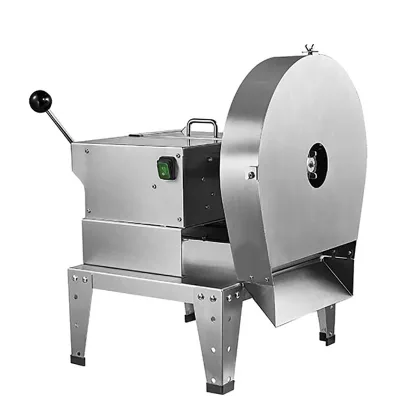
Commercial Small Potato Lemon Slicer Electric Automatic Vegetable Slicer
$145.00 - $150.00
MOQ: 1 Pieces

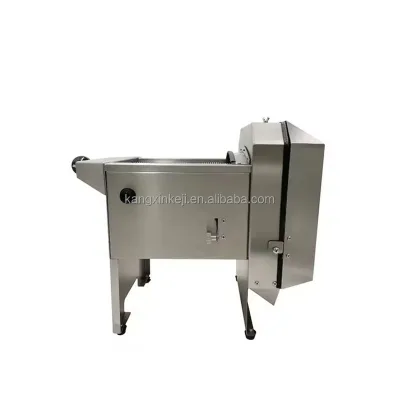
Industrial Multi-Function Fruit and Vegetable Slicer Cutter Fruit Vegetable Dicer
$1150.00 - $1200.00
MOQ: 1 Pieces

Zhengzhou Lerford Machinery Equipment Co., Ltd.
- Verified by SGS
- Trading Company
- China Henan
- Lead time15 days
- Avg. response≤ 5h
Main productsPellet Machine, Packing Machine, Vegetable Processing Machine, Fruit Washing Machine, Dryer Machine, Briquette Machine, Toothpick Machine, Snack Machine, Oil Press, Potato Chips Machine
Main marketsSouth America,Africa,Others(foreignTradeCapacity.exportBusinessCapacityMarketOther),Europe,North America

Foshan Nanhai Sunleaf Metal Products Co., Ltd.
- Verified by SGS
- Combined
- China Guangdong
- Lead time30 days
- Avg. response≤ 2h
Main marketsEurope,North America

Ergonomic Light Green Vegetable Slicer for Effortless Salad Preparation
$58.00 - $62.00
MOQ: 50 Pieces

Professional Vegetable Slicer with Precision Sharp Blades for Easy Meal Prep
$60.00 - $65.00
MOQ: 50 Pieces








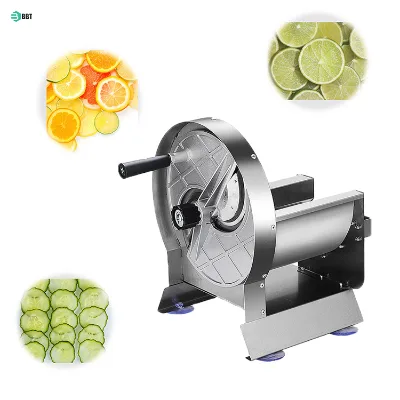
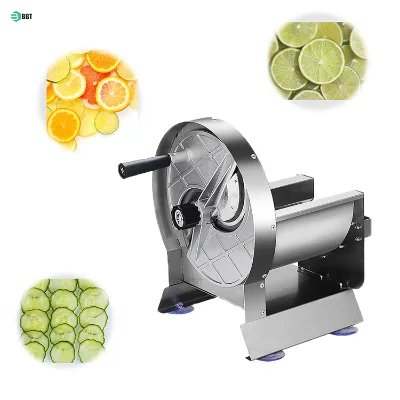
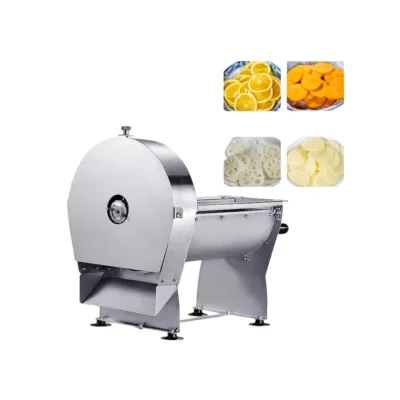
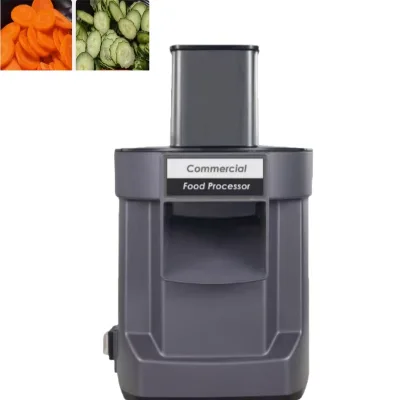




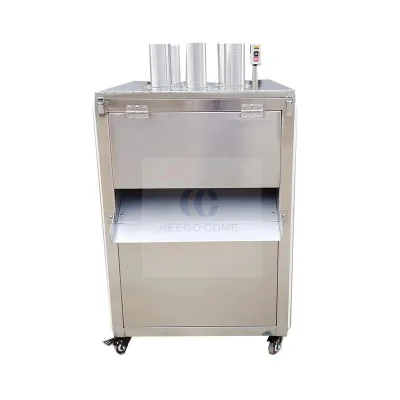
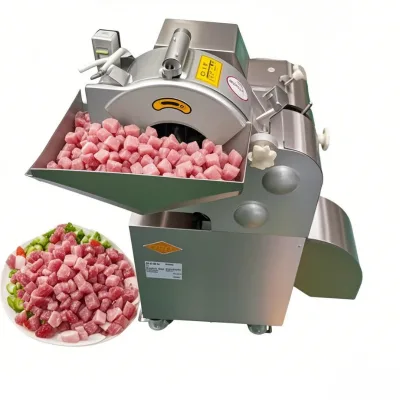


Comprehensive Sourcing Guide
Customized Printing Plantain Slicer Supplier Concentration and Factory Types
The current supplier landscape for customized printing plantain slicers reveals a diverse mix of manufacturing capabilities, primarily concentrated in China. Specific results indicate that suppliers are located in regions such as Henan and Jiangxi, with Jiangxi being explicitly noted as the place of origin for certain models. This geographic clustering suggests that buyers can expect a robust supply chain infrastructure in these areas, facilitating easier logistics and potentially lower shipping costs for international orders. The presence of suppliers in these specific provinces allows for targeted sourcing strategies, where buyers can focus their efforts on regions known for producing food processing machinery. Understanding these location facts is crucial for assessing the reliability of supply chains and estimating transit times to various global destinations.
Factory types vary significantly among the available suppliers, ranging from combined entities to pure manufacturers and trading companies. Some suppliers identify as manufacturers or factories, which often implies direct control over the production process and customization options. Others operate as trading companies or combined entities, which may offer a broader range of products but might have less direct influence over manufacturing specifics. The distinction is important because it affects how buyers approach negotiations regarding custom printing and technical specifications. Manufacturers may offer more flexibility in modifying the slicer’s body for printing applications, while trading companies might provide faster access to existing stock or standardized models. Buyers should carefully review the company type to determine if they need a direct factory partner or a flexible trading intermediary.
How to Verify Customized Printing Plantain Slicer Suppliers
Verification is a critical step in ensuring that the supplier can deliver high-quality customized printing plantain slicers that meet your specific requirements. One key indicator of supplier reliability is the verification status provided by third-party inspection agencies. For instance, some suppliers in the current results are verified by TÜV Rheinland or Bureau Veritas (BV). These verifications add a layer of credibility, suggesting that the supplier has undergone rigorous checks regarding their business legitimacy and operational capabilities. Buyers should prioritize suppliers with such verifications, as they indicate a commitment to transparency and quality assurance. Additionally, looking for system certifications such as ISO 9001, GMP, or ANSI/ESD can further validate the supplier’s adherence to international standards in manufacturing and quality management.
Beyond verification badges, buyers should assess the supplier’s response time and communication efficiency. The data shows varying response times, with some suppliers responding within hours, which is crucial for discussing custom printing details and technical specifications. A quick response time often correlates with better customer service and a higher likelihood of resolving issues promptly. Furthermore, examining the product evidence for certifications like CE and ISO is essential, especially for machinery that will be used in commercial food processing environments. These certifications ensure that the equipment meets safety and performance standards. Buyers should also request detailed product attributes, such as voltage, power, and material specifications, to ensure compatibility with their local infrastructure and operational needs.
What to Compare Across Customized Printing Plantain Slicer Suppliers
When evaluating suppliers for customized printing plantain slicers, it is essential to compare key operational metrics such as lead time, minimum order quantity (MOQ), and pricing. The current results indicate that lead times can vary, with some suppliers offering a standard lead time of 60 days, while others may have different schedules depending on the season or order volume. Understanding these lead times is vital for production planning, especially if you have tight deadlines for launching a new product line. Additionally, MOQs can range from as low as one unit to higher quantities, depending on the supplier’s policy. Suppliers with lower MOQs may be more suitable for small-scale testing or niche markets, while those with higher MOQs might offer better economies of scale for large-volume orders.
Pricing is another critical factor to consider, as it directly impacts your profit margins. The price ranges for plantain slicers in the current results vary significantly, with some models starting around $130 and others reaching up to $1,540. This variation reflects differences in material quality, customization options, and included features. Buyers should compare the price against the specifications, such as the use of 304 stainless steel, power consumption, and cutting capacity. It is also important to check if the price includes customization for printing, as this may incur additional costs. By comparing these factors across multiple suppliers, buyers can identify the best value proposition that balances cost, quality, and service level.
Common Customized Printing Plantain Slicer Sourcing Risks
One of the primary risks in sourcing customized printing plantain slicers is the potential mismatch between the supplier’s capabilities and your specific customization needs. While many suppliers offer customization, the extent of this customization can vary. Some suppliers may only offer minor adjustments, while others can handle extensive modifications, including custom printing on the machine’s body. Buyers must clearly define their requirements and verify that the supplier has the technical expertise to execute these changes without compromising the machine’s structural integrity or safety. Additionally, the risk of receiving equipment that does not meet local regulatory standards is significant, especially if the supplier’s certifications are not recognized in your target market.
Another risk is the inconsistency in product quality and performance. The current results show variations in product attributes, such as weight, dimensions, and cutting capacity. For example, some slicers weigh as little as 3.8kg, while others are much heavier, indicating differences in build quality and material thickness. Buyers should be cautious of suppliers who do not provide detailed product specifications or test reports. The absence of machinery test reports or video outgoing inspections can be a red flag, suggesting that the supplier may not have robust quality control processes in place. To mitigate these risks, buyers should request samples, conduct thorough due diligence, and consider using escrow services to protect their payments until the goods are received and verified.
Customized Printing Plantain Slicer Regional Sourcing and Logistics
Sourcing plantain slicers from specific regions in China, such as Henan and Jiangxi, offers logistical advantages due to the concentration of manufacturing facilities in these areas. These regions are known for their industrial clusters, which can lead to more efficient supply chains and competitive pricing. Buyers should consider the proximity of the supplier to major ports or logistics hubs, as this can impact shipping costs and transit times. For instance, suppliers in Jiangxi may have different logistical advantages compared to those in Henan, depending on the buyer’s location. Understanding the regional logistics landscape can help buyers optimize their supply chain and reduce overall procurement costs.
Additionally, buyers should be aware of the packaging and shipping requirements for these machines. The current results indicate that products are often packed in wooden cases or transport packaging, which is suitable for international shipping. However, buyers should verify the packaging details to ensure that the machines are protected during transit. Custom printing on the machine may also require special handling to prevent damage to the printed surface. Buyers should discuss packaging options with the supplier and consider using insurance for high-value shipments. By planning for these logistical details, buyers can minimize the risk of damage and delays, ensuring that their customized plantain slicers arrive in perfect condition.
Customized Printing Plantain Slicer Commercial Terms and Order Planning
Commercial terms and order planning are crucial for a successful procurement process when sourcing customized printing plantain slicers. Buyers should negotiate clear payment terms, such as using escrow services to secure their funds until the goods are delivered and inspected. This protects against fraud and ensures that the supplier fulfills their obligations. Additionally, buyers should clarify the warranty terms, as some suppliers offer a one-year warranty, which provides peace of mind regarding the machine’s performance. Understanding the warranty coverage and the process for claiming it is essential for long-term operational reliability.
Order planning should also consider the supplier’s capacity and production schedule. The current results indicate that lead times can vary, with some suppliers having specific schedules for peak and off-peak seasons. Buyers should plan their orders accordingly to avoid delays, especially if they have tight production timelines. Furthermore, buyers should discuss the customization process, including the time required for design approval and printing. By aligning their order planning with the supplier’s capabilities and schedules, buyers can ensure a smooth and efficient procurement process, resulting in timely delivery of high-quality customized plantain slicers.
FAQs
What is the price range for customized plantain slicers?
Prices for customized plantain slicers typically range from $130 to $1,540 depending on specifications. Industrial models with 304 stainless steel construction and adjustable thickness settings generally cost between $1,320 and $1,530. Smaller commercial units may start around $139. Buyers should verify exact pricing based on voltage, power, and customization needs.
What is the lead time for these machines?
Standard lead times are approximately 60 days for many suppliers. Some manufacturers offer faster turnaround during off-peak seasons, while peak seasons may require negotiation. Certain suppliers list zero days for specific ready-stock items. Buyers must confirm current production schedules directly with suppliers to ensure timely delivery for their specific order volume.
Are these slicers CE certified?
Yes, many high-quality plantain slicers are CE certified and comply with ISO standards. Some models also feature GMP and ANSI/ESD certifications. Buyers should request valid certification documents before purchase. Verification services like TÜV Rheinland and BV are available for certain suppliers to ensure product safety and manufacturing quality standards are met.
What is the minimum order quantity?
The minimum order quantity is typically one unit for most plantain slicer models. This allows buyers to test equipment quality before placing larger orders. Some suppliers may offer bulk discounts for higher volumes. Buyers should confirm MOQ policies with specific manufacturers, as terms can vary based on customization requirements and production capacity.
Where are these suppliers located?
Suppliers are primarily located in China, including Henan and Jiangxi provinces. These regions specialize in food processing machinery and industrial equipment manufacturing. Buyers can source from combined companies or dedicated manufacturers. Location impacts shipping costs and lead times, so verifying the exact origin is essential for logistics planning and supply chain efficiency.
What materials are used in construction?
Most plantain slicers are constructed from 304 stainless steel for durability and hygiene. This material resists corrosion and meets food safety standards. Some models feature plastic components for specific cutting parts. Buyers should verify material grades to ensure compliance with food processing regulations and long-term operational reliability in commercial kitchen environments.
What is the response time of suppliers?
Supplier response times vary, with some responding within one hour and others taking up to four hours. Fast response rates indicate active customer service teams. Buyers should prioritize suppliers with quick reply times for efficient communication. Prompt responses help clarify technical specifications, pricing, and shipping details during the sourcing process.