Reusable Refillable Coffee Capsule Suppliers and Manufacturers
Source 18 verified manufacturers for Reusable Refillable Coffee Capsule products. Compare key dimensions including lead times, MOQs, certifications, and response rates. Contact suppliers directly to request samples and negotiate pricing; review the available evidence before requesting comparable quotations from suitable candidates.
Updated
Suppliers List
Ningbo Haoshiji Plastic Industry Co., Ltd.
- Verified by SGS Group
- Manufacturer, Trading Company
- Lead time20 days
- Avg. response≤ 8h
Main productsFilter
Main marketsNorth America(69%), Africa(6%), Oceania(6%)
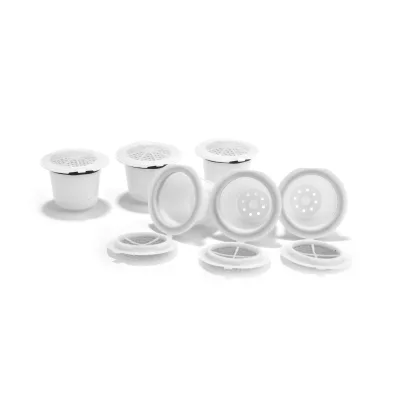
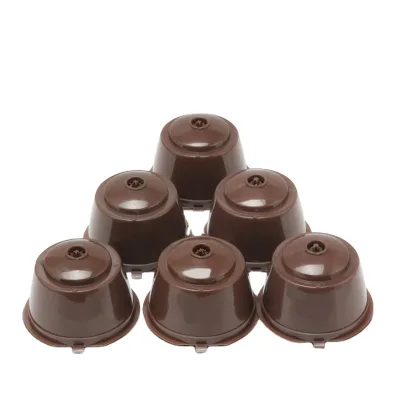
Classic Eco-Friendly Plastic Refillable Coffee Capsule Compatible with Nescafes
$0.60 - $0.80
MOQ: 1000

Zhengzhou Laiwosi Aluminum Co., Ltd.
- Verified by SGS
- Combined
- China Henan
- Lead time30 days
- Avg. response≤ 1h
Main productsAluminum Foi Container, Aluminum Foil Roll, Pop up Aluminum Foil Sheets, Disposable Food Container, Aluminum Foil Wrapping Paper, Disposable Tableware, Aluminum Foil Cups, Aluminum Foil Sheets, Coffee Capsule, Sealing Machine
Main marketsSouth America,Southeast Asia/ Mideast,North America

Stainless Steel Refillable Reutilisable Reusable Coffee Pods Nesspresso Coffee Capsule
$12.48 - $16.55
MOQ: 100 Pieces

Food Grade Reusable Refillable Empty Coffee Capsule for Coffee Machines Maker
$0.04 - $0.08
MOQ: 5000 Pieces

Reusable Coffee Capsule Refillable Plastic Empty Capsula De Cafe Keurig Wholesale
$1.90 - $2.90
MOQ: 1000 Sets

Wholesale Price Portable Stainless Steel Reusable Pod Compatible Coffee Capsules
$6.00 - $12.00
MOQ: 50 Pieces


High-Quality 40ml Empty Plastic Compatible Coffee Capsule Plastic Coffee Pods
$0.04 - $0.08
MOQ: 5000 Pieces
Dongguan Yin Wei Lai Hardware Plastic Electronic Technology Co., Ltd.
- Manufacturer, Trading Company
- Guangdong, China
- Lead time15 days
- Avg. response≤ 3h
Main productsBarista Tools,Coffee Portafilter,Coffee Tamper&Distributor,Coffee grinder,Stainless Steel Coffee Capsule
Main marketsWestern Europe(25.00%), Mid East(25.00%), Oceania(15.00%), North America(10.00%), Central America(5.00%), Southeast Asia(5.00%), South America(5.00%), Eastern Europe(5.00%), Northern Europe(3.00%), Domestic Market(2.00%)
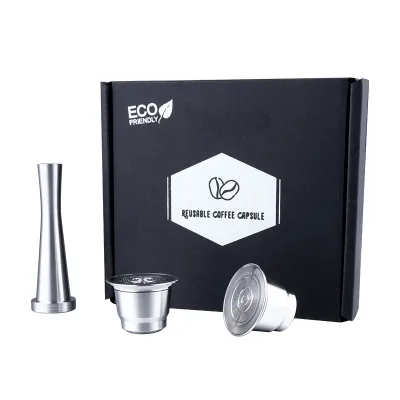
Top Rated Stainless Steel Reusable Refillable Coffee Capsule
$10.30 - $13.00
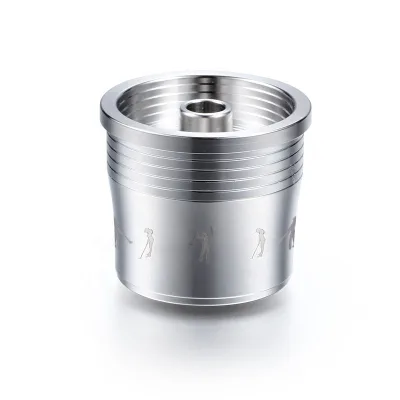
$7.38 - $10.78
MOQ: 1 pieces
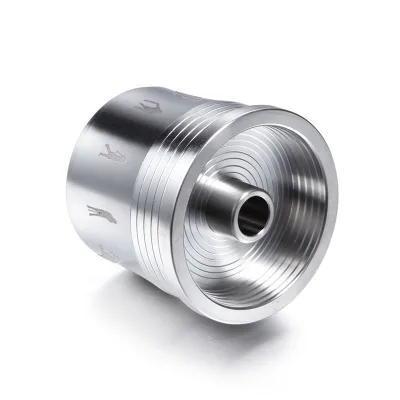
Stainless Steel Coffee Capsule Compatible With Illy Refillable Coffee Pod With Unique Coffee Flavor
$7.10 - $10.78
MOQ: 1 pieces
Shenzhen Bogart Kitchenware Co., Ltd.
- Verified by TüVRheinland
- Trading Company
- Lead time15 days
- Avg. response≤ 2h
Main productsCoffee & Tea Sets, Matcha Tools, Portable Coffee Maker, Coffee Tumbler & Mugs, Coffee Accessories
Main marketsMid East(30%), North America(20%), Western Europe(13%)
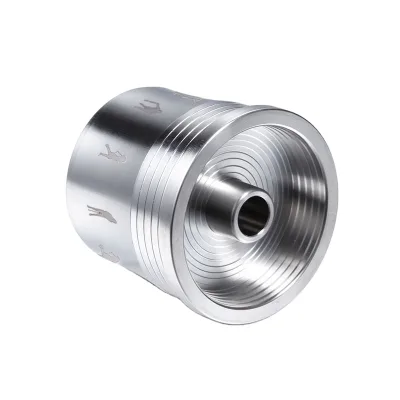
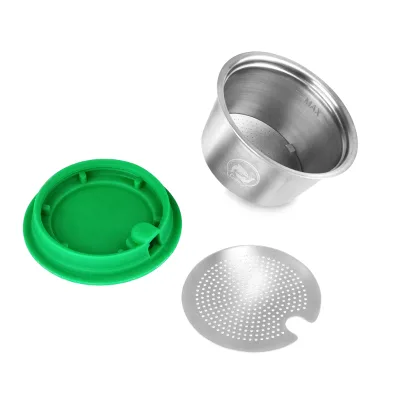
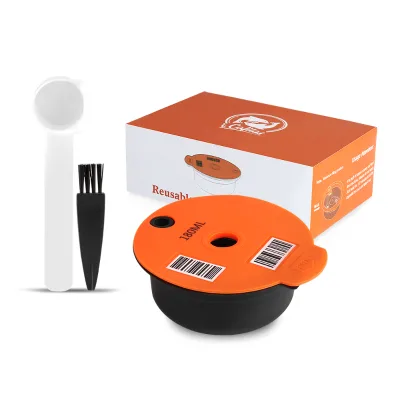
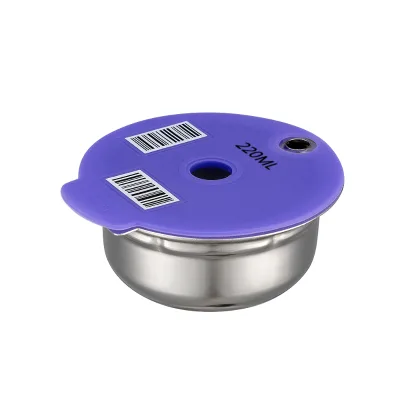
Reusable Coffee Pods with Crema Refillable Capsules Essential Coffee Tea Tool
$8.266 - $10.3317
MOQ: 10 pieces
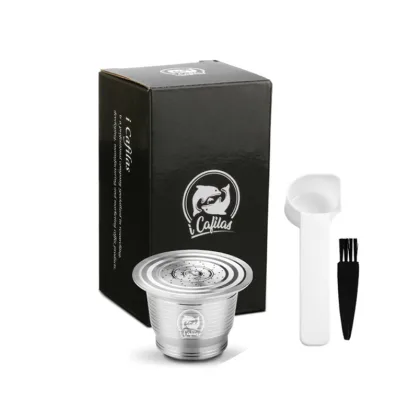
Guangzhou Belr Housewares Co., Ltd.
- Verified by Intertek
- Trading Company
- Lead time15 days
- Avg. response≤ 3h
Main productsCoffee Machine, Reusable Coffee Capsule, French Press, Coffee Mug, Coffee Grinder
Main marketsNorth America(60%), Southeast Asia(20%), South America(10%)
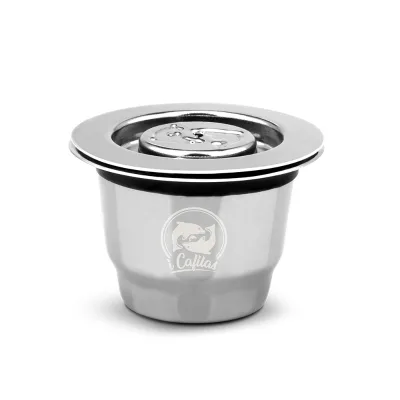
High Quality Coffee Machine Compatible Reusable Refillable Stainless Steel Coffee Pod Capsule
$7.42 - $7.73
MOQ: 500 pieces
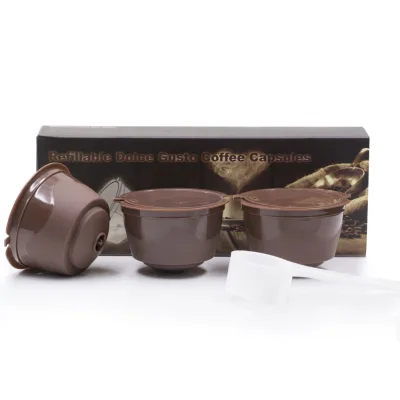
$6.5163 - $7.8196
MOQ: 100 pieces

Wuxi SWF Intelligent Technology Co., Ltd.
- Verified by TUVRHEINLAND
- Trading Company
- China Jiangsu
- Lead time30 days
- Avg. response≤ 4h
Main productsCoffee Machine, Coffee Grinder, Coffee Vending Machine, Coffee Roaster, Coffee Maker, Espresso Machine, Formula Dispenser Machine, Dumpling Machine, Pizza Dough Roller Machine
Main marketsSoutheast Asia/ Mideast,Australia,North America


Refillable Coffee Filters Reusable Coffee Pods for Espresso Machine Cups Compatible
$2.60 - $4.00
MOQ: 100 Pieces


Ningbo Healsunny Technology Co., Ltd.
- Trading Company
- Zhejiang, China
- Lead time15 days
- Avg. response≤ 5h
Main productsTire,Medical Product,Beauty Product,LED Light,Car Auto Parts
Main marketsWestern Europe(15.00%), North America(15.00%), Northern Europe(10.00%), South America(9.00%), Eastern Europe(8.00%), Southern Europe(8.00%), South Asia(7.00%), Mid East(7.00%), Eastern Asia(5.00%), Africa(5.00%), Southeast Asia(5.00%), Central America(4.00%), Oceania(1.00%), Domestic Market(1.00%)

Gongyi Allwin Aluminum Foil Products Co., Ltd.
- Verified by SGS
- Combined
- China Henan
- Lead time30 days
- Avg. response≤ 1h
Main productsAluminum Foil Container, Aluminum Foil, Aluminum Foil Roll, Aluminium Foil Paper, Aluminium Foil, Aluminium Container, Foil Paper, Household Aluminum Foil, Aluminium Foil Container, Aluminum Foil Sheets
Main marketsSouth America,Southeast Asia/ Mideast

$12.76 - $13.68
MOQ: 300 Pieces


Best Quality Portable PP Coffee Capsules Refillable Nespresso Cafetera Capsule
$0.06 - $0.08
MOQ: 15000 Pieces

Reusable Stainless Steel Refillable Coffee Capsule Pod for Espresso Coffee Machine
$8.95 - $9.85
MOQ: 5 Pieces

Factory Directly Customized Reusable Coffee Capsule with Sticker Coffee Pods
$0.20 - $0.40
MOQ: 10000 Pieces


Dongguan Blue Coast Coffee Appliances Co., Ltd.
- Manufacturer
- Guangdong, China
- Lead time15 days
- Avg. response≤ 5h
Main productscoffee filter,reusable coffee pod,coffee capsule,coffee bottle,french press
Main marketsEastern Europe(15.00%), Central America(15.00%), Domestic Market(10.00%), Africa(7.00%), Oceania(7.00%), Western Europe(6.00%), South America(5.00%), South Asia(5.00%), Southern Europe(5.00%), Northern Europe(5.00%), North America(5.00%), Southeast Asia(5.00%), Eastern Asia(5.00%), Mid East(5.00%)
Zhengzhou Laiwosi Aluminum Co., Ltd.
- Verified by SGS Group
- Manufacturer, Trading Company
- Lead time15 days
- Avg. response≤ 1h
Main productsAluminum Foil Container, Aluminum Foil Jumbo Roll, Aluminum Foil, Aluminum Foil Paper, Color Coated Foil Containers
Main marketsDomestic Market(25%), North America(15%), Southeast Asia(15%)

- Verified by SGS
- Trading Company,Manufacturer/Factory,Other
- China Zhejiang
- Lead time38 days
- Avg. response≤ 14h
Main productsBath Mat, Cushion, Wooden Toys, Fitness Equipment, Cosmetic Bag, Luggage, Festival Products, Gym Items, Face Mask, Paracord Bracelet
Main marketsSouth America,Eastern Europe,Mid East,North America,Southeast Asia,Eastern Asia,Oceania,Western Europe,Africa

High Quality Factory Stainless Steel Coffee Pod Reusable Refillable Coffee Capsule Compatible
$6.70 - $7.30
MOQ: 150 Pieces

High Quality Refillable Reusable Capsule Stainless Steel Coffee Capsule Pod
$3.00 - $3.33
MOQ: 300 Pieces

$10.40 - $11.40
MOQ: 100 Pieces

SUNYI INTELLIGENT TECHNOLOGY GROUP CO.,LTD.
- Combined
- China Jiangsu
- Lead time60 days
- Avg. response≤ 5h
Main productsCoffee Capsule Filling Machine, Nespresso Coffee Capsule Filling Machine, K-Cup Coffee Capsule Filling Machine, Lavazza Coffee Capsule Filling Machine, Dolce Gusto Coffee Capsule Filling Machine
Main marketsSoutheast Asia/ Mideast,Domestic,Europe,Australia


Wholesale Empty Cup Capsule Compatible Nespresso (Fillable Tea or Coffee)
$0.07 - $0.10
MOQ: 100000 Pieces
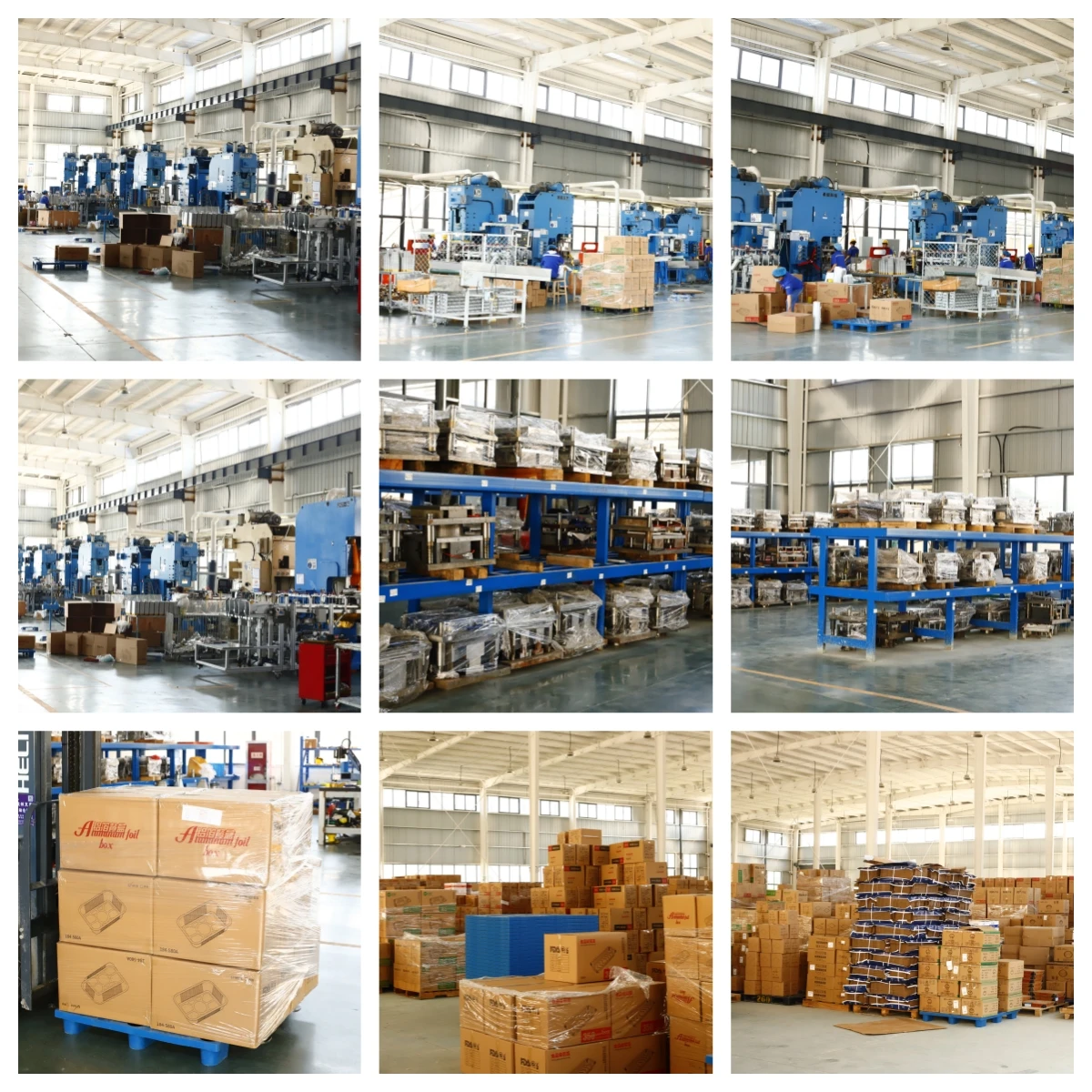
Henan Arabia Eco-Friendly Tech Co., Ltd.
- Trading Company
- Henan, China
- Lead time0 days
- Avg. response≤ 2h
Main productsAluminum Foil-Coated Container, Coffee Capsule Shell, Aluminum Foil Silver-Colored Food Container, White Cardboard Box, Small Sealing Machine
Main marketsSoutheast Asia(60.00%), Domestic Market(15.00%), South Asia(10.00%), Mid East(10.00%), South America(5.00%)
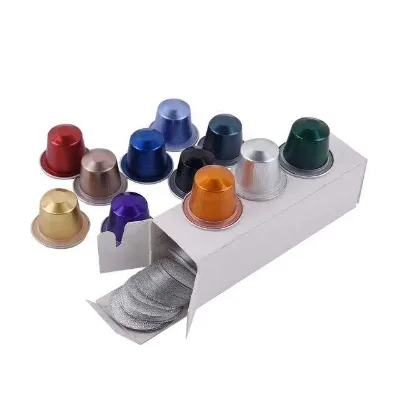
Nespresso Capsules Refillable - Reusable Coffee Pods for Nespresso Cups - OriginalLine
$0.0513 - $0.0821
MOQ: 1000 pieces
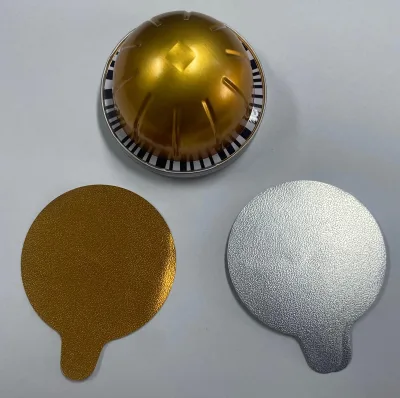
Reusable Coffee Capsule Pods Coffee Capsule Pod 230ML Capsule Gold Cup Tool
$0.07 - $0.08
MOQ: 1000 pieces
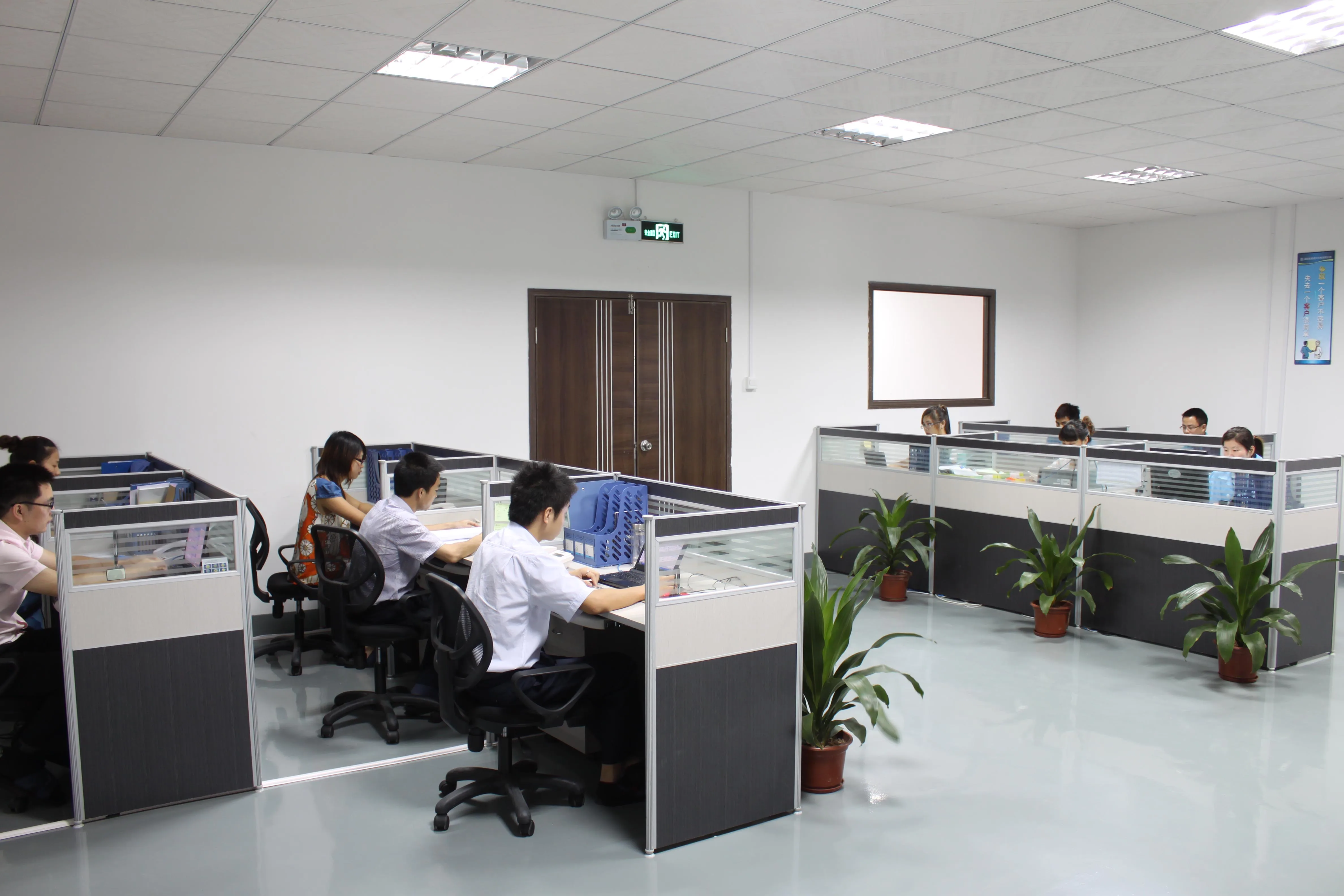
Dongguan Esunse Metal Plastic Product Co., Ltd.
- Manufacturer, Trading Company
- Guangdong, China
- Lead time7 days
- Avg. response≤ 5h
Main productsHardware Parts,Furniture Hardware,Hardware Electric Parts,Coffee Ware Parts,Hardware Home House Parts
Main marketsNorth America(40.00%), Domestic Market(30.00%), Eastern Europe(10.00%), South America(10.00%), Southeast Asia(5.00%), Northern Europe(3.00%), Oceania(2.00%)

HENAN ZM IMPORT AND EXPORT CO., LTD.
- Trading Company
- Henan, China
- Lead time15 days
- Avg. response≤ 3h
Main productsfilter paper,filter bag,empty coffee capsule,package bag,package machine
Main marketsNorth America(20.00%), Southeast Asia(14.00%), South America(10.00%), South Asia(10.00%), Eastern Europe(5.00%), Southern Europe(5.00%), Northern Europe(5.00%), Central America(5.00%), Western Europe(5.00%), Eastern Asia(5.00%), Mid East(5.00%), Oceania(5.00%), Africa(5.00%), Domestic Market(1.00%)
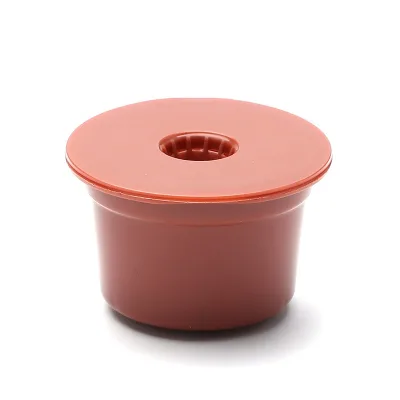
$0.2981 - $0.3595
MOQ: 100 pieces
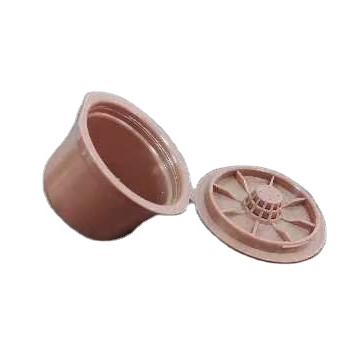
New Arrival Empty Caffitaly Capsule k Cup Reusable Caffitaly Capsules for Coffee Powder
$0.2996 - $0.361
MOQ: 100 pieces
Gongyi Allwin Aluminum Foil Products Co., Ltd.
- Manufacturer, Trading Company
- Lead time旺季: "1 - 1000":25,"> 1000":"To be negotiated", 淡季: "1 - 1000":25,"> 1000":"To be negotiated"
- Avg. response≤ 1h
Main productsAluminum Foil Container, Alumimum Foil Roasting Tray, Aluminum Foil, Smooth Wall Aluminum Foil Container, Silicone Oil Baking Paper
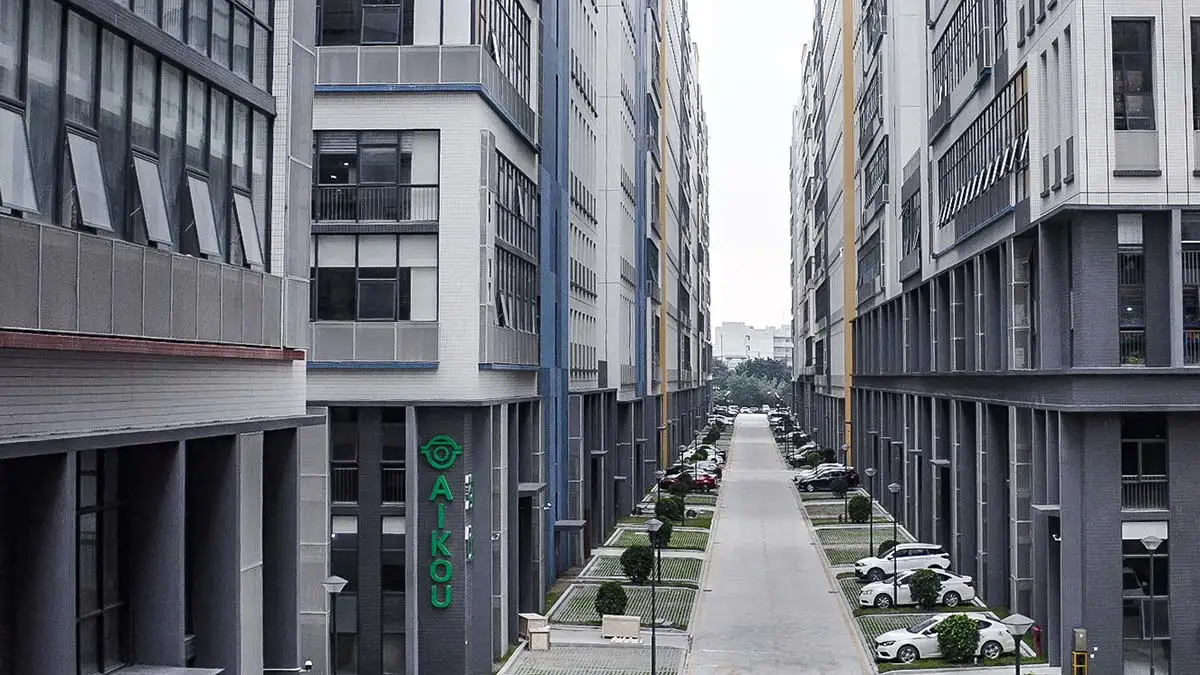
Foshan Aikou Eco-Friendly Material Co., Ltd.
- Manufacturer, Trading Company
- Guangdong, China
- Lead time7 days
- Avg. response≤ 2h
Main productsAluminum Foil Container, Backing Cup, Coffee Capsule, Sealed Food Container, Airline Food Container
Main marketsMid East(20.00%), North America(10.00%), Western Europe(10.00%), Southern Europe(10.00%), Eastern Asia(10.00%), Northern Europe(10.00%), Eastern Europe(10.00%), Southeast Asia(10.00%), South America(5.00%), Africa(5.00%)
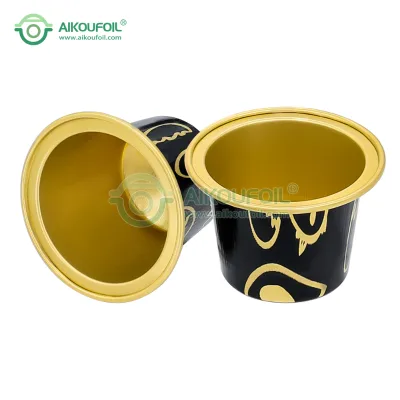
15ml OEM Black Gold Nesspresso Packaging Coffee Powder Empty Coffee Capsule Reusable
$0.06 - $0.07
MOQ: 4000 pieces
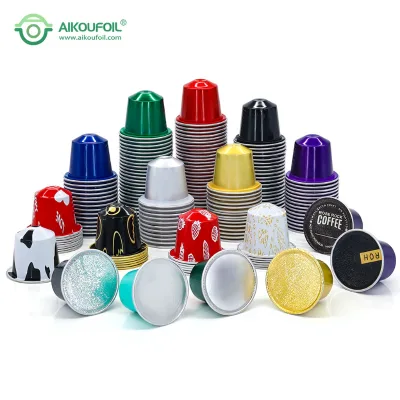
Hot Sale Export-Quality Refillable Empty Capsules Compatible with Major Coffee Systems
$0.05 - $0.07
MOQ: 4000
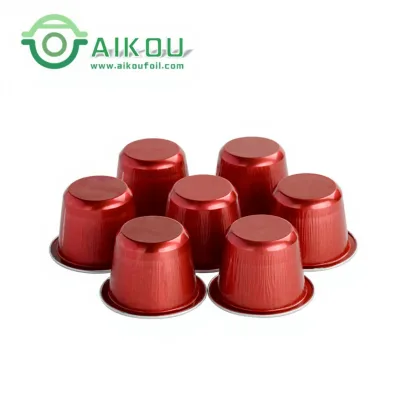
Good Price Cost-Effective Bulk Reusable Empty Coffee Pods Comprehensive Compatibility
$0.05 - $0.07
MOQ: 4000
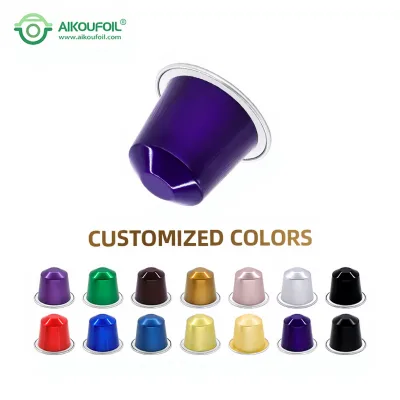
Good Price Latest Products Universal Reusable Coffee Capsules Multi-System Compatibility
$0.05 - $0.07
MOQ: 4000
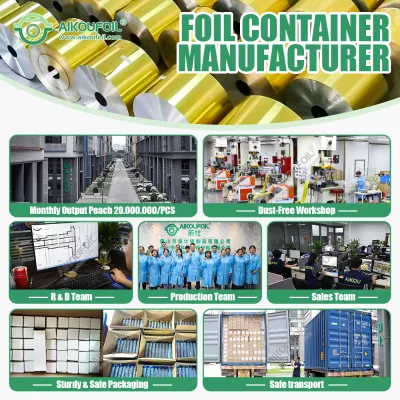
New Arrival Eco-Friendly Large Lot Reusable Empty Coffee Capsules FDA/LFGB Certified
$0.05 - $0.07
MOQ: 4000

Ningbo Areyoucan Kitchenware Co., Ltd.
- Manufacturer
- Zhejiang, China
- Lead time30 days
- Avg. response≤ 8h
Main productsvegetable preparation equipment,catering equipment,kitchenware,scaves,clothing
Main marketsNorth America(25.00%), Western Europe(20.00%), Southern Europe(10.00%), Eastern Europe(10.00%), Northern Europe(8.00%), Eastern Asia(6.00%), Southeast Asia(5.00%), South Asia(4.00%), Oceania(4.00%), Mid East(3.00%), South America(2.00%), Africa(2.00%), Central America(1.00%)
Comprehensive Sourcing Guide
Reusable Refillable Coffee Capsule Supplier Concentration and Factory Types
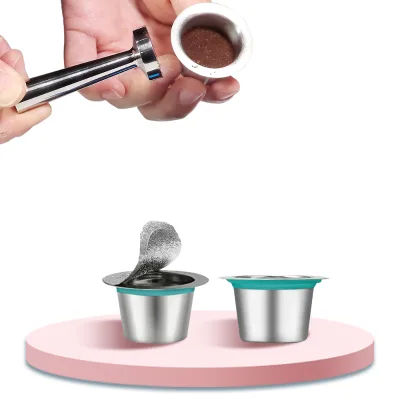
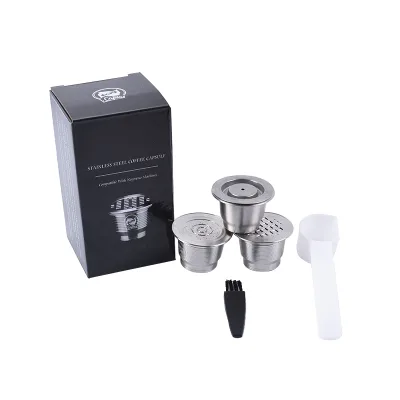
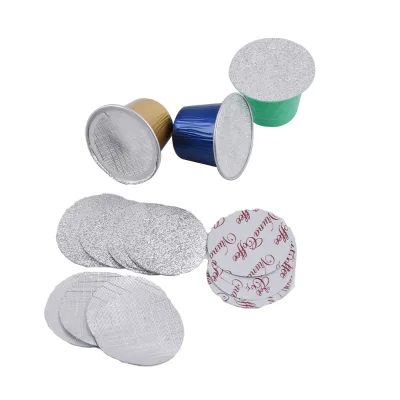
The current supplier landscape for reusable refillable coffee capsules reveals a diverse mix of manufacturing capabilities and business models. Buyers will encounter both dedicated manufacturers and trading companies, each offering distinct advantages for sourcing. The data indicates that the primary product category is broadly defined as filters, yet the specific product evidence highlights specialized items like stainless steel mesh capsules and plastic refillable pods. This suggests that while some suppliers may list general filtration products, their actual inventory includes highly specific coffee accessories. The presence of combined company types further complicates the landscape, indicating entities that may blend manufacturing with trading functions. This hybrid model can offer flexibility in order sizes and product variety, allowing buyers to access a wider range of materials and designs from a single source. Understanding this distinction is crucial for determining whether a supplier can handle large-scale production or if they are better suited for smaller, curated orders.
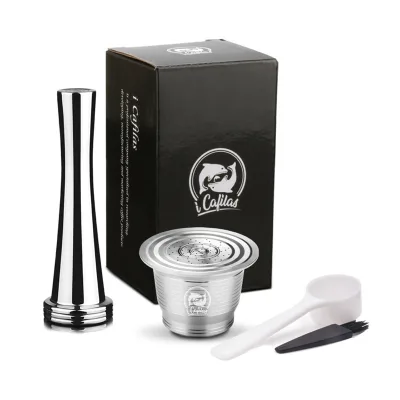
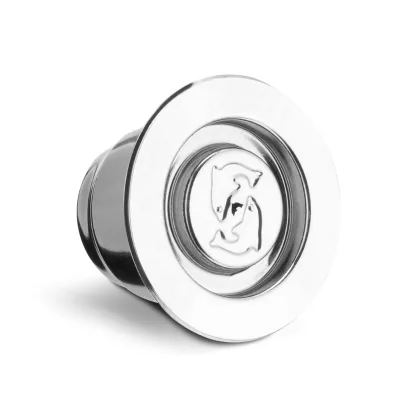
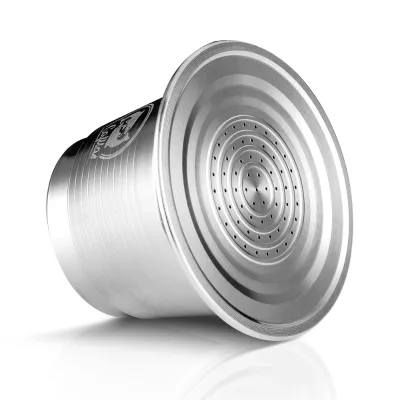
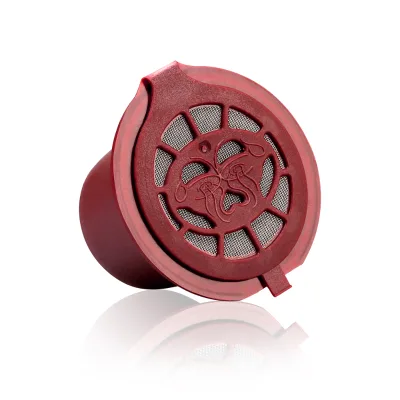
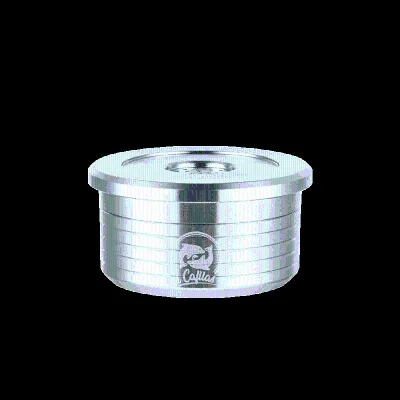
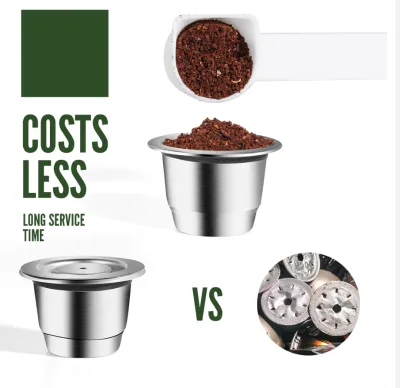
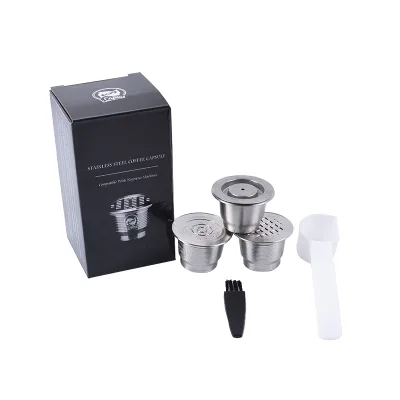
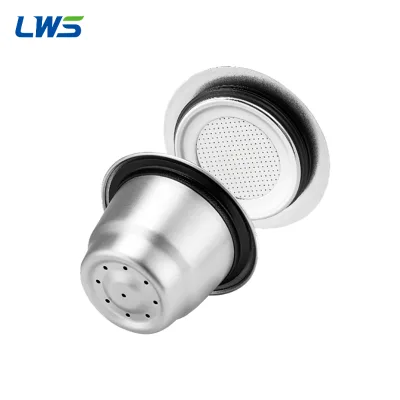
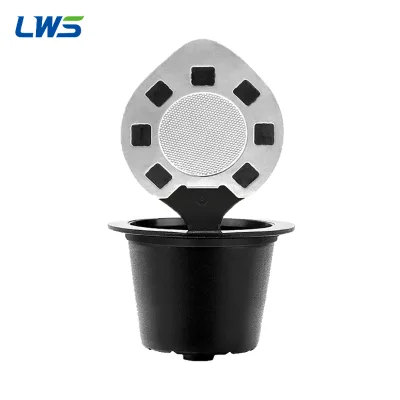
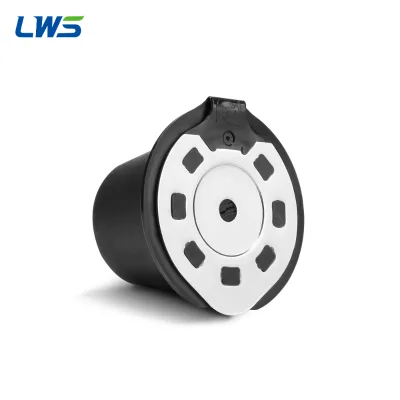
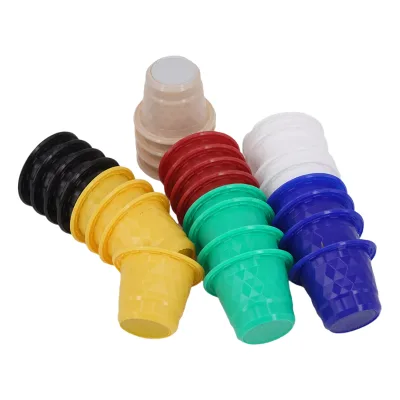
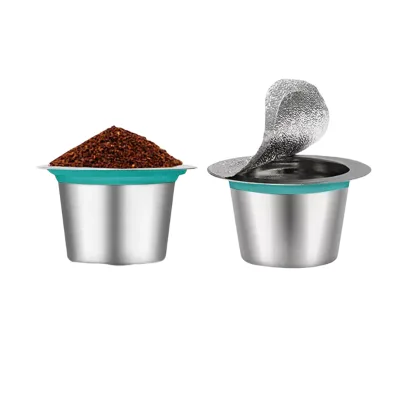
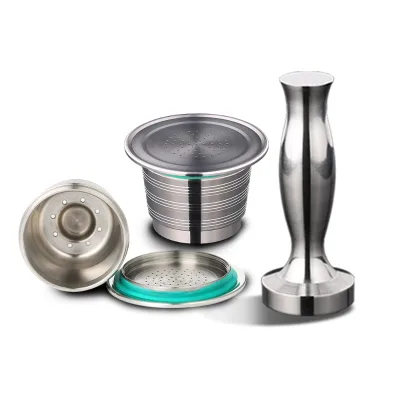
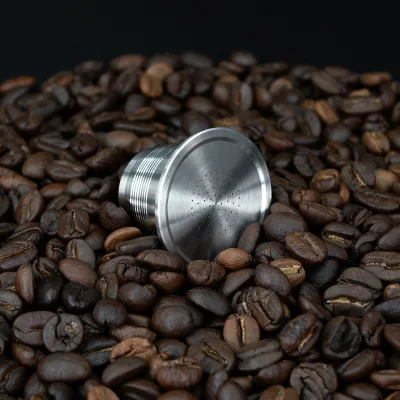
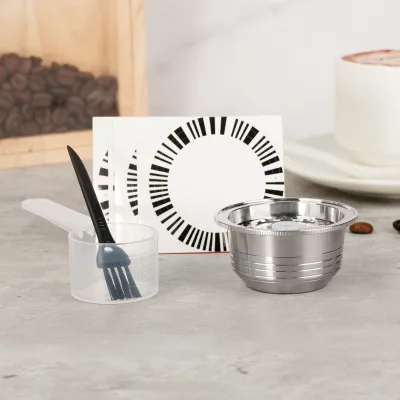
Material composition varies significantly across the available options, ranging from durable 304 stainless steel to eco-friendly plastics like PP. Stainless steel options often emphasize reusability and premium feel, with specific attributes noting round shapes and silver colors. In contrast, plastic capsules are frequently marketed as eco-friendly and compatible with specific machine brands, such as Nescafe or Keurig systems. The product attributes also reveal a strong emphasis on customization, with many suppliers offering OEM and ODM services. This allows buyers to create branded products with specific logos and packaging. The availability of light customization, sample processing, and graphic processing indicates that suppliers are equipped to handle bespoke requests. Buyers should carefully review the main products listed by each supplier to ensure alignment with their specific material and design requirements, as the general category may not reflect the full scope of available innovations.
How to Verify Reusable Refillable Coffee Capsule Suppliers
Verification is a critical step in ensuring the reliability and quality of your chosen supplier. The current results show that several suppliers have undergone verification by SGS Group, a globally recognized inspection and certification body. This verification status provides a layer of confidence regarding the supplier’s business legitimacy and operational capabilities. However, buyers should not rely solely on this badge. It is essential to cross-reference the verification details with other indicators of trustworthiness. For instance, some suppliers display specific certifications such as BSCI, CE, and Declaration of Conformity. These certifications indicate compliance with international standards for social responsibility and product safety. Buyers should request copies of these certificates to verify their validity and ensure they cover the specific products being ordered. Additionally, the presence of FDA and BRC certifications for certain plastic capsules suggests adherence to food-grade safety standards, which is paramount for products that come into direct contact with consumables.
Beyond certifications, the response time of a supplier can serve as an indirect indicator of their operational efficiency. The data shows a wide range in response times, from less than one hour to eight hours. A faster response time often correlates with a more responsive customer service team and potentially quicker issue resolution. Buyers should test the supplier’s responsiveness by sending detailed inquiries before committing to an order. This initial interaction can reveal the supplier’s professionalism, attention to detail, and willingness to provide comprehensive information. Furthermore, buyers should inquire about the supplier’s quality control processes. Ask specific questions about how they test the durability of stainless steel mesh or the food-grade safety of plastic components. A reputable supplier will be transparent about their testing protocols and willing to provide third-party test reports if available. This due diligence helps mitigate the risk of receiving substandard products that could damage your brand reputation.
What to Compare Across Reusable Refillable Coffee Capsule Suppliers
When evaluating multiple suppliers, it is vital to compare key operational metrics to find the best fit for your business needs. One of the most significant factors is the minimum order quantity (MOQ). The data reveals a broad spectrum of MOQs, ranging from as low as 50 pieces for certain stainless steel models to 5,000 pieces for plastic capsules. This variance allows buyers with different volume requirements to find suitable partners. Smaller MOQs are ideal for testing the market or launching new product lines with limited risk, while larger MOQs may offer better unit pricing for established brands. Buyers should also compare the lead times for production. The observed lead times range from 7 to 30 days, with some suppliers indicating 15 to 35 days for mass production. Understanding these timelines is crucial for inventory planning and ensuring timely delivery to customers. Suppliers with shorter lead times may be preferable for businesses that require rapid restocking or have unpredictable demand patterns.
Price is another critical dimension for comparison, though it must be viewed in conjunction with MOQ and quality. The price range for these capsules varies significantly, from as low as $0.04 per piece for basic plastic options to over $16 per piece for premium stainless steel models. Buyers should calculate the total landed cost, including shipping and tariffs, rather than focusing solely on the unit price. Additionally, compare the customization options available. Some suppliers offer full OEM/ODM services, including custom logos and packaging, while others may only provide limited customization. The availability of sample processing and graphic processing services can also be a deciding factor for brands looking to create unique products. Finally, consider the supplier’s main products and expertise. A supplier specializing in aluminum foil containers might have different quality controls compared to one focused exclusively on coffee accessories. Aligning with a supplier whose core competencies match your specific product needs can lead to better quality and more reliable service.
Common Reusable Refillable Coffee Capsule Sourcing Risks
Sourcing reusable refillable coffee capsules comes with specific risks that buyers must actively manage. One major risk is compatibility issues. The product evidence shows capsules designed for various systems, including Nescafe, Keurig, and Dolce Gusto. However, minor variations in dimensions can affect performance. For example, one stainless steel capsule has a size of 5829.5mm, while a plastic Dolce Gusto capsule is 5433mm. Buyers must ensure that the capsules they source are precisely compatible with the coffee machines their target customers use. Failure to verify these dimensions can result in product returns and customer dissatisfaction. Another risk is material quality. While some suppliers claim their plastic capsules are food-grade, buyers should verify this through certifications like FDA or BRC. Similarly, for stainless steel capsules, confirming the use of 304 stainless steel is essential to prevent rust and ensure durability. Without proper verification, buyers may receive products that degrade quickly or fail safety standards.
Packaging and shipping risks are also significant, especially for fragile or bulky items. The data indicates that some capsules are packed in OPP bags within cartons, with specific carton sizes noted. Buyers should assess the robustness of the packaging to prevent damage during transit. Additionally, the weight and volume of the products can impact shipping costs. For instance, a stainless steel capsule weighs 114g, which is considerably heavier than a plastic alternative. This difference can affect freight charges and overall profitability. Buyers should also be cautious of suppliers who do not provide clear payment terms. The observed payment methods include T/T, Western Union, Bank Transfer, and L/C. Using secure payment methods and considering escrow services can protect buyers from fraud. Finally, intellectual property risks exist when working with suppliers offering OEM services. Buyers should ensure that their brand designs and logos are protected and that the supplier does not share their designs with competitors. Clear contracts and non-disclosure agreements are essential to mitigate these risks.
Reusable Refillable Coffee Capsule Regional Sourcing and Logistics
The geographic location of suppliers plays a crucial role in logistics and supply chain efficiency. The current data indicates that suppliers are located in China, specifically in the Henan region. This concentration in a single province can offer benefits such as streamlined logistics and potentially lower shipping costs due to established supply chains. However, buyers should also consider the broader implications of sourcing from this region. China is a global manufacturing hub with extensive experience in producing plastic and metal goods. This expertise can translate to higher quality products and competitive pricing. However, buyers must also account for potential delays due to customs clearance and international shipping fluctuations. Understanding the specific location within China can help buyers estimate transit times more accurately. Suppliers in Henan may have different logistical advantages compared to those in coastal provinces, depending on their proximity to major ports.
Logistics planning should also consider the packaging specifications provided by suppliers. The data shows specific carton sizes, such as 300x250x250mm for stainless steel capsules. These dimensions are critical for calculating container loading efficiency and shipping costs. Buyers should work with their freight forwarders to optimize container space and reduce per-unit shipping costs. Additionally, the weight of the products, such as the 114g weight for stainless steel capsules, must be factored into logistics calculations. Heavier products may incur higher freight charges, which can impact the final retail price. Buyers should also consider the environmental impact of their sourcing decisions. Many suppliers highlight eco-friendly features, such as reusable materials and recyclable packaging. Aligning with suppliers who prioritize sustainability can enhance brand value and appeal to environmentally conscious consumers. Finally, buyers should establish clear communication channels with suppliers to monitor production progress and shipping status. Regular updates can help prevent delays and ensure timely delivery to customers.
Reusable Refillable Coffee Capsule Commercial Terms and Order Planning
Commercial terms and order planning are essential for successful procurement of reusable refillable coffee capsules. The data shows a variety of payment terms, including T/T, Western Union, Bank Transfer, and L/C. Buyers should choose payment methods that offer security and flexibility. For new relationships, using escrow services or letters of credit can provide protection against non-delivery or quality issues. It is also important to negotiate clear terms regarding sample costs and shipping. Some suppliers provide samples, which can be crucial for quality verification before placing a large order. Buyers should clarify whether sample costs are refundable upon placing a bulk order. Additionally, understanding the production lead times is vital for effective inventory management. The observed lead times range from 7 to 35 days, depending on the product and order size. Buyers should plan their orders well in advance to avoid stockouts, especially during peak seasons.
Order planning should also consider the customization options available. Many suppliers offer OEM and ODM services, allowing buyers to create branded products. However, customization often requires higher MOQs and longer lead times. Buyers should balance the desire for unique branding with the practicalities of production and inventory. For example, a custom logo may require a minimum order of 1,000 pieces, while standard products may have lower MOQs. Buyers should also consider the packaging options. Some suppliers offer customized packaging, which can enhance brand visibility but may increase costs. It is important to calculate the total cost of ownership, including customization, packaging, and shipping, to ensure profitability. Finally, buyers should establish a long-term relationship with their suppliers to secure better pricing and priority production. Regular communication and feedback can help improve product quality and service levels over time. By carefully managing commercial terms and order planning, buyers can build a resilient and profitable supply chain for reusable refillable coffee capsules.
FAQs
What is the price range for reusable coffee capsules?
Prices vary by material and order volume. Stainless steel options range from $12.48 to $16.55 per unit with a minimum order of 100 pieces. Plastic versions are more affordable, starting at $0.04 to $0.80 per capsule depending on the specific model and customization requirements selected by the buyer.
What certifications are available for these products?
Manufacturers offer various safety and compliance certifications. Common options include FDA, BRC, SGS, CE, and BSCI. Some suppliers also provide Declarations of Conformity. Buyers should verify specific certificate availability for their target market, as requirements differ between regions and specific product materials like food-grade plastics or stainless steel.
What is the typical lead time for orders?
Production lead times generally span 7 to 35 days. Specific timelines depend on the product type and order size. Some suppliers quote a standard 20 to 30 days, while others offer faster turnaround for smaller batches. Buyers should confirm exact dates with the supplier before finalizing payment terms to ensure timely delivery.
What is the minimum order quantity for these capsules?
MOQs vary significantly by material and customization. Stainless steel capsules often require a minimum of 50 to 100 pieces. Plastic options typically start at 500 to 1000 units, with some bulk orders requiring 5000 pieces. Buyers seeking lower volumes should look for suppliers offering light customization or sample processing capabilities.
Can I customize the logo or design?
Yes, most manufacturers support OEM and ODM services. Buyers can customize logos, colors, and packaging. Options include accepting customized logos on plastic capsules or creating unique designs for stainless steel models. Suppliers often provide sample processing and graphic processing services to help visualize the final product before mass production begins.
Where are these suppliers located?
The primary manufacturing hubs for these products are located in China, specifically in the Henan region. Buyers sourcing from this area benefit from established supply chains for both plastic and metal components. It is advisable to verify the exact factory location and logistics capabilities with the supplier to ensure efficient shipping arrangements.
How quickly do suppliers respond to inquiries?
Response times vary among suppliers. Some manufacturers respond within less than one day, indicating high availability. Others may take up to eight hours or longer. Buyers should prioritize suppliers with faster response rates to ensure efficient communication regarding specifications, pricing, and order status throughout the sourcing process.