Customized Wood Fridge Magnet Suppliers and Manufacturers
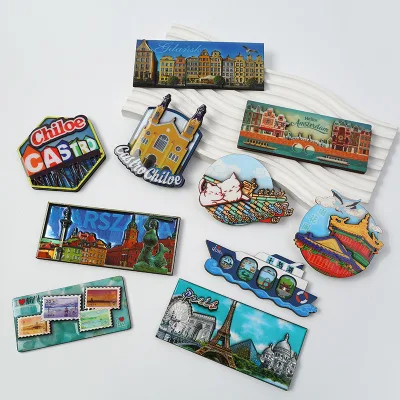
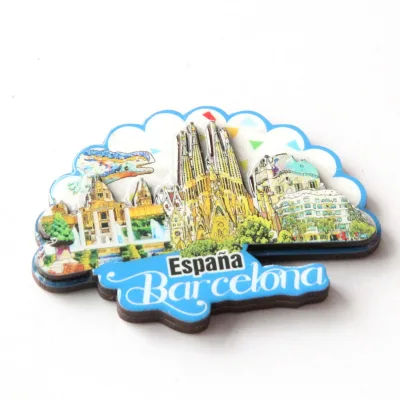
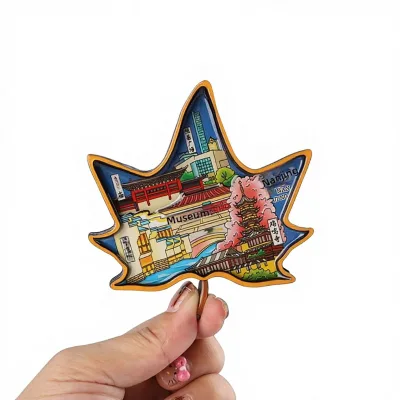
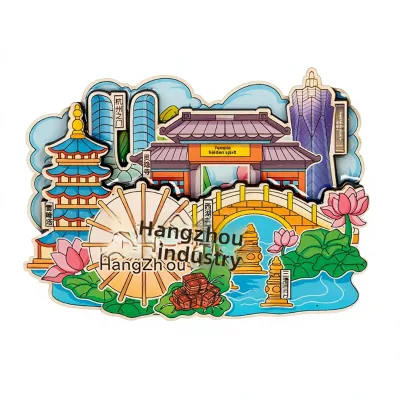
Explore 29 verified options for Customized Wood Fridge Magnet products with varying lead times, MOQs, and locations. Compare dimensions like response time, sample lead time, and material types to select the right partner. Contact suppliers directly to request quotes and samples.
Updated
Suppliers List

Xiamen D&Q Import and Export Co., Limited
- Combined
- China Fujian
- Lead time45 days
- Avg. response≤ 7h
Main productsBeach Souvenir, Fridge Magnet, Keychain, Shot Glass, Resin Craft, Beach Bag, Baseball Cap, Bucket Hat, Snow Globe, Home Decor
Main marketsEurope,North America


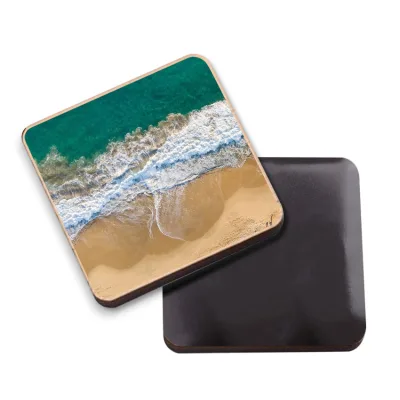
Customized Logo Design Wood British Souvenir London Theme Gifts Magnet UK Theme Gifts Fridge Magnet
$0.35 - $0.38
MOQ: 720 Pieces

Customized Logo MDF Wood Seaside France City Nice Souvenirs Fridge Magnet
$0.35 - $0.37
MOQ: 720 Pieces

Customized Design Logo Wood MDF Fridge Magnet Square Souvenir Epoxy Magnet
$0.35 - $0.38
MOQ: 720 Pieces

Custom Palm Tree Wood Fridge Magnet North Carolina South Carolina Souvenir Fridge Magnet
$0.35 - $0.37
MOQ: 720 Pieces

Customized Logo MDF Wood Refrigerator Magnets Oslo Viking Souvenir Norway Magnet
$0.39 - $0.42
MOQ: 720 Pieces
Liaocheng Solistar Art And Crafts Co., Ltd.
- Trading Company
- Shandong, China
- Lead time15 days
- Avg. response≤ 3h
Main productsBook Nook,DIY Puzzle,Baby Milestone Card,3D Assemble Crafts,Wooden Coaster
Main marketsDomestic Market(100.00%), North America(26.00%), Oceania(16.00%), Eastern Europe(10.00%), Mid East(9.00%), Western Europe(8.00%), Southern Europe(7.00%), Southeast Asia(6.00%), South America(6.00%), Eastern Asia(5.00%), South Asia(2.00%), Africa(2.00%), Northern Europe(2.00%), Central America(1.00%)
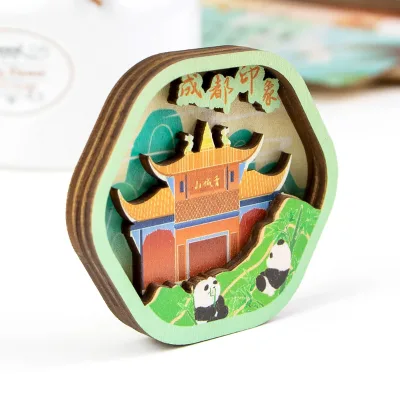
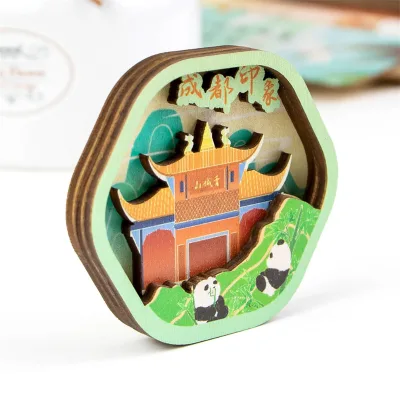
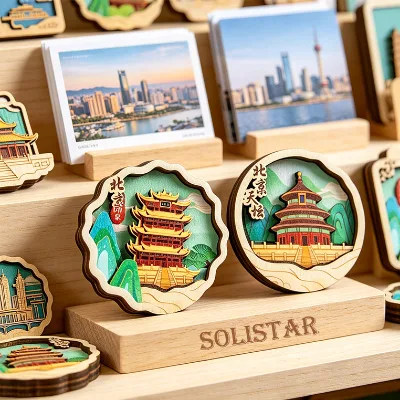
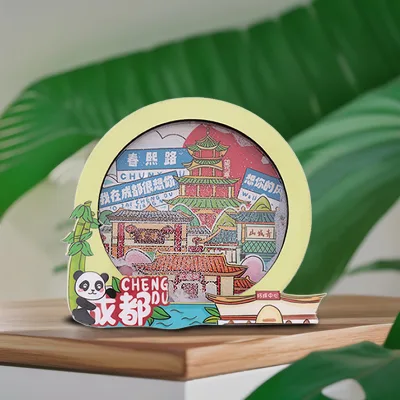
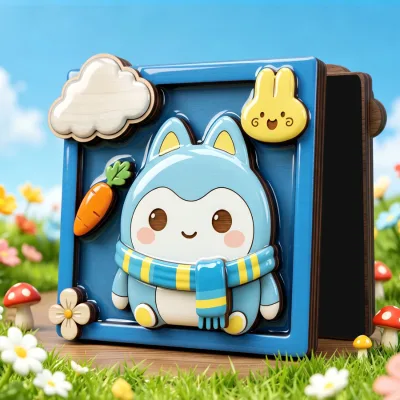
Custom 3d Fridge Magnets Wooden Magnet Sticker Fridge Chengdu Souvenir Fridge Magnet
$0.3598 - $0.5651
MOQ: 1000 pieces
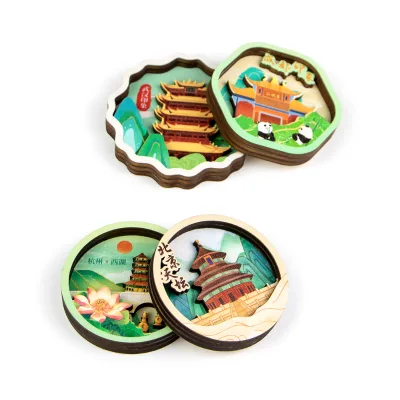
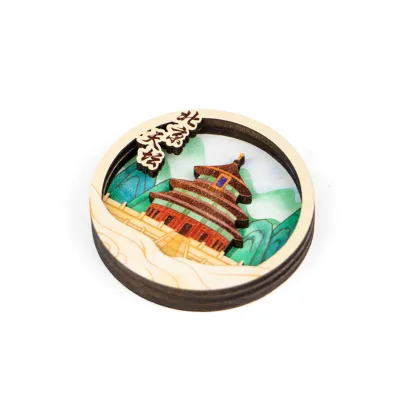
Custom City Tourism Souvenir Wooden Refrigerator Magnet As Promotional Gifts
$0.3598 - $0.5651
MOQ: 1000 pieces
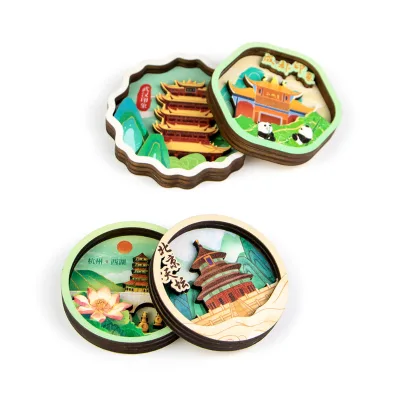
$0.3598 - $0.5651
MOQ: 1000 pieces
- Manufacturer, Trading Company
- shandong, China
- Lead time15 days
- Avg. response≤ 4h
Main productsScissors,Garden Tools,Kitchen Tools,Scales,Cable
Main marketsNorth America(30.00%), Northern Europe(10.00%), Western Europe(10.00%), Mid East(10.00%), Africa(10.00%), Southeast Asia(10.00%), Eastern Europe(10.00%), South America(10.00%)

Xiamen D&Q Import And Export Co., Limited
- Trading Company
- Fujian, China
- Lead time30 days
- Avg. response≤ 5h
Main productsFridge Magnet, Snow Globe, Shot Glass, Keychain, Beach Bag
Main marketsSouthern Europe(35.00%), North America(30.00%), South America(15.00%), Western Europe(10.00%), Africa(5.00%), Mid East(5.00%)

- Trading Company
- China Guangdong
- Lead time0 days
- Avg. response≤ 2h
Main productsMetal Crafts, Ceramic Products, Plush Toys, Metal Badge, Metal Keychain, Metal Artwork, Ceramic Cup, Pin Badge, Medal, Trophy

Customized Refrigerator Magnet Tourism Souvenirs Custom Logo Wooden Fridge Magnet Manufacturer
$0.25 - $0.85
MOQ: 50 Pieces

Promotional Souvenir Tourism Magnet Magnetic Custom Wooden Fridge Magnet Customized
$0.40 - $0.50
MOQ: 50 Pieces


Hangzhou Huirui Souvenirs Co., Ltd.
- Manufacturer, Trading Company
- Zhejiang, China
- Lead time30 days
- Avg. response≤ 11h
Main productsFridge Magnet,Shot Glass,Herb Grinder,License Plate,Tin Ashtray
Main marketsSouthern Europe(15.00%), Central America(15.00%), Western Europe(15.00%), Eastern Europe(15.00%), South America(15.00%), North America(15.00%), Northern Europe(10.00%)

Zhongshan Saiya Souvenirs & Gifts Manufacturer
- Verified by SGS
- Combined
- China Guangdong
- Lead time23 days
- Avg. response≤ 4h
Main productsFridge Magnet, Metal Crafts, Keychain, Shot Glass, Bottle Opener, License Plate, Photo Frame, Souvenir Bag
Main marketsSoutheast Asia/ Mideast,Europe,North America

Customized Wood Fridge Magnet Countries City Tourist Souvenirs 3D MDF Refrigerator Magnet
$0.35 - $0.40
MOQ: 720 pieces

Customized Logo MDF Wooden Fridge Magnet Beach Island Souvenir Refrigerator Magnet
$0.45 - $0.52
MOQ: 720 pieces

Manufacture Custom MDF Wooden Fridge Magnet Beach Souvenir Wood 3D Refrigerator Magnet
$0.45 - $0.52
MOQ: 720 pieces

Custom Design MDF Wooden Magnet Travel Countries City Souvenir Fridge Magnet
$0.45 - $0.52
MOQ: 720 pieces


Customised Design Souvenir Wood Fridge Magnet Double Layer 3D MDF Refrigerator Magnet
$0.45 - $0.52
MOQ: 720 pieces

Wenzhou Guda Technology Co., Ltd.
- Verified by BV
- Combined
- China Zhejiang
- Lead time30 days
- Avg. response≤ 4h
Main marketsEurope

- Verified by TUVRHEINLAND
- Manufacturer/Factory
- China Zhejiang
- Lead time15 days
- Avg. response≤ 9h
Main productsNeodymium Magnet, Ferrite Magnet, Rubber Magnet, AlNiCo Magnet, Fridget Magnet, Keyring, Keychain, Magnet Sticker, Wood Magnet, Magnet Toy
Main marketsSouth America,Mid East,North America,Eastern Asia,Western Europe
Pujiang Sigang Crafts Co., Ltd.
- Verified by TüVRheinland
- Manufacturer, Trading Company
- Lead time20 days
- Avg. response≤ 3h
Main productsFridge Magnet, Keychain, Ornament, Bottle Opener, Puzzle
Main marketsWestern Europe(60%), North America(20%), Domestic Market(10%)
- Verified by SGS Group
- Trading Company
- Lead time20 days
- Avg. response≤ 2h
Main productsFridge Magnets, Bottle Opener, Keyrings, Erase planner, Button Badge, Button Pin, Tin Sign, Aluminium Plate, Coaster, Silicone Wristband, Paper Bag, Paper Box, Notebook, Calendars, Books, Playing Cards, Playing Cards, Poker Cards, Game Cards, Board Game
Main marketsNorth America(21%), Western Europe(13%), Southeast Asia(10%)
Jilin Province Ever Creation Technology Co., Ltd.
- Trading Company
- Jilin, China
- Lead time60 days
- Avg. response≤ 10h
Main productsWooden Carving Crafts,Himalayan Salt Lamp,Wooden Carved Pen
Main marketsNorth America(63.00%), Western Europe(28.00%), Eastern Asia(6.00%), Southern Europe(1.00%), South America(1.00%), Southeast Asia(1.00%)

- Verified by TUVRHEINLAND
- Trading Company
- China Hunan
- Lead time15 days
- Avg. response≤ 2h
Main productsFridge Magnet, Acrylic Magnet, Resin Crafts, Playing Cards, Tote Bag, Custom Keychains, Acrylic Shakers, Snow Globe, Bottle Openers, Metal Crafts
Main marketsSouth America,Africa,Southeast Asia/ Mideast,East Asia(Japan/ South Korea),Europe,Australia,North America

Customized Wooden Fridge Magnet Print High Res Travel Souvenir Promotion Gift
$0.28 - $0.38
MOQ: 500 Pieces

Customized Wooden Refrigerator Magnet Tourist Souvenir Eco Friendly Promotion Gift
$0.28 - $0.38
MOQ: 500 Pieces

Creative Eco Friendly Wooden Custom Logo Refrigerator Magnet for Business Gift Souvenirs
$0.28 - $0.38
MOQ: 500 Pieces
Longgang Zhongyue Industrial Co., Ltd.
- Verified by TüVRheinland
- Manufacturer, Trading Company
- Lead time0 days
- Avg. response≤ 6h
Main productsMagnetic Puzzle, Fridge Magnets, Magnetic Erasable White Board
Main marketsDomestic Market(50%), South America(15%), North America(10%)
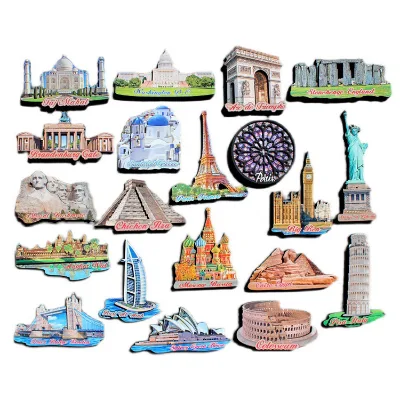
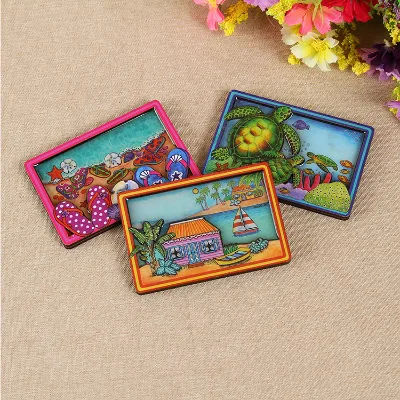
China Manufactory Hot Sale Decorative Fridge Magnets Wooden 3D Refrigerator Magnet
$1.00 - $2.00
MOQ: 500
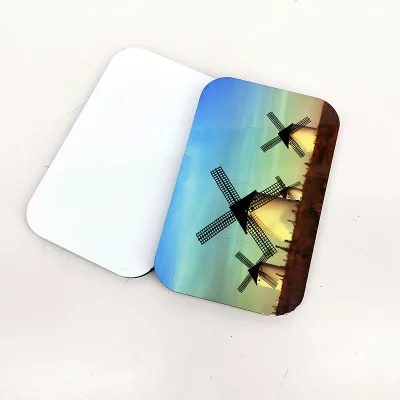
Business Card Size Fridge Magnet Custom Wood Fridge Sticker Name Card Refrigerator Magnetic Sticker
$2.22 - $2.92
MOQ: 500 pieces
Kunshan Krell Cultural Development Co., Ltd.
- Trading Company
- Lead time旺季: "1 - 100":31,"> 100":"To be negotiated", 淡季: "1 - 100":31,"> 100":"To be negotiated"
- Avg. response≤ 2h
Main productsEnamel Pin, Tote Bag, Notebook, Acrylic Keychain, Acrylic Stand
Jiangmen City Jia Wei Gifts Co., Ltd.
- Verified by SGS Group
- Manufacturer, Trading Company
- Lead time15 days
- Avg. response≤ 3h
Main productsKeychain, Medal, Challenge Coin, Lapel Pin, Gift Set
Main marketsWestern Europe(45%), North America(30%), Oceania(10%)
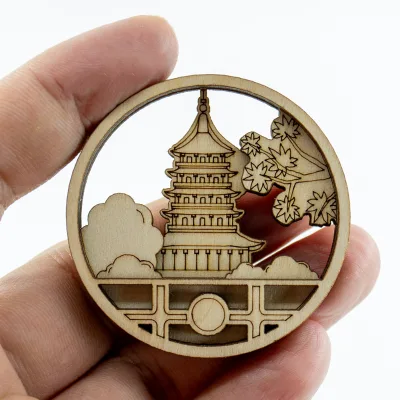
Manufacturer ODM OEM Laser Cutting Wooden Travel Fridge Magnet Customised Magnets
$0.6521
MOQ: 200 Minimum

Customizable 3D Wooden Photo Refrigerator Magnets for Different Holidays-Promotional Fridge Magnets
$0.8274 - $1.0343
MOQ: 500 Minimum
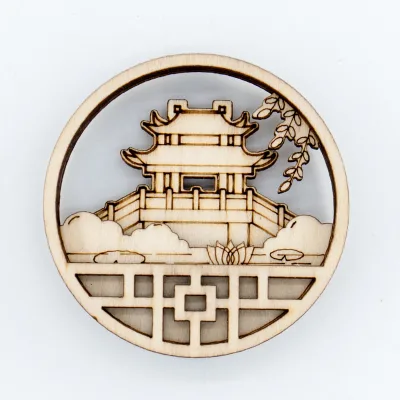
New Cheap Gifts Eco Friendly Wood Tourist Souvenir Custom Made Wood Fridge Magnet
$0.6521
MOQ: 200 Minimum
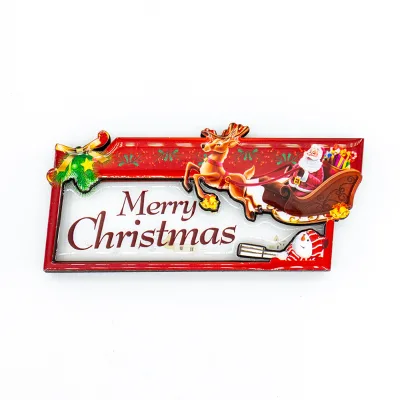
$0.8289 - $1.0373
MOQ: 500 Minimum
Dongguan Xinyue Arts And Craft Co., Ltd.
- Verified by Intertek
- Manufacturer, Trading Company
- Lead time30 days
- Avg. response≤ 1h
Main productsDIY Book Nook, DIY Miniature House, Wooden 3D Puzzle, Miniature Dollhouse Kits, Wooden Jigsaw Puzzle
Main marketsNorth America(31%), South America(20%), Eastern Europe(10%)
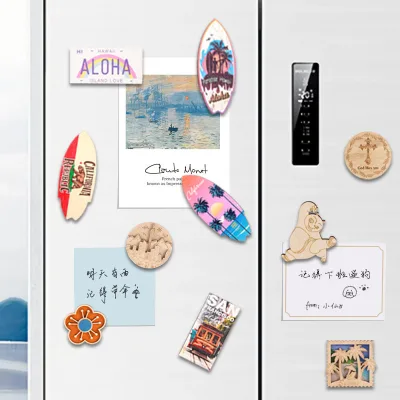
$0.25 - $0.40
MOQ: 500 pieces
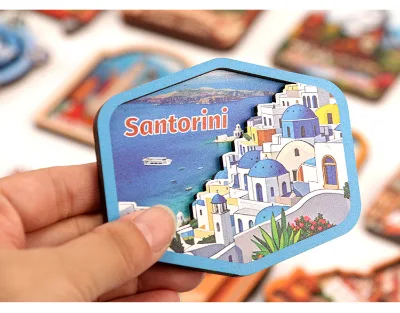
$0.3792 - $0.4212
MOQ: 1000 pieces
- Verified by SGS Group
- Trading Company
- Lead time15 days
- Avg. response≤ 4h
Main productsHome Decorations, Musical Instruments, Christmas and Party Supplies, Music Box, Garden Decorations
Main marketsNorth America(20%), Western Europe(20%), Southeast Asia(15%)
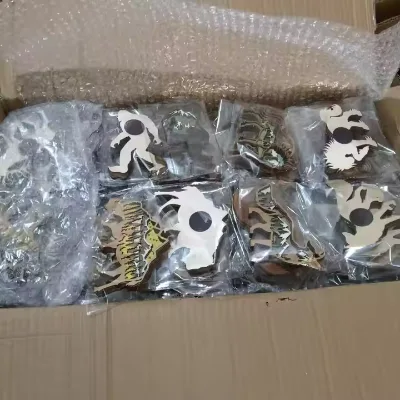
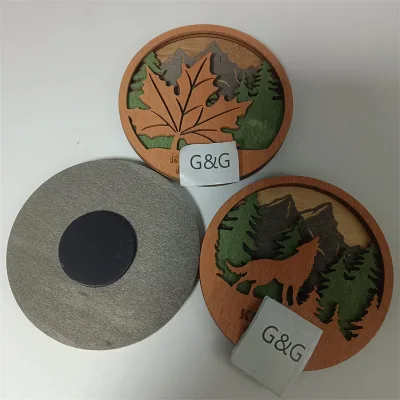
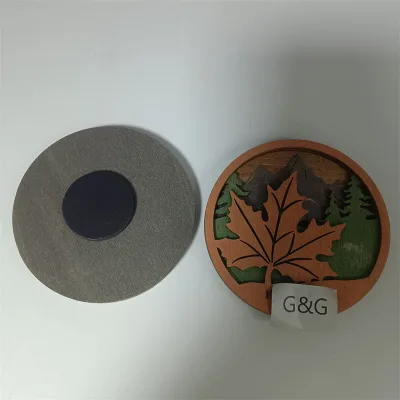
Custom Logo Refrigerator Magnet Wooden Fridge Magnet Travel Souvenir
$0.6071 - $0.709
MOQ: 1000 pieces
Shenzhen Fureida Promotion Gift Co., Ltd.
- Manufacturer
- Guangdong, China
- Lead time12 days
- Avg. response≤ 3h
Main productsPaper printing product,Soft PVC product,Tin product,Magnet Product,Gifts & Crafts
Main marketsSoutheast Asia(30.00%), North America(20.00%), Western Europe(20.00%), Northern Europe(10.00%), South America(10.00%), Africa(10.00%)
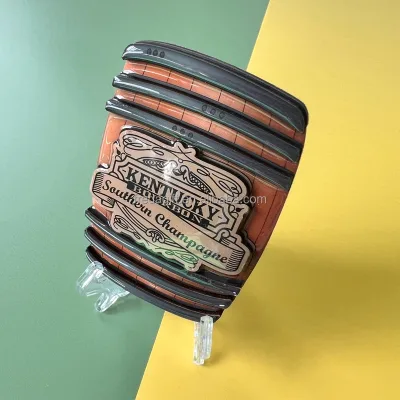
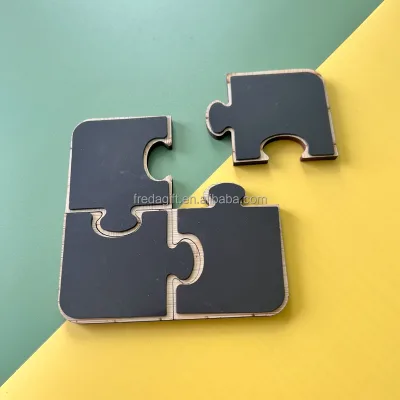
Portugal Custom Wholesale Souvenir Layer Wood Fridge Magnetic MDF Magnet
$0.25 - $0.35
MOQ: 500 pieces
Changsha Coloring Gifts Co., Ltd.
- Verified by Intertek
- Trading Company
- Lead time15 days
- Avg. response≤ 3h
Main productsFridge Magnet, Playing Card, Card Game, Button Badge
Main marketsNorth America(25%), Eastern Europe(15%), Northern Europe(12%)
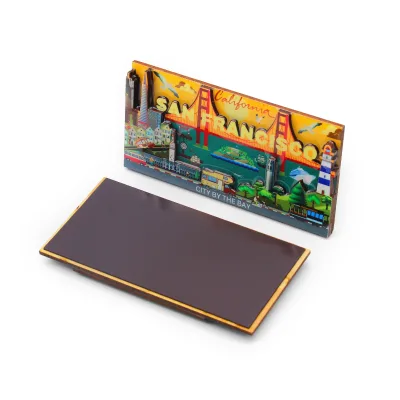
Manufactory Wood Souvenir Wood 3D Fridge Magnet Custom Logo Blank Laser Blank Wood Fridge Magnet
$0.18 - $0.28
MOQ: 500 pieces
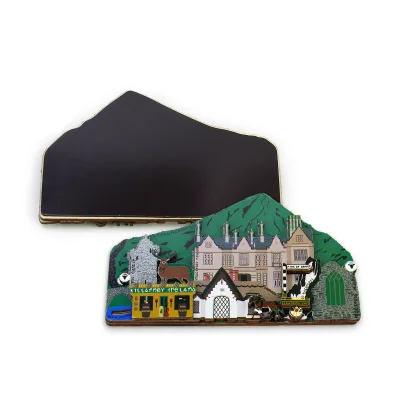
Premium Quality Customise Wood Refrigerator Magnet Blank Photo Wooden Magnet Fridge
$0.1443 - $0.1964
MOQ: 500 pieces
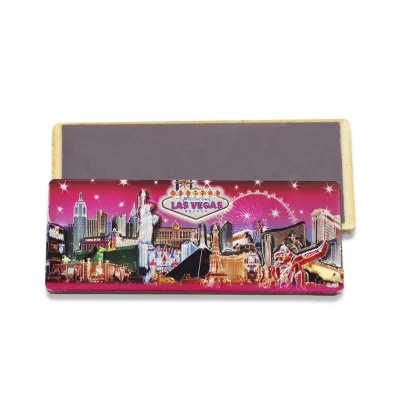
Xiamen D& Q Import And Export Co., Limited
- Verified by TüVRheinland
- Trading Company
- Lead time60 days
- Avg. response≤ 6h
Main productsSouvenir Items, Fridge Magnet, Snow Globe, Keychain, Bottle Opener
Main marketsNorth America(35%), Western Europe(20%), Northern Europe(20%)
Zhongshan Lucky Art And Crafts Gifts Co., Ltd.
- Verified by SGS Group
- Manufacturer, Trading Company
- Lead time5 days
- Avg. response≤ 4h
Main productsCoin/Medal/Lanyards/Keychain/Lapel Pin, Fridge Magnets
Main marketsNorth America(20%), Western Europe(15%), Southeast Asia(10%)
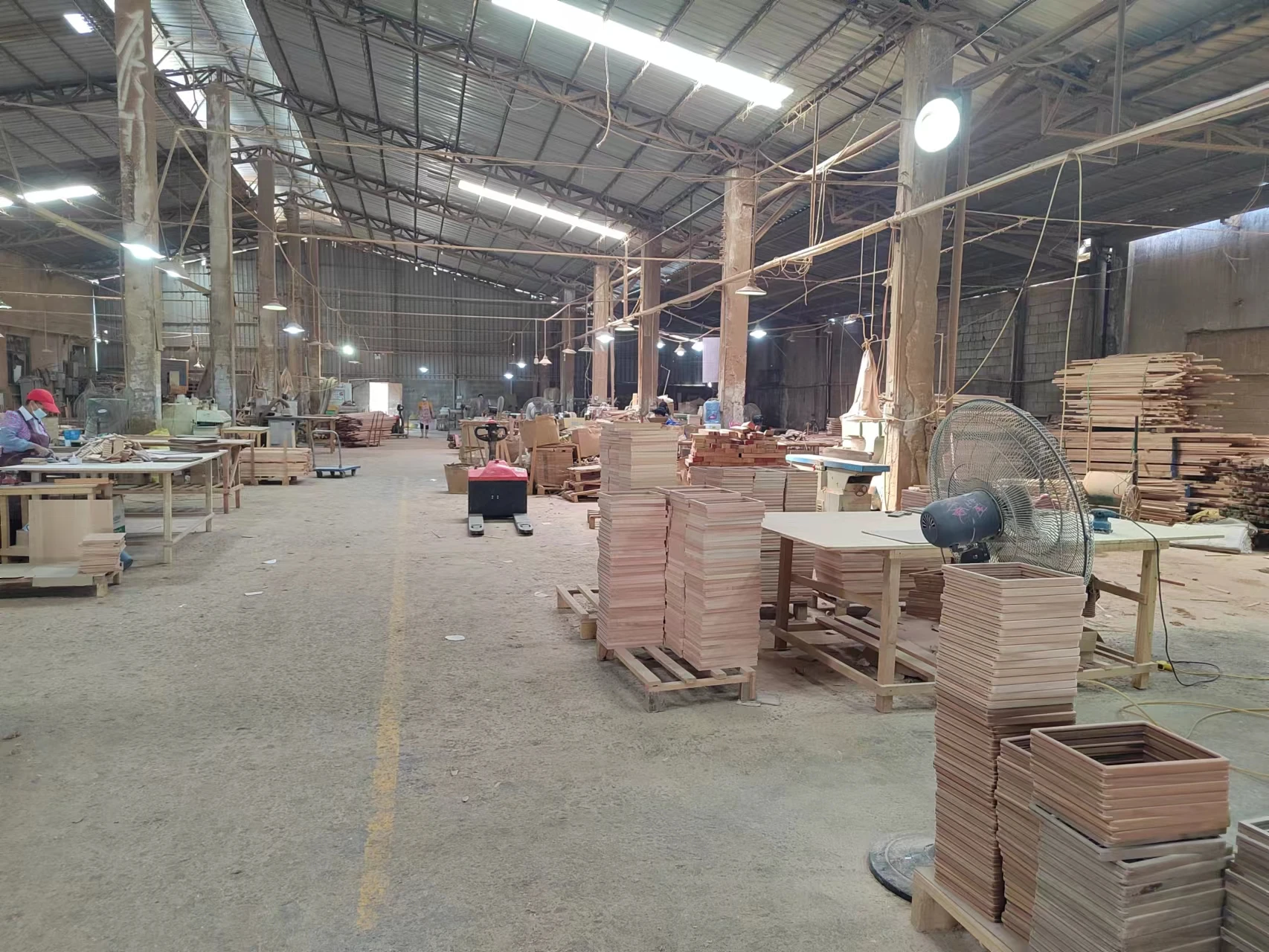
Dongguan Galaxy Wood Crafts Co., Ltd.
- Manufacturer, Trading Company
- Guangdong, China
- Lead time0 days
- Avg. response≤ 3h
Main productswood crafts,wood kitchen item,wood blocks,wooden dice,wooden cut out
Main marketsWestern Europe(20.00%), North America(16.00%), Eastern Europe(13.00%), Southern Europe(10.00%), Northern Europe(10.00%), Central America(5.00%), South America(5.00%), Eastern Asia(5.00%), Mid East(5.00%), Southeast Asia(5.00%), South Asia(2.00%), Africa(2.00%), Oceania(2.00%)

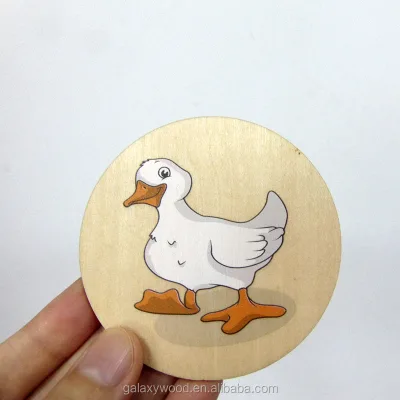
Factory Sale Wholesale Various Size Custom Shaped Wooden Fridge Magnet
$0.4032 - $0.6086
MOQ: 100 pieces
Dongguan Maghard Flexible Magnet Co., Ltd.
- Verified by TüVRheinland
- Manufacturer, Trading Company
- Lead time15 days
- Avg. response≤ 6h
Main productsMagnetic Materials, Decorative Accents, Whiteboards, Magnetic Blocks, Other Educational Toys
Main marketsDomestic Market(20%), Eastern Europe(15%), Western Europe(15%)

EVER GREATER IMP. & EXP. CO., LIMITED
- Verified by TUVRHEINLAND
- Trading Company
- China Zhejiang
- Lead time15 days
- Avg. response≤ 6h
Main productsDisposable Cup, Paper Cup, Pet Cup, PLA Cup, Sleeve, Coaster, Food Packag Box, Pizza Box, Cake Box, Paper Box
Main marketsSoutheast Asia/ Mideast,Europe,Australia,North America

High Quality Printing Shiny Wood Fridge Magnet with Over 25 Years Experience
$0.30 - $0.50
MOQ: 500 Pieces


- Verified by TUVRHEINLAND
- Trading Company
- China Hunan
- Lead time15 days
- Avg. response≤ 4h
Main productsPlaying Cards, Game Card, Tarot Cards, Educational Cards, Flash Cards, Board Game, Affirmation Cards, Calendar Printing, Paper Bag Printing, Fridge Magnet
Main marketsAfrica,Southeast Asia/ Mideast,Europe,Australia,North America
Yiwu Guangcui Souvenirs Co., Ltd.
- Verified by Intertek
- Trading Company
- Lead time25 days
- Avg. response≤ 2h
Main productsMug, Wine Stopper, Keychain, Fridge Magnet, Bottle Opener
Main marketsWestern Europe(60%), North America(20%), Eastern Europe(10%)

Yiwu Superstar Creation Company
- Trading Company,Manufacturer/Factory
- China Zhejiang
- Lead time23 days
- Avg. response≤ 3h
Main productsPlush Toys, Tourist Souvenirs, Wedding Souvenirs, Christmas Decorations, Christmas Ornaments, Christmas Gifts, Fridge Magnets, Christmas Baubles, Music Box, Snow Globe
Main marketsSouth America,Eastern Europe,Mid East,North America,Southeast Asia,Eastern Asia,Oceania,Western Europe,Africa
Wenzhou Yinchuang Craftwork Co., Ltd.
- Verified by SGS Group
- Manufacturer, Trading Company
- Lead time10 days
- Avg. response≤ 3h
Main productsWoven label, Metal tag, Sticker, Wooden crafts, Hang tag
Main marketsNorth America(80%), Domestic Market(20%)
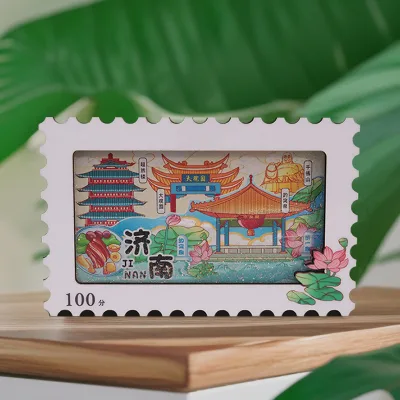
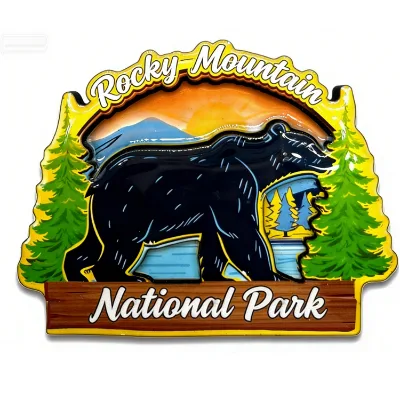
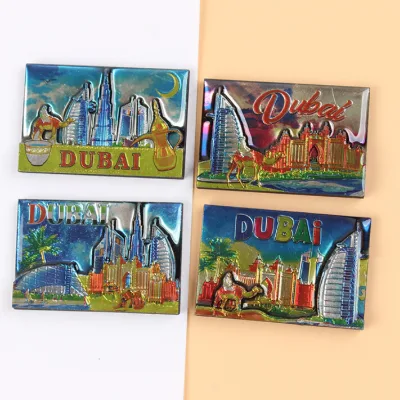
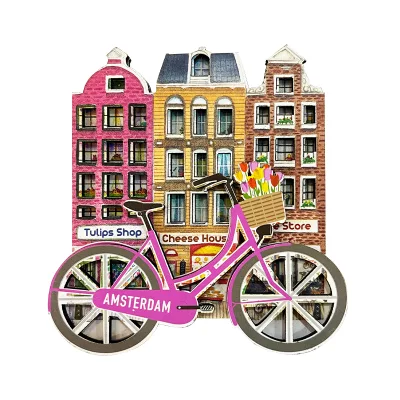
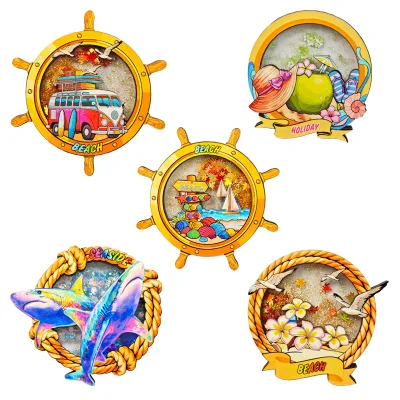
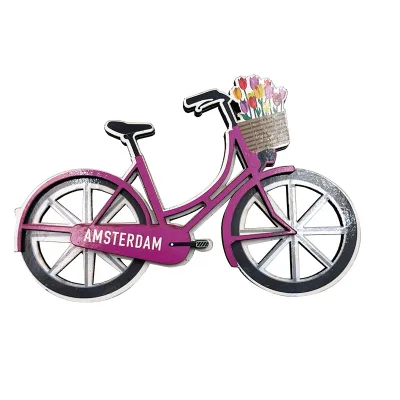
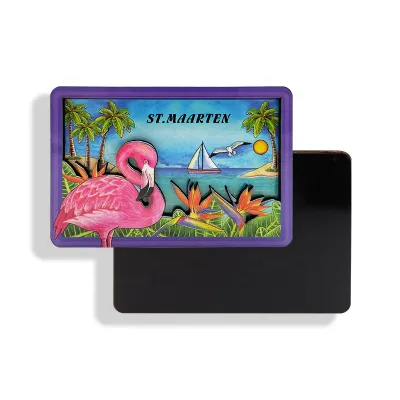
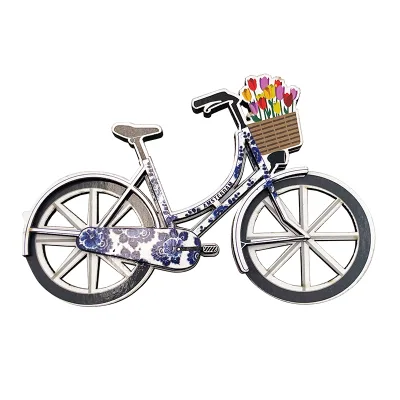
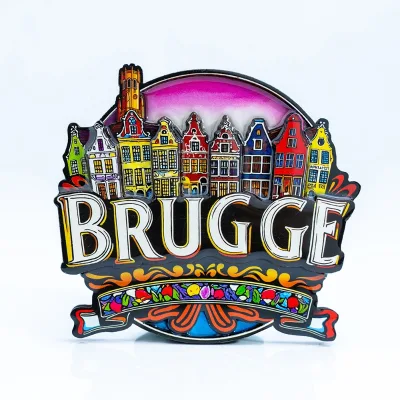


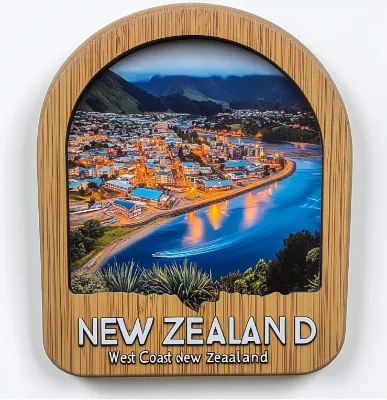
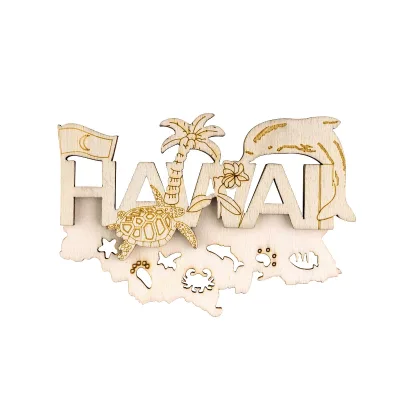
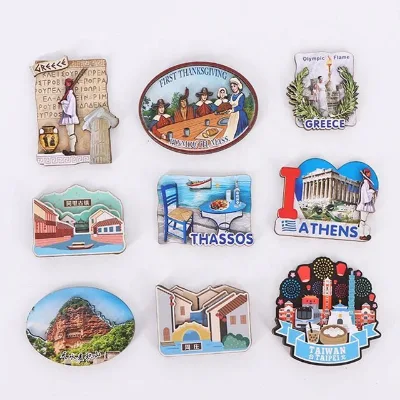







Comprehensive Sourcing Guide
Customized Wood Fridge Magnet Supplier Concentration and Factory Types
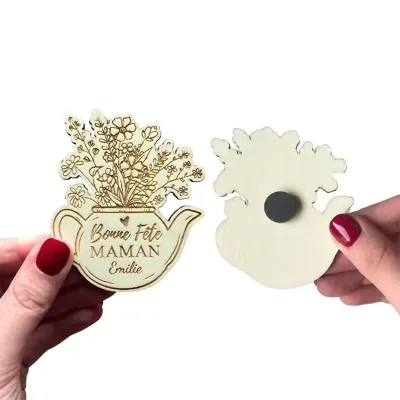
The landscape for sourcing customized wood fridge magnets reveals distinct manufacturing clusters, primarily concentrated in regions like Fujian and Shandong in China. Suppliers in Fujian often operate as combined entities, blending trading capabilities with production resources, which allows them to offer a diverse range of home decor items alongside their core magnet products. These facilities frequently specialize in materials such as wood and MDF, catering to markets that demand antique styles, multicolor finishes, and specific customization options like hand-painting or machine printing. The presence of ODM and OEM capabilities in these combined companies suggests a flexibility that can accommodate both private label branding and original design manufacturing needs. Buyers looking for high-volume orders with consistent quality may find these established hubs particularly useful, as they often have the infrastructure to handle complex designs and larger production runs efficiently.
In contrast, suppliers located in Shandong may present a different operational model, often identified as trading companies rather than direct manufacturers. These entities typically focus on a broader array of crafts, including book nooks, DIY puzzles, and wooden coasters, indicating a versatile approach to the gift and craft market. While they may not own the factories, their role as intermediaries can provide buyers with access to a wider variety of suppliers and product types under one roof. The trading company model often emphasizes rapid response times and flexible order quantities, which can be advantageous for smaller businesses or those testing new product lines. Understanding whether a supplier is a factory, a trading company, or a combined entity is crucial for determining the level of direct control over production quality and the potential for cost savings through direct negotiation.
How to Verify Customized Wood Fridge Magnet Suppliers
Verifying the legitimacy and capability of a supplier requires a multi-layered approach that goes beyond simple profile reviews. Buyers should prioritize suppliers who provide clear evidence of their manufacturing processes, such as detailed product attributes specifying materials like bamboo wood, basswood plywood, or MDF. It is essential to confirm that the supplier can handle the specific customization requirements of the order, whether that involves laser cutting, UV printing, or hand-painting techniques. Checking for the availability of OEM and ODM services is a strong indicator of a supplier’s technical proficiency and willingness to adapt to unique design specifications. Additionally, examining the sample lead times, which can range from three days to ten days depending on the supplier’s location and complexity, helps gauge their operational efficiency and responsiveness to urgent requests.
Another critical step is to assess the supplier’s communication and transactional transparency. A reliable supplier will typically have a documented response time, with some demonstrating speeds under seven hours, which is vital for resolving issues quickly during the production phase. Buyers should also look for clear payment terms, such as a deposit structure followed by a balance payment before shipping, which protects both parties’ interests. It is advisable to request physical samples before committing to large orders to verify the quality of the wood finish, the durability of the magnet, and the accuracy of the custom printing. Furthermore, verifying the supplier’s business type, whether they are a trading company or a manufacturer, helps in understanding the supply chain dynamics and potential markup costs. This due diligence ensures that the chosen partner can meet both quality standards and delivery expectations.
What to Compare Across Customized Wood Fridge Magnet Suppliers
When evaluating multiple suppliers, comparing key operational metrics is essential for making an informed decision. One of the most significant factors is the Minimum Order Quantity (MOQ), which can vary widely from as low as one hundred pieces to several hundred or even a thousand pieces. Suppliers with lower MOQs are often more suitable for startups or businesses testing the market, while those with higher MOQs may offer better unit economics for established brands. Lead times are another critical comparison point, ranging from fifteen days to forty-five days depending on the order size and the supplier’s current workload. Buyers must align these timelines with their inventory planning to avoid stockouts or excess inventory, especially when dealing with seasonal products like beach souvenirs or holiday-themed magnets.
Response time and main product focus also play a pivotal role in supplier selection. Suppliers with faster response times, such as those averaging under seven hours, are generally more responsive to inquiries and potential issues. Additionally, examining the supplier’s main product lines can reveal their expertise; for instance, a supplier specializing in home decor and souvenirs may have more refined processes for intricate designs compared to a general craft supplier. Price ranges should also be compared, keeping in mind that costs can fluctuate based on material choices, customization complexity, and order volume. By systematically comparing these attributes, buyers can identify suppliers that best match their specific business needs, balancing cost, quality, and service levels to optimize their sourcing strategy.
Common Customized Wood Fridge Magnet Sourcing Risks
Sourcing customized wood fridge magnets comes with inherent risks that buyers must proactively manage to ensure a smooth procurement process. One significant risk is the variability in material quality, as wood can be susceptible to warping, cracking, or inconsistent finishes if not properly treated or stored. Buyers should be cautious of suppliers who do not provide detailed material specifications, as this can lead to discrepancies between the sample and the final bulk production. Another risk is the potential for delays in production, which can be exacerbated by complex customization requirements or high order volumes. Suppliers with longer lead times may struggle to meet tight deadlines, especially if they are managing multiple large orders simultaneously, which can disrupt the buyer’s supply chain and sales plans.
Communication gaps and lack of transparency are also common pitfalls in international sourcing. Buyers may encounter difficulties in conveying specific design nuances or quality expectations, leading to misunderstandings and unsatisfactory outcomes. It is crucial to establish clear communication channels and request regular updates throughout the production process. Additionally, there is a risk of hidden costs, such as shipping fees, customs duties, or additional charges for rush orders, which can impact the overall profitability of the project. Buyers should also be wary of suppliers who do not offer robust quality control measures, as this can result in defective products reaching the end consumer. Mitigating these risks requires thorough due diligence, clear contracts, and active engagement with the supplier to ensure alignment on all aspects of the order.
Customized Wood Fridge Magnet Regional Sourcing and Logistics
Regional sourcing decisions significantly impact logistics costs, lead times, and overall supply chain efficiency. Suppliers located in Fujian, for example, benefit from established manufacturing ecosystems and proximity to major shipping ports, which can facilitate faster and more cost-effective export processes. This region’s concentration of combined suppliers and factories often results in competitive pricing and a wide variety of product options, making it an attractive hub for buyers seeking diverse customized wood fridge magnets. However, buyers must also consider the logistical implications of sourcing from other regions, such as Shandong, where trading companies may offer different advantages in terms of flexibility and product range. Understanding the geographic distribution of suppliers helps buyers optimize their sourcing strategy based on their specific location and market demands.
Logistics planning should also account for the packaging and shipping requirements of wood products, which can be bulky and heavy. Suppliers often provide specific packaging details, such as pieces per box and cartons per shipment, which are crucial for calculating freight costs and warehouse space. Buyers should work closely with their suppliers to determine the most efficient shipping methods, whether by sea, air, or express courier, depending on the urgency and volume of the order. Additionally, considering the environmental impact of wood sourcing and production is becoming increasingly important, with many buyers preferring suppliers who use sustainable materials and eco-friendly processes. By carefully evaluating regional logistics and packaging options, buyers can minimize costs and ensure timely delivery of their customized wood fridge magnets to global markets.
Customized Wood Fridge Magnet Commercial Terms and Order Planning
Commercial terms and order planning are foundational to successful procurement of customized wood fridge magnets. Buyers must negotiate clear payment terms, such as a percentage deposit upfront and the balance before shipment, to secure production slots and manage cash flow effectively. It is also important to define the scope of customization, including logo placement, design files, and material specifications, to avoid disputes during production. Suppliers may offer different pricing tiers based on order volume, so buyers should plan their orders to maximize cost efficiency while meeting demand forecasts. Additionally, understanding the sample approval process is crucial, as samples serve as the benchmark for quality and design accuracy in bulk production.
Order planning should also incorporate contingency measures for potential delays or quality issues. Buyers should establish clear communication protocols with their suppliers to address any problems promptly and minimize disruptions. It is advisable to include clauses in the contract that outline responsibilities for defects, delays, and returns, providing a safety net for both parties. Furthermore, buyers should consider the lifecycle of the product, including potential reorders and seasonal variations, to ensure a steady supply of customized wood fridge magnets. By carefully managing commercial terms and order planning, buyers can build a resilient and efficient supply chain that supports their business growth and customer satisfaction.
FAQs
What is the typical MOQ for customized wood fridge magnets?
Most suppliers require a minimum order of 720 pieces for standard wood or MDF designs. Some manufacturers offer lower thresholds starting at 100 pieces for specific DIY or bamboo wood options. Buyers should verify the exact quantity requirements with the supplier before placing an order to ensure production feasibility.
How long does sample production take for these magnets?
Sample lead times generally range from three to ten days depending on the supplier. Some manufacturers provide samples within three days, while others require up to ten days for custom designs. This timeframe allows for the creation of prototypes to verify material quality, printing accuracy, and overall aesthetic before mass production begins.
What materials are commonly used for these custom magnets?
Common materials include wood, MDF, and bamboo wood. Some products utilize basswood plywood for durability. These materials are often combined with hand-painted or machine printing processes to achieve detailed designs. Buyers can choose based on their preference for natural aesthetics or cost-effective mass production capabilities available from various suppliers.
What is the estimated price range for bulk orders?
Prices typically range from $0.35 to $0.42 per piece for bulk orders. The exact cost depends on the material, customization complexity, and order volume. Buyers should request quotes based on their specific design requirements and quantity to receive accurate pricing. Volume discounts may apply for larger orders exceeding the minimum threshold.
Where are these suppliers primarily located?
Suppliers are primarily located in China, specifically in Fujian and Shandong provinces. These regions are known for manufacturing home decor and promotional gifts. Buyers can filter results by location to find suppliers closer to their shipping preferences or those with specific regional expertise in woodcraft and souvenir production for global markets.
Can suppliers handle both OEM and ODM orders?
Yes, many suppliers offer both OEM and ODM services. This allows buyers to provide their own designs or utilize the manufacturer's existing templates. Customization options include logo printing, unique shapes, and specific packaging requirements. Buyers should confirm the specific capabilities and design support available with each supplier to ensure their brand needs are met.