waterproof anti-uv pvc sunscreen fabric Suppliers and Manufacturers
Compare 24 verified suppliers of waterproof anti-uv pvc sunscreen fabric based on location, lead times, and certifications. Review product specs like GSM and openness, then request quotes for 5% or 3% openness options; review the available evidence before requesting comparable quotations from suitable candidates.
Updated
Suppliers List

HAINING UNEED INDUSTRIAL MATERIAL CO., LTD.
- Verified by CTI
- Trading Company
- China Zhejiang
- Lead time30 days
- Avg. response≤ 3h
Main productsPVC Tarpaulin, Projection Screen Fabric, Window Curtain Fabric, PVC Strip Fence, Truck Cover, Pool Cvoer, PVC Bag, Tent, Mesh, Flex Banner
Main marketsSouth America,Southeast Asia/ Mideast,Europe,North America
Haining Liyuan Fabric Co., Ltd.
- Trading Company
- Zhejiang, China
- Lead time15 days
- Avg. response≤ 7h
Main productsPVC/PE Tarpaulin,Mesh series,PVC Film,PVC/PE Finished,PVC Panels
Main marketsDomestic Market(7.14%), South Asia(7.14%), Southern Europe(7.14%), Northern Europe(7.14%), Central America(7.14%), Western Europe(7.14%), Eastern Asia(7.14%), Mid East(7.14%), Oceania(7.14%), Africa(7.14%), Southeast Asia(7.14%), Eastern Europe(7.14%), South America(7.14%), North America(7.14%)
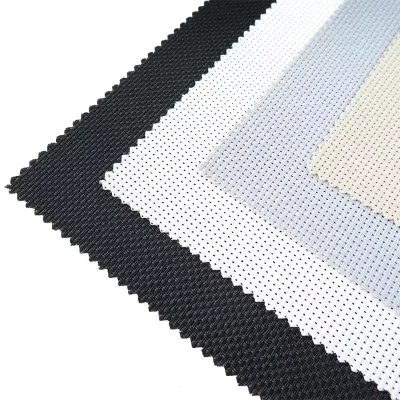
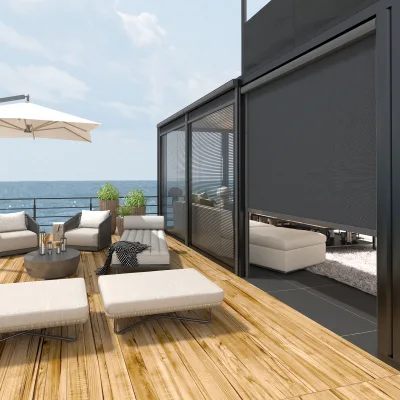
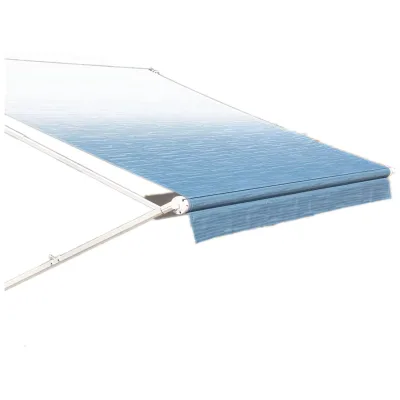
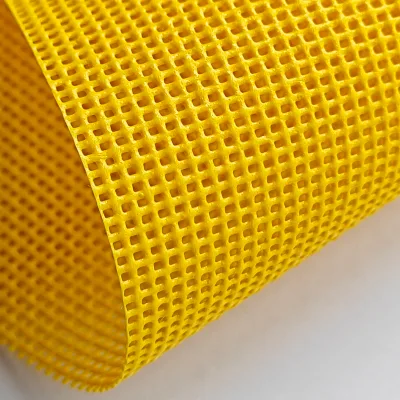
Outdoor Pvc Waterproof Blind Sunshade screen Fabric
$1.10 - $1.90
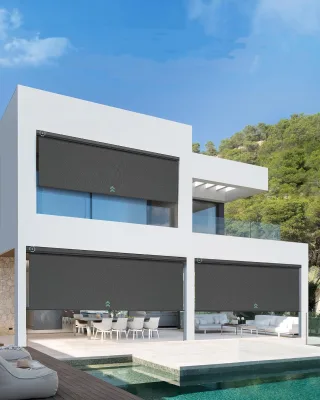
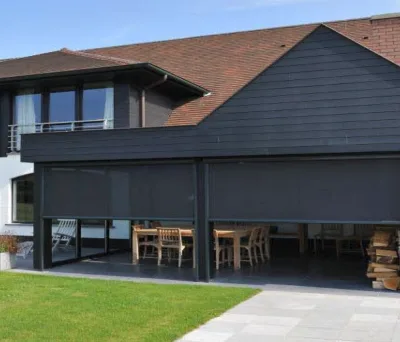

Shouguang Runchen Environmental Protection Technology Co., Ltd.
- Verified by BV
- Combined
- China Shandong
- Lead time15 days
- Avg. response≤ 4h
Main productsZebra Blinds, Roller Blinds, Honeycomb Blinds, Shangri-La Blinds, Sunshine Blinds, Dream Curtain, Vertical Curtain, Sunscreen Blinds, Wooden Blinds, Motor End Caps Heading
Main marketsSouth America,Africa,Southeast Asia/ Mideast,Europe,Australia,North America

Wujiang Xianglu Textile Co., Ltd.
- Verified by CTI
- Combined
- China Jiangsu
- Lead time30 days
- Avg. response≤ 25h
Main products210d Nylon Oxford Mattress Fabric, Medical Fabric, Fire Retardent Oxford Curtain Fabric, Roller Blind Curtain Fabric, PVC Coated Fabric, Projection Screen Fabric, Industrial Fabric, Functional Oxford Fabric, Cordura, Nylon Fabric
Main marketsOthers(foreignTradeCapacity.exportBusinessCapacityMarketOther),Southeast Asia/ Mideast,Domestic,Europe,Australia,North America

Waterproof and Windproof PVC Material Ultraviolet-Proof Roller Blind Sunscreen Fabric
$1.50 - $2.30
MOQ: 100 Square Meters

Wholesale Waterproof Outdoor PVC Sun Screen Material Sunscreen Roller Blinds Fabric
$1.50 - $2.30
MOQ: 100 Square Meters

Wholesale Custom Outdoor PVC Sun Screen Sunscreen Fabric for Roller Blinds
$1.50 - $2.30
MOQ: 100 Square Meters

Outdoor Garden Sunshade Solar Anti-UV PVC Sunscreen Roller Blinds Fabrics
$1.50 - $2.30
MOQ: 100 Square Meters

Wholesale Outdoor PVC Roller Waterproof Shade Window Blind Sunscreen Fabric
$1.50 - $2.30
MOQ: 100 Square Meters

Sunshade 5% Openness Polyester-PVC Outdoor Waterproof Window Sunscreen Roller Shade Blind Fabric
$1.50 - $2.30
MOQ: 100 Square Meters

Haining Jiarun Advanced Tarpaulin Co., Ltd.
- Verified by BV
- Combined
- China Zhejiang
- Lead time30 days
- Avg. response≤ 5h
Main productsPVC Tarpaulin, Truck Cover Tarp, PVC Mesh Sheet, PVC Strip Fence Screen
Main marketsDomestic


Tent Fabric Waterproof UV Sun Protection Blockout PVC Coated Tarpaulin Fabric
$1.12 - $1.20
MOQ: 2000 Square Meters

Shouguang Sunrise Industry Co., Ltd.
- Trading Company
- China Shandong
- Lead time15 days
- Avg. response≤ 2h
Main productsWooden Furniture & Accessories, MDF/Chipboard/ Hardboard/Blockboard, Plywood/Film Faced Plywood/LVL/H20 &H16, PE Coated Paper, Clay Coated Paper, Roller Blinds & Shading Produ, Dredger, Concrete Pipe Making Machine, Sawmill, Sterilization Pot
Main marketsSouth America,Africa,Southeast Asia/ Mideast,East Asia(Japan/ South Korea),Domestic,Europe,Australia,North America

SHOUGUANG SENTUO WOOD CO., LTD.
- Verified by BV
- Manufacturer/Factory
- China Shandong
- Lead time15 days
- Avg. response≤ 4h
Main productsPlywood, MDF, OSB, WPC Wall Panel, PVC Wall Panel, PVC Marble Sheet, Melamine MDF, Particleboard, Zebra Blinds, Door Skin
Main marketsSouth America,Eastern Europe,Mid East,North America,Southeast Asia,Eastern Asia,Oceania,Western Europe,Africa
Shanghai DER New Material Co., Ltd.
- Manufacturer, Trading Company
- Shanghai, China
- Lead time20 days
- Avg. response≤ 18h
Main productsPVC tarpaulin,PVC membrane,PVC banner,Self adhesive vinyl,PVC banner
Main marketsSouthern Europe(10.00%), Northern Europe(10.00%), Central America(10.00%), Western Europe(10.00%), Mid East(10.00%), Oceania(10.00%), Africa(10.00%), Eastern Europe(10.00%), South America(10.00%), North America(10.00%)
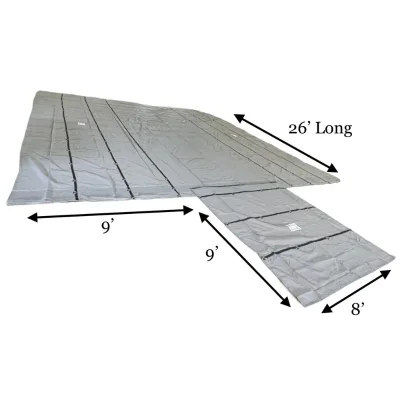
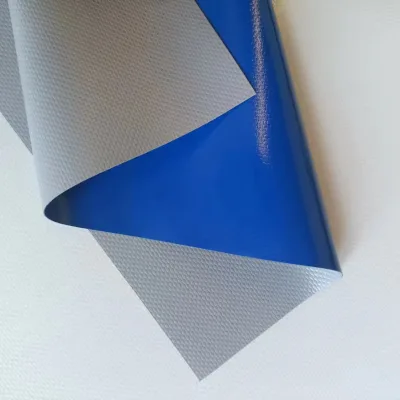
Bicolor PVC Industrial Fabric Waterproof Tear-Resistant Anti-Mold and Anti-UV Lona Impermeable
$1.6463 - $1.853
MOQ: 2000 square
$1.55 - $1.68
MOQ: 3000 cubic
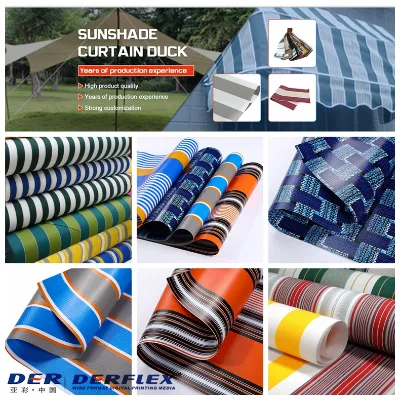

SHAOXING KEQIAO HENGFENG CURTAIN FACTORY
- Manufacturer
- China Zhejiang
- Lead time0 days
- Avg. response≤ 12h
Main productsRoller Blind, Vertical Blind, Window Blind, Fabric Blind, Blind Fabric, Awning, Window Coverings, Window Treatment, Roller Shade

70% PVC 30% Coated Polyester Screen Fabric Outdoor Waterproof Material Fiberglass Sunscreen Fabric
$0.97 - $1.46
MOQ: 1000 Square Meters

Anhui Der New Material Technology Co., Ltd.
- Verified by SGS Group
- Manufacturer, Trading Company
- Lead time35 days
- Avg. response≤ 5h
Main productsPVC Tarpaulin
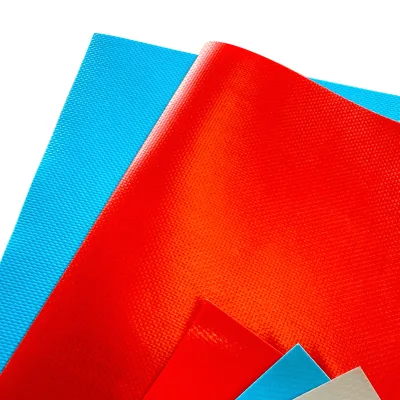
Reinforced PVC Fabric: UV Stable, Waterproof Canopy for Outdoor Sun and Rain Shielding
$1.33 - $1.35
MOQ: 5000 square
$0.89 - $1.25
MOQ: 3000 square
$1.3482 - $1.5429
MOQ: 5 square
Shijiazhuang Jinze Plastic Tarpaulins Manufacturing Co., Ltd.
- Manufacturer, Trading Company
- Hebei, China
- Lead time15 days
- Avg. response≤ 1h
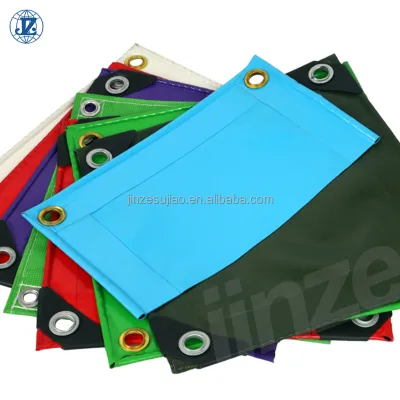
Main productsPVC Knife Coated Tarpaulin,PVC Coated Tarpaulin Truck Cover,PVC Coated Tarpaulin For Inflatable,PVC Coated Tarpaulin For Pool,PVC Coated Tarpaulin For Tent
Main marketsDomestic Market(100.00%)
$0.6996 - $2.5706
MOQ: 10 square
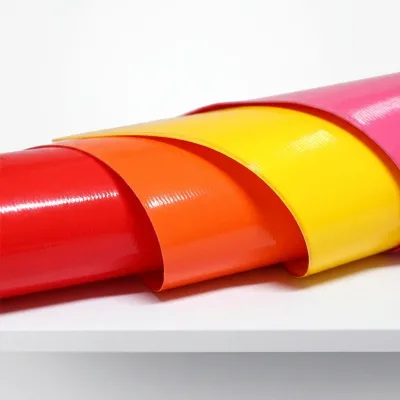
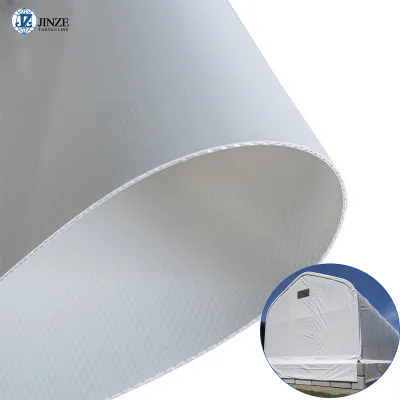
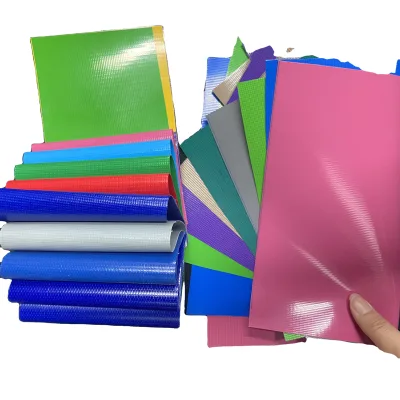
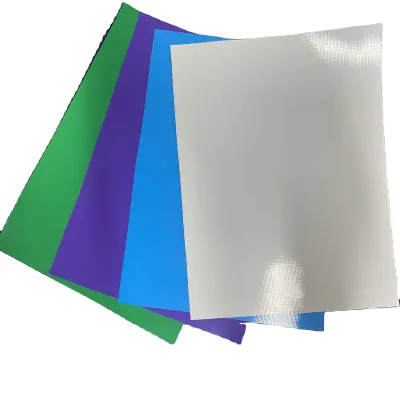
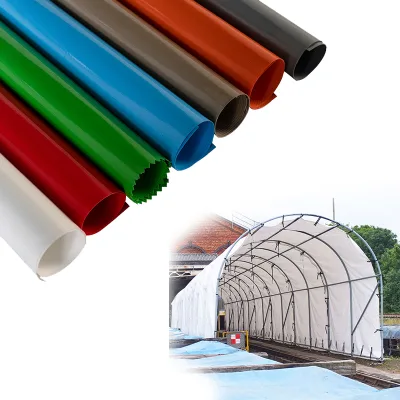
Hubei Jinlong New Materials Co., Ltd.
- Verified by SGS Group
- Manufacturer, Trading Company
- Lead time10 days
- Avg. response≤ 3h
Main productsPvc Tarpaulin, Flexible Water Tank, Infatable Tent, Pvc Layflat Hose, PVC Flex Banner
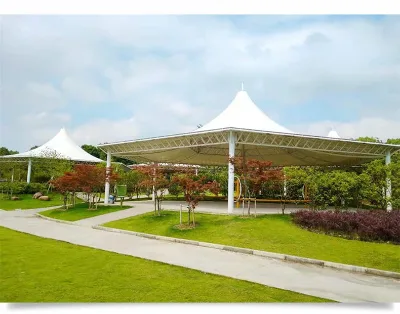
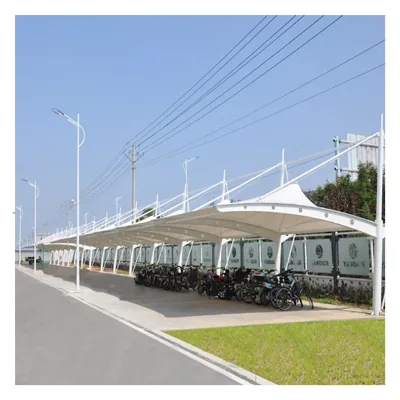
Pvc Coated and Pvdf White Fabric Roll for Tensile Membrane 750Gsm and Car Parking Cloth Pvc
$1.5235 - $2.4328
MOQ: 3 square
Suzhou Dianyue Textile Co., Ltd.
- Verified by SGS
- Combined
- China Jiangsu
- Lead time15 days
- Avg. response≤ 25h
Main productsYarn, Polyester Yarn, Recycled Yarn, Nylon Yarn, Chemical Yarn, Coated Fabric, Nylon Fabric
Main marketsDomestic

$2.04 - $3.00
MOQ: 100 Meters

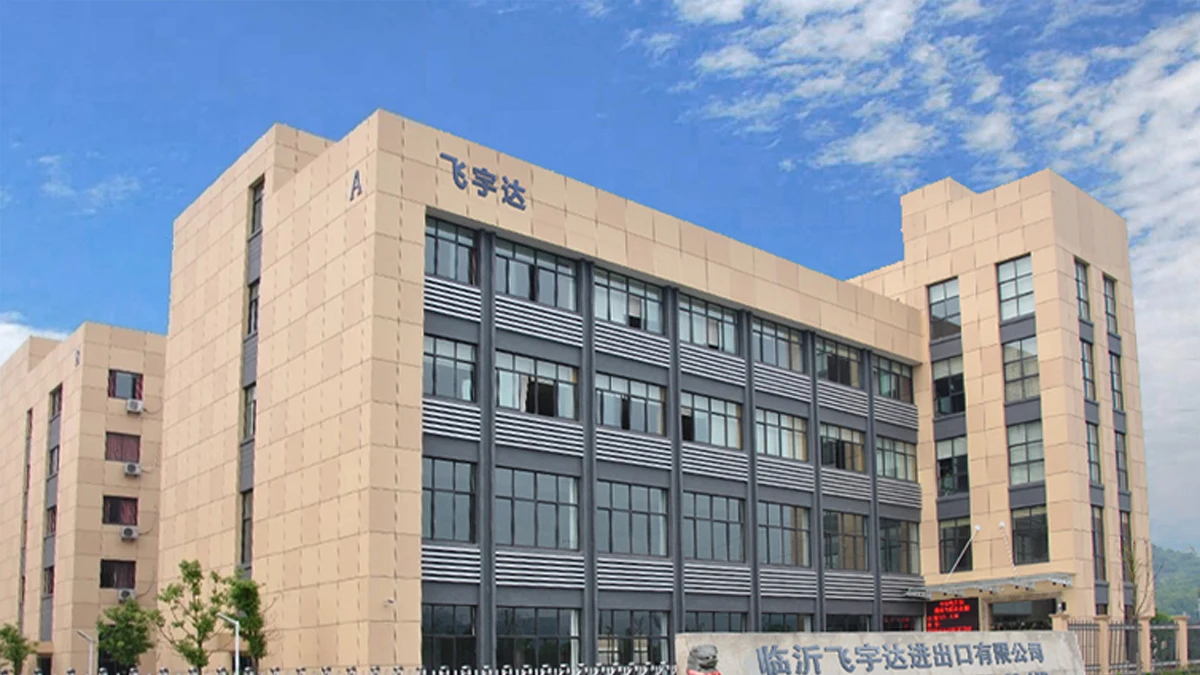
Linyi Feiyuda Imp. & Exp. Co., Ltd.
- Trading Company
- Shandong, China
- Lead time30 days
- Avg. response≤ 11h
Main productsTarpaulin; PP Woven Fabrics; Sunshade Net; PP Woven Bag
Main marketsAfrica(50.00%), South America(20.00%), Eastern Asia(10.00%), Mid East(10.00%), Eastern Europe(5.00%), Southeast Asia(5.00%)
Changzhou Byme Composite Materials Technology Co., Ltd.
- Trading Company
- Jiangsu, China
- Lead time15 days
- Avg. response≤ 8h
Main productsOxford Fabric,Poly Sofa Fabric,Taffeta Fabric,Nylon Fabric,mesh fabric
Main marketsSoutheast Asia(30.00%), Western Europe(30.00%), South Asia(20.00%), North America(10.00%), South America(5.00%), Northern Europe(5.00%)
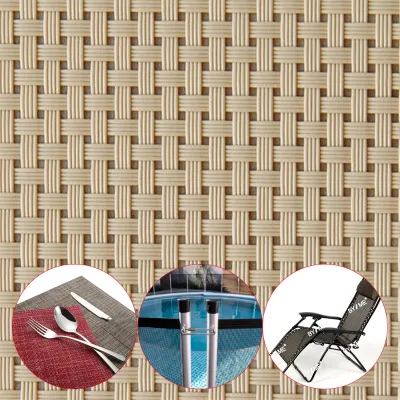
Pvc Mesh Fabric Anti-UV Textilens Mesh Woven Polyester Fabric for Outdoor Beach Chair
$1.18 - $1.50
MOQ: 1500
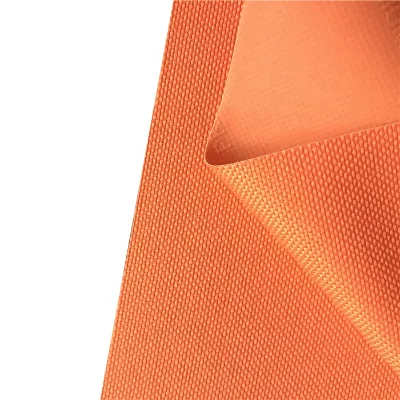
Hot Sale Top Quality Water Repellent Oxford Fabric Pvc for Outdoor Furniture Fabrics
$0.55 - $0.84
MOQ: 1500
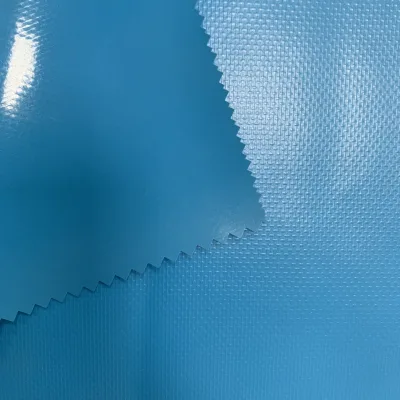
1000D pvc outdoor/cover/car canopy/pool waterproof uv resistant tarpaulin fabric
$0.77 - $0.96
MOQ: 1000 square
Linyi Guangji Plastic Tarpaulin Co., Ltd.
- Manufacturer, Trading Company
- Shandong, China
- Lead time20 days
- Avg. response≤ 6h
Main productsTarpaulin,PE Tarpaulin,Tarpaulin Covers,tarpaulin roll,tarpaulin bag
Main marketsWestern Europe(12.50%), Eastern Asia(12.50%), Mid East(12.50%), Africa(12.50%), Southeast Asia(12.50%), Eastern Europe(12.50%), South America(12.50%), North America(12.50%)
Suzhou Gaoyuan Textile Technology Co., Ltd.
- Verified by TüVRheinland
- Manufacturer, Trading Company
- Lead time15 days
- Avg. response≤ 6h
Main productsSoftshell Fabric, Jacket Fabric, Raincoat Fabric, Swimshort Fabric, Draw Textured Yarn
Main marketsSoutheast Asia(20%), Western Europe(20%), North America(10%)
Haining Mangrove General Trading Co., Ltd.
- Verified by TüVRheinland
- Manufacturer, Trading Company
- Lead time20 days
- Avg. response≤ 6h
Main productsPVC Keder, PVC Tarpaulin, PVC Clear Film
Main marketsMid East(30%), North America(20%), Western Europe(20%)
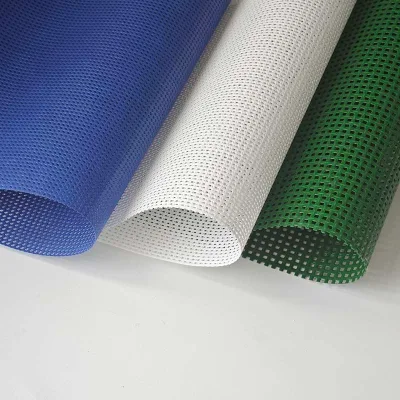
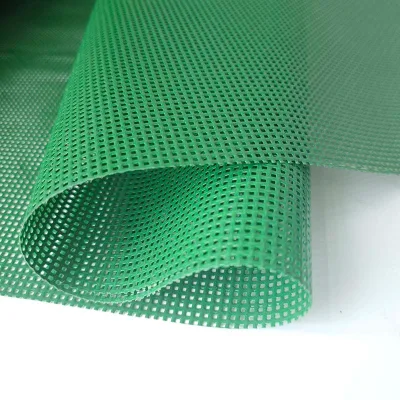
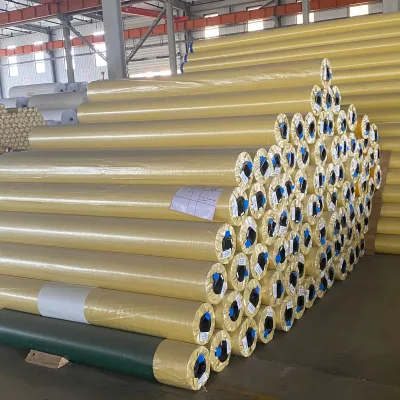
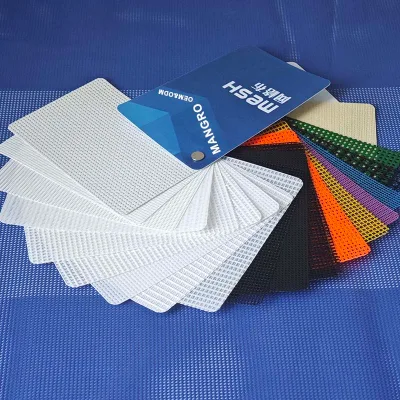
Hot Selling Custom Color Waterproof Quick Dry Pvc Mesh Fabric for Swimming Pool Roof
$1.8665 - $2.0852
MOQ: 5000 square
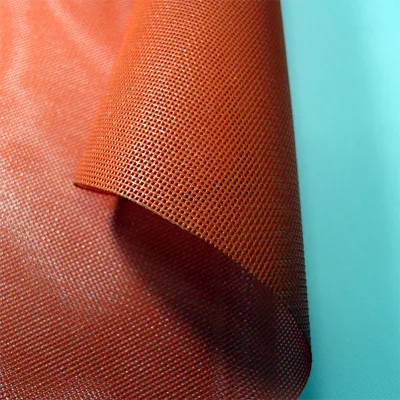
$1.838 - $2.0523
MOQ: 5 square

Zhejiang Gaia Textile Co., Ltd.
- Verified by SGS
- Combined
- China Zhejiang
- Lead time30 days
- Avg. response≤ 7h
Main productsPVC Tarpaulin, PVC Fabric, PVC Coated Fabric, PVC Laminated Fabric, PVC Tent Fabric, PVC Membranes, PVC Awning Fabric, PVC Pool Fabric, PVC Boat Fabric, PVC Tarp
Main marketsSoutheast Asia/ Mideast,Europe


Premium Anti-Stretch Anti-UV Waterproof PVC Fabric for Outdoor Bags
$0.91 - $1.05
MOQ: 3000 Square Meters


High Duty Tear Resistant Anti-UV Wearproof PVC Fabric for Waterproof Bags
$0.91 - $1.05
MOQ: 3000 Square Meters

JIAXING YATAI TEXTILE CO., LTD.
- Verified by SGS
- Manufacturer/Factory
- China Zhejiang
- Lead time30 days
- Avg. response≤ 5h
Main productsPVC Coated Fabric, PVC Tarpaulin, PVC Fabric, 100%Polyester Fabric, PVC Coated Tarpaulin, PVC Coated Mesh, TPU Coated Tarpaulin, Rubber Coated Tarpaulin, PVC Flex Banner, PVC Coated Canvas
Main marketsSouth America,Eastern Europe,Mid East,North America,Southeast Asia,Eastern Asia,Oceania,Western Europe,Africa

$1.10 - $1.20
MOQ: 3000 Square Meters


$113.00 - $116.00
MOQ: 50 Rolls

Hangzhou Chenyi Textile Coating Co., Ltd
- Verified by SGS Group
- Manufacturer, Trading Company
- Lead time20 days
- Avg. response≤ 8h
Main productsPolyester Taffeta, Polyester Oxford, Minimatt Fabric
Main marketsDomestic Market(50%), Southeast Asia(30%), South America(10%)

Changzhou Blackmamba Textile Co., Ltd.
- Trading Company
- Jiangsu, China
- Lead time15 days
- Avg. response≤ 4h
Main productsOxford Fabric,Polyester taffeta,tent fabric,Luggage cloth,nylon fabric
Main marketsSoutheast Asia(30.00%), South Asia(10.00%), Domestic Market(5.00%), South America(5.00%), Southern Europe(5.00%), Northern Europe(5.00%), Central America(5.00%), Western Europe(5.00%), Eastern Asia(5.00%), Mid East(5.00%), Oceania(5.00%), Africa(5.00%), North America(5.00%), Eastern Europe(5.00%)
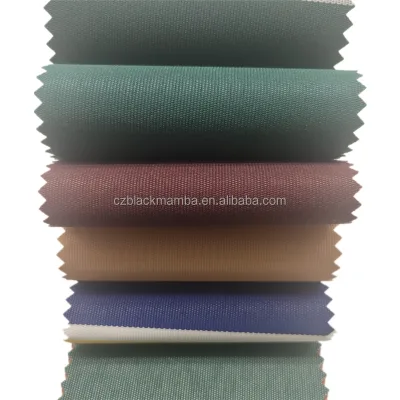
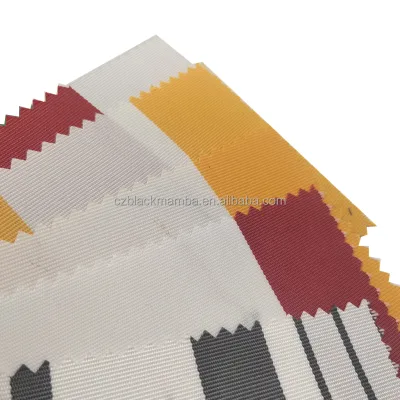
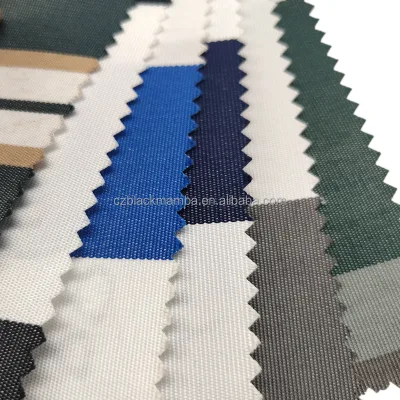
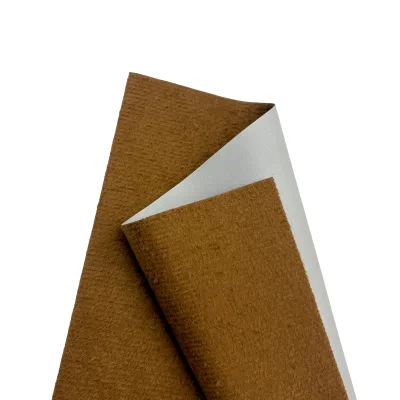
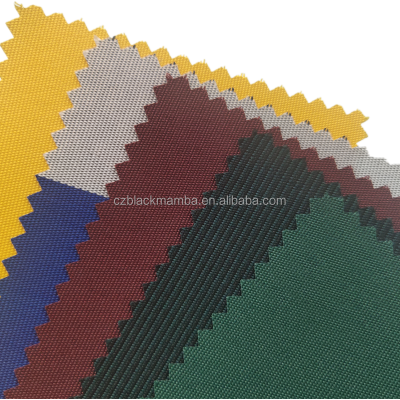
Waterproof Uvproof Tear Resistant Pa/pu Coated Outdoor Tent Shade Umbrella Awning Fabric
$1.0381 - $1.2448
MOQ: 1000 meters

Sounda New Materials Co., Ltd.
- Verified by SGS
- Trading Company
- China Shanghai
- Lead time15 days
- Avg. response≤ 15h
Main productsPVC Tarpaulin, PVC Form Board, PVC Hollow Sheet, Self Ahensive Vinyl, PVC Flex Banner
Main marketsSouth America,Eastern Europe,Mid East,North America,Southeast Asia,Eastern Asia,Oceania,Western Europe,Africa

Qidong Good Tarpaulin Co., Ltd.
- Combined
- China Jiangsu
- Lead time23 days
- Avg. response≤ 18h
Main productsPVC Tarpaulins, Truck Cover, Fish Tank, Water Tank, Open Top Container Cover, Swimming Pool, Boat Cover & Machine Cover, Tent & Awning, Swimming Pool Cover, Truck Side Curtain
Main marketsSouth America,Africa,Southeast Asia/ Mideast,East Asia(Japan/ South Korea),Domestic,Europe,Australia,North America

$0.79 - $1.29
MOQ: 2000 Meters


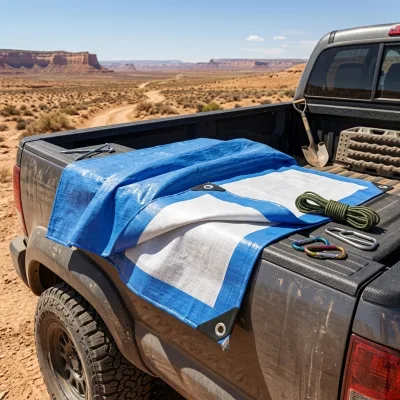
Polyester Fabric Lining Coated Fabric with PVC Waterproof Material Tarpaulin
$0.79 - $1.29
MOQ: 2000 Square Meters




Comprehensive Sourcing Guide
Waterproof Anti-Uv Pvc Sunscreen Fabric Supplier Concentration and Factory Types
The sourcing landscape for waterproof anti-UV PVC sunscreen fabric reveals a distinct concentration of manufacturing and trading entities within specific industrial regions. Current data indicates that a significant portion of available suppliers are located in Zhejiang, China, a region known for its robust textile and plastic processing infrastructure. This geographic clustering suggests that buyers seeking these specific materials will likely encounter a high density of options in this area, facilitating easier comparison of local capabilities. The presence of suppliers in this location often correlates with established supply chains for raw materials like PVC and polyester, which are critical components in the production of coated fabrics. Understanding this concentration helps buyers narrow their search parameters and focus on suppliers who benefit from regional logistical advantages and specialized labor pools.
Beyond location, it is crucial to distinguish between the types of entities offering these products. The observed supplier base includes a mix of trading companies and potential manufacturers, though explicit factory verification varies. Trading companies often act as intermediaries, aggregating products from multiple smaller workshops or factories to offer a broader catalog to international buyers. This model can provide flexibility in product variety but may introduce additional layers in communication and quality control. Buyers must carefully assess whether a supplier is a direct producer or a trader, as this distinction impacts pricing structures, customization capabilities, and the ability to resolve technical issues. The main products listed by these entities frequently include PVC tarpaulin, projection screen fabric, and various mesh series, indicating a specialization in coated textile solutions rather than general apparel or soft goods.
How to Verify Waterproof Anti-Uv Pvc Sunscreen Fabric Suppliers
Verification is the cornerstone of mitigating risk when sourcing industrial fabrics from international markets. Buyers should prioritize suppliers who have undergone third-party verification processes, such as those conducted by CTI, which provide an additional layer of confidence regarding the company's legal existence and operational capacity. While verification status is a positive indicator, it does not guarantee product quality or consistency, so it must be combined with other due diligence steps. Requesting detailed company profiles, including business licenses and factory audit reports, allows buyers to confirm the scale of operations and the authenticity of the claimed manufacturing capabilities. This step is particularly important when dealing with trading companies, where the actual production site may be different from the registered office address.
Certifications and product-specific standards serve as another critical verification metric. Some suppliers display ISO9001:2015 system certifications, which indicate a commitment to quality management systems in their production processes. Additionally, product-level certifications, such as OEKO-TEX Standard for fiberglass PVC polyester fabrics, provide assurance regarding material safety and environmental compliance. Buyers should request copies of these certificates and verify their validity through the issuing bodies. It is also advisable to ask for recent test reports for key performance indicators like UV resistance, waterproofing integrity, and tensile strength. These documents provide objective evidence of the product's ability to meet the specific requirements of outdoor or high-exposure applications, ensuring that the supplier's claims are backed by scientific data rather than marketing assertions.
What to Compare Across Waterproof Anti-Uv Pvc Sunscreen Fabric Suppliers
When evaluating multiple suppliers, buyers must systematically compare key operational and product attributes to identify the best fit for their specific needs. One of the most significant differentiators is the lead time, which can vary considerably across the supplier base. Some suppliers indicate a lead time of approximately thirty days, while others may offer faster turnaround times of around fifteen days. This variance can impact inventory planning and project timelines, making it essential to align supplier capabilities with delivery requirements. Additionally, response time is a critical factor in assessing supplier reliability and communication efficiency. Suppliers with faster response rates, such as those averaging under three hours, often demonstrate better customer service practices and greater availability for addressing urgent inquiries or custom requests.
Product specifications and pricing structures also require careful comparison. The material composition, typically a blend of PVC and polyester, should be verified for consistency, with common ratios including seventy percent PVC and thirty percent polyester. Weight specifications, such as three hundred grams per square meter or heavier options like four hundred ten and five hundred thirty GSM, directly influence durability and cost. Buyers should also compare the available openness percentages, which range from one to five percent, to ensure the fabric meets the desired light-filtering and privacy requirements. Pricing can vary based on these specifications, with some products starting at lower price points for standard weights and higher prices for specialized, heavier, or custom-colored fabrics. Minimum order quantities (MOQs) are another critical comparison point, with some suppliers requiring orders of five thousand meters or more, which may be prohibitive for smaller buyers.
Common Waterproof Anti-Uv Pvc Sunscreen Fabric Sourcing Risks
Sourcing PVC coated fabrics from international suppliers introduces several potential risks that buyers must proactively manage. One significant risk is the variability in product quality, particularly regarding the consistency of the PVC coating and the adhesion to the polyester base. Inconsistent coating can lead to premature peeling, cracking, or failure in waterproofing, especially under extreme weather conditions. Buyers should be wary of suppliers who do not provide detailed technical specifications or who are unwilling to share sample products for testing. The lack of standardized testing protocols across different suppliers can make it difficult to compare products directly, increasing the likelihood of receiving goods that do not meet the expected performance standards for outdoor or commercial use.
Another common risk involves communication gaps and customization errors. Many suppliers offer customization options for width, length, and color, but miscommunication can lead to significant discrepancies between the ordered and delivered goods. For instance, errors in specifying the exact openness percentage or the weight of the fabric can result in products that are unsuitable for the intended application. Additionally, the use of trading companies can sometimes obscure the true source of production, making it harder to trace quality issues back to the manufacturing floor. Buyers should establish clear communication channels and request detailed production confirmations before placing large orders. It is also important to verify the supplier's ability to handle after-sales service, as issues with defective batches require prompt resolution to minimize project delays and financial losses.
Waterproof Anti-Uv Pvc Sunscreen Fabric Regional Sourcing and Logistics
The geographic concentration of suppliers in Zhejiang, China, offers distinct logistical advantages for international buyers. This region is well-connected to major shipping ports, facilitating efficient export operations and reducing transit times to global destinations. Buyers sourcing from this area can benefit from established logistics networks that specialize in handling textile and plastic products, ensuring that goods are packed and shipped securely. The use of hard tube packaging, as commonly specified by suppliers, helps protect the fabric rolls from damage during transit, maintaining the integrity of the material until it reaches the final destination. Understanding the regional logistics landscape allows buyers to better estimate shipping costs and delivery schedules, which are critical components of the total landed cost.
However, buyers must also consider the implications of regional sourcing on supply chain resilience. While Zhejiang offers a dense cluster of suppliers, relying on a single region can expose buyers to localized disruptions, such as weather events, policy changes, or labor shortages. Diversifying the supplier base across different regions or countries can mitigate these risks, although it may complicate quality control and communication. Buyers should evaluate the supplier's export experience and their ability to handle customs documentation and international shipping requirements. Suppliers with extensive export history are likely to have more robust logistics partnerships and a better understanding of international trade regulations, reducing the risk of delays or additional costs at the destination port.
Waterproof Anti-Uv Pvc Sunscreen Fabric Commercial Terms and Order Planning
Commercial terms and order planning are essential for ensuring a smooth transaction and successful project execution. Buyers should clearly define the payment terms, such as using secure escrow services or letters of credit, to protect their financial interests until the goods are received and verified. Understanding the supplier's MOQ is crucial for order planning, as high minimums may require consolidating orders or adjusting production schedules. For suppliers with an MOQ of five thousand meters, buyers need to ensure they have sufficient storage capacity and a clear sales or usage plan to absorb the inventory. Negotiating flexible MOQs for initial trial orders can help buyers assess product quality and supplier reliability before committing to larger volumes.
Warranty and after-sales service terms should also be explicitly agreed upon in the contract. Some suppliers offer a five-year warranty, which provides long-term assurance for the product's durability and performance. Buyers should clarify the scope of this warranty, including what constitutes valid claims and the process for filing complaints. Additionally, understanding the supplier's production time, which may range from twenty-five to thirty-five days, allows for accurate project scheduling. Buyers should factor in this lead time along with shipping duration to ensure timely delivery. Clear communication regarding customization requirements, such as specific widths or colors, and the associated costs and timeframes is vital to avoid misunderstandings and ensure that the final product meets the project's exact specifications.
FAQs
What is waterproof anti-UV PVC sunscreen fabric typically made of?
It is typically a 70% PVC and 30% polyester composite, though fiberglass-core versions are also offered. The PVC coating provides the waterproof and UV-resistant performance, while the polyester or fiberglass base adds dimensional stability. Weights commonly range from around 300GSM up to 530GSM, and openness factors of 1%, 3%, or 5% control how much light passes through.
What openness factor should I choose for roller blinds?
5% openness is the most common choice for roller blinds, balancing view-through with glare and heat reduction. Choose 3% for stronger shading in offices or sun-facing rooms, and 1% where maximum light control matters. Many suppliers offer all three openness levels as customized options, so confirm availability before ordering samples.
What widths and roll lengths are available for this fabric?
Widths commonly range from about 1.02m up to 3.2m, with standard cuts at 2.0m, 2.5m, 2.8m, 3.0m, and 3.2m depending on the product line. Rolls are usually supplied in 30-meter lengths, and most suppliers accept customized lengths. Confirm the exact width standard for your chosen weight, since wider widths may be limited to certain GSM ranges.
How long is the typical lead time for PVC sunscreen fabric orders?
Lead times vary by supplier, with some listing around 15 days and others around 30 days for production. One product listing states a production time of 25 to 35 days. Make-to-order supply means your specification, quantity, and the supplier's current schedule all affect timing, so confirm the exact lead time in writing before placing a purchase order.
What is the usual minimum order quantity for sunscreen fabric?
Minimum order quantities vary by supplier and product. One listed sunscreen fabric item shows an MOQ of 5000 units at a unit price of 1.35, while other listings show prices from 1.10 up to 3.80 without a published MOQ. Always request the MOQ for your specific width, GSM, and openness specification, as customization can raise the threshold.
How well does this fabric perform in extreme temperatures?
Listed specifications indicate an applicable temperature range of approximately -30°C to +70°C, suitable for most indoor and outdoor window applications. The fabric is also described as wind-proof, waterproof, sound-proof, and offering 100% UV resistance on certain products. For demanding outdoor installations, request test reports confirming these claims rather than relying on listing descriptions alone.
What certifications should I look for when sourcing this fabric?
Look for ISO9001:2015 quality management certification, which some listed suppliers hold, and OEKO-TEX Standard, referenced on certain fiberglass PVC polyester sunscreen fabric products. Product listings also cite ISO9001 at product level. Verify that certificates are current and issued to the exact entity you are contracting with, and ask for scope details covering the fabric category.
Where is this fabric mainly produced and what else do these suppliers make?
Listed suppliers are based in Zhejiang, China, a major hub for coated fabrics. Their main products extend beyond sunscreen fabric to PVC and PE tarpaulins, projection screen fabric, window curtain fabric, PVC film, mesh series, flex banners, truck covers, tents, and pool covers. Trading companies and manufacturers both operate in the region, so confirm the company type early.