Children Step Stool Suppliers and Manufacturers in China
Explore 30 verified suppliers offering Children Step Stool options from China Shandong and Zhejiang. Compare lead times, certifications like BSCI and ISO 9001, and pricing ranges to find the right fit. Contact suppliers directly to request samples or custom quotes.
Updated
Suppliers List

Qingdao Lidu Furniture Co., Ltd.
- Trading Company,Manufacturer/Factory
- China Shandong
- Lead time45 days
- Avg. response≤ 5h
Main productsBed, Dining Table and Chairs, Wooden Bookcase/Shelf, Kids Furniture, Home Furniture
Main marketsSouth America,Mid East,North America,Southeast Asia,Eastern Asia,Oceania,Western Europe,Africa


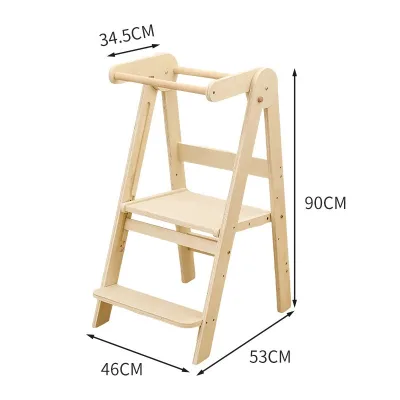
Kitchen Step Stool Children Learning Tower Montessori Practice Adjustable Height Stool
$12.00 - $19.00
MOQ: 50 Pieces

Kids Furniture Montessori Toddler Standing Ladder Stool, Children's Kitchen Helper Stool
$12.00 - $19.00
MOQ: 50 Pieces

Wooden Step Stool for Toddlers, Counter Height with Handholds - Quality Kids' Furniture
$25.00 - $35.00
MOQ: 100 Pieces

$19.00 - $32.00
MOQ: 100 Pieces

2 in 1 Toddler Highchair Kitchen Helper Adjustable Solid Wood Step Stool
$12.00 - $19.00
MOQ: 50 Pieces

Ningbo Jiangbei Ringlong Import & Export Co., Ltd.
- Verified by BV
- Combined
- China Zhejiang
- Lead time23 days
- Avg. response≤ 2h
Main productsKitchenware, Textile, Memory Foam Series, Household Items, Outdoor Products, Packing Box, Air Conditioning System, TV Products, Fitness, Baby Products
Main marketsEurope
Taizhou Baby Joyce Kid Products Co., Ltd.
- Verified by Intertek
- Trading Company
- Lead time30 days
- Avg. response≤ 3h
Main productsPotty Training Toilet, Potty Training Seat, Baby Step Stool, Baby Bathtub, Baby Bath Support
Main marketsEastern Europe(25%), Oceania(20%), Eastern Asia(20%)

Ningbo Coooko Imp. & Exp. Co., Ltd.
- Verified by TUVRHEINLAND
- Trading Company
- China Zhejiang
- Lead time45 days
- Avg. response≤ 10h
Main productsBaby Mirror, Potty Training, Baby Car Mirror, Stroller Hook, Portable Potty, Step Stool, Car Headrest Pillow, Faucet Extender, Spout Cover, Makeup Kits
Main marketsEastern Europe,Mid East,North America
Heze Mei Kai Lin Household Products Co.,ltd.
- Manufacturer, Trading Company
- Shandong, China
- Lead time0 days
- Avg. response≤ 6h
Main productshome decoration,arts and crafts,furniture,furniture accessories,wooden items
Main marketsWestern Europe(30.00%), North America(30.00%), Domestic Market(15.00%), Eastern Europe(10.00%), Northern Europe(10.00%), South America(5.00%)
Jiangshan Langfeng Baby Products Co.,ltd
- Verified by Intertek
- Manufacturer, Trading Company
- Lead time0 days
- Avg. response≤ 13h
Main productsChildren Fence, Children's Tables and Chairs, Slide, Rocking Horse, Storage Rack
Main marketsDomestic Market(70%), North America(10%), Eastern Asia(10%)
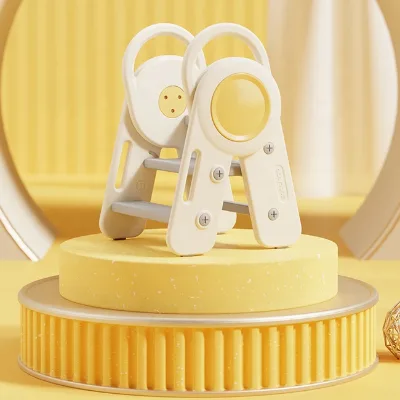
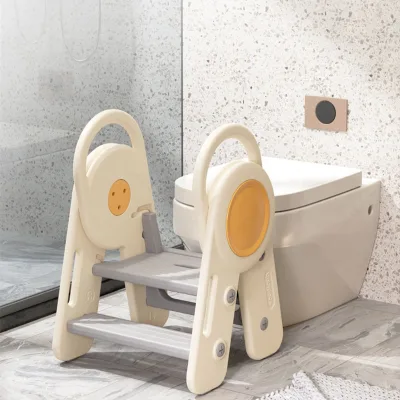
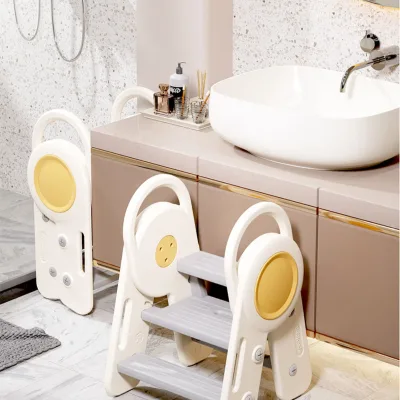
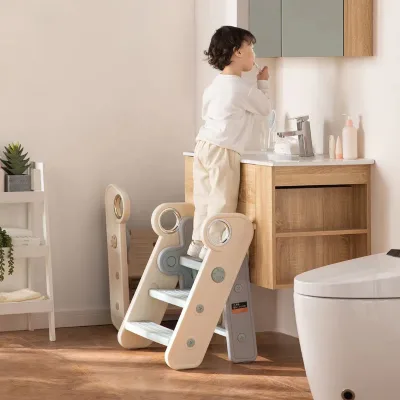
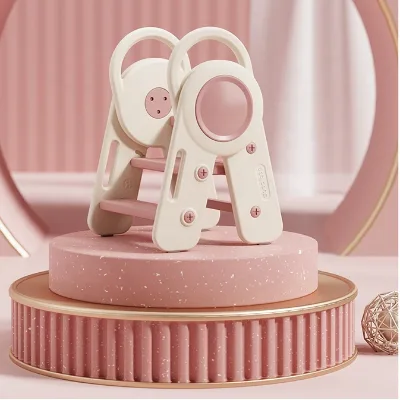
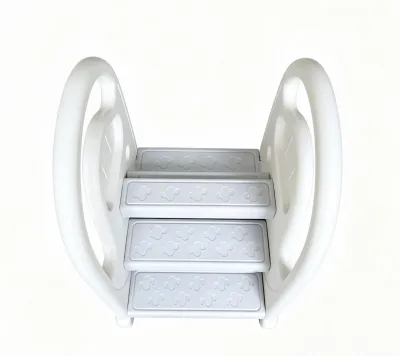
Kids Stepping Stool Kitchen Helper Step Stool Bathroom 2/3 Step Stool for Kids
$9.1917 - $14.1381
MOQ: 1 sets
Wenzhou Fun Arts & Crafts Co., Ltd.
- Manufacturer, Trading Company
- Zhejiang, China
- Lead time25 days
- Avg. response≤ 15h
Main productsMontessori Toys,Wooden Wall Toy,Wooden Puzzle,Wooden Building Block,Pretend Play Game
Main marketsNorth America(30.00%), Northern Europe(16.00%), Western Europe(15.00%), Southern Europe(9.00%), South America(8.00%), Eastern Asia(4.00%), Oceania(4.00%), Central America(3.00%), South Asia(2.00%), Southeast Asia(2.00%), Africa(2.00%), Mid East(2.00%), Eastern Europe(2.00%), Domestic Market(1.00%)
Taizhou Doit & Baby Kid Products Co., Ltd.
- Verified by Intertek
- Trading Company
- Lead time30 days
- Avg. response≤ 2h
Main productsBaby Potty, Step Stool, Potty Seat, Bath Tub, Baby Feeding
Main marketsNorth America(25%), Southeast Asia(17%), Western Europe(15%)
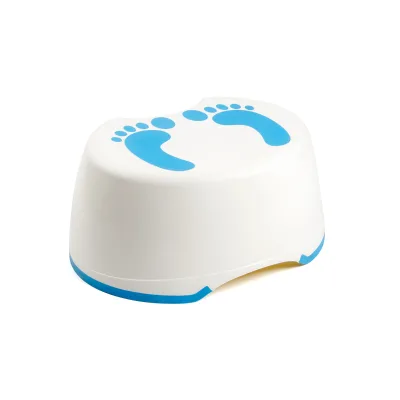
$2.1526 - $2.3579
MOQ: 500 pieces

- Verified by BV
- Trading Company
- China Zhejiang
- Lead time30 days
- Avg. response≤ 12h
Main productsHousehold Products, Recreation& Game Products, Outdoor Products, Garden Products, Pet Products, Car Products, Daily Use Products
Main marketsSouth America,Africa,Southeast Asia/ Mideast,East Asia(Japan/ South Korea),Europe,Australia,North America


Custom Design Home Sturdy Foot Stool Step Folding Stool with 9 Inch Height for Kids
$2.00 - $5.00
MOQ: 1 Pieces
Chaozhou Yazhiyi Medical Device Co., Ltd.
- Manufacturer, Trading Company
- Guangdong, China
- Lead time10 days
- Avg. response≤ 1h
Main productsMedical equipment,Medical trolley,Medical furniture,medical apparatus and instruments,furniture
Main marketsSoutheast Asia(35.00%), Africa(25.00%), Mid East(23.00%), Southern Europe(9.00%), South Asia(8.00%)
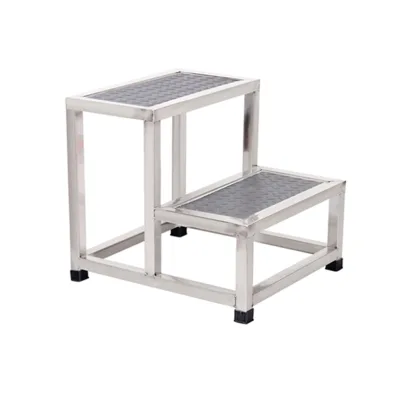
Hot Sale Baby Kids Children Toilet Step Stools Portable Toddler Chair Metal Kid Step Stool
$18.00 - $22.00
MOQ: 1 Minimum

- Verified by TUVRHEINLAND
- Trading Company
- China Zhejiang
- Lead time23 days
- Avg. response≤ 7h
Main productstoys
Main marketsSoutheast Asia/ Mideast,Europe,Australia
Taizhou Doit & Baby Kid Products Co., Ltd.
- Trading Company
- Lead time旺季: "1 - 10000":35,"> 10000":"To be negotiated", 淡季: "1 - 10000":35,"> 10000":"To be negotiated"
- Avg. response≤ 4h
Main productsBaby Potty, Baby Bathtub, Kids Lunch Box, Baby Chair, Bottle Drying Rack
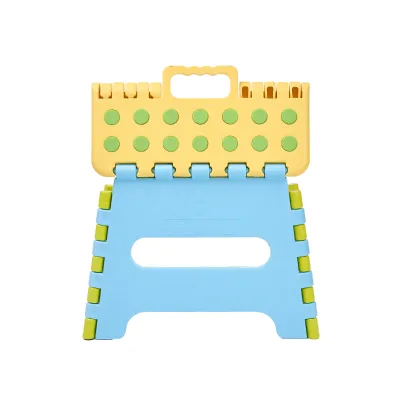
High Quality Foldable Baby Living Room Kids Small Stool Children Plastic Step Stool for Toddler
$1.847 - $3.5922
MOQ: 2 pieces
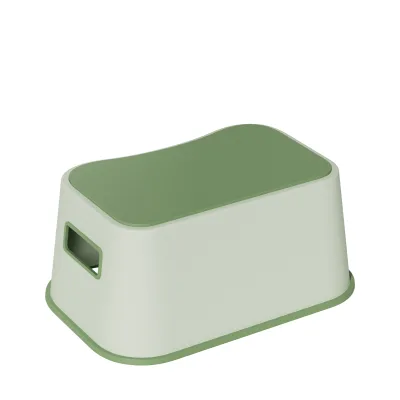
Single Step Stool for Kids Multi-Purpose Kids Step Stool Kitchen Helper Footstool for Children
$2.00 - $2.20
MOQ: 1000 pieces
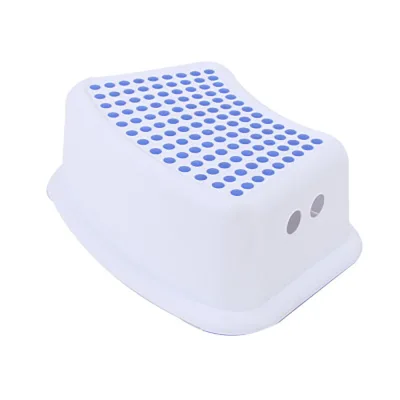
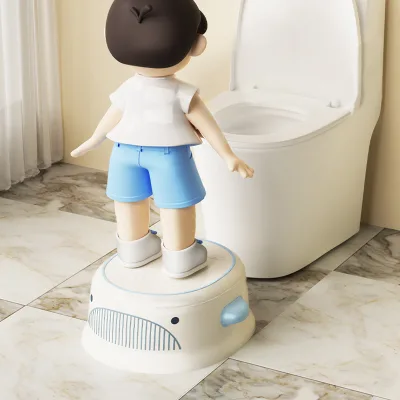
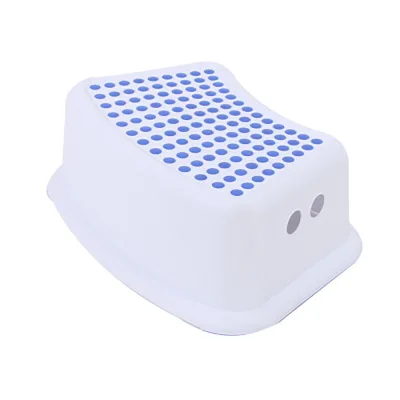
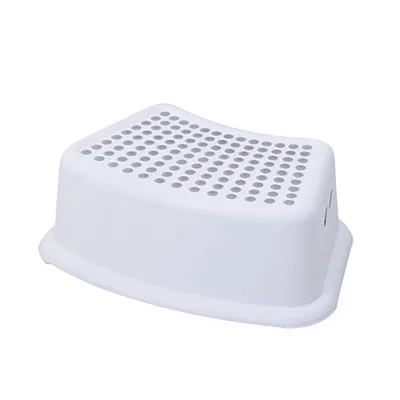
Household Lightweight Plastic Stool Non Slip Plastic Bathroom Kids Toilet Stool Toddler Footstool
$1.4156 - $1.5729
MOQ: 1000 pieces

Ningbo General Union Co., Ltd.
- Verified by BV
- Trading Company
- China Zhejiang
- Lead time30 days
- Avg. response≤ 9h
Main productsCleaning Brush, Bottle, Kitchenware, Storage Box, Outdoor, Pet, Fitness Equipment, Digital Devices, Camping, Pet Bottle
Main marketsSouth America,Africa,Southeast Asia/ Mideast,East Asia(Japan/ South Korea),Europe,Australia,North America


Children Product Hand Washing Steps with Armrests Children's Footstool
$13.29 - $13.99
MOQ: 100 Pieces
Taizhou Bebone Imp. & Exp. Co., Ltd.
- Trading Company
- Zhejiang, China
- Lead time45 days
- Avg. response≤ 5h
Main productsPlastic Living Room Sets, Kid's Furniture Sets, Plastic Stool, Storage Basket, Laundry Basket
Main marketsEastern Asia(30.00%), North America(20.00%), Western Europe(20.00%), Southeast Asia(15.00%), Mid East(10.00%), Northern Europe(5.00%)
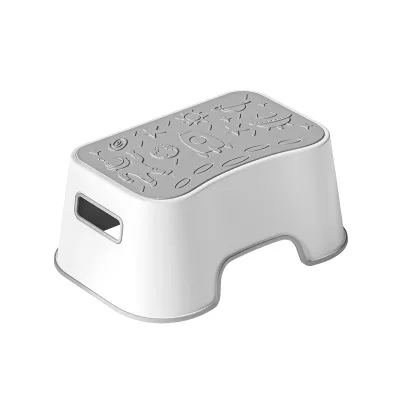
$1.86 - $2.00
MOQ: 1000 pieces
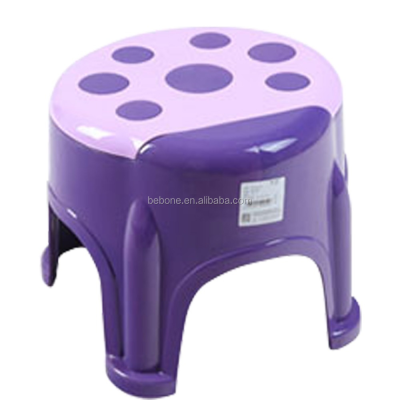
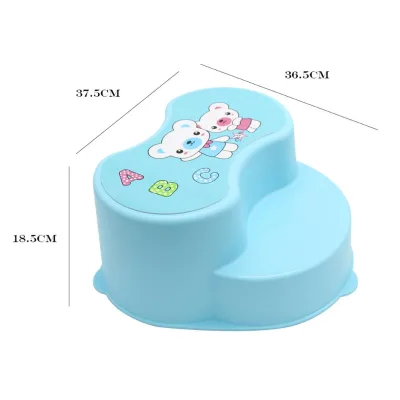
ANTI-SLIP PLASTIC 2 STEP STOOL for KIDS BATHROOM -CAN CHANGE the PRINTING
$1.64 - $1.69
MOQ: 1000 pieces
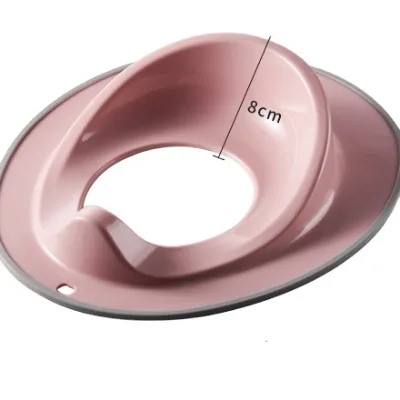
PLASTIC KIDS BABY TOILET SEAT STOOL
$0.94 - $0.97
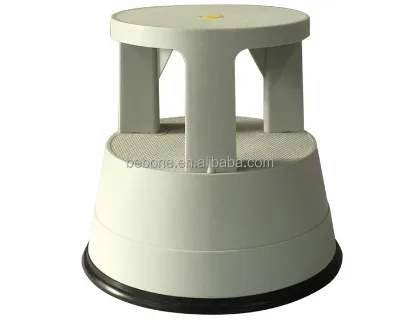
Shanghai Join Forces Industry Co., Ltd.
- Manufacturer, Trading Company
- Shanghai, China
- Lead time5 days
- Avg. response≤ 4h
Main productsSafety vest,convex mirror,safety helmet,speed bump,wheel stopper
Main marketsWestern Europe(25.00%), North America(25.00%), Eastern Asia(15.00%), Mid East(8.00%), Eastern Europe(8.00%), South America(7.00%), Southeast Asia(5.00%), Southern Europe(2.00%), Domestic Market(1.00%), South Asia(1.00%), Oceania(1.00%), Northern Europe(1.00%), Central America(1.00%)

Dongguan Oumeng Houseware Products Co., Ltd.
- Manufacturer/Factory
- China Guangdong
- Lead time23 days
- Avg. response≤ 2h
Main productsBento Lunch Box, Kids Tableware Set, Water Bottle, Lunch Bag, Storage Box, Malamin Product, Food Jar, Pick Spoon, Bento
Main marketsSouth America,Eastern Europe,Mid East,North America,Southeast Asia,Eastern Asia,Oceania,Western Europe,Africa

Aohea Portable Folding Stool Kitchen Step Stools Plastic Folding Step Stool
$2.80 - $3.00
MOQ: 3000 Pieces


Fujian Maoyuan Houseware Co., Ltd.
- Verified by Intertek
- Manufacturer, Trading Company
- Lead time40 days
- Avg. response≤ 5h
Main productsBamboo And Wood Organizer, Cutting Board, Serving Tray, Holder and Rack
Main marketsNorth America(70%), Western Europe(20%), Oceania(5%)
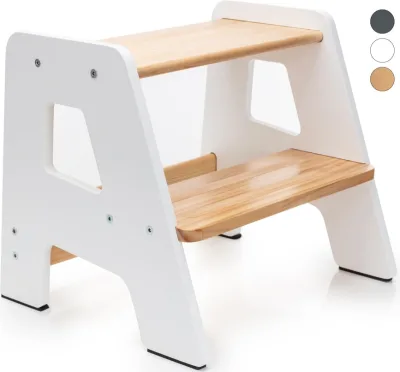
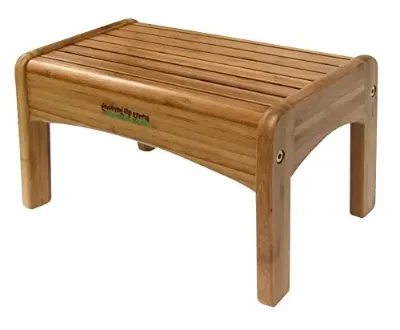
Wooden Bamboo Kids Step Stool, Low Stool
$6.50 - $7.00
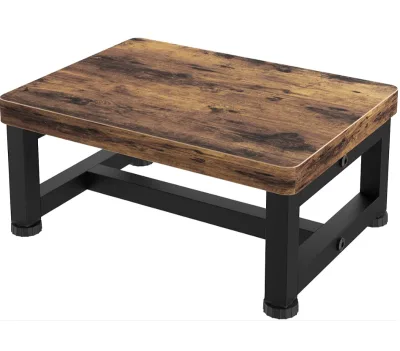
$8.3109 - $10.3886
MOQ: 500 pieces

WENZHOU TIMES ARTS&CRAFTS CO., LTD.
- Verified by SGS
- Manufacturer/Factory
- China Zhejiang
- Lead time23 days
- Avg. response≤ 5h
Main productsToys, Montessori Toys, Wooden Toy, Educational Toy, Role Play Toys, Children Furniture, Puzzle, Kid Bike, Musical Toy, Wooden Blocks
Main marketsSouth America,Eastern Europe,Mid East,North America,Southeast Asia,Eastern Asia,Oceania,Western Europe,Africa


Hot Selling White Wooden Kitchen Step Stool for Kids Learning Tower Helper W08g342
$20.00 - $30.00
MOQ: 1000 Pieces

High Quality 2 Steps Wooden Toddler Step Stool for Wholesale W08g277c
$20.00 - $50.00
MOQ: 1000 Pieces


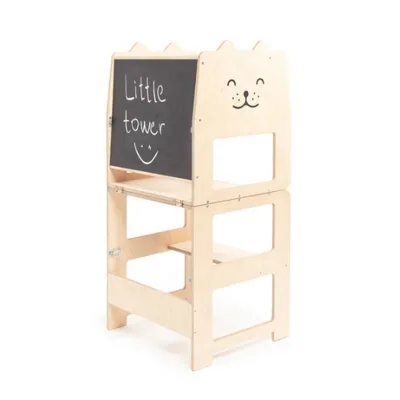
Kids Kitchen Standing Height Adjustable Wooden Step Stool with Blackboard W08g422
$30.00 - $40.00
MOQ: 1000 Pieces

Factory Direct Kids Height Adjustable Wooden Step Stool with Blackboard W08g391
$45.00 - $50.00
MOQ: 1000 Pieces
Ningbo Yuxing Trading Co., Ltd.
- Trading Company
- Zhejiang, China
- Lead time0 days
- Avg. response≤ 2h
Main productsBaby Play Mat,Wooden Educational Toys,Baby Cushion Support,Shopping Cart Cover,Portable Diaper Bag
Main marketsNorth America(50.00%), Eastern Europe(20.00%), South America(20.00%), Domestic Market(10.00%), South Asia(10.00%), Southern Europe(10.00%), Northern Europe(10.00%), Central America(10.00%), Western Europe(10.00%), Eastern Asia(10.00%), Mid East(10.00%), Oceania(10.00%), Africa(10.00%), Southeast Asia(10.00%)
Fuzhou Xianxu Trading Co., Ltd.
- Verified by TüVRheinland
- Manufacturer, Trading Company
- Lead time60 days
- Avg. response≤ 7h
Main productsBamboo Wood Products
Main marketsNorth America(55%), Western Europe(35%), Southeast Asia(10%)
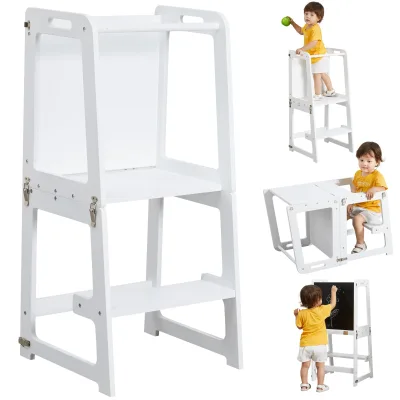
Modern Foldable Wooden Learning Tower Toddler Step Stool for Kids-Home Stool & Ottoman
$19.48 - $23.48
MOQ: 500
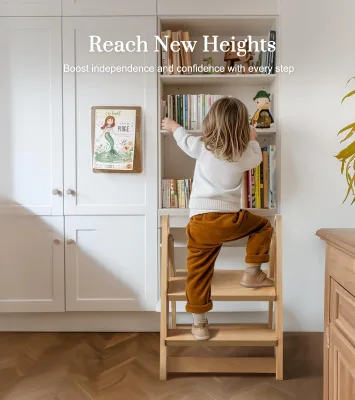
Birch Wood Kids Sit or Step Stool Children's Furniture Solid Hard Seat Stool Solid Wood Stool Step
$9.3295 - $9.6876
MOQ: 500 pieces

TIANJIN CHRCASE FURNITURE TECHNOLOGY DEVELOPMENT CO., LTD.
- Verified by SGS
- Trading Company
- China Tianjin
- Lead time15 days
- Avg. response≤ 5h
Main productsOffice Chair, Gaming Chairs, Chair Accessories, Dining Chair, Coffee Chair, Plastic Chair, Bar Chair, Hardware Products, Furniture Spare Parts
Main marketsAfrica,Europe

Suzhou Highbright Enterprise Limited
- Combined
- China Jiangsu
- Lead time30 days
- Avg. response≤ 5h
Main productsShopping Trolley, Shopping Cart, Gondola Shelf, Display Shelf, Shop Fittings, Store Fixtures, Roll Container, Shopping Basket, Checkout Counter, Swing Gate
Main marketsSouth America,Africa,Southeast Asia/ Mideast,East Asia(Japan/ South Korea),Europe,Australia,North America
Shandong Cao County Linhao Woods Co., Ltd.
- Verified by SGS Group
- Manufacturer, Trading Company
- Lead time25 days
- Avg. response≤ 2h
Main productsWooden Blinds & Components, Wooden Boards/Panels, Wooden Playpen, Baby Crawling Mat, Wooden Box
Main marketsEastern Asia(33%), North America(20%), Eastern Europe(12%)
Taizhou Lebixiong Baby Product Co., Ltd.
- Trading Company
- Zhejiang, China
- Lead time10 days
- Avg. response≤ 3h
Main productsbaby potty,baby bathtub,baby high chair,baby bath cushion,step stool
Main marketsDomestic Market(50.00%), South America(30.00%), South Asia(5.00%), Eastern Asia(5.00%), North America(1.00%), Southeast Asia(1.00%), Southern Europe(1.00%), Northern Europe(1.00%), Central America(1.00%), Western Europe(1.00%), Eastern Europe(1.00%), Mid East(1.00%), Oceania(1.00%), Africa(1.00%)
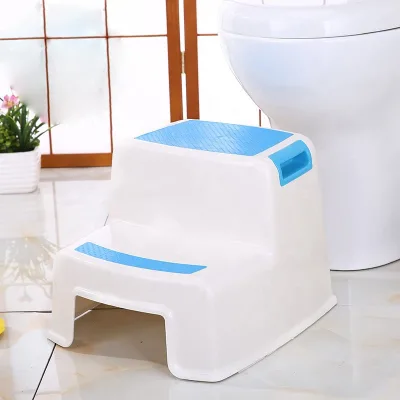
$2.7039 - $3.3271
MOQ: 1000 pieces
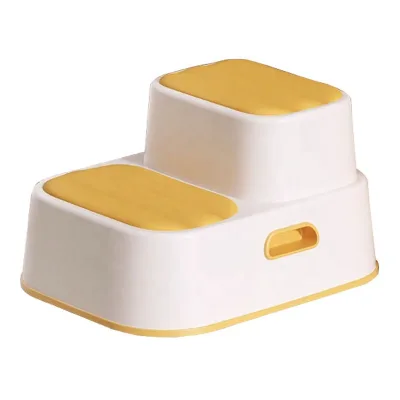
$4.6468 - $5.6789
MOQ: 100 pieces
Zhejiang Jinmao Plastic Industry Co., Ltd.
- Verified by TüVRheinland
- Manufacturer, Trading Company
- Lead time60 days
- Avg. response≤ 2h
Main productsPlastic Products
Main marketsDomestic Market(35%), North America(25%), Southeast Asia(20%)
Taizhou Eiffel Mould & Plastic Co., Ltd.
- Verified by SGS Group
- Manufacturer, Trading Company
- Lead time45 days
- Avg. response≤ 6h
Main productsBaby Chair, Bath Tub/Baby Potty/Baby Products
Main marketsSouth America(25%), Southeast Asia(20%), Mid East(15%)

Jiangsu Miaohong Environmental Protection New Material Co., Ltd.
- Verified by BV
- Combined
- China Jiangsu
- Lead time15 days
- Avg. response≤ 7h
Main productsSponge, Cleaning Sponge, Kitchen Sponge, Dishcloth, Magic Sponge
Main marketsSouth America,Southeast Asia/ Mideast,Domestic,Europe,North America
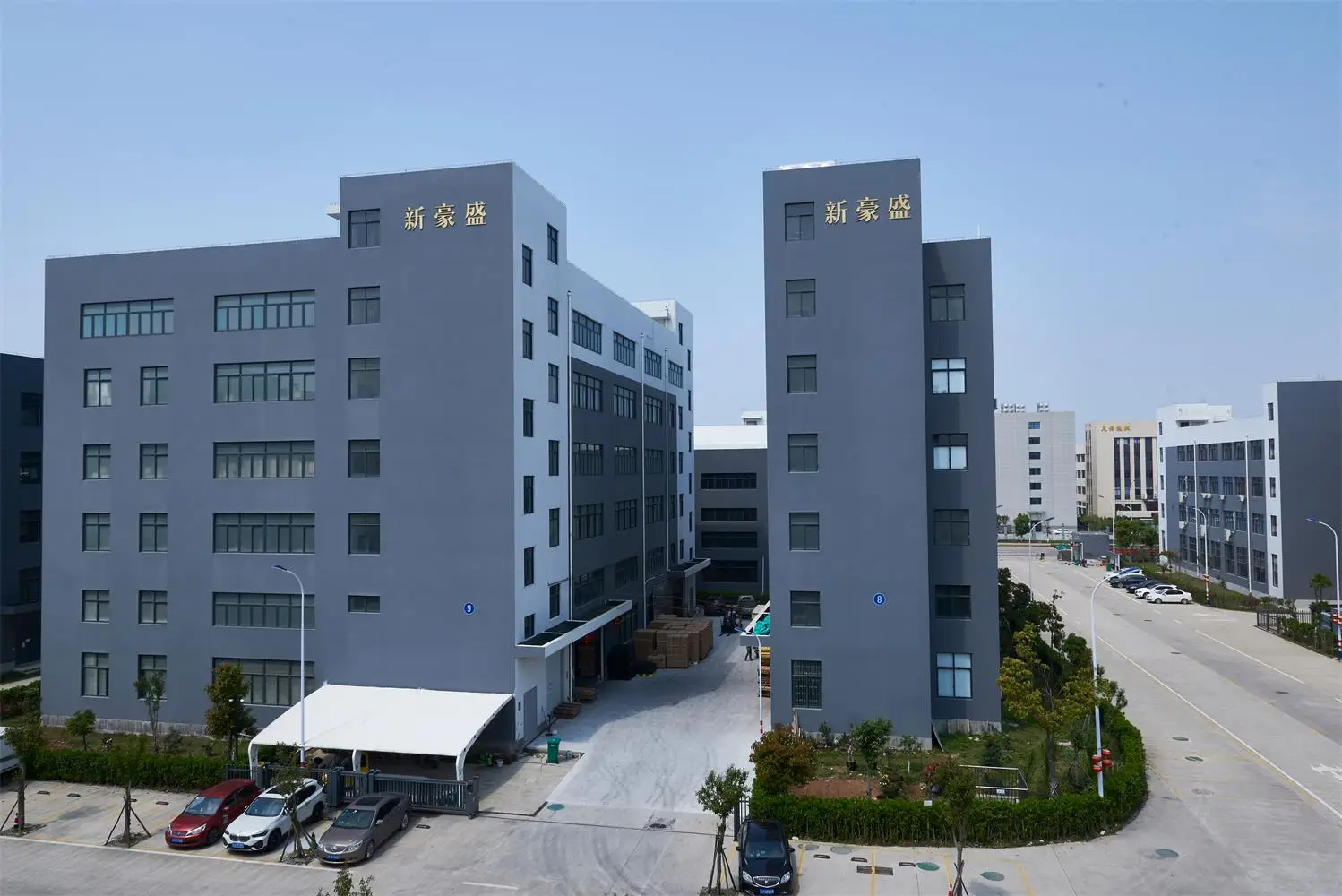
Taizhou Xinhaosheng Plastic Industry Co.,ltd
- Manufacturer
- Zhejiang, China
- Lead time28 days
- Avg. response≤ 22h
Main productsBaby Potty System,baby chair,plastic shelf,baby bath tub,Plastic Stool & Table Sets System
Main marketsOceania(30.00%), Eastern Asia(10.00%), Mid East(10.00%), South Asia(5.00%), Southern Europe(5.00%), Northern Europe(5.00%), Central America(5.00%), Western Europe(5.00%), Eastern Europe(5.00%), South America(5.00%), North America(5.00%), Africa(5.00%), Southeast Asia(5.00%)
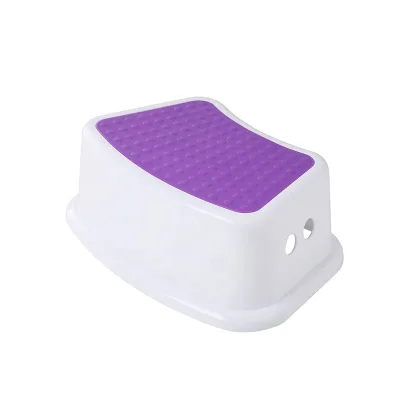
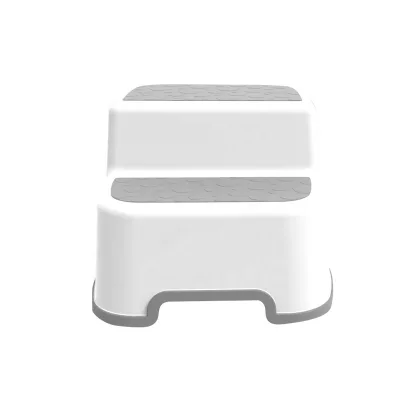
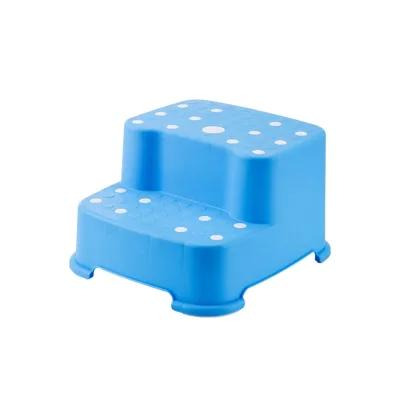
Small Size Skidproof Baby Plastic 2 Step Stool Toilet Potty Foot Stool
$25.8645 - $27.9332
MOQ: 1 cartons

Jieyang Jiedong District Dahong Plastic Co., Ltd.
- Verified by SGS
- Combined
- China Guangdong
- Lead time23 days
- Avg. response≤ 6h
Main marketsDomestic

Modern Style Plastic Stool Stacking Step Children Stool Home Kindergarten Chair
$1.63 - $2.12
MOQ: 500 Pieces

Modern Style Plastic Stool Stacking Step Children Chair for Home Kindergarten
$0.83 - $1.27
MOQ: 500 Pieces
Zhenghe Bamleader Houseware Co., Ltd.
- Verified by SGS Group
- Manufacturer, Trading Company
- Lead time40 days
- Avg. response≤ 3h
Main productsBamboo Spice Rack, Bamboo Outdoor Table, Bamboo Sofa Arm Tray, Bamboo Storage Rack, Bamboo Bread Box
Main marketsDomestic Market(88%), North America(6%), Southeast Asia(3%)
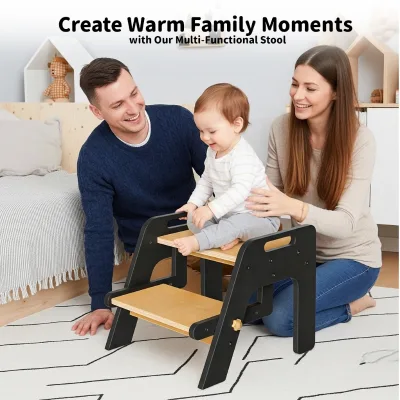
$10.2328 - $10.5444
MOQ: 200 pieces
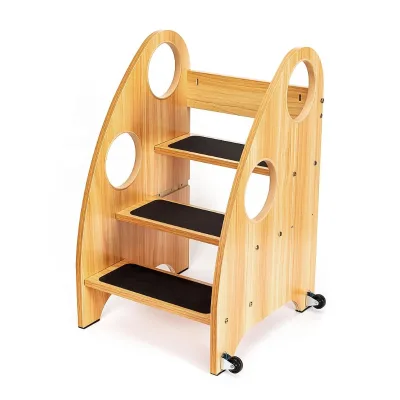
$12.6881 - $13.7157
MOQ: 200 pieces
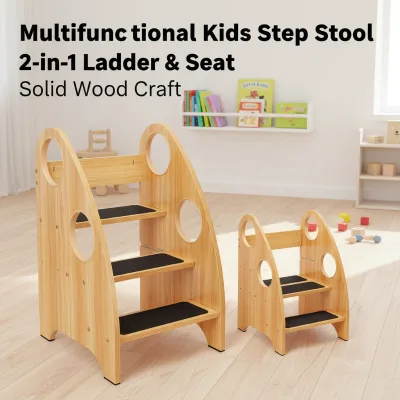
$12.5757 - $13.5944
MOQ: 200 pieces


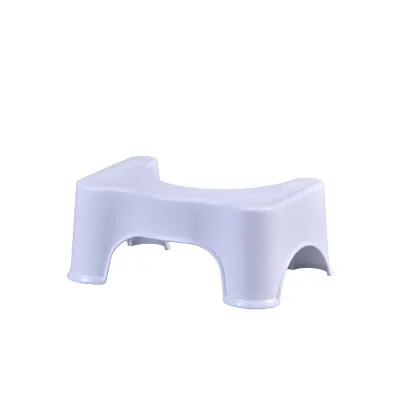
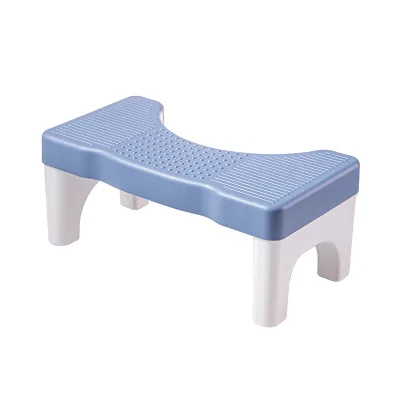


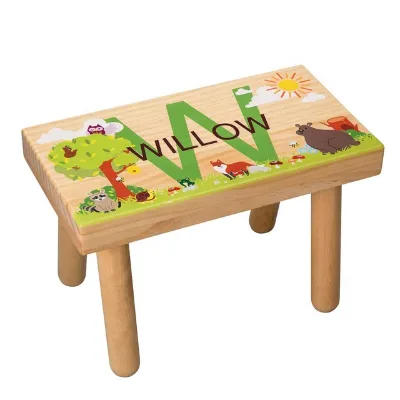






Comprehensive Sourcing Guide
Children Step Stool Supplier Concentration and Factory Types
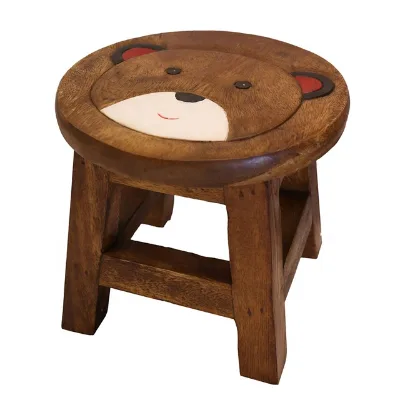
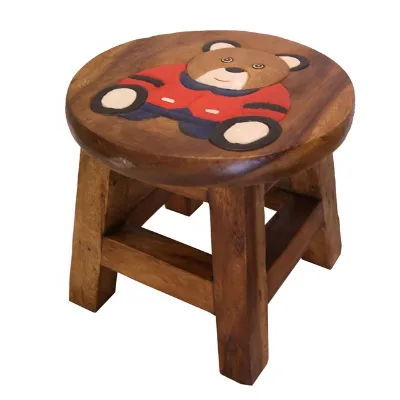
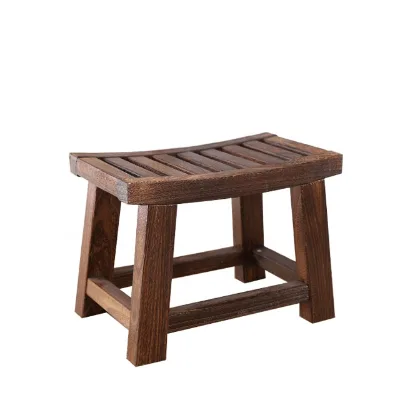
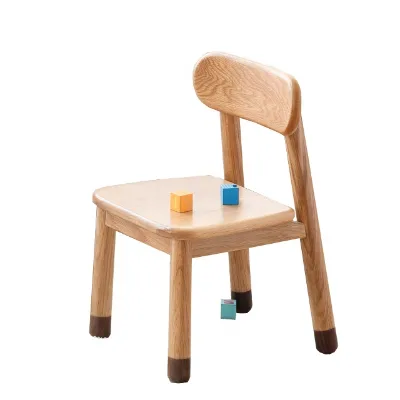
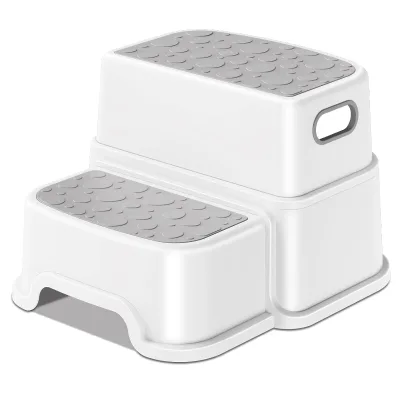
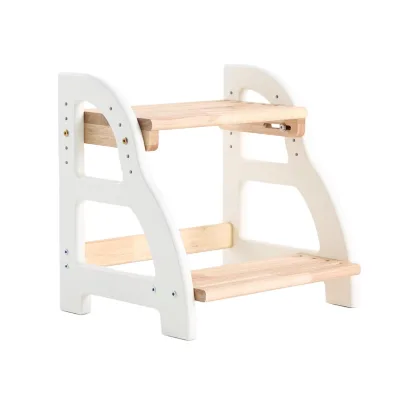
The current supplier landscape for children step stools reveals a distinct geographic concentration in China, with specific manufacturing hubs identified in Shandong and Zhejiang provinces. Suppliers in Shandong are primarily categorized as either trading companies or manufacturer/factory entities, indicating a mixed market where direct production capabilities coexist with sourcing intermediaries. These Shandong-based operations often focus on wooden furniture products, including solid wood kids kitchen step stools and Montessori-style learning towers. The presence of both trading companies and factories suggests that buyers may encounter varying levels of direct factory access, requiring careful distinction between those who manufacture the goods and those who simply facilitate the trade. This dual structure allows for a broader range of product offerings, from simple plastic stools to more complex wooden structures, but it also necessitates verification of who actually controls the production line.
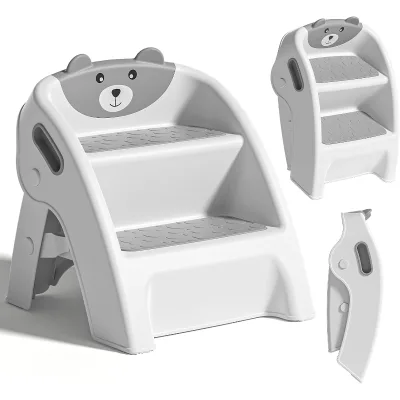
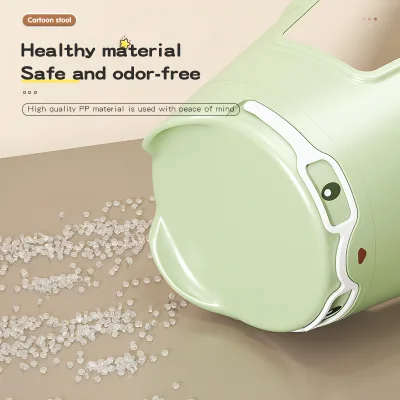
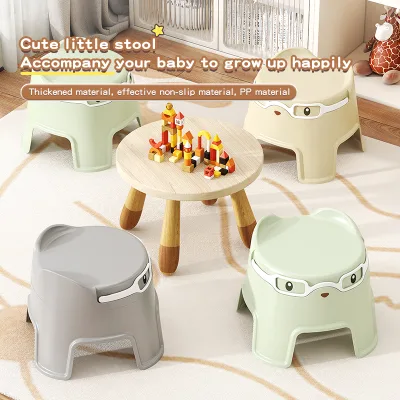
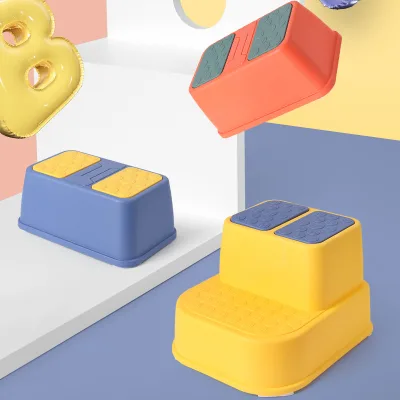
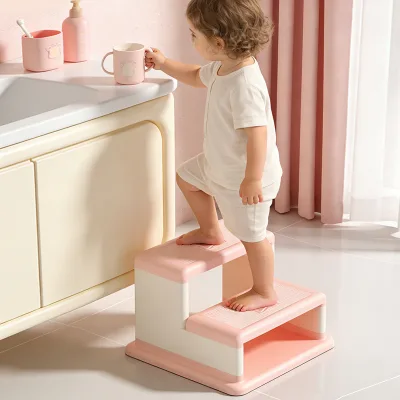
In contrast, suppliers located in Zhejiang province present a different operational profile, often described as combined entities rather than strictly manufacturers or traders. These Zhejiang-based suppliers frequently specialize in plastic-based step stools, such as folding stairs and anti-slip models made from polypropylene (PP). The material difference is significant, as plastic stools often require different molding processes and tooling compared to the woodworking and assembly required for wooden alternatives. The Zhejiang suppliers also tend to have a broader main product range, including kitchenware, textiles, and baby products, which may indicate a diversified manufacturing capability. This diversification can be advantageous for buyers seeking multiple product categories from a single source, but it may also imply that step stools are just one part of a larger, less specialized production portfolio. Understanding these regional and structural differences is crucial for aligning supplier capabilities with specific product requirements.
How to Verify Children Step Stool Suppliers
Verification of Children Step Stool suppliers requires a multi-layered approach that goes beyond basic company registration checks. Buyers should prioritize suppliers who hold recognized system certifications, such as BSCI and ISO 9001, which indicate adherence to social compliance and quality management standards. For products intended for young children, specific product certifications are even more critical. Evidence suggests that reputable suppliers may provide certificates like FSC, SGS, CPSIA, and ASTM-F963. These certifications are not merely optional badges but are essential for ensuring that the materials used, particularly in wooden stools, are safe and that the structural integrity meets international safety standards. Buyers must actively request and validate these documents, ensuring they are current and issued by accredited bodies, rather than accepting supplier claims at face value.
Beyond certifications, the verification process should include an assessment of the supplier's responsiveness and operational transparency. Response time is a key indicator of supplier reliability, with some suppliers demonstrating response times as low as 1.25 hours, while others may take significantly longer. A faster response time often correlates with better communication channels and a more agile supply chain, which is vital for resolving issues during production or shipping. Additionally, buyers should verify the supplier's verification status, such as BV (Bureau Veritas) verification, which adds an extra layer of trust regarding the company's legitimacy. It is also important to confirm the supplier's actual production capacity and whether they offer OEM or ODM services, as this affects the ability to customize products. By combining certification checks with operational assessments, buyers can build a more accurate picture of a supplier's reliability and capability.
What to Compare Across Children Step Stool Suppliers
When evaluating multiple suppliers, buyers must compare key operational metrics such as lead times, minimum order quantities (MOQs), and pricing structures. Lead times can vary significantly, with some suppliers offering a standard lead time of 45 days for mass production, while others may have shorter cycles, such as 23 days. These differences can impact inventory planning and market launch strategies, making it essential to align supplier lead times with business needs. Similarly, MOQs are a critical factor, ranging from 50 pieces for certain wooden stools to 500 pieces for plastic models. Higher MOQs may offer better unit prices but require greater capital investment and storage capacity. Buyers should assess whether their order volume can meet these thresholds or if they need to negotiate flexible terms with suppliers who offer lower MOQs.
Pricing and customization options are another vital area for comparison. Unit prices for children step stools can range from approximately $4.89 to $35.00, depending on the material, design complexity, and order quantity. Wooden stools with additional features, such as height adjustment or specific safety certifications, tend to be more expensive than basic plastic models. Buyers should also inquire about customization availability, as many suppliers offer OEM and ODM services. This includes the ability to customize colors, sizes, and packaging. For instance, some suppliers provide high-quality carton packing with EPE and foam board protection, which is crucial for preventing damage during transit. By comparing these variables, buyers can identify suppliers that offer the best balance of cost, quality, and service for their specific business model.
Common Children Step Stool Sourcing Risks
One of the primary risks in sourcing children step stools is the potential discrepancy between sample quality and mass production output. Suppliers may provide high-quality samples that meet all specifications, but the bulk order might suffer from material inconsistencies or structural weaknesses. This risk is particularly prevalent with wooden stools, where variations in wood grain, moisture content, or finishing can affect durability and safety. Buyers must implement strict quality control measures, including third-party inspections before shipment, to mitigate this risk. Additionally, the complexity of assembly requirements can lead to customer complaints if the instructions are unclear or if parts are missing. Ensuring that the assembly process is straightforward and that all necessary hardware is included is essential for maintaining customer satisfaction.
Another significant risk involves compliance with international safety standards, especially for products marketed in regions with strict regulations, such as the European Union or North America. Failure to meet standards like ASTM-F963 or CPSIA can result in product recalls, legal liabilities, and damage to brand reputation. Buyers must ensure that suppliers are fully aware of these requirements and can provide the necessary documentation. Furthermore, there is a risk associated with supply chain disruptions, particularly if suppliers rely on single sources for raw materials. Diversifying suppliers or maintaining safety stock can help mitigate this risk. Buyers should also be cautious of suppliers who do not offer clear trade terms, such as EXW or FOB, as this can lead to unexpected costs and logistical challenges. Clear communication and contractual agreements are vital to managing these risks effectively.
Children Step Stool Regional Sourcing and Logistics
Sourcing children step stools from China involves navigating specific logistical considerations based on the supplier's location. Suppliers in Shandong and Zhejiang provinces offer distinct advantages in terms of production capabilities and shipping routes. Shandong-based suppliers, often focusing on wooden products, may benefit from proximity to major ports in the region, facilitating efficient export logistics. Zhejiang-based suppliers, known for plastic products, also have access to well-developed shipping infrastructure. Buyers should consider the port of departure, such as Qingdao, when calculating shipping costs and transit times. The choice of port can impact the overall cost structure, especially for large volume orders. Understanding the logistical landscape helps buyers optimize their supply chain and reduce lead times.
Packaging and protection are critical aspects of logistics for children step stools, given their potential for damage during transit. Suppliers typically use high-quality carton packing combined with EPE and foam board to ensure product safety. For wooden stools, the packing dimensions and weight must be carefully considered to optimize container space and reduce shipping costs. Buyers should verify the packing details with suppliers to ensure they meet their requirements. Additionally, the mode of transportation, whether by sea or air, will affect the lead time and cost. Sea freight is generally more cost-effective for large orders, while air freight may be necessary for urgent replenishments. By planning logistics carefully, buyers can minimize costs and ensure timely delivery of products to their customers.
Children Step Stool Commercial Terms and Order Planning
Commercial terms and payment methods are fundamental to successful supplier relationships. Buyers should negotiate clear trade terms, such as EXW or FOB, to define responsibilities for shipping and insurance. Payment terms also vary, with options including T/T, L/C, and PayPal. Each method has its own advantages and risks, and buyers should choose the one that best suits their financial strategy and risk tolerance. For new suppliers, starting with smaller orders and using secure payment methods can help build trust and mitigate financial risks. Additionally, buyers should plan for sample delivery times, which can take around 10 work days, to ensure they have enough time to evaluate products before placing bulk orders.
Order planning should also account for mass delivery times, which can range from 23 to 45 days depending on the supplier and product complexity. Buyers must align their order placement with their sales forecasts to avoid stockouts or excess inventory. It is also important to consider the supplier's capacity to handle peak demand periods. Suppliers with higher response times and established lead times are generally more reliable for large orders. By carefully planning orders and negotiating favorable commercial terms, buyers can optimize their cash flow and ensure a steady supply of children step stools. Regular communication with suppliers about production schedules and potential delays is essential for maintaining a smooth supply chain.
FAQs
What is the typical lead time for children step stools?
Manufacturers generally require 45 days for mass delivery of wooden step stools. Plastic models from Zhejiang suppliers may ship faster, often within 23 days. Sample delivery typically takes 10 work days. Buyers should confirm specific timelines with the supplier before placing orders to ensure timely arrival.
What certifications are available for wooden children step stools?
Wooden step stools often carry FSC, SGS, CPSIA, and ASTM-F963 certifications. These ensure safety and quality standards for children's furniture. Suppliers may also hold BSCI and ISO 9001 system certifications. Buyers should request valid certificates to verify compliance with international safety regulations before purchasing.
What is the minimum order quantity for plastic step stools?
Plastic step stools typically require a minimum order quantity of 500 pieces. This standard applies to models made from PP material. Wooden variants may have lower MOQs, such as 50 or 100 pieces. Buyers should verify the specific MOQ with the supplier to align with their inventory needs.
What materials are used for children step stools?
Children step stools are commonly made from wood or plastic. Wooden stools often feature a modern style and solid construction. Plastic stools are usually made from durable PP material and come in various colors. Buyers can choose based on durability preferences and aesthetic requirements for their specific use case.
What is the price range for children step stools?
Prices for children step stools vary by material and design. Plastic models range from approximately $4.89 to $6.00 per piece. Wooden stools are priced between $6.00 and $35.00 per piece. Buyers should request detailed quotes to understand cost implications based on quantity and customization requirements.
Where are Children Step Stool suppliers located?
Suppliers are primarily located in China, specifically in Shandong and Zhejiang provinces. Shandong manufacturers often specialize in wooden furniture products. Zhejiang suppliers frequently produce plastic household items and step stools. Buyers can filter results by location to find suppliers closer to their shipping ports.
Can children step stools be customized?
Customization is available for many Children Step Stool models. Suppliers offer OEM and ODM services for wooden and plastic variants. Buyers can request specific sizes, colors, or branding. Custom orders may have different MOQs and lead times. Contact suppliers directly to discuss specific customization requirements and feasibility.