Diesel Engine Earth Compactor Suppliers and Manufacturers
Explore 31 verified options for Diesel Engine Earth Compactor units from China. Compare response times, lead times, certifications, and product specifications like compaction depth and engine type. Contact suppliers directly to request quotes and verify OEM capabilities; review the available evidence before requesting comparable quotations from suitable candidates.
Updated
Suppliers List

Henan Ideal Machinery Equipment Co., Ltd.
- Combined
- China Henan
- Lead time15 days
- Avg. response≤ 6h
Main productsSteel Bar Cutting Machine, Steel Bar Bending Machine, Steel Bar Straightening and Cutting Machine, Stirrup Bending Machine, Tamping Rammer, Plate Compactor, Trowelling Machine, Concrete Cutting Machine, Road Roller, Concrete Viabratory Screed
Main marketsSouth America,Africa,Southeast Asia/ Mideast,East Asia(Japan/ South Korea),Domestic,Europe,Australia,North America

Shanghai Super-Above Industry Holdings Co., Ltd.
- Trading Company
- China Shanghai
- Lead time30 days
- Avg. response≤ 3h
Main productsHeavy Equipment, Diesel Generator Set, Mining Machinery, Construction Machinery
Main marketsOthers(foreignTradeCapacity.exportBusinessCapacityMarketOther),Southeast Asia/ Mideast,Europe,North America


Small Hydraulic Soil Compactor for Excavator Road Compactor Vibrating Plate Compactor Prices
$5000.00 - $8000.00
MOQ: 1 Pieces


Qingdao Zongjin Engineering Machinery Co., Ltd.
- Verified by TUVRHEINLAND
- Trading Company,Manufacturer/Factory
- China Shandong
- Lead time15 days
- Avg. response≤ 5h
Main productsWheel Loader, Backhoe Loader, Excavator, Skid Steer Loader, Mini Excavator, Mini Loader, Mini Digger, Payloader, Mini Bagger, Forklift
Main marketsSouth America,Eastern Europe,Oceania,Western Europe,Africa
Changge Oufeite Machinery Co., Ltd.
- Manufacturer, Trading Company
- Henan, China
- Lead time10 days
- Avg. response≤ 3h
Main productsPower Trowel,Compaction equipment,Road Machinery,Steel bar machine,Concrete Machine
Main marketsSoutheast Asia(15.00%), Mid East(15.00%), Africa(10.00%), South Asia(10.00%), North America(10.00%), South America(5.00%), Southern Europe(5.00%), Northern Europe(5.00%), Central America(5.00%), Western Europe(5.00%), Eastern Asia(5.00%), Eastern Europe(5.00%), Oceania(5.00%)
Henan Haotai Machinery Equipment Co., Ltd.
- Verified by Intertek
- Trading Company
- Lead time0 days
- Avg. response≤ 2h
Main productsConcrete Equipment, Rebar Equipment, Crushing Equipment, Road Machinery, Cutting Equipment
Main marketsNorth America(25%), Northern Europe(20%), South America(15%)
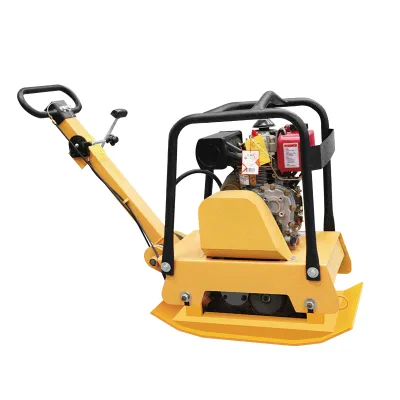
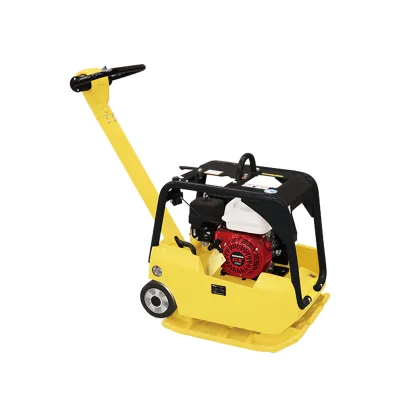
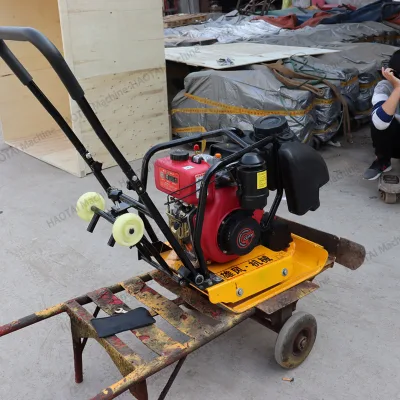
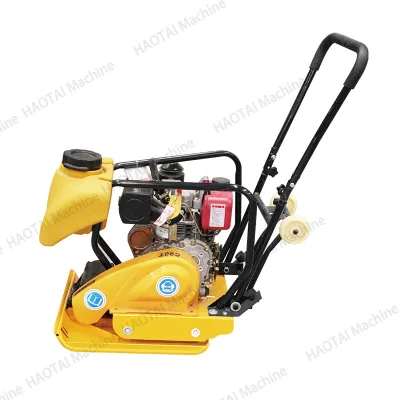
Quality Gasoline Diesel Hand Hold Soil Compactor Mini Type Vibratory Plate Compactor
$200.00 - $220.00
MOQ: 1 sets
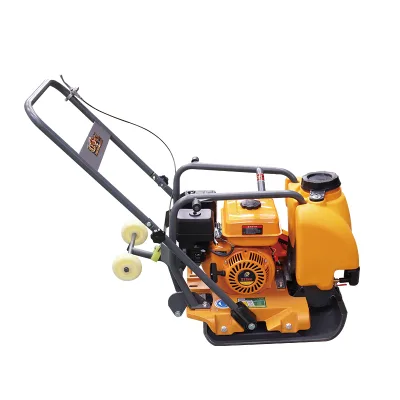
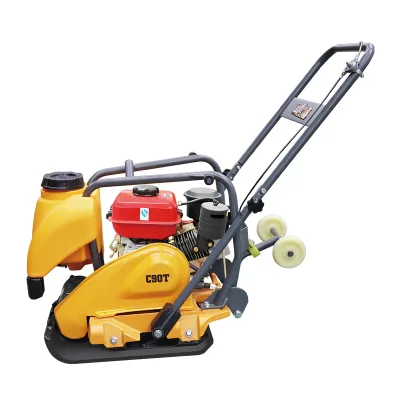
Building Plate Compactor Concrete Base Compaction Equipment Foundation Backfill Soil Compactor
$210.00 - $240.00
MOQ: 1 sets
China Gasoline Engine Factory New Selling Road Compactor Light Plate Compactor
$210.00 - $240.00
MOQ: 1 sets
Henan Province Wires Electronic Technology Co., LTD.,
- Trading Company
- Henan, China
- Lead time3 days
- Avg. response≤ 1h
Main productsSteel bar bending machine,concrete floor grinder,Concrete screw pump,Tamping Rammer,Plate Compactor
Main marketsSoutheast Asia(25.00%), North America(21.00%), Africa(18.00%), South America(10.00%), South Asia(5.00%), Mid East(5.00%), Oceania(3.00%), Southern Europe(3.00%), Eastern Asia(3.00%), Northern Europe(3.00%), Eastern Europe(2.00%), Central America(1.00%), Western Europe(1.00%)
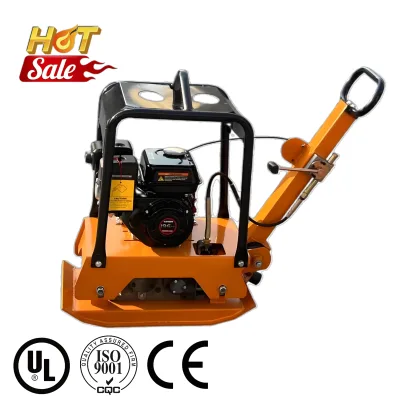
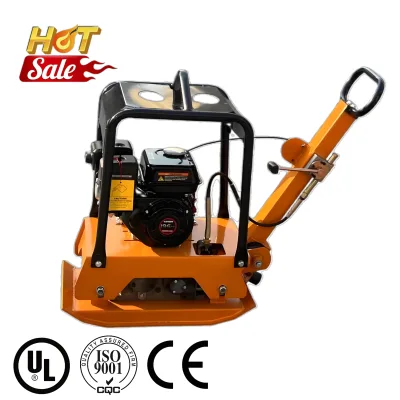
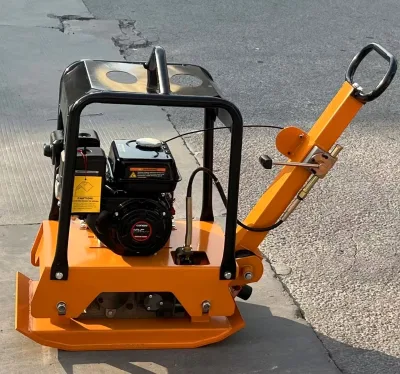
Hot Sale Earthwork Backfill Vibration Plate Compactor Gasoline/Diesel EngineType Rammer
$584.1993 - $676.6021
MOQ: 1 Minimum
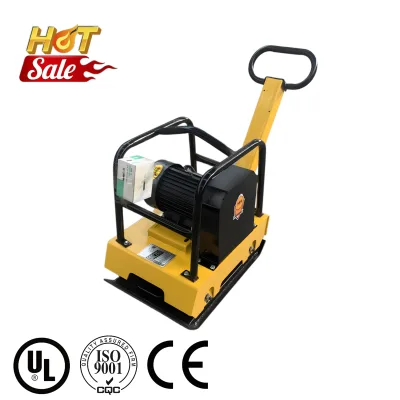
Origin Factory Price Plat Compactor Machine for Construction and Landscaping Projects Soil Compactor
$207.00 - $229.00
MOQ: 1 sets
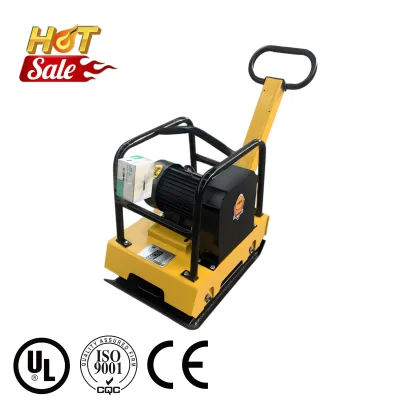
$206.7945 - $227.3713
MOQ: 1 sets

YANTAI HEMEI HYDRAULIC MACHINERY EQUIPMENT COMPANY LIMITED
- Verified by TUVRHEINLAND
- Combined
- China Shandong
- Lead time15 days
- Avg. response≤ 3h
Main productsLog Grapple, Wood Grapple, Rock Grapple, Demolition Shear, Quick Hitch, Concrete Cruher
Main marketsSouth America,Southeast Asia/ Mideast,East Asia(Japan/ South Korea),Europe,Australia,North America


High-End CE Certified Excavator Hydraulic Plate Compactor for Soil Compaction
$1400.00 - $2000.00
MOQ: 1 Sets

- Combined
- China Anhui
- Lead time23 days
- Avg. response≤ 16h
Main productsTamping Rammer, Compactor, Concrete Cutter, Road Roller, Light Tower, Generator, Welding Generator, Gasoline Engine, Concrete Mixer, Water Pump
Main marketsSouth America,Africa,Southeast Asia/ Mideast,East Asia(Japan/ South Korea),Domestic,Europe,Australia,North America


Compactor Gasoline Engine Vibratory Concrete Earth Compactor Reversible Plate Compactor Price
$200.00 - $500.00
MOQ: 1 Pieces

Driving Type Double Drum User-Friendly Earth Compactor in Road Roller
$4999.00 - $5499.00
MOQ: 1 Pieces

Ningbo Ace Machinery Co., Ltd.
- Verified by BV
- Combined
- China Zhejiang
- Lead time30 days
- Avg. response≤ 11h
Main productsConcrete Vibrator Custom Factory, Plate Compactor Factory, Tamping Rammer Supplier, Power Trowel Wholesale, Concrete Cutter Factory Wholesale, Vibrator Shaft Custom Factory, OEM/ODM Concrete Mixer Factory, Steel Bar Cutting Machine, OEM/ODM Concrete Vibrator Motor, Vibratory Roller Factory Supplier
Main marketsSouth America,Africa,Southeast Asia/ Mideast,East Asia(Japan/ South Korea),Europe,Australia,North America


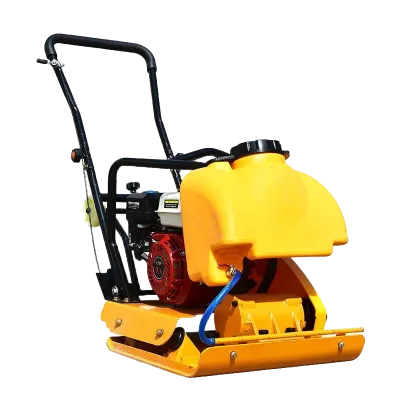
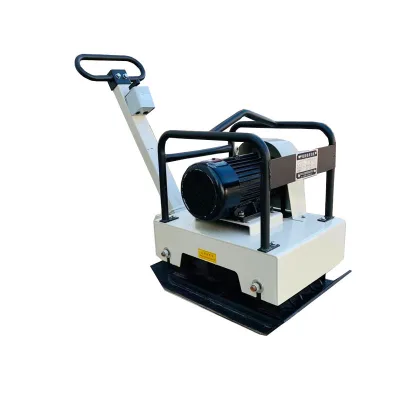
Concrete Earth Diesel Plate Compactor Machine Manual Mini Plate Compactor
$330.00 - $550.00
MOQ: 29 Pieces

Yili Engineering Machinery Henan Co., Ltd.
- Verified by Intertek
- Manufacturer, Trading Company
- Lead time10 days
- Avg. response≤ 2h
Main productsConcrete Batching Plant, Concrete Mixer, Concrete Pump, Concrete Mixer Truck, Dry Mortar Mixing Plant
Main marketsEastern Asia(57%), Africa(12%), Mid East(12%)
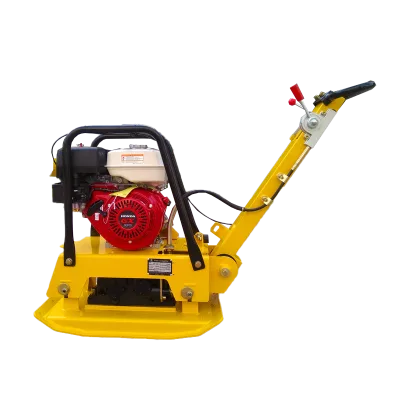
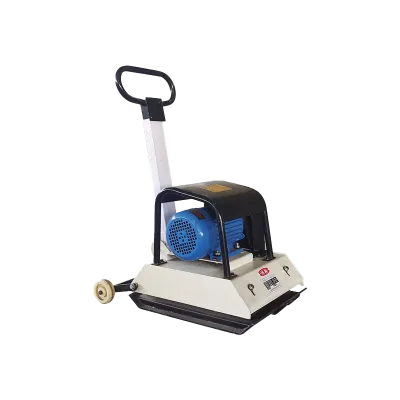
$170.00 - $185.00
MOQ: 1 sets

Shandong Xianggong Machinery Manufacturing Co., Ltd.
- Verified by SGS
- Manufacturer/Factory
- China Shandong
- Lead time15 days
- Avg. response≤ 3h
Main productsExcavator, Backhoe Loader, Wheel Loader, Skid Steer Loader, Forklift, Mobile Lighting Tower, Concrete Mixer Truck, Dumper, Lawn Mower
Main marketsSouth America,Eastern Europe,Mid East,North America,Southeast Asia,Eastern Asia,Oceania,Western Europe,Africa

Plastic Compactor Machine 2 Ton Roller Compactor Diesel Engine Road Roller
$700.00 - $1100.00
MOQ: 1 units

High Quality EPA Engine CE Approved 1 Ton Machine Road Roller Earth Compactor
$980.00 - $1580.00
MOQ: 1 units


Wuxi Pinnacle Mechanical Equipment Co., Ltd.
- Trading Company,Manufacturer/Factory
- China Jiangsu
- Lead time23 days
- Avg. response≤ 11h
Main productsTamping Rammer, Plate Compactor, Road Roller, Concrete Vibrator, Surface Finishing Screed, Power Trowel, Diesel Generator, Diesel Engine, Welding Generator, Floor Saw
Main marketsSouth America,Eastern Europe,Mid East,North America,Southeast Asia,Eastern Asia,Oceania,Western Europe,Africa
Yantai Baicai Machinery Co., Ltd.
- Verified by Intertek
- Manufacturer, Trading Company
- Lead time10 days
- Avg. response≤ 6h
Main productsHydraulic Breaker
Main marketsSoutheast Asia(60%), North America(20%), North America(13%)
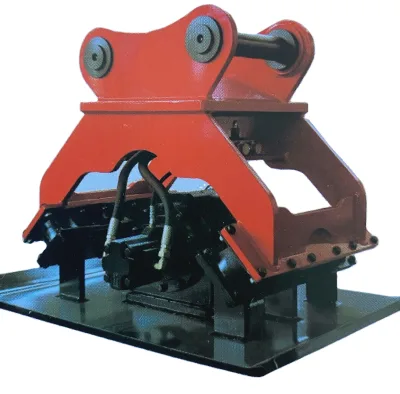
$300.00 - $700.00
MOQ: 1 sets
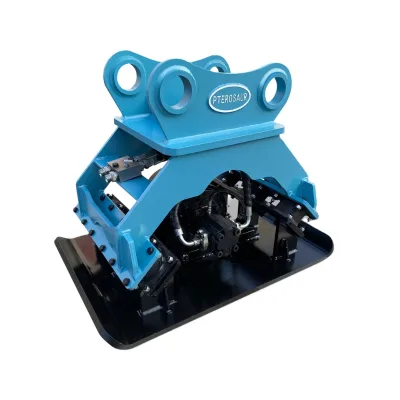
Changge Kowloon Machinery Manufacturing Co., Ltd.
- Verified by TüVRheinland
- Manufacturer, Trading Company
- Lead time10 days
- Avg. response≤ 4h
Main productsSteel Bar Cutting Machine, Steel Bar Bending Machine, Power Trowel, Impact Rammer
Main marketsDomestic Market(40%), Africa(20%), South Asia(10%)
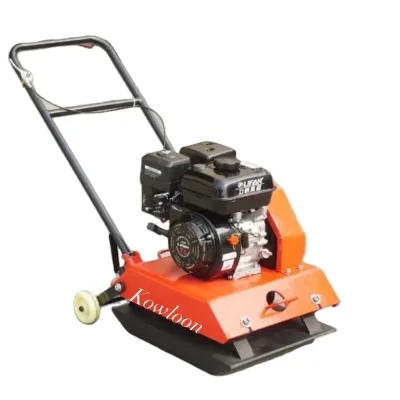
Hzr160 Petrol Diesel Reversible Vibrating Earth Plate Compactor Factory Wholesale Price
$336.3816 - $420.4755
MOQ: 1 pieces
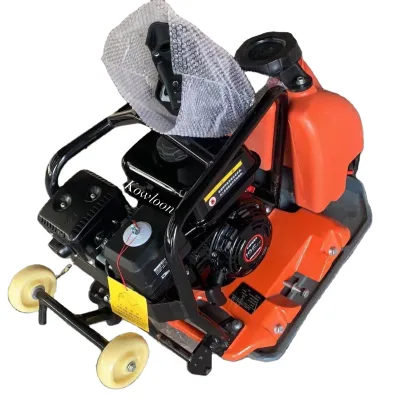
Portable Plate Compactor Soil Floor Rammer Gasoline/Diesel Engine Ground Vibrating Machine
$207.6175 - $415.235
MOQ: 1 pieces
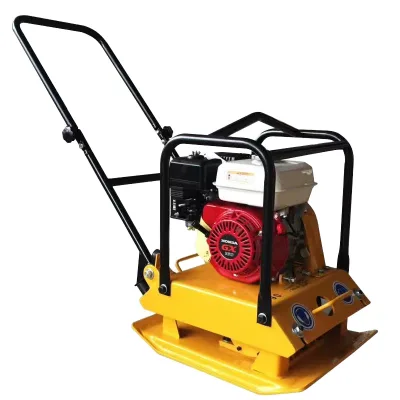

Shandong Storike Engineering Machinery Co., Ltd.
- Verified by TUVRHEINLAND
- Combined
- China Shandong
- Lead time15 days
- Avg. response≤ 1h
Main productsRoad Roller, Mini Road Roller, Mini Excavator, Wheel Loader, Light Tower, Road Roller Compactor, Vibratory Road Roller, Mobile Light Tower, Mini Loader, 4 Ton Road Roller
Main marketsSoutheast Asia/ Mideast


2 Ton Diesel Engine Mini Compactor Road Roller Diesel Gasoline Engine
$9300.00 - $9800.00
MOQ: 1 Pieces


Jining Furuide Machinery Manufacturing Co., Ltd.
- Verified by TUVRHEINLAND
- Combined
- China Shandong
- Lead time23 days
- Avg. response≤ 4h
Main productsRoad Roller, Concrete Screed, Light Tower, Concrete Cutter, Plate Compactor, Concrete Trowel Machine
Main marketsAfrica,Europe

Hand Roller Compactor Automatic Soil Compactor Machine with Diesel Engine
$2000.00 - $3000.00
MOQ: 1 Pieces

High Performance Earthmoving Machinery Road Roller Compactor for Soil Asphalt Compaction
$15000.00 - $20000.00
MOQ: 1 Pieces


Changge Kowloon Machinery Manufacturing Co., Ltd.
- Verified by TUVRHEINLAND
- Trading Company,Manufacturer/Factory
- China Henan
- Lead time15 days
- Avg. response≤ 8h
Main productsSteel Bar Cutting Machine, Steel Bar Bending Machine, Steel Bar Straightening and Cutting Machine, Steel Bar Stirrup Bender Machine, Tamping Rammer Machine, Plate Rammer Machine, Concrete Power Trowel, Concrete Screed, Concrete Grinder, Portable Cutting Machine and Bending Machine
Main marketsSouth America,Eastern Europe,Mid East,North America,Southeast Asia,Eastern Asia,Oceania,Western Europe,Africa

Henan Weiterui Machinery Co., Ltd.
- Verified by CTI
- Manufacturer/Factory
- China Henan
- Lead time23 days
- Avg. response≤ 2h
Main productsTroweling Machine, Road Roller, Steel Bar Cutter, Bending Machine, Straightener, Brick Cutter, Rebar Bending Machine, Dicing Saw, Pavement Machinery, Compacting Machine
Main marketsSouth America,Eastern Europe,Mid East,North America,Southeast Asia,Eastern Asia,Oceania,Western Europe,Africa
Yantai Ligong Machinery Equipment Co., Ltd.
- Verified by SGS Group
- Manufacturer, Trading Company
- Lead time5 days
Main productsHydraulic Breaker, Quick Hitch, Hydraulic Grapple, Pile Driver, Hydraulic Shear
Main marketsNorth America(10%), South America(10%), Eastern Europe(10%)
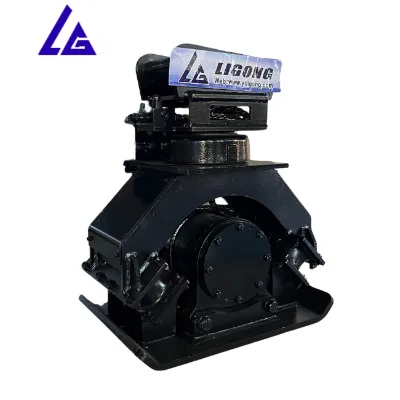
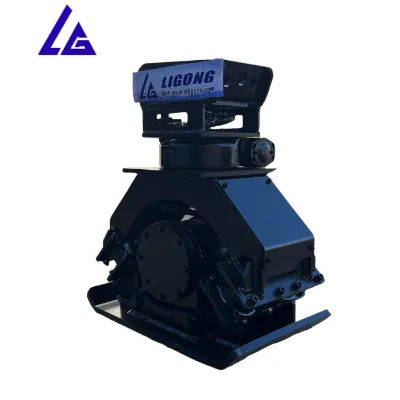
High Efficiency Compaction Plate Ground Compacting Hydraulic Compactor for Asphalt Compaction
$1250.00 - $1400.00
MOQ: 1 pieces
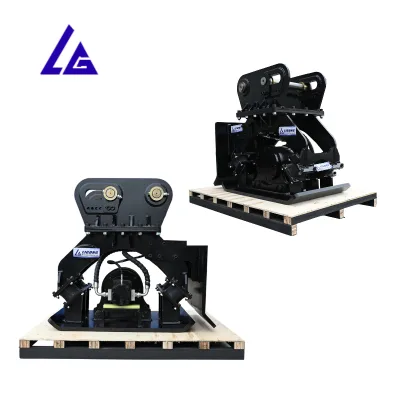
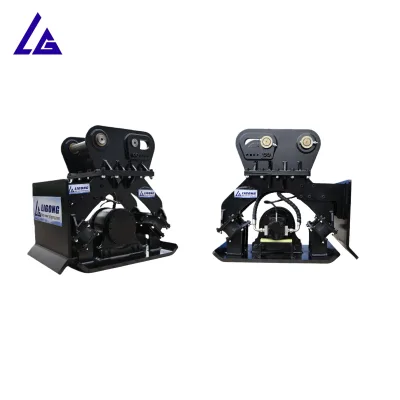
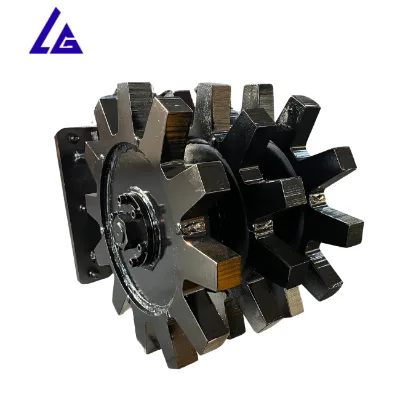

Henan Huiteng Construction Technology Co., Ltd.
- Verified by SGS
- Trading Company
- China Henan
- Lead time15 days
- Avg. response≤ 2h
Main marketsEurope

$460.00 - $475.00
MOQ: 1 Pieces

$116.00 - $125.00
MOQ: 1 Pieces

$195.00 - $200.00
MOQ: 1 Pieces

Yantai Shengxin Construction Machinery Co., Ltd
- Verified by SGS
- Combined
- China Shandong
- Lead time23 days
- Avg. response≤ 1h
Main productsHydraulic Breaker, Hydraulic Plate Compactor, Swing Quick Connector, Hammer Back Clamp, Field Mower, Hydraulic Power Shear, Ripper
Main marketsEast Asia(Japan/ South Korea)


Robust Excavator Hydraulic Compactor for Quarry & Mining Site Ground Compaction Projects
$557.00 - $1286.00
MOQ: 1 Pieces


High-End Quality Customized Excavator Flat Compactor for Compacting Ground.
$557.00 - $1286.00
MOQ: 1 Pieces

High-Performance Excavator Vibratory Compactor, Used for Efficient Earthwork Operations
$500.00 - $1300.00
MOQ: 1 Pieces

Powerful Excavator-Compatible Vibratory Compactor for High-Density Soil Tamping
$179.00 - $1571.00
MOQ: 1 Pieces
Henan Jiashang Zhuoer Machinery Co., Ltd.
- Manufacturer, Trading Company
- Henan, China
- Lead time15 days
- Avg. response≤ 3h
Main productsPower Trowel, Road Roller, Plate Compactor, Rebar Machinery, Full-automatic Rebar Threading Polishing Line
Main marketsMid East(15.00%), Africa(15.00%), Southeast Asia(10.00%), South America(10.00%), Domestic Market(5.00%), South Asia(5.00%), Southern Europe(5.00%), Eastern Europe(5.00%), Northern Europe(5.00%), Central America(5.00%), Western Europe(5.00%), Eastern Asia(5.00%), Oceania(5.00%), North America(5.00%)
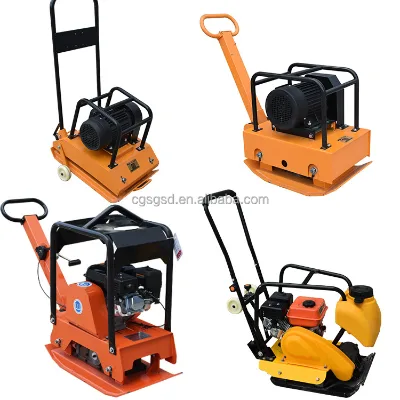
High-performance Road Compactor with Engine Core Components for the Construction Industry
$205.342 - $246.4116
MOQ: 1 pieces
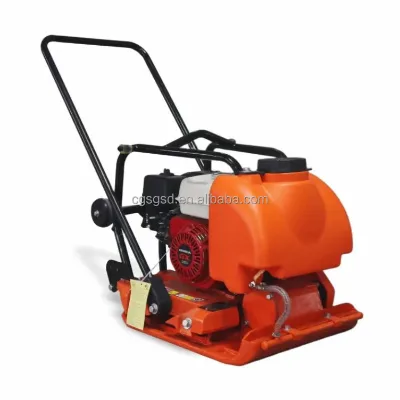
China Customized New Engine Plate Compactor Manual Vibrator Soil Compaction Equipment
$349.0826 - $385.0167
MOQ: 1 sets
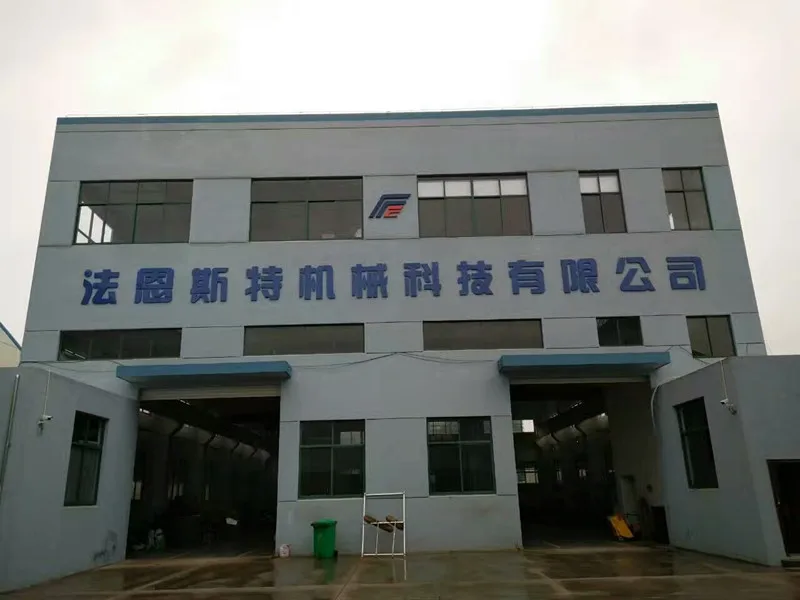
Wuxi Fast Machinery Technology Co., Ltd.
- Manufacturer
- Jiangsu, China
- Lead time7 days
- Avg. response≤ 2h
Main productsPlate Compactor,Tamping Rammer,Concret Cutter,Power Trowel,Concrete Screed
Main marketsDomestic Market(20.00%), Africa(10.00%), North America(10.00%), South Asia(10.00%), Mid East(10.00%), Southeast Asia(5.00%), Eastern Europe(5.00%), Northern Europe(5.00%), Central America(5.00%), Western Europe(5.00%), Eastern Asia(5.00%), South America(5.00%), Oceania(5.00%)
Henan Yuandong Machinery Equipment Co., Ltd.
- Verified by TüVRheinland
- Manufacturer, Trading Company
- Lead time7 days
- Avg. response≤ 3h
Main productsConcrete Mixer, Road Roller, Floor Grinder, Concrete Power Trowel, Plate Compactor
Main marketsNorth America(55%), Western Europe(12%), South America(10%)

Yantai Shijin Machinery Co., Ltd.
- Verified by SGS
- Combined
- China Shandong
- Lead time15 days
- Avg. response≤ 1h
Main productsHydraulic Breaker, Earth Drill, Grapple, Ripper, Tree Shear, Quick Coupler, Hydraulic Pliers, Hydraulic Thumb, Lawn Mower
Main marketsSouth America,Africa,Southeast Asia/ Mideast,Europe,Australia,North America

Construction Machinery Earth Compactor Excavator Hydraulic Plate Compactor for Sale
$700.00 - $800.00
MOQ: 1 Pieces


Small Plate Compactor Excavator Hydraulic Soil Vibrating Plate Compactor
$600.00 - $700.00
MOQ: 1 Pieces

Yantai Jiwei Construction Machinery Equipment Co., Ltd.
- Combined
- China Shandong
- Lead time15 days
- Avg. response≤ 2h
Main productsHydraulic Breaker, Hydraulic Hammer, Excavator Grapple, Excavator Breaker, Hydraulic Rock Breaker, Excavator Pulverizer, Quick Hitch Coupler, Martillo Hidraulico, Hydraulic Breaker Manufacturer
Main marketsSouth America,Africa,Southeast Asia/ Mideast,East Asia(Japan/ South Korea),Domestic,Europe,Australia,North America
Yancheng Mingteng Electrical Equipment Co., Ltd.
- Manufacturer
- Jiangsu, China
- Lead time30 days
- Avg. response≤ 9h
Main productsGasoline Engine,Water Pump,Gasoline Generator,Plate Compactor,Power tiller
Main marketsMid East(30.00%), Africa(10.00%), Southeast Asia(10.00%), South America(10.00%), North America(10.00%), South Asia(5.00%), Central America(5.00%), Eastern Asia(5.00%), Northern Europe(5.00%), Domestic Market(4.00%), Eastern Europe(2.00%), Oceania(2.00%), Southern Europe(1.00%), Western Europe(1.00%)
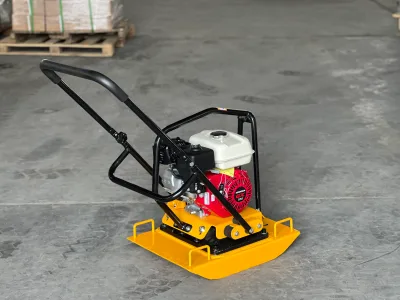
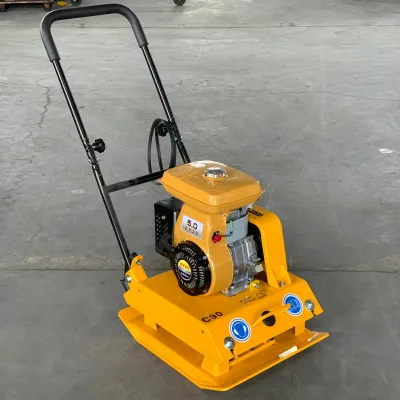
Factory Price Best Selling Model Plate Compactor Earth Soil Concrete Asphalt Road Compactor for Sale
$180.00 - $185.00
MOQ: 5 pieces
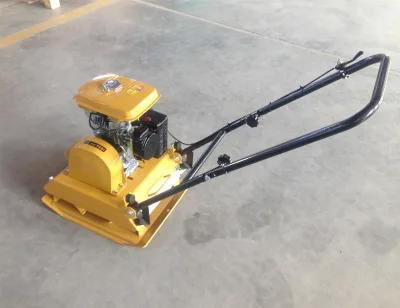
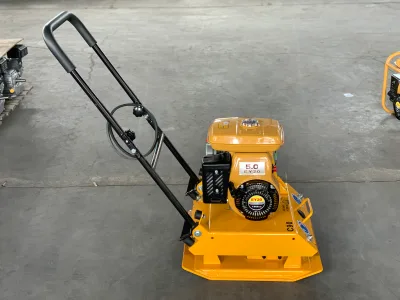
60kg Lightweight Plate Compactor for Garden Path Landscaping
$170.00 - $180.00

Laizhou Chicca Machinery CO., LTD.
- Manufacturer
- China Shandong
- Lead time23 days
- Avg. response≤ 3h
Main productsConcrete Mixer Machine, Concrete Mixer, Cement Mixer, Plate Compactor
Main marketsSouth America,Africa,North America

Heavy Duty Wacker Walk-Behind Vibratory Asphalt Plate Compactor Earth Compactor
$425.00 - $558.00
MOQ: 1 set

Henan Lingye Industrial Co., Ltd.
- Verified by SGS Group
- Trading Company
- Lead time0 days
- Avg. response≤ 2h
Main productsRoad Machine, Concrete Machine, Mining Machine, Power Trowel, Cutting Machine
Main marketsSouth America(35%), North America(20%), Southeast Asia(10%)
Shandong keruide Heavy Machinery co.,ltd
- Verified by TüVRheinland
- Manufacturer, Trading Company
- Lead time3 days
- Avg. response≤ 4h
Main productsExcavator, Forklift, Skid Steer Loader, Tricycle, Road Roller
Main marketsDomestic Market(25%), North America(20%), Eastern Europe(20%)
Henan Huiteng Construction Technology Co., Ltd.
- Trading Company
- Henan, China
- Lead time0 days
- Avg. response≤ 2h
Main productsFlat plate ramming,Road roller,Grinding machinery,battering ram,power trowel
Main marketsEastern Asia(25.00%), Mid East(25.00%), Africa(25.00%), North America(25.00%)


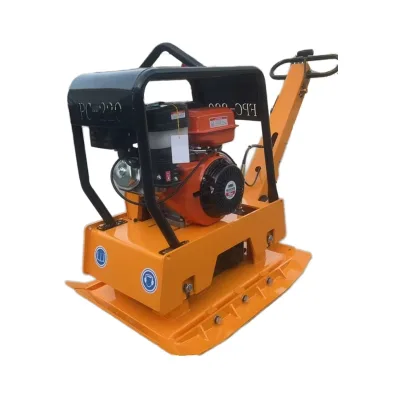
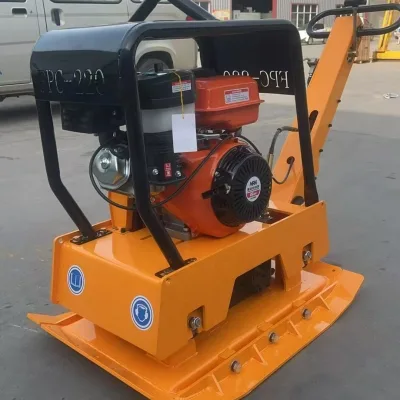


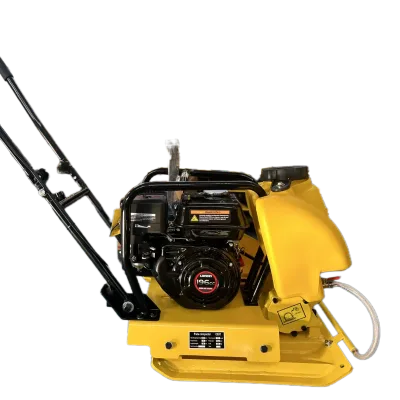
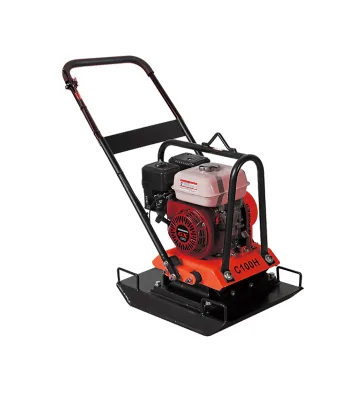
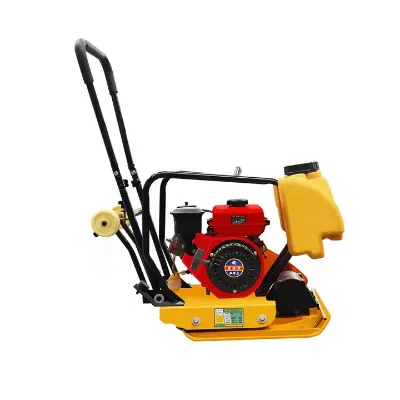
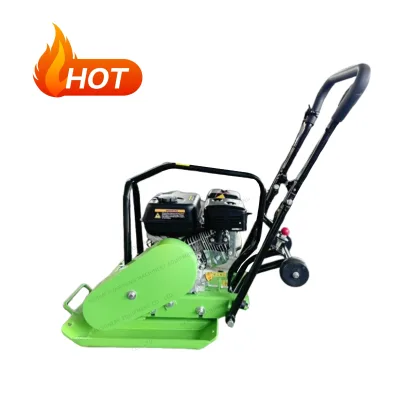


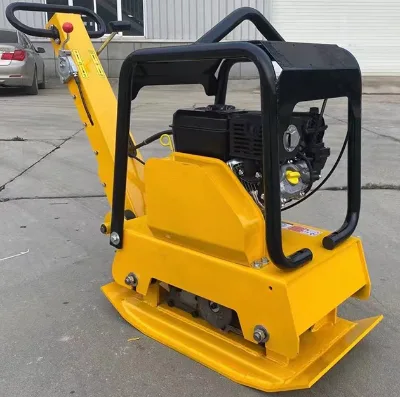
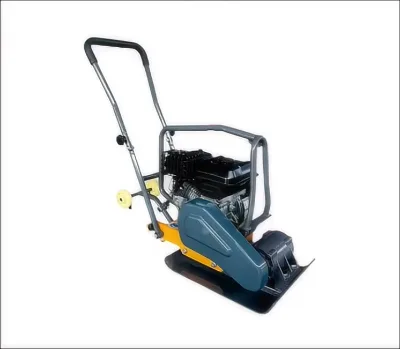
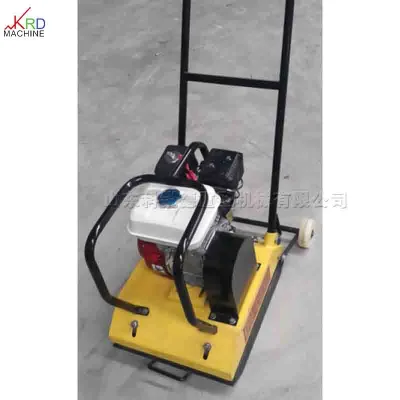
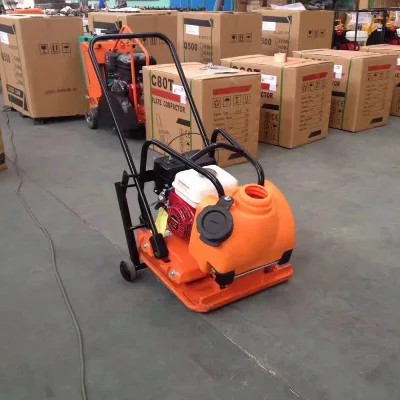
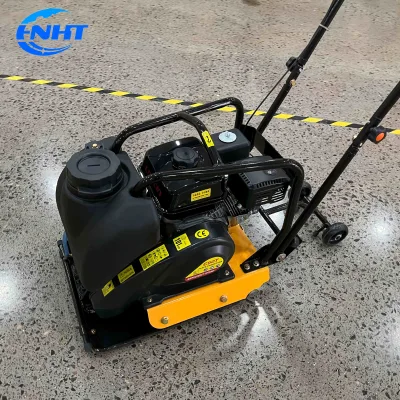
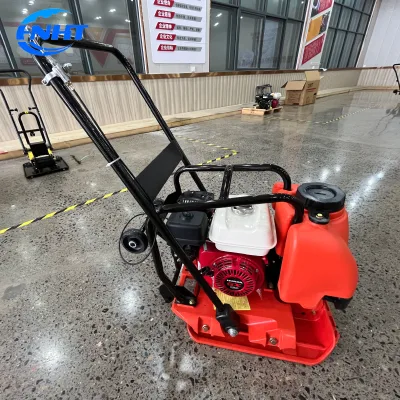
Comprehensive Sourcing Guide
Diesel Engine Earth Compactor Supplier Concentration and Factory Types
The current supplier landscape for diesel engine earth compactors reveals a distinct geographic concentration in China, with specific manufacturing hubs identified in Henan and Shanghai. Suppliers located in Henan often operate as combined entities, meaning they may function as both manufacturers and trading companies, offering a blend of direct factory pricing and broader product availability. This dual nature can be advantageous for buyers seeking customized solutions, as these suppliers frequently list capabilities such as OEM and ODM services alongside their own branded products. The presence of such combined entities suggests a mature industrial ecosystem where production lines are adaptable to various client specifications, allowing for flexibility in order sizes and design modifications. Buyers evaluating suppliers from this region should recognize that the "combined" label implies a hybrid operational model, which can streamline communication but may require careful verification of actual manufacturing capacity versus trading volume.
In contrast, suppliers based in Shanghai are predominantly identified as trading companies rather than direct manufacturers. This distinction is critical for buyers assessing their sourcing strategy, as trading companies typically act as intermediaries connecting buyers with a network of factories. While this model may introduce an additional layer in the supply chain, it often provides access to a wider variety of heavy equipment and construction machinery beyond just compactors. These trading entities may specialize in specific categories such as diesel generator sets, mining machinery, or general construction equipment, offering a one-stop-shop experience for buyers with diverse procurement needs. The trading company model can simplify logistics and consolidate shipments from multiple suppliers, but it necessitates rigorous due diligence to ensure that the underlying manufacturers meet quality and safety standards. Understanding whether a supplier is a factory or a trader helps buyers anticipate communication styles, pricing structures, and the level of technical support available throughout the procurement process.
How to Verify Diesel Engine Earth Compactor Suppliers
Verifying the legitimacy and capability of Diesel Engine Earth Compactor suppliers requires a multi-faceted approach that goes beyond surface-level profile reviews. Buyers should prioritize suppliers who provide detailed product attributes and specifications, as these details often reflect the depth of their technical knowledge and manufacturing precision. For instance, specific data points such as compaction depth, centrifugal force, vibration frequency, and engine type are strong indicators of a supplier’s expertise. A supplier listing precise metrics like a 40cm compaction depth or a 15KN centrifugal force demonstrates a commitment to transparency and technical accuracy. Buyers should cross-reference these specifications with industry standards and their own project requirements to ensure compatibility. Additionally, the presence of detailed product keywords and categorized listings under specific machinery types, such as road machinery or earth-moving machinery, can help validate the supplier’s focus and specialization in the compactor sector.
Certification and compliance documentation are equally vital components of the verification process. Buyers must scrutinize the certifications listed for both the company and individual products, looking for recognized standards such as ISO 9001, CE, and EPA. These certifications indicate that the supplier’s manufacturing processes and products adhere to international quality and environmental regulations. However, buyers should not assume that all suppliers possess these credentials; some may list them while others may not, requiring direct inquiry to confirm validity. It is also important to verify the condition of the products, ensuring they are listed as new rather than refurbished, unless explicitly stated otherwise. Furthermore, buyers should assess the supplier’s response time and lead time as indicators of operational efficiency. A quick response time, such as under three days, suggests a responsive customer service team, while lead times provide insight into production capacity and scheduling reliability. These factors collectively contribute to a comprehensive verification strategy that mitigates risk and ensures supplier reliability.
What to Compare Across Diesel Engine Earth Compactor Suppliers
When evaluating multiple suppliers for diesel engine earth compactors, buyers must systematically compare key operational and commercial metrics to identify the most suitable partner. One of the primary dimensions for comparison is the lead time, which varies significantly across suppliers. For example, some suppliers may offer a lead time of 15 days, while others might require up to 30 days. This difference can impact project timelines and inventory management, making it crucial for buyers to align supplier lead times with their production schedules. Additionally, the minimum order quantity (MOQ) is a critical factor, especially for smaller buyers or those testing new markets. Suppliers with an MOQ of one unit offer greater flexibility for trial orders, whereas higher MOQs may be necessary for securing better pricing or ensuring production efficiency. Buyers should also compare the range of main products offered, as suppliers with a broader portfolio may provide better bundling opportunities or after-sales support for related equipment.
Another essential aspect of comparison is the response time and the overall company type. Suppliers with faster response times, such as those under three days, are often more agile in addressing inquiries and resolving issues. The company type, whether it is a combined entity or a pure trading company, also influences the buying experience. Combined entities may offer more direct access to manufacturing insights, while trading companies might provide better logistical coordination. Buyers should also examine the customization options available, as some suppliers offer tailored solutions for specific project requirements. Furthermore, the price range for similar products can vary, with some suppliers offering competitive pricing for basic models while others may charge a premium for advanced features or higher-quality components. By systematically comparing these dimensions, buyers can make informed decisions that balance cost, quality, and service levels, ensuring they select a supplier that best fits their specific procurement needs and strategic goals.
Common Diesel Engine Earth Compactor Sourcing Risks
Sourcing diesel engine earth compactors from international suppliers introduces several risks that buyers must proactively manage to ensure a successful procurement process. One significant risk is the potential mismatch between product specifications and actual delivery, particularly when dealing with trading companies that may not have direct control over manufacturing quality. Buyers may encounter discrepancies in engine brands, compaction performance, or material durability if they do not conduct thorough due diligence. For instance, a supplier might list a generic engine type, but the actual product could use a lower-quality alternative, affecting the machine’s longevity and performance. This risk is exacerbated when buyers rely solely on online listings without requesting physical samples or third-party inspections. Additionally, the variability in certification validity poses a risk, as some suppliers may claim certifications that are not up-to-date or applicable to the specific product model, leading to compliance issues in the buyer’s home market.
Another common risk is the inconsistency in after-sales support and spare parts availability. Diesel engine earth compactors are complex machines that require regular maintenance and occasional repairs. Buyers may find that suppliers do not provide adequate technical support or spare parts, leading to prolonged downtime and increased operational costs. This risk is particularly prevalent when dealing with suppliers who have limited experience in international trade or lack a robust service network. Furthermore, logistical challenges such as shipping delays, customs clearance issues, and damage during transit can disrupt project timelines and increase overall costs. Buyers must also be cautious of price fluctuations and hidden costs, such as freight charges, insurance, and import duties, which can significantly impact the total cost of ownership. By identifying and mitigating these risks through careful supplier selection, contract negotiation, and risk management strategies, buyers can protect their investments and ensure the reliable operation of their diesel engine earth compactors.
Diesel Engine Earth Compactor Regional Sourcing and Logistics
Regional sourcing plays a pivotal role in determining the logistics and overall cost structure for diesel engine earth compactors. Suppliers located in China, particularly in hubs like Henan and Shanghai, offer distinct advantages in terms of manufacturing efficiency and supply chain maturity. Henan, known for its heavy machinery industry, provides access to a wide range of compactor models, from small plate compactors to large road rollers. The concentration of suppliers in this region facilitates easier coordination for factory audits and quality inspections, as buyers can visit multiple facilities in a short period. Shanghai, on the other hand, serves as a major trading and logistics hub, offering streamlined export processes and access to global shipping routes. Buyers sourcing from Shanghai may benefit from faster shipping times and more flexible logistics options, although they may face higher prices due to the trading company model. Understanding these regional dynamics helps buyers optimize their sourcing strategy based on their specific needs for cost, speed, and quality.
Logistics considerations extend beyond just the supplier’s location to include packaging, shipping methods, and destination port requirements. Diesel engine earth compactors are heavy and bulky items, requiring specialized packaging to prevent damage during transit. Suppliers often use wooden cases or bulk packaging, depending on the product size and weight. Buyers must ensure that the packaging meets international shipping standards and is suitable for the chosen mode of transport, whether by sea or air. Additionally, buyers should consider the impact of freight costs on the total price, as these can vary significantly based on fuel prices, shipping routes, and carrier availability. Coordinating with freight forwarders early in the process can help buyers secure better rates and ensure timely delivery. Furthermore, buyers must be aware of import regulations and duties in their home country, which can affect the final landed cost. By carefully planning the logistics and understanding the regional advantages of different sourcing locations, buyers can minimize risks and optimize the efficiency of their supply chain.
Diesel Engine Earth Compactor Commercial Terms and Order Planning
Effective commercial terms and order planning are essential for managing the procurement of diesel engine earth compactors and ensuring a smooth transaction. Buyers should negotiate clear payment terms that balance risk and cash flow, such as using secure payment methods like escrow or letters of credit. These methods protect both parties by ensuring that payment is released only upon confirmation of product quality and shipment. Additionally, buyers should clarify the Incoterms, such as FOB or CIF, to determine who is responsible for shipping costs and insurance. Understanding these terms helps buyers accurately calculate the total cost of ownership and avoid unexpected expenses. Furthermore, buyers should establish clear delivery schedules and penalties for delays, as lead times can vary significantly among suppliers. By setting realistic expectations and documenting all commercial terms in the contract, buyers can mitigate financial risks and ensure that the supplier meets their delivery commitments.
Order planning also involves managing inventory and production schedules to align with project timelines. Buyers should consider the MOQ and production capacity of the supplier to determine the optimal order quantity. For example, ordering in bulk may secure better pricing but requires adequate storage space and capital, while smaller orders offer flexibility but may incur higher per-unit costs. Buyers should also plan for spare parts and maintenance supplies, as these are critical for the long-term operation of the compactors. Establishing a relationship with the supplier for ongoing support and parts supply can reduce downtime and extend the lifespan of the equipment. Additionally, buyers should monitor market trends and price fluctuations to time their orders strategically. By integrating commercial terms and order planning into a comprehensive procurement strategy, buyers can optimize their sourcing efforts, reduce costs, and ensure the reliable performance of their diesel engine earth compactors throughout their operational lifecycle.
FAQs
What is the price range for diesel engine earth compactors?
Prices for diesel engine earth compactors typically range from $900 to $12,999 depending on the model and specifications. Smaller plate compactors start around $900, while larger road rollers can exceed $10,000. Buyers should verify specific pricing for their required capacity and engine type before placing orders.
What certifications do these compactors usually have?
Most diesel engine earth compactors listed carry ISO 9001 and CE certifications. Some models also include EPA certification for engine compliance. Buyers should request valid certification documents to ensure the machinery meets local regulatory standards and safety requirements for construction and earth-moving applications.
What is the typical lead time for delivery?
The typical lead time for these machines is approximately 15 to 30 days. Suppliers in China Henan often quote 15 days, while trading companies in Shanghai may require up to 30 days. Buyers should confirm exact production schedules with the supplier to align with project deadlines.
What is the minimum order quantity for these machines?
The minimum order quantity is generally one unit for most diesel engine earth compactors. This allows buyers to purchase single machines for testing or small projects. Bulk discounts may be available for larger orders, so buyers should inquire about tiered pricing structures when ordering multiple units.
Where are these compactors manufactured?
These compactors are primarily manufactured in China, with key production hubs in Henan and Shanghai. Henan suppliers often specialize in heavy construction machinery, while Shanghai-based trading companies may offer a broader range of equipment. Buyers should verify the specific origin to assess logistics and shipping costs.
What engine brands are used in these compactors?
Common engine brands include Honda, Changchai, and local manufacturers. Buyers can often choose between petrol and diesel engines depending on the model. It is advisable to specify the preferred engine brand during the inquiry to ensure compatibility with local fuel availability and maintenance support networks.