Hand Held Electric Floor Trowel Suppliers and Manufacturers
Compare 23 verified suppliers offering Hand Held Electric Floor Trowel with details on response times, lead times, and certifications. Review product specs like motor power and blade diameter before contacting factories for quotes; review the available evidence before requesting comparable quotations from suitable candidates.
Updated
Suppliers List
Jining Qingke Machinery Co., Ltd.
- Manufacturer, Trading Company
- Lead time旺季: "1 - 1":5,"> 1":"To be negotiated", 淡季: "1 - 1":5,"> 1":"To be negotiated"
- Avg. response≤ 4h
Main productsExcavator, Forklift, Skid Steer Loader, Tricycle, Road Roller

Shanghai Super-Above Industry Holdings Co., Ltd.
- Verified by SGS
- Manufacturer/Factory
- China Shanghai
- Lead time23 days
- Avg. response≤ 3h
Main productsTruck Crane, Wheel Loader, Excavator, Concrete Pump, Crusher, Tower Crane, Concrete Batching Plant, Bulldozer, Road Roller, Motor Grader
Main marketsEastern Europe,Mid East,Southeast Asia,Africa
Deweiss (shanghai) Machinery Co., Ltd.
- Trading Company
- Shanghai, China
- Lead time7 days
- Avg. response≤ 6h
Main productsWoodworking machinery,Pipe processing machinery,Road machinery,Agricultural machinery,Packaging Machinery
Main marketsNorth America(18.00%), South America(15.00%), Oceania(14.00%), Southern Europe(8.00%), Africa(8.00%), Western Europe(7.00%), Mid East(6.00%), Eastern Europe(6.00%), Southeast Asia(5.00%), Northern Europe(5.00%), South Asia(3.00%), Central America(3.00%), Eastern Asia(2.00%)

Jining Furuide Machinery Manufacturing Co., Ltd.
- Verified by TUVRHEINLAND
- Combined
- China Shandong
- Lead time23 days
- Avg. response≤ 4h
Main productsRoad Roller, Concrete Screed, Light Tower, Concrete Cutter, Plate Compactor, Concrete Trowel Machine
Main marketsAfrica,Europe


$580.00 - $1000.00
MOQ: 1 Pieces
ANHUI GEWILSON MACHINERY MANUFACTURING CO., LTD.
- Verified by Intertek
- Manufacturer, Trading Company
- Lead time15 days
- Avg. response≤ 6h
Main productsConstruction Machinery, Light Tower
Main marketsSouth America(30%), Western Europe(30%), North America(25%)
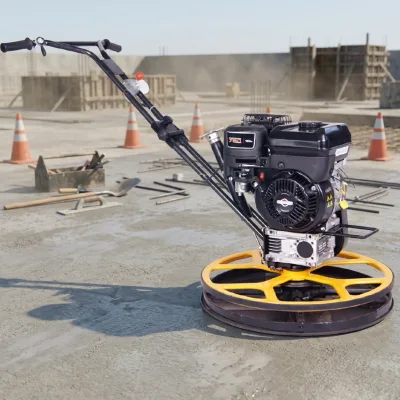
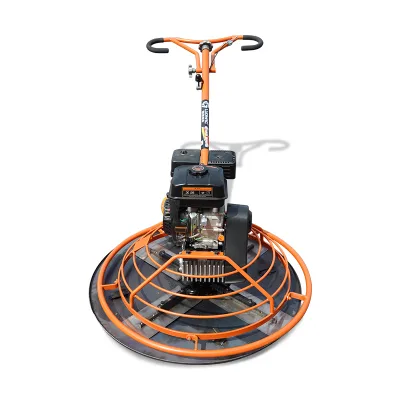
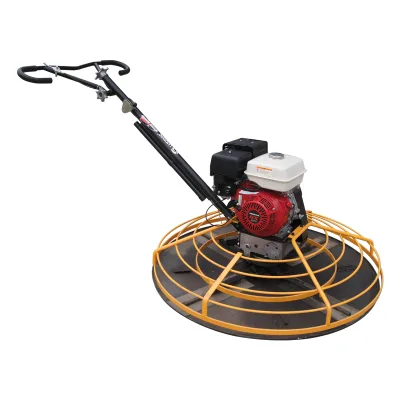
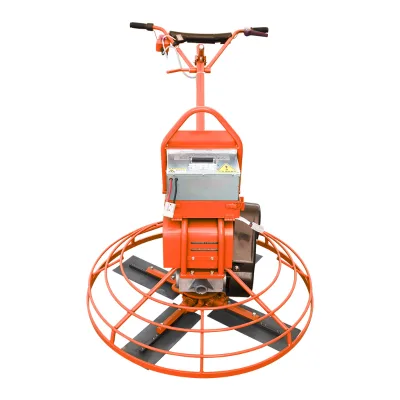
OEM Factory Price Handheld Lithium Electric Power Trowel Wholesale
$1659.00 - $1889.00
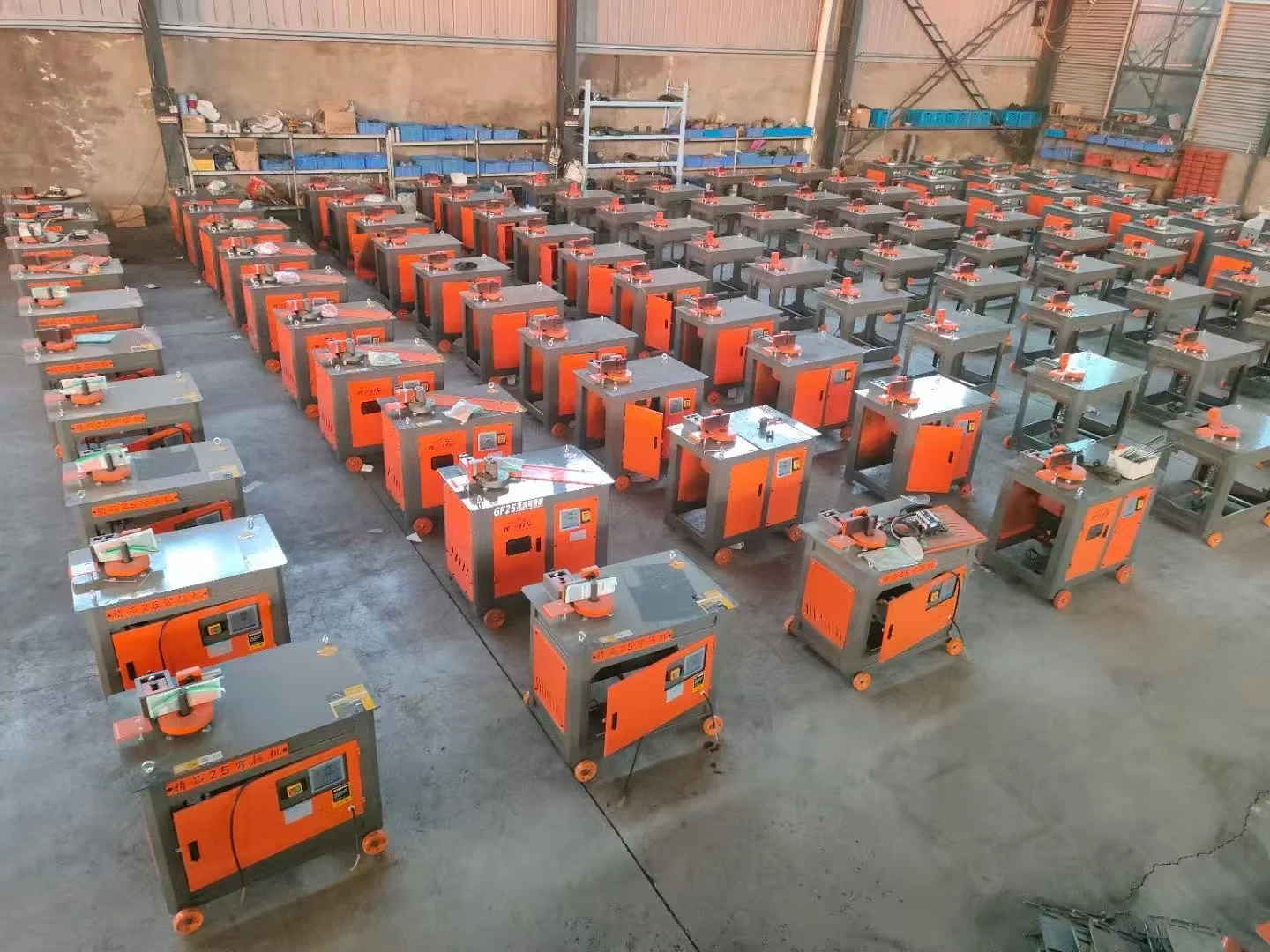
Xuchang Oudi Machinery Co., Ltd.
- Manufacturer, Trading Company
- Henan Province, China
- Lead time20 days
- Avg. response≤ 13h
Main productspower trowel,Remote-controlled lawn mower,roller,forklift truck,Brick cutting machine
Main marketsSouth America(18.00%), South Asia(15.00%), Mid East(15.00%), North America(10.00%), Africa(10.00%), Southeast Asia(10.00%), Eastern Europe(5.00%), Eastern Asia(5.00%), Western Europe(2.00%)
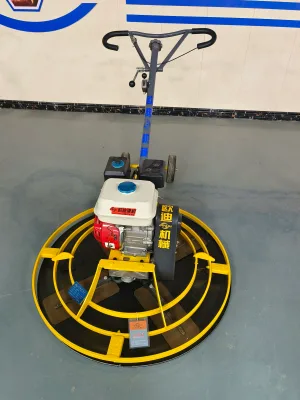
Electric Trowel, Concrete Surface Treatment, Trowel, Oil Machine Type Trowel
$328.5478 - $395.2848
MOQ: 1 pieces
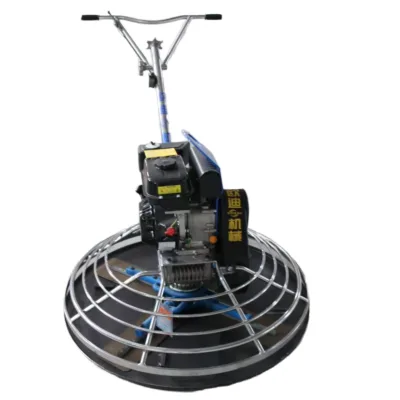
Hot Sale Pan Floating Trowel Double Blade Power Trowel Hand Power Trowel Wholesale Price Per Piece
$128.7821 - $174.1133
MOQ: 1 pieces
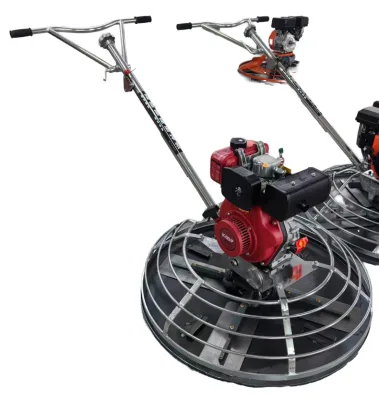
Factory Direct Supply: Concrete Floor Power Trowel, Low Price, with Blades Included.
$115.00 - $145.00
MOQ: 1 pieces

Shandong Roadway Construction Machinery Manufacturing Co., Ltd.
- Verified by TUVRHEINLAND
- Combined
- China Shandong
- Lead time15 days
- Avg. response≤ 8h
Main productsRoad Roller, Concrete Laser Screed, Ride on Power Trowel, Road Cutting Machine, Light Tower, Plate Compactor, Road Curb Paver, Concrete Scabbler, Concrete Truss Screed, Shot Blasting Machine
Main marketsAustralia

Ningbo Ace Machinery Co., Ltd.
- Verified by BV
- Combined
- China Zhejiang
- Lead time30 days
- Avg. response≤ 11h
Main productsConcrete Vibrator Custom Factory, Plate Compactor Factory, Tamping Rammer Supplier, Power Trowel Wholesale, Concrete Cutter Factory Wholesale, Vibrator Shaft Custom Factory, OEM/ODM Concrete Mixer Factory, Steel Bar Cutting Machine, OEM/ODM Concrete Vibrator Motor, Vibratory Roller Factory Supplier
Main marketsSouth America,Africa,Southeast Asia/ Mideast,East Asia(Japan/ South Korea),Europe,Australia,North America
Henan Province Wires Electronic Technology Co., LTD.,
- Trading Company
- Henan, China
- Lead time3 days
- Avg. response≤ 1h
Main productsSteel bar bending machine,concrete floor grinder,Concrete screw pump,Tamping Rammer,Plate Compactor
Main marketsSoutheast Asia(25.00%), North America(21.00%), Africa(18.00%), South America(10.00%), South Asia(5.00%), Mid East(5.00%), Oceania(3.00%), Southern Europe(3.00%), Eastern Asia(3.00%), Northern Europe(3.00%), Eastern Europe(2.00%), Central America(1.00%), Western Europe(1.00%)
Henan Yuandong Machinery Equipment Co., Ltd.
- Verified by TüVRheinland
- Manufacturer, Trading Company
- Lead time7 days
- Avg. response≤ 3h
Main productsConcrete Mixer, Road Roller, Floor Grinder, Concrete Power Trowel, Plate Compactor
Main marketsNorth America(55%), Western Europe(12%), South America(10%)
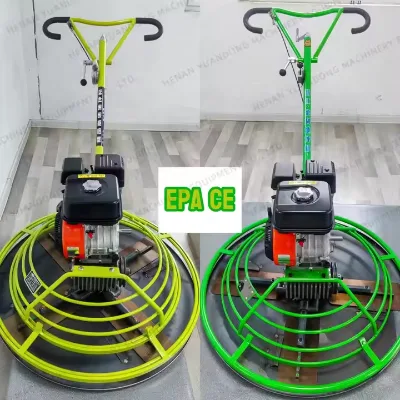
OEM Electric Power Trowel Hydraulic Power Trowel GasolinePower Trowel Factory Direct Sales
$181.0387 - $186.2118
MOQ: 1 sets
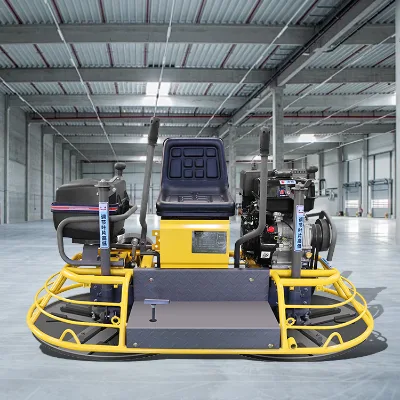
$1770.8901 - $1875.0601
MOQ: 1 sets
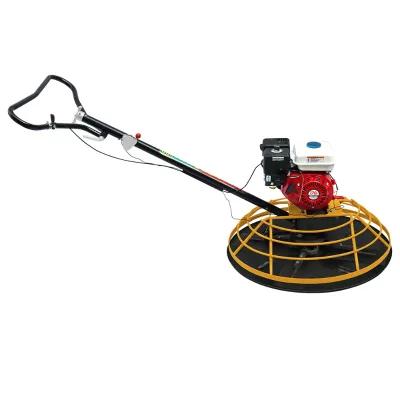
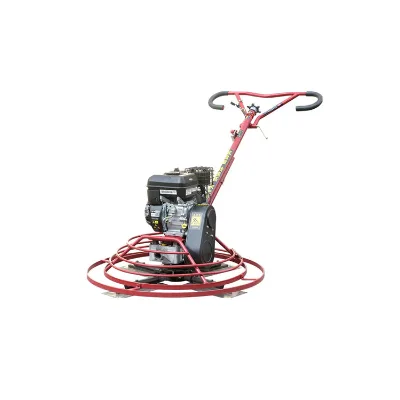
$135.00 - $142.00
MOQ: 1 sets

Ningbo Max Machinery Co., Ltd.
- Manufacturer/Factory
- China Zhejiang
- Lead time45 days
- Avg. response≤ 3h
Main productsConcrete Vibrator, Vibrator Motor, Power Trowel
Main marketsSouth America,Eastern Europe,Mid East,North America,Southeast Asia,Eastern Asia,Oceania,Western Europe,Africa
Yongkang Leeyu Import And Export Co., Ltd.
- Manufacturer, Trading Company
- Zhejiang, China
- Lead time25 days
- Avg. response≤ 10h
Main productsGasoline Chainsaw,Brush Cutter,Garden tools sapre parts,Power tools,Garden tools spare parts
Main marketsEastern Europe(25.00%), South America(20.00%), Western Europe(18.00%), Mid East(10.00%), Africa(5.00%), South Asia(3.00%), Eastern Asia(2.00%), Southern Europe(2.00%), Domestic Market(1.00%), Oceania(1.00%), Southeast Asia(1.00%), Northern Europe(1.00%), Central America(1.00%), North America(1.00%)
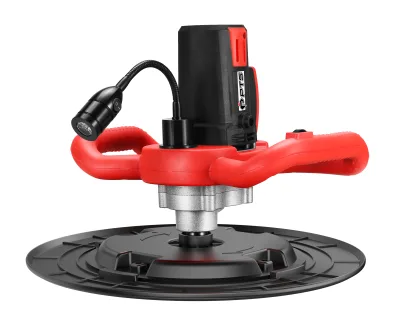
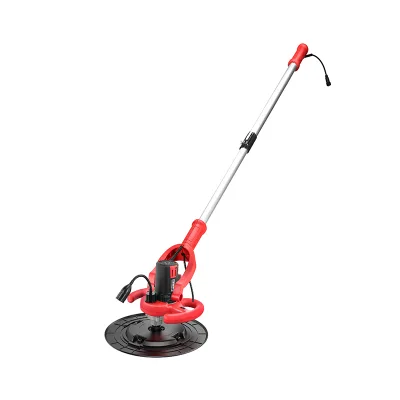
Top Ranking Power Trowel Machine Small Customized Hand Hold Trowel Machine With Light
$48.1719 - $53.8696
MOQ: 2 pieces
Shandong Huashuo Machinery Manufacturing Co., Ltd.
- Verified by TüVRheinland
- Manufacturer, Trading Company
- Lead time15 days
- Avg. response≤ 2h
Main productsLaser Levelling Machine, Concrete Pavement Machinery, Road Cutting Machine, Concrete Placer
Main marketsDomestic Market(60%), Eastern Asia(15%), Eastern Europe(10%)
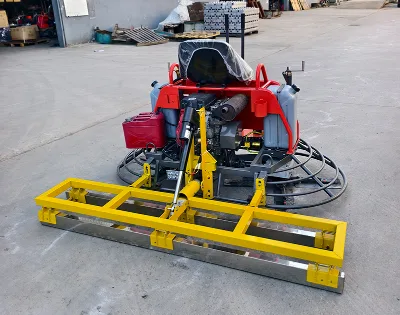
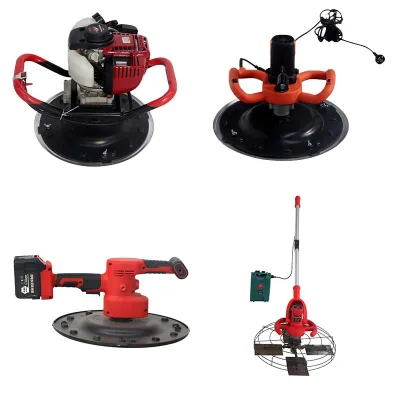
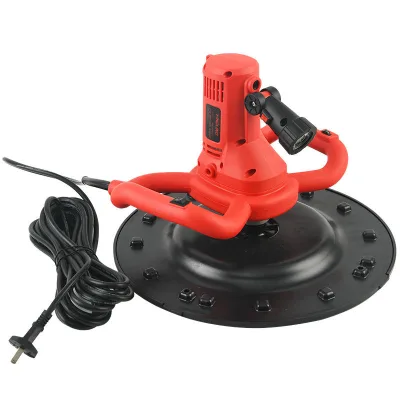
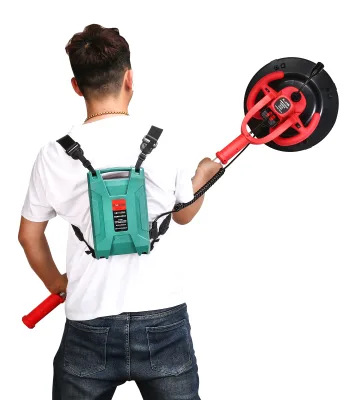
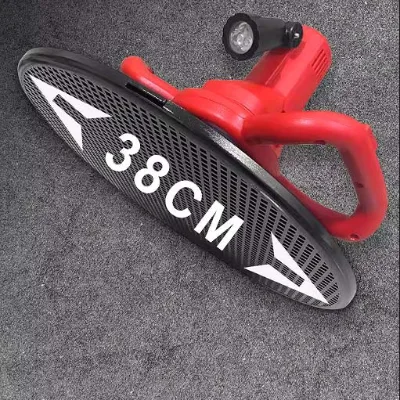
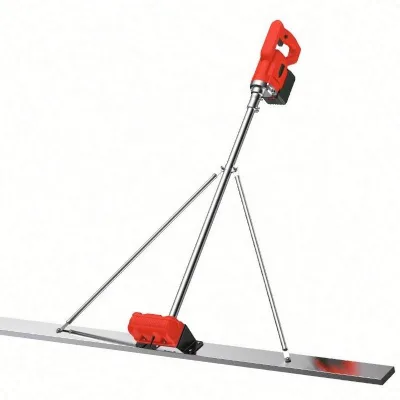
Concrete Tools Power Trowel With a Pole Concrete Power Trowel
$1400.00 - $1500.00

SHANGHAI TECHWAY INDUSTRIAL CO., LTD.
- Verified by BV
- Trading Company
- China Shanghai
- Lead time15 days
- Avg. response≤ 6h
Main productsSanders, Polishers, Vacuum Cleaner, Car Films, Sandpaper, Pdr Tools, Tile Cutter, Tile Vibrator, Hot Glue Gun, Suction Cup
Main marketsSouth America,Europe,North America
Changge Kowloon Machinery Manufacturing Co., Ltd.
- Verified by TüVRheinland
- Manufacturer, Trading Company
- Lead time10 days
- Avg. response≤ 4h
Main productsSteel Bar Cutting Machine, Steel Bar Bending Machine, Power Trowel, Impact Rammer
Main marketsDomestic Market(40%), Africa(20%), South Asia(10%)
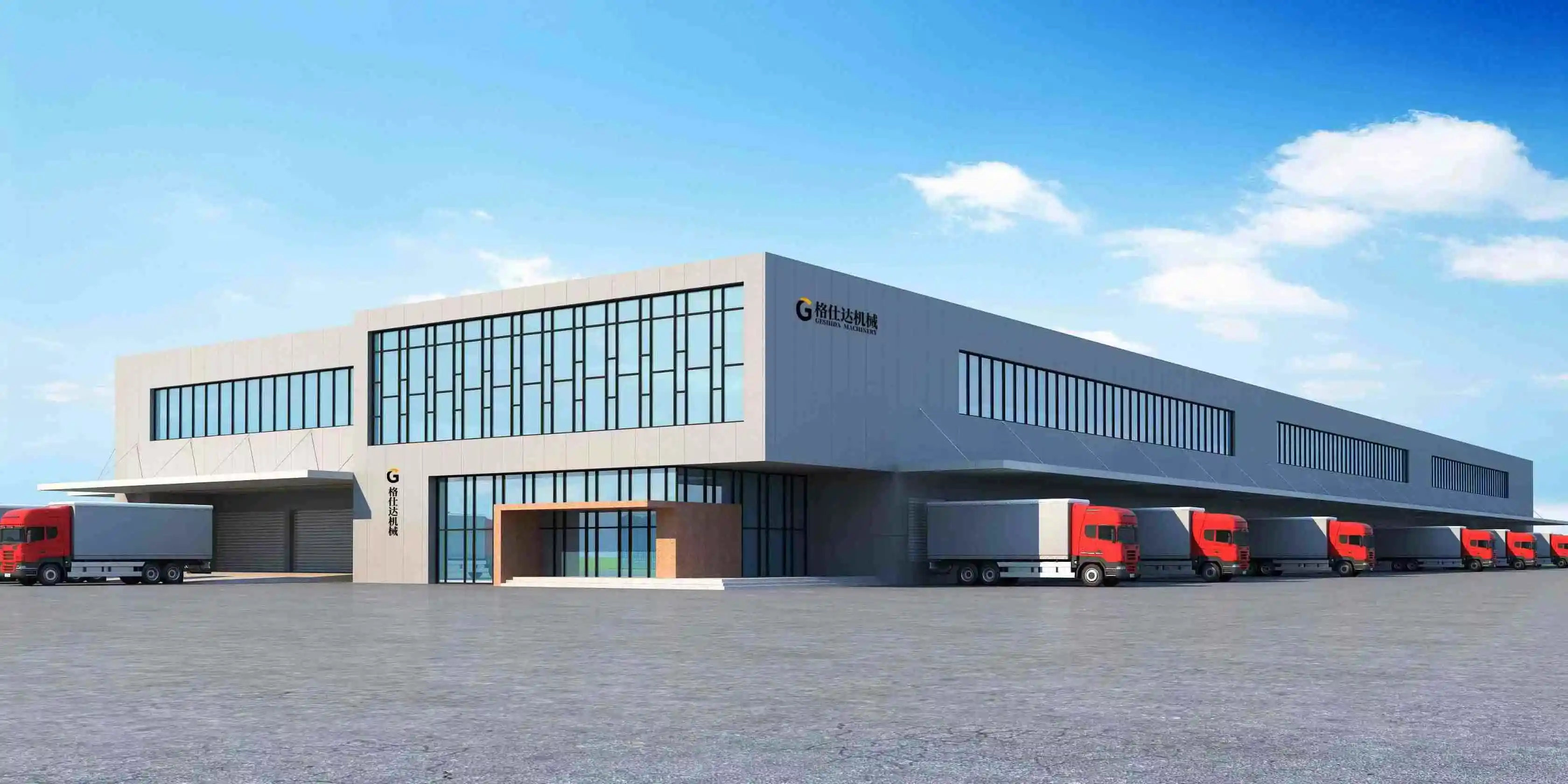
Henan Jiashang Zhuoer Machinery Co., Ltd.
- Manufacturer, Trading Company
- Henan, China
- Lead time15 days
- Avg. response≤ 3h
Main productsPower Trowel, Road Roller, Plate Compactor, Rebar Machinery, Full-automatic Rebar Threading Polishing Line
Main marketsMid East(15.00%), Africa(15.00%), Southeast Asia(10.00%), South America(10.00%), Domestic Market(5.00%), South Asia(5.00%), Southern Europe(5.00%), Eastern Europe(5.00%), Northern Europe(5.00%), Central America(5.00%), Western Europe(5.00%), Eastern Asia(5.00%), Oceania(5.00%), North America(5.00%)
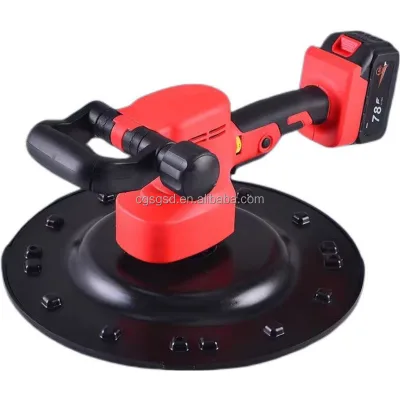
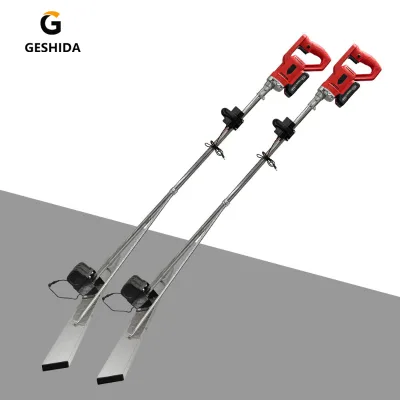
$130.4385 - $160.4605
MOQ: 1 pieces

Changge Jinjian Construction Machinery Co., Ltd.
- Verified by SGS
- Combined
- China Henan
- Lead time15 days
- Avg. response≤ 1h
Main productsSteel Bar Bending Center, Rebar Cutting Machine, Rebar Straightening and Cutting Machine, Fully Automatic CNC Steel Bar Straightening and, Steel Wire Set Production Lin, Plate Compactor, Tamping Ramme, Concrete Cutter, Small Road Roller, Construction Tricycle
Main marketsDomestic


Light Weight 36'' Electric Cement Concrete Power Trowel for Floor Surface
$140.00 - $350.00
MOQ: 1 Pieces


Hangzhou Vleader Tools Co., Ltd.
- Verified by CTI
- Combined
- China Zhejiang
- Lead time30 days
- Avg. response≤ 1h
Main productsPower Trowel, Table Saw, Concrete Floor Grinder, Diamond Tools, Post Driver, Floor Grinder, Floor Saw, Earth Auger, Wet/Dry Core Bits, Grinding Shoes/Cup Wheels
Main marketsSoutheast Asia/ Mideast,Domestic,Europe
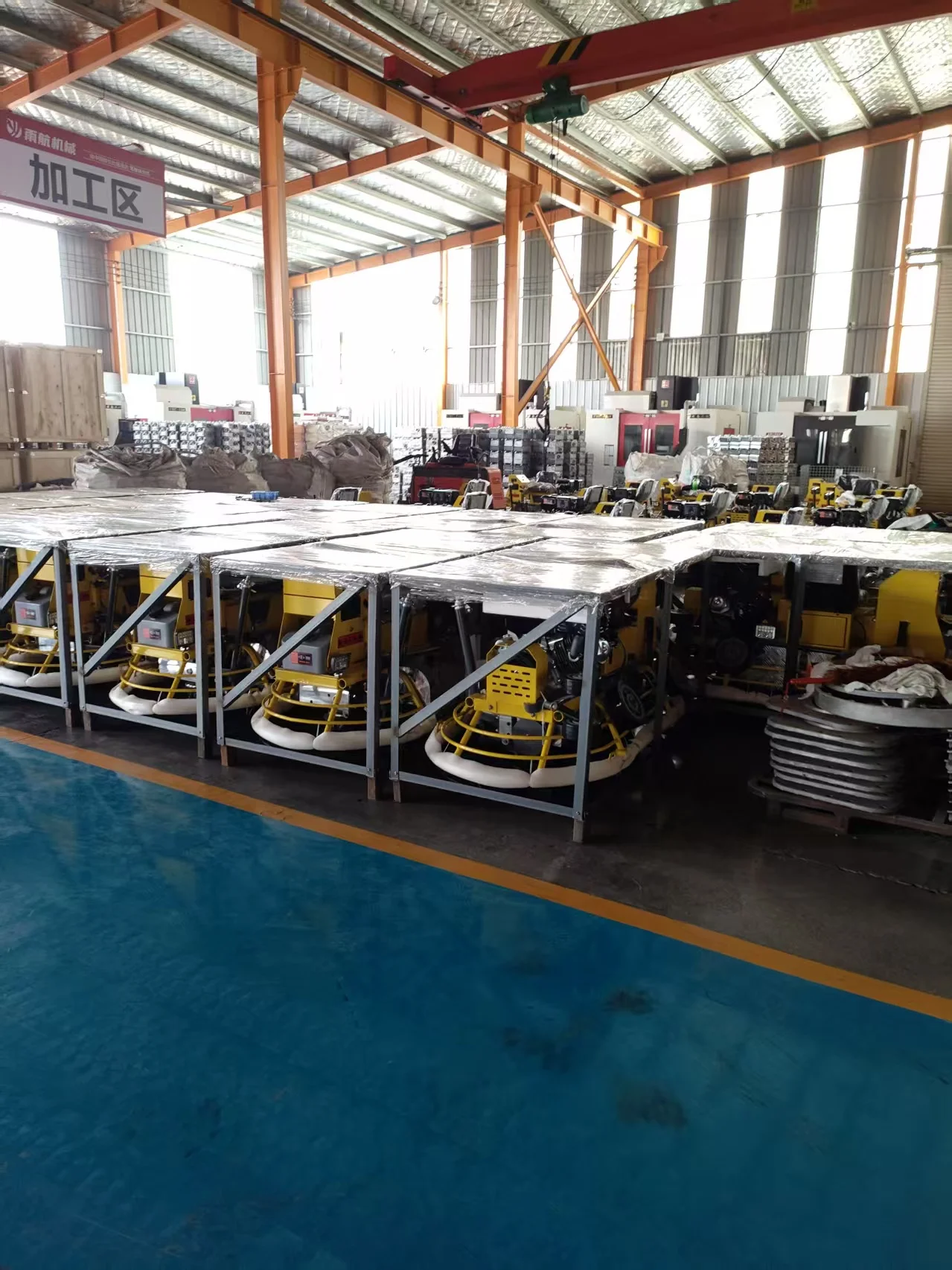
Luohe Ao Jianqing Intelligent Equipment Co., Ltd.
- Trading Company
- Henan, China
- Lead time15 days
- Avg. response≤ 3h
Main productstrowel,trephine,Cutting machine,backhoe,vibrators
Main marketsDomestic Market(40.00%), North America(10.00%), Africa(10.00%), South Asia(10.00%), Eastern Asia(10.00%), Oceania(5.00%), Southern Europe(5.00%), Southeast Asia(5.00%), South America(5.00%)
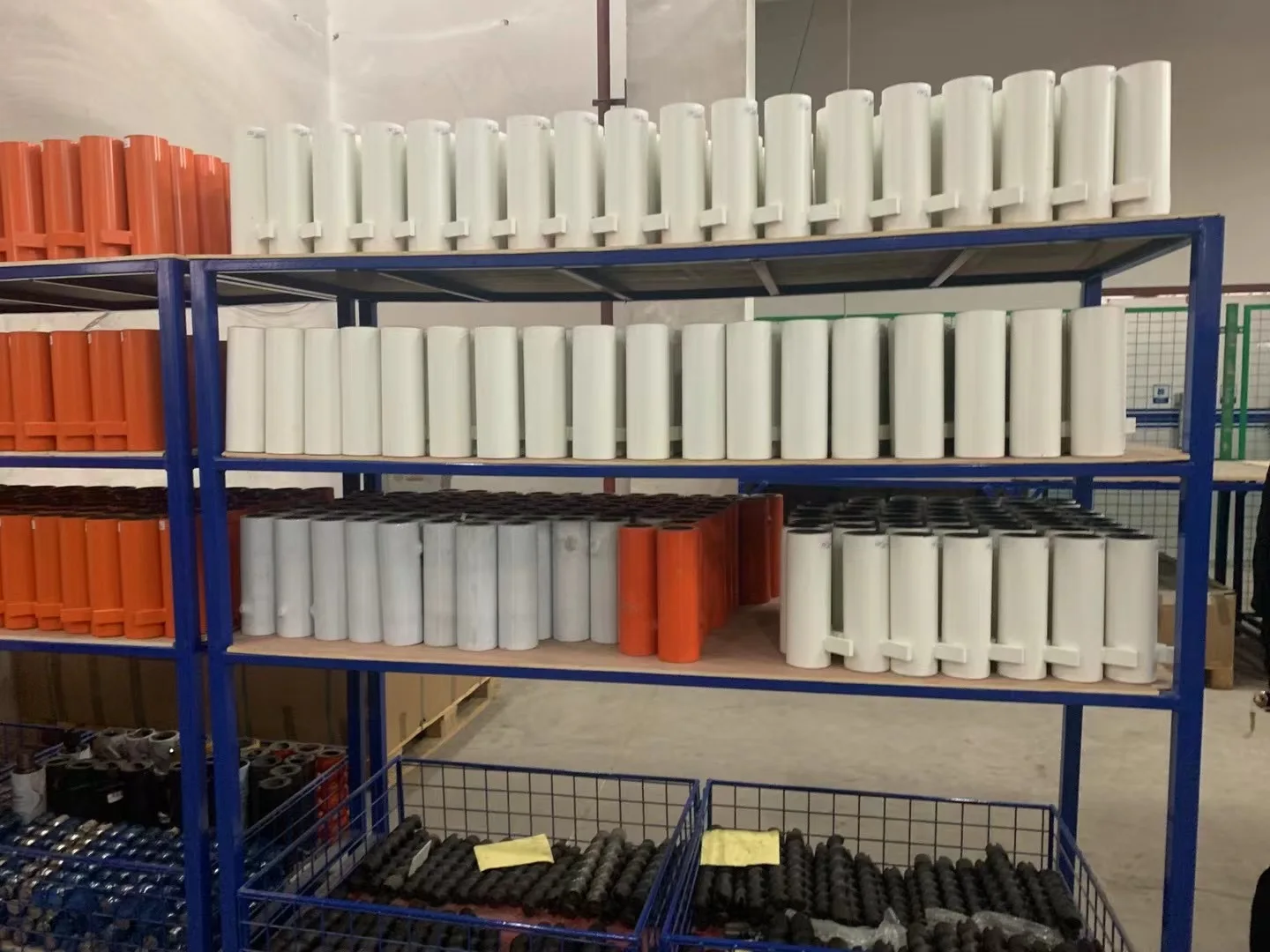
Yongkang Maitaibao Tools Co., Ltd.
- Manufacturer, Trading Company
- Zhejiang, China
- Lead time25 days
- Avg. response≤ 2h
Main productsSpraying machine accessories,stator and rotor,sprayer stator rotor,screw pump stator rotor
Main marketsSoutheast Asia(30.00%)

Changge Kowloon Machinery Manufacturing Co., Ltd.
- Verified by TUVRHEINLAND
- Trading Company,Manufacturer/Factory
- China Henan
- Lead time15 days
- Avg. response≤ 8h
Main productsSteel Bar Cutting Machine, Steel Bar Bending Machine, Steel Bar Straightening and Cutting Machine, Steel Bar Stirrup Bender Machine, Tamping Rammer Machine, Plate Rammer Machine, Concrete Power Trowel, Concrete Screed, Concrete Grinder, Portable Cutting Machine and Bending Machine
Main marketsSouth America,Eastern Europe,Mid East,North America,Southeast Asia,Eastern Asia,Oceania,Western Europe,Africa
Henan Haotai Machinery Equipment Co., Ltd.
- Verified by Intertek
- Trading Company
- Lead time0 days
- Avg. response≤ 2h
Main productsConcrete Equipment, Rebar Equipment, Crushing Equipment, Road Machinery, Cutting Equipment
Main marketsNorth America(25%), Northern Europe(20%), South America(15%)
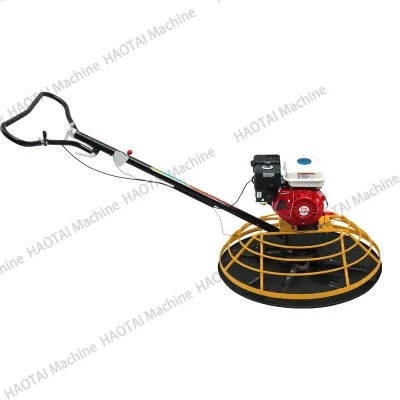
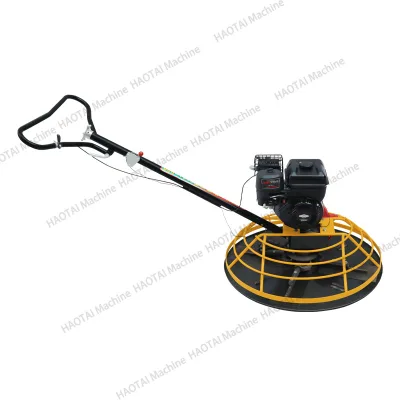
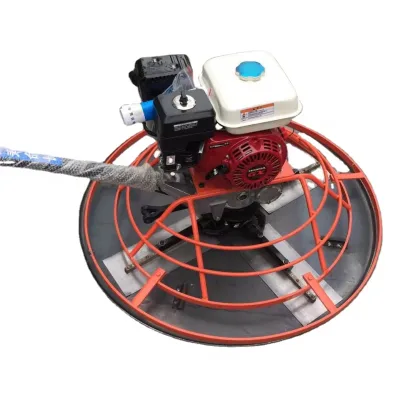
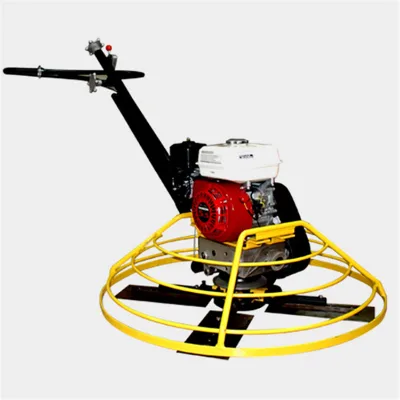
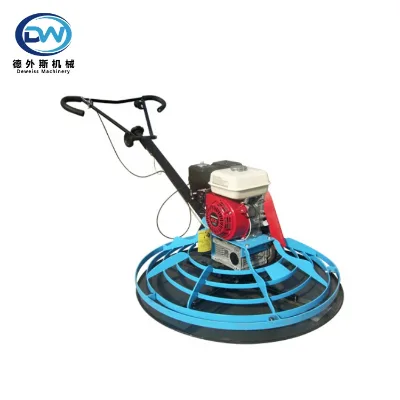
Round Corner Lightweight Power Trowel Heavy Type Gasoline/ Electric/ Diesel Concrete Power Trowel
$230.00 - $245.00
MOQ: 1 sets
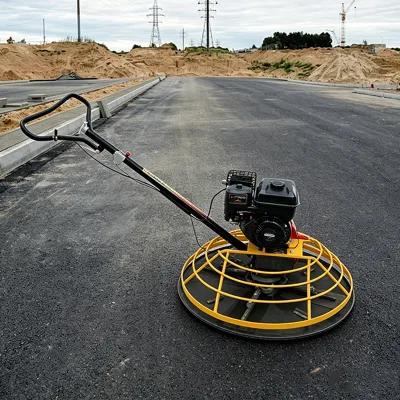
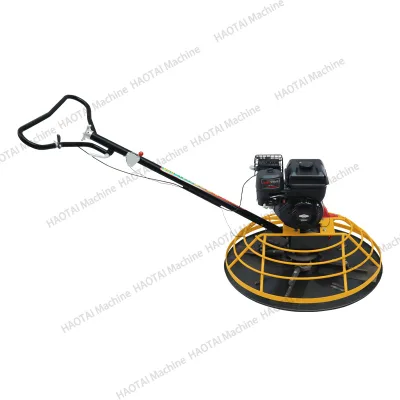
$230.00 - $245.00
MOQ: 1 sets

Shanghai Super-Above Industry Holdings Co., Ltd.
- Trading Company
- China Shanghai
- Lead time30 days
- Avg. response≤ 3h
Main productsHeavy Equipment, Diesel Generator Set, Mining Machinery, Construction Machinery
Main marketsOthers(foreignTradeCapacity.exportBusinessCapacityMarketOther),Southeast Asia/ Mideast,Europe,North America


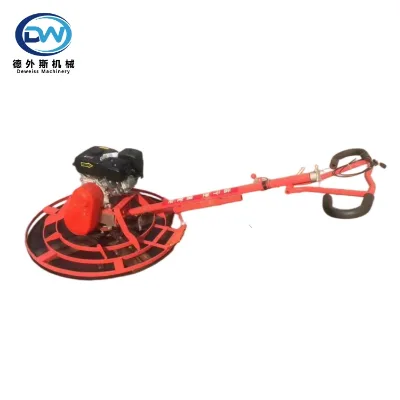


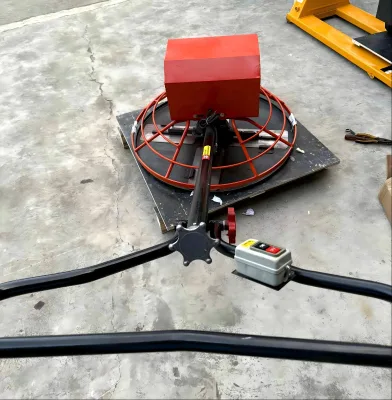
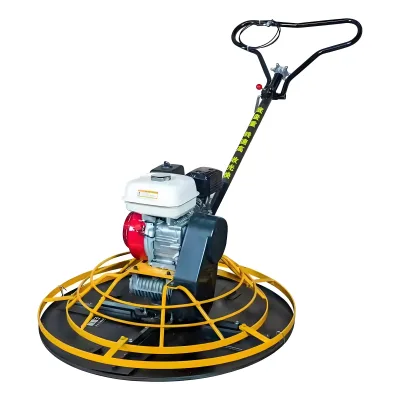


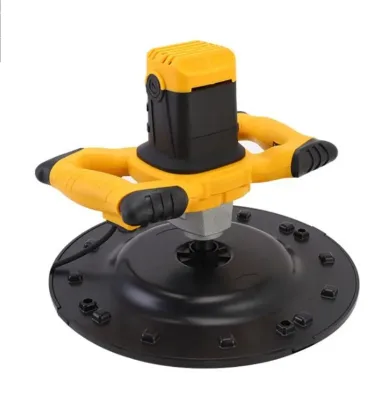
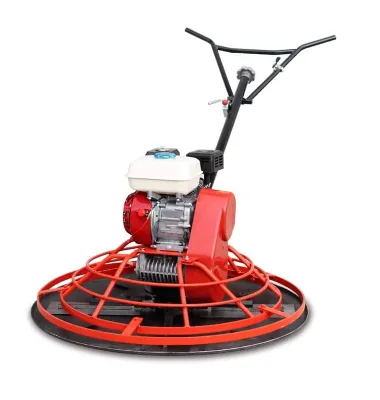


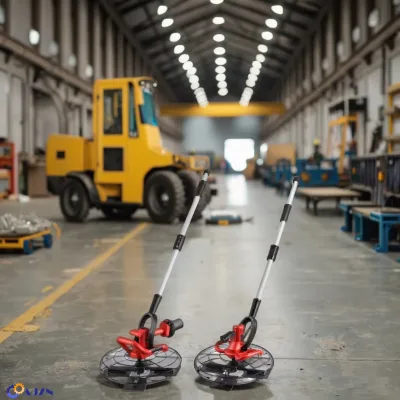
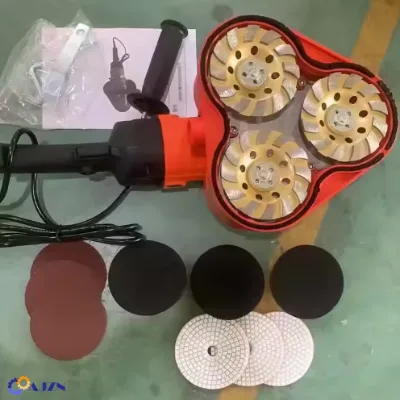
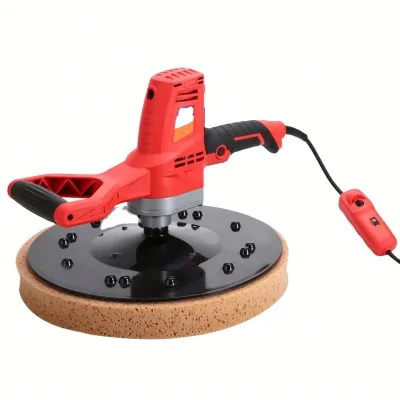


Comprehensive Sourcing Guide
Hand Held Electric Floor Trowel Supplier Concentration and Factory Types
The current supplier landscape for hand held electric floor trowels reveals a diverse mix of manufacturing capabilities and business models. Data indicates that twenty-three suppliers are currently active in this category, offering a range of options for buyers seeking specific production capacities or trading efficiencies. The company types listed include both Manufacturers and Trading Companies, with some entities explicitly identifying as Manufacturer/Factory while others operate strictly as Trading Companies. This distinction is critical for buyers who need to determine whether they are dealing directly with the production facility or an intermediary. Manufacturers often provide more direct control over customization and quality assurance, whereas trading companies may offer broader product assortments and streamlined logistics for smaller orders. Understanding this structural diversity helps buyers align their sourcing strategy with their operational needs, whether they prioritize direct factory engagement or the flexibility of a trading partner.
Product evidence further clarifies the nature of these suppliers by highlighting specific machinery and component details. Several listings feature products with core components identified as motors, with specific power ratings such as 2.2kw and 4.8Kw. The place of origin for many of these items is listed as Shandong, China, indicating a regional concentration of manufacturing activity. Some suppliers also list main products that extend beyond trowels to include excavators, forklifts, and road rollers, suggesting that these factories have broader capabilities in construction machinery. This breadth of production can be advantageous for buyers looking to consolidate orders for multiple types of equipment. However, it also requires careful verification to ensure that the specific Hand Held Electric Floor Trowel meets the required technical specifications. The presence of video outgoing-inspection and machinery test reports in product attributes provides additional layers of verification for the manufacturing quality and operational readiness of the equipment.
How to Verify Hand Held Electric Floor Trowel Suppliers
Verifying the legitimacy and capability of suppliers requires a systematic approach to checking certifications and verification badges. Some suppliers in the current results display system certifications such as ISO 9000, OHSAS/ OHSMS 18001, TS 16949, ISO 9001, ISO 14001, and ISO 20000. These certifications indicate a structured approach to quality management and environmental standards, which is crucial for industrial machinery. Additionally, verification badges like SGS are present for certain suppliers, providing an external validation of their business credentials. Buyers should prioritize suppliers who offer these verifications, as they reduce the risk of dealing with unverified entities. It is also important to check for product-specific certifications, such as CE and ISO9001, which are listed for some trowel models. These certifications ensure that the machinery meets specific safety and performance standards required in various international markets.
Beyond certifications, buyers should examine the technical documentation and inspection reports provided by suppliers. Product attributes frequently include details such as video outgoing-inspection and machinery test reports, which are provided by several suppliers. These resources allow buyers to visually verify the condition and assembly of the trowel before shipment. The inclusion of specific technical data, such as motor models, blade diameters, and working diameters, further supports the verification process. For instance, one listing specifies a working diameter of 1000mm and an operation weight of 95kg, while another lists a rotor diameter of 91cm. Buyers should cross-reference these technical specifications with their own requirements to ensure compatibility. Additionally, checking the warranty terms, which range from one year to 1.5 years, provides insight into the supplier's confidence in their product durability. A comprehensive verification process combines these documentary proofs with direct communication to assess the supplier's responsiveness and technical expertise.
What to Compare Across Hand Held Electric Floor Trowel Suppliers
When evaluating multiple suppliers, buyers must compare key operational metrics such as response time, lead time, and minimum order quantities. The response times for suppliers in this category vary, with some showing a response time of 4 hours, while others report times as low as 2.26 hours or as high as 6 hours. Faster response times can indicate a more agile customer service team, which is beneficial for resolving technical queries or negotiating terms. Lead times also differ, with some suppliers offering a standard lead time of 23 days, while others provide seasonal variations. For example, one supplier lists a lead time of 5 days for orders of one to one unit during peak and off-peak seasons, with larger orders to be negotiated. Understanding these timelines is essential for project planning and inventory management. Buyers should align their procurement schedule with the supplier's stated lead times to avoid delays.
Price and minimum order quantity (MOQ) are another critical area for comparison. The price range for hand held electric floor trowels varies significantly, with some listings showing prices between $230 and $250, while others range from $243.30 to $264.95. A third category of products is priced between $360 and $420, reflecting differences in specifications, such as engine power or blade size. The MOQ also varies, with some suppliers accepting orders as low as one unit, while others require a minimum of five units. This flexibility allows buyers to test the market with smaller orders or commit to larger volumes for better pricing. Additionally, buyers should compare the main products offered by each supplier. Some focus primarily on trowels, while others offer a wide range of construction machinery, including truck cranes and concrete pumps. This comparison helps buyers identify suppliers who can serve as comprehensive partners for their broader equipment needs.
Common Hand Held Electric Floor Trowel Sourcing Risks
One significant risk in sourcing hand held electric floor trowels is the potential mismatch between advertised specifications and actual product performance. Suppliers may list generic attributes such as "High operating efficiency" as a unique selling point, but without detailed technical validation, this claim remains unverified. Buyers must be cautious of vague descriptions and ensure that all critical parameters, such as motor power, blade diameter, and weight, are explicitly stated and consistent across all documentation. For example, while one product lists a motor power of 2.2kw, another specifies 4.8Kw, and a third mentions an engine power of 5.5-6.5 HP. These variations can significantly impact the trowel's suitability for specific applications. Buyers should request detailed technical datasheets and compare them against their operational requirements to avoid purchasing equipment that is underpowered or incompatible with their existing infrastructure.
Another risk involves the reliability of warranty and after-sales support. While some suppliers offer warranties of one year or 1.5 years, the terms and conditions are not always clearly defined in the initial product listings. Buyers need to verify what is covered under the warranty, such as core components like the motor, and whether international shipping costs for repairs are included. Additionally, the availability of spare parts, such as finish blades with specific dimensions like 35x15cm, is crucial for long-term maintenance. If a supplier does not provide clear information on spare parts availability or technical support channels, buyers may face downtime and increased maintenance costs. It is also important to assess the supplier's capacity for customization, as some listings indicate that customization is available. However, buyers should confirm the feasibility and cost implications of custom orders to avoid unexpected expenses or delays in production.
Hand Held Electric Floor Trowel Regional Sourcing and Logistics
The geographic location of suppliers plays a vital role in determining logistics costs and delivery times. Many of the hand held electric floor trowels in the current results originate from Shandong, China, a region known for its manufacturing capabilities in construction machinery. Some suppliers are located in Shanghai, China, which serves as a major port city and logistics hub. This proximity to shipping ports can facilitate faster export processes and potentially lower freight costs. Buyers should consider the location of the supplier when calculating the total landed cost of their orders. Shipping from inland manufacturing hubs like Shandong may require additional inland transportation to reach the port, while suppliers in Shanghai may offer more streamlined logistics. Understanding these regional dynamics helps buyers optimize their supply chain and negotiate more favorable shipping terms.
Logistics planning also involves considering the packaging and dimensions of the products. Product attributes often include details such as packing methods, with some items packed in carton boxes or carton with steel frames. The dimensions of the trowels, such as 15009501000mm for one model, impact the volume and weight of the shipment, which directly affects freight charges. Buyers should request accurate packing details, including single gross weight and single volume, to estimate container loading efficiency. For instance, one listing specifies a single gross weight of 0.0 kg, which may indicate a data error or a specific packaging standard that needs clarification. Accurate logistics information is essential for budgeting and ensuring that the products fit within the desired shipping container. Buyers should also verify if the supplier offers assistance with export documentation and customs clearance, which can simplify the import process in the destination country.
Hand Held Electric Floor Trowel Commercial Terms and Order Planning
Commercial terms and order planning require careful attention to payment structures and delivery conditions. Suppliers may offer various payment terms, such as escrow services, which provide a secure transaction environment for buyers. While the current data does not explicitly detail all payment options, buyers should inquire about the availability of secure payment methods to protect their financial interests. Additionally, understanding the Incoterms, such as FOB or CIF, is crucial for determining who is responsible for shipping and insurance costs. Buyers should negotiate clear terms that align with their risk tolerance and logistical capabilities. For example, if a buyer prefers to handle their own shipping, they may opt for FOB terms, while those seeking a turnkey solution might prefer CIF. Clear commercial terms help avoid disputes and ensure a smooth transaction process.
Order planning should also consider the scalability of production and the supplier's capacity to handle large orders. Some suppliers list OEM and ODM capabilities, indicating their ability to customize products or manufacture under the buyer's brand. This flexibility is valuable for buyers looking to establish their own product line or differentiate their offerings. However, buyers should verify the supplier's production capacity and lead times for custom orders, as these may differ from standard product timelines. Additionally, buyers should plan for potential seasonal variations in production, as some suppliers list different lead times for peak and off-peak seasons. By aligning their order volumes with the supplier's capacity and seasonal schedules, buyers can ensure timely delivery and maintain consistent supply. Effective order planning also involves establishing a long-term relationship with the supplier, which can lead to better pricing, priority production, and improved support.
FAQs
What is the price range for hand held electric floor trowels?
Prices typically range from $230 to $420 per unit depending on specifications and order volume. Some models start at $243 while others reach $265 or higher. Buyers should verify exact pricing with suppliers as costs vary based on motor power, blade size, and included accessories for specific construction needs.
What is the minimum order quantity for these machines?
Minimum order quantities vary significantly among suppliers. Some manufacturers accept orders as low as one unit for testing purposes. Others require a minimum of five units to proceed with production. Buyers must check individual supplier listings to confirm the specific MOQ applicable to their desired model and customization requirements.
How long does delivery take for these trowels?
Lead times depend on production season and order size. During peak seasons, delivery may take five days for small orders or require negotiation for larger quantities. Some suppliers offer fixed lead times of twenty-three days. Buyers should confirm current availability and shipping schedules directly with the manufacturer before placing orders.
Where are these electric trowels manufactured?
Most hand held electric floor trowels are manufactured in China. Specific production locations include Shandong province and Jiangsu province. Some suppliers are based in Shanghai. Buyers should verify the exact place of origin on product listings to ensure compliance with regional import regulations and quality standards for construction machinery.
What certifications do these trowels have?
Many models carry CE and ISO9001 certifications to ensure safety and quality standards. Some suppliers hold additional system certifications like ISO 14001 or OHSAS 18001. Buyers should request valid certification documents and machinery test reports from suppliers to verify compliance with international standards before finalizing procurement agreements for construction equipment.
What is the warranty period for these machines?
Warranty periods typically range from one year to one and a half years for core components and the main unit. Some suppliers offer extended coverage for specific parts like the motor. Buyers must review the warranty terms carefully in product descriptions and confirm coverage details with the supplier to protect their investment.
How quickly do suppliers respond to inquiries?
Response times vary among suppliers, with some replying within two hours and others taking up to six hours. Faster response rates indicate active sales teams ready to assist with technical questions. Buyers should prioritize suppliers with quick response times to ensure efficient communication throughout the sourcing and negotiation process for their equipment needs.