Hydraulic Concrete Mixer Suppliers and Manufacturers in China
Compare 33 verified suppliers offering hydraulic concrete mixers with CE and ISO9001 certifications from Henan and Shandong. Review response times, lead times, and pricing to source reliable equipment for construction projects today; review the available evidence before requesting comparable quotations from suitable candidates.
Updated
Suppliers List

Henan Ideal Machinery Equipment Co., Ltd.
- Combined
- China Henan
- Lead time15 days
- Avg. response≤ 6h
Main productsSteel Bar Cutting Machine, Steel Bar Bending Machine, Steel Bar Straightening and Cutting Machine, Stirrup Bending Machine, Tamping Rammer, Plate Compactor, Trowelling Machine, Concrete Cutting Machine, Road Roller, Concrete Viabratory Screed
Main marketsSouth America,Africa,Southeast Asia/ Mideast,East Asia(Japan/ South Korea),Domestic,Europe,Australia,North America

Qingzhou Hongyuan Vehicles Co., Ltd.
- Verified by BV
- Combined
- China Shandong
- Lead time30 days
- Avg. response≤ 4h
Main productsConcrete Mixer Truck, Wheel Loader, Loader, Mini Loader, Telescopic Loader, Sugarcane Loader, Zl Wheel Loader, Earth Moving Machine, Radlader, Construction Machine
Main marketsAfrica,Southeast Asia/ Mideast,Domestic,Europe,Australia,North America

Henan Dajia Mining Machinery Co., Ltd.
- Verified by SGS
- Combined
- China Henan
- Lead time15 days
- Avg. response≤ 4h
Main productsRoad Marking Machine, Rock Splitter, Concrete Pump, Floor Grinder, Rebar Straightening Machine, Wall Saw, Wire Saw, Wood Shredder, Road Roller, Fog Cannon
Main marketsSoutheast Asia/ Mideast,East Asia(Japan/ South Korea)

Shandong Fuxin Automobile Technology Co., Ltd.
- Verified by SGS
- Trading Company,Manufacturer/Factory
- China Shandong
- Lead time23 days
- Avg. response≤ 3h
Main productsConcrete Mixer, Garbage Truck, Truck with Crane, Reducer, Transmission Shaft, Transmission Shaft Hanger, Concrete Mixer Truck, Compression Garbage Truck, Wrecker, Truck Crane
Main marketsSouth America,Eastern Europe,Mid East,North America,Southeast Asia,Eastern Asia,Oceania,Western Europe,Africa


Concrete Truck Mixer with Concrete Mixer Prices for Sale Manufacturer
$45200.00 - $45240.00
MOQ: 1 Pieces


Henan Hongen Machinery Equipment Co., Ltd.
- Manufacturer, Trading Company
- Henan, China
- Lead time0 days
- Avg. response≤ 3h
Main productsConstruction machinery equipment,Engineering machinery equipment,Agricultural machinery equipment,Food processing equipment
Main marketsAfrica(40.00%), Western Europe(20.00%), South America(10.00%), Mid East(10.00%), North America(10.00%), Southeast Asia(10.00%)
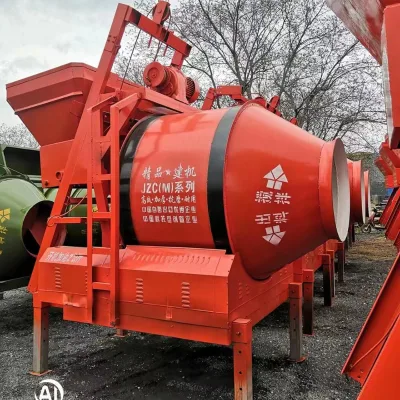
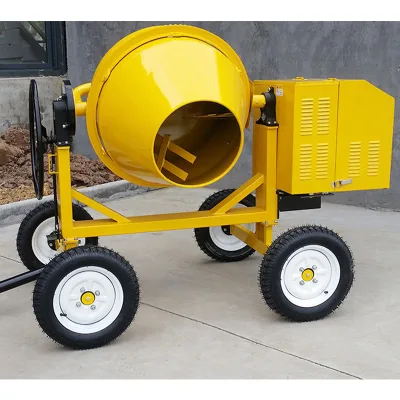
Hot Selling Self Loading Hhopper Towable Portable Ready Mix Concrete Mixer Price
$398.00 - $500.00
MOQ: 1 pieces

SHANDONG MACPEX MACHINERY EQUIPMENT CO., LTD.
- Verified by SGS
- Manufacturer/Factory,Group Corporation
- China Shandong
- Lead time45 days
- Avg. response≤ 7h
Main productsConcrete Batching Plant, Concrete Pipe Making Machine, Dry Mortar Mix Plant, Concrete Twin Shaft Mixer, Asphalt Mixing Plant, Asphalt Mixer, Self Loading Concrete Mixer, Pumps
Main marketsSouth America,Eastern Europe,Mid East,North America,Southeast Asia,Eastern Asia,Oceania,Western Europe,Africa
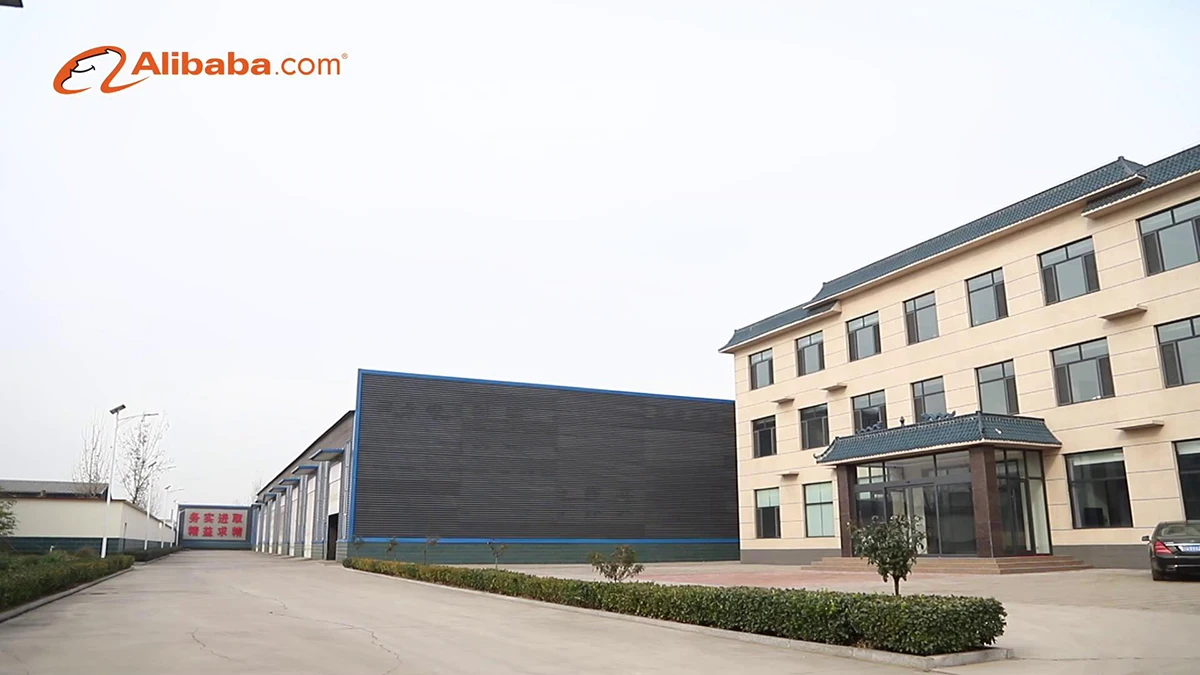
Cangzhou Eternal Test Equipment Co., Ltd.
- Trading Company
- Hebei, China
- Lead time8 days
- Avg. response≤ 3h
Main productsSoil testing equipment,Concrete testing equipment,Asphalt & Bitumen testing equipment,Aggregates Rock testing equipment,Non-destructive testing equipments
Main marketsSoutheast Asia(50.00%), North America(20.00%), South America(10.00%), Eastern Europe(10.00%), Africa(10.00%)
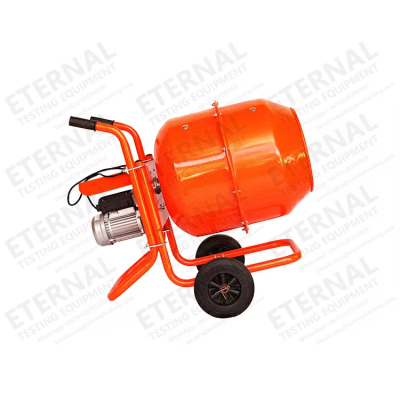
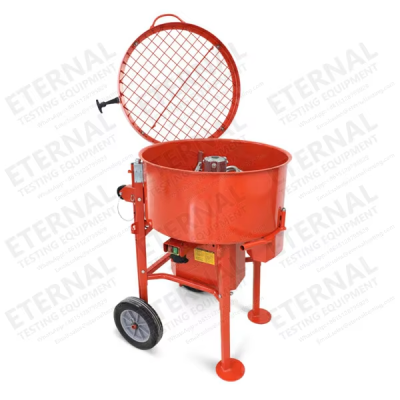
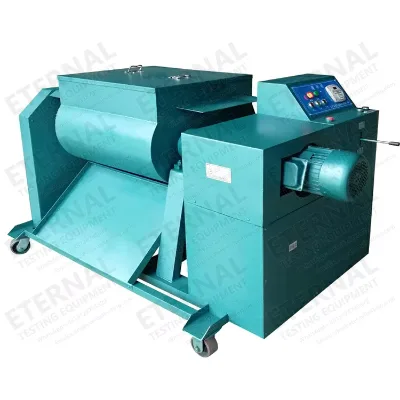
Double Shaft Horizontal Cement Concrete Mixer Concrete Twin Shaft Mixer
$1545.3716 - $2060.4954
MOQ: 1 sets

Changge Kowloon Machinery Manufacturing Co., Ltd.
- Verified by TUVRHEINLAND
- Trading Company,Manufacturer/Factory
- China Henan
- Lead time15 days
- Avg. response≤ 8h
Main productsSteel Bar Cutting Machine, Steel Bar Bending Machine, Steel Bar Straightening and Cutting Machine, Steel Bar Stirrup Bender Machine, Tamping Rammer Machine, Plate Rammer Machine, Concrete Power Trowel, Concrete Screed, Concrete Grinder, Portable Cutting Machine and Bending Machine
Main marketsSouth America,Eastern Europe,Mid East,North America,Southeast Asia,Eastern Asia,Oceania,Western Europe,Africa

Jining Hengwang Construction Machinery Co., Ltd.
- Verified by SGS
- Combined
- China Shandong
- Lead time15 days
- Avg. response≤ 8h
Main productsExcavator, Backhoe Loader, Dumper, Truck Crane, Road Roller, Forklift, Concrete Pump, Mixer Truck, Wheel Excavator, Crawler Dumper
Main marketsAfrica,Others(foreignTradeCapacity.exportBusinessCapacityMarketOther),Europe,Australia

Shandong Dom Machinery Equipment Co., Ltd.
- Verified by CTI
- Combined
- China Shandong
- Lead time30 days
- Avg. response≤ 4h
Main productsMobile Concrete Batching Plant, Cement Silo
Main marketsNorth America

Wuxi Eternal Bliss Alloy Casting & Forging Co., Ltd.
- Verified by BV
- Trading Company
- China Jiangsu
- Lead time23 days
- Avg. response≤ 3h
Main productsCasting, Forging, Machine, Aluminium Casting, Cobalt Casting, Bronze Casting
Main marketsSouth America,Africa,Southeast Asia/ Mideast,East Asia(Japan/ South Korea),Domestic,Europe,Australia,North America

- Verified by TUVRHEINLAND
- Combined
- China Shandong
- Lead time15 days
- Avg. response≤ 6h
Main productsConcrete Batching Plant, Tower Crane, Concrete Pump, Truck Mixer, Building Hoist, Construction Elevator, Soil-Stablization Batching Plant, Concrete Mixing Plant, Construction Machine, Mixer
Main marketsAfrica,Domestic,Europe
Zhengzhou Pioneer Machinery Co., Ltd.
- Trading Company
- Henan, China
- Lead time10 days
- Avg. response≤ 2h
Main productsConcrete Mixer,Concrete Mixing Plant,concrete pump,machine tools,Road Roller
Main marketsSouth Asia(12.00%), Eastern Asia(12.00%), Mid East(12.00%), Oceania(12.00%), Africa(12.00%), Southeast Asia(12.00%), Eastern Europe(12.00%), South America(12.00%), Domestic Market(4.00%)
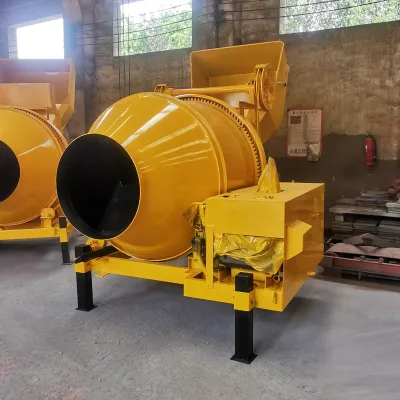
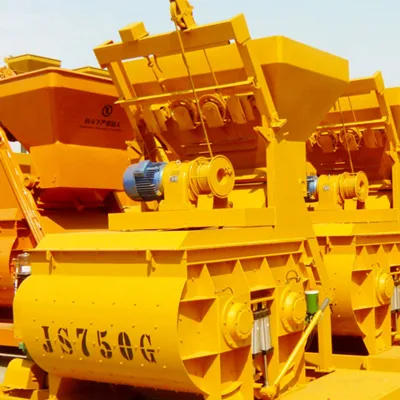
Low Price 0.75 Cubic Meter Hydraulic Cement Concrete Mixer Professional Construction Machine
$20450.2574
MOQ: 1 Minimum
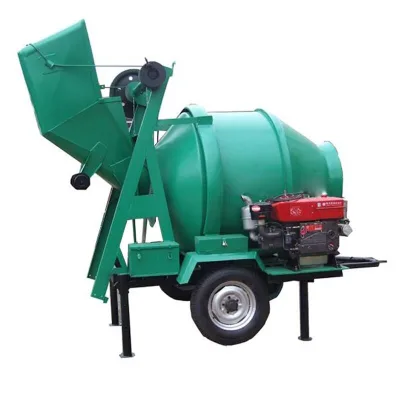
Henan Yuandong Machinery Equipment Co., Ltd.
- Verified by TüVRheinland
- Manufacturer, Trading Company
- Lead time7 days
- Avg. response≤ 3h
Main productsConcrete Mixer, Road Roller, Floor Grinder, Concrete Power Trowel, Plate Compactor
Main marketsNorth America(55%), Western Europe(12%), South America(10%)
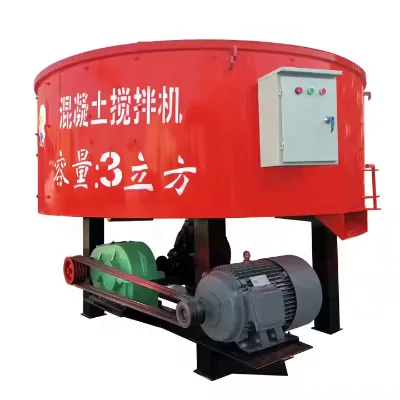
$400.00 - $450.00
MOQ: 1 sets
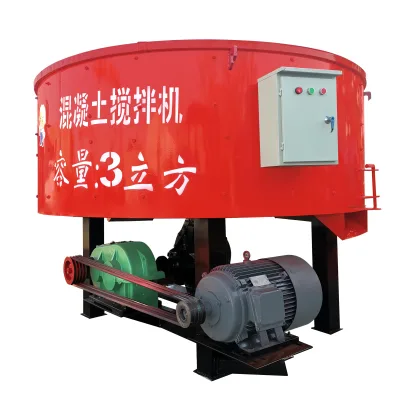
$440.8799 - $492.1457
MOQ: 1 sets
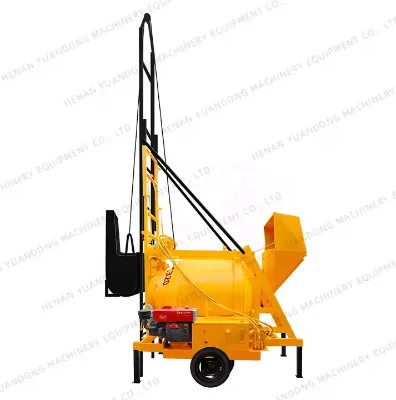
$980.00 - $1900.00
MOQ: 1 sets
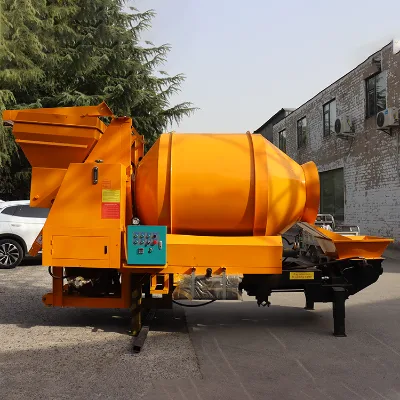
$10345.0487 - $16345.1769
MOQ: 1 Minimum
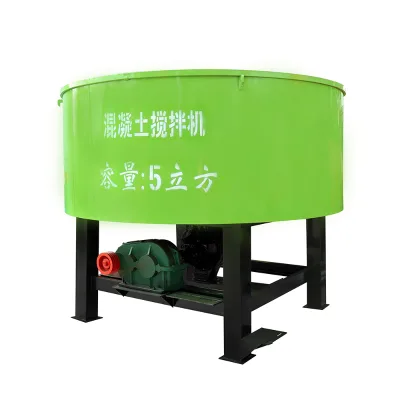
$440.8799 - $492.1457
MOQ: 1 sets

Zhengzhou Focus Machinery Co., Ltd.
- Verified by BV
- Manufacturer/Factory
- China Henan
- Lead time15 days
- Avg. response≤ 3h
Main productsConcrete Batching Plant, Mobile Concrete Mixing Plant, Asphalt Mixing Plant, Concrete Pump, Concrete Mixer, Concrete Truck Mixer, Dry Mortar Mixing Plant, Tower Crane, Construction Hoist, Stablized Soil Mixing Plant
Main marketsSouth America,Eastern Europe,Mid East,North America,Southeast Asia,Eastern Asia,Oceania,Western Europe,Africa

Hebei Shangze Rubber and Plastic Products Co., Ltd.
- Manufacturer/Factory
- China Hebei
- Lead time15 days
- Avg. response≤ 4h
Main productsSteel Fiber for Concrete, Bridge Bearing Pad, Expansion Joint, Rubber Waterstop & Sealing Products, Viscous Fluid Damper, Steel Fiber Production Mach, Traffic Safety Products, Building Decoration Materials
Main marketsSouth America,Mid East,Southeast Asia,Eastern Asia,Africa

Concrete Mixing Machine Cement Mixer Concrete Mixers Portable Concrete Mixer
$800.00 - $900.00
MOQ: 1 Pieces

Shandong keruide Heavy Machinery co.,ltd
- Verified by TüVRheinland
- Manufacturer, Trading Company
- Lead time3 days
- Avg. response≤ 4h
Main productsExcavator, Forklift, Skid Steer Loader, Tricycle, Road Roller
Main marketsDomestic Market(25%), North America(20%), Eastern Europe(20%)
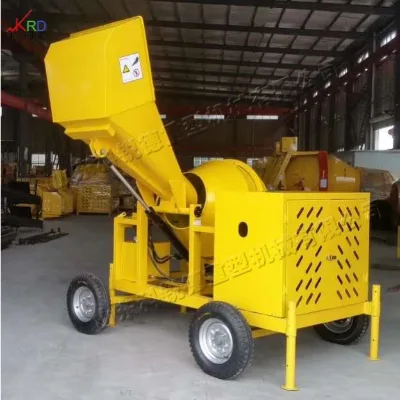
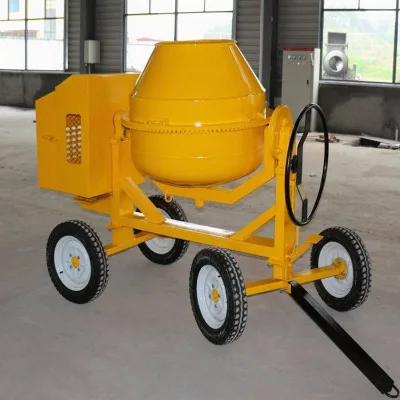
$1104.3148 - $1274.0511
MOQ: 1 sets
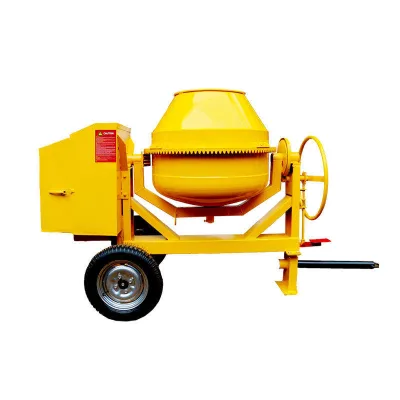
$995.00 - $1057.00
MOQ: 1 cases
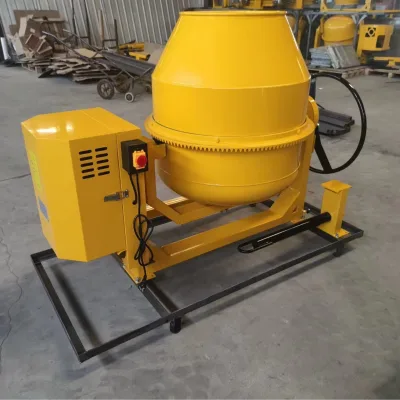
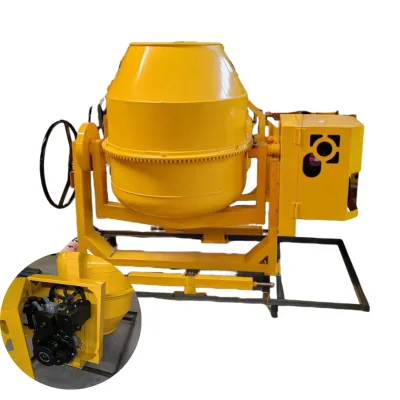
Zhengzhou Unique Industrial Equipment Co., Ltd.
- Manufacturer, Trading Company
- Lead time旺季: "1 - 1":7,"> 1":"To be negotiated", 淡季: "1 - 1":7,"> 1":"To be negotiated"
- Avg. response≤ 2h
Main productsConcrete Batching Plant, Stone Crusher Plant, Asphalt Plant, Self Loading Concrete Mixer, Water Drilling Machine
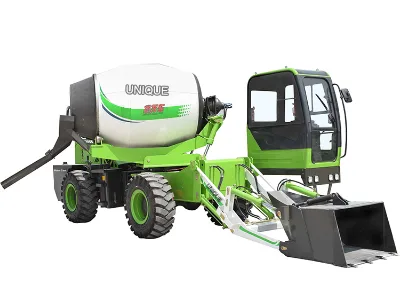
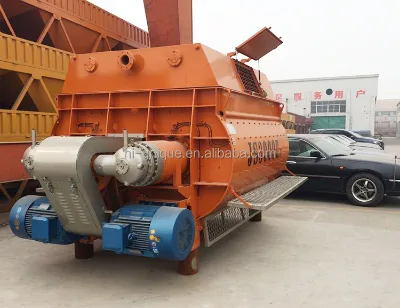
Horizontal Concrete Mixer with 3m³ Capacity and Double Spiral for Construction Use
$14354.2141 - $36910.8364
MOQ: 1 Minimum
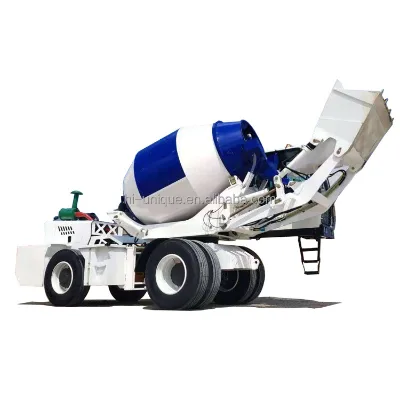

Shandong Jufenglong Construction Machinery Co., Ltd.
- Verified by BV
- Combined
- China Shandong
- Lead time30 days
- Avg. response≤ 10h
Main productsMini Wheel Loader, Wheel Loader, Front Loader, Small Loader, Concrete Mixer Truck, Concrete Mixer, Diesel Concrete Mixer, Agricultural Machinery, Construction Machinery, Self Loading Concrete Mixer
Main marketsSoutheast Asia/ Mideast
Taian Minle Machine Manufacture Co., Ltd.
- Verified by SGS Group
- Manufacturer, Trading Company
- Lead time15 days
- Avg. response≤ 1h
Main productsTrailer Concrete Pump, Concrete Mixer With Pump, Truck Mounted Concrete Pump, Concrete Wet Shotcrete Machine, Mining Truck
Main marketsDomestic Market(47%), Southeast Asia(10%), South America(5%)
Jining Hengwang Mining Machinery Co., Ltd.
- Verified by SGS Group
- Manufacturer, Trading Company
- Lead time14 days
- Avg. response≤ 3h
Main productsWater Well Drill Rig, Core Drill Rig, DTH Drilling Rig, Hydraulic Drilling Rig, Pile Driver
Main marketsSouth America(25%), Eastern Europe(20%), Africa(20%)
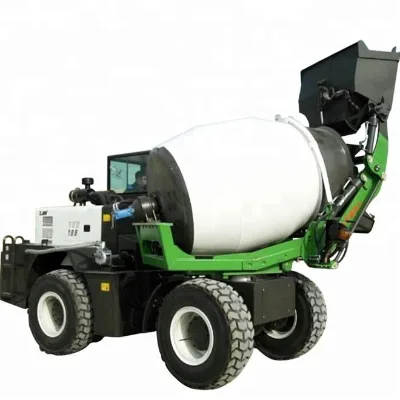
Foam Concrete Mixer/self Loading Concrete Mixer Truck/concrete Pump Mixer Truck
$10267.1007 - $20534.2014
MOQ: 1 sets
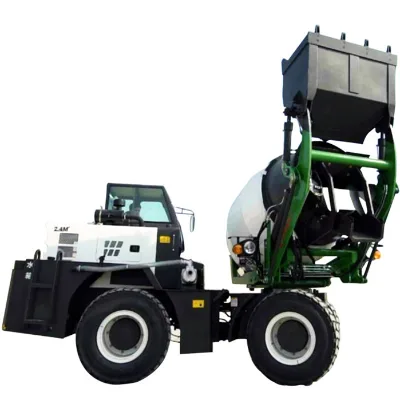
Mini Concrete Mixer Trucks/concrete Mixer Capacity/small Concrete Mixer Truck
$15000.00 - $20000.00

Gongyi Zhanjie Xinda Construction Machinery Factory
- Manufacturer, Trading Company
- Henan, China
- Lead time30 days
- Avg. response≤ 1h
Main productsBrick Making Machine,Stone Crusher,Grinding Machine,Mineral Processing Equipment,Mixer
Main marketsDomestic Market(50.00%), Africa(20.00%), Southeast Asia(10.00%), North America(5.00%), Central America(5.00%), Western Europe(5.00%), Oceania(5.00%)
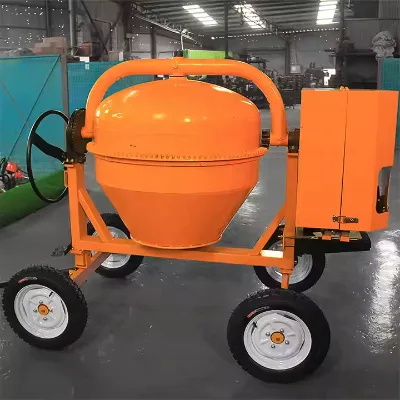
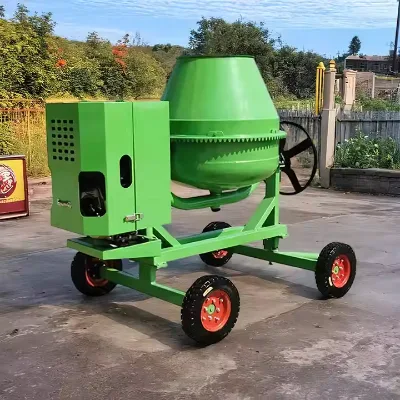
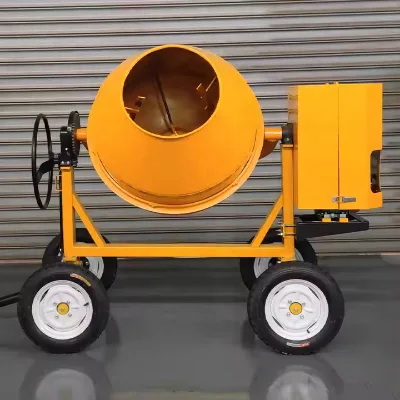
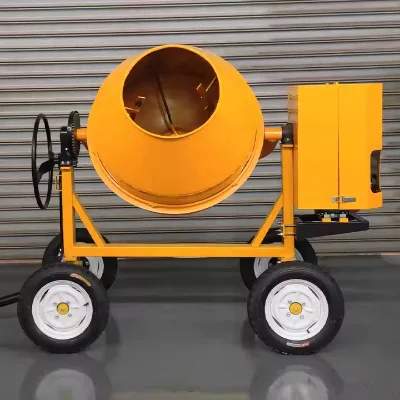
Concrete Machinery for Construction Industry Mobile Mixer Saves Manpower
$500.00 - $800.00
MOQ: 1 sets
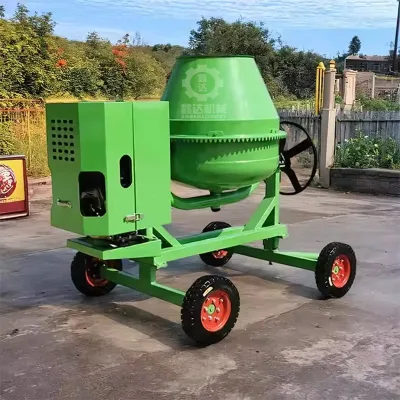
Mini Concrete Mixer Customizable Capacity for Construction Hot Selling in Africa
$718.697 - $821.3681
MOQ: 1 sets
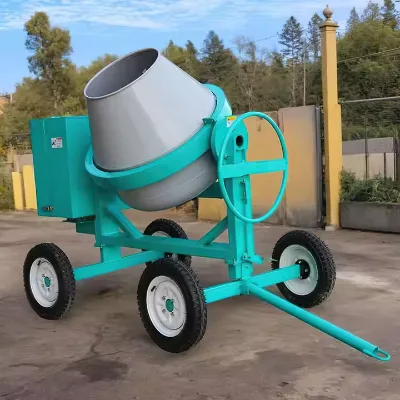
Mini Concrete Mixer Simplicity of Operator Suitable for Automated Production Lines
$500.00 - $800.00
MOQ: 1
Better International Co., Ltd.
- Trading Company
- Shandong, China
- Lead time20 days
- Avg. response≤ 1h
Main productsconcrete mixer,screw conveyor and parts,dust collector,butterfly valve,silo accessories
Main marketsMid East(31.00%), South Asia(23.00%), North America(23.00%), South America(10.00%), Northern Europe(6.00%), Eastern Europe(1.00%), Africa(1.00%), Eastern Asia(1.00%), Southeast Asia(1.00%), Oceania(1.00%)

Laizhou Chicca Machinery CO., LTD.
- Manufacturer
- China Shandong
- Lead time23 days
- Avg. response≤ 3h
Main productsConcrete Mixer Machine, Concrete Mixer, Cement Mixer, Plate Compactor
Main marketsSouth America,Africa,North America

Quanzhou Hawen Machinery Co., Ltd.
- Verified by BV
- Combined
- China Fujian
- Lead time23 days
- Avg. response≤ 7h
Main productsBlock Machine, Block Making Machine, Concrete Block Machine, Brick Making Machine, Cement Brick Machine, Cement Block Machine, Concrete Brick Machine
Main marketsSouth America,Africa,Southeast Asia/ Mideast,Europe,North America
Qingdao Dituo Environmental Equipment Co., Ltd.
- Manufacturer, Trading Company
- Shandong, China
- Lead time30 days
- Avg. response≤ 2h
Main productsUHPC mixer,concrete mixer,concret pump,concrete spreader,Concrete Construction Equipment
Main marketsDomestic Market(40.00%), Mid East(20.00%), Southeast Asia(20.00%), Africa(10.00%), South America(5.00%), Northern Europe(5.00%), Oceania(5.00%)

Shandong Pinjia Machinery Technology Co., Ltd.
- Manufacturer, Trading Company
- Shandong, China
- Lead time3 days
- Avg. response≤ 4h
Main productsForklift,excavator,seed planting,spayer machine,construction machine
Main marketsSoutheast Asia(25.00%), Africa(21.00%), Eastern Europe(14.00%), North America(12.00%), Domestic Market(8.00%), South America(8.00%), Mid East(6.00%), Oceania(3.00%), Northern Europe(3.00%)
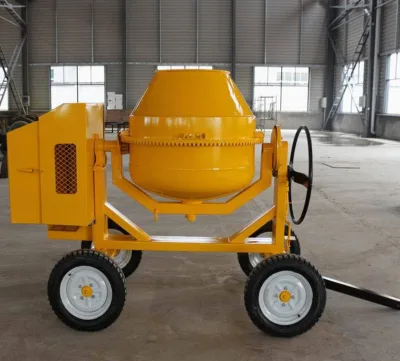
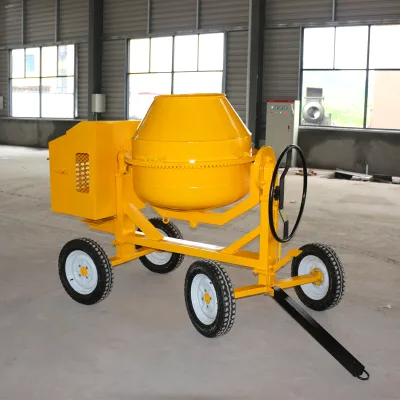
High Production Efficiency Construction Site Concrete Mixer 500L diesel Mixer
$975.3753 - $1026.7101
MOQ: 1 sets

Zhengzhou Vantage Machinery Co., Ltd.
- Trading Company
- Henan, China
- Lead time0 days
- Avg. response≤ 1h
Main productsPiston Rock Splitter,Concrete Mixers,Quarry Crushers,Mucking Loader,Used Equipment
Main marketsEastern Asia(25.00%), Africa(25.00%), Southeast Asia(15.00%), South America(10.00%), Mid East(10.00%), Oceania(5.00%), North America(5.00%), South Asia(2.00%), Northern Europe(2.00%), Domestic Market(1.00%)
Gongyi Xiaoyi Hongying Machinery Factory
- Verified by Intertek
- Manufacturer, Trading Company
- Lead time15 days
- Avg. response≤ 3h
Main productsCement Block Making Machine, Clay Brick Making Machine, Concrete Mixer, Crusher Machine
Main marketsAfrica(58%), South America(10%), North America(7%)
Zhengzhou Corey Machinery Equipment Co., Ltd.
- Verified by TüVRheinland
- Manufacturer, Trading Company
- Lead time45 days
- Avg. response≤ 1h
Main productsConcrete Mixer, Concrete Mixing Plant, Concrete Pump, Cement Silo, Brick Making Machinery
Main marketsDomestic Market(30%), Mid East(29%), Southeast Asia(12%)
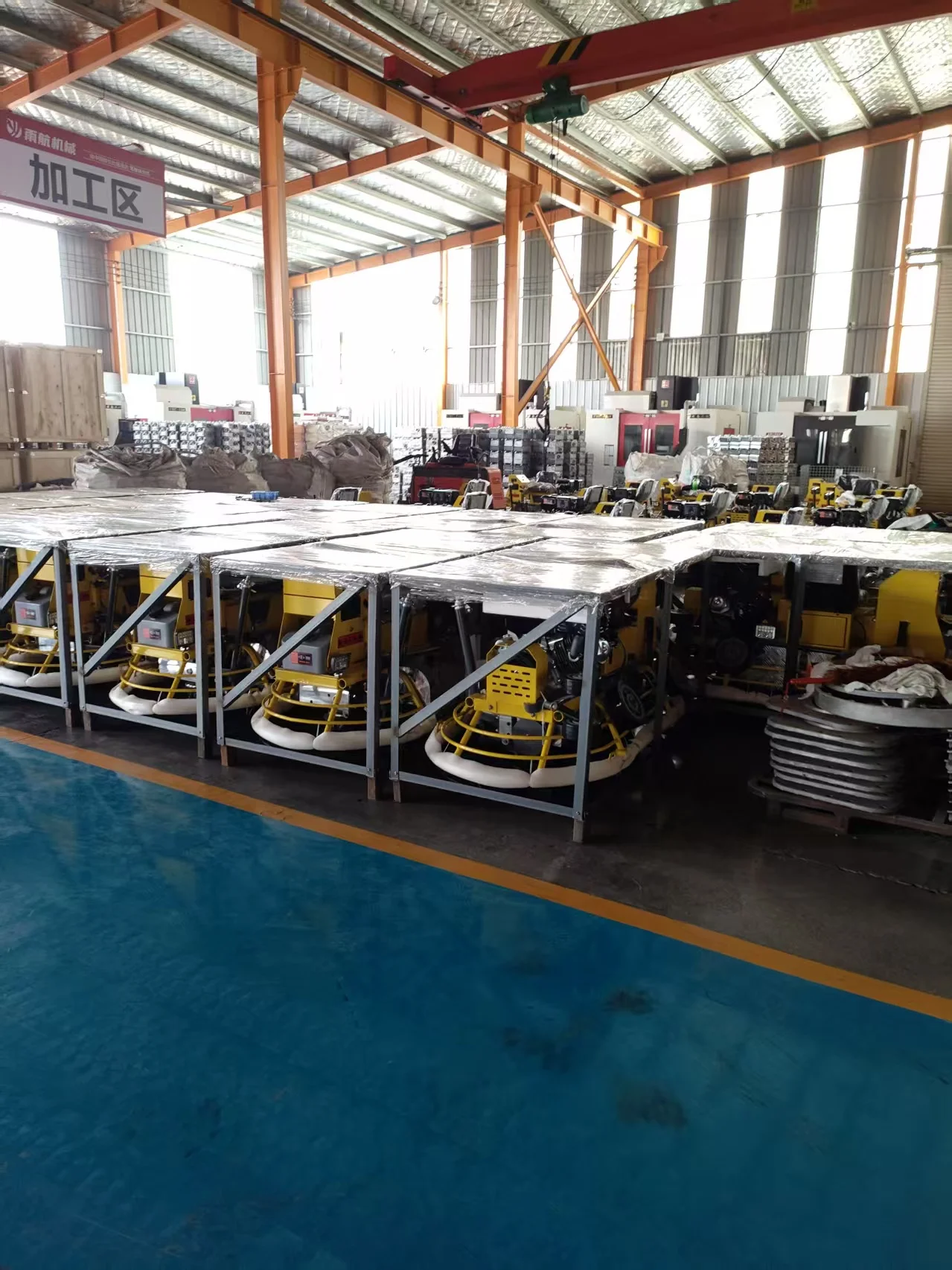
Luohe Ao Jianqing Intelligent Equipment Co., Ltd.
- Trading Company
- Henan, China
- Lead time15 days
- Avg. response≤ 3h
Main productstrowel,trephine,Cutting machine,backhoe,vibrators
Main marketsDomestic Market(40.00%), North America(10.00%), Africa(10.00%), South Asia(10.00%), Eastern Asia(10.00%), Oceania(5.00%), Southern Europe(5.00%), Southeast Asia(5.00%), South America(5.00%)
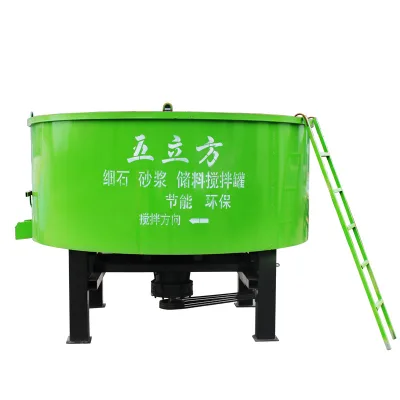
High-quality Price Concrete Mixer Mixer Suitable for Pumping of Cement
$439.00 - $500.00
MOQ: 1 pieces

Ningbo Ace Machinery Co., Ltd.
- Verified by BV
- Combined
- China Zhejiang
- Lead time30 days
- Avg. response≤ 11h
Main productsConcrete Vibrator Custom Factory, Plate Compactor Factory, Tamping Rammer Supplier, Power Trowel Wholesale, Concrete Cutter Factory Wholesale, Vibrator Shaft Custom Factory, OEM/ODM Concrete Mixer Factory, Steel Bar Cutting Machine, OEM/ODM Concrete Vibrator Motor, Vibratory Roller Factory Supplier
Main marketsSouth America,Africa,Southeast Asia/ Mideast,East Asia(Japan/ South Korea),Europe,Australia,North America

- Verified by BV
- Manufacturer/Factory
- China Shanghai
- Lead time23 days
- Avg. response≤ 6h
Main productsConcrete Mixing Plant, Asphalt Mixing Plant, Concrete Mixer Truck, Concrete Pump Truck, Forklift, Loader, Excavator, Crane
Main marketsSouth America,Eastern Europe,Mid East,North America,Southeast Asia,Eastern Asia,Oceania,Western Europe,Africa


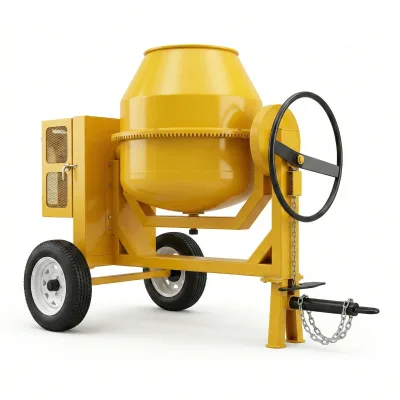
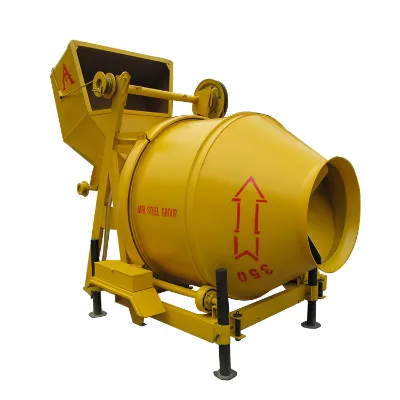
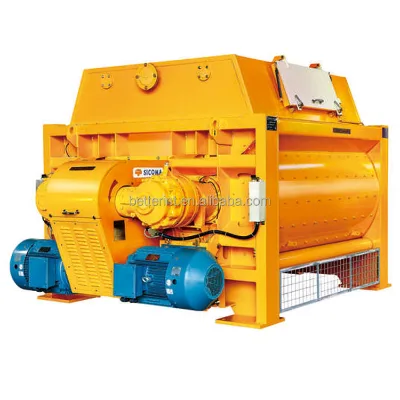
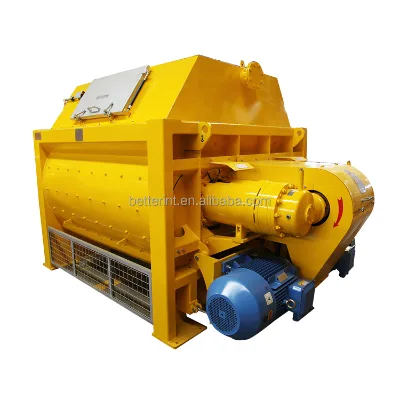


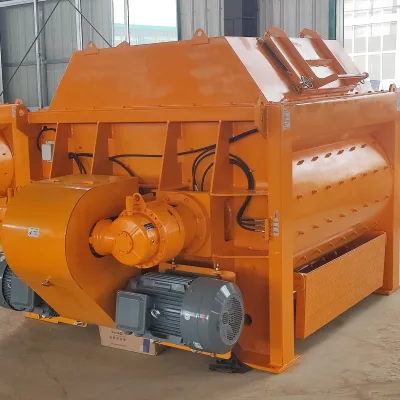
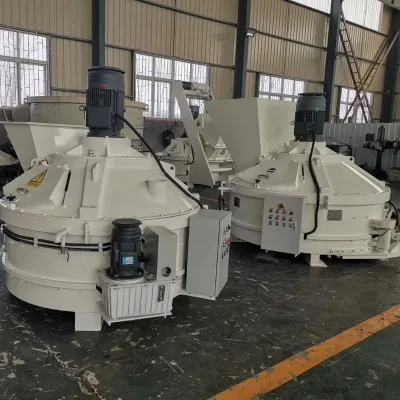
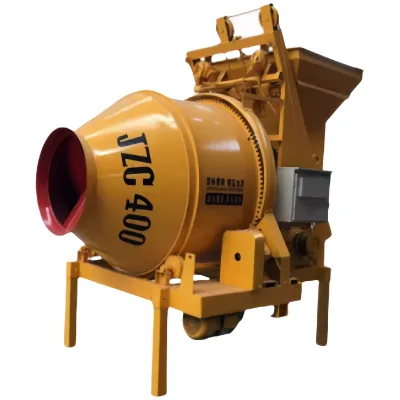
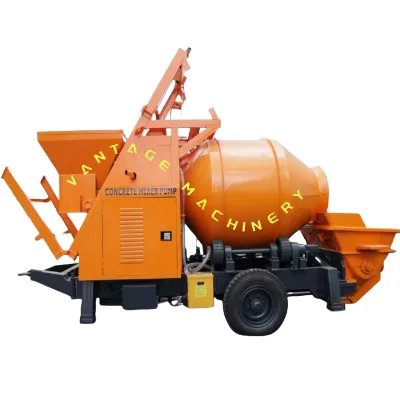
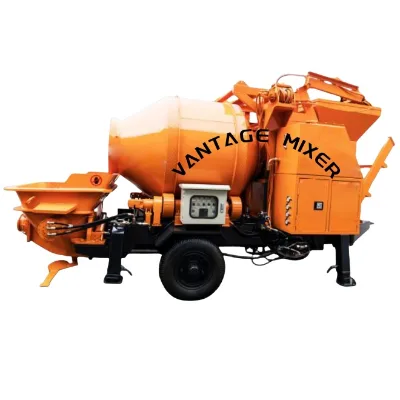
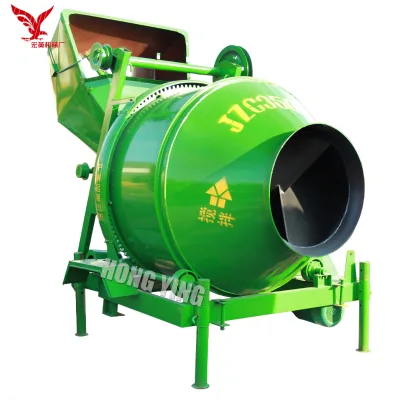
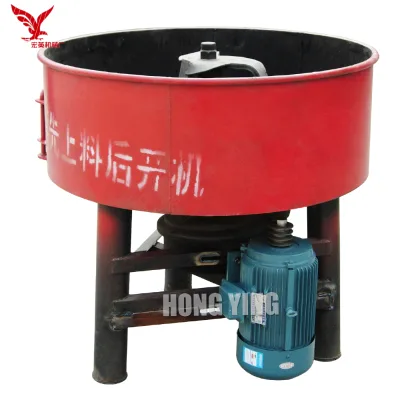
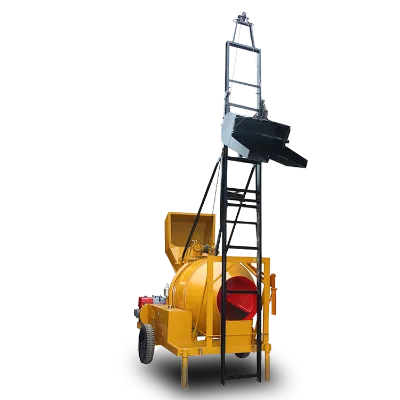
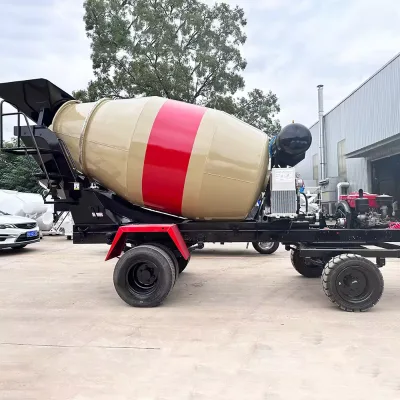


Comprehensive Sourcing Guide
Hydraulic Concrete Mixer Supplier Concentration and Factory Types
The current supplier landscape for hydraulic concrete mixers reveals a distinct geographic concentration in China, with specific manufacturing hubs identified in Henan and Shandong provinces. Suppliers located in Henan often present a combined company type, indicating they may operate as both manufacturers and trading entities, which can influence pricing structures and communication flows. These Henan-based suppliers frequently list a diverse range of construction machinery, including steel bar processing equipment and various concrete tools, suggesting a broad industrial capability rather than a niche specialization in mixing technology alone. In contrast, suppliers based in Shandong province appear to focus more heavily on heavy-duty engineering and construction machinery, such as wheel loaders and concrete mixer trucks, indicating a potential strength in larger, vehicle-mounted hydraulic systems. This regional distinction allows buyers to target their search based on whether they require smaller, stationary hydraulic units or large-scale mobile mixing solutions. The presence of these specific locations provides a concrete starting point for evaluating the supply chain, as proximity to raw material sources and established industrial clusters in these provinces can impact production efficiency and cost competitiveness. Buyers should consider these geographic factors when assessing the logistical feasibility of sourcing from these specific regions, as the concentration of factories in Henan and Shandong creates a localized ecosystem of expertise and supply chain infrastructure that supports the production of hydraulic concrete mixers.
Beyond geography, the types of companies offering hydraulic concrete mixers vary significantly in their operational models and service capabilities. Some suppliers are identified as combined entities, which may offer flexibility in customization but require careful verification of their actual manufacturing capacity versus their trading volume. Others are verified by third-party inspection agencies such as BV or SGS, providing an additional layer of trust regarding their business legitimacy and product quality standards. The verification status is a critical differentiator, as it signals that the supplier has undergone external audits for business scope and operational integrity. Furthermore, the range of main products listed by these suppliers offers insight into their core competencies; those listing concrete mixer trucks alongside loaders likely have robust engineering teams capable of handling complex hydraulic integrations. Conversely, suppliers focusing on smaller mixers and auxiliary equipment may offer more specialized, cost-effective solutions for specific construction tasks. Understanding these factory types helps buyers align their procurement strategy with the supplier’s actual strengths, ensuring that the chosen partner has the necessary infrastructure to meet specific project requirements. This distinction between generalist combined suppliers and specialized, verified manufacturers is essential for making informed decisions about long-term partnerships and supply chain reliability.
How to Verify Hydraulic Concrete Mixer Suppliers
Verifying the legitimacy and capability of Hydraulic Concrete Mixer suppliers requires a multi-layered approach that goes beyond simple product listings. One of the most effective initial steps is to check for third-party verification badges, such as BV or SGS, which indicate that the supplier has undergone independent audits of their business operations. These verifications provide a baseline level of confidence in the supplier’s existence and legal standing, reducing the risk of engaging with fraudulent entities. Additionally, buyers should scrutinize the supplier’s response time, as a faster response often correlates with better customer service and operational efficiency. For instance, suppliers with response times under four hours may demonstrate a more agile and responsive organizational structure, which is crucial for resolving technical queries or addressing order issues promptly. This metric serves as a proxy for the supplier’s internal communication effectiveness and their commitment to client engagement. Buyers should prioritize suppliers who demonstrate quick and professional communication, as this trait often extends to post-sales support and problem resolution, which are critical when dealing with complex machinery like hydraulic concrete mixers.
In addition to verification badges and response times, buyers must carefully examine the product attributes and certifications listed for the hydraulic concrete mixers. Certifications such as CE and ISO9001 are frequently mentioned in product specifications, indicating compliance with international safety and quality management standards. However, buyers should verify the authenticity of these certifications by requesting copies of the certificates and checking their validity with the issuing bodies. The presence of specific product attributes, such as hydraulic machining processes or cylinder types, also provides insight into the technical sophistication of the supplier’s offerings. Buyers should look for detailed technical specifications that align with their project requirements, such as power type, capacity, and structural design. Furthermore, the availability of customization options is a key indicator of a supplier’s flexibility and engineering capability. Suppliers that explicitly state customization is available are likely more adaptable to unique project needs, whereas those with rigid product lines may offer less flexibility. By combining verification checks with a thorough review of technical details and customization capabilities, buyers can build a comprehensive profile of each supplier’s reliability and suitability for their specific sourcing needs.
What to Compare Across Hydraulic Concrete Mixer Suppliers
When evaluating multiple suppliers for hydraulic concrete mixers, buyers must systematically compare key operational metrics to identify the most suitable partner. Lead time is a critical factor, as it directly impacts project schedules and inventory management. Suppliers may offer varying lead times, ranging from fifteen days to thirty days or more, depending on the complexity of the order and the supplier’s current production capacity. Buyers should align their procurement timeline with the supplier’s stated lead time to avoid delays, and consider whether expedited options are available for urgent projects. Alongside lead time, the minimum order quantity (MOQ) is another essential comparison point. Some suppliers may have an MOQ of just one unit, making them suitable for small-scale or trial orders, while others may require larger volumes to achieve economies of scale. Understanding these MOQs helps buyers determine the financial feasibility of ordering from different suppliers and assess the potential for bulk discounts. Additionally, response speed should be compared across suppliers, as faster responses can indicate better communication and support capabilities. Suppliers with response times under four hours may provide more timely assistance, which is valuable for technical inquiries and order tracking.
Price and payment terms are also central to the comparison process, as they directly affect the total cost of ownership. Buyers should compare the price ranges offered by different suppliers, noting that prices can vary significantly based on product specifications, certifications, and customization options. For example, hydraulic concrete mixers with CE and ISO9001 certifications may command higher prices due to the additional compliance costs. Buyers should also consider the total cost, including shipping, insurance, and any potential tariffs, rather than just the unit price. Furthermore, the availability of trade assurance or escrow services can provide an additional layer of security for the transaction, protecting the buyer’s payment until the goods are received and verified. Suppliers that offer these financial protections may be preferable for high-value orders, as they reduce the risk of non-delivery or product discrepancies. By systematically comparing lead times, MOQs, response speeds, prices, and payment security options, buyers can make a data-driven decision that balances cost, quality, and reliability. This comprehensive comparison ensures that the selected supplier meets all critical operational and financial requirements, minimizing risks and maximizing value for the procurement project.
Common Hydraulic Concrete Mixer Sourcing Risks
Sourcing hydraulic concrete mixers from international suppliers introduces several risks that buyers must proactively manage to ensure a successful procurement outcome. One significant risk is the potential discrepancy between the advertised product specifications and the actual delivered goods. Suppliers may list detailed attributes such as hydraulic pressure, motor power, or material composition, but the final product may not meet these exact standards. This risk is heightened when dealing with suppliers who offer extensive customization options, as the manufacturing process may introduce variations that affect performance. Buyers should mitigate this risk by requesting detailed technical drawings, material certificates, and pre-shipment inspection reports to verify that the product matches the agreed-upon specifications. Additionally, the risk of quality inconsistencies is higher when suppliers have limited verification status or lack third-party audits. Buyers should prioritize suppliers with established verification badges, such as BV or SGS, to reduce the likelihood of receiving substandard equipment. These verifications provide a level of assurance that the supplier adheres to consistent quality control processes, which is crucial for machinery that will be used in demanding construction environments.
Another common risk is the potential for logistical delays and damage during transit, which can disrupt project timelines and increase costs. Hydraulic concrete mixers are heavy and complex pieces of equipment, making them susceptible to damage if not packed and shipped correctly. Buyers should verify the supplier’s packaging standards, such as whether they use wooden cases or nude packages, and ensure that the packaging is suitable for long-distance transportation. Additionally, buyers should consider the supplier’s location and its impact on shipping routes and customs clearance. Suppliers located in specific industrial clusters may have established logistics partnerships that can reduce transit times and costs, but buyers must still account for potential delays due to port congestion or regulatory changes. Furthermore, the risk of after-sales support challenges is significant, as technical issues may arise after the equipment is deployed. Buyers should verify the supplier’s after-sales service offerings, such as online support, video technical assistance, or warranty coverage, to ensure that they can resolve issues promptly. By identifying and addressing these risks through thorough due diligence and clear contractual terms, buyers can protect their interests and ensure a smoother sourcing experience.
Hydraulic Concrete Mixer Regional Sourcing and Logistics
The geographic location of suppliers plays a pivotal role in determining the logistics and shipping dynamics for hydraulic concrete mixers. Suppliers based in China, particularly in provinces like Henan and Shandong, offer distinct advantages in terms of manufacturing density and supply chain integration. Henan, known for its diverse construction machinery industry, may provide competitive pricing and a wide variety of product options, but buyers must consider the inland location’s impact on shipping routes. Goods from Henan may need to be transported to coastal ports before being shipped internationally, which can add time and cost to the logistics process. In contrast, suppliers in Shandong, a coastal province, may have more direct access to major shipping lanes, potentially reducing transit times and simplifying export procedures. This regional difference is crucial for buyers who prioritize speed and efficiency in their supply chain. Buyers should evaluate the supplier’s location in the context of their destination port, as proximity to major shipping hubs can significantly influence freight costs and delivery schedules. Understanding these logistical nuances allows buyers to make informed decisions about which regional suppliers best align with their operational needs and budget constraints.
Beyond the supplier’s location, buyers must also consider the specific shipping requirements of hydraulic concrete mixers, which are often large and heavy items. The dimensions and weight of the equipment, as indicated in product specifications, will determine the mode of transport and packaging needs. For instance, mixers with standard dimensions may fit into container shipments, while larger units may require break-bulk or roll-on/roll-off (RoRo) shipping. Buyers should verify the supplier’s experience with international shipping and their ability to handle complex logistics, including customs documentation and insurance. Suppliers who have a track record of exporting similar machinery are more likely to navigate these challenges effectively, reducing the risk of delays or additional fees. Additionally, buyers should consider the impact of regional trade agreements and tariffs on the final cost of the equipment. Sourcing from specific regions may offer advantages in terms of duty rates or streamlined customs processes, depending on the buyer’s country of import. By carefully assessing the logistical implications of regional sourcing, buyers can optimize their supply chain, minimize costs, and ensure timely delivery of their hydraulic concrete mixers.
Hydraulic Concrete Mixer Commercial Terms and Order Planning
Effective order planning for hydraulic concrete mixers requires a thorough understanding of the commercial terms offered by suppliers, including pricing structures, payment methods, and warranty policies. Buyers should compare the price ranges provided by different suppliers, noting that costs can vary based on factors such as certification, customization, and production volume. For example, mixers with CE and ISO9001 certifications may be priced higher due to the additional compliance requirements, while basic models may offer lower entry points. Buyers should also inquire about bulk discounts or tiered pricing structures, which can significantly reduce the unit cost for larger orders. Payment terms are another critical aspect of commercial planning, as they
FAQs
What is the typical lead time for hydraulic concrete mixers?
The typical lead time for hydraulic concrete mixers is 15 days based on available supplier data. Some suppliers in Shandong offer a 30-day lead time for larger truck-mounted units. Buyers should confirm specific delivery schedules with the manufacturer before placing an order.
Do suppliers offer customization for hydraulic concrete mixers?
Yes, customization is available for many Hydraulic Concrete Mixer models listed in the search results. Suppliers indicate that they can adapt specifications to meet specific project requirements. Buyers should verify the exact customization options and any associated costs directly with the supplier.
What certifications are available for these concrete mixers?
Available certifications for these mixers include CE and ISO9001 standards. Some products explicitly list these certifications in their attributes. Buyers must verify the specific certification documents for each unit to ensure compliance with local regulations and safety standards.
What is the minimum order quantity for hydraulic concrete mixers?
The minimum order quantity for some hydraulic concrete mixers is one unit. This allows buyers to purchase a single machine for immediate use. However, bulk orders may offer different pricing tiers, so buyers should inquire about volume discounts.
Where are the Hydraulic Concrete Mixer manufacturers located?
Manufacturers of hydraulic concrete mixers are primarily located in China, specifically in Henan and Shandong provinces. These regions host suppliers offering various models from small mixers to large truck-mounted units. Buyers should check the specific origin listed for each product.
What is the price range for hydraulic concrete mixers?
Prices for hydraulic concrete mixers range from approximately 320 to 40,000 depending on the model and capacity. Smaller units start near 320, while self-loading truck mixers can cost up to 40,000. Buyers should request a quote for the specific model they require.
How quickly do suppliers respond to inquiries?
Supplier response times vary, with some averaging around 3.5 to 5.3 hours. Faster response times are noted for suppliers in Shandong compared to those in Henan. Buyers should expect a reply within a few hours during business days.