Diesel Mini Backhoe Loader Suppliers and Manufacturers
Source 29 verified suppliers for Diesel Mini Backhoe Loader equipment. Compare specifications like rated load, certifications, and lead times. Contact manufacturers directly to request quotes and verify production capabilities; review the available evidence before requesting comparable quotations from suitable candidates.
Updated
Suppliers List

Shandong Xianggong Machinery Manufacturing Co., Ltd.
- Verified by SGS
- Manufacturer/Factory
- China Shandong
- Lead time15 days
- Avg. response≤ 3h
Main productsExcavator, Backhoe Loader, Wheel Loader, Skid Steer Loader, Forklift, Mobile Lighting Tower, Concrete Mixer Truck, Dumper, Lawn Mower
Main marketsSouth America,Eastern Europe,Mid East,North America,Southeast Asia,Eastern Asia,Oceania,Western Europe,Africa

Shandong Xiangjin International Trade Co., Ltd.
- Verified by BV
- Trading Company
- China Shandong
- Lead time15 days
- Avg. response≤ 3h
Main productsCement Mixer Truck, Concrete Mixer Truck, Tracked Carrier, Spider Crane, Cement Mixer Drum, Cement Mixer, Concrete Mixer Drum, Loader, Backhoe Loader, Concrete Pump
Main marketsAfrica,Others(foreignTradeCapacity.exportBusinessCapacityMarketOther),Southeast Asia/ Mideast,Europe,Australia

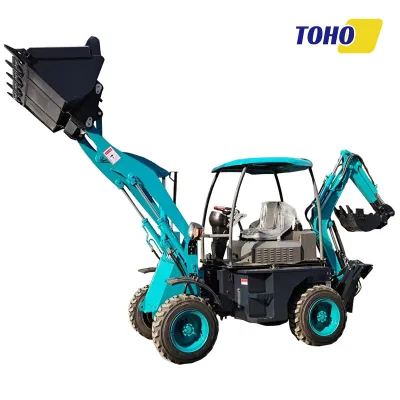
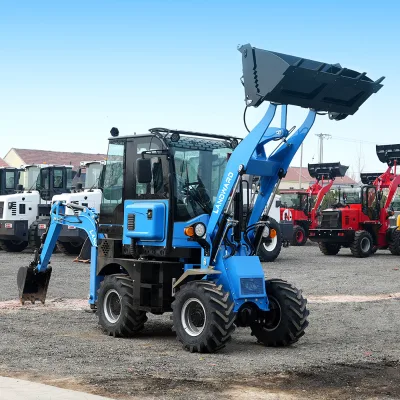
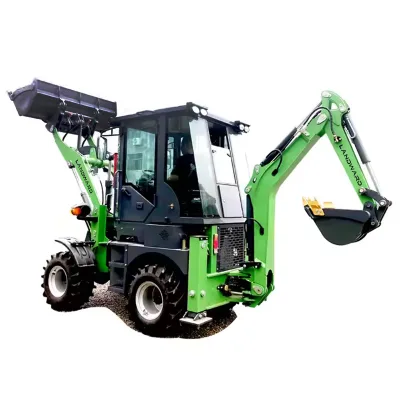
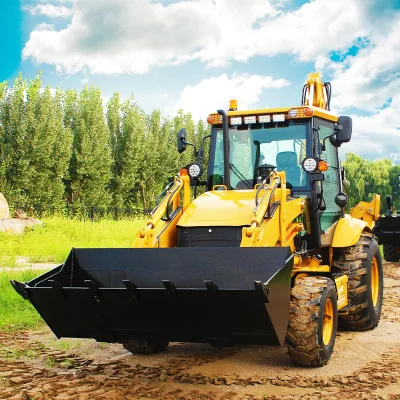
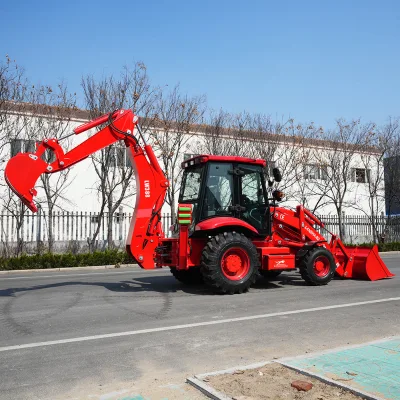
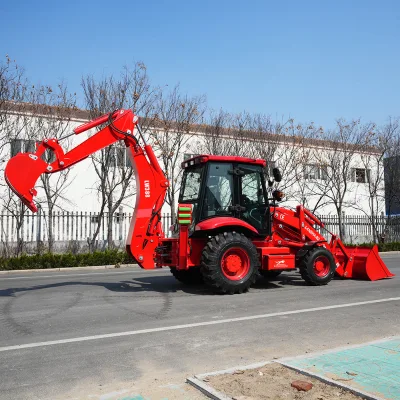
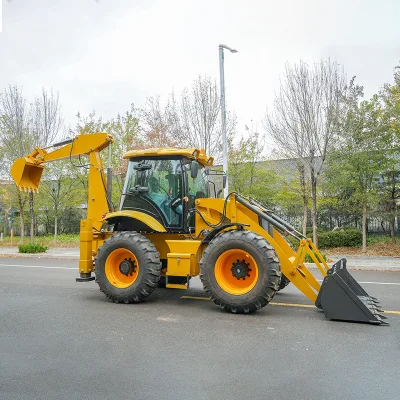
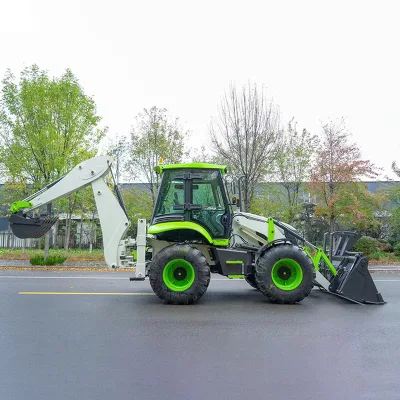
Diesel Engine Wheel Loader with Backhoe Hydraulic Mini Backhoe Loader
$10899.00 - $23199.00
MOQ: 1 Pieces

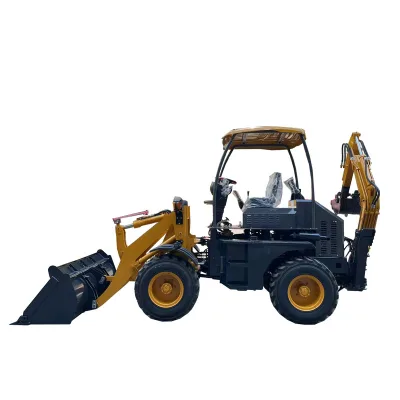
Backhoe Loader - Mini/Compact Diesel-Powered Backhoe Loader for Digging, Loading
$9899.00 - $19999.00
MOQ: 1 Pieces

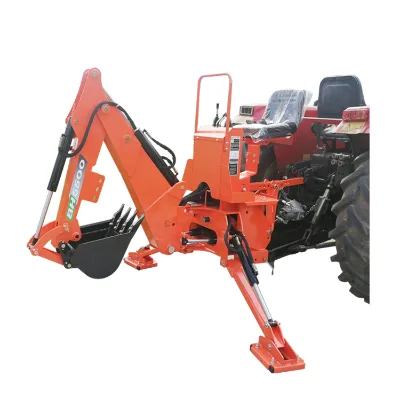
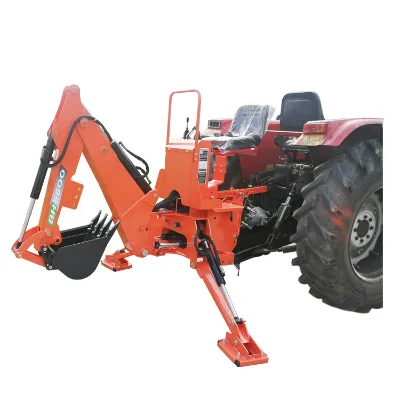
Diesel Wheel Loaders Small Mini Backhoe Loader Excavator Tractor Mounted Backhoe Loader
$21899.00 - $23199.00
MOQ: 1 Pieces

Mini Backhoe Loader Hydraulic Digging Loading Equipment Small-Scale Diesel Backhoe Tool
$9899.00 - $19999.00
MOQ: 1 Pieces

Compact Diesel Backhoe Loader - Efficient for Excavating, Lifting, Loading Backhoe Tractor Excavator
$9899.00 - $19999.00
MOQ: 1 Pieces

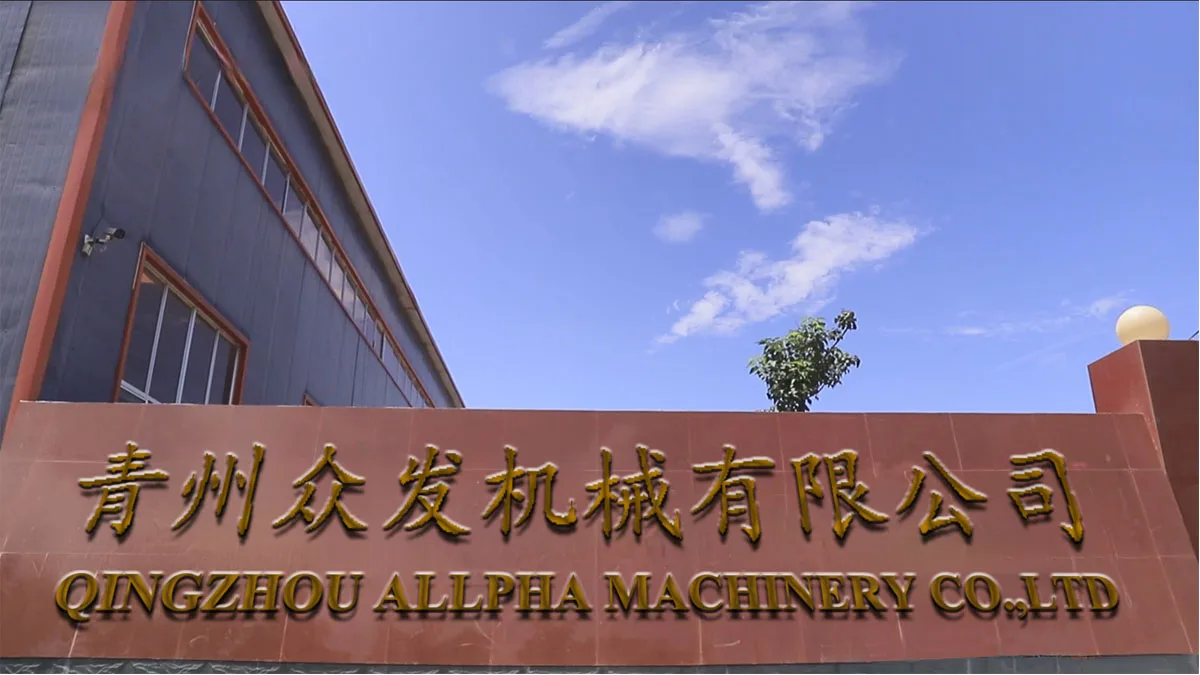
Qingzhou Allpha Machinery Co.,ltd
- Manufacturer, Trading Company
- Shandong, China
- Lead time15 days
- Avg. response≤ 2h
Main productsWHEEL LOADER,BACKHOE LOADER,EXCAVATOR,ROAD ROLLER,FORKLIFT
Main marketsSouth America(20.00%), Western Europe(12.00%), Eastern Europe(11.00%), Africa(10.00%), Northern Europe(10.00%), Southern Europe(9.00%), Oceania(8.00%), Central America(5.00%), Eastern Asia(5.00%), Southeast Asia(3.00%), South Asia(3.00%), Mid East(2.00%), Domestic Market(1.00%), North America(1.00%)
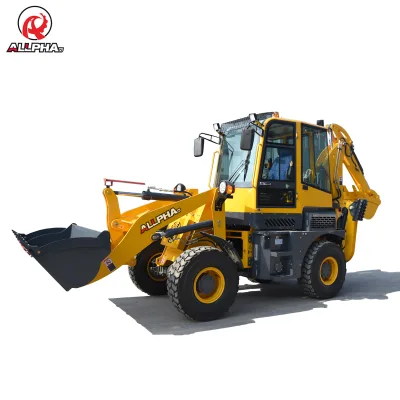
loader backhoe mini backhoe loader trade mini loader with backhoe germany
$10500.00 - $10900.00
MOQ: 1
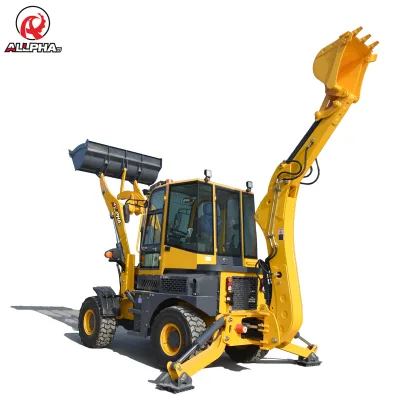
Cheap Price Mini Small Backhoe Ce Euro 5 Epa Backhoe Excavator Loader 4x4 Backhoe Loaders for Sale
$10500.00 - $10900.00
MOQ: 1

Shandong Jianggong Machinery Co., Ltd.
- Verified by SGS
- Combined
- China Shandong
- Lead time30 days
- Avg. response≤ 5h
Main productsmachinery
Main marketsSouth America,Europe,North America

Mini Backhoe Loader with Price Mini Tractor Loader Backhoe Mini Backhoe
$7980.00 - $8300.00
MOQ: 1 Pieces


Changsha Chejuhui Automobile Trading Co., Ltd.
- Trading Company
- Hunan, China
- Lead time20 days
- Avg. response≤ 8h
Main productsNew Energy Vehicle,Fuel Vehicle,Van,Used Car,Pick-up
Main marketsMid East(40.00%), Domestic Market(30.00%), Africa(20.00%), South America(10.00%)
Hebei Jin Pai Sheng Import And Export Co., Ltd.
- Trading Company
- He'bei, China
- Lead time10 days
- Avg. response≤ 2h
Main productsDiesel forklift,Electrical forklift,Farm tractor,Excavator,Crane
Main marketsSoutheast Asia(25.00%), Africa(20.00%), Mid East(10.00%), Eastern Asia(10.00%), South Asia(10.00%), Central America(5.00%), Eastern Europe(5.00%), South America(3.00%), Domestic Market(3.00%), North America(3.00%), Northern Europe(2.00%), Oceania(2.00%), Western Europe(1.00%), Southern Europe(1.00%)
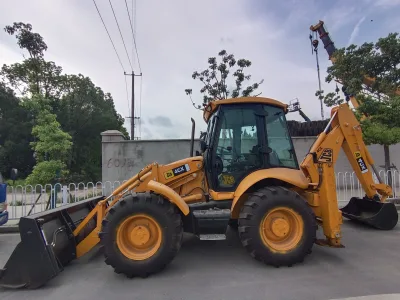
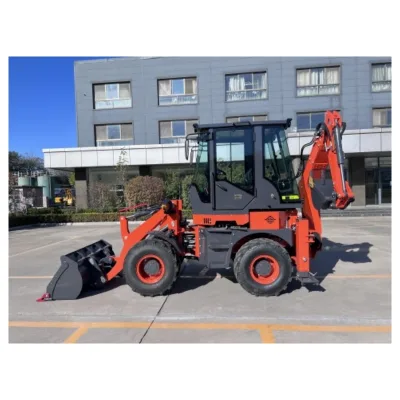
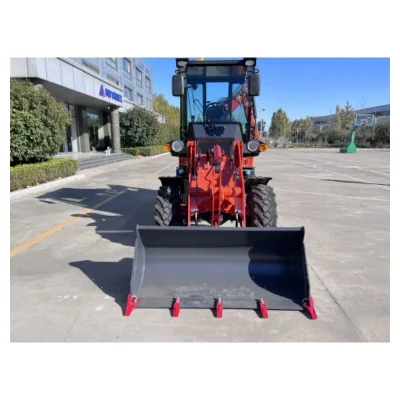
Mini Backhoe Loader With Price Mini Tractor Loader Backhoe Excavator With Digger Machine
$16226.7305 - $17482.9935
MOQ: 1 pieces

Shandong Yaweh Heavy Industry Machinery Co., Ltd
- Verified by SGS
- Combined
- China Shandong
- Lead time30 days
- Avg. response≤ 6h
Main productsBackhoe Loader, Telescopic Loader, Mini Excavator, Wheel Loader, Skid Steer Loader, Concrete Self Loading Mixer, Forklift, Tractor, 4cx Backhoe, 3cx Backhoe
Main marketsSouth America

Jining Hengwang Construction Machinery Co., Ltd.
- Verified by SGS
- Combined
- China Shandong
- Lead time15 days
- Avg. response≤ 8h
Main productsExcavator, Backhoe Loader, Dumper, Truck Crane, Road Roller, Forklift, Concrete Pump, Mixer Truck, Wheel Excavator, Crawler Dumper
Main marketsAfrica,Others(foreignTradeCapacity.exportBusinessCapacityMarketOther),Europe,Australia
Shandong Loongsheen Heavy Industry Co., Ltd.
- Verified by SGS Group
- Manufacturer, Trading Company
- Lead time7 days
- Avg. response≤ 2h
Main productsExcavators, Loaders, Road Roller, Dumper, Drilling Rig Machine
Main marketsNorth America(20%), Eastern Europe(20%), Oceania(15%)
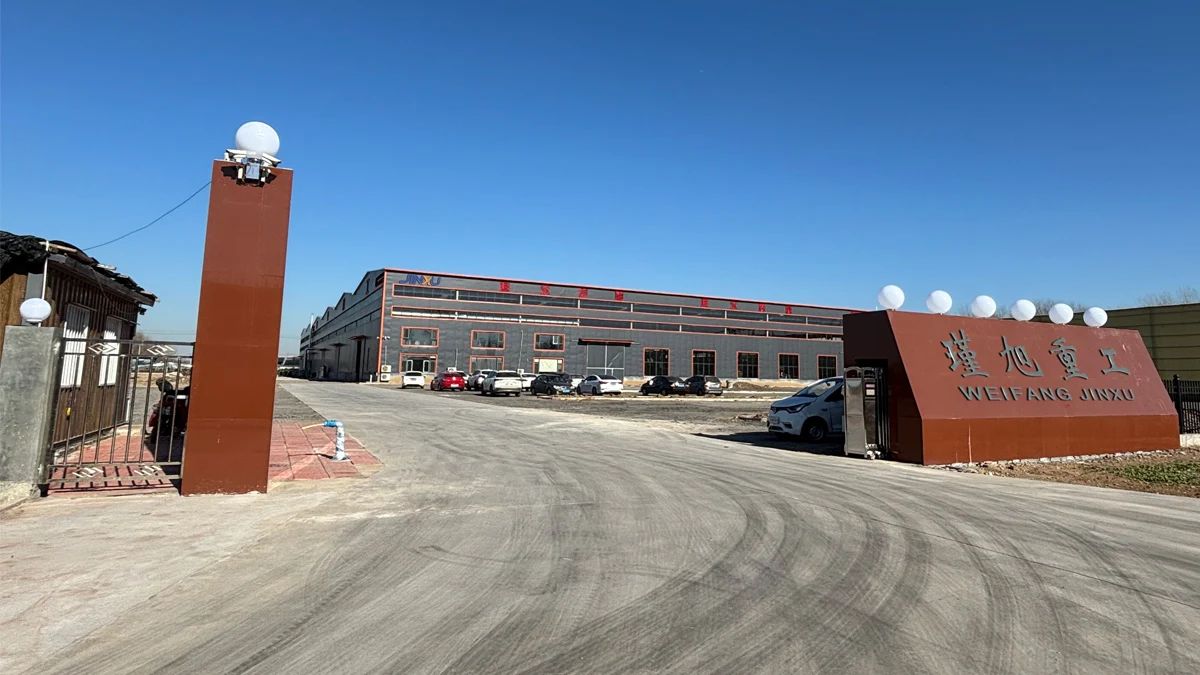
Weifang Jinxu Heavy Machinery Co., Ltd.
- Trading Company
- Shandong, China
- Lead time25 days
- Avg. response≤ 10h
Main productsRemote-controlled lawn mower,wood chipper,Rotary tiller,Remote-controlled pesticide spreader,excavator
Main marketsNorth America(90.00%), Southern Europe(5.00%), Eastern Europe(3.00%), Mid East(2.00%)
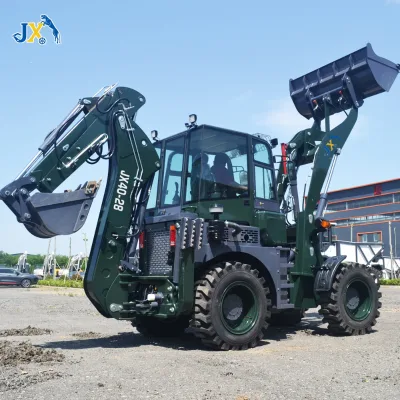
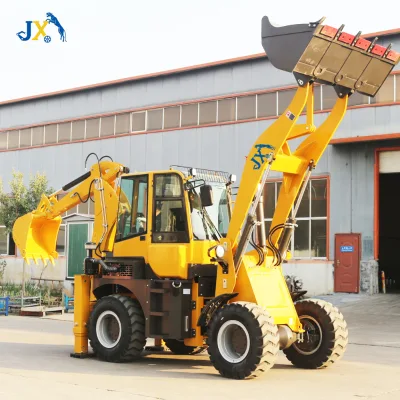
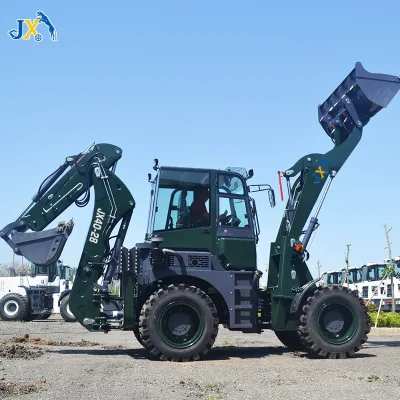
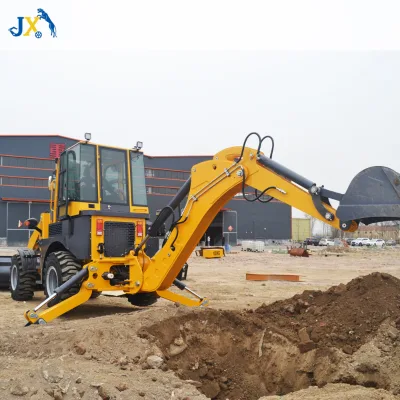
$2080.6667 - $3121.0001
MOQ: 1 sets
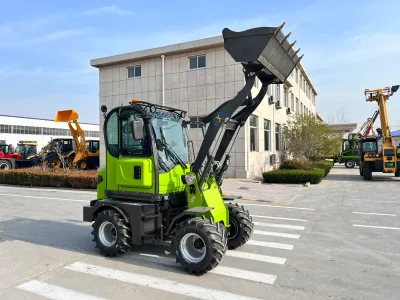
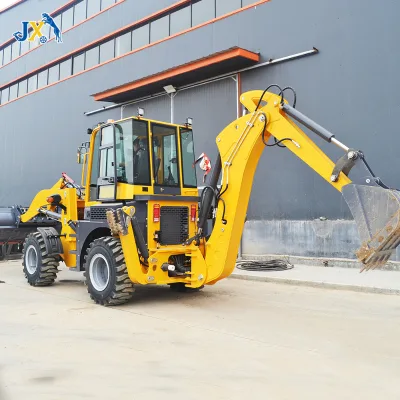
$2000.00 - $3000.00
MOQ: 1 sets
Jining ToHo Machinery Co., Ltd.
- Verified by TüVRheinland
- Trading Company
- Lead time10 days
- Avg. response≤ 1h
Main productsExcavator, Wheel Loader, Lawn Mower, Bulldozer, Forklift
Main marketsNorth America(20%), Africa(13%), South America(10%)
Shandong China Coal Industrial & Mining Supplies Group Co., Ltd.
- Manufacturer, Trading Company
- Lead time旺季: "1 - 20":31,"> 20":"To be negotiated", 淡季: "1 - 20":31,"> 20":"To be negotiated"
- Avg. response≤ 5h
Main productsHydraulic Prop, Mine Car, Mining Locomotive, Excavators, Concrete Pump
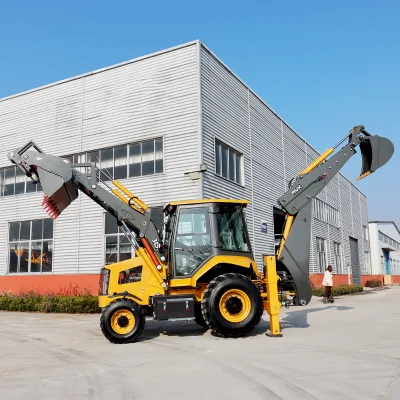
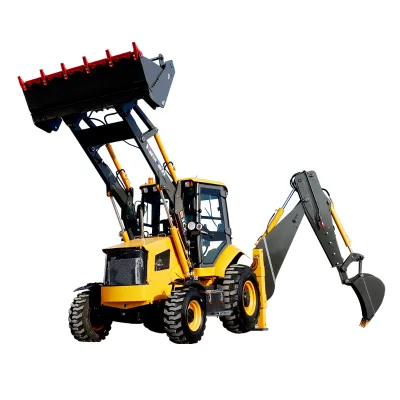
Factory Price Diesel Loader 4x4 Backhoe CE Epa Engine Excavator Farm Mini Tractor Backhoe Loader
$2053.5293
MOQ: 1 Minimum
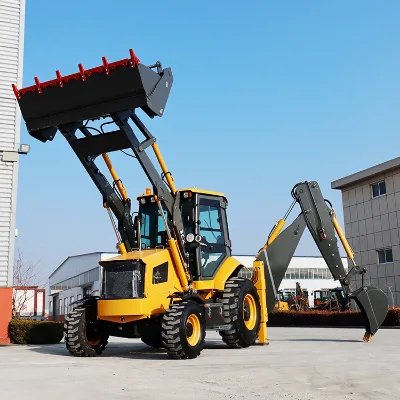
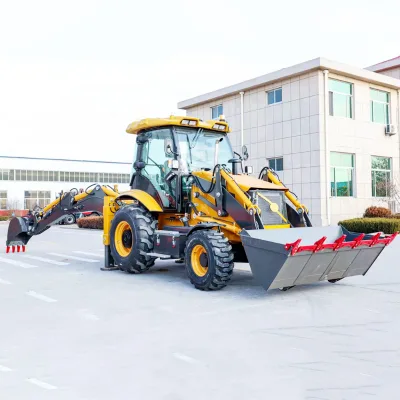
Changzhou Kavan Machinery Co., Ltd.
- Manufacturer, Trading Company
- Jiangsu, China
- Lead time45 days
- Avg. response≤ 8h
Main productsTractor Implements,Skid Steer attachments,Excavator attachments,ATV Implements,Wheel Loder Implements
Main marketsNorth America(30.00%), Northern Europe(27.00%), Southern Europe(13.00%), Oceania(12.00%), Eastern Europe(10.00%), Western Europe(8.00%)

Xuzhou Hengxing Jinqiao Machinery Technology Co., Ltd.
- Verified by TUVRHEINLAND
- Combined
- China Jiangsu
- Lead time15 days
- Avg. response≤ 8h
Main productsPile Driver, Drilling Machine, Kelly Bar, Drilling Tools
Main marketsSouth America,Africa,Southeast Asia/ Mideast,Europe


Tractor with Loader and Backhoe Mini, Front Compact Loader Backhoe
$15799.00 - $19999.00
MOQ: 1 Pieces

International Loader Backhoe Mini Backhoe Loader Excavator Backhoe Loader 4X4
$15799.00 - $19999.00
MOQ: 1 Pieces

$15799.00 - $19999.00
MOQ: 1 Pieces
Shandong Landward Heavy Industry Machinery Co., Ltd.
- Verified by TüVRheinland
- Manufacturer, Trading Company
- Lead time10 days
- Avg. response≤ 5h
Main productsExcavator, Loader, Forklift, Lawn Mower, Mini Dumper
Main marketsWestern Europe(31%), Southern Europe(20%), North America(15%)
Jinan Kuoe International Trade Co., Ltd.
- Trading Company
- Shandong, China
- Lead time20 days
- Avg. response≤ 8h
Main productsWheel Loader, Mini Loader, Wheel Loader Spare Parts
Main marketsEastern Europe(55.00%), Africa(15.00%), South America(10.00%), Domestic Market(10.00%), Southeast Asia(10.00%)
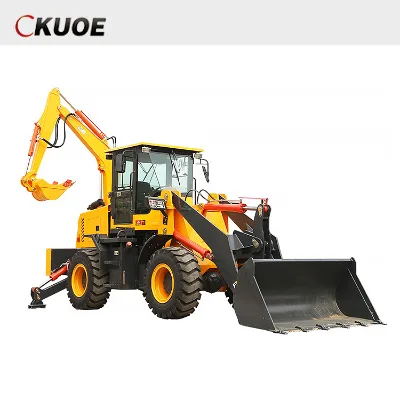
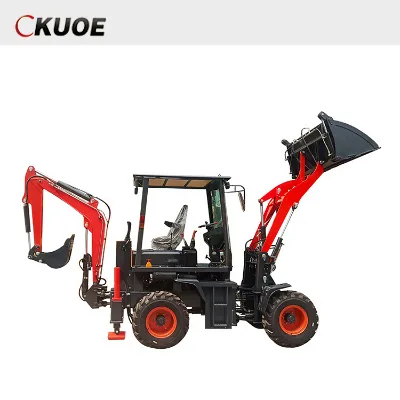
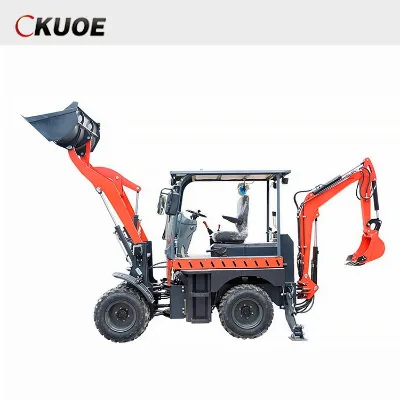
New Agricultural Small Mini Backhoe Loaders Articulated Tractor Backhoe With Price Wheel Load
$3000.00 - $4000.00
MOQ: 1 pieces

Sinoway Industrial (Shanghai) Co., Ltd.
- Verified by BV
- Trading Company,Manufacturer/Factory
- China Shanghai
- Lead time45 days
- Avg. response≤ 3h
Main productsRoad Rollers, Wheel Loaders, Motor Graders, Bulldozers, Excavators, Dump Trucks, Amphibious Excavator, Mining Equipment, Mobile Cranes, Truck Cranes
Main marketsSouth America,Eastern Europe,Mid East,North America,Southeast Asia,Eastern Asia,Oceania,Western Europe,Africa

Qingdao ZHS Machinery Co., LTD
- Trading Company
- China Shandong
- Lead time15 days
- Avg. response≤ 3h
Main productsWheel Loader, Self Loading Concrete Mixer, Rough Terrain Forklift, Warehouse Forklift, Electric Forklift, Site Dumper, Road Roller, Compactor, Tractor
Main marketsAfrica


Engine Backhoe Excavator Loader Powerful Loader Backhoe Reliable Back Hoe Loader Backhoe
$22000.00 - $28000.00
MOQ: 1 Pieces

Gongyi Xiaoyi Licheng Machinery Factory
- Manufacturer
- Henan, China
- Lead time5 days
- Avg. response≤ 7h
Main productselectric mini dumper truck,diesel mini dumper truck,electric garbage truck,electric tricycle,hammer crush
Main marketsSouth America(30.00%), Eastern Europe(10.00%), Central America(10.00%), North America(8.00%), South Asia(8.00%), Southeast Asia(8.00%), Mid East(5.00%), Africa(5.00%), Eastern Asia(5.00%), Western Europe(3.00%), Southern Europe(3.00%), Domestic Market(3.00%), Northern Europe(2.00%)
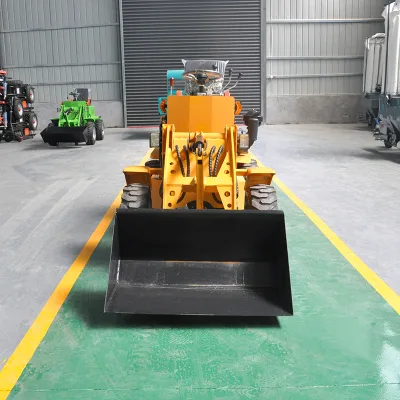
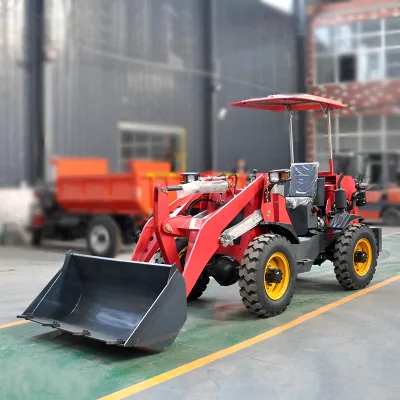
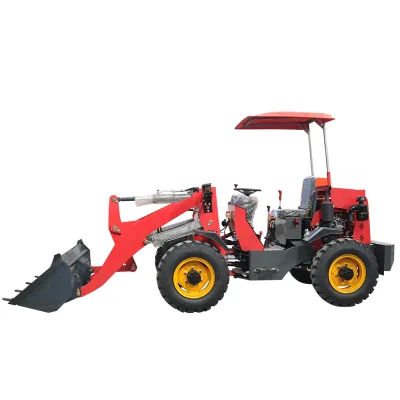
Mini Backhoe Tractor 4x4 Mini Excavator Loader Anti Excavator Cheap Price
$3276.6469 - $3379.0421
MOQ: 1 sets

Shandong Fuhuitai International Trade Co.,Ltd.
- Verified by SGS
- Combined
- China Shandong
- Lead time15 days
- Avg. response≤ 7h
Main productsBackhoe Loader, Grader, Wheel Loader
Main marketsSoutheast Asia/ Mideast,Domestic


Brand New Mini Small Backhoe Loader with Front End Loader and Backhoe
$8000.00 - $9999.00
MOQ: 1 Pieces
Jining Fulton Machinery Manufacturing Co., Ltd.
- Verified by TüVRheinland
- Manufacturer, Trading Company
- Lead time3 days
- Avg. response≤ 3h
Main productsExcavator, Forklift, Backhoe Loader, Skid Steer Loader, Lawn Mower
Main marketsDomestic Market(70%), North America(10%), South America(5%)
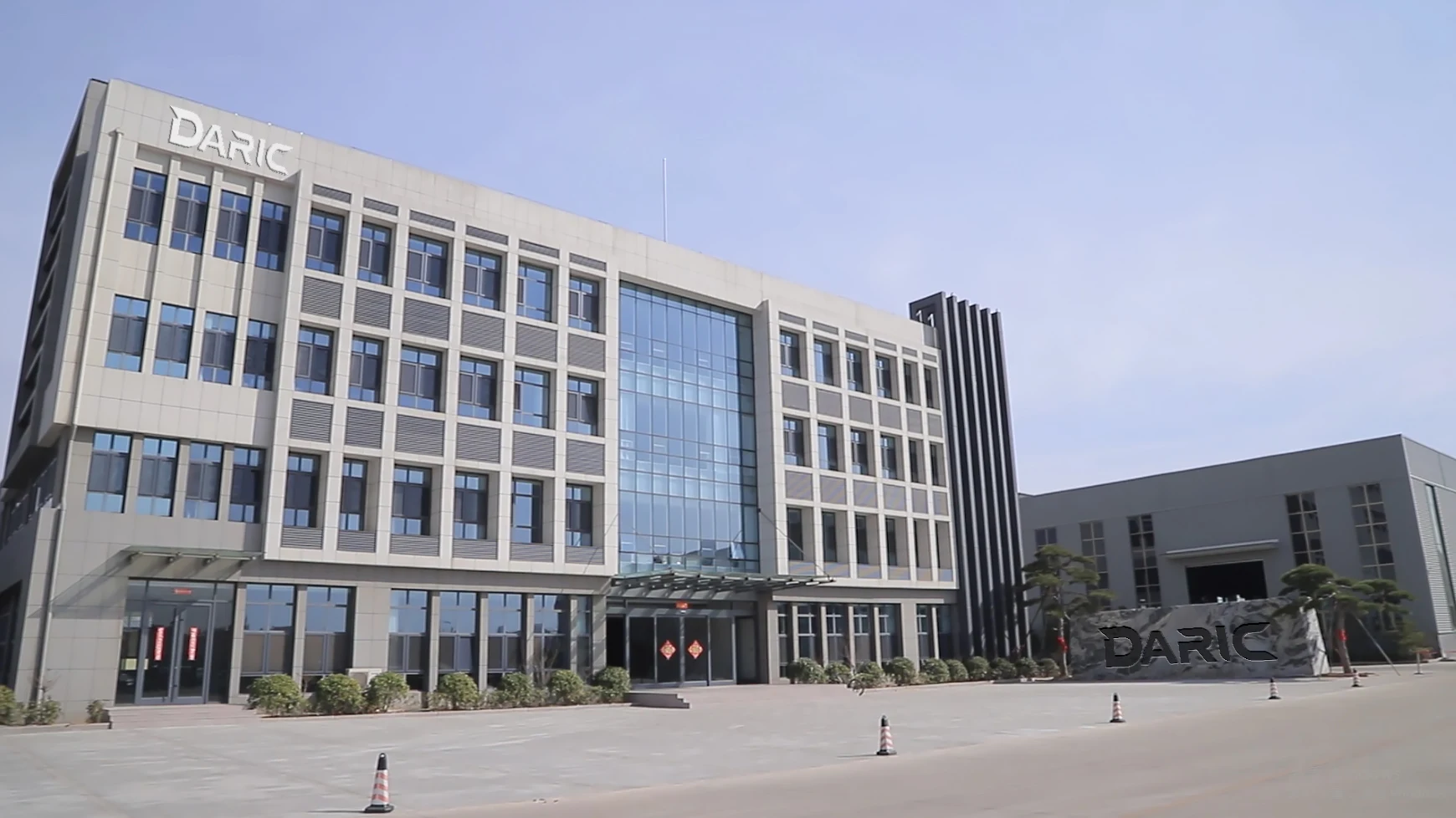
Jining Daric Machinery Co., Ltd.
- Trading Company
- Shandong, China
- Lead time10 days
- Avg. response≤ 2h
Main productsLoader,Excavator,Forklift,Lawn mower,Large construction machinery
Main marketsNorth America(25.00%), Eastern Europe(15.00%), South America(10.00%), Africa(10.00%), Western Europe(10.00%), Southern Europe(10.00%), Oceania(5.00%), Eastern Asia(5.00%), Central America(5.00%), South Asia(5.00%)
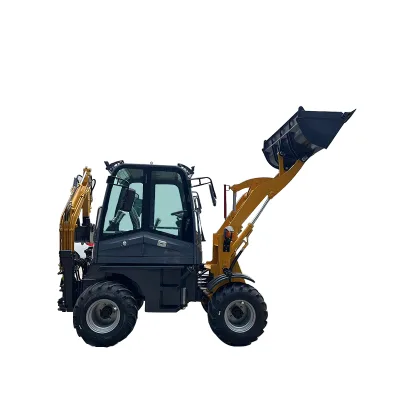
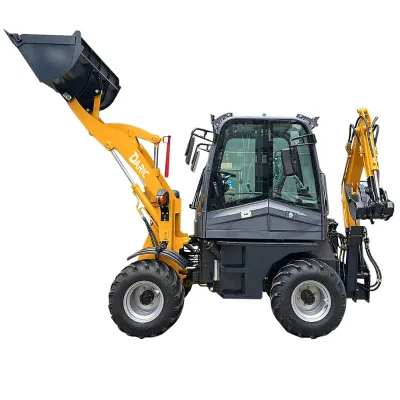
$2000.00 - $2350.00
MOQ: 1 units
Chenggang Machinery Laizhou Co., Ltd.
- Verified by SGS Group
- Trading Company
- Shandong, China
- Lead time18 days
- Avg. response≤ 6h
Main productsWheel Loader, Forklift, Mini Skid Steer, Excavator, Backhoe Loader
Main marketsSoutheast Asia(61%), Eastern Europe(14%), Oceania(8%)
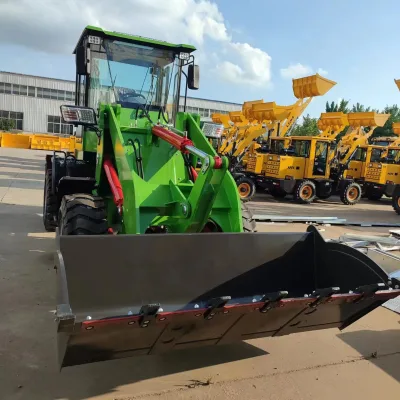
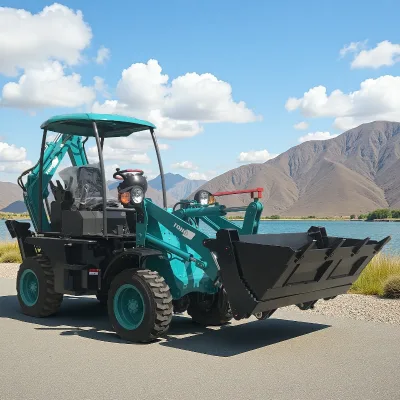
Four Wheel Drive Mini Backhoe Loader Good Price Chinese YUCHAI Engine Backhoe for Sale
$8122.6681 - $16245.3363
MOQ: 1 units
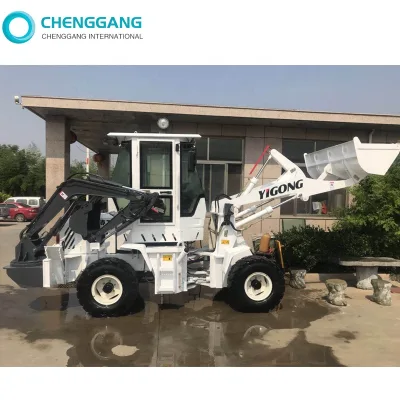
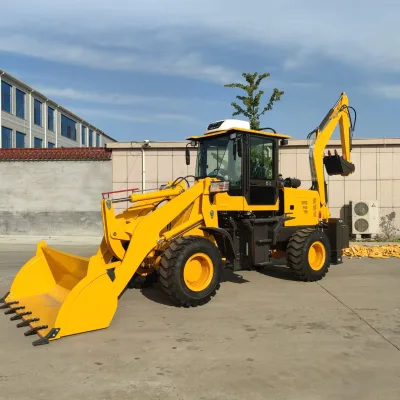
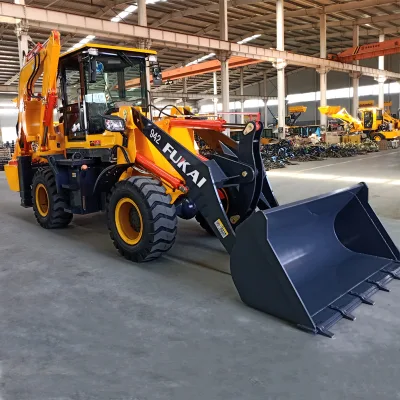
Chinese High Quality Mini Tlb Machine Loader Backhoe Cheap Price
$9200.00 - $10200.00

Shanghai YingXin World Machinery Co., Ltd.
- Verified by BV
- Trading Company,Manufacturer/Factory
- China Shanghai
- Lead time23 days
- Avg. response≤ 2h
Main productsPower Press, Press Machine, Roller Feeder, Bending Machine, Shearing Machine, Punching Machine, Cutting Machine, Wheel Loader, Harvester, Excavator
Main marketsSouth America,Eastern Europe,Mid East,North America,Southeast Asia,Eastern Asia,Oceania,Western Europe,Africa

Jining Furuide Machinery Manufacturing Co., Ltd.
- Verified by TUVRHEINLAND
- Combined
- China Shandong
- Lead time23 days
- Avg. response≤ 4h
Main productsRoad Roller, Concrete Screed, Light Tower, Concrete Cutter, Plate Compactor, Concrete Trowel Machine
Main marketsAfrica,Europe

Shandong Nuote Machinery Co., Ltd.
- Verified by SGS
- Combined
- China Shandong
- Lead time15 days
- Avg. response≤ 8h
Main productsExcavator, Skid Steer Loader, Backhoe Loader, Tractor, Forklift
Main marketsSouth America,Africa,Southeast Asia/ Mideast,East Asia(Japan/ South Korea),Europe,Australia,North America
Jining Qingke Machinery Co., Ltd.
- Manufacturer, Trading Company
- Lead time旺季: "1 - 1":7,"> 1":"To be negotiated", 淡季: "1 - 1":7,"> 1":"To be negotiated"
- Avg. response≤ 4h
Main productsExcavator, Forklift, Skid Steer Loader, Tricycle, Road Roller
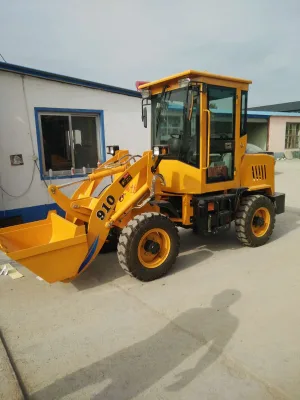
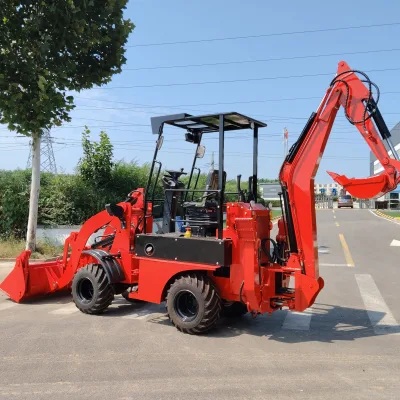
Hot Selling High Quality Small Backhoe Loader Engine Backhoe Excavator Loader
$2000.00 - $3000.00
MOQ: 1 sets
Shandong Luyu International Trade Co. Ltd
- Verified by TüVRheinland
- Trading Company
- Lead time30 days
- Avg. response≤ 4h
Main productsWheel Loaders, Mini Excavators, Backhoe Loaders, Tractors, Wheel Excavators
Main marketsSouth America(30%), Southeast Asia(20%), Eastern Europe(15%)
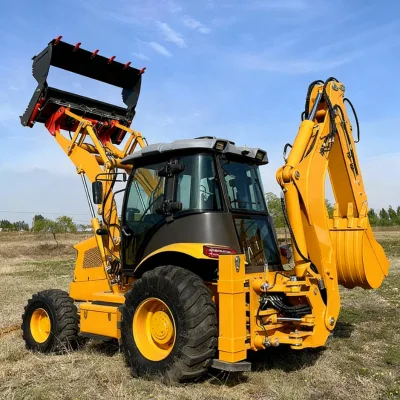
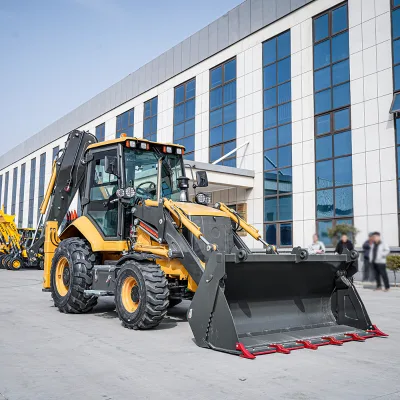
$32489.6448 - $32900.9191
MOQ: 1 sets
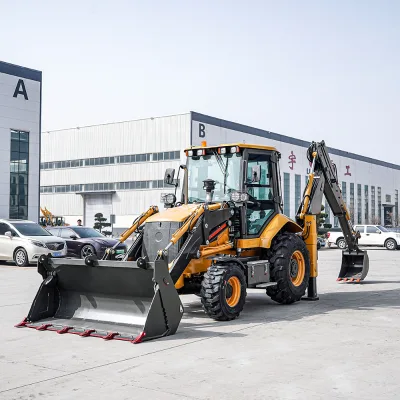
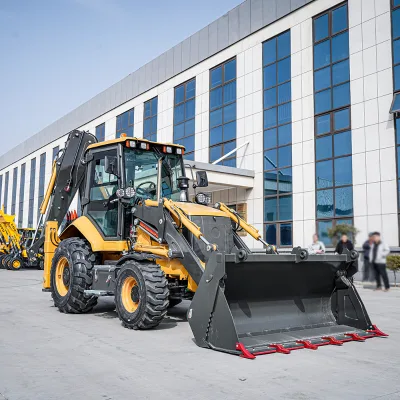
$32444.7364 - $32855.4422
MOQ: 1 sets
Jining Hengwang Mining Machinery Co., Ltd.
- Verified by SGS Group
- Manufacturer, Trading Company
- Lead time14 days
- Avg. response≤ 3h
Main productsWater Well Drill Rig, Core Drill Rig, DTH Drilling Rig, Hydraulic Drilling Rig, Pile Driver
Main marketsSouth America(25%), Eastern Europe(20%), Africa(20%)
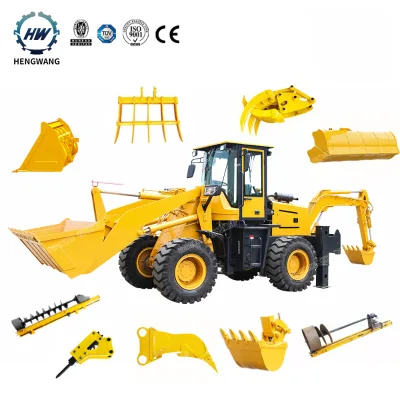
Mini Wheel 2.5ton 3ton Backhoe Loader Supplier Wheel Loader Price
$10000.00 - $15000.00
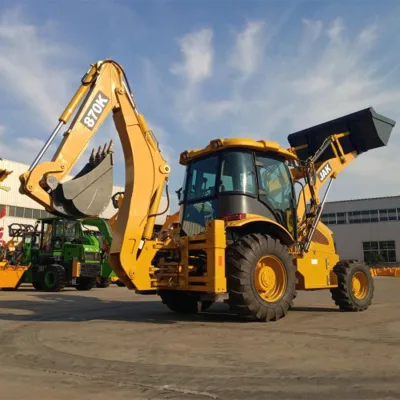
TLB Backhoe Loader Backhoe Tractor Loader and Excavator TLB for Sale
$10000.00 - $11000.00


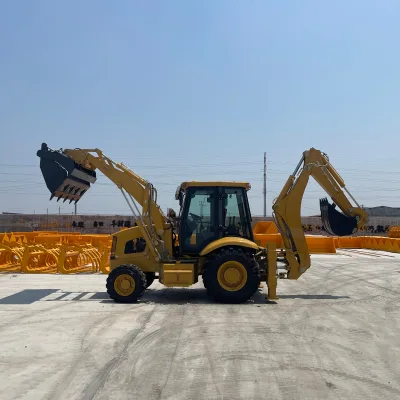
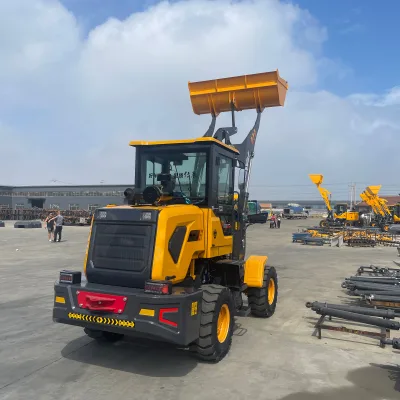


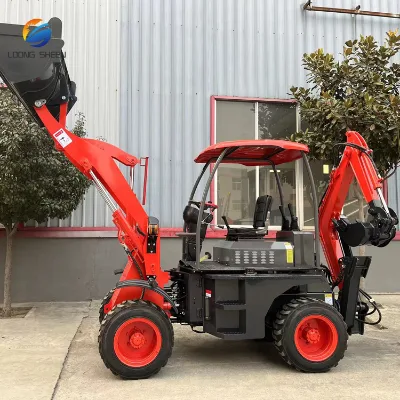
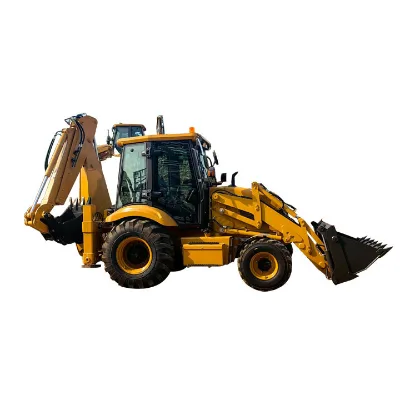




Comprehensive Sourcing Guide
Diesel Mini Backhoe Loader Supplier Concentration and Factory Types
The current supplier landscape for diesel mini backhoe loaders reveals a distinct split between manufacturing entities and trading companies, each offering different value propositions for international buyers. Evidence indicates that a significant portion of the available suppliers are classified as manufacturers or factories, primarily located in China, specifically within the Shandong province. These facilities are equipped to handle original equipment manufacturing (OEM) and original design manufacturing (ODM) requests, allowing buyers to customize specifications such as engine brands, hydraulic systems, and bucket capacities. The presence of these factories suggests a concentrated industrial cluster in Shandong, which is known for its heavy machinery production capabilities. Buyers seeking direct factory pricing and the ability to tailor machine specifications to specific operational needs should prioritize these manufacturing entities. The concentration in this region often implies established supply chains for core components like hydraulic pumps and cylinders, which can lead to more consistent build quality and potentially faster production cycles for customized orders.
In contrast, trading companies also populate the search results, offering a different set of advantages and limitations. These entities typically act as intermediaries, aggregating products from various sources rather than producing them in-house. While they may not have the same level of direct control over the manufacturing process as factories, they often provide broader product ranges, including related items like cement mixer trucks, concrete pumps, and tracked carriers. This diversification can be beneficial for buyers looking to consolidate multiple equipment purchases into a single order. However, trading companies may have less visibility into the actual production quality and lead times compared to direct manufacturers. The verification status of these suppliers varies, with some holding third-party verification from agencies like BV, while others may have different or no displayed verification credentials. Buyers must carefully distinguish between these supplier types to align their procurement strategy with their specific needs for customization, volume, and supply chain transparency.
How to Verify Diesel Mini Backhoe Loader Suppliers
Verifying the credibility and operational capacity of Diesel Mini Backhoe Loader suppliers requires a multi-layered approach that goes beyond simple profile reviews. One critical step is to examine the verification badges and certifications displayed on supplier profiles. For instance, some manufacturers hold ISO 9001, ISO 14001, and other quality management certifications, which indicate a structured approach to production and environmental management. Additionally, third-party verification services such as SGS or BV provide an external layer of trust, confirming that the supplier has undergone rigorous audits of their facilities and business practices. Buyers should prioritize suppliers with these verifications, as they offer a higher degree of assurance regarding the legitimacy of the business and the quality of their manufacturing processes. It is also important to check for specific product certifications like CE, RoHS, and TUV, which are often listed in product attributes and are essential for compliance in many international markets.
Beyond certifications, buyers should assess the supplier’s response time and communication efficiency, as these factors can significantly impact the sourcing process. Data shows that some suppliers have response times around 2.6 to 2.7 hours, which is a positive indicator of their operational readiness and customer service commitment. Fast response times often correlate with better project management and quicker resolution of technical queries. Furthermore, buyers should request detailed product evidence, including machine test reports, video outgoing inspections, and specific technical specifications such as engine brands, hydraulic pump manufacturers, and rated load capacities. Suppliers that provide comprehensive documentation and are transparent about their core components, such as using Kyb or famous brand hydraulic parts, demonstrate a higher level of professionalism. Buyers should also verify the supplier’s ability to provide warranty terms for core components, with some offering two-year warranties, which reflects confidence in their product durability.
What to Compare Across Diesel Mini Backhoe Loader Suppliers
When evaluating multiple suppliers for diesel mini backhoe loaders, buyers must systematically compare key operational and commercial metrics to identify the most suitable partner. One of the most critical factors is the lead time, which can vary significantly between manufacturers and trading companies. Some suppliers indicate a lead time of approximately 15 days, which is a crucial detail for project planning and inventory management. Buyers should also compare the minimum order quantity (MOQ) requirements, as some suppliers offer an MOQ of just one unit, making them ideal for small-scale projects or trial orders, while others may have higher thresholds. Additionally, the price range is a significant differentiator, with some models priced between $1,900 and $4,570, while others, such as larger or more specialized units, may range from $8,900 to $10,899. Buyers should align their budget with the specific technical requirements of the machine, ensuring that the price reflects the included features and quality standards.
Another important aspect to compare is the customization options and technical specifications offered by each supplier. Some manufacturers allow for extensive customization, including the choice of engine brands, hydraulic systems, and bucket capacities, which can be tailored to specific operational needs. Buyers should also compare the warranty terms for core components, with some suppliers offering two-year warranties, which provides long-term protection against defects. Furthermore, the type of transmission and walking mode, such as hydraulic or wheeled configurations, should be evaluated based on the intended application. Suppliers that provide detailed product attributes, such as machine weight, rated load, and hydraulic pump brands, enable buyers to make more informed decisions. By comparing these technical and commercial details across multiple suppliers, buyers can identify the best balance of cost, quality, and service for their specific procurement needs.
Common Diesel Mini Backhoe Loader Sourcing Risks
Sourcing diesel mini backhoe loaders from international suppliers involves several potential risks that buyers must proactively manage to ensure a successful procurement process. One significant risk is the variability in product quality and compliance with international standards. While some suppliers display certifications like CE and ISO, others may have limited or no displayed certifications, which can raise concerns about the machine’s safety and regulatory compliance in the buyer’s home market. Buyers must verify that the equipment meets the specific emission standards, such as Euro5 or EPA requirements, which are often listed in product attributes. Failure to ensure compliance can result in customs delays, fines, or operational issues. Additionally, the risk of receiving machines with substandard core components, such as hydraulic pumps or engines, is a concern if the supplier does not provide transparent information about the brands and origins of these parts.
Another common risk is the discrepancy between quoted prices and final costs, including shipping, insurance, and import duties. Some suppliers may offer low initial prices, such as $1,900, but these may not include all necessary services or may be subject to change based on order volume or customization requirements. Buyers should also be cautious of suppliers with vague or missing product specifications, such as undefined bucket capacities or machine weights, which can lead to misunderstandings and dissatisfaction upon delivery. Furthermore, the risk of delayed shipments is a concern, especially if the supplier has a long lead time or poor communication history. Buyers should establish clear communication channels and request regular updates on production status to mitigate this risk. By identifying and addressing these potential pitfalls early in the sourcing process, buyers can protect their interests and ensure a smoother transaction.
Diesel Mini Backhoe Loader Regional Sourcing and Logistics
The regional concentration of Diesel Mini Backhoe Loader suppliers, particularly in China’s Shandong province, offers both advantages and logistical considerations for international buyers. Shandong is a major hub for heavy machinery manufacturing, providing access to a wide range of suppliers and established supply chains for raw materials and components. This concentration can lead to competitive pricing and a variety of options for buyers. However, buyers must also consider the logistical implications of sourcing from this region, including shipping routes, port availability, and transit times. Most suppliers offer standard packing methods, such as container shipping or flat rack containers, which are suitable for transporting large machinery. Buyers should work closely with their suppliers to determine the most efficient shipping method based on the machine’s dimensions and weight, ensuring that the equipment is securely packed and protected during transit.
In addition to shipping, buyers must navigate the complexities of international trade regulations and import procedures. Different countries have varying requirements for machinery imports, including customs duties, taxes, and safety inspections. Buyers should ensure that their suppliers provide all necessary documentation, such as commercial invoices, packing lists, and certificates of origin, to facilitate smooth customs clearance. Furthermore, buyers should consider the availability of local service and support in their home country, as this can impact the long-term maintenance and repair of the equipment. Some suppliers may offer assistance in finding local distributors or service partners, which can be a valuable resource. By carefully planning the logistics and regulatory aspects of their sourcing strategy, buyers can minimize disruptions and ensure that their diesel mini backhoe loaders are delivered and operational as quickly as possible.
Diesel Mini Backhoe Loader Commercial Terms and Order Planning
Effective order planning for diesel mini backhoe loaders requires a thorough understanding of the commercial terms and payment structures offered by suppliers. Many suppliers provide flexible payment options, including trade assurance or escrow services, which protect buyers by holding funds until the goods are received and verified. This is particularly important for first-time buyers or those sourcing from new suppliers, as it reduces the risk of fraud or non-delivery. Buyers should also clarify the warranty terms, with some suppliers offering two-year warranties for core components, which provides long-term protection against manufacturing defects. Additionally, buyers should negotiate clear terms for after-sales support, including the availability of spare parts and technical assistance, to ensure the machine remains operational throughout its lifecycle.
Another critical aspect of order planning is the alignment of production schedules with project timelines. Buyers should confirm the lead time with the supplier, which can range from 15 days for standard models to longer periods for customized orders. It is also important to discuss the packaging and loading details, as improper packing can lead to damage during transit. Some suppliers offer specific packing solutions, such as 20GP or 40HQ containers, which should be selected based on the machine’s size and the buyer’s shipping preferences. By establishing clear commercial terms and planning the order process meticulously, buyers can ensure a smooth transaction and receive their diesel mini backhoe loaders in optimal condition. This proactive approach helps to mitigate risks and ensures that the procurement process meets the buyer’s operational and financial requirements.
FAQs
What is the price range for mini backhoe loaders?
Prices for mini backhoe loaders range from $1,900 to $9,300 depending on specifications. Some models are listed at $2,010 while others reach $10,899. Buyers should check specific product listings for exact pricing based on engine type, load capacity, and customization options available from suppliers.
What is the minimum order quantity for these machines?
The minimum order quantity is typically one unit for mini backhoe loaders. This allows buyers to purchase single machines for testing or immediate operational needs. Suppliers generally accept small orders, making it easier for businesses to acquire equipment without committing to large bulk purchases initially.
How long does delivery take after ordering?
The standard lead time for these machines is 15 days. This timeframe allows manufacturers to prepare the equipment for shipment. Buyers should confirm specific delivery schedules with suppliers, as production capacity and shipping logistics may affect the exact arrival date at the destination port or site.
Are these loaders certified for international markets?
Many mini backhoe loaders come with CE, RoHS, ISO, and TUV certifications. These credentials ensure compliance with international safety and quality standards. Buyers should verify specific certification documents provided by suppliers to ensure the equipment meets regulatory requirements in their target market or region of operation.
What warranty is provided for core components?
A two-year warranty is typically provided for core components of these loaders. This coverage protects buyers against defects in critical parts like hydraulic systems and engines. Buyers should review the specific warranty terms offered by each supplier to understand the scope of coverage and claim procedures.
Can suppliers customize the mini backhoe loaders?
Customization is available for many mini backhoe loader models. Suppliers offer options for engine brands, hydraulic systems, and other specifications to meet specific operational needs. Buyers should discuss their requirements with suppliers to ensure the customized equipment aligns with their project specifications and performance expectations.