Source Diesel Telescopic Wheel Loader for Construction, Mining, and Agriculture
Find 30 Diesel Telescopic Wheel Loader options with hydraulic transmission and CE/ISO certifications. Compare models like T3000 and SCZ35-4, featuring rated loads from 1-6t and Yuchai or Yunnei engines for diverse industrial applications; compare the available evidence and request quotations based on your requirements.
Updated
Key considerations
Products List


Telehandler Forklift (3.5 tons telescopic forklift, 6M telescopic wheel loader)
$30000.00 - $50000.00
MOQ: 1 Sets


Loaders Wheel Small Garden Telescopic Wheel Loader High Quality Wheel Loader
$20000.00 - $30000.00
MOQ: 1 Pieces
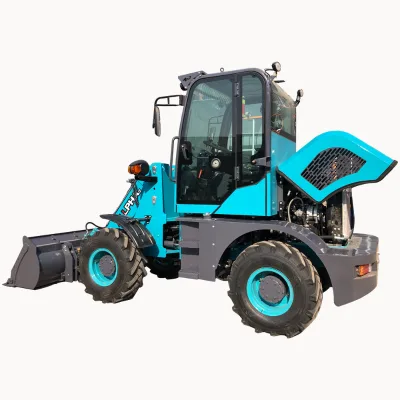
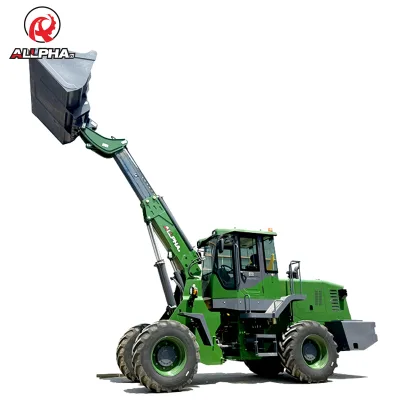
telescopic wheel loader y exclavador 3ton telescopic handle loader telescopic boom mini loader
$18507.3451 - $19021.438
MOQ: 1 units

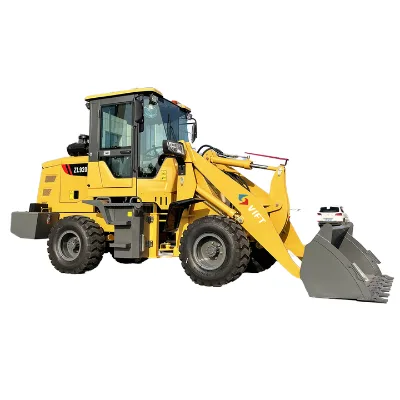

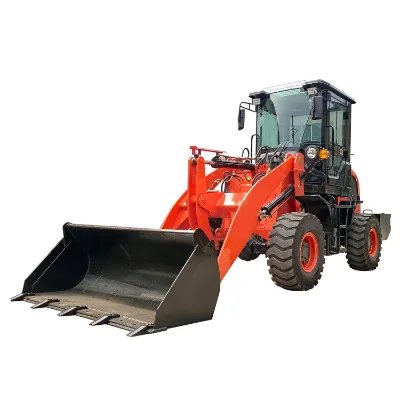


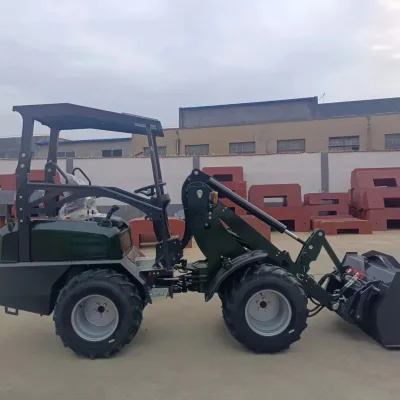
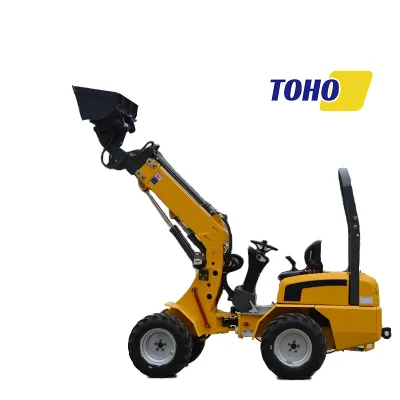
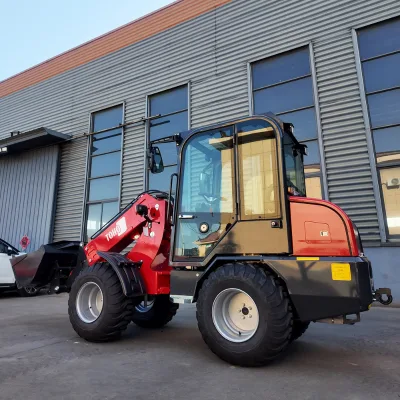


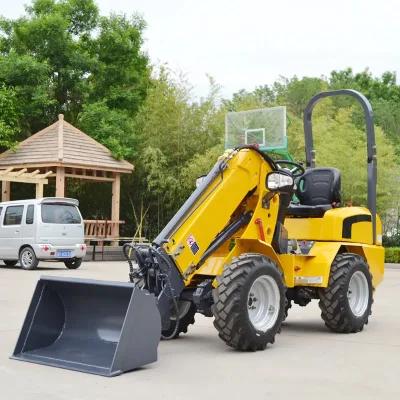
Factory Telescopic Wheel Loader Diesel 4x4 Loader Telehandler Small Wheel Loaders
$6432.1657 - $7780.8456
MOQ: 1 sets
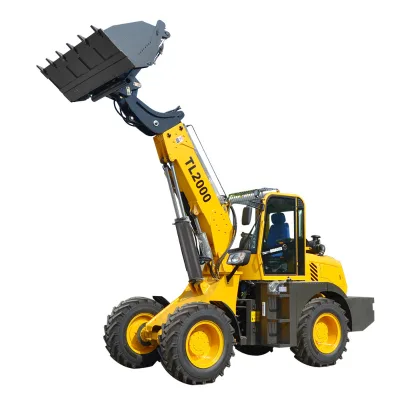
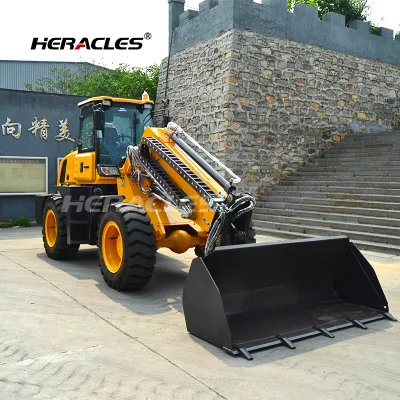
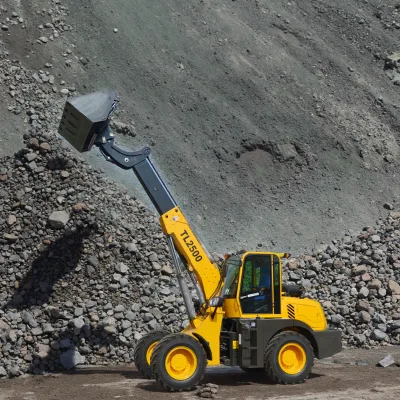


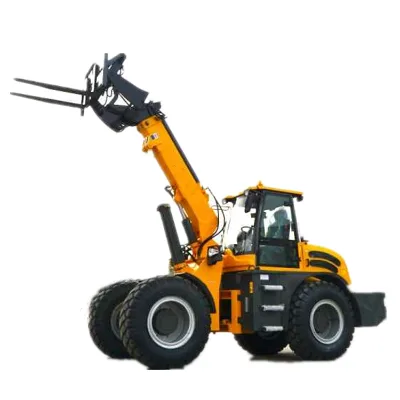
Comprehensive Sourcing Guide
Diesel Telescopic Wheel Loader Sourcing Guide
Procurement of diesel telescopic wheel loaders requires careful alignment between operational needs and the specific technical configurations observed in the current market. Buyers should prioritize units that explicitly list hydraulic transmission systems, as these are the dominant configuration for the 3-6 ton rated load range found in available listings. The presence of a diesel engine is a standard requirement, with specific brands like Yuchai and Weichai appearing in verified product data, ensuring reliable power delivery for heavy-duty lifting tasks.
When evaluating potential inventory, it is critical to distinguish between standard wheel loaders and specialized telescopic models based on lift height and reach capabilities. The observed market data indicates lift heights exceeding 5000mm, which is essential for applications requiring elevated material placement. Buyers must verify that the specific model, such as the SCZ35-4 or T3000 series, matches the required load center of 500mm to ensure stability during operation, as exceeding these parameters can compromise safety and machine integrity.
Product Scope and Observed Listing Signals
The current product landscape for diesel telescopic wheel loaders features a diverse range of capacities, typically spanning from 1 ton to 5 tons of load capacity. Listings frequently highlight a front discharge mode, which is a key operational feature for efficient material handling in confined spaces. The color schemes observed are predominantly green or green and white, reflecting standard industrial aesthetics, while the condition of available units is consistently listed as new, ensuring immediate operational readiness for new projects.
Buyers must scrutinize the specific model identifiers and packing methods to avoid logistical mismatches during shipping. The market data reveals variations in packing standards, ranging from bulk and nude shipments to specific container requirements like 20gp or 40hq. Understanding these logistical details is vital for accurate cost estimation, as the machine weight can vary significantly, with some units weighing up to 9200 kg, necessitating specialized transport arrangements that differ from standard palletized cargo.
Technical Specifications to Verify
Technical verification must begin with the engine and hydraulic system specifications, as these components dictate the machine's performance and longevity. The observed data points to core components including pressure vessels, engines, gears, and motors, with hydraulic pump brands often listed generically as "China." Buyers should insist on detailed specifications for the engine brand, such as Yuchai or Yunnei, and confirm the power output, which ranges from 37 KW to 92 KW, to ensure the machine can handle the intended workload without overheating or stalling.
Lift height and load capacity are the most critical performance metrics that require strict validation against project requirements. While some listings specify a lift height greater than 5000mm, others may have different configurations, so buyers must confirm the exact maximum lift height for the specific model number. Additionally, the rated load capacity, which varies between 1-3 tons and 3-6 tons, must be matched precisely to the material being handled, ensuring the load center remains within the safe 500mm limit to prevent tipping or structural failure.
Compliance and Safety Documentation
Compliance with international safety standards is non-negotiable when sourcing heavy machinery for global operations. The available product data confirms that many units carry CE and ISO certifications, which are essential for market entry in Europe and other regulated regions. Buyers should request valid certification documents for each unit, ensuring that the specific model has undergone the necessary testing to meet these standards, as the absence of these documents can lead to customs delays or legal liabilities in the destination country.
Beyond general certifications, specific safety documentation regarding the hydraulic system and structural integrity must be reviewed. The presence of TUV and RoHS certifications in some listings indicates a higher level of compliance with environmental and safety regulations. Procurement teams should verify that the warranty period, typically listed as one year, covers critical components like the engine and hydraulic pump, and that the supplier provides a comprehensive manual detailing safety protocols for operation and maintenance to ensure worker safety.
Cost Drivers and Commercial Terms
The pricing for diesel telescopic wheel loaders is influenced by a complex mix of specifications, including engine power, lift height, and brand reputation. The observed price range in the market spans from approximately 2,299 USD to 52,000 USD, reflecting the vast difference between smaller mini loaders and larger, high-reach models. Buyers must understand that the lowest price often corresponds to basic configurations with standard engines, while higher prices reflect advanced hydraulic systems, larger capacities, and premium brand components like Weichai engines.
Commercial terms such as Minimum Order Quantity (MOQ) and lead times are equally critical factors in the total cost of ownership. The current market data indicates an MOQ of 1 unit, offering flexibility for buyers who need to replace a single machine or test a new supplier. However, buyers should negotiate clearly on payment terms and delivery schedules, as the origin of the machines, primarily from China or Wuhan, can impact shipping costs and lead times, which are not explicitly stated but are inherent variables in international trade.
Supplier Qualification and Quality Control
Supplier qualification should focus on the ability to provide verifiable proof of product standards and manufacturing capabilities. The observed listings reference standards such as SGS and specific model numbers like T4500-9m, which serve as indicators of a supplier's catalog depth. Buyers must verify that the supplier can provide third-party inspection reports for the core components, ensuring that the hydraulic pumps, engines, and gear systems meet the claimed specifications before the goods leave the factory.
Quality control processes must extend beyond the initial inspection to include pre-shipment testing and documentation. Buyers should require a detailed checklist that confirms the machine's condition, including the hydraulic system's functionality and the structural integrity of the frame. The presence of unique selling points like a "fully hydraulic system" should be validated through performance tests, ensuring that the machine operates smoothly under load and that the warranty terms are enforceable in the buyer's jurisdiction.
Long-Term Procurement Checks
Long-term procurement success depends on establishing a reliable supply chain for spare parts and ongoing technical support. Buyers should verify the availability of critical spare parts, such as hydraulic pumps and engine components, directly from the manufacturer or authorized distributors. The warranty period of one year is a baseline, but suppliers with a robust network for parts delivery can significantly reduce downtime and maintenance costs over the life of the machine, ensuring continuous operational efficiency.
Finally, buyers must plan for the eventual end-of-life management and potential upgrades of the equipment. The observed data suggests a variety of models, from the T3000 to the Y3500-9m, indicating a need for a standardized approach to fleet management. Establishing a relationship with a supplier who offers training and technical support can help maximize the machine's lifespan, while keeping abreast of new models and technological advancements ensures that the procurement strategy remains competitive and aligned with evolving industry standards.
FAQs
What is the rated load capacity for these diesel wheel loaders?
The rated load capacity ranges from 1 to 6 tons depending on the specific model selected. Options include small loaders with 1-3t capacity and larger units rated for 3-6t. This variation allows buyers to choose equipment that matches their specific material handling requirements and site constraints effectively.
Can these machines be customized for specific operational needs?
Yes, customization is available for these diesel telescopic wheel loaders. Buyers can request specific modifications to suit unique job site conditions or operational workflows. This flexibility ensures that the machinery aligns precisely with the user's requirements, enhancing overall efficiency and performance in diverse industrial environments.
What certifications do these loaders hold for international compliance?
These loaders hold CE, ISO, RoHS, and TUV certifications. These credentials ensure compliance with international safety and quality standards. The presence of SGS standards further validates the manufacturing quality. Buyers can rely on these certifications for regulatory compliance in various global markets, ensuring safe and reliable operation.
What is the typical warranty period for these machines?
The typical warranty period is one year. This coverage provides buyers with assurance regarding the machine's reliability and manufacturer support. It covers core components such as the engine, pump, and pressure vessel. This standard warranty helps mitigate initial investment risks and ensures long-term operational confidence for the purchaser.
How is the power system configured in these loaders?
The power system utilizes a diesel engine, with brands like Yuchai and Yunnei commonly used. The transmission is hydraulic or hydraulic-mechanical, ensuring efficient power delivery. Some models feature a fully hydraulic system for enhanced control. This configuration supports robust performance in demanding construction and material handling tasks.
What are the packaging options for shipping these loaders?
Packaging options include bulk, nude, and containerized shipping in 20gp or 40hq containers. The choice depends on the specific model and buyer preference. Bulk and nude packing are common for larger units, while containerized options offer protection for smaller loaders. This flexibility helps optimize logistics costs and shipping efficiency.