Automotive Repair Fuel Injector Suppliers and Manufacturers
Source Automotive Repair Fuel Injector options from 24 verified suppliers in China. Compare key dimensions including location, response time, lead time, and certifications to identify suitable partners for your procurement needs; review the available evidence before requesting comparable quotations from suitable candidates.
Updated
Suppliers List

Jinan Aurora International Trade Co., Ltd.
- Verified by SGS
- Trading Company
- China Shandong
- Lead time15 days
- Avg. response≤ 10h
Main productsTruck Parts, Infrared Thermal Imaging Devices, Handheld Thermal Cameras, Laser Distance Meters, Laser Rangefinder Modules, Industrial Thermal Imaging Solutions, Precision Measurement Instruments, OEM & ODM Electronic Products
Main marketsEurope

Fuzhou Ruida Machinery Co., Ltd.
- Verified by TUVRHEINLAND
- Trading Company,Manufacturer/Factory
- China Fujian
- Lead time120 days
- Avg. response≤ 4h
Main productsDiesel Fuel Injector, Fuel Injector Nozzle, Head Rotor, Control Valve, Plunger Element, Common Rail Valve, Delivery Valve, Fuel Injector Pumps, Repair Kit, Pressure Sensor
Main marketsSouth America,North America,Southeast Asia,Oceania,Africa

Shanghai Yonghengsheng Industrial Co., Ltd
- Verified by TUVRHEINLAND
- Trading Company
- China Shanghai
- Lead time15 days
- Avg. response≤ 3h
Main productsGenerator, Control Cabinet, Transformer, Generater Parts, Transformer Core, Portable Generator, Containerized Diesel Generator, PLC Control Cabinet, Variable Frequency Control Cabinet, Explosion Prevent Cabinet
Main marketsAfrica,Southeast Asia/ Mideast,East Asia(Japan/ South Korea),Domestic

ZHEJIANG MASTER INJECTION SYSTEM CO., LTD.
- Verified by BV
- Combined
- China Zhejiang
- Lead time30 days
- Avg. response≤ 20h
Main productsFuel Pump, Fuel Pump Module, Motorcycle Fuel Pump, Motorcycle Fuel Pump System, Vvt Variable Valve Timing, Ocv Oil Control Valve, Vvt Solenoid, Electric Fuel Pump, Gasoline Fuel Pump, Fuel Pump Factory
Main marketsSouth America,Africa,Southeast Asia/ Mideast,Europe,North America

Boten Testing Equipment (Suzhou) Co., Ltd.
- Verified by SGS
- Combined
- China Jiangsu
- Lead time15 days
- Avg. response≤ 4h
Main productstest bench
Main marketsSouth America,Africa,Southeast Asia/ Mideast,East Asia(Japan/ South Korea),Domestic,Europe,Australia,North America

Shijiazhuang Jinhengfeng Import And Export Trading Co., Ltd.
- Verified by BV
- Trading Company
- China Hebei
- Lead time15 days
- Avg. response≤ 3h
Main productsHardware Tools, Auto Parts, Diamond Tool, Spinning and Weaving, Saw Blade, Abrasive Tools, Bit, Hole Saws, Tct Saw Blades, Milling Cutters
Main marketsSouth America,Africa,Southeast Asia/ Mideast,Europe,North America
Taian Dongtai Machine Manufacturing Co., Ltd.
- Manufacturer, Trading Company
- Lead time旺季: "1 - 4":15,"> 4":"To be negotiated", 淡季: "1 - 4":15,"> 4":"To be negotiated"
- Avg. response≤ 3h
Main productsinjection pump,injector,nozzle,plungr,air compressor
Ningbo Fenghua Gogo Automatic Trading Company Limited
- Trading Company
- Zhengjia, China
- Lead time3 days
- Avg. response≤ 7h
Main productsPneumatic Parts, Hhydraulic Parts, Auto Parts, Valve, Pump
Main marketsEastern Europe(20.00%), Southeast Asia(20.00%), South America(15.00%), North America(10.00%), Western Europe(7.00%), Southern Europe(6.00%), Eastern Asia(5.00%), Northern Europe(5.00%), Mid East(4.00%), South Asia(3.00%), Oceania(3.00%), Africa(2.00%)

Guangzhou Zhaoan Auto Parts Co., Ltd.
- Trading Company
- China Guangdong
- Lead time15 days
- Avg. response≤ 2h
Main productsFuel Pump, Injector, Fuel Injector Nozzle, Brake Pad, Cylinder Block, Cylinder Head, Head Lamp
Main marketsSoutheast Asia/ Mideast,Domestic,North America
Ruian Lihai International Trade Co., Ltd.
- Trading Company
- Zhejiang, China
- Lead time0 days
- Avg. response≤ 3h
Main productsMotorcycle ignition switch,sensors,fuel injector nozzle,ignition coil,fuel pump
Main marketsSouth America(50.00%), Mid East(20.00%), Domestic Market(8.00%), North America(5.00%), Western Europe(5.00%), Africa(5.00%), Southeast Asia(5.00%), Northern Europe(2.00%)
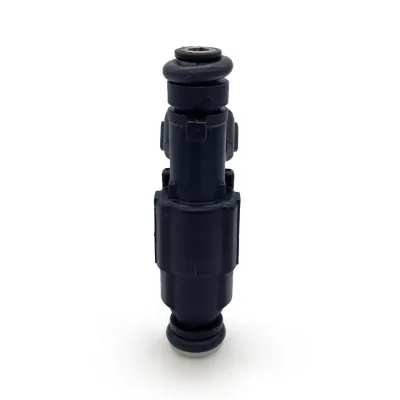
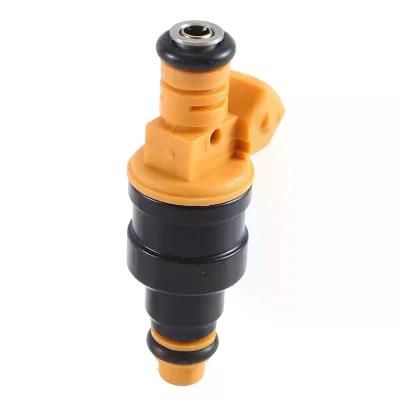
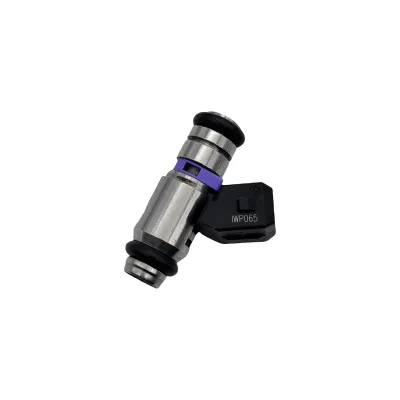
High Performance Fuel Injectors Fuel Injector Nozzle for Fia-t OEM IWP-065 IWP065
$4.08 - $4.52
MOQ: 100

Hubei Diyue Auto Parts Co., Ltd.
- Verified by SGS
- Trading Company
- China Hubei
- Lead time15 days
- Avg. response≤ 2h
Main productsDiesel Engine Parts, Auto Spare Parts, Engine Assembly, Fuel Pump Oil Pump Doser Pump Urea Pump, Fuel Injector, Ecm & ECU, Filter Fleetguard, Turbocharger Holset, Sensor Nox Sensor Wiring Harness, Bearing Rocker Arm Tappet Valves
Main marketsEurope

Factory Direct Sale Industrial Repair Machine Diesel Power Engine Fuel Injector 0445120008
$72.00 - $82.00
MOQ: 1 Pieces


Good Performance Automotive Engine Parts Fuel Injector 0445120080 for Excavator
$65.00 - $75.00
MOQ: 1 Pieces

Replacement Parts Automotive Construction Machinery Diesel Engine Fuel Injector 0445110429
$85.00 - $95.00
MOQ: 1 Pieces
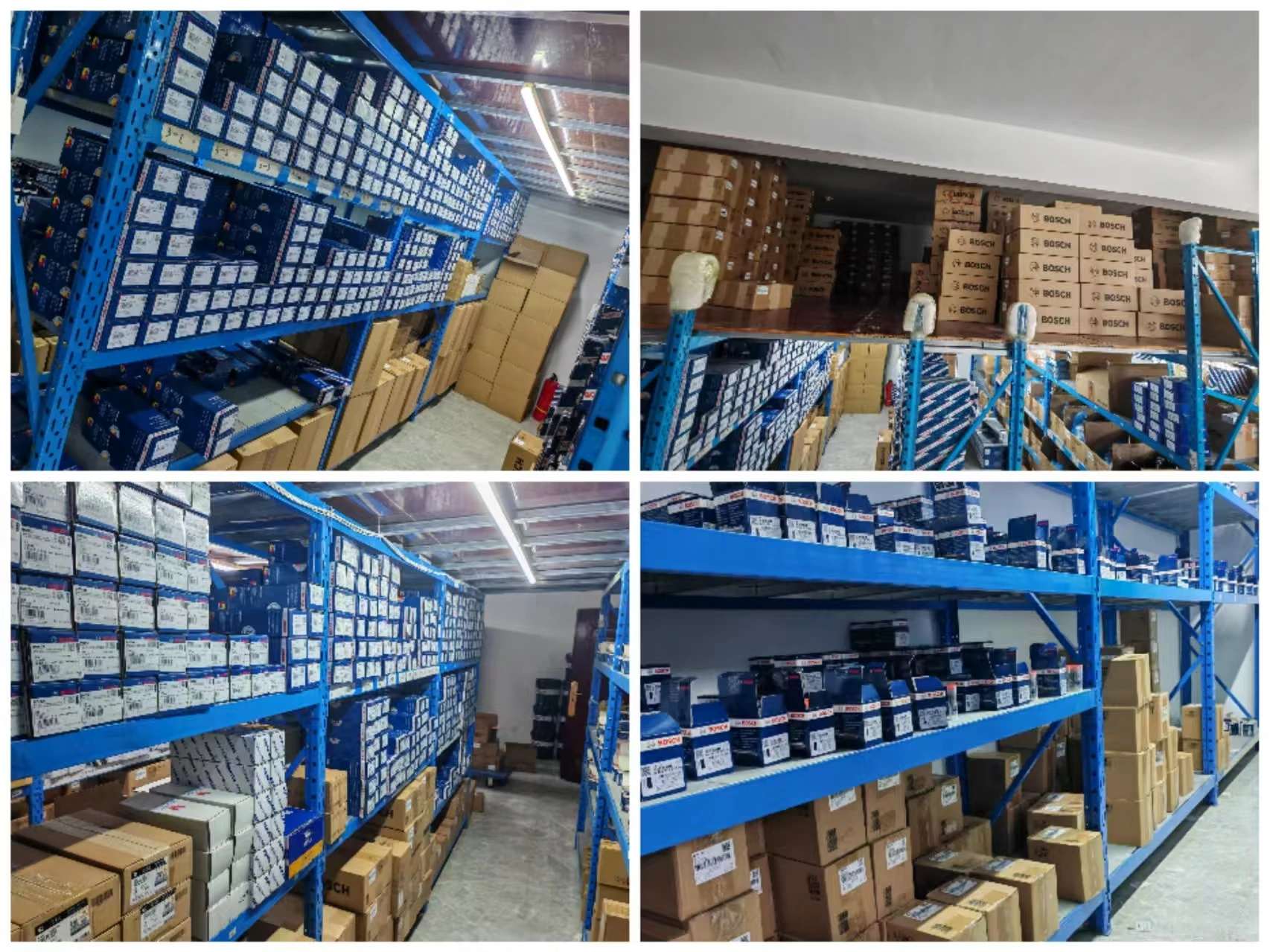
Henan Jinhuotong Import And Export Trade Co., Ltd.
- Trading Company
- Henan, China
- Lead time0 days
- Avg. response≤ 3h
Main productsValve Assembly,Control vavle,Nozzle,Control rail fuel injector,Fuel injector solenoid
Main marketsEastern Europe(30.00%), North America(20.00%), Mid East(15.00%), South America(10.00%), Africa(8.00%), Southern Europe(5.00%), Northern Europe(5.00%), Southeast Asia(5.00%), Domestic Market(2.00%)
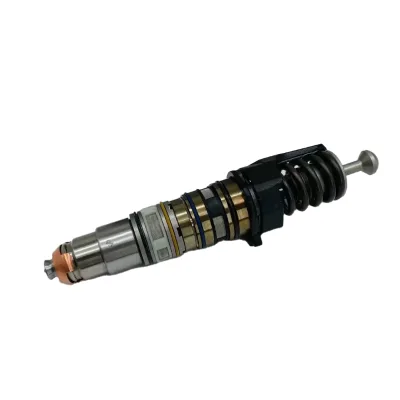
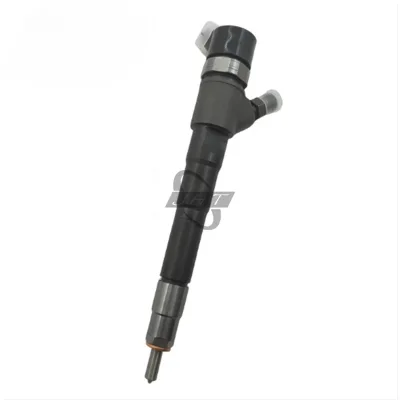
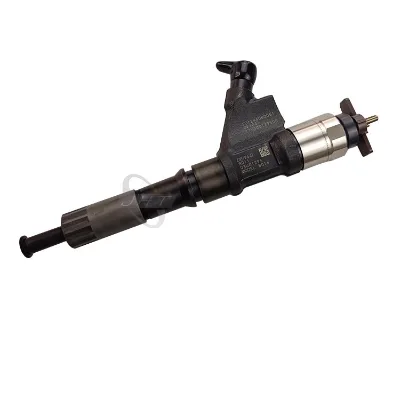
Hot Selling Original D-E-N-S-O Assembly diesel Fuel Pump Injector 8011 with High Quality
$180.00 - $300.00
MOQ: 1 pieces
Guangdong Fengye Automotive Technology Co., Ltd.
- Verified by Intertek
- Manufacturer, Trading Company
- Lead time0 days
- Avg. response≤ 3h
Main productsFuel Injector, Fuel Injection Pump, Common Rail Pipe, Control Valve
Main marketsDomestic Market(50%), South America(30%), Africa(20%)

Weifang Feiyang Machinery Equipment Co., Ltd.
- Verified by CTI
- Trading Company,Manufacturer/Factory
- China Shandong
- Lead time68 days
- Avg. response≤ 4h
Main productsWeichai Parts, HOWO Parts, Engine Parts, Piston, Crankshaft, Cylinder Liner, Filter, Pump, Turbocharger, Bearing
Main marketsEastern Europe,Mid East,North America,Southeast Asia,Eastern Asia,Western Europe,Africa

Diselon Fuel Systems (DG) Co., Ltd.
- Verified by SGS
- Combined
- China Guangdong
- Lead time15 days
- Avg. response≤ 2h
Main productsFuel Injector, Fuel Pump, Repair Kit, Spare Parts for Injector, Spare Parts for Pump, Repair Accessory
Main marketsDomestic

Diesel Fuel Injector for 21586290 High-Quality Diesel Engine Fuel Injector
$155.00 - $180.00
MOQ: 1 Pieces

232-1168 Fuel Injector for 3412 Fuel Injector High Efficiency Quality
$345.00 - $385.00
MOQ: 10 Pieces

Diesel Fuel Injection Injector 3081319 Fuel Injector High Standard Quality
$160.00 - $210.00
MOQ: 10 Pieces

Fuel Injection 4010160 Fuel Injector High Efficiency Operation Quality
$340.00 - $390.00
MOQ: 10 Pieces


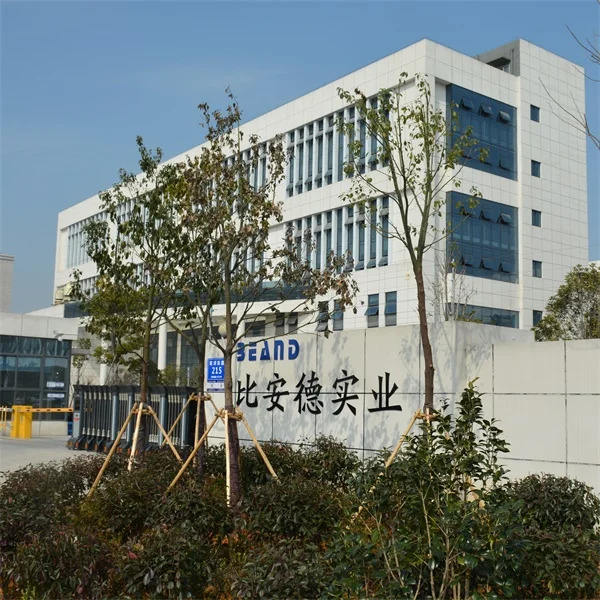
Ruian Beand Auto Parts Co., Ltd.
- Manufacturer, Trading Company
- Zhejiang, China
- Lead time30 days
- Avg. response≤ 13h
Main productsOIL COOLER,Alternator,Starter,INTERCOOLER,EGR COOLER
Main marketsEastern Europe(50.00%), Western Europe(30.00%), Northern Europe(10.00%), Domestic Market(5.00%), Southern Europe(5.00%)
Guangzhou Tang Pei Trading Co., Ltd.
- Verified by Intertek
- Trading Company
- Lead time3 days
- Avg. response≤ 4h
Main productsSensor, Injector, Control Valve, Ignition Coil, Air Flow Meter
Main marketsSouth America(23%), North America(22%), Southeast Asia(21%)

Taian Sunshine International Trading Co., Ltd.
- Trading Company
- Shandong, China
- Lead time40 days
- Avg. response≤ 3h
Main productsTest bench,Fuel Injector,Injector nozzle,Common rail pumps,Repair tools
Main marketsEastern Europe(22.00%), South America(20.00%), Mid East(10.00%), North America(10.00%), Southern Europe(6.00%), Domestic Market(5.00%), Oceania(5.00%), Central America(5.00%), Western Europe(5.00%), Eastern Asia(5.00%), Southeast Asia(5.00%), South Asia(2.00%)
Liaocheng Wuxing Import And Export Co., Ltd.
- Verified by TüVRheinland
- Trading Company
- Lead time15 days
- Avg. response≤ 3h
Main productsFuel Injector Nozzle, Fuel Injector, Plunger, Head Rotor, Repair Kit
Main marketsSoutheast Asia(30%), Mid East(30%), Africa(20%)

Chongqing Longshine Import And Export Co., Ltd.
- Verified by SGS
- Trading Company
- China Chongqing
- Lead time23 days
- Avg. response≤ 8h
Main productsEngine Part
Main marketsSouth America,Africa,Southeast Asia/ Mideast,East Asia(Japan/ South Korea),Domestic,Europe,North America

Guangzhou Fengming Auto Parts Co., Ltd.
- Verified by SGS
- Trading Company
- China Guangdong
- Lead time15 days
- Avg. response≤ 8h
Main productsAuto Part, Spark Plug, Filters, Clock Spring, Water Pump, Timing Chain Kit, Engine Mount, Gasket Kit, Control Arm, Steering Rack
Main marketsSoutheast Asia/ Mideast,Europe,North America
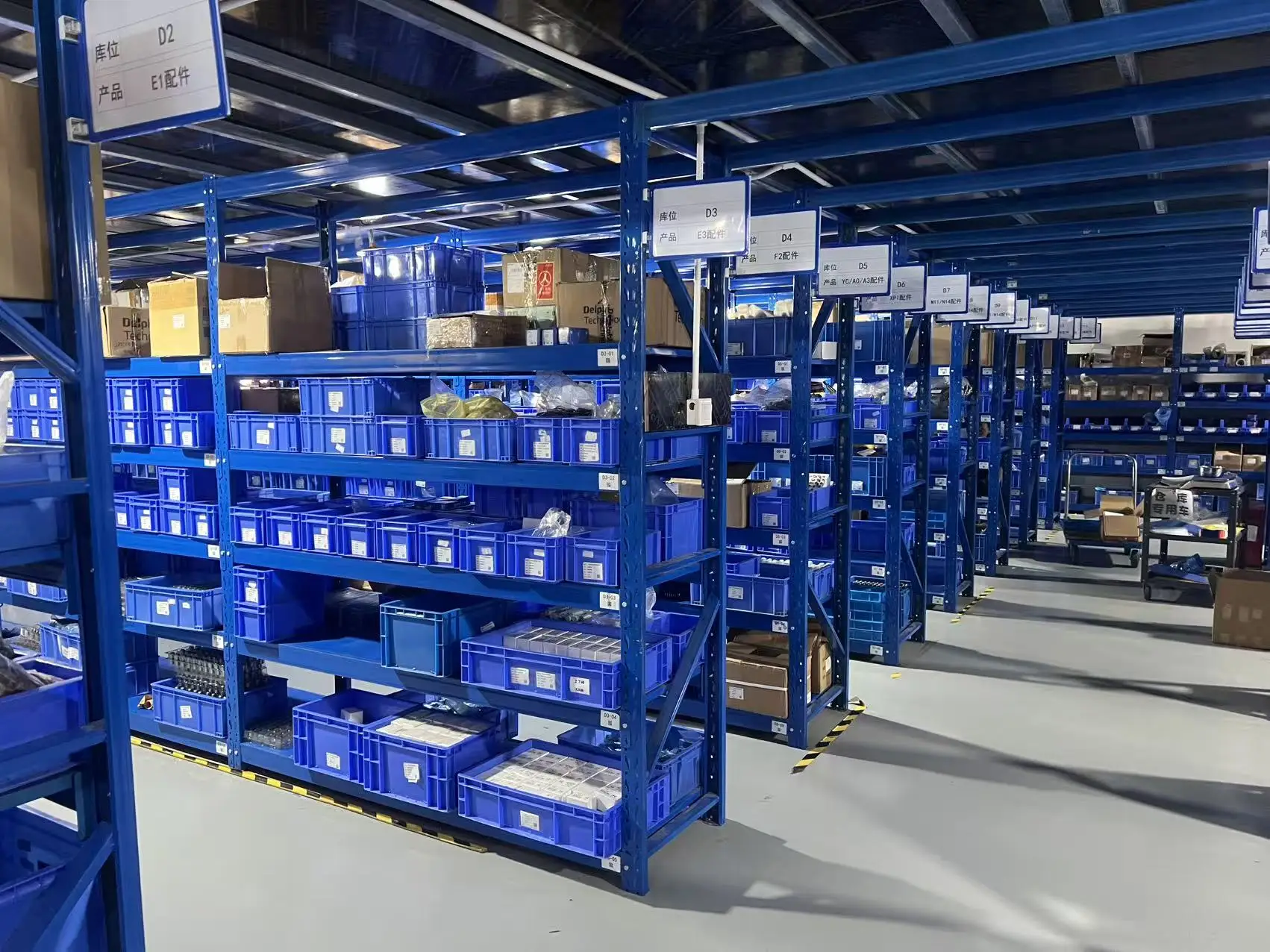
Hubei Runxi Electromechanical Co., Ltd.
- Trading Company
- Hubei, China
- Lead time0 days
- Avg. response≤ 2h
Main productsTruck Fuel Injector,Diesel Fuel Pump,Engine Accessories,Common Rail Pipe,Urea Pump
Main marketsCentral America(15.00%), Africa(15.00%), Southeast Asia(15.00%), Eastern Europe(15.00%), South America(15.00%), North America(15.00%), Mid East(10.00%)
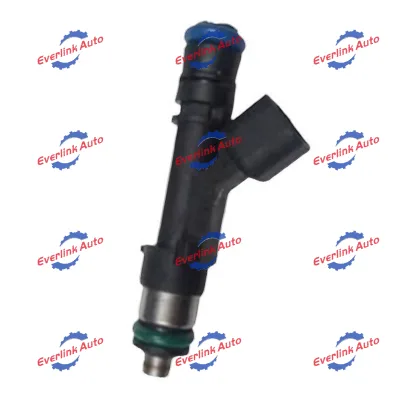
$25.00 - $27.00
MOQ: 4 pieces
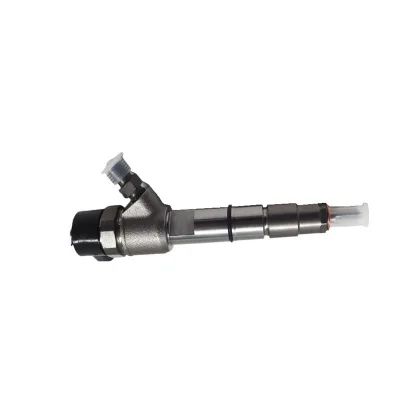
China's High Quality 0445110392 Fuel Injection Valve Is Suitable for a Variety of Models.
$40.00 - $52.00
MOQ: 1 pieces
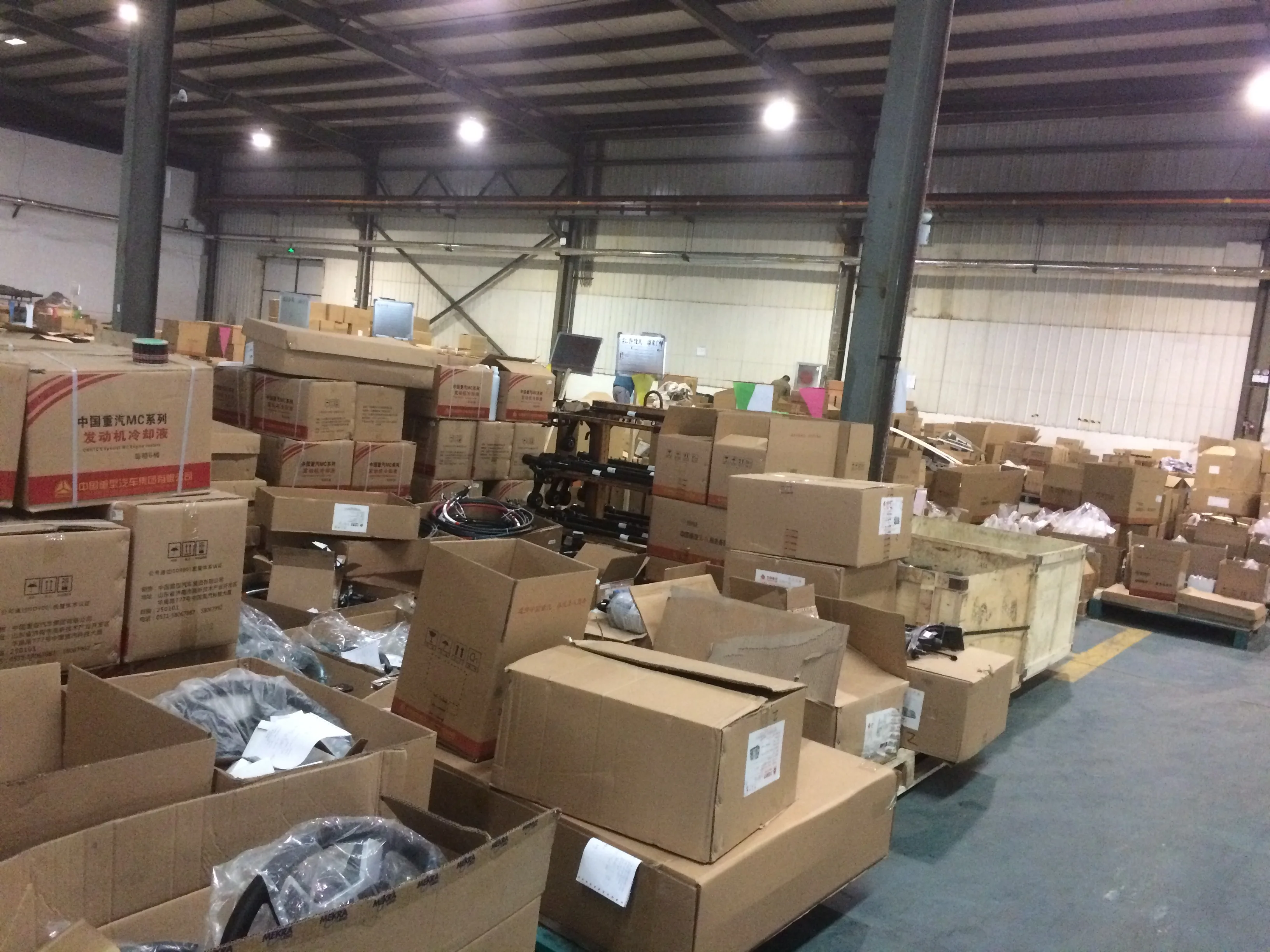
- Manufacturer, Trading Company
- Shandong, China
- Lead time3 days
- Avg. response≤ 2h
Main productsTruck Parts,Bus Parts,Trailer Parts,Engine Parts,Auto Parts
Main marketsAfrica(25.00%), Southeast Asia(20.00%), South America(15.00%), Eastern Asia(10.00%), Mid East(10.00%), South Asia(10.00%), Eastern Europe(5.00%), Central America(5.00%)

Wenzhou Credit Parts Co., Ltd.
- Verified by TUVRHEINLAND
- Combined
- China Zhejiang
- Lead time15 days
- Avg. response≤ 11h
Main productsFuel Injector, Fuel Pump, Vvt Variable Valve, Sensor, Fuel Injector Repair Kits, Fuel Pressure Regulator, Idle Air Control Valve, Diesel Injector
Main marketsNorth America






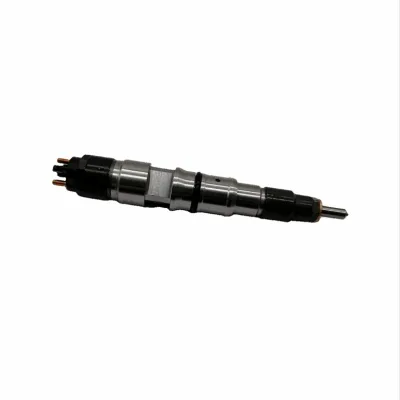
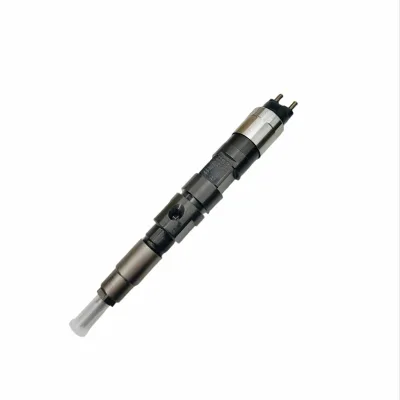


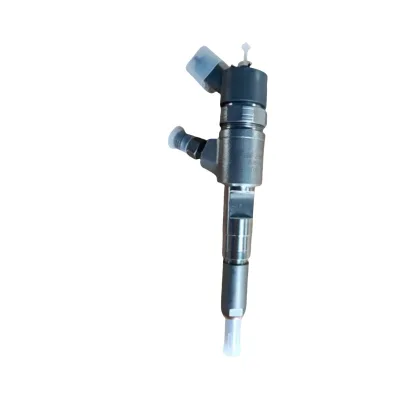
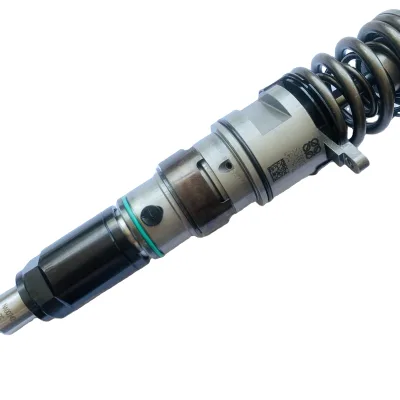


Comprehensive Sourcing Guide
Automotive Repair Fuel Injector Supplier Concentration and Factory Types
The current supplier landscape for automotive repair fuel injectors reveals a distinct concentration of manufacturing and trading entities within specific Chinese provinces, notably Shandong and Fujian. This geographic clustering is not random; it reflects established industrial ecosystems where specialized components like diesel engine fuel injectors, common rail valves, and plunger elements are produced at scale. Suppliers in Shandong often position themselves as trading companies that aggregate products from local OEM and ODM facilities, offering a broad range of items such as heavy-duty diesel engine fuel injectors and construction machinery parts. In contrast, suppliers in Fujian frequently operate as hybrid entities, combining manufacturing capabilities with trading functions, which allows them to offer both standard replacement parts and customized solutions under their own brands. Understanding this structural difference is critical for buyers, as it influences pricing flexibility, quality control processes, and the ability to handle complex customization requests. The presence of both pure trading companies and manufacturer-factory hybrids means that buyers must look beyond the company type label to understand the actual supply chain dynamics. A trading company may offer faster access to a wider variety of SKUs, while a manufacturer might provide better long-term stability for high-volume orders. However, the distinction is not always binary, as many suppliers claim both roles, requiring careful verification of their actual production assets versus their sales infrastructure.
Identifying the right supplier type depends heavily on the buyer’s specific operational needs, whether they require immediate off-the-shelf replacements or long-term partnership for custom engineering. For instance, suppliers listing main products like infrared thermal imaging devices alongside truck parts may indicate a diversified trading portfolio, whereas those focusing exclusively on fuel injector nozzles, head rotors, and control valves suggest a deeper technical specialization in fuel injection systems. Buyers should assess whether the supplier’s primary focus aligns with their volume requirements and technical specifications. A supplier with strong OEM and ODM capabilities, such as those offering custom logo, outer packaging, or pattern services, is better suited for buyers looking to brand their own inventory or develop unique product variations. Conversely, buyers seeking standard replacement parts for common diesel engines may find more value in suppliers with extensive catalogs of OE code-compatible injectors. The key is to match the supplier’s structural identity with the buyer’s strategic goals, ensuring that the chosen partner can deliver the necessary quality, consistency, and support. This alignment is particularly important in the automotive repair sector, where reliability and performance are paramount, and any deviation from standard specifications can lead to significant operational disruptions.
How to Verify Automotive Repair Fuel Injector Suppliers
Verification of Automotive Repair Fuel Injector suppliers requires a multi-layered approach that goes beyond basic company registration checks, focusing instead on tangible evidence of quality, compliance, and operational reliability. One of the most critical steps is to examine third-party verification badges and system certifications, which serve as independent validations of a supplier’s manufacturing standards and business practices. For example, some suppliers display SGS verification, indicating that their processes have been audited by a recognized international inspection agency, while others may hold ISO 9001 certification, demonstrating a commitment to quality management systems. Additionally, certifications from bodies like TÜV Rheinland provide further assurance of product safety and performance, particularly for critical components like fuel injectors that directly impact engine efficiency and emissions. Buyers should prioritize suppliers who provide clear, verifiable evidence of these credentials, as they reduce the risk of dealing with unqualified manufacturers. It is also important to check for specific product-level certifications, such as those indicating compliance with fuel injection device standards, which can provide additional confidence in the technical integrity of the injectors being supplied. These certifications are not just marketing tools; they are essential indicators of a supplier’s ability to meet rigorous industry standards and maintain consistent quality across large production runs.
Beyond certifications, buyers must verify the supplier’s responsiveness and transparency in communication, as these factors are strong predictors of future service quality and problem resolution. Response time metrics, such as those measured in hours or days, offer a quantitative measure of how quickly a supplier can address inquiries, provide quotes, or resolve issues. A supplier with a rapid response time, such as under four hours, is likely to have a dedicated customer service team and efficient internal processes, which is crucial for managing urgent repair orders or complex technical questions. Buyers should also look for detailed product attributes and specifications, including customization options, packing standards, and origin details, as these demonstrate a supplier’s attention to detail and willingness to provide comprehensive information. Furthermore, verifying the supplier’s ability to provide accurate lead times and minimum order quantities (MOQ) is essential for planning inventory and managing cash flow. Buyers should request samples or conduct virtual factory tours when possible to physically inspect the production environment and quality control measures. This hands-on verification helps to confirm that the supplier’s claims about their capabilities and certifications are accurate, reducing the risk of receiving substandard products or experiencing delays in delivery.
What to Compare Across Automotive Repair Fuel Injector Suppliers
When evaluating multiple suppliers for automotive repair fuel injectors, buyers must systematically compare key operational metrics to identify the most suitable partner for their specific needs. One of the most significant factors is the lead time, which varies considerably across suppliers and can range from a few days to several weeks. For instance, some suppliers may offer a lead time of 15 days for standard orders, while others might require up to 120 days, particularly for customized or high-volume production runs. Understanding these differences is crucial for inventory management and order planning, as longer lead times can impact a buyer’s ability to respond to market demand or fulfill customer orders promptly. Buyers should also compare minimum order quantities (MOQ), which can range from single units to larger batches, depending on the supplier’s production model and pricing structure. A lower MOQ may be preferable for buyers testing new products or managing small-scale operations, while higher MOQs might offer better unit pricing for established businesses. Additionally, comparing response times can provide insight into the supplier’s customer service quality, with faster responses indicating a more responsive and supportive partnership. These operational metrics should be weighed against each other to find the optimal balance between cost, speed, and flexibility, ensuring that the chosen supplier aligns with the buyer’s strategic objectives and operational constraints.
Price and customization capabilities are another critical dimension for comparison, as they directly impact the buyer’s profitability and product differentiation strategy. Suppliers may offer a wide range of prices for similar products, influenced by factors such as material quality, production volume, and customization options. For example, prices for diesel engine fuel injectors can vary significantly based on the model, OE code compatibility, and whether the product is new or remanufactured. Buyers should request detailed quotes that break down costs for different order volumes and customization levels, allowing for a more accurate comparison of total cost of ownership. Customization services, such as logo printing, outer packaging design, or pattern customization, can add value for buyers looking to brand their products or meet specific customer requirements. However, these services may come with additional costs or longer lead times, so buyers must carefully evaluate the trade-offs. Furthermore, comparing the range of main products offered by each supplier can help identify those with the broadest capabilities, potentially simplifying the sourcing process by allowing buyers to consolidate orders with a single partner. By systematically comparing these factors, buyers can make informed decisions that optimize their supply chain efficiency and competitive advantage in the automotive repair market.
Common Automotive Repair Fuel Injector Sourcing Risks
Sourcing automotive repair fuel injectors from international suppliers introduces several risks that buyers must proactively manage to ensure supply chain stability and product quality. One of the primary risks is the potential for quality inconsistencies, particularly when dealing with suppliers who claim to offer both new and remanufactured products without clear differentiation. Remanufactured injectors may have varying levels of performance and durability, which can lead to customer dissatisfaction and warranty claims if not properly disclosed and tested. Buyers must ensure that suppliers provide detailed specifications and testing results for all products, particularly for critical components like fuel injectors that directly affect engine performance. Another significant risk is the discrepancy between quoted lead times and actual delivery dates, which can disrupt inventory planning and customer fulfillment. Suppliers may underestimate production complexities or face unexpected delays due to material shortages or logistical issues, leading to missed deadlines and strained relationships. To mitigate this risk, buyers should establish clear communication channels and request regular updates on production status, as well as include penalty clauses for late deliveries in their contracts. Additionally, buyers should be cautious of suppliers who offer unusually low prices, as this may indicate compromised quality or hidden costs that could emerge later in the supply chain.
Intellectual property and compliance risks are also prevalent in the automotive parts industry, particularly when sourcing customized or OE code-compatible products. Suppliers may inadvertently or intentionally produce components that infringe on existing patents or fail to meet local regulatory standards, exposing buyers to legal liabilities and market restrictions. Buyers must verify that suppliers have the necessary certifications and compliance documentation for their products, particularly for markets with strict emissions or safety regulations. Furthermore, buyers should be aware of the risks associated with trading companies that may not have direct control over production quality, as they rely on third-party manufacturers to fulfill orders. This lack of direct oversight can lead to inconsistencies in product quality and service levels, making it difficult to hold the supplier accountable for issues. To address these risks, buyers should conduct thorough due diligence on all suppliers, including verifying their manufacturing capabilities, quality control processes, and compliance records. Engaging with suppliers who have transparent operations and a strong reputation for quality can help reduce these risks, ensuring a more reliable and secure sourcing partnership. Buyers should also consider using escrow services or other payment protection mechanisms to safeguard their financial interests until the products are received and verified.
Automotive Repair Fuel Injector Regional Sourcing and Logistics
Regional sourcing strategies for automotive repair fuel injectors are heavily influenced by the geographic concentration of suppliers, which can impact logistics costs, lead times, and overall supply chain efficiency. Suppliers located in provinces like Shandong and Fujian benefit from established industrial clusters that provide access to raw materials, specialized labor, and supporting infrastructure, which can reduce production costs and improve quality consistency. However, buyers must also consider the logistical implications of sourcing from these regions, including shipping distances, customs procedures, and potential transit delays. For instance, suppliers in Shandong may have different logistical advantages compared to those in Fujian, depending on proximity to major ports and transportation networks. Buyers should evaluate the total landed cost of their orders, including freight, insurance, and duties, to determine the most cost-effective sourcing strategy. Additionally, buyers should assess the supplier’s experience with international shipping and their ability to handle complex logistics requirements, such as temperature-controlled transport for sensitive components or expedited shipping for urgent orders. By understanding the regional dynamics of supplier locations, buyers can make more informed decisions about where to source their products, balancing cost, speed, and reliability to optimize their supply chain performance.
Logistics planning also involves coordinating with suppliers to ensure that products are packed and shipped in a manner that minimizes damage and delays during transit. Suppliers may offer different packing options, such as standard export packaging or custom carton designs, which can impact the efficiency of loading and unloading at destination ports. Buyers should work with suppliers to select the most appropriate packing method based on the product’s fragility, volume, and destination requirements. Furthermore, buyers should establish clear communication protocols for tracking shipments and resolving any issues that arise during transit, such as customs holds or carrier delays. This proactive approach helps to minimize disruptions and ensures that products arrive at their destination in good condition and on time. Buyers should also consider the environmental impact of their logistics choices, such as selecting carriers with lower carbon emissions or optimizing shipping routes to reduce fuel consumption. By integrating logistics considerations into their sourcing strategy, buyers can create a more resilient and sustainable supply chain that supports their long-term business goals. This holistic approach to
FAQs
Where are the fuel injector suppliers located?
Suppliers are located in China, specifically in Shandong and Fujian provinces. These regions host trading companies and manufacturers offering diesel fuel injectors for trucks and construction machinery. Buyers should verify specific factory addresses before placing orders.
What is the minimum order quantity for injectors?
Minimum order quantities vary by product, ranging from one unit to six units. Some listings allow single purchases, while others require a batch of six. Buyers must check the specific product page to confirm the exact MOQ for their selected model.
How long does it take to receive the goods?
Lead times range from 15 days to 120 days depending on the supplier and product type. Some sellers offer faster delivery within 15 days, while others may require up to four months. Buyers should confirm the estimated delivery time with the specific vendor.
Are customization services available for fuel injectors?
Yes, customization is available for many fuel injector models. Suppliers offer options for logo printing, outer packaging, and pattern changes. Buyers can request specific modifications to meet their branding or technical requirements directly through the product inquiry channel.
What certifications do the suppliers hold?
Suppliers hold various certifications including ISO 9001 and SGS verification. Some products are certified as ISOTS components for fuel injection devices. Buyers should request specific certification documents to ensure compliance with their local safety and quality standards before purchasing.
What is the price range for diesel fuel injectors?
Prices vary significantly based on the model and specifications, ranging from 95.72 to 1000.00. Specific models like the M15 injector start around 100, while others may reach 650. Buyers should compare multiple listings to find the best value for their needs.
Can I find OEM and ODM services for injectors?
Yes, many suppliers provide both OEM and ODM services for fuel injectors. These capabilities allow buyers to customize product designs or manufacture under their own brand. Buyers should discuss specific technical requirements and branding needs directly with the supplier to arrange production.