Source Construction Blower Motor for excavators, mining, and universal use
Find 30 Construction Blower Motor options from global suppliers. Compare specifications like voltage, phase, and application for excavators and universal machinery to find the right fit for your project needs; compare the available evidence and request quotations based on your requirements.
Updated
Key considerations
Products List
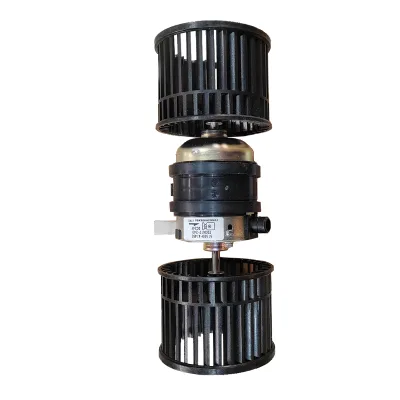
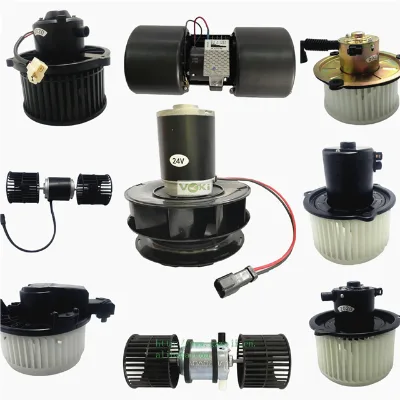

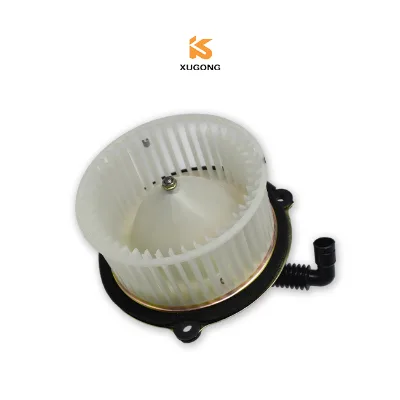
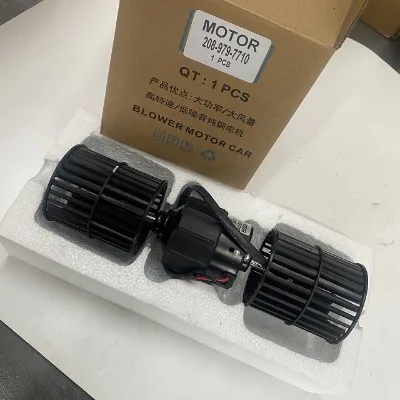
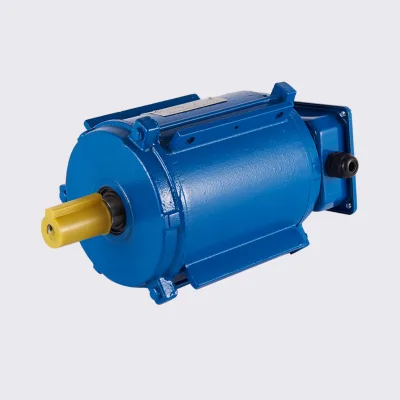

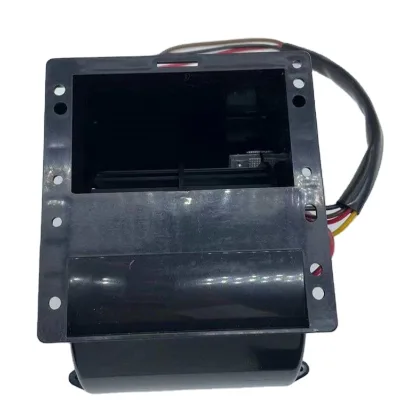

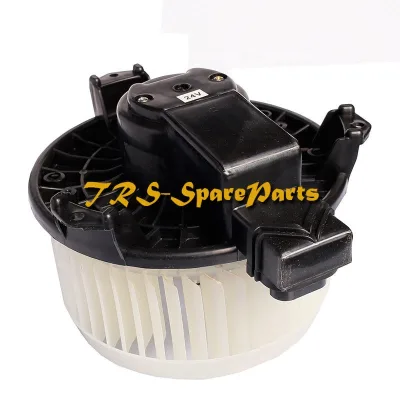
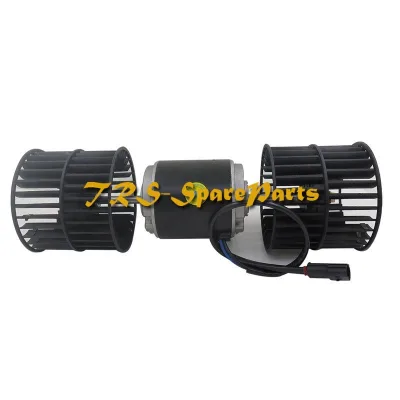
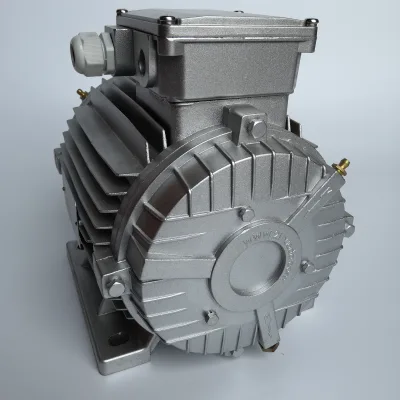

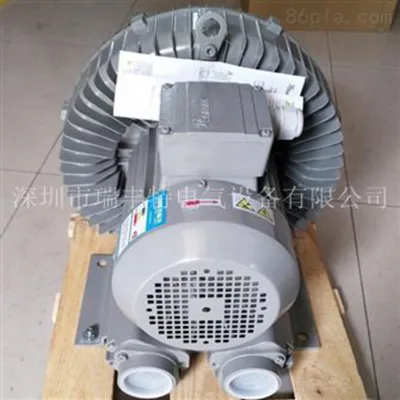
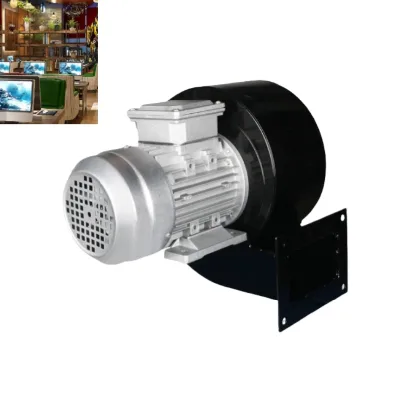
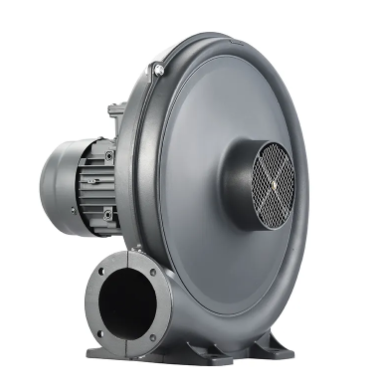
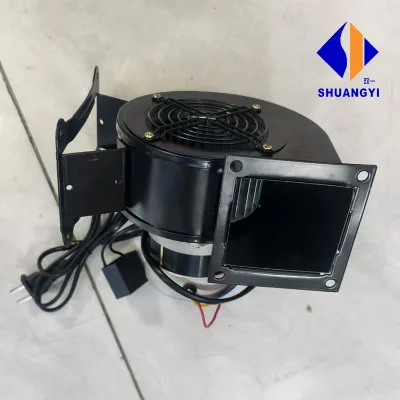
Multi Wing Centrifugal Blower with Carbon Steel Construction for Heavy Duty Use
$25.3647 - $50.2117
MOQ: 1 Minimum

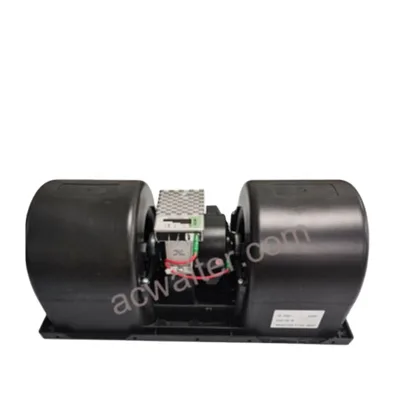
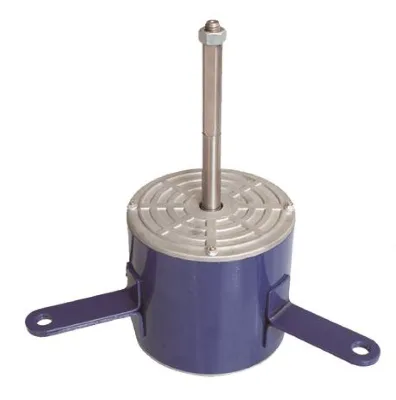


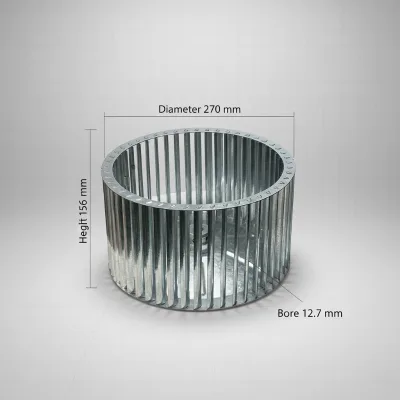
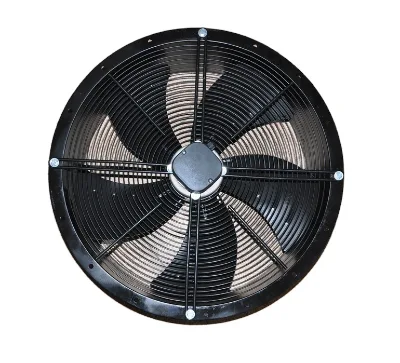
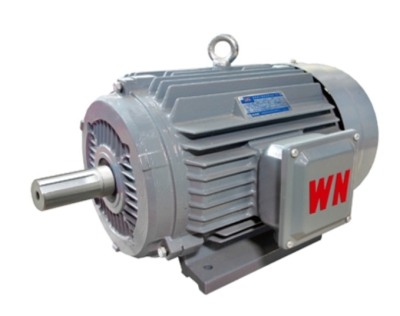
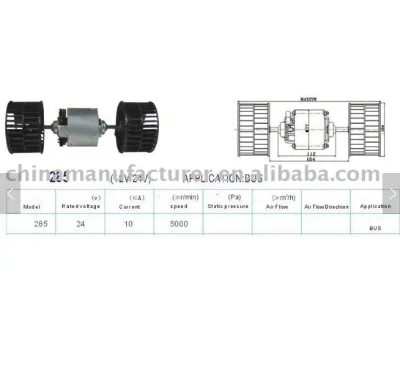
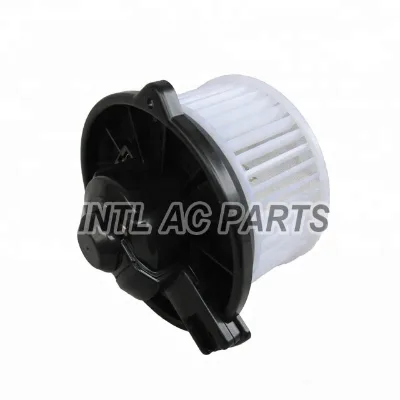
for 147*65mm clockwise Auto AC a/c cooling fan blower motor 2880r/min 11A
$5.1702 - $20.6777
MOQ: 24 Minimum

Comprehensive Sourcing Guide
Construction Blower Motor Sourcing Guide
Procuring reliable construction blower motors requires a disciplined approach to verifying technical compatibility and supplier credibility. Buyers must navigate a market where products range from specialized excavator components to universal industrial fans, each with distinct operational requirements. The core keyword "Construction Blower Motor" encompasses a diverse array of equipment, including blower fan motors and cooling fans designed for heavy machinery. Understanding the specific application context is the first step in defining precise procurement specifications.
This guide provides evidence-based sourcing strategies for buyers seeking durable motor solutions for construction environments. It focuses on interpreting observed listing signals, verifying critical technical specifications, and ensuring compliance with safety standards. By adhering to these structured verification steps, procurement teams can mitigate risks associated with incompatible parts, unexpected lead times, and quality inconsistencies. The following sections detail the essential checks required to secure high-performance motors that meet rigorous industrial demands.
Product Scope and Observed Listing Signals
The observed product landscape reveals a wide variance in origin, material composition, and intended application. Listings indicate origins in Japan and Guangdong, China, with materials ranging from aluminum and BBS plastic to standard industrial alloys. Buyers should note that some products are explicitly branded for specific heavy equipment manufacturers, such as Kubota, Hitachi, Hyundai, Komatsu, Kobelco, and Volvo, while others are marketed as universal solutions. This distinction is critical for determining whether a part is an exact replacement or a generic alternative suitable for broader use cases.
Condition and packaging details further define the scope of available inventory. Most observed items are described as 100% brand-new, with packaging varying from single-item cartons to standard export wooden packages. Some listings provide video outgoing-inspection services, offering a tangible verification method for buyers concerned about transit damage or manufacturing defects. The presence of single-item selling units and specific model numbers, such as 2653345195 or Y2 series identifiers, suggests a market that caters to both direct replacement needs and bulk industrial procurement.
Technical Specifications to Verify
Technical verification must begin with electrical and mechanical parameters that dictate motor performance. Key attributes to confirm include voltage ratings, such as 380/660V or 400/690V, and phase configurations, typically three-phase for industrial applications. Buyers should also verify the starting mode, with direct on-line starting being a common specification, and the work mode, often designated as S1 for continuous operation. The number of poles, ranging from 2 to 10, directly influences speed characteristics, which are frequently listed as constant speed for blower fan motors.
Physical dimensions and structural integrity are equally important for installation compatibility. The scope of center height, observed as H63 to H355, indicates a broad range of motor sizes available in the market. Buyers must cross-reference these dimensions with their existing machinery to ensure proper fitment. Additionally, the casing protection type, often listed as closed type, and the asynchronous motor structure are standard features that contribute to durability in dusty or humid construction environments. Verifying these specifics prevents costly installation errors and operational failures.
Compliance and Safety Documentation
Compliance verification is essential for ensuring that purchased motors meet international safety and quality standards. Some observed listings explicitly mention CE and ISO certifications, which are critical for markets with strict regulatory requirements. Buyers should request valid certification documents to confirm that the manufacturer has undergone rigorous testing and quality assurance processes. The absence of a machinery test report in some listings is a red flag that warrants further inquiry, as it may indicate a lack of standardized performance validation.
Safety features and operational modes also contribute to overall compliance and risk mitigation. The closed-type casing protection helps prevent ingress of dust and debris, which is particularly important in construction settings. Buyers should verify that the motor’s design aligns with local electrical codes and occupational safety regulations. Ensuring that the supplier can provide comprehensive documentation, including test reports and certification certificates, is a fundamental step in maintaining a compliant and safe procurement pipeline.
Cost Drivers and Commercial Terms
Cost structures for construction blower motors are influenced by material quality, brand reputation, and order volume. Observed price ranges vary significantly, reflecting differences in origin, specifications, and included services. Buyers should consider the total cost of ownership, which includes shipping, customs duties, and potential maintenance costs, rather than focusing solely on the unit price. The availability of customization options can also impact pricing, as tailored solutions often require additional engineering and production time.
Commercial terms, including minimum order quantities (MOQ) and delivery times, play a crucial role in procurement planning. MOQs observed range from 1 piece to 500, offering flexibility for both small-scale replacements and large-scale projects. Delivery methods, such as express, air, or sea freight, affect lead times, which can range from 3 to 15 days depending on the shipping mode and supplier location. Buyers should negotiate clear terms regarding payment, warranty, and return policies to protect their interests and ensure smooth transaction execution.
Supplier Qualification and Quality Control
Supplier qualification involves assessing the manufacturer’s production capabilities, quality control processes, and track record. Buyers should prioritize suppliers who provide video outgoing-inspection services, as this offers direct visibility into the product’s condition before shipment. The availability of high-quality materials, such as aluminum and BBS plastic, and the use of standard export wooden packaging are indicators of a supplier’s commitment to product integrity and safe transit.
Quality control measures should be verified through documentation and, if possible, third-party inspections. Suppliers with established brands, such as VOKI or KINGBEST, may offer more consistent quality, but buyers should still conduct due diligence. Checking for a machinery test report and ensuring that the product meets specified standards are essential steps. Buyers should also evaluate the supplier’s ability to provide after-sales support, including warranty coverage and technical assistance, to address any issues that may arise post-purchase.
Long-Term Procurement Checks
Long-term procurement success depends on establishing robust relationships with reliable suppliers and implementing continuous monitoring processes. Buyers should regularly review supplier performance metrics, including delivery accuracy, product quality, and responsiveness to issues. Maintaining a diversified supplier base can mitigate risks associated with supply chain disruptions and ensure continuity of operations. Regular audits and feedback loops help identify areas for improvement and foster a collaborative partnership with suppliers.
Additionally, buyers should stay informed about industry trends and technological advancements in blower motor design. This includes updates in energy efficiency, material science, and smart monitoring capabilities. By proactively adapting to these changes, procurement teams can optimize their inventory and reduce long-term operational costs. Continuous engagement with suppliers and industry experts ensures that the organization remains competitive and resilient in the dynamic construction equipment market.
FAQs
What is the warranty period for construction blower motors?
The warranty period varies by supplier, with some offering 3 months coverage while others list it as unavailable. Buyers should verify the specific warranty terms provided by the manufacturer before purchase to ensure adequate protection against defects and operational failures during the initial usage phase.
Can construction blower motors be customized for specific applications?
Yes, customization is available for many Construction Blower Motor models to meet unique operational requirements. Suppliers often allow adjustments to specifications such as voltage, phase, or casing protection to ensure the motor integrates seamlessly with existing heavy machinery or specialized construction equipment setups.
Which certifications apply to Construction Blower Motor manufacturers?
Manufacturers may hold CE and ISO certifications to demonstrate compliance with international quality and safety standards. These credentials indicate that the production processes and final products meet rigorous regulatory requirements, providing buyers with confidence in the reliability and safety of the electrical components supplied.
How is the packaging handled for construction blower motors?
Packaging typically includes standard export wooden packages or cartons to ensure safe transit. Some suppliers use individual boxes for single pieces, while others provide carton packing. Proper packaging protects the motor from damage during shipping via express, air, or sea freight methods.
What is the typical lead time for Construction Blower Motor orders?
Delivery times generally range from 3 to 15 days depending on order volume and shipping method. Suppliers offer express, air, or sea delivery options to accommodate urgent needs. Buyers should confirm the exact lead time with the vendor to align with project schedules.
What is the minimum order quantity for construction blower motors?
The minimum order quantity is often 1 piece, allowing buyers to purchase single units for testing or replacement. This low MOQ facilitates easy sourcing for small projects or immediate repairs without requiring large bulk commitments from the supplier or manufacturer.