Source Tire Travel Asphalt Concrete Pavers for Road Construction
Find 30 Tire Travel Asphalt Concrete Pavers with capacities from 40 to over 400t/h. Compare mobile models like the RP403 and RP601, featuring CE and ISO certifications, continuous or intermittent mixing methods, and paving widths up to 8m for efficient highway projects.
Updated
Key considerations
Products List


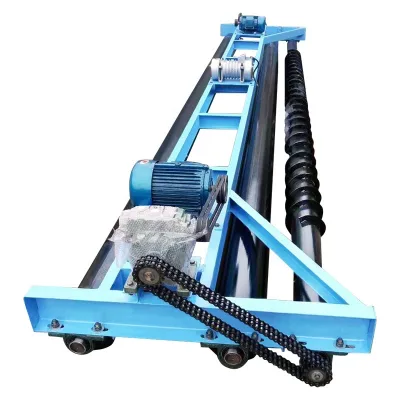


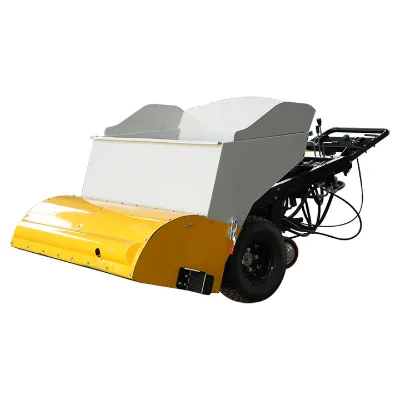
Hot Sale Asphalt Concrete Road Asphalt Paver RP405 with Paving Width 4.5m
$59800.00 - $65500.00
MOQ: 1 Pieces


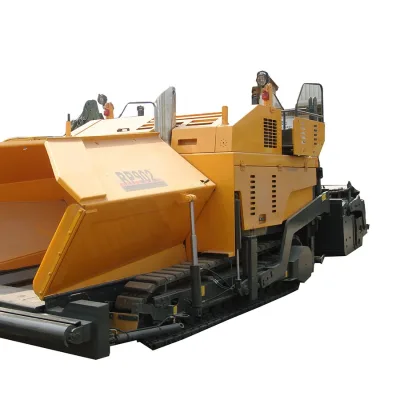
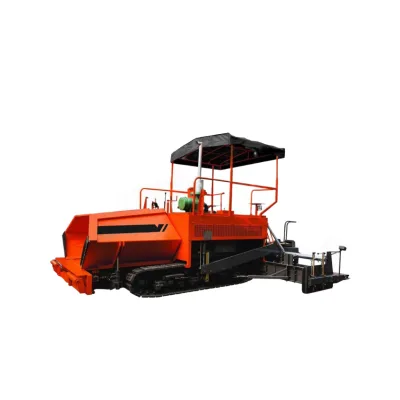
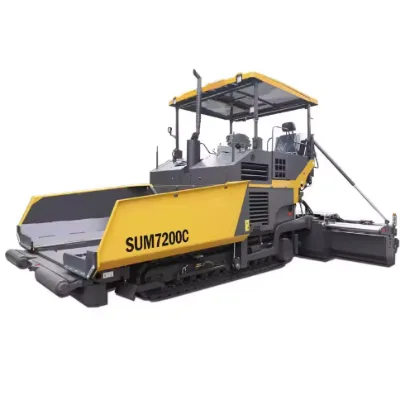
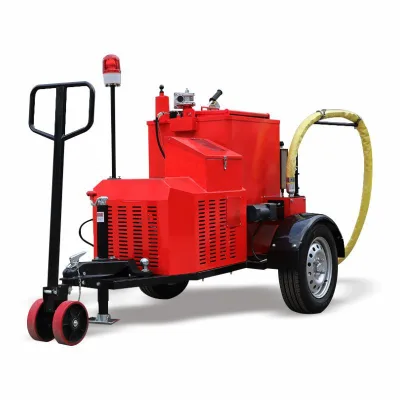
Comprehensive Sourcing Guide
Tire Travel Asphalt Concrete Pavers Sourcing Guide
Procuring tire-travel asphalt concrete pavers requires a nuanced understanding of mobility versus stability trade-offs. These machines utilize rubber tires for transit, offering superior road travel capabilities compared to tracked units, which is critical for rapid site turnover. Buyers must evaluate how the tire configuration impacts the machine’s overall weight distribution and its ability to maintain a consistent grade on uneven terrain. The observed market data indicates a strong presence of mobile units originating from Jiangsu, China, with capacities ranging from 40 to over 400 tons per hour. This variability suggests that buyers should align their selection with specific project scales, ensuring the chosen model meets both the throughput demands and the logistical constraints of the job site.
The decision to select a tire-travel paver often hinges on the need for frequent relocation between projects or within large, multi-zone construction sites. Unlike tracked pavers, which offer better traction on soft or muddy surfaces, tire-travel models provide faster setup times and reduced ground pressure on paved surfaces. However, this mobility comes with specific technical considerations regarding the mixing method and paving width. The available data highlights continuous drum and intermittent compulsory mixing methods, each suited to different material consistency requirements. Buyers must verify that the selected paver’s moving type and operating weight align with the specific asphalt concrete pavement objectives, ensuring that the machine’s mobility features do not compromise its paving precision or structural integrity during operation.
Product Scope and Observed Listing Signals
The current market landscape for tire-travel asphalt concrete pavers reveals a diverse range of models, primarily identified by codes such as RP403, RP601, and RP802. These models exhibit significant variations in technical specifications, including paving widths from 1.8 meters to 8 meters and paving thicknesses up to 380 millimeters. The observed price range spans from approximately $1,099 to $160,000, reflecting differences in engine power, automation levels, and overall capacity. Buyers should note that while some listings indicate a minimum order quantity (MOQ) of one unit, the vast disparity in pricing suggests that cost is heavily influenced by specific configurations, such as diesel engine power ratings ranging from 75kw to 118kw. This wide spectrum necessitates a careful review of each listing’s detailed specifications to avoid misalignment between budget and functional requirements.
Listing signals also indicate that most units are brand new and feature automatic grading systems, which are essential for maintaining consistent pavement quality. The products are typically packaged in standard or nude packages suitable for ocean shipment, with dimensions varying significantly based on the model. For instance, some units measure around 6230x3000x3855mm, while others are more compact. Buyers must pay close attention to these dimensional constraints, as they impact transportation logistics and on-site maneuverability. Additionally, the presence of CE and ISO certifications in several listings provides a baseline for quality assurance, though buyers should verify the specific standards applicable to their region. The emphasis on mobile types and continuous or intermittent mixing methods further underscores the need for buyers to match the machine’s operational characteristics with their specific asphalt paving workflows.
Technical Specifications to Verify
When evaluating tire-travel asphalt concrete pavers, buyers must prioritize the verification of key technical parameters that directly impact performance. The maximum paving width is a critical specification, with observed values ranging from 4.2 meters to 8 meters, depending on the model. Buyers should ensure that the selected paver’s width aligns with the project’s lane requirements to minimize overlap and material waste. Similarly, the maximum paving thickness, which can reach up to 380mm, must be compatible with the structural design of the pavement. The diesel engine model, such as the Bf4m1013c, and its power output, ranging from 75kw to 118kw, are essential for determining the machine’s ability to handle heavy loads and maintain consistent operation under varying conditions. These specifications should be cross-referenced with the machine’s overall weight, which varies from 11.5 tons to over 23 tons, to ensure stability during paving.
Another crucial aspect is the mixing method, which can be either continuous drum or intermittent compulsory. This choice affects the uniformity of the asphalt mix and the machine’s responsiveness to material changes. Buyers should also verify the hopper capacity, which has been observed at 13 tons, to ensure it meets the supply rate of the asphalt plant. The maximum paving speed, noted at 30 meters per minute, and the maximum travel speed of 3.6 km/h, are important for scheduling and efficiency. Additionally, the basic paving width, which can be as narrow as 1.8 meters, offers flexibility for smaller projects or edge work. Buyers must confirm that these technical specifications are not just nominal values but are validated by the manufacturer’s performance data, ensuring that the paver can deliver consistent results in real-world operating conditions.
Compliance and Safety Documentation
Compliance with international standards is a non-negotiable aspect of sourcing tire-travel asphalt concrete pavers. The observed listings frequently mention CE and ISO certifications, with some units specifically adhering to ISO9001 standards. Buyers must verify that these certifications are current and applicable to the specific model being purchased, as they indicate adherence to quality management and safety protocols. The presence of CE marking suggests that the machine meets European health, safety, and environmental protection standards, which is crucial for buyers operating in or exporting to regions with similar regulatory frameworks. However, buyers should not assume that all listed certifications are identical; they must request documentation to confirm the scope and validity of each certificate, ensuring that the paver complies with local regulations in the destination country.
Safety documentation should also include detailed operational manuals and maintenance guidelines that address the specific risks associated with tire-travel pavers. Given the machine’s mobility and heavy components, buyers should ensure that the supplier provides comprehensive instructions on safe transit, setup, and operation. The automatic grading systems and diesel engines require regular maintenance, and buyers should verify that the supplier offers accessible technical support and spare parts. Additionally, the packaging details, such as standard or nude packages suitable for ocean shipment, should be reviewed to ensure that the machine arrives in optimal condition. Buyers must also consider the environmental impact of the diesel engines and verify that the machines meet emission standards relevant to their operational regions, thereby avoiding potential regulatory penalties and ensuring sustainable procurement practices.
Cost Drivers and Commercial Terms
The cost of tire-travel asphalt concrete pavers is influenced by several key factors, including engine power, paving width, and automation features. The observed price range of $1,099 to $160,000 reflects the diversity in specifications, with higher-priced units typically offering greater capacity, wider paving widths, and more advanced automatic grading systems. Buyers should analyze the cost per ton of capacity or per meter of paving width to compare value across different models. The MOQ of one unit suggests that buyers can procure single machines, but they should negotiate for volume discounts if purchasing multiple units or accessories. Additionally, the packaging type, whether standard or nude, can impact shipping costs and insurance premiums, so buyers should factor these logistics expenses into their total cost of ownership.
Commercial terms also play a significant role in the procurement process. Buyers should clarify the delivery terms, such as FOB or CIF, to understand who bears the risk and cost during transit. The lead time for production and shipment should be confirmed, as delays can impact project schedules. Payment terms, including the use of letters of credit or advance payments, should be negotiated to mitigate financial risk. Buyers must also consider the warranty period and after-sales support, as these factors can reduce long-term maintenance costs. The observed data indicates that many suppliers offer standard packages for shipment, but buyers should verify if additional services, such as installation or training, are included in the price. By carefully evaluating these commercial terms, buyers can ensure a transparent and fair procurement process that aligns with their budget and operational needs.
Supplier Qualification and Quality Control
Selecting a qualified supplier for tire-travel asphalt concrete pavers requires a thorough assessment of their manufacturing capabilities and quality control processes. Buyers should prioritize suppliers with a proven track record in producing mobile pavers, as evidenced by the concentration of listings from Jiangsu, China. Verifying the supplier’s ISO9001 certification is a critical step, as it indicates a systematic approach to quality management. Buyers should request evidence of recent production audits and quality control reports to ensure that the machines meet specified standards. Additionally, suppliers should demonstrate the ability to customize products, as indicated by the available customization options in the listings. This flexibility allows buyers to tailor the paver to their specific project requirements, such as adjusting the paving width or mixing method.
Quality control should extend beyond the final product to include the supply chain and component sourcing. Buyers should inquire about the origins of key components, such as diesel engines and hydraulic systems, to ensure reliability and performance. Suppliers should provide detailed specifications for these components, including model numbers and performance ratings, to facilitate future maintenance and repairs. Buyers must also assess the supplier’s after-sales support capabilities, including the availability of spare parts and technical assistance. The observed data suggests that many suppliers offer nude or standard packaging suitable for ocean shipment, but buyers should verify that the packaging protects the machine from damage during transit. By conducting a comprehensive supplier qualification process, buyers can mitigate risks and ensure that they receive high-quality, reliable pavers that meet their operational demands.
Long-Term Procurement Checks
Long-term procurement success with tire-travel asphalt concrete pavers depends on establishing robust relationships with suppliers and implementing continuous monitoring strategies. Buyers should conduct periodic performance reviews of the machines in operation, tracking metrics such as paving quality, maintenance frequency, and downtime. This data can inform future purchasing decisions and help identify potential issues with specific models or suppliers. Buyers should also stay updated on technological advancements in paver technology, such as improvements in automatic grading systems or more efficient diesel engines, to ensure that their fleet remains competitive. Engaging with suppliers for feedback on machine performance can also provide valuable insights for future procurement cycles, fostering a collaborative approach to equipment selection.
Additionally, buyers should maintain a comprehensive record of all procurement activities, including contracts, certifications, and maintenance logs. This documentation is essential for auditing purposes and for ensuring compliance with regulatory requirements. Buyers should also consider the total cost of ownership, including fuel consumption, spare parts, and labor costs, when evaluating the long-term value of their pavers. By regularly reviewing these factors, buyers can optimize their fleet management and reduce operational expenses. Furthermore, buyers should explore opportunities for bulk purchasing or long-term service agreements with suppliers to secure better pricing and support. This proactive approach to procurement ensures that the organization can adapt to changing market conditions and project requirements, maintaining a reliable and efficient paving operation over time.
FAQs
What is the production capacity range for these mobile asphalt pavers?
The production capacity ranges from 40 to 400 tons per hour for standard models. Higher capacity options exceeding 400 tons per hour are also available. This variability allows buyers to select equipment that matches their specific project scale and throughput requirements efficiently.
Which certifications do these asphalt concrete pavers hold?
These pavers hold CE and ISO9001 certifications. The ISO standard ensures quality management compliance, while CE marking confirms adherence to European safety standards. These credentials verify the equipment meets international regulatory requirements for manufacturing and operational safety in global markets.
Can buyers customize the specifications of these mobile pavers?
Yes, customization is available for these mobile pavers. Buyers can tailor specific attributes to meet unique project needs. This flexibility ensures that the equipment can be adapted for various paving widths, thicknesses, and operational conditions across different construction environments.
What is the maximum paving width for the RP601 model?
The RP601 model features a maximum paving width of 8 meters. This wide paving capability allows for efficient coverage of large road surfaces. It reduces the number of passes required, thereby improving overall productivity and reducing fuel consumption during extensive paving operations.
How much does the RP403 paver weigh?
The RP403 paver has an operating weight of 12 tons. This weight provides stability during continuous drum mixing and paving processes. The compact design facilitates mobility on various job sites while maintaining the necessary mass for effective material compaction and smooth surface finishing.
What is the diesel engine power for the RP601 model?
The RP601 model is equipped with a 118kw diesel engine. This power output ensures robust performance for heavy-duty paving tasks. The engine drives the mixing and paving mechanisms efficiently, supporting continuous operation and maintaining consistent material flow for high-quality asphalt concrete pavement construction.