Dry And Wet Separation Toiletry Bag Suppliers and Manufacturers
Explore 29 verified options for Dry And Wet Separation Toiletry Bag from Zhejiang and Fujian factories. Compare response times, lead times, certifications, and prices to find the right partner. Contact suppliers directly to request samples and confirm customization details; review the available evidence before requesting comparable quotations from suitable candidates.
Updated
Suppliers List

Wenzhou Guanmin Import and Export Co., Ltd.
- Verified by BV
- Trading Company,Manufacturer/Factory
- China Zhejiang
- Lead time120 days
- Avg. response≤ 7h
Main productsShopping Bag, Cooler Bag, Notebook, Pen, Color Pencil, Lanyard, Beach Ball, Umbrella, Sunshade, Air Freshener
Main marketsSouth America,Eastern Europe,Mid East,North America,Southeast Asia,Eastern Asia,Western Europe

Xiamen Ederbou Industry&Trade Co., Ltd.
- Verified by CTI
- Combined
- China Fujian
- Lead time30 days
- Avg. response≤ 5h
Main productsCooler Insulated Bags, Backpacks, Delivery Bags, Travel Bags, Sports Bags, Picnic Bags
Main marketsSouth America,Southeast Asia/ Mideast,East Asia(Japan/ South Korea),Europe,Australia,North America


Eco-Friendly Waterproof Sports Bag Dry Wet Separation for Toiletry Storage
$5.50 - $7.90
MOQ: 300 Pieces

Durable Toiletry Bags Set Lightweight Multifunctional Waterproof Travel Storage Bag
$11.00 - $13.00
MOQ: 300 Pieces
- Trading Company
- Zhejiang, China
- Lead time15 days
- Avg. response≤ 3h
Main productsCrochet Hook,Knitting Needle,Circular Needle,Sewing Accessories,Storage Bag
Main marketsSouth America(30.00%), North America(30.00%), Northern Europe(10.00%), Western Europe(10.00%), Oceania(10.00%), Eastern Europe(10.00%)

Hangzhou Initi Imp&Exp Co., Ltd.
- Verified by SGS
- Combined
- China Zhejiang
- Lead time30 days
- Avg. response≤ 7h
Main productsTote Bag, Cotton Bag, Canvas Bag, Drawstring Bag, Garment Bag, Cooler Bag, Cosmetic Bag, Shaker Bottle, Felt Bag, Corduroy Bag
Main marketsSoutheast Asia/ Mideast,East Asia(Japan/ South Korea),Europe,Australia,North America

Dry-and-Wet Separation Fitness Bag Waterproof Toiletries Storage Beach Bag
$0.58 - $2.28
MOQ: 100 Pieces

Multifunctional Makeup Portable Travel Toiletry Bag Waterproof Mask Storage Bag
$0.32 - $0.55
MOQ: 100 Pieces


Taizhou Lantiger Travelware Co., Ltd.
- Verified by SGS
- Manufacturer/Factory
- China Zhejiang
- Lead time23 days
- Avg. response≤ 5h
Main productsTravel Accessories, Travel Pillows, Travel Bags, Luggage Straps, Luggage Covers, Tsa Locks, Luggage Scales, Travel Adapters
Main marketsSouth America,Eastern Europe,Mid East,North America,Southeast Asia,Eastern Asia,Oceania,Western Europe,Africa


Dry and Wet Separation Travel Portable Waterproof Wash Bag Cosmetic Bag Pouch Makeup Bags
$2.25 - $2.40
MOQ: 500 Pieces

$1.60 - $1.75
MOQ: 1000 Pieces

Portable Travel Toiletry Bag with Hanging Hook Water-Resistant Make up Cosmetic Bag
$2.30 - $2.75
MOQ: 1000 Pieces
Shenzhen D-One Bags Company Ltd
- Manufacturer, Trading Company
- Guangdong, China
- Lead time25 days
- Avg. response≤ 3h
Main productsshopping bag,cosmetic bag,backpack,cooler bag,sport bag
Main marketsNorth America(35.00%), Western Europe(13.00%), Eastern Asia(12.00%), Domestic Market(8.00%), Northern Europe(6.00%), Eastern Europe(5.00%), Southern Europe(5.00%), Southeast Asia(5.00%), South America(2.50%), Mid East(2.00%), Oceania(2.00%), Central America(2.00%), Africa(1.50%), South Asia(1.00%)

QUANZHOU DANKIN IMP AND EXP CO., LTD.
- Manufacturer/Factory
- China Fujian
- Lead time45 days
- Avg. response≤ 3h
Main productsBackpack, Cooler Bag, Tool Bag, Laptop Bag, Gun Bag, Travel Bag, Hiking Bag, Tennis Bag, Running Bag, Diaper Bag
Main marketsSouth America,Eastern Europe,Mid East,North America,Southeast Asia,Eastern Asia,Oceania,Western Europe,Africa

- Verified by BV
- Trading Company
- China Zhejiang
- Lead time30 days
- Avg. response≤ 13h
Main productsMop with Bucket, Spray Mop, Cleaning Brush, Shoe Rack, Flat Mop, Mop Cloth
Main marketsSoutheast Asia/ Mideast,Europe,North America
Anhui Good Luck Industrial Co., Ltd.
- Trading Company
- Anhui, China
- Lead time60 days
- Avg. response≤ 3h
Main productsCosmetic Bag,Hand Bag,Lunch Bag,Travel Bag,Backpack
Main marketsNorth America(20.00%), Western Europe(15.00%), Northern Europe(12.00%), Southern Europe(10.00%), Eastern Europe(10.00%), South America(10.00%), Central America(5.00%), Southeast Asia(5.00%), Mid East(5.00%), Oceania(3.00%), South Asia(3.00%), Africa(2.00%)

Xiamen Minghui Import and Export Co., Ltd.
- Verified by BV
- Manufacturer/Factory
- China Fujian
- Lead time30 days
- Avg. response≤ 12h
Main productsBag, Sport Bag, Duffel Bag, Travel Bag, School Bag, Backpack, Rucksack, Laptop Bag, Cosemtic Bag, Document Bag
Main marketsSouth America,Eastern Europe,Mid East,North America,Southeast Asia,Eastern Asia,Oceania,Western Europe,Africa
Guangzhou Boslun Industrial Co., Ltd.
- Manufacturer, Trading Company
- guangdong, China
- Lead time25 days
- Avg. response≤ 2h
Main productsLuggage & Bags,cosmetic bag,tote bag,backpack,drawstring bag
Main marketsWestern Europe(48.00%), Domestic Market(20.00%), North America(17.00%), South America(15.00%)
Hefei Exciway Import & Export Co., Ltd.
- Trading Company
- Anhui, China
- Lead time35 days
- Avg. response≤ 5h
Main productsBackpacks,Cosmetic bags,Business bag&cases,Handbags,Luggage&Travel bags
Main marketsWestern Europe(30.00%), North America(25.00%), Northern Europe(10.00%), Eastern Europe(10.00%), Southern Europe(5.00%), Southeast Asia(5.00%), Mid East(5.00%), Oceania(5.00%), South America(3.00%), Central America(2.00%)
Shenzhen Fengda Hongding Gift Co., Ltd.
- Verified by TüVRheinland
- Manufacturer, Trading Company
- Lead time32 days
- Avg. response≤ 3h
Main productsBoard Game Bag, Golf Trunk Organizer, Canvas Tool Bag, Barber Bag, Stroller Travel Bag
Main marketsNorth America(50%), Eastern Europe(10%), Western Europe(10%)

Shenzhen Gymtion Industrial Co., Ltd
- Verified by SGS
- Trading Company,Manufacturer/Factory
- China Guangdong
- Lead time23 days
- Avg. response≤ 5h
Main productsTote Bag, Shopping Bag, Clear Bag
Main marketsEastern Europe,Mid East,North America,Oceania,Western Europe


Water-Resistant Hanging Travel Wash Bag Compact Toiletry Bag Organizer for Traveling Women
$2.90 - $3.50
MOQ: 500 Pieces

Custom Clear Brown Khaki Waterproof Washing Toiletry Bag with Drawstring Closure
$3.29 - $3.59
MOQ: 500 Pieces

ANHUI GOOD LUCK INDUSTRIAL CO., LTD.
- Verified by BV
- Trading Company
- China Anhui
- Lead time15 days
- Avg. response≤ 5h
Main productsCosmetic Bag, Backpack, Lunch Bag, Cooler Bag, Shopping Bag, Diaper Bag, Sports Bag, Handbag, Beach Bag, Make up Bag
Main marketsSouth America,Africa,Southeast Asia/ Mideast,East Asia(Japan/ South Korea),Domestic,Europe,Australia,North America


High Quality Waterproof Travel PU Cosmetic Bag Makeup Storage Toiletry Bag
$2.57 - $3.50
MOQ: 50 Pieces

Custom Logo Teddy Fleece Makeup Storage Zipper Pouch Portable Toiletry Wash Bag
$0.59 - $0.80
MOQ: 500 Pieces

Folding Waterproof Travel Makeup Bag Dry Wet Separation Cosmetic Wash Bag
$3.15 - $3.57
MOQ: 50 Pieces


Changrun Bag & Case Manufacture Co., Ltd.
- Verified by TUVRHEINLAND
- Combined
- China Guangdong
- Lead time23 days
- Avg. response≤ 4h
Main productsBackpack, Travel Bag, Laptop Bag, Trolley Bag, Cosmetic Bags, Handbag, Duffel Bag, Bag, China Backpack, China Travel Bag
Main marketsDomestic


Hanging Makeup Pouch Waterproof Washbag Travel Personal Care Stuff Handle Toiletry Bag
$5.00 - $15.00
MOQ: 3000 Pieces


Anhui Wellpromotion Travel Products Co., Ltd.
- Verified by TüVRheinland
- Manufacturer, Trading Company
- Lead time45 days
- Avg. response≤ 6h
Main productsCooler Bag, Backpack, Cosmetic Bag, Tote Bag, Sports Bag
Main marketsNorth America(33%), Eastern Asia(18%), Western Europe(12%)

Xiamen Top Green Bags Co., Ltd.
- Verified by SGS
- Trading Company,Manufacturer/Factory
- China Fujian
- Lead time45 days
- Avg. response≤ 5h
Main productsCooler Bags, Sports Bags, Apron, Promotional Bag, Waist Bag, Shoulder Bag, Travel Bags, Cosmetic Bag, Laptop Bag, Pencil Bag
Main marketsSouth America,Eastern Europe,North America,Southeast Asia,Eastern Asia,Oceania,Western Europe,Africa

Custom Toiletry Pouch Travel Polyesterfabric Makeup Bag Women's Portable Toiletry Bag
$0.92 - $1.30
MOQ: 500 Pieces


Multifunction Travel Pouch Lightweight Hanging Toiletry Bag Travel Cosmetic Bag
$1.00 - $1.50
MOQ: 500 Pieces
Xiamen Zongshuo E-Commerce Co., Ltd.
- Manufacturer, Trading Company, Buying Office, Agent, Distributor/Wholesaler
- Fujian, China
- Lead time7 days
- Avg. response≤ 3h
Main productsHandbag,Backpack,cosmetic purse,Shopping bag,waist bag
Main marketsSouthern Europe(10.00%), Central America(10.00%), Southeast Asia(10.00%), Western Europe(10.00%), South America(10.00%), North America(10.00%), Domestic Market(5.00%), South Asia(5.00%), Oceania(5.00%), Northern Europe(5.00%), Africa(5.00%), Eastern Europe(5.00%), Eastern Asia(5.00%), Mid East(5.00%)

- Verified by SGS
- Combined
- China Zhejiang
- Lead time15 days
- Avg. response≤ 5h
Main productsCosmetic Bag, Travel Bag, Tote Bag
Main marketsEurope,Australia


Lightweight Travel Storage Bag Water-Resistant Durable Polyester Toiletry Bag Unisex
$1.75 - $269.00
MOQ: 100 Pieces


Fuzhou ADF International CO., LTD.
- Verified by BV
- Trading Company,Manufacturer/Factory
- China Fujian
- Lead time45 days
- Avg. response≤ 5h
Main productsBags, Suitcase, Backpack, Travel Bags, School Bags, Storage Ottoman, Luggage, Cooler Bag, Household Products
Main marketsSouth America,Eastern Europe,Mid East,North America,Southeast Asia,Eastern Asia,Oceania,Western Europe,Africa

Quanzhou Qiming Import and Export Trading Co., Ltd
- Verified by SGS
- Combined
- China Fujian
- Lead time45 days
- Avg. response≤ 4h
Main marketsAustralia,North America

Hanging Toiletry Bag Travel Toiletry Bag for Men/Women with 4 Compartments
$4.40 - $4.50
MOQ: 500 Pieces


Quanzhou Boenly Trade Co., Ltd.
- Trading Company,Manufacturer/Factory,Group Corporation
- China Fujian
- Lead time23 days
- Avg. response≤ 9h
Main productsTool Bag, Fishing Bag, Gun Pistol Bag, Backpack, Large Wheeled Bags, Outdoor Bag, Racket Bag, Sports Bag, Hunting Bag, Bag's Accessories
Main marketsSouth America,Eastern Europe,Mid East,North America,Southeast Asia,Eastern Asia,Oceania,Western Europe,Africa

Jinhua Hengyang Cross-Border Trade Limited Liability Company
- Verified by SGS
- Trading Company
- China Zhejiang
- Lead time15 days
- Avg. response≤ 10h
Main productsCoffee Maker Air Fryer Storage Box Knife Set, Silicone Baking Mold Robot Vacuum Cleaning Table, Shower Head Non-Slip Shower Curtain Vacuum Stora, Collapsible Laundry Basket Bohemian Wall Tapestr, Fringe Pillow Cover Bedding Set Memory Foam Pill, Bamboo Tissue Biodegradable Trash Bags LED Fair, Smart Plug Fairy Lights Pet Food Bowl, Household Daily Necessities Kitchen Cleaning, Bathroom Storage and Care Fabric Home Decor, Bedding Daily Chemical Paper Products
Main marketsEurope

Travel Storage Bag Double Opening Large Capacity Toiletry Bag Waterproof Storage Bag
$3.29 - $4.11
MOQ: 26 Pieces

Dongguan Hongsen Silicone Products Co., Ltd.
- Manufacturer
- Guangdong, China
- Lead time15 days
- Avg. response≤ 5h
Main productsSilicone Cosmetic Bag, Silicone Utensil, Silicone Box, Silicone Ice Mold, Silicone Baking Molds
Main marketsDomestic Market(40.00%), North America(30.00%), Eastern Asia(10.00%), Western Europe(7.00%), Oceania(5.00%), Southeast Asia(4.00%), Southern Europe(2.00%), Northern Europe(2.00%)

Quanzhou Licheng District Jiasheng Trading Co., Ltd.
- Verified by CTI
- Trading Company
- China Fujian
- Lead time23 days
- Avg. response≤ 4h
Main productsTote Bag, Shopping Bag, Mark Pen, Notebook, School Bag
Main marketsNorth America

Multi-Functional Tote Bag for Travel with Detachable Pouch - Makeup and Toiletry Organizer
$2.18 - $2.70
MOQ: 500 Pieces

Waterproof Nylon Travel Toiletry Tote Bag with Ventilated Storage for Cosmetics and Accessories
$2.50 - $3.20
MOQ: 500 Pieces

Putian Geyang Trading Co., Ltd
- Verified by CTI
- Trading Company
- China Fujian
- Lead time0 days
- Avg. response≤ 3h
Main productsTote Bags, Cosmetic Bags, Travel Bags, Duffel Bags, Backpacks, Luggage Sets, Hand Bags, Crossbody Bags, Custom Bags

- Verified by SGS
- Combined
- China Fujian
- Lead time45 days
- Avg. response≤ 4h
Main marketsSouth America,Europe,North America

Multi Pocket Outdoor Portable Water Resistant Lightweight Travel Cosmetic Toiletry Bag
$4.01 - $4.37
MOQ: 500 Pieces

Compact Portable Waterproof Lightweight Multipurpose Travel Cosmetic Toiletry Bag
$3.99 - $4.36
MOQ: 500 Pieces

Premium Durable Solid Color Portable Waterproof Lightweight Travel Cosmetic Toiletry Bag
$2.70 - $2.95
MOQ: 500 Pieces


Guangzhou Fu Li Ya Industry Co., Ltd.
- Verified by TUVRHEINLAND
- Combined
- China Guangdong
- Lead time30 days
- Avg. response≤ 11h
Main productsShopping Bag, Promotional Bag, Canvas Bag, Polyester Bag, Cotton Bag, Tote Bag, Non Woven Bag, Garment Bag, Cooler Bag, Hand Bag
Main marketsEurope,North America






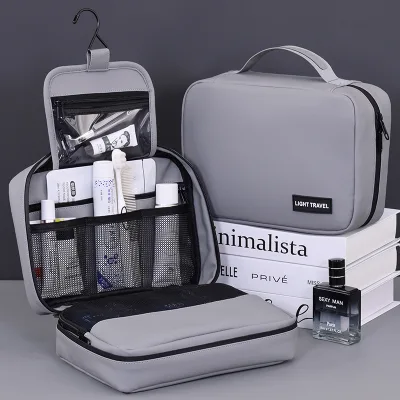
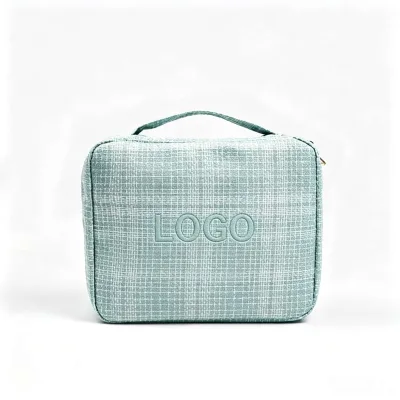
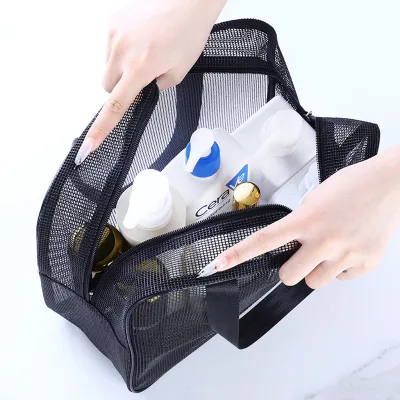
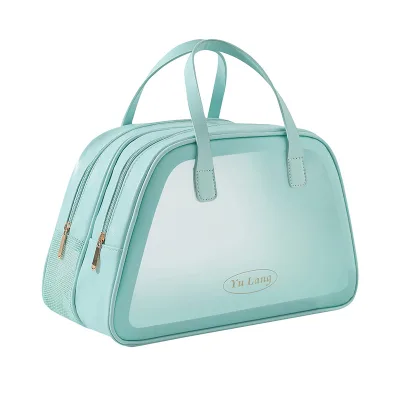




Comprehensive Sourcing Guide
Dry And Wet Separation Toiletry Bag Supplier Concentration and Factory Types
The current supplier landscape for dry and wet separation toiletry bags reveals a distinct geographic concentration in China, specifically within the Zhejiang province. This region hosts a mix of trading companies and manufacturer/factory entities that cater to diverse procurement needs. Suppliers in this area often list main products that extend beyond toiletry bags to include shopping bags, cooler bags, notebooks, pens, and other promotional items. This broad product range suggests that many factories operate with flexible production lines capable of handling various textile and plastic goods. The presence of both trading companies and direct manufacturers indicates that buyers can choose between intermediaries who offer consolidated sourcing and factories that provide direct production control. Understanding this mix is crucial for determining whether a supplier is a primary producer or a reseller, as it impacts pricing structures and communication efficiency.
In contrast, other regions such as Fujian, China, present a different supplier profile characterized by combined company types. These entities often focus on cooler insulated bags, backpacks, delivery bags, and travel bags, indicating a specialization in insulated and durable storage solutions. The main products listed for these suppliers suggest a strong capability in handling materials that require specific thermal or structural properties. While the Zhejiang suppliers emphasize a wide array of promotional and lifestyle accessories, the Fujian-based suppliers appear more focused on functional travel and storage gear. This distinction helps buyers identify suppliers whose core competencies align with their specific product requirements. For instance, if a buyer prioritizes high-volume promotional items, Zhejiang suppliers might be more suitable. Conversely, if the focus is on durable, insulated travel bags, Fujian suppliers may offer better expertise. Recognizing these regional and operational differences allows for more targeted supplier selection.
How to Verify Dry And Wet Separation Toiletry Bag Suppliers
Verification is a critical step in ensuring supplier reliability and product quality. Buyers should prioritize suppliers who have undergone third-party verification processes, such as those conducted by BV or CTI. These verifications provide an additional layer of confidence regarding the supplier’s business legitimacy and operational capabilities. For example, some suppliers in the current results display BV verification, while others show CTI verification. This distinction can help buyers assess the rigor of the verification process and the specific aspects of the business that were audited. Additionally, system certifications such as BSCI, ISO 9000, ISO 13485, TS 16949, ISO 9001, and SEDEX are available from certain suppliers. These certifications indicate adherence to international standards for quality management, social responsibility, and industry-specific requirements. Buyers should carefully review these certifications to ensure they meet their company’s compliance and ethical sourcing policies.
Beyond certifications, buyers should examine the supplier’s response time and verification status to gauge their professionalism and reliability. A response time of around 6.31 hours or lower, as seen in some results, suggests a responsive and attentive supplier team. This metric is particularly important for buyers who require quick communication during the negotiation and order placement phases. Furthermore, the availability of OEM and ODM capabilities indicates that suppliers can accommodate custom designs and manufacturing requirements. Buyers should verify whether the supplier offers these services and how they handle intellectual property and design confidentiality. It is also advisable to check for any additional verification badges or trust seals that may indicate a supplier’s commitment to secure transactions and quality assurance. By combining verification status, certifications, and response metrics, buyers can build a comprehensive profile of each supplier’s reliability and suitability for their sourcing needs.
What to Compare Across Dry And Wet Separation Toiletry Bag Suppliers
When evaluating suppliers, buyers should compare key operational metrics such as lead time, minimum order quantity (MOQ), and pricing. Lead times can vary significantly, with some suppliers offering a lead time of 120 days, while others provide a much shorter lead time of 30 days. This difference can impact inventory planning and delivery schedules, making it essential for buyers to align supplier lead times with their production and sales cycles. Similarly, MOQs range from 1000 pieces to 300 pieces, depending on the supplier and product type. Buyers with smaller order volumes may find suppliers with lower MOQs more suitable, while those planning large-scale productions might benefit from suppliers with higher capacity and lower per-unit costs. Comparing these metrics helps buyers identify suppliers that match their volume and timing requirements.
Pricing and customization options are also critical factors in supplier comparison. Some suppliers offer products with a fixed price point, such as $0.50 per unit, while others provide a price range, such as $5.50 to $7.90 or $11.00 to $13.00. These variations reflect differences in material quality, production complexity, and customization levels. Buyers should assess whether the price includes customization services, such as logo printing or design adjustments, which are often available as indicated by the "Customization: Available" attribute. Additionally, comparing the main products offered by each supplier can reveal their specialization and expertise. For instance, suppliers focusing on toiletry bags and cosmetic cases may offer more specialized features compared to those with a broader product range. By systematically comparing lead times, MOQs, pricing, and product focus, buyers can make informed decisions that balance cost, quality, and operational efficiency.
Common Dry And Wet Separation Toiletry Bag Sourcing Risks
One significant risk in sourcing dry and wet separation toiletry bags is the potential mismatch between supplier capabilities and buyer expectations. Suppliers may list a wide range of main products, from shopping bags to travel accessories, which can indicate a lack of specialization. This broad focus might lead to inconsistencies in product quality or attention to detail for toiletry bags specifically. Buyers should be cautious of suppliers who do not clearly demonstrate expertise in the specific features required, such as waterproof materials or wet and dry separation compartments. Additionally, the absence of specific certifications or verification badges can increase the risk of non-compliance with quality or ethical standards. Buyers must verify that suppliers meet their specific requirements for material safety, durability, and environmental impact.
Another risk is the variability in lead times and delivery dates, which can disrupt supply chain planning. Some suppliers provide estimated delivery dates of 35-45 days, while others have lead times of up to 120 days. This discrepancy can cause delays in product launches or inventory shortages if not properly managed. Buyers should also consider the risk associated with customization requests, as not all suppliers may have the infrastructure to handle complex design changes or logo applications efficiently. Furthermore, the lack of clear information on packaging standards or product origins can lead to unexpected costs or logistical challenges. For example, suppliers with "Customized" packaging or standard origins may not align with buyer preferences for eco-friendly or specific regional sourcing. To mitigate these risks, buyers should conduct thorough due diligence, request samples, and establish clear communication channels to ensure alignment on all operational aspects.
Dry And Wet Separation Toiletry Bag Regional Sourcing and Logistics
Sourcing from China, particularly from regions like Zhejiang and Fujian, offers logistical advantages due to established manufacturing clusters and export infrastructure. Zhejiang suppliers, often located in this province, benefit from proximity to major ports and a dense network of supporting industries, which can facilitate faster production and shipping. This region’s concentration of trading companies and manufacturers allows for efficient consolidation of orders, reducing transportation costs and lead times. Buyers sourcing from Zhejiang can leverage this ecosystem to access a wide variety of products and suppliers, enhancing their ability to find the right fit for their needs. The presence of diverse main products, such as shopping bags and promotional items, indicates a mature supply chain capable of handling various textile and plastic goods.
In contrast, sourcing from Fujian, China, provides access to suppliers specializing in insulated and durable travel bags. These suppliers often focus on cooler bags, backpacks, and delivery bags, indicating a strong capability in handling specialized materials and construction techniques. The logistical advantages of Fujian include access to different port facilities and potentially lower labor costs, which can impact overall pricing. Buyers should consider the specific logistical requirements of their orders, such as the need for insulated packaging or specialized handling for travel bags. Additionally, the regional differences in supplier types, such as combined companies in Fujian versus trading companies and factories in Zhejiang, can influence negotiation strategies and relationship management. Understanding these regional nuances helps buyers optimize their sourcing strategy, balancing cost, quality, and logistical efficiency to meet their business objectives.
Dry And Wet Separation Toiletry Bag Commercial Terms and Order Planning
Commercial terms and order planning are essential for successful procurement of dry and wet separation toiletry bags. Buyers should carefully review the minimum order quantities (MOQs) and pricing structures offered by suppliers. For instance, some suppliers have an MOQ of 1000 pieces with a fixed price of $0.50, while others offer an MOQ of 300 pieces with a price range of $5.50 to $7.90. These variations require buyers to align their order volumes with supplier capabilities and budget constraints. Additionally, buyers should consider the customization options available, such as logo printing, design adjustments, and packaging preferences. Suppliers indicating "Customization: Available" and "Logo: Customized" offer flexibility, but buyers must confirm the associated costs and lead time impacts. Clear communication regarding customization requirements is crucial to avoid misunderstandings and ensure the final product meets expectations.
Lead times and delivery schedules also play a critical role in order planning. Suppliers with a lead time of 30 days offer faster turnaround compared to those with 120 days, which can be advantageous for time-sensitive projects. Buyers should factor in sample approval times, which some suppliers estimate at 7-10 days, and production delivery dates of 35-45 days. These timelines must be integrated into the overall project schedule to prevent delays. Furthermore, buyers should verify the supplier’s response time, as a quicker response can facilitate smoother negotiations and issue resolution. Establishing clear commercial terms, including payment methods, shipping responsibilities, and quality assurance protocols, is vital for minimizing risks. By meticulously planning orders and aligning them with supplier capabilities, buyers can ensure a seamless procurement process and successful product delivery.
FAQs
What is the typical lead time for dry and wet separation toiletry bags?
Lead times vary by supplier, with some offering 30 days and others up to 120 days. Specific delivery dates often range from 35 to 45 days for sample production. Buyers should verify exact timelines based on order volume and customization needs before placing an order.
What are the minimum order quantities for these toiletry bags?
Minimum order quantities differ significantly among suppliers. Some manufacturers require orders of 1000 pieces, while others accept smaller batches starting at 300 pieces. Buyers must check specific product listings to confirm the exact MOQ applicable to their chosen design and material.
Are customization options available for logo and design on these bags?
Yes, customization is widely available for logos, sizes, and designs across multiple product listings. Suppliers offer options for fabric or leather materials with features like waterproofing and hangable designs. Buyers can request specific styles to match their brand requirements during the sourcing process.
What materials are commonly used for dry and wet separation toiletry bags?
Common materials include fabric, polyester, and leather depending on the specific product model. Some bags feature waterproof properties with multiple compartments for effective separation. Buyers should review product attributes to select the material that best suits their intended use and durability requirements.
Where are the suppliers of these toiletry bags located?
Suppliers are primarily located in China, specifically in Zhejiang and Fujian provinces. These regions host both trading companies and manufacturers capable of producing these items. Buyers can filter results by location to find suppliers with specific regional advantages or logistics capabilities.
What certifications do the suppliers hold for these products?
Certifications vary by supplier, with some holding BSCI, ISO 9000, ISO 13485, and SEDEX standards. Other suppliers may not list specific certifications in their current profiles. Buyers should verify the specific certification status of each supplier to ensure compliance with their quality and safety requirements.
How quickly do suppliers typically respond to inquiries?
Response times vary, with some suppliers responding within 4 hours and others taking up to 6 hours. Faster response times can facilitate quicker negotiations and order processing. Buyers should prioritize suppliers with shorter response times to ensure efficient communication throughout the sourcing lifecycle.