Dual Voltage 2L Mini Fridge Suppliers and Manufacturers
Compare 29 verified suppliers offering Dual Voltage 2L Mini Fridge units with varying lead times, certifications, and response speeds. Review product specs like capacity and temperature ranges to select a factory or trading company for your sourcing needs; review the available evidence before requesting comparable quotations from suitable candidates.
Updated
Suppliers List

Ningbo Movel Scientific Instrument Co., Ltd.
- Verified by TUVRHEINLAND
- Trading Company,Manufacturer/Factory
- China Zhejiang
- Lead time0 days
- Avg. response≤ 18h
Main productsLaboratory Ice Making, Weighing Scale Lab Balance, Laboratory Equipment, Lab Freezer Lab Refrigerator, Microscope, Pharmacy Refrigerator, Lab Glassware, Wine Cooler, Ice Cream Machine
Main marketsSouth America,Eastern Europe,Mid East,North America,Southeast Asia,Eastern Asia,Oceania,Western Europe,Africa

Feilong Home Electrical Group Co., Ltd.
- Verified by TUVRHEINLAND
- Combined
- China Zhejiang
- Lead time30 days
- Avg. response≤ 7h
Main productsTwin Tub Washing Machine, Top Loading Fully Automatic Washing Mach, Washing Machine, Freezer, Glass Door Freezer, Refrigerator, Mini Refrigerator, Chest Freezer, Semi Automatic Washing Machine, Upright Freezer
Main marketsEurope

Foshan Shunde Ruibei Refrigeration Equipment Co., Ltd.
- Verified by SGS
- Combined
- China Guangdong
- Lead time60 days
- Avg. response≤ 4h
Main productsUpright Cooler, Upright Freezer, Display Refrigerator, Refrigerator Showcase, Ice Merchandisers, Back Bar Cooler, Multi-Door Display Cooler, Open Chiller, Island Freezer, Fresh Meat Display Refrigerator
Main marketsDomestic


Back Bar Cooler Double Glass Door 200L Under Counter Beverage Mini Fridge
$200.00 - $255.00
MOQ: 48 pcs

Sliding Door Under Counter Refrigerator Cooler Double Door Energy Drink Mini Fridge
$220.00 - $260.00
MOQ: 48 pcs


Guangdong Freecool Electrical Technology Co., Ltd.
- Manufacturer, Trading Company
- Guangdong, China
- Lead time30 days
- Avg. response≤ 5h
Main productsThermoelectric cooler and warmer,Compressor Refrigerator
Main marketsNorth America(50.00%), Mid East(17.00%), Domestic Market(10.00%), Eastern Asia(8.00%), South America(5.00%), Central America(5.00%), Southeast Asia(4.00%), Oceania(1.00%)
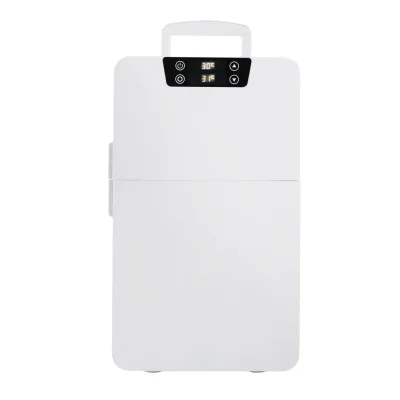
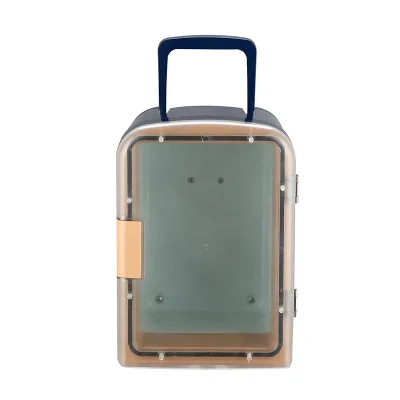
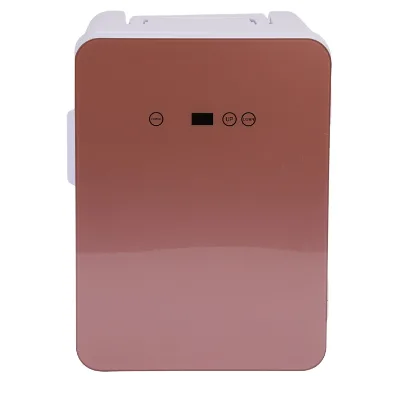
Hot Sale 6l 110v 220v Mini Fridge 6 Liter Mini Fridge 6 Cans Mini Fridge
$22.7938 - $26.7976
MOQ: 200 pieces

Qingdao Yunlei Electric Applicance Co., Ltd.
- Verified by TUVRHEINLAND
- Manufacturer/Factory
- China Shandong
- Lead time45 days
- Avg. response≤ 6h
Main productsShowcase, Freezer, Refrigerator, Ice Maker Microwave, Oven Air-Cooled Glass Cabinet, Kitchen Equipment, Kitchen Fridge, Air-Cooled Glass Cabinet, Cooling Workbench, Stainless Steel Stove
Main marketsSouth America,Eastern Europe,Mid East,North America,Southeast Asia,Eastern Asia,Oceania,Western Europe,Africa

Factory Two Door Fridge Mini Size Upright Home Double Door Mini Fridge with Freezer Compartment
$55.70 - $212.75
MOQ: 20 Pieces


Hot Sales Refrigerator Mini Fridge DC Power Refrigerator Portable Mini Refrigerator
$55.70 - $212.75
MOQ: 20 Pieces
Da Pan Electric Appliance Ind. Co. Ltd.
- Verified by SGS Group
- Manufacturer, Trading Company
- Lead time35 days
- Avg. response≤ 4h
Main productsCommercial Display Fridge, Back Bar Cooler, Ice Maker Machine, Freezing Display Fridge, Commercial Wine Cooler
Main marketsNorthern Europe(16%), North America(10%), Southeast Asia(10%)

Qingdao Smad Electric Appliances Co., Ltd.
- Verified by BV
- Manufacturer/Factory
- China Shandong
- Lead time60 days
- Avg. response≤ 9h
Main productsRefrigerator, Freezer, Washing Machine, Air Conditioner, Dish Washer, Display Cooler, Microwave Oven, Water Dispenser, Wine Cooler, Clothes Dryer
Main marketsSouth America,Eastern Europe,Mid East,North America,Southeast Asia,Eastern Asia,Oceania,Western Europe,Africa

Shanghai Huaqi Industrial Co., Ltd.
- Verified by TUVRHEINLAND
- Trading Company
- China Shanghai
- Lead time15 days
- Avg. response≤ 6h
Main productsCar Mats, Seat Cover, Car Cover, Wiper Blade, Air Compressor, Steering Wheel Cover, Car Lock, Baby Mirror, Car Jack, Racing Seat
Main marketsSouth America,Africa,Southeast Asia/ Mideast,Europe,Australia,North America
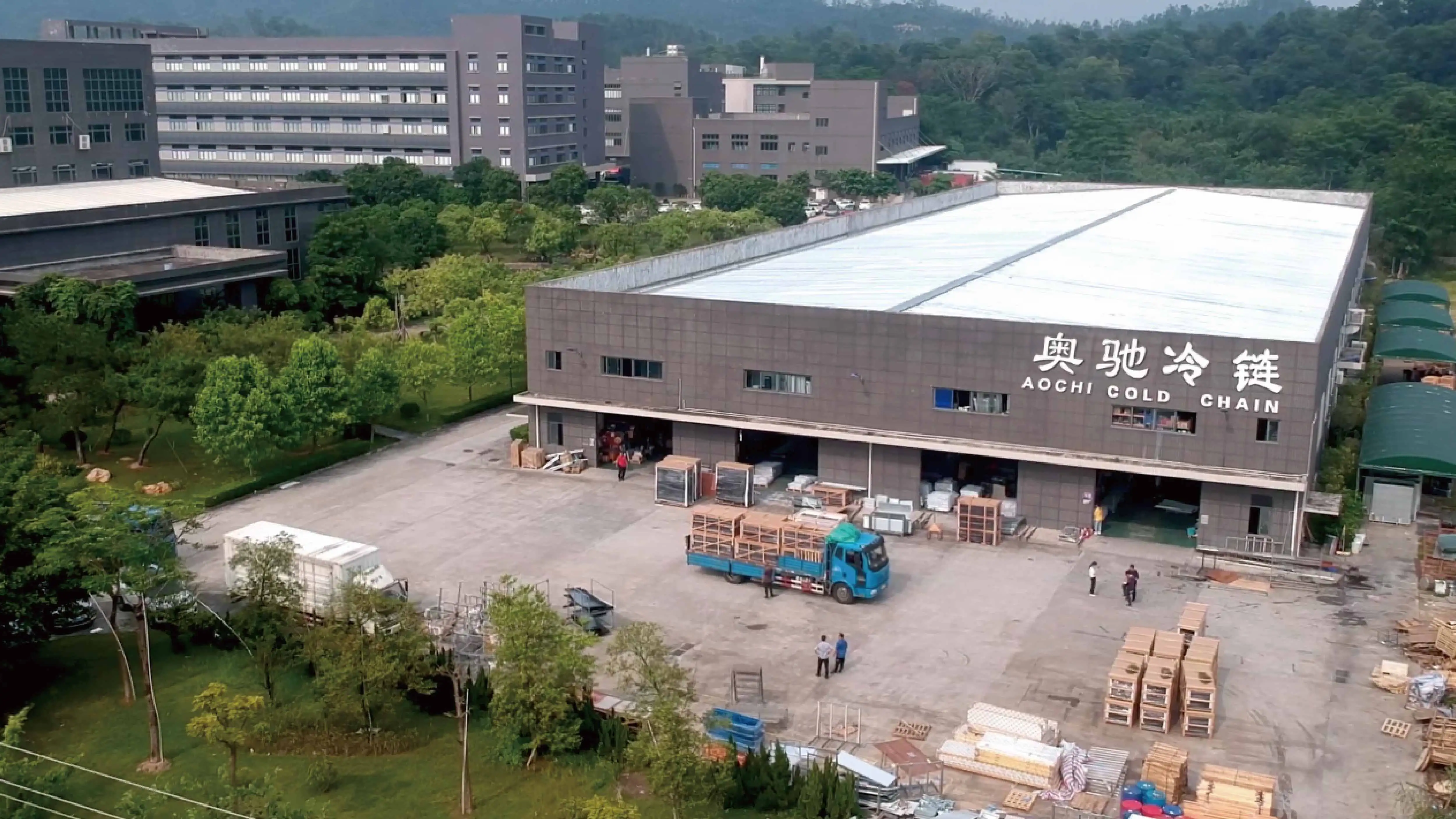
Zhongshan Aochi Refrigeration Equipment Co., Ltd.
- Manufacturer, Trading Company
- Guandong, China
- Lead time25 days
- Avg. response≤ 1h
Main productsShowcase refrigeration,Display chiller,Island freezer,Ice cream freezer,Supermarket refrigerator
Main marketsSouth America(22.00%), Domestic Market(20.00%), Southeast Asia(20.00%), Southern Europe(10.00%), Oceania(8.00%), Mid East(8.00%), Eastern Asia(3.00%), South Asia(2.00%), Africa(2.00%), Eastern Europe(1.00%), Western Europe(1.00%), Northern Europe(1.00%), Central America(1.00%), North America(1.00%)
Ningbo Airbrisk Technology Co., Ltd.
- Verified by SGS Group
- Manufacturer, Trading Company
- Zhejiang, China
- Lead time35 days
- Avg. response≤ 2h
Main productsAir Conditioner, Air Coolers, Dehumidifier, Air Conditioner Parts
Main marketsAfrica(25%), Eastern Europe(20%), Mid East(20%)
Hangzhou Joy Kitchen Equipment Co., Ltd.
- Verified by TüVRheinland
- Trading Company
- Lead time10 days
- Avg. response≤ 4h
Main productsFryer, Sushi Machine, Oven, Mixer, Warmer
Main marketsNorth America(30%), Mid East(13%), Western Europe(12%)

Qingdao Vestar International Industry Co., Ltd.
- Verified by BV
- Trading Company
- China Shandong
- Lead time30 days
- Avg. response≤ 2h
Main productsRefrigerator, Air Conditioner, Range Hood, Gas Hobs, Oven, Washing Machine, Microwave, Dishwasher, Showcase, Chest Freezer
Main marketsSouth America,Africa,Southeast Asia/ Mideast,Domestic,Europe,Australia,North America

Icebear Refrigeration Tech Co., Ltd.
- Verified by SGS
- Combined
- China Zhejiang
- Lead time30 days
- Avg. response≤ 6h
Main marketsEurope


123L Reliable Supplier Compact Refrigerator Low Temperature Double Door Mini Fridge
$71.00 - $80.00
MOQ: 248 pieces


Ningbo Keycool Electric Appliance Co., Ltd.
- Manufacturer, Trading Company
- Lead time旺季: "1 - 1000":30,"> 1000":"To be negotiated", 淡季: "1 - 1000":30,"> 1000":"To be negotiated"
- Avg. response≤ 2h
Main productsRefrigerator / Fridge, Air Conditioner, Washing Machine, Fefrigerator Spare Parts, Freezer
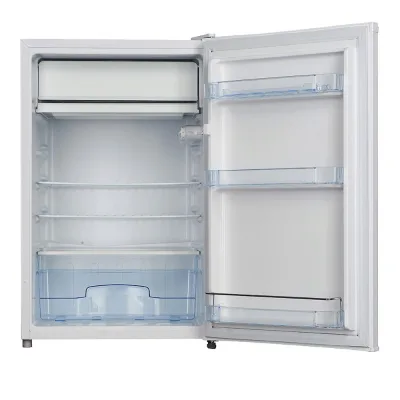
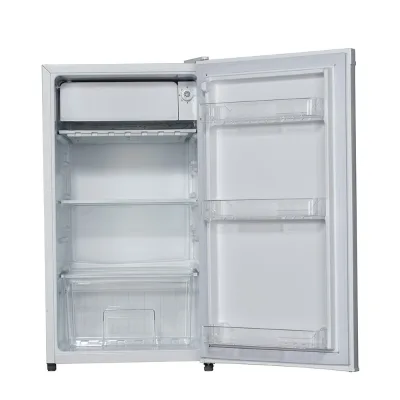
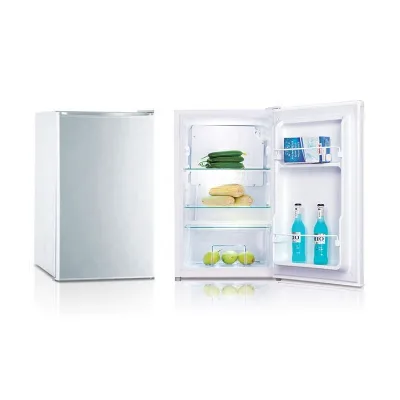
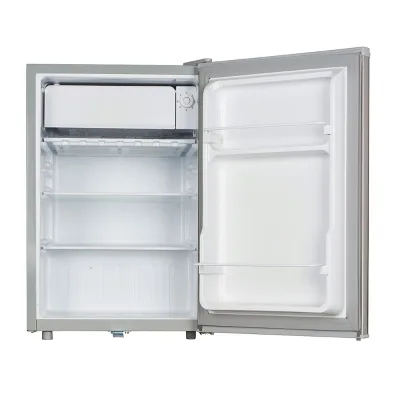
91L Solid Door Desktop Mini Fridge With Lock and Key Mini All Refrigerator
$58.00 - $70.00
MOQ: 345 Minimum
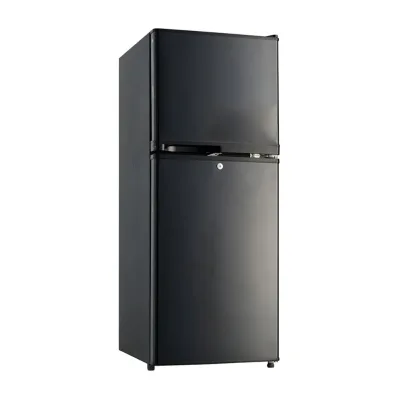
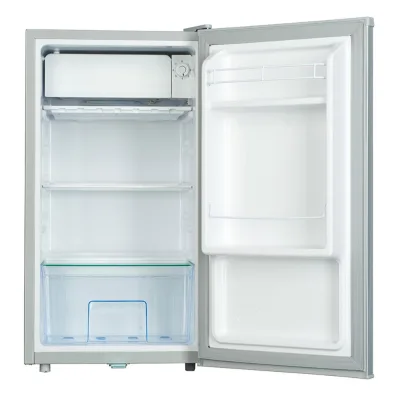
138L China Factory VCM.S.S Double Door Mini Fridge With Lock and Key
$97.8742 - $108.1768
MOQ: 192 pieces
Homesun (gd) Refrigeration Technology Co., Ltd.
- Verified by SGS Group
- Manufacturer, Trading Company
- Lead time35 days
- Avg. response≤ 2h
Main productsMini Fridge, Commercial Fridge, Wine Cooler, Safe Box, Cigar Humidor
Main marketsNorth America(14%), Northern Europe(13%), Southern Europe(13%)
Foshan Shunde Maoduoyu Trading Co., Ltd.
- Manufacturer, Trading Company, Distributor/Wholesaler
- Guangdong, China
- Lead time0 days
- Avg. response≤ 1h
Main productsIndustrial machinery,Commercial machinery,Packaging machinery,Filling machinery,Food machinery
Main marketsNorth America(50.00%), Southeast Asia(10.00%), Mid East(10.00%), Central America(10.00%), Domestic Market(5.00%), Western Europe(5.00%), Northern Europe(3.00%), South Asia(2.00%), Oceania(1.00%), Eastern Asia(1.00%), Eastern Europe(1.00%), South America(1.00%), Africa(1.00%)
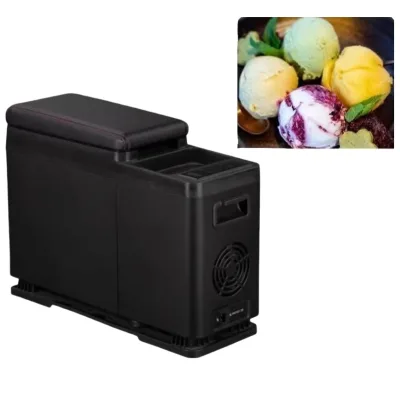
8L Portable 220V Compressor Motor Car Freezer Mini Fridge for Camping Travel Home Use
$117.4871 - $153.1528
MOQ: 1 units
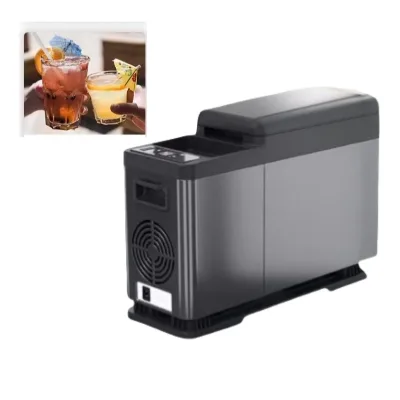
Ningbo Icebear Refrigeration Tech Co., Ltd.
- Verified by SGS Group
- Manufacturer, Trading Company
- Lead time30 days
- Avg. response≤ 2h
Main productsRefrigerator, Top Freezer Refrigerator, Fridge, Freezrr, Air Conditioner
Main marketsSoutheast Asia(30%), Africa(30%), Mid East(20%)
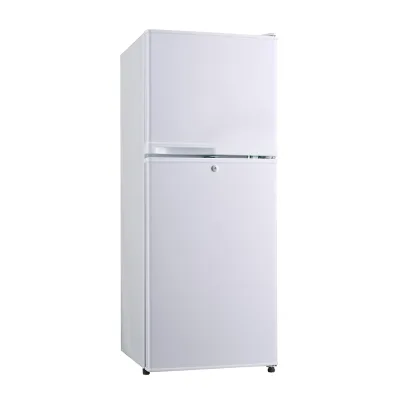
OEM Factory 108L China Popular Hotel Fridge Refrigerator 2 Doors Mini Fridge
$83.00 - $85.00
MOQ: 210 pieces
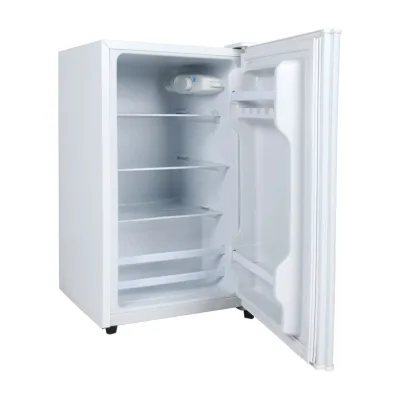
Changzhou Peijieer Electronic Technology Co., Ltd.
- Manufacturer, Trading Company
- Jiangsu, China
- Lead time45 days
- Avg. response≤ 6h
Main productsElectronic Mini-refrigerator, Electronic Cigar Cabinet, Commercial Compressor Freezer, Wine Dispenser Machine, Electronic Wine Cabinet
Main marketsWestern Europe(30.00%), North America(21.00%), Domestic Market(12.00%), Eastern Asia(10.00%), South America(5.00%), Southern Europe(5.00%), Northern Europe(5.00%), Oceania(2.00%), Central America(2.00%), Eastern Europe(2.00%), Mid East(2.00%), Southeast Asia(2.00%), South Asia(1.00%), Africa(1.00%)

Huzhou Transtec Electrical Appliances Co., Ltd.
- Manufacturer, Trading Company
- Zhejiang, China
- Lead time30 days
- Avg. response≤ 3h
Main productssolar chest frezer,solar refrigerator,solar ice cream freezer,ice cream tricycle,ice cream push cart
Main marketsMid East(33.00%), Africa(30.00%), South America(10.00%), Oceania(10.00%), North America(7.00%), Domestic Market(5.00%), Eastern Europe(5.00%)
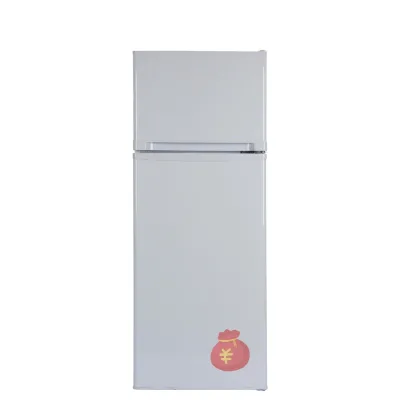
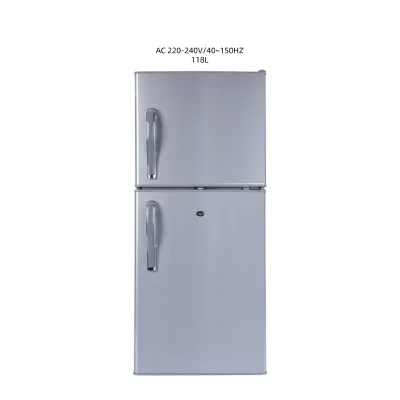
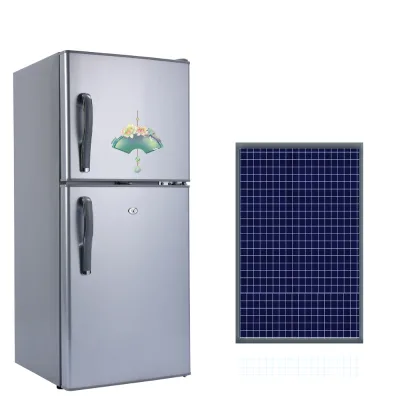
$145.8662 - $162.4181
MOQ: 2 sets

- Verified by SGS
- Trading Company
- China Zhejiang
- Lead time15 days
- Avg. response≤ 15h
Main productsCar Mat, Car Air Freshener, Car Seat Cover, Steering Wheel Cover, Car Phone Holder, Car Roof Tent, Car Sunshade, Jerry Can
Main marketsEurope,Australia


Hot Sale 5L Car Mini Fridge Heating&Cooling Mini Fridge Small Refrigerator
$31.18 - $34.85
MOQ: 50 Pieces

Guangzhou Sunrry Kitchen Equipment Co., Ltd.
- Verified by CTI
- Trading Company,Manufacturer/Factory
- China Guangdong
- Lead time30 days
- Avg. response≤ 3h
Main productsCommercial Kitchen Solutions, Turnkey Kitchen Solutions, Catering Equipment, Restaurant Equipment, Commercial Refrigeration Equipment, Commercial Bakery Equipment, Commercial Cooking Equipment, Stainless Steel Equipment, Commercial Food Prep Equipment, Commercial Kitchen Equipment
Main marketsSouth America,Eastern Europe,Mid East,North America,Southeast Asia,Eastern Asia,Oceania,Western Europe,Africa
Da Pan Electric Appliance Ind. Co., Ltd.
- Verified by SGS Group
- Manufacturer, Trading Company
- Lead time45 days
- Avg. response≤ 1h
Main productsRefrigerator, Wine Cooler, Commercial Refrigerator, Cigar Humidor, Car Fridge
Main marketsNorth America(20%), Northern Europe(16%), Southeast Asia(10%)
Guangzhou Goku Information Tech Co., Ltd.
- Verified by SGS Group
- Trading Company
- Lead time30 days
- Avg. response≤ 5h
Main productsCar Refrigerator, Diesel Heater, Electric Scroll Compressor, Rooftop Air Conditioner
Main marketsNorth America(17%), South America(15%), Eastern Europe(10%)
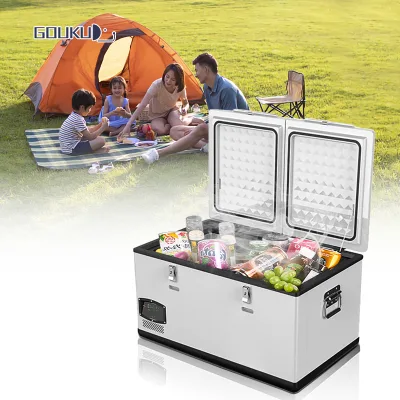
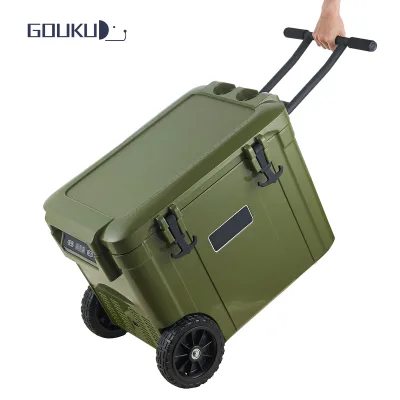
Mini Cooler Box Car Refrigerator 75L DC 12v Portable Car Fridge for Drinks
$232.7647 - $243.1093
MOQ: 2 Minimum

Foshan Yueyueyue Intelligent Technology Co., Ltd.
- Verified by SGS
- Combined
- China Guangdong
- Lead time30 days
- Avg. response≤ 1h
Main productsCommercial Refrigerator, Commercial Freezer, Display Freezer, Display Cooler, Ice Maker, Icecream Maker, Mini Fridge, Beef Cabinet, Air Dryer, Blast Freezer
Main marketsDomestic

Guangzhou Nantian Sources Co., Ltd.
- Manufacturer/Factory
- China Guangdong
- Lead time15 days
- Avg. response≤ 6h
Main productsKitchen Equipment, Kitchenware, Food Machine, Kitchen Appliance, Glassware, Food Machinery, Bakery Equipment, Dinnerware, Kitchen Utensils, Food Processor
Main marketsSouth America,Mid East,Southeast Asia,Eastern Asia,Oceania,Africa

- Verified by BV
- Trading Company
- China Shandong
- Lead time15 days
- Avg. response≤ 11h
Main productsCompressor, Condenser, Evaporator, Auto AC Parts, Refrigeration Part, Sensor, Insulation Tube, Motors, Unit Cooler, Thermostat
Main marketsSouth America,Southeast Asia/ Mideast,East Asia(Japan/ South Korea),Domestic,Europe
Jiaxing TR-Technology Co., Ltd.
- Verified by Intertek
- Manufacturer, Trading Company
- Lead time30 days
- Avg. response≤ 5h
Main productsCooler Box Speaker, Cooler Bag Speaker, Solar Cooler, Mini Fridge Speaker, Tackle Box Speaker
Main marketsNorth America(40%), Oceania(30%), South America(10%)

Shenzhen Sachikoo Yongfa Technology Co., Ltd.
- Verified by TUVRHEINLAND
- Combined
- China Guangdong
- Lead time15 days
- Avg. response≤ 4h
Main productsSafe, Telephone, LED Mirror, Electric Kettle, Mini Fridge, Hairdryer
Main marketsSouth America,Southeast Asia/ Mideast,Europe,Australia,North America

- Verified by TUVRHEINLAND
- Trading Company,Manufacturer/Factory
- China Shandong
- Lead time23 days
- Avg. response≤ 6h
Main productsRefrigeration Part, Evaporator, Compressor, Condenser, Refrigerator Condenser, Filter Drier, Access Valve, Accumulator, Refrigeration, Refrigerator Part
Main marketsSouth America,Eastern Europe,Mid East,North America,Southeast Asia,Eastern Asia,Oceania,Western Europe,Africa












Comprehensive Sourcing Guide
Dual Voltage 2L Mini Fridge Supplier Concentration and Factory Types
The current supplier landscape for compact refrigeration units reveals a distinct geographic and operational structure that buyers must navigate carefully. Evidence indicates that manufacturing and trading entities are concentrated in specific Chinese provinces, with Zhejiang and Guangdong emerging as primary hubs for these types of appliances. Suppliers in Zhejiang often operate as either trading companies or manufacturer-factories, suggesting a hybrid model where direct production capabilities may be combined with extensive distribution networks. This dual nature can offer buyers flexibility in order sizes but requires careful verification of who actually controls the production line. Meanwhile, suppliers located in Guangdong tend to focus heavily on commercial-grade equipment, such as upright coolers, display refrigerators, and ice merchandisers, indicating a specialization in higher-capacity or professional-use units rather than ultra-compact personal appliances. The presence of both trading companies and combined entity types suggests that the market is fragmented, with some suppliers acting as intermediaries while others maintain direct factory ties. This fragmentation means that the "factory" label may not always guarantee direct access to production lines, as trading companies often aggregate products from multiple smaller workshops. Buyers should recognize that the concentration in these regions is driven by established supply chains for compressors, insulation materials, and electronic controls, which are critical for dual voltage functionality. Understanding this geographic split helps in anticipating shipping logistics and communication time zones, as Guangdong and Zhejiang are both major export ports with mature infrastructure for handling small electronics and appliances. The distinction between a pure trading company and a manufacturer-factory is crucial because it affects pricing transparency, customization flexibility, and the ability to resolve technical issues quickly. In Zhejiang, the mix of company types implies that buyers might encounter suppliers who can offer broader product ranges but may have less direct control over manufacturing quality. Conversely, Guangdong-based suppliers focusing on commercial equipment may have deeper expertise in robust construction and higher capacity units, which could be relevant if the buyer is considering scaling up from a 2L unit to larger formats. The concentration of these entities in China highlights the region's dominance in small appliance manufacturing, but it also necessitates rigorous due diligence to ensure that the specific supplier matches the buyer's needs for dual voltage compatibility and compact design.
How to Verify Dual Voltage 2L Mini Fridge Suppliers
Verifying the legitimacy and capability of suppliers requires a multi-layered approach that goes beyond simple profile reviews. First, buyers must scrutinize the verification badges provided by third-party inspection agencies. Evidence shows that some suppliers hold TUVRHEINLAND verification, while others are verified by SGS. These badges indicate that an independent party has assessed the company's business license, factory conditions, or trading capabilities. However, a verification badge alone does not guarantee product quality, especially for specialized features like dual voltage support. Buyers should request detailed verification reports that specifically mention the scope of the audit, including whether the factory has experience with international electrical standards. Secondly, certification analysis is critical for electrical appliances. The data indicates that suppliers often hold ISO 9001, ISO 14001, and QHSE certifications, which speak to general management systems rather than product-specific safety. For a dual voltage mini fridge, the presence of CE, RoHS, CB, ETL, or GS marks on the product itself is far more important than the company's general ISO certificates. Buyers must ask for test reports from accredited laboratories that confirm the unit can safely operate on both 110V and 220V power sources without overheating or electrical failure. Additionally, response time metrics provide insight into supplier reliability. Suppliers with response times under four hours, such as those in Guangdong, may offer faster communication for technical queries, which is vital when discussing voltage specifications. Buyers should also verify the supplier's main product focus; if a supplier lists "Laboratory Ice Making" or "Twin Tub Washing Machines" as primary products, their expertise in mini fridges may be limited. Cross-referencing the supplier's claimed certifications with the actual product specifications is essential, as some listings may display generic certifications that do not apply to the specific dual voltage model. Finally, buyers should check for any history of disputes or negative feedback related to electrical safety, as this is a high-risk area for small appliances.
What to Compare Across Dual Voltage 2L Mini Fridge Suppliers
When evaluating multiple suppliers, buyers must compare several key dimensions to ensure they select the most suitable partner. One critical factor is the Minimum Order Quantity (MOQ). Evidence shows that MOQs can vary significantly, with some suppliers offering an MOQ of just one unit, while others require bulk orders such as 750 pieces or a full container load (1xhq). For buyers testing the market or needing small batches, a low MOQ is advantageous, but it often comes with a higher unit price. Conversely, suppliers with higher MOQs may offer better economies of scale but require greater capital commitment. Another important comparison point is the lead time. Some suppliers indicate a lead time of zero, which may imply ready stock, while others specify lead times of 30 or 60 days. A 60-day lead time is typical for custom manufacturing or large orders, whereas a shorter lead time suggests faster turnaround for standard models. Buyers should also compare the price ranges, which can span from as low as $52 to over $999 per unit. This wide range reflects differences in capacity, features, and build quality. For a 2L dual voltage fridge, buyers should look for prices in the lower to mid-range but must ensure that the price includes all necessary certifications and packaging. Additionally, the customization options available should be compared. Some suppliers offer OEM and ODM services, allowing for brand logo placement or minor design tweaks, while others may only offer non-customized products. The response time is also a practical metric; suppliers with faster response times, such as those under four hours, are generally more responsive to urgent inquiries or changes. Buyers should also compare the product specifications, such as temperature range, climate type, and refrigerant type, to ensure compatibility with their intended use. Finally, the supplier's capacity for R&D, whether through own brand, OEM, or ODM, indicates their ability to innovate or adapt to specific buyer requirements.
Common Dual Voltage 2L Mini Fridge Sourcing Risks
Sourcing dual voltage mini fridges involves several inherent risks that buyers must actively manage. One significant risk is the mismatch between claimed voltage compatibility and actual performance. Many small appliances are designed for a single voltage market, and retrofitting them for dual voltage use can compromise safety and efficiency. Buyers must verify that the dual voltage feature is not just a simple switch but involves proper internal components like transformers or universal power supplies. Another risk is the variability in certification authenticity. While suppliers may display CE or RoHS marks, these certifications can be self-declared or forged. Buyers should request original test reports from recognized laboratories to confirm that the product meets international safety standards for electrical appliances. Additionally, there is a risk related to the supplier's primary expertise. If a supplier's main products are laboratory equipment or washing machines, their focus on mini fridges may be secondary, potentially leading to lower quality control or less specialized knowledge. This is particularly relevant for dual voltage functionality, which requires precise engineering. Another common risk is the discrepancy between the quoted price and the final cost, including shipping and tariffs. Some suppliers may quote low prices but charge extra for packaging, certifications, or dual voltage components. Buyers should ensure that the price includes all necessary documentation and compliance materials. Furthermore, the lead time can be a risk if the supplier underestimates production complexity. A quoted lead time of zero may be unrealistic for custom dual voltage units, leading to delays. Buyers should also be cautious of suppliers who do not provide clear information about their manufacturing process or quality control measures. Finally, there is a risk of intellectual property infringement if the buyer requests custom designs without proper legal agreements. Ensuring that the supplier respects IP rights and has clear contracts in place is essential to protect the buyer's brand and product design.
Dual Voltage 2L Mini Fridge Regional Sourcing and Logistics
The geographic location of suppliers significantly impacts logistics, shipping costs, and communication efficiency. Evidence indicates that suppliers are primarily located in Zhejiang and Guangdong provinces in China. Zhejiang-based suppliers, often operating as trading companies or manufacturer-factories, may offer a broader range of products and potentially more flexible order terms. However, buyers should consider the specific port of shipment, as Zhejiang is close to Ningbo-Shanghai, a major global shipping hub. This proximity can reduce inland transportation costs and improve shipping frequency. On the other hand, Guangdong-based suppliers, who often specialize in commercial equipment, are located near Shenzhen and Guangzhou, another critical export region. The logistics infrastructure in Guangdong is highly developed, with efficient customs clearance and a wide network of freight forwarders. Buyers should evaluate the supplier's location in the context of their own destination. For example, if the buyer is in Europe, shipping from Ningbo may offer competitive rates and transit times. If the buyer is in North America, both regions offer viable options, but the choice may depend on the specific carrier agreements and port congestion. Additionally, the supplier's location can affect communication and time zone alignment. While both Zhejiang and Guangdong are in the same time zone, the supplier's operational hours and responsiveness can vary. Buyers should also consider the environmental regulations in these regions, as Guangdong has strict environmental standards that may impact production costs and lead times. Furthermore, the availability of local logistics partners can influence the reliability of shipping. Suppliers with established relationships with freight forwarders can offer more predictable shipping schedules and better handling of documentation. Buyers should also be aware of any regional trade agreements or tariffs that may apply to goods shipped from these specific provinces. Finally, the supplier's ability to handle export documentation, including certificates of origin and customs declarations, is crucial for smooth logistics. Suppliers with experience in international trade are better equipped to manage these complexities, reducing the risk of delays at customs.
Dual Voltage 2L Mini Fridge Commercial Terms and Order Planning
Commercial terms and order planning are critical for ensuring a smooth transaction and successful product launch. Buyers must carefully review the payment terms, which can vary from 30% deposit and 70% before shipment to more flexible options for trusted partners. For new suppliers, it is advisable to use secure payment methods such as escrow or letters of credit to mitigate financial risk. The price range observed, from $52 to $999, suggests that buyers should negotiate based on volume and specific features. For a 2L dual voltage fridge, buyers should aim for a price that reflects the added cost of voltage compatibility without compromising on quality. Additionally, buyers should clarify the Incoterms, such as FOB, CIF, or DDP, to understand who is responsible for shipping and insurance. FOB terms are common, where the supplier is responsible for getting the goods to the port, and the buyer handles the rest. Buyers should also plan for lead times, which can range from zero to 60 days. A 60-day lead time requires careful inventory planning to avoid stockouts. Buyers should also consider the MOQ, which can be as low as one unit or as high as 750 pieces. For initial orders, a low MOQ is preferable to test the market, but buyers should be prepared for higher unit costs. Furthermore, buyers should discuss customization options, such as logo printing or packaging design, and any associated costs. The supplier's response time is also a factor in order planning; faster response times can help resolve issues quickly and keep the project on schedule. Buyers should also plan for quality control inspections, either through third-party agencies or internal teams, to ensure the product meets specifications before shipment. Finally, buyers should
FAQs
What is the price range for mini fridges?
Mini fridge prices vary significantly based on capacity and features. Available options range from approximately $52 to $999 per unit. Specific models like the 45L unit are priced around $52, while larger 180L units cost about $116.50. Buyers should verify exact pricing for their desired capacity and certification requirements directly with suppliers.
What certifications do these mini fridges have?
Manufacturers offer various safety and quality certifications for their refrigeration units. Common certifications include CE, RoHS, ISO, CB, EMC, GS, and ETL. Some suppliers also hold ISO 9001, ISO 13485, and HACCP system certifications. Buyers should request specific certificate copies to ensure compliance with local regulatory standards before placing orders.
What is the minimum order quantity for these units?
Minimum order quantities depend on the specific supplier and product model. Some manufacturers accept orders as low as one unit, while others require a minimum of 750 units for certain glass door models. Buyers seeking small batches should filter for suppliers with low MOQs, whereas bulk buyers can negotiate better terms with higher volume requirements.
How long does production take for these fridges?
Lead times vary by supplier and production schedule. Some manufacturers report lead times of 30 days, while others may require up to 60 days for production and preparation. Buyers should confirm current lead times with their chosen supplier, as these figures can fluctuate based on order volume and specific customization requirements for the mini fridge units.
Where are these mini fridge suppliers located?
Suppliers for these refrigeration units are primarily located in China. Specific manufacturing hubs include Zhejiang and Guangdong provinces. These regions are known for producing various commercial and household appliances, including mini fridges and freezers. Buyers can filter search results by these locations to find suppliers with established supply chains and logistical advantages for international shipping.
Can I customize the mini fridge design?
Many manufacturers offer customization services for their mini fridge products. Options typically include OEM and ODM services, allowing buyers to tailor designs and branding. Some suppliers also provide logo customization and specific capacity adjustments. Buyers should discuss their specific customization needs with suppliers to ensure the manufacturer can meet their unique design and functional requirements.