Smokeless Hot Pot Induction Cooker Suppliers and Manufacturers
Explore 21 verified suppliers offering Smokeless Hot Pot Induction Cooker options with varying burner counts, certifications, and lead times. Compare specifications like housing material and response times to select the right partner for your needs; review the available evidence before requesting comparable quotations from suitable candidates.
Updated
Suppliers List

Zhongshan Longstar Electrical Appliance Co., Ltd.
- Verified by BV
- Combined
- China Guangdong
- Lead time30 days
- Avg. response≤ 8h
Main productsInduction Cooker, Infrared Cooker
Main marketsSoutheast Asia/ Mideast


Commercial Hot Pot Induction Cooker 3 Burner Induction Cooker Induction Stove
$83.00 - $88.00
MOQ: 100 Pieces


Zhongshan Alpha Electric Appliance Co., Ltd.
- Manufacturer
- Guangdong, China
- Lead time0 days
- Avg. response≤ 18h
Main productsinduction cooker,hand mixer,electric kettle,blender,vacuum Sealer
Main marketsDomestic Market(50.00%), Eastern Europe(20.00%), Western Europe(15.00%), Southern Europe(5.00%), Mid East(5.00%), South America(4.00%), North America(1.00%)
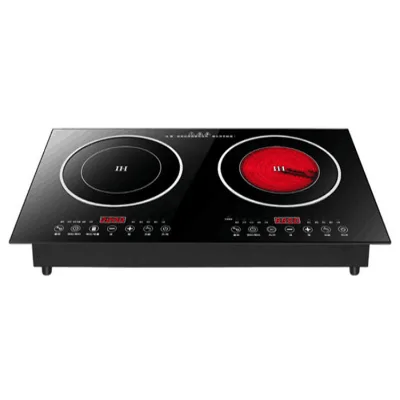
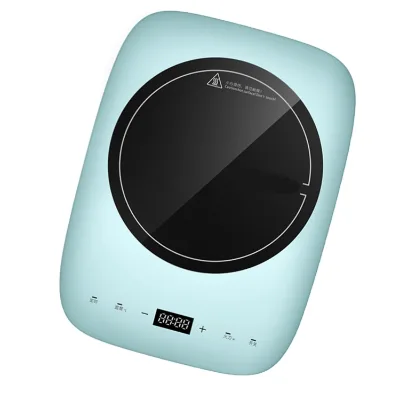
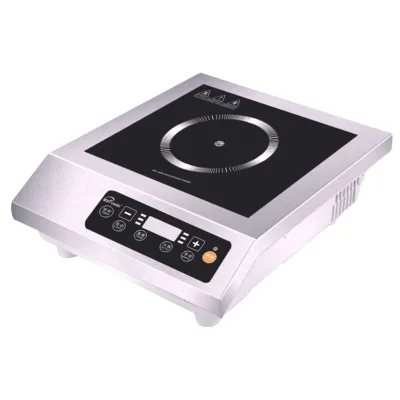
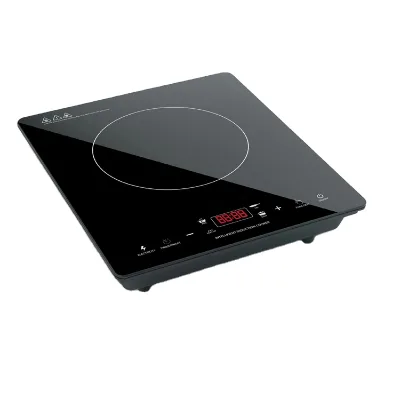
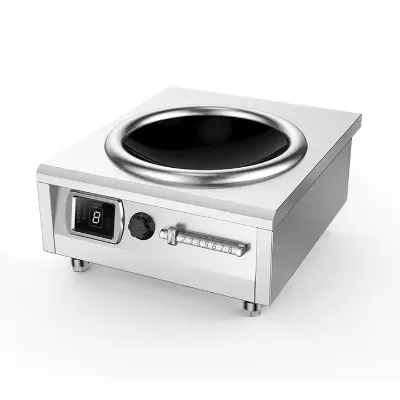
5KW Portable Electric Commercial Induction Cooker 110V 220V
$62.00 - $62.50

Guangzhou Nantian Sources Co., Ltd.
- Manufacturer/Factory
- China Guangdong
- Lead time15 days
- Avg. response≤ 6h
Main productsKitchen Equipment, Kitchenware, Food Machine, Kitchen Appliance, Glassware, Food Machinery, Bakery Equipment, Dinnerware, Kitchen Utensils, Food Processor
Main marketsSouth America,Mid East,Southeast Asia,Eastern Asia,Oceania,Africa

Zhongshan Ruihu Industry and Trade Co., Ltd.
- Verified by TUVRHEINLAND
- Trading Company
- China Guangdong
- Lead time30 days
- Avg. response≤ 2h
Main productsInduction Cooker
Main marketsSouth America,Domestic
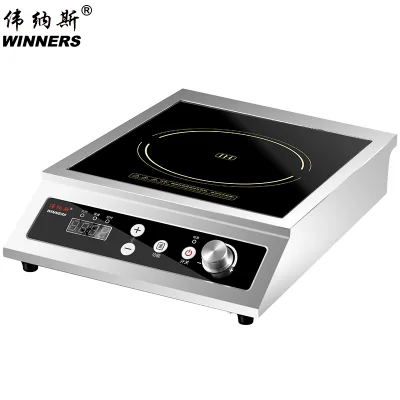
Guangdong Winners Stainless Steel Industry Co., Ltd.
- Verified by Intertek
- Manufacturer, Trading Company
- Lead time30 days
- Avg. response≤ 10h
Main productsInsulation Barrel, Electric Boiler, Chafing Dish, Soup Warmer, Juice Dispenser
Main marketsDomestic Market(75%), Eastern Asia(8%), Eastern Europe(6%)
Foshan Classy-Cook Electrical Technology Co., Ltd.
- Manufacturer, Trading Company
- Guangdong, China
- Lead time35 days
- Avg. response≤ 9h
Main productsInduction Hob, Ceramic Hob
Main marketsWestern Europe(50.00%), North America(20.00%), South America(20.00%), Eastern Europe(3.00%), Southeast Asia(3.00%), Africa(2.00%), Mid East(2.00%)
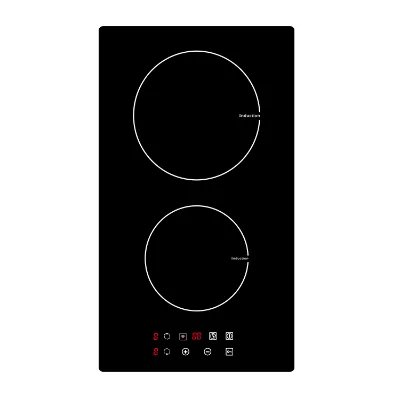
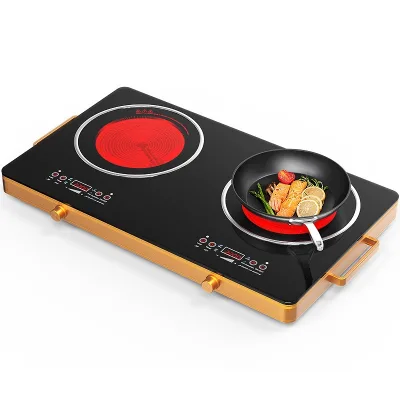
Induction Cooker Ceramic Glass Portable Induction Cooker Small Induction Cooker
$41.00 - $43.00
MOQ: 200 pieces
Guangzhou ITO Catering Equipment Co., Ltd.
- Manufacturer, Trading Company
- Guangdong, China
- Lead time20 days
- Avg. response≤ 2h
Main productsFryer/Oven/Ice Cream Machine/Beverage Dispenser/Popcorn Machine
Main marketsSoutheast Asia(19.00%), Domestic Market(15.00%), Africa(14.00%), Mid East(12.00%), Western Europe(9.00%), South America(9.00%), Eastern Europe(6.00%), Oceania(4.00%), Northern Europe(3.00%), Central America(3.00%), North America(3.00%), Eastern Asia(2.00%), South Asia(1.00%)
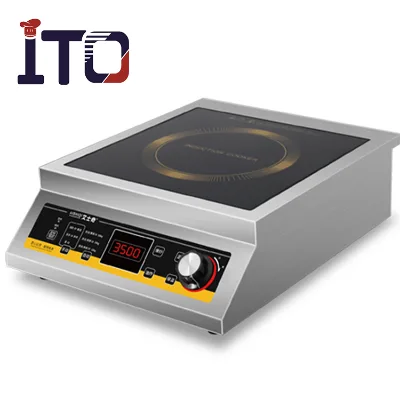
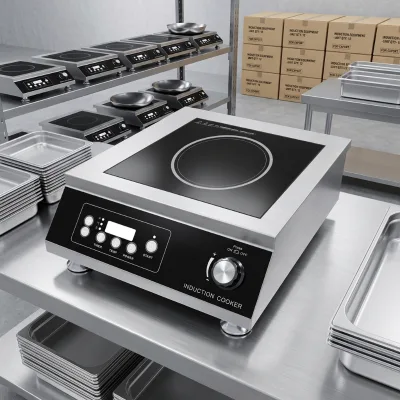
China Manufacturers Stainless Steel 3500W Single Burner Induction Cooker
$750.00 - $800.00
MOQ: 2 pieces
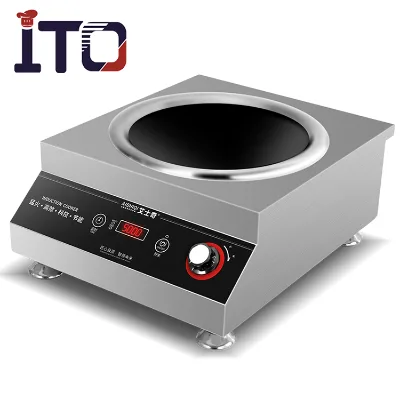
Big Power Black Ceramic Glass Plate Induction Cooker
$280.00 - $300.00

- Verified by SGS
- Trading Company
- China Zhejiang
- Lead time15 days
- Avg. response≤ 10h
Main productsFan, Heater Fan, Air Fryer, Toaster, Rice Cooker, Vacuum Cleaner, Coffee Machine, Hairdressing Appliance, Electric Toothbrush, Steam Iron
Main marketsEurope,Australia

Multiple Repurchase 2000W Low Price Stove Electric Hot Pot Induction Cooker
$13.55 - $13.99
MOQ: 72 Pieces

Factory Outlet Inexpensive Cooktop Round Hot Pot Electrical Induction Cooker
$13.55 - $13.99
MOQ: 72 Pieces
Zhongshan Jieweishi Electrical Appliance Co., Ltd.
- Verified by Intertek
- Manufacturer, Trading Company
- Lead time15 days
- Avg. response≤ 4h
Main productsRice Cooker, Air Fryer, Electric Oven, Electric Pressure Cooker, Blender
Main marketsDomestic Market(50%), Southeast Asia(30%), Africa(10%)

Guangzhou Chenquan Technology Co., Ltd.
- Verified by SGS
- Trading Company
- China Guangdong
- Lead time15 days
- Avg. response≤ 6h
Main productsDailynecessities
Main marketsDomestic
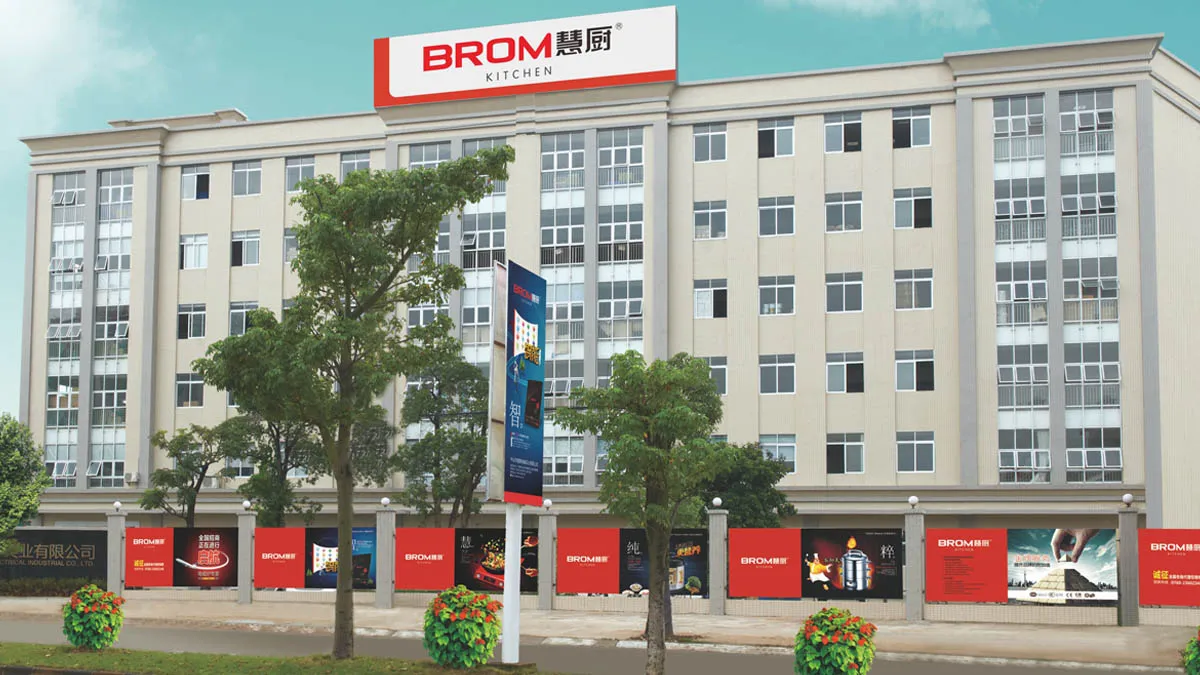
Zhongshan Huichu Electrical Appliance Co., Ltd.
- Manufacturer
- Guangdong Province, China
- Lead time25 days
- Avg. response≤ 2h
Main productsElectric Pressure Cooker/ Rice Cooker/ Induction Cooker/ Infrared Cooker/ Juicer/ Blender/ Coffee Maker,induction cooker,Infrared cooker
Main marketsDomestic Market(35.00%), Mid East(12.00%), South America(12.00%), Southeast Asia(8.00%), Oceania(8.00%), Eastern Asia(8.00%), Eastern Europe(5.00%), Africa(5.00%), Western Europe(3.00%), Southern Europe(3.00%), South Asia(1.00%)
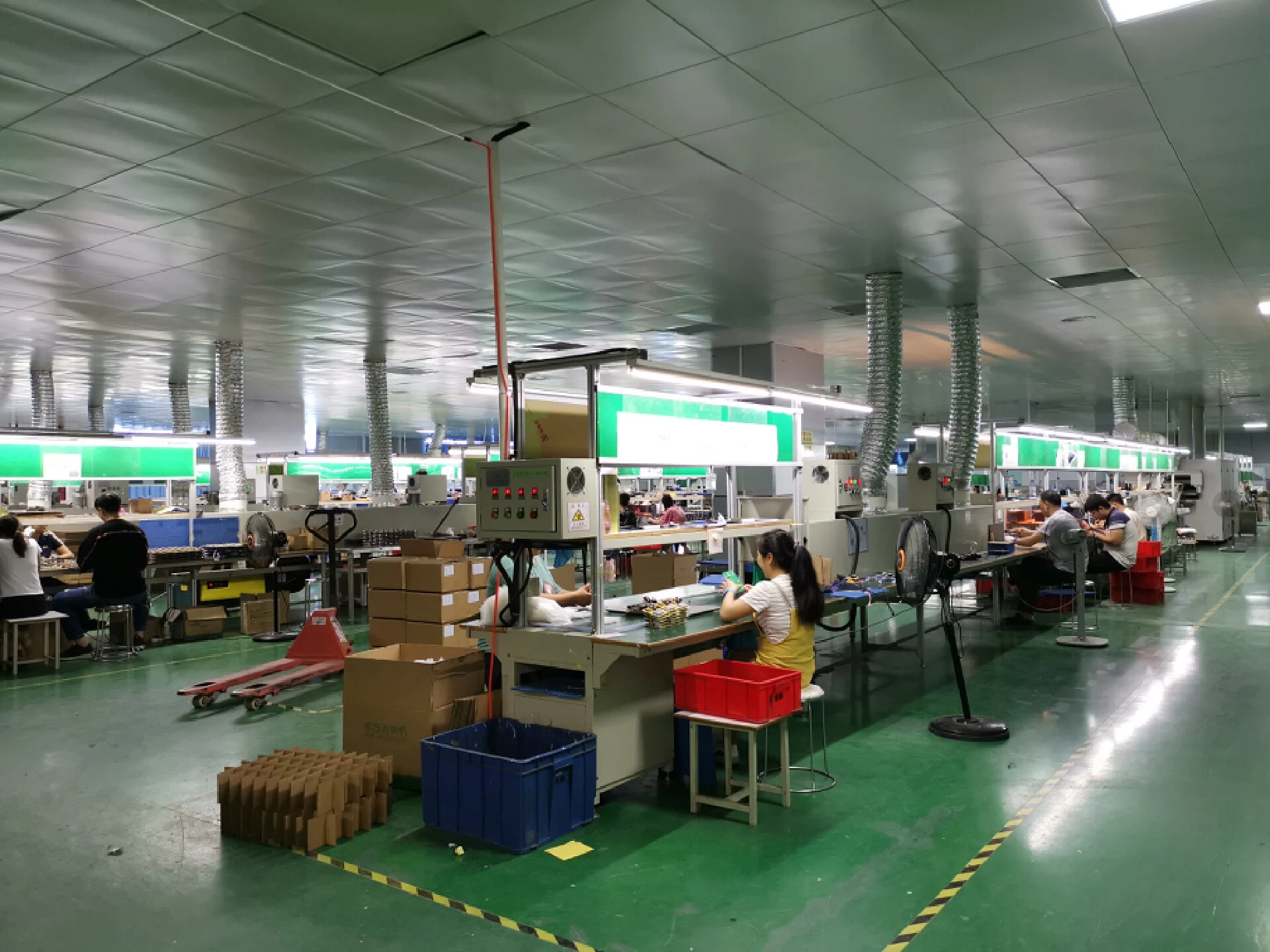
Zhongshan Yihouse Electric Co., Ltd.
- Manufacturer, Trading Company
- Guangdong, China
- Lead time30 days
- Avg. response≤ 7h
Main productsInduction Infrared cooker,pressure cooker,Juicer Blender,Electric water heater,Rice cooker
Main marketsEastern Asia(30.00%), Southeast Asia(20.00%), North America(15.00%), Eastern Europe(15.00%), Central America(10.00%), South Asia(10.00%), South America(10.00%), Mid East(10.00%), Africa(10.00%), Western Europe(5.00%), Southern Europe(5.00%), Northern Europe(5.00%)
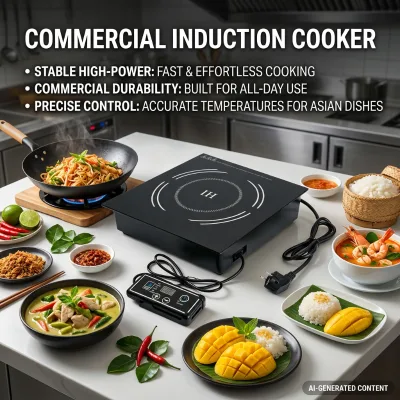
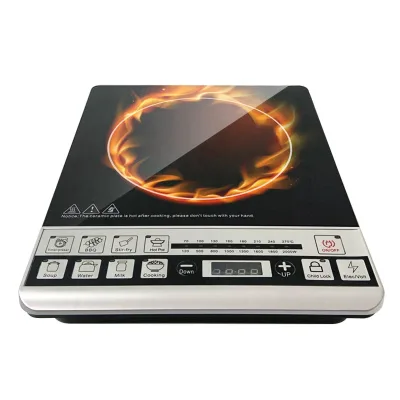
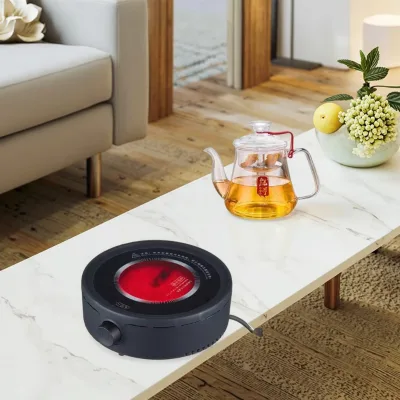
$9.5366 - $10.0493
MOQ: 100 pieces
DOPEN INTERNATIONAL CO., LIMITED
- Manufacturer, Trading Company
- Hong Kong S.A.R.
- Lead time30 days
- Avg. response≤ 3h
Main productsinduction cooktop,electric cooktop,induction hob,electric hob,hybrid cooktop
Main marketsSoutheast Asia(30.00%), North America(30.00%), Western Europe(10.00%), Mid East(10.00%), South America(10.00%), Eastern Europe(10.00%)
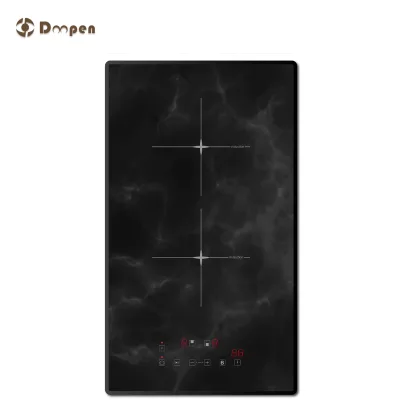
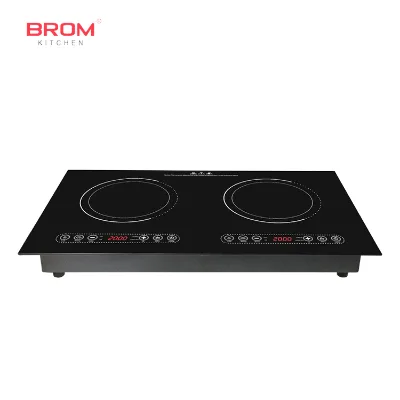
Auto Pan Detection 3600W 2 burner Induction Cooker with Multiple Safety Function
$58.20 - $65.20
MOQ: 100 pieces
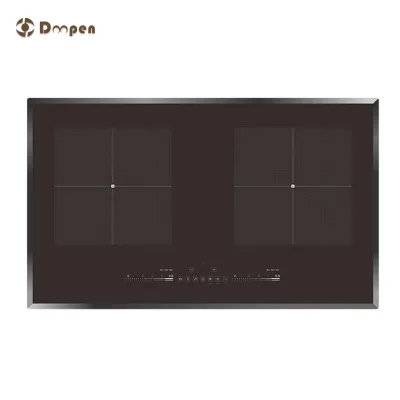
$84.31 - $103.95
MOQ: 100 pieces
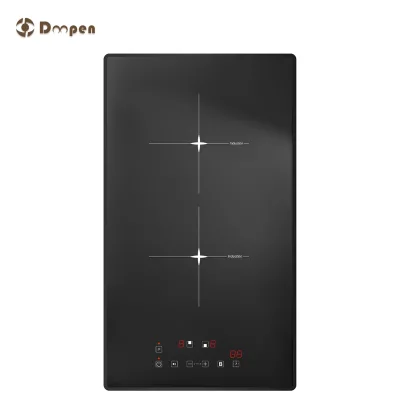
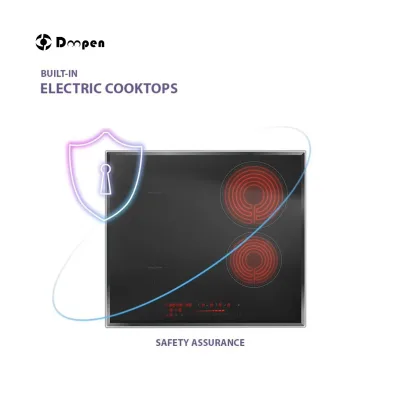
$122.60 - $149.80
MOQ: 100 pieces
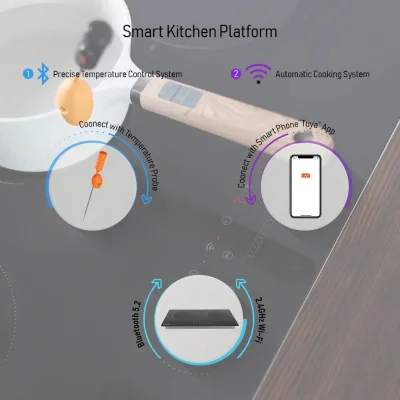
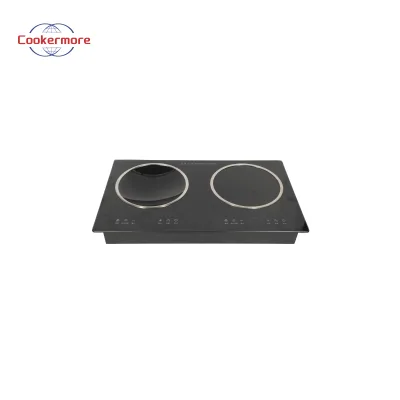
Built in Smart Temp Control Induction Cooker in Black with Flex Zone
$218.35 - $252.48
MOQ: 100 pieces
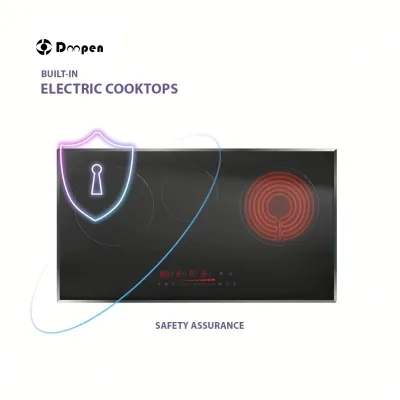
2-in-1 Freestanding/Built-in Infrared Induction Electric Cooker EMC Certified
$102.60 - $118.80
MOQ: 100 pieces
Guangdong Cookermore Co., Ltd.
- Verified by SGS Group
- Manufacturer, Trading Company
- Lead time35 days
- Avg. response≤ 2h
Main productsGas Stove, Induction Cooker, Infrared Cooker, Range Hood, Gas Water Heater
Main marketsNorth America(20%), Southeast Asia(20%), Mid East(20%)

Zhongshan Jiaye Electric Appliance Co., Ltd.
- Verified by SGS
- Combined
- China Guangdong
- Lead time23 days
- Avg. response≤ 5h
Main productsGas Hob, Gas Stove, Range Hood, Built-in Oven, Microwave Oven, Induction Cooker, Ceramic Hob
Main marketsSouth America,Africa,Southeast Asia/ Mideast,Europe


2 Burnerstainless Steel Electric Induction Electric Induction Cooker
$143.00 - $145.00
MOQ: 100 Pieces

Zhongshan Jiaye Electric Appliance Co., Ltd.
- Verified by SGS Group
- Manufacturer, Trading Company
- Lead time40 days
- Avg. response≤ 3h
Main productsGas Hob, Gas Stove, Gas Cooker, Gas Cooktop, Electric Hob
Main marketsSouth America(30%), Western Europe(20%), Southeast Asia(10%)
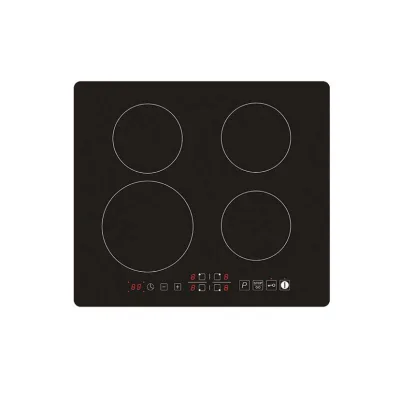
Low Price Cooker 4 Burners Desktop Restaurant Commercial Induction Cooktop
$105.00 - $115.00
MOQ: 100 pieces
Binzhou Daweite Import And Export Co., Ltd.
- Trading Company
- Shandong, China
- Lead time0 days
- Avg. response≤ 2h
Main productsgas cooker,Single-head Low Soup Stove,Electromagnetic oven,Electromagnetic seafood steaming cabinet,stainless steel work table
Main marketsSoutheast Asia(15.00%), Western Europe(10.00%), Mid East(10.00%), Oceania(10.00%), Africa(10.00%)
Foshan XY Best Industrial Co., Ltd.
- Verified by TüVRheinland
- Manufacturer, Trading Company
- Lead time45 days
- Avg. response≤ 2h
Main productsRestaurant Machine, Restaurant Furniture, Hotel Furniture, Outdoor Furniture, Metal Products
Main marketsAfrica(20%), South America(10%), Southeast Asia(10%)
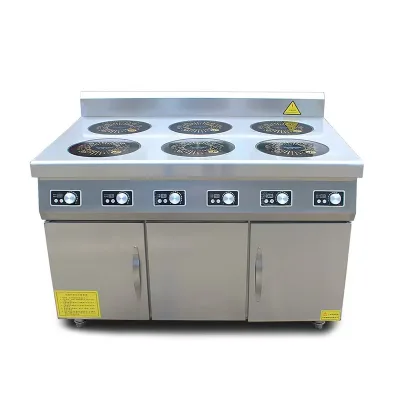
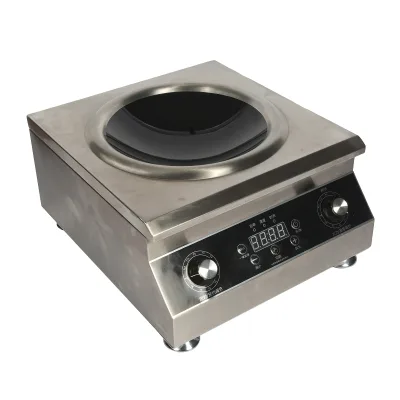
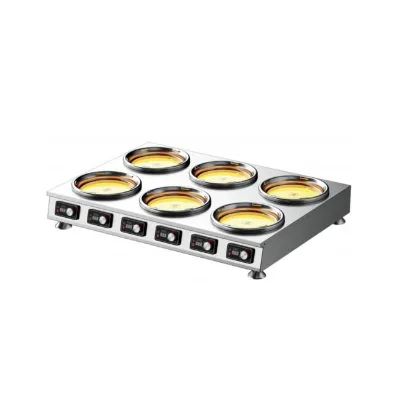
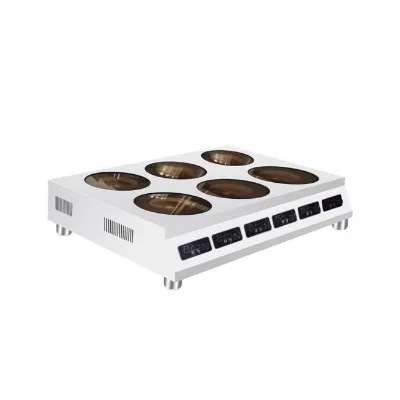
Commercial 6-Burner Electric Induction Cooktop Stainless Steel Multi-Combination Wok Cooker
$1507.27 - $1558.8895
MOQ: 2 pieces
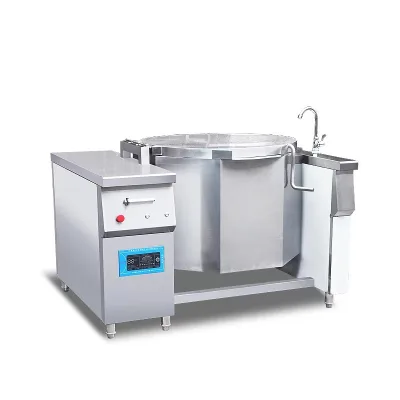
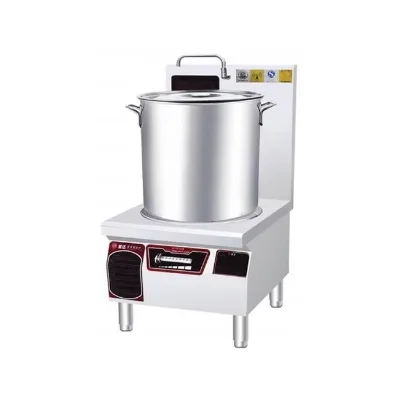
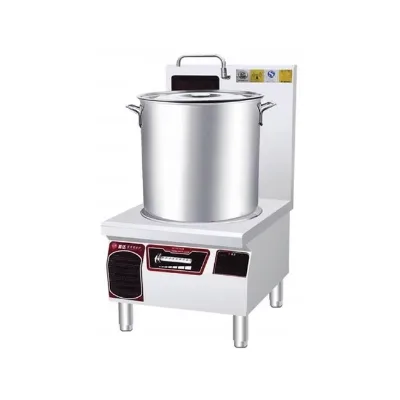
XY Best High Efficiency Stainless Steel Induction Cooker Boiling Pot Kitchen Machines
$1551.8023 - $2587.0267
MOQ: 5 units
Zhongshan Amor Electrical Appliance Co., Ltd.
- Trading Company
- Guangdong, China
- Lead time40 days
- Avg. response≤ 2h
Main productsInduction cooker,Infrared cooker,Induction cooktop,Hop plate,solar cooker
Main marketsSoutheast Asia(50.00%), North America(20.00%), Western Europe(10.00%), South America(10.00%), Eastern Europe(10.00%)
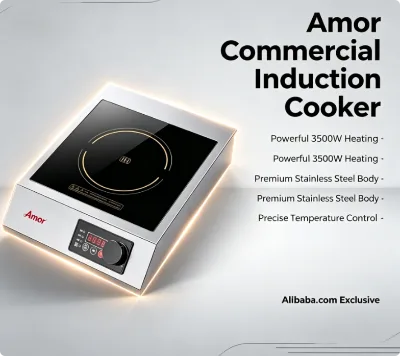
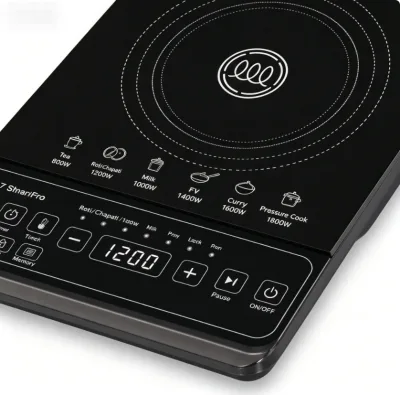
Professional Induction Cooker with Dual Control, 10 Power Levels, Multi-Task Cooking
$45.00 - $59.00
MOQ: 1000
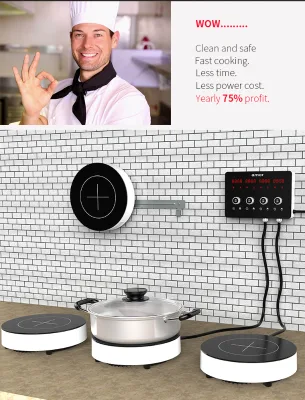
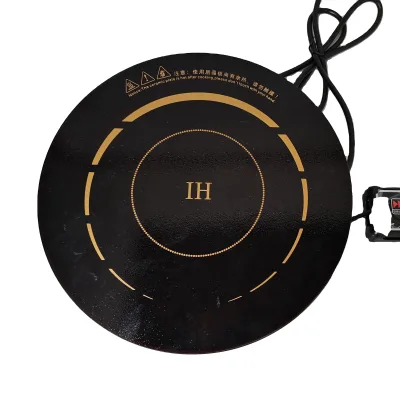
Hot Sale Ceramic Induction Cooker Multiple Zones Detachable Electric Stove for Restaurant
$19.50 - $25.00
MOQ: 1000
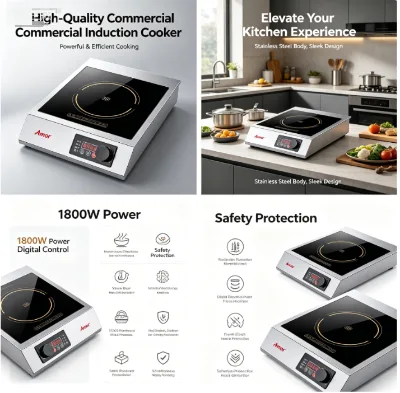
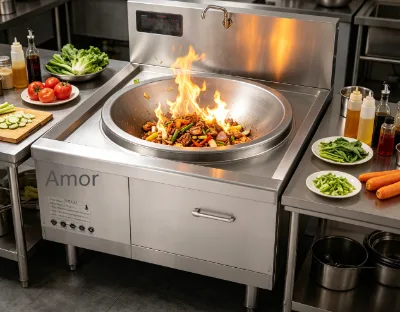
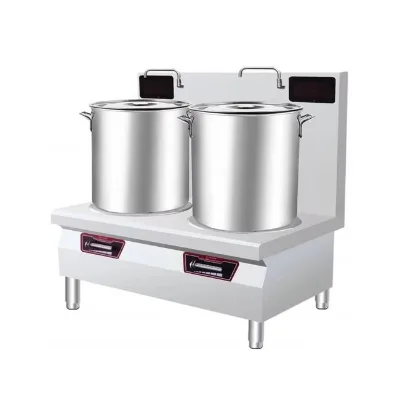
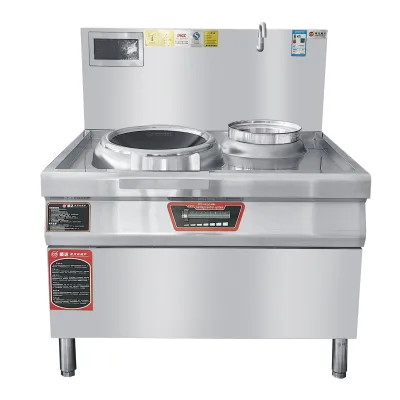
Double Burner Commercial Induction Stove Freestanding Wok Cooker with Backsplash for Restaurant
$320.00 - $340.00
MOQ: 1000

Guangzhou Kunli Technology Co. Ltd.
- Verified by TUVRHEINLAND
- Combined
- China Guangdong
- Lead time30 days
- Avg. response≤ 1h
Main productsCommercial Kitchen Equipment, Roller Stir Frying Machine, Rice Cooker, Induction Cooker, Rice Steamming Machine, Bun Steammer, Deep Fryer, Porridge Cooker, Noodle Cooker, Dish Washer
Main marketsDomestic

Zhongshan Daofey Electrical Co., Ltd.
- Verified by TUVRHEINLAND
- Combined
- China Guangdong
- Lead time30 days
- Avg. response≤ 8h
Main productsInduction Cooker, Infrared Cooker, Built in Cooker, Induction Cooktop, Ceramic Cooker, Built Induction Cooker, Built Ceramic Cooker, Hot Plate
Main marketsOthers(foreignTradeCapacity.exportBusinessCapacityMarketOther),Europe

Innovative Induction Cooker: High Power 4 Burners for Seamless Cooking
$40.00 - $45.00
MOQ: 400 Pieces






Comprehensive Sourcing Guide
Smokeless Hot Pot Induction Cooker Supplier Concentration and Factory Types
The current supplier landscape for smokeless hot pot induction cookers is heavily concentrated in China, with Guangdong serving as a primary manufacturing hub. This region hosts a mix of combined trading companies and direct manufacturers, offering buyers a range of operational models to suit different procurement strategies. Combined entities often streamline the sourcing process by aggregating products from multiple factories, which can simplify communication for international buyers who prefer a single point of contact. In contrast, direct manufacturers provide greater transparency into production lines and quality control processes, which is critical for ensuring the consistency of heating elements and control panels in high-volume orders. The presence of both types allows buyers to choose between the flexibility of trading companies and the cost-efficiency of factories, depending on their order volume and customization needs.
Product offerings in this cluster range from single-burner countertop units to multi-burner built-in commercial cooktops, reflecting the diverse applications of smokeless hot pot technology. Manufacturers in this region frequently offer OEM and ODM services, allowing buyers to customize housing materials, control interfaces, and burner configurations to match specific market demands. For instance, some suppliers provide models with plastic housings for lightweight portable units, while others specialize in metal or stainless steel constructions for durable commercial environments. The availability of various installation types, including built-in and countertop options, indicates a mature supply chain capable of supporting both residential and hospitality sectors. Buyers should assess whether their target market requires specialized features such as touch controls, reservation functions, or specific certification standards to ensure the selected supplier can meet those technical requirements.
How to Verify Smokeless Hot Pot Induction Cooker Suppliers
Verifying the legitimacy and capability of suppliers requires a multi-layered approach that goes beyond basic profile reviews. Buyers should prioritize suppliers who have undergone third-party verification, such as BV certification, which provides an additional layer of trust regarding the company’s business scope and operational history. It is essential to confirm that the supplier’s declared company type, whether manufacturer or combined entity, aligns with their actual production capabilities. For manufacturers, requesting evidence of factory audits or production line videos can help validate their capacity to handle large orders. For trading companies, verifying their relationship with actual factories ensures that they can manage quality control and logistics effectively. This verification process helps mitigate the risk of dealing with intermediaries who may lack direct control over product quality and delivery timelines.
Certification and product compliance are critical aspects of supplier verification, especially for electrical appliances destined for regulated markets. Buyers must ensure that the suppliers’ products hold relevant safety and electromagnetic compatibility certifications, such as CE, RoHS, EMC, and CB, which are commonly listed in product attributes. These certifications indicate that the induction cookers meet specific international standards for electrical safety and environmental compliance. Additionally, checking the supplier’s response time can provide insights into their operational efficiency and customer service quality. A faster response time, such as under eight hours, often correlates with a more responsive and organized procurement process. Buyers should also inquire about the supplier’s warranty policies and after-sales support, including the provision of free spare parts, to ensure long-term reliability and customer satisfaction.
What to Compare Across Smokeless Hot Pot Induction Cooker Suppliers
When evaluating multiple suppliers, buyers should compare key operational metrics such as lead times, minimum order quantities, and pricing structures to determine the best fit for their business model. Lead times can vary significantly, with some suppliers offering standard production cycles of around thirty days, while others may have different capacities depending on order size and customization requirements. Minimum order quantities also differ, ranging from smaller batches of one hundred units for commercial models to larger orders of eight hundred units for standard induction cookers. These variations allow buyers to align their inventory strategies with their sales forecasts, ensuring they do not overstock or face shortages. Comparing these metrics helps buyers identify suppliers who can accommodate their specific volume needs and delivery schedules.
Product specifications and customization options are another critical area for comparison. Buyers should assess the available burner configurations, such as single, double, or three-burner models, and the corresponding housing materials, including plastic, metal, or stainless steel. The control interface, whether touch or slide touch, and additional features like reservation functions and digital displays, should be evaluated based on target market preferences. Pricing is also a key differentiator, with costs varying based on the complexity of the design and the materials used. For example, a two-burner induction cooker may have a different price range compared to a four-burner commercial unit. Buyers should request detailed quotations that include packaging details, such as gift boxes or carton boxes, to understand the total landed cost and ensure that the product presentation meets their brand standards.
Common Smokeless Hot Pot Induction Cooker Sourcing Risks
One of the primary risks in sourcing smokeless hot pot induction cookers is the potential mismatch between advertised specifications and actual product performance. Buyers must be cautious of suppliers who may not provide accurate details about heating elements, glass sizes, or power ratings. For instance, discrepancies in the glass size or the type of heating coil can affect the efficiency and safety of the cookers. It is crucial to verify these technical details through product samples or detailed specification sheets before placing large orders. Additionally, the risk of inconsistent quality control is significant, especially when dealing with combined suppliers who may source from multiple factories. Buyers should implement strict quality assurance protocols, including pre-shipment inspections, to ensure that the products meet the agreed-upon standards and perform reliably in real-world conditions.
Another common risk is the lack of clear communication regarding after-sales support and warranty terms. While some suppliers offer free spare parts and a one-year warranty, others may have limited or unclear support policies. Buyers should clarify these terms in writing to avoid disputes in case of product failures or defects. Furthermore, the risk of delayed shipments due to production bottlenecks or logistical issues can disrupt supply chains. Buyers should assess the supplier’s track record for on-time delivery and their ability to handle unexpected delays. It is also important to verify the supplier’s ability to provide necessary documentation for customs clearance, including certificates of origin and compliance certificates. By proactively addressing these risks, buyers can minimize disruptions and ensure a smoother sourcing process.
Smokeless Hot Pot Induction Cooker Regional Sourcing and Logistics
Sourcing from Guangdong, China, offers logistical advantages due to the region’s well-developed infrastructure and proximity to major shipping ports. This location facilitates efficient export processes, reducing transit times and costs for international buyers. However, buyers must consider the specific logistics requirements for shipping heavy and fragile items like induction cookers. Proper packaging, such as gift boxes and carton boxes, is essential to protect the products during transit and prevent damage. Buyers should work with suppliers who have experience in international shipping and can provide reliable logistics solutions. Additionally, understanding the import regulations and duties in the destination country is crucial for calculating the total landed cost. Buyers should also consider the environmental impact of packaging materials and explore sustainable options if required by their market.
The regional concentration of suppliers in Guangdong also means that buyers have access to a wide range of complementary products, such as hand mixers, electric kettles, and blenders. This can simplify the sourcing process for buyers looking to diversify their product offerings. However, it is important to ensure that the supplier can manage the logistics of multiple products efficiently. Buyers should coordinate with suppliers to consolidate shipments where possible, reducing overall shipping costs and simplifying customs clearance. Additionally, buyers should be aware of potential seasonal fluctuations in production capacity and logistics availability, which can affect lead times and shipping schedules. By planning ahead and maintaining open communication with suppliers, buyers can navigate these logistical challenges effectively and ensure timely delivery of their orders.
Smokeless Hot Pot Induction Cooker Commercial Terms and Order Planning
Effective order planning requires a clear understanding of the commercial terms offered by suppliers, including payment methods, pricing structures, and delivery schedules. Buyers should negotiate favorable payment terms, such as partial upfront payments and balance upon shipment, to mitigate financial risks. It is also important to clarify the pricing inclusions, such as whether the quoted price covers packaging, labeling, and any additional customization services. Buyers should request detailed invoices and packing lists to ensure accurate record-keeping and customs compliance. Additionally, understanding the supplier’s policy on price adjustments and currency fluctuations is essential for long-term cost management. By establishing clear commercial terms, buyers can avoid unexpected costs and ensure a transparent and fair trading relationship.
Order planning should also consider the supplier’s production capacity and lead times to align with market demand and inventory levels. Buyers should communicate their volume requirements and delivery deadlines clearly to allow suppliers to plan production accordingly. It is advisable to place orders well in advance of peak seasons to avoid delays and ensure timely delivery. Buyers should also establish a contingency plan for potential supply chain disruptions, such as alternative suppliers or buffer stock. Regular communication with suppliers regarding production progress and quality checks can help identify and resolve issues early. By adopting a proactive approach to order planning and maintaining strong supplier relationships, buyers can optimize their supply chain and ensure consistent product availability for their customers.
FAQs
What is the price range for smokeless hot pot induction cookers?
Prices for these units typically range from $43 to $116 per piece depending on the configuration. Single burner models start around $112, while two-burner options are priced between $43 and $68. Commercial three-burner versions cost approximately $83 to $88. Buyers should verify exact quotes based on customization needs and order volume.
What certifications do these induction cookers usually have?
Most listed models carry CE, RoHS, EMC, and CB certifications to ensure safety and compliance. These standards are standard across both plastic and metal housing variants. Buyers should always request current certification documents to verify that the specific batch meets the target market's regulatory requirements before finalizing any purchase agreement.
What are the minimum order quantities for these cookers?
Minimum order quantities vary significantly by model type. Single and two-burner units often require orders of 400 to 800 pieces. Commercial three-burner models have a lower threshold of 100 pieces. Four-burner commercial units typically require a minimum of 500 pieces. Buyers must confirm specific MOQs with suppliers for accurate budgeting.
How long does production and delivery take?
Standard lead times are generally around 30 days for production. Some suppliers list zero days, which may indicate stock availability or require direct verification. Buyers should confirm the exact production schedule and shipping method with the supplier to ensure the timeline aligns with their inventory requirements and market launch dates.
Can these cookers be customized for branding?
Customization is available for most models, including OEM and ODM services. Buyers can often modify housing materials, control panels, and packaging. Specific details like glass size and burner configuration may also be adjustable. Suppliers should be consulted directly to determine the feasibility and cost implications of specific branding or design changes.
What is the typical response time for suppliers?
Supplier response times vary, with some responding within 7.17 hours and others taking up to 18 hours. Faster response times often indicate higher availability and dedicated support teams. Buyers should prioritize suppliers with quicker response rates to ensure efficient communication regarding quotes, samples, and order tracking throughout the procurement process.
What installation options are available for these cookers?
Cookers are available in both built-in and countertop installation styles. Built-in models feature specific glass sizes for seamless integration into countertops. Countertop units offer portable flexibility for various settings. Buyers should select the installation type that best fits their kitchen layout or commercial equipment requirements to ensure proper functionality and safety.