self-cleaning wet dry vacuum cleaner Suppliers and Manufacturers
Explore 27 verified options for self-cleaning wet dry vacuum cleaner units with specifications like 120W power and 20-30 min runtime. Compare lead times, certifications, and customization capabilities to source the right factory for your needs; review the available evidence before requesting comparable quotations from suitable candidates.
Updated
Suppliers List
Suzhou Master Cleaner Co., Ltd.
- Verified by SGS Group
- Manufacturer, Trading Company
- Lead time35 days
- Avg. response≤ 2h
Main productsVacuum Cleaner/Wet Dry Vacuum Cleaner
Main marketsNorthern Europe(30%), Western Europe(18%), Southern Europe(15%)

NingBo ChinaClean Household Appliances Manufacture Co., Ltd.
- Manufacturer/Factory
- China Zhejiang
- Lead time0 days
- Avg. response≤ 7h
Main productsHome Vacuum Cleaner, Floor Brush, Spare Parts of Vacuum Cleaner, Car Vacuum Cleaner, Stick Vacuum Cleaner, Cyclone Vacuum Cleaner, Bagless Vacuum Cleaner, Bagged Vacuum Cleaner, Rechargeable Vacuum Cleaner, Handheld Vacuum Cleaner
Main marketsSouth America,Eastern Europe,Mid East,North America,Southeast Asia,Eastern Asia,Oceania,Western Europe,Africa


Wet Dry Water Dust Vacuum Cleaner with Water Filter Use for Home and Hotel
$43.00 - $45.00
MOQ: 1000 Pieces

Suzhou Wise Mechanic Electric Appliance Co., Ltd.
- Verified by TUVRHEINLAND
- Combined
- China Jiangsu
- Lead time23 days
- Avg. response≤ 18h
Main productsVacuum Cleaner, Ash Vacuum, Wet Dry Vacuum Cleaner, Wet Dry Vacuum, Ash Vacuum Cleaner, Fireplace Vacuum, Pond Cleaner, Cylinder Vacuum Cleaner, Fireplace Vacuum Cleaner, Mud Vacuum Cleaner
Main marketsDomestic
Wenzhou Chuanmei Electronic Scienec& Technology Co., Ltd.
- Manufacturer, Trading Company
- Zhejiang, China
- Lead time0 days
- Avg. response≤ 4h
Main productsMassager,Beauty Instrument,Hair Tools; Hair Remover,Home Appliances
Main marketsEastern Asia(100.00%), Mid East(100.00%), Oceania(100.00%), South Asia(100.00%), Africa(100.00%), Central America(100.00%), South America(100.00%), Domestic Market(50.00%), North America(15.00%), Northern Europe(10.00%), Western Europe(10.00%), Southeast Asia(5.00%), Southern Europe(5.00%), Eastern Europe(5.00%)

Qingdao G & G Machinery Co., Ltd.
- Verified by TUVRHEINLAND
- Trading Company,Manufacturer/Factory
- China Shandong
- Lead time45 days
- Avg. response≤ 9h
Main productsLog Splitter, CNC Lathe, Concrete Mixer, Wood Chuck, Woodworking Turning Tools, Cutting Machine, Drilling&Milling Machine, Surface Grinder, Metal Band Saw
Main marketsSouth America,Eastern Europe,Mid East,North America,Southeast Asia,Eastern Asia,Oceania,Western Europe,Africa

- Verified by TUVRHEINLAND
- Trading Company
- China Zhejiang
- Lead time30 days
- Avg. response≤ 8h
Main productsVacuum Cleaner, Garment Steamer, Window Cleaner, Steam Cleaner, Low Sugar Cooker, Air Fryer, Floor Srubber, Robot Vacuum Cleaner, Wet Dry Hardfloor Washer, Pet Vacuum Cleaner
Main marketsSouth America,Southeast Asia/ Mideast,Europe

Cordless Hardwood Floor Wet Dry Vacuum Cleaner with Self-Cleaning Funtion
$65.00 - $66.00
MOQ: 650 Pieces

Cordless Lightweight Wet Dry Vacuum Cleaner with Self-Cleaning Feature
$65.00 - $66.00
MOQ: 650 Pieces


Yongkang Haomai Tools Co., Ltd.
- Verified by BV
- Combined
- China Zhejiang
- Lead time30 days
- Avg. response≤ 2h
Main productsDrywall Sander, Miter Saw, Circular Saw, Cordless Tools, Drywall Tools, Band Saw, Vacuum Cleaner, Drywall Stilts, Hand Mixer, Tiling Tools
Main marketsDomestic

Endless (guangzhou) Import & Export Co.,ltd.
- Manufacturer, Trading Company
- Guangdong, China
- Lead time0 days
- Avg. response≤ 6h
Main productshousehold appliances,Household daily necessities,Consumer Electronics,Sports and entertainment products,Custom processing
Main marketsNorth America(45.00%), South America(13.00%), Southern Europe(5.00%), Northern Europe(5.00%), Oceania(5.00%), Central America(5.00%), Western Europe(5.00%), Eastern Europe(5.00%), Southeast Asia(4.00%), South Asia(2.00%), Eastern Asia(2.00%), Mid East(2.00%), Africa(2.00%)

Tianjin Kaida Science and Technology Co., Ltd.
- Verified by SGS
- Manufacturer/Factory
- China Tianjin
- Lead time30 days
- Avg. response≤ 6h
Main productsFloor Grinding Machine, Concrete Laser Screed Machine, Floor Hardener, Diamond Discs, Floor Polishing Machine, Floor Cleaner Machine, Industry Vacuum, Epoxy Resin, Polishing Pad
Main marketsSouth America,Eastern Europe,Mid East,North America,Southeast Asia,Eastern Asia,Oceania,Western Europe,Africa

Stepless Speed Regulation Triple Noise Reduction Safe and Quiet Design Dry Wet Vacuum Cleaner
$788.00 - $833.00
MOQ: 1 Pieces


Dry Wet Commercial and Home Vacuum Cleaner with Maturetechnology and Stable Performance
$60.00 - $700.00
MOQ: 1 Pieces

Ningbo Invo Import and Export Co., Ltd.
- Trading Company
- China Zhejiang
- Lead time23 days
- Avg. response≤ 21h
Main productsBaby Bottle
Main marketsSouth America,Africa,Southeast Asia/ Mideast,East Asia(Japan/ South Korea),Europe,Australia,North America


Cordless Wet Dry Vacuum Cleaner Lightweight Handheld Vacuum Cleaner Floor Washer
$146.50 - $149.50
MOQ: 1000 Pieces

Guangzhou Newmade Cleaning Products Co., Ltd
- Verified by TUVRHEINLAND
- Combined
- China Guangdong
- Lead time15 days
- Avg. response≤ 7h
Main productsVacuum Cleaner, Wringer Trolley, Janitor Cart, Warning Sign, Gabage Can, Floor Dryer, Window Squeegee, Dust Mop, Paper Dispenser, Floor Squeegee
Main marketsSouth America,Domestic,Australia,North America
Ningbo Jinlong Electric Appliance Co., Ltd.
- Verified by Intertek
- Manufacturer, Trading Company
- Lead time0 days
- Avg. response≤ 4h
Main productsVacuum Cleaner
Main marketsDomestic Market(50%), North America(20%), Southeast Asia(20%)
Suzhou Link Sense Intelligent Tech Co., LTD.
- Verified by SGS Group
- Manufacturer, Trading Company
- Lead time35 days
- Avg. response≤ 11h
Main productsVacuum Cleaner, Vacuum Cleaner Accessories
Main marketsNorth America(35%), Western Europe(30%), Eastern Europe(15%)
Guangdong Baiyun Cleaning Company Limited
- Verified by SGS Group
- Manufacturer, Trading Company
- Lead time25 days
- Avg. response≤ 13h
Main productsScrubber Machine, Vacuum Cleaner, Waste Bin, Janitor Cart, Cleaning Tools
Main marketsDomestic Market(59%), North America(6%), Southeast Asia(6%)
- Verified by TüVRheinland
- Manufacturer, Trading Company
- Lead time45 days
- Avg. response≤ 3h
Main productsVacuum Cleaner
Main marketsWestern Europe(20%), Domestic Market(20%), South America(10%)

Henan Pivot Machinery Co., Ltd.
- Verified by SGS
- Manufacturer/Factory
- China Henan
- Lead time15 days
- Avg. response≤ 14h
Main productsSweeper, Floor Sweeper, Floor Scrubber, Snow Sweeper, Snow Plow, Carpet Cleaner, Carpet Extractor, Floor Cleaning Machine, High Pressure Washer, Cleaning Machine
Main marketsSouth America,Eastern Europe,Mid East,North America,Southeast Asia,Eastern Asia,Oceania,Western Europe,Africa

Economic Wet and Dry Vacuum Cleaner for Home Use/Soft Cleaner/Dry Vacuum Cleaner
$500.00 - $2000.00
MOQ: 1 Set


Daso Machinery (Changzhou) Co., Ltd.
- Verified by SGS
- Trading Company
- China Jiangsu
- Lead time15 days
- Avg. response≤ 2h
Main productsConcrete Cutter, Concrete Scarifier Machine, Crack Sealing Machine, Plate Compactor, Mini Skid Steer Loader, Tamping Rammer, Power Trowe, High Pressure Water Cleaner, Vacuum Cleaner, Router
Main marketsSouth America,Southeast Asia/ Mideast,Europe,Australia,North America


Drum Vacuum Installation and CE Certification Wet and Dry Vacuum Cleaner
$690.00 - $1500.00
MOQ: 1 set
Shanghai Hongruifeng Cleaning Equipment Co., Ltd.
- Trading Company
- Shanghai, China
- Lead time15 days
- Avg. response≤ 2h
Main productsTwo-season hot and cold fan,Air fryer,Air purifier,Smart Robotic Vacuum Cleaner,Hairdressing supplies
Main marketsSouthern Europe(50.00%), North America(30.00%), Eastern Asia(20.00%)

- Trading Company
- Jiangsu, China
- Lead time35 days
- Avg. response≤ 3h
Main productsHome cleaning appliance,vacuum cleaners,steam vacuum cleaner,canister vacuum cleaner,upright vacuum cleaner
Main marketsWestern Europe(60.00%), North America(10.00%), Eastern Europe(10.00%), South Asia(10.00%), Southeast Asia(5.00%), Northern Europe(3.00%), South America(2.00%)

Ningbo Nandi Electric Co., Ltd
- Verified by SGS
- Combined
- China Zhejiang
- Lead time30 days
- Avg. response≤ 4h
Main productsVacuum Cleaner
Main marketsSouth America,Africa,Others(foreignTradeCapacity.exportBusinessCapacityMarketOther),Europe


Consistent Quality Multi-Function Wet and Dry Vacuum Cleaner for Sofa Clean
$24.90 - $28.00
MOQ: 500 Pieces


Factory Wholesale Low Vibration Wet and Dry Vacuum Cleaner for Home Cleaning
$24.90 - $28.00
MOQ: 500 Pieces
Jiaxing All-Link Houseware Products Co., Ltd.
- Verified by TüVRheinland
- Manufacturer, Trading Company
- Lead time40 days
- Avg. response≤ 2h
Main productsElectric Mop, Vacuum Cleaner, Smart Dustbin
Main marketsNorth America(20%), Southeast Asia(15%), Northern Europe(12%)
Ningde Yuemao Industry and Trade Co., Ltd.
- Verified by TüVRheinland
- Trading Company
- Lead time30 days
- Avg. response≤ 4h
Main productsNail care equipment, Polishing machine, Nail care vacuum cleaners, Nail care lighting units
Main marketsNorth America(45%), Western Europe(35%), South America(20%)
Nantong Antusheng Camping Equipment Co., Ltd.
- Trading Company
- Jiangsu, China
- Lead time0 days
- Avg. response≤ 3h
Main productscoffee machine,washing machine,dehumidifier,cleaner,humidifiers
Main marketsNorthern Europe(10.00%), Western Europe(10.00%), Southeast Asia(10.00%), Eastern Europe(10.00%), South America(10.00%), North America(10.00%), Domestic Market(5.00%), South Asia(5.00%), Southern Europe(5.00%), Oceania(5.00%), Central America(5.00%), Africa(5.00%), Eastern Asia(5.00%), Mid East(5.00%)
Guangzhou Haotian Cleaning Equipment Technology Co., Ltd.
- Verified by SGS Group
- Manufacturer, Trading Company
- Lead time20 days
- Avg. response≤ 4h
Main productsRide-on Sweepers, Hand-push & Automatic Scrubbers, Multi-function Polishers, Vacuum Cleaners, Cleaning Tools
Main marketsSouth America(35%), Southeast Asia(15%), Eastern Europe(10%)
Guangdong Yilian Digital Industry Co., Ltd.
- Manufacturer, Trading Company
- Guangdong, China
- Lead time30 days
- Avg. response≤ 20h
Main productsMobile Charger,Data Cable,Sports,Others,TWS
Main marketsSouth America(40.00%), South Asia(10.00%), Western Europe(10.00%), Eastern Asia(10.00%), Mid East(10.00%), Africa(10.00%), Southeast Asia(10.00%)
Taizhou Jieba Cleaning Products Co., Ltd.
- Verified by TüVRheinland
- Manufacturer, Trading Company
- Lead time25 days
- Avg. response≤ 6h
Main productsVacuum Cleaner, Brushing Machine, Drying Machine, Foam Machine
Main marketsDomestic Market(40%), Southeast Asia(36%), Mid East(8%)
Hubei Chuanchu Import And Export Co., Ltd.
- Verified by SGS Group
- Trading Company
- Lead time20 days
- Avg. response≤ 3h
Main productsFuel Tanker Truck, Iso Tank Container, Chemical Tanker Truck, Environmental Sanitation Vehicle, Refrigerated Truck
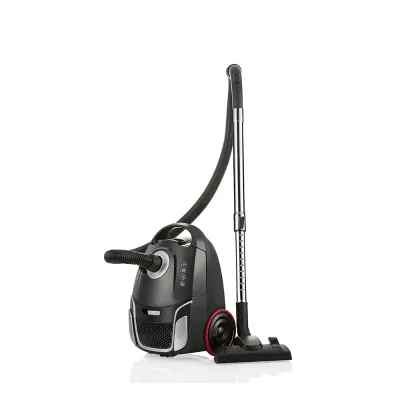


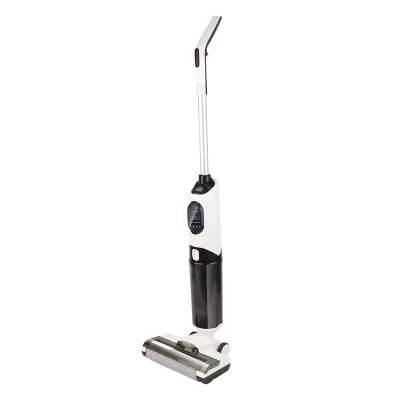
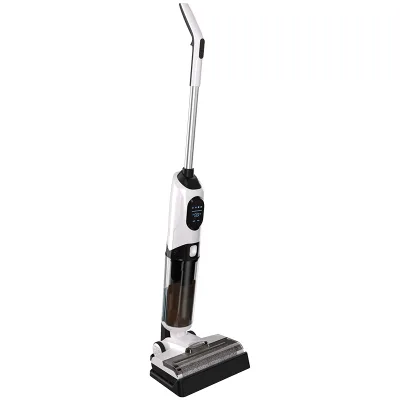


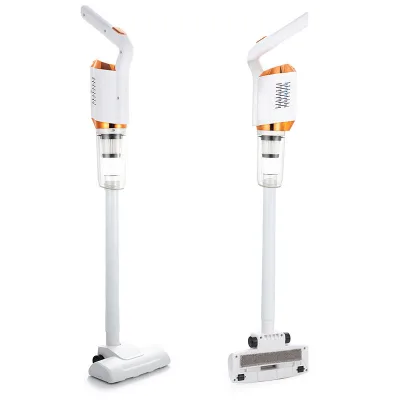


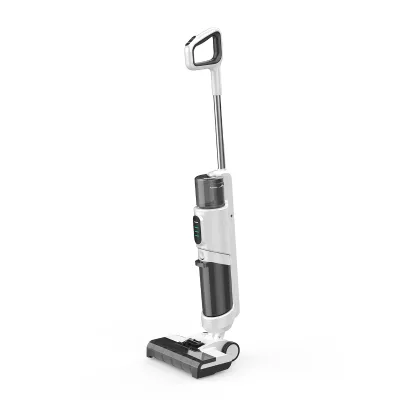
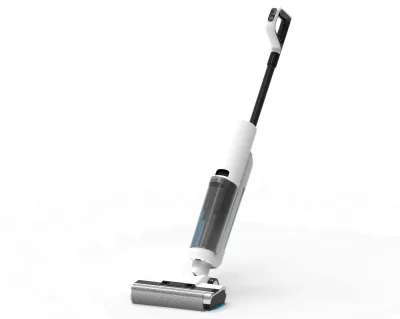
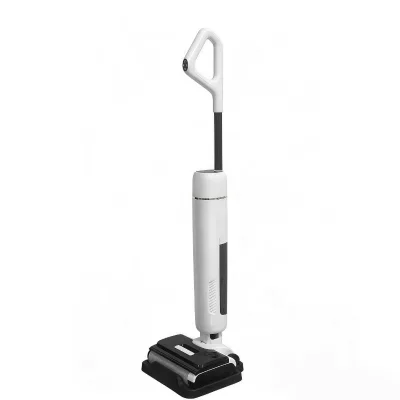
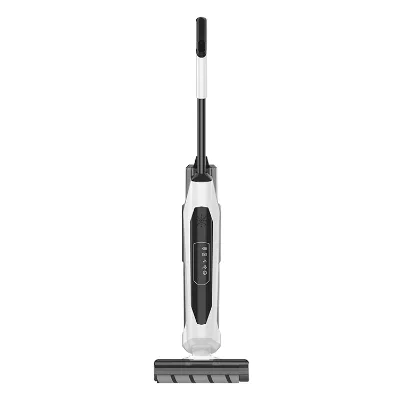
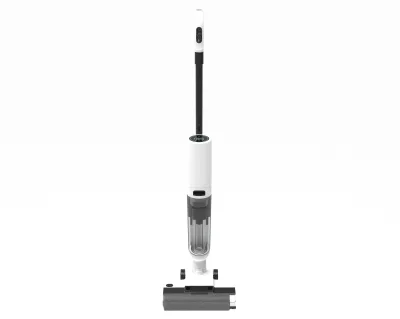
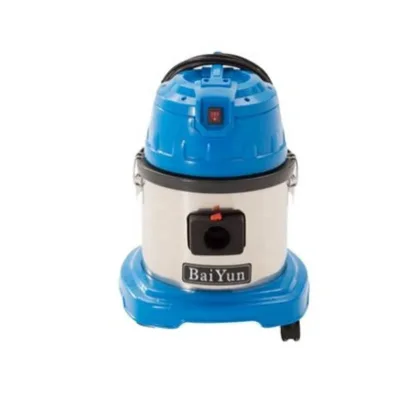
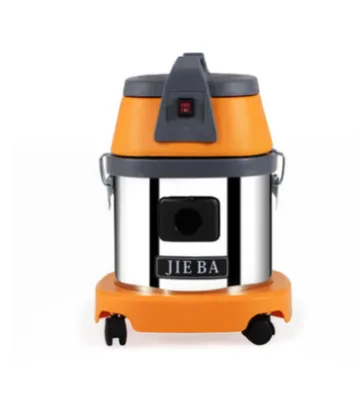
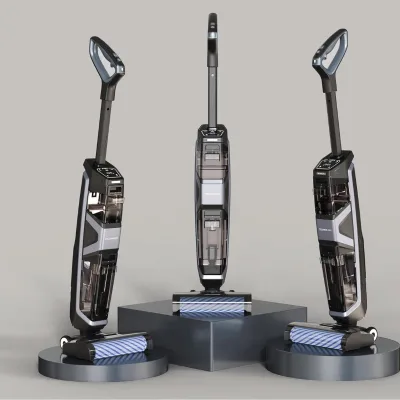
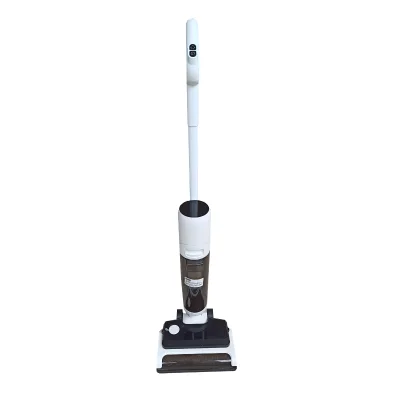
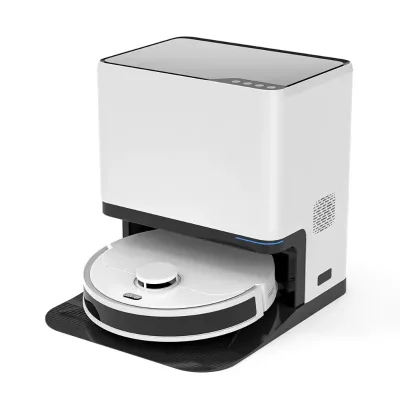
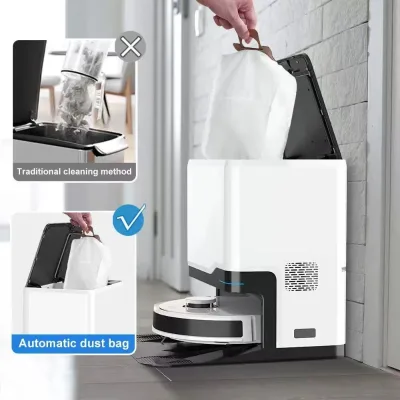
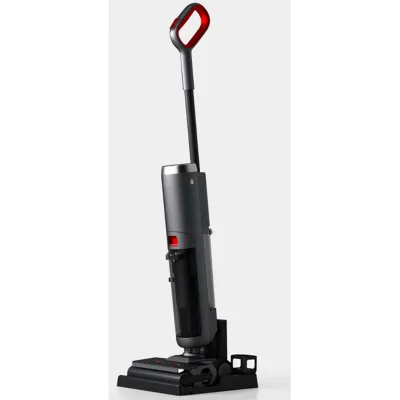
Comprehensive Sourcing Guide
Self-Cleaning Wet Dry Vacuum Cleaner Supplier Concentration and Factory Types
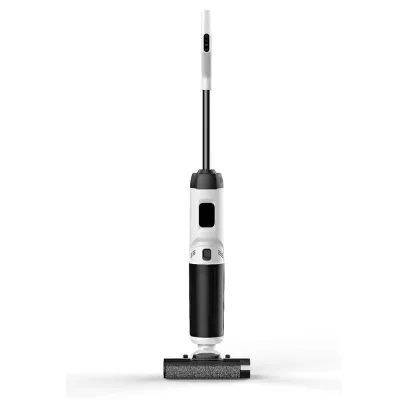
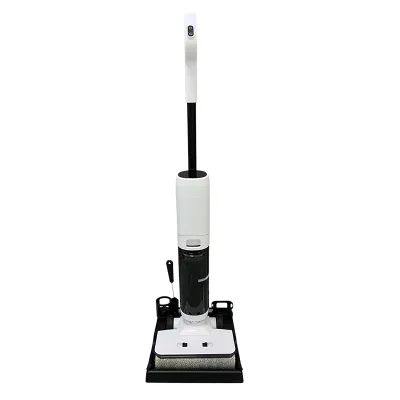
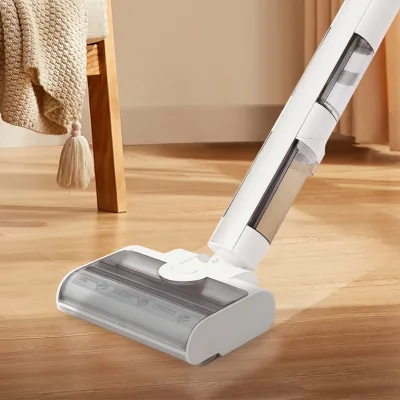
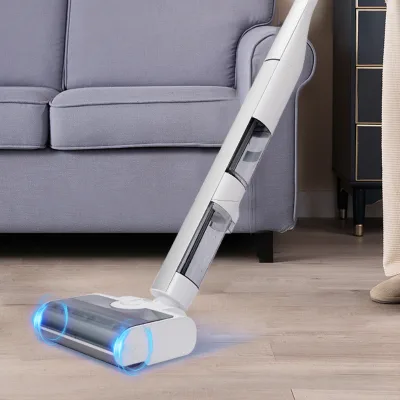
The current supplier landscape for self-cleaning wet dry vacuum cleaners features a mix of manufacturers and trading companies, offering buyers diverse procurement pathways. Evidence indicates that the primary product category includes wet dry vacuum cleaners, with specific models highlighting efficient self-cleaning functions. These products are often categorized under home appliances, specifically within cleaning appliances and floor care segments. The presence of both manufacturer and trading company types suggests that buyers can access direct factory pricing or leverage trading companies for consolidated logistics and broader product assortments. Understanding this distinction is crucial for evaluating the supply chain structure, as manufacturers typically control production capabilities while trading companies may offer flexibility in order sizes and product variety.
Manufacturers in this sector often possess specific capabilities such as light customization, sample processing, and graphic processing, allowing for tailored solutions. Some suppliers offer customized on-demand services, which is particularly relevant for brands seeking unique design elements or specific functional adjustments. The main products listed include various types of vacuum cleaners, such as handheld, stick, and cyclone models, indicating a broad manufacturing scope. This diversity allows buyers to potentially source multiple related products from a single supplier, simplifying the procurement process. However, the exact concentration of factories in specific industrial clusters is not explicitly detailed in the available data, requiring buyers to verify manufacturing locations directly with potential partners to ensure alignment with their logistical and quality control requirements.
How to Verify Self-Cleaning Wet Dry Vacuum Cleaner Suppliers
Verifying the credibility and capability of suppliers is a critical step in the sourcing process for self-cleaning wet dry vacuum cleaners. One key verification metric observed is the SGS Group verification status, which provides an external validation of the supplier’s business operations and product quality. Buyers should prioritize suppliers with such third-party verifications to mitigate risks associated with fraudulent or unreliable partners. Additionally, the response time of suppliers serves as an indicator of their operational efficiency and customer service quality. A response time of two hours, as noted in some results, suggests a high level of responsiveness, which is essential for timely communication during the negotiation and order placement phases.
Beyond verification badges and response speeds, buyers should assess the supplier’s certification portfolio to ensure compliance with international standards. The available data highlights certifications such as ISO 9001, EN 61000, RoHS, FCC, CB, LVD, CE, and EMC, which are critical for market access in various regions. These certifications demonstrate that the supplier adheres to rigorous quality management and safety standards. Buyers must confirm that the specific products they intend to purchase carry the necessary certifications for their target markets. Furthermore, checking the establishment year and company type can provide insights into the supplier’s experience and stability. While specific establishment years are not provided in the current data, understanding the company’s history through direct inquiry can help gauge its long-term viability and expertise in the vacuum cleaner industry.
What to Compare Across Self-Cleaning Wet Dry Vacuum Cleaner Suppliers
When evaluating multiple suppliers for self-cleaning wet dry vacuum cleaners, buyers should compare key operational metrics such as lead time, minimum order quantity (MOQ), and pricing. The observed lead time of 35 days provides a benchmark for production scheduling, allowing buyers to plan their inventory and delivery timelines effectively. Comparing this against other suppliers’ lead times can help identify those with faster turnaround capabilities, which may be crucial for meeting urgent market demands. Additionally, the MOQ of 600 units for certain products sets a baseline for order volumes. Buyers with smaller initial orders may need to seek suppliers with lower MOQs or negotiate flexible terms, while larger buyers can leverage volume for better pricing.
Product specifications and customization options are also vital comparison points. The data shows variations in battery capacity, with some models featuring 2,001–3,000 mAh batteries and others specifying 2600mAh. Work times range from 20-30 minutes, and suction power varies, with some models offering 5-7Kpa vacuum pressure. Buyers should compare these technical attributes to ensure they meet their specific performance requirements. Furthermore, comparing the range of main products offered by each supplier can reveal their specialization. Some suppliers focus on a wide array of vacuum types, including handheld and stick models, while others may specialize in wet dry variants. Assessing these differences helps buyers select suppliers whose product portfolios align with their strategic goals and customer needs.
Common Self-Cleaning Wet Dry Vacuum Cleaner Sourcing Risks
Sourcing self-cleaning wet dry vacuum cleaners involves several potential risks that buyers must proactively manage. One significant risk is the variability in product quality and performance, which can be influenced by differences in manufacturing processes and component sourcing. For instance, while some products boast a 120W motor and brushless motor technology, others may have different power ratings and motor types. Buyers must ensure that the technical specifications provided by suppliers match the actual product quality, as discrepancies can lead to customer dissatisfaction and returns. Conducting thorough due diligence, including requesting product samples and conducting independent testing, is essential to mitigate this risk.
Another risk is the potential for miscommunication regarding customization and branding requirements. The data indicates that logo/graphic design options include silk screen printing, and color customization is available. However, the exact processes and limitations for these customizations may vary between suppliers. Buyers must clearly define their branding needs and confirm the supplier’s capability to execute them accurately. Additionally, the risk of supply chain disruptions cannot be overlooked. Factors such as raw material shortages, production delays, or logistical issues can impact lead times and delivery schedules. Buyers should establish clear communication channels and contingency plans to address potential disruptions, ensuring that their supply chain remains resilient and reliable.
Self-Cleaning Wet Dry Vacuum Cleaner Regional Sourcing and Logistics
Regional sourcing considerations play a pivotal role in the logistics and cost structure of self-cleaning wet dry vacuum cleaners. The available data indicates that some products originate from Jiangsu, China, while other suppliers are located in Zhejiang, China. These regions are known for their manufacturing capabilities, but buyers must verify the specific locations of their chosen suppliers to understand the logistical implications. Proximity to ports and transportation infrastructure can significantly impact shipping costs and lead times. Buyers should assess the supplier’s location in the context of their own distribution network to optimize logistics efficiency.
Logistics planning also involves understanding the packaging and shipping requirements of the products. The data shows that single package sizes and gross weights vary, with some products having a single gross weight of 6.000 kg and others at 4.0 kg. Packaging types, such as corrugated boxes, are specified for certain models. Buyers must consider these dimensions and weights when planning freight and warehousing. Additionally, the plug types available, including AU, EU, UK, and US, highlight the need for regional adaptation. Buyers must ensure that the products they source are compatible with the electrical standards of their target markets, avoiding costly modifications or compliance issues. Collaborating with suppliers who offer flexible packaging and plug options can streamline the logistics process.
Self-Cleaning Wet Dry Vacuum Cleaner Commercial Terms and Order Planning
Commercial terms and order planning are essential components of a successful sourcing strategy for self-cleaning wet dry vacuum cleaners. The observed price ranges for different products provide a basis for budgeting and cost analysis. For example, one product line has a price range of $69.99 to $72.99, while another is priced between $51.00 and $55.00. Buyers should compare these prices against their target margins and market positioning to determine the viability of each supplier. Additionally, understanding the warranty and after-sales service provisions is crucial. Some suppliers offer a one-year warranty and free spare parts, which can reduce long-term maintenance costs and enhance customer satisfaction.
Order planning should also account for the supplier’s response time and lead time to ensure timely delivery. A response time of two hours and a lead time of 35 days, as noted in the data, require careful scheduling to align with market demand. Buyers should establish clear order timelines and communicate them effectively with suppliers to avoid delays. Furthermore, considering the customization options, such as graphic processing and on-demand customization, buyers should plan their design and branding processes in advance. This proactive approach ensures that all customization requirements are met within the production timeline, facilitating a smooth order fulfillment process. By integrating these commercial and logistical considerations, buyers can optimize their sourcing strategy and achieve their business objectives.
FAQs
What is the price range for self-cleaning wet dry vacuum cleaners?
Prices for these units typically range from $51.00 to $72.99 per piece. This variation depends on specific features like battery capacity and motor type. Buyers should verify exact costs based on order quantity and customization needs before finalizing procurement decisions.
What is the minimum order quantity for these vacuum cleaners?
The standard minimum order quantity is 600 units. This threshold ensures efficient production runs for manufacturers. Buyers seeking smaller batches may need to negotiate directly with suppliers or look for trading companies offering different terms for sample orders.
How long does production take for these vacuum cleaners?
Standard lead times are approximately 35 days. This duration covers manufacturing, quality control, and packaging. Expedited options may be available for urgent orders, but buyers should confirm specific timelines with suppliers to align with their inventory planning schedules.
What certifications do these vacuum cleaners typically hold?
Common certifications include ISO 9001, CE, RoHS, FCC, and CB. These ensure compliance with international safety and environmental standards. Buyers should request valid certificates to verify that products meet the regulatory requirements of their target export markets.
What is the battery runtime for cordless wet dry models?
Cordless models generally offer a runtime of 20 to 30 minutes. Some specifications indicate a maximum runtime of up to 60 minutes depending on usage mode. Battery capacity typically ranges from 2,001 to 3,000 mAh for sustained performance.
Can these vacuum cleaners be customized with a logo?
Yes, suppliers offer logo customization via silk screen printing. Graphic processing and customized designs are also available on demand. Buyers should provide high-resolution artwork files to ensure accurate branding on the product surface during the manufacturing process.