eco-friendly gold-plated ring Suppliers and Manufacturers
Compare 27 verified suppliers offering eco-friendly gold-plated rings with details on location, lead times, and certifications. Review response times and MOQs to select a partner, then request quotes for specific models like Gold-Plated Ring-016Q; review the available evidence before requesting comparable quotations from suitable candidates.
Updated
Suppliers List

Jinjiang Jiaxing Supply Management Co., Ltd.
- Verified by TUVRHEINLAND
- Trading Company
- China Fujian
- Lead time30 days
- Avg. response≤ 2h
Main productsEVA Clogs, Flip Flop, Shoe Charms, Shopping Bags, Wristbands, Gifts, Promotional Gifts, Slipper, Sport Cap, Ball
Main marketsNorth America

Guangzhou Huifu Jewelry Co., Ltd.
- Verified by BV
- Manufacturer/Factory
- China Guangdong
- Lead time90 days
- Avg. response≤ 4h
Main productsJewelry, Stainless Steel Jewelry, Stainless Steel Ring, Stainless Steel Pendant, Stainless Steel Earring, Fashion Jewelry, Ring, Necklace, Pendant, Bracelet
Main marketsEastern Europe,Mid East,North America,Western Europe,Africa

Longyuan (Guangzhou) Industrial Development Co., Ltd.
- Verified by TUVRHEINLAND
- Manufacturer/Factory
- China Guangdong
- Lead time23 days
- Avg. response≤ 7h
Main productsJewelry, Fashion Watch, Hair Accessories, Men Jewelry, Women Jewelry, Pendants, Brooches, Bracelets, Crowns, Necklaces
Main marketsSouth America,Eastern Europe,Mid East,North America,Western Europe
Shandong Shell Import And Export Co., Ltd.
- Trading Company
- Shandong, China
- Lead time30 days
- Avg. response≤ 6h
Main productsChemical material,Earrings,necklace,bracelet,ring
Main marketsMid East(20.00%), Africa(20.00%), Eastern Europe(20.00%), South America(20.00%), North America(20.00%)

Shenzhen Hengda Xin Jewelry Co., Ltd.
- Verified by BV
- Combined
- China Guangdong
- Lead time15 days
- Avg. response≤ 2h
Main productsJewelry, Stainless Steel Fittings, Stainless Steel Jewelry, Necklace, Bracelet, Stud Earrings, Ring, Pendant, Fashion Jewelry, Fashion Accessories
Main marketsSoutheast Asia/ Mideast,East Asia(Japan/ South Korea),Domestic,Europe,Australia,North America

GOODLINESS JEWELLERY CO., LIMITED
- Verified by SGS
- Manufacturer
- China Guangdong
- Lead time23 days
- Avg. response≤ 6h
Main productsFashion Glasses, Fashion Watch, Fashion Hair Accessory, Stainless Steel Necklace, Stainless Steel Ring, Stainless Steel Earrings, Key Chain, Brooch
Main marketsSoutheast Asia/ Mideast,Europe,North America
Dobay Commerce And Trade (shanghai) Co., Ltd.
- Manufacturer, Trading Company
- Shanghai, China
- Lead time7 days
- Avg. response≤ 4h
Main productsGold Vermeil Jewelry, 925 Sterling Silver Jewelry, Gold Filled Jewelry, Gold Plated Jewelry, Solid K Gold Diamond Jewelry
Main marketsWestern Europe(30.00%), Northern Europe(30.00%), North America(20.00%), Eastern Asia(10.00%), Domestic Market(10.00%)
- Verified by SGS Group
- Manufacturer, Trading Company
- Lead time30 days
- Avg. response≤ 6h
Main productsFashion Jewelry
Main marketsNorth America(60%), Western Europe(20%), Eastern Europe(6%)
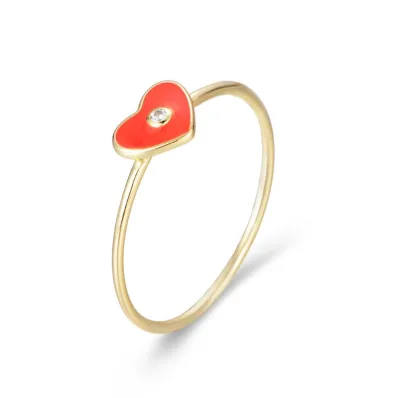
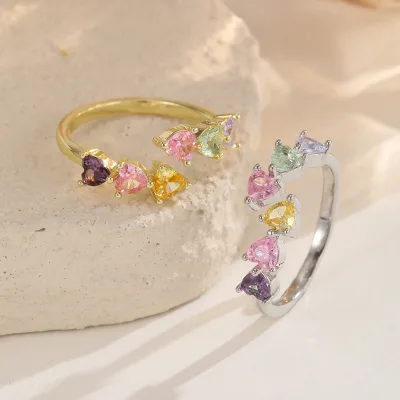
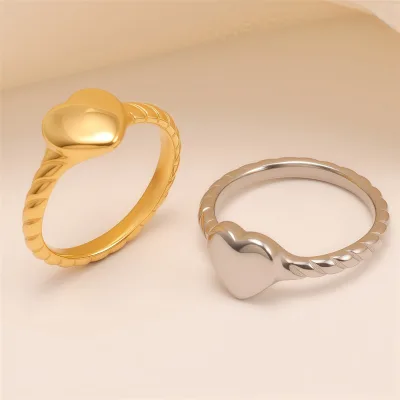
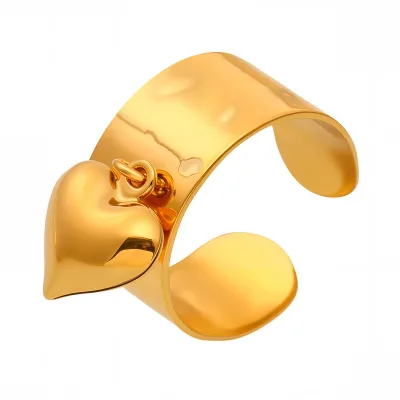
Cute Style Heart Shaped Enamel Rings 18K Gold Plated 925 Sterling Silver Heart Ring
$3.2693 - $3.4972
MOQ: 10 pieces
- Manufacturer, Trading Company
- Zhejiang, China
- Lead time10 days
- Avg. response≤ 4h
Main productsStainless Steel Jewelry,Fashion Jewelry,necklace,earrings,bracelet
Main marketsWestern Europe(50.00%), North America(45.00%), Domestic Market(5.00%)
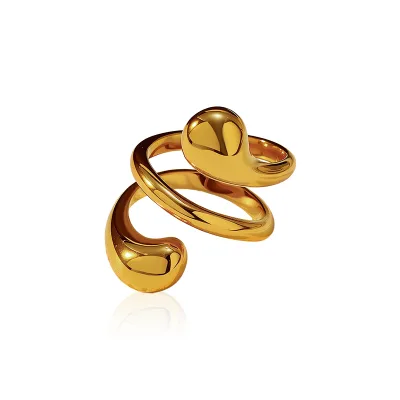
An 18k Gold-plated Ring with Anti-oxidation and Sun protection Is Suitable for Daily Wear
$2.25 - $2.80
MOQ: 2 pieces
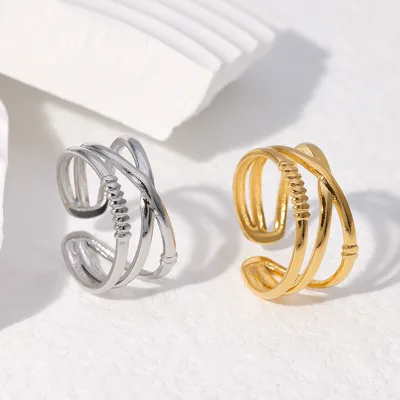
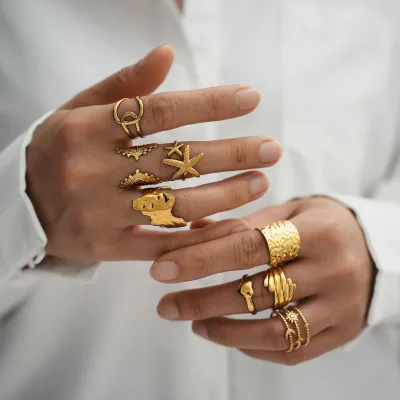
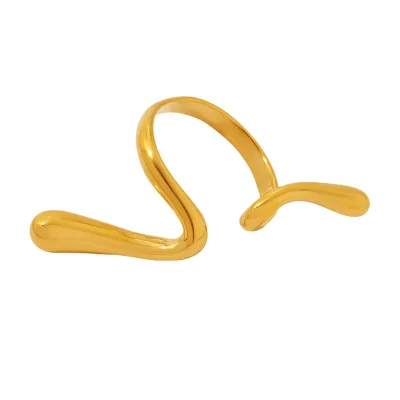
Gold-plated Open Ring Is Adjustable Light Luxury and Fashionable and Versatile for Layering
$0.65 - $0.85
MOQ: 2 Minimum
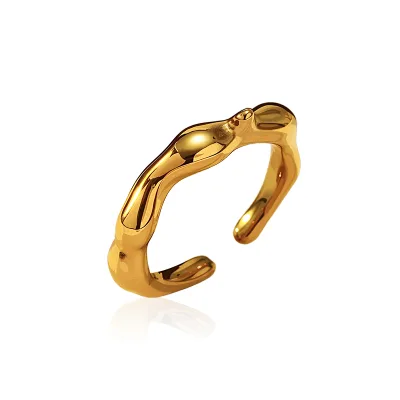
Gold-plated Ring, Simple and Versatile, Daily Commuting Style, Factory Direct Sales
$2.25 - $2.80
MOQ: 2 pieces
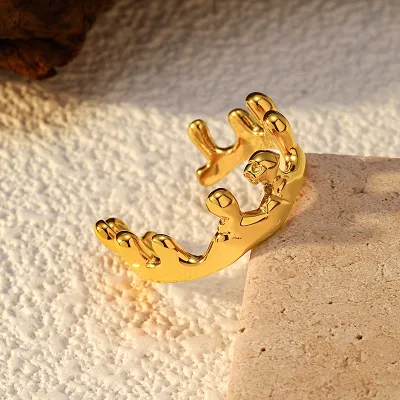
$2.25 - $2.70
MOQ: 2 pieces

- Verified by BV
- Trading Company,Manufacturer/Factory
- China Guangdong
- Lead time0 days
- Avg. response≤ 9h
Main productsSilver Jewelry, Brass Jewelry, Fashion Jewelry, Semi-Precious
Main marketsSouth America,Eastern Europe,Mid East,Southeast Asia,Eastern Asia,Oceania,Western Europe,Africa


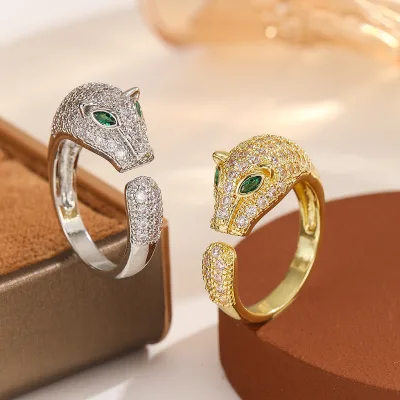
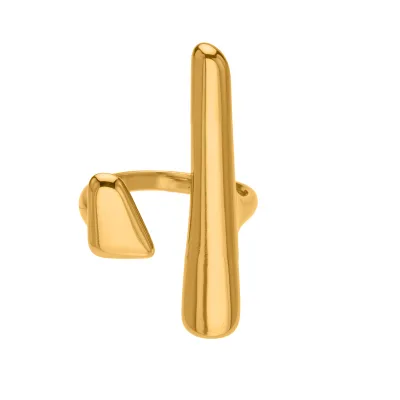
Luxury High quality jewelry gold plated sterling silver golden yellow wide ring
$48.05 - $61.64
MOQ: 1 Pieces

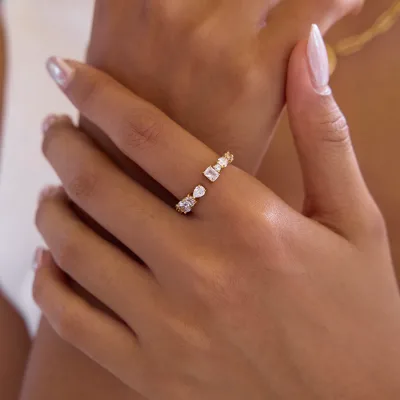
Fashion Irregular Triangle Design Jewelry Gold Plated Adjustable 925 Silver Ring
$13.69 - $15.92
MOQ: 1 Pieces

Shangrao Oriole Jewelry Co., Ltd.
- Verified by Intertek
- Manufacturer, Trading Company
- Lead time0 days
- Avg. response≤ 2h
Main productsNecklaces, Ring, Earrings, Key Chains, Lanyard
Main marketsNorth America(60%), Western Europe(30%), Eastern Europe(10%)
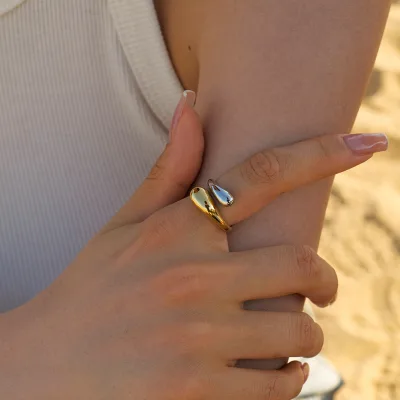
New Fashionable Gold-plated Stainless Steel Ring Women's Creative Adjustable Cross Opening Ring
$2.91 - $3.10
MOQ: 20 Minimum
- Trading Company
- Lead time旺季: "1 - 60":35,"> 60":"To be negotiated", 淡季: "1 - 60":35,"> 60":"To be negotiated"
- Avg. response≤ 8h
Main productsfashion jewelry,women necklace,women earrings,fashion rings jewelry,fashion bracelets jewelry

Shenzhen Hengfeng Jewelry Co., Limited
- Verified by SGS
- Combined
- China Guangdong
- Lead time30 days
- Avg. response≤ 1h
Main marketsSouth America,Africa,Southeast Asia/ Mideast,East Asia(Japan/ South Korea),Europe,Australia,North America
Yiwu Jige E-Commerce Trading Firm
- Trading Company
- Zhejiang, China
- Lead time15 days
- Avg. response≤ 6h
Main productsring,ering,necklace,Ear studs,Earrings
Main marketsSoutheast Asia(30.00%), Mid East(20.00%), Central America(20.00%), South Asia(20.00%), North America(10.00%)

Qingdao GoldenPouchYuan Trading Co., Ltd.
- Verified by CTI
- Trading Company
- China Shandong
- Lead time30 days
- Avg. response≤ 2h
Main productsJewelry, Earring, Stainless Steel Jewelry, necklace, Beacelet, Ring, Fashion Jewelry, Dilver Jewelry, Wholesale Jewelry, Pearl Jewelry
Main marketsNorth America


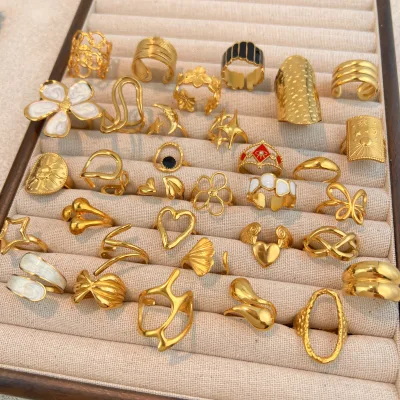
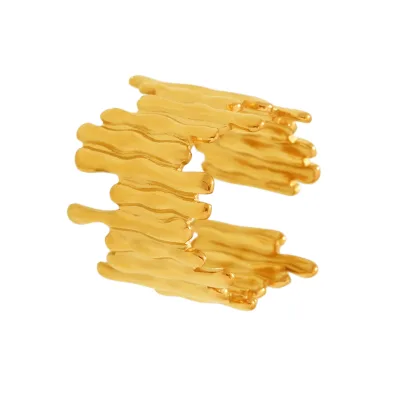
Gold Stainless Steel Abstract Layered Ring Inlaid with Natural Shell Women Ring
$1.70 - $2.30
MOQ: 60 Pieces


- Verified by BV
- Combined
- China Guangdong
- Lead time23 days
- Avg. response≤ 4h
Main products925 Sterling Silver Jewelry, Brass Jewelry, Fashion Jewelry, Jewelry, Jewellery, Necklace, Ring, Bracelet, Bangle, Pendant
Main marketsEurope,North America

Guangzhou Baobaili Jewelry Co., Ltd.
- Verified by SGS
- Combined
- China Guangdong
- Lead time15 days
- Avg. response≤ 9h
Main marketsDomestic,North America


Three-Layer Chain Link-Shaped High Quality Ring Plain Hypoallergenic Silver Ring
$9.99 - $100.00
MOQ: 1 Pieces
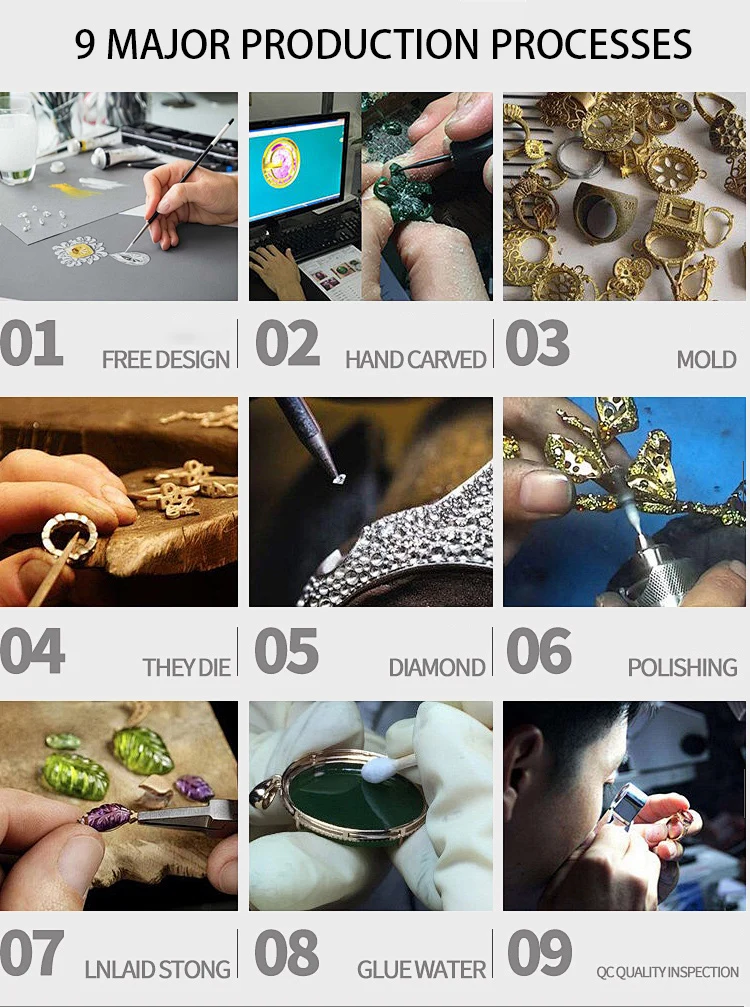
Dongguan Luxury Jewelry Co., Ltd.
- Manufacturer, Trading Company
- Guangdong, China
- Lead time0 days
- Avg. response≤ 3h
Main productspendant,necklace,bracelet,Body chain,eardrop
Main marketsSouth America(20.00%), North America(20.00%), Southeast Asia(10.00%), Eastern Europe(10.00%), Southern Europe(5.00%), Northern Europe(5.00%), Central America(5.00%), Western Europe(5.00%), Eastern Asia(5.00%), Mid East(5.00%), Oceania(5.00%), Africa(5.00%)
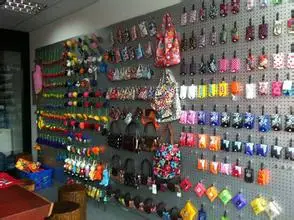
- Trading Company
- Zhejiang, China
- Lead time0 days
- Avg. response≤ 5h
Main productsCustom Logo branded products for ASI SAGE PPAI DC etc,Custom Jewelry & Parts,Stock Jewelry/Bag 1 pcs dropshippingas required,Magazine Gifts and Toys,Personalized gift and capsule toys
Main marketsNorthern Europe(20.00%), Central America(20.00%), Western Europe(20.00%), South America(20.00%), North America(20.00%)

Shenzhen Marvel Electronic Co., Ltd.
- Verified by TUVRHEINLAND
- Trading Company
- China Guangdong
- Lead time15 days
- Avg. response≤ 10h
Main productsCustom Jewelry, Silver Jewelry, Earring, Necklace, Bracelet, Nose Ring, Jewelry Set, Fashion Jewelry, Brooch
Main marketsEurope,North America
Shenzhen Jingzhanyi Jewelry Company Limited
- Manufacturer, Trading Company, Distributor/Wholesaler
- Guangdong, China
- Lead time15 days
- Avg. response≤ 1h
Main productsJewelry mold design and manufacture,24k/22k/18k/14k gold set diamond jewelry design and manufacture,925 sterling silver jewelry design and manufacture,Filling glue/enamel/baking paint/drop glue jewelry manufacturing,Precious metal and hardware material CNC products carving
Main marketsEastern Europe(12.00%), Eastern Asia(10.00%), Domestic Market(10.00%), Central America(10.00%), Southeast Asia(10.00%), North America(10.00%), South America(10.00%), Northern Europe(6.00%), Western Europe(6.00%), Mid East(5.00%), Oceania(5.00%), Southern Europe(4.00%), South Asia(2.00%)

- Trading Company
- Zhejiang, China
- Lead time30 days
- Avg. response≤ 6h
Main productsFashion Jewelries,Promotional Gifts,Crafts,Toys
Main marketsWestern Europe(30.00%), North America(20.00%), Eastern Europe(10.00%), Northern Europe(5.00%), Oceania(5.00%), Central America(5.00%), Southern Europe(5.00%), Mid East(2.00%), South Asia(2.00%), South America(2.00%), Eastern Asia(2.00%), Domestic Market(1.00%), Africa(1.00%), Southeast Asia(1.00%)

Guangdong Kalen Jewelry Company Limited
- Verified by SGS
- Combined
- China Guangdong
- Lead time30 days
- Avg. response≤ 6h
Main productsStainless Steel Jewelry, Fashion Accessories, Bracelets, Necklaces, Rings, Earrings, Pendants, Bangles, Jewelry Sets, Cufflinks
Main marketsSouth America,Europe,Australia,North America

Fashionable Gold Brushed Circle Stainless Steel Ring Simple Retro Round Plain Ring
$0.45 - $0.53
MOQ: 100 Pieces


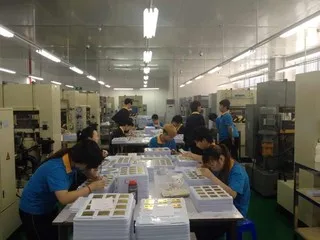
Dongguan Taimei Accessories Co., Ltd.
- Manufacturer, Trading Company
- Guangdong, China
- Lead time15 days
- Avg. response≤ 18h
Main productsearrings,Ear Studs,necklace,Bracelet,jewelry
Main marketsNorth America(15.00%), Southeast Asia(15.00%), Domestic Market(10.00%), Northern Europe(10.00%), Western Europe(10.00%), Africa(10.00%), Eastern Europe(10.00%), Eastern Asia(5.00%), Southern Europe(5.00%), South America(5.00%), Oceania(5.00%)
Dongguan Changan Fantasy Accessories Factory (Individual Business)
- Verified by TüVRheinland
- Trading Company
- Lead time7 days
- Avg. response≤ 1h
Main productsStainless Steel Rings, Stainless Steel Earings, Stainless Steel Necklaces, Stainless Steel Bracelets & Bangles, Fashion Jewelry Sets
Main marketsNorth America(25%), Northern Europe(15%), Eastern Asia(10%)

Hangzhou Daishang International Trade Co., Ltd.
- Verified by SGS
- Trading Company
- China Zhejiang
- Lead time15 days
- Avg. response≤ 3h
Main productsBracelet/Bangle, Necklace, Earring, Ring, Jewelry Sets
Main marketsEurope,North America


Fashionable Simple and Non Fading Ring High-End Feel Open Stainless Steel Ring
$1.20 - $1.43
MOQ: 2 Pieces
Yiwu Hongri Import & Export Co., Ltd.
- Trading Company
- Lead time旺季: "1 - 360":15,"> 360":"To be negotiated", 淡季: "1 - 360":15,"> 360":"To be negotiated"
- Avg. response≤ 8h
Main productsJewelry,Bracelet,Necklace,Ring,Earring


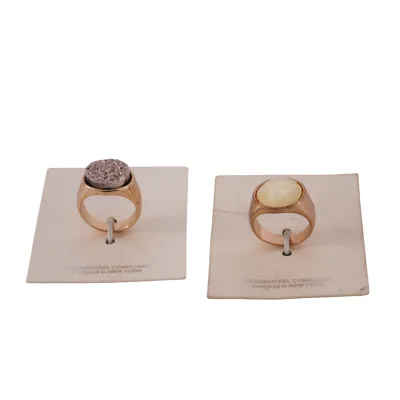
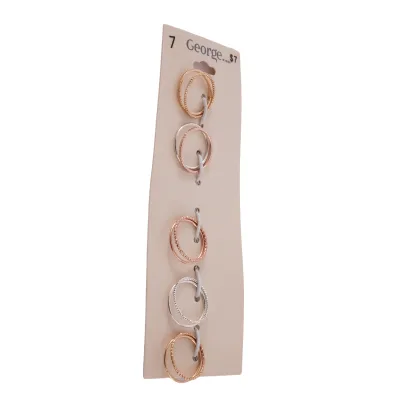
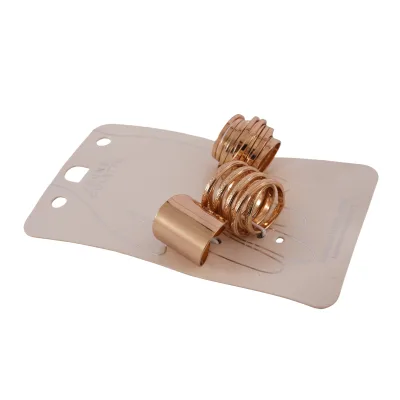


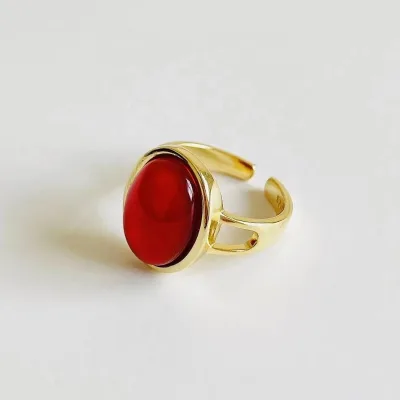









Comprehensive Sourcing Guide
Eco-Friendly Gold-Plated Ring Supplier Concentration and Factory Types
The sourcing landscape for gold-plated rings reveals distinct manufacturing clusters that influence production capabilities and logistical efficiency. Current data indicates a concentration of suppliers in China, specifically within the provinces of Fujian and Guangdong. These regions serve as critical hubs for jewelry manufacturing, offering established supply chains for raw materials such as stainless steel and silver. Buyers evaluating potential partners should recognize that geographic proximity to these clusters often correlates with faster prototyping cycles and more reliable material sourcing. The presence of suppliers in these specific locations suggests a mature ecosystem where specialized labor and component suppliers are readily available, reducing the friction associated with setting up new production lines. Understanding this geographic distribution allows buyers to prioritize suppliers who are physically located within these verified industrial zones, thereby mitigating risks associated with unverified or distant manufacturing operations.
Supplier types in this sector vary significantly, ranging from trading companies to direct manufacturers and factories. Trading companies often act as intermediaries, aggregating products from multiple smaller workshops to offer a broader catalog, which can include items like EVA clogs or wristbands alongside jewelry. In contrast, manufacturers and factories typically focus on specific production capabilities, such as OEM and ODM services for stainless steel jewelry. Some suppliers explicitly list their capacity for own-brand development, indicating a higher level of vertical integration and control over the production process. This distinction is crucial for buyers seeking long-term partnerships, as manufacturers may offer greater flexibility in customization and quality control compared to trading entities. Evaluating the company type helps buyers determine whether they are dealing with a direct source of production or a reseller, which impacts pricing structures and communication efficiency throughout the sourcing journey.
How to Verify Eco-Friendly Gold-Plated Ring Suppliers
Verification is a critical step in ensuring that suppliers meet quality and ethical standards before committing to large orders. Buyers should prioritize suppliers who have undergone third-party verification processes, such as those conducted by TÜV Rheinland or Bureau Veritas (BV). These certifications provide an additional layer of confidence regarding the supplier’s business legitimacy and operational compliance. For instance, some suppliers in the current results display TÜV Rheinland verification, while others are verified by BV. This external validation helps buyers assess the reliability of the supplier’s claims regarding production capacity and quality management systems. It is essential to look for these verification badges on supplier profiles, as they indicate that an independent body has reviewed the supplier’s operations. Buyers should not rely solely on self-reported information but should seek out these recognized third-party endorsements to minimize the risk of engaging with fraudulent or non-compliant entities.
Beyond verification badges, buyers should examine the specific product attributes and customization options offered by suppliers. Detailed product listings often reveal the supplier’s technical capabilities and attention to detail. For example, some suppliers provide extensive specifications for their rings, including material composition, fabrication processing methods, and customization availability. Attributes such as "Customization: Available" and "OEM: Yes" indicate that the supplier is equipped to handle bespoke orders, which is vital for buyers seeking unique designs. Additionally, checking for specific product attributes like "Fade?: No" or "Oxidize?: No" can provide insights into the durability and quality of the gold plating process. Buyers should request detailed product data sheets or samples to verify these claims, ensuring that the supplier’s technical specifications align with their quality requirements. This thorough examination of product evidence helps buyers make informed decisions based on concrete data rather than marketing promises.
What to Compare Across Eco-Friendly Gold-Plated Ring Suppliers
When evaluating multiple suppliers, buyers must compare key operational metrics to identify the most suitable partner for their needs. Lead time is a significant factor, with some suppliers indicating a lead time of up to 30 days, while others may require up to 90 days. This variation can impact inventory planning and time-to-market strategies, making it essential for buyers to align supplier lead times with their sales forecasts. Response time is another critical metric, with some suppliers demonstrating rapid response capabilities, such as a response time of 1.08 hours, while others may take longer, such as 3.60 hours. Faster response times often correlate with better customer service and more efficient communication, which can be crucial for resolving issues quickly. Buyers should prioritize suppliers who demonstrate both quick response times and reasonable lead times to ensure a smooth sourcing experience.
Minimum Order Quantity (MOQ) and pricing structures also vary widely among suppliers, influencing the feasibility of different order sizes. Some suppliers have an MOQ of 100 units, making them suitable for smaller, test orders, while others require MOQs of 1000 or even 10,000 units, which may be better suited for large-scale production runs. Pricing can range from as low as $0.10 to over $10.00 per unit, depending on the complexity of the design, material quality, and customization options. Buyers should compare these metrics across multiple suppliers to find the best balance between cost and volume requirements. Additionally, examining the main products offered by each supplier can help determine if they have specialized expertise in gold-plated rings or if they offer a broader range of jewelry items. This comprehensive comparison allows buyers to select suppliers that align with their specific business needs and operational constraints.
Common Eco-Friendly Gold-Plated Ring Sourcing Risks
One of the primary risks in sourcing gold-plated rings is the potential for quality inconsistencies, particularly regarding the durability of the plating. Buyers must be vigilant about claims related to fade resistance and oxidation, as these attributes directly impact the product’s longevity and customer satisfaction. Some suppliers explicitly state that their products do not fade or oxidize, but buyers should verify these claims through independent testing or by requesting samples. Without proper verification, there is a risk of receiving products that degrade quickly, leading to negative customer feedback and potential returns. Additionally, the use of different materials, such as stainless steel versus sterling silver, can affect the final product’s weight, appearance, and cost. Buyers should ensure that the material specifications match their requirements and that the supplier has a consistent track record of delivering high-quality materials.
Another significant risk is the variability in customization capabilities and intellectual property protection. While many suppliers offer OEM and ODM services, the level of customization can vary, with some providing only basic logo customization and others offering full design support. Buyers must clearly communicate their customization requirements and ensure that the supplier has the technical capacity to meet them. There is also a risk of intellectual property theft, particularly when sharing unique designs with new suppliers. Buyers should implement strict confidentiality agreements and consider using escrow services to protect their payments until the goods are received and inspected. Furthermore, the lack of standardized certifications for "eco-friendly" claims can lead to greenwashing, where suppliers make unsubstantiated environmental claims. Buyers should request specific evidence of eco-friendly practices, such as certifications or detailed production process descriptions, to ensure that their sustainability goals are met.
Eco-Friendly Gold-Plated Ring Regional Sourcing and Logistics
Sourcing from specific regions in China, such as Fujian and Guangdong, offers distinct logistical advantages and challenges. Suppliers in these areas benefit from established infrastructure and proximity to major ports, which can facilitate faster shipping and lower logistics costs. However, buyers must also consider the potential for regional disruptions, such as weather events or local policy changes, that could impact production and shipping schedules. Understanding the specific location of each supplier allows buyers to assess the reliability of their logistics networks and plan for potential delays. For instance, suppliers in Guangdong may have easier access to international shipping routes compared to those in more inland locations. Buyers should work with suppliers who have experience in exporting to their target markets, as this can simplify customs clearance and reduce the risk of shipping complications.
Logistics planning should also account for the packaging and handling requirements of gold-plated rings, which are delicate and prone to damage during transit. Some suppliers provide customized packaging options, such as OPP bags or PP bags, which can help protect the products during shipping. Buyers should ensure that the packaging is robust enough to withstand the rigors of international transport and that it meets any specific requirements of their target markets. Additionally, buyers should consider the environmental impact of packaging materials, especially if they are sourcing "eco-friendly" products. Working with suppliers who use sustainable packaging solutions can enhance the overall eco-friendly profile of the product. By carefully planning logistics and packaging, buyers can minimize the risk of damage and ensure that their products arrive in pristine condition, maintaining brand reputation and customer satisfaction.
Eco-Friendly Gold-Plated Ring Commercial Terms and Order Planning
Commercial terms, including payment methods and warranty policies, play a crucial role in the success of sourcing transactions. Buyers should prioritize suppliers who offer secure payment options, such as escrow services, which protect their funds until the goods are received and inspected. This is particularly important for new suppliers or large orders, as it provides a layer of financial security. Additionally, buyers should clarify the warranty and return policies with each supplier, ensuring that there is a clear process for addressing quality issues or defects. Some suppliers may offer limited warranties or no returns, so buyers must understand these terms before placing an order. By negotiating favorable commercial terms, buyers can mitigate financial risks and ensure a smoother transaction process.
Order planning should also consider the scalability of the supplier’s production capacity and their ability to handle peak demand. Buyers should assess whether the supplier has the resources to increase production volume if their sales grow, as this can prevent supply chain bottlenecks. Additionally, buyers should establish clear communication channels and regular check-ins with their suppliers to monitor production progress and address any issues promptly. This proactive approach helps build a strong partnership and ensures that both parties are aligned on expectations. By carefully planning commercial terms and order logistics, buyers can create a resilient supply chain that supports their business growth and minimizes operational disruptions. This strategic approach to sourcing enables buyers to leverage the strengths of their suppliers while managing potential risks effectively.
FAQs
What is the price range for gold-plated rings?
Gold-plated rings are available from $0.10 to $10.00 per unit. Prices vary based on material, such as stainless steel or sterling silver, and customization options. Buyers should check specific product listings for exact costs and minimum order quantities to determine the best fit for their budget.
What are the minimum order quantities for these rings?
Minimum order quantities typically range from 100 to 10,000 pieces. Some suppliers require 100 units for fashion rings, while others may demand 1,000 or even 10,000 for specific styles like sterling silver wedding bands. Always verify the MOQ on individual product pages before placing an order.
How long does production take for these orders?
Lead times generally range from 30 to 90 days depending on the supplier. Some manufacturers in Fujian offer 30-day turnaround, while others in Guangdong may require up to 90 days. Buyers should confirm specific production schedules with suppliers to ensure timely delivery for their projects.
Are these rings customizable with logos or designs?
Yes, most suppliers offer customization including logos, shapes, and packaging. Stainless steel and silver rings often support OEM services with customized logos and packing. Buyers can request specific designs, such as oval or round shapes, and should confirm customization details directly with the supplier before ordering.
Where are these gold-plated rings manufactured?
These rings are primarily manufactured in China, specifically in Fujian and Guangdong provinces. Suppliers in these regions offer various materials like stainless steel and 925 sterling silver. Buyers can filter results by location to find suppliers closer to their preferred shipping routes or specific manufacturing hubs.
What materials are used for these rings?
Common materials include stainless steel and 925 sterling silver. Some rings feature gold or rose gold plating over these base metals. Buyers should check product specifications for material details, as options range from durable stainless steel to precious sterling silver, depending on the desired style and budget.