Eco-Friendly Motif Rhinestone Hotfix Suppliers and Manufacturers
Compare 19 verified suppliers offering Eco-Friendly Motif Rhinestone Hotfix products with varying lead times, response speeds, and material types. Review specifications like crystal or resin composition and MOQs before contacting factories in Guangdong, China for samples; review the available evidence before requesting comparable quotations from suitable candidates.
Suppliers List
Guangzhou Rhines Int'l Trade Ltd.
- Manufacturer, Trading Company
- Guangdong, China
- Lead time5 days
- Avg. response≤ 6h
Main productsHot fix Rhinestone,flat back rhinestone,crystal sticker,sew on rhinestone,rhinestone trimming
Main marketsNorth America(22.60%), Domestic Market(15.00%), Western Europe(12.80%), South America(11.60%), Eastern Europe(7.69%), Mid East(7.10%), Northern Europe(5.22%), Eastern Asia(3.60%), Southern Europe(3.49%), Southeast Asia(3.30%), Central America(3.20%), South Asia(2.20%), Oceania(1.28%), Africa(0.92%)
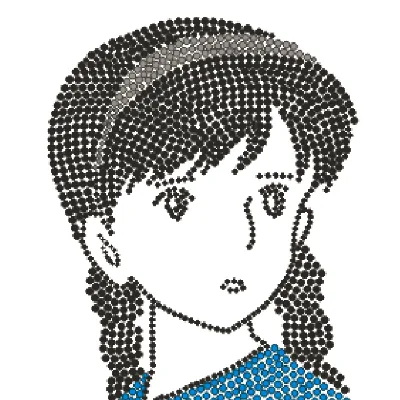
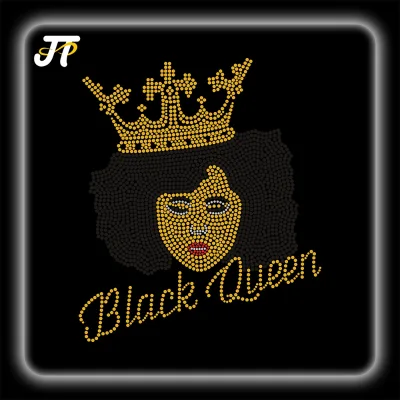
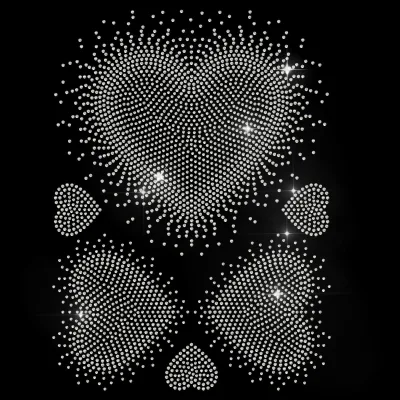
OEM Manufacture Rhinestone Heat Transfer Patterns, Hot Fix Rhinestone Motif
$0.46 - $9.87
MOQ: 1 Minimum
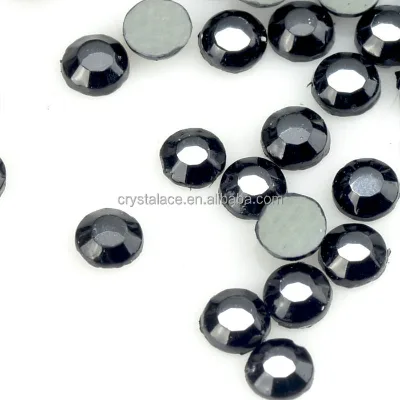
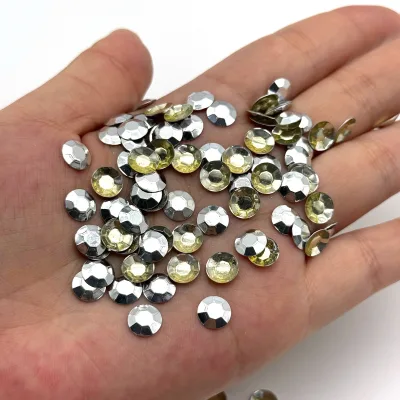
4mm Cosmo Jet Hotfix Rhinestones, Pasco Rhinestone Hotfix
Contact supplier
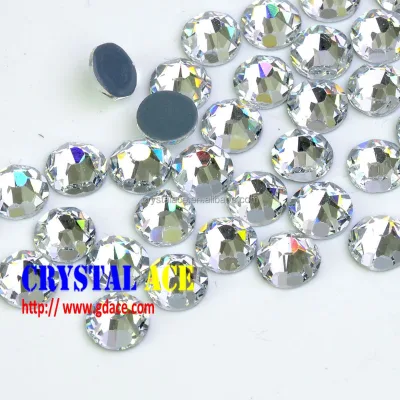
Guangzhou Yiyun Clothing Co., Ltd.
- Manufacturer, Trading Company
- Guandong, China
- Lead time0 days
- Avg. response≤ 2h
Main productsrhinestone transfer,rhinestone tshirt,glitter,hot fix tape,Tpu
Main marketsWestern Europe(22.80%), Central America(16.00%), South America(12.80%), Eastern Europe(11.00%), North America(10.00%), Mid East(9.00%), Southern Europe(8.00%)

Guangzhou Dashanming Machinery Co., Ltd.
- Combined
- China Guangdong
- Lead time15 days
- Avg. response≤ 11h
Main productsHeat Press Machine, Rhinestone Brushing Machine, Ultrasonic Rhinestone Hotfix Setting Machine, Pneumatic Heat Press Machine, Hydraulic Heat Press Machine, Logo Hot Stamping Machine, Sublimation Roll Heat Press Machine, Manual Heat Press Machine, Laser Cutting Machine
Main marketsSouth America,Southeast Asia/ Mideast,Europe

Ningbo Yuena Import & Export Co., Ltd.
- Verified by TUVRHEINLAND
- Trading Company
- China Zhejiang
- Lead time23 days
- Avg. response≤ 3h
Main productsLace, Thread, Button, Ribbon, Zipper, Tailors Materials, Fabric, Reflective Materials, Sewing Machine Part, Bra Parts
Main marketsSouth America,Africa,Southeast Asia/ Mideast,Europe,North America


Our Factories 20 Years'experience Various Colors Rhinestone Hotfix Transfer
$2.00 - $5.00
MOQ: 100 Pieces


Marigold Garment Accessories Co., Ltd.
- Trading Company
- China Guangdong
- Lead time15 days
- Avg. response≤ 11h
Main productsLace, Lace Trimming, Rhinestone Trimming, Embroidery, Patches, Elastic Trim, Brooches, Button, Rhinestone Patch, Lace Fabric
Main marketsSouth America,Africa,Southeast Asia/ Mideast,Europe,North America

Brilliant Ocean Trading (Yiwu) Co., Ltd.
- Trading Company
- China Zhejiang
- Lead time30 days
- Avg. response≤ 19h
Main productsCloth Accessories, Glitter Powder, Hand Bag, Jewelry Accessories, Metallic Yarn, Hardware, Party Supplies, Extension Socket, Shopping Bag, Plush Toy
Main marketsSouth America,Southeast Asia/ Mideast

- Verified by TUVRHEINLAND
- Combined
- China Zhejiang
- Lead time30 days
- Avg. response≤ 7h
Main productsThread, Zipper, Lace, Button, Webbing & Tape, Ribbon, Interlining, Fabric, Tailoring Materials, Hook & Loop
Main marketsSouth America,Africa,Europe,Australia


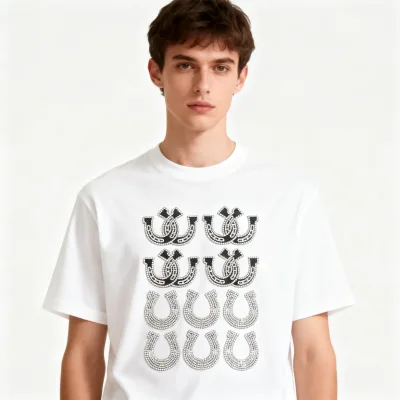
Garment Accessories Rhinestones Strass Peacock Hotfix Rhinestone Transfer Iron on Sticker
$0.50 - $2.00
MOQ: 500 Bags

Guangzhou JingPin Garment Accessory Co., Ltd.
- Verified by BV
- Trading Company
- China Guangdong
- Lead time15 days
- Avg. response≤ 3h
Main productsHot Fix Rhinestone Iron on Crystal, Hot Fix Rhinestuds Octagon Studs, Heat Transfer Motifs Iron on Motifs, Strass Motifs Heat Transfer Motifs, Iron on Studs Dome Studs Metallic Stud, Cup Chain Rhinestone Mesh Trimming Stone, Point Back Rhinestones DMC Rhinestones, Lead Free Rhinestones, DMC Rhinestone Epoxy Stone Hot Fix Epoxy, Nailheads Hotfix Hot Fix Nailheads
Main marketsSouth America,Africa,Southeast Asia/ Mideast,East Asia(Japan/ South Korea),Europe,Australia,North America

Hot Fix Rhinestone Crystal Trimming Diamond Motif Fashion Patch Dress Decoration Rhinestone Patch
$1.95 - $2.55
MOQ: 100 PCS

2088 Rhinestone Hotfix Stones Decoration for Evening Dress and Garment Accessories
$5.20 - $5.50
MOQ: 10 Bags

16 Cutting Hotfix Rhinestone Multi-Colors 4mm Crystal for Christmas Accessories
$86.64 - $88.97
MOQ: 10 Bags


Wholesale Hot Fix Rhinestone 6A Top Quality Shiny for T Shirt Summer Designs
$35.00 - $55.00
MOQ: 10 Bags

$2.75 - $3.50
MOQ: 100 Pieces
Shenzhen Crystal Magia Garment Accessory Co., Ltd.
- Trading Company
- Guangdong, China
- Lead time4 days
- Avg. response≤ 2h
Main productsrhinestone,acrylic stone,DTF transfer,rhinestone motif,resin stone
Main marketsCentral America(15.00%), Eastern Europe(15.00%), Western Europe(15.00%), North America(15.00%), South America(10.00%), Northern Europe(10.00%), Southeast Asia(5.00%), Oceania(5.00%), Southern Europe(5.00%), Mid East(2.00%), Africa(2.00%)

$1.23 - $2.30
MOQ: 30 Minimum


Dongguan FengSuer Textile Co., Ltd
- Verified by TUVRHEINLAND
- Trading Company
- China Guangdong
- Lead time23 days
- Avg. response≤ 3h
Main productsWoven Patches, Woven Labels, Embroidery Patch, Keychians, Hantags, Printing Labels, Printing Patches, Woven Tape, Ribbon
Main marketsEurope

Colorful Shiny Rhinestone Hotfix Stones Decoration for Evening Dress and Garment Accessories
$0.65 - $2.00
MOQ: 50 Pieces


Dongguan Chuangying Rhinestone Co., Ltd.
- Verified by Intertek
- Manufacturer, Trading Company
- Lead time3 days
- Avg. response≤ 3h
Main productsRhinestone, Hotfix Rhinestone, Nail Rhinestone, Rhinestone Transfer, Metal Settings for stone
Main marketsNorth America(60%), Mid East(30%), Northern Europe(10%)
- Trading Company
- Zhejiang, China
- Lead time10 days
- Avg. response≤ 2h
Main productscheerleading uniforms,gymnastics leotards,rhinestone transfers,practice wear
Main marketsNorth America(80.00%), Northern Europe(15.00%)

Contact supplier
MOQ: 15 Minimum


NINGBO HOBA INTERNATIONAL TRADING CO., LTD.
- Verified by BV
- Trading Company
- China Zhejiang
- Lead time30 days
- Avg. response≤ 5h
Main productsThread, Button, Lace Tape, Zipper, Hot Fix Stone, Crystal, Rope, Jewelry Accessory, Ribbon, Reflecting Material
Main marketsSouth America,Africa,Southeast Asia/ Mideast,East Asia(Japan/ South Korea),Europe,Australia,North America

Ningbo DH Textile Industry&Trade Co., Ltd.
- Verified by TUVRHEINLAND
- Trading Company
- China Zhejiang
- Lead time15 days
- Avg. response≤ 13h
Main productsLace, Interlining, Embroidery Thread, Poplin, Hook and Loop, Satin Ribbon, Sewing Thread, Button, Zipper, Lace Fabric
Main marketsAfrica,Southeast Asia/ Mideast,North America

$0.00 - $0.01
MOQ: 10000 Pieces


Guangzhou Govolon Trade Co., Ltd.
- Trading Company,Manufacturer/Factory
- China Guangdong
- Lead time15 days
- Avg. response≤ 24h
Main productsGarment Accessories, Lace, Button, Zipper, Fringe and Tassels, Belt Ribbon, Garment Trimming, Patch Badge, Buckle, Hotfix
Main marketsSouth America,Mid East,North America,Southeast Asia,Western Europe,Africa


Fashion Crystal Heat Transfer /Rhinestone Hot Fix for Garment Clothing Decoration
$3.80 - $4.50
MOQ: 500 Pieces

Fashion Crystal Heat Transfer Rhinestone Hot Fix for Garment Clothing Decoration
$3.80 - $4.50
MOQ: 500 Pieces


Kingswick Technology Group Limited
- Trading Company,Manufacturer/Factory,Group Corporation,Other
- China Guangdong
- Lead time15 days
- Avg. response≤ 17h
Main productsHotfix Rhinestones, Nail Rhinestones, Flat Back Rhinestones, Sew on Rhinestones, Hot Fix Rhinestone Machines, Rhinestone Appliques, Glass Crystal Beads, Rhinestone Ribbons, Jewelry Beads, Pearl Beads
Main marketsSouth America,Eastern Europe,Mid East,North America,Southeast Asia,Eastern Asia,Oceania,Western Europe,Africa

Customized Designs Heat Transfers Pattern Hotfix Rhinestones Motif for Clothes DIY Decoration
$1.00 - $2.00
MOQ: 1000 Pieces

$12.00 - $32.00
MOQ: 1 Bags

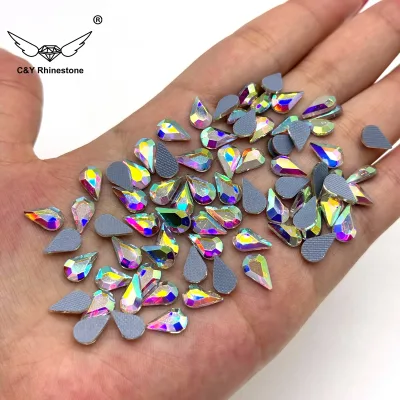
Wholesale China 16 Facets Strass Hotfix Rhinestone, Iron on Rhinestone Hotfix Rainbow Color
$2.50 - $12.50
MOQ: 10 Bags


Custom Rhinestone Heat Transfer Designs Hotfix Crystal Designs for Clothes
$16.00 - $25.00
MOQ: 10 Pieces

Dongguan Topaz Costume Co., Ltd.
- Manufacturer, Trading Company
- Guangdong, China
- Lead time20 days
- Avg. response≤ 6h
Main productsRhinestone Transfer,Iron on Patch,Face Gems Sticker,T Shirts with rhinestone,Sew on Crystal
Main marketsNorth America(72.00%), Western Europe(10.00%), Domestic Market(5.00%), Oceania(4.00%), South America(3.00%), Eastern Europe(3.00%), Mid East(2.00%), Africa(1.00%)

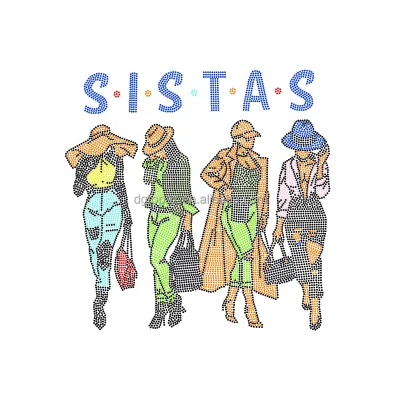
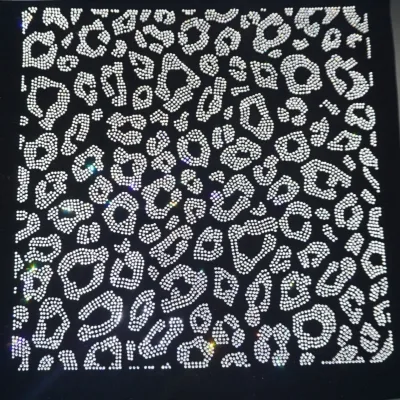
Top10 Best Selling Bling Rhinestones Custom Heat Transfer Rhinestone Sheet Hot Fix
$2.70 - $2.93
MOQ: 30 pieces


NINGBO NCJN IMPORT AND EXPORT CO., LTD.
- Verified by TUVRHEINLAND
- Trading Company
- China Zhejiang
- Lead time15 days
- Avg. response≤ 12h
Main productsGarment Accessories, Zipper, Button, Lace, Tape, Velcro Tape, Hook and Eye Tape, Ring and Slider, Bra Cup
Main marketsSouth America,Africa,Southeast Asia/ Mideast,East Asia(Japan/ South Korea),Europe,Australia,North America
Yiwu Dansilin Trading Co., Ltd.
- Verified by TüVRheinland
- Trading Company
- Zhejiang, China
- Lead time7 days
- Avg. response≤ 6h
Main productsCeramic Pearl, Rhinestone, Heat Transfer, Crystal Medley
Main marketsNorth America(38%), Western Europe(28%), Mid East(17%)






Comprehensive Sourcing Guide
Eco-Friendly Motif Rhinestone Hotfix Supplier Concentration and Factory Types
When buyers search for Eco-Friendly Motif Rhinestone Hotfix suppliers, the visible results in this category point strongly to one manufacturing region: Guangdong, China. Multiple listed suppliers in the current results identify Guangdong as their place of origin, and one dispatches through the port of Guangzhou. This concentration matters because it suggests an established cluster of rhinestone transfer and hotfix motif producers, which typically means buyers can compare several factories within a compact geographic area, consolidate shipments, and reach production hubs quickly during factory visits. However, concentration in one province does not guarantee uniform quality, so buyers should still treat each supplier individually rather than assuming regional suppliers share standards or capabilities.
The supplier results show two main company types operating in this space. Some listings are labeled as Manufacturer and Trading Company combined, which can indicate a hybrid model where the factory produces core items but also trades complementary products such as crystal stickers, sew-on stones, and rhinestone trimming. Other suppliers list main products spanning rhinestone transfers, rhinestone t-shirts, glitter, and hotfix tape. Buyers should map each supplier against its declared main products: a supplier whose catalog centers on hotfix rhinestone motifs and heat transfer patterns is more likely to hold relevant tooling, template libraries, and application equipment than one for which motifs are a sideline. Verify the hybrid claims by asking which production steps happen in-house.
How to Verify Eco-Friendly Motif Rhinestone Hotfix Suppliers
Verification starts with matching the supplier's declared identity against the evidence on the page. Some results in this category describe themselves as both Manufacturer and Trading Company, so ask directly which steps—stone sourcing, template cutting, glue application, backing material, and packing—occur in their own facility. Request photos or a video call showing the production floor, and confirm the declared location in Guangdong, China with a business license or registration document. Because one product listing attributes its origin to Guangdong with dispatch through Guangzhou, buyers planning visits or consolidated freight should confirm the actual factory address rather than a sales-office address.
Product-level verification is equally important. Several listings state material details—crystal, glass, or resin with glue—and declare technics as hot-fix with flatback styles. Ask for material composition documentation, since "eco friendly" is a marketing term that needs substantiation; request test reports for adhesives and coatings from an independent laboratory rather than accepting self-declared claims. Check the declared model numbers, brand names, and supply abilities against each other: one listing claims a supply ability measured in pieces per week while another claims bags per day, which signals very different production systems. Finally, order pre-production samples, since at least one supplier explicitly offers samples and supports short sample-order lead times. Evaluate sample adhesion after washing, stone retention, and template accuracy before committing to volume. Keep a written record of every claim the supplier makes so discrepancies surface early.
What to Compare Across Eco-Friendly Motif Rhinestone Hotfix Suppliers
Build a comparison sheet using the attributes actually displayed on supplier profiles, since not every supplier shows every field. Useful dimensions from the current results include lead time, response time, location, supplier type, and main products. Lead times vary widely in this category: one supplier shows a five-day lead time while another shows effectively zero, and individual product listings state delivery windows of two to three days or three to five days. Treat these as quoted production or dispatch speeds, not total transit times, and confirm whether the clock starts at order confirmation or after sample approval. Response time is another displayed field; one supplier shows six hours and another two, which hints at different sales-team staffing and can predict how quickly issues get resolved mid-order.
Compare MOQ behavior across product listings, because it differs sharply even within one supplier's catalog. Some motif listings show MOQs as low as a single piece, while others specify twenty or twenty-five pieces per design. Lower MOQs usually reflect stocking of ready-made motifs, whereas custom or OEM shapes carry different terms. Also compare product range: one supplier lists hotfix rhinestone motifs and OEM heat transfer patterns, another lists loose rhinestones and DMC machine-cut stones, and a third focuses on garment motif appliques including shoes motifs. Match the supplier's declared main products to your design needs, and note establishment-year and escrow fields only where displayed rather than assuming them.
Common Eco-Friendly Motif Rhinestone Hotfix Sourcing Risks
The first risk in this category is unverified environmental claims. Suppliers describe products as eco-friendly in attributes, but "eco friendly" is not a certification and appears alongside materials as varied as crystal, glass, and resin with glue. If your market requires compliance documentation for adhesives, coatings, or heavy metals, obtain independent test reports specific to the actual production batch. A second risk is material substitution: because listings span resin, glass, and crystal stones at different price points, a supplier could substitute a cheaper material at volume after approving a premium sample. Specify material grade, facet count, and stone brand in the purchase contract, and inspect incoming shipments against the approved sample.
A third risk involves MOQ and customization mismatches. Some listings welcome customized designs, while others sell fixed stock motifs with a stated piece count per design; ordering custom work under stock-motif terms can cause delays or rejects. Fourth, watch the gap between quoted lead times and real capacity: listings claim supply abilities in pieces per week and bags per day, but these are self-reported figures without independent verification. Ask how the stated capacity was calculated and whether peak-season orders queue behind larger clients. Finally, tightly packed transfer designs—described in one listing—can arrive with shifted stones or damaged backing if packing specifications are not agreed in writing, so define carton weights, inner packing, and labeling before production starts.
Eco-Friendly Motif Rhinestone Hotfix Regional Sourcing and Logistics
The evidence in this category places suppliers in Guangdong, China, with one listing explicitly naming Guangzhou as the port of dispatch. For buyers sourcing rhinestone hotfix motifs, this concentration simplifies logistics planning: consolidated ocean freight through a major southern Chinese port, access to established freight forwarders familiar with garment accessories, and the possibility of combining multiple suppliers' goods in one container. Buyers running time-sensitive fashion programs should still confirm the door-to-factory distance, since a Guangdong registration does not guarantee the production site sits near the port, and inland factory locations add trucking time to any quoted lead time.
Regional clustering also affects how buyers should schedule sourcing trips. When several motif suppliers operate in the same province, a single visit can cover multiple factory audits, sample collections, and negotiation rounds, reducing travel cost per supplier evaluated. For smaller orders, air freight from the region is practical because motif transfers are lightweight—one listing reports a single gross weight of roughly half a kilogram per piece—but air costs rise quickly with bulky retail-ready packaging. Clarify incoterms and who books freight, since trading-hybrid suppliers may quote different shipping responsibilities than pure manufacturers. Buyers without a regional presence should ask suppliers for reference shipping records to previous export orders, confirming the declared port and typical transit documentation before the first purchase order is issued.
Eco-Friendly Motif Rhinestone Hotfix Commercial Terms and Order Planning
Commercial terms in this category vary enough that buyers should negotiate from the listing data rather than assume uniformity. Displayed price ranges on product evidence span roughly from under one unit of currency to nearly ten for a single motif, with other listings in the sub-one-dollar band, reflecting differences in stone count, size, and material. Always request quotations against your specific design, stone count, and sheet size, because listing prices are anchors rather than commitments. MOQs range from single-piece trials to twenty-five-piece minimums per design, so plan a two-stage order: a small trial order at the low end to validate quality, then volume pricing at your real run size. Ask whether trial quantities qualify for the same unit price or carry a sampling surcharge.
Order planning should account for the lead-time data displayed: quoted dispatch windows of a few days plus a five-day supplier lead time in one case suggest fast turnaround, but these figures exclude sample approval, quality inspection, and freight. Build a calendar that reserves time for sample iteration—especially for OEM shapes, which one listing supports—before production begins. Confirm payment structure and whether platform escrow protection applies to your transaction, since some profiles display escrow-related fields and others do not. Finally, agree on packing specifications, gross weights, and dispatch port in the contract so the commercial terms match the logistics realities described in the supplier's own listings.
FAQs
Where are Eco-Friendly Motif Rhinestone Hotfix products manufactured?
These products are manufactured in Guangdong, China. Suppliers in this region offer various types including crystal and resin materials. The location ensures access to established supply chains for garment accessories and hot-fix applications.
What is the minimum order quantity for hot fix rhinestone motifs?
Minimum order quantities vary by supplier and product type. Some listings require as few as one piece, while others set the limit at 20 or 25 pieces. Buyers should check specific product details to confirm the exact MOQ before placing an order.
How quickly can suppliers respond to inquiries about rhinestone motifs?
Response times for these suppliers range from two to six hours. Fast response rates indicate active communication channels for sourcing needs. Buyers can expect timely updates regarding product availability and customization options for their specific garment projects.
What materials are used in hot fix rhinestone motif production?
Materials include crystal, glass, and resin with glue. Crystal options often feature flatback designs suitable for iron-on applications. Resin variants provide an alternative for specific aesthetic needs while maintaining the hot-fix functionality required for garment decoration.
What is the typical delivery time for rhinestone transfer patterns?
Delivery times generally range from zero to five days depending on the supplier. Some manufacturers offer rapid turnaround for sample orders within three to five days. Buyers should verify specific lead times with the supplier to ensure timely project completion.
Are custom designs available for hot fix rhinestone motifs?
Customized designs are warmly welcomed by many suppliers. Buyers can request specific shapes, sizes, and arrangements for their unique projects. This flexibility allows for tailored solutions that meet precise branding or design requirements for bags, garments, and shoes.
What is the price range for hot fix rhinestone transfers?
Prices typically range from 0.30 to 9.87 per unit depending on material and complexity. Lower costs often apply to standard loose stones, while intricate motifs may command higher prices. Buyers should compare specific listings to find the best value for their budget.