Eco Friendly Round Coffee Mug and Plate Set Suppliers and Manufacturers
Find 28 verified suppliers offering eco friendly round coffee mug and plate sets with varying lead times, certifications, and response speeds. Compare dimensions like MOQ, origin, and response time to select the right partner for your order; review the available evidence before requesting comparable quotations from suitable candidates.
Updated
Suppliers List
Dongguan Jinbaoma Technology Co., Ltd.
- Trading Company
- Lead time旺季: "1 - 1000":20,"> 1000":"To be negotiated", 淡季: "1 - 1000":20,"> 1000":"To be negotiated"
- Avg. response≤ 2h
Main productsKitchenware,Daily necessitiess,Storage tools,Storage tools,Decorations

Guangzhou Garbo International Trading Co., Ltd.
- Verified by TUVRHEINLAND
- Trading Company,Manufacturer/Factory
- China Guangdong
- Lead time45 days
- Avg. response≤ 6h
Main productsGlassware, Glass Cup, Glass Mug, Glass Bowl, Glass Candy Jar, Glass Pitcher, Glass Ice Cream Cup and Ice Bucket, Opal Glassware, Stainless Steel Cutlery, Ceramic Dinnerware
Main marketsSouth America,Eastern Europe,Mid East,North America,Southeast Asia,Eastern Asia,Oceania,Western Europe,Africa

Guangzhou Unique Hotel Supplies Co., Ltd.
- Verified by CTI
- Trading Company,Manufacturer/Factory
- China Guangdong
- Lead time15 days
- Avg. response≤ 6h
Main productsServing Tray, Ice Bucket, Gn Pan, Kitchenware, Water /Beer Cup, Plastic Products, Pitchers/Kettles, Food Plate Cover, Bowls, Organizer and Holder
Main marketsSouth America,Eastern Europe,Mid East,North America,Southeast Asia,Eastern Asia,Africa

Wholesale Custom Logo Cup and Saucer Coffee Cup Mug Coffee Ceramic Cup and Saucer Sets
$2.40 - $3.70
MOQ: 100 Pieces


Wholesale Custom Logo Ceramic European Espresso Dinner Set Coffee Cup and Saucer
$1.70 - $2.40
MOQ: 100 Pieces

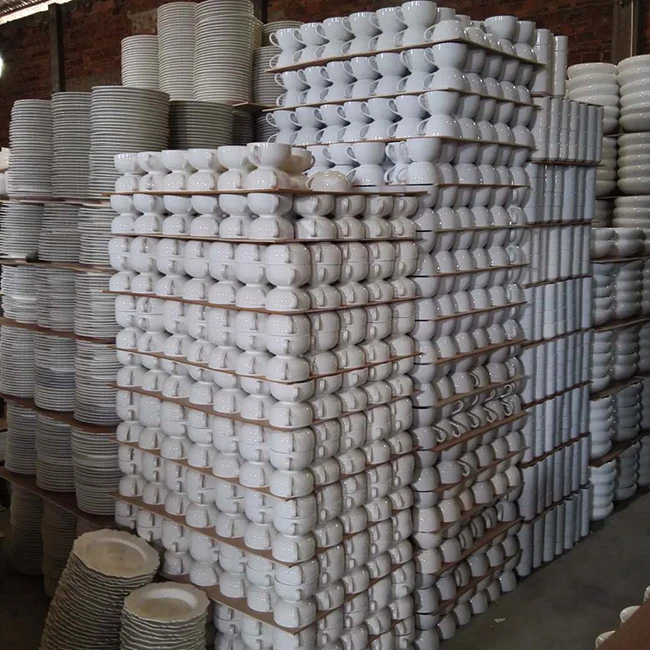
Shenzhen Sanbo Home And Garden Manufacturing Co., Ltd.
- Manufacturer, Trading Company
- Gaungdong, China
- Lead time15 days
- Avg. response≤ 3h
Main productsstainless steel dinnerware,metal cake holder,glass cake holder,cake tools,ceramic dinnerware
Main marketsAfrica(20.00%), Southeast Asia(10.00%), Eastern Europe(10.00%), Oceania(10.00%), Southern Europe(9.00%), Central America(8.00%), Northern Europe(8.00%), South Asia(6.00%), South America(4.00%), Western Europe(4.00%), Eastern Asia(3.00%), Mid East(3.00%), North America(3.00%), Domestic Market(2.00%)

Chaozhou City Cha'an District Fengtang Town Sai Si Ceramics Factory
- Verified by CTI
- Combined
- China Guangdong
- Lead time30 days
- Avg. response≤ 6h
Main productsMugs, Ceramic Tissue Boxes, Ceramic Pet Bowls, Ceramic Vases
Main marketsDomestic

Japanese Style Ceramics Porcelain Coffee Cup Mug Set Ceramic Coffee Mug Cup
$4.00 - $8.00
MOQ: 1000 Pieces


$4.00 - $8.00
MOQ: 1000 Pieces
Xiamen Huidongxin Industry and Trade Co., Ltd.
- Verified by TüVRheinland
- Trading Company
- Fujian, China
- Lead time25 days
- Avg. response≤ 7h
Main productsMatcha Set, Coffee Accessories, Kitchen Accessories, Bar Accessories, Stainless Steel Part
Main marketsNorth America(20%), Mid East(20%), Western Europe(20%)
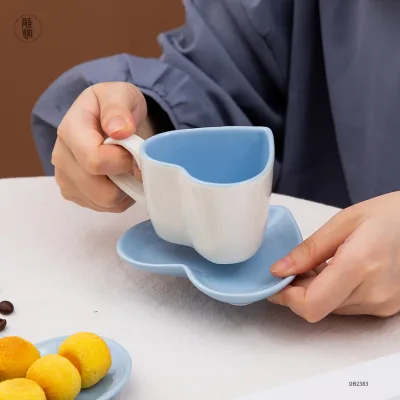
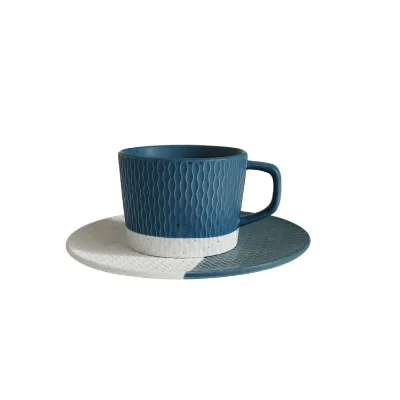
$4.1452 - $4.7664
MOQ: 36 pieces
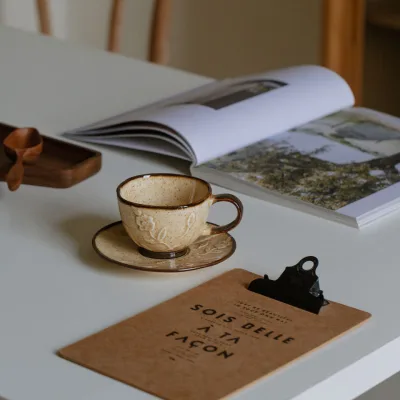

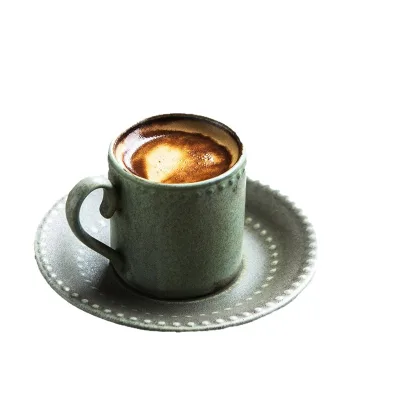

Shenzhen Hua Mei Industry Development Ltd.
- Verified by TUVRHEINLAND
- Trading Company
- China Guangdong
- Lead time60 days
- Avg. response≤ 3h
Main productsDinnerware, Porcelain Dinnerware, Ceramic Dinnerware, Ceramic Bowl, Ceramic Mug, Porcelain Bowl
Main marketsSoutheast Asia/ Mideast,Europe,Australia,North America

- Verified by TUVRHEINLAND
- Trading Company
- China Hunan
- Lead time45 days
- Avg. response≤ 1h
Main productsCeramic Mug, Vacuum Flask, Dinner Set, Cup, Mug, Thermal Bottle, Ceramic Dinner Set, Glass Jar, Glass Cup, Wine Cup
Main marketsSoutheast Asia/ Mideast

- Group Corporation
- China Guangdong
- Lead time45 days
- Avg. response≤ 3h
Main productsKitchenware Roasting Pan Pie Dish Pie Pan, Tableware Dinnerware Dishes Plates Servingware, Food Storage Container Baking Pan Baking Tray, Dishes Bowls Cups Mug Spoons Jars Canister, Water Glass Tumbler Coffee Mug Teacup & Saucer, Juice Glass Lunch Box Bento Box Food Keeper, Dinner Plate Salad Plate Side Plate Bread & Butt, Soup Bowl Cereal Bowl / Rice Bowl Serving Platte, Coffee Spoon Dinner Fork Salad Fork Butter Knife, Teaspoon Soup Spoon Dessert Spoon Serving Spoon
Main marketsSouth America,Eastern Europe,Mid East,North America,Southeast Asia,Eastern Asia,Oceania,Western Europe,Africa

- Verified by BV
- Trading Company
- China Shandong
- Lead time30 days
- Avg. response≤ 2h
Main productsCeramic Mugs, Ceramic Dinnerware, Ceramic Tea Set, Ceramic Kitchen Ware, Custom Drum Shape Ceramic Coffee Mug, 24oz Large Capacity 3D Embossed Mug, Porcelain Cappuccino Cup and Saucer, 14oz Custom Souvenirs Ceramic Mug, 12 Sets Vintage Reactive Glazed Tableware, Custom Royal White Ceramic Milk Jar
Main marketsNorth America

Factory Promotional Ceramic Cup Porcelain Coffee Mug Set with Floral Design
$1.00 - $5.00
MOQ: 5000 Sets

Ceramic Tea Coffee Set Custom Porcelain Milk Coffee Set New Bone China Mug Saucer Coffee Set
$1.00 - $3.00
MOQ: 5000 Sets

Promotions Espresso Cup Set White Ceramic Coffee Cup Set 90ml Coffee Cup Saucer Set
$0.50 - $1.50
MOQ: 5000 Sets

Factory Promotional Porcelain Coffee Mug Set Custom Ceramic Tea Cup Set with Saucer
$0.80 - $5.00
MOQ: 5000 Sets

Fine Ceramic Coffee Cup Set Custom New Bone China Milk Cup Set Coffee Cup Saucer Set
$1.00 - $3.00
MOQ: 5000 Sets

Green Ceramic Tea Cup Set 210ml Coffee Cup Set Custom Porcelain Coffee Milk Cup Set
$0.70 - $2.00
MOQ: 5000 Sets
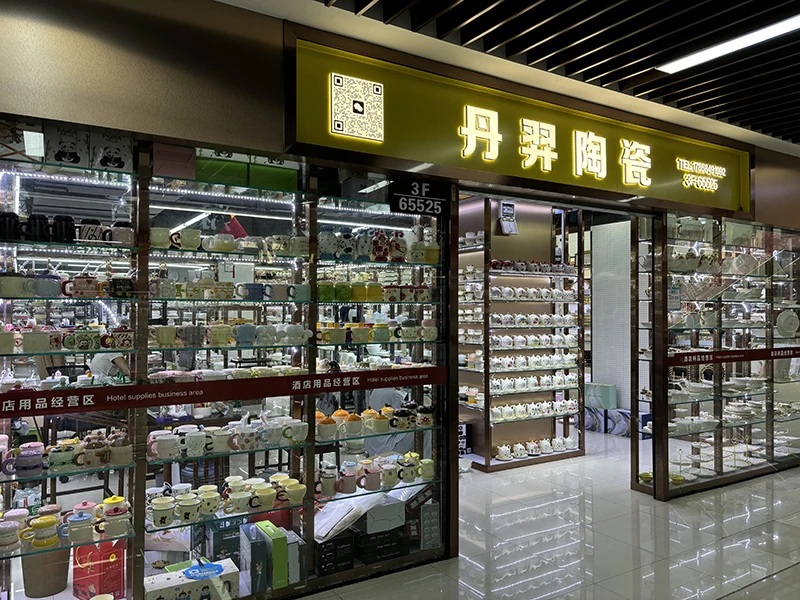
Yiwu Danyi Import And Export Co., Ltd.
- Trading Company
- Zhejiang, China
- Lead time30 days
- Avg. response≤ 4h
Main productsTableware,Coffee Cup
Main marketsCentral America(100.00%), Northern Europe(100.00%), Domestic Market(100.00%), South Asia(100.00%), Africa(100.00%), Eastern Europe(100.00%), Southern Europe(100.00%), North America(40.00%), Western Europe(20.00%), Mid East(15.00%), Oceania(10.00%), Eastern Asia(5.00%), Southeast Asia(5.00%), South America(5.00%)
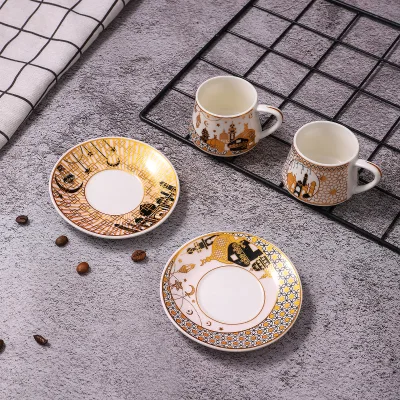
Custom European-style Ceramic Coffee Cup and Saucer Set Electroplating Ceramic Cup Set
$4.30 - $4.80
MOQ: 500 bags
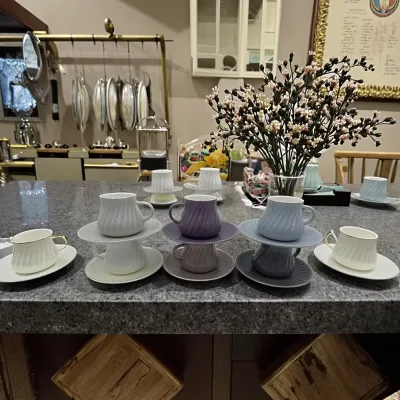
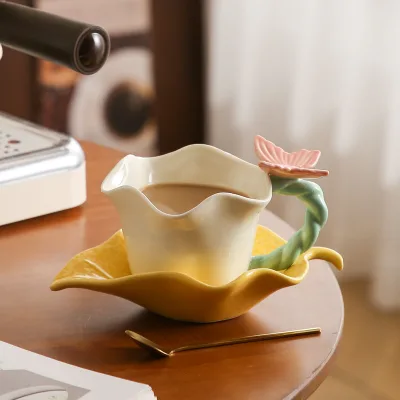
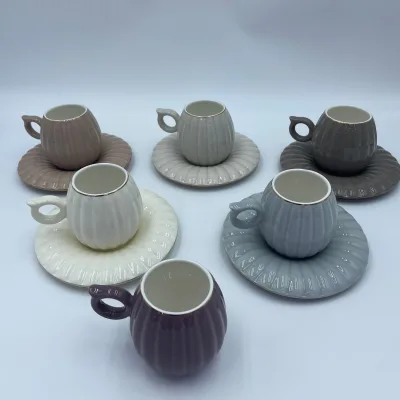
Set of 6 Ceramic Coffee and Tea Cups with 6 Plates for Serving Tea and Coffee
$8.1811 - $10.2155
MOQ: 80 pieces

Zhuji Seven Day Commodity Co., Ltd.
- Trading Company
- Zhejiang, China
- Lead time30 days
- Avg. response≤ 1h
Main productsVase,Mug,Tablewares,Flower Pot,Candle Jar
Main marketsNorth America(25.00%), Northern Europe(15.00%), Western Europe(15.00%), Mid East(10.00%), Southern Europe(10.00%), Eastern Europe(10.00%), South America(5.00%), South Asia(2.00%), Africa(2.00%), Southeast Asia(2.00%), Central America(2.00%), Eastern Asia(2.00%)
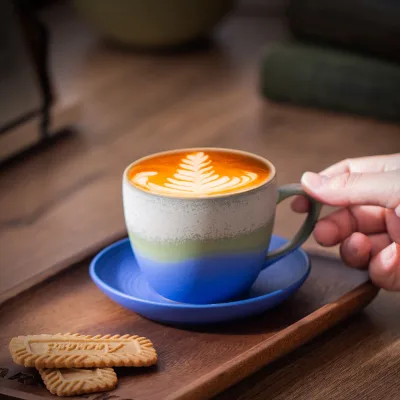
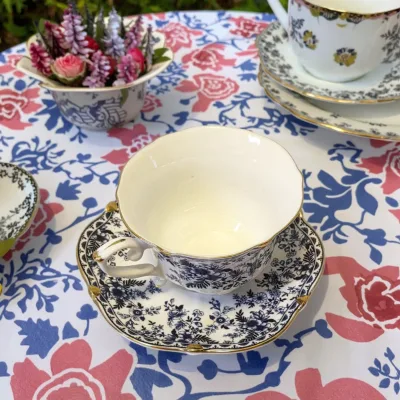
Porcelain Tea Cups & Saucers Set Elegant and Durable Plates Included
$3.2934 - $4.1168
MOQ: 100 pieces

Jinjiang Jiaxing Import and Export Co., Ltd.
- Verified by CTI
- Manufacturer/Factory
- China Fujian
- Lead time120 days
- Avg. response≤ 1h
Main productsShoes, Slipper, Clothes, Promotion Gifts, Silicone Products, Outdoor Sports Products, Bags, Fashion Accessories, Consumer Electronics
Main marketsSouth America,Eastern Europe,Mid East,North America,Southeast Asia,Eastern Asia,Oceania,Western Europe,Africa
Shenzhen Global Hotel Supplies Co., Ltd.
- Trading Company
- Guangdong, China
- Lead time15 days
- Avg. response≤ 6h
Main productsCeramic tableware,Drinkware,Glassware,Kitchen Equipment,Restaurant Supplies
Main marketsNorth America(40.00%), Domestic Market(30.00%), South America(20.00%), Eastern Europe(10.00%)

Foshan Ron Hospitality Supplies Co., Ltd.
- Verified by BV
- Manufacturer/Factory,Group Corporation
- China Guangdong
- Lead time45 days
- Avg. response≤ 2h
Main productsRestaurant Furniture, Restaurant Booth, Restaurant Chair, Restaurant Table, Bar Stools, Wedding Chairs, Flatware Sets, Dinnerware Sets, Garden Chairs, Disposable Dinnerware & Tableware
Main marketsSouth America,Eastern Europe,Mid East,North America,Southeast Asia,Eastern Asia,Oceania,Western Europe,Africa


$1.00 - $2.00
MOQ: 50 Pieces

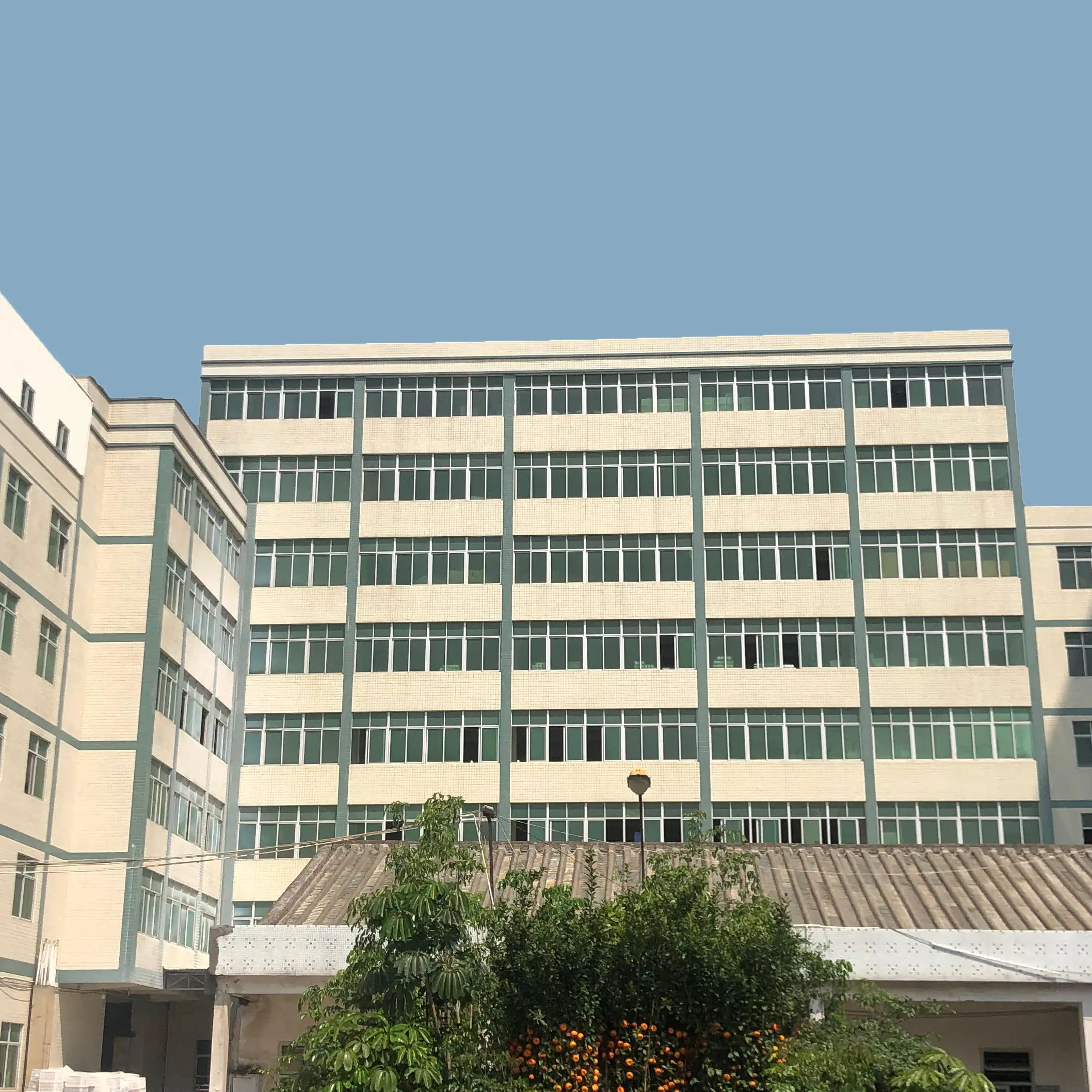
Liuyang Jersey Import Export Co., Ltd.
- Trading Company
- Hunan, China
- Lead time15 days
- Avg. response≤ 6h
Main productsdinnerware,dinnersets,tableware,ceramic plates,ceramic mugs
Main marketsSouth America(30.00%), Northern Europe(10.00%), Central America(10.00%), Eastern Asia(10.00%), Mid East(10.00%), Africa(10.00%), Southeast Asia(10.00%), North America(10.00%)
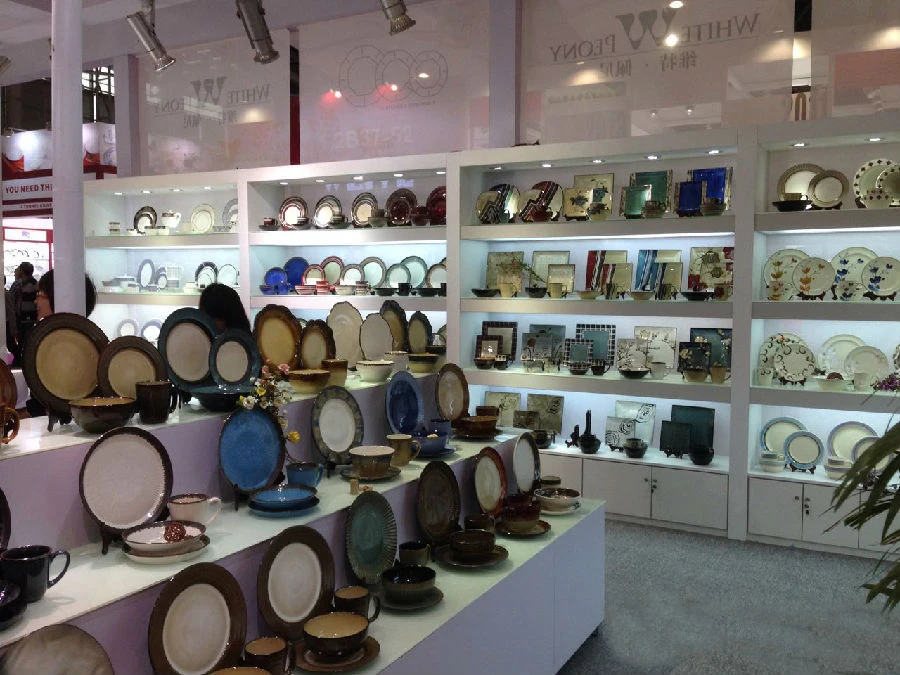
Chaozhou Sanding Pottery Co., Ltd.
- Trading Company
- Guangdong Province, China
- Lead time3 days
- Avg. response≤ 3h
Main productsPromotional Ceramic Mugs,Stainless Steel Tumblers,Enamel Mugs,Ceramic Dinner Set,Ceramic Soup Pot
Main marketsNorth America(35.00%), Mid East(10.00%), Western Europe(10.00%), Eastern Europe(10.00%), Northern Europe(10.00%), Southeast Asia(6.00%), Eastern Asia(5.00%), Southern Europe(5.00%), Oceania(3.00%), South America(2.00%), Domestic Market(1.00%), South Asia(1.00%), Africa(1.00%), Central America(1.00%)
Chaozhou Sanjin Porcelain Factory
- Manufacturer
- Guangdong, China
- Lead time45 days
- Avg. response≤ 3h
Main productsceramic plate,ceramic bowl,ceramic cup,ceramic dinnerware,Customized porcelain
Main marketsEastern Asia(25.00%), Western Europe(21.00%), Southeast Asia(12.00%), North America(11.00%), Domestic Market(10.00%), South America(9.00%), Eastern Europe(8.00%), Oceania(4.00%)

FUZHOU SHOO-IN IMP & EXP CO., LTD.
- Verified by SGS
- Trading Company
- China Fujian
- Lead time15 days
- Avg. response≤ 3h
Main productsPadel Ball, Tennis Ball, Hat, Pet Leash, Pickleball, Yoga Mat, Sports Towel
Main marketsEast Asia(Japan/ South Korea),North America

Ningbo V. K. Industry and Trading Co., Ltd.
- Verified by BV
- Trading Company
- China Zhejiang
- Lead time30 days
- Avg. response≤ 6h
Main productsIce Bath Tub, Cosmetic Glass Bottle, Hydroponics Grow Box, Baby Bottle, Inflatable Tent, Cream Jar, Reed Diffuser Bottle, Jewish Products, Mezuzah Case
Main marketsSouth America,Europe,Australia,North America

Wenzhou Guanmin Import and Export Co., Ltd.
- Verified by BV
- Trading Company,Manufacturer/Factory
- China Zhejiang
- Lead time120 days
- Avg. response≤ 6h
Main productsShopping Bag, Cooler Bag, Notebook, Pen, Color Pencil, Lanyard, Beach Ball, Umbrella, Sunshade, Air Freshener
Main marketsSouth America,Eastern Europe,Mid East,North America,Southeast Asia,Eastern Asia,Western Europe
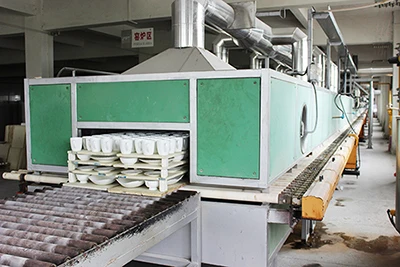
Guangdong Jiabaien Ceramics Co., Ltd.
- Manufacturer
- Guangdong, China
- Lead time20 days
- Avg. response≤ 2h
Main productsBone China; Porcelain
Main marketsDomestic Market(55.00%), Western Europe(20.00%), Oceania(10.00%), North America(5.00%), Eastern Europe(5.00%), Southeast Asia(5.00%)
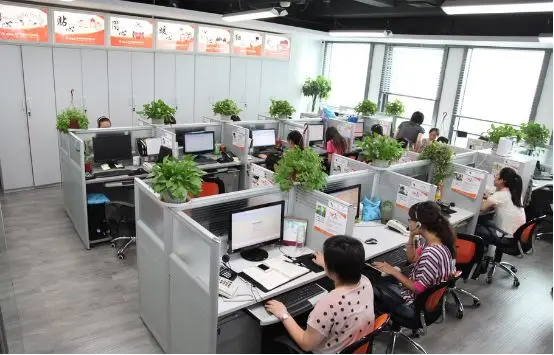
Shenyang Kaixin Technology Co., Ltd.
- Trading Company
- Liaoning, China
- Lead time30 days
- Avg. response≤ 1h
Main productsrice husk home&garden products,rice husks dinnerware Environmental protection material,kid's dinnerware&bathroom sets,OEM dinnerware&chopping board &cutting board,pet's products pet's bowl
Main marketsSoutheast Asia(20.00%), Eastern Europe(20.00%), Northern Europe(10.00%), Western Europe(10.00%), Mid East(10.00%), Africa(10.00%), South America(10.00%), North America(10.00%)

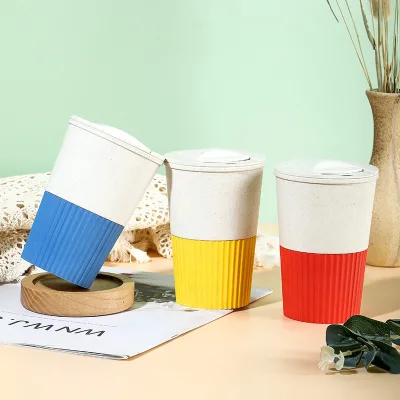
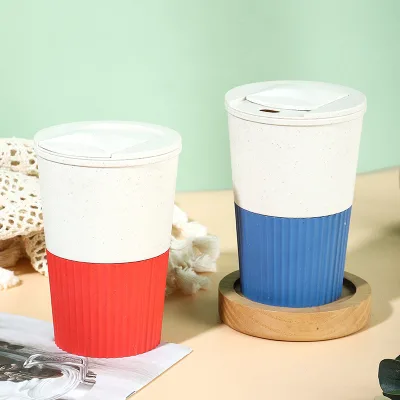
Wheat Straw Tableware Set Lightweight Bowl Plate Cup Reusable Wheat Straw Dinnerware Set
$0.50 - $0.81
MOQ: 100 pieces
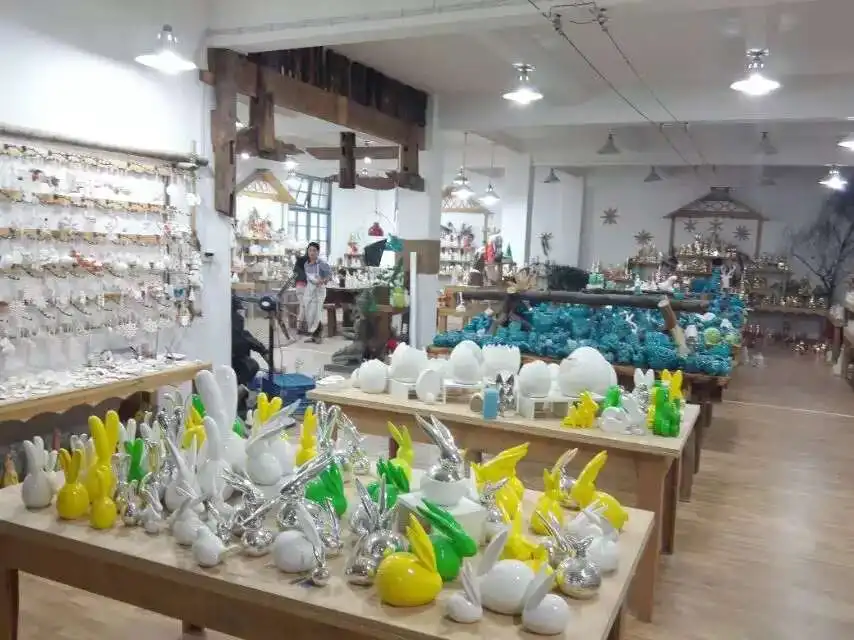
Dehua Beauty Rich Arts & Crafts Co., Ltd.
- Manufacturer, Trading Company
- Fujian, China
- Lead time30 days
- Avg. response≤ 7h
Main productsPolyresin crafts,Ceramic crafts,PVC crafts,Home decoration,Garden decoration
Main marketsEastern Europe(15.00%), North America(15.00%), South America(12.00%), Mid East(5.00%), Oceania(5.00%), South Asia(3.00%), Southern Europe(3.00%), Northern Europe(3.00%), Central America(3.00%), Western Europe(3.00%), Eastern Asia(3.00%), Domestic Market(3.00%), Southeast Asia(3.00%), Africa(2.00%)
Shenzhen Tao Hui Industrial Co., Ltd.
- Verified by TüVRheinland
- Manufacturer, Trading Company
- Lead time60 days
- Avg. response≤ 8h
Main productsPorcelain Products
Main marketsWestern Europe(30%), North America(20%), Southeast Asia(10%)
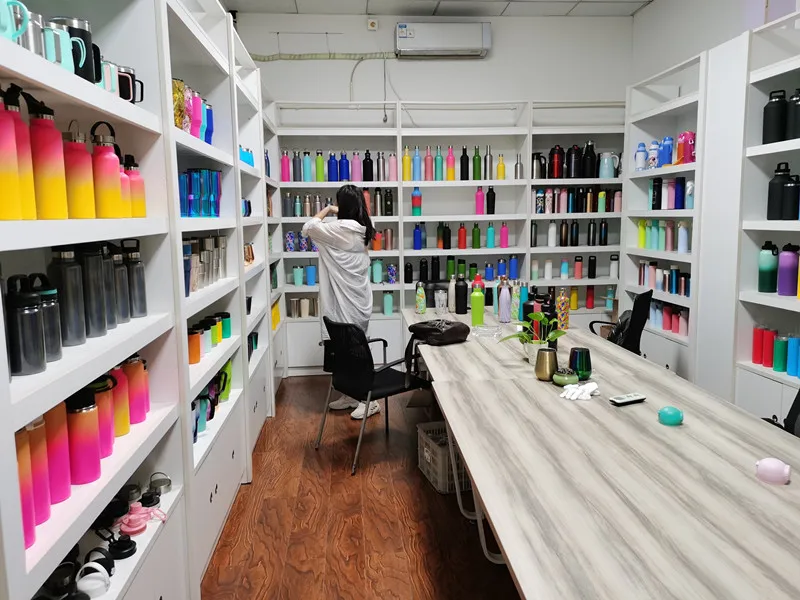
- Manufacturer, Trading Company, Distributor/Wholesaler
- Fujian, China
- Lead time30 days
- Avg. response≤ 2h
Main productscoffee product,coffee mug,coffee cup,coffee maker,nespresso
Main marketsEastern Europe(20.00%), Northern Europe(18.00%), Southern Europe(13.00%), Western Europe(12.00%), Mid East(11.00%), North America(10.00%), South America(5.00%), Africa(3.00%), Eastern Asia(2.00%), South Asia(2.00%), Domestic Market(1.00%), Central America(1.00%), Southeast Asia(1.00%), Oceania(1.00%)

Changsha Happy Go Products Developing Co., Ltd.
- Trading Company
- China Hunan
- Lead time45 days
- Avg. response≤ 6h
Main productsCoffee Mug, Dinner Set, Bowl, Mug, Dinnerware, Tableware, Plate, Porcelain, Crockery, Coffee Cup
Main marketsSouth America,Africa,Southeast Asia/ Mideast,East Asia(Japan/ South Korea),Europe,Australia,North America


Elegant Triple Color Stoneware Coffee Cup and Saucer Set for Stylish Mornings
Negotiable
MOQ: 3000 Sets


Guangzhou Nantian Sources Co., Ltd.
- Manufacturer/Factory
- China Guangdong
- Lead time15 days
- Avg. response≤ 6h
Main productsKitchen Equipment, Kitchenware, Food Machine, Kitchen Appliance, Glassware, Food Machinery, Bakery Equipment, Dinnerware, Kitchen Utensils, Food Processor
Main marketsSouth America,Mid East,Southeast Asia,Eastern Asia,Oceania,Africa









Comprehensive Sourcing Guide
Eco Friendly Round Coffee Mug and Plate Set Supplier Concentration and Factory Types
The current supplier landscape for eco-friendly round coffee mug and plate sets reveals a distinct mix of manufacturing capabilities and trading structures. Analysis of the available results indicates that the primary company types operating in this space are Trading Companies, with some entities also identifying as Manufacturer/Factory. This duality is significant for buyers seeking specific production controls versus streamlined procurement services. The observed main products across these suppliers extend beyond simple drinkware to include daily necessities, storage tools, and various decorations, suggesting that many suppliers operate as generalist home goods providers rather than specialized ceramic specialists. For instance, one supplier lists glassware, opal glassware, and stainless steel cutlery alongside ceramic dinnerware, while another focuses on serving trays, ice buckets, and plastic products. This broad product range implies that sourcing a specific eco-friendly ceramic set may require verifying the supplier’s dedicated capacity for ceramic production versus their ability to source it from third-party factories. The presence of Trading Companies suggests a layer of intermediary service, which can simplify communication but may obscure the actual manufacturing origin. Buyers must therefore distinguish between suppliers who own the production lines and those who facilitate trade, as this distinction directly impacts quality control, customization flexibility, and price negotiation leverage. The concentration of these entities indicates a mature market where generalist suppliers dominate, requiring buyers to dig deeper into specific product evidence to confirm true manufacturing expertise.
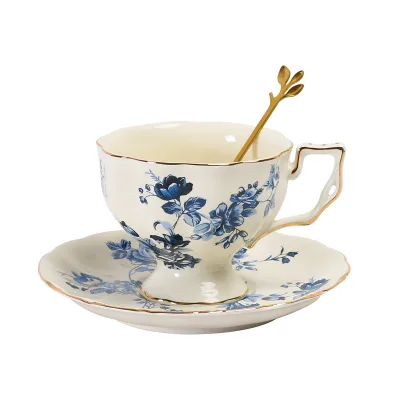
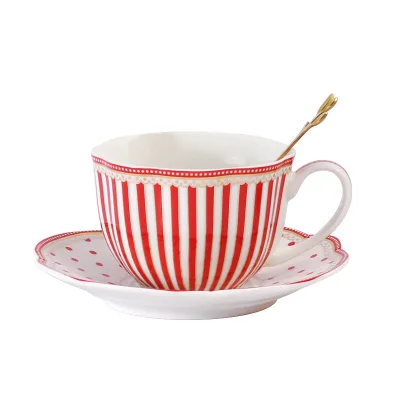
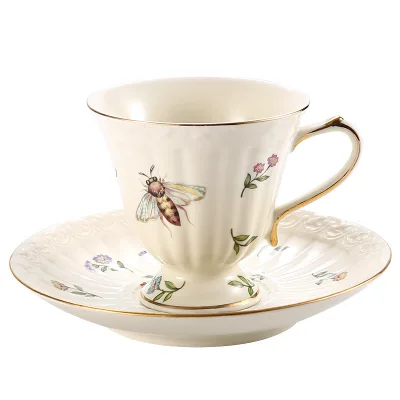
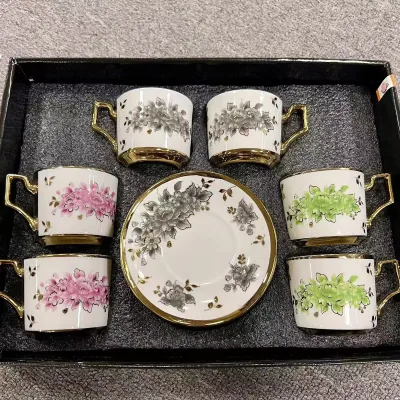
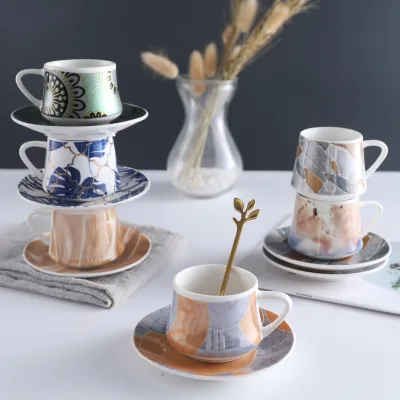
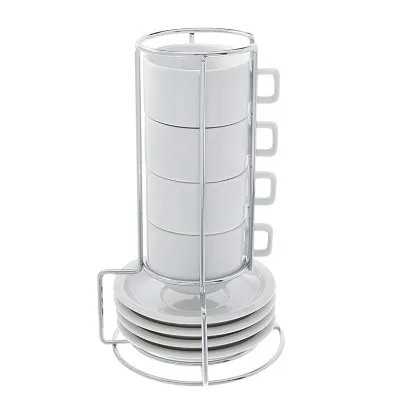
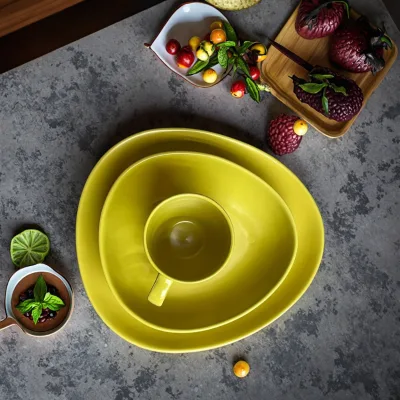
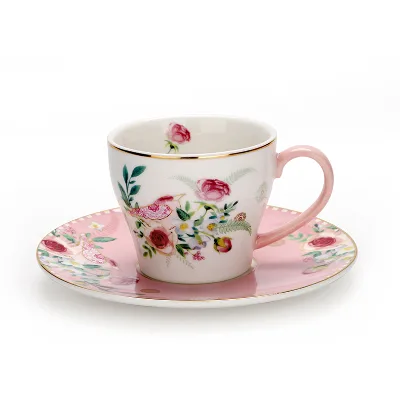
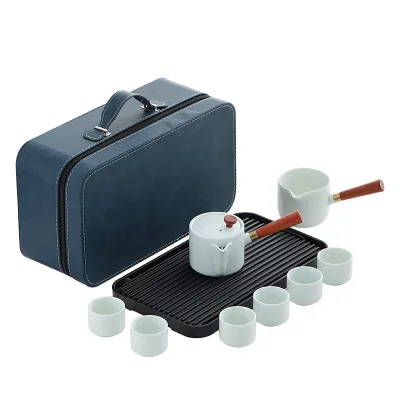
Product evidence further clarifies the nature of these suppliers by highlighting specific material compositions and design styles. The observed products include European rose patterned ceramic sets, household striped ceramic sets, and insect-patterned ceramic cups, all originating from Guangdong, China. These items are categorized under Home & Garden, specifically within Dinnerware and Coffee & Tea Supplies. The materials listed are predominantly ceramic and porcelain, with some products specifying single-layer ceramic cups or hand-painted techniques. The styles range from contemporary and Asian Zen to cute and simple designs, indicating a wide aesthetic appeal. One product evidence item explicitly mentions a brand name of JBM, with models such as 5622 and 1530, suggesting that some suppliers may be distributing branded goods or offering private label opportunities. The feature "Eco-Friendly" is consistently present in the product attributes, aligning with the core keyword. However, the term "Eco-Friendly" is a broad claim that requires verification against specific certifications. The presence of "Stocked" items suggests that some suppliers maintain inventory for faster delivery, which is a crucial factor for buyers needing quick turnaround times. Understanding this mix of trading and manufacturing, along with the specific product attributes, allows buyers to better assess which suppliers align with their specific needs for eco-friendly, round coffee mug and plate sets.
How to Verify Eco Friendly Round Coffee Mug and Plate Set Suppliers
Verifying the legitimacy and capability of suppliers for eco-friendly round coffee mug and plate sets requires a multi-layered approach that goes beyond surface-level profile information. The first step is to examine the verification status provided by third-party inspection agencies. In the current results, some suppliers display verification badges from entities such as TUVRHEINLAND and CTI. These verifications indicate that an independent party has audited the supplier’s business operations, factory conditions, or quality management systems. For a Trading Company, this verification often confirms the existence of the business entity and its export capabilities, whereas for a Manufacturer/Factory, it may involve on-site audits of production lines. Buyers should prioritize suppliers with these third-party verifications, as they provide a higher degree of assurance regarding the supplier’s operational stability. Additionally, the response time is a critical indicator of supplier reliability. The observed response times vary, with some suppliers responding within 2 hours and others taking up to 5.54 hours. A faster response time often correlates with a more active sales team and better customer service, which is essential for resolving issues during the sourcing process. Buyers should use response time as a preliminary filter to identify suppliers who are likely to be responsive throughout the order lifecycle.
Beyond verification badges and response times, buyers must scrutinize the specific product evidence and certifications associated with the eco-friendly claim. The term "Eco-Friendly" is a marketing descriptor that must be backed by tangible evidence. In the current results, some products list certifications such as FDA and LFGB, which are critical for food-contact items like coffee mugs and plates. These certifications ensure that the materials used, such as ceramic or porcelain, do not leach harmful substances into beverages. Buyers should explicitly request copies of these certificates and verify their validity with the issuing bodies. Furthermore, the material composition should be clearly stated. Products described as "Ceramic," "Porcelain," or "Ceramic & Porcelain" are common, but buyers should inquire about the specific glazes and firing processes used to ensure they meet eco-friendly standards. The presence of features like "Heat Preservation" and "Withstand High Temperatures" also indicates quality, but these should be cross-referenced with material safety data. Additionally, buyers should check for system certifications such as BSCI, ISO 9001, and QC 080000, which indicate adherence to social responsibility and quality management standards. By combining verification badges, response times, product certifications, and material details, buyers can build a comprehensive profile of each supplier’s reliability and compliance.
What to Compare Across Eco Friendly Round Coffee Mug and Plate Set Suppliers
When evaluating multiple suppliers for eco-friendly round coffee mug and plate sets, buyers must systematically compare key operational metrics to determine the best fit for their business needs. One of the most critical factors is the Minimum Order Quantity (MOQ). The observed MOQs vary significantly, with some suppliers requiring as few as 2 units, while others demand 5000 units. This disparity is crucial for buyers with different volume requirements. Small businesses or those testing the market may prefer suppliers with low MOQs, whereas large retailers or distributors may benefit from the economies of scale offered by suppliers with higher MOQs. Comparing MOQs allows buyers to align their order sizes with their inventory management strategies and cash flow capabilities. Additionally, the lead time is a vital consideration for supply chain planning. The current results show lead times ranging from 15 days to 45 days, with some suppliers specifying different lead times for peak and off-peak seasons. For example, one supplier indicates a lead time of 20 days for orders between 1 and 1000 units, with larger orders requiring negotiation. Another supplier lists a standard lead time of 45 days. Buyers must compare these lead times against their delivery deadlines to ensure they can meet market demand without incurring rush fees or stockouts.
Another essential dimension for comparison is the customization capability and main product focus. Suppliers offering OEM and ODM services provide greater flexibility for branding and product design. The current results indicate that some suppliers have RD capacity for OEM, ODM, and own brands, while others focus on customized packaging. Buyers seeking unique designs or private labeling should prioritize suppliers with explicit customization options. The main products listed by each supplier also provide insight into their expertise. Suppliers focusing on ceramic dinnerware and coffee sets may offer higher quality and more specialized designs compared to generalist trading companies that sell a wide range of home goods. Additionally, the price range is a key differentiator. The observed prices for ceramic coffee cup and plate sets range from approximately $0.77 to $15.92 per unit. This wide range reflects differences in material quality, design complexity, and order volume. Buyers should compare prices in the context of the MOQ and lead time to calculate the total landed cost. By systematically comparing MOQs, lead times, customization options, main products, and prices, buyers can make informed decisions that balance cost, quality, and delivery speed.
Common Eco Friendly Round Coffee Mug and Plate Set Sourcing Risks
Sourcing eco-friendly round coffee mug and plate sets from international suppliers involves several inherent risks that buyers must proactively manage. One significant risk is the ambiguity of the "Eco-Friendly" claim. Without specific, verifiable certifications, this term can be used loosely in marketing materials. Buyers may receive products that do not meet their internal sustainability standards or the regulatory requirements of their target markets. The current results show products labeled as "Eco-Friendly," but the specific criteria for this label are not always detailed. Buyers must mitigate this risk by requesting detailed material safety data sheets and third-party test reports for heavy metal leaching, lead, and cadmium content. Another risk is the variability in product quality, particularly when dealing with Trading Companies. Since these suppliers may not own the manufacturing facilities, they have less direct control over the production process. This can lead to inconsistencies in ceramic glazing, plate symmetry, or cup durability. Buyers should mitigate this by requesting pre-shipment samples and conducting rigorous quality inspections. The presence of "Stocked" items may reduce lead time risks, but it also limits customization options, which could be a drawback for buyers seeking unique designs.
Logistical and communication risks are also prevalent in international sourcing. The observed response times vary, with some suppliers taking over five hours to respond. Slow communication can delay order processing, problem resolution, and shipment updates, leading to supply chain disruptions. Buyers should prioritize suppliers with faster response times to ensure smooth collaboration. Additionally, the lead time variability between peak and off-peak seasons poses a risk for inventory planning. Suppliers may extend lead times during busy periods, causing delays in product availability. Buyers must account for this by placing orders well in advance or negotiating fixed lead times in their contracts. Another risk is the potential for hidden costs, such as packaging fees or customs duties. The current results show various packaging standards, from standard exporting packages to customized boxes. Buyers must clarify all packaging requirements and associated costs upfront to avoid unexpected expenses. Furthermore, the risk of intellectual property infringement exists if buyers share proprietary designs with suppliers who lack strong IP protection policies. Buyers should use non-disclosure agreements and verify the supplier’s reputation before sharing sensitive design information. By identifying and addressing these risks, buyers can protect their interests and ensure a successful sourcing experience.
Eco Friendly Round Coffee Mug and Plate Set Regional Sourcing and Logistics
The regional concentration of suppliers for eco-friendly round coffee mug and plate sets is a key factor in determining logistics efficiency and cost. The current results indicate that a significant number of suppliers are located in Guangdong, China. This region is a major manufacturing hub for ceramics and glassware, offering a mature supply chain ecosystem with access to raw materials, skilled labor, and specialized logistics services. Sourcing from Guangdong can offer advantages in terms of production speed and cost competitiveness due to the density of related industries. However, buyers must also consider the specific location of the factory within the region, as transportation costs can vary based on proximity to major ports like Shenzhen or Guangzhou. For suppliers located in other regions, such as Jiangsu, China, buyers should assess the logistical implications of sourcing from these areas. Jiangsu is also a significant manufacturing base, but the distance from coastal ports may impact shipping times and costs. Buyers should compare the total landed cost, including freight and insurance, for suppliers from different regions to determine the most cost-effective option.
Logistics planning must also account for the packaging specifications provided by suppliers. The current results show various packaging dimensions and weights, such as a single package size of 55x37x20 cm and a gross weight of 3.000 kg for one product, and 30x25x20 cm with 5.000 kg for another. These specifications directly impact shipping volume and weight, which are critical for calculating freight costs. Buyers should request detailed packing lists and carton dimensions to optimize container loading
FAQs
What is the typical lead time for ceramic coffee sets?
Lead times generally range from 15 to 45 days depending on the supplier and order volume. Some manufacturers offer 15-day turnaround for standard items, while others require 45 days. For orders exceeding 1000 units, delivery schedules are often negotiated directly to accommodate production capacity and logistics requirements.
What certifications are available for ceramic tableware?
Many suppliers provide FDA and LFGB certifications for their ceramic and porcelain products. System certifications such as BSCI, ISO 9001, and QC 080000 are also common among verified manufacturers. These credentials ensure compliance with international safety and quality standards for food contact materials used in daily household settings.
What is the minimum order quantity for custom mugs?
Minimum order quantities vary significantly by product type and supplier. Some ceramic sets have an MOQ of just two units, while custom mugs may require 5000 pieces. Buyers should verify specific MOQs for each item, as stock items often have lower thresholds compared to OEM or ODM customized orders.
Where are these ceramic coffee sets manufactured?
Most ceramic coffee sets are manufactured in Guangdong or Jiangsu, China. These regions are known for their established pottery industries and efficient supply chains. Buyers can expect products originating from these specific Chinese provinces, ensuring access to skilled labor and mature manufacturing infrastructure for high-quality ceramic tableware production.
What is the price range for ceramic coffee sets?
Prices for ceramic coffee sets typically range from approximately $0.77 to $15.92 per unit. The cost depends on material quality, design complexity, and order volume. Basic mugs may start near $0.77, while intricate patterned sets can reach higher price points, offering flexibility for various budget requirements and sourcing strategies.
How quickly do suppliers respond to inquiries?
Supplier response times generally range from 2 to 5.5 hours. Faster responses are often associated with trading companies or smaller factories, while larger manufacturers may take slightly longer. Quick communication is crucial for negotiating lead times and customizations, so buyers should prioritize suppliers with documented rapid response capabilities for efficient sourcing.