Eco-Friendly Satin Mattress Label Suppliers and Manufacturers
Source 12 verified suppliers for Eco-Friendly Satin Mattress Label products. Compare key dimensions including location, lead time, MOQ, and response time to find the right partner. Review product specifications and request quotes directly; review the available evidence before requesting comparable quotations from suitable candidates.
Suppliers List

Dongguan FengSuer Textile Co., Ltd
- Verified by TUVRHEINLAND
- Trading Company
- China Guangdong
- Lead time23 days
- Avg. response≤ 4h
Main productsWoven Patches, Woven Labels, Embroidery Patch, Keychians, Hantags, Printing Labels, Printing Patches, Woven Tape, Ribbon
Main marketsEurope

White Label Design Custom Corner Mattress Printed Satin Label Woven Mattresses Label
$0.00 - $0.10
MOQ: 100 Pieces

Free Mock up Satin Ribon Printed Care Label Satin Woven Labels Logo Printing Woven Satin Label
$0.00 - $0.10
MOQ: 100 Pieces


$0.00 - $0.10
MOQ: 100 Pieces

Custom Eco-Friendly Satin Printed Iron on Hotmelt Corner Mattress Label for Home
$0.00 - $0.10
MOQ: 100 Pieces

Factory Outlet Black Rectangle Polyester Material 100% Polyester Washable Satin Mattress Label
$0.00 - $0.10
MOQ: 100 Pieces

Hangzhou Jiugui Garment Accessories Co., Ltd.
- Verified by BV
- Trading Company,Manufacturer/Factory
- China Zhejiang
- Lead time15 days
- Avg. response≤ 7h
Main productsWoven Label, Hang Tag, Embroidery Patch, Leather Patch, Stickers, Seal Tag, Grosgrain Ribbon, Tote Bag, Printing Label
Main marketsSouth America,Eastern Europe,Mid East,Southeast Asia,Eastern Asia,Oceania,Western Europe,Africa

- Verified by TUVRHEINLAND
- Combined
- China Guangdong
- Lead time15 days
- Avg. response≤ 4h
Main productsPatches, Badges, Woven Labels, Hang Tag, Lanyard, Gift Pouch, Promotional Caps, Promotonal Bracelet, Keychain, Bracelet
Main marketsSoutheast Asia/ Mideast,East Asia(Japan/ South Korea),North America

Custom Promotional Custimzed as Your Size Mattress Label Satin Material Print Mattress Label
$0.10 - $1.50
MOQ: 500 Pieces


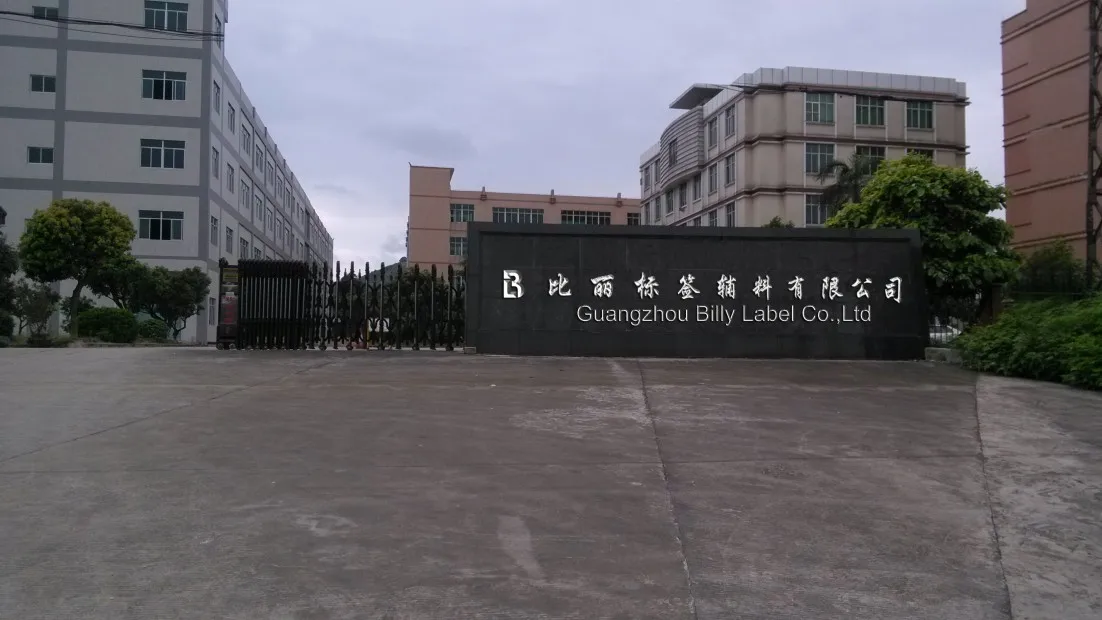
Guangzhou Billy Label Co., Ltd.
- Manufacturer, Trading Company, Distributor/Wholesaler
- Guangdong, China
- Lead time5 days
- Avg. response≤ 1h
Main productsPaper Hang tag,Paper handbags,Embroidered,Leather patch,PVC rubber patch
Main marketsSouth America(25.00%), North America(25.00%), Eastern Europe(20.00%), Northern Europe(10.00%), Southern Europe(5.00%), Africa(5.00%), Central America(5.00%), Western Europe(5.00%)

XIAMEN POPTRIMS TEXTILE CO.,LTD.
- Verified by BV
- Trading Company
- China Fujian
- Lead time15 days
- Avg. response≤ 6h
Main productsElastic Webbing, Elastic Suspender, Custom Lanyard, Garment Label, Rubber Patch, Shoelace, Strings & Drawcords, Fancy Satin Grosgrain Ribbon, Jacquard Ribbon, Custom Print Ribbon
Main marketsSouth America,Africa,Southeast Asia/ Mideast,East Asia(Japan/ South Korea),Europe,Australia,North America

Eco-Friendly Silk Satin Label, Custom 100 Polyester Care Label for Clothing
$0.08 - $0.50
MOQ: 300 pieces

Custom Soft Satin Fabric Washable Polyester Printed Woven Washing Care Underwear Label for Clothing
$0.08 - $0.70
MOQ: 100 Pieces

Hangzhou Fuhan Garment Accessories Co., Ltd.
- Verified by BV
- Combined
- China Zhejiang
- Lead time15 days
- Avg. response≤ 3h
Main productsGarment Woven Label Tag, Packaging Box, Embroidery Patch, PVC Rubber Patch, Garment Accessories, Adhesive Sticker Print Label, Packaging Bag, Leather Labels, Scented Sachet, Ribbon
Main marketsEurope
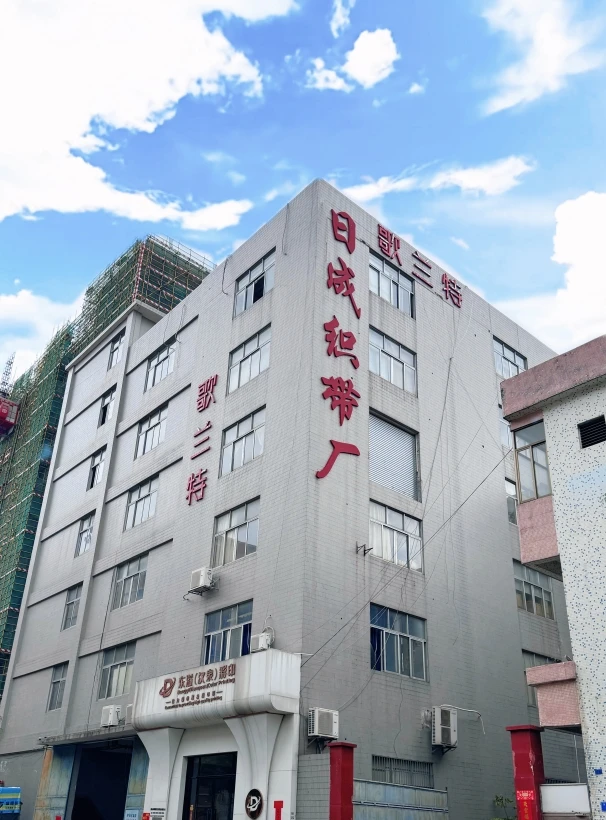
- Trading Company
- Guangdong, China
- Lead time30 days
- Avg. response≤ 1h
Main productstape edge,pocket spring,PE film,mattress borders,mattress label
Main marketsEastern Asia(50.00%), North America(50.00%)

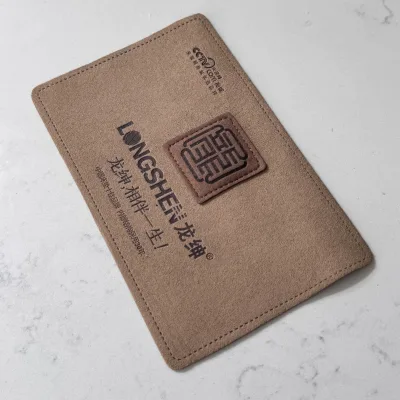
Customized Home Textiles Quilt Neck Label Normal Satin Mattress Label Carpet Labels
$0.12 - $0.31
MOQ: 1000 pieces


Customized Brand Name Clothing Labels Factory Price Mattress Corner Labels
$0.12 - $0.31
MOQ: 1000 pieces
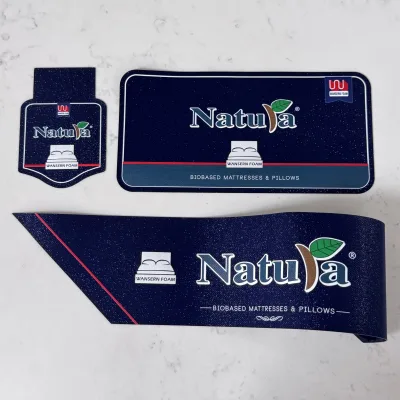
100% Polyester Printed Soft Satin Ribbon Printed Wash Care Label for Mattress Sewing Custom Logo
$0.12 - $0.30
MOQ: 1000 pieces
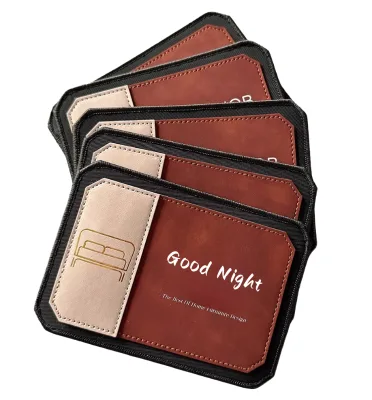
Custom Design Mattress Labels Normal Satin Label Soft for Baby Mattress
$0.12 - $0.30
MOQ: 1000 pieces
Foshan Nanhai Fuxinlong Trading Co., Ltd.
- Manufacturer, Trading Company
- Guangdong, China
- Lead time10 days
- Avg. response≤ 4h
Main productsWoven Label, Printing Label
Main marketsDomestic Market(37.00%), North America(35.00%), Western Europe(10.00%), Southern Europe(5.00%), Northern Europe(5.00%), Africa(5.00%), Oceania(3.00%)
Dongguan Baiquan Technology Co., Ltd.
- Trading Company
- Guangdong, China
- Lead time7 days
- Avg. response≤ 3h
Main productsHeat Transfer Label,Hangtag,Pvc/Silicone Patch,Embroidered Patch,UV Transfer Sticker
Main marketsDomestic Market(10.00%), South Asia(10.00%), Southern Europe(10.00%), Northern Europe(10.00%), Central America(10.00%), Western Europe(10.00%), Eastern Asia(10.00%), Mid East(10.00%), Oceania(10.00%), Africa(10.00%), Southeast Asia(10.00%), Eastern Europe(10.00%), South America(10.00%), North America(10.00%)

Guangzhou Jiecheng Garment Accessories Co., Ltd.
- Manufacturer, Trading Company
- Guangdong, China
- Lead time7 days
- Avg. response≤ 6h
Main productswoven label,garment label,clothing label,leather label,hang tag
Main marketsDomestic Market(30.00%), Oceania(15.00%), Africa(8.00%), North America(8.00%), Western Europe(8.00%), Eastern Europe(5.00%), Central America(5.00%), Southern Europe(5.00%), Northern Europe(5.00%), Eastern Asia(3.00%), Southeast Asia(2.00%), South Asia(2.00%), Mid East(2.00%), South America(2.00%)

Guangzhou Ladetech Intelligent Machinery Co., Ltd.
- Trading Company
- China Guangdong
- Lead time30 days
- Avg. response≤ 6h
Main productsMattress Packing Machine, Pocket Spring Machine, Bonnell Spring Machine, Mattress Quilting Machine, Mattress Tape Edge Machine, Foaming Machine, Foam Cutting Machine, Pillow Machine
Main marketsSouth America,Europe

$0.10 - $0.20
MOQ: 1000 Pieces

Customized mattress label/mattress woven label/mattress glue coating label/ mattress pvc label
$0.10 - $0.20
MOQ: 1000 Pieces

Customized mattress embroidery label/ Mattress PVC printed label/leather label/woven label
$0.10 - $0.20
MOQ: 1000 Pieces


Hangzhou Hongshi Industry and Trade Co., Ltd.
- Verified by TUVRHEINLAND
- Combined
- China Zhejiang
- Lead time15 days
- Avg. response≤ 2h
Main productsPatch Cloth Print Label, Embriodery Badge, Woven Label, Hangtag, Care Label, Leather Badge, Garment Tag, Sticker, 3D TPU Embossed Patch, Rubber Patch
Main marketsEurope


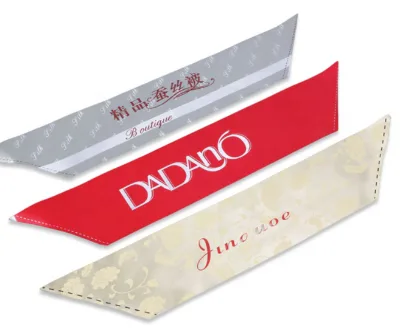
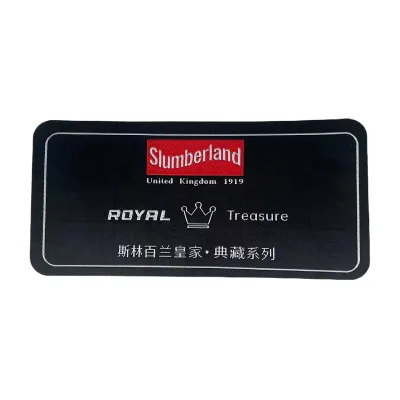
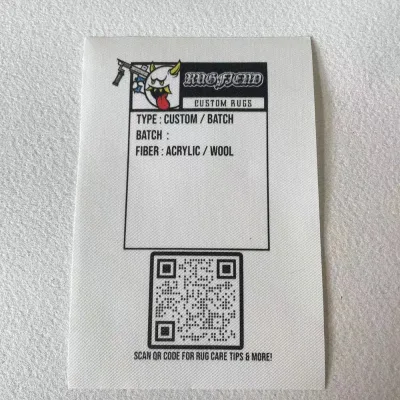




Comprehensive Sourcing Guide
Eco-Friendly Satin Mattress Label Supplier Concentration and Factory Types
The landscape for sourcing Eco-Friendly Satin Mattress Label products reveals a distinct concentration of manufacturing and trading entities within specific Chinese provinces, primarily Guangdong and Zhejiang. These regions serve as critical hubs for textile accessories, offering buyers access to established supply chains that specialize in woven labels, printed satin ribbons, and custom garment accessories. When evaluating potential partners, it is essential to distinguish between pure trading companies and those with integrated manufacturing capabilities. Some suppliers in these clusters operate as trading companies, leveraging their logistical networks to aggregate products from various factories, while others are manufacturer/factory entities that control the production process from raw material sourcing to final packaging. This distinction significantly impacts lead times, quality control protocols, and the flexibility offered for custom designs. Buyers must carefully review the company type listed in supplier profiles to understand whether they are dealing with a direct producer or an intermediary, as this affects communication efficiency and cost structures.
Furthermore, the variety of supplier types extends beyond simple manufacturing distinctions to include combined entities that offer both OEM and ODM services, along with their own brand offerings. These combined suppliers often provide a broader range of complementary products, such as embroidery patches, hang tags, and promotional items, which can streamline the sourcing process for buyers looking to consolidate their accessory orders. The presence of verified certifications, such as TÜV Rheinland or Bureau Veritas, adds a layer of trust regarding the supplier’s operational standards and compliance capabilities. However, verification status alone does not guarantee production capacity or quality consistency for Eco-Friendly Satin Mattress Label items. Buyers should cross-reference these verification badges with the supplier’s main product listings to ensure that satin labels are a core competency rather than a peripheral offering. Understanding the specific factory type and its associated strengths allows for more accurate expectations regarding customization limits, material sourcing transparency, and the ability to meet specific eco-friendly requirements for mattress labeling applications.
How to Verify Eco-Friendly Satin Mattress Label Suppliers
Verification of suppliers requires a multi-layered approach that goes beyond surface-level profile checks to ensure the legitimacy and capability of the provider. Buyers should prioritize suppliers who hold recognized third-party verifications, such as TÜV Rheinland or Bureau Veritas, as these indicate a baseline level of operational scrutiny and business legitimacy. However, verification is not a substitute for due diligence regarding product-specific quality and compliance. It is crucial to examine the supplier’s response time and historical performance metrics, as a slow response rate can indicate poor communication channels that may hinder critical discussions about eco-friendly material specifications and custom design requirements. A responsive supplier is more likely to address concerns promptly and provide accurate information regarding production capabilities and material certifications. Additionally, buyers should look for evidence of quality control processes, such as 100% inspection before packing, which demonstrates a commitment to minimizing defects and ensuring that the satin labels meet the required durability and aesthetic standards for mattress applications.
Beyond operational metrics, verifying the authenticity of eco-friendly claims is paramount for buyers seeking sustainable solutions. Suppliers should be able to provide clear documentation regarding the materials used, such as polyester satin or other specified fabrics, and confirm whether these materials meet specific environmental standards or certifications. Buyers must actively request and review test reports or material safety data sheets to validate eco-friendly assertions, as these claims are not always backed by verifiable evidence in standard supplier profiles. It is also important to assess the supplier’s customization capabilities, including their ability to produce custom logos, sizes, and designs, as this flexibility is often a key requirement for brand-specific mattress labeling. By combining verification badges with rigorous questioning about material sourcing, quality control protocols, and customization processes, buyers can build a more comprehensive picture of a supplier’s reliability. This thorough verification process helps mitigate the risk of partnering with entities that may not fully meet the specific environmental and quality expectations required for Eco-Friendly Satin Mattress Label products.
What to Compare Across Eco-Friendly Satin Mattress Label Suppliers
When evaluating multiple suppliers, buyers must systematically compare key operational and commercial dimensions to identify the most suitable partner for their specific needs. Lead time is a critical factor, with some suppliers offering production times as short as 15 days, while others may require up to 23 days or more for standard orders. This variance can significantly impact inventory planning and delivery schedules, making it essential to align supplier lead times with project deadlines. Similarly, the Minimum Order Quantity (MOQ) varies considerably across the market, ranging from low thresholds of 100 pieces to higher volumes of 1000 pieces or more. Buyers with smaller initial orders may find suppliers with lower MOQs more attractive, while those planning large-scale production runs might benefit from economies of scale offered by suppliers with higher volume requirements. Comparing these operational constraints helps buyers determine which suppliers can accommodate their order sizes and timelines effectively.
Price and customization options are also vital comparison points that influence the overall value proposition of each supplier. Unit prices for Eco-Friendly Satin Mattress Label products can range from very low costs per piece to higher premiums for complex custom designs or specialized materials. Buyers should analyze the price range in the context of the offered customization features, such as custom colors, logos, sizes, and designs, to assess whether the cost aligns with the desired level of personalization. Additionally, comparing the range of main products offered by each supplier can reveal their versatility and potential for future collaboration. Suppliers that offer a broad array of garment accessories, including woven labels, printed patches, and hang tags, may provide greater convenience for buyers seeking to consolidate their sourcing efforts. By meticulously comparing lead times, MOQs, pricing structures, and customization capabilities, buyers can make informed decisions that balance cost, quality, and operational efficiency.
Common Eco-Friendly Satin Mattress Label Sourcing Risks
Sourcing Eco-Friendly Satin Mattress Label products involves several inherent risks that buyers must proactively manage to ensure successful procurement outcomes. One significant risk is the potential discrepancy between claimed eco-friendly attributes and the actual materials used. Without rigorous verification and testing, buyers may inadvertently source labels that do not meet their sustainability standards, leading to brand reputation damage and potential compliance issues. Another common risk is the variability in product quality, particularly when dealing with suppliers who have high customization capabilities but inconsistent quality control processes. Issues such as color fading, poor adhesion of hot-melt backing, or inaccurate sizing can arise if the supplier’s production standards are not strictly enforced. Buyers must establish clear quality expectations and request samples to validate the physical properties of the labels before committing to large orders.
Communication and logistical risks also pose challenges in the sourcing process. Misunderstandings regarding design specifications, material requirements, or delivery timelines can lead to production errors and delays. Suppliers with slower response times may struggle to address urgent queries or resolve issues promptly, exacerbating these risks. Additionally, the reliance on third-party logistics and international shipping introduces uncertainties related to transit times, customs clearance, and potential damage to goods. Buyers should mitigate these risks by maintaining open lines of communication, documenting all agreements in writing, and implementing robust quality inspection protocols. It is also advisable to work with suppliers who have established track records and positive feedback regarding their reliability and customer service. By identifying and addressing these common risks early in the sourcing process, buyers can enhance the stability and predictability of their supply chain for Eco-Friendly Satin Mattress Label products.
Eco-Friendly Satin Mattress Label Regional Sourcing and Logistics
The geographic location of suppliers plays a crucial role in determining logistics efficiency and cost structures for Eco-Friendly Satin Mattress Label orders. Suppliers located in major manufacturing hubs like Guangdong and Zhejiang benefit from well-developed infrastructure and proximity to international shipping ports, which can facilitate faster and more cost-effective export processes. Buyers should consider the logistical advantages of sourcing from these regions, as they often offer streamlined customs procedures and a wide range of shipping options. However, the specific location of the supplier’s factory or warehouse can also impact lead times and transportation costs, particularly for buyers located far from these hubs. Understanding the regional logistics landscape helps buyers anticipate potential delays and plan their inventory management strategies accordingly.
In addition to geographic proximity, buyers must evaluate the supplier’s packaging and handling practices to ensure that products arrive in optimal condition. Proper packaging, such as the use of transparent PP bags and export cartons, is essential to protect delicate satin labels from damage during transit. Suppliers who adhere to strict quality control measures, including 100% inspection before packing, demonstrate a commitment to minimizing transit-related issues. Buyers should also consider the environmental impact of packaging materials, aligning with their eco-friendly goals by preferring suppliers who use recyclable or sustainable packaging solutions. By carefully assessing the logistical capabilities and regional advantages of potential suppliers, buyers can optimize their supply chain for efficiency, cost-effectiveness, and sustainability. This holistic approach to regional sourcing and logistics ensures that Eco-Friendly Satin Mattress Label products are delivered reliably and in compliance with environmental standards.
Eco-Friendly Satin Mattress Label Commercial Terms and Order Planning
Effective commercial terms and strategic order planning are essential for managing the financial and operational aspects of sourcing Eco-Friendly Satin Mattress Label products. Buyers should negotiate clear payment terms, delivery schedules, and return policies to protect their interests and ensure smooth transactions. Understanding the supplier’s pricing structure, including any additional costs for customization, sampling, or expedited shipping, is crucial for accurate budgeting. Buyers must also consider the impact of order volume on pricing, as larger orders may qualify for discounts or more favorable terms. By establishing transparent commercial agreements, buyers can avoid unexpected costs and maintain control over their procurement budget. Additionally, planning for sample orders before committing to large production runs allows buyers to validate product quality and supplier reliability, reducing the risk of costly errors.
Order planning should also account for the supplier’s production capacity and lead times to ensure timely delivery. Buyers must coordinate their order schedules with the supplier’s production calendar, considering factors such as peak seasons, material availability, and customization complexity. Establishing a clear communication protocol for order updates and issue resolution is vital for maintaining project momentum. Buyers should also consider the long-term relationship with their supplier, as consistent ordering patterns can lead to improved service levels and potential cost savings. By integrating commercial terms with strategic order planning, buyers can create a resilient supply chain that supports their business goals and adapts to changing market conditions. This comprehensive approach ensures that Eco-Friendly Satin Mattress Label sourcing is both efficient and sustainable, supporting the buyer’s overall operational success.
FAQs
What is the minimum order quantity for eco-friendly satin mattress labels?
The minimum order quantity varies by supplier, with some offering as low as 100 pieces and others requiring 1,000 pieces. Buyers should confirm the specific MOQ during the inquiry stage to ensure it aligns with their production volume and budget constraints.
How long does it take to receive samples of custom satin labels?
Sample lead times typically range from 3 to 7 days depending on the supplier and complexity of the design. Confirming the sample timeline early helps buyers plan their product development schedule and ensures they have enough time for quality checks before bulk production.
What materials are used for eco-friendly satin mattress labels?
These labels are commonly made from satin or polyester materials that are labeled as eco-friendly. Some suppliers also offer options with waterproof features or specific fabric backgrounds like twill or cotton. Buyers should verify the exact material composition to meet their sustainability standards.
Can satin mattress labels be customized with specific logos and sizes?
Yes, most suppliers offer full customization for logos, sizes, colors, and designs. Buyers can request specific Pantone colors and custom shapes to match their brand identity. Providing detailed specifications during the inquiry process ensures the final product meets the desired aesthetic and functional requirements.
What is the typical lead time for bulk production of these labels?
Bulk production lead times generally range from 7 to 23 days, depending on the order size and supplier capacity. Some suppliers specify a 15-day lead time, while others may take up to 23 days. Buyers should discuss production schedules to align with their inventory needs and shipping deadlines.
Are there specific certifications required for eco-friendly label suppliers?
While not all suppliers hold specific eco-certifications, some are verified by third-party agencies like BV or TUV Rheinland. Buyers should request relevant documentation to verify environmental claims and quality standards. Checking for ISO 9001 certification can also provide assurance regarding the supplier's quality management systems.