embossed custom die-cut sticker Suppliers and Manufacturers
Compare 27 verified suppliers offering embossed custom die-cut stickers with varying lead times, MOQs, and certifications. Review response times and pricing to select a partner for your packaging needs; review the available evidence before requesting comparable quotations from suitable candidates.
Updated
Suppliers List

Shenzhen Huaxinmei Printing Co., Ltd.
- Verified by SGS
- Combined
- China Guangdong
- Lead time15 days
- Avg. response≤ 12h
Main productsCustom Labels Stickers, Labels Stickers, Custom Paper Boxes
Main marketsNorth America

Custom Die-Cut Vinyl Sticker Printing Packaging Label Self-Adhesive Waterproof Die-Cut Logo Sticker
$0.06 - $0.18
MOQ: 500 Pieces

Custom Printed Adhesive Sticker Personalized Vinyl Waterproof Label Die Cut Sticker
$0.06 - $0.18
MOQ: 500 Pieces

Custom Printed Die Cut Vinyl Sticker Adhesive Waterproof PVC Sticker Logo
$0.06 - $0.18
MOQ: 500 Pieces


HENG LI Label Printing Co., Ltd.
- Verified by BV
- Combined
- China Shandong
- Lead time23 days
- Avg. response≤ 4h
Main productsletterpress printing, offset printing, flexo printing
Main marketsSouth America,Africa,Southeast Asia/ Mideast,East Asia(Japan/ South Korea),Domestic,Europe,Australia,North America

Custom Sticker Printing Waterproof Adhesive Logo Label Printing Vinyl Die Cut Sticker
$0.02 - $0.19
MOQ: 100 pieces

Custom Printing Waterproof Vinyl Stickers Die Cut Stickers Adhesive PVC Label Sticker
$0.05 - $0.15
MOQ: 100 pieces

- Manufacturer, Trading Company
- Taiwan, China
- Lead time5 days
- Avg. response≤ 1h
Main productsFood sticker label Lexan sticker,Cosmetic sticker,Nameplates Polycbonate sticker,UL/CSA sticker,Temper evident sticker
Main marketsDomestic Market(40.00%), South Asia(20.00%), Oceania(20.00%), North America(20.00%)

Ningbo Xianying Packing Material Co., Ltd.
- Verified by TUVRHEINLAND
- Trading Company
- China Zhejiang
- Lead time15 days
- Avg. response≤ 3h
Main productsSticker, Thank You Card, Business Card, Flyer, Brochures, Paper Bag, Paper Box
Main marketsSoutheast Asia/ Mideast,Europe,Australia,North America

Dongguan Gaofei Electronic Technology Co., Ltd.
- Verified by SGS
- Combined
- China Guangdong
- Lead time15 days
- Avg. response≤ 4h
Main productsLabel Printer Scanner
Main marketsSoutheast Asia/ Mideast,Domestic,Europe,Australia,North America

Printed Colorful Barcode Labels Custom Design Stickers Die Cut Stickers
$0.025 - $0.0336
MOQ: 4000 Pieces


Irregular Label Die-Cutting Customized Label Printing Pattern Content Sticker
Negotiable
MOQ: 500000 piece


Cangnan Loyalty Craft&Gift Co., Ltd.
- Verified by Intertek
- Manufacturer, Trading Company
- Lead time10 days
- Avg. response≤ 5h
Main productsSticker, PVC Card, Bag
Main marketsNorth America(70%), Eastern Europe(10%), Western Europe(10%)
Shenzhen Lingyu Packaging And Printing Products Co., Ltd.
- Verified by TüVRheinland
- Trading Company
- Lead time7 days
- Avg. response≤ 3h
Main productsPaper Boxs, Paper Bags, Napkin, Plastic Bag, Express Bag
Main marketsNorth America(50%), Western Europe(20%), Oceania(10%)
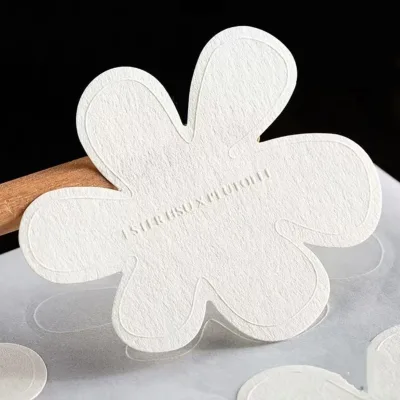
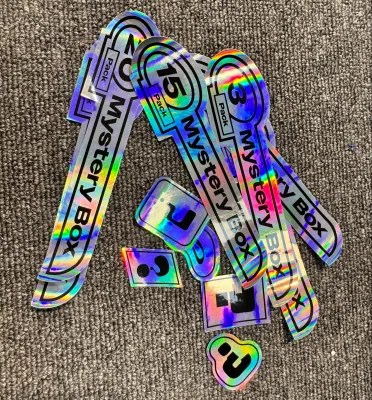
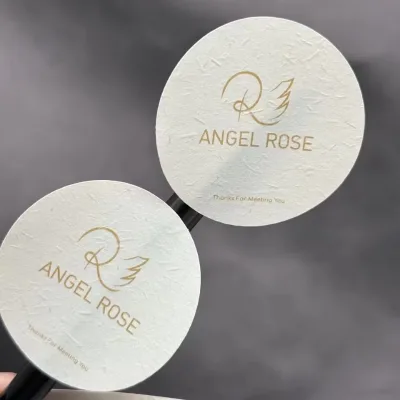
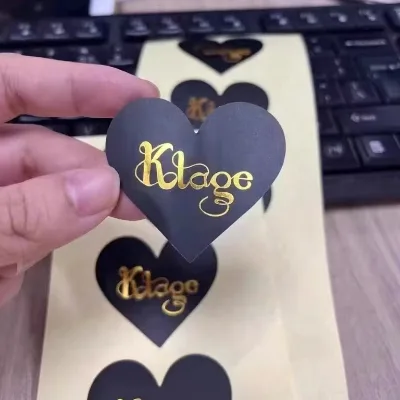
Custom Logo Die Cut Waterproof Self Adhesive Vinyl Stickers Gold Foil Sticker Labels
$0.02 - $0.04
MOQ: 100

Jiangsu Itech Packaging Printing Co., Ltd.
- Verified by BV
- Combined
- China Jiangsu
- Lead time15 days
- Avg. response≤ 5h
Main productsLabel, Adhesive Sticker, Adhesive Roll Label, Multi Layer Label, Adhesive Sheet Label, Reel Label, Printer Ribbon, Die Cut Sticker, Printer, Anti-Counterfeit Sticker
Main marketsAfrica,Southeast Asia/ Mideast


Customized Label Sticker Printing Personalized Stickers Die Cut Package Sticker Label
$0.02 - $0.05
MOQ: 3000 Pieces


Different Kinds Customized Self-Adhesive Label Sticker with Die-Cutting
$0.02 - $0.05
MOQ: 3000 Pieces
Hunan Colorway Technology Co., Ltd.
- Trading Company
- Hunan, China
- Lead time10 days
- Avg. response≤ 3h
Main productslabel stickers,packaging boxes,hologram stickers,security stickers,epoxy dome stickers
Main marketsNorth America(15.00%), Southern Europe(10.00%), Northern Europe(10.00%), Western Europe(10.00%), Eastern Europe(10.00%), South America(10.00%), South Asia(5.00%), Africa(5.00%), Central America(5.00%), Southeast Asia(5.00%), Eastern Asia(5.00%), Mid East(5.00%), Domestic Market(3.00%), Oceania(2.00%)
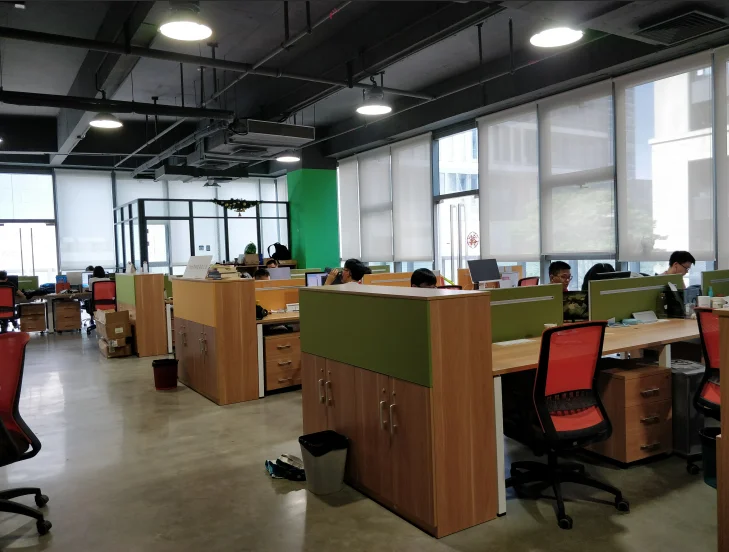
Guangzhou Colormark Printing And Packaging Ltd.
- Manufacturer
- Guangdong, China
- Lead time8 days
- Avg. response≤ 3h
Main productsPackage label,Package box,Hang tag,Paper bag,Paper coupon
Main marketsNorth America(15.00%), Northern Europe(12.00%), Southern Europe(12.00%), Eastern Europe(12.00%), Western Europe(12.00%), Mid East(10.00%), Oceania(8.00%), Domestic Market(5.00%), Southeast Asia(5.00%), South America(5.00%), South Asia(2.00%), Africa(1.00%), Central America(1.00%)
Dongguan Caihe Printing Co., Ltd.
- Verified by TüVRheinland
- Manufacturer, Trading Company
- Lead time1 days
- Avg. response≤ 4h
Main productsPackaging Label, Instruction Manual
Main marketsNorth America(30%), Oceania(15%), Western Europe(15%)

Qingdao Chenghaoda Science and Technology Co., Ltd.
- Verified by BV
- Manufacturer/Factory
- China Shandong
- Lead time23 days
- Avg. response≤ 16h
Main productsRFID Card, NFC Card, Pcv Card, RFID Wristbands, RFID Sticker/Tag
Main marketsSouth America,Eastern Europe,Mid East,North America,Southeast Asia,Eastern Asia,Oceania,Western Europe,Africa

Custom Printing Waterproof Vinyl Stickers Die Cut Stickers Adhesive PVC Label Sticker
$0.02 - $0.50
MOQ: 200 Pieces

Custom Sticker Printing Waterproof Adhesive Die Cut Sticker Logo Label Vinyl Stickers Printing
$0.02 - $0.50
MOQ: 200 Pieces

$0.02 - $0.50
MOQ: 200 Pieces

$0.02 - $0.50
MOQ: 200 Pieces

Lianyungang Zhehan Printing Co., Ltd.
- Verified by BV
- Combined
- China Jiangsu
- Lead time15 days
- Avg. response≤ 3h
Main productsPrinting, Sticker Label, Packaging Boxes, Poster Customization, Company Brochures, Foldouts, Single-Page Designs, Gift Box, Jewel Box, Label
Main marketsDomestic

Dongguan Wendao Import & Export Co., Ltd.
- Verified by CTI
- Trading Company
- China Guangdong
- Lead time15 days
- Avg. response≤ 5h
Main productsSticker
Main marketsSouth America,Africa,Southeast Asia/ Mideast,East Asia(Japan/ South Korea),Europe,Australia,North America

Sticker Print Paper Die Cut Stickers Custom Printing Paper Sticker Label
$0.12 - $0.28
MOQ: 1000 Pieces


- Verified by TUVRHEINLAND
- Combined
- China Jiangsu
- Lead time15 days
- Avg. response≤ 4h
Main productsPackaging Label, Sticker Label, Thermal Label, Die Cut Sticker, Shipping Label, Logo Label, Computer Continuous Paper, Thermal Paper, ECG Paper, Medical Recording Paper
Main marketsEurope

Custom Sticker Printing Waterproof Die Cut Sticker Logo Label Vinyl Stickers
$0.653 - $0.992
MOQ: 1000 Pieces

Custom Waterproof Adhesive Die Cut Sticker Logo Label PVC Vinyl Sticker Printing
$0.08 - $0.27
MOQ: 1000 pieces

Custom Adhesive Vinyl Sticker Anti-Tear Anti-Scratch Waterproof Durable Sticker
$0.06 - $0.28
MOQ: 1000 pieces

Custom Logo Die Cut Vinyl Printing Waterproof Label Adhesive Sticker Roll
$0.10 - $0.25
MOQ: 1000 Pieces

Wholesale Custom Logo Die Cut Stickers Printing Logo High Quality Stickers Label
$0.08 - $0.27
MOQ: 1000 pieces

Printing Packaging Self-Adhesive Customized Logo Waterproof Die-Cut Stickers
$0.333 - $0.506
MOQ: 1000 pieces
Shenzhen Chengyicai Packaging Products Co., Ltd.
- Verified by SGS Group
- Manufacturer, Trading Company
- Lead time7 days
- Avg. response≤ 2h
Main productsCustom Label, Security Label, Packaging Bag, Paper Boxe, Packaging Tape
Main marketsNorth America(50%), South America(20%), Eastern Europe(15%)
Huangshan Stonedoing Industry Company Limited
- Manufacturer, Trading Company
- Lead time旺季: "1 - 1000":7,"1001 - 10000":10,"10001 - 50000":13,"> 50000":"To be negotiated", 淡季: "1 - 1000":7,"1001 - 10000":10,"10001 - 50000":13,"> 50000":"To be negotiated"
- Avg. response≤ 3h
Main productsCustom Stickers, Car Decals, Custom Labels, Custom Bags, Custom Cards
- Manufacturer, Trading Company
- Lead time旺季: "1 - 500":5,"501 - 1000":6,"1001 - 5000":8,"> 5000":"To be negotiated", 淡季: "1 - 500":5,"501 - 1000":6,"1001 - 5000":8,"> 5000":"To be negotiated"
- Avg. response≤ 3h
Main productsCustom Flags And Banners , Promotion Gifts, Promotion Apparel And Accessories, Advertising Displays , Promotion Bags

Qingdao Chenghaoda Science and Technology Co., Ltd.
- Verified by BV
- Manufacturer/Factory
- China Shandong
- Lead time15 days
- Avg. response≤ 15h
Main productsCustom Packaging Paper Bag, Custom Packaging Paper Box, Corrugated Carton/Gift Box, Custom Notebook, Decorative Books, Book/Booklet/Brochure/Catalog/Magazine Printing, Disposable Dishware
Main marketsNorth America,Eastern Asia,Western Europe

$0.002 - $0.005
MOQ: 100 Pieces

$0.002 - $0.005
MOQ: 100 Pieces

Custom Printing Waterproof Vinyl Stickers Die Cut Car Logo Stickers Adhesive PVC Label Decal Sticker
$0.002 - $0.005
MOQ: 100 Pieces

Zhongshan Senwei New Materials Co., Ltd
- Verified by CTI
- Trading Company,Manufacturer/Factory
- China Guangdong
- Lead time23 days
- Avg. response≤ 4h
Main productsMedals, Coins, Keychains, Enamel Pins, Bag Hangers, Book Marks, Lanyards, Embroidery Patches, Woven Patches, Caps
Main marketsSouth America,Eastern Europe,Mid East,North America,Southeast Asia,Eastern Asia,Oceania,Western Europe,Africa

Weatherproof UV Resistant Waterproof Adhesive Full Color Printed Round Die Cut Label Sticker
$0.12 - $0.20
MOQ: 500 Pieces

Customize Bottled Beverage Carton Custom Label Adhesive Car Die Cut Sticker New
$0.12 - $0.20
MOQ: 500 Pieces
Shanghai Brightpac Printing Co., Ltd.
- Trading Company
- Lead time旺季: "1 - 10000":5,"10001 - 100000":7,"100001 - 1000000":10,"> 1000000":"To be negotiated", 淡季: "1 - 10000":5,"10001 - 100000":7,"100001 - 1000000":10,"> 1000000":"To be negotiated"
- Avg. response≤ 2h
Main productslabel,label sticker,paper box,paper box,sticker

Ningbo Yinzhou Guda Imp. & Exp. Co., Ltd.
- Verified by SGS
- Trading Company,Manufacturer/Factory
- China Zhejiang
- Lead time15 days
- Avg. response≤ 4h
Main productsSticker, Emblem, Decal, Metal Sticker, Vinyl Sticker, Keyring, Fridge Magnet, Key Chain, Badge, Label
Main marketsSouth America,Eastern Europe,Mid East,North America,Southeast Asia,Eastern Asia,Oceania,Western Europe,Africa

Custom Hot Sales Irregular Shape Logo Stickers Die Cut Hologram Stickers
$0.01 - $0.03
MOQ: 500 pieces

Custom Printing Die Cut Waterproof Vinyl Adhesive Holographic Sticker Label
$0.01 - $0.03
MOQ: 500 pieces

High Quality Custom Strong Adhesive Die Cut Waterproof Shiny Holographic Sticker
$0.01 - $0.03
MOQ: 500 pieces

Hangzhou Yinnuowei Packing Material Co., Ltd.
- Trading Company
- Zhejiang, China
- Lead time25 days
- Avg. response≤ 6h
Main productsStandup Pouch,Sealing Film,Filling Machine,Gift Box,Gift Bag
Main marketsDomestic Market(76.00%), Africa(15.00%), South America(7.00%), North America(1.00%), Southeast Asia(1.00%)
Heyuan Mingchen Packaging Materials Co., Ltd.
- Verified by Intertek
- Manufacturer, Trading Company
- Lead time5 days
- Avg. response≤ 2h
Main productsSticker, Label
Guangzhou Bonroy Cultural Creativity Co., Ltd.
- Trading Company
- Lead time旺季: "1 - 500":15,"501 - 5000":18,"5001 - 10000":20,"> 10000":"To be negotiated", 淡季: "1 - 500":15,"501 - 5000":18,"5001 - 10000":20,"> 10000":"To be negotiated"
- Avg. response≤ 2h
Main productsNotebook Printing, Book Printing/Paper Box Printing/Card Set Printing/Paper Bag Printing
Dongguan Liangdu Paper Product Packaging Co., Ltd.
- Verified by SGS Group
- Manufacturer, Trading Company
- Lead time0 days
- Avg. response≤ 1h
Main productsPackaging Box, Paper Card, Label, Instruction Manual
Main marketsDomestic Market(40%), North America(10%), South America(10%)
Dongguan Changan Zhiye Printing Factory
- Verified by TüVRheinland
- Manufacturer, Trading Company
- Lead time5 days
- Avg. response≤ 5h
Main productsSelf Adhesive Stickers, Packaging Bags, Roll Film, Heat Shrink Film Sleeves Stickers
Main marketsDomestic Market(35%), North America(25%), South America(10%)


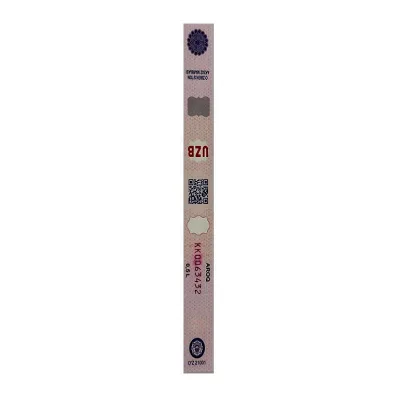
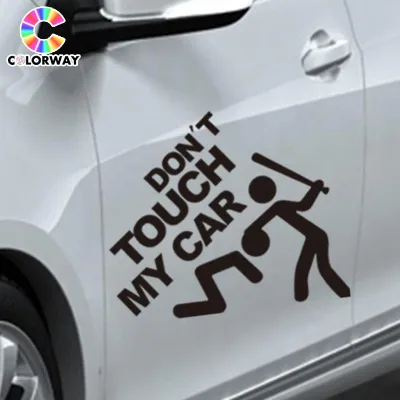
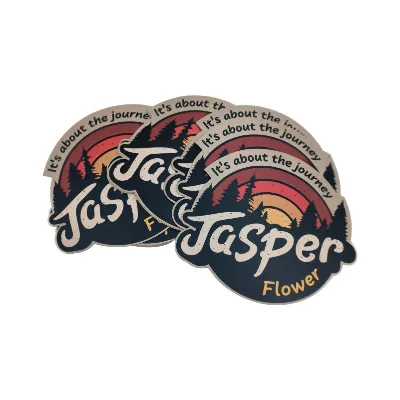
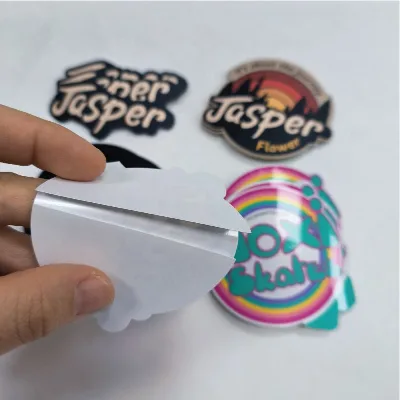
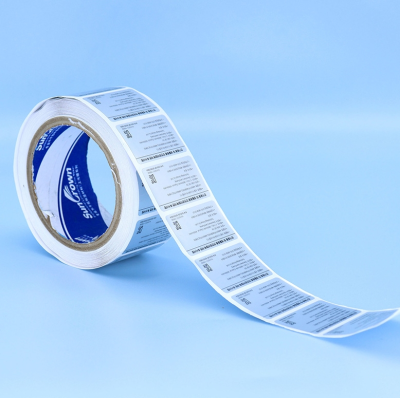
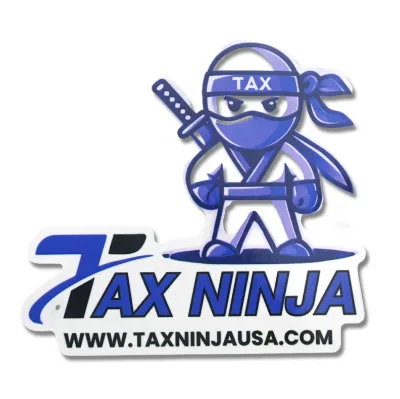


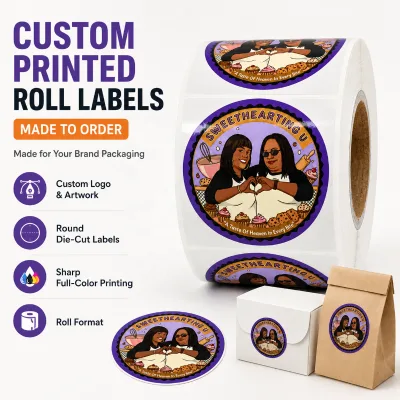
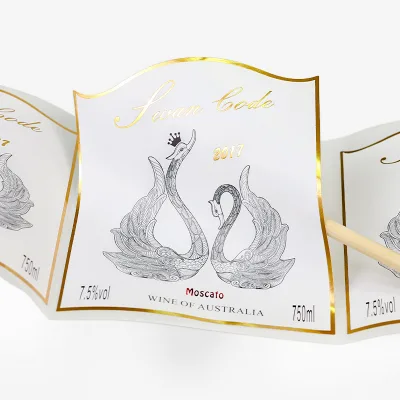
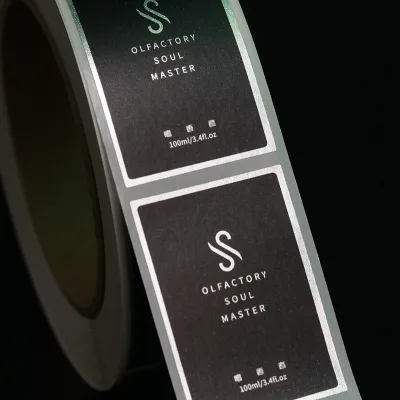
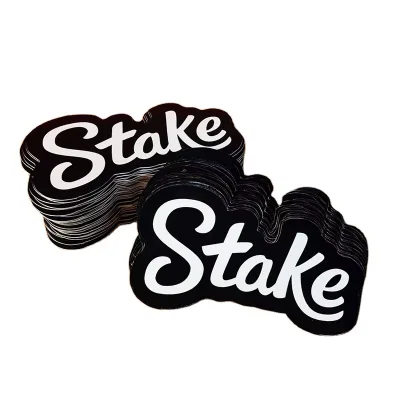
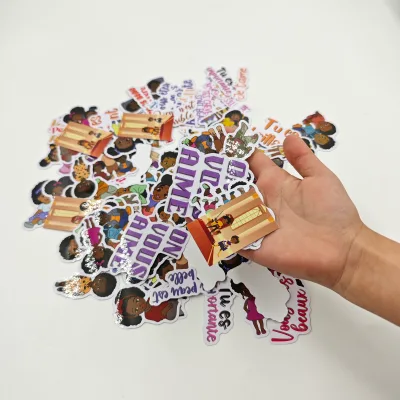
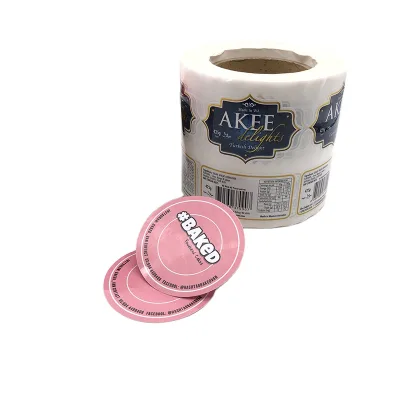
Comprehensive Sourcing Guide
Embossed Custom Die-Cut Sticker Supplier Concentration and Factory Types
The current supplier landscape for embossed custom die-cut stickers reveals a diverse mix of manufacturing capabilities concentrated in specific geographic regions. Evidence indicates that suppliers are located in China Guangdong, China Shandong, and Taiwan, China. These locations represent distinct industrial clusters with varying specializations. Suppliers in Guangdong and Shandong are identified as combined entities, meaning they operate as both manufacturers and trading companies. This dual role allows them to offer broader product ranges, including custom labels, stickers, and paper boxes, while maintaining direct control over production processes. In contrast, suppliers in Taiwan, China, are categorized as both manufacturers and trading companies, focusing on specialized items like food stickers, cosmetic labels, and UL/CSA stickers. This structural diversity means buyers can find partners who either specialize in high-volume adhesive applications or focus on niche regulatory compliance labels. Understanding this factory type distinction is crucial for determining who holds the actual production assets versus who acts as an intermediary.
Factory types also influence the range of services offered, particularly regarding original design manufacturing and original equipment manufacturing capabilities. The observed suppliers explicitly list ODM and OEM capacities, indicating they can handle custom designs and private labeling requirements. Some suppliers in Shandong further expand their capabilities by offering their own brand services alongside custom work. This suggests a mature industrial environment where factories are equipped to handle complex branding needs. The presence of combined company types in Guangdong and Shandong implies that these suppliers may have established supply chains for raw materials like vinyl and PVC, which are essential for producing waterproof and durable die-cut stickers. Buyers should recognize that a combined factory type often provides flexibility in order sizes and customization levels, whereas pure manufacturers might have stricter minimums. The concentration in these three regions highlights the global supply chain's reliance on these specific hubs for high-quality adhesive product manufacturing.
How to Verify Embossed Custom Die-Cut Sticker Suppliers
Verifying the legitimacy and capability of embossed custom die-cut sticker suppliers requires a close examination of their verification status and system certifications. The available data shows that suppliers in Guangdong and Shandong have undergone third-party verification processes, with SGS and BV being the specific verification bodies noted. These verifications provide a baseline level of trust regarding the supplier's business existence and operational legitimacy. However, verification alone does not guarantee product quality or manufacturing consistency. Buyers must look beyond the verification badge to assess the actual production standards. For instance, suppliers in Shandong hold ISO9001:2015 and ISO14001:2015 certificates. These certifications indicate a structured approach to quality management and environmental responsibility, which are critical for maintaining consistent output in sticker manufacturing. The absence of listed system certifications for some suppliers does not necessarily imply poor quality, but it does mean buyers must rely more heavily on other verification methods, such as requesting detailed factory audits or product samples.
Beyond certifications, verifying a supplier's responsiveness and technical proficiency is essential for ensuring smooth communication and production. The response time data provides a quantitative measure of how quickly suppliers engage with potential buyers. Suppliers in Taiwan, China, demonstrate a response time of 1, which is significantly faster than the 3.13 hours observed for Shandong suppliers and the 11.07 hours for Guangdong suppliers. A faster response time often correlates with better customer service and quicker resolution of technical queries regarding die-cut designs or material specifications. Additionally, buyers should verify the supplier's ability to handle custom orders by reviewing their stated customization policies. The evidence shows that customization is available across the board, with suppliers accepting custom sizes, shapes, and artwork formats like PDF, AI, and EPS. Buyers should test this capability by submitting a sample design and evaluating the supplier's feedback on feasibility, material recommendations, and proofing processes. This practical test is often more revealing than static certification documents.
What to Compare Across Embossed Custom Die-Cut Sticker Suppliers
When evaluating embossed custom die-cut sticker suppliers, comparing key operational metrics such as lead time, minimum order quantity, and pricing is essential for making an informed decision. The lead times observed vary significantly, ranging from 5 days for suppliers in Taiwan, China, to 23 days for those in Shandong. This disparity suggests that suppliers in Taiwan may have more streamlined production processes or smaller order volumes, allowing for quicker turnaround. In contrast, the longer lead time in Shandong might reflect larger production batches or more complex manufacturing steps. Buyers with urgent deadlines should prioritize suppliers with shorter lead times, but they must also consider the potential impact on cost and quality. Similarly, the minimum order quantities differ, with some suppliers requiring as few as 100 pieces, while others set the bar at 500 or 1000 units. This variation allows buyers to choose suppliers that align with their inventory needs, whether they are testing a new product line or fulfilling a large-scale commercial order.
Pricing and material specifications are another critical area for comparison. The price ranges for custom stickers vary, with some suppliers offering prices as low as $0.01 per unit and others starting at $0.06. These price differences are often linked to the materials used, such as vinyl, PVC, or art paper, and the complexity of the printing process. Suppliers in Shandong offer a wide price range, from $0.01 to $0.24, indicating flexibility in material choices and customization levels. Buyers should compare not just the unit price but also the total cost, including shipping and any additional fees for die-cutting or special finishes. Additionally, the main products offered by each supplier can provide insight into their expertise. Suppliers in Taiwan focus on specialized labels like UL/CSA stickers and cosmetic labels, which may require specific regulatory knowledge. In contrast, suppliers in Guangdong and Shandong offer a broader range of general-purpose stickers and packaging materials. Buyers should align their choice with the supplier's core competencies to ensure the best quality and value for their specific embossed custom die-cut sticker requirements.
Common Embossed Custom Die-Cut Sticker Sourcing Risks
One of the primary risks in sourcing embossed custom die-cut stickers is the potential mismatch between sample quality and mass production output. While suppliers may provide high-quality samples, the actual production run might suffer from inconsistencies in die-cut precision, adhesive strength, or print color accuracy. This risk is particularly relevant when dealing with suppliers who have longer lead times or higher minimum order quantities, as larger batches increase the likelihood of variation. Buyers should mitigate this risk by requesting pre-production samples and conducting rigorous quality checks before authorizing full production. Additionally, the complexity of the embossing process can introduce defects if the supplier lacks the necessary equipment or expertise. Suppliers that offer both OEM and ODM services should be evaluated for their technical capacity to handle intricate designs without compromising structural integrity. Buyers should also be cautious of suppliers who do not provide clear information about their production standards or quality control processes, as this can lead to unexpected delays or rejections.
Another significant risk is the variability in material durability and environmental resistance. Stickers are often used in applications that require waterproofing, UV resistance, or adhesion to various surfaces. The evidence shows that many suppliers offer waterproof vinyl stickers, but the specific performance characteristics can vary widely. Buyers must verify the material specifications and test the stickers under conditions that mimic their intended use. For example, a sticker intended for outdoor use must withstand exposure to sunlight and moisture, while a cosmetic label must adhere smoothly to curved surfaces. Suppliers in Taiwan, China, specialize in food and cosmetic stickers, which may have specific material requirements that differ from general-purpose labels. Buyers should ensure that the supplier's material choices align with their product's environmental demands. Additionally, the risk of intellectual property infringement exists when working with suppliers who handle custom designs. Buyers should use contracts and non-disclosure agreements to protect their designs and ensure that the supplier does not share or reuse their artwork without permission.
Embossed Custom Die-Cut Sticker Regional Sourcing and Logistics
Sourcing embossed custom die-cut stickers from different regions involves distinct logistical considerations that can impact delivery times and costs. Suppliers in China Guangdong and China Shandong are located in major manufacturing hubs with well-established export infrastructure. These regions benefit from proximity to ports and efficient logistics networks, which can facilitate faster shipping and lower freight costs. However, the longer lead times observed in Shandong, at 23 days, suggest that production scheduling might be a bottleneck despite the logistical advantages. Buyers should factor in these production delays when planning their inventory and marketing campaigns. In contrast, suppliers in Taiwan, China, offer a significantly shorter lead time of 5 days, which is advantageous for time-sensitive orders. Taiwan's location also provides access to international shipping routes, with Taipei listed as a port of dispatch. This can result in faster transit times to markets in Asia, North America, and Europe, depending on the shipping method chosen.
The choice of region also influences the type of products available and the regulatory compliance required. Suppliers in Taiwan, China, specialize in specialized labels such as UL/CSA stickers and temper-evident stickers, which often require specific certifications and testing. This specialization means that buyers sourcing from Taiwan may need to provide additional documentation or meet stricter regulatory standards. On the other hand, suppliers in Guangdong and Shandong offer a broader range of general-purpose stickers and packaging materials, which may be more suitable for buyers with less stringent regulatory requirements. Buyers should consider the destination market's regulations when selecting a supplier. For example, if the stickers are intended for the European market, buyers may need to ensure that the supplier can provide materials that comply with REACH regulations. Similarly, for the US market, buyers may need to verify that the supplier can produce UL/CSA compliant labels. Understanding these regional differences helps buyers make informed decisions about sourcing and logistics.
Embossed Custom Die-Cut Sticker Commercial Terms and Order Planning
Effective order planning for embossed custom die-cut stickers requires a clear understanding of the commercial terms offered by suppliers, including payment terms, sample policies, and packaging standards. The evidence shows that suppliers offer various packaging options, such as boxes, rolls, and sheets, which can impact the cost and convenience of storage and distribution. Buyers should specify their preferred packaging method to ensure that the stickers arrive in a condition that meets their operational needs. Additionally, the availability of free stock samples is a valuable commercial term that allows buyers to evaluate product quality before committing to a large order. Suppliers in Shandong explicitly mention that free stock samples are available, which can reduce the risk of ordering unsuitable products. Buyers should take advantage of this offer to test the adhesive strength, print quality, and durability of the stickers. This practical evaluation is crucial for ensuring that the final product meets their expectations.
Payment terms and order flexibility are also key considerations in commercial planning. While specific payment terms are not detailed in the evidence, buyers should negotiate terms that align with their cash flow and risk tolerance. Suppliers with shorter lead times and lower minimum order quantities may offer more flexible payment options, such as partial payments or escrow services. Buyers should also consider the total cost of ownership, including shipping, duties, and any additional fees for customization or rush orders. The price ranges observed, from $0.01 to $0.24 per unit, highlight the importance of comparing quotes from multiple suppliers to find the best value. Buyers should not focus solely on the lowest price but also consider the supplier's reliability, quality, and service levels. By carefully evaluating these commercial terms, buyers can plan their orders more effectively and minimize the risks associated with sourcing embossed custom die-cut stickers. This strategic approach ensures that they secure high-quality products at competitive prices while maintaining smooth supply chain operations.
FAQs
What is the typical lead time for custom die-cut stickers?
Manufacturers in China Guangdong and Shandong report lead times of 15 to 23 days for production. Suppliers in Taiwan, China offer a faster turnaround of 5 days. Buyers should confirm specific schedules with the supplier before placing orders to ensure timely delivery.
What is the minimum order quantity for custom stickers?
MOQs vary by supplier, ranging from 100 pieces to 1000 units. Some vendors accept orders as low as 100 pieces, while others require 500 or 1000 units. Buyers should check the specific product listing to determine the applicable minimum order quantity for their needs.
Are custom die-cut stickers waterproof?
Yes, many suppliers offer waterproof vinyl and PVC stickers. These products are designed to withstand moisture and are suitable for various applications. Buyers can verify the waterproof feature in the product attributes to ensure the material meets their specific environmental requirements.
What certifications do sticker suppliers hold?
Some suppliers in Shandong hold ISO9001:2015 and ISO14001:2015 certificates. Others may have SGS verification or BV verification. Buyers should request certification documents to verify compliance with quality and environmental standards before finalizing their sourcing decisions.
What is the price range for custom stickers?
Prices typically range from $0.01 to $0.24 per unit. The cost depends on material, printing method, and order quantity. Buyers can find options starting at $0.02 or as low as $0.01, depending on the supplier and specific customization requirements.
How quickly do suppliers respond to inquiries?
Response times vary, with some suppliers responding within 1 hour. Others may take up to 11 hours. Buyers should prioritize suppliers with faster response times to ensure efficient communication and quicker resolution of any questions regarding their custom sticker orders.