Source Embossed Custom Die-Cut Sticker for Branding, Packaging, and Events
Compare 30 listings for embossed custom die-cut sticker options featuring materials like vinyl and synthetic paper. Buyers can evaluate MOQs, lead times, and customization services from suppliers in China and Taiwan; compare the available evidence and request quotations based on your requirements.
Updated
Key considerations
Products List
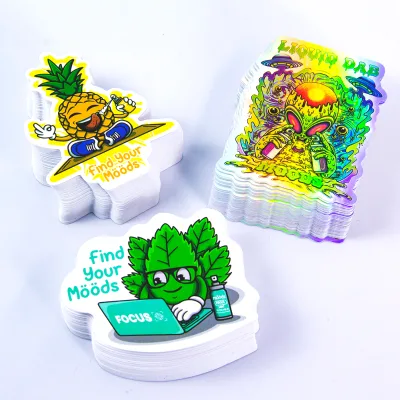


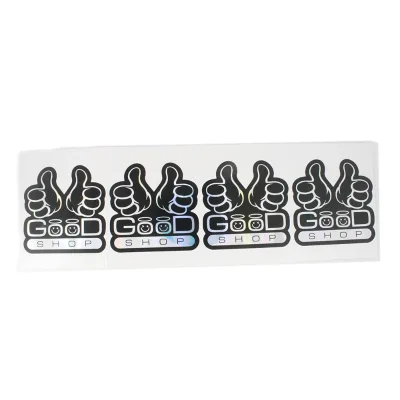
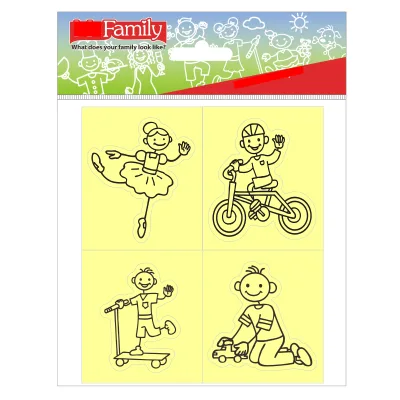


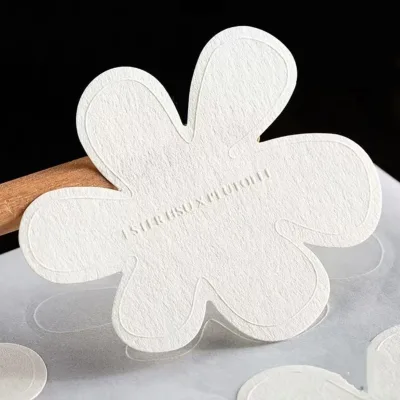
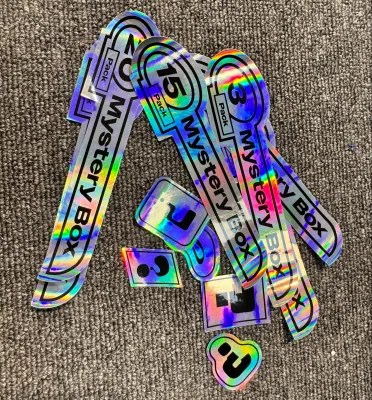
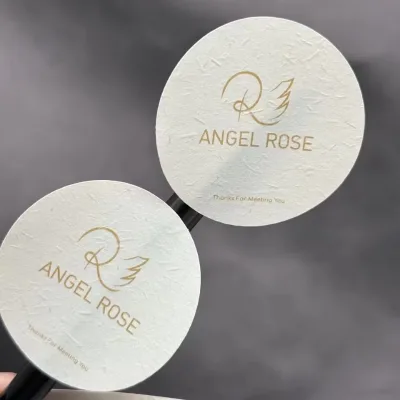


Printed Colorful Barcode Labels Custom Design Stickers Die Cut Stickers
$0.025 - $0.0336
MOQ: 4000 Pieces




Comprehensive Sourcing Guide
Embossed Custom Die-Cut Sticker Sourcing Guide
Procuring embossed custom die-cut stickers requires a nuanced understanding of material compatibility and finishing techniques. Buyers must recognize that embossing adds a tactile dimension to adhesive labels, enhancing brand perception through physical texture. This guide outlines the critical verification steps for sourcing these specialized items, ensuring that the final product meets both aesthetic and functional requirements. The focus remains on aligning supplier capabilities with specific design needs, particularly regarding the interaction between raised surfaces and adhesive properties.
The sourcing process involves balancing visual appeal with practical durability. While embossing provides a premium feel, it can impact the sticker’s ability to conform to curved surfaces or withstand environmental stress. Buyers should prioritize suppliers who demonstrate expertise in combining die-cutting precision with embossing processes. This ensures that the intricate details of the design are preserved without compromising the structural integrity of the label. Understanding these technical interdependencies is essential for avoiding costly production errors and ensuring consistent quality across large orders.
Product Scope and Observed Listing Signals
The market for custom stickers encompasses a wide variety of materials and applications, ranging from synthetic paper to vinyl. Observed listings indicate that buyers can access products with specific attributes such as waterproof features and strong adhesive properties. These materials are often selected based on the intended use, whether for promotional gifts, industrial labeling, or decorative purposes. The availability of custom sizes and models allows for tailored solutions that fit specific branding or functional needs, providing flexibility in product design.
Color options and printing methods are critical factors in the sourcing decision. Listings show that suppliers offer a broad spectrum of colors, including CMYK, Pantone, and full-color options, alongside various print methods like UV offset and die-cutting. Surface handling techniques, such as glossy or matte finishes, further enhance the visual appeal. Buyers should verify that the chosen material and finish are compatible with the embossing process, as some surfaces may not hold the raised texture as effectively as others. This verification step is crucial for achieving the desired aesthetic outcome.
Technical Specifications to Verify
Verifying technical specifications is paramount when sourcing embossed custom die-cut stickers. Buyers must confirm the material thickness, which can range from 0.05 to 0.1mm, to ensure it supports the embossing process without tearing or losing adhesion. The model number and size specifications should be clearly defined, as custom sizes are often accepted but require precise die-cutting tools. Understanding the adhesive strength is also vital, especially for products that need to withstand environmental factors or frequent handling.
Surface finishing and printing methods significantly impact the final product quality. Buyers should inquire about the specific surface handling techniques, such as lamination or gloss/matte coatings, which can protect the embossed area from wear and tear. The artwork format requirements, typically PDF, AI, EPS, or high-resolution JPG, must be strictly followed to ensure accurate reproduction. Additionally, the number of colors used in printing, ranging from one to six, affects the complexity and cost of the embossing die, so clear communication of design details is essential.
Compliance and Safety Documentation
Compliance and safety documentation are essential for ensuring that the sourced stickers meet regulatory standards. Buyers should request certificates such as ISO9001 to verify that the supplier adheres to quality management systems. This certification indicates a commitment to consistent production standards, which is crucial for maintaining product quality across large orders. Additionally, buyers must ensure that the materials used, such as vinyl or synthetic paper, are safe for their intended application, particularly if the stickers are used in environments where human contact is frequent.
Environmental and safety standards may vary by region, so buyers should verify that the supplier complies with relevant regulations. This includes checking for any restrictions on adhesives or inks that could pose health risks. While specific test results are not always provided in initial listings, buyers should ask for documentation that confirms the safety of the materials. This due diligence helps mitigate risks associated with product liability and ensures that the stickers are suitable for their intended market, whether for promotional gifts or industrial use.
Cost Drivers and Commercial Terms
Cost drivers for embossed custom die-cut stickers include material selection, printing complexity, and the embossing process itself. Buyers should anticipate variations in pricing based on the number of colors, surface finishing options, and the intricacy of the die-cut design. Minimum order quantities (MOQ) can range from 1 to 5000 pieces, influencing the unit cost significantly. Understanding these variables helps buyers budget effectively and negotiate favorable terms with suppliers.
Commercial terms such as delivery time and sample availability also play a crucial role in the sourcing decision. Typical delivery times can range from 3 to 7 working days, but this may vary based on order size and complexity. Buyers should inquire about sample availability, as free stock samples can help evaluate quality before committing to a large order. Additionally, understanding the packing methods, whether in rolls or sheets, and the final packaging, such as paper boxes, is important for logistics and storage planning.
Supplier Qualification and Quality Control
Supplier qualification involves assessing their capability to produce high-quality embossed custom die-cut stickers. Buyers should look for suppliers who offer both OEM and ODM services, indicating flexibility in design and production. The availability of customization options, including custom sizes and models, is a positive indicator of a supplier’s adaptability. Additionally, suppliers with a strong brand presence, such as those with specific brand names or model numbers, may offer more consistent quality and support.
Quality control measures should be clearly defined and communicated with the supplier. Buyers should request information on the supplier’s quality assurance processes, including how they handle defects and ensure consistency across batches. The use of advanced printing techniques, such as UV offset printing, and specialized processes like die-cutting, should be verified to ensure precision. Establishing clear quality standards and inspection criteria before production begins helps minimize the risk of receiving subpar products and ensures that the final output meets expectations.
Long-Term Procurement Checks
Long-term procurement checks involve establishing a sustainable relationship with suppliers who can consistently meet quality and delivery expectations. Buyers should monitor supplier performance over time, tracking metrics such as on-time delivery rates and product defect rates. Regular communication and feedback loops help identify potential issues early and foster a collaborative partnership. This proactive approach ensures that any changes in design or material requirements can be accommodated smoothly without disrupting the supply chain.
Continuous evaluation of market trends and supplier capabilities is also essential for long-term success. Buyers should stay informed about new materials, printing technologies, and finishing techniques that could enhance their product offerings. Engaging with suppliers who invest in innovation and quality improvement ensures that the sourced stickers remain competitive in the market. By maintaining a focus on quality, compliance, and cost-effectiveness, buyers can build a resilient supply chain that supports their business growth and brand reputation.
FAQs
What materials are available for custom die-cut stickers?
Suppliers offer synthetic paper, vinyl, and art paper for custom die-cut stickers. Vinyl options provide waterproof features suitable for outdoor decoration. Art paper is often used for promotional gifts and crafts. Buyers can select from various colors including blue, yellow, pink, red, green, white, black, and orange. Custom sizes are accepted to meet specific design requirements.
Can I get free samples before placing a bulk order?
Yes, free stock samples are available for most custom sticker orders. Buyers can request these samples to verify material quality and print accuracy. Samples help ensure the final product meets expectations for decoration or promotional use. This allows for quick evaluation before committing to larger quantities. It is a standard service offered by many manufacturers to facilitate trust.
What is the typical delivery time for custom stickers?
The typical delivery time is 3-7 working days for standard orders. This fast turnaround supports urgent promotional needs and gift crafting projects. Buyers should confirm specific lead times with suppliers based on order volume. Customization and complex die-cutting may slightly affect production schedules. Quick delivery ensures timely receipt for events or marketing campaigns.
Which certifications do sticker manufacturers usually hold?
Many manufacturers hold ISO9001 certification for quality management systems. This ensures consistent production standards for adhesive and decorative stickers. Buyers can verify these credentials to ensure reliable supply chains. Certification indicates adherence to international quality benchmarks. It provides confidence in the durability and finish of the final product.
What printing methods are used for custom die-cut stickers?
Common printing methods include UV offset printing and die-cutting techniques. Options range from 1-color to 6-color printing for detailed designs. CMYK and Pantone colors are supported for accurate branding. High-resolution artwork formats like PDF, AI, and EPS are accepted. These methods ensure vibrant colors and precise shapes for various applications.
How are custom stickers packaged for shipping?
Stickers are typically packaged in rolls or sheets for protection. Some suppliers use paper boxes for secure handling and storage. This packaging prevents damage during transit and maintains adhesive quality. Buyers can choose packaging based on their storage and usage needs. Proper packing ensures the product arrives in pristine condition for immediate use.