eco-friendly pp plastic lotion pump Suppliers and Manufacturers
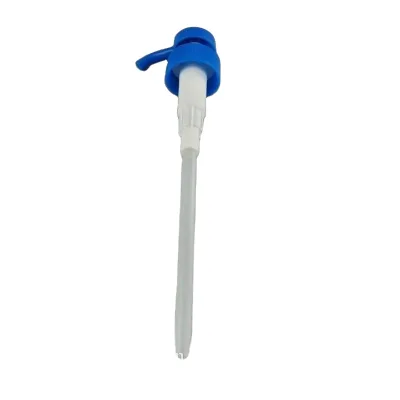
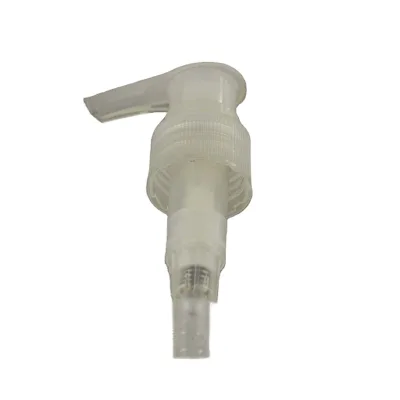
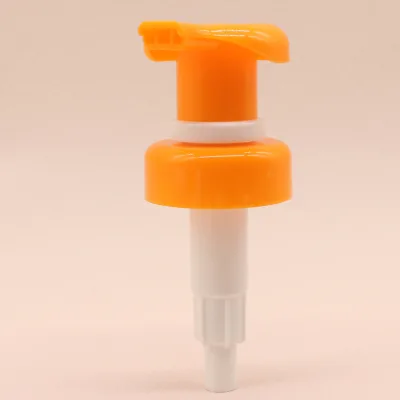
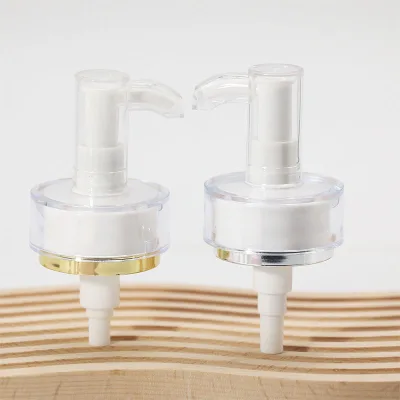
Find 30 verified suppliers offering eco-friendly pp plastic lotion pumps with ISO certifications and ODM capabilities. Compare response times, lead times, and MOQs to source packaging from Guangdong or Zhejiang factories. Request samples to verify discharge rates and material quality.
Updated
Suppliers List

Guangzhou Zhengxi Packing Products Co., Ltd.
- Verified by BV
- Combined
- China Guangdong
- Lead time15 days
- Avg. response≤ 15h
Main productsLotion Pump
Main marketsSouth America,Southeast Asia/ Mideast,East Asia(Japan/ South Korea),Europe,Australia,North America


Factory Direct Customization Eco-Friendly 28&33mm Plastic PP Lotion Pump
$0.04 - $0.089
MOQ: 10000 Pieces

Factory Direct Customization Eco-Friendly Plastic PP Liquid Soap Lotion Pump
$0.04 - $0.089
MOQ: 10000 Pieces


NINGBO UBPACK PACKAGING CO., LTD
- Verified by CTI
- Trading Company
- China Zhejiang
- Lead time30 days
- Avg. response≤ 4h
Main productsPlastic Packaging, Trigger Spray, Plastic Mold, Lotion Pump, Airless Bottla, Aluminum Bottle
Main marketsSoutheast Asia/ Mideast,Europe,North America

Foshan Color Pump Technology Co., Ltd
- Verified by SGS
- Combined
- China Guangdong
- Lead time30 days
- Avg. response≤ 3h
Main productsLotion Pump, Foam Pump
Main marketsDomestic,Europe

Eco Friendly Mono Lotion Pump Cosmetic Packaging Container PP Body Lotion Pump
$0.06 - $0.07
MOQ: 20000 Pieces

PP Plastic Lotion Pump Cream Soap Bottle Lotion Pump Hand Lotion Pump
$0.129 - $0.14
MOQ: 20000 Pieces


Yuyao Luhang Daily Necessities Co., Ltd.
- Verified by TUVRHEINLAND
- Combined
- China Zhejiang
- Lead time23 days
- Avg. response≤ 5h
Main productsTrigger Sprayer, Lotion Pump, Fine Mist Sprayer, Sprayer Pen&Card Sprayer, Treatment Pump, Foam Pump, Nail&Cleaning Pump, Plastic Cap, Airless Bottle, Bottle
Main marketsSouth America,Others(foreignTradeCapacity.exportBusinessCapacityMarketOther),Southeast Asia/ Mideast,Domestic

Ningbo Ola Commodity Co., Ltd.
- Verified by BV
- Manufacturer/Factory
- China Zhejiang
- Lead time0 days
- Avg. response≤ 14h
Main productsTrigger Sprayer, Lotion Pump, Crimp Pump, Mist Sprayer, Aluminium Bottle, Pet Bottle, Cosmetic Packaging, Perfume Atomizer, Cap, Tube
Ningbo Honghui Plastic Industry Co., Ltd.
- Verified by TüVRheinland
- Manufacturer, Trading Company
- Lead time15 days
- Avg. response≤ 2h
Main productsTrigger Sprayer, Lotion Pump, Foam Pump, Airless Bottle, Mist Sprayer
Main marketsDomestic Market(50%), Southeast Asia(7%), Africa(6%)
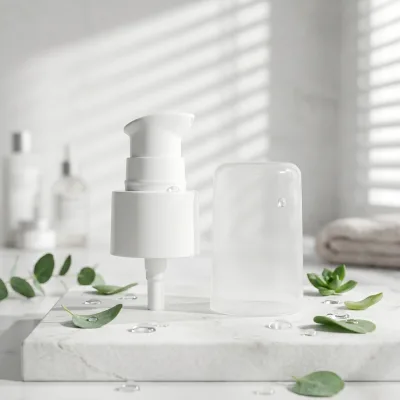
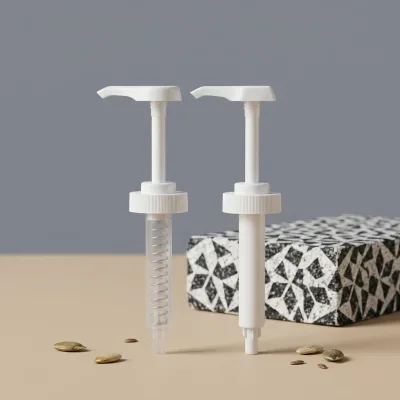
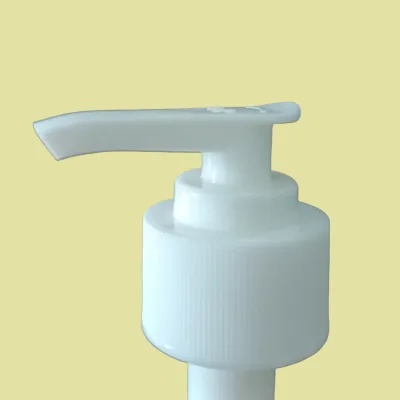
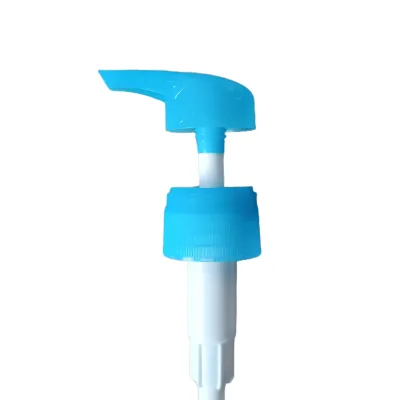
High Quality Customized Color 28/410 Lotion Pump for Hand Sanitizer and Cleaning Lotion
$0.036 - $0.0463
MOQ: 20 Minimum
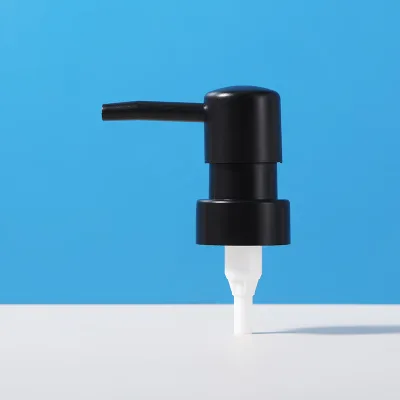
Dongguan Yesheng Plastic Hardware Co., Ltd.
- Manufacturer
- Guangdong, China
- Lead time30 days
- Avg. response≤ 5h
Main productsBasketball Stand and Hoop,Plastic Hunting Animal Decoys,Plastic botltes,Plastic sauce bottle,Watering Can
Main marketsNorth America(35.00%), Oceania(20.00%), Northern Europe(10.00%), Western Europe(10.00%), Southern Europe(8.00%), Eastern Europe(5.00%), South America(5.00%), Southeast Asia(4.00%), Mid East(3.00%)

Xiamen Safercare Toiletries Co., Ltd.
- Verified by BV
- Combined
- China Fujian
- Lead time60 days
- Avg. response≤ 1h
Main productsTravel Set, Bath Set, Plastic Bottles, Lotion Pump, Plastic Caps, Shower Gel, Hand Wash, Cosmetic Bag, Hand Sanitizer, Shapmpoo
Main marketsDomestic,Europe
Yuyao Caiyun Cosmetics Packaging Co.,Ltd.
- Manufacturer, Trading Company
- Zhejiang, China
- Lead time0 days
- Avg. response≤ 14h
Main productsNail Polish Remover Dispenser; Deodorant Stick; Continuous Sprayer; Foam Pump; Lotion Pump
Main marketsDomestic Market(90.00%), Domestic Market(90.00%), North America(5.00%), Eastern Asia(2.00%), Mid East(2.00%), Eastern Asia(2.00%), Mid East(2.00%), Western Europe(1.00%)
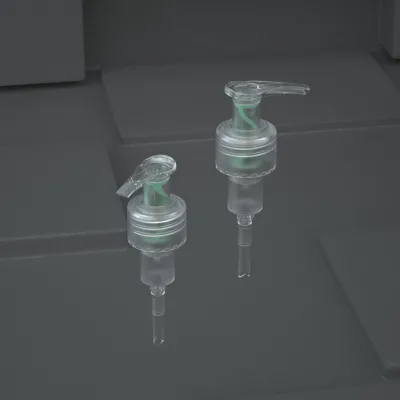
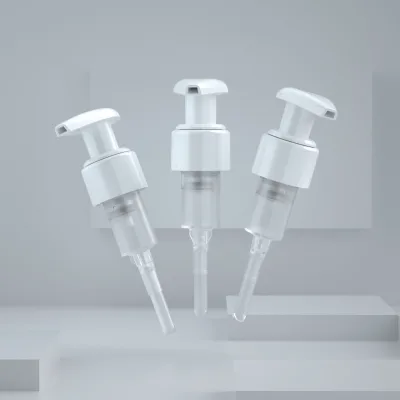
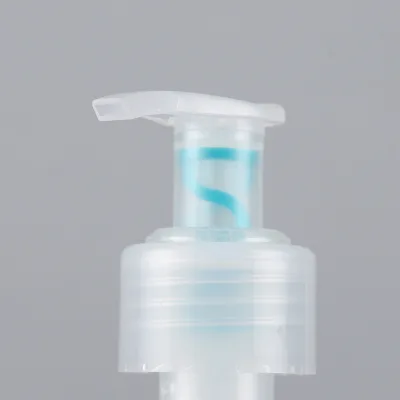
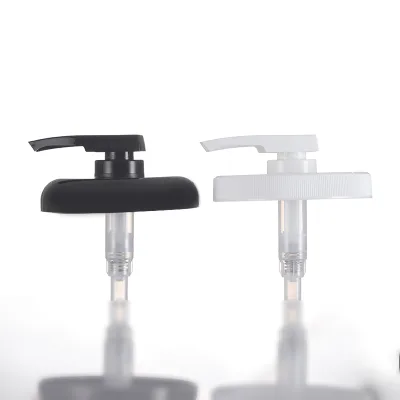
Factory Direct Sale Eco Friendly Lotion Pump Plastic Lotion Pump Bottle Beauty Cream Lotion Pump
$0.1231
MOQ: 10000 Minimum

Yuyao Zhuoyu Plastic Industry Co., Ltd.
- Verified by SGS
- Combined
- China Zhejiang
- Lead time30 days
- Avg. response≤ 12h
Main productsCream pump
Main marketsSoutheast Asia/ Mideast
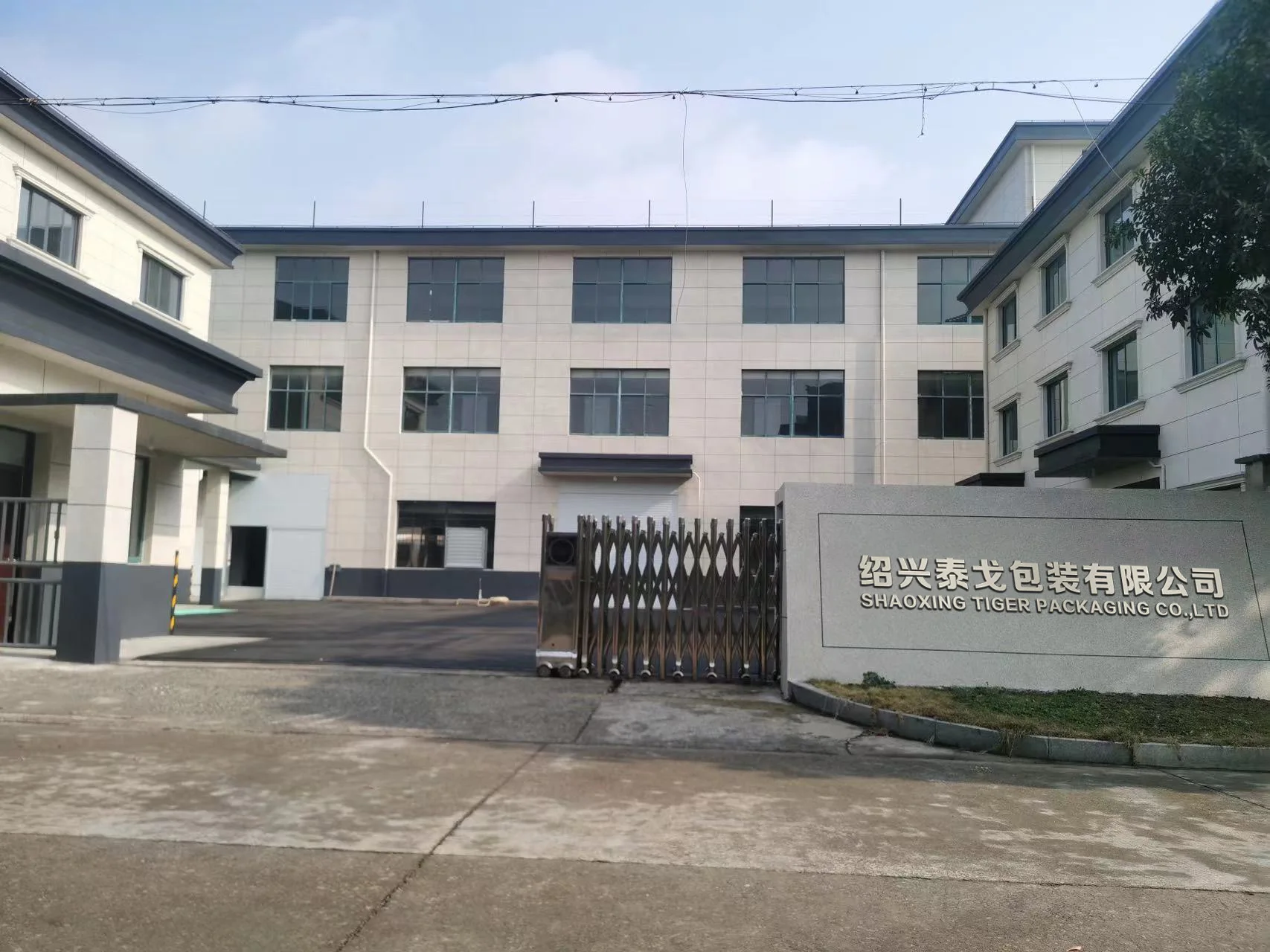
Shaoxing Tiger Packaging Co., Ltd.
- Trading Company
- Zhejiang, China
- Lead time20 days
- Avg. response≤ 3h
Main productsPlastic Cap, Mist Sprayer, Lotion Pump, Lip Stick Tube, Plastic Bottle
Main marketsDomestic Market(50.00%), North America(15.00%), Southeast Asia(15.00%), Eastern Asia(10.00%), Mid East(10.00%)
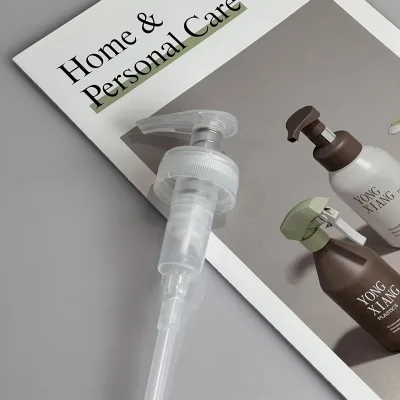
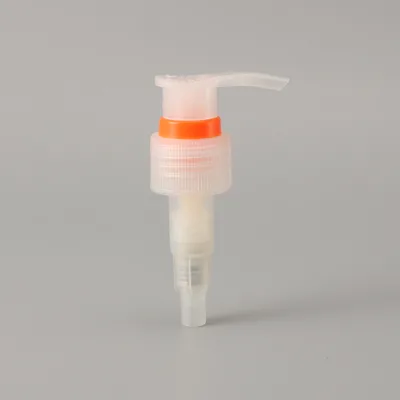

Wholesale Price Personalized Lotion Pump Customized Bottles Adjustable Features Stylish Designs
$0.09 - $0.10
MOQ: 10000 pieces
Yuyao Lonshine Sprayer Co.,ltd
- Verified by SGS Group
- Manufacturer, Trading Company
- Lead time20 days
- Avg. response≤ 3h
Main productsTrigger Sprayer, Nail & Cleaning Pump, Fine Mist Sprayer, Lotion Pump, Airless Bottle
Main marketsSoutheast Asia(60%), North America(10%), South America(10%)
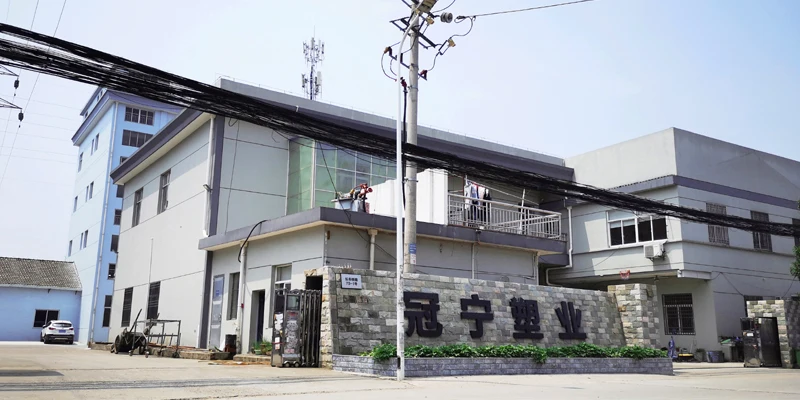
Yuyao Guanning Sprayer Co., Ltd.
- Manufacturer
- Zhejiang, China
- Lead time30 days
- Avg. response≤ 6h
Main productsCrimp Pump / Mist Sprayer / Lotion Pump / Treatment Pump / Perfume Cap
Main marketsAfrica(40.00%), Eastern Europe(15.00%), Mid East(15.00%), North America(10.00%), Domestic Market(10.00%), South America(5.00%), Southeast Asia(5.00%)
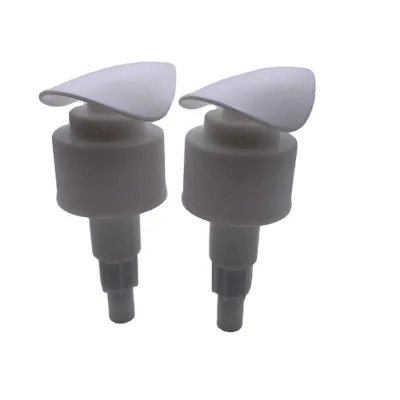
Superior Quality Plastic PP Lotion Pump 28/410 Pump Lotion Bottles for Garden Use
$0.09
MOQ: 10000 Minimum
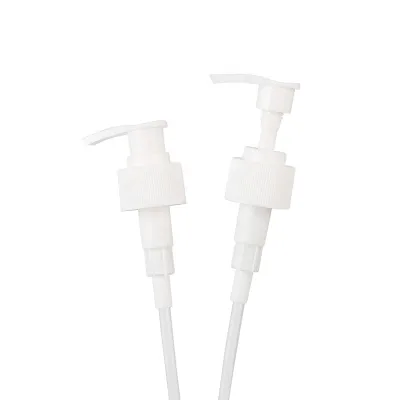
Impac International Trading Co., Ltd. (zhangjiagang)
- Verified by Intertek
- Trading Company
- Lead time30 days
- Avg. response≤ 4h
Main productsAcrylic Bottles And Jars, Plastic Bottles And Jars, Glass Bottles And Jars, Cosmetic Packaging, Spray Bottles
Main marketsNorth America(45%), Western Europe(25%), South America(8%)
Guangzhou Bright Smart Enterprise Limited
- Verified by Intertek
- Manufacturer, Trading Company
- Lead time15 days
- Avg. response≤ 3h
Main productsPlastic Bottles, Plastic Jars, Plastic Lotion Pump, Plastic Sprayer, Plastic Caps
Main marketsDomestic Market(30%), North America(15%), Mid East(13%)
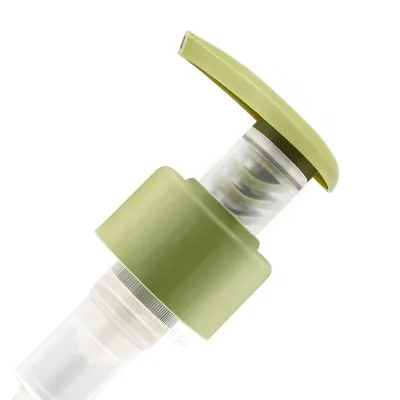
$0.18 - $0.20
MOQ: 5000 pieces
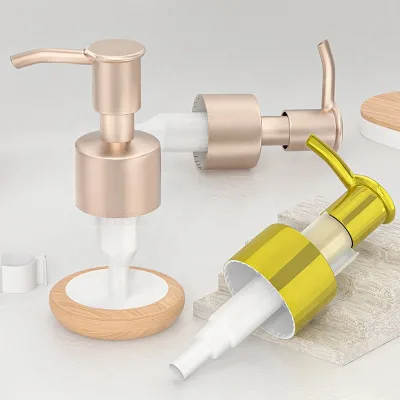
Luxury 24/410 28/410 PP Plastic Lotion Pump High Quality Long Nozzle Shampoo Pump with Clip
$0.20 - $0.22
MOQ: 10000 pieces

YUYAO YIHE COMMODITY CO., LTD.
- Verified by TUVRHEINLAND
- Manufacturer/Factory
- China Zhejiang
- Lead time23 days
- Avg. response≤ 5h
Main products20ml Pocket Perfume Bottle with Caps, Trigger Sprayer, Lotion Pump, Mist Sprayer, Pet Bottle, Disc Top Cap, Flip Top Cap, Foam Sprayer, Foam Sprayer Bottle, Perfume Sprayer
Main marketsSouth America,Eastern Europe,Mid East,North America,Southeast Asia,Eastern Asia,Oceania,Western Europe
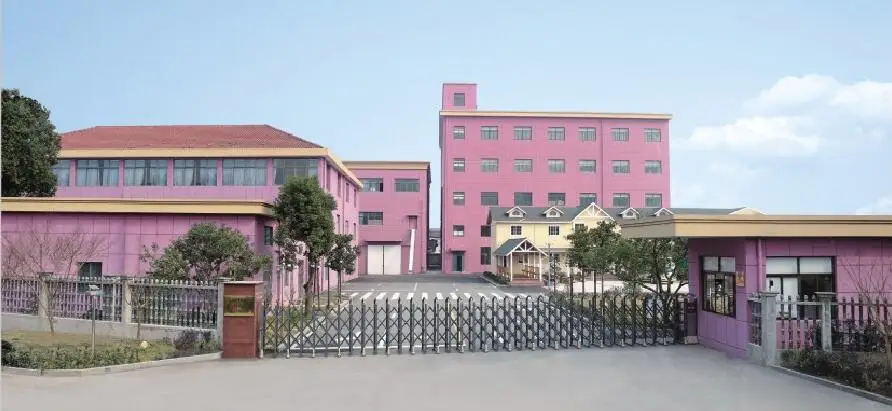
Ningbo Chenming Sprayer Co., Ltd.
- Manufacturer
- Zhejiang, China
- Lead time20 days
- Avg. response≤ 8h
Main productsTrigger Sprayer, Lotion Pump, Mini Trigger Sprayer
Main marketsNorth America(60.00%), South America(20.00%), Africa(10.00%), Western Europe(6.00%), Domestic Market(2.00%), Eastern Europe(2.00%)

YUYAO SHUOHONG COMMODITY CO., LTD.
- Verified by BV
- Combined
- China Zhejiang
- Lead time23 days
- Avg. response≤ 5h
Main productsMist Sprayer, Lotion Pump, Trigger Sprayer, Perfume Atomizer, Plastic Cap, Plastic Bottle, Cream Jar, Plastic Tube, Foam Pump, out Spring Lotion Pump
Main marketsSouth America,Africa,Southeast Asia/ Mideast,East Asia(Japan/ South Korea),Europe,Australia,North America

Shijiazhuang Blue Morpho Import And Export Co., Ltd.
- Trading Company
- Hebei, China
- Lead time5 days
- Avg. response≤ 6h
Main productsPlastic packing products,Kraft paper bagsgs,Take out products,Cornstarch container,Paper box
Main marketsEastern Europe(20.00%), Southeast Asia(15.00%), Northern Europe(10.00%), Western Europe(10.00%), Eastern Asia(10.00%), Southern Europe(10.00%), South America(10.00%), North America(10.00%), Africa(5.00%)
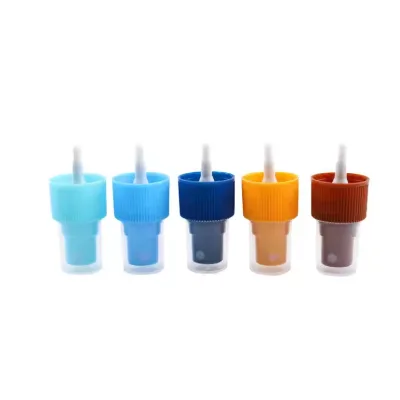
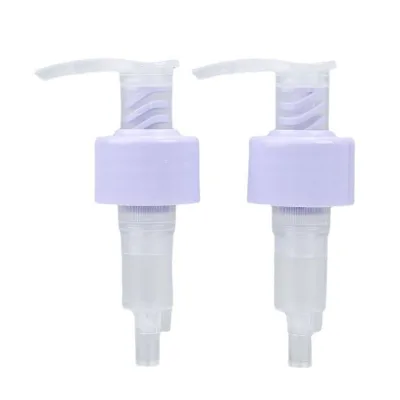
$0.08 - $0.11
MOQ: 3000 units
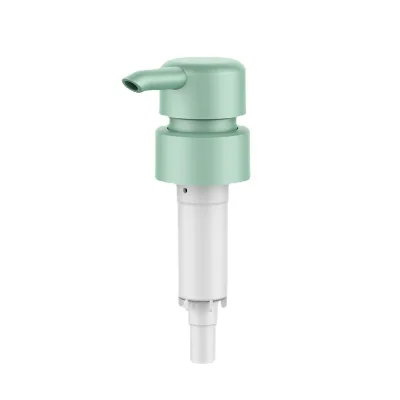
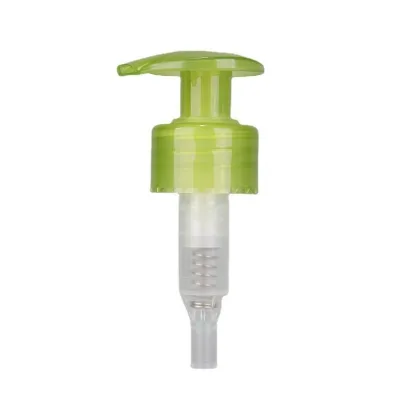
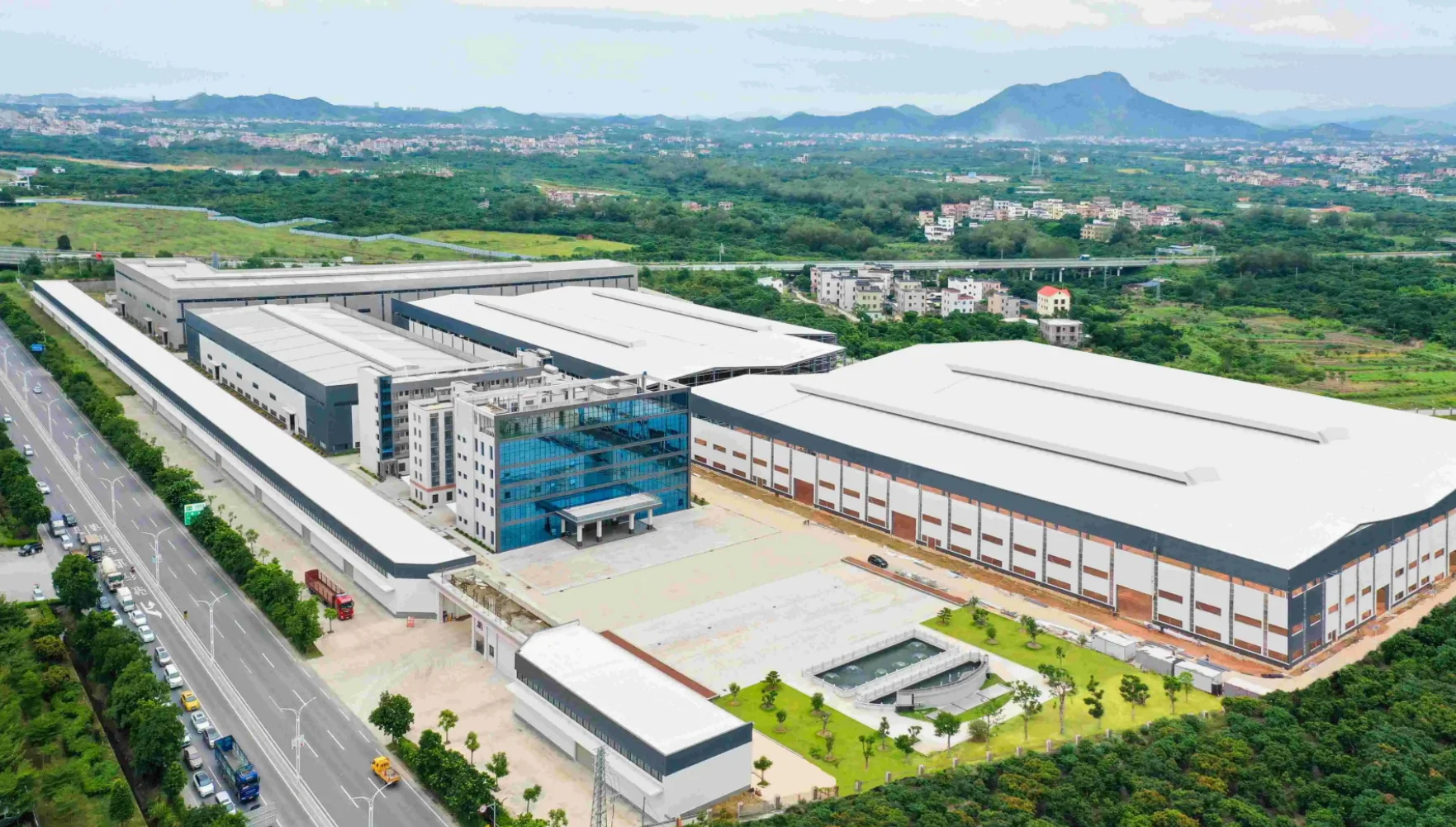
Zhengzhou Kebona Industry Co., Ltd.
- Trading Company
- Henan, China
- Lead time5 days
- Avg. response≤ 6h
Main productsLotion Pump,Mist Sprayer,Spray Bottle,Trigger Sprayer,Foam Pumps
Main marketsAfrica(20.00%), South America(19.00%), Domestic Market(10.00%), South Asia(10.00%), Central America(9.00%), Eastern Asia(7.00%), Southeast Asia(6.00%), Mid East(5.00%), Eastern Europe(5.00%), Western Europe(3.00%), North America(2.00%), Oceania(2.00%), Southern Europe(1.00%), Northern Europe(1.00%)
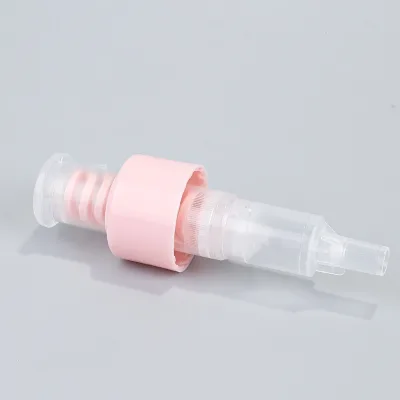
Double Spring External Plastic Lotion Pump Daily Chemical Packaging Replacement Lotion Pump Head
$0.0341 - $0.5692
MOQ: 5000 Minimum
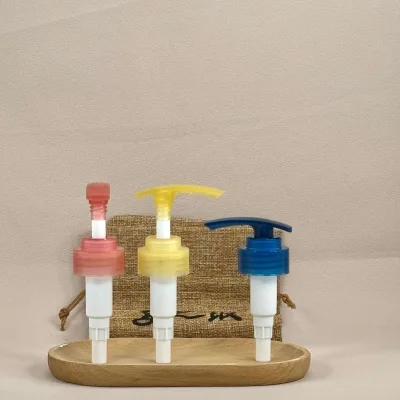
$0.034 - $0.5662
MOQ: 5 Minimum
- Verified by SGS Group
- Trading Company
- Lead time10 days
- Avg. response≤ 2h
Main productsPET Bottle, Powder Spray Bottle, Cosmetic Bottle, Glass Bottle, Continuous Spray Bottle
Main marketsNorth America(37%), Domestic Market(10%), Eastern Europe(8%)
Jiangyin Qingyang Mavis Packaging Firm
- Trading Company
- Jiangsu, China
- Lead time20 days
- Avg. response≤ 2h
Main productscosmetic jar,airless bottle,perfume cap,aluminum cap,spray pump
Main marketsSouthern Europe(15.00%), Eastern Europe(15.00%), Northern Europe(15.00%), Western Europe(15.00%), Central America(10.00%), North America(10.00%), South America(8.00%), South Asia(5.00%), Mid East(3.00%), Africa(3.00%), Southeast Asia(1.00%)

Ningbo Henghong Packaging Co., Ltd.
- Verified by SGS
- Trading Company
- China Zhejiang
- Lead time15 days
- Avg. response≤ 14h
Main productsLotion Pump Mist Sprayer Plastic Cap
Main marketsOthers(foreignTradeCapacity.exportBusinessCapacityMarketOther),Europe

Customize Eco Friendly Liquid Dispenser Plastic Bottle Pump PP Plastic Lotion Pump for Washing
$0.02 - $0.08
MOQ: 10000 Pieces


Eco-Friendly Easy Recycled Plastic Lotion Pump for Plastic Cosmetic Bottle
$0.04 - $0.15
MOQ: 10000 Pieces

Zhejiang Sun-Rain Industrial Co., Ltd.
- Verified by TüVRheinland
- Manufacturer, Trading Company
- Lead time25 days
- Avg. response≤ 7h
Main productsLotion Pump, Fine Mist Sprayer, Airless Bottle, Lotion Bottle, Cream Jar
Main marketsDomestic Market(40%), North America(16%), Central America(15%)
Guangdong Zhongkai Plastics Co., Ltd.
- Manufacturer
- Guangdong, China
- Lead time15 days
- Avg. response≤ 23h
Main productsLotion Pump, Spray Pump, Foam Pump
Main marketsDomestic Market(85.00%), Southeast Asia(8.00%), North America(2.00%), Northern Europe(2.00%), Africa(2.00%), Mid East(1.00%)
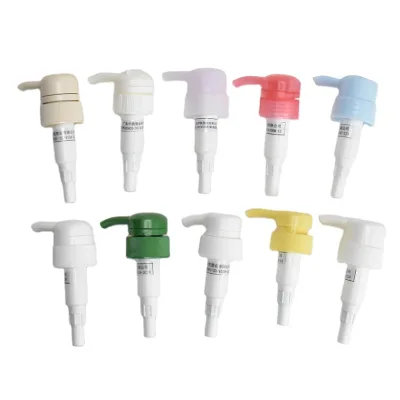
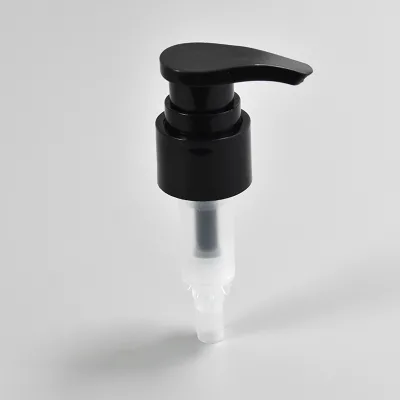
28/410 Transparency Plastic Black Lotion Pumps Lotion Pump Bottle Cream
$0.0309 - $0.0514
MOQ: 10000 pieces
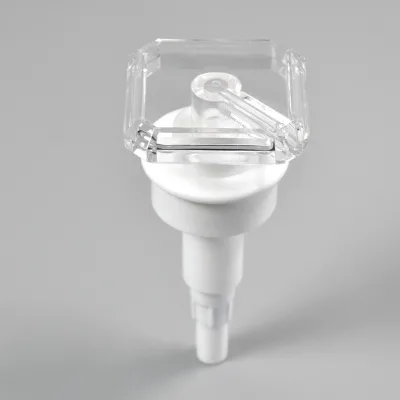
250ML Wholesale Square Lotion Pump Bottle Transparency 33/410 White Lotion Pump With Lock
$0.03 - $0.05
MOQ: 10000
Yuyao Greenyard Tools Co., Ltd.
- Verified by SGS Group
- Manufacturer, Trading Company
- Lead time30 days
- Avg. response≤ 4h
Main productsFine Mist Sprayer, Crimp Pump, Treatment Pump, Lotion Pump, Deodorant Bottle
Main marketsDomestic Market(20%), North America(14%), Western Europe(14%)
Yuyao Blooming Commodity Co., Ltd.
- Verified by TüVRheinland
- Manufacturer, Trading Company
- Lead time15 days
- Avg. response≤ 3h
Main productsCream Pump, Roll On Bottle, Airless Bottle, All Plastic Trigger Sprayer, Deodorant Stick Tube
Main marketsNorth America(26%), Eastern Europe(22%), Domestic Market(15%)

Hangzhou Bona Packaging Co., Ltd.
- Verified by SGS
- Trading Company,Manufacturer/Factory,Group Corporation
- China Zhejiang
- Lead time23 days
- Avg. response≤ 2h
Main productsPlastic Tube, Cosmetic Tube, Cosmetic Packaging, Plastic Jar, Plastic Bottle, Airless Bottle, Cosmetic Bottle, Bottle, Jar, Packing Bottle
Main marketsSouth America,Eastern Europe,Mid East,Southeast Asia,Eastern Asia,Oceania,Western Europe

Jinhua Allies Import and Export Co., Ltd.
- Verified by SGS
- Manufacturer/Factory
- China Zhejiang
- Lead time23 days
- Avg. response≤ 6h
Main productsCanister, Container, Bottle, Cosmetic, Make up, Plastic Packaging, Eyeshadow, Palette, Box, Compact Case
Main marketsSouth America,Mid East

- Verified by CTI
- Trading Company
- China Zhejiang
- Lead time30 days
- Avg. response≤ 3h
Main productsAirless Bottle, Glass Bottle, Comb, Cosmetic Packaging, Food Packaging, Sprayer, Lotion Pump Machine, Gift, Roll on Ball
Main marketsAfrica,Southeast Asia/ Mideast




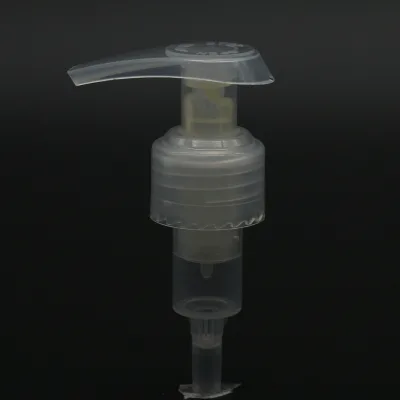
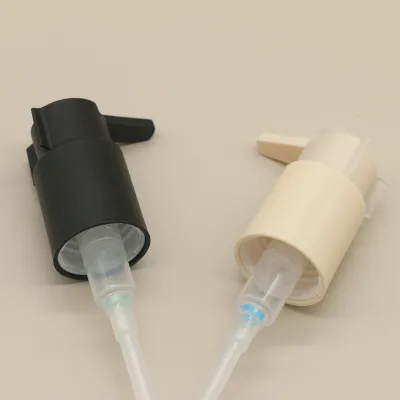
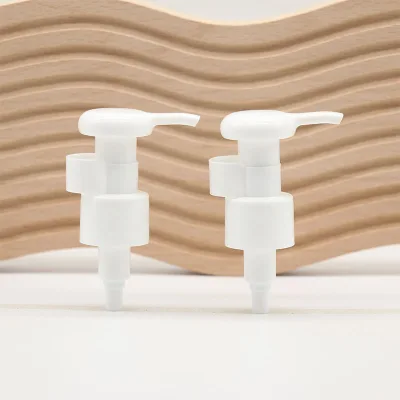
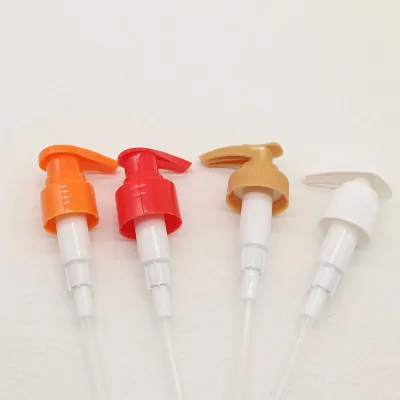




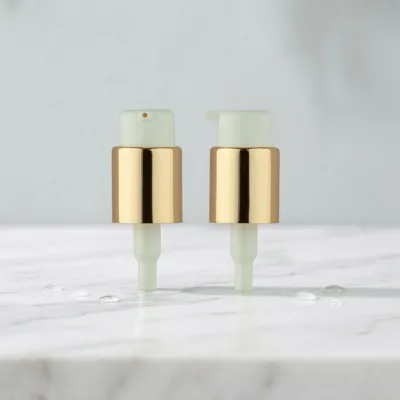
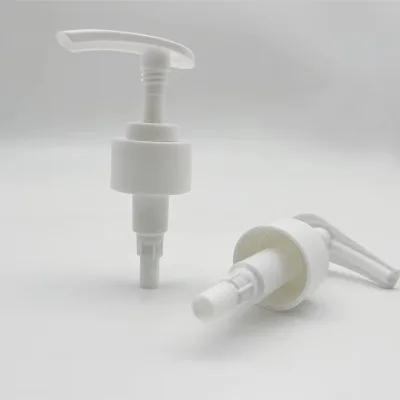
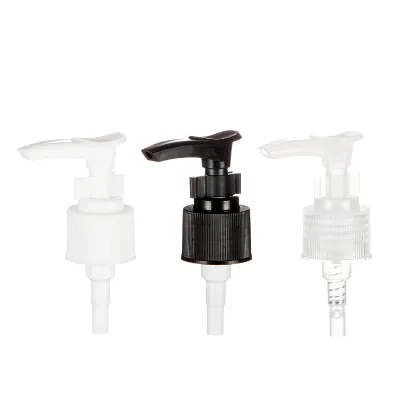
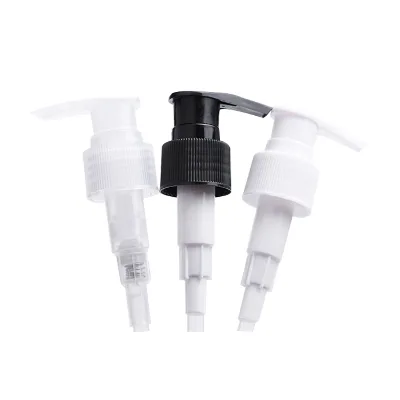
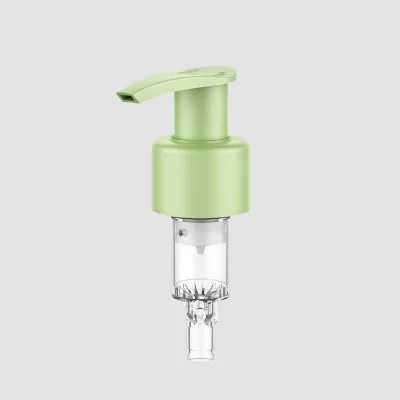
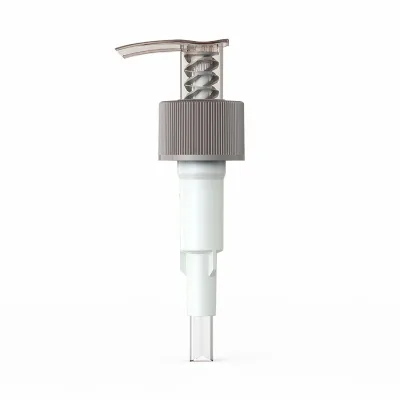
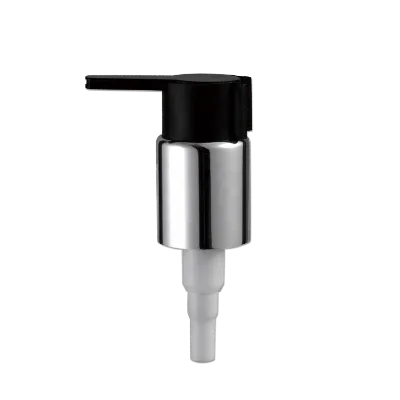
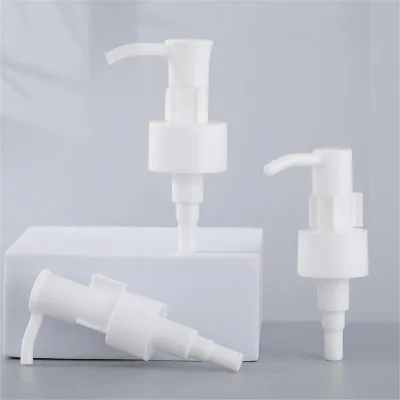
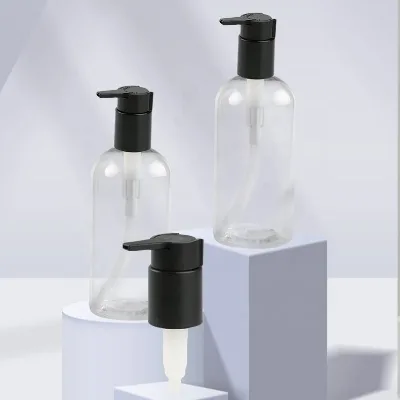
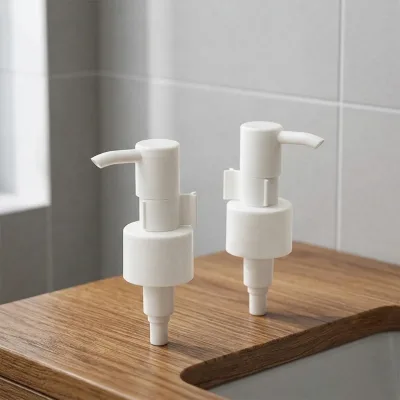
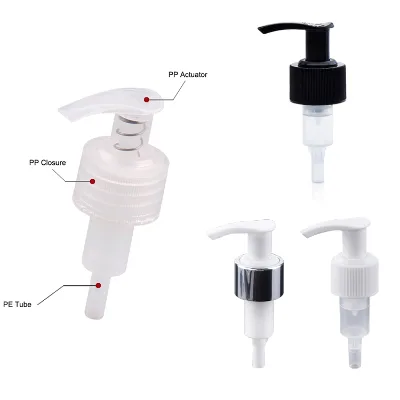
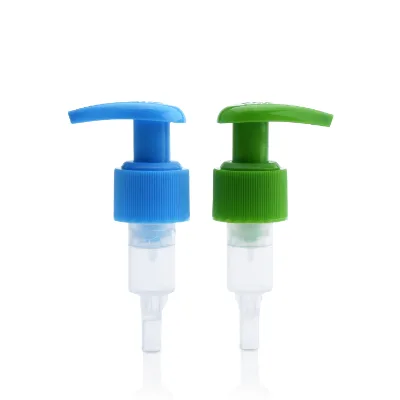


Comprehensive Sourcing Guide
Eco-Friendly Pp Plastic Lotion Pump Supplier Concentration and Factory Types
The current supplier landscape for eco-friendly PP plastic lotion pumps reveals a distinct geographic concentration in China, specifically within the Guangdong and Zhejiang provinces. These regions serve as primary manufacturing hubs for packaging auxiliary materials, offering buyers access to established industrial clusters that specialize in plastic molding and closure systems. Suppliers located in Guangdong often highlight their proximity to major logistics networks, which can facilitate faster export processes for high-volume orders. Meanwhile, Zhejiang-based entities frequently emphasize their capabilities in producing a wider variety of plastic packaging components, including trigger sprays and airless bottles, alongside lotion pumps. This regional clustering suggests that buyers can efficiently source from factories that have developed specialized expertise in PP material processing and custom molding techniques. The presence of these specific locations in search results provides a reliable baseline for identifying potential partners, allowing procurement teams to focus their outreach on suppliers who are already integrated into the local supply chain infrastructure for cosmetic and personal care packaging.
Company types in this sector vary significantly, ranging from combined manufacturing entities to pure trading companies. Combined suppliers typically offer both OEM and ODM services, indicating they possess the internal engineering and production capabilities to customize products according to specific client requirements. These factories often display certifications such as ISO, which signals adherence to standardized quality management systems during the production of lotion pumps. In contrast, trading companies may act as intermediaries, aggregating products from multiple factories to offer a broader catalog of designs, colors, and discharge rates. While trading companies might provide a more streamlined communication experience, buyers must verify whether the actual manufacturing occurs in-house or is outsourced. Understanding the company type is crucial for determining the level of control a buyer has over the production process, material sourcing, and quality assurance protocols. The distinction between these types directly impacts the flexibility and transparency available during the sourcing journey, influencing decisions related to customization depth and supply chain visibility.
How to Verify Eco-Friendly Pp Plastic Lotion Pump Suppliers
Verification is a critical step in ensuring that suppliers meet the required standards for eco-friendly PP plastic lotion pumps. Buyers should prioritize suppliers who have undergone third-party verification processes, as indicated by badges such as BV, CTI, or SGS. These verifications provide an additional layer of confidence regarding the supplier’s business legitimacy and operational capabilities. For instance, some suppliers display CTI verification, which often involves on-site inspections of manufacturing facilities and quality control systems. Others may hold SGS or BV credentials, which can attest to the accuracy of their reported information and compliance with international trade standards. Additionally, system certifications like ISO9001:2015 are frequently cited by suppliers, particularly those in Zhejiang, indicating a structured approach to quality management. Buyers should request copies of these certificates and verify their validity through the respective certification bodies. This due diligence helps mitigate the risk of engaging with unverified entities that may not meet the necessary production or ethical standards required for global supply chains.
Beyond verification badges, buyers should assess the responsiveness and transparency of the supplier during the initial inquiry phase. Response time is a key indicator of a supplier’s operational efficiency and customer service commitment. Data shows that response times can vary, with some suppliers responding within a few hours, while others may take longer. A rapid response time, such as under three hours, often correlates with a more agile and customer-centric organization. Buyers should also examine the supplier’s main products to ensure they align with specific needs, such as PP plastic lotion pumps or related packaging solutions. Suppliers listing lotion pumps and foam pumps as main products are likely to have deeper expertise in this niche compared to those with broader, less focused catalogs. Furthermore, checking for customization availability is essential, as many buyers require specific discharge rates, closure types, or color options. Suppliers that explicitly state customization is available and accept custom orders are better positioned to meet unique product specifications, ensuring that the final output matches the buyer’s brand requirements.
What to Compare Across Eco-Friendly Pp Plastic Lotion Pump Suppliers
When evaluating multiple suppliers, buyers must compare key operational metrics to determine the best fit for their procurement strategy. Lead time is a significant factor, with some suppliers offering production cycles as short as fifteen days, while others may require up to thirty days. This variation can impact inventory planning and market launch schedules, making it essential to align lead times with business needs. Minimum Order Quantity (MOQ) is another critical comparison point, with many suppliers setting an MOQ of 10,000 units. Buyers with smaller initial orders may need to seek suppliers with lower MOQs or consider consolidating orders to meet these thresholds. Price ranges also vary, with some suppliers offering competitive rates starting from $0.04 per unit, while others may charge slightly higher prices for specialized features or higher quality materials. Comparing these financial and operational parameters helps buyers identify suppliers that offer the best balance of cost, speed, and volume flexibility.
Product specifications and customization options should also be closely compared across different suppliers. Attributes such as discharge rate, material type, and closure style are vital for ensuring the lotion pump functions correctly with the intended packaging. For example, some pumps offer a discharge rate of 4cc, while others provide 2-4cc or 1.20ml/T, catering to different application needs. Material choices typically include PP or PET, with PP being common for its durability and eco-friendly properties. Buyers should also compare the shape and feature options, such as sector or oval shapes, and recyclable or disposable features. Additionally, the availability of custom colors, such as purple or black, and specific models like ZX-155 or UB206-07B, can influence the final product selection. Suppliers that offer a wide range of standard and customizable options provide greater flexibility for buyers looking to differentiate their products in the market. By systematically comparing these detailed product attributes, buyers can make informed decisions that align with their technical and aesthetic requirements.
Common Eco-Friendly Pp Plastic Lotion Pump Sourcing Risks
One of the primary risks in sourcing eco-friendly PP plastic lotion pumps is the potential discrepancy between claimed eco-friendly attributes and actual material composition. While suppliers may label their products as eco-friendly or recyclable, buyers must verify the specific material certifications and recycling codes to ensure compliance with environmental regulations in their target markets. Some products may use PP, which is widely recyclable, while others might incorporate PET or other materials that have different recycling profiles. Additionally, the term "eco-friendly" can be vague, and buyers should seek concrete evidence such as material safety data sheets or third-party environmental certifications. Without proper verification, there is a risk of receiving products that do not meet the expected sustainability standards, potentially leading to reputational damage or regulatory issues. Buyers should also be cautious of suppliers who do not provide detailed information about their material sourcing and production processes, as this lack of transparency can obscure potential environmental impacts.
Another significant risk is the variability in product quality and consistency across different production batches. Lotion pumps are mechanical components that require precise engineering to function correctly, and any deviation in manufacturing can lead to issues such as leakage, poor dispensing, or breakage. Buyers should request samples to test the discharge rate, closure tightness, and overall durability before placing large orders. Suppliers with established quality control systems and ISO certifications are generally more reliable in maintaining consistent product quality. However, buyers should still conduct their own quality inspections upon receipt of goods to ensure that the products meet the agreed-upon specifications. Additionally, there is a risk of supply chain disruptions due to raw material shortages or production delays, which can impact lead times. Buyers should maintain open communication with suppliers and have contingency plans in place to mitigate these risks, ensuring that their supply chain remains resilient and reliable.
Eco-Friendly Pp Plastic Lotion Pump Regional Sourcing and Logistics
Sourcing from specific regions in China, such as Guangdong and Zhejiang, offers distinct logistical advantages for buyers of eco-friendly PP plastic lotion pumps. Guangdong, being a major manufacturing hub, often provides access to well-developed port infrastructure and efficient logistics networks, which can reduce shipping times and costs. Suppliers in this region may have established relationships with freight forwarders, facilitating smoother export processes. On the other hand, Zhejiang is known for its strong plastic packaging industry, with many suppliers specializing in a wide range of packaging solutions. Buyers sourcing from Zhejiang may benefit from the concentration of related suppliers and components, potentially simplifying the procurement of complementary items like bottles or caps. Understanding the regional strengths allows buyers to make strategic decisions about where to source based on their specific logistical needs and supply chain preferences.
Logistics planning should also consider the packaging and shipping specifications provided by suppliers. Many suppliers offer standard packing options, such as carton boxes or bulk packaging with plastic bags, which can impact the efficiency of loading and shipping. Buyers should verify the packing dimensions and weight to calculate shipping costs accurately and optimize container space. For example, some suppliers provide packing details like 573737 cm with 400 pieces per carton, which helps in planning the logistics strategy. Additionally, buyers should be aware of any specific handling requirements for the products, such as protection against damage during transit. Coordinating with suppliers on packing standards and shipping instructions can help prevent damage and ensure that the products arrive in good condition. By leveraging regional logistics advantages and optimizing packing strategies, buyers can enhance the efficiency and cost-effectiveness of their supply chain operations.
Eco-Friendly Pp Plastic Lotion Pump Commercial Terms and Order Planning
Commercial terms and order planning are essential components of a successful sourcing strategy for eco-friendly PP plastic lotion pumps. Buyers should clearly define their order quantities, lead time expectations, and payment terms before engaging with suppliers. Given that many suppliers have an MOQ of 10,000 units, buyers need to assess whether their initial orders can meet this threshold or if they need to negotiate for lower quantities. Understanding the price range, which can vary from $0.04 to $0.089 per unit, helps in budgeting and cost analysis. Buyers should also inquire about any additional costs, such as mold fees for custom designs or shipping charges, to avoid unexpected expenses. Clear communication of commercial terms ensures that both parties have a mutual understanding of the transaction details, reducing the risk of disputes and ensuring a smooth procurement process.
Order planning should also include considerations for customization and product specifications. Buyers who require specific features, such as custom colors, discharge rates, or closure types, should provide detailed specifications to suppliers early in the process. This allows suppliers to assess feasibility and provide accurate quotes and lead times. Additionally, buyers should plan for quality assurance steps, such as sample approval and pre-shipment inspections, to ensure that the final products meet their standards. Establishing a clear timeline for each stage of the order process, from inquiry to production and delivery, helps in managing expectations and coordinating with internal teams. By carefully planning commercial terms and order logistics, buyers can streamline their sourcing operations, minimize risks, and achieve their procurement goals efficiently. This structured approach ensures that the sourcing of eco-friendly PP plastic lotion pumps is both cost-effective and aligned with business objectives.
FAQs
What is the price range for eco-friendly PP lotion pumps?
Prices typically range from $0.04 to $0.09 per unit depending on customization and order volume. Buyers can find options starting at $0.04 for standard models and up to $0.09 for specialized designs. Costs vary based on material thickness and specific discharge rates required for your packaging needs.
What is the minimum order quantity for these pumps?
The standard minimum order quantity is 10,000 pieces for most suppliers. This threshold ensures efficient production runs for custom plastic lotion pumps. Buyers should confirm specific MOQs with their chosen supplier, as some may offer flexible terms for initial trial orders or specific product models.
How long does production take for custom orders?
Lead times generally range from 15 to 30 days after order confirmation. Suppliers in Guangdong often offer faster turnaround times around 15 days, while those in Zhejiang may require up to 30 days. Expedited shipping options might be available for urgent requirements, subject to factory capacity.
Are these pumps certified for cosmetic use?
Yes, many suppliers hold ISO certifications for their manufacturing processes. Products are often labeled as eco-friendly and recyclable, suitable for body lotion and cosmetic applications. Buyers should verify specific certification documents and material safety data sheets to ensure compliance with international cosmetic packaging standards.
What materials are used for eco-friendly lotion pumps?
Most eco-friendly options are manufactured from Polypropylene (PP) or Polyethylene Terephthalate (PET). PP is preferred for its durability and recyclability, while PET offers transparency. Suppliers provide both smooth and ribbed closures, ensuring compatibility with various bottle neck sizes like 24/410 and 28/410.
Can I customize the discharge rate of the pump?
Customization is available for discharge rates, typically ranging from 1.20ml to 4.5cc per pump. Suppliers accept custom orders to match specific product viscosity requirements. Buyers should specify their desired output volume during the inquiry process to ensure the selected pump model meets their dispensing needs.