Refillable Portable Hand Sanitiser Bottle Suppliers and Manufacturers
Compare 25 verified suppliers offering Refillable Portable Hand Sanitiser Bottle options with varying lead times, MOQs, and certifications. Review product attributes like material and spray type, then contact suppliers to request samples and confirm pricing details; review the available evidence before requesting comparable quotations from suitable candidates.
Updated
Suppliers List

Ningbo Subir Commodity Co., Ltd
- Verified by TUVRHEINLAND
- Combined
- China Zhejiang
- Lead time30 days
- Avg. response≤ 7h
Main productsSpray Bottle, Credit Card Spray Bottle, Card Spray Bottle, Refillable Spray Bottle, Hand Sanitizing Spray Bottle, Perfume Tester, Perfume Vials, Perfume Spray Bottle, Pocket Spray Bottle, Plastic Bottle
Main marketsEurope,North America


Portable and Refillable Plastic Card Spray Bottle for Hand Sanitizer Sprayer Bottle
$0.16 - $0.17
MOQ: 10000 Pieces


Eco- Friendly Wholesale Refillable Travel Size Hand Sanitizer Spray Bottle
$0.13 - $0.14
MOQ: 10000 Pieces


Ningbo July Packaging Co., Ltd.
- Verified by BV
- Trading Company
- China Zhejiang
- Lead time23 days
- Avg. response≤ 7h
Main productsSkincare Packaging, Airless Bottle, Cosmetic Packaging, Trigger Sprayer, Cream Jar, Lotion Pump, Plastic Bottle, Plastic Goblet, Plastic Cup, Wine Glass
Main marketsSoutheast Asia/ Mideast,Europe

- Trading Company
- Hebei, China
- Lead time0 days
- Avg. response≤ 3h
Main productsplastic bottles,glass bottles and jras,aluminum bottles and jars,paper tube&box,Makeup packaging
Main marketsSouth Asia(100.00%), Southern Europe(100.00%), Northern Europe(100.00%), Central America(100.00%), Western Europe(100.00%), Eastern Asia(100.00%), Mid East(100.00%), Oceania(100.00%), Domestic Market(100.00%), Southeast Asia(100.00%), Eastern Europe(100.00%), South America(100.00%), North America(100.00%), Africa(80.00%)
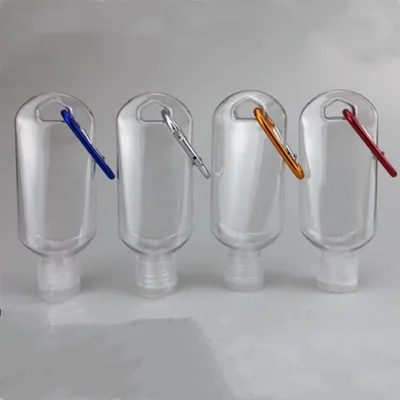
50ml Portable Hand Sanitizer Bottle 30ml Antiseptic Gel Pen Hand Sanitizer Spray Bottle
$0.0514 - $0.2069
MOQ: 1000 pieces
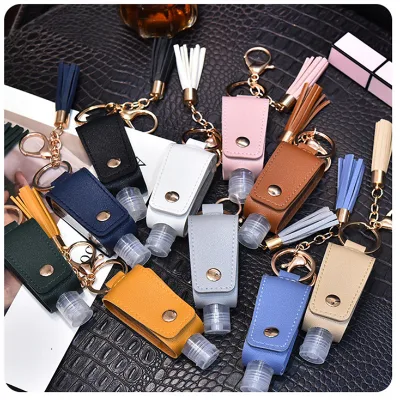
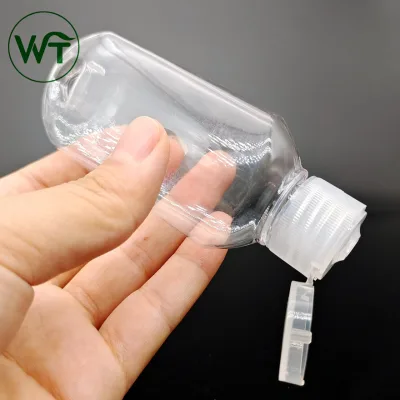
$0.12 - $0.21
MOQ: 1000 pieces
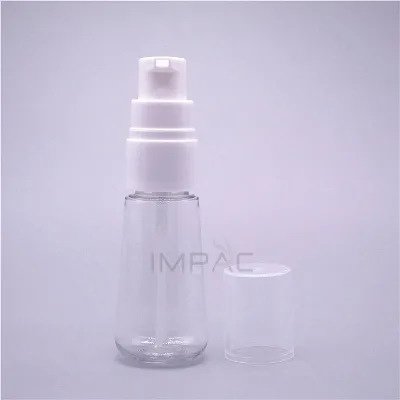
Impac International Trading Co., Ltd. (zhangjiagang)
- Verified by Intertek
- Trading Company
- Lead time30 days
- Avg. response≤ 4h
Main productsAcrylic Bottles And Jars, Plastic Bottles And Jars, Glass Bottles And Jars, Cosmetic Packaging, Spray Bottles
Main marketsNorth America(45%), Western Europe(25%), South America(8%)
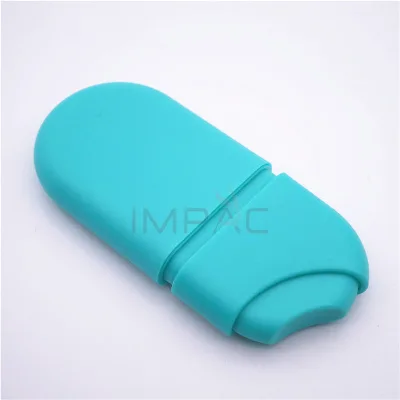
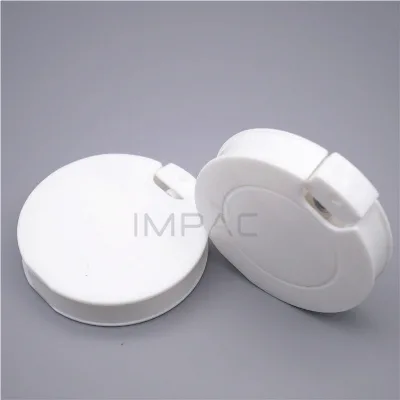
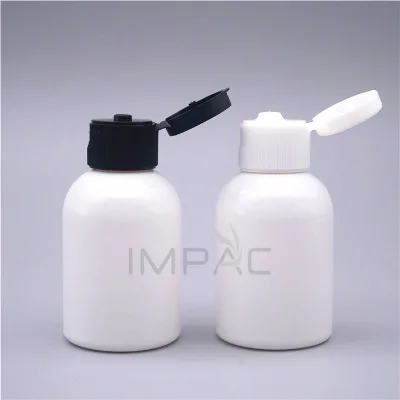
Plastic squeezable portable hand sanitizer gel bottle with flip cap
$0.105 - $1.5754
MOQ: 10000 Minimum
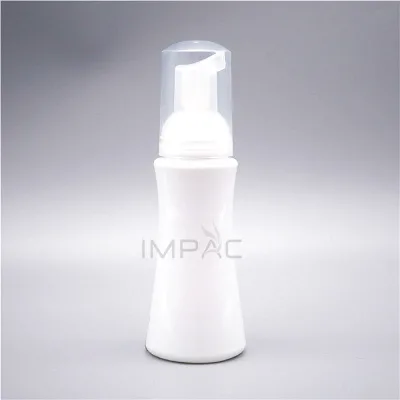
$0.1042 - $1.5635
MOQ: 10000 Minimum
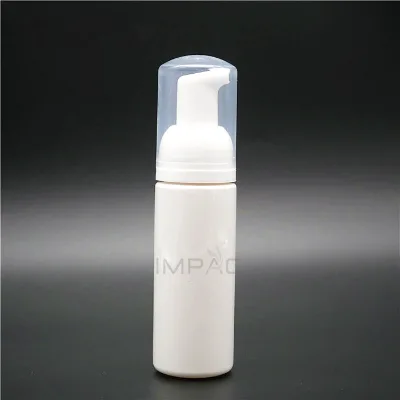
Round color customizable hand sanitizer plastic bottles foaming container
$0.10 - $1.50
MOQ: 10000 Minimum
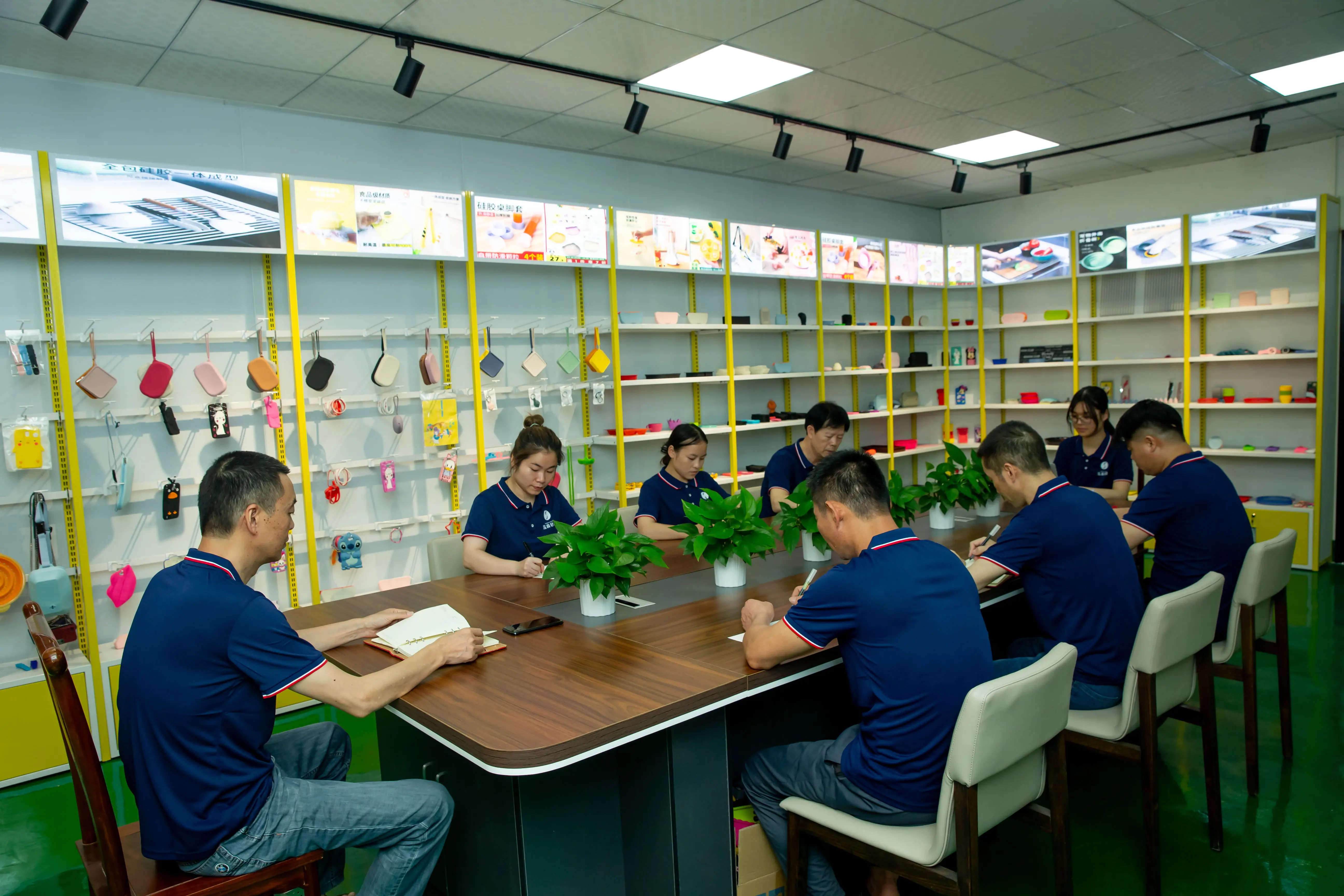
Dongguan Hongsen Silicone Products Co., Ltd.
- Manufacturer
- Guangdong, China
- Lead time15 days
- Avg. response≤ 5h
Main productsSilicone Cosmetic Bag, Silicone Utensil, Silicone Box, Silicone Ice Mold, Silicone Baking Molds
Main marketsDomestic Market(40.00%), North America(30.00%), Eastern Asia(10.00%), Western Europe(7.00%), Oceania(5.00%), Southeast Asia(4.00%), Southern Europe(2.00%), Northern Europe(2.00%)

Ningbo Beixuan International Trading Co., Ltd.
- Verified by TUVRHEINLAND
- Manufacturer/Factory
- China Zhejiang
- Lead time15 days
- Avg. response≤ 10h
Main productsPlastic Bottle, Plastic Cup, Plastic Honey Jar, Plastic Food Container, Glass Juice/ Beverage Bottle, Glass Jar, Glass Wine Bottle, Glass Essential Oil Bottles, Cosmetic & Perfume Glass Bottles, Paper Cup
Main marketsSouth America,Eastern Europe,Mid East,North America,Southeast Asia,Eastern Asia,Oceania,Western Europe,Africa

Empty Spray Plastic Portable Hand Sanitizer Bottle Alcohol Disinfectant Bottle
$0.14
MOQ: 1000000 Pieces

Small Size 60ml Empty Plastic Bottle Portable Hand Sanitizer Bottle Alcohol Disinfectant Bottle
$0.09 - $0.10
MOQ: 10000 Pieces

Fast Delivery 60ml Empty Plastic Bottle Portable Hand Sanitizer Bottle Alcohol Disinfectant Bottle
$0.07 - $0.11
MOQ: 10000 Pieces


guangzhou huaxin plastic product co.ltd
- Verified by CTI
- Combined
- China Guangdong
- Lead time30 days
- Avg. response≤ 4h
Main productsPlastic Tube, Cosmetic Tube, Soft Tube, Plastic Tube Packaging, PE Tube, Clear Plastic Tube, Hand Cream Tube, Eye Cream Tube, Pet Bottle, Cosmetic Jar
Main marketsSouth America,Africa,Southeast Asia/ Mideast,East Asia(Japan/ South Korea),Domestic,Europe,Australia,North America

Eco Friendly Plastic Packaging Hand Sanitizer Spray Bottle Sprayer Bottle
$0.28 - $0.30
MOQ: 10000 Pieces

20ml Plastic Refillable Alcohol Hand Sanitizer Spray Pocket Spray Bottle
$0.38 - $0.40
MOQ: 10000 Pieces

Refillable Empty Square Hand Sanitizer Bottle Shower Gel Shampoo Bottle
$0.43 - $0.45
MOQ: 10000 Pieces

Plastic Bottle Manufacturers Disinfection Packaging Hand Sanitizer Bottle Watering Sprayer Bottle
$1.00 - $2.50
MOQ: 10000 Pieces


Large Size Biodegradable Luxury Plastic Hand Sanitizer Body Lotion Bottle
$0.25 - $0.30
MOQ: 10000 Pieces

Shenzhen CHY Technology Co., Ltd.
- Trading Company
- Guangdong, China
- Lead time15 days
- Avg. response≤ 6h
Main productsBathroom Towel Hook,Bathroom Shelves,Paper Holder,Towel Bar,Toilet Brush
Main marketsWestern Europe(60.00%), North America(20.00%), Southern Europe(10.00%), Eastern Europe(5.00%), Northern Europe(5.00%)

Ningbo Langyi Plastic Industry Co., Ltd.
- Verified by TUVRHEINLAND
- Combined
- China Zhejiang
- Lead time23 days
- Avg. response≤ 3h
Main productsCosmetic Packaging, Trigger Sprayer, Mist Sprayer, Lotion Pump, Cream Pump, Cosmetic Bottle, Acrylic Bottle, Airless Bottle, Cream Jar, Packaging Bottles
Main marketsSouth America,Southeast Asia/ Mideast,Europe
Dongguan Frisylen Biotechnology Co., Ltd.
- Manufacturer
- Guangdong, China
- Lead time15 days
- Avg. response≤ 1h
Main productsHAND SANITIZER GEL,Hand Sanitizer Spray,Silicone Products,Plastic products,silicone houseware
Main marketsEastern Europe(30.00%), North America(30.00%), Southeast Asia(20.00%), South America(20.00%)
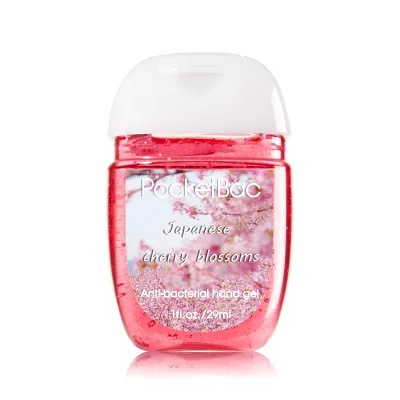
Portable hand sanitizer bottle with keychain empty foam hand sanitizer with custom logo
$0.2698 - $0.5082
MOQ: 3000 pieces
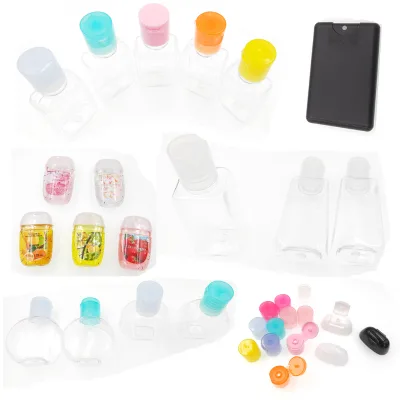
$0.03 - $0.05
MOQ: 5000 pieces

YUYAO YIHE COMMODITY CO., LTD.
- Verified by TUVRHEINLAND
- Manufacturer/Factory
- China Zhejiang
- Lead time23 days
- Avg. response≤ 5h
Main products20ml Pocket Perfume Bottle with Caps, Trigger Sprayer, Lotion Pump, Mist Sprayer, Pet Bottle, Disc Top Cap, Flip Top Cap, Foam Sprayer, Foam Sprayer Bottle, Perfume Sprayer
Main marketsSouth America,Eastern Europe,Mid East,North America,Southeast Asia,Eastern Asia,Oceania,Western Europe
Dongguan Bonhere Plastic Products Co., Ltd.
- Manufacturer, Trading Company
- Guangdong, China
- Lead time7 days
- Avg. response≤ 3h
Main productsHand sanitizer,Hand sanitizer spray mist,Hand sanitizer holders,Sunscreen,Lip balm
Main marketsSouth America(16.00%), Domestic Market(12.00%), Southeast Asia(10.00%), Eastern Asia(9.00%), South Asia(8.00%), Central America(8.00%), Western Europe(7.00%), Africa(6.00%), Northern Europe(6.00%), North America(5.00%), Oceania(4.00%), Eastern Europe(4.00%), Southern Europe(3.00%), Mid East(2.00%)

OLILA (GUANGZHOU) COSMETIC PACKAGE CO., LTD.
- Trading Company,Manufacturer/Factory
- China Guangdong
- Lead time45 days
- Avg. response≤ 12h
Main productsCosmetic Packaging, Perfume Bottles, Perfume Cap, Spray Cap, Aerosol Can, Aerosol Valve, Cream Jars, Cosmetic Packages, Perfume Bottle Caps, Olila Cosmetic Containers
Main marketsSouth America,Eastern Europe,Mid East,North America,Southeast Asia,Eastern Asia,Oceania,Western Europe,Africa


$0.06 - $0.80
MOQ: 20000 Pieces

Ningbo Chengjia Commodity Co., Ltd.
- Trading Company
- Zhejiang, China
- Lead time0 days
- Avg. response≤ 2h
Main productscosmetics packing and products,beauty personal care,skin care products,airless jar and bottle,spray products
Main marketsNorth America(20.00%), Western Europe(10.00%), Eastern Europe(10.00%), Eastern Asia(10.00%), Northern Europe(5.00%), Central America(5.00%), Southeast Asia(5.00%), Domestic Market(5.00%), Southern Europe(5.00%), Oceania(5.00%), South America(3.00%), Mid East(3.00%)
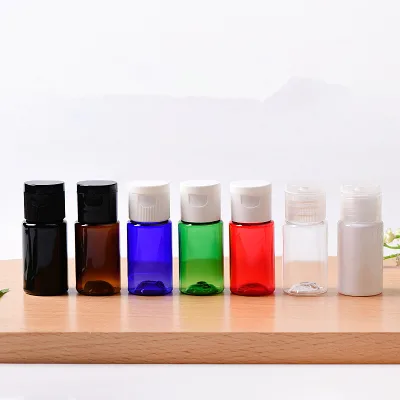
$0.10 - $0.30
MOQ: 100 Minimum
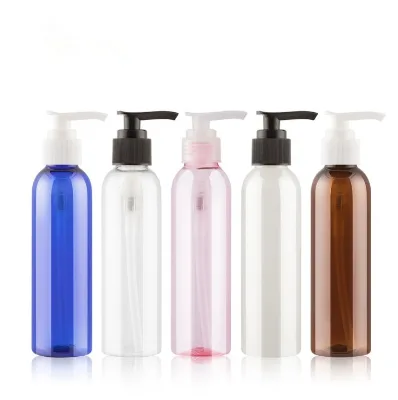
Xiamen Anitar Display Co., Ltd.
- Verified by TüVRheinland
- Trading Company
- Lead time3 days
- Avg. response≤ 4h
Main productsGlass Bottle Jar, Plastic Bottle Jar, Plastic Tube, Labels, Printed Box
Main marketsNorth America(40%), Oceania(20%), South America(10%)

Wuxi Wanrong Aluminum Plastic Packaging Products Co., Ltd
- Verified by TUVRHEINLAND
- Combined
- China Jiangsu
- Lead time30 days
- Avg. response≤ 7h
Main productsAluminum Cap, Aluminum Bottle Cap, Cosmetic Packaging, Dropper Cap, Pump Dispenser, Aluminum Accessories, Plastic Bottle, Aluminum Covered Bottle /Jar
Main marketsDomestic
- Verified by SGS Group
- Trading Company
- Lead time30 days
- Avg. response≤ 3h
Main productsGlass Beverage Liquor Sauce Milk Bottles, Glass Food and cosmetic Jars, Supplement Bottles Vitamin Bottles, Lids Accessories, Paper box and cartons
Main marketsNorth America(24%), Oceania(14%), Southeast Asia(10%)

- Verified by SGS
- Combined
- China Fujian
- Lead time15 days
- Avg. response≤ 1h
Main productsSilicone Keypad, Silicone Toy, Silicone Band, Silicone Pipe, Silicone Mouthguard, Silicone Handle
Main marketsAfrica


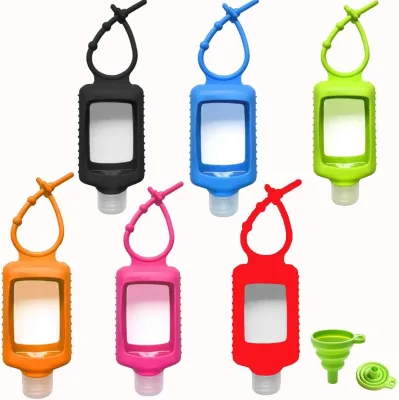
Eco-Friendly Hand Sanitizer Bottle with Silicone Sleeve and Keychain Accessory
$0.18 - $0.20
MOQ: 10000 Pieces


Customizable Recyclable Silicone Sleeve Hand Sanitizer Bottle with Keychain Accessory
$0.18 - $0.20
MOQ: 10000 Pieces

YUYAO YUHUI COMMODITY CO., LTD.
- Verified by BV
- Combined
- China Zhejiang
- Lead time30 days
- Avg. response≤ 5h
Main productsTrigger Sprayer, Lotion Pump, Cosmetic Jar, Plastic Bottle, Plastic Case, Plastic Cap, Fine Mist Sprayer, Foam Pump, Treatment Pump, Plastic Travel Bottle Set
Main marketsSouth America,Africa,Southeast Asia/ Mideast,East Asia(Japan/ South Korea),Europe,Australia,North America

650ml PE Plastic Portable Disinfectant Spray Bottle Sanitizer Container Bottle
$0.026 - $0.30
MOQ: 10000 Pieces


Shijiazhuang Fengka Trading Co., Ltd.
- Trading Company
- Hebei, China
- Lead time6 days
- Avg. response≤ 8h
Main productsglass bottle,essential oil bottle,plastic dropper bottle,glass jar,cosmetic bottle
Main marketsNorth America(24.00%), Southeast Asia(14.00%), South America(12.00%), Western Europe(11.00%), Central America(8.00%), Northern Europe(6.00%), Southern Europe(6.00%), Eastern Europe(6.00%), Eastern Asia(3.00%), Oceania(3.00%), South Asia(3.00%), Mid East(2.00%), Domestic Market(1.00%), Africa(1.00%)
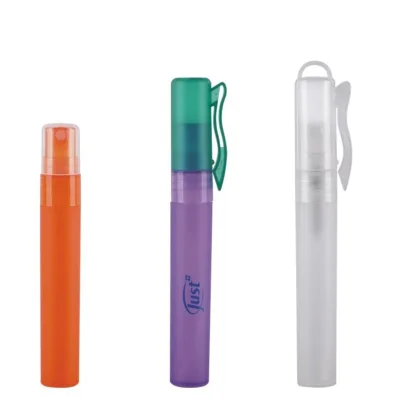
5ml 8ml 10ml pen sanitizer bottles, waterless pen shape bottles for hand sanitizer
$0.10 - $0.30
MOQ: 1000 Minimum
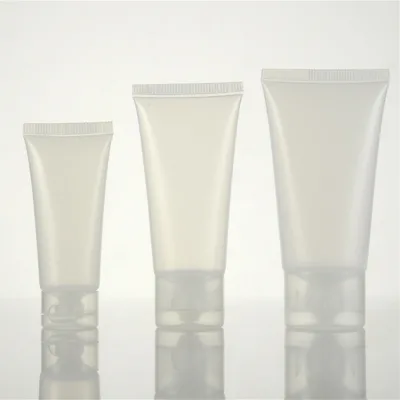
$0.1027 - $0.3088
MOQ: 10000 Minimum

Shangyu Shengruisi Packaging Co., Ltd.
- Verified by CTI
- Combined
- China Zhejiang
- Lead time60 days
- Avg. response≤ 10h
Main productsRoll on Bottle, Roller Bottle, Airless Bottle, Perfume Bottle, Essential Oil Bottle, Cosmetic Packaging, Plastic Bottle, Make up Series, Pet Bottle, Cosmetic Jar
Main marketsSouth America,Southeast Asia/ Mideast,East Asia(Japan/ South Korea),Europe,Australia,North America


Empty Replaceable Double-Layer Hand Sanitizer Black 50ml 75ml Ball Container
$0.60 - $1.00
MOQ: 20000 Pieces

Ningbo Somewang Packaging Co., Ltd.
- Verified by SGS
- Combined
- China Zhejiang
- Lead time23 days
- Avg. response≤ 4h
Main productsCosmetic Packaging, Cosmetic Bottle, Plastic Bottle, Cosmetic Tube, Cream Jar, Lotion Pump, Mist Sprayer, Trigger Sprayer, Plastic Cap, Glass Bottle
Main marketsSoutheast Asia/ Mideast,Europe,North America

Xiamen Yiyi E-commerce Co., Ltd.
- Manufacturer, Trading Company
- Fujian, China
- Lead time0 days
- Avg. response≤ 4h
Main productsCosmetic bottles,Wishing glass bottle,Eyelash brush,glass bottle,Dropper glass bottle
Main marketsCentral America(30.00%), Western Europe(20.00%)
Shenzhen Guyun Ceramics Co., Ltd.
- Manufacturer, Trading Company, Distributor/Wholesaler
- Guangdong, China
- Lead time30 days
- Avg. response≤ 2h
Main productsceramic vase,ceramic pot,ceramic tableware,ceramic mug,ceramic wine bottle
Main marketsNorth America(20.00%), Southeast Asia(10.00%), Mid East(10.00%), Western Europe(10.00%), Central America(10.00%), Northern Europe(10.00%), Southern Europe(10.00%), South America(5.00%), Eastern Europe(5.00%), Eastern Asia(5.00%), South Asia(5.00%)
Hebei Daozong Technology Co., Ltd.
- Trading Company
- Hebei, China
- Lead time0 days
- Avg. response≤ 1h
Main productsGlass Bottle,Plastic bottles,Acrylic bottle,Paper box,Paper bags
Main marketsNorth America(23.00%), Eastern Europe(21.00%), Western Europe(21.00%), South America(16.00%), Southeast Asia(10.00%), Eastern Asia(9.00%)








Comprehensive Sourcing Guide
Refillable Portable Hand Sanitiser Bottle Supplier Concentration and Factory Types
The current supplier landscape for refillable portable hand sanitiser bottles reveals a distinct concentration of manufacturing activity within specific industrial regions in China. Evidence indicates that a significant portion of these suppliers are located in Zhejiang, with specific production origins noted in Yuyao, a hub known for plastic packaging and molding capabilities. This geographic clustering suggests that buyers seeking these items will likely encounter suppliers who have established infrastructure for high-volume plastic injection molding and assembly. The presence of suppliers in Hebei, China, further diversifies the available manufacturing base, offering alternative sourcing options for those looking to spread supply chain risk or compare regional pricing structures. Understanding this geographic distribution is crucial for logistics planning, as proximity to ports in Zhejiang may offer different shipping efficiencies compared to facilities in Hebei.
Beyond location, the types of companies operating in this sector vary significantly, influencing the buyer’s negotiation strategy and product customization options. The observed supplier base includes both combined manufacturing entities and pure trading companies. Combined companies often possess integrated production lines, allowing for greater control over material quality and production schedules, which is vital for maintaining consistency in plastic bottle manufacturing. In contrast, trading companies may offer a broader array of main products, such as skincare packaging, airless bottles, and cosmetic jars, providing one-stop-shop convenience for buyers with diverse packaging needs. This distinction is critical because a trading company might source the actual bottles from third-party factories, potentially adding layers to the supply chain that affect lead times and communication clarity. Buyers must assess whether they prioritize direct factory access for cost efficiency or the flexibility of a trading partner for broader product assortments.
How to Verify Refillable Portable Hand Sanitiser Bottle Suppliers
Verification is a critical step in mitigating risk when sourcing refillable portable hand sanitiser bottles, as the market contains a mix of verified and unverified entities. Buyers should prioritize suppliers who have undergone third-party verification processes, as this provides an additional layer of confidence regarding the legitimacy and operational capacity of the business. In the current results, verification badges such as TÜV Rheinland and BV are present, indicating that these suppliers have met specific standards for business authenticity and potentially quality management systems. These certifications serve as a baseline assurance that the company exists and operates within legal frameworks, reducing the likelihood of fraud. However, buyers should not rely solely on these badges; they must also scrutinize the scope of the verification to ensure it covers the specific manufacturing processes relevant to plastic bottle production and hand sanitiser compatibility.
In addition to third-party verification, buyers should actively engage with suppliers to assess their responsiveness and transparency. Response time is a key indicator of a supplier’s operational efficiency and customer service quality. Data shows that response times can vary, with some suppliers averaging around six hours, which is generally acceptable for initial inquiries but may require faster turnaround for urgent orders. Buyers should test this responsiveness by sending detailed technical questions about material specifications, such as whether the plastic is BPA-free, or asking for detailed production timelines. A supplier’s willingness to provide clear, prompt, and accurate information during the inquiry phase is often a strong predictor of their reliability during the production and shipping phases. Furthermore, buyers should request evidence of past performance, such as references or case studies, to validate the claims made in their profiles and ensure they have experience handling orders for personal care and travel-sized packaging.
What to Compare Across Refillable Portable Hand Sanitiser Bottle Suppliers
When evaluating multiple suppliers for refillable portable hand sanitiser bottles, buyers must conduct a detailed comparison of key operational metrics to identify the best fit for their specific needs. One of the most significant differentiators is the Minimum Order Quantity (MOQ), which can vary widely across the supplier base. Some suppliers offer an MOQ of 5,000 pieces, which may be suitable for smaller businesses or trial orders, while others require a minimum of 10,000 pieces, catering to larger volume purchasers. This disparity directly impacts inventory management and cash flow, so buyers should align their order size with their sales projections and storage capabilities. Additionally, the price per unit is a critical factor, with observed ranges varying from approximately $0.085 to $0.17 depending on the product model, material, and customization level. Buyers should not just look at the lowest price but consider the total cost, including shipping and potential tooling fees for custom designs.
Lead time and customization capabilities are equally important dimensions for comparison. The lead time for production can range from as short as seven days to thirty days, depending on the supplier’s current workload and the complexity of the order. Suppliers with shorter lead times may be preferable for buyers needing quick replenishment or those responding to sudden market demands. Customization options, such as logo printing, color selection, and bottle shape, also vary. Some suppliers offer extensive customization, including silk printing and various closure types, while others may have more limited options. Buyers should clearly define their customization requirements early in the process and compare how each supplier accommodates these needs. It is also essential to check if the supplier offers free samples, as this allows for physical evaluation of the product quality before committing to a large order. Comparing these factors side-by-side will help buyers make an informed decision that balances cost, speed, and quality.
Common Refillable Portable Hand Sanitiser Bottle Sourcing Risks
Sourcing refillable portable hand sanitiser bottles involves several inherent risks that buyers must proactively manage to ensure a smooth procurement process. One significant risk is the variability in product quality, particularly regarding the material used for the bottles. Since these bottles are designed to hold liquids, including potentially corrosive sanitizers, the plastic must be chemically resistant and durable. Buyers face the risk of receiving bottles that may degrade, leak, or fail to seal properly if the supplier uses substandard materials. While some suppliers claim their products are BPA-free, buyers should verify this claim through independent testing or by requesting relevant certification documents. The lack of standardized industry certifications for all suppliers means that buyers cannot assume all products meet the same safety and quality benchmarks without further due diligence. This risk is compounded by the fact that some suppliers are trading companies, which may have less direct oversight over the manufacturing process and material sourcing.
Another common risk is the discrepancy between sample quality and bulk production quality. Suppliers often provide high-quality samples to secure orders, but the mass-produced items may differ in terms of finish, spray mechanism performance, or dimensional accuracy. This risk is particularly relevant for custom orders where specific branding or design elements are required. Buyers should be aware that customization, while offering brand differentiation, can introduce complexities in production that may lead to delays or defects if not managed correctly. Additionally, the risk of communication breakdowns is heightened when dealing with suppliers in different regions, especially if language barriers exist. Misunderstandings regarding specifications, packaging requirements, or shipping instructions can lead to costly errors. To mitigate these risks, buyers should establish clear communication channels, request detailed production schedules, and consider using escrow services or other payment protections to safeguard their financial interests until the goods are received and inspected.
Refillable Portable Hand Sanitiser Bottle Regional Sourcing and Logistics
The geographic location of suppliers plays a pivotal role in determining logistics costs and delivery timelines for refillable portable hand sanitiser bottles. Suppliers located in Zhejiang, China, benefit from proximity to major ports such as Ningbo-Shanghai, which can facilitate efficient export shipping. This regional advantage often translates to shorter transit times and potentially lower freight costs for buyers importing from North America or Europe. In contrast, suppliers in Hebei, China, may have different logistical considerations, potentially relying on Tianjin port or other northern shipping hubs. Buyers should evaluate the shipping routes and carrier options available to each supplier to determine the most cost-effective and reliable method for their destination. Understanding the regional logistics landscape allows buyers to negotiate better shipping terms and plan their inventory replenishment cycles more accurately.
Logistics planning also involves considering the packaging and handling requirements of the products. Refillable portable hand sanitiser bottles are often lightweight but bulky, which can impact volumetric weight calculations for shipping. Buyers should inquire about the packing details, such as whether the bottles are packed in corrugated brown cartons or polybags, and how they are palletized for container loading. Efficient packing can maximize container space, reducing the per-unit shipping cost. Additionally, buyers should be aware of any regional trade regulations or import duties that may apply to plastic packaging products in their destination country. These factors can significantly affect the landed cost of the goods. By integrating logistics considerations into the supplier selection process, buyers can optimize their supply chain for both cost and speed, ensuring that their products arrive in good condition and on time to meet market demand.
Refillable Portable Hand Sanitiser Bottle Commercial Terms and Order Planning
Commercial terms and order planning are essential components of a successful sourcing strategy for refillable portable hand sanitiser bottles. Buyers must carefully review the payment terms offered by suppliers, as these can vary significantly. Some suppliers may require a deposit upfront with the balance paid before shipment, while others might offer more flexible terms for established partners. Understanding these terms helps buyers manage their cash flow and financial risk. Additionally, buyers should clarify the Incoterms, such as FOB or EXW, to determine who is responsible for shipping and insurance costs. This clarity is crucial for accurate cost estimation and risk allocation. Buyers should also inquire about the supplier’s policy on sample costs and whether they are refundable upon placing a bulk order, as this can impact the initial investment required to evaluate potential suppliers.
Order planning should also account for the supplier’s production capacity and lead times to avoid stockouts or delays. Buyers should establish a clear timeline for order placement, production, and delivery, aligning it with their sales forecasts and marketing campaigns. It is advisable to place orders well in advance, especially for customized products, to allow for any necessary adjustments or quality checks. Buyers should also consider the supplier’s ability to handle rush orders, as this may incur additional costs. Furthermore, buyers should plan for post-order activities, such as quality inspection and customs clearance, to ensure a smooth transition from production to retail. By developing a comprehensive order plan that incorporates commercial terms, lead times, and logistical considerations, buyers can minimize disruptions and maximize the efficiency of their sourcing operations for refillable portable hand sanitiser bottles.
FAQs
What is the typical lead time for these bottles?
Lead times vary by supplier, with observed ranges from 7 to 30 days. Some manufacturers offer faster production within a week, while others require a full month. Buyers should confirm specific timelines based on order volume and customization needs before placing an order.
What is the minimum order quantity for plastic spray bottles?
Minimum order quantities typically start at 5,000 pieces for standard plastic bottles. Some specific models require a higher threshold of 10,000 pieces. Buyers must verify the exact MOQ for their selected product model and customization requirements to ensure compliance with supplier policies.
Are free samples available for these refillable bottles?
Many suppliers indicate that samples can be provided freely upon request. However, some listings specify that buyers must contact the seller directly to arrange this. It is advisable to confirm sample availability and shipping terms before finalizing any purchase agreement with a vendor.
What materials are used for these portable hand sanitizer bottles?
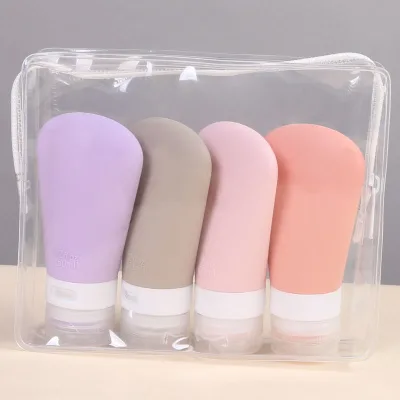
The primary material used for these bottles is plastic, designed for durability and portability. Some specific models feature silicone components for added flexibility. All listed products are suitable for travel and personal care applications, ensuring safe storage for liquids and sanitizers.
Do suppliers offer customization for these spray bottles?
Customization is widely available for these plastic spray bottles, including logo printing and specific color options. Buyers can request customized designs for travel or personal care use. OEM services are offered, allowing for tailored packaging and branding to meet specific business requirements effectively.
What is the price range for these refillable bottles?
Prices for these bottles generally range from 0.085 to 0.84 per unit depending on the model and capacity. Smaller plastic bottles often cost less, while specialized silicone options may be higher. Buyers should request quotes based on their specific quantity and customization needs for accurate pricing.
Where are these suppliers located?
Suppliers offering these products are primarily located in China, specifically in regions like Zhejiang and Hebei. Some products originate from Yuyao. Buyers should verify the exact location of their chosen supplier to understand shipping logistics and potential import duties associated with the order.